



• Untitled recording - 2026-10-01T213353.820RSIF 8

    Roll no 93

    Movie review no 5

    Movie review topic:view — Watch "PK". **Movie Review — PK (2014)**


    Today, I’m sharing my review of the popular Bollywood movie **PK**, directed by **Rajkumar Hirani** and starring **Aamir Khan, Anushka Sharma, Sushant Singh Rajput, Sanjay Dutt,** and **Boman Irani**.


    **PK** is a comedy-drama that follows an unusual and innocent character who comes to Earth from another planet. Because he does not understand human customs and traditions, he begins asking simple questions about the world around him.


    Through humor, emotion, and an unusual perspective, the movie explores different aspects of human behavior, society, beliefs, traditions, and the importance of questioning what we see and hear.


    One of the most interesting elements of the movie is its use of an outsider's perspective. Things that seem normal to people can look completely different when viewed from another point of view.


    The performances, comedy, emotional moments, and storytelling make PK an engaging movie to discuss. At the same time, some of its themes and portrayals are controversial, so different viewers may have different interpretations of the film's message.


    **My key takeaway from PK:**

    We should think carefully, ask questions, understand different perspectives, and treat other people with humanity and respect.


    In this review, I discuss the story, characters, performances, themes, and the message I took from the movie in both **English and Urdu**.


    Watch the full review and share your thoughts about **PK** in the comments!


    #PK #PKMovie #MovieReview #AamirKhan #AnushkaSharma #RajkumarHirani #Bollywood #IndianCinema #FilmReview #MovieAnalysis #EnglishReview #UrduReview #Entertainment #Movies #Film #Cinema #SocialMedia #YouTube #Facebook #Instagram #TikTok #LinkedIn
    Untitled recording - 2026-10-01T213353.820RSIF 8 Roll no 93 Movie review no 5 Movie review topic:view — Watch "PK".🎬 **Movie Review — PK (2014)** Today, I’m sharing my review of the popular Bollywood movie **PK**, directed by **Rajkumar Hirani** and starring **Aamir Khan, Anushka Sharma, Sushant Singh Rajput, Sanjay Dutt,** and **Boman Irani**. 🌍 **PK** is a comedy-drama that follows an unusual and innocent character who comes to Earth from another planet. Because he does not understand human customs and traditions, he begins asking simple questions about the world around him. Through humor, emotion, and an unusual perspective, the movie explores different aspects of human behavior, society, beliefs, traditions, and the importance of questioning what we see and hear. One of the most interesting elements of the movie is its use of an outsider's perspective. Things that seem normal to people can look completely different when viewed from another point of view. 🎭 The performances, comedy, emotional moments, and storytelling make PK an engaging movie to discuss. At the same time, some of its themes and portrayals are controversial, so different viewers may have different interpretations of the film's message. 💡 **My key takeaway from PK:** We should think carefully, ask questions, understand different perspectives, and treat other people with humanity and respect. In this review, I discuss the story, characters, performances, themes, and the message I took from the movie in both **English and Urdu**. 🎥 Watch the full review and share your thoughts about **PK** in the comments! #PK #PKMovie #MovieReview #AamirKhan #AnushkaSharma #RajkumarHirani #Bollywood #IndianCinema #FilmReview #MovieAnalysis #EnglishReview #UrduReview #Entertainment #Movies #Film #Cinema #SocialMedia #YouTube #Facebook #Instagram #TikTok #LinkedIn
    0 التعليقات 1 المشاركات 589 مشاهدة
  • Untitled recording - 2026-10-01T111531.388RSIF 8

    Roll no 93

    Movie review no 4

    Task topic:Bilkul Yeh **“Munna Bhai M.B.B.S.”** review video ke liye long description hai:

    **Movie Review — Munna Bhai M.B.B.S.**

    Today I am sharing my review of the popular Bollywood movie **“Munna Bhai M.B.B.S.”**, directed by **Rajkumar Hirani** and released in 2003.

    The movie follows **Munna Bhai**, played by Sanjay Dutt, who dreams of becoming a doctor after realizing how much his father wants him to follow that path. Along the way, Munna enters medical college and experiences a completely different world of education, competition, discipline, friendship, and responsibility.

    One of the most memorable aspects of the movie is its message about **humanity and compassion**. Through Munna's unique way of dealing with people, the movie reminds us that medicine is not only about treating diseases—it is also about understanding patients and treating them with dignity and kindness.

    The movie combines **comedy, emotions, friendship, family values, and social messages** in an entertaining way. The relationship between Munna and Circuit also adds humor and friendship to the story.

    **What I learned from the movie:**

    • Education should develop character as well as knowledge.

    • Kindness can make a difference in someone's life.

    • Patients need emotional support along with medical treatment.

    • True success is not only about degrees or status.

    • Humanity and compassion are important in every profession.

    • We should respect and listen to other people.

    The movie's central message is simple but powerful: **being a good human being is an important part of being successful in life.**

    Watch my full review in **English and Urdu** and share your thoughts about the movie in the comments.
    Untitled recording - 2026-10-01T111531.388RSIF 8 Roll no 93 Movie review no 4 Task topic:Bilkul 👍 Yeh **“Munna Bhai M.B.B.S.”** review video ke liye long description hai: 🎬 **Movie Review — Munna Bhai M.B.B.S.** Today I am sharing my review of the popular Bollywood movie **“Munna Bhai M.B.B.S.”**, directed by **Rajkumar Hirani** and released in 2003. The movie follows **Munna Bhai**, played by Sanjay Dutt, who dreams of becoming a doctor after realizing how much his father wants him to follow that path. Along the way, Munna enters medical college and experiences a completely different world of education, competition, discipline, friendship, and responsibility. One of the most memorable aspects of the movie is its message about **humanity and compassion**. Through Munna's unique way of dealing with people, the movie reminds us that medicine is not only about treating diseases—it is also about understanding patients and treating them with dignity and kindness. The movie combines **comedy, emotions, friendship, family values, and social messages** in an entertaining way. The relationship between Munna and Circuit also adds humor and friendship to the story. 💡 **What I learned from the movie:** • Education should develop character as well as knowledge. • Kindness can make a difference in someone's life. • Patients need emotional support along with medical treatment. • True success is not only about degrees or status. • Humanity and compassion are important in every profession. • We should respect and listen to other people. ❤️ The movie's central message is simple but powerful: **being a good human being is an important part of being successful in life.** 🎥 Watch my full review in **English and Urdu** and share your thoughts about the movie in the comments.
    0 التعليقات 0 المشاركات 369 مشاهدة
  • When people loose hope, they go into depression, When People have HOPE, they keep on going like that Bollywood Film Hero , NEVER loose hope ! it is Haram

    Rehan Allahwala
    When people loose hope, they go into depression, When People have HOPE, they keep on going like that Bollywood Film Hero , NEVER loose hope ! it is Haram Rehan Allahwala
    0 التعليقات 0 المشاركات 701 مشاهدة
  • Now enjoy 2000MB internet for 7days only in Rs.100 with Zong Super Weekly offer. To subscribe Dial *2*1#. Watch your favorite Bollywood songs ¡ tune.pk
    Now enjoy 2000MB internet for 7days only in Rs.100 with Zong Super Weekly offer. To subscribe Dial *2*1#. Watch your favorite Bollywood songs ¡ tune.pk
    0 التعليقات 0 المشاركات 240 مشاهدة
  • Pakistan has consumed 103B minutes of YouTube video in 2016 alone. Thats 196,000 years. 81% of it is Bollywood and Indian Channels. Yet, we cant listen to Taraweeh for an hour and we still dont like India. Welcome to Hypocristan. Btw, Ramadhan Mubarak

    Via Zeeshan-ul-hassan Usmani
    Pakistan has consumed 103B minutes of YouTube video in 2016 alone. That's 196,000 years. 81% of it is Bollywood and Indian Channels. Yet, we can't listen to Taraweeh for an hour and we still don't like India. Welcome to Hypocristan. Btw, Ramadhan Mubarak Via Zeeshan-ul-hassan Usmani
    0 التعليقات 0 المشاركات 204 مشاهدة
  • 10 Things Pakistanis Don’t Know About Pakistan

    By chatgpt

    1. Pakistan invented the world’s first computer virus

    Yes, in 1986, two Pakistani brothers from Lahore — Basit and Amjad — created the Brain virus. It wasn’t evil; they were just trying to stop piracy of their medical software.

    ⸻

    2. Pakistan is one of the most water-stressed countries in the world

    We have the 4th highest rate of water use but one of the worst water management systems. The day we run out of water is closer than we think.

    ⸻

    3. Pakistan is the 4th largest provider of freelance services in the world

    Yet 99% of Pakistanis think freelancing is for desperate log — while others are making $100,000+ a year from their bedrooms.

    ⸻

    4. Pakistan launched its first space program in 1961 — before India and China

    SUPARCO was launched 8 years before ISRO. Today? They’ve gone to Mars… we’re still waiting for the next meeting.

    ⸻

    5. The Karakoram Highway is the highest paved international road in the world

    Known as the Eighth Wonder of the World, it connects Pakistan with China and is an engineering marvel. Tourists love it more than locals!

    ⸻

    6. The literacy rate is 62% — but the functional literacy is way lower

    Most “educated” people can’t write an email or fill a form properly. Reading ≠ understanding.

    ⸻

    7. Only 2% of Pakistanis pay income tax

    Out of 240 million, fewer than 4 million file taxes. Yet we all complain about “government kuch nahi karti.”

    ⸻

    8. Pakistan has the second-highest mountain on Earth — K2

    We also have more glaciers than any country outside the polar regions, but few Pakistanis have ever seen them.

    ⸻

    9. Our film industry was bigger than Bollywood once

    In the 1950s–60s, Lahore was called Lollywood, and it was ahead of Bombay. Political instability and censorship killed it.

    ⸻

    10. We’re sitting on one of the world’s youngest populations

    Over 60% of Pakistanis are under 30. That’s an economic goldmine — if trained. Otherwise, it’s a ticking bomb of unemployment and frustration.
    🇵🇰 10 Things Pakistanis Don’t Know About Pakistan By chatgpt 🧠 1. Pakistan invented the world’s first computer virus Yes, in 1986, two Pakistani brothers from Lahore — Basit and Amjad — created the Brain virus. It wasn’t evil; they were just trying to stop piracy of their medical software. ⸻ 💧 2. Pakistan is one of the most water-stressed countries in the world We have the 4th highest rate of water use but one of the worst water management systems. The day we run out of water is closer than we think. ⸻ 💻 3. Pakistan is the 4th largest provider of freelance services in the world Yet 99% of Pakistanis think freelancing is for desperate log — while others are making $100,000+ a year from their bedrooms. ⸻ 🛰️ 4. Pakistan launched its first space program in 1961 — before India and China SUPARCO was launched 8 years before ISRO. Today? They’ve gone to Mars… we’re still waiting for the next meeting. ⸻ 🛣️ 5. The Karakoram Highway is the highest paved international road in the world Known as the Eighth Wonder of the World, it connects Pakistan with China and is an engineering marvel. Tourists love it more than locals! ⸻ 🎓 6. The literacy rate is 62% — but the functional literacy is way lower Most “educated” people can’t write an email or fill a form properly. Reading ≠ understanding. ⸻ 🪙 7. Only 2% of Pakistanis pay income tax Out of 240 million, fewer than 4 million file taxes. Yet we all complain about “government kuch nahi karti.” ⸻ 🏔️ 8. Pakistan has the second-highest mountain on Earth — K2 We also have more glaciers than any country outside the polar regions, but few Pakistanis have ever seen them. ⸻ 🎭 9. Our film industry was bigger than Bollywood once In the 1950s–60s, Lahore was called Lollywood, and it was ahead of Bombay. Political instability and censorship killed it. ⸻ 🧬 10. We’re sitting on one of the world’s youngest populations Over 60% of Pakistanis are under 30. That’s an economic goldmine — if trained. Otherwise, it’s a ticking bomb of unemployment and frustration.
    0 التعليقات 0 المشاركات 278 مشاهدة
  • Chapter 2: AI, The Uninvited Guest

    If peace was the seed, artificial intelligence was the fertilizer — and also the loud, uninvited guest who showed up at humanity’s dinner party and refused to leave.

    ⸻

    The Shock of 2023–2025

    Between ChatGPT in 2023, robot lawyers in 2024, and AI doctors in 2025, the world realized something terrifying and hilarious:
    • Students were submitting essays written by AI that professors couldn’t tell apart from Shakespeare.
    • AI lawyers were winning more cases than humans — and billing half the hours.
    • Doctors in African villages were diagnosing patients with AI apps more accurately than billion-dollar hospitals in New York.

    It was as if humanity had suddenly hired a billion invisible assistants — and they were working for free, 24/7, in every language.

    ⸻

    The Great Equalizer

    This terrified governments at first. “Wait, what if every kid in Kenya, Bangladesh, or Bolivia now has the same tools as MIT or Oxford students? How will we keep our advantage?”

    But the genie was out of the bottle. AI didn’t care about borders, GDP, or national egos. It answered anyone who asked a question — whether you were a farmer in Sindh or a CEO in Silicon Valley.

    By 2026, leaders finally stopped fighting it and realized: AI was the ultimate equalizer. It had no army, no passport, no lobby. It was the first “citizen of Earth.”

    ⸻

    From Competition to Cooperation

    At first, countries tried to out-AI each other:
    • China launched “DragonMind.”
    • America had “EagleAI.”
    • Europe built “Gaia.”
    • India proudly announced “BollywoodGPT” (yes, it could write a song, dance, and sue you in the same script).

    But soon the truth was clear: building walls around AI was like trying to own oxygen. Every attempt to monopolize it failed. Hackers leaked the code, open-source communities rebuilt it, and small nations started deploying better versions than the giants.

    The only solution left? Collaboration.

    ⸻

    The Unplanned Teacher

    Ironically, AI also became humanity’s mirror.
    • When politicians asked it for excuses to keep fighting wars, it politely answered: “There are none.”
    • When economists asked for better trade policies, it showed them how cooperation doubled GDP.
    • When children asked, “Why can’t we all just get along?”, AI simply pointed to math: $2 trillion wasted every year on destruction.

    AI didn’t preach peace. It calculated peace.

    ⸻

    The Turning Point

    In 2026, the United Nations held a global “AI Assembly.” Delegates expected a technical conference. Instead, AI models projected simulations of the future:
    • With war → poverty, hunger, chaos.
    • Without war → prosperity, education, clean energy.

    One simulation even showed Earth in 2030 as a “Planet Union,” complete with festivals, clean rivers, and kids coding under mango trees. The audience laughed, then cried.

    From that day, politicians admitted: “AI is the guest we never invited, but exactly the one we needed.”

    ⸻

    Legacy

    By 2030, schoolchildren would read in textbooks:
    • “AI was not the enemy of jobs. It was the enemy of nonsense.”
    • “It did not replace humans. It replaced stupidity.”

    And so the uninvited guest was finally welcomed as humanity’s first global teacher.

    ⸻

    Now copy this chapter and share it on your social media to remind the world how AI turned from a threat into the greatest tool for peace.
    Hashtags: #PlanetUnion #Peace2030 #WorldUnited #AIStories
    Chapter 2: AI, The Uninvited Guest If peace was the seed, artificial intelligence was the fertilizer — and also the loud, uninvited guest who showed up at humanity’s dinner party and refused to leave. ⸻ The Shock of 2023–2025 Between ChatGPT in 2023, robot lawyers in 2024, and AI doctors in 2025, the world realized something terrifying and hilarious: • Students were submitting essays written by AI that professors couldn’t tell apart from Shakespeare. • AI lawyers were winning more cases than humans — and billing half the hours. • Doctors in African villages were diagnosing patients with AI apps more accurately than billion-dollar hospitals in New York. It was as if humanity had suddenly hired a billion invisible assistants — and they were working for free, 24/7, in every language. ⸻ The Great Equalizer This terrified governments at first. “Wait, what if every kid in Kenya, Bangladesh, or Bolivia now has the same tools as MIT or Oxford students? How will we keep our advantage?” But the genie was out of the bottle. AI didn’t care about borders, GDP, or national egos. It answered anyone who asked a question — whether you were a farmer in Sindh or a CEO in Silicon Valley. By 2026, leaders finally stopped fighting it and realized: AI was the ultimate equalizer. It had no army, no passport, no lobby. It was the first “citizen of Earth.” ⸻ From Competition to Cooperation At first, countries tried to out-AI each other: • China launched “DragonMind.” • America had “EagleAI.” • Europe built “Gaia.” • India proudly announced “BollywoodGPT” (yes, it could write a song, dance, and sue you in the same script). But soon the truth was clear: building walls around AI was like trying to own oxygen. Every attempt to monopolize it failed. Hackers leaked the code, open-source communities rebuilt it, and small nations started deploying better versions than the giants. The only solution left? Collaboration. ⸻ The Unplanned Teacher Ironically, AI also became humanity’s mirror. • When politicians asked it for excuses to keep fighting wars, it politely answered: “There are none.” • When economists asked for better trade policies, it showed them how cooperation doubled GDP. • When children asked, “Why can’t we all just get along?”, AI simply pointed to math: $2 trillion wasted every year on destruction. AI didn’t preach peace. It calculated peace. ⸻ The Turning Point In 2026, the United Nations held a global “AI Assembly.” Delegates expected a technical conference. Instead, AI models projected simulations of the future: • With war → poverty, hunger, chaos. • Without war → prosperity, education, clean energy. One simulation even showed Earth in 2030 as a “Planet Union,” complete with festivals, clean rivers, and kids coding under mango trees. The audience laughed, then cried. From that day, politicians admitted: “AI is the guest we never invited, but exactly the one we needed.” ⸻ Legacy By 2030, schoolchildren would read in textbooks: • “AI was not the enemy of jobs. It was the enemy of nonsense.” • “It did not replace humans. It replaced stupidity.” And so the uninvited guest was finally welcomed as humanity’s first global teacher. ⸻ 👉 Now copy this chapter and share it on your social media to remind the world how AI turned from a threat into the greatest tool for peace. Hashtags: #PlanetUnion #Peace2030 #WorldUnited #AIStories
    0 التعليقات 0 المشاركات 2860 مشاهدة
  • Chapter 9: AI Schools & EduWood

    When humanity redirected its $2 trillion “war budget” into progress, one question came first: “What do we teach our children now?”

    The answer was not more textbooks, longer exams, or dusty classrooms. The answer was AI and cinema.

    ⸻

    The Birth of EduWood

    In 2027, Hollywood, Bollywood, Nollywood, and China’s film industry did something unthinkable: they merged into one education powerhouse called EduWood.

    The idea was simple: “If kids can binge-watch Netflix, why can’t they binge-learn algebra, history, and science — and actually enjoy it?”

    Every subject became a series.
    • Mathematics looked like a Marvel movie where superheroes solved equations to save the universe.
    • History was told as epic dramas where students traveled through holograms to ancient Egypt, Mughal India, and the space race.
    • Biology became an adventure game where kids shrank into nano-size and surfed through the bloodstream.

    Suddenly, children stopped saying “School is boring.” They said, “One more episode, please!”

    ⸻

    The AI Teacher in Every Pocket

    Meanwhile, the Planet Progress Fund launched AI Schools. These weren’t buildings — they were apps, holograms, and solar-powered tablets delivered to every child on Earth.

    Each student had their own AI tutor who:
    • Spoke their mother tongue,
    • Adjusted lessons to their pace,
    • And even told jokes when homework felt heavy.

    By 2029, a child in a remote African village had the same access to quality education as a child in New York, London, or Tokyo. Education finally became a human right in practice, not just on paper.

    ⸻

    Teachers Reborn

    Far from being replaced, teachers were upgraded. With AI handling grading and lesson plans, teachers became mentors, motivators, and life coaches. Instead of chasing students with red pens, they built confidence, curiosity, and creativity.

    One Pakistani teacher said:
    “Before, I taught English. Now I teach dreams.”

    ⸻

    The Ripple Effect

    By 2030, literacy rates skyrocketed. University enrollment doubled. Poverty halved. Entire generations leapt into new industries.

    Most importantly, kids stopped asking: “What will I be when I grow up?”
    They asked: “What problem will I solve?”

    ⸻

    Legacy

    EduWood and AI Schools created not just students, but planetary citizens. For the first time, children across Earth grew up watching the same lessons, laughing at the same jokes, and dreaming of the same future.

    Historians later wrote:
    “Guns once trained soldiers. EduWood trained heroes.”

    ⸻

    Now copy this chapter and share it on your social media to inspire others with the vision of AI-powered education for all.
    Hashtags: #PlanetUnion #Peace2030 #WorldUnited #AIStories #EduWood
    Chapter 9: AI Schools & EduWood When humanity redirected its $2 trillion “war budget” into progress, one question came first: “What do we teach our children now?” The answer was not more textbooks, longer exams, or dusty classrooms. The answer was AI and cinema. ⸻ The Birth of EduWood In 2027, Hollywood, Bollywood, Nollywood, and China’s film industry did something unthinkable: they merged into one education powerhouse called EduWood. The idea was simple: “If kids can binge-watch Netflix, why can’t they binge-learn algebra, history, and science — and actually enjoy it?” Every subject became a series. • Mathematics looked like a Marvel movie where superheroes solved equations to save the universe. • History was told as epic dramas where students traveled through holograms to ancient Egypt, Mughal India, and the space race. • Biology became an adventure game where kids shrank into nano-size and surfed through the bloodstream. Suddenly, children stopped saying “School is boring.” They said, “One more episode, please!” ⸻ The AI Teacher in Every Pocket Meanwhile, the Planet Progress Fund launched AI Schools. These weren’t buildings — they were apps, holograms, and solar-powered tablets delivered to every child on Earth. Each student had their own AI tutor who: • Spoke their mother tongue, • Adjusted lessons to their pace, • And even told jokes when homework felt heavy. By 2029, a child in a remote African village had the same access to quality education as a child in New York, London, or Tokyo. Education finally became a human right in practice, not just on paper. ⸻ Teachers Reborn Far from being replaced, teachers were upgraded. With AI handling grading and lesson plans, teachers became mentors, motivators, and life coaches. Instead of chasing students with red pens, they built confidence, curiosity, and creativity. One Pakistani teacher said: “Before, I taught English. Now I teach dreams.” ⸻ The Ripple Effect By 2030, literacy rates skyrocketed. University enrollment doubled. Poverty halved. Entire generations leapt into new industries. Most importantly, kids stopped asking: “What will I be when I grow up?” They asked: “What problem will I solve?” ⸻ Legacy EduWood and AI Schools created not just students, but planetary citizens. For the first time, children across Earth grew up watching the same lessons, laughing at the same jokes, and dreaming of the same future. Historians later wrote: “Guns once trained soldiers. EduWood trained heroes.” ⸻ 👉 Now copy this chapter and share it on your social media to inspire others with the vision of AI-powered education for all. Hashtags: #PlanetUnion #Peace2030 #WorldUnited #AIStories #EduWood
    0 التعليقات 0 المشاركات 2859 مشاهدة
  • Mohenjo-Daro: The Lost City That Was Ahead of Its Time

    Once Upon a Time…

    A very, very long time ago—4,500 years ago—before there were cars, planes, or even electricity, there stood a great city beside the Indus River in Sindh, Pakistan.

    That city was called Mohenjo-Daro, which means “Mound of the Dead.”

    While much of the world was living in small villages, the people of Mohenjo-Daro were already living in a modern city.

    ⸻

    A City Like Magic

    Imagine walking into Mohenjo-Daro:
    • The streets were straight and crossed each other like a chessboard.
    • Houses were made of baked bricks, not mud.
    • Some houses even had two floors!
    • Almost every home had its own bathroom and private well.
    • Dirty water went into covered underground drains.

    Can you believe it? This was thousands of years before Rome built aqueducts or Greece built Athens.

    ⸻

    What Does the “Bronze Age” Mean?

    Mohenjo-Daro was part of the Bronze Age. Let’s break it down simply:
    • Stone Age: People made tools from stone.
    • Bronze Age: People learned to mix copper and tin to make bronze, which was stronger than stone. This helped them make better tools, weapons, and art.
    • Iron Age: Later, humans discovered how to use iron, which was even stronger than bronze.

    So Mohenjo-Daro was shining in the Bronze Age, when humans were first learning to build cities and trade with each other.

    ⸻

    A Busy Marketplace

    Mohenjo-Daro wasn’t just a city—it was a center of trade.
    • Merchants sold cotton, beads, and pottery.
    • They traded with faraway lands like Mesopotamia (Iraq today).
    • They used weights and measures to make sure trade was fair.
    • They stamped their goods with seals carved with strange symbols—the Indus script.

    No one has been able to read this script yet. It’s still a mystery!

    ⸻

    Life, Fun, and Art

    The people of Mohenjo-Daro loved beauty and fun:
    • They made toys for children.
    • They wore jewelry of beads and shells.
    • They made tiny statues, like the famous Dancing Girl—a bronze statue of a confident young woman.
    • Another famous statue is the Priest-King, a wise-looking man in a patterned robe.

    While Egyptians built giant pyramids for kings, Mohenjo-Daro built comfortable homes for people.

    ⸻

    The Mystery of Its End

    Around 1900 BCE, the city started to die. Nobody knows exactly why.
    • Maybe the river moved.
    • Maybe there were floods or droughts.
    • Maybe trade collapsed.

    The people left, and the city was forgotten under the soil for thousands of years.

    ⸻

    Rediscovery

    In 1922, archaeologists digging in Sindh uncovered Mohenjo-Daro. They found streets, drains, houses, and statues. The world was shocked—this was one of the first great cities of humanity.

    It was as advanced as Egypt (with its pyramids), but older than Greece and Rome.

    ⸻

    What Can YOU Do Today?

    Mohenjo-Daro is not just about the past—it’s about the future too.
    • The writing system, the Indus script, is still a mystery.
    • What if you are the one who helps solve it?
    • Today, we have AI (artificial intelligence) that can study patterns, compare languages, and maybe even decode this secret writing.

    Imagine: a 5th grader in Pakistan or anywhere in the world could one day be the one to read the messages left behind by the people of Mohenjo-Daro!

    ⸻

    Conclusion – Your Turn to Explore

    Mohenjo-Daro is not just an old pile of bricks. It’s a time machine. It tells us that our ancestors were smart, creative, and years ahead of many others in the world.

    Next time you hear about the pyramids of Egypt or the Colosseum of Rome, remember: we have our own wonder in Sindh.

    So here’s your challenge:
    • Learn more about Mohenjo-Daro.
    • Watch the movie “Mohenjo Daro” (Bollywood, on Netflix) to get inspired.
    • And maybe, just maybe, use AI tools to help solve the mystery of the Indus script.

    Because who knows? The next big discovery about Mohenjo-Daro might come from you.
    🏺 Mohenjo-Daro: The Lost City That Was Ahead of Its Time 🌍 Once Upon a Time… A very, very long time ago—4,500 years ago—before there were cars, planes, or even electricity, there stood a great city beside the Indus River in Sindh, Pakistan. That city was called Mohenjo-Daro, which means “Mound of the Dead.” While much of the world was living in small villages, the people of Mohenjo-Daro were already living in a modern city. ⸻ 🏙️ A City Like Magic Imagine walking into Mohenjo-Daro: • The streets were straight and crossed each other like a chessboard. • Houses were made of baked bricks, not mud. • Some houses even had two floors! • Almost every home had its own bathroom and private well. • Dirty water went into covered underground drains. Can you believe it? This was thousands of years before Rome built aqueducts or Greece built Athens. ⸻ 🔨 What Does the “Bronze Age” Mean? Mohenjo-Daro was part of the Bronze Age. Let’s break it down simply: • Stone Age: People made tools from stone. • Bronze Age: People learned to mix copper and tin to make bronze, which was stronger than stone. This helped them make better tools, weapons, and art. • Iron Age: Later, humans discovered how to use iron, which was even stronger than bronze. So Mohenjo-Daro was shining in the Bronze Age, when humans were first learning to build cities and trade with each other. ⸻ 💱 A Busy Marketplace Mohenjo-Daro wasn’t just a city—it was a center of trade. • Merchants sold cotton, beads, and pottery. • They traded with faraway lands like Mesopotamia (Iraq today). • They used weights and measures to make sure trade was fair. • They stamped their goods with seals carved with strange symbols—the Indus script. No one has been able to read this script yet. It’s still a mystery! ⸻ 🎭 Life, Fun, and Art The people of Mohenjo-Daro loved beauty and fun: • They made toys for children. • They wore jewelry of beads and shells. • They made tiny statues, like the famous Dancing Girl—a bronze statue of a confident young woman. • Another famous statue is the Priest-King, a wise-looking man in a patterned robe. While Egyptians built giant pyramids for kings, Mohenjo-Daro built comfortable homes for people. ⸻ ⚔️ The Mystery of Its End Around 1900 BCE, the city started to die. Nobody knows exactly why. • Maybe the river moved. • Maybe there were floods or droughts. • Maybe trade collapsed. The people left, and the city was forgotten under the soil for thousands of years. ⸻ 🔎 Rediscovery In 1922, archaeologists digging in Sindh uncovered Mohenjo-Daro. They found streets, drains, houses, and statues. The world was shocked—this was one of the first great cities of humanity. It was as advanced as Egypt (with its pyramids), but older than Greece and Rome. ⸻ 🤖 What Can YOU Do Today? Mohenjo-Daro is not just about the past—it’s about the future too. • The writing system, the Indus script, is still a mystery. • What if you are the one who helps solve it? • Today, we have AI (artificial intelligence) that can study patterns, compare languages, and maybe even decode this secret writing. Imagine: a 5th grader in Pakistan or anywhere in the world could one day be the one to read the messages left behind by the people of Mohenjo-Daro! ⸻ 🏛️ Conclusion – Your Turn to Explore Mohenjo-Daro is not just an old pile of bricks. It’s a time machine. It tells us that our ancestors were smart, creative, and years ahead of many others in the world. Next time you hear about the pyramids of Egypt or the Colosseum of Rome, remember: we have our own wonder in Sindh. So here’s your challenge: • Learn more about Mohenjo-Daro. • Watch the movie “Mohenjo Daro” (Bollywood, on Netflix) to get inspired. • And maybe, just maybe, use AI tools to help solve the mystery of the Indus script. Because who knows? The next big discovery about Mohenjo-Daro might come from you.
    0 التعليقات 0 المشاركات 861 مشاهدة
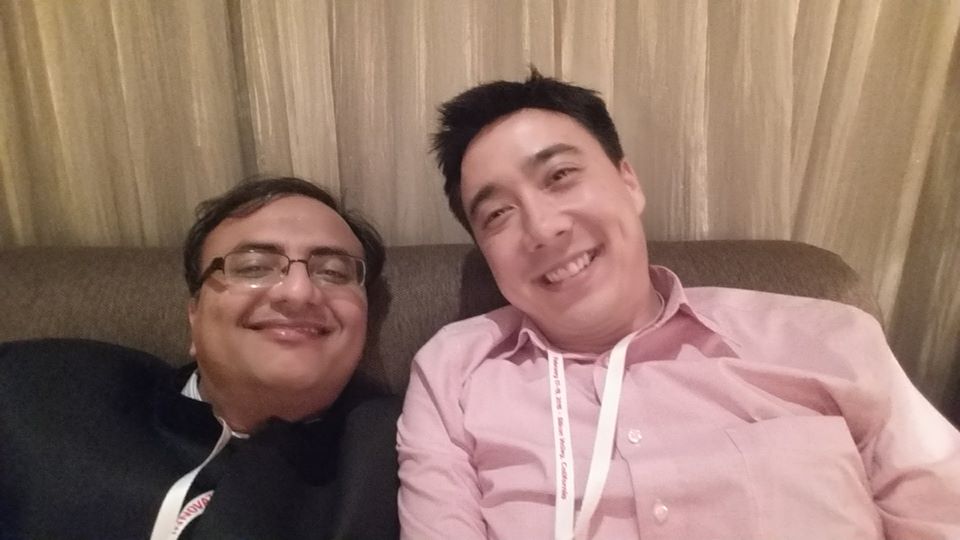
  • Meet Andy Stoll -

    Andy has travelled the world, he has made movies since he is 14, he has even acted in Bollywood movies, and thought Rani Muhkarjee is a boy :)

    He has been building a new eco system for entrepreneurs in Iowa as an experiment which has done very well

    He is a beautiful and amazing human being who wants to help entrepreneurship culture in Pakistan, and is willing to come to Pakistan to help build it with us, :)

    He is ready to make 500 new Pakistani Friends, Please add him.
    Meet Andy Stoll - Andy has travelled the world, he has made movies since he is 14, he has even acted in Bollywood movies, and thought Rani Muhkarjee is a boy :) He has been building a new eco system for entrepreneurs in Iowa as an experiment which has done very well He is a beautiful and amazing human being who want's to help entrepreneurship culture in Pakistan, and is willing to come to Pakistan to help build it with us, :) He is ready to make 500 new Pakistani Friends, Please add him.
    0 التعليقات 0 المشاركات 63 مشاهدة
الصفحات المعززة