• Rehan bhai,

    ma acca ka student tha jo k family reasons ki wajah se continue ni kar saka or na he us ma mera koi interest tha, mera interest poltical science ma ha, mane 1 article likha or usay university at buffalo ko send kia apply kartay waqt..unho ne muje offer letter bhej dia....magar mere paas itne finance ni k waha ja saku

    my dream is to work for new york times. can you please guide me on this matter.

    Reply via chatgpt
    Dear [Your Name],

    I understand that you were an ACCA student but had to discontinue your studies due to family reasons and lack of interest in the subject. It is commendable that you have found your true passion in political science and have managed to secure an offer letter from the University at Buffalo by submitting an article. However, I empathize with your financial constraints that prevent you from pursuing this opportunity.

    Given your dream of working for The New York Times, here are a few steps you can follow to work towards achieving your goal:

    Alternative funding sources: Look for scholarships, grants, or financial aid programs offered by the University at Buffalo or external organizations that can help you fund your education. You may also explore part-time work or paid internships during your studies to support yourself financially.
    Pursue education locally: If studying abroad is not feasible due to financial constraints, consider enrolling in a political science program at a reputable university in Pakistan. This will provide you with a strong academic foundation and enable you to develop the necessary skills for your future career.
    Develop your writing and analytical skills: Regardless of where you pursue your education, focus on honing your writing and analytical skills. Practice writing articles, op-eds, and essays on political topics, and get feedback from your peers or professors.
    Build an online portfolio: Create a blog or website to showcase your writing and research on political science. This will help you establish a digital presence and demonstrate your expertise in the field.
    Network with professionals: Connect with journalists, editors, and political analysts through social media platforms like LinkedIn, Twitter, or at local conferences and seminars. Networking can help you gain valuable insights into the industry and might open up potential job opportunities.
    Gain experience: Apply for internships or freelance work with newspapers, magazines, or online publications to gain practical experience in journalism and political analysis. This will strengthen your resume and increase your chances of getting a job at a reputable organization like The New York Times.
    Stay informed: Keep yourself updated on current political events and global affairs. Being well-informed and knowledgeable in your field will help you in your career.
    Pursue further education: Consider pursuing a masters degree or a PhD in political science or a related field, either in Pakistan or abroad, to enhance your qualifications and boost your career prospects.
    By following these steps and staying persistent, you will be well on your way to achieving your dream of working for The New York Times. Remember, success requires patience, dedication, and hard work. I wish you the best of luck in your journey!

    Sincerely,

    [Your Name]
    Rehan bhai, ma acca ka student tha jo k family reasons ki wajah se continue ni kar saka or na he us ma mera koi interest tha, mera interest poltical science ma ha, mane 1 article likha or usay university at buffalo ko send kia apply kartay waqt..unho ne muje offer letter bhej dia....magar mere paas itne finance ni k waha ja saku my dream is to work for new york times. can you please guide me on this matter. Reply via chatgpt Dear [Your Name], I understand that you were an ACCA student but had to discontinue your studies due to family reasons and lack of interest in the subject. It is commendable that you have found your true passion in political science and have managed to secure an offer letter from the University at Buffalo by submitting an article. However, I empathize with your financial constraints that prevent you from pursuing this opportunity. Given your dream of working for The New York Times, here are a few steps you can follow to work towards achieving your goal: Alternative funding sources: Look for scholarships, grants, or financial aid programs offered by the University at Buffalo or external organizations that can help you fund your education. You may also explore part-time work or paid internships during your studies to support yourself financially. Pursue education locally: If studying abroad is not feasible due to financial constraints, consider enrolling in a political science program at a reputable university in Pakistan. This will provide you with a strong academic foundation and enable you to develop the necessary skills for your future career. Develop your writing and analytical skills: Regardless of where you pursue your education, focus on honing your writing and analytical skills. Practice writing articles, op-eds, and essays on political topics, and get feedback from your peers or professors. Build an online portfolio: Create a blog or website to showcase your writing and research on political science. This will help you establish a digital presence and demonstrate your expertise in the field. Network with professionals: Connect with journalists, editors, and political analysts through social media platforms like LinkedIn, Twitter, or at local conferences and seminars. Networking can help you gain valuable insights into the industry and might open up potential job opportunities. Gain experience: Apply for internships or freelance work with newspapers, magazines, or online publications to gain practical experience in journalism and political analysis. This will strengthen your resume and increase your chances of getting a job at a reputable organization like The New York Times. Stay informed: Keep yourself updated on current political events and global affairs. Being well-informed and knowledgeable in your field will help you in your career. Pursue further education: Consider pursuing a master's degree or a PhD in political science or a related field, either in Pakistan or abroad, to enhance your qualifications and boost your career prospects. By following these steps and staying persistent, you will be well on your way to achieving your dream of working for The New York Times. Remember, success requires patience, dedication, and hard work. I wish you the best of luck in your journey! Sincerely, [Your Name]
    0 تبصرے 0 شیئرز 1112 ویوز

  • Sir answer is very simple ! Here phuppi, taya and mamu, loog hain ! Udhar sirf kam kam kam ! Those who live with Pakistanis in usa also are poor in usa also ! They live in houston , New York , don’t come to eat in your restaurant in Buffalo !
    Sir answer is very simple ! Here phuppi, taya and mamu, loog hain ! Udhar sirf kam kam kam ! Those who live with Pakistanis in usa also are poor in usa also ! They live in houston , New York , don’t come to eat in your restaurant in Buffalo !
    0 تبصرے 0 شیئرز 448 ویوز
  • Those who do not act upon their knowledge are like the buffaloes of dust." - Waris shah
    Those who do not act upon their knowledge are like the buffaloes of dust." - Waris shah
    0 تبصرے 0 شیئرز 274 ویوز
  • **Baidu**, one of the largest internet companies in China, is often compared to Google due to its dominance in the Chinese search engine market. The company was founded by **Robin Li** and **Eric Xu** in 2000. Heres the story of Baidu and its founders:

    ### Robin Lis Background:
    - **Robin Li (Li Yanhong)** was born in **1968** in Yangquan, a city in Shanxi Province, China. He grew up in a humble family; his parents were factory workers.
    - Li was a diligent student, excelling in academics. He pursued a **bachelor’s degree in information management** at **Peking University**, one of China’s top universities.
    - In 1991, Li went to the **U.S.** to further his studies and earned a **master’s degree in computer science** from the **State University of New York at Buffalo**.

    ### Early Career:
    - After completing his education in the U.S., Robin Li worked at **IDD Information Services**, a division of Dow Jones, where he developed algorithms for financial information services.
    - During this period, he developed a crucial technology called the **RankDex site-scoring algorithm** in **1996**, a precursor to search engine algorithms like Googles **PageRank**. This was one of the earliest methods of ranking web pages based on keyword relevance and link analysis.
    - His work on RankDex provided Li with deep insights into how search engines should function, and these ideas would later form the foundation of Baidu.

    ### The Birth of Baidu:
    - In **1999**, after working in the U.S. tech industry for several years, Robin Li returned to China, convinced of the enormous potential of the Chinese internet market, which was still in its early stages of growth.
    - Together with **Eric Xu**, a biochemist and internet entrepreneur, Li co-founded **Baidu** in **January 2000** in Beijing. Baidu was designed as a search engine tailored to the Chinese language and market. Initially, Baidu was a business-to-business search service that provided companies with search technology.

    ### Rapid Growth and Success:
    - **Baidu** soon evolved into a full-fledged consumer search engine, quickly gaining traction due to its ability to better handle **Chinese characters** and its superior understanding of the nuances of the language compared to other search engines at the time, including Google.
    - By **2003**, Baidu introduced its **pay-for-performance (P4P)** search model, which allowed advertisers to bid on keywords and secure better placement in search results, similar to Googles AdWords model. This business model became a key revenue driver for Baidu.
    - Baidu grew rapidly and went **public on NASDAQ** in **2005**. Its IPO was one of the most successful in the U.S. at the time, with Baidus shares surging by over 350% on the first day of trading.

    ### Dominance in China:
    - Baidu became the dominant search engine in China, capturing a huge market share in the face of competition from other global companies like Google, which later exited China in 2010 due to disputes over censorship and cybersecurity.
    - Baidu expanded beyond search to offer a wide range of services, including **maps, news, video, and AI-powered voice search**. The company invested heavily in research and development, particularly in **artificial intelligence (AI)** and **autonomous driving technology**.

    ### Baidus Focus on Artificial Intelligence:
    - In recent years, Baidu has shifted its focus from being just a search engine company to a leader in **AI research**. Robin Li sees AI as the future of technology, and Baidu has invested heavily in projects such as **self-driving cars, smart assistants**, and **AI cloud services**.
    - Baidu’s **Apollo platform**, a project focused on autonomous driving, has been one of the company’s most ambitious ventures, collaborating with car manufacturers and tech companies to bring self-driving cars to the market.

    ### Leadership and Challenges:
    - Robin Li continues to lead Baidu as CEO, although the company has faced challenges, including increased competition from other Chinese tech giants like **Tencent** and **Alibaba**, as well as regulatory challenges from the Chinese government.
    - Baidu has also faced hurdles in the mobile internet era, where platforms like **WeChat** (owned by Tencent) and **Alibabas e-commerce platforms** have taken away user attention. Despite this, Baidu has remained a leader in AI development and search technologies in China.

    ### Legacy and Impact:
    - Baidu is now known as one of China’s **"BAT"** companies—Baidu, Alibaba, and Tencent—representing the three biggest tech firms in the country.
    - **Robin Li** is recognized as one of the most influential figures in the tech industry in China, with Baidu playing a crucial role in the development of the internet in the country.

    In summary, Baidu was founded by **Robin Li** and **Eric Xu** in **2000** and quickly became the dominant search engine in China. Robin Lis vision and his expertise in search engine algorithms were key to the companys success. Over time, Baidu expanded into various areas of technology, including artificial intelligence and autonomous driving, positioning itself as a tech leader in the global market.
    **Baidu**, one of the largest internet companies in China, is often compared to Google due to its dominance in the Chinese search engine market. The company was founded by **Robin Li** and **Eric Xu** in 2000. Here's the story of Baidu and its founders: ### Robin Li's Background: - **Robin Li (Li Yanhong)** was born in **1968** in Yangquan, a city in Shanxi Province, China. He grew up in a humble family; his parents were factory workers. - Li was a diligent student, excelling in academics. He pursued a **bachelor’s degree in information management** at **Peking University**, one of China’s top universities. - In 1991, Li went to the **U.S.** to further his studies and earned a **master’s degree in computer science** from the **State University of New York at Buffalo**. ### Early Career: - After completing his education in the U.S., Robin Li worked at **IDD Information Services**, a division of Dow Jones, where he developed algorithms for financial information services. - During this period, he developed a crucial technology called the **RankDex site-scoring algorithm** in **1996**, a precursor to search engine algorithms like Google's **PageRank**. This was one of the earliest methods of ranking web pages based on keyword relevance and link analysis. - His work on RankDex provided Li with deep insights into how search engines should function, and these ideas would later form the foundation of Baidu. ### The Birth of Baidu: - In **1999**, after working in the U.S. tech industry for several years, Robin Li returned to China, convinced of the enormous potential of the Chinese internet market, which was still in its early stages of growth. - Together with **Eric Xu**, a biochemist and internet entrepreneur, Li co-founded **Baidu** in **January 2000** in Beijing. Baidu was designed as a search engine tailored to the Chinese language and market. Initially, Baidu was a business-to-business search service that provided companies with search technology. ### Rapid Growth and Success: - **Baidu** soon evolved into a full-fledged consumer search engine, quickly gaining traction due to its ability to better handle **Chinese characters** and its superior understanding of the nuances of the language compared to other search engines at the time, including Google. - By **2003**, Baidu introduced its **pay-for-performance (P4P)** search model, which allowed advertisers to bid on keywords and secure better placement in search results, similar to Google's AdWords model. This business model became a key revenue driver for Baidu. - Baidu grew rapidly and went **public on NASDAQ** in **2005**. Its IPO was one of the most successful in the U.S. at the time, with Baidu's shares surging by over 350% on the first day of trading. ### Dominance in China: - Baidu became the dominant search engine in China, capturing a huge market share in the face of competition from other global companies like Google, which later exited China in 2010 due to disputes over censorship and cybersecurity. - Baidu expanded beyond search to offer a wide range of services, including **maps, news, video, and AI-powered voice search**. The company invested heavily in research and development, particularly in **artificial intelligence (AI)** and **autonomous driving technology**. ### Baidu's Focus on Artificial Intelligence: - In recent years, Baidu has shifted its focus from being just a search engine company to a leader in **AI research**. Robin Li sees AI as the future of technology, and Baidu has invested heavily in projects such as **self-driving cars, smart assistants**, and **AI cloud services**. - Baidu’s **Apollo platform**, a project focused on autonomous driving, has been one of the company’s most ambitious ventures, collaborating with car manufacturers and tech companies to bring self-driving cars to the market. ### Leadership and Challenges: - Robin Li continues to lead Baidu as CEO, although the company has faced challenges, including increased competition from other Chinese tech giants like **Tencent** and **Alibaba**, as well as regulatory challenges from the Chinese government. - Baidu has also faced hurdles in the mobile internet era, where platforms like **WeChat** (owned by Tencent) and **Alibaba's e-commerce platforms** have taken away user attention. Despite this, Baidu has remained a leader in AI development and search technologies in China. ### Legacy and Impact: - Baidu is now known as one of China’s **"BAT"** companies—Baidu, Alibaba, and Tencent—representing the three biggest tech firms in the country. - **Robin Li** is recognized as one of the most influential figures in the tech industry in China, with Baidu playing a crucial role in the development of the internet in the country. In summary, Baidu was founded by **Robin Li** and **Eric Xu** in **2000** and quickly became the dominant search engine in China. Robin Li's vision and his expertise in search engine algorithms were key to the company's success. Over time, Baidu expanded into various areas of technology, including artificial intelligence and autonomous driving, positioning itself as a tech leader in the global market.
    0 تبصرے 0 شیئرز 1856 ویوز
  • I am in Buffalo, ny next 5 days !
    I am in Buffalo, ny next 5 days !
    0 تبصرے 0 شیئرز 152 ویوز
  • Hello #Buffalo !
    Hello #Buffalo !
    0 تبصرے 0 شیئرز 118 ویوز
  • Hello Buffalo !
    Hello Buffalo !
    0 تبصرے 0 شیئرز 118 ویوز
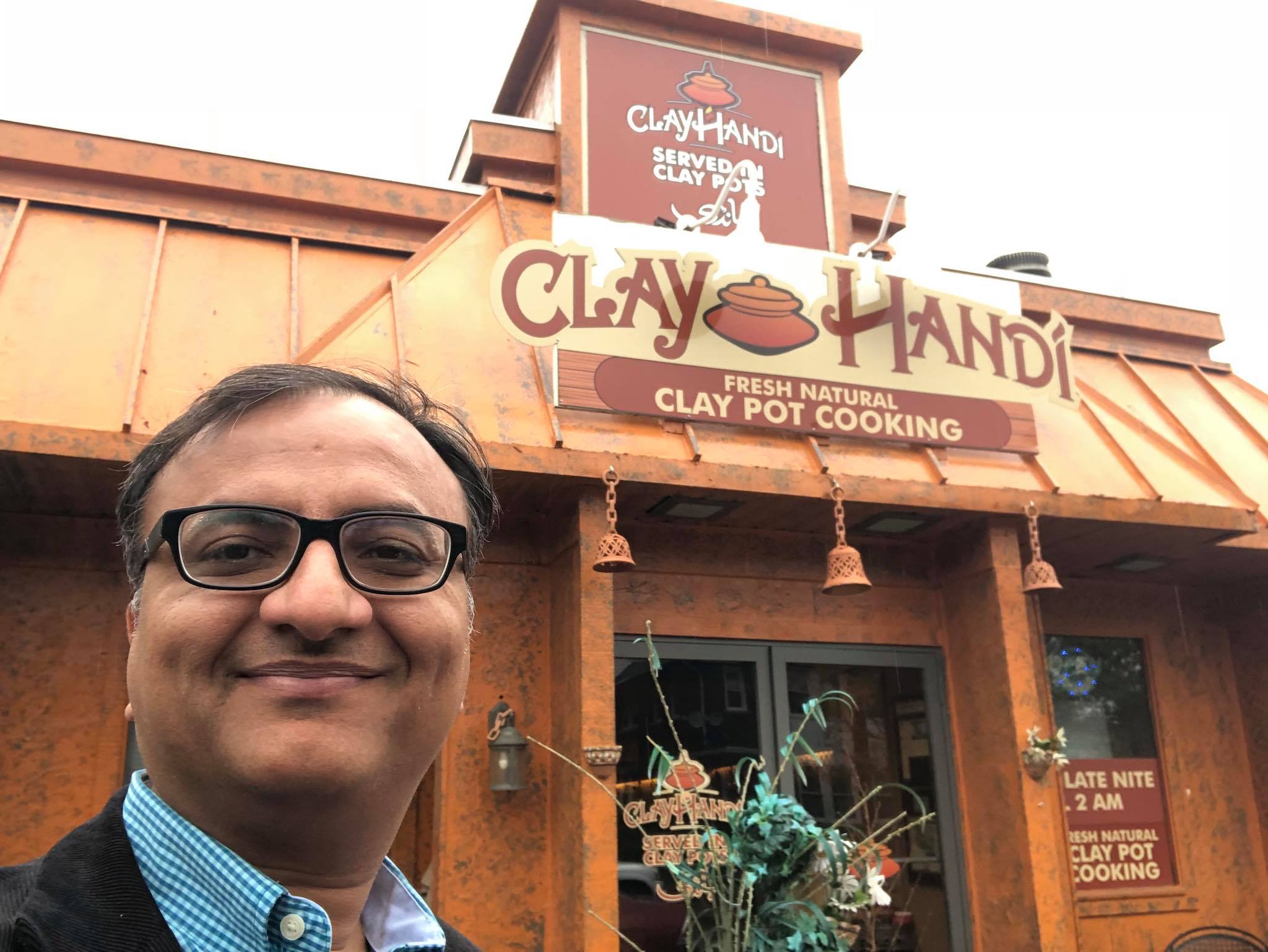
  • The amazing Clay Handi Restaurant in Buffalo, New York
    The amazing Clay Handi Restaurant in Buffalo, New York
    0 تبصرے 0 شیئرز 118 ویوز
  • Proud of Murshad Masud Qazi !

    Looks like Kazi Mannan virus is spreading

    God bless you guys !

    #buffalo #niagra
    Proud of Murshad Masud Qazi ! Looks like Kazi Mannan virus is spreading 🙂 God bless you guys ! #buffalo #niagra
    0 تبصرے 0 شیئرز 244 ویوز
  • آج صبح ہمارا ایک نوجوان انڈین کسٹمر جو کبھی کبھار اپنی بیوی کے ساتھ یہاں بریانی کھانے آتا ہے ریسٹورنٹ میں آیا اورمجھے کہنے لگا میں کرسمس کے سیزن میں ایک سٹور پہ ملازم تھا اب بزنس سلو ہو گیا ہے تو انہوں نے مجھے فائر کر دیا ہے۔ اب اس شدید ترین سردی میں میرے پاس اور میری بیوی کے پاس سردیوں کے کپڑے نہیں ہیں ،مجھے کچھ پیسے ادھار دے دیں ۔
    میں نے کہا جاؤ بیوی کو لے آؤ ، بیچارہ بڑا پریشان ہوا کہ قاضی صاحب نے میری بیوی کا کیا کرنا ہے ؟
    میں نے اسے دوبارہ کہا تو وہ چلا گیا اور کوئ آدھے گھنٹے میں بیوی کو لے کر آگیا ۔ میں اس کی بیوی اور اسے لے کر کچن میں گیا اورکلے ہانڈی کے شیف سے کہا کہ ان سے 400 سموسے بنوائیں ، صبح 11 سے سہہ پہر 3 بجے تک انہوں نے سموسے فرائ کر کے ایلومینیم ٹرے میں سجا دیۓ ۔ میں نے جاننے والےایک انڈین اور ایک کشمیری گروسری سٹور والے کو کال کی ، انہیں صورتحال بتائ تو ان دونوں نے کہا بھیج دیں۔ ابھی رات 10 بجے دونوں واپس آۓ ہیں ، 2 سٹوروں پر چند ٹوٹے ہوۓ سموسوں کے علاوہ وہ سارے سموسے بیچ آۓ ہیں لفافے انہیں دوکانداروں نے دے ديۓ تھے ، املی اور پودینے کی چٹنی میں نے ساتھ دے دی تھی 2 ڈالر فی سموسہ کے حساب سےتقریباّ 760 ڈالر انہوں نے آج کماۓ ہیں ، میری فوڈ کاسٹ 30 ڈالر تھی ، سموسے کی میدے کی شیٹ اور اندر کا مصالحہ شیف نے ان سے بنوایا تھا ۔ ابھی بریانی کھا کر وہ گھر کو پدھارے
    اور میں توفیق اور موقع دینے پر اللہ پاک کا شکرادا کر رہا ہوں
    آپ مچھلی نہ دیں
    مچھلی پکڑنے کا سامان دیں
    مچھلی انہیں خود پکڑنے دیں

    Via Murshad Masud Qazi
    Buffalo, New York
    آج صبح ہمارا ایک نوجوان انڈین کسٹمر جو کبھی کبھار اپنی بیوی کے ساتھ یہاں بریانی کھانے آتا ہے ریسٹورنٹ میں آیا اورمجھے کہنے لگا میں کرسمس کے سیزن میں ایک سٹور پہ ملازم تھا اب بزنس سلو ہو گیا ہے تو انہوں نے مجھے فائر کر دیا ہے۔ اب اس شدید ترین سردی میں میرے پاس اور میری بیوی کے پاس سردیوں کے کپڑے نہیں ہیں ،مجھے کچھ پیسے ادھار دے دیں ۔ میں نے کہا جاؤ بیوی کو لے آؤ ، بیچارہ بڑا پریشان ہوا کہ قاضی صاحب نے میری بیوی کا کیا کرنا ہے ؟ میں نے اسے دوبارہ کہا تو وہ چلا گیا اور کوئ آدھے گھنٹے میں بیوی کو لے کر آگیا ۔ میں اس کی بیوی اور اسے لے کر کچن میں گیا اورکلے ہانڈی کے شیف سے کہا کہ ان سے 400 سموسے بنوائیں ، صبح 11 سے سہہ پہر 3 بجے تک انہوں نے سموسے فرائ کر کے ایلومینیم ٹرے میں سجا دیۓ ۔ میں نے جاننے والےایک انڈین اور ایک کشمیری گروسری سٹور والے کو کال کی ، انہیں صورتحال بتائ تو ان دونوں نے کہا بھیج دیں۔ ابھی رات 10 بجے دونوں واپس آۓ ہیں ، 2 سٹوروں پر چند ٹوٹے ہوۓ سموسوں کے علاوہ وہ سارے سموسے بیچ آۓ ہیں لفافے انہیں دوکانداروں نے دے ديۓ تھے ، املی اور پودینے کی چٹنی میں نے ساتھ دے دی تھی 2 ڈالر فی سموسہ کے حساب سےتقریباّ 760 ڈالر انہوں نے آج کماۓ ہیں ، میری فوڈ کاسٹ 30 ڈالر تھی ، سموسے کی میدے کی شیٹ اور اندر کا مصالحہ شیف نے ان سے بنوایا تھا ۔ ابھی بریانی کھا کر وہ گھر کو پدھارے اور میں توفیق اور موقع دینے پر اللہ پاک کا شکرادا کر رہا ہوں آپ مچھلی نہ دیں مچھلی پکڑنے کا سامان دیں مچھلی انہیں خود پکڑنے دیں Via Murshad Masud Qazi Buffalo, New York
    0 تبصرے 0 شیئرز 133 ویوز
More Results