• RSIf8
    Roll Number: 49
    Story post no.33
    Story post topic:Chemistry Quest — Elements of Everyday Life

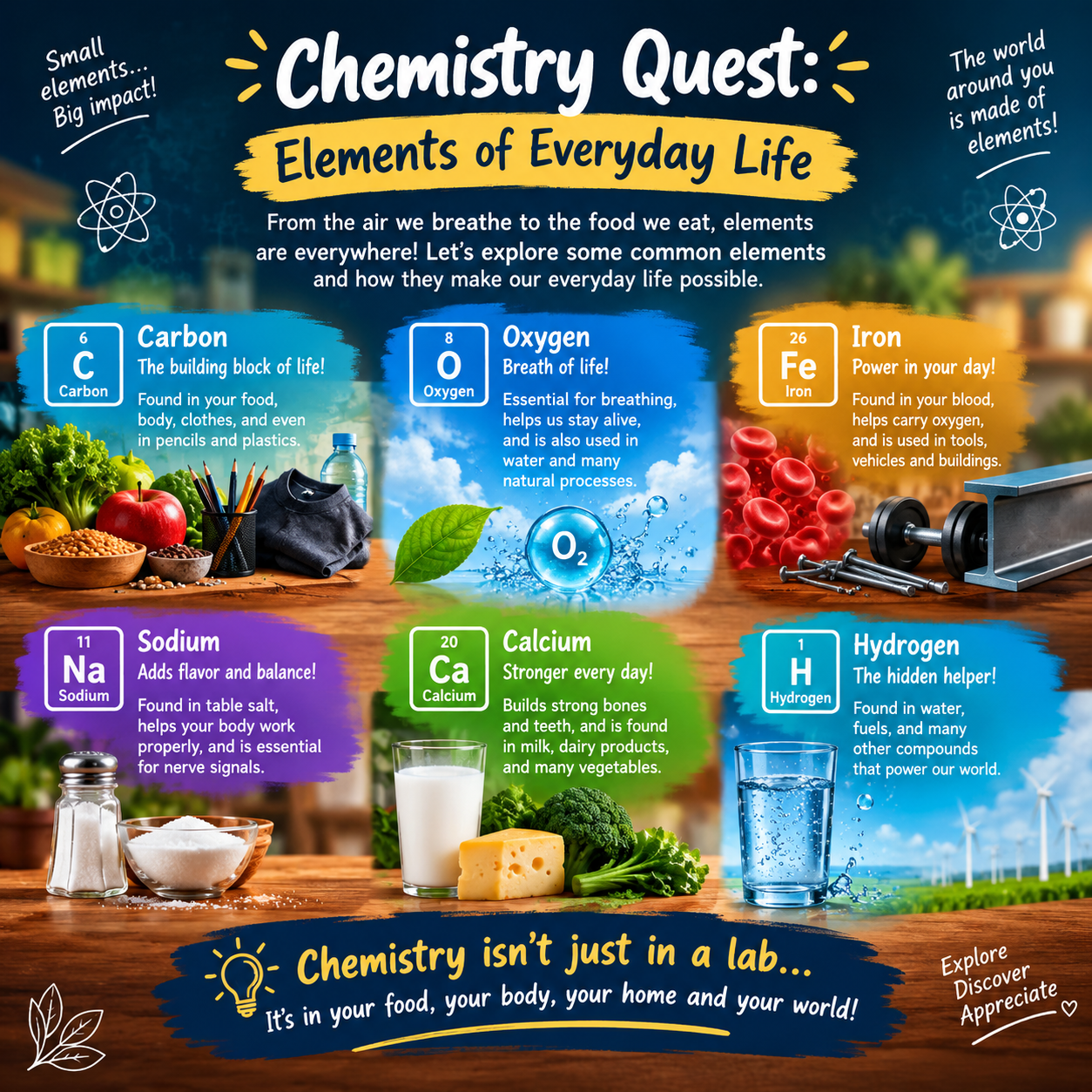
    Have you ever wondered how chemistry makes our everyday lives possible? From the air we breathe to the food we eat, chemical elements are all around us! This exciting story post explores the fascinating role of elements such as Carbon, Oxygen, Iron, Sodium, Calcium, and Hydrogen in our daily lives.

    Through this creative learning journey, I discovered how carbon is found in living things, oxygen is essential for breathing, iron helps our bodies carry oxygen, sodium supports important body functions, calcium strengthens our bones and teeth, and hydrogen is a key component of water.

    This activity helped me understand that chemistry is not limited to laboratories; it is an important part of our bodies, homes, nature, and the world around us. Learning about these elements makes science more interesting and helps us appreciate the wonders of everyday life!

    Small elements, big impact! Let's explore, discover, and appreciate the chemistry all around us.

    #ChemistryQuest #ElementsOfEverydayLife #Chemistry #ScienceEducation #ChemicalElements #Carbon #Oxygen #Iron #Sodium #Calcium #Hydrogen #CreativeLearning #ClassFoundation #RSf8
    RSIf8 Roll Number: 49 Story post no.33 Story post topic:Chemistry Quest — Elements of Everyday Life ⚗️✨ Have you ever wondered how chemistry makes our everyday lives possible? From the air we breathe to the food we eat, chemical elements are all around us! 🌿💧 This exciting story post explores the fascinating role of elements such as Carbon, Oxygen, Iron, Sodium, Calcium, and Hydrogen in our daily lives. Through this creative learning journey, I discovered how carbon is found in living things, oxygen is essential for breathing, iron helps our bodies carry oxygen, sodium supports important body functions, calcium strengthens our bones and teeth, and hydrogen is a key component of water. 🔬🧬 This activity helped me understand that chemistry is not limited to laboratories; it is an important part of our bodies, homes, nature, and the world around us. Learning about these elements makes science more interesting and helps us appreciate the wonders of everyday life! 💡📚 Small elements, big impact! Let's explore, discover, and appreciate the chemistry all around us. 🚀🌱 #ChemistryQuest #ElementsOfEverydayLife #Chemistry #ScienceEducation #ChemicalElements #Carbon #Oxygen #Iron #Sodium #Calcium #Hydrogen #CreativeLearning #ClassFoundation #RSf8
    0 Commentaires 0 Parts 295 Vue
  • RSIF8
    Roll no:17
    Story post no:33
    Topic:Story Post — "Chemistry Quest: Elements of Everyday Life".

    Description

    Chemistry Quest: Elements of Everyday Life!
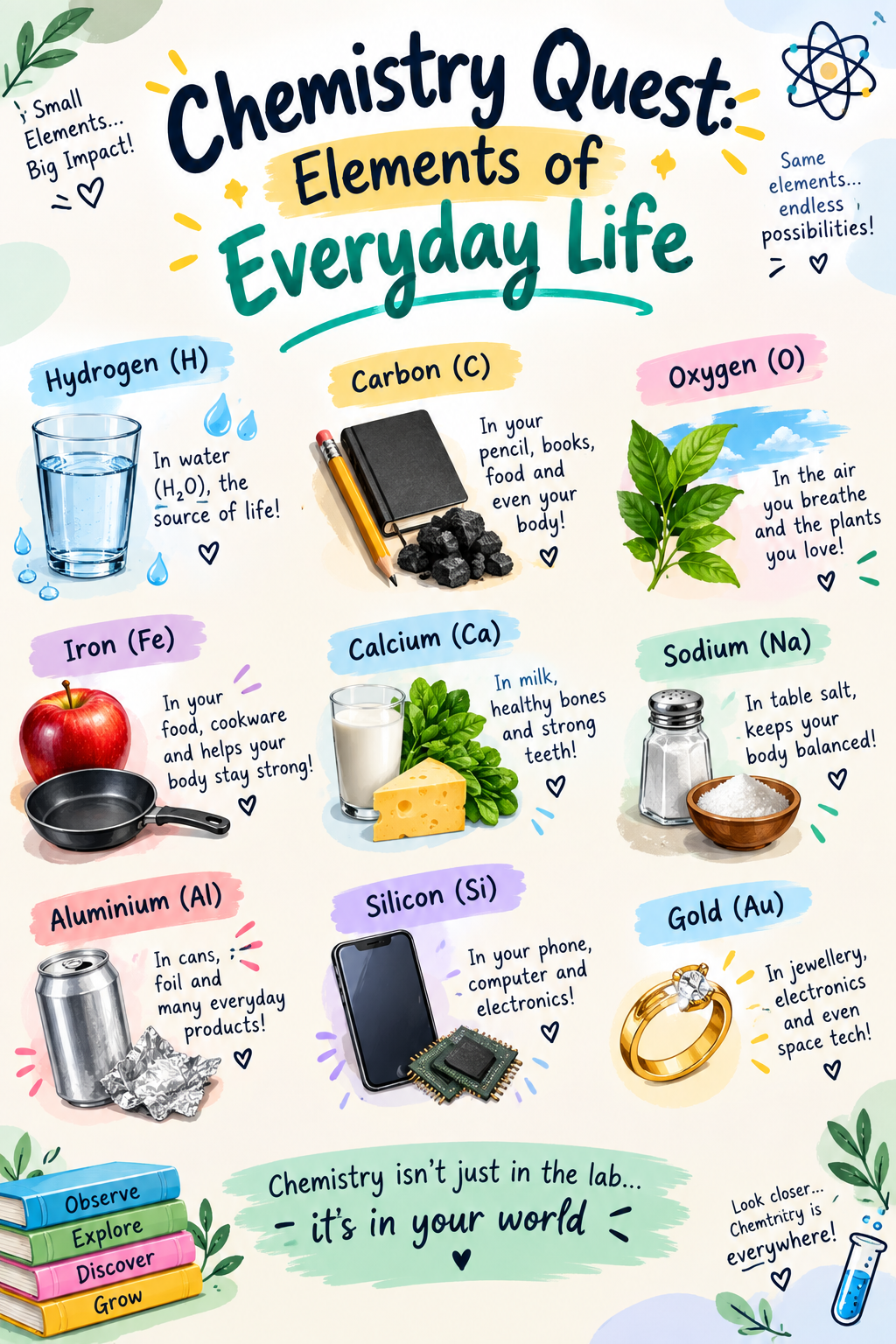
    Chemistry is not only in the laboratory—it is all around us! From oxygen we breathe and calcium in milk to iron in cookware and silicon in our phones, elements make our everyday life possible. Let’s explore, discover, and learn how chemistry shapes our world!

    Hashtags

    #ChemistryQuest #ElementsOfEverydayLife #Chemistry #Science #ScienceExplorer #LearnWithFun #EverydayChemistry #STEM #ScienceProject #LearningJourney #ExploreAndDiscover #StudentLife #RehanSchool
    RSIF8 Roll no:17 Story post no:33 Topic:Story Post — "Chemistry Quest: Elements of Everyday Life". 🧪✨ Description 🌟 Chemistry Quest: Elements of Everyday Life! 🌟 Chemistry is not only in the laboratory—it is all around us! 🧪🌍 From oxygen we breathe and calcium in milk to iron in cookware and silicon in our phones, elements make our everyday life possible. 🔬📱💧 Let’s explore, discover, and learn how chemistry shapes our world! 🚀🧠✨ 🏷️ Hashtags #ChemistryQuest #ElementsOfEverydayLife #Chemistry #Science #ScienceExplorer #LearnWithFun #EverydayChemistry #STEM #ScienceProject #LearningJourney #ExploreAndDiscover #StudentLife #RehanSchool 🧪🔬🌍📚✨💡
    0 Commentaires 0 Parts 1826 Vue
  • RSIF 8

    Roll no 93

    Story post no 30

    Story post topic:"Chemistry Quest: Elements of Everyday Life". Yeh raha **ready-to-post description** for all platforms:


    **Story Post — Chemistry Quest: Elements of Everyday Life**


    Welcome to an exciting **Chemistry Quest** where we discover how the elements around us are connected to our everyday lives!


    Chemistry is not only about laboratories and textbooks. It is all around us—in the **food we eat, the water we drink, the air we breathe, our homes, clothes, phones, technology, and even our bodies.**


    On this journey, we explore important elements such as:


    **Oxygen** — essential for breathing

    **Hydrogen** — found in water and many fuels

    **Carbon** — an important part of living things and many everyday materials

    **Iron** — important for our bodies and used in buildings and machines

    **Sodium** — helps our bodies function properly

    **Calcium** — helps build strong bones and teeth

    **Silicon** — used in computer chips and modern technology

    **Gold** — used in electronics, jewellery, and technology


    **The lesson:** Small elements can have a huge impact on our world. Learning chemistry helps us understand how the things around us work.


    **Explore. Learn. Discover.**

    **Chemistry connects the elements to everyday life!**


    #ChemistryQuest #Chemistry #Elements #Science #EverydayChemistry #ScienceEducation #Learning #Education #STEM #ScienceProject #ChemistryForKids #Innovation #Technology #Nature #ExploreLearnDiscover #RehanSchool #RehanCodingWithAI
    RSIF 8 Roll no 93 Story post no 30 Story post topic:"Chemistry Quest: Elements of Everyday Life". Yeh raha **ready-to-post description** for all platforms: 🧪🌍 **Story Post — Chemistry Quest: Elements of Everyday Life** 🔬✨ Welcome to an exciting **Chemistry Quest** where we discover how the elements around us are connected to our everyday lives! 🚀📚 Chemistry is not only about laboratories and textbooks. It is all around us—in the **food we eat, the water we drink, the air we breathe, our homes, clothes, phones, technology, and even our bodies.** 🌱💧📱 On this journey, we explore important elements such as: 🫁 **Oxygen** — essential for breathing 💧 **Hydrogen** — found in water and many fuels 🌳 **Carbon** — an important part of living things and many everyday materials 🩸 **Iron** — important for our bodies and used in buildings and machines 🧂 **Sodium** — helps our bodies function properly 🦴 **Calcium** — helps build strong bones and teeth 💻 **Silicon** — used in computer chips and modern technology 💎 **Gold** — used in electronics, jewellery, and technology 💡 **The lesson:** Small elements can have a huge impact on our world. Learning chemistry helps us understand how the things around us work. 🔬 **Explore. Learn. Discover.** 🌍 **Chemistry connects the elements to everyday life!** #ChemistryQuest #Chemistry #Elements #Science #EverydayChemistry #ScienceEducation #Learning #Education #STEM #ScienceProject #ChemistryForKids #Innovation #Technology #Nature #ExploreLearnDiscover #RehanSchool #RehanCodingWithAI
    0 Commentaires 0 Parts 2273 Vue
  • RSIF8
    roll no 72
    story post no 5
    stoty post topic : Chemistry Quest: Elements of Everyday Life!

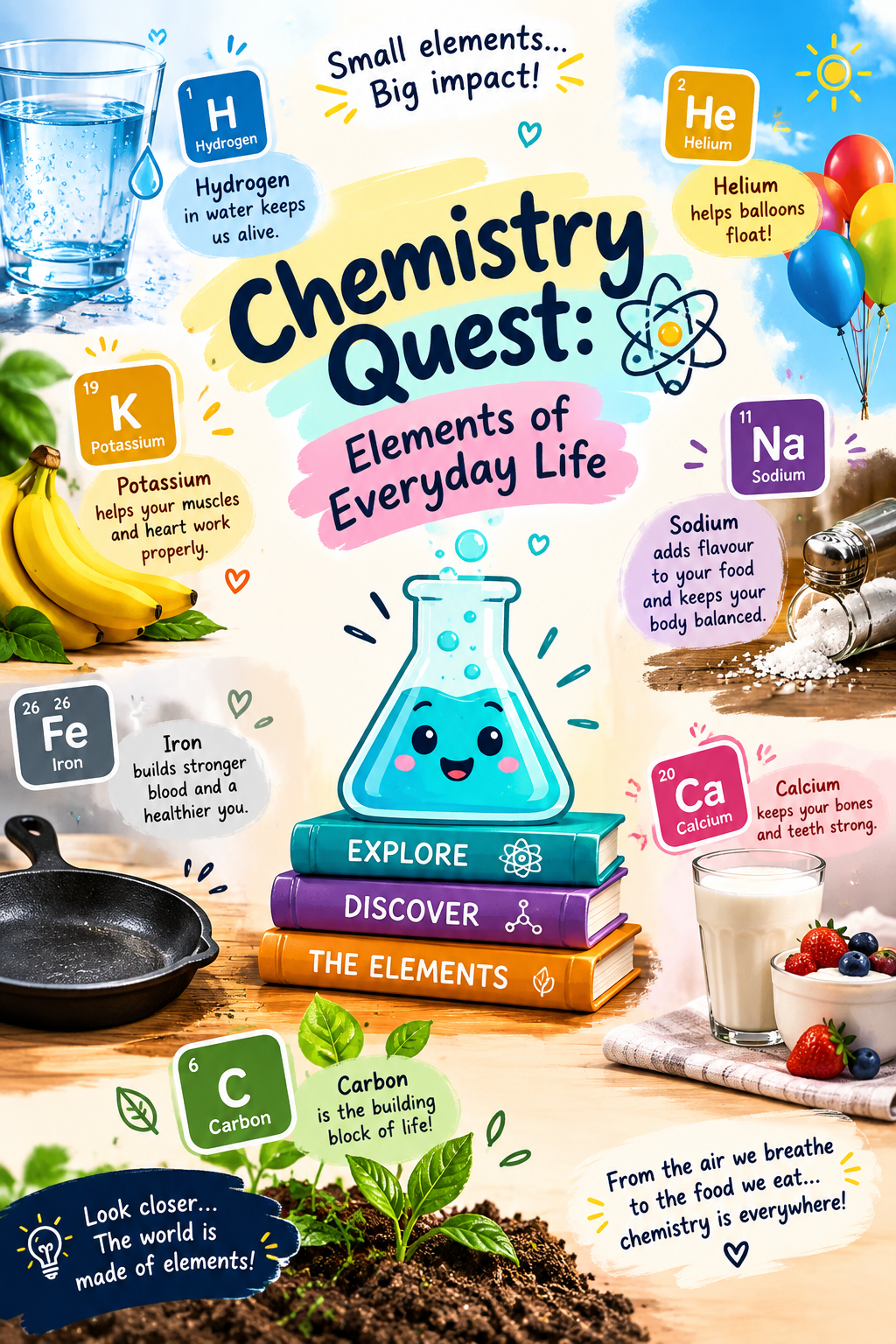
    From the water we drink to the food we eat, the air we breathe, and the objects around us, chemistry is everywhere! Explore how elements like hydrogen, helium, carbon, sodium, potassium, iron, and calcium make everyday life possible.

    #ChemistryQuest #EverydayChemistry #Elements #ScienceExploration #LearnScience #Chemistry #ScienceForKids #FunLearning #STEM #DiscoverAndLearn
    RSIF8 roll no 72 story post no 5 stoty post topic : Chemistry Quest: Elements of Everyday Life! From the water we drink to the food we eat, the air we breathe, and the objects around us, chemistry is everywhere! 🌍🔬 Explore how elements like hydrogen, helium, carbon, sodium, potassium, iron, and calcium make everyday life possible. 💧🍌🥛🌱 #ChemistryQuest #EverydayChemistry #Elements #ScienceExploration #LearnScience #Chemistry #ScienceForKids #FunLearning #STEM #DiscoverAndLearn
    0 Commentaires 0 Parts 1432 Vue
  • accl task
    day 69
    week 3
    task: story post 69
    topic:Acids and Bases: The Balance of Nature
    Title: Acids and Bases: The Balance of Nature

    One afternoon, a curious student named Ayan entered the chemistry laboratory.

    On the table were several ordinary substances: lemon juice, vinegar, baking soda, soap, and pure water.

    Ayan looked at them and asked his teacher,

    “How can such different substances all be part of the same scientific system?”

    His teacher smiled.

    “Because many of them can be understood through the chemistry of acids, bases, and balance.”

    Ayan became curious.

    The World of Acids

    The teacher first placed a small amount of lemon juice on the table.

    “Lemon juice contains citric acid,” she explained.

    Acids are substances that, in water, increase the concentration of hydrogen ions (H⁺). Many acids have a sour taste, although scientists never identify an unknown chemical by tasting it.

    Ayan had seen acids in everyday life without realizing it.

    Vinegar contains acetic acid.

    The stomach naturally contains hydrochloric acid, which helps with digestion.

    Even some fruits contain naturally occurring acids.

    Ayan began to understand that the word “acid” did not always mean something dangerous.

    Discovering Bases

    Next, the teacher showed him a solution of baking soda.

    “This behaves as a base in water,” she said.

    Bases generally increase the concentration of hydroxide ions or accept hydrogen ions, depending on the chemical definition being used.

    Many basic substances are found around us.

    Some cleaning products are basic.

    Soap solutions are often basic.

    Certain minerals and compounds in nature can also behave as bases.

    Ayan realized that acids and bases were not simply opposites in a textbook.

    They were part of everyday chemistry.

    The pH Scale

    The teacher then drew a colorful scale on the board.

    It was the pH scale.

    “pH helps us describe how acidic or basic an aqueous solution is,” she explained.

    At about pH 7, a solution is considered neutral under standard conditions, such as pure water at around room temperature.

    Values below 7 are generally acidic.

    Values above 7 are generally basic.

    Ayan looked at the scale with fascination.

    The numbers seemed simple, but they represented important chemical differences.

    The teacher added:

    “The pH scale is logarithmic. A change of one pH unit represents a tenfold change in hydrogen-ion concentration.”

    Ayan suddenly realized that even a small numerical change could represent a significant chemical difference.

    When Acids and Bases Meet

    Then the teacher performed an experiment.

    She carefully combined an acid with a base.

    The two substances reacted.

    In many common acid-base reactions, the products include water and a salt. This type of reaction is often called neutralization.

    Ayan watched as the chemistry changed before his eyes.

    “So acids and bases can balance each other?” he asked.

    “In the right conditions, yes,” his teacher replied.

    “But neutralization does not always mean the final mixture has exactly pH 7. The result depends on the substances and their amounts.”

    Ayan nodded.

    Chemistry was more precise than he had imagined.

    Balance in Nature

    The teacher then showed Ayan pictures of lakes, soil, oceans, and living organisms.

    “Acid-base balance is important in nature too.”

    Soil chemistry can influence how nutrients are available to plants.

    The pH of freshwater can affect aquatic organisms.

    Ocean chemistry is also changing as the ocean absorbs carbon dioxide from the atmosphere, which leads to ocean acidification.

    This does not mean the ocean suddenly becomes a strong acid.

    Instead, its seawater chemistry shifts toward greater acidity, with important consequences for organisms that build shells or skeletons from calcium carbonate.

    Ayan began to see that chemistry was connected to the entire environment.

    Balance Inside the Human Body

    The teacher then explained that acid-base balance is also essential inside the human body.

    Blood normally stays within a narrow pH range.

    The body uses several systems—including the lungs and kidneys—to help regulate this balance.

    The lungs influence carbon dioxide levels, while the kidneys help regulate acids and bases over longer periods.

    Ayan was amazed.

    “Even our bodies have their own chemical balancing systems?”

    “Exactly,” said his teacher.

    The Power of Buffers

    There was one final concept.

    The teacher added:

    “Some solutions contain buffers.”

    Buffers help resist large changes in pH when relatively small amounts of acid or base are added.

    Ayan learned that buffer systems are important in chemistry, biology, medicine, and many natural environments.

    They help keep chemical conditions within useful ranges.

    The Lesson of Balance

    As the lesson ended, Ayan looked again at the bottles on the laboratory table.

    Lemon juice.

    Vinegar.

    Baking soda.

    Water.

    They seemed ordinary.

    But behind each substance was a world of chemical reactions, ions, and equilibrium.

    Ayan finally understood the lesson.

    Acids and bases are not simply about “strong” and “weak” chemicals.

    They are part of a larger story about chemical balance.

    From a laboratory experiment to soil, oceans, and living organisms, acid-base chemistry helps explain how many systems behave.

    Final Thought

    Nature depends on balance.

    Too much of one chemical condition can change an entire system, while the right balance can help maintain stability.

    Acids and bases teach us an important scientific lesson:9 sometimes, understanding two different forces interact is the key to understanding the system as a when
    accl task day 69 week 3 task: story post 69 topic:Acids and Bases: The Balance of Nature Title: 🧪 Acids and Bases: The Balance of Nature One afternoon, a curious student named Ayan entered the chemistry laboratory. On the table were several ordinary substances: lemon juice, vinegar, baking soda, soap, and pure water. Ayan looked at them and asked his teacher, “How can such different substances all be part of the same scientific system?” His teacher smiled. “Because many of them can be understood through the chemistry of acids, bases, and balance.” Ayan became curious. 🍋 The World of Acids The teacher first placed a small amount of lemon juice on the table. “Lemon juice contains citric acid,” she explained. Acids are substances that, in water, increase the concentration of hydrogen ions (H⁺). Many acids have a sour taste, although scientists never identify an unknown chemical by tasting it. Ayan had seen acids in everyday life without realizing it. Vinegar contains acetic acid. The stomach naturally contains hydrochloric acid, which helps with digestion. Even some fruits contain naturally occurring acids. Ayan began to understand that the word “acid” did not always mean something dangerous. 🧼 Discovering Bases Next, the teacher showed him a solution of baking soda. “This behaves as a base in water,” she said. Bases generally increase the concentration of hydroxide ions or accept hydrogen ions, depending on the chemical definition being used. Many basic substances are found around us. Some cleaning products are basic. Soap solutions are often basic. Certain minerals and compounds in nature can also behave as bases. Ayan realized that acids and bases were not simply opposites in a textbook. They were part of everyday chemistry. 🌈 The pH Scale The teacher then drew a colorful scale on the board. It was the pH scale. “pH helps us describe how acidic or basic an aqueous solution is,” she explained. At about pH 7, a solution is considered neutral under standard conditions, such as pure water at around room temperature. Values below 7 are generally acidic. Values above 7 are generally basic. Ayan looked at the scale with fascination. The numbers seemed simple, but they represented important chemical differences. The teacher added: “The pH scale is logarithmic. A change of one pH unit represents a tenfold change in hydrogen-ion concentration.” Ayan suddenly realized that even a small numerical change could represent a significant chemical difference. ⚖️ When Acids and Bases Meet Then the teacher performed an experiment. She carefully combined an acid with a base. The two substances reacted. In many common acid-base reactions, the products include water and a salt. This type of reaction is often called neutralization. Ayan watched as the chemistry changed before his eyes. “So acids and bases can balance each other?” he asked. “In the right conditions, yes,” his teacher replied. “But neutralization does not always mean the final mixture has exactly pH 7. The result depends on the substances and their amounts.” Ayan nodded. Chemistry was more precise than he had imagined. 🌱 Balance in Nature The teacher then showed Ayan pictures of lakes, soil, oceans, and living organisms. “Acid-base balance is important in nature too.” Soil chemistry can influence how nutrients are available to plants. The pH of freshwater can affect aquatic organisms. Ocean chemistry is also changing as the ocean absorbs carbon dioxide from the atmosphere, which leads to ocean acidification. This does not mean the ocean suddenly becomes a strong acid. Instead, its seawater chemistry shifts toward greater acidity, with important consequences for organisms that build shells or skeletons from calcium carbonate. Ayan began to see that chemistry was connected to the entire environment. 🧬 Balance Inside the Human Body The teacher then explained that acid-base balance is also essential inside the human body. Blood normally stays within a narrow pH range. The body uses several systems—including the lungs and kidneys—to help regulate this balance. The lungs influence carbon dioxide levels, while the kidneys help regulate acids and bases over longer periods. Ayan was amazed. “Even our bodies have their own chemical balancing systems?” “Exactly,” said his teacher. 🔬 The Power of Buffers There was one final concept. The teacher added: “Some solutions contain buffers.” Buffers help resist large changes in pH when relatively small amounts of acid or base are added. Ayan learned that buffer systems are important in chemistry, biology, medicine, and many natural environments. They help keep chemical conditions within useful ranges. 🌍 The Lesson of Balance As the lesson ended, Ayan looked again at the bottles on the laboratory table. Lemon juice. Vinegar. Baking soda. Water. They seemed ordinary. But behind each substance was a world of chemical reactions, ions, and equilibrium. Ayan finally understood the lesson. Acids and bases are not simply about “strong” and “weak” chemicals. They are part of a larger story about chemical balance. From a laboratory experiment to soil, oceans, and living organisms, acid-base chemistry helps explain how many systems behave. ⚗️ Final Thought Nature depends on balance. Too much of one chemical condition can change an entire system, while the right balance can help maintain stability. Acids and bases teach us an important scientific lesson:9 sometimes, understanding two different forces interact is the key to understanding the system as a when
    0 Commentaires 0 Parts 3800 Vue
  • ** Important Health Warning: Avoid Using Carbide for Ripening Mangoes! **

    Dear Friends,

    I want to bring to your attention a critical health concern regarding the artificial ripening of mangoes using calcium carbide, commonly known as "carbite." While this practice may speed up the ripening process, it poses serious health risks. Here are some important facts you need to know:

    **1. Health Hazards:**
    - Calcium carbide contains arsenic and phosphorus, which are harmful to human health.
    - Consuming fruits ripened with carbide can lead to headaches, dizziness, sleep disorders, memory loss, and even more severe health issues like cancer.

    **2. Legal Status:**
    - The use of calcium carbide for ripening fruits is banned in many countries, including India and Pakistan, due to its toxic effects.
    - Regulatory bodies have deemed this practice unsafe and illegal because it compromises food safety.

    **3. Safe Ripening Alternatives:**
    - **Natural Ripening:** Place unripe mangoes in a paper bag with a banana or apple. The natural ethylene gas emitted by these fruits will promote safe ripening.
    - **Ethylene Gas:** Use commercially available ethylene gas generators, which are approved and safe for ripening fruits.

    **References:**
    - [World Health Organization (WHO) on food safety](https://www.who.int/news-room/fact-sheets/detail/food-safety)
    - [Food Safety and Standards Authority of India (FSSAI) on calcium carbide](https://fssai.gov.in/cms/food-safety-faq.php)
    - [Scientific American on health risks of calcium carbide](https://www.scientificamerican.com/article/toxic-fruit-the-dangers-of-calcium-carbide-ripening/)

    Please share this information with your family and friends to ensure we all consume safe and healthy fruits. Lets avoid dangerous practices and opt for natural, safe alternatives to enjoy our delicious mangoes!

    Stay safe and healthy!

    #HealthWarning #FoodSafety #AvoidCarbite #SafeRipening #HealthyLiving
    **⚠️ Important Health Warning: Avoid Using Carbide for Ripening Mangoes! ⚠️** Dear Friends, I want to bring to your attention a critical health concern regarding the artificial ripening of mangoes using calcium carbide, commonly known as "carbite." While this practice may speed up the ripening process, it poses serious health risks. Here are some important facts you need to know: **1. Health Hazards:** - Calcium carbide contains arsenic and phosphorus, which are harmful to human health. - Consuming fruits ripened with carbide can lead to headaches, dizziness, sleep disorders, memory loss, and even more severe health issues like cancer. **2. Legal Status:** - The use of calcium carbide for ripening fruits is banned in many countries, including India and Pakistan, due to its toxic effects. - Regulatory bodies have deemed this practice unsafe and illegal because it compromises food safety. **3. Safe Ripening Alternatives:** - **Natural Ripening:** Place unripe mangoes in a paper bag with a banana or apple. The natural ethylene gas emitted by these fruits will promote safe ripening. - **Ethylene Gas:** Use commercially available ethylene gas generators, which are approved and safe for ripening fruits. **References:** - [World Health Organization (WHO) on food safety](https://www.who.int/news-room/fact-sheets/detail/food-safety) - [Food Safety and Standards Authority of India (FSSAI) on calcium carbide](https://fssai.gov.in/cms/food-safety-faq.php) - [Scientific American on health risks of calcium carbide](https://www.scientificamerican.com/article/toxic-fruit-the-dangers-of-calcium-carbide-ripening/) Please share this information with your family and friends to ensure we all consume safe and healthy fruits. Let's avoid dangerous practices and opt for natural, safe alternatives to enjoy our delicious mangoes! Stay safe and healthy! #HealthWarning #FoodSafety #AvoidCarbite #SafeRipening #HealthyLiving
    0 Commentaires 0 Parts 3993 Vue
  • ** اہم صحت کی وارننگ: آموں کو کاربائیڈ سے پکانے سے گریز کریں! **

    پیارے دوستو،

    میں آپ کی توجہ ایک اہم صحت کے مسئلے کی طرف دلانا چاہتا ہوں جو آموں کو کیلشیم کاربائیڈ (عام طور پر "کاربائیڈ" کہا جاتا ہے) سے مصنوعی طور پر پکانے سے متعلق ہے۔ اگرچہ یہ عمل آموں کو جلدی پکانے میں مدد کرتا ہے، لیکن اس سے صحت کو سنگین خطرات لاحق ہوتے ہیں۔ یہاں کچھ اہم حقائق ہیں جو آپ کو جاننے چاہئیں:

    **1. صحت کے خطرات:**
    - کیلشیم کاربائیڈ میں سنکھیا اور فاسفورس ہوتے ہیں جو انسانی صحت کے لیے نقصان دہ ہیں۔
    - کاربائیڈ سے پکائے گئے پھلوں کا استعمال سر درد، چکر آنا، نیند کے مسائل، یادداشت کی کمی اور یہاں تک کہ کینسر جیسے سنگین مسائل کا باعث بن سکتا ہے۔

    **2. قانونی حیثیت:**
    - بہت سے ممالک بشمول بھارت اور پاکستان میں پھلوں کو پکانے کے لیے کیلشیم کاربائیڈ کا استعمال ممنوع ہے۔
    - ریگولیٹری اداروں نے اس عمل کو غیر محفوظ اور غیر قانونی قرار دیا ہے کیونکہ یہ خوراک کی حفاظت کو خطرے میں ڈالتا ہے۔

    **3. محفوظ پکانے کے متبادل:**
    - **قدرتی پکانا:** کچے آموں کو ایک پیپر بیگ میں ایک کیلا یا سیب کے ساتھ رکھیں۔ یہ پھل قدرتی ایثلین گیس خارج کرتے ہیں جو محفوظ طریقے سے آموں کو پکانے میں مدد دیتی ہے۔
    - **ایثلین گیس:** تجارتی طور پر دستیاب ایثلین گیس جنریٹرز کا استعمال کریں جو پھلوں کو پکانے کے لیے محفوظ اور منظور شدہ ہیں۔

    **حوالے:**
    - [ورلڈ ہیلتھ آرگنائزیشن (WHO) کی خوراک کی حفاظت پر رپورٹ](https://www.who.int/news-room/fact-sheets/detail/food-safety)
    - [فوڈ سیفٹی اینڈ سٹینڈرڈز اتھارٹی آف انڈیا (FSSAI) کی کیلشیم کاربائیڈ پر رپورٹ](https://fssai.gov.in/cms/food-safety-faq.php)
    - [سائنٹیفک امریکن کی کیلشیم کاربائیڈ کے صحت کے خطرات پر رپورٹ](https://www.scientificamerican.com/article/toxic-fruit-the-dangers-of-calcium-carbide-ripening/)

    براہ کرم اس معلومات کو اپنے خاندان اور دوستوں کے ساتھ شیئر کریں تاکہ ہم سب محفوظ اور صحت مند پھل کھا سکیں۔ آئیے خطرناک طریقوں سے بچیں اور قدرتی، محفوظ متبادلات کو اپنائیں تاکہ ہم اپنے مزیدار آموں کا لطف اٹھا سکیں!

    محفوظ اور صحت مند رہیں!

    #HealthWarning #FoodSafety #AvoidCarbite #SafeRipening #HealthyLiving

    ---

    براہ کرم اس پوسٹ کو شیئر کریں اور آموں کو کاربائیڈ سے پکانے کے خطرات کے بارے میں آگاہی پھیلانے میں مدد کریں۔ آئیے اپنی کمیونٹی کو آگاہ اور صحت مند رکھیں!
    **⚠️ اہم صحت کی وارننگ: آموں کو کاربائیڈ سے پکانے سے گریز کریں! ⚠️** پیارے دوستو، میں آپ کی توجہ ایک اہم صحت کے مسئلے کی طرف دلانا چاہتا ہوں جو آموں کو کیلشیم کاربائیڈ (عام طور پر "کاربائیڈ" کہا جاتا ہے) سے مصنوعی طور پر پکانے سے متعلق ہے۔ اگرچہ یہ عمل آموں کو جلدی پکانے میں مدد کرتا ہے، لیکن اس سے صحت کو سنگین خطرات لاحق ہوتے ہیں۔ یہاں کچھ اہم حقائق ہیں جو آپ کو جاننے چاہئیں: **1. صحت کے خطرات:** - کیلشیم کاربائیڈ میں سنکھیا اور فاسفورس ہوتے ہیں جو انسانی صحت کے لیے نقصان دہ ہیں۔ - کاربائیڈ سے پکائے گئے پھلوں کا استعمال سر درد، چکر آنا، نیند کے مسائل، یادداشت کی کمی اور یہاں تک کہ کینسر جیسے سنگین مسائل کا باعث بن سکتا ہے۔ **2. قانونی حیثیت:** - بہت سے ممالک بشمول بھارت اور پاکستان میں پھلوں کو پکانے کے لیے کیلشیم کاربائیڈ کا استعمال ممنوع ہے۔ - ریگولیٹری اداروں نے اس عمل کو غیر محفوظ اور غیر قانونی قرار دیا ہے کیونکہ یہ خوراک کی حفاظت کو خطرے میں ڈالتا ہے۔ **3. محفوظ پکانے کے متبادل:** - **قدرتی پکانا:** کچے آموں کو ایک پیپر بیگ میں ایک کیلا یا سیب کے ساتھ رکھیں۔ یہ پھل قدرتی ایثلین گیس خارج کرتے ہیں جو محفوظ طریقے سے آموں کو پکانے میں مدد دیتی ہے۔ - **ایثلین گیس:** تجارتی طور پر دستیاب ایثلین گیس جنریٹرز کا استعمال کریں جو پھلوں کو پکانے کے لیے محفوظ اور منظور شدہ ہیں۔ **حوالے:** - [ورلڈ ہیلتھ آرگنائزیشن (WHO) کی خوراک کی حفاظت پر رپورٹ](https://www.who.int/news-room/fact-sheets/detail/food-safety) - [فوڈ سیفٹی اینڈ سٹینڈرڈز اتھارٹی آف انڈیا (FSSAI) کی کیلشیم کاربائیڈ پر رپورٹ](https://fssai.gov.in/cms/food-safety-faq.php) - [سائنٹیفک امریکن کی کیلشیم کاربائیڈ کے صحت کے خطرات پر رپورٹ](https://www.scientificamerican.com/article/toxic-fruit-the-dangers-of-calcium-carbide-ripening/) براہ کرم اس معلومات کو اپنے خاندان اور دوستوں کے ساتھ شیئر کریں تاکہ ہم سب محفوظ اور صحت مند پھل کھا سکیں۔ آئیے خطرناک طریقوں سے بچیں اور قدرتی، محفوظ متبادلات کو اپنائیں تاکہ ہم اپنے مزیدار آموں کا لطف اٹھا سکیں! محفوظ اور صحت مند رہیں! #HealthWarning #FoodSafety #AvoidCarbite #SafeRipening #HealthyLiving --- براہ کرم اس پوسٹ کو شیئر کریں اور آموں کو کاربائیڈ سے پکانے کے خطرات کے بارے میں آگاہی پھیلانے میں مدد کریں۔ آئیے اپنی کمیونٹی کو آگاہ اور صحت مند رکھیں!
    0 Commentaires 0 Parts 3823 Vue
  • 1. Neem Leaves (Azadirachta indica)

    Health Benefits:
    • Powerful antibacterial, antifungal, and antiviral properties.
    • Used for acne, eczema, dandruff, and skin infections.
    • Helps reduce blood sugar and cholesterol.
    • Strengthens immunity and liver function.

    Uses:
    • Boil 10–15 leaves in water and drink for detox.
    • Make neem oil or powder for skin and hair products.

    Business Potential:

    Neem leaves can be used to make herbal soaps, shampoos, mosquito repellents, and natural fertilizers.
    Pakistan could export neem-based products — a billion-dollar global market.

    ⸻

    2. Moringa Leaves (Sohanjna / Drumstick Tree)

    Health Benefits:
    • Extremely rich in vitamin A, C, calcium, iron, and protein.
    • Helps control blood sugar and cholesterol.
    • Boosts energy, immunity, and digestion.
    • Used for malnutrition treatment in rural areas.

    Uses:
    • Dried and powdered as moringa tea or superfood supplement.
    • Mixed into food for extra nutrients.

    Business Potential:

    Global moringa powder market is worth over $8 billion.
    Leaves from local trees can be dried, ground, and exported as organic moringa powder or capsules.

    ⸻

    3. Mulberry Leaves (Shahtoot ke Patte)

    Health Benefits:
    • Contain compounds that lower blood sugar and cholesterol.
    • Improve heart and liver function.
    • Used as food for silkworms — key to silk production.

    Uses:
    • Dried and used as tea for diabetics.
    • Extract used in cosmetics and supplements.

    Business Potential:

    Mulberry leaf tea and extract are in high demand in China and Japan.
    Pakistan’s mulberry trees can support silk farming + tea export.

    ⸻

    4. Curry Leaves (Karhi Patta)

    Health Benefits:
    • Improve digestion and liver function.
    • Control cholesterol and triglycerides.
    • Strengthen hair and skin.
    • Help manage diabetes and oxidative stress.

    Uses:
    • Common spice in cooking (especially for dal and curry).
    • Dried powder can be sold as seasoning.

    Business Potential:

    Can be packaged as “Karhi Patta Tea” or herbal spice mix for export.
    Each small garden or restaurant can dry and sell leaves instead of throwing them away.

    ⸻

    5. Papaya Leaves (Papeeta ke Patte)

    Health Benefits:
    • Rich in papain enzyme — improves digestion.
    • Shown to increase platelet count in dengue fever.
    • Strengthens liver and immunity.

    Uses:
    • Boil leaves to make papaya leaf juice or tea.
    • Used in skincare and enzyme supplements.

    Business Potential:

    Can be processed into enzyme extracts or natural medicine for dengue recovery.

    ⸻

    6. Guava Leaves (Amrood ke Patte)

    Health Benefits:
    • Help lower blood sugar and cholesterol.
    • Treat diarrhea, mouth ulcers, and skin inflammation.
    • Antibacterial and antioxidant.

    Uses:
    • Boiled as tea for diabetics or mouth rinse.

    Business Potential:

    Guava-leaf tea is already commercialized in Japan (FOSHU-certified).
    Pakistan can produce and export organic guava tea affordably.

    ⸻

    7. Mango Leaves (Aam ke Patte)

    Health Benefits:
    • Contain mangiferin, a strong antioxidant.
    • Help control blood sugar, cholesterol, and inflammation.
    • Aid digestion and wound healing.

    Uses:
    • Dried for mango-leaf tea or extract.
    • Used in herbal medicine and skincare.

    Business Potential:

    Can be used for mango leaf tea, extract capsules, or cosmetics.

    ⸻

    8. Banyan & Peepal Leaves (Bargad / Peepal)

    Health Benefits:
    • Traditional use for asthma, cough, ulcers, and infections.
    • Contain anti-inflammatory and antimicrobial compounds.
    • Peepal leaves support respiratory health and mental calmness.

    Uses:
    • Boiled for tea or medicinal decoction.
    • Dried for herbal mixtures.

    Business Potential:

    Can be developed into Ayurvedic and Unani herbal products.

    ⸻

    9. Coriander & Mint Stems and Leaves (Dhaniya & Pudina ke Patte)

    Health Benefits:
    • Aid digestion, detoxification, and reduce gas.
    • Help lower blood pressure and cholesterol.

    Uses:
    • Dried into herbal powders, teas, or capsules.
    • Used for aromatherapy and green chutneys.

    Business Potential:

    Can be dried, powdered, and sold as ready spice blends or teas — reducing waste in homes and restaurants.

    ⸻

    10. Beetroot and Radish Leaves (Chukandar & Mooli ke Patte)

    Health Benefits:
    • Full of iron, calcium, folate, and antioxidants.
    • Strengthen bones, skin, and immune system.
    • Help detoxify the liver and improve blood circulation.

    Uses:
    • Cook like spinach (saag).
    • Blend in soups and smoothies.

    Business Potential:

    Can be sold as “Leafy Superfood Mix” in local and export health markets.

    ⸻

    Summary: The Green Gold of Pakistan

    Leaf Type Key Benefit Possible Product
    Neem Antibacterial Soap, shampoo, pesticide
    Moringa Nutrition, energy Powder, tea, capsule
    Guava Blood sugar Tea
    Mango Cholesterol control Tea, extract
    Papaya Platelet booster Juice, capsule
    Mulberry Sugar control Tea, silk
    Curry Digestion, aroma Spice, tea
    Peepal Respiratory Herbal decoction
    Beetroot/Radish Iron, detox Saag, supplement
    Mint/Coriander Cooling, digestion Tea, chutney

    ⸻

    Conclusion

    Every leaf we throw away could be a medicine, a meal, or a business.
    Pakistan’s gardens, streets, and farms are filled with plants that can:
    • Heal the body,
    • Create income for farmers, and
    • Protect the environment.

    If schools, universities, and local entrepreneurs start collecting, drying, and processing these leaves,
    we can build a new Green Economy —
    turning waste into wellness and leaves into livelihood.
    🌿 1. Neem Leaves (Azadirachta indica) 🔹 Health Benefits: • Powerful antibacterial, antifungal, and antiviral properties. • Used for acne, eczema, dandruff, and skin infections. • Helps reduce blood sugar and cholesterol. • Strengthens immunity and liver function. 🔹 Uses: • Boil 10–15 leaves in water and drink for detox. • Make neem oil or powder for skin and hair products. 💰 Business Potential: Neem leaves can be used to make herbal soaps, shampoos, mosquito repellents, and natural fertilizers. Pakistan could export neem-based products — a billion-dollar global market. ⸻ 🌿 2. Moringa Leaves (Sohanjna / Drumstick Tree) 🔹 Health Benefits: • Extremely rich in vitamin A, C, calcium, iron, and protein. • Helps control blood sugar and cholesterol. • Boosts energy, immunity, and digestion. • Used for malnutrition treatment in rural areas. 🔹 Uses: • Dried and powdered as moringa tea or superfood supplement. • Mixed into food for extra nutrients. 💰 Business Potential: Global moringa powder market is worth over $8 billion. Leaves from local trees can be dried, ground, and exported as organic moringa powder or capsules. ⸻ 🌿 3. Mulberry Leaves (Shahtoot ke Patte) 🔹 Health Benefits: • Contain compounds that lower blood sugar and cholesterol. • Improve heart and liver function. • Used as food for silkworms — key to silk production. 🔹 Uses: • Dried and used as tea for diabetics. • Extract used in cosmetics and supplements. 💰 Business Potential: Mulberry leaf tea and extract are in high demand in China and Japan. Pakistan’s mulberry trees can support silk farming + tea export. ⸻ 🌿 4. Curry Leaves (Karhi Patta) 🔹 Health Benefits: • Improve digestion and liver function. • Control cholesterol and triglycerides. • Strengthen hair and skin. • Help manage diabetes and oxidative stress. 🔹 Uses: • Common spice in cooking (especially for dal and curry). • Dried powder can be sold as seasoning. 💰 Business Potential: Can be packaged as “Karhi Patta Tea” or herbal spice mix for export. Each small garden or restaurant can dry and sell leaves instead of throwing them away. ⸻ 🌿 5. Papaya Leaves (Papeeta ke Patte) 🔹 Health Benefits: • Rich in papain enzyme — improves digestion. • Shown to increase platelet count in dengue fever. • Strengthens liver and immunity. 🔹 Uses: • Boil leaves to make papaya leaf juice or tea. • Used in skincare and enzyme supplements. 💰 Business Potential: Can be processed into enzyme extracts or natural medicine for dengue recovery. ⸻ 🌿 6. Guava Leaves (Amrood ke Patte) 🔹 Health Benefits: • Help lower blood sugar and cholesterol. • Treat diarrhea, mouth ulcers, and skin inflammation. • Antibacterial and antioxidant. 🔹 Uses: • Boiled as tea for diabetics or mouth rinse. 💰 Business Potential: Guava-leaf tea is already commercialized in Japan (FOSHU-certified). Pakistan can produce and export organic guava tea affordably. ⸻ 🌿 7. Mango Leaves (Aam ke Patte) 🔹 Health Benefits: • Contain mangiferin, a strong antioxidant. • Help control blood sugar, cholesterol, and inflammation. • Aid digestion and wound healing. 🔹 Uses: • Dried for mango-leaf tea or extract. • Used in herbal medicine and skincare. 💰 Business Potential: Can be used for mango leaf tea, extract capsules, or cosmetics. ⸻ 🌿 8. Banyan & Peepal Leaves (Bargad / Peepal) 🔹 Health Benefits: • Traditional use for asthma, cough, ulcers, and infections. • Contain anti-inflammatory and antimicrobial compounds. • Peepal leaves support respiratory health and mental calmness. 🔹 Uses: • Boiled for tea or medicinal decoction. • Dried for herbal mixtures. 💰 Business Potential: Can be developed into Ayurvedic and Unani herbal products. ⸻ 🌿 9. Coriander & Mint Stems and Leaves (Dhaniya & Pudina ke Patte) 🔹 Health Benefits: • Aid digestion, detoxification, and reduce gas. • Help lower blood pressure and cholesterol. 🔹 Uses: • Dried into herbal powders, teas, or capsules. • Used for aromatherapy and green chutneys. 💰 Business Potential: Can be dried, powdered, and sold as ready spice blends or teas — reducing waste in homes and restaurants. ⸻ 🌿 10. Beetroot and Radish Leaves (Chukandar & Mooli ke Patte) 🔹 Health Benefits: • Full of iron, calcium, folate, and antioxidants. • Strengthen bones, skin, and immune system. • Help detoxify the liver and improve blood circulation. 🔹 Uses: • Cook like spinach (saag). • Blend in soups and smoothies. 💰 Business Potential: Can be sold as “Leafy Superfood Mix” in local and export health markets. ⸻ 🌳 Summary: The Green Gold of Pakistan Leaf Type Key Benefit Possible Product Neem Antibacterial Soap, shampoo, pesticide Moringa Nutrition, energy Powder, tea, capsule Guava Blood sugar Tea Mango Cholesterol control Tea, extract Papaya Platelet booster Juice, capsule Mulberry Sugar control Tea, silk Curry Digestion, aroma Spice, tea Peepal Respiratory Herbal decoction Beetroot/Radish Iron, detox Saag, supplement Mint/Coriander Cooling, digestion Tea, chutney ⸻ 💡 Conclusion Every leaf we throw away could be a medicine, a meal, or a business. Pakistan’s gardens, streets, and farms are filled with plants that can: • Heal the body, • Create income for farmers, and • Protect the environment. If schools, universities, and local entrepreneurs start collecting, drying, and processing these leaves, we can build a new Green Economy — turning waste into wellness and leaves into livelihood. 🍃💚

    0 Commentaires 0 Parts 2386 Vue
  • 1. Neem Leaves (Azadirachta indica)

    Health Benefits:
    • Powerful antibacterial, antifungal, and antiviral properties.
    • Used for acne, eczema, dandruff, and skin infections.
    • Helps reduce blood sugar and cholesterol.
    • Strengthens immunity and liver function.

    Uses:
    • Boil 10–15 leaves in water and drink for detox.
    • Make neem oil or powder for skin and hair products.

    Business Potential:

    Neem leaves can be used to make herbal soaps, shampoos, mosquito repellents, and natural fertilizers.
    Pakistan could export neem-based products — a billion-dollar global market.

    ⸻

    2. Moringa Leaves (Sohanjna / Drumstick Tree)

    Health Benefits:
    • Extremely rich in vitamin A, C, calcium, iron, and protein.
    • Helps control blood sugar and cholesterol.
    • Boosts energy, immunity, and digestion.
    • Used for malnutrition treatment in rural areas.

    Uses:
    • Dried and powdered as moringa tea or superfood supplement.
    • Mixed into food for extra nutrients.

    Business Potential:

    Global moringa powder market is worth over $8 billion.
    Leaves from local trees can be dried, ground, and exported as organic moringa powder or capsules.

    ⸻

    3. Mulberry Leaves (Shahtoot ke Patte)

    Health Benefits:
    • Contain compounds that lower blood sugar and cholesterol.
    • Improve heart and liver function.
    • Used as food for silkworms — key to silk production.

    Uses:
    • Dried and used as tea for diabetics.
    • Extract used in cosmetics and supplements.

    Business Potential:

    Mulberry leaf tea and extract are in high demand in China and Japan.
    Pakistan’s mulberry trees can support silk farming + tea export.

    ⸻

    4. Curry Leaves (Karhi Patta)

    Health Benefits:
    • Improve digestion and liver function.
    • Control cholesterol and triglycerides.
    • Strengthen hair and skin.
    • Help manage diabetes and oxidative stress.

    Uses:
    • Common spice in cooking (especially for dal and curry).
    • Dried powder can be sold as seasoning.

    Business Potential:

    Can be packaged as “Karhi Patta Tea” or herbal spice mix for export.
    Each small garden or restaurant can dry and sell leaves instead of throwing them away.

    ⸻

    5. Papaya Leaves (Papeeta ke Patte)

    Health Benefits:
    • Rich in papain enzyme — improves digestion.
    • Shown to increase platelet count in dengue fever.
    • Strengthens liver and immunity.

    Uses:
    • Boil leaves to make papaya leaf juice or tea.
    • Used in skincare and enzyme supplements.

    Business Potential:

    Can be processed into enzyme extracts or natural medicine for dengue recovery.

    ⸻

    6. Guava Leaves (Amrood ke Patte)

    Health Benefits:
    • Help lower blood sugar and cholesterol.
    • Treat diarrhea, mouth ulcers, and skin inflammation.
    • Antibacterial and antioxidant.

    Uses:
    • Boiled as tea for diabetics or mouth rinse.

    Business Potential:

    Guava-leaf tea is already commercialized in Japan (FOSHU-certified).
    Pakistan can produce and export organic guava tea affordably.

    ⸻

    7. Mango Leaves (Aam ke Patte)

    Health Benefits:
    • Contain mangiferin, a strong antioxidant.
    • Help control blood sugar, cholesterol, and inflammation.
    • Aid digestion and wound healing.

    Uses:
    • Dried for mango-leaf tea or extract.
    • Used in herbal medicine and skincare.

    Business Potential:

    Can be used for mango leaf tea, extract capsules, or cosmetics.

    ⸻

    8. Banyan & Peepal Leaves (Bargad / Peepal)

    Health Benefits:
    • Traditional use for asthma, cough, ulcers, and infections.
    • Contain anti-inflammatory and antimicrobial compounds.
    • Peepal leaves support respiratory health and mental calmness.

    Uses:
    • Boiled for tea or medicinal decoction.
    • Dried for herbal mixtures.

    Business Potential:

    Can be developed into Ayurvedic and Unani herbal products.

    ⸻

    9. Coriander & Mint Stems and Leaves (Dhaniya & Pudina ke Patte)

    Health Benefits:
    • Aid digestion, detoxification, and reduce gas.
    • Help lower blood pressure and cholesterol.

    Uses:
    • Dried into herbal powders, teas, or capsules.
    • Used for aromatherapy and green chutneys.

    Business Potential:

    Can be dried, powdered, and sold as ready spice blends or teas — reducing waste in homes and restaurants.

    ⸻

    10. Beetroot and Radish Leaves (Chukandar & Mooli ke Patte)

    Health Benefits:
    • Full of iron, calcium, folate, and antioxidants.
    • Strengthen bones, skin, and immune system.
    • Help detoxify the liver and improve blood circulation.

    Uses:
    • Cook like spinach (saag).
    • Blend in soups and smoothies.

    Business Potential:

    Can be sold as “Leafy Superfood Mix” in local and export health markets.

    ⸻

    Summary: The Green Gold of Pakistan

    Leaf Type Key Benefit Possible Product
    Neem Antibacterial Soap, shampoo, pesticide
    Moringa Nutrition, energy Powder, tea, capsule
    Guava Blood sugar Tea
    Mango Cholesterol control Tea, extract
    Papaya Platelet booster Juice, capsule
    Mulberry Sugar control Tea, silk
    Curry Digestion, aroma Spice, tea
    Peepal Respiratory Herbal decoction
    Beetroot/Radish Iron, detox Saag, supplement
    Mint/Coriander Cooling, digestion Tea, chutney

    ⸻

    Conclusion

    Every leaf we throw away could be a medicine, a meal, or a business.
    Pakistan’s gardens, streets, and farms are filled with plants that can:
    • Heal the body,
    • Create income for farmers, and
    • Protect the environment.

    If schools, universities, and local entrepreneurs start collecting, drying, and processing these leaves,
    we can build a new Green Economy —
    turning waste into wellness and leaves into livelihood.
    🌿 1. Neem Leaves (Azadirachta indica) 🔹 Health Benefits: • Powerful antibacterial, antifungal, and antiviral properties. • Used for acne, eczema, dandruff, and skin infections. • Helps reduce blood sugar and cholesterol. • Strengthens immunity and liver function. 🔹 Uses: • Boil 10–15 leaves in water and drink for detox. • Make neem oil or powder for skin and hair products. 💰 Business Potential: Neem leaves can be used to make herbal soaps, shampoos, mosquito repellents, and natural fertilizers. Pakistan could export neem-based products — a billion-dollar global market. ⸻ 🌿 2. Moringa Leaves (Sohanjna / Drumstick Tree) 🔹 Health Benefits: • Extremely rich in vitamin A, C, calcium, iron, and protein. • Helps control blood sugar and cholesterol. • Boosts energy, immunity, and digestion. • Used for malnutrition treatment in rural areas. 🔹 Uses: • Dried and powdered as moringa tea or superfood supplement. • Mixed into food for extra nutrients. 💰 Business Potential: Global moringa powder market is worth over $8 billion. Leaves from local trees can be dried, ground, and exported as organic moringa powder or capsules. ⸻ 🌿 3. Mulberry Leaves (Shahtoot ke Patte) 🔹 Health Benefits: • Contain compounds that lower blood sugar and cholesterol. • Improve heart and liver function. • Used as food for silkworms — key to silk production. 🔹 Uses: • Dried and used as tea for diabetics. • Extract used in cosmetics and supplements. 💰 Business Potential: Mulberry leaf tea and extract are in high demand in China and Japan. Pakistan’s mulberry trees can support silk farming + tea export. ⸻ 🌿 4. Curry Leaves (Karhi Patta) 🔹 Health Benefits: • Improve digestion and liver function. • Control cholesterol and triglycerides. • Strengthen hair and skin. • Help manage diabetes and oxidative stress. 🔹 Uses: • Common spice in cooking (especially for dal and curry). • Dried powder can be sold as seasoning. 💰 Business Potential: Can be packaged as “Karhi Patta Tea” or herbal spice mix for export. Each small garden or restaurant can dry and sell leaves instead of throwing them away. ⸻ 🌿 5. Papaya Leaves (Papeeta ke Patte) 🔹 Health Benefits: • Rich in papain enzyme — improves digestion. • Shown to increase platelet count in dengue fever. • Strengthens liver and immunity. 🔹 Uses: • Boil leaves to make papaya leaf juice or tea. • Used in skincare and enzyme supplements. 💰 Business Potential: Can be processed into enzyme extracts or natural medicine for dengue recovery. ⸻ 🌿 6. Guava Leaves (Amrood ke Patte) 🔹 Health Benefits: • Help lower blood sugar and cholesterol. • Treat diarrhea, mouth ulcers, and skin inflammation. • Antibacterial and antioxidant. 🔹 Uses: • Boiled as tea for diabetics or mouth rinse. 💰 Business Potential: Guava-leaf tea is already commercialized in Japan (FOSHU-certified). Pakistan can produce and export organic guava tea affordably. ⸻ 🌿 7. Mango Leaves (Aam ke Patte) 🔹 Health Benefits: • Contain mangiferin, a strong antioxidant. • Help control blood sugar, cholesterol, and inflammation. • Aid digestion and wound healing. 🔹 Uses: • Dried for mango-leaf tea or extract. • Used in herbal medicine and skincare. 💰 Business Potential: Can be used for mango leaf tea, extract capsules, or cosmetics. ⸻ 🌿 8. Banyan & Peepal Leaves (Bargad / Peepal) 🔹 Health Benefits: • Traditional use for asthma, cough, ulcers, and infections. • Contain anti-inflammatory and antimicrobial compounds. • Peepal leaves support respiratory health and mental calmness. 🔹 Uses: • Boiled for tea or medicinal decoction. • Dried for herbal mixtures. 💰 Business Potential: Can be developed into Ayurvedic and Unani herbal products. ⸻ 🌿 9. Coriander & Mint Stems and Leaves (Dhaniya & Pudina ke Patte) 🔹 Health Benefits: • Aid digestion, detoxification, and reduce gas. • Help lower blood pressure and cholesterol. 🔹 Uses: • Dried into herbal powders, teas, or capsules. • Used for aromatherapy and green chutneys. 💰 Business Potential: Can be dried, powdered, and sold as ready spice blends or teas — reducing waste in homes and restaurants. ⸻ 🌿 10. Beetroot and Radish Leaves (Chukandar & Mooli ke Patte) 🔹 Health Benefits: • Full of iron, calcium, folate, and antioxidants. • Strengthen bones, skin, and immune system. • Help detoxify the liver and improve blood circulation. 🔹 Uses: • Cook like spinach (saag). • Blend in soups and smoothies. 💰 Business Potential: Can be sold as “Leafy Superfood Mix” in local and export health markets. ⸻ 🌳 Summary: The Green Gold of Pakistan Leaf Type Key Benefit Possible Product Neem Antibacterial Soap, shampoo, pesticide Moringa Nutrition, energy Powder, tea, capsule Guava Blood sugar Tea Mango Cholesterol control Tea, extract Papaya Platelet booster Juice, capsule Mulberry Sugar control Tea, silk Curry Digestion, aroma Spice, tea Peepal Respiratory Herbal decoction Beetroot/Radish Iron, detox Saag, supplement Mint/Coriander Cooling, digestion Tea, chutney ⸻ 💡 Conclusion Every leaf we throw away could be a medicine, a meal, or a business. Pakistan’s gardens, streets, and farms are filled with plants that can: • Heal the body, • Create income for farmers, and • Protect the environment. If schools, universities, and local entrepreneurs start collecting, drying, and processing these leaves, we can build a new Green Economy — turning waste into wellness and leaves into livelihood. 🍃💚

    0 Commentaires 0 Parts 2316 Vue
  • My sister in law who is chinese Bella Rao is doing this business in Pakistan

    Those who are interested please connect with her

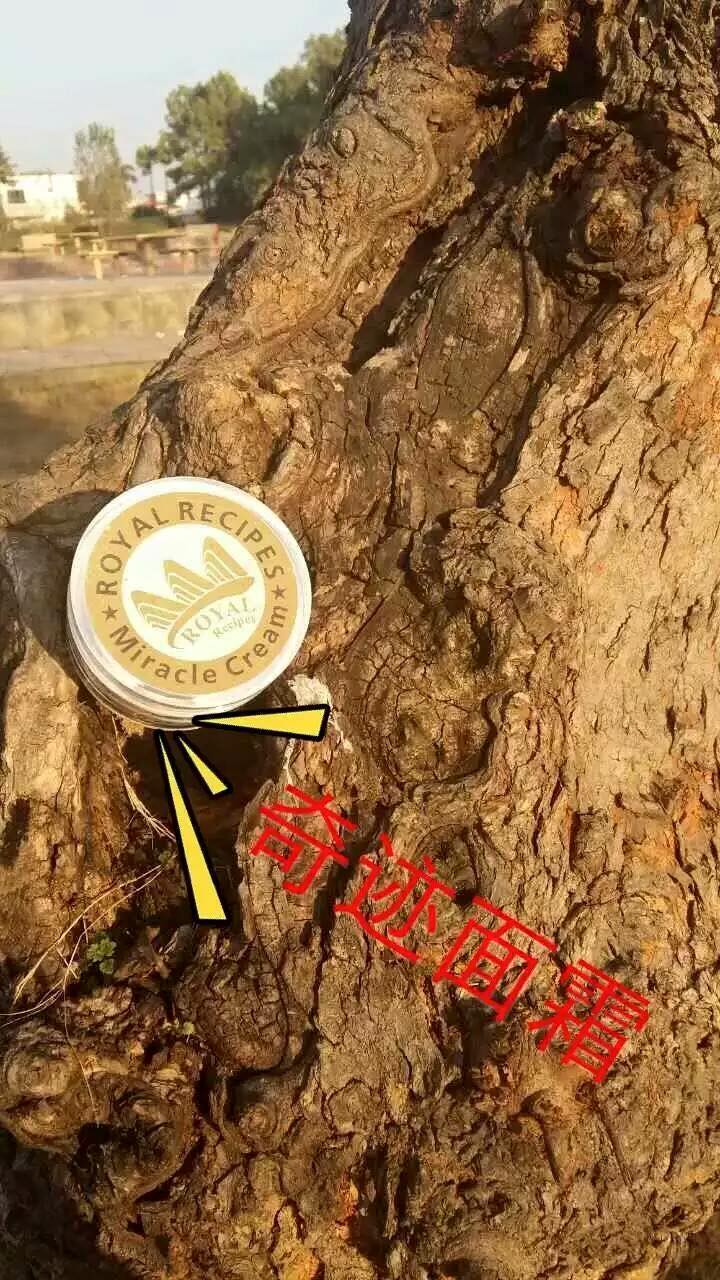
    RGB MIRACLE CREAM
    100% Halal herbal ingredients.
    (INGREDIENTS)
    ALOE VERA:
    Aloe vera have immense beauty benefits help reduce dark spots and blemishes on your face. It also help heal acne and acne scars.

    MINT:
    It helps to soften and calm dry or itchy skin.
    Removes blackheads & cure acne.

    GINSENG:
    Beneficial for anti ageing,improves complextion,cure acne,eczema,rough skin, Treats dark circles.

    GANODERMA LUCIDUM:
    Good for skin colour, anti wrinkles, anti inflammatory, stain removal and skin protection.

    ANGELICA DAHURICA:
    Promotes human cell microcirculation and skin metabolism.
    It gives whitening and moistening effect to the skin.

    CHAMOMILE:
    Chamomile is anti-bacterial,anti fungi,anti-inflammatory and antiseptic.
    It is considered to be hypoallergenic with the ability to neutralise skin irritants.

    PEARL POWER:
    It has calcium,protein & vitamins & high source of amino acid.
    It removes acne,acne scars,dry patches & adress sun damage.
    Great for anti ageing & evening out skin texture.

    PORIA COCOS:
    Nurtures the skin cells, minimizing the appearance of aging and scarring and improving skin quality. Poria cocos also facilitates in avoiding wrinkles and dark spots.

    RHIZOMA COPTIDIS:
    Toxic skin lesions
    My sister in law who is chinese Bella Rao is doing this business in Pakistan Those who are interested please connect with her RGB MIRACLE CREAM 100% Halal herbal ingredients. (INGREDIENTS) ALOE VERA: Aloe vera have immense beauty benefits help reduce dark spots and blemishes on your face. It also help heal acne and acne scars. MINT: It helps to soften and calm dry or itchy skin. Removes blackheads & cure acne. GINSENG: Beneficial for anti ageing,improves complextion,cure acne,eczema,rough skin, Treats dark circles. GANODERMA LUCIDUM: Good for skin colour, anti wrinkles, anti inflammatory, stain removal and skin protection. ANGELICA DAHURICA: Promotes human cell microcirculation and skin metabolism. It gives whitening and moistening effect to the skin. CHAMOMILE: Chamomile is anti-bacterial,anti fungi,anti-inflammatory and antiseptic. It is considered to be hypoallergenic with the ability to neutralise skin irritants. PEARL POWER: It has calcium,protein & vitamins & high source of amino acid. It removes acne,acne scars,dry patches & adress sun damage. Great for anti ageing & evening out skin texture. PORIA COCOS: Nurtures the skin cells, minimizing the appearance of aging and scarring and improving skin quality. Poria cocos also facilitates in avoiding wrinkles and dark spots. RHIZOMA COPTIDIS: Toxic skin lesions
    0 Commentaires 0 Parts 668 Vue
Plus de résultats