• #rsisb
    Roll no 248
    Foundation level
    song no 15
    **Calculus: The Journey of Numbers and Sacred Spaces**

    Calculus is more than just numbers, formulas, and equations—it is a fascinating journey into how we understand **change, motion, space, and patterns**. From the smallest mathematical curve to the grand geometry of sacred spaces, calculus helps us explore the hidden order and beauty of the world around us.

    This topic connects **mathematics, science, architecture, and human curiosity**, showing how numbers can help us appreciate both the complexity of nature and the beauty of sacred places.

    Let’s explore the incredible journey of calculus and discover the beauty where **mathematics meets space, design, and wonder!**

    #Calculus #Mathematics #MathJourney #SacredSpaces #MathematicalBeauty #Geometry #ScienceAndMath #Learning #Education #Curiosity #Knowledge #STEM #Architecture #Numbers #ExploreAndLearn #MathIsBeautiful #StudentLife #Inspiration
    #rsisb Roll no 248 Foundation level song no 15 ✨ **Calculus: The Journey of Numbers and Sacred Spaces** 📐🔢🕌 Calculus is more than just numbers, formulas, and equations—it is a fascinating journey into how we understand **change, motion, space, and patterns**. 🌌📊 From the smallest mathematical curve to the grand geometry of sacred spaces, calculus helps us explore the hidden order and beauty of the world around us. 🧠✨ This topic connects **mathematics, science, architecture, and human curiosity**, showing how numbers can help us appreciate both the complexity of nature and the beauty of sacred places. 🏛️📐🌟 Let’s explore the incredible journey of calculus and discover the beauty where **mathematics meets space, design, and wonder!** 🚀📚💫 #Calculus #Mathematics #MathJourney #SacredSpaces #MathematicalBeauty #Geometry #ScienceAndMath #Learning #Education #Curiosity #Knowledge #STEM #Architecture #Numbers #ExploreAndLearn #MathIsBeautiful #StudentLife #Inspiration 📐🔢✨🧠🌌🕌
    1
    1 Commenti 0 condivisioni 780 Views 2
  • Day 84: Calculus: The Journey of Numbers and Sacred Spaces
    Day 84: Calculus: The Journey of Numbers and Sacred Spaces
    0 Commenti 0 condivisioni 292 Views 0
  • "Give me a place to stand, and a lever long enough, and I will move the world." - Archimedes

    Archimedes of Syracuse was a Greek mathematician, physicist, engineer, inventor, and astronomer. He is considered one of the greatest mathematicians of antiquity and one of the greatest of all time. Here are some key points about him:

    Mathematics: Archimedes made significant contributions to geometry, including the area of circles, the surface area and volume of spheres, and the area under parabolas.

    Physics: He is known for his principle of buoyancy, known as Archimedes Principle, which states that a body immersed in a fluid experiences an upward force equal to the weight of the fluid displaced by the body.

    Engineering: Archimedes designed innovative machines, including war machines to defend his city of Syracuse during its siege by the Romans. He is also credited with inventing the Archimedean screw, a device for raising water.

    Eureka Moment: The famous story of Archimedes running through the streets of Syracuse naked, shouting "Eureka!" ("I have found it!") occurred when he discovered how to determine the purity of a gold object by measuring its displacement of water.

    Legacy: Archimedes work laid the foundations for future scientists and mathematicians. His methods anticipated modern calculus and analysis, and his inventions influenced engineering for centuries.

    Archimedes combination of theoretical and practical expertise made him a legendary figure in the history of science and mathematics.
    "Give me a place to stand, and a lever long enough, and I will move the world." - Archimedes Archimedes of Syracuse was a Greek mathematician, physicist, engineer, inventor, and astronomer. He is considered one of the greatest mathematicians of antiquity and one of the greatest of all time. Here are some key points about him: Mathematics: Archimedes made significant contributions to geometry, including the area of circles, the surface area and volume of spheres, and the area under parabolas. Physics: He is known for his principle of buoyancy, known as Archimedes' Principle, which states that a body immersed in a fluid experiences an upward force equal to the weight of the fluid displaced by the body. Engineering: Archimedes designed innovative machines, including war machines to defend his city of Syracuse during its siege by the Romans. He is also credited with inventing the Archimedean screw, a device for raising water. Eureka Moment: The famous story of Archimedes running through the streets of Syracuse naked, shouting "Eureka!" ("I have found it!") occurred when he discovered how to determine the purity of a gold object by measuring its displacement of water. Legacy: Archimedes' work laid the foundations for future scientists and mathematicians. His methods anticipated modern calculus and analysis, and his inventions influenced engineering for centuries. Archimedes' combination of theoretical and practical expertise made him a legendary figure in the history of science and mathematics.
    0 Commenti 0 condivisioni 1062 Views
  • Why Humans Can Only Learn a Little More Than They Already Know

    The Science and Logic Behind Slow Understanding of Completely New Ideas

    Human learning feels frustratingly slow when we face something truly new. A child cannot understand calculus in one sitting. A person who has never seen the internet cannot instantly grasp artificial intelligence. This is not a failure of intelligence or effort—it is how the human brain is designed to work. Science, psychology, and neuroscience all agree on one core truth:

    The brain can only understand new knowledge by attaching it to existing knowledge.
    When nothing familiar exists to attach to, understanding takes a very long time.

    Below is a clear, science-based explanation of why this happens.


    1. The Brain Learns by Building on Existing Mental Structures

    The brain does not store information randomly. It organizes knowledge into mental models or schemas.

    A schema is like a folder in your brain:
    • A child has a “dog” schema (four legs, barks).
    • When they see a wolf, the brain says: similar to dog → new variation added.

    But when something has no existing folder, the brain struggles.

    For example:
    • Explaining “cloud computing” to someone who has never used a computer
    • Explaining “quantum probability” to someone who doesn’t understand basic probability

    The brain asks:
    “Where do I put this?”

    If there is no place, learning slows dramatically.


    2. Assimilation vs. Accommodation (Jean Piaget’s Core Insight)

    Cognitive science explains learning through two processes:

    1. Assimilation (Easy Learning)

    New information fits into what you already know.

    Example:
    • You know bicycles
    • You see a motorcycle
    • Brain says: bigger, faster bicycle → learning is quick

    2. Accommodation (Hard Learning)

    The brain must rebuild its structure.

    Example:
    • You believe the Earth is flat
    • You learn it is round
    • This destroys an old belief and replaces it

    Accommodation is:
    • Emotionally uncomfortable
    • Mentally slow
    • Often resisted

    That is why radically new ideas take years, not minutes.


    3. Cognitive Load: The Brain Has a Hard Limit

    Your working memory is extremely limited.

    Research shows:
    • Humans can hold about 4–7 pieces of new information at once
    • Anything beyond that causes confusion, stress, or rejection

    When a concept is entirely new:
    • Every word is unfamiliar
    • Every assumption is missing
    • Cognitive load explodes

    The brain responds by:
    • Shutting down
    • Oversimplifying
    • Rejecting the idea entirely

    This is why people say:

    “This is too much for me”
    when in reality, it is too new, not too complex.


    4. Understanding Requires Repeated Exposure Over Time

    Neurons that fire together must fire repeatedly to wire together.

    For a brand-new concept:
    • First exposure → confusion
    • Second exposure → vague recognition
    • Third exposure → partial clarity
    • Dozens of exposures → true understanding

    This biological process is called synaptic strengthening.

    No repetition = no understanding
    No time = no deep learning

    This is why:
    • Reading once does nothing
    • Teaching others creates mastery
    • Daily exposure beats long lectures


    5. Language Limits Understanding

    You cannot understand what you cannot name.

    If a language lacks words for a concept:
    • The brain struggles to even notice it
    • Understanding stays shallow

    This is why:
    • Children struggle with abstract ideas
    • New scientific fields invent new vocabulary
    • Translating new ideas into familiar language speeds learning

    Understanding expands with language.


    6. Emotion and Identity Block New Ideas

    Entirely new concepts often threaten identity.

    Examples:
    • New technology threatening a job
    • New beliefs challenging religion or culture
    • New science questioning long-held “truths”

    The brain is not just a thinking machine—it is a protection machine.

    When identity is threatened:
    • The emotional brain overrides logic
    • The person cannot understand, even if intelligent

    This is why:

    “You can’t explain this to him”
    is sometimes biologically true.


    7. Learning Is Like Climbing, Not Jumping

    You cannot jump to the top of a mountain.

    You must:
    • Step from one rock to the next
    • Build strength gradually
    • See the path from where you stand

    The brain works the same way.

    Each new idea must be:
    • Slightly above current understanding
    • Connected to something familiar
    • Revisited multiple times

    Anything too far ahead feels invisible.


    8. Why Breakthroughs Feel Sudden (But Aren’t)

    People often say:

    “Suddenly, it all clicked!”

    This is an illusion.

    What really happened:
    • Months or years of silent buildup
    • Gradual neural rewiring
    • A final connection that became conscious

    Understanding feels sudden
    But learning is always slow


    Final Truth

    Humans cannot fully understand something completely new because:
    1. The brain needs existing structures to attach knowledge
    2. Working memory has strict limits
    3. Neural connections require time and repetition
    4. Language, emotion, and identity slow acceptance
    5. Radical ideas require rebuilding the mind itself

    This is not weakness.
    It is how intelligence survives.

    Progress happens not by forcing big jumps—but by designing small, consistent steps forward.

    That is how children grow.
    That is how civilizations advance.
    That is how real learning happens.
    Why Humans Can Only Learn a Little More Than They Already Know The Science and Logic Behind Slow Understanding of Completely New Ideas Human learning feels frustratingly slow when we face something truly new. A child cannot understand calculus in one sitting. A person who has never seen the internet cannot instantly grasp artificial intelligence. This is not a failure of intelligence or effort—it is how the human brain is designed to work. Science, psychology, and neuroscience all agree on one core truth: The brain can only understand new knowledge by attaching it to existing knowledge. When nothing familiar exists to attach to, understanding takes a very long time. Below is a clear, science-based explanation of why this happens. ⸻ 1. The Brain Learns by Building on Existing Mental Structures The brain does not store information randomly. It organizes knowledge into mental models or schemas. A schema is like a folder in your brain: • A child has a “dog” schema (four legs, barks). • When they see a wolf, the brain says: similar to dog → new variation added. But when something has no existing folder, the brain struggles. For example: • Explaining “cloud computing” to someone who has never used a computer • Explaining “quantum probability” to someone who doesn’t understand basic probability The brain asks: “Where do I put this?” If there is no place, learning slows dramatically. ⸻ 2. Assimilation vs. Accommodation (Jean Piaget’s Core Insight) Cognitive science explains learning through two processes: 1. Assimilation (Easy Learning) New information fits into what you already know. Example: • You know bicycles • You see a motorcycle • Brain says: bigger, faster bicycle → learning is quick 2. Accommodation (Hard Learning) The brain must rebuild its structure. Example: • You believe the Earth is flat • You learn it is round • This destroys an old belief and replaces it Accommodation is: • Emotionally uncomfortable • Mentally slow • Often resisted That is why radically new ideas take years, not minutes. ⸻ 3. Cognitive Load: The Brain Has a Hard Limit Your working memory is extremely limited. Research shows: • Humans can hold about 4–7 pieces of new information at once • Anything beyond that causes confusion, stress, or rejection When a concept is entirely new: • Every word is unfamiliar • Every assumption is missing • Cognitive load explodes The brain responds by: • Shutting down • Oversimplifying • Rejecting the idea entirely This is why people say: “This is too much for me” when in reality, it is too new, not too complex. ⸻ 4. Understanding Requires Repeated Exposure Over Time Neurons that fire together must fire repeatedly to wire together. For a brand-new concept: • First exposure → confusion • Second exposure → vague recognition • Third exposure → partial clarity • Dozens of exposures → true understanding This biological process is called synaptic strengthening. No repetition = no understanding No time = no deep learning This is why: • Reading once does nothing • Teaching others creates mastery • Daily exposure beats long lectures ⸻ 5. Language Limits Understanding You cannot understand what you cannot name. If a language lacks words for a concept: • The brain struggles to even notice it • Understanding stays shallow This is why: • Children struggle with abstract ideas • New scientific fields invent new vocabulary • Translating new ideas into familiar language speeds learning Understanding expands with language. ⸻ 6. Emotion and Identity Block New Ideas Entirely new concepts often threaten identity. Examples: • New technology threatening a job • New beliefs challenging religion or culture • New science questioning long-held “truths” The brain is not just a thinking machine—it is a protection machine. When identity is threatened: • The emotional brain overrides logic • The person cannot understand, even if intelligent This is why: “You can’t explain this to him” is sometimes biologically true. ⸻ 7. Learning Is Like Climbing, Not Jumping You cannot jump to the top of a mountain. You must: • Step from one rock to the next • Build strength gradually • See the path from where you stand The brain works the same way. Each new idea must be: • Slightly above current understanding • Connected to something familiar • Revisited multiple times Anything too far ahead feels invisible. ⸻ 8. Why Breakthroughs Feel Sudden (But Aren’t) People often say: “Suddenly, it all clicked!” This is an illusion. What really happened: • Months or years of silent buildup • Gradual neural rewiring • A final connection that became conscious Understanding feels sudden But learning is always slow ⸻ Final Truth Humans cannot fully understand something completely new because: 1. The brain needs existing structures to attach knowledge 2. Working memory has strict limits 3. Neural connections require time and repetition 4. Language, emotion, and identity slow acceptance 5. Radical ideas require rebuilding the mind itself This is not weakness. It is how intelligence survives. Progress happens not by forcing big jumps—but by designing small, consistent steps forward. That is how children grow. That is how civilizations advance. That is how real learning happens.
    0 Commenti 0 condivisioni 728 Views
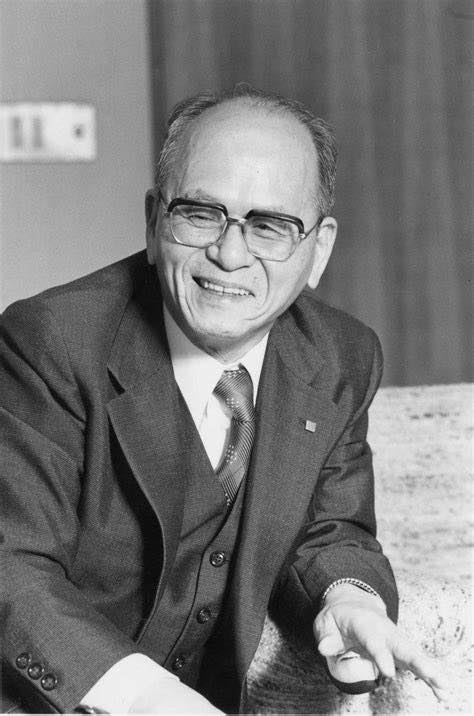
  • Toru Kumon (1914–1995) was a Japanese mathematics educator and the founder of the Kumon Method, a self-learning approach that has transformed education worldwide. Born in Kochi Prefecture, Japan, he graduated from Osaka University with a degree in mathematics and spent over three decades teaching high school math in Osaka.  

    The Birth of the Kumon Method

    In 1954, Kumon’s educational philosophy took shape when his second-grade son, Takeshi, struggled with math. Encouraged by his wife, Teiko, Kumon created daily math worksheets tailored to his son’s pace, emphasizing mastery through repetition and incremental learning. By sixth grade, Takeshi was solving calculus problems, a testament to the method’s effectiveness.  

    The success with his son led Kumon to share his method with other children, resulting in significant improvements. In 1958, he established the Osaka Institute of Mathematics, later known as the Kumon Institute of Education, to formalize and expand his approach.  

    Core Principles of the Kumon Method

    Kumon’s method is grounded in the belief that every child has the potential to excel through:
    • Self-Learning: Encouraging students to solve problems independently, fostering confidence and autonomy.
    • Individualized Progression: Allowing students to advance at their own pace, ensuring comprehension before moving forward.
    • Daily Practice: Building discipline and reinforcing learning through consistent, short assignments.

    This approach not only enhances academic skills but also cultivates lifelong learning habits.

    Global Impact and Legacy

    From its humble beginnings, the Kumon Method has grown into a global educational movement, with centers in over 60 countries and millions of students benefiting from its principles. Kumon’s dedication to education earned him international recognition, including having asteroid 3569 Kumon named in his honor. He passed away in 1995, but his legacy continues to inspire educators and learners worldwide.   

    For more information on Toru Kumon and his educational philosophy, you can visit the Kumon Institute of Education.
    Toru Kumon (1914–1995) was a Japanese mathematics educator and the founder of the Kumon Method, a self-learning approach that has transformed education worldwide. Born in Kochi Prefecture, Japan, he graduated from Osaka University with a degree in mathematics and spent over three decades teaching high school math in Osaka.   The Birth of the Kumon Method In 1954, Kumon’s educational philosophy took shape when his second-grade son, Takeshi, struggled with math. Encouraged by his wife, Teiko, Kumon created daily math worksheets tailored to his son’s pace, emphasizing mastery through repetition and incremental learning. By sixth grade, Takeshi was solving calculus problems, a testament to the method’s effectiveness.   The success with his son led Kumon to share his method with other children, resulting in significant improvements. In 1958, he established the Osaka Institute of Mathematics, later known as the Kumon Institute of Education, to formalize and expand his approach.   Core Principles of the Kumon Method Kumon’s method is grounded in the belief that every child has the potential to excel through: • Self-Learning: Encouraging students to solve problems independently, fostering confidence and autonomy. • Individualized Progression: Allowing students to advance at their own pace, ensuring comprehension before moving forward. • Daily Practice: Building discipline and reinforcing learning through consistent, short assignments. This approach not only enhances academic skills but also cultivates lifelong learning habits. Global Impact and Legacy From its humble beginnings, the Kumon Method has grown into a global educational movement, with centers in over 60 countries and millions of students benefiting from its principles. Kumon’s dedication to education earned him international recognition, including having asteroid 3569 Kumon named in his honor. He passed away in 1995, but his legacy continues to inspire educators and learners worldwide.    For more information on Toru Kumon and his educational philosophy, you can visit the Kumon Institute of Education.
    0 Commenti 0 condivisioni 271 Views
  • ACCL Day 84 — Composed a new song on Calculus: The Journey of Numbers and Sacred Spaces! Exploring the magic of math and the universe #Day84 #ACCL #CalculusJourney #CreativeVibes #MathAndMusic"

    Imran Khan Street Wala
    🎶 ACCL Day 84 — Composed a new song on Calculus: The Journey of Numbers and Sacred Spaces! Exploring the magic of math and the universe 🌌✨ #Day84 #ACCL #CalculusJourney #CreativeVibes #MathAndMusic" Imran Khan Street Wala
    0 Commenti 0 condivisioni 1824 Views 0