• RSIF8
    ROLL NO 77
    MOVIE REVIEW TOPIC "Munna Bhai M.B.B.S".

    **Munna Bhai M.B.B.S. — A Movie Full of Laughter & Humanity **

    *Munna Bhai M.B.B.S.* is more than just a comedy movie! It beautifully combines **humor, emotions, friendship, and humanity**. Through Munna’s journey, the movie teaches us that being a good human being is just as important as being successful.

    A heartwarming film that makes you laugh, feel, and learn something meaningful at the same time!

    **Rating: 9/10**

    #MunnaBhaiMBBS #MovieReview #Bollywood #SanjayDutt #ArshadWarsi #Circuit #MovieLovers #ComedyMovie #Humanity #Friendship #LifeLessons #IndianCinema #FilmReview
    RSIF8 ROLL NO 77 MOVIE REVIEW TOPIC "Munna Bhai M.B.B.S". 🎬 **Munna Bhai M.B.B.S. — A Movie Full of Laughter & Humanity ❤️** *Munna Bhai M.B.B.S.* is more than just a comedy movie! 😂 It beautifully combines **humor, emotions, friendship, and humanity**. Through Munna’s journey, the movie teaches us that being a good human being is just as important as being successful. 🩺❤️ A heartwarming film that makes you laugh, feel, and learn something meaningful at the same time! 🎥✨ ⭐ **Rating: 9/10** #MunnaBhaiMBBS #MovieReview #Bollywood #SanjayDutt #ArshadWarsi #Circuit #MovieLovers #ComedyMovie #Humanity #Friendship #LifeLessons #IndianCinema #FilmReview 🎬❤️
    0 Комментарии 0 Поделились 354 Просмотры 7
  • #rsisb
    Roll no248
    Foundation level
    Song no 10
    **Electricity Unplugged: Currents and Circuits**

    Get ready for an exciting musical journey into the world of **electricity, currents, and circuits!** This educational song/poem makes learning science fun and easy by exploring how electric current flows, how circuits work, and how electrical energy powers the world around us.

    From batteries to bulbs , wires to switches , discover the amazing journey of electricity through rhythm, words, and creativity!

    Created as a fun learning project on **Suno.ai**, this song combines **science + music + imagination** to make learning more memorable.

    Learn with music.
    Explore electricity.
    Understand circuits.
    Keep discovering!

    #Electricity #ElectricCurrent #Circuits #ScienceSong #EducationalSong #ScienceEducation #LearningThroughMusic #SunoAI #STEM #Physics #ScienceForStudents #ElectricityAndCircuits #CreativeLearning #Education #ScienceIsFun
    #rsisb Roll no248 Foundation level Song no 10 ⚡🎵 **Electricity Unplugged: Currents and Circuits** 🔋💡 Get ready for an exciting musical journey into the world of **electricity, currents, and circuits!** 🎶⚡ This educational song/poem makes learning science fun and easy by exploring how electric current flows, how circuits work, and how electrical energy powers the world around us. 🔌💡🌍 From batteries 🔋 to bulbs 💡, wires 🧵 to switches 🔘, discover the amazing journey of electricity through rhythm, words, and creativity! 🎤🎵 Created as a fun learning project on **Suno.ai**, this song combines **science + music + imagination** to make learning more memorable. 🚀📚✨ 🎶 Learn with music. ⚡ Explore electricity. 🔌 Understand circuits. 💡 Keep discovering! #Electricity #ElectricCurrent #Circuits #ScienceSong #EducationalSong #ScienceEducation #LearningThroughMusic #SunoAI #STEM #Physics #ScienceForStudents #ElectricityAndCircuits #CreativeLearning #Education #ScienceIsFun ⚡🔋💡🎵📚🚀
    0 Комментарии 0 Поделились 377 Просмотры 4
  • Untitled recording - 2026-10-01T111531.388RSIF 8

    Roll no 93

    Movie review no 4

    Task topic:Bilkul Yeh **“Munna Bhai M.B.B.S.”** review video ke liye long description hai:

    **Movie Review — Munna Bhai M.B.B.S.**

    Today I am sharing my review of the popular Bollywood movie **“Munna Bhai M.B.B.S.”**, directed by **Rajkumar Hirani** and released in 2003.

    The movie follows **Munna Bhai**, played by Sanjay Dutt, who dreams of becoming a doctor after realizing how much his father wants him to follow that path. Along the way, Munna enters medical college and experiences a completely different world of education, competition, discipline, friendship, and responsibility.

    One of the most memorable aspects of the movie is its message about **humanity and compassion**. Through Munna's unique way of dealing with people, the movie reminds us that medicine is not only about treating diseases—it is also about understanding patients and treating them with dignity and kindness.

    The movie combines **comedy, emotions, friendship, family values, and social messages** in an entertaining way. The relationship between Munna and Circuit also adds humor and friendship to the story.

    **What I learned from the movie:**

    • Education should develop character as well as knowledge.

    • Kindness can make a difference in someone's life.

    • Patients need emotional support along with medical treatment.

    • True success is not only about degrees or status.

    • Humanity and compassion are important in every profession.

    • We should respect and listen to other people.

    The movie's central message is simple but powerful: **being a good human being is an important part of being successful in life.**

    Watch my full review in **English and Urdu** and share your thoughts about the movie in the comments.
    Untitled recording - 2026-10-01T111531.388RSIF 8 Roll no 93 Movie review no 4 Task topic:Bilkul 👍 Yeh **“Munna Bhai M.B.B.S.”** review video ke liye long description hai: 🎬 **Movie Review — Munna Bhai M.B.B.S.** Today I am sharing my review of the popular Bollywood movie **“Munna Bhai M.B.B.S.”**, directed by **Rajkumar Hirani** and released in 2003. The movie follows **Munna Bhai**, played by Sanjay Dutt, who dreams of becoming a doctor after realizing how much his father wants him to follow that path. Along the way, Munna enters medical college and experiences a completely different world of education, competition, discipline, friendship, and responsibility. One of the most memorable aspects of the movie is its message about **humanity and compassion**. Through Munna's unique way of dealing with people, the movie reminds us that medicine is not only about treating diseases—it is also about understanding patients and treating them with dignity and kindness. The movie combines **comedy, emotions, friendship, family values, and social messages** in an entertaining way. The relationship between Munna and Circuit also adds humor and friendship to the story. 💡 **What I learned from the movie:** • Education should develop character as well as knowledge. • Kindness can make a difference in someone's life. • Patients need emotional support along with medical treatment. • True success is not only about degrees or status. • Humanity and compassion are important in every profession. • We should respect and listen to other people. ❤️ The movie's central message is simple but powerful: **being a good human being is an important part of being successful in life.** 🎥 Watch my full review in **English and Urdu** and share your thoughts about the movie in the comments.
    0 Комментарии 0 Поделились 1798 Просмотры
  • Day 106
    rollno:_006
    foundation level
    Canva Post

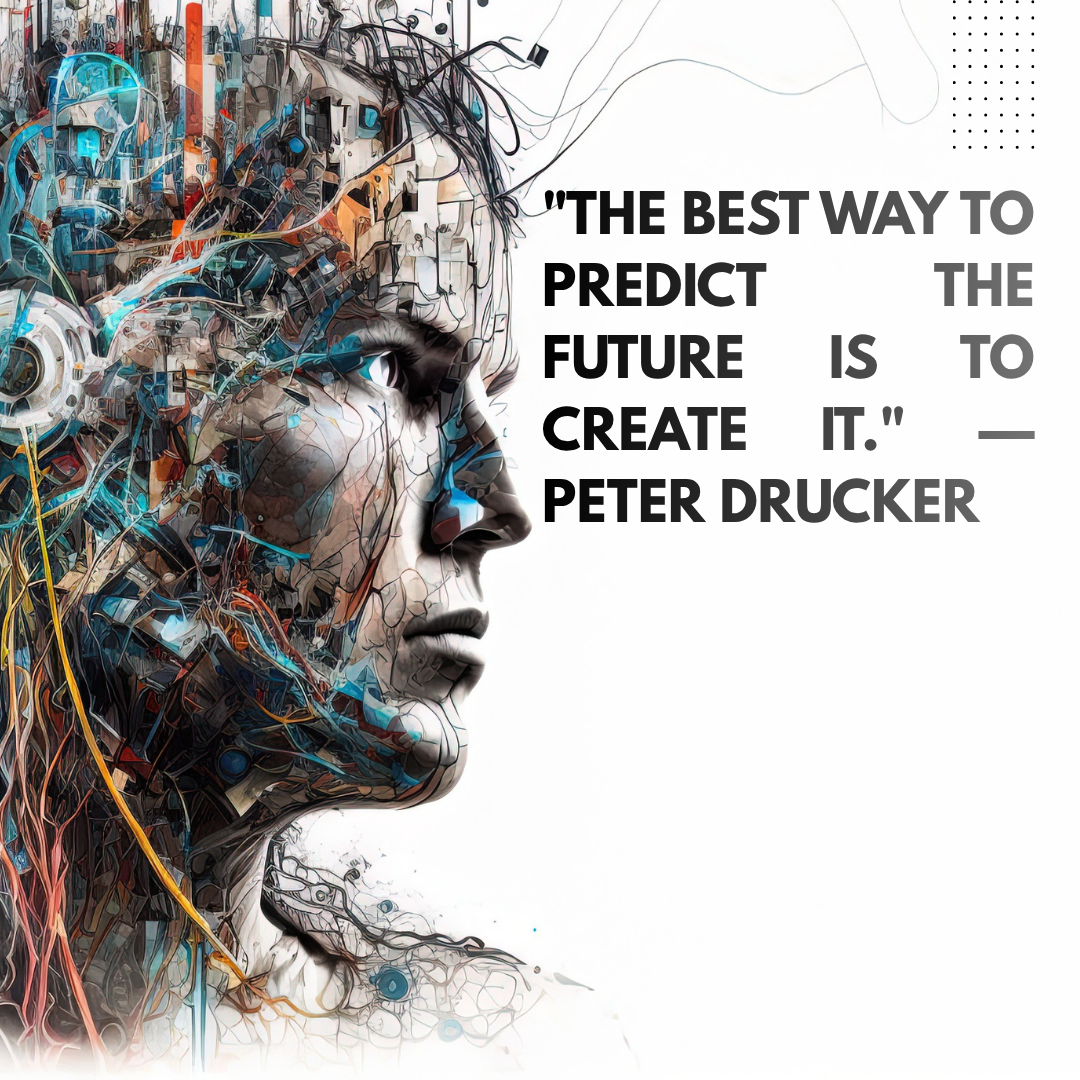
    Quote Text: Bold, dark gray sans-serif text aligned to the right side of the image: "THE BEST WAY TO PREDICT THE FUTURE IS TO CREATE IT." — PETER DRUCKER Cybernetic Portrait: A side-profile graphic of a human head and face composed of intricate, colorful biomechanical details. The complex circuitry, wires, glowing accents, and mechanical overlays fade smoothly toward the right. Background & Accents: A solid white backdrop with faint minimalist line artwork at the top right and a subtle grid of small dots.
    Day 106 rollno:_006 foundation level 🎨 Canva Post Quote Text: Bold, dark gray sans-serif text aligned to the right side of the image: "THE BEST WAY TO PREDICT THE FUTURE IS TO CREATE IT." — PETER DRUCKER Cybernetic Portrait: A side-profile graphic of a human head and face composed of intricate, colorful biomechanical details. The complex circuitry, wires, glowing accents, and mechanical overlays fade smoothly toward the right. Background & Accents: A solid white backdrop with faint minimalist line artwork at the top right and a subtle grid of small dots.
    0 Комментарии 0 Поделились 317 Просмотры
  • #rsisb
    Roll no.239
    Story post no.11
    Foundation Level

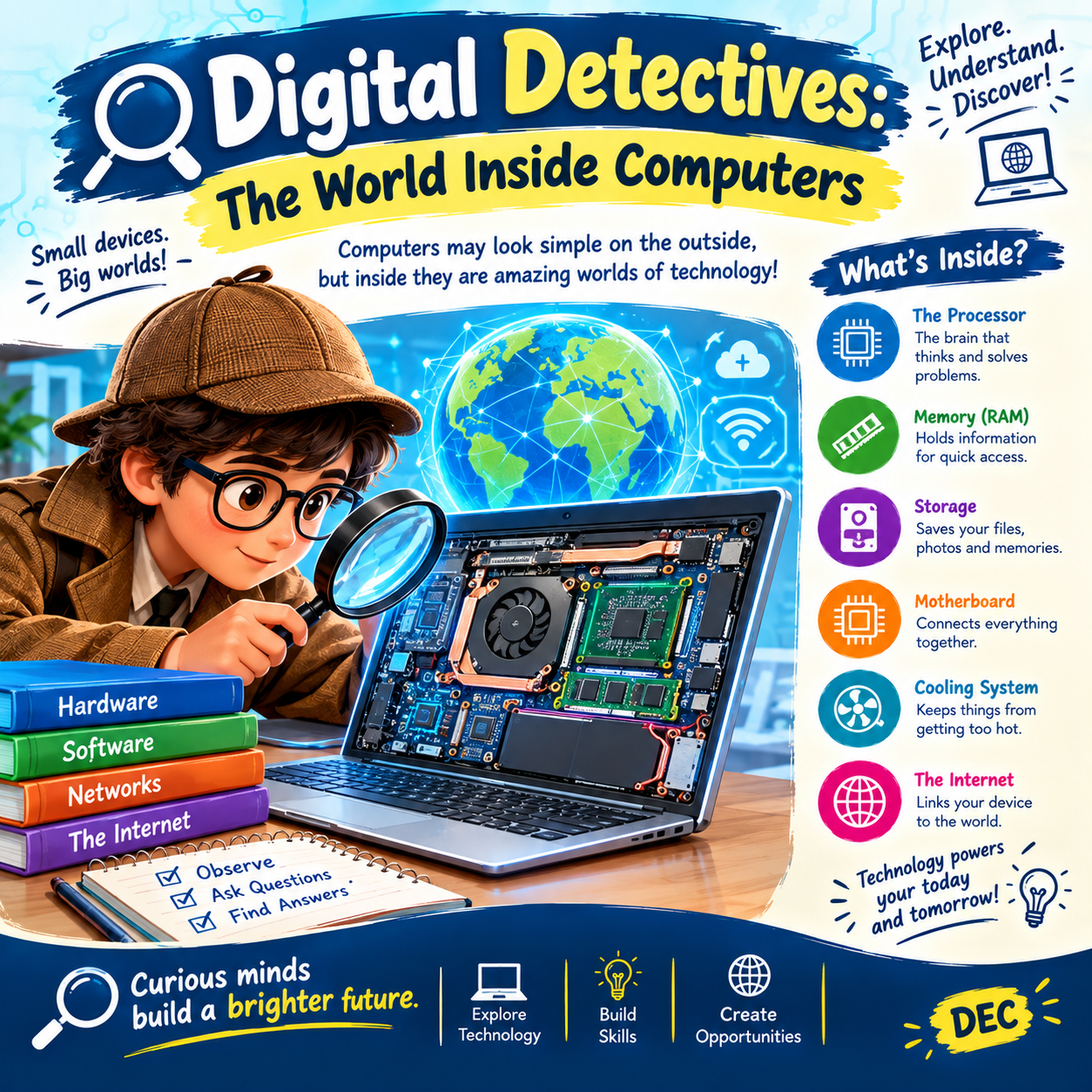
    Have you ever wondered what happens **inside a computer** when you open an app, play a game, watch a video, or search for something online? Behind the screen is a fascinating world of hardware, software, data, and networks working together!

    **The Processor (CPU)** — Often called the “brain” of the computer, the processor carries out instructions and performs calculations that help programs run.

    **Memory (RAM)** — RAM temporarily holds information that the computer needs quick access to while you are working or running applications.

    **Storage** — Storage keeps your files, photos, videos, programs, and other information so they can be accessed later.

    **The Motherboard** — This important circuit board connects many of the computer’s major components and allows them to communicate with one another.

    **The Cooling System** — Computers produce heat while operating, so cooling components help keep important hardware within a suitable temperature range.

    **The Internet** — Networks allow computers and other devices to communicate and exchange information across the world.

    **Be a Digital Detective!**

    You don’t need to be a computer expert to start exploring technology. Ask questions, learn how different components work, discover how software communicates with hardware, and explore how information travels through networks.

    **Observe. Ask questions. Find answers. Build skills.**

    Technology is all around us, and understanding how it works can help us become smarter and more confident digital learners. From a tiny processor to a worldwide network, every part plays a role in the digital world we use every day.

    **Curious minds build a brighter future!**

    #DigitalDetectives #Computers #ComputerScience #Technology #DigitalWorld #HowComputersWork #ComputerHardware #CPU #RAM #Storage #Motherboard #Internet #Coding #STEM #TechEducation #DigitalLearning #LearnTechnology #ScienceAndTechnology #Education #FutureSkills #DEC
    #rsisb Roll no.239 Story post no.11 Foundation Level Have you ever wondered what happens **inside a computer** when you open an app, play a game, watch a video, or search for something online? Behind the screen is a fascinating world of hardware, software, data, and networks working together! 🧠⚙️ 🖥️ **The Processor (CPU)** — Often called the “brain” of the computer, the processor carries out instructions and performs calculations that help programs run. 🧠 **Memory (RAM)** — RAM temporarily holds information that the computer needs quick access to while you are working or running applications. 💾 **Storage** — Storage keeps your files, photos, videos, programs, and other information so they can be accessed later. 🔌 **The Motherboard** — This important circuit board connects many of the computer’s major components and allows them to communicate with one another. ❄️ **The Cooling System** — Computers produce heat while operating, so cooling components help keep important hardware within a suitable temperature range. 🌐 **The Internet** — Networks allow computers and other devices to communicate and exchange information across the world. 🔍 **Be a Digital Detective!** You don’t need to be a computer expert to start exploring technology. Ask questions, learn how different components work, discover how software communicates with hardware, and explore how information travels through networks. 📚 **Observe. Ask questions. Find answers. Build skills.** Technology is all around us, and understanding how it works can help us become smarter and more confident digital learners. From a tiny processor to a worldwide network, every part plays a role in the digital world we use every day. 🌍💡 ✨ **Curious minds build a brighter future!** #DigitalDetectives #Computers #ComputerScience #Technology #DigitalWorld #HowComputersWork #ComputerHardware #CPU #RAM #Storage #Motherboard #Internet #Coding #STEM #TechEducation #DigitalLearning #LearnTechnology #ScienceAndTechnology #Education #FutureSkills #DEC
    0 Комментарии 0 Поделились 2444 Просмотры
  • The origin of electricity as we understand it today is the result of centuries of discoveries and advancements. Here is a timeline of key developments:

    Ancient Observations

    1. 600 BCE - Thales of Miletus:
    • Greek philosopher Thales observed that rubbing amber with fur attracted lightweight objects like feathers. This is the earliest recorded observation of static electricity.
    2. 1200 CE - Magnetic Compass:
    • The Chinese used magnetized lodestones for navigation, showing an early understanding of magnetic properties.

    Early Scientific Discoveries

    3. 1600 - William Gilbert:
    • An English scientist, Gilbert coined the term “electricus” to describe the force exerted by materials like amber when rubbed. He distinguished between magnetism and static electricity.
    4. 1660 - Otto von Guericke:
    • Invented the first electrostatic generator, capable of producing static electricity.
    5. 1729 - Stephen Gray:
    • Discovered that electricity could be conducted over long distances using certain materials, leading to the identification of conductors and insulators.

    Modern Foundations of Electricity

    6. 1752 - Benjamin Franklin:
    • Conducted his famous kite experiment, proving that lightning is a form of electrical discharge. Franklin introduced the concept of positive and negative charges.
    7. 1800 - Alessandro Volta:
    • Invented the voltaic pile, the first true battery, producing a steady flow of electric current. This marked the beginning of electrochemistry.
    8. 1820 - Hans Christian Ørsted:
    • Discovered the relationship between electricity and magnetism, laying the foundation for electromagnetism.
    9. 1821 - Michael Faraday:
    • Demonstrated electromagnetic induction, showing that a changing magnetic field could induce an electric current in a conductor. This discovery led to the development of electric generators.
    10. 1827 - Georg Ohm:
    • Formulated Ohm’s Law, explaining the relationship between voltage, current, and resistance in electrical circuits.

    Industrial Revolution and Practical Applications

    11. 1879 - Thomas Edison:
    • Developed a practical incandescent light bulb and created a complete electrical system for generating and distributing electricity.
    12. 1888 - Nikola Tesla:
    • Introduced the concept of alternating current (AC), which allowed electricity to be transmitted over long distances more efficiently. Tesla’s AC system competed with Edison’s direct current (DC) in what was known as the War of the Currents.
    13. 1890s - George Westinghouse:
    • Partnered with Tesla to commercialize AC power, winning the competition against DC and establishing the foundation of modern electrical grids.

    Electricity Today

    The understanding and utilization of electricity have transformed society, enabling the development of modern technologies such as computers, telecommunications, and renewable energy systems. While electricity itself existed long before humans discovered it, the journey of understanding and harnessing it spans centuries of scientific progress.
    The origin of electricity as we understand it today is the result of centuries of discoveries and advancements. Here is a timeline of key developments: Ancient Observations 1. 600 BCE - Thales of Miletus: • Greek philosopher Thales observed that rubbing amber with fur attracted lightweight objects like feathers. This is the earliest recorded observation of static electricity. 2. 1200 CE - Magnetic Compass: • The Chinese used magnetized lodestones for navigation, showing an early understanding of magnetic properties. Early Scientific Discoveries 3. 1600 - William Gilbert: • An English scientist, Gilbert coined the term “electricus” to describe the force exerted by materials like amber when rubbed. He distinguished between magnetism and static electricity. 4. 1660 - Otto von Guericke: • Invented the first electrostatic generator, capable of producing static electricity. 5. 1729 - Stephen Gray: • Discovered that electricity could be conducted over long distances using certain materials, leading to the identification of conductors and insulators. Modern Foundations of Electricity 6. 1752 - Benjamin Franklin: • Conducted his famous kite experiment, proving that lightning is a form of electrical discharge. Franklin introduced the concept of positive and negative charges. 7. 1800 - Alessandro Volta: • Invented the voltaic pile, the first true battery, producing a steady flow of electric current. This marked the beginning of electrochemistry. 8. 1820 - Hans Christian Ørsted: • Discovered the relationship between electricity and magnetism, laying the foundation for electromagnetism. 9. 1821 - Michael Faraday: • Demonstrated electromagnetic induction, showing that a changing magnetic field could induce an electric current in a conductor. This discovery led to the development of electric generators. 10. 1827 - Georg Ohm: • Formulated Ohm’s Law, explaining the relationship between voltage, current, and resistance in electrical circuits. Industrial Revolution and Practical Applications 11. 1879 - Thomas Edison: • Developed a practical incandescent light bulb and created a complete electrical system for generating and distributing electricity. 12. 1888 - Nikola Tesla: • Introduced the concept of alternating current (AC), which allowed electricity to be transmitted over long distances more efficiently. Tesla’s AC system competed with Edison’s direct current (DC) in what was known as the War of the Currents. 13. 1890s - George Westinghouse: • Partnered with Tesla to commercialize AC power, winning the competition against DC and establishing the foundation of modern electrical grids. Electricity Today The understanding and utilization of electricity have transformed society, enabling the development of modern technologies such as computers, telecommunications, and renewable energy systems. While electricity itself existed long before humans discovered it, the journey of understanding and harnessing it spans centuries of scientific progress.
    0 Комментарии 0 Поделились 1185 Просмотры
  • Inventing a room-temperature superconducting wire requires theoretical innovation and practical application. Here’s a proposed invention combining advanced materials, manufacturing techniques, and physical principles. This is a conceptual framework for a new type of superconductor wire that works at room temperature and standard atmospheric pressure.

    Name of the Invention: SuperCore RT-Wire

    Materials Used:
    1. Core Material:
    • A flexible and conductive metal like aluminum or copper as the structural backbone.
    • Coated with a stabilizing layer of boron-doped graphene for electron mobility enhancement.
    2. Superconducting Layer:
    • Hydrogen-Stabilized Lanthanum Hydride (LaH₁₀): Known to exhibit room-temperature superconductivity under high pressures.
    • Chemical Pressure Mimicry: Combine with nanostructured additives (like carbon nanotubes or diamond-like structures) to stabilize its superconducting state at normal pressure.
    3. Protective Encapsulation:
    • A flexible, transparent ceramic sheath (like silicon carbide) to protect against oxidation and moisture while maintaining flexibility.

    How It Works:
    1. Electron Pairing Without Cooling:
    • Use the hydrogen-stabilized structure of Lanthanum Hydride, reinforced by carbon nanostructures, to maintain quantum coherence (electron pairing) without requiring cryogenic cooling.
    2. Chemical Pressure Substitution:
    • Mimic the effects of extreme physical pressure by introducing chemical bonds and nanoscale lattice constraints using carbon-based scaffolds, like graphene or boron-doped diamond, to keep the superconducting structure stable.
    3. Multilayer Design:
    • The superconductor layer is deposited as a thin film over a conductive core (aluminum or copper).
    • Nanoengineered lattices prevent electron scattering, enhancing superconducting efficiency.

    Manufacturing Process:
    1. Step 1: Core Preparation
    • Aluminum or copper wire is cleaned and coated with a thin layer of boron-doped graphene using chemical vapor deposition (CVD).
    2. Step 2: Superconductor Layer Application
    • A thin film of hydrogen-stabilized lanthanum hydride is deposited onto the core wire using atomic layer deposition (ALD).
    • Carbon nanotubes or nanodiamonds are added during the process to stabilize the structure.
    3. Step 3: Protective Encapsulation
    • A ceramic or polymer sheath is applied using a spray-coating method to protect the wire and maintain structural integrity.
    4. Step 4: Quality Control
    • Each wire segment is tested for superconducting properties at room temperature before being spooled.

    Key Features:
    1. Room-Temperature Operation:
    • Works at standard atmospheric pressure and temperatures up to 25°C (77°F).
    2. Flexible and Scalable:
    • Designed to be produced in bulk using roll-to-roll manufacturing techniques, making it scalable and cost-effective.
    3. Affordable Materials:
    • Utilizes abundant elements like hydrogen, lanthanum, and carbon, reducing the overall cost.

    Applications:
    1. Power Transmission:
    Replace traditional copper or aluminum wires in power grids to eliminate energy losses.
    Example: A single kilometer of SuperCore RT-Wire could transmit gigawatts of electricity with zero resistance.
    2. Transportation:
    Use in maglev train systems to simplify and reduce the cost of high-speed rail systems.
    3. Electronics:
    Enable ultra-efficient circuits and processors for quantum computing and advanced AI systems.

    Challenges and Solutions:
    1. Stability at Normal Pressure:
    • Solution: Use nanoscale scaffolds and chemical bonding to maintain superconductivity without physical pressure.
    2. Cost Reduction:
    • Solution: Develop mass-production techniques like roll-to-roll deposition and inkjet printing for large-scale manufacturing.
    3. Durability:
    • Solution: Use robust protective coatings like silicon carbide to extend the wire’s lifespan.

    Proposed Prototype Development:
    1. Create a test segment of SuperCore RT-Wire using lab-scale CVD and ALD methods.
    2. Test for superconductivity at room temperature under normal atmospheric conditions.
    3. Iterate the design to optimize stability and reduce production costs.

    This invention, while conceptual, outlines a practical path to achieving a room-temperature superconducting wire using current knowledge and innovative engineering.
    Inventing a room-temperature superconducting wire requires theoretical innovation and practical application. Here’s a proposed invention combining advanced materials, manufacturing techniques, and physical principles. This is a conceptual framework for a new type of superconductor wire that works at room temperature and standard atmospheric pressure. Name of the Invention: SuperCore RT-Wire Materials Used: 1. Core Material: • A flexible and conductive metal like aluminum or copper as the structural backbone. • Coated with a stabilizing layer of boron-doped graphene for electron mobility enhancement. 2. Superconducting Layer: • Hydrogen-Stabilized Lanthanum Hydride (LaH₁₀): Known to exhibit room-temperature superconductivity under high pressures. • Chemical Pressure Mimicry: Combine with nanostructured additives (like carbon nanotubes or diamond-like structures) to stabilize its superconducting state at normal pressure. 3. Protective Encapsulation: • A flexible, transparent ceramic sheath (like silicon carbide) to protect against oxidation and moisture while maintaining flexibility. How It Works: 1. Electron Pairing Without Cooling: • Use the hydrogen-stabilized structure of Lanthanum Hydride, reinforced by carbon nanostructures, to maintain quantum coherence (electron pairing) without requiring cryogenic cooling. 2. Chemical Pressure Substitution: • Mimic the effects of extreme physical pressure by introducing chemical bonds and nanoscale lattice constraints using carbon-based scaffolds, like graphene or boron-doped diamond, to keep the superconducting structure stable. 3. Multilayer Design: • The superconductor layer is deposited as a thin film over a conductive core (aluminum or copper). • Nanoengineered lattices prevent electron scattering, enhancing superconducting efficiency. Manufacturing Process: 1. Step 1: Core Preparation • Aluminum or copper wire is cleaned and coated with a thin layer of boron-doped graphene using chemical vapor deposition (CVD). 2. Step 2: Superconductor Layer Application • A thin film of hydrogen-stabilized lanthanum hydride is deposited onto the core wire using atomic layer deposition (ALD). • Carbon nanotubes or nanodiamonds are added during the process to stabilize the structure. 3. Step 3: Protective Encapsulation • A ceramic or polymer sheath is applied using a spray-coating method to protect the wire and maintain structural integrity. 4. Step 4: Quality Control • Each wire segment is tested for superconducting properties at room temperature before being spooled. Key Features: 1. Room-Temperature Operation: • Works at standard atmospheric pressure and temperatures up to 25°C (77°F). 2. Flexible and Scalable: • Designed to be produced in bulk using roll-to-roll manufacturing techniques, making it scalable and cost-effective. 3. Affordable Materials: • Utilizes abundant elements like hydrogen, lanthanum, and carbon, reducing the overall cost. Applications: 1. Power Transmission: Replace traditional copper or aluminum wires in power grids to eliminate energy losses. Example: A single kilometer of SuperCore RT-Wire could transmit gigawatts of electricity with zero resistance. 2. Transportation: Use in maglev train systems to simplify and reduce the cost of high-speed rail systems. 3. Electronics: Enable ultra-efficient circuits and processors for quantum computing and advanced AI systems. Challenges and Solutions: 1. Stability at Normal Pressure: • Solution: Use nanoscale scaffolds and chemical bonding to maintain superconductivity without physical pressure. 2. Cost Reduction: • Solution: Develop mass-production techniques like roll-to-roll deposition and inkjet printing for large-scale manufacturing. 3. Durability: • Solution: Use robust protective coatings like silicon carbide to extend the wire’s lifespan. Proposed Prototype Development: 1. Create a test segment of SuperCore RT-Wire using lab-scale CVD and ALD methods. 2. Test for superconductivity at room temperature under normal atmospheric conditions. 3. Iterate the design to optimize stability and reduce production costs. This invention, while conceptual, outlines a practical path to achieving a room-temperature superconducting wire using current knowledge and innovative engineering.
    0 Комментарии 0 Поделились 903 Просмотры
  • Why Do We Like What We Like?

    The Science Behind Human Preferences

    Human beings live in a world of choices. From the food we eat, the clothes we wear, the people we befriend, to the careers we pursue—our lives are shaped by what we “like.” But what determines these likes and dislikes? Why do we prefer certain things while others leave us indifferent—or even repulsed? The answer lies in a fascinating interplay of biology, psychology, culture, and personal experience.

    ⸻

    1. The Biological Basis of Preferences

    At the most fundamental level, our likes are deeply influenced by biology and evolution.
    • Survival and Reproduction:
    Humans evolved to like things that enhanced survival. Sweetness in food, for example, signals high-calorie content. This is why people across cultures generally like sugar—it meant energy and survival for our ancestors. Similarly, we tend to find fertile, healthy-looking individuals attractive because those traits historically indicated reproductive success.
    • Neurochemistry of Pleasure:
    The human brain is wired with a “reward system.” When we do something pleasurable—like eating chocolate, listening to music, or achieving a goal—our brain releases dopamine, a neurotransmitter linked to feelings of pleasure and motivation. Over time, our brain learns to “like” the things that consistently trigger this reward system.
    • Genetics:
    Studies show that up to 50% of personality traits and preferences may be heritable. For example, some people are genetically more sensitive to bitter tastes (due to variations in the TAS2R38 gene), which influences whether they like or dislike vegetables like broccoli. Similarly, genes may predispose us to be thrill-seekers or risk-averse, shaping our preferences in lifestyle and careers.

    ⸻

    2. The Role of the Brain and Perception
    • Sensory Processing:
    What we like is also determined by how our brain processes sensory input. Some people are highly sensitive to certain smells, sounds, or colors, which can affect their likes. For instance, a preference for bright colors may come from heightened visual stimulation in the brain.
    • Memory and Association:
    Preferences are often linked to memories. If you ate mangoes during joyful childhood summers, you may “like” mangoes not just for the taste but also because your brain associates them with happiness and safety. Psychologists call this associative learning.
    • Habituation and Novelty:
    The brain has a paradoxical tendency: it likes what is familiar but is also drawn to novelty. We enjoy our favorite foods because of familiarity, yet we also seek new experiences because novelty activates the brain’s reward pathways. This balance ensures we stick to safe options while still exploring new opportunities.

    ⸻

    3. Psychological and Emotional Factors
    • Personality:
    An extrovert may like social gatherings because they recharge their energy through interactions, while an introvert may prefer solitude or smaller groups. Our likes often mirror our personality traits, which are partly genetic and partly shaped by environment.
    • Emotions and Mood:
    What we like at a given time can shift depending on our emotional state. When sad, people may like comfort foods (such as ice cream), whereas during celebrations, they may prefer lively music and gatherings.
    • Conditioning:
    Classical and operant conditioning also shape likes. For example, if a child is praised every time they play the piano, they may grow to “like” music. Conversely, a negative experience—like food poisoning from seafood—can create a lifelong dislike.

    ⸻

    4. Cultural and Social Influences
    • Cultural Background:
    Culture strongly shapes what we like. While fermented foods are delicacies in some Asian cultures, they may seem unpleasant to others. Beauty standards also vary across societies—fair skin may be admired in some places, while tanned skin is seen as attractive elsewhere.
    • Social Validation:
    Humans are social animals. Sometimes we like things simply because others around us do. Psychologists call this social conformity. For instance, if everyone in your peer group enjoys a new song, you may also begin to like it, even if you didn’t initially.
    • Trends and Media:
    Social media, movies, and advertising play a powerful role in shaping preferences. Repeated exposure (the “mere exposure effect”) can make us like things we didn’t notice before.

    ⸻

    5. The Dynamic Nature of Likes

    Our likes are not fixed. They evolve as we grow, learn, and experience new things.
    • Developmental Changes:
    Children are naturally drawn to sweet foods, but adults often develop appreciation for bitter flavors like coffee or dark chocolate. This shift is partly biological (taste bud sensitivity decreases with age) and partly psychological (exposure and social influence).
    • Life Experiences:
    Traumatic or positive experiences can permanently alter preferences. Someone who survives a car accident may dislike fast driving, while someone who travels extensively may develop a love for diverse cuisines.
    • Neuroplasticity:
    The brain’s ability to rewire itself means likes can be trained. Musicians, for instance, may develop a liking for complex compositions that non-musicians find “too much,” simply because their brains adapt to process music differently.

    ⸻

    6. Scientific Studies and Evidence
    • A 2016 study in Nature Neuroscience showed that preferences in music activate the same brain areas involved in predicting rewards, linking liking directly to dopamine circuits.
    • Research in behavioral genetics shows that identical twins, even when raised apart, often share similar likes and dislikes—evidence of strong genetic influence.
    • Studies on consumer psychology reveal that “branding” can trick the brain: in blind taste tests, people rate Pepsi higher than Coca-Cola, but when shown labels, Coca-Cola is rated higher—showing how perception and identity shape preferences.

    ⸻

    Conclusion

    The question “Why do we like what we like?” cannot be answered by a single factor. Instead, our preferences emerge from a complex interplay of biology (genes, brain chemistry), psychology (memories, emotions, personality), culture (society, media, trends), and personal experiences.

    Ultimately, liking is both an ancient survival tool and a deeply personal expression of who we are. It reflects our past experiences, current state, and even our aspirations for the future. Understanding why we like what we like not only gives insight into human behavior but also empowers us to reflect: are our likes truly ours, or are they shaped by forces we barely notice?

    Why Do We Like What We Like? The Science Behind Human Preferences Human beings live in a world of choices. From the food we eat, the clothes we wear, the people we befriend, to the careers we pursue—our lives are shaped by what we “like.” But what determines these likes and dislikes? Why do we prefer certain things while others leave us indifferent—or even repulsed? The answer lies in a fascinating interplay of biology, psychology, culture, and personal experience. ⸻ 1. The Biological Basis of Preferences At the most fundamental level, our likes are deeply influenced by biology and evolution. • Survival and Reproduction: Humans evolved to like things that enhanced survival. Sweetness in food, for example, signals high-calorie content. This is why people across cultures generally like sugar—it meant energy and survival for our ancestors. Similarly, we tend to find fertile, healthy-looking individuals attractive because those traits historically indicated reproductive success. • Neurochemistry of Pleasure: The human brain is wired with a “reward system.” When we do something pleasurable—like eating chocolate, listening to music, or achieving a goal—our brain releases dopamine, a neurotransmitter linked to feelings of pleasure and motivation. Over time, our brain learns to “like” the things that consistently trigger this reward system. • Genetics: Studies show that up to 50% of personality traits and preferences may be heritable. For example, some people are genetically more sensitive to bitter tastes (due to variations in the TAS2R38 gene), which influences whether they like or dislike vegetables like broccoli. Similarly, genes may predispose us to be thrill-seekers or risk-averse, shaping our preferences in lifestyle and careers. ⸻ 2. The Role of the Brain and Perception • Sensory Processing: What we like is also determined by how our brain processes sensory input. Some people are highly sensitive to certain smells, sounds, or colors, which can affect their likes. For instance, a preference for bright colors may come from heightened visual stimulation in the brain. • Memory and Association: Preferences are often linked to memories. If you ate mangoes during joyful childhood summers, you may “like” mangoes not just for the taste but also because your brain associates them with happiness and safety. Psychologists call this associative learning. • Habituation and Novelty: The brain has a paradoxical tendency: it likes what is familiar but is also drawn to novelty. We enjoy our favorite foods because of familiarity, yet we also seek new experiences because novelty activates the brain’s reward pathways. This balance ensures we stick to safe options while still exploring new opportunities. ⸻ 3. Psychological and Emotional Factors • Personality: An extrovert may like social gatherings because they recharge their energy through interactions, while an introvert may prefer solitude or smaller groups. Our likes often mirror our personality traits, which are partly genetic and partly shaped by environment. • Emotions and Mood: What we like at a given time can shift depending on our emotional state. When sad, people may like comfort foods (such as ice cream), whereas during celebrations, they may prefer lively music and gatherings. • Conditioning: Classical and operant conditioning also shape likes. For example, if a child is praised every time they play the piano, they may grow to “like” music. Conversely, a negative experience—like food poisoning from seafood—can create a lifelong dislike. ⸻ 4. Cultural and Social Influences • Cultural Background: Culture strongly shapes what we like. While fermented foods are delicacies in some Asian cultures, they may seem unpleasant to others. Beauty standards also vary across societies—fair skin may be admired in some places, while tanned skin is seen as attractive elsewhere. • Social Validation: Humans are social animals. Sometimes we like things simply because others around us do. Psychologists call this social conformity. For instance, if everyone in your peer group enjoys a new song, you may also begin to like it, even if you didn’t initially. • Trends and Media: Social media, movies, and advertising play a powerful role in shaping preferences. Repeated exposure (the “mere exposure effect”) can make us like things we didn’t notice before. ⸻ 5. The Dynamic Nature of Likes Our likes are not fixed. They evolve as we grow, learn, and experience new things. • Developmental Changes: Children are naturally drawn to sweet foods, but adults often develop appreciation for bitter flavors like coffee or dark chocolate. This shift is partly biological (taste bud sensitivity decreases with age) and partly psychological (exposure and social influence). • Life Experiences: Traumatic or positive experiences can permanently alter preferences. Someone who survives a car accident may dislike fast driving, while someone who travels extensively may develop a love for diverse cuisines. • Neuroplasticity: The brain’s ability to rewire itself means likes can be trained. Musicians, for instance, may develop a liking for complex compositions that non-musicians find “too much,” simply because their brains adapt to process music differently. ⸻ 6. Scientific Studies and Evidence • A 2016 study in Nature Neuroscience showed that preferences in music activate the same brain areas involved in predicting rewards, linking liking directly to dopamine circuits. • Research in behavioral genetics shows that identical twins, even when raised apart, often share similar likes and dislikes—evidence of strong genetic influence. • Studies on consumer psychology reveal that “branding” can trick the brain: in blind taste tests, people rate Pepsi higher than Coca-Cola, but when shown labels, Coca-Cola is rated higher—showing how perception and identity shape preferences. ⸻ Conclusion The question “Why do we like what we like?” cannot be answered by a single factor. Instead, our preferences emerge from a complex interplay of biology (genes, brain chemistry), psychology (memories, emotions, personality), culture (society, media, trends), and personal experiences. Ultimately, liking is both an ancient survival tool and a deeply personal expression of who we are. It reflects our past experiences, current state, and even our aspirations for the future. Understanding why we like what we like not only gives insight into human behavior but also empowers us to reflect: are our likes truly ours, or are they shaped by forces we barely notice?

    0 Комментарии 0 Поделились 1715 Просмотры
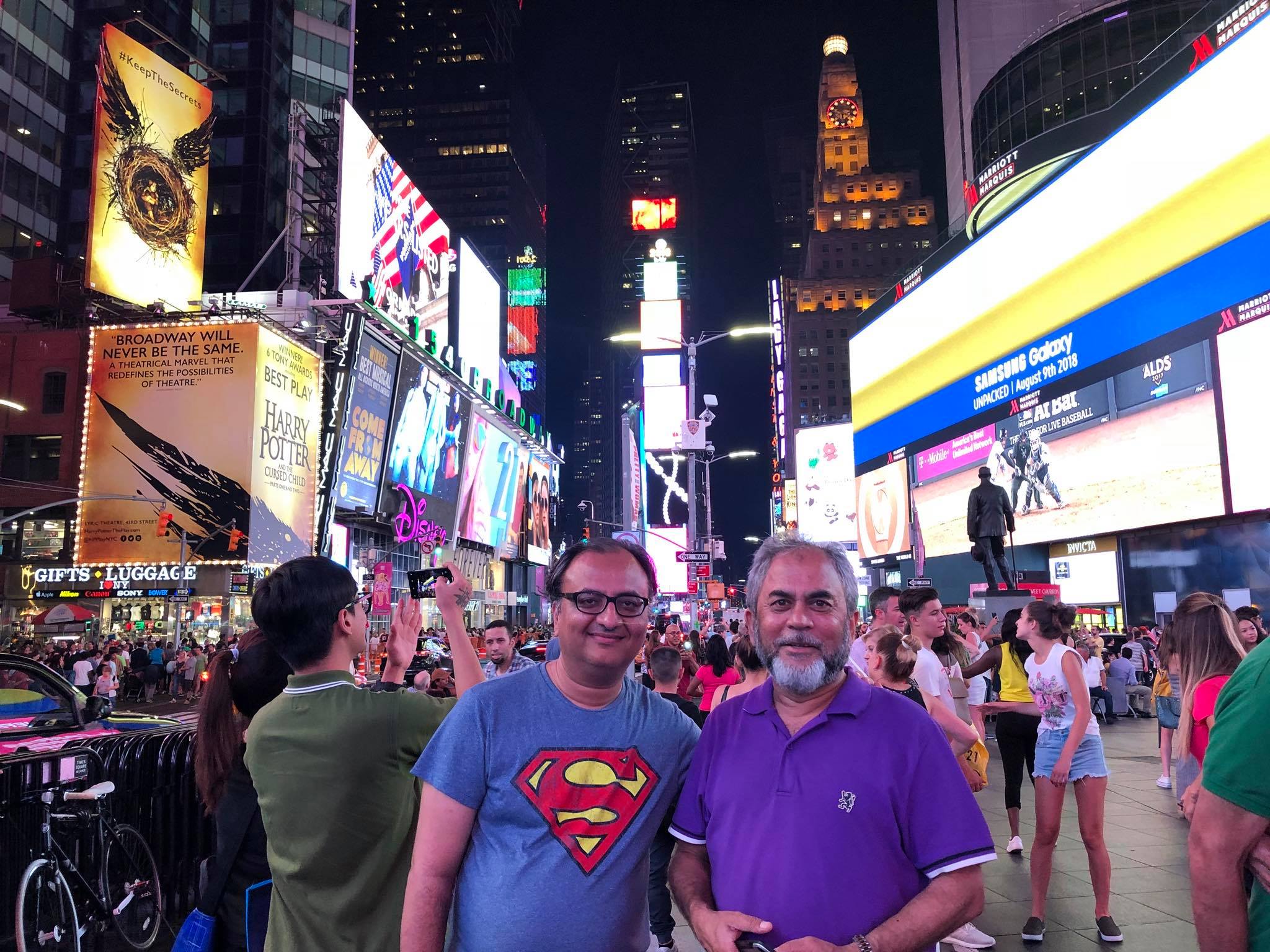
  • Happy to meet Ayaz Khan and take him to his first ever stand up comedy night at LOL Times Square Comedy Club !

    I hope he can start performing this in the world also !

    He is going to los angles tomorrow maybe Shaikh Mona can show him around and get him in the circuit !
    Happy to meet Ayaz Khan and take him to his first ever stand up comedy night at LOL Times Square Comedy Club ! I hope he can start performing this in the world also ! He is going to los angles tomorrow maybe Shaikh Mona can show him around and get him in the circuit !
    0 Комментарии 0 Поделились 285 Просмотры
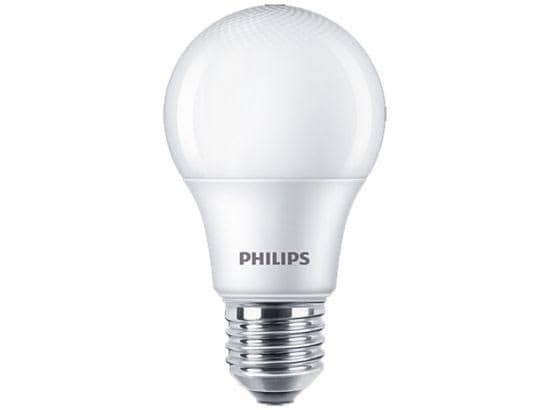
  • AOA, Hope you are fine Sir. I have been doing some research about Metal Clad PCBs (Printed Circuit Boards) which are used in LED light bulbs etc. I was thinking to start my own LED bulb manufacturing business but I found out that I am bound to import EVERYTHING from China, the dilemma is that there is not a single local MCPCB manufacturer. Due to this constraint, Chinese dealers and LED kit manufacturing companies outside Pakistan take the advantage and local Pakistanis have no choice but to import all of the hardware from China. I think this is achievable and there is a huge potential for business. I am an Electronics Engineer by profession and ive been working in R&D for 8 years in a local electricity meter manufacturing industry. If you happen to know any person, who has any expertise in PCB manufacturing, please ask him/ her to connect with me, it will be beneficial for me. My dream is to setup a manufacturing plant of this type of PCBs for local assemblers since almost everyone is importing from China. My linkedin profile is as under.

    https://www.linkedin.com/in/muhammad-nauman-uppal-33174b110/
    Muhammad Nauman Uppal
    AOA, Hope you are fine Sir. I have been doing some research about Metal Clad PCBs (Printed Circuit Boards) which are used in LED light bulbs etc. I was thinking to start my own LED bulb manufacturing business but I found out that I am bound to import EVERYTHING from China, the dilemma is that there is not a single local MCPCB manufacturer. Due to this constraint, Chinese dealers and LED kit manufacturing companies outside Pakistan take the advantage and local Pakistanis have no choice but to import all of the hardware from China. I think this is achievable and there is a huge potential for business. I am an Electronics Engineer by profession and i've been working in R&D for 8 years in a local electricity meter manufacturing industry. If you happen to know any person, who has any expertise in PCB manufacturing, please ask him/ her to connect with me, it will be beneficial for me. My dream is to setup a manufacturing plant of this type of PCBs for local assemblers since almost everyone is importing from China. My linkedin profile is as under. https://www.linkedin.com/in/muhammad-nauman-uppal-33174b110/ Muhammad Nauman Uppal
    0 Комментарии 0 Поделились 115 Просмотры
Расширенные страницы