• #Cpec !

    Though many can see it and not doing anything for it !

    Its us who have not done anything to fix our own problems ourselves, so this is what happens to such nations !

    In 21st century we can not blame the leaders but the followers who are very powerful but are not willing to change themselves !

    Thus this becomes destiny for the most !
    #Cpec ! Though many can see it and not doing anything for it ! It's us who have not done anything to fix our own problems ourselves, so this is what happens to such nations ! In 21st century we can not blame the leaders but the followers who are very powerful but are not willing to change themselves ! Thus this becomes destiny for the most !
    0 Reacties 0 aandelen 506 Views
  • Entire cpec one side ! This is more than that :)
    Entire cpec one side ! This is more than that :)
    0 Reacties 0 aandelen 443 Views
  • History of Pakistan’s Development Over 5,000 Years

    The land that is now Pakistan has a rich history, serving as the cradle of ancient civilizations, a center of Islamic culture, and a battleground for empires. Modern Pakistan emerged as an independent nation in 1947, but its historical roots stretch back over 5,000 years.

    1. Ancient Civilizations (c. 3000 BCE – 1500 BCE)

    Indus Valley Civilization (c. 3000–1500 BCE)

    • The Indus Valley Civilization, one of the world’s earliest urban societies, thrived in the region now comprising Pakistan.
    • Major cities like Mohenjo-Daro, Harappa, and Mehrgarh (even earlier) showcased advanced urban planning, drainage systems, and trade.
    • The civilization’s economy was based on agriculture, trade (with Mesopotamia), and craftsmanship.
    • Declined around 1500 BCE due to climate change, flooding, or possible Aryan migrations.

    2. Vedic and Early Historical Period (1500 BCE – 500 BCE)

    • After the decline of the Indus Valley Civilization, the Indo-Aryans migrated into the region, introducing the Vedic culture, which became the foundation of Hinduism.
    • The region was part of the early Mahajanapadas, ancient republics or kingdoms.
    • Early Persian influence arrived with the Achaemenid Empire (c. 500 BCE), incorporating the area into their empire.

    3. Classical Period (500 BCE – 711 CE)

    Maurya Empire (322–185 BCE)

    • Under the Mauryan Empire (founded by Chandragupta Maurya), the region became part of a unified Indian subcontinent.
    • Ashoka, the most famous Mauryan ruler, promoted Buddhism and established stupas and inscriptions in areas like Taxila.

    Greco-Bactrian and Kushan Empires (200 BCE – 300 CE)

    • Alexander the Great invaded in 326 BCE, leaving behind Greek cultural influences.
    • The region came under the Greco-Bactrian Kingdom and later the Kushan Empire, which spread Buddhism and facilitated trade on the Silk Road.

    Gupta and Hindu Rule (300–711 CE)

    • Parts of modern Pakistan were influenced by the Gupta Empire, though local dynasties maintained control in areas like Sindh.
    • Hinduism and Buddhism coexisted, with Taxila becoming a major center for education and culture.

    4. Islamic Era (711–1857 CE)

    Arrival of Islam (711 CE)

    • Muhammad bin Qasim conquered Sindh in 711 CE, introducing Islam to the Indian subcontinent.
    • Sindh became a part of the Umayyad Caliphate and later other Islamic empires, with local Muslim rulers integrating Islamic culture into the region.

    Delhi Sultanate (1206–1526)

    • The region was incorporated into the Delhi Sultanate, a major Islamic empire that ruled northern India.
    • Persian culture, language, and Islamic architecture began to flourish.

    Mughal Empire (1526–1857)

    • Under the Mughals, Pakistan became an integral part of their empire.
    • Cities like Lahore became cultural and administrative centers, with stunning architectural achievements like the Badshahi Mosque and the Shalimar Gardens.
    • Mughal influence shaped the region’s art, cuisine, and administration, creating a lasting Islamic identity.

    5. Colonial Period (1857–1947)

    British East India Company and British Raj

    • After the 1857 Rebellion, the British took direct control of India, including what is now Pakistan.
    • The region became vital to British interests due to its strategic location and fertile lands.
    • Infrastructure like railways, canals, and cities such as Karachi were developed, but largely to serve British economic interests.
    • The All-India Muslim League (1906) was formed to protect Muslim interests under British rule.

    Struggle for Independence

    • The idea of a separate Muslim state emerged under Sir Syed Ahmed Khan, who advocated for Muslim education and identity.
    • Under leaders like Muhammad Iqbal and Muhammad Ali Jinnah, the Pakistan Movement gained momentum.
    • The Lahore Resolution (1940) formally called for an independent state for Muslims in the Indian subcontinent.
    • Partition of British India in 1947 led to the creation of Pakistan, a separate homeland for Muslims.

    6. Modern Pakistan (1947–Present)

    Post-Independence Period (1947–1971)

    • 1947 Partition: Pakistan was divided into East Pakistan (now Bangladesh) and West Pakistan (present Pakistan), separated by 1,600 km of Indian territory.
    • Challenges: The country faced massive migration, violence, and the task of nation-building.
    • Constitution of Pakistan: The country adopted its first constitution in 1956, declaring itself an Islamic Republic.

    Military and Political Instability

    • Frequent military coups and political instability marked early decades.
    • The Indo-Pak Wars (1947, 1965, 1971) strained resources and defined relations with India.
    • 1971 Civil War: East Pakistan, with support from India, gained independence as Bangladesh.

    Development and Growth (1972–2000)

    • Economic Growth: Focused on industrialization, agricultural reforms, and trade.
    • Nuclear Program: Pakistan became a nuclear power in 1998 under Prime Minister Nawaz Sharif.
    • Islamic Policies: Under Zia-ul-Haq (1977–1988), Pakistan underwent Islamization, with laws reflecting Sharia principles.

    Post-2000s: Modern Challenges and Achievements

    • War on Terror: Pakistan became a key U.S. ally after 9/11, facing both economic aid and internal challenges due to extremism.
    • Economic Growth: Investments in infrastructure (e.g., CPEC, a China-Pakistan partnership) and industries like textiles and IT.
    • Political Landscape: Transition between military rule and civilian governments, with leaders like Benazir Bhutto, Nawaz Sharif, and Imran Khan shaping policies.

    Key Contributions of Pakistan

    1. Cultural Identity: Fusion of ancient heritage (Indus Valley, Buddhist sites) with Islamic culture, reflected in architecture, art, and festivals.
    2. Education and Science: Pioneered nuclear technology; notable scientists like Abdus Salam, a Nobel laureate.
    3. Geopolitical Importance: Strategic location as a gateway to Central Asia and South Asia.
    4. Economic Aspirations: Focus on trade, infrastructure development, and industrialization.

    Summary Timeline

    1. Ancient Civilizations: Indus Valley (3000 BCE – 1500 BCE).
    2. Islamic Arrival: Muhammad bin Qasim’s conquest (711 CE).
    3. Mughal Golden Age: 16th–17th centuries.
    4. Colonial Rule: British Raj (1857–1947).
    5. Modern Era: Formation of Pakistan (1947) to present.

    Pakistan’s history reflects a dynamic interplay of ancient heritage, Islamic culture, and modern statehood, making it a unique and diverse nation.

    History of Pakistan’s Development Over 5,000 Years The land that is now Pakistan has a rich history, serving as the cradle of ancient civilizations, a center of Islamic culture, and a battleground for empires. Modern Pakistan emerged as an independent nation in 1947, but its historical roots stretch back over 5,000 years. 1. Ancient Civilizations (c. 3000 BCE – 1500 BCE) Indus Valley Civilization (c. 3000–1500 BCE) • The Indus Valley Civilization, one of the world’s earliest urban societies, thrived in the region now comprising Pakistan. • Major cities like Mohenjo-Daro, Harappa, and Mehrgarh (even earlier) showcased advanced urban planning, drainage systems, and trade. • The civilization’s economy was based on agriculture, trade (with Mesopotamia), and craftsmanship. • Declined around 1500 BCE due to climate change, flooding, or possible Aryan migrations. 2. Vedic and Early Historical Period (1500 BCE – 500 BCE) • After the decline of the Indus Valley Civilization, the Indo-Aryans migrated into the region, introducing the Vedic culture, which became the foundation of Hinduism. • The region was part of the early Mahajanapadas, ancient republics or kingdoms. • Early Persian influence arrived with the Achaemenid Empire (c. 500 BCE), incorporating the area into their empire. 3. Classical Period (500 BCE – 711 CE) Maurya Empire (322–185 BCE) • Under the Mauryan Empire (founded by Chandragupta Maurya), the region became part of a unified Indian subcontinent. • Ashoka, the most famous Mauryan ruler, promoted Buddhism and established stupas and inscriptions in areas like Taxila. Greco-Bactrian and Kushan Empires (200 BCE – 300 CE) • Alexander the Great invaded in 326 BCE, leaving behind Greek cultural influences. • The region came under the Greco-Bactrian Kingdom and later the Kushan Empire, which spread Buddhism and facilitated trade on the Silk Road. Gupta and Hindu Rule (300–711 CE) • Parts of modern Pakistan were influenced by the Gupta Empire, though local dynasties maintained control in areas like Sindh. • Hinduism and Buddhism coexisted, with Taxila becoming a major center for education and culture. 4. Islamic Era (711–1857 CE) Arrival of Islam (711 CE) • Muhammad bin Qasim conquered Sindh in 711 CE, introducing Islam to the Indian subcontinent. • Sindh became a part of the Umayyad Caliphate and later other Islamic empires, with local Muslim rulers integrating Islamic culture into the region. Delhi Sultanate (1206–1526) • The region was incorporated into the Delhi Sultanate, a major Islamic empire that ruled northern India. • Persian culture, language, and Islamic architecture began to flourish. Mughal Empire (1526–1857) • Under the Mughals, Pakistan became an integral part of their empire. • Cities like Lahore became cultural and administrative centers, with stunning architectural achievements like the Badshahi Mosque and the Shalimar Gardens. • Mughal influence shaped the region’s art, cuisine, and administration, creating a lasting Islamic identity. 5. Colonial Period (1857–1947) British East India Company and British Raj • After the 1857 Rebellion, the British took direct control of India, including what is now Pakistan. • The region became vital to British interests due to its strategic location and fertile lands. • Infrastructure like railways, canals, and cities such as Karachi were developed, but largely to serve British economic interests. • The All-India Muslim League (1906) was formed to protect Muslim interests under British rule. Struggle for Independence • The idea of a separate Muslim state emerged under Sir Syed Ahmed Khan, who advocated for Muslim education and identity. • Under leaders like Muhammad Iqbal and Muhammad Ali Jinnah, the Pakistan Movement gained momentum. • The Lahore Resolution (1940) formally called for an independent state for Muslims in the Indian subcontinent. • Partition of British India in 1947 led to the creation of Pakistan, a separate homeland for Muslims. 6. Modern Pakistan (1947–Present) Post-Independence Period (1947–1971) • 1947 Partition: Pakistan was divided into East Pakistan (now Bangladesh) and West Pakistan (present Pakistan), separated by 1,600 km of Indian territory. • Challenges: The country faced massive migration, violence, and the task of nation-building. • Constitution of Pakistan: The country adopted its first constitution in 1956, declaring itself an Islamic Republic. Military and Political Instability • Frequent military coups and political instability marked early decades. • The Indo-Pak Wars (1947, 1965, 1971) strained resources and defined relations with India. • 1971 Civil War: East Pakistan, with support from India, gained independence as Bangladesh. Development and Growth (1972–2000) • Economic Growth: Focused on industrialization, agricultural reforms, and trade. • Nuclear Program: Pakistan became a nuclear power in 1998 under Prime Minister Nawaz Sharif. • Islamic Policies: Under Zia-ul-Haq (1977–1988), Pakistan underwent Islamization, with laws reflecting Sharia principles. Post-2000s: Modern Challenges and Achievements • War on Terror: Pakistan became a key U.S. ally after 9/11, facing both economic aid and internal challenges due to extremism. • Economic Growth: Investments in infrastructure (e.g., CPEC, a China-Pakistan partnership) and industries like textiles and IT. • Political Landscape: Transition between military rule and civilian governments, with leaders like Benazir Bhutto, Nawaz Sharif, and Imran Khan shaping policies. Key Contributions of Pakistan 1. Cultural Identity: Fusion of ancient heritage (Indus Valley, Buddhist sites) with Islamic culture, reflected in architecture, art, and festivals. 2. Education and Science: Pioneered nuclear technology; notable scientists like Abdus Salam, a Nobel laureate. 3. Geopolitical Importance: Strategic location as a gateway to Central Asia and South Asia. 4. Economic Aspirations: Focus on trade, infrastructure development, and industrialization. Summary Timeline 1. Ancient Civilizations: Indus Valley (3000 BCE – 1500 BCE). 2. Islamic Arrival: Muhammad bin Qasim’s conquest (711 CE). 3. Mughal Golden Age: 16th–17th centuries. 4. Colonial Rule: British Raj (1857–1947). 5. Modern Era: Formation of Pakistan (1947) to present. Pakistan’s history reflects a dynamic interplay of ancient heritage, Islamic culture, and modern statehood, making it a unique and diverse nation.

    0 Reacties 0 aandelen 3200 Views
  • Pakistan in next 50 years !

    2024–2030: Foundation of Growth and Stability

    1. 2024:
    • Comprehensive reforms introduced to strengthen democracy and governance.
    • Expansion of renewable energy projects, with a focus on solar and wind power in Sindh, Balochistan, and Punjab.
    2. 2025:
    • Pakistan becomes a regional leader in clean energy with the completion of several CPEC Phase II projects focusing on green energy and infrastructure.
    • Nationwide literacy campaign reduces illiteracy to below 10%, with innovative e-learning platforms.
    3. 2026:
    • Major reforms in agriculture lead to significant increases in productivity, ensuring food security and surplus exports.
    • Tech hubs established in Karachi, Lahore, and Islamabad to promote startups in AI, blockchain, and IT services.
    4. 2027:
    • Groundbreaking of the Pakistan Space Center, aiming to launch its first independent satellite by 2030.
    • Health sector transformation: Universal health coverage implemented, ensuring healthcare access for all citizens.
    5. 2028–2030:
    • Pakistan’s GDP growth surpasses 8% annually, driven by exports, tourism, and industrial diversification.
    • Completion of major dams (like Diamer-Bhasha Dam), ensuring water security and boosting agriculture.
    • Cultural renaissance: Pakistani cinema, literature, and music gain global acclaim.

    2031–2040: Regional Leadership and Innovation

    1. 2031–2033:
    • Pakistan becomes the largest exporter of textiles and technology in South Asia.
    • Massive expansion in education: Pakistani universities rank among the top 100 globally.
    • Regional stability established with stronger ties with neighbors (India, Afghanistan, Iran).
    2. 2034:
    • Karachi emerges as a leading financial hub in Asia, attracting foreign investment.
    • Completion of the Pakistan Smart Cities Project, transforming major cities with advanced infrastructure and AI-based governance.
    3. 2035–2036:
    • Pakistan launches its first human space mission through a collaboration between SUPARCO and international partners.
    • Major climate initiatives result in Pakistan being declared carbon-neutral by global organizations.
    4. 2037–2040:
    • Technological breakthroughs in biotechnology and robotics put Pakistan among the top innovators globally.
    • Tourism thrives as ancient heritage sites like Mohenjo-Daro, Taxila, and Hunza Valley attract millions of visitors annually.

    2041–2050: A Global Power

    1. 2041–2043:
    • Pakistan’s economy becomes one of the top 10 in the world, driven by innovation, industry, and trade.
    • Completion of a trans-regional rail and road network connecting Central Asia, South Asia, and the Middle East.
    2. 2044:
    • Social and economic equality achieved: Pakistan ranks among the top nations in the Human Development Index (HDI).
    • Women’s participation in the workforce exceeds 50%, transforming economic and social dynamics.
    3. 2045–2047:
    • Celebrating 100 years of independence, Pakistan hosts the World Expo showcasing its achievements in technology, culture, and sustainability.
    • Literacy reaches 100%; Pakistan’s education system becomes a model for developing nations.
    4. 2048–2050:
    • Pakistan plays a leading role in global peacekeeping, trade, and climate initiatives through international forums like the UN and G20.
    • Introduction of fully autonomous smart cities, with renewable energy-powered infrastructure and AI-driven public services.

    Key Sectors Driving Transformation

    • Economy: Diversified into technology, renewable energy, and industrial exports.
    • Education: A focus on innovation, science, and universal access.
    • Healthcare: World-class universal health systems with a focus on research and biotechnology.
    • Environment: Global leader in combating climate change, achieving carbon neutrality.
    • Diplomacy: Peaceful, collaborative relationships with neighbors and an influential role in global affairs.

    This vision of Pakistan’s next 50 years is achievable with strong governance, innovative policies, and the collective will of its people.
    Pakistan in next 50 years ! 2024–2030: Foundation of Growth and Stability 1. 2024: • Comprehensive reforms introduced to strengthen democracy and governance. • Expansion of renewable energy projects, with a focus on solar and wind power in Sindh, Balochistan, and Punjab. 2. 2025: • Pakistan becomes a regional leader in clean energy with the completion of several CPEC Phase II projects focusing on green energy and infrastructure. • Nationwide literacy campaign reduces illiteracy to below 10%, with innovative e-learning platforms. 3. 2026: • Major reforms in agriculture lead to significant increases in productivity, ensuring food security and surplus exports. • Tech hubs established in Karachi, Lahore, and Islamabad to promote startups in AI, blockchain, and IT services. 4. 2027: • Groundbreaking of the Pakistan Space Center, aiming to launch its first independent satellite by 2030. • Health sector transformation: Universal health coverage implemented, ensuring healthcare access for all citizens. 5. 2028–2030: • Pakistan’s GDP growth surpasses 8% annually, driven by exports, tourism, and industrial diversification. • Completion of major dams (like Diamer-Bhasha Dam), ensuring water security and boosting agriculture. • Cultural renaissance: Pakistani cinema, literature, and music gain global acclaim. 2031–2040: Regional Leadership and Innovation 1. 2031–2033: • Pakistan becomes the largest exporter of textiles and technology in South Asia. • Massive expansion in education: Pakistani universities rank among the top 100 globally. • Regional stability established with stronger ties with neighbors (India, Afghanistan, Iran). 2. 2034: • Karachi emerges as a leading financial hub in Asia, attracting foreign investment. • Completion of the Pakistan Smart Cities Project, transforming major cities with advanced infrastructure and AI-based governance. 3. 2035–2036: • Pakistan launches its first human space mission through a collaboration between SUPARCO and international partners. • Major climate initiatives result in Pakistan being declared carbon-neutral by global organizations. 4. 2037–2040: • Technological breakthroughs in biotechnology and robotics put Pakistan among the top innovators globally. • Tourism thrives as ancient heritage sites like Mohenjo-Daro, Taxila, and Hunza Valley attract millions of visitors annually. 2041–2050: A Global Power 1. 2041–2043: • Pakistan’s economy becomes one of the top 10 in the world, driven by innovation, industry, and trade. • Completion of a trans-regional rail and road network connecting Central Asia, South Asia, and the Middle East. 2. 2044: • Social and economic equality achieved: Pakistan ranks among the top nations in the Human Development Index (HDI). • Women’s participation in the workforce exceeds 50%, transforming economic and social dynamics. 3. 2045–2047: • Celebrating 100 years of independence, Pakistan hosts the World Expo showcasing its achievements in technology, culture, and sustainability. • Literacy reaches 100%; Pakistan’s education system becomes a model for developing nations. 4. 2048–2050: • Pakistan plays a leading role in global peacekeeping, trade, and climate initiatives through international forums like the UN and G20. • Introduction of fully autonomous smart cities, with renewable energy-powered infrastructure and AI-driven public services. Key Sectors Driving Transformation • Economy: Diversified into technology, renewable energy, and industrial exports. • Education: A focus on innovation, science, and universal access. • Healthcare: World-class universal health systems with a focus on research and biotechnology. • Environment: Global leader in combating climate change, achieving carbon neutrality. • Diplomacy: Peaceful, collaborative relationships with neighbors and an influential role in global affairs. This vision of Pakistan’s next 50 years is achievable with strong governance, innovative policies, and the collective will of its people.
    0 Reacties 0 aandelen 4651 Views
  • Pakistan is Not a Poor Country, It is Poorly Managed

    There is a famous saying: “Pakistan is not a poor country, it is a poorly managed country.”
    This statement may sound harsh, but when we look deeply, it explains many of Pakistan’s challenges. Pakistan has resources, talent, and opportunities. Yet, the results do not match its potential. The real issue is not the lack of wealth — it is how the country is managed.

    ⸻

    1. Pakistan Has Strong Natural and Human Resources

    Pakistan is rich in many ways:

    * Agriculture: Pakistan produces wheat, rice, sugarcane, fruits, and vegetables.
    * Minerals: There is coal in Thar, copper, gold, and other valuable resources.
    * Location: Pakistan is placed between Asia, the Middle East, and Central Asia — perfect for trade.
    * Youth Population: Around 60% of people are under 30 years old.

    These are not signs of a poor country. These are signs of a country with massive potential.

    ⸻

    2. The Real Problem: Poor Management

    Despite these strengths, Pakistan struggles economically. The reason lies in poor management in key areas:

    a. Weak Governance

    * Policies change frequently.
    * Long-term planning is missing.
    * Decisions are often short-term and reactive.

    b. Corruption and Leakages

    * Money meant for development is often wasted or misused.
    * Projects cost more and deliver less.

    c. Education System Issues

    * Students memorize instead of learning skills.
    * Lack of focus on AI, technology, and communication.
    * Teachers are not trained for modern needs.

    d. Poor Tax System

    * Only a small percentage of people pay taxes.
    * Government depends on loans instead of strong revenue systems.

    e. Lack of Meritocracy

    * Jobs and opportunities are sometimes based on connections instead of ability.
    * Talented people leave the country (brain drain).

    ⸻

    3. Missed Opportunities

    Pakistan has missed many big opportunities:

    * IT and Freelancing: Pakistan is already among top freelancing countries, but it could be 10x bigger.
    * CPEC (China-Pakistan Economic Corridor): Could turn Pakistan into a trade hub, but progress is slow.
    * Solar Energy: Pakistan has abundant sunlight but still faces electricity shortages.
    * Tourism: Northern areas like Hunza can attract millions, yet infrastructure is weak.

    ⸻

    4. Why This Happens

    The root causes are deeper:

    * No clear long-term vision
    * Poor communication systems
    * Low trust between people and institutions
    * Fear of change and innovation
    * Lack of accountability

    In simple words: systems are not designed to work efficiently.

    ⸻

    5. Opportunities for Change

    The situation is not hopeless. In fact, Pakistan can change faster than many countries if it focuses on the right areas.

    a. AI and Technology Revolution

    * Tools like ChatGPT, automation, and digital platforms can improve productivity.
    * Even a low-skilled worker can become highly productive with AI.

    b. Education Reform

    * Shift from memorization → skills
    * Focus on:
    * Communication
    * Problem solving
    * Digital skills
    * Entrepreneurship

    c. Transparency with Technology

    * Use digital systems to track spending and reduce corruption.
    * Online dashboards for public accountability.

    d. Empowering Youth

    * Train young people to earn online ($100–$500/month).
    * Encourage startups and small businesses.

    e. Decentralized Decision Making

    * Give more power to local governments.
    * Solve problems at the local level instead of waiting for central decisions.

    ⸻

    6. Practical Solutions (Simple and Actionable)

    Here are clear steps that can be implemented:

    1. Fix Communication

    * Every organization should have clear reporting systems.
    * Example: Daily reports with numbers (attendance, output, revenue).

    2. Skill-Based Learning

    * Every student should learn:
    * English communication
    * AI tools
    * Sales and marketing

    3. Micro-Earning Culture

    * Students should start earning early:
    * Freelancing
    * Digital services
    * Online selling

    4. Data-Driven Decisions

    * No guessing. Use numbers.
    * Track performance weekly.

    5. Accountability System

    * Every role should have:
    * Clear responsibility
    * Measurable targets

    ⸻

    7. A New Mindset

    Pakistan’s biggest shift must be in mindset:

    * From complaining → solving
    * From waiting → acting
    * From blaming → taking responsibility

    If even 10% of the population adopts this mindset, the country can transform.

    ⸻

    Conclusion

    Pakistan is not poor. It has land, people, talent, and opportunity.
    The real challenge is management — how systems are designed, how decisions are made, and how people work together.

    If Pakistan improves:

    * governance,
    * education,
    * communication,
    * and accountability,

    it can become one of the fastest-growing countries in the world.

    The future of Pakistan does not depend on resources.
    It depends on how well those resources are managed.
    Pakistan is Not a Poor Country, It is Poorly Managed There is a famous saying: “Pakistan is not a poor country, it is a poorly managed country.” This statement may sound harsh, but when we look deeply, it explains many of Pakistan’s challenges. Pakistan has resources, talent, and opportunities. Yet, the results do not match its potential. The real issue is not the lack of wealth — it is how the country is managed. ⸻ 1. Pakistan Has Strong Natural and Human Resources Pakistan is rich in many ways: * Agriculture: Pakistan produces wheat, rice, sugarcane, fruits, and vegetables. * Minerals: There is coal in Thar, copper, gold, and other valuable resources. * Location: Pakistan is placed between Asia, the Middle East, and Central Asia — perfect for trade. * Youth Population: Around 60% of people are under 30 years old. These are not signs of a poor country. These are signs of a country with massive potential. ⸻ 2. The Real Problem: Poor Management Despite these strengths, Pakistan struggles economically. The reason lies in poor management in key areas: a. Weak Governance * Policies change frequently. * Long-term planning is missing. * Decisions are often short-term and reactive. b. Corruption and Leakages * Money meant for development is often wasted or misused. * Projects cost more and deliver less. c. Education System Issues * Students memorize instead of learning skills. * Lack of focus on AI, technology, and communication. * Teachers are not trained for modern needs. d. Poor Tax System * Only a small percentage of people pay taxes. * Government depends on loans instead of strong revenue systems. e. Lack of Meritocracy * Jobs and opportunities are sometimes based on connections instead of ability. * Talented people leave the country (brain drain). ⸻ 3. Missed Opportunities Pakistan has missed many big opportunities: * IT and Freelancing: Pakistan is already among top freelancing countries, but it could be 10x bigger. * CPEC (China-Pakistan Economic Corridor): Could turn Pakistan into a trade hub, but progress is slow. * Solar Energy: Pakistan has abundant sunlight but still faces electricity shortages. * Tourism: Northern areas like Hunza can attract millions, yet infrastructure is weak. ⸻ 4. Why This Happens The root causes are deeper: * No clear long-term vision * Poor communication systems * Low trust between people and institutions * Fear of change and innovation * Lack of accountability In simple words: systems are not designed to work efficiently. ⸻ 5. Opportunities for Change The situation is not hopeless. In fact, Pakistan can change faster than many countries if it focuses on the right areas. a. AI and Technology Revolution * Tools like ChatGPT, automation, and digital platforms can improve productivity. * Even a low-skilled worker can become highly productive with AI. b. Education Reform * Shift from memorization → skills * Focus on: * Communication * Problem solving * Digital skills * Entrepreneurship c. Transparency with Technology * Use digital systems to track spending and reduce corruption. * Online dashboards for public accountability. d. Empowering Youth * Train young people to earn online ($100–$500/month). * Encourage startups and small businesses. e. Decentralized Decision Making * Give more power to local governments. * Solve problems at the local level instead of waiting for central decisions. ⸻ 6. Practical Solutions (Simple and Actionable) Here are clear steps that can be implemented: 1. Fix Communication * Every organization should have clear reporting systems. * Example: Daily reports with numbers (attendance, output, revenue). 2. Skill-Based Learning * Every student should learn: * English communication * AI tools * Sales and marketing 3. Micro-Earning Culture * Students should start earning early: * Freelancing * Digital services * Online selling 4. Data-Driven Decisions * No guessing. Use numbers. * Track performance weekly. 5. Accountability System * Every role should have: * Clear responsibility * Measurable targets ⸻ 7. A New Mindset Pakistan’s biggest shift must be in mindset: * From complaining → solving * From waiting → acting * From blaming → taking responsibility If even 10% of the population adopts this mindset, the country can transform. ⸻ Conclusion Pakistan is not poor. It has land, people, talent, and opportunity. The real challenge is management — how systems are designed, how decisions are made, and how people work together. If Pakistan improves: * governance, * education, * communication, * and accountability, it can become one of the fastest-growing countries in the world. The future of Pakistan does not depend on resources. It depends on how well those resources are managed.
    0 Reacties 0 aandelen 582 Views
  • پاکستان غریب نہیں ہے…
    پاکستان کو غریب بنایا جا رہا ہے۔

    یہ جملہ سننے میں تھوڑا سخت لگتا ہے…
    لیکن اگر آپ دل پر ہاتھ رکھ کر سوچیں… تو یہی حقیقت ہے۔

    ⸻

    ایک طرف حقیقت دیکھیں:

    یہ وہ ملک ہے جہاں:

    * زمین سونا اگاتی ہے
    * دریا بہتے ہیں
    * پہاڑ خزانے چھپائے بیٹھے ہیں
    * نوجوانوں کی فوج موجود ہے ‍

    پھر بھی…

    لوگ کہتے ہیں:
    “پاکستان غریب ہے”

    ⸻

    اصل مسئلہ کیا ہے؟

    مسئلہ یہ نہیں کہ ہمارے پاس کچھ نہیں…

    مسئلہ یہ ہے کہ ہم جو کچھ رکھتے ہیں…
    اسے سنبھالنا نہیں آتا۔

    ⸻

    سچ سنیں:

    پاکستان میں:

    * فیصلے ہوتے ہیں… لیکن دیر سے
    * منصوبے بنتے ہیں… لیکن مکمل نہیں ہوتے
    * پیسہ آتا ہے… لیکن ضائع ہو جاتا ہے
    * ٹیلنٹ ہے… لیکن باہر چلا جاتا ہے

    یعنی…

    سسٹم ہے… لیکن چل نہیں رہا

    ⸻

    سب سے بڑا نقصان کہاں ہو رہا ہے؟

    تعلیم میں۔

    ہم بچوں کو سکھا رہے ہیں:

    * رٹنا
    * ڈرنا
    * سوال نہ کرنا

    لیکن دنیا سکھا رہی ہے:

    * سوچنا
    * بنانا
    * بیچنا
    * AI استعمال کرنا

    اسی لیے…

    ہمارا بچہ ڈگری لے کر بیٹھا ہوتا ہے…
    اور دنیا کا بچہ کمپنی بنا رہا ہوتا ہے۔

    ⸻

    موقع ضائع کیسے ہو رہے ہیں؟

    ذرا دیکھیں:

    * فری لانسنگ میں ہم ٹاپ پر جا سکتے تھے… مگر نہیں گئے
    * سورج ہر روز مفت توانائی دے رہا ہے… ہم بجلی کے لیے رو رہے ہیں
    * شمالی علاقہ جنت ہیں… مگر سیاحت کمزور ہے
    * CPEC آیا… مگر رفتار سست ہے

    یعنی…

    موقع آیا… ہم سو گئے

    ⸻

    اب بھی وقت ہے؟

    ہاں… اور یہی سب سے بڑی امید ہے۔

    آج اگر ایک عام انسان بھی
    ChatGPT
    استعمال کرنا سیکھ لے…

    تو وہ:

    * زیادہ کمائی کر سکتا ہے
    * زیادہ سیکھ سکتا ہے
    * زیادہ تیزی سے آگے بڑھ سکتا ہے

    ⸻

    حل کیا ہے؟ (سیدھا اور واضح)

    اگر پاکستان کو بدلنا ہے تو:

    1. Communication ٹھیک کریں

    ہر کام میں clarity لائیں
    ہر دن numbers میں بات کریں

    ⸻

    2. تعلیم بدلیں

    بچوں کو سکھائیں:

    * English بولنا
    * AI استعمال کرنا
    * Sales کرنا
    * Problem solve کرنا

    ⸻

    3. جلد کمائی شروع کروائیں

    ہر بچہ 6 مہینے میں کم از کم
    5,000 روپے کمانا شروع کرے

    ⸻

    4. Data سے فیصلے کریں

    Guess نہیں…
    Numbers پر چلیں

    ⸻

    5. Accountability لائیں

    ہر بندے سے پوچھیں:

    “تم نے آج کیا result دیا؟”

    ⸻

    سب سے بڑی تبدیلی کہاں چاہیے؟

    دماغ میں۔

    جب تک ہم:

    * دوسروں کو blame کرتے رہیں گے
    * حکومت کا انتظار کرتے رہیں گے
    * خود کچھ نہیں کریں گے

    تب تک کچھ نہیں بدلے گا۔

    ⸻

    آخری بات:

    پاکستان غریب نہیں ہے۔

    یہ وہ ملک ہے جو اگر صحیح manage ہو جائے…

    تو:

    * ہر بندہ $1000 مہینہ کما سکتا ہے
    * ہر بچہ leader بن سکتا ہے
    * ہر شہر ترقی کر سکتا ہے

    ⸻
    پاکستان غریب نہیں ہے… پاکستان کو غریب بنایا جا رہا ہے۔ یہ جملہ سننے میں تھوڑا سخت لگتا ہے… لیکن اگر آپ دل پر ہاتھ رکھ کر سوچیں… تو یہی حقیقت ہے۔ ⸻ 🌍 ایک طرف حقیقت دیکھیں: یہ وہ ملک ہے جہاں: * زمین سونا اگاتی ہے 🌾 * دریا بہتے ہیں 💧 * پہاڑ خزانے چھپائے بیٹھے ہیں ⛰️ * نوجوانوں کی فوج موجود ہے 👨‍💻 پھر بھی… لوگ کہتے ہیں: “پاکستان غریب ہے” ⸻ ❌ اصل مسئلہ کیا ہے؟ مسئلہ یہ نہیں کہ ہمارے پاس کچھ نہیں… مسئلہ یہ ہے کہ ہم جو کچھ رکھتے ہیں… اسے سنبھالنا نہیں آتا۔ ⸻ 🔥 سچ سنیں: پاکستان میں: * فیصلے ہوتے ہیں… لیکن دیر سے * منصوبے بنتے ہیں… لیکن مکمل نہیں ہوتے * پیسہ آتا ہے… لیکن ضائع ہو جاتا ہے * ٹیلنٹ ہے… لیکن باہر چلا جاتا ہے یعنی… سسٹم ہے… لیکن چل نہیں رہا ⸻ 🎓 سب سے بڑا نقصان کہاں ہو رہا ہے؟ تعلیم میں۔ ہم بچوں کو سکھا رہے ہیں: * رٹنا 📚 * ڈرنا 😨 * سوال نہ کرنا ❌ لیکن دنیا سکھا رہی ہے: * سوچنا 💡 * بنانا 🛠️ * بیچنا 💰 * AI استعمال کرنا 🤖 اسی لیے… ہمارا بچہ ڈگری لے کر بیٹھا ہوتا ہے… اور دنیا کا بچہ کمپنی بنا رہا ہوتا ہے۔ ⸻ 💔 موقع ضائع کیسے ہو رہے ہیں؟ ذرا دیکھیں: * فری لانسنگ میں ہم ٹاپ پر جا سکتے تھے… مگر نہیں گئے * سورج ہر روز مفت توانائی دے رہا ہے… ہم بجلی کے لیے رو رہے ہیں ☀️ * شمالی علاقہ جنت ہیں… مگر سیاحت کمزور ہے 🏔️ * CPEC آیا… مگر رفتار سست ہے یعنی… موقع آیا… ہم سو گئے ⸻ 🤖 اب بھی وقت ہے؟ ہاں… اور یہی سب سے بڑی امید ہے۔ آج اگر ایک عام انسان بھی ChatGPT استعمال کرنا سیکھ لے… تو وہ: * زیادہ کمائی کر سکتا ہے 💰 * زیادہ سیکھ سکتا ہے 📈 * زیادہ تیزی سے آگے بڑھ سکتا ہے 🚀 ⸻ 🚀 حل کیا ہے؟ (سیدھا اور واضح) اگر پاکستان کو بدلنا ہے تو: 1. Communication ٹھیک کریں ہر کام میں clarity لائیں ہر دن numbers میں بات کریں ⸻ 2. تعلیم بدلیں بچوں کو سکھائیں: * English بولنا * AI استعمال کرنا * Sales کرنا * Problem solve کرنا ⸻ 3. جلد کمائی شروع کروائیں ہر بچہ 6 مہینے میں کم از کم 5,000 روپے کمانا شروع کرے ⸻ 4. Data سے فیصلے کریں Guess نہیں… Numbers پر چلیں ⸻ 5. Accountability لائیں ہر بندے سے پوچھیں: “تم نے آج کیا result دیا؟” ⸻ 🧠 سب سے بڑی تبدیلی کہاں چاہیے؟ دماغ میں۔ جب تک ہم: * دوسروں کو blame کرتے رہیں گے * حکومت کا انتظار کرتے رہیں گے * خود کچھ نہیں کریں گے تب تک کچھ نہیں بدلے گا۔ ⸻ 🔥 آخری بات: پاکستان غریب نہیں ہے۔ یہ وہ ملک ہے جو اگر صحیح manage ہو جائے… تو: * ہر بندہ $1000 مہینہ کما سکتا ہے * ہر بچہ leader بن سکتا ہے * ہر شہر ترقی کر سکتا ہے ⸻
    0 Reacties 0 aandelen 505 Views
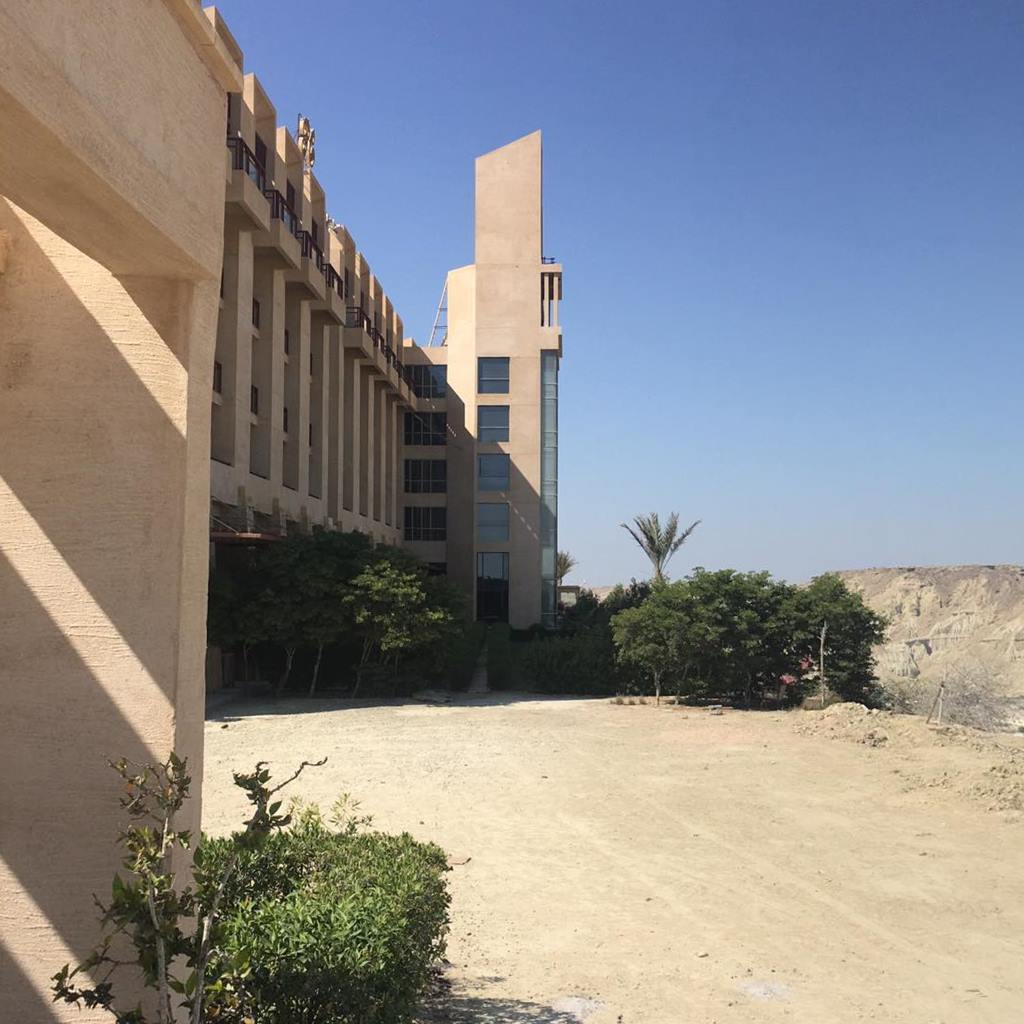
  • Gawadar ! #gawadar #cpec #360
    Gawadar ! #gawadar #cpec #360
    0 Reacties 0 aandelen 503 Views
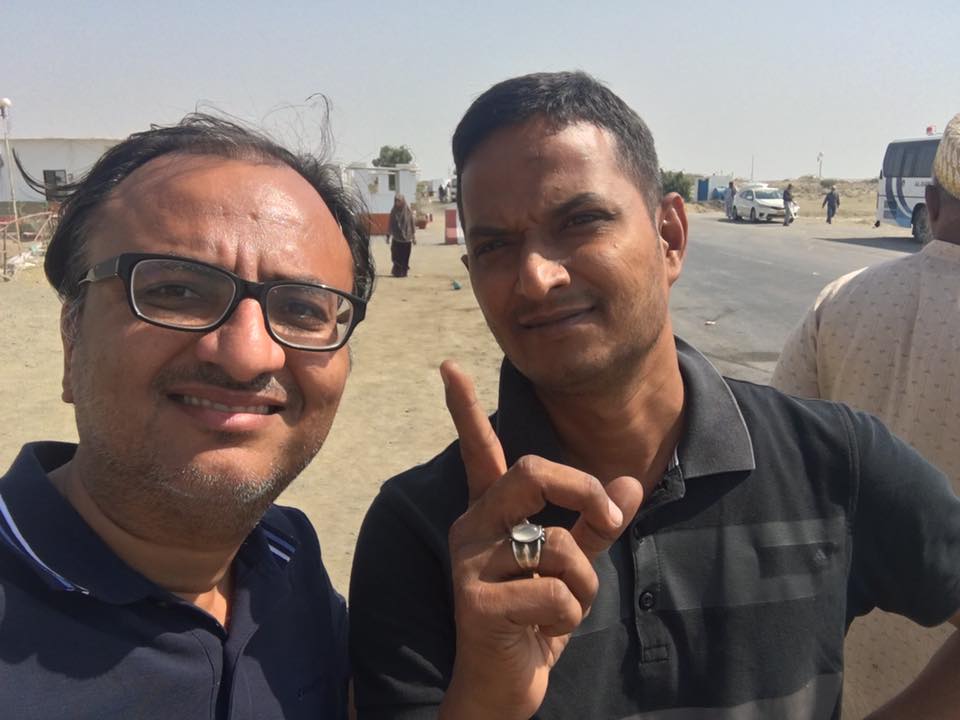
  • Meet Abdul Magid

    He organised Smack social media conference in Karachi and now is taking a trip from Gawadar to Shanghai by road to explore the cpec !

    I have opted in to go with him and would encourage you to go also !

    Do add him and inbox him for more information
    Meet Abdul Magid He organised Smack social media conference in Karachi and now is taking a trip from Gawadar to Shanghai by road to explore the cpec ! I have opted in to go with him and would encourage you to go also ! Do add him and inbox him for more information
    0 Reacties 0 aandelen 548 Views
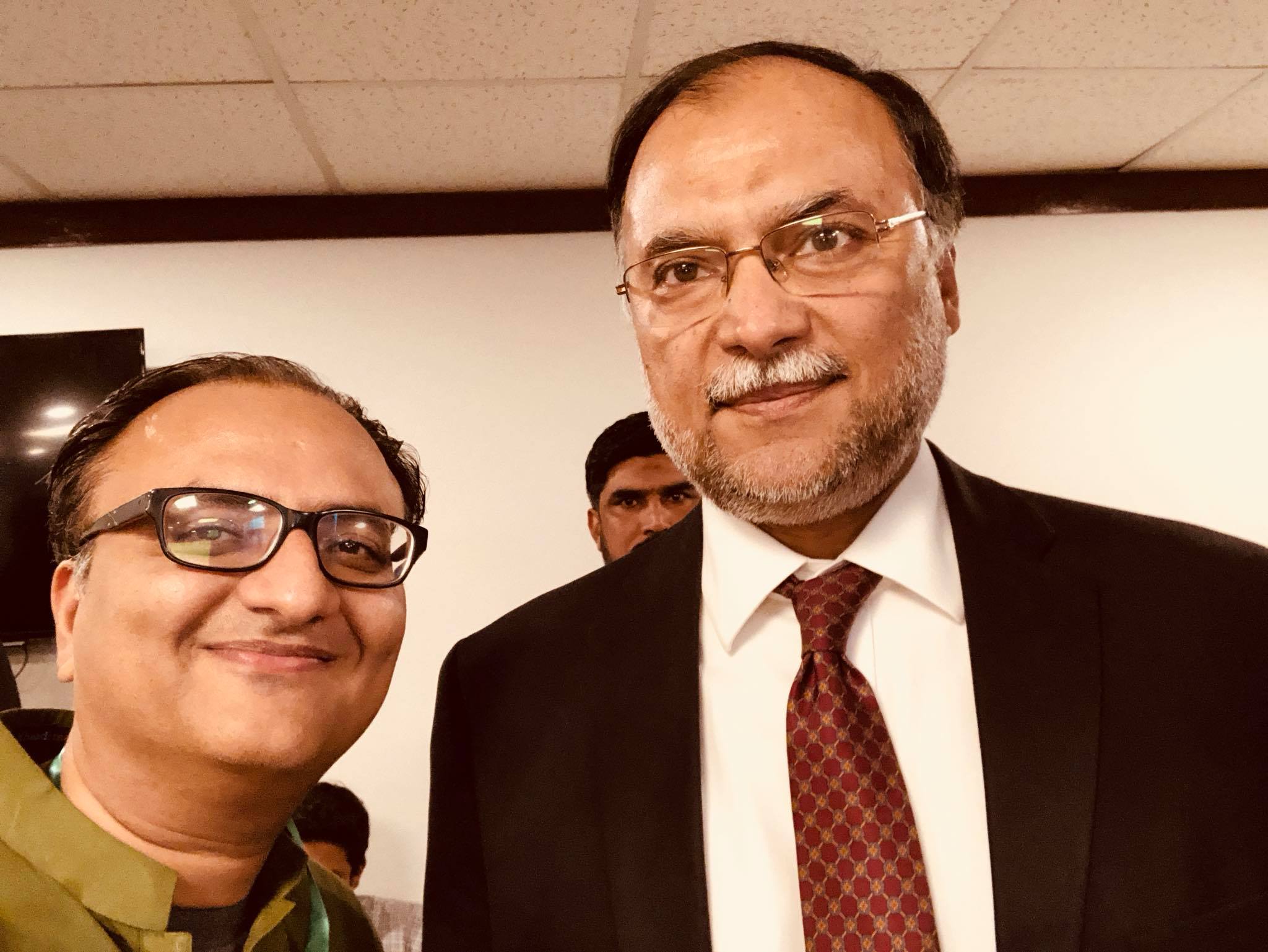
  • Had a meeting with Ahsan Iqbal bhai yesterday m, and offered to Volunteer on Vision Pakistan 2025 and cpec Marketing !

    What do you think can be done to promote and market Pakistan without spending a lot of money ?
    Had a meeting with Ahsan Iqbal bhai yesterday m, and offered to Volunteer on Vision Pakistan 2025 and cpec Marketing ! What do you think can be done to promote and market Pakistan without spending a lot of money ?
    0 Reacties 0 aandelen 393 Views
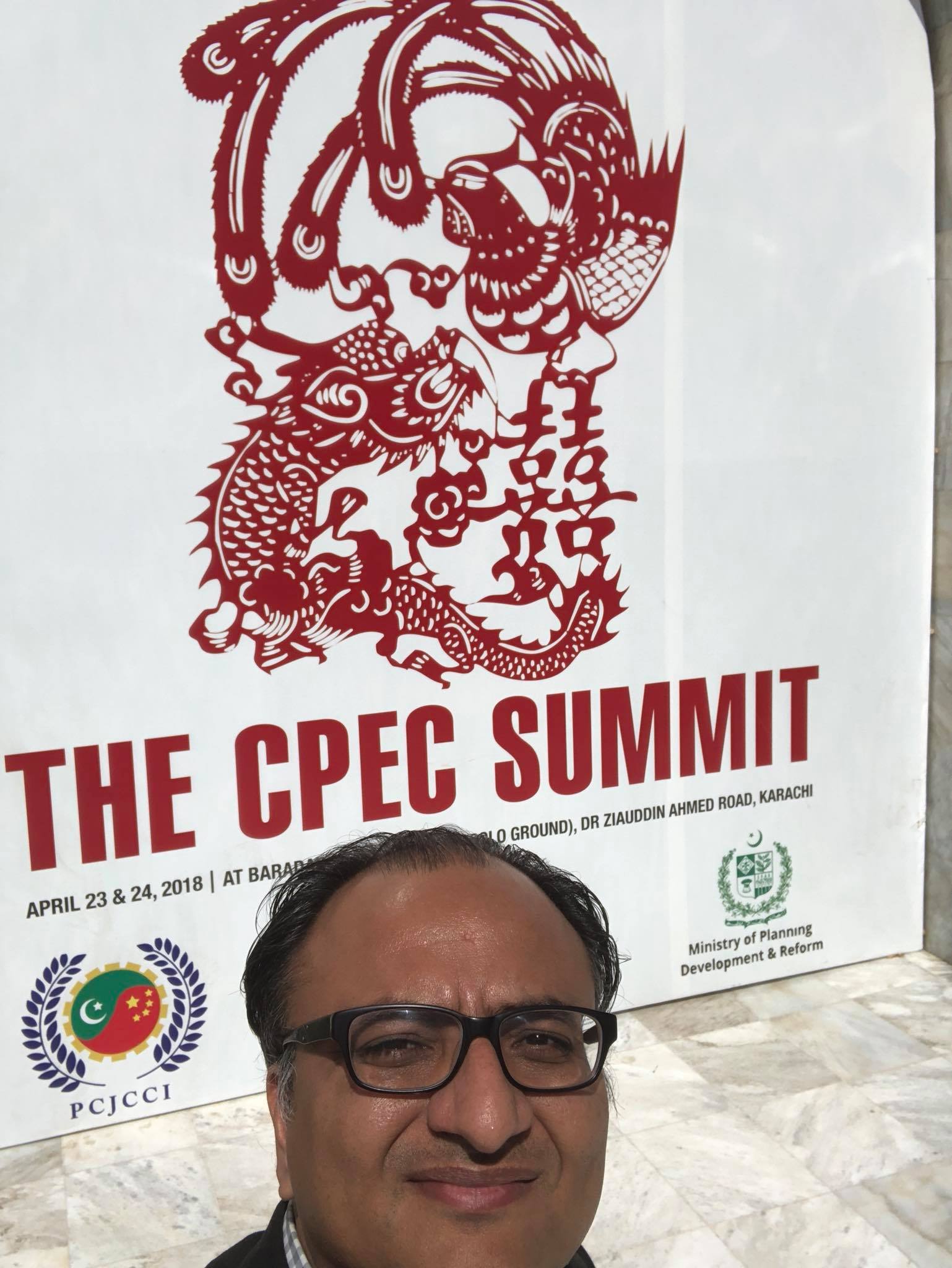
  • The wonderful cpec summit 2018 !
    The wonderful cpec summit 2018 !
    0 Reacties 0 aandelen 380 Views
Zoekresultaten