• #rsisb
    Roll no.247
    Call annie.18
    Foundation level

    **“Wood” – The Backbone of Early Civilization | 25-Minute Learning Journey**

    Wood is one of the oldest and most important natural materials used by humanity. Long before modern technology, steel, concrete, and plastic transformed our world, people depended on trees and wood for survival, creativity, shelter, transportation, tools, and everyday life.

    In this fascinating **25-minute exploration**, we travel back through history to discover how wood helped early civilizations grow, adapt, and build their communities. From simple wooden tools and shelters to boats, bridges, furniture, weapons, wheels, and farming equipment, wood played a remarkable role in human development.

    **Why was wood so important?**
    Wood was relatively easy to find, shape, cut, carve, and transport. Early humans learned to use different types of trees for different purposes, turning a natural resource into useful objects that made life easier and helped communities become more organized.

    Wood also provided an important source of fuel. Fire helped people cook food, stay warm, protect themselves, and eventually develop new technologies such as pottery and metalworking. The relationship between humans, trees, fire, and technology became an important part of civilization.

    **Wood and Transportation**
    One of the most exciting developments was the use of wood to create boats and other forms of transportation. Wooden boats allowed people to travel across rivers, lakes, and seas, encouraging exploration, trade, communication, and cultural exchange.

    **Wood and Shelter**
    Wood became an essential building material for homes, villages, storage structures, roofs, doors, and other buildings. As communities developed, woodworking skills became increasingly valuable, allowing people to construct stronger and more useful structures.

    **Wood and Human Creativity**
    Wood was not simply a material for survival—it became a medium for creativity. People carved decorations, created musical instruments, made furniture, constructed tools, and produced objects that reflected their cultures and traditions.

    **Wood and the Growth of Civilization**
    The story of wood is also the story of human innovation. By learning how to select, shape, join, preserve, and use wood, people developed practical skills that contributed to agriculture, construction, transportation, craftsmanship, and trade.

    This 25-minute lesson encourages us to look at an ordinary piece of wood in a completely different way. A wooden table, chair, pencil, door, or boat may seem simple today, but behind these objects lies thousands of years of human knowledge, experimentation, craftsmanship, and discovery.

    **A Lesson for Today**
    Understanding the historical importance of wood also reminds us of our responsibility toward forests and the environment. Trees provide habitats, help support ecosystems, and play an important role in our planet’s natural systems. Learning about wood means learning not only about the past, but also about how we can use natural resources responsibly in the future.

    Join us on this educational journey through history and discover how **wood became one of the foundations of human civilization**. From ancient tools to magnificent wooden structures, from forests to communities, the story of wood reveals how humans transformed the resources around them into the foundations of everyday life.

    **Watch, learn, explore, and discover the incredible story behind one of humanity’s oldest materials!**

    #Wood #HistoryOfWood #EarlyCivilization #HumanHistory #AncientCivilizations #History #Education #Learning #Science #Nature #Trees #Forests #Woodworking #AncientHistory #HumanInnovation #Technology #Archaeology #Culture #Craftsmanship #NaturalResources #EnvironmentalAwareness #LearningJourney #EducationalVideo #HistoryLesson #Civilization #Innovation #Knowledge #ExploreHistory #WoodenTools
    #rsisb Roll no.247 Call annie.18 Foundation level 🌳 **“Wood” – The Backbone of Early Civilization | 25-Minute Learning Journey** 🪵🏺 Wood is one of the oldest and most important natural materials used by humanity. Long before modern technology, steel, concrete, and plastic transformed our world, people depended on trees and wood for survival, creativity, shelter, transportation, tools, and everyday life. 🌍🌳 In this fascinating **25-minute exploration**, we travel back through history to discover how wood helped early civilizations grow, adapt, and build their communities. 🏕️🏠 From simple wooden tools and shelters to boats, bridges, furniture, weapons, wheels, and farming equipment, wood played a remarkable role in human development. 🛶🛠️ 🌲 **Why was wood so important?** Wood was relatively easy to find, shape, cut, carve, and transport. Early humans learned to use different types of trees for different purposes, turning a natural resource into useful objects that made life easier and helped communities become more organized. 🔥 Wood also provided an important source of fuel. Fire helped people cook food, stay warm, protect themselves, and eventually develop new technologies such as pottery and metalworking. The relationship between humans, trees, fire, and technology became an important part of civilization. 🔥🍲 🛶 **Wood and Transportation** One of the most exciting developments was the use of wood to create boats and other forms of transportation. Wooden boats allowed people to travel across rivers, lakes, and seas, encouraging exploration, trade, communication, and cultural exchange. 🌊⛵ 🏠 **Wood and Shelter** Wood became an essential building material for homes, villages, storage structures, roofs, doors, and other buildings. As communities developed, woodworking skills became increasingly valuable, allowing people to construct stronger and more useful structures. 🏡🔨 🛠️ **Wood and Human Creativity** Wood was not simply a material for survival—it became a medium for creativity. People carved decorations, created musical instruments, made furniture, constructed tools, and produced objects that reflected their cultures and traditions. 🎵🎨🪑 🌍 **Wood and the Growth of Civilization** The story of wood is also the story of human innovation. By learning how to select, shape, join, preserve, and use wood, people developed practical skills that contributed to agriculture, construction, transportation, craftsmanship, and trade. This 25-minute lesson encourages us to look at an ordinary piece of wood in a completely different way. A wooden table, chair, pencil, door, or boat may seem simple today, but behind these objects lies thousands of years of human knowledge, experimentation, craftsmanship, and discovery. 🔍🧠✨ 🌱 **A Lesson for Today** Understanding the historical importance of wood also reminds us of our responsibility toward forests and the environment. Trees provide habitats, help support ecosystems, and play an important role in our planet’s natural systems. Learning about wood means learning not only about the past, but also about how we can use natural resources responsibly in the future. 🌳🌎💚 📚 Join us on this educational journey through history and discover how **wood became one of the foundations of human civilization**. From ancient tools to magnificent wooden structures, from forests to communities, the story of wood reveals how humans transformed the resources around them into the foundations of everyday life. 🌳🪵🏺✨ 💡 **Watch, learn, explore, and discover the incredible story behind one of humanity’s oldest materials!** #Wood #HistoryOfWood #EarlyCivilization #HumanHistory #AncientCivilizations #History #Education #Learning #Science #Nature #Trees #Forests #Woodworking #AncientHistory #HumanInnovation #Technology #Archaeology #Culture #Craftsmanship #NaturalResources #EnvironmentalAwareness #LearningJourney #EducationalVideo #HistoryLesson #Civilization #Innovation #Knowledge #ExploreHistory #WoodenTools 🌳🪵📚🌍✨
    0 Comentários 0 Compartilhamentos 1120 Visualizações 7
  • History of Pakistan’s Development Over 5,000 Years

    The land that is now Pakistan has a rich history, serving as the cradle of ancient civilizations, a center of Islamic culture, and a battleground for empires. Modern Pakistan emerged as an independent nation in 1947, but its historical roots stretch back over 5,000 years.

    1. Ancient Civilizations (c. 3000 BCE – 1500 BCE)

    Indus Valley Civilization (c. 3000–1500 BCE)

    • The Indus Valley Civilization, one of the world’s earliest urban societies, thrived in the region now comprising Pakistan.
    • Major cities like Mohenjo-Daro, Harappa, and Mehrgarh (even earlier) showcased advanced urban planning, drainage systems, and trade.
    • The civilization’s economy was based on agriculture, trade (with Mesopotamia), and craftsmanship.
    • Declined around 1500 BCE due to climate change, flooding, or possible Aryan migrations.

    2. Vedic and Early Historical Period (1500 BCE – 500 BCE)

    • After the decline of the Indus Valley Civilization, the Indo-Aryans migrated into the region, introducing the Vedic culture, which became the foundation of Hinduism.
    • The region was part of the early Mahajanapadas, ancient republics or kingdoms.
    • Early Persian influence arrived with the Achaemenid Empire (c. 500 BCE), incorporating the area into their empire.

    3. Classical Period (500 BCE – 711 CE)

    Maurya Empire (322–185 BCE)

    • Under the Mauryan Empire (founded by Chandragupta Maurya), the region became part of a unified Indian subcontinent.
    • Ashoka, the most famous Mauryan ruler, promoted Buddhism and established stupas and inscriptions in areas like Taxila.

    Greco-Bactrian and Kushan Empires (200 BCE – 300 CE)

    • Alexander the Great invaded in 326 BCE, leaving behind Greek cultural influences.
    • The region came under the Greco-Bactrian Kingdom and later the Kushan Empire, which spread Buddhism and facilitated trade on the Silk Road.

    Gupta and Hindu Rule (300–711 CE)

    • Parts of modern Pakistan were influenced by the Gupta Empire, though local dynasties maintained control in areas like Sindh.
    • Hinduism and Buddhism coexisted, with Taxila becoming a major center for education and culture.

    4. Islamic Era (711–1857 CE)

    Arrival of Islam (711 CE)

    • Muhammad bin Qasim conquered Sindh in 711 CE, introducing Islam to the Indian subcontinent.
    • Sindh became a part of the Umayyad Caliphate and later other Islamic empires, with local Muslim rulers integrating Islamic culture into the region.

    Delhi Sultanate (1206–1526)

    • The region was incorporated into the Delhi Sultanate, a major Islamic empire that ruled northern India.
    • Persian culture, language, and Islamic architecture began to flourish.

    Mughal Empire (1526–1857)

    • Under the Mughals, Pakistan became an integral part of their empire.
    • Cities like Lahore became cultural and administrative centers, with stunning architectural achievements like the Badshahi Mosque and the Shalimar Gardens.
    • Mughal influence shaped the region’s art, cuisine, and administration, creating a lasting Islamic identity.

    5. Colonial Period (1857–1947)

    British East India Company and British Raj

    • After the 1857 Rebellion, the British took direct control of India, including what is now Pakistan.
    • The region became vital to British interests due to its strategic location and fertile lands.
    • Infrastructure like railways, canals, and cities such as Karachi were developed, but largely to serve British economic interests.
    • The All-India Muslim League (1906) was formed to protect Muslim interests under British rule.

    Struggle for Independence

    • The idea of a separate Muslim state emerged under Sir Syed Ahmed Khan, who advocated for Muslim education and identity.
    • Under leaders like Muhammad Iqbal and Muhammad Ali Jinnah, the Pakistan Movement gained momentum.
    • The Lahore Resolution (1940) formally called for an independent state for Muslims in the Indian subcontinent.
    • Partition of British India in 1947 led to the creation of Pakistan, a separate homeland for Muslims.

    6. Modern Pakistan (1947–Present)

    Post-Independence Period (1947–1971)

    • 1947 Partition: Pakistan was divided into East Pakistan (now Bangladesh) and West Pakistan (present Pakistan), separated by 1,600 km of Indian territory.
    • Challenges: The country faced massive migration, violence, and the task of nation-building.
    • Constitution of Pakistan: The country adopted its first constitution in 1956, declaring itself an Islamic Republic.

    Military and Political Instability

    • Frequent military coups and political instability marked early decades.
    • The Indo-Pak Wars (1947, 1965, 1971) strained resources and defined relations with India.
    • 1971 Civil War: East Pakistan, with support from India, gained independence as Bangladesh.

    Development and Growth (1972–2000)

    • Economic Growth: Focused on industrialization, agricultural reforms, and trade.
    • Nuclear Program: Pakistan became a nuclear power in 1998 under Prime Minister Nawaz Sharif.
    • Islamic Policies: Under Zia-ul-Haq (1977–1988), Pakistan underwent Islamization, with laws reflecting Sharia principles.

    Post-2000s: Modern Challenges and Achievements

    • War on Terror: Pakistan became a key U.S. ally after 9/11, facing both economic aid and internal challenges due to extremism.
    • Economic Growth: Investments in infrastructure (e.g., CPEC, a China-Pakistan partnership) and industries like textiles and IT.
    • Political Landscape: Transition between military rule and civilian governments, with leaders like Benazir Bhutto, Nawaz Sharif, and Imran Khan shaping policies.

    Key Contributions of Pakistan

    1. Cultural Identity: Fusion of ancient heritage (Indus Valley, Buddhist sites) with Islamic culture, reflected in architecture, art, and festivals.
    2. Education and Science: Pioneered nuclear technology; notable scientists like Abdus Salam, a Nobel laureate.
    3. Geopolitical Importance: Strategic location as a gateway to Central Asia and South Asia.
    4. Economic Aspirations: Focus on trade, infrastructure development, and industrialization.

    Summary Timeline

    1. Ancient Civilizations: Indus Valley (3000 BCE – 1500 BCE).
    2. Islamic Arrival: Muhammad bin Qasim’s conquest (711 CE).
    3. Mughal Golden Age: 16th–17th centuries.
    4. Colonial Rule: British Raj (1857–1947).
    5. Modern Era: Formation of Pakistan (1947) to present.

    Pakistan’s history reflects a dynamic interplay of ancient heritage, Islamic culture, and modern statehood, making it a unique and diverse nation.
    History of Pakistan’s Development Over 5,000 Years The land that is now Pakistan has a rich history, serving as the cradle of ancient civilizations, a center of Islamic culture, and a battleground for empires. Modern Pakistan emerged as an independent nation in 1947, but its historical roots stretch back over 5,000 years. 1. Ancient Civilizations (c. 3000 BCE – 1500 BCE) Indus Valley Civilization (c. 3000–1500 BCE) • The Indus Valley Civilization, one of the world’s earliest urban societies, thrived in the region now comprising Pakistan. • Major cities like Mohenjo-Daro, Harappa, and Mehrgarh (even earlier) showcased advanced urban planning, drainage systems, and trade. • The civilization’s economy was based on agriculture, trade (with Mesopotamia), and craftsmanship. • Declined around 1500 BCE due to climate change, flooding, or possible Aryan migrations. 2. Vedic and Early Historical Period (1500 BCE – 500 BCE) • After the decline of the Indus Valley Civilization, the Indo-Aryans migrated into the region, introducing the Vedic culture, which became the foundation of Hinduism. • The region was part of the early Mahajanapadas, ancient republics or kingdoms. • Early Persian influence arrived with the Achaemenid Empire (c. 500 BCE), incorporating the area into their empire. 3. Classical Period (500 BCE – 711 CE) Maurya Empire (322–185 BCE) • Under the Mauryan Empire (founded by Chandragupta Maurya), the region became part of a unified Indian subcontinent. • Ashoka, the most famous Mauryan ruler, promoted Buddhism and established stupas and inscriptions in areas like Taxila. Greco-Bactrian and Kushan Empires (200 BCE – 300 CE) • Alexander the Great invaded in 326 BCE, leaving behind Greek cultural influences. • The region came under the Greco-Bactrian Kingdom and later the Kushan Empire, which spread Buddhism and facilitated trade on the Silk Road. Gupta and Hindu Rule (300–711 CE) • Parts of modern Pakistan were influenced by the Gupta Empire, though local dynasties maintained control in areas like Sindh. • Hinduism and Buddhism coexisted, with Taxila becoming a major center for education and culture. 4. Islamic Era (711–1857 CE) Arrival of Islam (711 CE) • Muhammad bin Qasim conquered Sindh in 711 CE, introducing Islam to the Indian subcontinent. • Sindh became a part of the Umayyad Caliphate and later other Islamic empires, with local Muslim rulers integrating Islamic culture into the region. Delhi Sultanate (1206–1526) • The region was incorporated into the Delhi Sultanate, a major Islamic empire that ruled northern India. • Persian culture, language, and Islamic architecture began to flourish. Mughal Empire (1526–1857) • Under the Mughals, Pakistan became an integral part of their empire. • Cities like Lahore became cultural and administrative centers, with stunning architectural achievements like the Badshahi Mosque and the Shalimar Gardens. • Mughal influence shaped the region’s art, cuisine, and administration, creating a lasting Islamic identity. 5. Colonial Period (1857–1947) British East India Company and British Raj • After the 1857 Rebellion, the British took direct control of India, including what is now Pakistan. • The region became vital to British interests due to its strategic location and fertile lands. • Infrastructure like railways, canals, and cities such as Karachi were developed, but largely to serve British economic interests. • The All-India Muslim League (1906) was formed to protect Muslim interests under British rule. Struggle for Independence • The idea of a separate Muslim state emerged under Sir Syed Ahmed Khan, who advocated for Muslim education and identity. • Under leaders like Muhammad Iqbal and Muhammad Ali Jinnah, the Pakistan Movement gained momentum. • The Lahore Resolution (1940) formally called for an independent state for Muslims in the Indian subcontinent. • Partition of British India in 1947 led to the creation of Pakistan, a separate homeland for Muslims. 6. Modern Pakistan (1947–Present) Post-Independence Period (1947–1971) • 1947 Partition: Pakistan was divided into East Pakistan (now Bangladesh) and West Pakistan (present Pakistan), separated by 1,600 km of Indian territory. • Challenges: The country faced massive migration, violence, and the task of nation-building. • Constitution of Pakistan: The country adopted its first constitution in 1956, declaring itself an Islamic Republic. Military and Political Instability • Frequent military coups and political instability marked early decades. • The Indo-Pak Wars (1947, 1965, 1971) strained resources and defined relations with India. • 1971 Civil War: East Pakistan, with support from India, gained independence as Bangladesh. Development and Growth (1972–2000) • Economic Growth: Focused on industrialization, agricultural reforms, and trade. • Nuclear Program: Pakistan became a nuclear power in 1998 under Prime Minister Nawaz Sharif. • Islamic Policies: Under Zia-ul-Haq (1977–1988), Pakistan underwent Islamization, with laws reflecting Sharia principles. Post-2000s: Modern Challenges and Achievements • War on Terror: Pakistan became a key U.S. ally after 9/11, facing both economic aid and internal challenges due to extremism. • Economic Growth: Investments in infrastructure (e.g., CPEC, a China-Pakistan partnership) and industries like textiles and IT. • Political Landscape: Transition between military rule and civilian governments, with leaders like Benazir Bhutto, Nawaz Sharif, and Imran Khan shaping policies. Key Contributions of Pakistan 1. Cultural Identity: Fusion of ancient heritage (Indus Valley, Buddhist sites) with Islamic culture, reflected in architecture, art, and festivals. 2. Education and Science: Pioneered nuclear technology; notable scientists like Abdus Salam, a Nobel laureate. 3. Geopolitical Importance: Strategic location as a gateway to Central Asia and South Asia. 4. Economic Aspirations: Focus on trade, infrastructure development, and industrialization. Summary Timeline 1. Ancient Civilizations: Indus Valley (3000 BCE – 1500 BCE). 2. Islamic Arrival: Muhammad bin Qasim’s conquest (711 CE). 3. Mughal Golden Age: 16th–17th centuries. 4. Colonial Rule: British Raj (1857–1947). 5. Modern Era: Formation of Pakistan (1947) to present. Pakistan’s history reflects a dynamic interplay of ancient heritage, Islamic culture, and modern statehood, making it a unique and diverse nation.
    0 Comentários 0 Compartilhamentos 1356 Visualizações
  • The stereotype of Germans as perfectionists stems from cultural, historical, and socio-economic factors that shaped their values, behaviors, and work ethics over centuries. This perception is rooted in their focus on precision, efficiency, and discipline, which are evident in various aspects of German society, such as engineering, philosophy, and governance. Here’s an exploration of why Germans are known as perfectionists and how this reputation developed:

    1. Historical Factors

    • Medieval Guilds and Craftsmanship:
    • During the Middle Ages, Germany’s guilds emphasized precision, skill, and high-quality craftsmanship, especially in trades like carpentry, watchmaking, and brewing.
    • Strict standards in these trades fostered a culture of excellence and attention to detail.
    • Prussian Influence:
    • The Prussian state (18th–19th centuries) emphasized discipline, order, and efficiency in its military, education, and bureaucracy.
    • These values permeated German society and became cultural norms, influencing generations.

    2. Industrial and Technological Leadership

    • Engineering and Manufacturing Excellence:
    • Germany became a global leader in industries such as automotive (e.g., Mercedes-Benz, BMW, Volkswagen) and precision tools (e.g., Zeiss optics, Bosch).
    • This success relied on precision, innovation, and a focus on “doing things right the first time.”
    • Kaizen and Continuous Improvement:
    • German industries adopted a culture of continuous improvement, similar to Japan’s Kaizen philosophy, aiming to refine processes and reduce errors.
    • Research and Education:
    • Germany has long emphasized a strong education system, particularly in technical and vocational training, fostering expertise and attention to detail.

    3. Cultural Values

    • Order and Structure:
    • Germans value orderliness in daily life, from punctuality to well-organized systems, reflecting their preference for predictability and control.
    • This is visible in their efficient public transport systems, urban planning, and bureaucratic precision.
    • Thoroughness (Gründlichkeit):
    • The German word “Gründlichkeit” means thoroughness or meticulousness, reflecting the cultural expectation to approach tasks methodically and completely.
    • High Standards and Accountability:
    • Germans often set high personal and professional standards, believing that quality reflects integrity and reliability.

    4. Philosophical and Intellectual Traditions

    • Germany produced thinkers like Immanuel Kant, Hegel, and Max Weber, whose philosophies emphasized rationality, structure, and ethics.
    • Weber’s concept of the “Protestant work ethic” highlighted diligence and hard work as moral virtues, influencing the culture of precision and perfection.

    5. Post-War Reconstruction

    • After World War II, Germany had to rebuild itself from devastation. This required a collective effort focused on efficiency, resourcefulness, and precision to recover economically and socially.
    • The Wirtschaftswunder (Economic Miracle) of the 1950s-60s cemented Germany’s reputation for disciplined, high-quality production.

    6. National Identity and Pride

    • Germans often take pride in being perceived as reliable, trustworthy, and detail-oriented.
    • This cultural identity reinforces behaviors associated with perfectionism, as individuals strive to uphold these traits in their personal and professional lives.

    Key Examples of German Perfectionism

    • Automotive Industry: German cars are synonymous with reliability, engineering excellence, and precision.
    • Architecture: German buildings and infrastructure projects are renowned for durability and practicality.
    • Sports: German athletes and teams (e.g., in football) emphasize rigorous preparation, strategy, and teamwork.

    Conclusion

    The reputation of Germans as perfectionists is a product of historical necessity, cultural values, and societal expectations. From the guilds of the Middle Ages to modern industrial excellence, a consistent focus on precision, discipline, and quality has shaped this identity. While it may not apply to every individual, it remains a defining characteristic of German culture in the global imagination.
    The stereotype of Germans as perfectionists stems from cultural, historical, and socio-economic factors that shaped their values, behaviors, and work ethics over centuries. This perception is rooted in their focus on precision, efficiency, and discipline, which are evident in various aspects of German society, such as engineering, philosophy, and governance. Here’s an exploration of why Germans are known as perfectionists and how this reputation developed: 1. Historical Factors • Medieval Guilds and Craftsmanship: • During the Middle Ages, Germany’s guilds emphasized precision, skill, and high-quality craftsmanship, especially in trades like carpentry, watchmaking, and brewing. • Strict standards in these trades fostered a culture of excellence and attention to detail. • Prussian Influence: • The Prussian state (18th–19th centuries) emphasized discipline, order, and efficiency in its military, education, and bureaucracy. • These values permeated German society and became cultural norms, influencing generations. 2. Industrial and Technological Leadership • Engineering and Manufacturing Excellence: • Germany became a global leader in industries such as automotive (e.g., Mercedes-Benz, BMW, Volkswagen) and precision tools (e.g., Zeiss optics, Bosch). • This success relied on precision, innovation, and a focus on “doing things right the first time.” • Kaizen and Continuous Improvement: • German industries adopted a culture of continuous improvement, similar to Japan’s Kaizen philosophy, aiming to refine processes and reduce errors. • Research and Education: • Germany has long emphasized a strong education system, particularly in technical and vocational training, fostering expertise and attention to detail. 3. Cultural Values • Order and Structure: • Germans value orderliness in daily life, from punctuality to well-organized systems, reflecting their preference for predictability and control. • This is visible in their efficient public transport systems, urban planning, and bureaucratic precision. • Thoroughness (Gründlichkeit): • The German word “Gründlichkeit” means thoroughness or meticulousness, reflecting the cultural expectation to approach tasks methodically and completely. • High Standards and Accountability: • Germans often set high personal and professional standards, believing that quality reflects integrity and reliability. 4. Philosophical and Intellectual Traditions • Germany produced thinkers like Immanuel Kant, Hegel, and Max Weber, whose philosophies emphasized rationality, structure, and ethics. • Weber’s concept of the “Protestant work ethic” highlighted diligence and hard work as moral virtues, influencing the culture of precision and perfection. 5. Post-War Reconstruction • After World War II, Germany had to rebuild itself from devastation. This required a collective effort focused on efficiency, resourcefulness, and precision to recover economically and socially. • The Wirtschaftswunder (Economic Miracle) of the 1950s-60s cemented Germany’s reputation for disciplined, high-quality production. 6. National Identity and Pride • Germans often take pride in being perceived as reliable, trustworthy, and detail-oriented. • This cultural identity reinforces behaviors associated with perfectionism, as individuals strive to uphold these traits in their personal and professional lives. Key Examples of German Perfectionism • Automotive Industry: German cars are synonymous with reliability, engineering excellence, and precision. • Architecture: German buildings and infrastructure projects are renowned for durability and practicality. • Sports: German athletes and teams (e.g., in football) emphasize rigorous preparation, strategy, and teamwork. Conclusion The reputation of Germans as perfectionists is a product of historical necessity, cultural values, and societal expectations. From the guilds of the Middle Ages to modern industrial excellence, a consistent focus on precision, discipline, and quality has shaped this identity. While it may not apply to every individual, it remains a defining characteristic of German culture in the global imagination.
    0 Comentários 0 Compartilhamentos 1534 Visualizações
  • The History and Global Meaning of the Word “Entrepreneur”

    Introduction

    The word entrepreneur is one of the most celebrated terms in the modern world of business and innovation. It evokes the image of risk-takers, opportunity seekers, and creators of new value. But few realize that this word has traveled centuries and cultures, evolving in meaning and scope. Today, “entrepreneurship” is interpreted differently across countries, shaped by their histories, economies, and cultural values.


    Origin of the Word

    The word entrepreneur originates from French. It comes from the verb “entreprendre”, meaning “to undertake.” In the 12th century, it simply described someone who undertook a task or project. By the 16th and 17th centuries, it was used for individuals who organized and managed activities, often in construction or military expeditions.

    In the 18th century, the economist Richard Cantillon (an Irishman writing in French) gave the word its economic dimension. He described an entrepreneur as someone who takes on risk by buying goods at certain prices and selling them at uncertain ones. Later, French economist Jean-Baptiste Say expanded the definition, calling entrepreneurs “agents who bring together capital, labor, and resources to create value.”


    The Industrial Revolution and Expansion of Meaning

    During the Industrial Revolution (18th–19th century), the entrepreneur became linked with industrialists and inventors who established factories, introduced new machinery, and organized workers. In this period, the term shifted from being just “a person who undertakes” to specifically “a person who innovates and creates businesses.”


    Global Interpretations

    1. France

    Since the word is French in origin, France historically used it to mean organizer of projects. Even today, the French emphasis is often on the cultural and intellectual courage of entrepreneurs. They are seen not only as business creators but also as contributors to social and artistic movements.

    2. United States

    In the U.S., the term took on a broader and more dynamic meaning during the 19th and 20th centuries. Entrepreneurs are viewed as innovators, risk-takers, and disruptors. Figures like Thomas Edison, Henry Ford, and later Steve Jobs and Elon Musk, represent the American entrepreneurial spirit. In the U.S., entrepreneurship is deeply tied to the idea of the “American Dream” — individuals creating wealth and success through initiative.

    3. United Kingdom

    In Britain, entrepreneurship has historically been associated with trade, industrial expansion, and colonial ventures. During the British Empire, entrepreneurs were often merchants, explorers, and industrialists who spread business across colonies. Today, the word is linked with startups, small businesses, and social enterprises, with a strong policy push for innovation hubs like “Tech City” in London.

    4. Germany

    In Germany, the concept is often tied to the Mittelstand (small and medium-sized enterprises). German entrepreneurs are admired for precision, engineering excellence, and family-owned business traditions. Here, the entrepreneur is less about glamour and risk-taking, and more about long-term stability, craftsmanship, and responsibility.

    5. Japan

    In Japan, the word entrepreneur (起業家 – kigyōka) has a relatively recent history, especially post–World War II. Traditionally, Japanese society valued lifelong employment in big corporations. But with globalization and the tech boom, entrepreneurship is increasingly respected. The meaning emphasizes team harmony, long-term dedication, and social contribution, rather than individual risk-taking.

    6. China

    China historically discouraged private entrepreneurship under Mao Zedong’s communist era. However, since the reforms of the late 1970s, entrepreneurship (企业家 – qǐyè jiā) has become central to the country’s economic rise. In China, entrepreneurs are seen as builders of national prosperity. Figures like Jack Ma (Alibaba) and Pony Ma (Tencent) embody the blend of business and state-aligned progress.

    7. India

    In India, entrepreneurship has always existed through family businesses, trading communities (like Gujaratis and Marwaris), and artisans. The modern meaning expanded with the IT revolution of the 1990s and today refers to startup founders, social innovators, and job creators. Indian culture links entrepreneurship with resilience, “jugaad” (frugal innovation), and creating opportunities for massive populations.

    8. Middle East

    In the Middle East, entrepreneurship is deeply rooted in trading traditions. For centuries, merchants on the Silk Road were early entrepreneurs. Today, entrepreneurship is linked with technology hubs, family-owned conglomerates, and Islamic finance principles. Many countries now see entrepreneurship as key to reducing oil dependency.

    9. Africa

    In Africa, the word entrepreneur often carries a strong community and survival meaning. Entrepreneurs are seen as problem-solvers addressing local challenges like access to clean water, energy, or education. Unlike the U.S. or Europe, where wealth creation is emphasized, in Africa entrepreneurship is often tied to social impact and resilience.


    Modern Global Meaning

    Today, the word “entrepreneur” is almost universal. Yet, it carries different emotional and cultural tones depending on context:
    • In the West, it highlights individual freedom and innovation.
    • In Asia, it emphasizes collective progress and long-term value.
    • In developing countries, it represents survival, resilience, and social change.


    Conclusion

    The word entrepreneur has traveled from medieval France to every corner of the world. While its literal meaning is “one who undertakes,” its true significance depends on culture: the American dreamer, the German craftsman, the Japanese team player, the African problem-solver, or the Indian innovator. At its core, however, the essence remains the same: an entrepreneur is someone who sees possibility where others see obstacles, and creates value for society by taking initiative and risk.
    The History and Global Meaning of the Word “Entrepreneur” Introduction The word entrepreneur is one of the most celebrated terms in the modern world of business and innovation. It evokes the image of risk-takers, opportunity seekers, and creators of new value. But few realize that this word has traveled centuries and cultures, evolving in meaning and scope. Today, “entrepreneurship” is interpreted differently across countries, shaped by their histories, economies, and cultural values. ⸻ Origin of the Word The word entrepreneur originates from French. It comes from the verb “entreprendre”, meaning “to undertake.” In the 12th century, it simply described someone who undertook a task or project. By the 16th and 17th centuries, it was used for individuals who organized and managed activities, often in construction or military expeditions. In the 18th century, the economist Richard Cantillon (an Irishman writing in French) gave the word its economic dimension. He described an entrepreneur as someone who takes on risk by buying goods at certain prices and selling them at uncertain ones. Later, French economist Jean-Baptiste Say expanded the definition, calling entrepreneurs “agents who bring together capital, labor, and resources to create value.” ⸻ The Industrial Revolution and Expansion of Meaning During the Industrial Revolution (18th–19th century), the entrepreneur became linked with industrialists and inventors who established factories, introduced new machinery, and organized workers. In this period, the term shifted from being just “a person who undertakes” to specifically “a person who innovates and creates businesses.” ⸻ Global Interpretations 1. France Since the word is French in origin, France historically used it to mean organizer of projects. Even today, the French emphasis is often on the cultural and intellectual courage of entrepreneurs. They are seen not only as business creators but also as contributors to social and artistic movements. 2. United States In the U.S., the term took on a broader and more dynamic meaning during the 19th and 20th centuries. Entrepreneurs are viewed as innovators, risk-takers, and disruptors. Figures like Thomas Edison, Henry Ford, and later Steve Jobs and Elon Musk, represent the American entrepreneurial spirit. In the U.S., entrepreneurship is deeply tied to the idea of the “American Dream” — individuals creating wealth and success through initiative. 3. United Kingdom In Britain, entrepreneurship has historically been associated with trade, industrial expansion, and colonial ventures. During the British Empire, entrepreneurs were often merchants, explorers, and industrialists who spread business across colonies. Today, the word is linked with startups, small businesses, and social enterprises, with a strong policy push for innovation hubs like “Tech City” in London. 4. Germany In Germany, the concept is often tied to the Mittelstand (small and medium-sized enterprises). German entrepreneurs are admired for precision, engineering excellence, and family-owned business traditions. Here, the entrepreneur is less about glamour and risk-taking, and more about long-term stability, craftsmanship, and responsibility. 5. Japan In Japan, the word entrepreneur (起業家 – kigyōka) has a relatively recent history, especially post–World War II. Traditionally, Japanese society valued lifelong employment in big corporations. But with globalization and the tech boom, entrepreneurship is increasingly respected. The meaning emphasizes team harmony, long-term dedication, and social contribution, rather than individual risk-taking. 6. China China historically discouraged private entrepreneurship under Mao Zedong’s communist era. However, since the reforms of the late 1970s, entrepreneurship (企业家 – qǐyè jiā) has become central to the country’s economic rise. In China, entrepreneurs are seen as builders of national prosperity. Figures like Jack Ma (Alibaba) and Pony Ma (Tencent) embody the blend of business and state-aligned progress. 7. India In India, entrepreneurship has always existed through family businesses, trading communities (like Gujaratis and Marwaris), and artisans. The modern meaning expanded with the IT revolution of the 1990s and today refers to startup founders, social innovators, and job creators. Indian culture links entrepreneurship with resilience, “jugaad” (frugal innovation), and creating opportunities for massive populations. 8. Middle East In the Middle East, entrepreneurship is deeply rooted in trading traditions. For centuries, merchants on the Silk Road were early entrepreneurs. Today, entrepreneurship is linked with technology hubs, family-owned conglomerates, and Islamic finance principles. Many countries now see entrepreneurship as key to reducing oil dependency. 9. Africa In Africa, the word entrepreneur often carries a strong community and survival meaning. Entrepreneurs are seen as problem-solvers addressing local challenges like access to clean water, energy, or education. Unlike the U.S. or Europe, where wealth creation is emphasized, in Africa entrepreneurship is often tied to social impact and resilience. ⸻ Modern Global Meaning Today, the word “entrepreneur” is almost universal. Yet, it carries different emotional and cultural tones depending on context: • In the West, it highlights individual freedom and innovation. • In Asia, it emphasizes collective progress and long-term value. • In developing countries, it represents survival, resilience, and social change. ⸻ Conclusion The word entrepreneur has traveled from medieval France to every corner of the world. While its literal meaning is “one who undertakes,” its true significance depends on culture: the American dreamer, the German craftsman, the Japanese team player, the African problem-solver, or the Indian innovator. At its core, however, the essence remains the same: an entrepreneur is someone who sees possibility where others see obstacles, and creates value for society by taking initiative and risk.
    0 Comentários 0 Compartilhamentos 1106 Visualizações
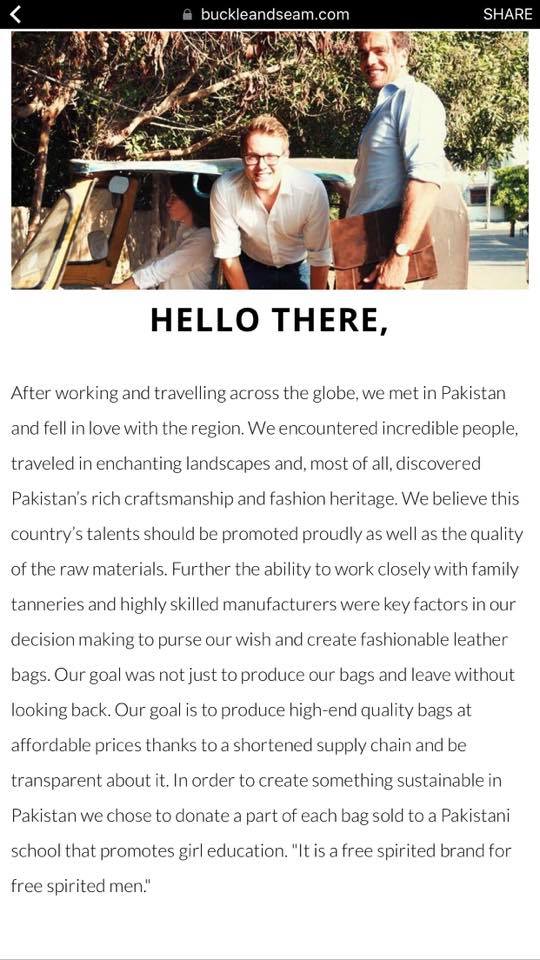
  • HELLO THERE,
    After working and travelling across the globe, we met in Pakistan and fell in love with the region. We encountered incredible people, traveled in enchanting landscapes and, most of all, discovered Pakistan’s rich craftsmanship and fashion heritage. We believe this country’s talents should be promoted proudly as well as the quality of the raw materials. Further the ability to work closely with family tanneries and highly skilled manufacturers were key factors in our decision making to purse our wish and create fashionable leather bags. Our goal was not just to produce our bags and leave without looking back. Our goal is to produce high-end quality bags at affordable prices thanks to a shortened supply chain and be transparent about it. In order to create something sustainable in Pakistan we chose to donate a part of each bag sold to a Pakistani school that promotes girl education. "It is a free spirited brand for free spirited men."

    Buckle & Seam Leather products !
    HELLO THERE, After working and travelling across the globe, we met in Pakistan and fell in love with the region. We encountered incredible people, traveled in enchanting landscapes and, most of all, discovered Pakistan’s rich craftsmanship and fashion heritage. We believe this country’s talents should be promoted proudly as well as the quality of the raw materials. Further the ability to work closely with family tanneries and highly skilled manufacturers were key factors in our decision making to purse our wish and create fashionable leather bags. Our goal was not just to produce our bags and leave without looking back. Our goal is to produce high-end quality bags at affordable prices thanks to a shortened supply chain and be transparent about it. In order to create something sustainable in Pakistan we chose to donate a part of each bag sold to a Pakistani school that promotes girl education. "It is a free spirited brand for free spirited men." Buckle & Seam Leather products !
    0 Comentários 0 Compartilhamentos 123 Visualizações
  • Meet Allyson Reneau and her 11 children !

    Last night I had dinner with her and Aimal Mohmand the owner of @ranchers and all she did was being a cheer leader of Pakistan

    She believes after travelling the world that Pakistan is the worlds best kept secret and Pakistanis don’t know what their role is in the world

    During the dinner she kept telling great things about Pakistani craftsmanship , Pakistani cuisine and how amazing people are that I and Aimal felt like moving to Pakistan

    Please connect with her, and her children via facebook, invite her to your tv shows and universities, schools and colleges and try to see the Pakistan she sees, and why she is moving to Pakistan

    Pakistan Zindabad !!!!
    Meet Allyson Reneau and her 11 children ! Last night I had dinner with her and Aimal Mohmand the owner of @ranchers and all she did was being a cheer leader of Pakistan 🇵🇰 She believes after travelling the world that Pakistan 🇵🇰 is the worlds best kept secret and Pakistanis don’t know what their role is in the world 🌍 During the dinner she kept telling great things about Pakistani craftsmanship , Pakistani cuisine and how amazing people are that I and Aimal felt like moving to Pakistan 🇵🇰 Please connect with her, and her children via facebook, invite her to your tv shows and universities, schools and colleges and try to see the Pakistan she sees, and why she is moving to Pakistan 🇵🇰 Pakistan Zindabad !!!!
    0 Comentários 0 Compartilhamentos 51 Visualizações
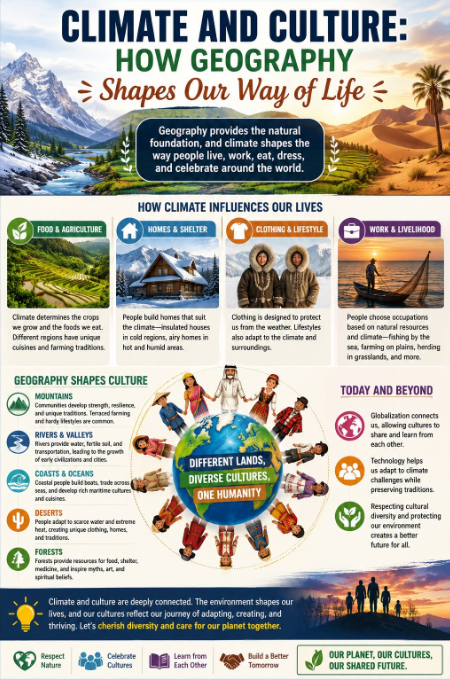
  • ### Discovering the Ancient Civilization of Mehrgarh

    Nestled in the arid plains of Balochistan, Pakistan, lies the remarkable archaeological site of Mehrgarh, a treasure trove of early human civilization dating back to around 7000 BCE. Often overshadowed by the more famous Indus Valley Civilization, Mehrgarh stands as one of the earliest centers of agriculture and human settlement in South Asia, offering profound insights into our prehistoric past.

    **A Glimpse into the Past**

    Mehrgarh, discovered in 1974 by French archaeologists, is located near the Bolan Pass, a strategic gateway between the ancient cultures of South Asia and Central Asia. This site predates the well-known cities of Harappa and Mohenjo-Daro, making it a crucial link in understanding the evolution of human societies in this region.

    **Life in Mehrgarh**

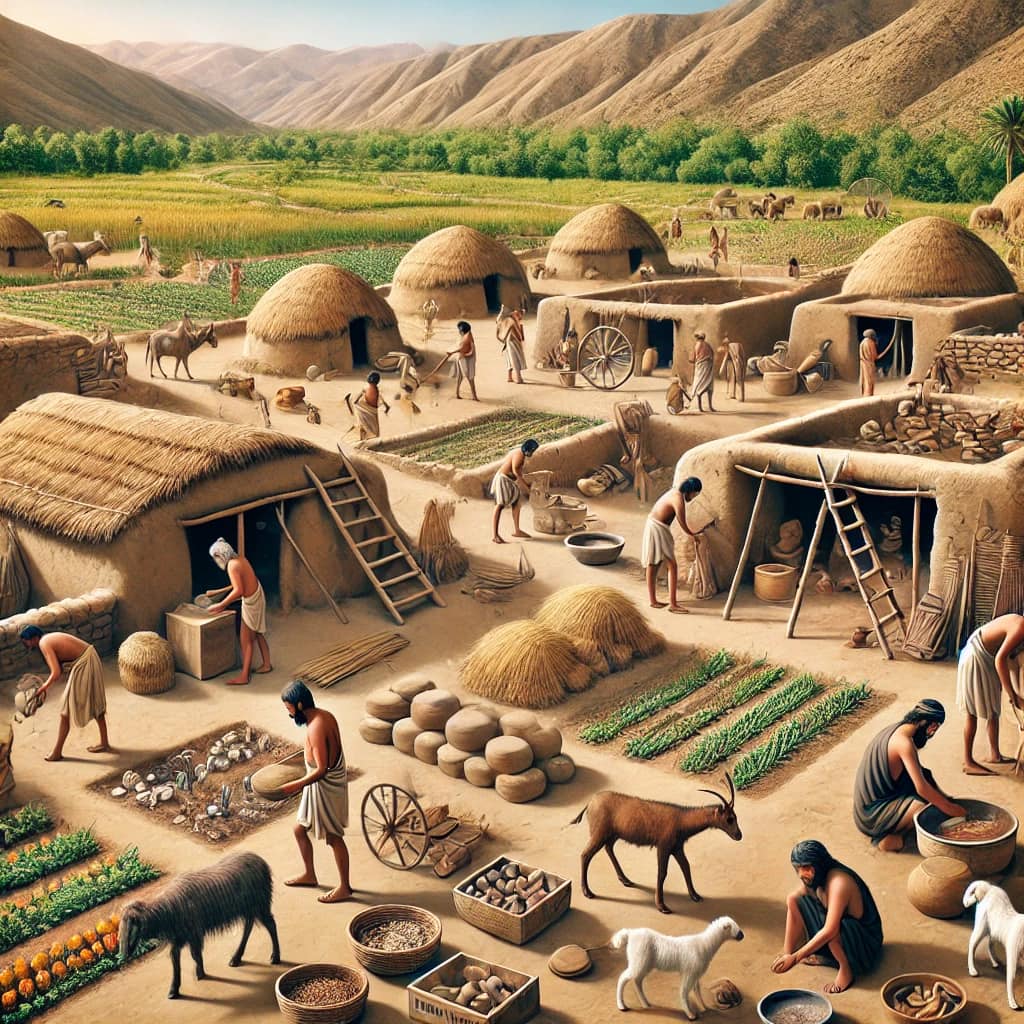
    At its peak, Mehrgarh was a thriving community engaged in a variety of sophisticated activities. The inhabitants of Mehrgarh were among the first in the world to practice settled farming. They cultivated wheat and barley, and their domesticated animals included cattle, sheep, and goats. This transition from a nomadic to a settled lifestyle marked a significant advancement in human history.

    The people of Mehrgarh lived in well-constructed mud-brick houses, which were organized into planned settlements. They built granaries for storing surplus crops, indicating a level of social organization and economic planning. Workshops for tool-making and pottery production were integral parts of the settlement, highlighting the communitys craftsmanship and trade skills.

    **Technological and Cultural Achievements**

    Mehrgarhs residents were pioneers in early technology. They developed sophisticated methods for crafting tools from stone and bone, and their pottery, decorated with intricate patterns, speaks of their artistic capabilities. The discovery of figurines, beads, and ornaments made from materials like seashells, turquoise, and lapis lazuli suggests that the people of Mehrgarh had established trade links with distant regions.

    One of the most remarkable aspects of Mehrgarh is the evidence of early dentistry. Archaeologists have found drilled teeth in human remains, indicating that dental practices were in use over 9,000 years ago—a testament to the advanced knowledge and skills possessed by these ancient people.

    **Mehrgarhs Legacy**

    Mehrgarhs significance extends beyond its own era. It provides crucial evidence of the early stages of agricultural development and the rise of settled communities in South Asia. The site serves as a precursor to the more complex urban centers of the Indus Valley Civilization, showing a clear progression in social and technological advancements.

    Today, Mehrgarh stands as a symbol of human ingenuity and resilience. It reminds us that even in the harshest environments, ancient societies were capable of extraordinary achievements. As we continue to explore and understand Mehrgarh, we gain valuable insights into the roots of our civilization and the shared heritage that connects us all.

    **Join the Journey**

    Lets celebrate the rich history of Mehrgarh and honor the legacy of its people. Share this story to spread awareness about one of the worlds earliest cradles of civilization. #Mehrgarh #AncientHistory #Archaeology #Balochistan #HumanHeritage
    ### Discovering the Ancient Civilization of Mehrgarh Nestled in the arid plains of Balochistan, Pakistan, lies the remarkable archaeological site of Mehrgarh, a treasure trove of early human civilization dating back to around 7000 BCE. Often overshadowed by the more famous Indus Valley Civilization, Mehrgarh stands as one of the earliest centers of agriculture and human settlement in South Asia, offering profound insights into our prehistoric past. **A Glimpse into the Past** Mehrgarh, discovered in 1974 by French archaeologists, is located near the Bolan Pass, a strategic gateway between the ancient cultures of South Asia and Central Asia. This site predates the well-known cities of Harappa and Mohenjo-Daro, making it a crucial link in understanding the evolution of human societies in this region. **Life in Mehrgarh** At its peak, Mehrgarh was a thriving community engaged in a variety of sophisticated activities. The inhabitants of Mehrgarh were among the first in the world to practice settled farming. They cultivated wheat and barley, and their domesticated animals included cattle, sheep, and goats. This transition from a nomadic to a settled lifestyle marked a significant advancement in human history. The people of Mehrgarh lived in well-constructed mud-brick houses, which were organized into planned settlements. They built granaries for storing surplus crops, indicating a level of social organization and economic planning. Workshops for tool-making and pottery production were integral parts of the settlement, highlighting the community's craftsmanship and trade skills. **Technological and Cultural Achievements** Mehrgarh's residents were pioneers in early technology. They developed sophisticated methods for crafting tools from stone and bone, and their pottery, decorated with intricate patterns, speaks of their artistic capabilities. The discovery of figurines, beads, and ornaments made from materials like seashells, turquoise, and lapis lazuli suggests that the people of Mehrgarh had established trade links with distant regions. One of the most remarkable aspects of Mehrgarh is the evidence of early dentistry. Archaeologists have found drilled teeth in human remains, indicating that dental practices were in use over 9,000 years ago—a testament to the advanced knowledge and skills possessed by these ancient people. **Mehrgarh's Legacy** Mehrgarh's significance extends beyond its own era. It provides crucial evidence of the early stages of agricultural development and the rise of settled communities in South Asia. The site serves as a precursor to the more complex urban centers of the Indus Valley Civilization, showing a clear progression in social and technological advancements. Today, Mehrgarh stands as a symbol of human ingenuity and resilience. It reminds us that even in the harshest environments, ancient societies were capable of extraordinary achievements. As we continue to explore and understand Mehrgarh, we gain valuable insights into the roots of our civilization and the shared heritage that connects us all. **Join the Journey** Let's celebrate the rich history of Mehrgarh and honor the legacy of its people. Share this story to spread awareness about one of the world's earliest cradles of civilization. #Mehrgarh #AncientHistory #Archaeology #Balochistan #HumanHeritage
    0 Comentários 0 Compartilhamentos 2184 Visualizações
  • The Story of Makita – From Japan to the World

    Over a hundred years ago, in the busy streets of Nagoya, Japan, a man named Mosaburo Makita opened a small repair shop. It was 1915, and the world was changing fast with electricity spreading across cities and industries. Mosaburo specialized in fixing motors, lighting equipment, and transformers. He had no idea then that his tiny shop would one day become a global symbol of innovation in power tools.

    By the 1950s, Japan was rebuilding after World War II. Makita saw an opportunity: instead of just repairing machines, why not create new ones? In 1958, the company introduced Japan’s first electric hand planer. This was the turning point — carpenters and builders suddenly had a lightweight, reliable, and precise tool in their hands. Soon after, Makita launched drills, grinders, and saws, becoming a pioneer in electric tools.

    But Makita’s vision was never limited to Japan. In the 1970s, the company expanded to Europe. One of its most successful steps was establishing Makita Werkzeug GmbH in Germany in 1977. Germany was already famous for engineering and construction excellence, so it was the perfect place for Makita to showcase its technology. German builders, carpenters, and factories quickly adopted Makita tools because of their durability, ergonomic design, and affordability compared to traditional European brands.

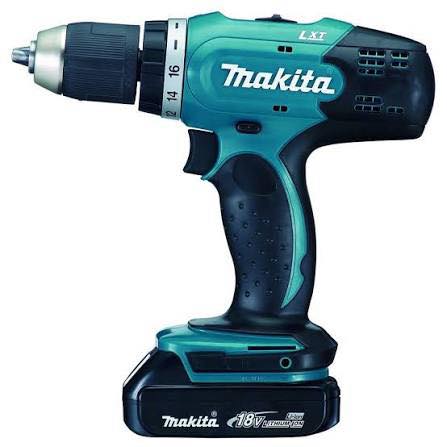
    The secret of Makita’s success was not only innovation but also listening to workers. Every drill, every saw, every grinder was designed with comfort, safety, and efficiency in mind. As cordless technology grew, Makita once again led the way. Their 18V LXT Lithium-Ion battery system, launched in 2005, became the world’s largest cordless tool system. From construction sites in Tokyo to workshops in Berlin, professionals began relying on Makita as their daily companion.

    In Germany, Makita became more than just a brand — it became part of the culture of craftsmanship. Builders proudly carried the teal-colored cases, knowing the tools inside were tested to withstand years of heavy use. For German workers, who valued precision and reliability, Makita earned their trust alongside their own local brands.

    Today, Makita operates in over 40 countries and sells in more than 160 nations. Its German branch remains one of the strongest, serving as a hub for Europe. From its humble beginning as a motor repair shop, Makita has built a century-long story of resilience, creativity, and global impact.

    And if Mosaburo Makita could see today’s world — with millions of workers holding tools bearing his name — he would surely smile. His small dream in 1915 has become a worldwide legacy of innovation, craftsmanship, and trust.
    The Story of Makita – From Japan to the World Over a hundred years ago, in the busy streets of Nagoya, Japan, a man named Mosaburo Makita opened a small repair shop. It was 1915, and the world was changing fast with electricity spreading across cities and industries. Mosaburo specialized in fixing motors, lighting equipment, and transformers. He had no idea then that his tiny shop would one day become a global symbol of innovation in power tools. By the 1950s, Japan was rebuilding after World War II. Makita saw an opportunity: instead of just repairing machines, why not create new ones? In 1958, the company introduced Japan’s first electric hand planer. This was the turning point — carpenters and builders suddenly had a lightweight, reliable, and precise tool in their hands. Soon after, Makita launched drills, grinders, and saws, becoming a pioneer in electric tools. But Makita’s vision was never limited to Japan. In the 1970s, the company expanded to Europe. One of its most successful steps was establishing Makita Werkzeug GmbH in Germany in 1977. Germany was already famous for engineering and construction excellence, so it was the perfect place for Makita to showcase its technology. German builders, carpenters, and factories quickly adopted Makita tools because of their durability, ergonomic design, and affordability compared to traditional European brands. The secret of Makita’s success was not only innovation but also listening to workers. Every drill, every saw, every grinder was designed with comfort, safety, and efficiency in mind. As cordless technology grew, Makita once again led the way. Their 18V LXT Lithium-Ion battery system, launched in 2005, became the world’s largest cordless tool system. From construction sites in Tokyo to workshops in Berlin, professionals began relying on Makita as their daily companion. In Germany, Makita became more than just a brand — it became part of the culture of craftsmanship. Builders proudly carried the teal-colored cases, knowing the tools inside were tested to withstand years of heavy use. For German workers, who valued precision and reliability, Makita earned their trust alongside their own local brands. Today, Makita operates in over 40 countries and sells in more than 160 nations. Its German branch remains one of the strongest, serving as a hub for Europe. From its humble beginning as a motor repair shop, Makita has built a century-long story of resilience, creativity, and global impact. And if Mosaburo Makita could see today’s world — with millions of workers holding tools bearing his name — he would surely smile. His small dream in 1915 has become a worldwide legacy of innovation, craftsmanship, and trust.
    0 Comentários 0 Compartilhamentos 181 Visualizações
  • TUTORIAL:
    Step 1: Open Google Gemini
    Step 2: Upload a selfie image
    Step 3: Paste the prompt below and click “Generate”
    Prompt:
    A photorealistic image of an ultra-detailed sculpture of the subject in image made of shining marble. The sculpture should display smooth and reflective marble surface, emphasizing its luster and artistic craftsmanship. The design is elegant, highlighting the beauty and depth of marble. The lighting in the image should enhance the sculptures contours and textures, creating a visually stunning and mesmerizing effect, name engraved "Rehan School"
    TUTORIAL: ✅ Step 1: Open Google Gemini ✅ Step 2: Upload a selfie image ✅ Step 3: Paste the prompt below and click “Generate” Prompt: A photorealistic image of an ultra-detailed sculpture of the subject in image made of shining marble. The sculpture should display smooth and reflective marble surface, emphasizing its luster and artistic craftsmanship. The design is elegant, highlighting the beauty and depth of marble. The lighting in the image should enhance the sculpture's contours and textures, creating a visually stunning and mesmerizing effect, name engraved "Rehan School"
    0 Comentários 0 Compartilhamentos 137 Visualizações