• RSISB
    Roll No: 209
    Story Post No.29

    **The Lost City of Curiosity**

    What if there were a mysterious city hidden deep within an unexplored jungle, waiting for someone brave enough to discover its secrets?

    **The Lost City of Curiosity** takes us on an exciting journey where every ancient temple, forgotten pathway, mysterious symbol, and hidden treasure sparks a new question. It reminds us that curiosity is the beginning of every great discovery and that asking questions can lead us to places we never imagined.

    So, keep exploring, keep questioning, and never stop being curious!

    #TheLostCityOfCuriosity #Curiosity #Adventure #Exploration #Discovery #Learning #Knowledge #Imagination #Mystery #Education #KeepExploring #NeverStopLearning #BeCurious
    RSISB Roll No: 209 Story Post No.29 🏛️✨ **The Lost City of Curiosity** 🌿🔍 What if there were a mysterious city hidden deep within an unexplored jungle, waiting for someone brave enough to discover its secrets? 🌴🗺️ **The Lost City of Curiosity** takes us on an exciting journey where every ancient temple, forgotten pathway, mysterious symbol, and hidden treasure sparks a new question. 🏺🔮✨ It reminds us that curiosity is the beginning of every great discovery and that asking questions can lead us to places we never imagined. 🌎💡 So, keep exploring, keep questioning, and never stop being curious! 🚀🧠🌟 #TheLostCityOfCuriosity #Curiosity #Adventure #Exploration #Discovery #Learning #Knowledge #Imagination #Mystery #Education #KeepExploring #NeverStopLearning #BeCurious 🌿🗺️🔍✨
    0 Σχόλια 0 Μοιράστηκε 248 Views
  • #rsisb
    Roll no.247
    Foundation level

    # Sound Waves: The Physics of Hearing and Communication

    Have you ever wondered how a sound travels from one place to another? How does a musical instrument produce beautiful melodies? How can we hear someone speaking from across a room? The fascinating answer lies in the science of **sound waves!**

    In this exciting exploration of **“Sound Waves: The Physics of Hearing and Communication,”** we dive into the amazing world of sound and discover the physics behind one of the most important ways humans experience and understand the world around them.

    Sound is a form of energy that travels through a medium such as air, water, or solids. When an object vibrates, it causes nearby particles to vibrate, creating a wave that carries energy from one location to another. These vibrations eventually reach our ears, allowing our brains to recognize sounds.

    We’ll explore important concepts such as **frequency, wavelength, amplitude, speed, and pitch**. Understanding these properties helps explain why some sounds are high or low, loud or soft.

    The journey of sound into the human ear is equally fascinating! Sound waves enter the ear and cause tiny structures to vibrate. These vibrations are transformed into electrical signals that travel to the brain, where they are interpreted as meaningful sounds. This incredible process allows us to enjoy music , understand speech , recognize familiar sounds , and communicate with people around us.

    Communication depends heavily on sound. From everyday conversations to public speaking, telephone calls, radio broadcasts, and educational videos, sound allows information to travel between people. Modern technology also uses the principles of sound waves in microphones, speakers, headphones, medical imaging, and many other applications.

    This topic is a wonderful opportunity for students, science lovers, and curious minds to connect **physics with everyday life**. Instead of thinking of sound as something we simply hear, we can understand it as a physical phenomenon involving vibrations, energy, waves, and the remarkable human hearing system.

    **In this learning journey, you can discover:**
    What sound waves are
    How vibrations create sound
    How sound travels through different materials
    The relationship between frequency and pitch
    How amplitude affects loudness
    How the human ear detects sound
    How the brain interprets sound signals
    How sound enables communication
    How microphones and speakers work
    Everyday applications of sound-wave technology

    **Sound is everywhere!** From the gentle sound of rain to birds singing , from the voices of our friends to the music we enjoy , sound surrounds us every day. By understanding its physics, we gain a deeper appreciation for the invisible waves that connect our world.

    So get ready to listen, learn, explore, and discover the fascinating science behind the sounds we hear every day!

    **Learn the science. Understand the waves. Discover the power of sound!**

    #SoundWaves #Physics #Science #PhysicsOfSound #Hearing #Communication #Waves #SoundPhysics #ScienceEducation #PhysicsEducation #LearnScience #STEM #STEMEducation #HumanEar #Frequency #Amplitude #Wavelength #Pitch #Vibrations #ScienceForStudents #EducationalVideo #Learning #ScienceExploration #Technology #Acoustics #SoundAndCommunication #Curiosity #Knowledge #Education #ExploreScience
    #rsisb Roll no.247 Foundation level # 🔊 Sound Waves: The Physics of Hearing and Communication 🎧🌊 Have you ever wondered how a sound travels from one place to another? 🤔🔊 How does a musical instrument produce beautiful melodies? 🎵 How can we hear someone speaking from across a room? 🗣️👂 The fascinating answer lies in the science of **sound waves!** 🌊✨ In this exciting exploration of **“Sound Waves: The Physics of Hearing and Communication,”** we dive into the amazing world of sound and discover the physics behind one of the most important ways humans experience and understand the world around them. 🌍🔬 Sound is a form of energy that travels through a medium such as air, water, or solids. 🌬️💧🪨 When an object vibrates, it causes nearby particles to vibrate, creating a wave that carries energy from one location to another. These vibrations eventually reach our ears, allowing our brains to recognize sounds. 🧠👂💡 We’ll explore important concepts such as **frequency, wavelength, amplitude, speed, and pitch**. 📚📐 Understanding these properties helps explain why some sounds are high or low, loud or soft. 🎶🔉🔊 The journey of sound into the human ear is equally fascinating! 👂✨ Sound waves enter the ear and cause tiny structures to vibrate. These vibrations are transformed into electrical signals that travel to the brain, where they are interpreted as meaningful sounds. 🧠⚡ This incredible process allows us to enjoy music 🎼, understand speech 🗣️, recognize familiar sounds 👋, and communicate with people around us. ❤️🌎 Communication depends heavily on sound. From everyday conversations to public speaking, telephone calls, radio broadcasts, and educational videos, sound allows information to travel between people. 📞📻🎙️ Modern technology also uses the principles of sound waves in microphones, speakers, headphones, medical imaging, and many other applications. 💻🎧🔬 This topic is a wonderful opportunity for students, science lovers, and curious minds to connect **physics with everyday life**. 🌟📖 Instead of thinking of sound as something we simply hear, we can understand it as a physical phenomenon involving vibrations, energy, waves, and the remarkable human hearing system. 🌊⚛️👂 🎯 **In this learning journey, you can discover:** 🔹 What sound waves are 🔹 How vibrations create sound 🔹 How sound travels through different materials 🔹 The relationship between frequency and pitch 🔹 How amplitude affects loudness 🔹 How the human ear detects sound 🔹 How the brain interprets sound signals 🔹 How sound enables communication 🔹 How microphones and speakers work 🔹 Everyday applications of sound-wave technology 🌈 **Sound is everywhere!** From the gentle sound of rain 🌧️ to birds singing 🐦, from the voices of our friends 🗣️ to the music we enjoy 🎵, sound surrounds us every day. By understanding its physics, we gain a deeper appreciation for the invisible waves that connect our world. 🌍🌊✨ So get ready to listen, learn, explore, and discover the fascinating science behind the sounds we hear every day! 🔊🎧🔬📚 💡 **Learn the science. Understand the waves. Discover the power of sound!** 🌊🔊✨ #SoundWaves #Physics #Science #PhysicsOfSound #Hearing #Communication #Waves #SoundPhysics #ScienceEducation #PhysicsEducation #LearnScience #STEM #STEMEducation #HumanEar #Frequency #Amplitude #Wavelength #Pitch #Vibrations #ScienceForStudents #EducationalVideo #Learning #ScienceExploration #Technology #Acoustics #SoundAndCommunication #Curiosity #Knowledge #Education #ExploreScience 🔬📚🌍🎧🔊✨
    0 Σχόλια 0 Μοιράστηκε 333 Views
  • #rsisb
    Roll no.247
    Foundation level

    # **“Alright” – How This Simple Affirmation Came to Be **

    The word **“Alright”** may seem like one of the simplest words in everyday conversation, but behind this small expression lies a fascinating story of language, communication, reassurance, and human connection. We often say “alright” without thinking about it—when we agree with someone, accept a situation, reassure a friend, or simply indicate that everything is okay. But how did this ordinary word become such an important part of our daily communication?

    In this 10-minute exploration, **“Alright” – How This Simple Affirmation Came to Be**, we take a closer look at the meaning and development of this familiar expression. The word combines the idea of being “all” or completely in a particular condition with “right,” suggesting that things are satisfactory, acceptable, or in order. Over time, its use became increasingly common in spoken and written English.

    One of the most interesting things about “alright” is its versatility. It can communicate agreement: *“Alright, let’s begin.”* It can offer reassurance: *“Are you alright?”* It can show acceptance: *“Alright, I understand.”* It can even express a decision to move forward: *“Alright, let’s try again.”* In just one word, we can communicate different emotions and intentions depending on our tone and the situation.

    The story of “alright” also shows us that languages are constantly changing. Words and expressions develop as people use them in new ways. Some forms become accepted in informal conversation before becoming more widely recognized in writing. “Alright” is a great example of how everyday speech can influence the evolution of language.

    Another fascinating aspect is the difference between **“all right”** and **“alright.”** Both forms are widely encountered, but their usage and acceptance have been debated by writers, editors, and language experts. “All right” has traditionally been preferred in formal writing, while “alright” is extremely common in informal communication and has become increasingly familiar in modern English. This difference reminds us that language is not always fixed—it grows and changes with society.

    The word also has an important social function. When someone asks, **“Are you alright?”**, they may not simply be asking about a situation. They could be showing concern, kindness, or friendship. A simple word can therefore become a bridge between people.

    “Alright” can also represent optimism and resilience. Sometimes life does not go exactly as planned, yet saying “alright” can mean that we are ready to continue. It can carry the feeling of **acceptance, patience, and hope**. Even when something is difficult, saying “alright, let’s keep going” can help create a positive attitude.

    This topic encourages us to think about how much meaning can exist inside ordinary words. Words that we use every day can have histories that stretch across generations. Studying them helps us understand not only language, but also the people and cultures that shaped it.

    So the next time you hear or say **“Alright,”** take a moment to notice what it means in that particular situation. Is it agreement? Is it reassurance? Is it acceptance? Is it encouragement to move forward? The answer may depend entirely on the context and the speaker’s tone.

    Ultimately, **“Alright”** is more than just a simple affirmation. It is a small example of the incredible flexibility of human language. It demonstrates how words evolve, how meanings change, and how everyday expressions can connect people.

    **Let’s celebrate the fascinating stories hidden inside ordinary words!** Every simple expression has a journey, and sometimes the smallest words can tell us the biggest stories.

    #Alright #LanguageHistory #EnglishLanguage #WordOrigins #Linguistics #LanguageLearning #EnglishWords #WordsMatter #Communication #EverydayLanguage #Affirmation #LanguageEvolution #WordHistory #LearnEnglish #EnglishLearning #Vocabulary #InterestingFacts #LanguageAndCulture #CommunicationSkills #EducationalContent #DidYouKnow #LearningIsFun #HistoryOfLanguage #WordsAndMeaning #ExploreLanguage
    #rsisb Roll no.247 Foundation level # **“Alright” – How This Simple Affirmation Came to Be 🌟** The word **“Alright”** may seem like one of the simplest words in everyday conversation, but behind this small expression lies a fascinating story of language, communication, reassurance, and human connection. 😊💬 We often say “alright” without thinking about it—when we agree with someone, accept a situation, reassure a friend, or simply indicate that everything is okay. But how did this ordinary word become such an important part of our daily communication? 🤔✨ In this 10-minute exploration, **“Alright” – How This Simple Affirmation Came to Be**, we take a closer look at the meaning and development of this familiar expression. 📚🌍 The word combines the idea of being “all” or completely in a particular condition with “right,” suggesting that things are satisfactory, acceptable, or in order. Over time, its use became increasingly common in spoken and written English. One of the most interesting things about “alright” is its versatility. 🌈 It can communicate agreement: *“Alright, let’s begin.”* It can offer reassurance: *“Are you alright?”* It can show acceptance: *“Alright, I understand.”* It can even express a decision to move forward: *“Alright, let’s try again.”* In just one word, we can communicate different emotions and intentions depending on our tone and the situation. 🗣️💡 The story of “alright” also shows us that languages are constantly changing. 🔄📖 Words and expressions develop as people use them in new ways. Some forms become accepted in informal conversation before becoming more widely recognized in writing. “Alright” is a great example of how everyday speech can influence the evolution of language. Another fascinating aspect is the difference between **“all right”** and **“alright.”** ✍️ Both forms are widely encountered, but their usage and acceptance have been debated by writers, editors, and language experts. “All right” has traditionally been preferred in formal writing, while “alright” is extremely common in informal communication and has become increasingly familiar in modern English. This difference reminds us that language is not always fixed—it grows and changes with society. 🌱📚 The word also has an important social function. ❤️ When someone asks, **“Are you alright?”**, they may not simply be asking about a situation. They could be showing concern, kindness, or friendship. A simple word can therefore become a bridge between people. 🤝😊 “Alright” can also represent optimism and resilience. 🌟 Sometimes life does not go exactly as planned, yet saying “alright” can mean that we are ready to continue. It can carry the feeling of **acceptance, patience, and hope**. Even when something is difficult, saying “alright, let’s keep going” can help create a positive attitude. 💪🌅 This topic encourages us to think about how much meaning can exist inside ordinary words. Words that we use every day can have histories that stretch across generations. 🕰️📖 Studying them helps us understand not only language, but also the people and cultures that shaped it. So the next time you hear or say **“Alright,”** take a moment to notice what it means in that particular situation. Is it agreement? 👍 Is it reassurance? 💙 Is it acceptance? 🌿 Is it encouragement to move forward? 🚀 The answer may depend entirely on the context and the speaker’s tone. Ultimately, **“Alright”** is more than just a simple affirmation. It is a small example of the incredible flexibility of human language. 🌍🗣️ It demonstrates how words evolve, how meanings change, and how everyday expressions can connect people. ✨ **Let’s celebrate the fascinating stories hidden inside ordinary words!** Every simple expression has a journey, and sometimes the smallest words can tell us the biggest stories. 📚💫 #Alright #LanguageHistory #EnglishLanguage #WordOrigins #Linguistics #LanguageLearning #EnglishWords #WordsMatter #Communication #EverydayLanguage #Affirmation #LanguageEvolution #WordHistory #LearnEnglish #EnglishLearning #Vocabulary #InterestingFacts #LanguageAndCulture #CommunicationSkills #EducationalContent #DidYouKnow #LearningIsFun #HistoryOfLanguage #WordsAndMeaning #ExploreLanguage 📚🌍✨🗣️💡❤️
    0 Σχόλια 0 Μοιράστηκε 708 Views 8
  • #rsisb
    Roll no.247
    Foundation level

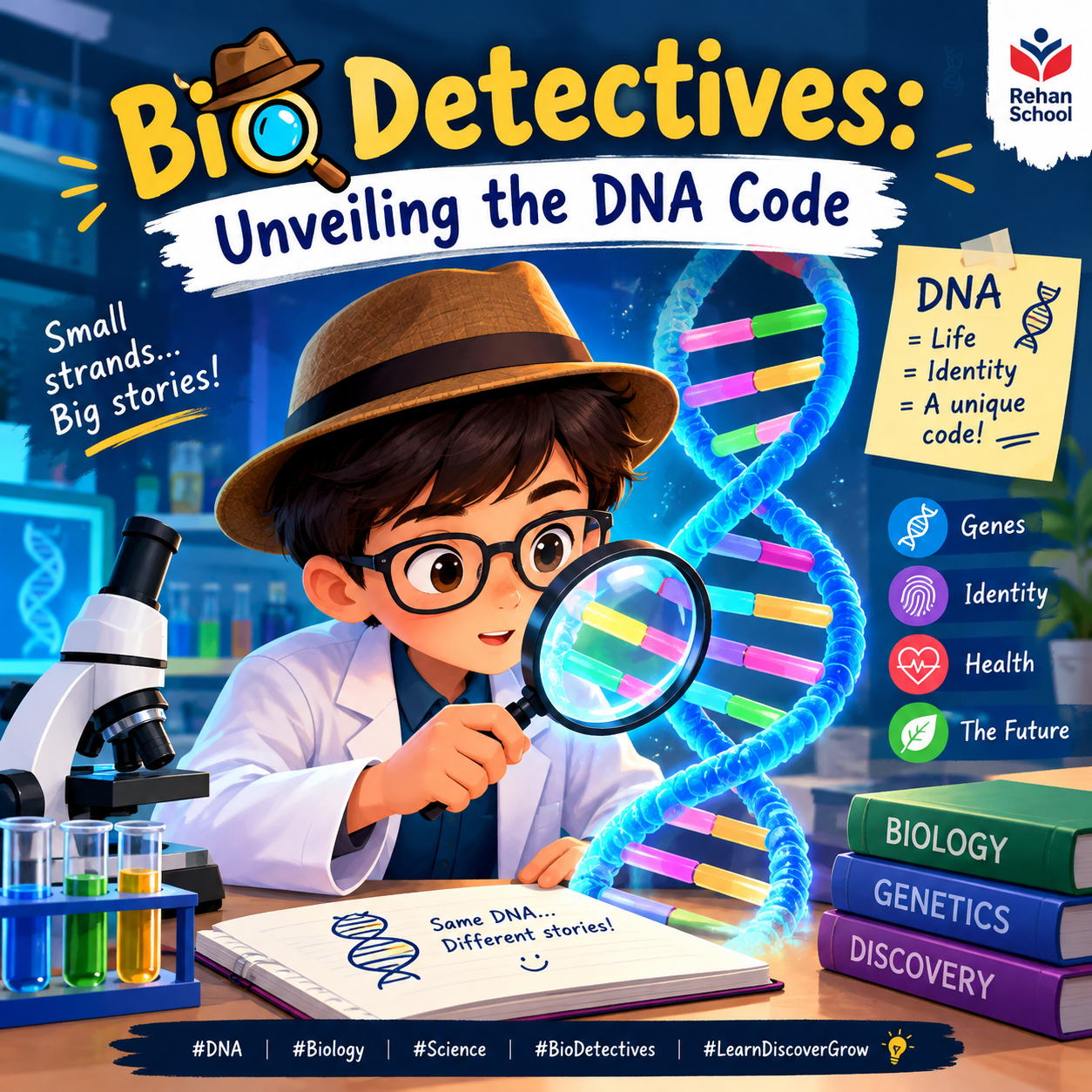
    **Peering Inside: The Role of Dissections in Understanding Life**

    Dissections have played an important role in helping students and scientists understand the incredible complexity of living organisms. By carefully examining biological structures, learners can move beyond diagrams and textbooks to develop a clearer understanding of how different organs, tissues, and body systems are connected.

    The study of anatomy through dissection can encourage curiosity, careful observation, scientific thinking, and respect for the complexity of life. It helps learners ask meaningful questions: How does an organ function? How are body systems connected? Why does each structure have a particular shape and position?

    From frogs and other organisms to modern anatomical models and digital simulations, the exploration of biological structures continues to support science education. Modern technology also provides alternatives such as 3D models, virtual dissections, and interactive simulations, making anatomy accessible in different ways.

    Most importantly, studying anatomy reminds us that life is a remarkable system of interconnected parts. Every structure has a role, and understanding those relationships helps us appreciate biology at a deeper level.

    Let’s explore, observe, question, and learn—because every discovery begins with curiosity!

    #Dissection #Biology #Anatomy #LifeScience #ScienceEducation #BiologyLearning #HumanAnatomy #AnimalAnatomy #ScientificDiscovery #ScienceExperiment #LearningBiology #STEMEducation #ScienceStudents #Curiosity #ExploreScience #AnatomyEducation #BiologicalSciences #ScienceJourney #LearnAndDiscover #UnderstandingLife
    #rsisb Roll no.247 Foundation level 🧬🔬 **Peering Inside: The Role of Dissections in Understanding Life** 🐸✨ Dissections have played an important role in helping students and scientists understand the incredible complexity of living organisms. By carefully examining biological structures, learners can move beyond diagrams and textbooks to develop a clearer understanding of how different organs, tissues, and body systems are connected. 🫀🫁🧠 The study of anatomy through dissection can encourage curiosity, careful observation, scientific thinking, and respect for the complexity of life. It helps learners ask meaningful questions: How does an organ function? How are body systems connected? Why does each structure have a particular shape and position? 🤔🔎 From frogs and other organisms to modern anatomical models and digital simulations, the exploration of biological structures continues to support science education. 🌱🐸💡 Modern technology also provides alternatives such as 3D models, virtual dissections, and interactive simulations, making anatomy accessible in different ways. Most importantly, studying anatomy reminds us that life is a remarkable system of interconnected parts. Every structure has a role, and understanding those relationships helps us appreciate biology at a deeper level. 🌍🧬❤️ Let’s explore, observe, question, and learn—because every discovery begins with curiosity! 🔬📚✨ #Dissection #Biology #Anatomy #LifeScience #ScienceEducation #BiologyLearning #HumanAnatomy #AnimalAnatomy #ScientificDiscovery #ScienceExperiment #LearningBiology #STEMEducation #ScienceStudents #Curiosity #ExploreScience #AnatomyEducation #BiologicalSciences #ScienceJourney #LearnAndDiscover #UnderstandingLife 🧬🔬🐸📚✨
    0 Σχόλια 0 Μοιράστηκε 688 Views
  • #rsisb
    Roll no.246
    Foundation level

    # Why Frogs? Understanding the Anatomy of Life

    Why study frogs? Because these fascinating amphibians provide an excellent way to explore the incredible organization and complexity of living organisms. From their powerful hind legs and unique skeletal structure to their remarkable organs, muscles, nervous system, and respiratory adaptations, frogs offer a wonderful window into the basic principles of anatomy and biology.

    In this educational exploration, **“Why Frogs? Understanding the Anatomy of Life,”** we discover how different body systems work together to keep an organism alive. We can learn how a frog moves, breathes, senses its environment, obtains nutrients, circulates blood, and responds to changes around it. Studying frog anatomy also helps us understand broader biological concepts that apply to many other animals, including humans.

    Frogs are especially interesting because they live both in water and on land, making them excellent examples of adaptation. Their life cycle—from egg to tadpole to adult frog—demonstrates how living organisms can undergo remarkable changes as they develop. Their anatomy reflects their lifestyle, showing how body structures are connected to survival and environmental challenges.

    Exploring anatomy encourages students to ask important scientific questions: How does each organ function? Why are certain body structures shaped the way they are? How do different systems cooperate? By investigating these questions, we develop observation skills, scientific curiosity, and a deeper appreciation for the complexity of life.

    Most importantly, studying frogs reminds us that biology is not simply about memorizing names of organs—it is about understanding **how life works as a connected system.** Every bone, muscle, organ, and tissue has a role, and together they create a living organism capable of movement, growth, reproduction, and interaction with its environment.

    Join us on this fascinating scientific journey and discover how the anatomy of a frog can open the door to understanding the amazing mechanisms of life!

    #WhyFrogs #FrogAnatomy #UnderstandingLife #Biology #ScienceEducation #Anatomy #Amphibians #FrogLifeCycle #AnimalBiology #HumanAnatomy #LifeScience #ScienceLearning #BiologyStudents #ScientificDiscovery #ExploreScience #Nature #Wildlife #Evolution #Adaptation #STEM #STEMEducation #ScienceIsAmazing #LearningIsFun #Curiosity #ExploreNature
    #rsisb Roll no.246 Foundation level # Why Frogs? Understanding the Anatomy of Life 🐸🔬 Why study frogs? 🐸 Because these fascinating amphibians provide an excellent way to explore the incredible organization and complexity of living organisms. From their powerful hind legs and unique skeletal structure to their remarkable organs, muscles, nervous system, and respiratory adaptations, frogs offer a wonderful window into the basic principles of anatomy and biology. 🌿🧬 In this educational exploration, **“Why Frogs? Understanding the Anatomy of Life,”** we discover how different body systems work together to keep an organism alive. 🫀🫁🧠 We can learn how a frog moves, breathes, senses its environment, obtains nutrients, circulates blood, and responds to changes around it. Studying frog anatomy also helps us understand broader biological concepts that apply to many other animals, including humans. 🌎✨ Frogs are especially interesting because they live both in water and on land, making them excellent examples of adaptation. 💧🌱 Their life cycle—from egg to tadpole to adult frog—demonstrates how living organisms can undergo remarkable changes as they develop. 🔄🐸 Their anatomy reflects their lifestyle, showing how body structures are connected to survival and environmental challenges. Exploring anatomy encourages students to ask important scientific questions: How does each organ function? Why are certain body structures shaped the way they are? How do different systems cooperate? 🤔🔬 By investigating these questions, we develop observation skills, scientific curiosity, and a deeper appreciation for the complexity of life. Most importantly, studying frogs reminds us that biology is not simply about memorizing names of organs—it is about understanding **how life works as a connected system.** ❤️🧬 Every bone, muscle, organ, and tissue has a role, and together they create a living organism capable of movement, growth, reproduction, and interaction with its environment. 🐸🌿 Join us on this fascinating scientific journey and discover how the anatomy of a frog can open the door to understanding the amazing mechanisms of life! #WhyFrogs #FrogAnatomy #UnderstandingLife #Biology #ScienceEducation #Anatomy #Amphibians #FrogLifeCycle #AnimalBiology #HumanAnatomy #LifeScience #ScienceLearning #BiologyStudents #ScientificDiscovery #ExploreScience #Nature #Wildlife #Evolution #Adaptation #STEM #STEMEducation #ScienceIsAmazing #LearningIsFun #Curiosity #ExploreNature 🐸🔬🌿🧬🫀🧠🌎✨
    0 Σχόλια 0 Μοιράστηκε 496 Views
  • RSISB
    Roll No: 209
    Story Post No.28

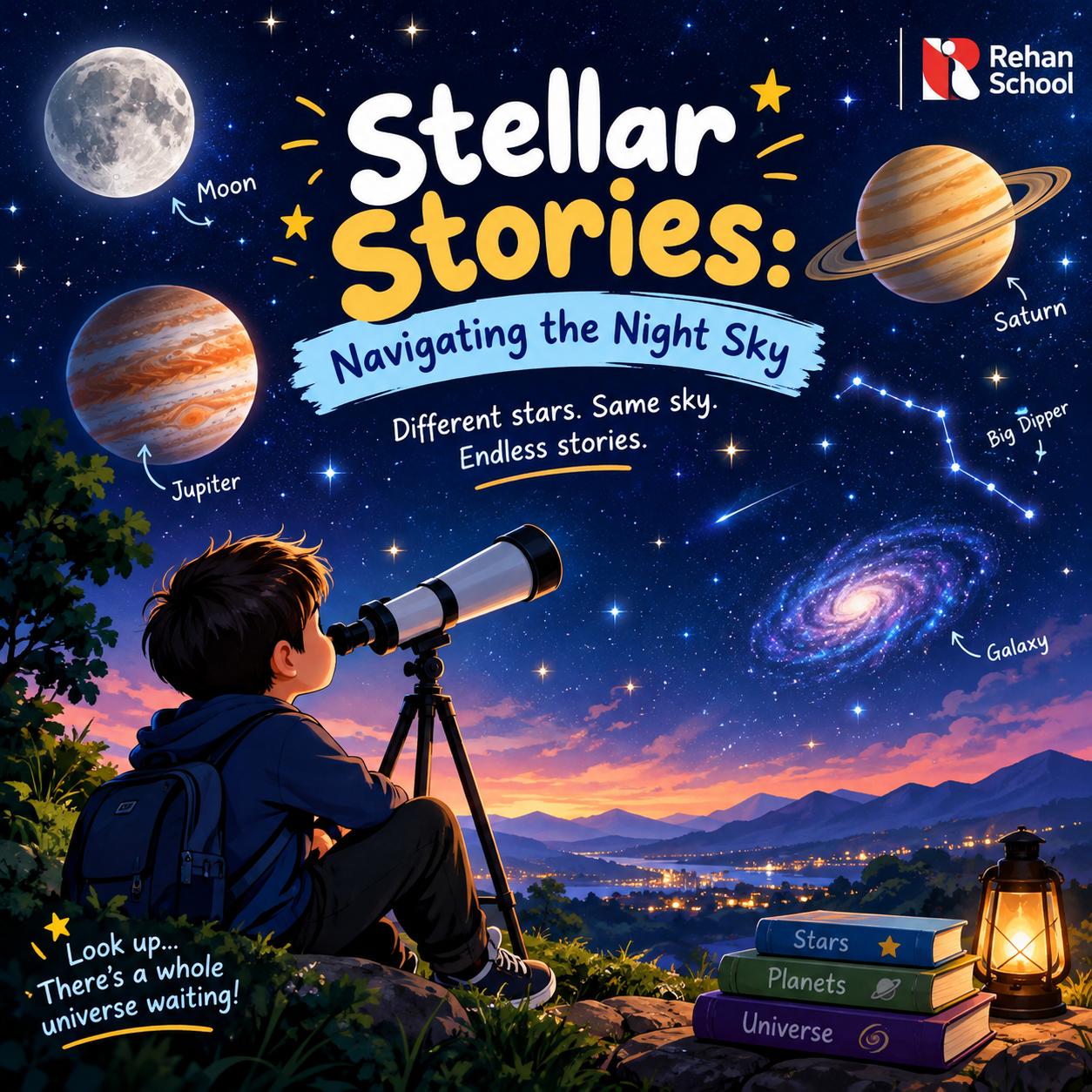
    Stellar Stories: Navigating the Night Sky

    Step into the fascinating world of stars, planets, constellations, and galaxies! “Stellar Stories: Navigating the Night Sky” takes us on an exciting journey through the universe, helping us discover the wonders hidden above us. From identifying constellations to exploring distant planets , the night sky is full of incredible stories waiting to be discovered.

    Look up, stay curious, and let the stars inspire you to explore the mysteries of the universe!

    #StellarStories #NightSky #Astronomy #Stargazing #Stars #Constellations #SpaceExploration #Universe #Planets #AstronomyLovers #ExploreTheUniverse #Science #Space #Cosmos #DiscoverMore
    RSISB Roll No: 209 Story Post No.28 🌌✨ Stellar Stories: Navigating the Night Sky 🌟🔭 Step into the fascinating world of stars, planets, constellations, and galaxies! 🌠🌙 “Stellar Stories: Navigating the Night Sky” takes us on an exciting journey through the universe, helping us discover the wonders hidden above us. From identifying constellations ⭐ to exploring distant planets 🪐, the night sky is full of incredible stories waiting to be discovered. 🚀🔭 Look up, stay curious, and let the stars inspire you to explore the mysteries of the universe! 🌌💫 #StellarStories #NightSky #Astronomy #Stargazing #Stars #Constellations #SpaceExploration #Universe #Planets #AstronomyLovers #ExploreTheUniverse #Science #Space #Cosmos #DiscoverMore 🌟🔭🌌🚀✨
    0 Σχόλια 0 Μοιράστηκε 1619 Views
  • #rsisb
    Roll no 248
    Foundation level
    Call Annie no 12
    **“Sorry, Not Sorry” – How This Modern Phrase Evolved**

    Ever wondered how **“Sorry, Not Sorry”** became such a popular phrase? From a simple apology to a bold way of expressing confidence, attitude, and self-expression, this modern phrase has an interesting journey!

    In this **10-minute exploration**, discover where the phrase came from, how its meaning changed over time, and why people use it in conversations and social media today.

    Sometimes, saying **“Sorry”** isn’t really about regret—it can be about standing confidently behind your choices!

    #SorryNotSorry #LanguageEvolution #ModernLanguage #EnglishLanguage #WordsMatter #LanguageHistory #Communication #EnglishLearning #LearnEnglish #Vocabulary #PhraseOfTheDay #FunWithWords #SocialMediaLanguage #Confidence #SelfExpression #DidYouKnow
    #rsisb Roll no 248 Foundation level Call Annie no 12 ✨ **“Sorry, Not Sorry” – How This Modern Phrase Evolved** 😎💬 Ever wondered how **“Sorry, Not Sorry”** became such a popular phrase? 🤔 From a simple apology to a bold way of expressing confidence, attitude, and self-expression, this modern phrase has an interesting journey! 🚀🗣️ In this **10-minute exploration**, discover where the phrase came from, how its meaning changed over time, and why people use it in conversations and social media today. 📱🌍✨ Sometimes, saying **“Sorry”** isn’t really about regret—it can be about standing confidently behind your choices! 💪🔥 #SorryNotSorry #LanguageEvolution #ModernLanguage #EnglishLanguage #WordsMatter #LanguageHistory #Communication #EnglishLearning #LearnEnglish #Vocabulary #PhraseOfTheDay #FunWithWords #SocialMediaLanguage #Confidence #SelfExpression #DidYouKnow 🤓📚✨
    0 Σχόλια 0 Μοιράστηκε 1879 Views 14
  • #rsisb
    roll no.247
    Foundation level

    **The Earth's Chemistry: Connecting Biology and Chemistry**

    Our Earth is a remarkable laboratory where chemistry and biology work together every moment! From the air we breathe to the water we drink, from the soil that supports plants to the cells that make up living organisms, chemistry is at the heart of life.

    **Chemistry makes life possible.** Plants use chemical reactions during photosynthesis to transform sunlight, water, and carbon dioxide into energy-rich food while releasing oxygen. This amazing process supports ecosystems and provides the oxygen needed by countless living organisms.

    **Biology and chemistry are deeply connected.** Every living cell depends on chemical substances such as proteins, carbohydrates, fats, DNA, water, minerals, and gases. These molecules interact through countless chemical reactions that allow organisms to grow, repair themselves, reproduce, and respond to their environment.

    Water is another perfect example of this connection. It helps transport nutrients, regulate temperature, support chemical reactions, and maintain ecosystems. Oceans, rivers, lakes, and groundwater are all part of Earth's interconnected chemical and biological systems.

    The **carbon cycle, nitrogen cycle, and oxygen cycle** demonstrate how matter continuously moves between the atmosphere, soil, water, and living organisms. Plants absorb carbon dioxide, animals obtain nutrients by consuming plants or other organisms, and decomposers return important elements to the environment.

    Even the soil beneath our feet is full of chemistry and biology. Minerals, microorganisms, organic matter, water, and air interact to create an environment where plants can grow. Healthy ecosystems depend on these delicate chemical relationships.

    Understanding Earth's chemistry helps us better understand climate, pollution, agriculture, ecosystems, human health, and the future of our planet. By studying how chemical substances interact with living systems, scientists can discover better ways to protect nature and use Earth's resources responsibly.

    **The big lesson:** Chemistry explains many of the processes that make biology possible, while biology shows us how those chemical processes come together to create living systems. Together, they tell an incredible story about our planet and life itself.

    Keep exploring, keep questioning, and keep discovering the fascinating science hidden all around us!

    #EarthsChemistry #Chemistry #Biology #EarthScience #Science #ScienceEducation #ChemistryAndBiology #LifeOnEarth #EnvironmentalScience #Photosynthesis #CarbonCycle #NitrogenCycle #OxygenCycle #Ecosystems #Nature #ScienceLovers #LearningScience #STEM #STEMEducation #ScienceExploration #OurPlanet #AmazingScience #Biochemistry #PlanetEarth #Education
    #rsisb roll no.247 Foundation level 🌍🧪 **The Earth's Chemistry: Connecting Biology and Chemistry** 🧬🌱 Our Earth is a remarkable laboratory where chemistry and biology work together every moment! 🌎✨ From the air we breathe to the water we drink, from the soil that supports plants to the cells that make up living organisms, chemistry is at the heart of life. 🔬💚 🌿 **Chemistry makes life possible.** Plants use chemical reactions during photosynthesis to transform sunlight, water, and carbon dioxide into energy-rich food while releasing oxygen. ☀️🌱 This amazing process supports ecosystems and provides the oxygen needed by countless living organisms. 🧬 **Biology and chemistry are deeply connected.** Every living cell depends on chemical substances such as proteins, carbohydrates, fats, DNA, water, minerals, and gases. These molecules interact through countless chemical reactions that allow organisms to grow, repair themselves, reproduce, and respond to their environment. 🔬🧫 💧 Water is another perfect example of this connection. It helps transport nutrients, regulate temperature, support chemical reactions, and maintain ecosystems. Oceans, rivers, lakes, and groundwater are all part of Earth's interconnected chemical and biological systems. 🌊🐟 🌎 The **carbon cycle, nitrogen cycle, and oxygen cycle** demonstrate how matter continuously moves between the atmosphere, soil, water, and living organisms. Plants absorb carbon dioxide, animals obtain nutrients by consuming plants or other organisms, and decomposers return important elements to the environment. 🔄🌿🦠 🌱 Even the soil beneath our feet is full of chemistry and biology. Minerals, microorganisms, organic matter, water, and air interact to create an environment where plants can grow. Healthy ecosystems depend on these delicate chemical relationships. 🌾🌍 🔬 Understanding Earth's chemistry helps us better understand climate, pollution, agriculture, ecosystems, human health, and the future of our planet. By studying how chemical substances interact with living systems, scientists can discover better ways to protect nature and use Earth's resources responsibly. 💡🌳 ✨ **The big lesson:** Chemistry explains many of the processes that make biology possible, while biology shows us how those chemical processes come together to create living systems. Together, they tell an incredible story about our planet and life itself. 🌍❤️🧪🧬 📚 Keep exploring, keep questioning, and keep discovering the fascinating science hidden all around us! 🔎✨ #EarthsChemistry #Chemistry #Biology #EarthScience #Science #ScienceEducation #ChemistryAndBiology #LifeOnEarth #EnvironmentalScience #Photosynthesis #CarbonCycle #NitrogenCycle #OxygenCycle #Ecosystems #Nature #ScienceLovers #LearningScience #STEM #STEMEducation #ScienceExploration #OurPlanet #AmazingScience #Biochemistry #PlanetEarth #Education
    0 Σχόλια 0 Μοιράστηκε 2220 Views
  • #rsisb
    Roll no 248
    Foundation level
    song no 12
    **Dissecting Frogs: A Gateway to Human Anatomy**

    Frog dissection is a classic biology activity that helps students explore the fascinating world of anatomy. By studying the arrangement and function of organs, students can better understand how different body systems work together.

    This topic connects classroom learning with real biological structures and encourages curiosity, careful observation, scientific thinking, and respect for living organisms. Through anatomy, we can discover similarities and differences between frogs and humans and gain a deeper appreciation for the complexity of life.

    **Explore. Observe. Learn. Discover the science of life!**

    #FrogDissection #HumanAnatomy #Biology #ScienceLearning #Anatomy #LifeScience #BiologyStudents #ScientificLearning #ScienceEducation #ExploreScience #Curiosity #Learning #Education #Nature #AnimalAnatomy #STEM #ScienceExploration
    #rsisb Roll no 248 Foundation level song no 12 🐸🔬 **Dissecting Frogs: A Gateway to Human Anatomy** 🧬🫀 Frog dissection is a classic biology activity that helps students explore the fascinating world of anatomy. 🐸📚 By studying the arrangement and function of organs, students can better understand how different body systems work together. 🔬✨ This topic connects classroom learning with real biological structures and encourages curiosity, careful observation, scientific thinking, and respect for living organisms. 🧠🌱 Through anatomy, we can discover similarities and differences between frogs and humans and gain a deeper appreciation for the complexity of life. 🌍❤️ 🔎 **Explore. Observe. Learn. Discover the science of life!** 🐸🧬✨ #FrogDissection #HumanAnatomy #Biology #ScienceLearning #Anatomy #LifeScience #BiologyStudents #ScientificLearning #ScienceEducation #ExploreScience #Curiosity #Learning #Education #Nature #AnimalAnatomy #STEM #ScienceExploration 🐸🔬🧬📚✨
    0 Σχόλια 0 Μοιράστηκε 1893 Views 1
  • #rsisb
    Roll no 248
    Foundation level
    story post no 21
    **Atoms and Eternity: How Chemistry Shapes the Cosmos**

    Ever wondered how tiny atoms can create the vast universe around us? From the elements inside stars to the molecules that make life possible , chemistry connects the smallest building blocks of matter to the biggest mysteries of the cosmos. Explore how atoms, elements, and chemical reactions shape planets, stars, galaxies, and even life itself!

    #Atoms #Chemistry #Cosmos #Universe #Science #Space #Astronomy #ChemistryOfLife #ScienceExploration #STEM #PhysicsAndChemistry #DiscoverScience #CosmicChemistry #Learning #Knowledge #FYP
    #rsisb Roll no 248 Foundation level story post no 21 🌌⚛️ **Atoms and Eternity: How Chemistry Shapes the Cosmos** 🪐✨ Ever wondered how tiny atoms can create the vast universe around us? 🌠 From the elements inside stars ⭐ to the molecules that make life possible 🌱, chemistry connects the smallest building blocks of matter to the biggest mysteries of the cosmos. 🔬🌌 Explore how atoms, elements, and chemical reactions shape planets, stars, galaxies, and even life itself! 🚀🧪 #Atoms #Chemistry #Cosmos #Universe #Science #Space #Astronomy #ChemistryOfLife #ScienceExploration #STEM #PhysicsAndChemistry #DiscoverScience #CosmicChemistry #Learning #Knowledge #FYP 🌌🔬✨
    0 Σχόλια 0 Μοιράστηκε 1924 Views
Αναζήτηση αποτελεσμάτων