• RSIF8
    roll no 72
    task no 185
    chatgpt no 1
    chatgpt topic"Earth" – The History of Our Home in a Word
    Earth: The History of Our Home in a Word”

    The word “Earth” represents much more than the planet beneath our feet—it carries a story of language, history, science, culture, and human civilization.

    In this journey, we explore where the word “Earth” came from, how ancient civilizations understood our planet, how maps and exploration changed our perspective, and how science transformed our understanding of Earth’s place in the universe.

    From ancient beliefs to modern environmental awareness, the history of one simple word reveals how humanity’s relationship with our home has evolved over time.

    Earth is not just where we live—it is the word we use for the place we call home.

    #Earth #OurHome #EarthHistory #Language #History #Science #Civilization #PlanetEarth #Environment #Astronomy #Learning #Education #ExploreAndLearn
    RSIF8 roll no 72 task no 185 chatgpt no 1 chatgpt topic"Earth" – The History of Our Home in a Word Earth: The History of Our Home in a Word” 🌎✨ The word “Earth” represents much more than the planet beneath our feet—it carries a story of language, history, science, culture, and human civilization. 🌱📖 In this journey, we explore where the word “Earth” came from, how ancient civilizations understood our planet, how maps and exploration changed our perspective, and how science transformed our understanding of Earth’s place in the universe. 🔭🌍 From ancient beliefs to modern environmental awareness, the history of one simple word reveals how humanity’s relationship with our home has evolved over time. ✨ Earth is not just where we live—it is the word we use for the place we call home. 💙🌎 #Earth #OurHome #EarthHistory #Language #History #Science #Civilization #PlanetEarth #Environment #Astronomy #Learning #Education #ExploreAndLearn 🌍🌱✨
    0 Comentários 0 Compartilhamentos 249 Visualizações 10
  • Mohsin #RSF8
    Call Annine NO:1
    Class: foundation level
    Made by Me
    rool no:13
    "Thank You" – The Etymology of Gratitude
    In a world filled with constant communication, two of the most powerful words we can say are "Thank You." Though simple, these words carry centuries of history and represent one of humanity's most cherished values—gratitude. The English word thank originates from the Old English word þanc, which meant "thought," "goodwill," or "gratitude." Over time, this expression evolved into the familiar phrase we use today to acknowledge kindness, generosity, and support.
    Gratitude is a universal language that transcends borders, cultures, and generations. Whether we say "Thank You," "Shukriya," "Merci," "Gracias," or "Arigato," the message remains the same: appreciation for the goodness we receive from others. These simple words have the power to strengthen relationships, build trust, and create a sense of belonging among people. A sincere expression of thanks can brighten someone's day, encourage acts of kindness, and remind us that even small gestures deserve recognition.
    Throughout history, societies have valued gratitude as a sign of humility, respect, and good character. Philosophers, religious traditions, and cultural customs around the world have emphasized the importance of being thankful. Modern research has also shown that practicing gratitude contributes to greater happiness, reduced stress, improved mental well-being, and stronger social connections. People who regularly express appreciation often experience more positive emotions and healthier relationships.
    In our fast-paced lives, we sometimes overlook the importance of acknowledging the efforts and kindness of others. Yet, a heartfelt "Thank You" can transform ordinary moments into meaningful memories. It costs nothing to express gratitude, but its impact can be profound and long-lasting. Whether we are thanking our parents, teachers, friends, colleagues, or even strangers, these words reflect empathy, respect, and appreciation.
    As we navigate through life, let us remember that gratitude is not merely a response to receiving something—it is a way of seeing the world with
    Mohsin #RSF8🎓✨ Call Annine NO:1 Class: foundation level 📚 Made by Me 💻🚀 rool no:13 🌟 "Thank You" – The Etymology of Gratitude 🌟 In a world filled with constant communication, two of the most powerful words we can say are "Thank You." Though simple, these words carry centuries of history and represent one of humanity's most cherished values—gratitude. The English word thank originates from the Old English word þanc, which meant "thought," "goodwill," or "gratitude." Over time, this expression evolved into the familiar phrase we use today to acknowledge kindness, generosity, and support. Gratitude is a universal language that transcends borders, cultures, and generations. Whether we say "Thank You," "Shukriya," "Merci," "Gracias," or "Arigato," the message remains the same: appreciation for the goodness we receive from others. These simple words have the power to strengthen relationships, build trust, and create a sense of belonging among people. A sincere expression of thanks can brighten someone's day, encourage acts of kindness, and remind us that even small gestures deserve recognition. Throughout history, societies have valued gratitude as a sign of humility, respect, and good character. Philosophers, religious traditions, and cultural customs around the world have emphasized the importance of being thankful. Modern research has also shown that practicing gratitude contributes to greater happiness, reduced stress, improved mental well-being, and stronger social connections. People who regularly express appreciation often experience more positive emotions and healthier relationships. In our fast-paced lives, we sometimes overlook the importance of acknowledging the efforts and kindness of others. Yet, a heartfelt "Thank You" can transform ordinary moments into meaningful memories. It costs nothing to express gratitude, but its impact can be profound and long-lasting. Whether we are thanking our parents, teachers, friends, colleagues, or even strangers, these words reflect empathy, respect, and appreciation. As we navigate through life, let us remember that gratitude is not merely a response to receiving something—it is a way of seeing the world with
    0 Comentários 0 Compartilhamentos 616 Visualizações 70
  • # Foundation Level

    **Day 111 Story Post**
    **Roll Number: 005**

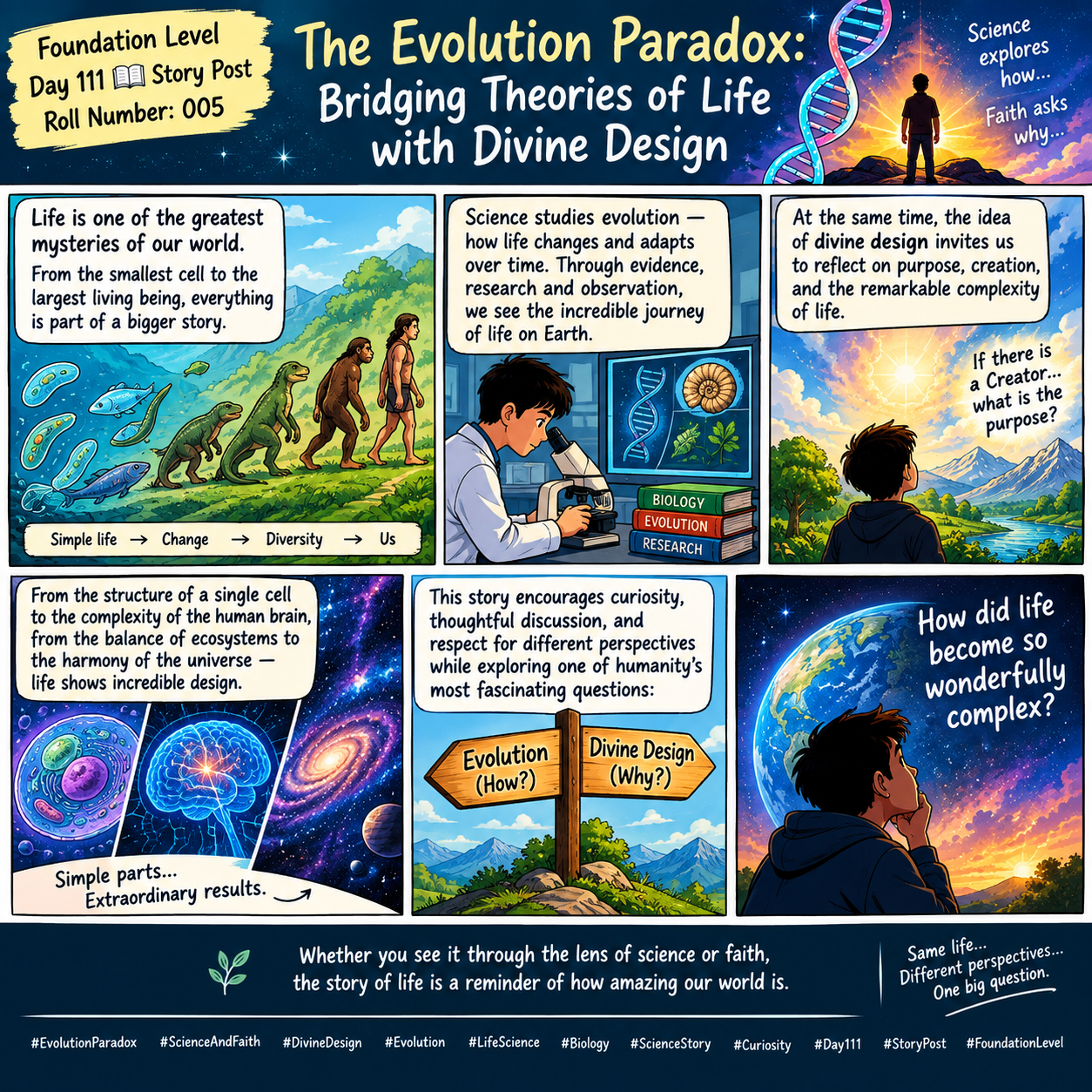
    ## The Evolution Paradox: Bridging Theories of Life with Divine Design

    Life is one of the greatest mysteries of our world. This story explores the fascinating relationship between scientific ideas about evolution and the concept of divine design.

    From the earliest forms of life to the incredible diversity of living organisms today, science continues to study how life changes and develops over time. At the same time, the idea of divine design invites us to reflect on purpose, creation, and the remarkable complexity of life.

    This story encourages curiosity, thoughtful discussion, and respect for different perspectives while exploring one of humanity's most fascinating questions:

    **How did life become so wonderfully complex?**

    #EvolutionParadox #ScienceAndFaith #DivineDesign #Evolution #LifeScience #Biology #ScienceStory #Curiosity #Day111 #StoryPost #FoundationLevel
    # Foundation Level **Day 111 📖 Story Post** **Roll Number: 005** ## The Evolution Paradox: Bridging Theories of Life with Divine Design Life is one of the greatest mysteries of our world. 🌍🧬 This story explores the fascinating relationship between scientific ideas about evolution and the concept of divine design. From the earliest forms of life to the incredible diversity of living organisms today, science continues to study how life changes and develops over time. At the same time, the idea of divine design invites us to reflect on purpose, creation, and the remarkable complexity of life. ✨ This story encourages curiosity, thoughtful discussion, and respect for different perspectives while exploring one of humanity's most fascinating questions: **How did life become so wonderfully complex?** 🔬🌌 #EvolutionParadox #ScienceAndFaith #DivineDesign #Evolution #LifeScience #Biology #ScienceStory #Curiosity #Day111 #StoryPost #FoundationLevel
    0 Comentários 0 Compartilhamentos 1085 Visualizações
  • level 1
    Book 1
    Day 4
    Task canva post
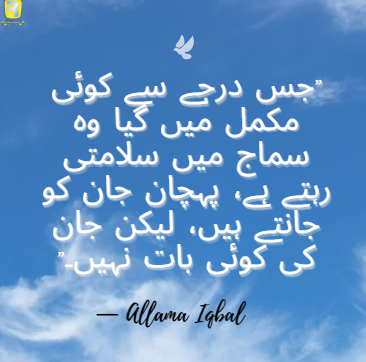
    "جس درجے سے کوئی مکمل میں گیا وہ سماج میں سلامتی رہتے ہے، پہچان جان کو جانتے ہیں، لیکن جان کی کوئی بات نہیں۔" — Allama Iqbal

    علم و شعور
    سلامتی
    انسانیت
    امن
    محبت
    اتحاد
    خود شناسی
    کردار
    زندگی

    Summary

    یہ پیغام ہمیں علم، شعور، امن اور انسانیت کی اہمیت سمجھاتا ہے۔ انسان کو اپنی زندگی میں اچھے کردار، محبت اور اتحاد کو اپنانا چاہیے۔

    Moral

    اچھا کردار اور انسانیت ہی زندگی کی اصل خوبصورتی ہے۔

    Input

    علم + شعور + انسانیت + امن + اچھا کردار

    Output

    ایک بہتر، پُرامن اور بااخلاق معاشرہ۔

    #️⃣ Hashtags

    #AllamaIqbal #Iqbal #UrduQuotes #UrduPoetry #Knowledge #Wisdom #Peace #Humanity #GoodCharacter #Unity #Education #LifeQuotes #Motivation #PositiveThinking #Pakistan #Inspiration #علم #شعور #امن #انسانیت #کردار

    @highlight
    Imran Khan Street Wala
    Tania Khan Mentorship Wali
    Mohsin Rathore Seo Wala
    Waryam Tharparkar Wala
    Shazia Javed Educationw
    level 1 Book 1 Day 4 Task canva post "جس درجے سے کوئی مکمل میں گیا وہ سماج میں سلامتی رہتے ہے، پہچان جان کو جانتے ہیں، لیکن جان کی کوئی بات نہیں۔" — Allama Iqbal علم و شعور سلامتی انسانیت امن محبت اتحاد خود شناسی کردار زندگی 📝 Summary یہ پیغام ہمیں علم، شعور، امن اور انسانیت کی اہمیت سمجھاتا ہے۔ انسان کو اپنی زندگی میں اچھے کردار، محبت اور اتحاد کو اپنانا چاہیے۔ 🌟 Moral اچھا کردار اور انسانیت ہی زندگی کی اصل خوبصورتی ہے۔ 📥 Input علم + شعور + انسانیت + امن + اچھا کردار 📤 Output ایک بہتر، پُرامن اور بااخلاق معاشرہ۔ #️⃣ Hashtags #AllamaIqbal #Iqbal #UrduQuotes #UrduPoetry #Knowledge #Wisdom #Peace #Humanity #GoodCharacter #Unity #Education #LifeQuotes #Motivation #PositiveThinking #Pakistan #Inspiration #علم #شعور #امن #انسانیت #کردار @highlight Imran Khan Street Wala Tania Khan Mentorship Wali Mohsin Rathore Seo Wala Waryam Tharparkar Wala Shazia Javed Educationw
    0 Comentários 0 Compartilhamentos 1769 Visualizações
  • #rsisb
    Roll no.247
    Call annie.18
    Foundation level

    **“Wood” – The Backbone of Early Civilization | 25-Minute Learning Journey**

    Wood is one of the oldest and most important natural materials used by humanity. Long before modern technology, steel, concrete, and plastic transformed our world, people depended on trees and wood for survival, creativity, shelter, transportation, tools, and everyday life.

    In this fascinating **25-minute exploration**, we travel back through history to discover how wood helped early civilizations grow, adapt, and build their communities. From simple wooden tools and shelters to boats, bridges, furniture, weapons, wheels, and farming equipment, wood played a remarkable role in human development.

    **Why was wood so important?**
    Wood was relatively easy to find, shape, cut, carve, and transport. Early humans learned to use different types of trees for different purposes, turning a natural resource into useful objects that made life easier and helped communities become more organized.

    Wood also provided an important source of fuel. Fire helped people cook food, stay warm, protect themselves, and eventually develop new technologies such as pottery and metalworking. The relationship between humans, trees, fire, and technology became an important part of civilization.

    **Wood and Transportation**
    One of the most exciting developments was the use of wood to create boats and other forms of transportation. Wooden boats allowed people to travel across rivers, lakes, and seas, encouraging exploration, trade, communication, and cultural exchange.

    **Wood and Shelter**
    Wood became an essential building material for homes, villages, storage structures, roofs, doors, and other buildings. As communities developed, woodworking skills became increasingly valuable, allowing people to construct stronger and more useful structures.

    **Wood and Human Creativity**
    Wood was not simply a material for survival—it became a medium for creativity. People carved decorations, created musical instruments, made furniture, constructed tools, and produced objects that reflected their cultures and traditions.

    **Wood and the Growth of Civilization**
    The story of wood is also the story of human innovation. By learning how to select, shape, join, preserve, and use wood, people developed practical skills that contributed to agriculture, construction, transportation, craftsmanship, and trade.

    This 25-minute lesson encourages us to look at an ordinary piece of wood in a completely different way. A wooden table, chair, pencil, door, or boat may seem simple today, but behind these objects lies thousands of years of human knowledge, experimentation, craftsmanship, and discovery.

    **A Lesson for Today**
    Understanding the historical importance of wood also reminds us of our responsibility toward forests and the environment. Trees provide habitats, help support ecosystems, and play an important role in our planet’s natural systems. Learning about wood means learning not only about the past, but also about how we can use natural resources responsibly in the future.

    Join us on this educational journey through history and discover how **wood became one of the foundations of human civilization**. From ancient tools to magnificent wooden structures, from forests to communities, the story of wood reveals how humans transformed the resources around them into the foundations of everyday life.

    **Watch, learn, explore, and discover the incredible story behind one of humanity’s oldest materials!**

    #Wood #HistoryOfWood #EarlyCivilization #HumanHistory #AncientCivilizations #History #Education #Learning #Science #Nature #Trees #Forests #Woodworking #AncientHistory #HumanInnovation #Technology #Archaeology #Culture #Craftsmanship #NaturalResources #EnvironmentalAwareness #LearningJourney #EducationalVideo #HistoryLesson #Civilization #Innovation #Knowledge #ExploreHistory #WoodenTools
    #rsisb Roll no.247 Call annie.18 Foundation level 🌳 **“Wood” – The Backbone of Early Civilization | 25-Minute Learning Journey** 🪵🏺 Wood is one of the oldest and most important natural materials used by humanity. Long before modern technology, steel, concrete, and plastic transformed our world, people depended on trees and wood for survival, creativity, shelter, transportation, tools, and everyday life. 🌍🌳 In this fascinating **25-minute exploration**, we travel back through history to discover how wood helped early civilizations grow, adapt, and build their communities. 🏕️🏠 From simple wooden tools and shelters to boats, bridges, furniture, weapons, wheels, and farming equipment, wood played a remarkable role in human development. 🛶🛠️ 🌲 **Why was wood so important?** Wood was relatively easy to find, shape, cut, carve, and transport. Early humans learned to use different types of trees for different purposes, turning a natural resource into useful objects that made life easier and helped communities become more organized. 🔥 Wood also provided an important source of fuel. Fire helped people cook food, stay warm, protect themselves, and eventually develop new technologies such as pottery and metalworking. The relationship between humans, trees, fire, and technology became an important part of civilization. 🔥🍲 🛶 **Wood and Transportation** One of the most exciting developments was the use of wood to create boats and other forms of transportation. Wooden boats allowed people to travel across rivers, lakes, and seas, encouraging exploration, trade, communication, and cultural exchange. 🌊⛵ 🏠 **Wood and Shelter** Wood became an essential building material for homes, villages, storage structures, roofs, doors, and other buildings. As communities developed, woodworking skills became increasingly valuable, allowing people to construct stronger and more useful structures. 🏡🔨 🛠️ **Wood and Human Creativity** Wood was not simply a material for survival—it became a medium for creativity. People carved decorations, created musical instruments, made furniture, constructed tools, and produced objects that reflected their cultures and traditions. 🎵🎨🪑 🌍 **Wood and the Growth of Civilization** The story of wood is also the story of human innovation. By learning how to select, shape, join, preserve, and use wood, people developed practical skills that contributed to agriculture, construction, transportation, craftsmanship, and trade. This 25-minute lesson encourages us to look at an ordinary piece of wood in a completely different way. A wooden table, chair, pencil, door, or boat may seem simple today, but behind these objects lies thousands of years of human knowledge, experimentation, craftsmanship, and discovery. 🔍🧠✨ 🌱 **A Lesson for Today** Understanding the historical importance of wood also reminds us of our responsibility toward forests and the environment. Trees provide habitats, help support ecosystems, and play an important role in our planet’s natural systems. Learning about wood means learning not only about the past, but also about how we can use natural resources responsibly in the future. 🌳🌎💚 📚 Join us on this educational journey through history and discover how **wood became one of the foundations of human civilization**. From ancient tools to magnificent wooden structures, from forests to communities, the story of wood reveals how humans transformed the resources around them into the foundations of everyday life. 🌳🪵🏺✨ 💡 **Watch, learn, explore, and discover the incredible story behind one of humanity’s oldest materials!** #Wood #HistoryOfWood #EarlyCivilization #HumanHistory #AncientCivilizations #History #Education #Learning #Science #Nature #Trees #Forests #Woodworking #AncientHistory #HumanInnovation #Technology #Archaeology #Culture #Craftsmanship #NaturalResources #EnvironmentalAwareness #LearningJourney #EducationalVideo #HistoryLesson #Civilization #Innovation #Knowledge #ExploreHistory #WoodenTools 🌳🪵📚🌍✨

    0 Comentários 0 Compartilhamentos 4885 Visualizações 11
  • Day 104
    Task No:104
    Roll No:42
    RSLC
    Foundation Level, Batch#04

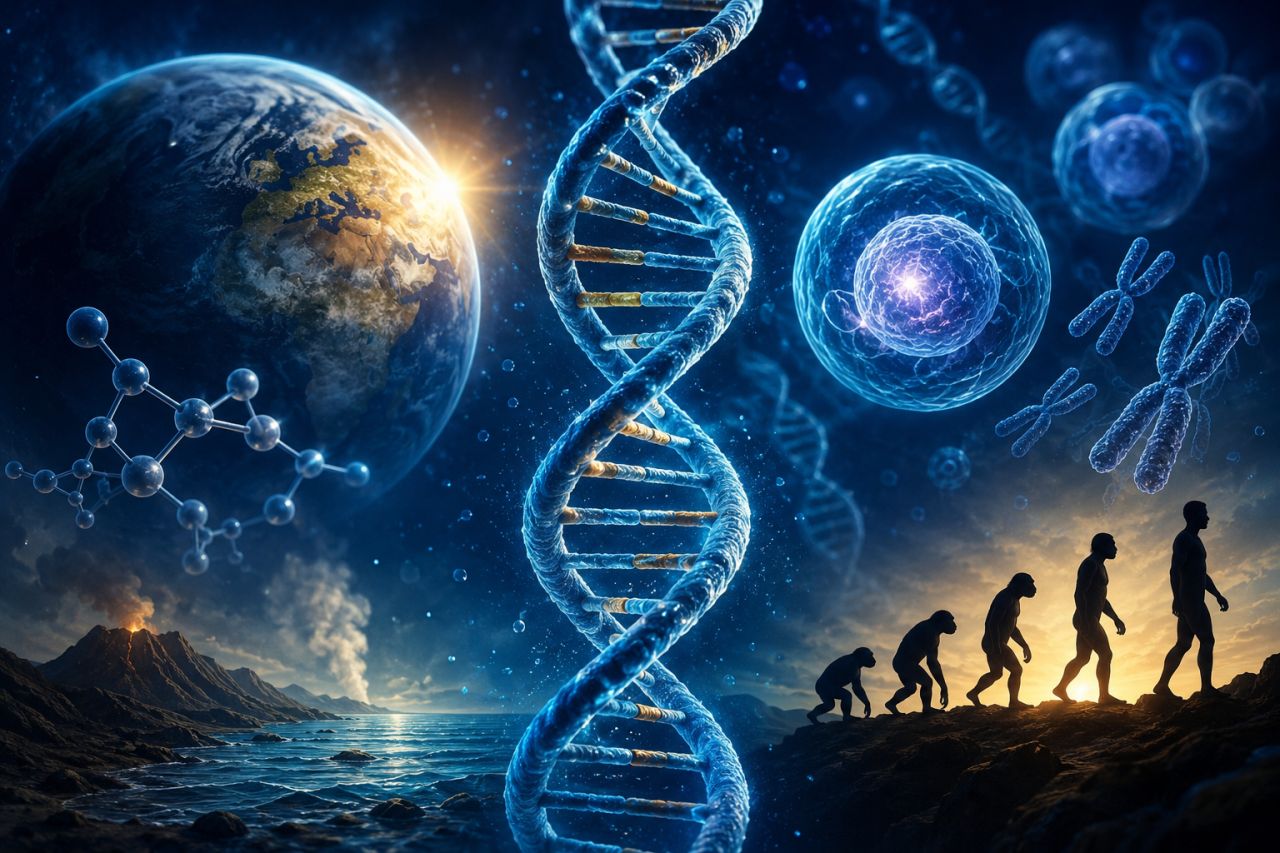
    Life on Earth is built upon an extraordinary blueprint known as DNA. Hidden inside every living cell, DNA carries the genetic instructions that determine how organisms grow, develop, and survive. From the smallest bacteria to the largest whales, every living being shares this remarkable biological code. Scientists often describe DNA as the language of life because it stores the information that connects all generations across time.

    The mystery of lifes origins has fascinated humanity for centuries. While researchers continue to explore how the first living cells emerged on the early Earth, DNA remains one of the greatest clues to understanding our beginnings. By studying genes and genetic evolution, scientists can trace the relationships between species and uncover how life has adapted over billions of years. Every discovery in genetics brings us one step closer to answering one of humanitys greatest questions: Where did life come from?

    DNA is more than just a scientific molecule?it is a symbol of connection, diversity, and the incredible complexity of nature. As technology advances, our understanding of genetics opens new possibilities in medicine, agriculture, and environmental conservation. The blueprint of existence reminds us that every living organism is part of a shared story written over billions of years, inspiring us to protect and appreciate the remarkable web of life that surrounds us.

    #DNA #Genetics #OriginOfLife #Science #Biology #MolecularBiology #LifeScience #Genome #Evolution #ScientificDiscovery #STEM #Education #DNAResearch #CellBiology #Nature #Knowledge #Innovation #FutureOfScience #LearnScience #ScienceFacts
    Day 104 Task No:104 Roll No:42 RSLC Foundation Level, Batch#04 Life on Earth is built upon an extraordinary blueprint known as DNA. Hidden inside every living cell, DNA carries the genetic instructions that determine how organisms grow, develop, and survive. From the smallest bacteria to the largest whales, every living being shares this remarkable biological code. Scientists often describe DNA as the language of life because it stores the information that connects all generations across time. The mystery of life's origins has fascinated humanity for centuries. While researchers continue to explore how the first living cells emerged on the early Earth, DNA remains one of the greatest clues to understanding our beginnings. By studying genes and genetic evolution, scientists can trace the relationships between species and uncover how life has adapted over billions of years. Every discovery in genetics brings us one step closer to answering one of humanity's greatest questions: Where did life come from? DNA is more than just a scientific molecule?it is a symbol of connection, diversity, and the incredible complexity of nature. As technology advances, our understanding of genetics opens new possibilities in medicine, agriculture, and environmental conservation. The blueprint of existence reminds us that every living organism is part of a shared story written over billions of years, inspiring us to protect and appreciate the remarkable web of life that surrounds us. #DNA #Genetics #OriginOfLife #Science #Biology #MolecularBiology #LifeScience #Genome #Evolution #ScientificDiscovery #STEM #Education #DNAResearch #CellBiology #Nature #Knowledge #Innovation #FutureOfScience #LearnScience #ScienceFacts
    0 Comentários 0 Compartilhamentos 3264 Visualizações
  • #rsisb
    Roll No.240
    Story Post No.24
    Foundation Level

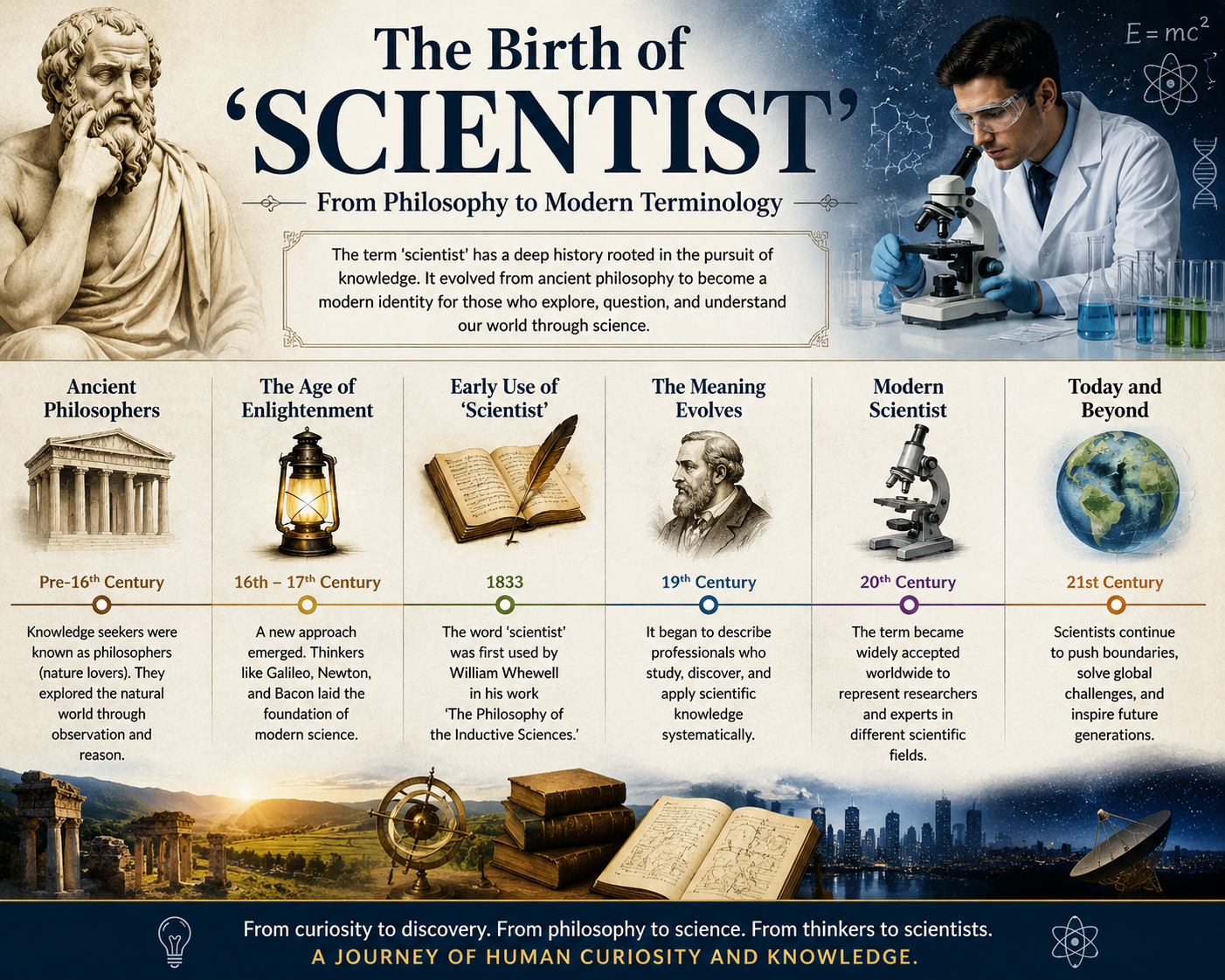
    The word “scientist” may sound like a modern term, but the journey behind it is connected to centuries of human curiosity, philosophy, observation, experimentation, and the search for knowledge.

    Long before the word “scientist” became common, people who studied the natural world were often known as philosophers, scholars, natural philosophers, mathematicians, and thinkers. They asked important questions about nature, the universe, life, matter, motion, and the world around them.

    From the thinkers of the ancient world to the scholars of the Renaissance and the Scientific Revolution, humans continued developing new ways to understand nature. Observation became more important, experiments became more systematic, and evidence gradually became a central part of scientific inquiry.

    During the 18th and 19th centuries, many different branches of knowledge began becoming more specialized. Physics, chemistry, biology, astronomy, geology, and other fields developed their own methods, discoveries, and communities of researchers.

    A major moment in terminology came in the 19th century, when the word “scientist” was introduced as a useful name for people engaged in scientific study. The term is widely associated with William Whewell, who used it in 1833. This helped provide a new, unified word for researchers working across different areas of science.

    The evolution of this word reflects something bigger than language. It represents the changing way humanity organized knowledge and recognized scientific work. The transition from “natural philosopher” to “scientist” shows how science gradually became a distinct and organized field of study.

    Today, scientists work in laboratories, universities, hospitals, observatories, research centers, engineering facilities, and many other places around the world. They investigate everything from tiny cells and molecules to distant galaxies and the origins of the universe.

    Modern science continues to grow through curiosity, evidence, teamwork, technology, and a willingness to ask difficult questions. Every discovery begins with someone wondering, “Why?”, “How?”, or “What if?”

    The story of the word “scientist” reminds us that human knowledge is always evolving. What began with simple curiosity and philosophical questioning gradually developed into the powerful and diverse scientific world we know today.

    From thinkers to researchers. From philosophy to science. From questions to discoveries.

    Science is not only about finding answers—it is also about continuing to ask better questions.

    A journey from curiosity to discovery, and from philosophy to modern science.

    #TheBirthOfScientist #Scientist #HistoryOfScience #ScienceHistory #ScientificRevolution #Philosophy #NaturalPhilosophy #WilliamWhewell #1833 #ModernScience #ScienceEducation #ScientificTerminology #Science #Scientists #Research #Discovery #Curiosity #Knowledge #Learning #Education #STEM #Physics #Chemistry #Biology #Astronomy #Geology #Innovation #Experimentation #ScientificThinking #CriticalThinking #HumanKnowledge #HistoryOfKnowledge #ScienceJourney #FromPhilosophyToScience #ScienceFacts #EducationalContent #LearningJourney #ExploreScience #DiscoverScience

    Rehan School Islamabad Campus
    Asma Shaheen EducationWali
    Irum Asim
    Saima Happinesswali

    #rsisb Roll No.240 Story Post No.24 Foundation Level The word “scientist” may sound like a modern term, but the journey behind it is connected to centuries of human curiosity, philosophy, observation, experimentation, and the search for knowledge. 🧠🔎 Long before the word “scientist” became common, people who studied the natural world were often known as philosophers, scholars, natural philosophers, mathematicians, and thinkers. 🏛️📜 They asked important questions about nature, the universe, life, matter, motion, and the world around them. From the thinkers of the ancient world to the scholars of the Renaissance and the Scientific Revolution, humans continued developing new ways to understand nature. 🌌🌍📖 Observation became more important, experiments became more systematic, and evidence gradually became a central part of scientific inquiry. 🔬🧪✨ During the 18th and 19th centuries, many different branches of knowledge began becoming more specialized. Physics, chemistry, biology, astronomy, geology, and other fields developed their own methods, discoveries, and communities of researchers. 🧬⚗️🌠 A major moment in terminology came in the 19th century, when the word “scientist” was introduced as a useful name for people engaged in scientific study. The term is widely associated with William Whewell, who used it in 1833. 📜🔬 This helped provide a new, unified word for researchers working across different areas of science. The evolution of this word reflects something bigger than language. It represents the changing way humanity organized knowledge and recognized scientific work. 🌟📚 The transition from “natural philosopher” to “scientist” shows how science gradually became a distinct and organized field of study. Today, scientists work in laboratories, universities, hospitals, observatories, research centers, engineering facilities, and many other places around the world. 🌍🧪🔭 They investigate everything from tiny cells and molecules to distant galaxies and the origins of the universe. 🧬🦠🌌 Modern science continues to grow through curiosity, evidence, teamwork, technology, and a willingness to ask difficult questions. 💡🤝🚀 Every discovery begins with someone wondering, “Why?”, “How?”, or “What if?” The story of the word “scientist” reminds us that human knowledge is always evolving. What began with simple curiosity and philosophical questioning gradually developed into the powerful and diverse scientific world we know today. 🌱➡️🔬➡️🌍 ✨ From thinkers to researchers. From philosophy to science. From questions to discoveries. ✨ Science is not only about finding answers—it is also about continuing to ask better questions. 🔎💡 🌟 A journey from curiosity to discovery, and from philosophy to modern science. 🌟 #TheBirthOfScientist #Scientist #HistoryOfScience #ScienceHistory #ScientificRevolution #Philosophy #NaturalPhilosophy #WilliamWhewell #1833 #ModernScience #ScienceEducation #ScientificTerminology #Science #Scientists #Research #Discovery #Curiosity #Knowledge #Learning #Education #STEM #Physics #Chemistry #Biology #Astronomy #Geology #Innovation #Experimentation #ScientificThinking #CriticalThinking #HumanKnowledge #HistoryOfKnowledge #ScienceJourney #FromPhilosophyToScience #ScienceFacts #EducationalContent #LearningJourney #ExploreScience #DiscoverScience 🔬📚🧠🌍✨🔭🧪🚀💡🌟 Rehan School Islamabad Campus Asma Shaheen EducationWali Irum Asim Saima Happinesswali
    0 Comentários 0 Compartilhamentos 5759 Visualizações
  • #rsisb
    Roll No.221
    Tedx Talks No.14
    Foundation Level


    # Inside a School for Suicide Bombers – Sharmeen Obaid-Chinoy | TED Talk

    **Assalam-o-Alaikum everyone!**
    Welcome back to our channel! I hope you all are doing great, happy, and staying positive.

    Today, we are going to explore a powerful and thought-provoking TED Talk titled **“Inside a School for Suicide Bombers,”** presented by the award-winning Pakistani journalist and filmmaker **Sharmeen Obaid-Chinoy**.

    In this important talk, Sharmeen Obaid-Chinoy takes us into a difficult and disturbing reality, showing how vulnerable young people can be exposed to extremist ideas and manipulated by those who seek to influence them. She highlights the serious consequences of radicalization and the ways in which children can be affected by their surroundings, circumstances, and the messages they receive.

    The talk also makes us think about the importance of **education, awareness, critical thinking, and compassion** in protecting young people from harmful influences. It reminds us that children need opportunities, guidance, knowledge, and a safe environment where they can build a better future.

    This TED Talk is not just about one particular situation; it encourages us to look deeper into the challenges faced by young people and to understand how education and awareness can help create positive change in society.

    Watch this meaningful TED Talk and take a moment to reflect on its powerful message.

    **Like** | **Comment** | **Share** | **Subscribe**

    #TEDTalks #SharmeenObaidChinoy #Education #Awareness #Children #Peace #CriticalThinking #Radicalization #Pakistan #Humanity #Inspiration #IdeasWorthSpreading

    https://www.youtube.com/watch?v=aoGJP02CtPA&utm_source=chatgpt.com
    @followers
    Asma Shaheen EducationWali
    Saima Happinesswali
    Irum Asim
    #rsisb Roll No.221 Tedx Talks No.14 Foundation Level # 🎙️ Inside a School for Suicide Bombers – Sharmeen Obaid-Chinoy | TED Talk 🌸 **Assalam-o-Alaikum everyone!** Welcome back to our channel! ❤️ I hope you all are doing great, happy, and staying positive. 😊 Today, we are going to explore a powerful and thought-provoking TED Talk titled **“Inside a School for Suicide Bombers,”** presented by the award-winning Pakistani journalist and filmmaker **Sharmeen Obaid-Chinoy**. In this important talk, Sharmeen Obaid-Chinoy takes us into a difficult and disturbing reality, showing how vulnerable young people can be exposed to extremist ideas and manipulated by those who seek to influence them. She highlights the serious consequences of radicalization and the ways in which children can be affected by their surroundings, circumstances, and the messages they receive. The talk also makes us think about the importance of **education, awareness, critical thinking, and compassion** in protecting young people from harmful influences. 📚🧠❤️ It reminds us that children need opportunities, guidance, knowledge, and a safe environment where they can build a better future. This TED Talk is not just about one particular situation; it encourages us to look deeper into the challenges faced by young people and to understand how education and awareness can help create positive change in society. 🌍🕊️ ✨ Watch this meaningful TED Talk and take a moment to reflect on its powerful message. 👍 **Like** | 💬 **Comment** | 🔄 **Share** | 🔔 **Subscribe** #TEDTalks #SharmeenObaidChinoy #Education #Awareness #Children #Peace #CriticalThinking #Radicalization #Pakistan #Humanity #Inspiration #IdeasWorthSpreading https://www.youtube.com/watch?v=aoGJP02CtPA&utm_source=chatgpt.com @followers Asma Shaheen EducationWali Saima Happinesswali Irum Asim
    0 Comentários 0 Compartilhamentos 2842 Visualizações 3
  • RSISB
    Roll No: 209
    Story Post No.36

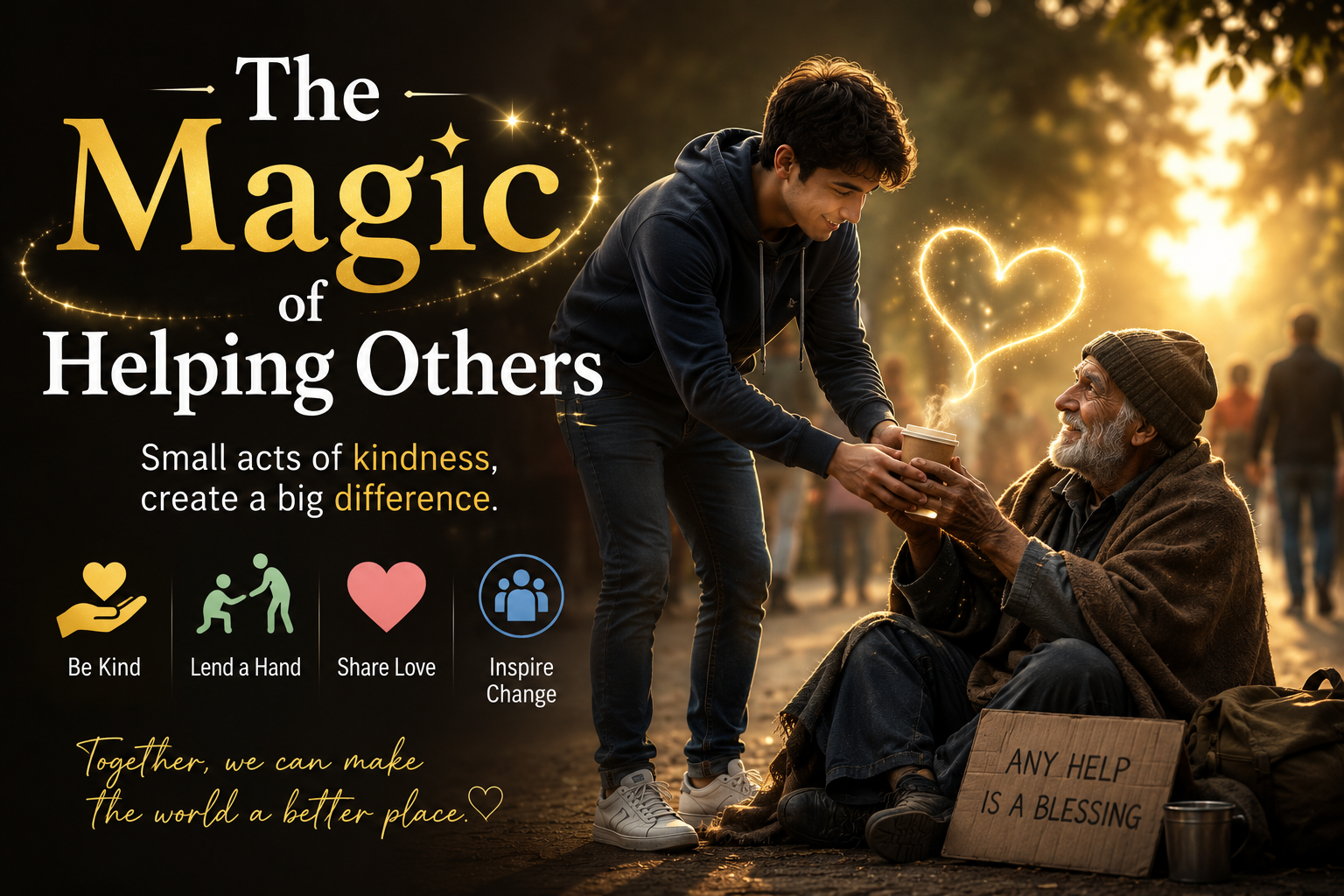
    The Magic of Helping Others

    A small act of kindness can create a big difference. Whether it’s offering a helping hand, sharing what you have, supporting someone in need, or simply being there for another person—every act of kindness matters.

    Helping others not only brings happiness to those around us, but also fills our own hearts with purpose, gratitude, and joy.

    Help someone today.
    Spread kindness.
    Make the world a better place—one good deed at a time.

    Remember, kindness costs nothing, but its impact can last forever.

    #TheMagicOfHelpingOthers #HelpingOthers #Kindness #SpreadKindness #BeKind #HelpingHands #MakeADifference #PositiveImpact #Compassion #Empathy #InspireOthers #GoodDeeds #Humanity #Motivation #PositiveVibes
    RSISB Roll No: 209 Story Post No.36 💖✨ The Magic of Helping Others 🤝🌍 A small act of kindness can create a big difference. 🌟 Whether it’s offering a helping hand, sharing what you have, supporting someone in need, or simply being there for another person—every act of kindness matters. ❤️ Helping others not only brings happiness to those around us, but also fills our own hearts with purpose, gratitude, and joy. 😊🌸 🤝 Help someone today. 💖 Spread kindness. 🌍 Make the world a better place—one good deed at a time. Remember, kindness costs nothing, but its impact can last forever. ✨ #TheMagicOfHelpingOthers #HelpingOthers #Kindness #SpreadKindness #BeKind #HelpingHands #MakeADifference #PositiveImpact #Compassion #Empathy #InspireOthers #GoodDeeds #Humanity #Motivation #PositiveVibes 🤝💖🌍✨
    0 Comentários 0 Compartilhamentos 2743 Visualizações
  • #rsisb
    Roll no.247
    call Annie .15
    Foundation level

    **“Earth” – The History of Our Home in a Word (25 min)**

    Welcome to an exciting journey through the incredible history of **Earth — our beautiful home in the universe!** From its formation billions of years ago to the amazing diversity of life we see today, Earth has experienced an extraordinary story filled with change, discovery, survival, and transformation.

    In this **25-minute exploration**, we will travel back through deep time and discover how our planet formed from the early material of the solar system. We’ll explore the development of oceans , mountains , continents , atmosphere , and the conditions that eventually made life possible.

    We’ll take a fascinating look at ancient Earth, when the planet was very different from the world we know today. We’ll discover how simple forms of life appeared and gradually evolved into increasingly complex organisms.

    The story of Earth also includes dramatic events such as massive volcanic activity, changing climates, shifting continents, ice ages, and the disappearance of many ancient species. These events helped shape the planet and created opportunities for new forms of life to develop.

    As we move closer to the present, we’ll explore the rise of humans and how our species became an important part of Earth’s story. From early communities and agriculture to modern cities, technology, science, and exploration, humanity has changed the planet in remarkable ways.

    But Earth’s history is not just a story about the past. It also encourages us to think about the future. What will happen to our planet in the years ahead? How can we protect nature, conserve resources, reduce pollution, and take better care of the world we call home?

    **Earth is more than just a planet — it is a living story.** Every mountain, ocean, fossil, forest, river, and living creature is part of that incredible story. By learning about Earth’s past, we can better understand the present and make wiser choices for the future.

    Join us for this fascinating **25-minute journey through Earth’s history** and discover how our planet became the remarkable world we know today!

    **Learn about the past. Understand the present. Protect the future.**

    #Earth #EarthHistory #OurPlanet #PlanetEarth #HistoryOfEarth #Science #Geology #Evolution #Dinosaurs #AncientEarth #Oceans #Nature #Environment #Climate #Space #Universe #HumanHistory #ScienceEducation #Learning #EducationalVideo #EarthScience #ExploreEarth #SaveOurPlanet #ProtectNature #FutureOfEarth #Knowledge #DiscoverScience #AmazingEarth #WorldHistory
    #rsisb Roll no.247 call Annie .15 Foundation level 🌍 **“Earth” – The History of Our Home in a Word (25 min)** 🌎✨ Welcome to an exciting journey through the incredible history of **Earth — our beautiful home in the universe!** 🌌🌍 From its formation billions of years ago to the amazing diversity of life we see today, Earth has experienced an extraordinary story filled with change, discovery, survival, and transformation. 🦕🌋🌊🌳 In this **25-minute exploration**, we will travel back through deep time and discover how our planet formed from the early material of the solar system. ☀️🪐 We’ll explore the development of oceans 🌊, mountains ⛰️, continents 🌎, atmosphere 🌤️, and the conditions that eventually made life possible. 🧬🌱 We’ll take a fascinating look at ancient Earth, when the planet was very different from the world we know today. 🌋🔥 We’ll discover how simple forms of life appeared and gradually evolved into increasingly complex organisms. 🦠➡️🐠➡️🦖➡️🦅➡️🐘 The story of Earth also includes dramatic events such as massive volcanic activity, changing climates, shifting continents, ice ages, and the disappearance of many ancient species. 🌋❄️🌍 These events helped shape the planet and created opportunities for new forms of life to develop. 🌱🦖🔬 As we move closer to the present, we’ll explore the rise of humans and how our species became an important part of Earth’s story. 👨‍👩‍👧‍👦🏕️🌾🏙️ From early communities and agriculture to modern cities, technology, science, and exploration, humanity has changed the planet in remarkable ways. 🚜🏗️💡🚀 But Earth’s history is not just a story about the past. It also encourages us to think about the future. 🌱💚 What will happen to our planet in the years ahead? How can we protect nature, conserve resources, reduce pollution, and take better care of the world we call home? 🌳💧♻️ 🌍 **Earth is more than just a planet — it is a living story.** Every mountain, ocean, fossil, forest, river, and living creature is part of that incredible story. By learning about Earth’s past, we can better understand the present and make wiser choices for the future. 🔬📚🌎 Join us for this fascinating **25-minute journey through Earth’s history** and discover how our planet became the remarkable world we know today! 🌍✨🚀 💚 **Learn about the past. Understand the present. Protect the future.** 🌱🌎 #Earth 🌍 #EarthHistory 📚 #OurPlanet 🌎 #PlanetEarth 🪐 #HistoryOfEarth ⏳ #Science 🔬 #Geology 🪨 #Evolution 🧬 #Dinosaurs 🦖 #AncientEarth 🌋 #Oceans 🌊 #Nature 🌳 #Environment 🌱 #Climate 🌤️ #Space 🌌 #Universe ✨ #HumanHistory 👨‍👩‍👧‍👦 #ScienceEducation 📖 #Learning 📚 #EducationalVideo 🎓 #EarthScience 🔬 #ExploreEarth 🌍 #SaveOurPlanet 💚 #ProtectNature 🌳 #FutureOfEarth 🌎 #Knowledge 💡 #DiscoverScience 🚀 #AmazingEarth ✨ #WorldHistory 🌍
    0 Comentários 0 Compartilhamentos 5396 Visualizações 8
Páginas impulsionada