• What can I do as a common citizen to end poverty from Pakistan ?

    As a common citizen, you can help end poverty from Pakistan by taking the following steps:
    1. Support education and training programs: Support education and training programs, such as vocational training, entrepreneurship training, and digital skills training, to help people gain the skills and knowledge they need to succeed in the job market.
    2. Support microfinance initiatives: Support microfinance initiatives, such as small loans and grants, to help people start and grow their own businesses, which can generate income and lift them out of poverty.
    3. Volunteer with organizations that work to combat poverty: Volunteer with organizations that work to combat poverty, such as charities, non-profits, and community organizations, to help provide support and resources to people living in poverty.
    4. Support fair trade initiatives: Support fair trade initiatives, such as buying products from cooperatives and small businesses, to help provide people with sustainable income and improve their living conditions.
    5. Advocate for policies and regulations that combat poverty: Advocate for policies and regulations that combat poverty, such as support for small businesses and income support programs, to create a more favorable environment for people living in poverty.
    6. Educate yourself and others about poverty: Educate yourself and others about poverty, its causes and effects, and the measures that can be taken to combat it, to raise awareness and support for poverty reduction efforts.
    7. Donate money and resources to organizations that work to combat poverty: Donate money and resources, such as food, clothing, and supplies, to organizations that work to combat poverty, to help provide people with the support they need to lift themselves out of poverty.

    #poverty #Pakistan
    What can I do as a common citizen to end poverty from Pakistan ? As a common citizen, you can help end poverty from Pakistan by taking the following steps: 1. Support education and training programs: Support education and training programs, such as vocational training, entrepreneurship training, and digital skills training, to help people gain the skills and knowledge they need to succeed in the job market. 2. Support microfinance initiatives: Support microfinance initiatives, such as small loans and grants, to help people start and grow their own businesses, which can generate income and lift them out of poverty. 3. Volunteer with organizations that work to combat poverty: Volunteer with organizations that work to combat poverty, such as charities, non-profits, and community organizations, to help provide support and resources to people living in poverty. 4. Support fair trade initiatives: Support fair trade initiatives, such as buying products from cooperatives and small businesses, to help provide people with sustainable income and improve their living conditions. 5. Advocate for policies and regulations that combat poverty: Advocate for policies and regulations that combat poverty, such as support for small businesses and income support programs, to create a more favorable environment for people living in poverty. 6. Educate yourself and others about poverty: Educate yourself and others about poverty, its causes and effects, and the measures that can be taken to combat it, to raise awareness and support for poverty reduction efforts. 7. Donate money and resources to organizations that work to combat poverty: Donate money and resources, such as food, clothing, and supplies, to organizations that work to combat poverty, to help provide people with the support they need to lift themselves out of poverty. #poverty #Pakistan
    0 Commentarios 0 Acciones 523 Views
  • ### Proposal for Using Ehsaas Program Funds to Generate Income for Poor People

    **Objective**: To utilize the Ehsaas Program funds to create sustainable income-generating opportunities for low-income families in Pakistan.

    **Total Funds Available Over Five Years**: Rs 1,462 billion (~USD 9.1 billion)

    #### Key Strategies and Initiatives:

    1. **Microfinance and Interest-Free Loans**:
    - **Allocation**: Rs 500 billion (~USD 3.1 billion)
    - **Implementation**: Partner with microfinance institutions to provide small, interest-free loans to poor families for starting or expanding small businesses.
    - **Expected Impact**: Enable at least 5 million families to start small businesses in agriculture, retail, crafts, and services, leading to improved income and economic stability.

    2. **Skill Development and Vocational Training**:
    - **Allocation**: Rs 200 billion (~USD 1.25 billion)
    - **Implementation**: Establish vocational training centers across the country to offer courses in high-demand skills such as IT, carpentry, plumbing, electrical work, tailoring, and more.
    - **Expected Impact**: Train 2 million individuals annually, increasing their employability and potential to earn higher incomes.

    3. **Agricultural Support Programs**:
    - **Allocation**: Rs 300 billion (~USD 1.9 billion)
    - **Implementation**: Provide seeds, fertilizers, and modern farming equipment to small farmers. Additionally, offer training on sustainable farming techniques and crop diversification.
    - **Expected Impact**: Improve productivity and income for 3 million smallholder farmers, enhancing food security and economic resilience.

    4. **Women Empowerment Initiatives**:
    - **Allocation**: Rs 200 billion (~USD 1.25 billion)
    - **Implementation**: Launch programs focused on women entrepreneurs, including grants for starting businesses, mentorship programs, and access to markets.
    - **Expected Impact**: Empower 2 million women to start their own businesses, leading to greater economic participation and gender equality.

    5. **Technology and Digital Inclusion**:
    - **Allocation**: Rs 150 billion (~USD 930 million)
    - **Implementation**: Distribute smartphones and internet access to poor families, coupled with digital literacy programs to enable participation in the digital economy.
    - **Expected Impact**: Enable 3 million families to access online education, e-commerce, and remote work opportunities, increasing their income potential.

    6. **Healthcare and Social Safety Nets**:
    - **Allocation**: Rs 112 billion (~USD 700 million)
    - **Implementation**: Expand health insurance coverage and provide financial assistance for medical expenses to poor families.
    - **Expected Impact**: Reduce the financial burden of healthcare costs, allowing families to invest more in income-generating activities.

    7. **Community Development Projects**:
    - **Allocation**: Rs 100 billion (~USD 620 million)
    - **Implementation**: Fund community-based projects such as local markets, irrigation systems, and infrastructure improvements to support economic activities.
    - **Expected Impact**: Improve the local economy and quality of life for millions of people by enhancing infrastructure and creating local jobs.

    ### Monitoring and Evaluation:

    - **Performance Indicators**: Number of businesses started, employment rates, average income levels, and poverty reduction metrics.
    - **Regular Assessments**: Quarterly evaluations and annual reports to measure the impact of initiatives and make necessary adjustments.
    - **Transparency and Accountability**: Publicly accessible data on fund allocation and utilization to ensure transparency and build trust.

    ### Conclusion:

    By strategically allocating the Ehsaas Program funds to these initiatives, Pakistan can create sustainable income-generating opportunities for poor families, significantly reducing poverty and improving the economic stability of the country. These programs will not only provide immediate relief but also empower individuals to become self-sufficient and contribute to the nation’s economic growth.
    ### Proposal for Using Ehsaas Program Funds to Generate Income for Poor People **Objective**: To utilize the Ehsaas Program funds to create sustainable income-generating opportunities for low-income families in Pakistan. **Total Funds Available Over Five Years**: Rs 1,462 billion (~USD 9.1 billion) #### Key Strategies and Initiatives: 1. **Microfinance and Interest-Free Loans**: - **Allocation**: Rs 500 billion (~USD 3.1 billion) - **Implementation**: Partner with microfinance institutions to provide small, interest-free loans to poor families for starting or expanding small businesses. - **Expected Impact**: Enable at least 5 million families to start small businesses in agriculture, retail, crafts, and services, leading to improved income and economic stability. 2. **Skill Development and Vocational Training**: - **Allocation**: Rs 200 billion (~USD 1.25 billion) - **Implementation**: Establish vocational training centers across the country to offer courses in high-demand skills such as IT, carpentry, plumbing, electrical work, tailoring, and more. - **Expected Impact**: Train 2 million individuals annually, increasing their employability and potential to earn higher incomes. 3. **Agricultural Support Programs**: - **Allocation**: Rs 300 billion (~USD 1.9 billion) - **Implementation**: Provide seeds, fertilizers, and modern farming equipment to small farmers. Additionally, offer training on sustainable farming techniques and crop diversification. - **Expected Impact**: Improve productivity and income for 3 million smallholder farmers, enhancing food security and economic resilience. 4. **Women Empowerment Initiatives**: - **Allocation**: Rs 200 billion (~USD 1.25 billion) - **Implementation**: Launch programs focused on women entrepreneurs, including grants for starting businesses, mentorship programs, and access to markets. - **Expected Impact**: Empower 2 million women to start their own businesses, leading to greater economic participation and gender equality. 5. **Technology and Digital Inclusion**: - **Allocation**: Rs 150 billion (~USD 930 million) - **Implementation**: Distribute smartphones and internet access to poor families, coupled with digital literacy programs to enable participation in the digital economy. - **Expected Impact**: Enable 3 million families to access online education, e-commerce, and remote work opportunities, increasing their income potential. 6. **Healthcare and Social Safety Nets**: - **Allocation**: Rs 112 billion (~USD 700 million) - **Implementation**: Expand health insurance coverage and provide financial assistance for medical expenses to poor families. - **Expected Impact**: Reduce the financial burden of healthcare costs, allowing families to invest more in income-generating activities. 7. **Community Development Projects**: - **Allocation**: Rs 100 billion (~USD 620 million) - **Implementation**: Fund community-based projects such as local markets, irrigation systems, and infrastructure improvements to support economic activities. - **Expected Impact**: Improve the local economy and quality of life for millions of people by enhancing infrastructure and creating local jobs. ### Monitoring and Evaluation: - **Performance Indicators**: Number of businesses started, employment rates, average income levels, and poverty reduction metrics. - **Regular Assessments**: Quarterly evaluations and annual reports to measure the impact of initiatives and make necessary adjustments. - **Transparency and Accountability**: Publicly accessible data on fund allocation and utilization to ensure transparency and build trust. ### Conclusion: By strategically allocating the Ehsaas Program funds to these initiatives, Pakistan can create sustainable income-generating opportunities for poor families, significantly reducing poverty and improving the economic stability of the country. These programs will not only provide immediate relief but also empower individuals to become self-sufficient and contribute to the nation’s economic growth.
    0 Commentarios 0 Acciones 880 Views
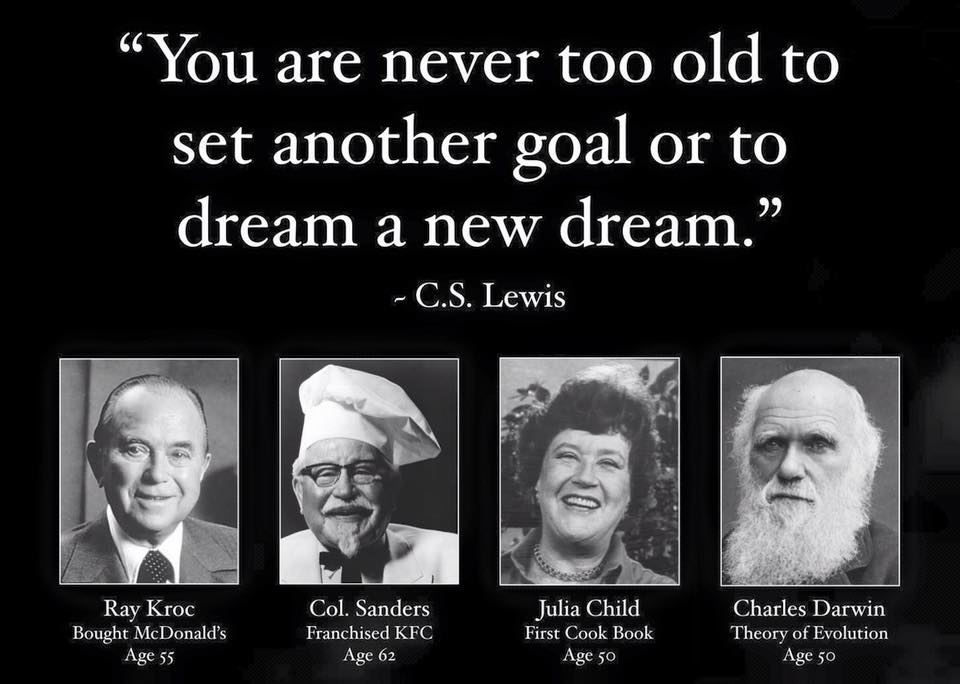
  • John Pemberton invented Coca-Cola when he was 55 years old.

    Ray Kroc bought McDonald’s when he was 59 years old.

    Colonel Sanders began franchising KFC at 62 years old.

    Tim & Nina Zagat were 51 yr old lawyers when they wrote the 1st Zagat guide.

    Charles Darwin was 50 years old before he wrote “On the Origin of Species”.

    Julia Child was also 50 years olf when she wrote her first cookbook.

    Henry Ford was 45 years old when he created the Model T car.

    Microfinance pioneer, Muhammad Yunus, launched the Grameen Bank at 43 years old.

    Samuel L. Jackson was 43 years old before he had his first hit film, “Jungle Fever”.

    It’s never too late to succeed.
    It’s always too early to quit.

    “You are never too old to set another goal or to dream a new dream.”
    ~ C.S. Lewis

    Shared via Roger James Hamilton
    John Pemberton invented Coca-Cola when he was 55 years old. Ray Kroc bought McDonald’s when he was 59 years old. Colonel Sanders began franchising KFC at 62 years old. Tim & Nina Zagat were 51 yr old lawyers when they wrote the 1st Zagat guide. Charles Darwin was 50 years old before he wrote “On the Origin of Species”. Julia Child was also 50 years olf when she wrote her first cookbook. Henry Ford was 45 years old when he created the Model T car. Microfinance pioneer, Muhammad Yunus, launched the Grameen Bank at 43 years old. Samuel L. Jackson was 43 years old before he had his first hit film, “Jungle Fever”. It’s never too late to succeed. It’s always too early to quit. “You are never too old to set another goal or to dream a new dream.” ~ C.S. Lewis Shared via Roger James Hamilton
    0 Commentarios 0 Acciones 286 Views
  • Get loan online with this app in Pakistan

    "SAFCOs One More Step towards Digital Financial Services in Microfinance Industry"

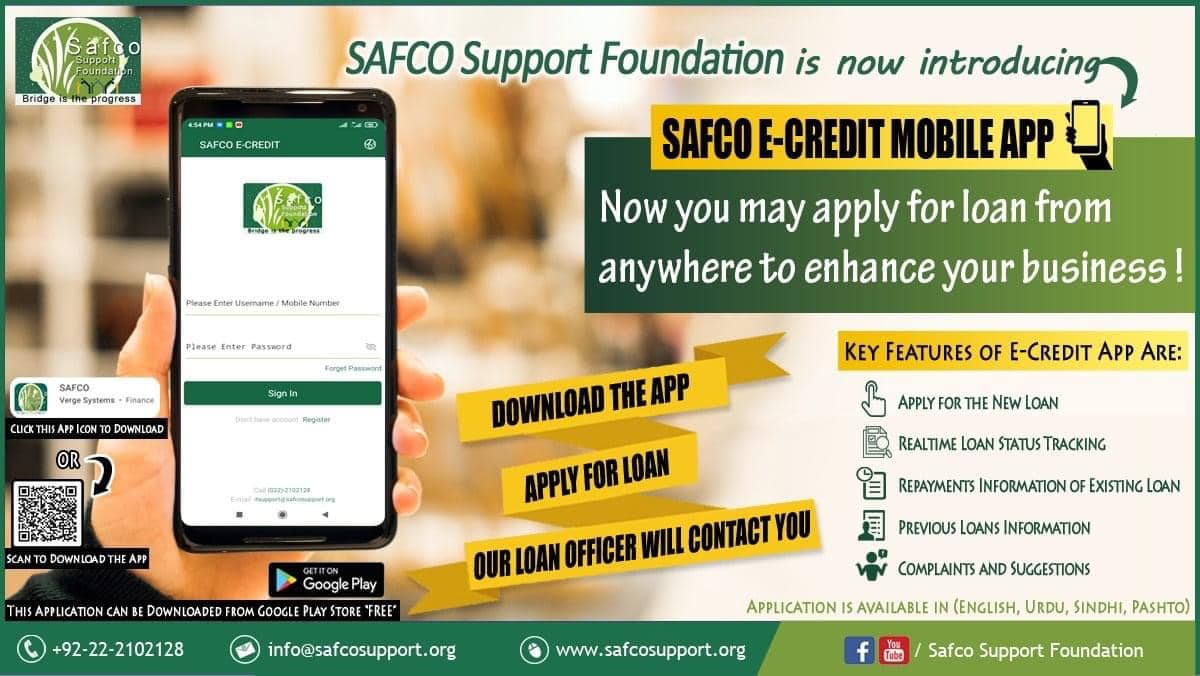
    We are pleased to launch the "SAFCO E CREDIT APPLICATION", which can be installed on any smart mobile phone and publicly available for all at Google Play Store for FREE.

    Now, anyone who needs the loan to enhance its business can download the application and apply for the loan through e credit application, our loan nearest branch loan officer will contact him/her for further loan process. The existing borrowers can also download the application and check their live loan status, remaining installments, repayment plan, last loan information and can also submit the complaints and suggestions in the Grievance Redressal Mechanism directly from the application.

    This application is available in English, Urdu, Sindhi and Pashto Language.

    @safco
    Get loan online with this app in Pakistan "SAFCO's One More Step towards Digital Financial Services in Microfinance Industry" We are pleased to launch the "SAFCO E CREDIT APPLICATION", which can be installed on any smart mobile phone and publicly available for all at Google Play Store for FREE. Now, anyone who needs the loan to enhance its business can download the application and apply for the loan through e credit application, our loan nearest branch loan officer will contact him/her for further loan process. The existing borrowers can also download the application and check their live loan status, remaining installments, repayment plan, last loan information and can also submit the complaints and suggestions in the Grievance Redressal Mechanism directly from the application. This application is available in English, Urdu, Sindhi and Pashto Language. @safco
    0 Commentarios 0 Acciones 227 Views
  • "Pakistani philanthropist and founder of the largest interest-free microfinance platform Muhammad Amjad Saqib has been named ‘Global Man of the Decade’ for his extraordinary contributions. He got the award at the Global Women Awards ceremony held in the United Kingdom (UK) over the weekend. His organization began in 2001 with 100 USD, and nearly two decades later, Akhuwat has grown into the nation’s largest microfinance institution, distributing the equivalent of 900 USD million to five million poor families and boasting a loan repayment rate of nearly 100%." #Pakistan #Philanthropy #Microfinance #Akhuwat #SocialImpact #PovertyAlleviation
    "Pakistani philanthropist and founder of the largest interest-free microfinance platform Muhammad Amjad Saqib has been named ‘Global Man of the Decade’ for his extraordinary contributions. He got the award at the Global Women Awards ceremony held in the United Kingdom (UK) over the weekend. His organization began in 2001 with 100 USD, and nearly two decades later, Akhuwat has grown into the nation’s largest microfinance institution, distributing the equivalent of 900 USD million to five million poor families and boasting a loan repayment rate of nearly 100%." #Pakistan #Philanthropy #Microfinance #Akhuwat #SocialImpact #PovertyAlleviation
    0 Commentarios 0 Acciones 682 Views
  • ### Name for the Institute

    A fitting name for the institute that reflects its mission could be:
    - **Data Ganj Baksh Institute for Spiritual Enlightenment and Poverty Alleviation**

    ### Design for the Institute

    I can create a conceptual design for the logo of the institute. Here’s what I imagine:
    - The logo could incorporate elements that symbolize spirituality (like a dervish or a light motif) and elements that represent outreach and community support (like hands or a heart).
    - The color scheme could include serene blues and vibrant greens to symbolize peace and growth.

    Lets start by creating this logo design. What specific elements or styles would you like to include?

    ### Business Plan Outline

    **1. Mission and Vision:**
    - **Mission:** To promote the teachings and spiritual practices of Data Ganj Baksh and eradicate poverty in Pakistan.
    - **Vision:** A spiritually enriched Pakistan free from poverty.

    **2. Programs and Services:**
    - **Spiritual Education and Practices:** Regular classes, workshops, and retreats on Sufism and spiritual enlightenment.
    - **Community Development and Support:** Programs designed to uplift economic standards, such as microfinance, vocational training, and educational scholarships.
    - **Health and Welfare Services:** Free medical camps, nutrition programs, and wellness workshops.
    - **Research and Advocacy:** Conduct research on poverty alleviation and advocate for policies that support economic and spiritual well-being.

    **3. Organizational Structure:**
    - **Leadership Team:** Comprised of experienced leaders in spirituality, education, and social work.
    - **Advisory Board:** Scholars, religious leaders, and experts in poverty alleviation.
    - **Departments:** Education, Community Development, Healthcare, Research, and Administration.

    **4. Financial Plan:**
    - **Budget Allocation:**
    - 40% for Community Development Programs
    - 30% for Educational Programs
    - 15% for Health and Welfare Services
    - 10% for Research and Advocacy
    - 5% for Operational and Administrative Costs
    - **Funding:** Initial funding of $500 million, with plans for sustainable income through donations, grants, and possibly a waqf (endowment).

    **5. Implementation Timeline:**
    - **Year 1:** Setup institute, develop curriculum, begin local community programs.
    - **Year 2-3:** Expand programs nationwide, establish partnerships, initiate major health and education projects.
    - **Year 4-5:** Focus on sustainability, establish a feedback loop for continuous improvement, start international collaboration for policy advocacy.

    **6. Impact Measurement:**
    - **Short-term Goals:** Establish institute, launch key programs, help 10,000 families.
    - **Long-term Goals:** Nationwide reduction in poverty levels, established model for spiritual and community development.

    Would you like to proceed with the logo design now, or discuss further details of the business plan?
    ### Name for the Institute A fitting name for the institute that reflects its mission could be: - **Data Ganj Baksh Institute for Spiritual Enlightenment and Poverty Alleviation** ### Design for the Institute I can create a conceptual design for the logo of the institute. Here’s what I imagine: - The logo could incorporate elements that symbolize spirituality (like a dervish or a light motif) and elements that represent outreach and community support (like hands or a heart). - The color scheme could include serene blues and vibrant greens to symbolize peace and growth. Let's start by creating this logo design. What specific elements or styles would you like to include? ### Business Plan Outline **1. Mission and Vision:** - **Mission:** To promote the teachings and spiritual practices of Data Ganj Baksh and eradicate poverty in Pakistan. - **Vision:** A spiritually enriched Pakistan free from poverty. **2. Programs and Services:** - **Spiritual Education and Practices:** Regular classes, workshops, and retreats on Sufism and spiritual enlightenment. - **Community Development and Support:** Programs designed to uplift economic standards, such as microfinance, vocational training, and educational scholarships. - **Health and Welfare Services:** Free medical camps, nutrition programs, and wellness workshops. - **Research and Advocacy:** Conduct research on poverty alleviation and advocate for policies that support economic and spiritual well-being. **3. Organizational Structure:** - **Leadership Team:** Comprised of experienced leaders in spirituality, education, and social work. - **Advisory Board:** Scholars, religious leaders, and experts in poverty alleviation. - **Departments:** Education, Community Development, Healthcare, Research, and Administration. **4. Financial Plan:** - **Budget Allocation:** - 40% for Community Development Programs - 30% for Educational Programs - 15% for Health and Welfare Services - 10% for Research and Advocacy - 5% for Operational and Administrative Costs - **Funding:** Initial funding of $500 million, with plans for sustainable income through donations, grants, and possibly a waqf (endowment). **5. Implementation Timeline:** - **Year 1:** Setup institute, develop curriculum, begin local community programs. - **Year 2-3:** Expand programs nationwide, establish partnerships, initiate major health and education projects. - **Year 4-5:** Focus on sustainability, establish a feedback loop for continuous improvement, start international collaboration for policy advocacy. **6. Impact Measurement:** - **Short-term Goals:** Establish institute, launch key programs, help 10,000 families. - **Long-term Goals:** Nationwide reduction in poverty levels, established model for spiritual and community development. Would you like to proceed with the logo design now, or discuss further details of the business plan?
    0 Commentarios 0 Acciones 519 Views
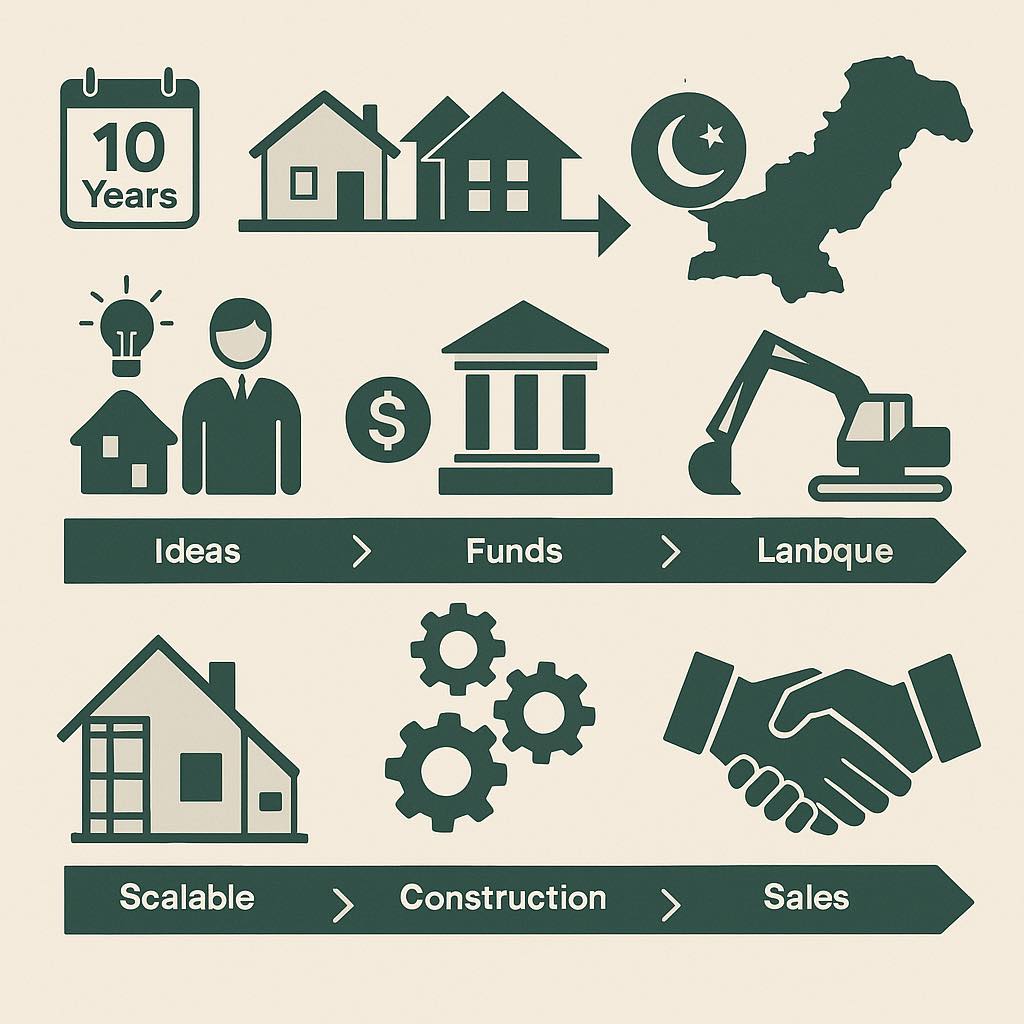
  • 10-Year Business Plan to Build 1 Million Homes in Pakistan

    (For-Profit | Zero Starting Capital | With Cost Breakdown)


    Vision:

    Provide affordable housing to Pakistanis using a self-sustaining, for-profit model where everyone — landowners, builders, and investors — makes money, and no donations are required.


    Cost & Revenue Per Unit (Typical 2-Marla Home)

    Item Cost (PKR) Cost (USD)
    Land (shared/revenue model) 0 (partner land) 0
    Materials & Construction 600,000 $2,000
    Labor & Admin 100,000 $333
    Legal, Docs, Marketing 50,000 $167
    Total Cost 750,000 $2,500
    Selling Price (Installments) 900,000 $3,000
    Profit / Unit 150,000 $500

    Target Buyer: A tenant paying PKR 10,000–12,000/month in rent → owns home with same installment!


    Year-by-Year Breakdown

    Year 1: Build the Foundation
    • Build first 10–50 homes via land-sharing model
    • No funds required — use landowner partnerships
    • Sell via 7–10 year installments (~PKR 10K/month)

    Year 2–3: Replication & Proof of Profit
    • Develop 100–500 homes with 15–20% ROI
    • Pitch to micro-investors: “Invest PKR 750K → earn PKR 900K in 12 months”
    • Secure microfinance partnerships for buyer loans

    Year 4–6: Franchise & Scale
    • Launch “Micro Builder Franchise”:
    • Train small builders (100 homes/year)
    • Franchise fee: PKR 100K ($330)
    • Share 10–15% profit per home
    • Brand examples: “Ghar+ Builders”, “Build2Own”

    Year 7–10: National Expansion
    • Build 1,000+ homes/day through franchises
    • Launch app for:
    • Buying homes
    • Tracking builds
    • Paying installments
    • Partner with banks, city landowners, industries


    Overall Financial Picture (10 Years)

    Metric Value
    Total Homes 1,000,000
    Avg Cost/Home PKR 750,000 ($2,500)
    Avg Profit/Home PKR 150,000 ($500)
    Total Revenue PKR 900 Billion ($3 Billion)
    Total Profit PKR 150 Billion ($500 Million)


    Profit Sharing Model

    Stakeholder Income Model
    Landowner 20–50% of home sale or land lease
    Builder Fixed per-unit share (~PKR 50K)
    Franchisee Profit per home + franchise perks
    Investor 15–25% ROI annually
    Founder Team % profit + franchise network


    Tagline:

    “No charity. Just homes, hope, and hustle.”
    “Invest. Build. Empower. Repeat.”
    🏗️ 10-Year Business Plan to Build 1 Million Homes in Pakistan (For-Profit | Zero Starting Capital | With Cost Breakdown) ⸻ 🎯 Vision: Provide affordable housing to Pakistanis using a self-sustaining, for-profit model where everyone — landowners, builders, and investors — makes money, and no donations are required. ⸻ 📊 Cost & Revenue Per Unit (Typical 2-Marla Home) Item Cost (PKR) Cost (USD) Land (shared/revenue model) 0 (partner land) 0 Materials & Construction 600,000 $2,000 Labor & Admin 100,000 $333 Legal, Docs, Marketing 50,000 $167 Total Cost 750,000 $2,500 Selling Price (Installments) 900,000 $3,000 Profit / Unit 150,000 $500 🏠 Target Buyer: A tenant paying PKR 10,000–12,000/month in rent → owns home with same installment! ⸻ 🔁 Year-by-Year Breakdown 📌 Year 1: Build the Foundation • Build first 10–50 homes via land-sharing model • No funds required — use landowner partnerships • Sell via 7–10 year installments (~PKR 10K/month) 📌 Year 2–3: Replication & Proof of Profit • Develop 100–500 homes with 15–20% ROI • Pitch to micro-investors: “Invest PKR 750K → earn PKR 900K in 12 months” • Secure microfinance partnerships for buyer loans 📌 Year 4–6: Franchise & Scale • Launch “Micro Builder Franchise”: • Train small builders (100 homes/year) • Franchise fee: PKR 100K ($330) • Share 10–15% profit per home • Brand examples: “Ghar+ Builders”, “Build2Own” 📌 Year 7–10: National Expansion • Build 1,000+ homes/day through franchises • Launch app for: • Buying homes • Tracking builds • Paying installments • Partner with banks, city landowners, industries ⸻ 💸 Overall Financial Picture (10 Years) Metric Value Total Homes 1,000,000 Avg Cost/Home PKR 750,000 ($2,500) Avg Profit/Home PKR 150,000 ($500) Total Revenue PKR 900 Billion ($3 Billion) Total Profit PKR 150 Billion ($500 Million) ⸻ 💰 Profit Sharing Model Stakeholder Income Model Landowner 20–50% of home sale or land lease Builder Fixed per-unit share (~PKR 50K) Franchisee Profit per home + franchise perks Investor 15–25% ROI annually Founder Team % profit + franchise network ⸻ 🔥 Tagline: “No charity. Just homes, hope, and hustle.” “Invest. Build. Empower. Repeat.”
    0 Commentarios 0 Acciones 247 Views