• RSIF8
    ROLL NO:92
    STORY POST NO:51
    TOPIC: **Neuron Narratives: Understanding the Brain's Messengers**

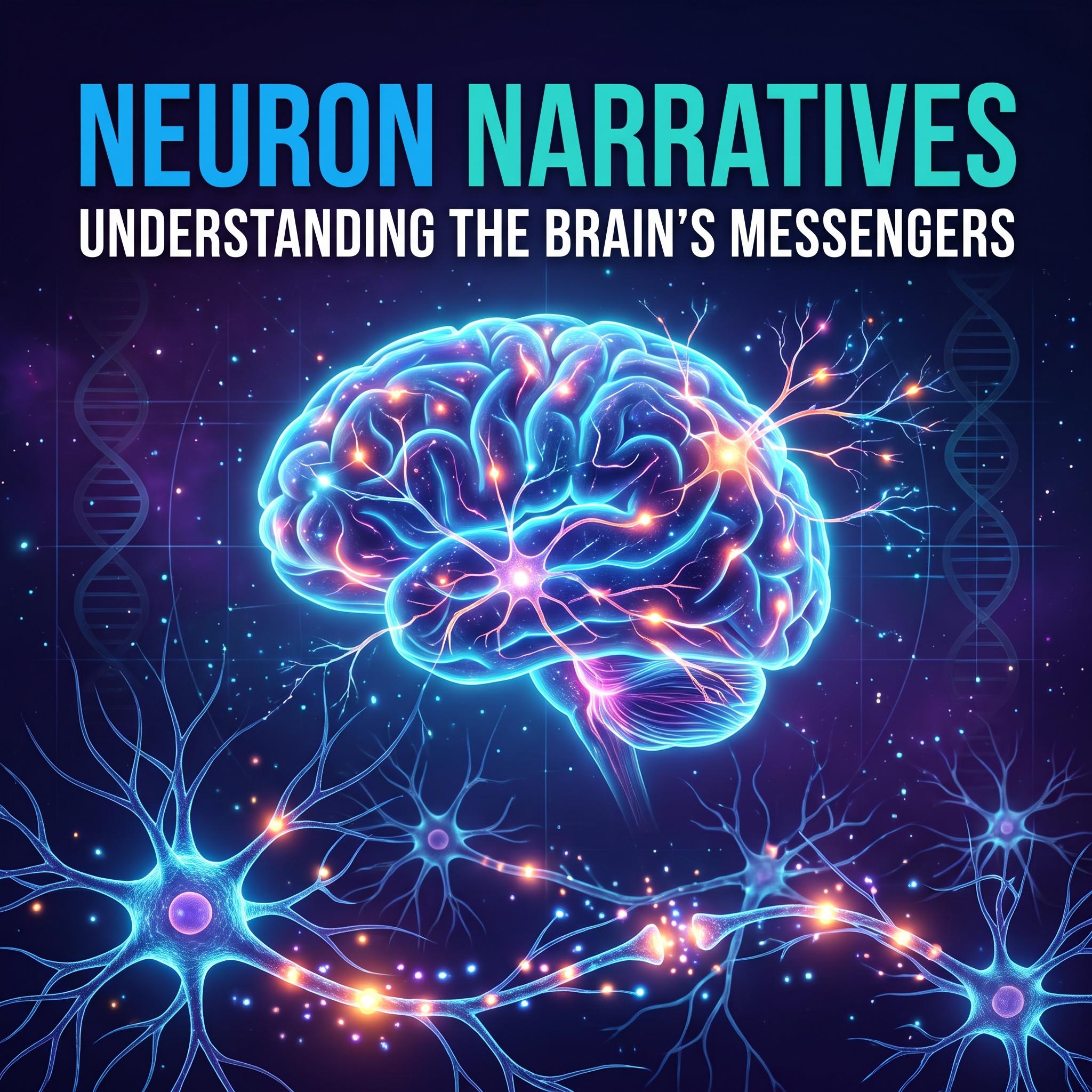
    Explore the fascinating world of neurons, the tiny messengers of our brain and nervous system! Neurons carry electrical and chemical signals that help us think, learn, feel, move, and respond to the world around us. This story post takes you on an exciting journey inside the human brain to discover how these amazing cells keep our body connected and working.

    **Every Thought Begins with a Message!**

    #NeuronNarratives #BrainScience #Neurons #HumanBrain #NervousSystem #Biology #ScienceExploration #AmazingBrain #EducationalPost #StoryPost
    RSIF8 ROLL NO:92 STORY POST NO:51 TOPIC:🧠 **Neuron Narratives: Understanding the Brain's Messengers** ⚡ Explore the fascinating world of neurons, the tiny messengers of our brain and nervous system! Neurons carry electrical and chemical signals that help us think, learn, feel, move, and respond to the world around us. This story post takes you on an exciting journey inside the human brain to discover how these amazing cells keep our body connected and working. 🌟 💡 **Every Thought Begins with a Message!** #NeuronNarratives #BrainScience #Neurons #HumanBrain #NervousSystem #Biology #ScienceExploration #AmazingBrain #EducationalPost #StoryPost
    0 Yorumlar 0 hisse senetleri 1733 Views
  • RSIF8
    ROLL NO 77
    STORY POST NO 55
    STORY TOPIC Neuron Narratives: Understanding the Brain's Messengers".

    **Neuron Narratives: Understanding the Brain's Messengers!**

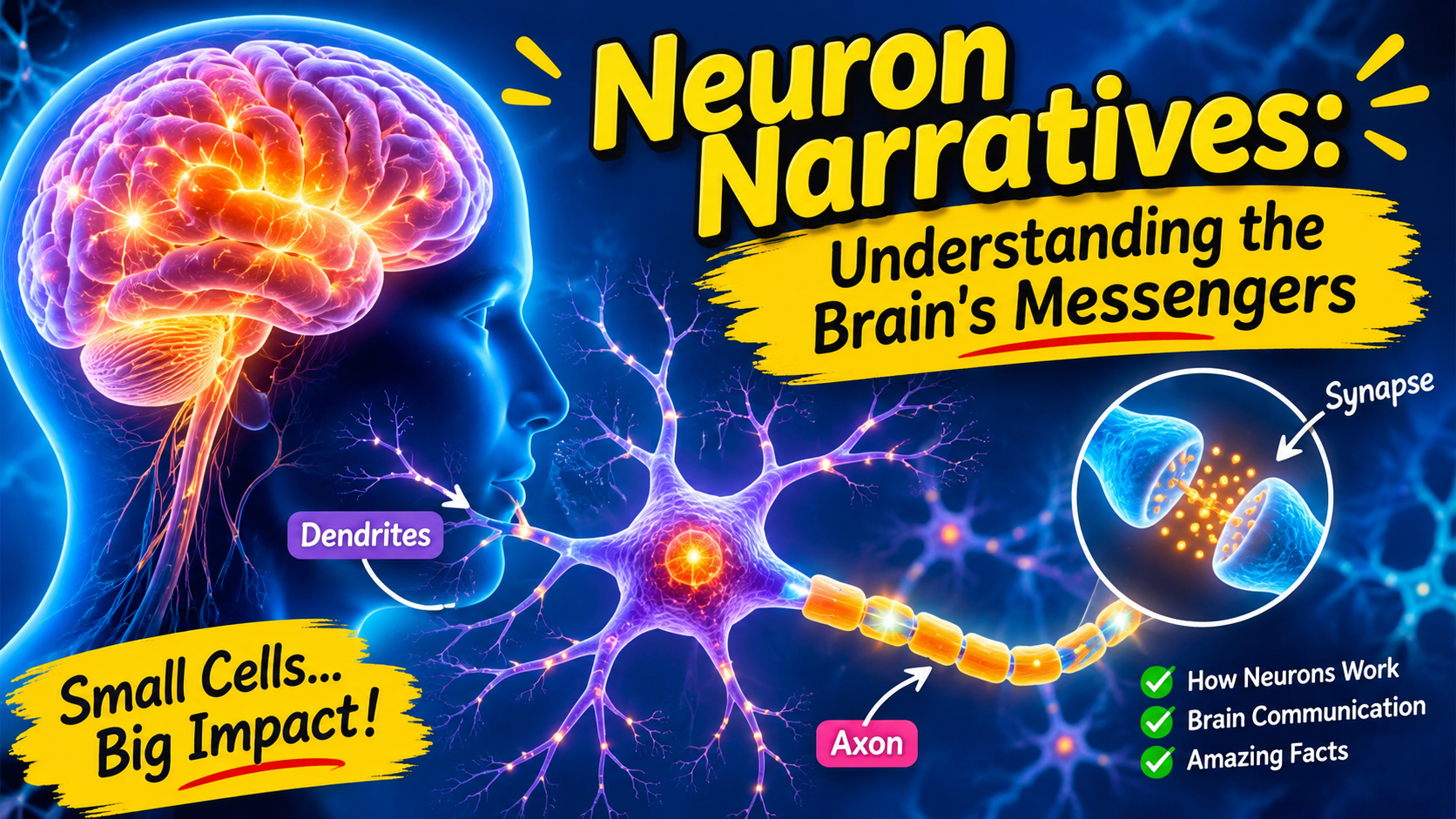
    Did you know that your brain communicates through billions of tiny cells called neurons?

    Join us on an exciting journey to discover how neurons send messages, connect different parts of the brain, and help us think, learn, remember, and move!

    Discover the amazing science behind the human brain and explore how these tiny messengers make incredible things happen!

    **Remember: Small cells, big impact!**

    #NeuronNarratives #HumanBrain #Neurons #BrainScience #ScienceLearning #Biology #AmazingFacts #BrainPower #Education #LearnWithAI #ExploreScience #KnowledgeIsPower
    RSIF8 ROLL NO 77 STORY POST NO 55 STORY TOPIC Neuron Narratives: Understanding the Brain's Messengers". 🧠 **Neuron Narratives: Understanding the Brain's Messengers!** ⚡🔬 Did you know that your brain communicates through billions of tiny cells called neurons? 🤯✨ Join us on an exciting journey to discover how neurons send messages, connect different parts of the brain, and help us think, learn, remember, and move! 🧠💡 Discover the amazing science behind the human brain and explore how these tiny messengers make incredible things happen! 🚀 **Remember: Small cells, big impact!** 🌟 #NeuronNarratives #HumanBrain #Neurons #BrainScience #ScienceLearning #Biology #AmazingFacts #BrainPower #Education #LearnWithAI #ExploreScience #KnowledgeIsPower 🧠⚡🔬
    0 Yorumlar 0 hisse senetleri 1768 Views
  • #rsisb
    Roll no. 247
    Story post . 29
    Foundation level

    **Neuron Narratives: Understanding the Brain's Messengers**

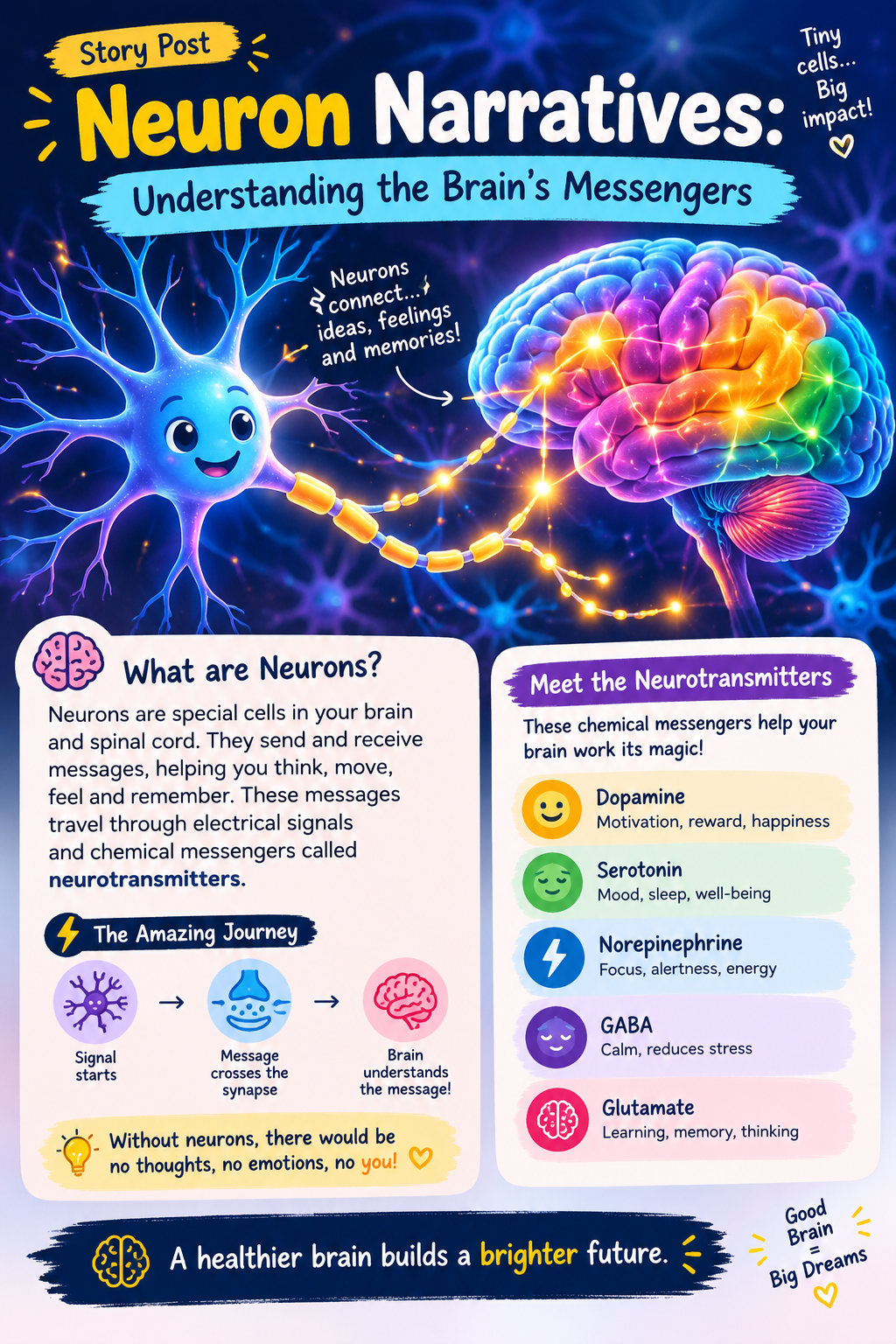
    Welcome to the fascinating world of neurons, the tiny messengers that make our brains extraordinary! Have you ever wondered how you think, learn, remember, move, or feel emotions? The answer lies in the incredible network of nerve cells called **neurons**!

    **What Are Neurons?**

    Neurons are specialized cells in our nervous system that carry information throughout the body. They communicate using electrical signals and chemical messengers, helping the brain and body work together. From remembering your favorite story to moving your hands , neurons play an important role in countless everyday activities!

    **How Do Neurons Work?**

    Neurons receive information through tiny branches called dendrites, process signals in the cell body, and send signals along a long structure called the axon. At the ends of neurons, connections called synapses allow messages to pass to other neurons or target cells.

    **Why Are Neurons So Important?**

    **Thinking and Learning:** Neurons help us understand new ideas and develop knowledge.

    **Memory:** Networks of neurons help us store and recall information.

    **Movement:** Signals from the nervous system help control our muscles.

    **Emotions:** Brain networks contribute to how we experience and respond to emotions.

    **Senses:** Neurons help the brain interpret information from our eyes, ears, skin, nose, and tongue.

    **Amazing Brain Fact!**

    The human brain contains approximately 86 billion neurons! Each neuron can connect with many other cells, creating a vast network that supports learning, communication, creativity, and problem-solving. Isn't that amazing?

    **Let's Explore the Science of the Brain!**

    In *Neuron Narratives*, we discover how these microscopic messengers help us experience the world around us. Every thought, every new skill, and every curious question opens the door to learning more about the amazing human brain!

    Remember, curiosity is the beginning of discovery. Keep asking questions, keep exploring science, and keep learning something new every day!

    **Question for You:** If you could learn more about one part of the brain, would you choose memory, emotions, creativity, or intelligence? Tell us in the comments!

    Like, share, and follow for more exciting science stories, educational discoveries, and fascinating facts!

    #NeuronNarratives #Neurons #HumanBrain #BrainScience #Neuroscience #ScienceEducation #AmazingBrain #NervousSystem #LearningIsFun #ScienceFacts #Biology #STEMEducation #ExploreScience #KnowledgeIsPower #EducationalContent #Curiosity #BrainPower #ScienceForEveryone #KeepLearning #DiscoverTheBrain
    #rsisb Roll no. 247 Story post . 29 Foundation level 🧠⚡ **Neuron Narratives: Understanding the Brain's Messengers** 🔬✨ 🌟 Welcome to the fascinating world of neurons, the tiny messengers that make our brains extraordinary! 🧠💡 Have you ever wondered how you think, learn, remember, move, or feel emotions? The answer lies in the incredible network of nerve cells called **neurons**! ⚡🔍 🧬 **What Are Neurons?** Neurons are specialized cells in our nervous system that carry information throughout the body. They communicate using electrical signals and chemical messengers, helping the brain and body work together. From remembering your favorite story 📚 to moving your hands ✋, neurons play an important role in countless everyday activities! ⚡ **How Do Neurons Work?** Neurons receive information through tiny branches called dendrites, process signals in the cell body, and send signals along a long structure called the axon. At the ends of neurons, connections called synapses allow messages to pass to other neurons or target cells. 🔗🧠 🌈 **Why Are Neurons So Important?** ✅ 🧠 **Thinking and Learning:** Neurons help us understand new ideas and develop knowledge. ✅ 📚 **Memory:** Networks of neurons help us store and recall information. ✅ 🏃 **Movement:** Signals from the nervous system help control our muscles. ✅ ❤️ **Emotions:** Brain networks contribute to how we experience and respond to emotions. ✅ 👀 **Senses:** Neurons help the brain interpret information from our eyes, ears, skin, nose, and tongue. 💡 **Amazing Brain Fact!** The human brain contains approximately 86 billion neurons! 🤯 Each neuron can connect with many other cells, creating a vast network that supports learning, communication, creativity, and problem-solving. Isn't that amazing? 🌍🔬 🚀 **Let's Explore the Science of the Brain!** In *Neuron Narratives*, we discover how these microscopic messengers help us experience the world around us. Every thought, every new skill, and every curious question opens the door to learning more about the amazing human brain! 🌟📖 Remember, curiosity is the beginning of discovery. Keep asking questions, keep exploring science, and keep learning something new every day! 💙🧠🔬 💬 **Question for You:** If you could learn more about one part of the brain, would you choose memory, emotions, creativity, or intelligence? Tell us in the comments! 👇😊 ❤️ Like, share, and follow for more exciting science stories, educational discoveries, and fascinating facts! 🌎✨ #NeuronNarratives #Neurons #HumanBrain #BrainScience #Neuroscience #ScienceEducation #AmazingBrain #NervousSystem #LearningIsFun #ScienceFacts #Biology #STEMEducation #ExploreScience #KnowledgeIsPower #EducationalContent #Curiosity #BrainPower #ScienceForEveryone #KeepLearning #DiscoverTheBrain 🧠⚡🔬📚🌟
    0 Yorumlar 0 hisse senetleri 4742 Views
  • #rsisb
    Roll NO:232
    Foundation level student.
    Story post:29


    ### Neuron Narratives: Understanding the Brain's Messengers

    **Description:**
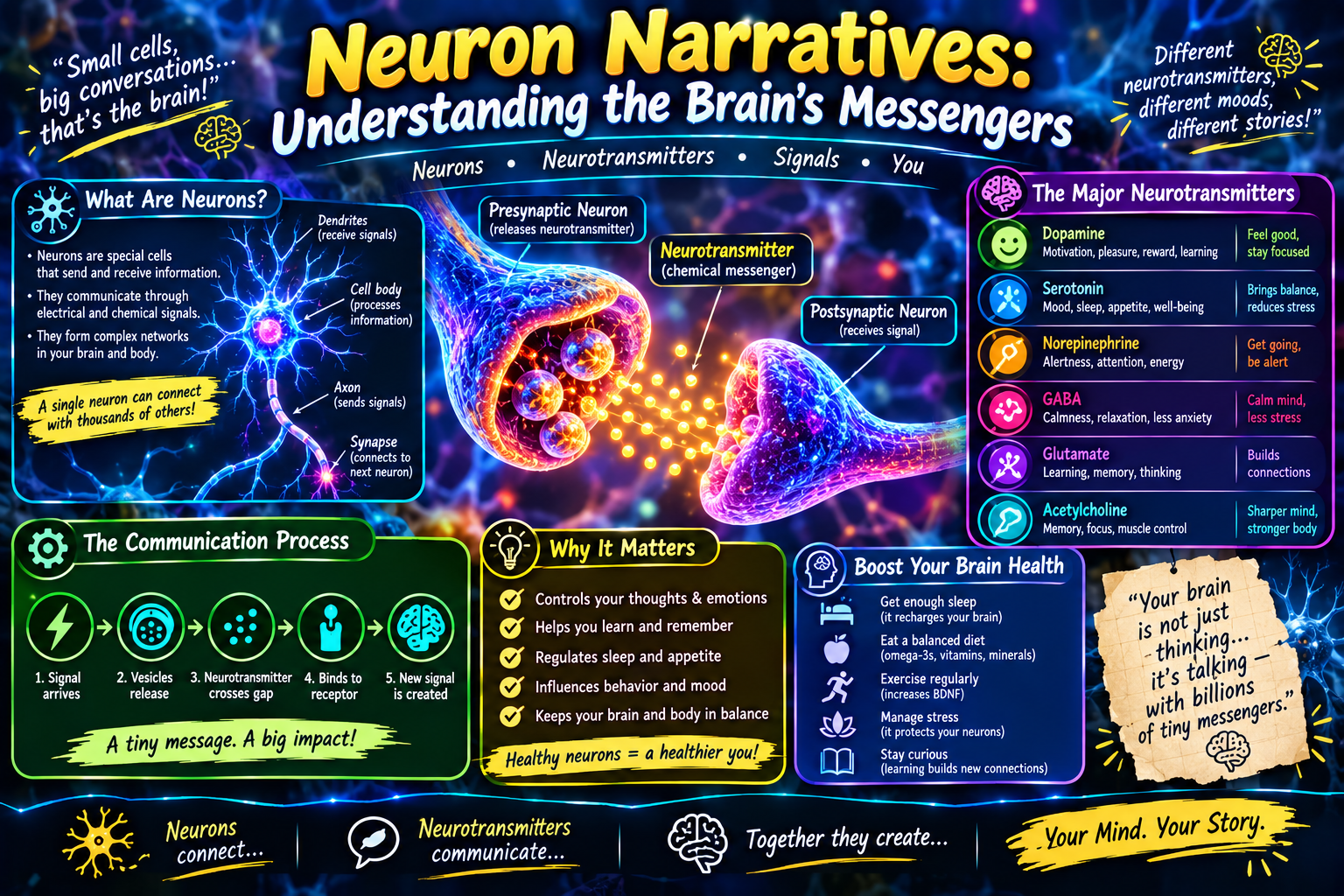
    Step into the fascinating world of **neurons**, the tiny messengers that help our brain and nervous system communicate! Discover how neurons send electrical and chemical signals, allowing us to **think, learn, feel, remember, and respond** to the world around us.

    Explore the amazing structure of neurons, including the **dendrites, cell body, and axon**, and learn how these specialized cells work together to keep messages moving throughout the nervous system.

    **Hashtags:**
    #NeuronNarratives #Neurons #Brain #Neuroscience #NervousSystem #BrainScience #Biology #Science #NeuralSignals #HumanBody #ScienceEducation #LearnBiology #EducationalVideo #NeuroscienceForStudents #ScienceLovers

    **Emojis:**

    #rsisb Roll NO:232 Foundation level student. Story post:29 ### 🧠 Neuron Narratives: Understanding the Brain's Messengers ⚡🔬 **Description:** Step into the fascinating world of **neurons**, the tiny messengers that help our brain and nervous system communicate! 🧠⚡ Discover how neurons send electrical and chemical signals, allowing us to **think, learn, feel, remember, and respond** to the world around us. 🔬✨ Explore the amazing structure of neurons, including the **dendrites, cell body, and axon**, and learn how these specialized cells work together to keep messages moving throughout the nervous system. 🧬📚 **Hashtags:** #NeuronNarratives #Neurons #Brain #Neuroscience #NervousSystem #BrainScience #Biology #Science #NeuralSignals #HumanBody #ScienceEducation #LearnBiology #EducationalVideo #NeuroscienceForStudents #ScienceLovers 🧠🔬 **Emojis:** 🧠 ⚡ 🔬 🧬 🧪 💡 📚 🧠✨ ⚙️ 🌟 👀 💭 🚀
    0 Yorumlar 0 hisse senetleri 4795 Views
  • Why Do We Feel Up or Down After Meeting People?

    Understanding the Science of Human Vibes

    Have you ever walked away from a conversation feeling like you just drank three cups of espresso without touching a drop—or like someone unplugged your soul and drained your battery? You’re not alone. The energy we feel when meeting others isn’t just “in our head” or emotional poetry—it’s deeply rooted in biology, chemistry, and even subtle electromagnetic signals in our bodies. Let’s explore why meeting some people lifts us up, while others leave us feeling down.

    ⸻

    Chemical & Hormonal Reactions in the Body

    When you interact with someone, your body doesn’t wait for your opinion—it automatically reacts by releasing different chemicals and hormones based on how it perceives the person.
    • Oxytocin is often released when we feel connected or safe. It’s nicknamed the “love hormone” and is key to feelings of trust and bonding. A kind smile or warm voice can trigger a burst of oxytocin, making us feel uplifted.
    • Dopamine kicks in when something feels rewarding. If someone is interesting, funny, or aligns with your values, dopamine brings a feeling of pleasure and motivation.
    • On the flip side, cortisol, the stress hormone, spikes when we feel uncomfortable, judged, or unsafe. This can instantly make your mood drop, heart race, and stomach turn.
    • Adrenaline may also be triggered—if the person feels intense or confrontational, your body gears up to deal with them, even if it’s just emotionally.
    • And when things don’t go well socially, serotonin—the mood stabilizer—can dip, leaving you with a vague sense of deflation or sadness.

    So yes, meeting people is a bit like a hormone cocktail shaker. The mix depends on the person—and how your nervous system interprets them.

    ⸻

    Your Brain is Always Scanning for Safety

    This process is called neuroception—your nervous system scans every person you meet to assess: “Am I safe? Can I relax? Can I trust this person?” And it does this without asking you first.

    If someone feels authentic, open, or kind, your nervous system gives a green light. Energy flows. You feel expansive. But if someone’s body language is tense, fake, or threatening, your system hits the brakes—emotionally and physically.

    It’s a primal survival mechanism. Your ancestors didn’t have time to analyze intentions—they had to sense danger instantly. You still do.

    ⸻

    The Mirror Effect

    We humans are natural mimics. Known as mirror neurons, our brain reflects the emotions and body language of others. If someone’s excited, your energy may rise to match theirs. If they’re anxious, sad, or negative—you might suddenly feel drained without knowing why.

    It’s emotional Wi-Fi. And you’re always connected.

    ⸻

    The Frequency of People

    There’s another layer too: personal resonance. Some people just “vibe” with you. Their beliefs, values, humor, or goals match yours. The interaction flows effortlessly—and both parties leave the conversation feeling lighter, brighter, and more alive.

    Other people may be completely fine—but not “tuned” to your frequency. That mismatch can feel flat, awkward, or draining, even if nothing negative is said.

    ⸻

    The Science of Real Energy

    Beyond chemistry, your body actually emits electromagnetic fields—especially the heart and brain. Research has shown that:
    • Our heart rate variability (HRV) changes when we feel emotionally connected.
    • Our brainwaves can synchronize with others during deep conversations.

    While this isn’t the kind of energy you measure with a plug or battery, it is a form of energetic exchange. Human-to-human Bluetooth, if you will.

    ⸻

    How to Notice the Shift

    Pay attention after interactions. Ask:
    • Do I feel more alive or more tired?
    • Did I feel seen, heard, respected?
    • Did I feel tense, guarded, or free?

    Your body knows. Listen.

    ⸻

    In Summary

    We feel up or down after meeting people because:
    • Our hormones and chemicals respond instantly to perceived emotions and safety.
    • Our nervous system scans people for trust and threat.
    • We mirror others’ energy—consciously or not.
    • We resonate (or don’t) based on values, beliefs, and emotional tone.
    • And, possibly, our hearts and minds physically sync when real connection occurs.

    So next time you meet someone and feel like you just caught a second wind—or like your battery hit 1%—remember: It’s not magic. It’s science.
    Your vibes don’t lie. Your body is simply trying to tell you the truth.

    Why Do We Feel Up or Down After Meeting People? Understanding the Science of Human Vibes Have you ever walked away from a conversation feeling like you just drank three cups of espresso without touching a drop—or like someone unplugged your soul and drained your battery? You’re not alone. The energy we feel when meeting others isn’t just “in our head” or emotional poetry—it’s deeply rooted in biology, chemistry, and even subtle electromagnetic signals in our bodies. Let’s explore why meeting some people lifts us up, while others leave us feeling down. ⸻ ⚗️ Chemical & Hormonal Reactions in the Body When you interact with someone, your body doesn’t wait for your opinion—it automatically reacts by releasing different chemicals and hormones based on how it perceives the person. • Oxytocin is often released when we feel connected or safe. It’s nicknamed the “love hormone” and is key to feelings of trust and bonding. A kind smile or warm voice can trigger a burst of oxytocin, making us feel uplifted. • Dopamine kicks in when something feels rewarding. If someone is interesting, funny, or aligns with your values, dopamine brings a feeling of pleasure and motivation. • On the flip side, cortisol, the stress hormone, spikes when we feel uncomfortable, judged, or unsafe. This can instantly make your mood drop, heart race, and stomach turn. • Adrenaline may also be triggered—if the person feels intense or confrontational, your body gears up to deal with them, even if it’s just emotionally. • And when things don’t go well socially, serotonin—the mood stabilizer—can dip, leaving you with a vague sense of deflation or sadness. So yes, meeting people is a bit like a hormone cocktail shaker. The mix depends on the person—and how your nervous system interprets them. ⸻ 🧠 Your Brain is Always Scanning for Safety This process is called neuroception—your nervous system scans every person you meet to assess: “Am I safe? Can I relax? Can I trust this person?” And it does this without asking you first. If someone feels authentic, open, or kind, your nervous system gives a green light. Energy flows. You feel expansive. But if someone’s body language is tense, fake, or threatening, your system hits the brakes—emotionally and physically. It’s a primal survival mechanism. Your ancestors didn’t have time to analyze intentions—they had to sense danger instantly. You still do. ⸻ 🪞 The Mirror Effect We humans are natural mimics. Known as mirror neurons, our brain reflects the emotions and body language of others. If someone’s excited, your energy may rise to match theirs. If they’re anxious, sad, or negative—you might suddenly feel drained without knowing why. It’s emotional Wi-Fi. And you’re always connected. ⸻ 🧲 The Frequency of People There’s another layer too: personal resonance. Some people just “vibe” with you. Their beliefs, values, humor, or goals match yours. The interaction flows effortlessly—and both parties leave the conversation feeling lighter, brighter, and more alive. Other people may be completely fine—but not “tuned” to your frequency. That mismatch can feel flat, awkward, or draining, even if nothing negative is said. ⸻ 💓 The Science of Real Energy Beyond chemistry, your body actually emits electromagnetic fields—especially the heart and brain. Research has shown that: • Our heart rate variability (HRV) changes when we feel emotionally connected. • Our brainwaves can synchronize with others during deep conversations. While this isn’t the kind of energy you measure with a plug or battery, it is a form of energetic exchange. Human-to-human Bluetooth, if you will. ⸻ 🚦 How to Notice the Shift Pay attention after interactions. Ask: • Do I feel more alive or more tired? • Did I feel seen, heard, respected? • Did I feel tense, guarded, or free? Your body knows. Listen. ⸻ ✅ In Summary We feel up or down after meeting people because: • Our hormones and chemicals respond instantly to perceived emotions and safety. • Our nervous system scans people for trust and threat. • We mirror others’ energy—consciously or not. • We resonate (or don’t) based on values, beliefs, and emotional tone. • And, possibly, our hearts and minds physically sync when real connection occurs. So next time you meet someone and feel like you just caught a second wind—or like your battery hit 1%—remember: It’s not magic. It’s science. Your vibes don’t lie. Your body is simply trying to tell you the truth.

    0 Yorumlar 0 hisse senetleri 2389 Views
  • Why Do We Feel Up or Down After Meeting People?

    Understanding the Science of Human Vibes

    Have you ever walked away from a conversation feeling like you just drank three cups of espresso without touching a drop—or like someone unplugged your soul and drained your battery? You’re not alone. The energy we feel when meeting others isn’t just “in our head” or emotional poetry—it’s deeply rooted in biology, chemistry, and even subtle electromagnetic signals in our bodies. Let’s explore why meeting some people lifts us up, while others leave us feeling down.

    ⸻

    Chemical & Hormonal Reactions in the Body

    When you interact with someone, your body doesn’t wait for your opinion—it automatically reacts by releasing different chemicals and hormones based on how it perceives the person.
    • Oxytocin is often released when we feel connected or safe. It’s nicknamed the “love hormone” and is key to feelings of trust and bonding. A kind smile or warm voice can trigger a burst of oxytocin, making us feel uplifted.
    • Dopamine kicks in when something feels rewarding. If someone is interesting, funny, or aligns with your values, dopamine brings a feeling of pleasure and motivation.
    • On the flip side, cortisol, the stress hormone, spikes when we feel uncomfortable, judged, or unsafe. This can instantly make your mood drop, heart race, and stomach turn.
    • Adrenaline may also be triggered—if the person feels intense or confrontational, your body gears up to deal with them, even if it’s just emotionally.
    • And when things don’t go well socially, serotonin—the mood stabilizer—can dip, leaving you with a vague sense of deflation or sadness.

    So yes, meeting people is a bit like a hormone cocktail shaker. The mix depends on the person—and how your nervous system interprets them.

    ⸻

    Your Brain is Always Scanning for Safety

    This process is called neuroception—your nervous system scans every person you meet to assess: “Am I safe? Can I relax? Can I trust this person?” And it does this without asking you first.

    If someone feels authentic, open, or kind, your nervous system gives a green light. Energy flows. You feel expansive. But if someone’s body language is tense, fake, or threatening, your system hits the brakes—emotionally and physically.

    It’s a primal survival mechanism. Your ancestors didn’t have time to analyze intentions—they had to sense danger instantly. You still do.

    ⸻

    The Mirror Effect

    We humans are natural mimics. Known as mirror neurons, our brain reflects the emotions and body language of others. If someone’s excited, your energy may rise to match theirs. If they’re anxious, sad, or negative—you might suddenly feel drained without knowing why.

    It’s emotional Wi-Fi. And you’re always connected.

    ⸻

    The Frequency of People

    There’s another layer too: personal resonance. Some people just “vibe” with you. Their beliefs, values, humor, or goals match yours. The interaction flows effortlessly—and both parties leave the conversation feeling lighter, brighter, and more alive.

    Other people may be completely fine—but not “tuned” to your frequency. That mismatch can feel flat, awkward, or draining, even if nothing negative is said.

    ⸻

    The Science of Real Energy

    Beyond chemistry, your body actually emits electromagnetic fields—especially the heart and brain. Research has shown that:
    • Our heart rate variability (HRV) changes when we feel emotionally connected.
    • Our brainwaves can synchronize with others during deep conversations.

    While this isn’t the kind of energy you measure with a plug or battery, it is a form of energetic exchange. Human-to-human Bluetooth, if you will.

    ⸻

    How to Notice the Shift

    Pay attention after interactions. Ask:
    • Do I feel more alive or more tired?
    • Did I feel seen, heard, respected?
    • Did I feel tense, guarded, or free?

    Your body knows. Listen.

    ⸻

    In Summary

    We feel up or down after meeting people because:
    • Our hormones and chemicals respond instantly to perceived emotions and safety.
    • Our nervous system scans people for trust and threat.
    • We mirror others’ energy—consciously or not.
    • We resonate (or don’t) based on values, beliefs, and emotional tone.
    • And, possibly, our hearts and minds physically sync when real connection occurs.

    So next time you meet someone and feel like you just caught a second wind—or like your battery hit 1%—remember: It’s not magic. It’s science.
    Your vibes don’t lie. Your body is simply trying to tell you the truth.

    Why Do We Feel Up or Down After Meeting People? Understanding the Science of Human Vibes Have you ever walked away from a conversation feeling like you just drank three cups of espresso without touching a drop—or like someone unplugged your soul and drained your battery? You’re not alone. The energy we feel when meeting others isn’t just “in our head” or emotional poetry—it’s deeply rooted in biology, chemistry, and even subtle electromagnetic signals in our bodies. Let’s explore why meeting some people lifts us up, while others leave us feeling down. ⸻ ⚗️ Chemical & Hormonal Reactions in the Body When you interact with someone, your body doesn’t wait for your opinion—it automatically reacts by releasing different chemicals and hormones based on how it perceives the person. • Oxytocin is often released when we feel connected or safe. It’s nicknamed the “love hormone” and is key to feelings of trust and bonding. A kind smile or warm voice can trigger a burst of oxytocin, making us feel uplifted. • Dopamine kicks in when something feels rewarding. If someone is interesting, funny, or aligns with your values, dopamine brings a feeling of pleasure and motivation. • On the flip side, cortisol, the stress hormone, spikes when we feel uncomfortable, judged, or unsafe. This can instantly make your mood drop, heart race, and stomach turn. • Adrenaline may also be triggered—if the person feels intense or confrontational, your body gears up to deal with them, even if it’s just emotionally. • And when things don’t go well socially, serotonin—the mood stabilizer—can dip, leaving you with a vague sense of deflation or sadness. So yes, meeting people is a bit like a hormone cocktail shaker. The mix depends on the person—and how your nervous system interprets them. ⸻ 🧠 Your Brain is Always Scanning for Safety This process is called neuroception—your nervous system scans every person you meet to assess: “Am I safe? Can I relax? Can I trust this person?” And it does this without asking you first. If someone feels authentic, open, or kind, your nervous system gives a green light. Energy flows. You feel expansive. But if someone’s body language is tense, fake, or threatening, your system hits the brakes—emotionally and physically. It’s a primal survival mechanism. Your ancestors didn’t have time to analyze intentions—they had to sense danger instantly. You still do. ⸻ 🪞 The Mirror Effect We humans are natural mimics. Known as mirror neurons, our brain reflects the emotions and body language of others. If someone’s excited, your energy may rise to match theirs. If they’re anxious, sad, or negative—you might suddenly feel drained without knowing why. It’s emotional Wi-Fi. And you’re always connected. ⸻ 🧲 The Frequency of People There’s another layer too: personal resonance. Some people just “vibe” with you. Their beliefs, values, humor, or goals match yours. The interaction flows effortlessly—and both parties leave the conversation feeling lighter, brighter, and more alive. Other people may be completely fine—but not “tuned” to your frequency. That mismatch can feel flat, awkward, or draining, even if nothing negative is said. ⸻ 💓 The Science of Real Energy Beyond chemistry, your body actually emits electromagnetic fields—especially the heart and brain. Research has shown that: • Our heart rate variability (HRV) changes when we feel emotionally connected. • Our brainwaves can synchronize with others during deep conversations. While this isn’t the kind of energy you measure with a plug or battery, it is a form of energetic exchange. Human-to-human Bluetooth, if you will. ⸻ 🚦 How to Notice the Shift Pay attention after interactions. Ask: • Do I feel more alive or more tired? • Did I feel seen, heard, respected? • Did I feel tense, guarded, or free? Your body knows. Listen. ⸻ ✅ In Summary We feel up or down after meeting people because: • Our hormones and chemicals respond instantly to perceived emotions and safety. • Our nervous system scans people for trust and threat. • We mirror others’ energy—consciously or not. • We resonate (or don’t) based on values, beliefs, and emotional tone. • And, possibly, our hearts and minds physically sync when real connection occurs. So next time you meet someone and feel like you just caught a second wind—or like your battery hit 1%—remember: It’s not magic. It’s science. Your vibes don’t lie. Your body is simply trying to tell you the truth.
    0 Yorumlar 0 hisse senetleri 2383 Views
  • Why Humans Can Only Learn a Little More Than They Already Know

    The Science and Logic Behind Slow Understanding of Completely New Ideas

    Human learning feels frustratingly slow when we face something truly new. A child cannot understand calculus in one sitting. A person who has never seen the internet cannot instantly grasp artificial intelligence. This is not a failure of intelligence or effort—it is how the human brain is designed to work. Science, psychology, and neuroscience all agree on one core truth:

    The brain can only understand new knowledge by attaching it to existing knowledge.
    When nothing familiar exists to attach to, understanding takes a very long time.

    Below is a clear, science-based explanation of why this happens.

    ⸻

    1. The Brain Learns by Building on Existing Mental Structures

    The brain does not store information randomly. It organizes knowledge into mental models or schemas.

    A schema is like a folder in your brain:
    • A child has a “dog” schema (four legs, barks).
    • When they see a wolf, the brain says: similar to dog → new variation added.

    But when something has no existing folder, the brain struggles.

    For example:
    • Explaining “cloud computing” to someone who has never used a computer
    • Explaining “quantum probability” to someone who doesn’t understand basic probability

    The brain asks:
    “Where do I put this?”

    If there is no place, learning slows dramatically.

    ⸻

    2. Assimilation vs. Accommodation (Jean Piaget’s Core Insight)

    Cognitive science explains learning through two processes:

    1. Assimilation (Easy Learning)

    New information fits into what you already know.

    Example:
    • You know bicycles
    • You see a motorcycle
    • Brain says: bigger, faster bicycle → learning is quick

    2. Accommodation (Hard Learning)

    The brain must rebuild its structure.

    Example:
    • You believe the Earth is flat
    • You learn it is round
    • This destroys an old belief and replaces it

    Accommodation is:
    • Emotionally uncomfortable
    • Mentally slow
    • Often resisted

    That is why radically new ideas take years, not minutes.

    ⸻

    3. Cognitive Load: The Brain Has a Hard Limit

    Your working memory is extremely limited.

    Research shows:
    • Humans can hold about 4–7 pieces of new information at once
    • Anything beyond that causes confusion, stress, or rejection

    When a concept is entirely new:
    • Every word is unfamiliar
    • Every assumption is missing
    • Cognitive load explodes

    The brain responds by:
    • Shutting down
    • Oversimplifying
    • Rejecting the idea entirely

    This is why people say:

    “This is too much for me”
    when in reality, it is too new, not too complex.

    ⸻

    4. Understanding Requires Repeated Exposure Over Time

    Neurons that fire together must fire repeatedly to wire together.

    For a brand-new concept:
    • First exposure → confusion
    • Second exposure → vague recognition
    • Third exposure → partial clarity
    • Dozens of exposures → true understanding

    This biological process is called synaptic strengthening.

    No repetition = no understanding
    No time = no deep learning

    This is why:
    • Reading once does nothing
    • Teaching others creates mastery
    • Daily exposure beats long lectures

    ⸻

    5. Language Limits Understanding

    You cannot understand what you cannot name.

    If a language lacks words for a concept:
    • The brain struggles to even notice it
    • Understanding stays shallow

    This is why:
    • Children struggle with abstract ideas
    • New scientific fields invent new vocabulary
    • Translating new ideas into familiar language speeds learning

    Understanding expands with language.

    ⸻

    6. Emotion and Identity Block New Ideas

    Entirely new concepts often threaten identity.

    Examples:
    • New technology threatening a job
    • New beliefs challenging religion or culture
    • New science questioning long-held “truths”

    The brain is not just a thinking machine—it is a protection machine.

    When identity is threatened:
    • The emotional brain overrides logic
    • The person cannot understand, even if intelligent

    This is why:

    “You can’t explain this to him”
    is sometimes biologically true.

    ⸻

    7. Learning Is Like Climbing, Not Jumping

    You cannot jump to the top of a mountain.

    You must:
    • Step from one rock to the next
    • Build strength gradually
    • See the path from where you stand

    The brain works the same way.

    Each new idea must be:
    • Slightly above current understanding
    • Connected to something familiar
    • Revisited multiple times

    Anything too far ahead feels invisible.

    ⸻

    8. Why Breakthroughs Feel Sudden (But Aren’t)

    People often say:

    “Suddenly, it all clicked!”

    This is an illusion.

    What really happened:
    • Months or years of silent buildup
    • Gradual neural rewiring
    • A final connection that became conscious

    Understanding feels sudden
    But learning is always slow

    ⸻

    Final Truth

    Humans cannot fully understand something completely new because:
    1. The brain needs existing structures to attach knowledge
    2. Working memory has strict limits
    3. Neural connections require time and repetition
    4. Language, emotion, and identity slow acceptance
    5. Radical ideas require rebuilding the mind itself

    This is not weakness.
    It is how intelligence survives.

    Progress happens not by forcing big jumps—but by designing small, consistent steps forward.

    That is how children grow.
    That is how civilizations advance.
    That is how real learning happens.
    Why Humans Can Only Learn a Little More Than They Already Know The Science and Logic Behind Slow Understanding of Completely New Ideas Human learning feels frustratingly slow when we face something truly new. A child cannot understand calculus in one sitting. A person who has never seen the internet cannot instantly grasp artificial intelligence. This is not a failure of intelligence or effort—it is how the human brain is designed to work. Science, psychology, and neuroscience all agree on one core truth: The brain can only understand new knowledge by attaching it to existing knowledge. When nothing familiar exists to attach to, understanding takes a very long time. Below is a clear, science-based explanation of why this happens. ⸻ 1. The Brain Learns by Building on Existing Mental Structures The brain does not store information randomly. It organizes knowledge into mental models or schemas. A schema is like a folder in your brain: • A child has a “dog” schema (four legs, barks). • When they see a wolf, the brain says: similar to dog → new variation added. But when something has no existing folder, the brain struggles. For example: • Explaining “cloud computing” to someone who has never used a computer • Explaining “quantum probability” to someone who doesn’t understand basic probability The brain asks: “Where do I put this?” If there is no place, learning slows dramatically. ⸻ 2. Assimilation vs. Accommodation (Jean Piaget’s Core Insight) Cognitive science explains learning through two processes: 1. Assimilation (Easy Learning) New information fits into what you already know. Example: • You know bicycles • You see a motorcycle • Brain says: bigger, faster bicycle → learning is quick 2. Accommodation (Hard Learning) The brain must rebuild its structure. Example: • You believe the Earth is flat • You learn it is round • This destroys an old belief and replaces it Accommodation is: • Emotionally uncomfortable • Mentally slow • Often resisted That is why radically new ideas take years, not minutes. ⸻ 3. Cognitive Load: The Brain Has a Hard Limit Your working memory is extremely limited. Research shows: • Humans can hold about 4–7 pieces of new information at once • Anything beyond that causes confusion, stress, or rejection When a concept is entirely new: • Every word is unfamiliar • Every assumption is missing • Cognitive load explodes The brain responds by: • Shutting down • Oversimplifying • Rejecting the idea entirely This is why people say: “This is too much for me” when in reality, it is too new, not too complex. ⸻ 4. Understanding Requires Repeated Exposure Over Time Neurons that fire together must fire repeatedly to wire together. For a brand-new concept: • First exposure → confusion • Second exposure → vague recognition • Third exposure → partial clarity • Dozens of exposures → true understanding This biological process is called synaptic strengthening. No repetition = no understanding No time = no deep learning This is why: • Reading once does nothing • Teaching others creates mastery • Daily exposure beats long lectures ⸻ 5. Language Limits Understanding You cannot understand what you cannot name. If a language lacks words for a concept: • The brain struggles to even notice it • Understanding stays shallow This is why: • Children struggle with abstract ideas • New scientific fields invent new vocabulary • Translating new ideas into familiar language speeds learning Understanding expands with language. ⸻ 6. Emotion and Identity Block New Ideas Entirely new concepts often threaten identity. Examples: • New technology threatening a job • New beliefs challenging religion or culture • New science questioning long-held “truths” The brain is not just a thinking machine—it is a protection machine. When identity is threatened: • The emotional brain overrides logic • The person cannot understand, even if intelligent This is why: “You can’t explain this to him” is sometimes biologically true. ⸻ 7. Learning Is Like Climbing, Not Jumping You cannot jump to the top of a mountain. You must: • Step from one rock to the next • Build strength gradually • See the path from where you stand The brain works the same way. Each new idea must be: • Slightly above current understanding • Connected to something familiar • Revisited multiple times Anything too far ahead feels invisible. ⸻ 8. Why Breakthroughs Feel Sudden (But Aren’t) People often say: “Suddenly, it all clicked!” This is an illusion. What really happened: • Months or years of silent buildup • Gradual neural rewiring • A final connection that became conscious Understanding feels sudden But learning is always slow ⸻ Final Truth Humans cannot fully understand something completely new because: 1. The brain needs existing structures to attach knowledge 2. Working memory has strict limits 3. Neural connections require time and repetition 4. Language, emotion, and identity slow acceptance 5. Radical ideas require rebuilding the mind itself This is not weakness. It is how intelligence survives. Progress happens not by forcing big jumps—but by designing small, consistent steps forward. That is how children grow. That is how civilizations advance. That is how real learning happens.
    0 Yorumlar 0 hisse senetleri 1978 Views
  • Two brain cells having a chat:

    Neurons have specialized projections called dendrites and axons.
    Dendrites bring information to the cell body and axons take information away from the cell body.

    Dendrites receive synaptic inputs from axons, with the sum total of dendritic inputs determining whether the neuron will fire an action potential.

    Credit: microscopicture
    #neuroscience #biology #medicine
    Two brain cells having a chat: Neurons have specialized projections called dendrites and axons. Dendrites bring information to the cell body and axons take information away from the cell body. Dendrites receive synaptic inputs from axons, with the sum total of dendritic inputs determining whether the neuron will fire an action potential. Credit: microscopicture #neuroscience #biology #medicine
    0 Yorumlar 0 hisse senetleri 1467 Views 0
  • Here are the images representing the journey of neural connections in the human brain:

    1. **Neurons and Synapses:** A vivid representation of neurons with dendrites reaching out and the highlighted synapses where theyre close to connecting.
    2. **Neurotransmitters in Action:** A depiction of neurotransmitters traveling across synapses.
    3. **Formation of Neural Connections:** An illustration showcasing the strengthening of connections and the concept of neural plasticity.
    4. **Adaptive Plasticity:** A visualization of how neural connections adapt over time based on learning and experience.
    Here are the images representing the journey of neural connections in the human brain: 1. **Neurons and Synapses:** A vivid representation of neurons with dendrites reaching out and the highlighted synapses where they're close to connecting. 2. **Neurotransmitters in Action:** A depiction of neurotransmitters traveling across synapses. 3. **Formation of Neural Connections:** An illustration showcasing the strengthening of connections and the concept of neural plasticity. 4. **Adaptive Plasticity:** A visualization of how neural connections adapt over time based on learning and experience.
    0 Yorumlar 0 hisse senetleri 2127 Views 0
  • 100 billion stars in the universe.
    100 billion neurons in human brain.

    What if the Universe is one big brain with stars as neurons and we humans just like an invisible virus?

    Sudhir Pai
    100 billion stars in the universe. 100 billion neurons in human brain. What if the Universe is one big brain with stars as neurons and we humans just like an invisible virus? Sudhir Pai
    0 Yorumlar 0 hisse senetleri 722 Views
Arama Sonuçları