• #rsisb
    Roll No.177
    Chinese Session No.12
    Level One

    **Learn Chinese Language | 50 Easy Chinese Questions for Beginners**

    欢迎大家!(Huānyíng dàjiā!) — Welcome, everyone!

    Welcome to our exciting Chinese language learning journey! In this session, we are practicing 50 easy and useful Chinese questions for beginners. These questions will help students improve their speaking, reading, listening, and communication skills step by step.

    Chinese, especially Mandarin, is one of the most widely spoken languages in the world. Learning Chinese can help us explore Chinese culture, communicate with new people, discover new opportunities, and develop valuable language skills.

    In this practice session, we will learn how to introduce ourselves , talk about our names and ages ‍, discuss family ‍‍‍, school , hobbies , favorite foods , daily routines , and future dreams .

    Each question includes Chinese characters , Pinyin pronunciation , and English meaning , making it easier for beginners to understand, memorize, and practice speaking Chinese with confidence.

    Learning a new language takes patience, consistency, and practice! Don't be afraid to make mistakes because every mistake is a chance to learn and improve. Practice a few questions every day, speak aloud, and continue building your confidence.

    Our goal is to make language learning fun, easy, and accessible for everyone! Let's learn together, grow together, and open the doors to a world full of knowledge and opportunities.

    **谢谢大家!**
    **Xièxie dàjiā! — Thank you, everyone!**

    **加油!**
    **Jiāyóu! — Keep going!**

    Thank you for joining our Chinese language practice session! Keep learning, keep practicing, and never stop exploring new languages!

    **HASHTAGS**

    #LearnChinese
    #ChineseLanguage
    #ChineseQuestions
    #MandarinChinese
    #LearnChineseForBeginners
    #ChineseSpeaking
    #ChinesePractice
    #EasyChinese
    #ChineseVocabulary
    #ChineseConversation
    #SpeakChinese
    #ChineseLearning
    #ChineseCulture
    #PinyinPractice
    #LanguageLearning
    #DailyLearning
    #EducationForEveryone
    #AIEducation
    #RehanSchool
    #RehanSchoolIslamabad
    #LearningJourney
    #NeverStopLearning
    #KnowledgeIsPower
    #rsisb Roll No.177 Chinese Session No.12 Level One 🇨🇳✨ **Learn Chinese Language | 50 Easy Chinese Questions for Beginners** 📚🗣️🌏 欢迎大家!(Huānyíng dàjiā!) — Welcome, everyone! 🎉😊🇨🇳 Welcome to our exciting Chinese language learning journey! 🌟📖 In this session, we are practicing 50 easy and useful Chinese questions for beginners. 📝🗣️ These questions will help students improve their speaking, reading, listening, and communication skills step by step. 💪🎯✨ Chinese, especially Mandarin, is one of the most widely spoken languages in the world. 🌍🇨🇳 Learning Chinese can help us explore Chinese culture, communicate with new people, discover new opportunities, and develop valuable language skills. 🤝🌈🚀 In this practice session, we will learn how to introduce ourselves 👋, talk about our names and ages 🙋‍♂️, discuss family 👨‍👩‍👧‍👦, school 🏫, hobbies 🎨⚽, favorite foods 🍜🥟, daily routines ⏰🌅, and future dreams 🌠💭. Each question includes Chinese characters 🇨🇳, Pinyin pronunciation 🔤, and English meaning 🇬🇧, making it easier for beginners to understand, memorize, and practice speaking Chinese with confidence. 🧠📚💬 Learning a new language takes patience, consistency, and practice! 🌱💯 Don't be afraid to make mistakes because every mistake is a chance to learn and improve. 💡❤️ Practice a few questions every day, speak aloud, and continue building your confidence. 🗣️🔥👏 Our goal is to make language learning fun, easy, and accessible for everyone! 🌍🎓🤖 Let's learn together, grow together, and open the doors to a world full of knowledge and opportunities. 🚀✨🌈 **谢谢大家!** ❤️🙏 **Xièxie dàjiā! — Thank you, everyone!** 😊👏 **加油!** 💪🇨🇳 **Jiāyóu! — Keep going!** 🌟🔥 Thank you for joining our Chinese language practice session! 📚🎉 Keep learning, keep practicing, and never stop exploring new languages! 🌍💖🚀 **HASHTAGS** 🔥👇 #LearnChinese 🇨🇳 #ChineseLanguage 🗣️ #ChineseQuestions ❓ #MandarinChinese 🐉 #LearnChineseForBeginners 📚 #ChineseSpeaking 💬 #ChinesePractice ✍️ #EasyChinese 🌸 #ChineseVocabulary 📖 #ChineseConversation 🤝 #SpeakChinese 🗣️ #ChineseLearning 🎓 #ChineseCulture 🏮 #PinyinPractice 🔤 #LanguageLearning 🌍 #DailyLearning 📚 #EducationForEveryone 🎓 #AIEducation 🤖 #RehanSchool 🏫 #RehanSchoolIslamabad 🇵🇰 #LearningJourney 🚀 #NeverStopLearning 💡 #KnowledgeIsPower 🧠✨
    0 Commentaires 0 Parts 14 Vue 2
  • RSIF8
    ROLL NO:13
    TEDXTALK NO:7
    CLASS: FOUNDATION LEVEL
    ENGLISH

    Challenging Norms – Abiha Haid

    The topic "Challenging Norms" by Abiha Haider is an inspiring and thought-provoking talk that encourages us to question traditional beliefs, break limitations, and think differently. It teaches us that not everything society considers normal is necessarily right or suitable for everyone. Sometimes, we need courage to question old traditions, challenge stereotypes, and create positive changes in our communities.

    This topic helped me understand the importance of independent thinking and believing in our own ideas. Many people follow society's expectations because they are afraid of criticism or failure. However, real progress begins when someone has the confidence to think beyond ordinary boundaries and introduce new ideas. We should not blindly follow others; instead, we should understand situations, ask questions, and make thoughtful decisions.

    One of the most important lessons I learned from this talk is that every person has the right to express their opinions, follow their dreams, and explore their abilities. We should respect different perspectives and give everyone equal opportunities to learn and grow. Challenging norms does not mean disrespecting others or rejecting everything from the past. It means recognizing what needs improvement and having the courage to make things better.

    I also learned that change is not always easy. Sometimes people disagree with new ideas, but we should remain confident, patient, and respectful. Small actions and positive decisions can create meaningful changes in society. Education, creativity, confidence, and critical thinking can help us build a better future.

    As a student of Rehan School Foundation Level, I believe this message is very important for my personal growth. I want to develop my thinking skills, learn new things, ask meaningful questions, and become more confident in sharing my ideas. I understand that learning is not just about memorizing information; it is also about discovering new possibilities and finding better ways to solve problems.
    RSIF8 ROLL NO:13 TEDXTALK NO:7 CLASS: FOUNDATION LEVEL ENGLISH Challenging Norms – Abiha Haid The topic "Challenging Norms" by Abiha Haider is an inspiring and thought-provoking talk that encourages us to question traditional beliefs, break limitations, and think differently. It teaches us that not everything society considers normal is necessarily right or suitable for everyone. Sometimes, we need courage to question old traditions, challenge stereotypes, and create positive changes in our communities. This topic helped me understand the importance of independent thinking and believing in our own ideas. Many people follow society's expectations because they are afraid of criticism or failure. However, real progress begins when someone has the confidence to think beyond ordinary boundaries and introduce new ideas. We should not blindly follow others; instead, we should understand situations, ask questions, and make thoughtful decisions. One of the most important lessons I learned from this talk is that every person has the right to express their opinions, follow their dreams, and explore their abilities. We should respect different perspectives and give everyone equal opportunities to learn and grow. Challenging norms does not mean disrespecting others or rejecting everything from the past. It means recognizing what needs improvement and having the courage to make things better. I also learned that change is not always easy. Sometimes people disagree with new ideas, but we should remain confident, patient, and respectful. Small actions and positive decisions can create meaningful changes in society. Education, creativity, confidence, and critical thinking can help us build a better future. As a student of Rehan School Foundation Level, I believe this message is very important for my personal growth. I want to develop my thinking skills, learn new things, ask meaningful questions, and become more confident in sharing my ideas. I understand that learning is not just about memorizing information; it is also about discovering new possibilities and finding better ways to solve problems.
    0 Commentaires 0 Parts 17 Vue 5
  • RSIF8
    Roll no: 86
    Movie Review no: 12
    Movie Review Topic: – Movie Review: PK **

    In this task, I watched the movie **PK** and prepared a review video in both English and Urdu. The movie is about an alien who comes to Earth and tries to understand human life, society, and different beliefs. Through comedy and interesting situations, the film highlights important topics such as humanity, kindness, honesty, and questioning things with an open mind.

    After watching this movie, I learned that we should respect one another, help people, and avoid judging others because of their beliefs. The movie also teaches us to think carefully, ask questions, and understand the difference between right and wrong.

    I shared my review video on Facebook, YouTube, LinkedIn, Instagram, and TikTok to share my learning experience and encourage others to watch this interesting and meaningful movie.

    \#RSIF8 #PKMovie #MovieReview #LearningExperience #Humanity #Respect #Education
    RSIF8 Roll no: 86 Movie Review no: 12 Movie Review Topic: – Movie Review: PK 🎬👽** In this task, I watched the movie **PK** and prepared a review video in both English and Urdu. The movie is about an alien who comes to Earth and tries to understand human life, society, and different beliefs. Through comedy and interesting situations, the film highlights important topics such as humanity, kindness, honesty, and questioning things with an open mind. After watching this movie, I learned that we should respect one another, help people, and avoid judging others because of their beliefs. The movie also teaches us to think carefully, ask questions, and understand the difference between right and wrong. ❤️🌍 I shared my review video on Facebook, YouTube, LinkedIn, Instagram, and TikTok to share my learning experience and encourage others to watch this interesting and meaningful movie. 📱✨ \#RSIF8 #PKMovie #MovieReview 🎬 #LearningExperience 📚 #Humanity ❤️ #Respect 🕊️ #Education 🌟
    0 Commentaires 0 Parts 23 Vue 6
  • Accl Foundation Level (Rehan School Urdu Bazar Campus)
    Day : 76 Story post no : 12
    Roll no : 17
    Accl task
    Paragraph 1:
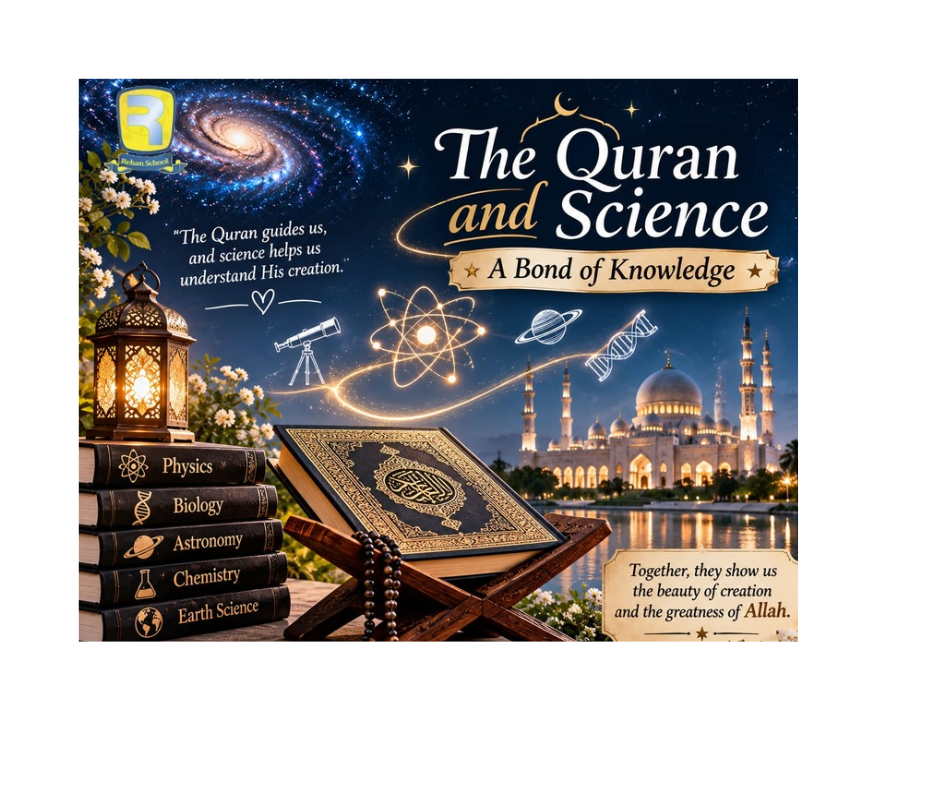
    The Holy Quran is a book of guidance for all humanity. It teaches us about life, kindness, wisdom, and the beautiful creations of Allah. It encourages us to think, learn, and explore the world around us.
    Paragraph 2:
    Science helps us understand the wonders of the universe. It teaches us about the sun, moon, stars, planets, oceans, animals, and human life. Every discovery reminds us how amazing and beautiful Allah's creation is.
    Paragraph 3:
    The Quran encourages people to observe nature and gain knowledge. By studying the world, we can learn many wonderful things about Allah's creation. Both religious knowledge and scientific learning can help us become wiser and more thoughtful.
    Paragraph 4:
    The Quran and science inspire us to seek knowledge and understand the world. We should always remain curious, ask questions, and continue learning. Knowledge is a blessing, and learning is a beautiful journey that never ends.
    قرآن پاک پوری انسانیت کے لیے ہدایت کی کتاب ہے۔ یہ ہمیں زندگی گزارنے، نیکی کرنے، حکمت اور اللہ تعالیٰ کی خوبصورت تخلیقات کے بارے میں سکھاتا ہے۔ قرآن ہمیں سوچنے، سیکھنے اور اپنے اردگرد کی دنیا پر غور کرنے کی ترغیب دیتا ہے۔
    پیراگراف 2:
    سائنس ہمیں کائنات کے عجائبات کو سمجھنے میں مدد دیتی ہے۔ سائنس کے ذریعے ہم سورج، چاند، ستاروں، سیاروں، سمندروں، جانوروں اور انسانی زندگی کے بارے میں جانتے ہیں۔ یہ تمام چیزیں ہمیں اللہ تعالیٰ کی قدرت اور عظمت یاد دلاتی ہیں۔
    پیراگراف 3:
    قرآن اور سائنس دونوں ہمیں علم حاصل کرنے اور کائنات پر غور کرنے کی ترغیب دیتے ہیں۔ ہمیں ہمیشہ نئی چیزیں سیکھنی چاہئیں، سوال پوچھنے چاہئیں اور علم کی تلاش جاری رکھنی چاہیے۔ علم اللہ تعالیٰ کی ایک عظیم نعمت ہے اور سیکھنے کا سفر کبھی ختم نہیں ہوتا۔ See less
    Accl Foundation Level (Rehan School Urdu Bazar Campus) Day : 76 Story post no : 12 Roll no : 17 Accl task Paragraph 1: The Holy Quran is a book of guidance for all humanity. It teaches us about life, kindness, wisdom, and the beautiful creations of Allah. It encourages us to think, learn, and explore the world around us. Paragraph 2: Science helps us understand the wonders of the universe. It teaches us about the sun, moon, stars, planets, oceans, animals, and human life. Every discovery reminds us how amazing and beautiful Allah's creation is. Paragraph 3: The Quran encourages people to observe nature and gain knowledge. By studying the world, we can learn many wonderful things about Allah's creation. Both religious knowledge and scientific learning can help us become wiser and more thoughtful. Paragraph 4: The Quran and science inspire us to seek knowledge and understand the world. We should always remain curious, ask questions, and continue learning. Knowledge is a blessing, and learning is a beautiful journey that never ends. 🌍📖✨ قرآن پاک پوری انسانیت کے لیے ہدایت کی کتاب ہے۔ یہ ہمیں زندگی گزارنے، نیکی کرنے، حکمت اور اللہ تعالیٰ کی خوبصورت تخلیقات کے بارے میں سکھاتا ہے۔ قرآن ہمیں سوچنے، سیکھنے اور اپنے اردگرد کی دنیا پر غور کرنے کی ترغیب دیتا ہے۔ پیراگراف 2: سائنس ہمیں کائنات کے عجائبات کو سمجھنے میں مدد دیتی ہے۔ سائنس کے ذریعے ہم سورج، چاند، ستاروں، سیاروں، سمندروں، جانوروں اور انسانی زندگی کے بارے میں جانتے ہیں۔ یہ تمام چیزیں ہمیں اللہ تعالیٰ کی قدرت اور عظمت یاد دلاتی ہیں۔ پیراگراف 3: قرآن اور سائنس دونوں ہمیں علم حاصل کرنے اور کائنات پر غور کرنے کی ترغیب دیتے ہیں۔ ہمیں ہمیشہ نئی چیزیں سیکھنی چاہئیں، سوال پوچھنے چاہئیں اور علم کی تلاش جاری رکھنی چاہیے۔ علم اللہ تعالیٰ کی ایک عظیم نعمت ہے اور سیکھنے کا سفر کبھی ختم نہیں ہوتا۔ 📖🌍✨ See less
    0 Commentaires 0 Parts 119 Vue
  • RSIF8
    ROLL NO:92
    STORY POST NO:53
    TOPIC: **The Secret Diary of a Time Traveler**

    Step into a world of mystery, adventure, and time travel! “The Secret Diary of a Time Traveler” takes us on an incredible journey through the past, present, and future. Discover hidden secrets, explore different eras, and imagine what it would be like to meet people from history or see the world of tomorrow. This exciting story celebrates imagination, curiosity, and the endless possibilities of time.

    **Explore the Past, Discover the Future, and Make Every Moment Count!**

    #TheSecretDiaryOfATimeTraveler #TimeTravel #Adventure #Imagination #Mystery #StoryPost #CreativeWriting #FutureAndPast #ExploreTheUnknown #EducationalContent
    RSIF8 ROLL NO:92 STORY POST NO:53 TOPIC:⏳ **The Secret Diary of a Time Traveler** 🚀📖 Step into a world of mystery, adventure, and time travel! “The Secret Diary of a Time Traveler” takes us on an incredible journey through the past, present, and future. Discover hidden secrets, explore different eras, and imagine what it would be like to meet people from history or see the world of tomorrow. This exciting story celebrates imagination, curiosity, and the endless possibilities of time. 🌍✨ 🕰️ **Explore the Past, Discover the Future, and Make Every Moment Count!** #TheSecretDiaryOfATimeTraveler #TimeTravel #Adventure #Imagination #Mystery #StoryPost #CreativeWriting #FutureAndPast #ExploreTheUnknown #EducationalContent
    0 Commentaires 0 Parts 126 Vue
  • Accl Foundation – Level
    Day 55 Story post
    Periodic Table: The Language of Science
    An Educational Story in English
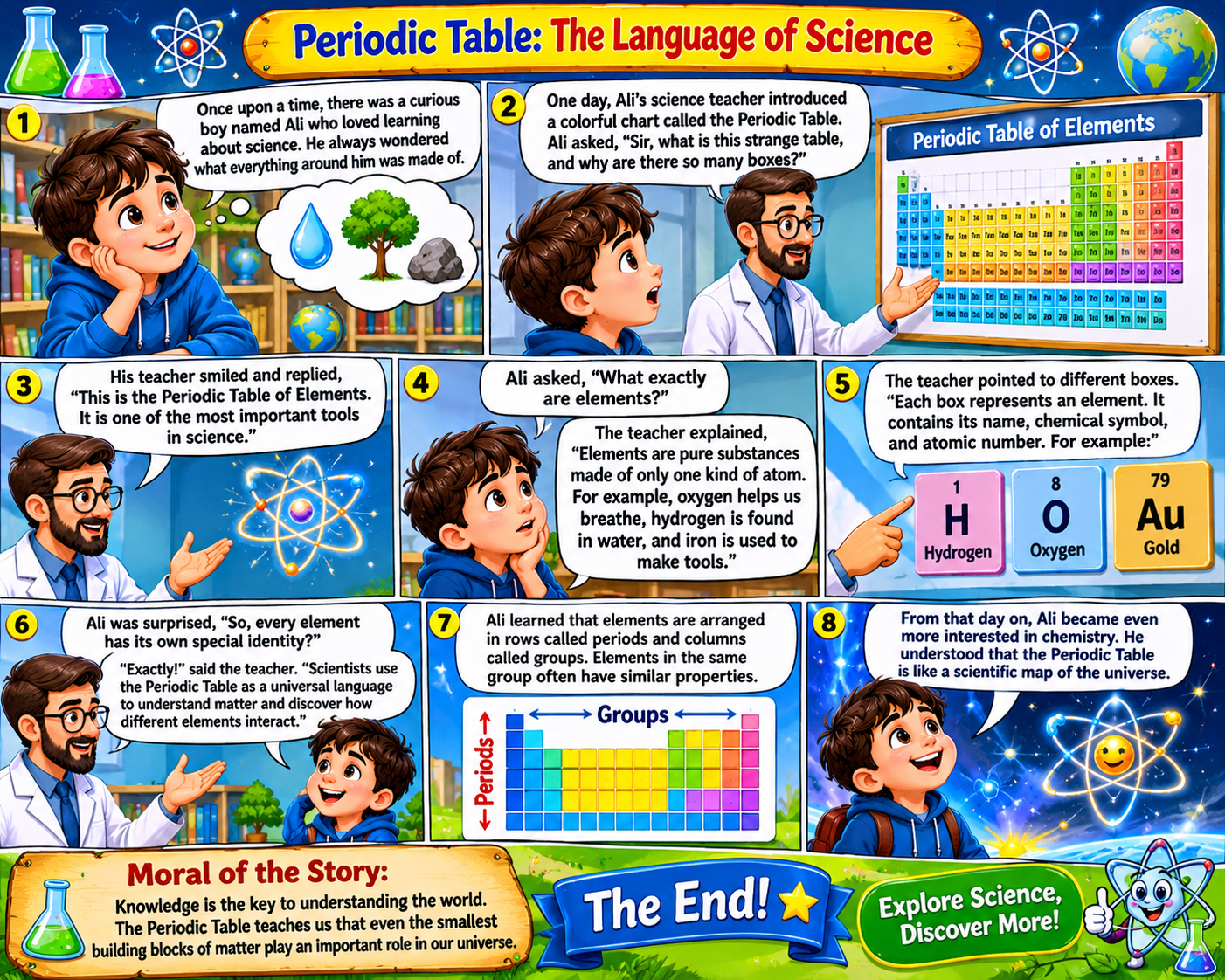
    Once upon a time, there was a curious boy named Ali who loved learning about science. He always wondered what everything around him was made of. From water and air to trees, rocks, and even the human body, he wanted to understand the secrets of nature.
    One day, Ali's science teacher introduced a colorful chart called the Periodic Table. Ali looked at it and asked, "Sir, what is this strange table, and why are there so many boxes?"
    His teacher smiled and replied, "This is the Periodic Table of Elements. It is one of the most important tools in science. It organizes all known chemical elements according to their atomic numbers and properties."
    Ali became excited and asked, "What exactly are elements?"
    The teacher explained, "Elements are pure substances made of only one kind of atom. For example, oxygen helps us breathe, hydrogen is found in water, and iron is used to make many tools and buildings."
    The teacher pointed to different boxes on the table. "Each box represents an element. It contains its name, chemical symbol, and atomic number. For example, H represents Hydrogen, O represents Oxygen, and Au represents Gold."
    Ali was surprised. "So, every element has its own special identity?"
    "Exactly!" said the teacher. "Scientists use the Periodic Table as a universal language to understand matter and discover how different elements interact with each other."
    Ali learned that elements are arranged in rows called periods and columns called groups. Elements in the same group often have similar chemical properties.
    As the lesson continued, Ali realized that the Periodic Table was more than just a chart. It was like a scientific map that helped people understand the building blocks of the universe.
    From that day on, Ali became even more interested in chemistry. He understood that science helps us explore the world and discover amazing things.
    ## Moral of the Story
    Knowledge is the key to understanding the world. The Periodic Table teaches us that even the smallest building blocks of matter play an important role in our universe.
    The End!
    Accl Foundation – Level Day 55 Story post 🧪 Periodic Table: The Language of Science 🔬 An Educational Story in English 🌍✨ Once upon a time, there was a curious boy named Ali who loved learning about science. He always wondered what everything around him was made of. From water and air to trees, rocks, and even the human body, he wanted to understand the secrets of nature. 🌳💧 One day, Ali's science teacher introduced a colorful chart called the Periodic Table. Ali looked at it and asked, "Sir, what is this strange table, and why are there so many boxes?" His teacher smiled and replied, "This is the Periodic Table of Elements. It is one of the most important tools in science. It organizes all known chemical elements according to their atomic numbers and properties." Ali became excited and asked, "What exactly are elements?" The teacher explained, "Elements are pure substances made of only one kind of atom. For example, oxygen helps us breathe, hydrogen is found in water, and iron is used to make many tools and buildings." The teacher pointed to different boxes on the table. "Each box represents an element. It contains its name, chemical symbol, and atomic number. For example, H represents Hydrogen, O represents Oxygen, and Au represents Gold." Ali was surprised. "So, every element has its own special identity?" "Exactly!" said the teacher. "Scientists use the Periodic Table as a universal language to understand matter and discover how different elements interact with each other." Ali learned that elements are arranged in rows called periods and columns called groups. Elements in the same group often have similar chemical properties. As the lesson continued, Ali realized that the Periodic Table was more than just a chart. It was like a scientific map that helped people understand the building blocks of the universe. 🌌 From that day on, Ali became even more interested in chemistry. He understood that science helps us explore the world and discover amazing things. ## 🌟 Moral of the Story Knowledge is the key to understanding the world. The Periodic Table teaches us that even the smallest building blocks of matter play an important role in our universe. 🧪🌍 The End! 📚✨
    0 Commentaires 0 Parts 143 Vue
  • ROLL#ROSA-441

    ACCL Task Day 112

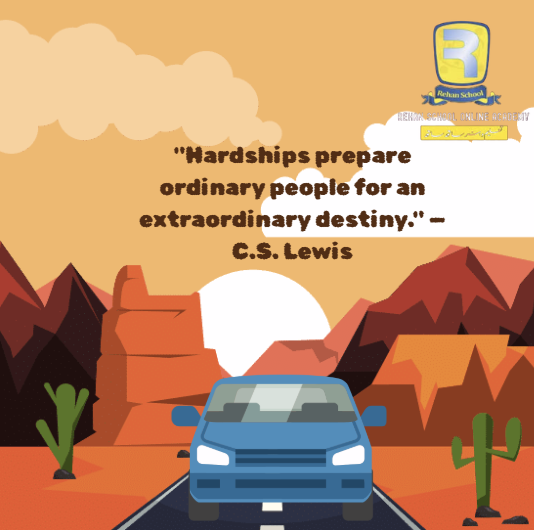
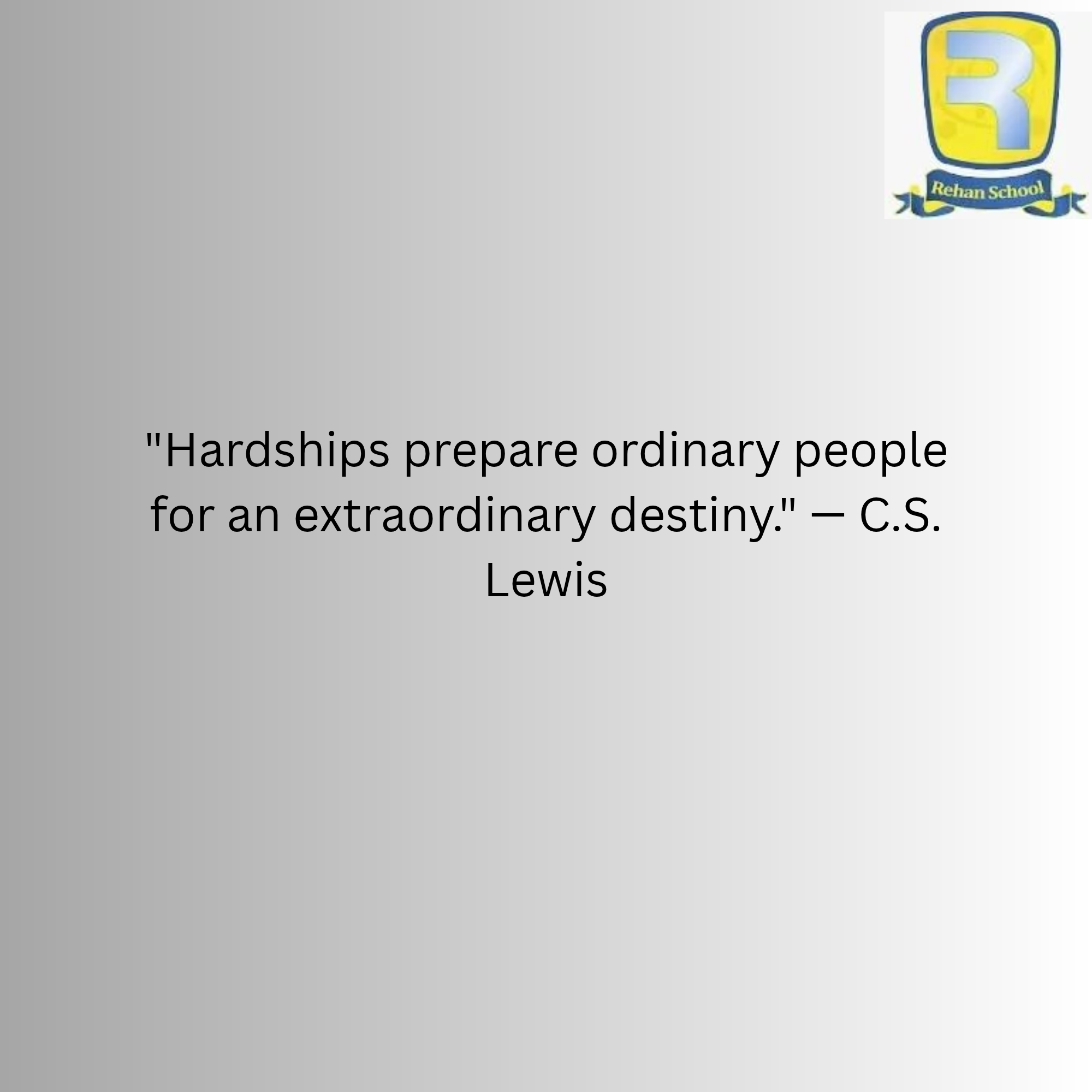
    Description : "Hardships prepare ordinary people for an extraordinary destiny." — C.S. Lewis.

    ‪‪ ‪‪‪‪‪ ‪‪Rehmat EmpowermentWala
    ‪‪‪‪‪ ‪‪‪‪‪ ‪‪Jana Šimoníková
    ‪‪‪‪‪‪‪‪ ‪‪‪‪‪ ‪‪Doulat EducationWala

    #ACCL #Day105 #CanvaPost #ItIsASurprise
    ROLL#ROSA-441 ACCL Task Day 112 Description : "Hardships prepare ordinary people for an extraordinary destiny." — C.S. Lewis. ‪‪ ‪‪‪‪‪ ‪‪[Rehmat_EmpowermentWala] ‪‪‪‪‪ ‪‪‪‪‪ ‪‪Jana Šimoníková ‪‪‪‪‪‪‪‪ ‪‪‪‪‪ ‪‪[doulateducationwala] #ACCL #Day105 #CanvaPost #ItIsASurprise
    0 Commentaires 0 Parts 270 Vue
  • Foundation leave
    day 111
    task create a story post
    topic The Evolution Paradox: Bridging Theories of Life with Divine Design
    # The Evolution Paradox: Bridging Theories of Life with Divine Design

    An Educational Story About Evolution, Science, Faith, and the Mystery of Life

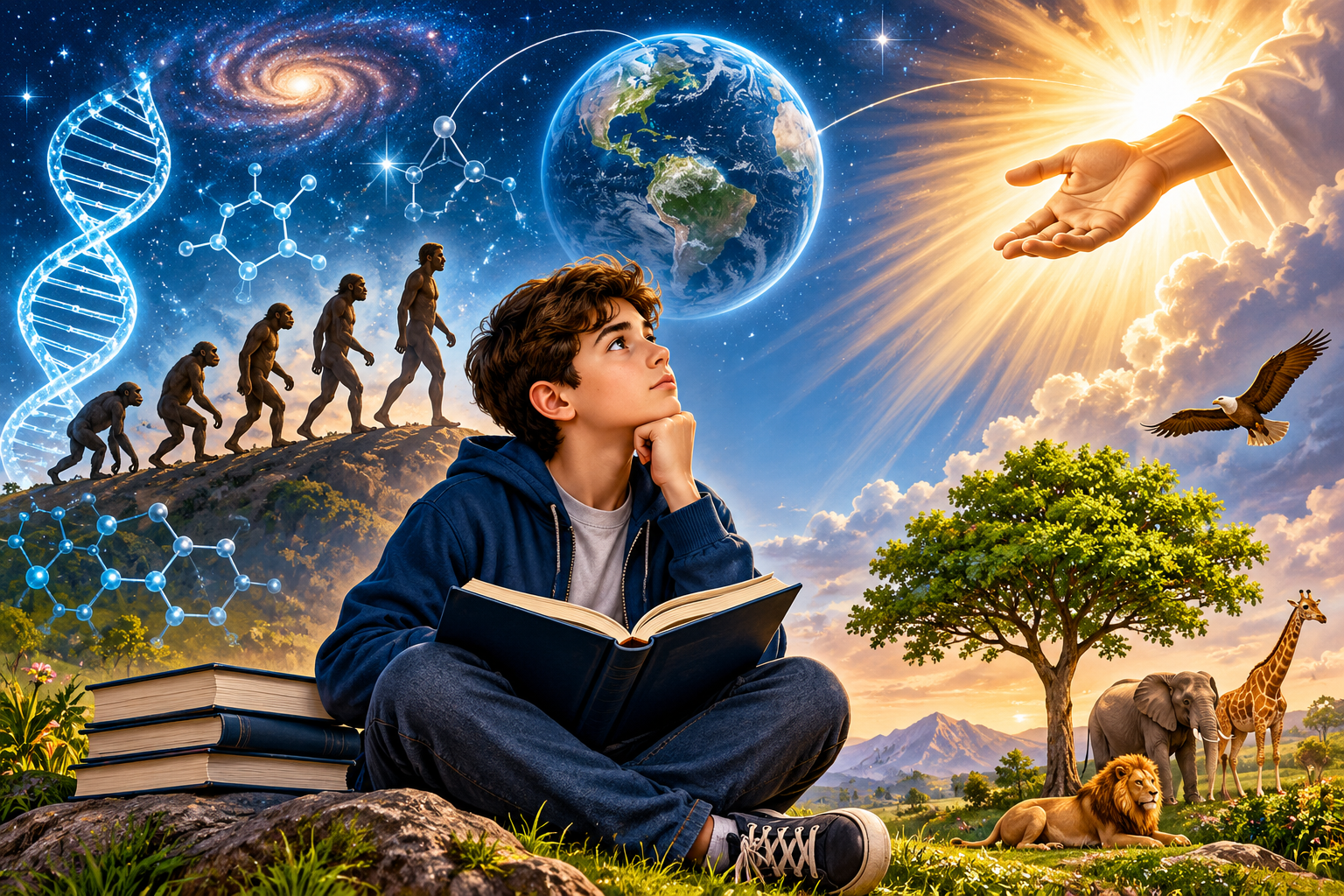
    Once upon a time, there was a curious young student named Adam who loved learning about science, nature, and the universe. One day, while reading a science book, he discovered the theory of evolution. He learned that living things change over many generations and that all life on Earth shares connections through ancient ancestors. This discovery made him wonder: "How did life begin, and why is our world so beautifully designed?"

    The next day, Adam discussed his questions with his science teacher. The teacher explained that evolution is a scientific theory that describes how living organisms change over generations through processes such as natural selection and genetic variation. Scientists study fossils, DNA, and living organisms to understand the history of life. Adam was amazed to learn how much information DNA contains and how it helps scientists understand relationships between different species.

    However, Adam also had questions about divine design. He asked, "Can science and belief in a Creator exist together?" His teacher explained that science investigates how the natural world works, while religious and philosophical beliefs explore deeper questions about purpose, meaning, and creation. People have different opinions about how evolution and divine design relate to each other. Some see them as conflicting explanations, while others believe that scientific processes can be part of a divine plan.

    Adam realized that asking questions was important. He understood that studying evolution did not mean ignoring faith, and discussing divine design did not mean ignoring scientific evidence. Both subjects encouraged him to think deeply about the mysteries of existence. He began reading more, listening to different viewpoints, and respecting people who had different beliefs.

    Finally, Adam shared his thoughts with his classmates. He said, "Life is full of mysteries, and learning helps us understand more about our world. Science teaches us to investigate, while philosophy and faith encourage us to explore questions of purpose and meaning. We should never stop asking questions or searching for knowledge."

    Moral of the Story: Knowledge grows when we remain curious, respect different perspectives, and explore life's mysteries with an open mind.

    Key Lessons:

    - Evolution explains how life changes over generations.
    - DNA provides important evidence about the history of life.
    - Science investigates the natural world through evidence.
    - Faith and philosophy explore questions of purpose and meaning.
    - Curiosity, respect, and critical thinking help us learn.

    The End.
    Foundation leave day 111 task create a story post topic The Evolution Paradox: Bridging Theories of Life with Divine Design # The Evolution Paradox: Bridging Theories of Life with Divine Design An Educational Story About Evolution, Science, Faith, and the Mystery of Life Once upon a time, there was a curious young student named Adam who loved learning about science, nature, and the universe. One day, while reading a science book, he discovered the theory of evolution. He learned that living things change over many generations and that all life on Earth shares connections through ancient ancestors. This discovery made him wonder: "How did life begin, and why is our world so beautifully designed?" The next day, Adam discussed his questions with his science teacher. The teacher explained that evolution is a scientific theory that describes how living organisms change over generations through processes such as natural selection and genetic variation. Scientists study fossils, DNA, and living organisms to understand the history of life. Adam was amazed to learn how much information DNA contains and how it helps scientists understand relationships between different species. However, Adam also had questions about divine design. He asked, "Can science and belief in a Creator exist together?" His teacher explained that science investigates how the natural world works, while religious and philosophical beliefs explore deeper questions about purpose, meaning, and creation. People have different opinions about how evolution and divine design relate to each other. Some see them as conflicting explanations, while others believe that scientific processes can be part of a divine plan. Adam realized that asking questions was important. He understood that studying evolution did not mean ignoring faith, and discussing divine design did not mean ignoring scientific evidence. Both subjects encouraged him to think deeply about the mysteries of existence. He began reading more, listening to different viewpoints, and respecting people who had different beliefs. Finally, Adam shared his thoughts with his classmates. He said, "Life is full of mysteries, and learning helps us understand more about our world. Science teaches us to investigate, while philosophy and faith encourage us to explore questions of purpose and meaning. We should never stop asking questions or searching for knowledge." Moral of the Story: Knowledge grows when we remain curious, respect different perspectives, and explore life's mysteries with an open mind. Key Lessons: - Evolution explains how life changes over generations. - DNA provides important evidence about the history of life. - Science investigates the natural world through evidence. - Faith and philosophy explore questions of purpose and meaning. - Curiosity, respect, and critical thinking help us learn. The End.
    0 Commentaires 0 Parts 340 Vue
  • Foundation leave
    day 113
    task create a canva post
    topic "Hardships prepare ordinary people for an extraordinary destiny." — C.S. Lewis
    Foundation leave day 113 task create a canva post topic "Hardships prepare ordinary people for an extraordinary destiny." — C.S. Lewis
    0 Commentaires 0 Parts 107 Vue
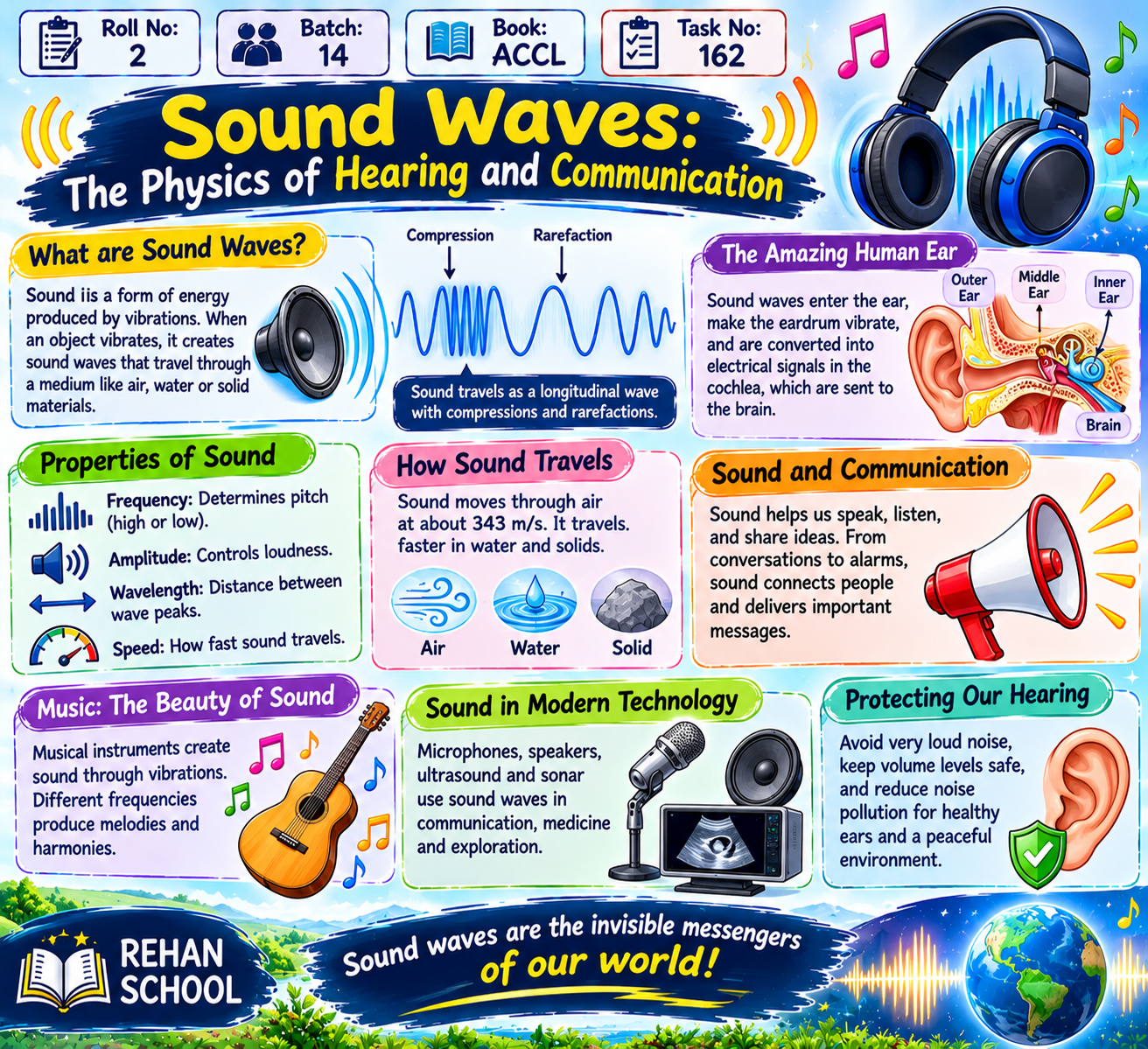
  • **Roll No: 2**
    **Batch: 14**
    **Book: ACCL**
    **Task No: 162**

    # Sound Waves: The Physics of Hearing and Communication

    Have you ever wondered how we hear music, recognize someone's voice, or communicate with people from a distance? Every sound we hear is connected to the fascinating science of physics. From a gentle whisper to a powerful thunderstorm, sound travels through vibrations and waves, allowing us to experience and understand the world around us.

    **Sound is a form of energy produced by vibrations.** When an object vibrates, it causes nearby particles in a medium, such as air, water, or a solid material, to vibrate as well. These vibrations travel from one place to another in the form of sound waves. Unlike light, sound cannot travel through a vacuum because it needs a material medium to carry its vibrations.

    ## How Sound Waves Travel

    Sound generally travels through air as a longitudinal wave. This means that air particles vibrate back and forth in the same direction as the wave travels. These movements create areas of compression, where particles are closer together, and rarefaction, where particles are farther apart. Together, these patterns carry sound energy through the medium.

    The speed of sound depends on the material through which it travels and the surrounding conditions. In air at room temperature, sound travels at approximately 343 metres per second. It generally travels faster through liquids and solids because of the properties of their particles. This explains why sound behaves differently in different environments.

    ## Important Properties of Sound

    Sound waves have several important properties that help us understand what we hear.

    - **Frequency:** The number of vibrations or cycles per second, measured in hertz (Hz). Frequency determines the pitch of a sound. Higher frequency usually means a higher-pitched sound, while lower frequency produces a deeper sound.
    - **Amplitude:** The size of a wave's vibration. Greater amplitude generally corresponds to a louder sound.
    - **Wavelength:** The distance between two corresponding points on a wave, such as two successive compressions.
    - **Speed:** The rate at which sound travels through a particular medium.

    These properties help explain why a bird's chirping sounds different from the deep rumble of thunder.

    ## The Amazing Science of Human Hearing

    The human ear is a remarkable organ that allows us to detect and interpret sound. It has three main parts: the outer ear, middle ear, and inner ear. Each part performs an important function in the hearing process.

    The outer ear collects sound waves and directs them into the ear canal. They reach the eardrum, causing it to vibrate. These vibrations pass through three tiny bones in the middle ear, known as the hammer, anvil, and stirrup. The vibrations then reach the cochlea in the inner ear, where specialized sensory cells convert them into electrical signals.

    These signals travel through the auditory nerve to the brain, which processes them and allows us to recognize voices, music, and other sounds.

    ## Sound and Human Communication

    Sound is one of the most important tools of human communication. Through speech, people share information, express emotions, tell stories, and build relationships. Different languages use different combinations of sounds to create words and meanings.

    Communication is not limited to spoken words. Music, alarms, bells, and other signals also carry information. For example, a school bell tells students when a class begins or ends, while emergency sirens warn people about possible dangers. Sound helps societies exchange information quickly and effectively.

    ## Music: The Beauty of Sound

    Music demonstrates the creative side of sound physics. Musical instruments produce vibrations in different ways. A guitar creates sound through vibrating strings, a flute produces sound through vibrating air, and a drum produces sound through a vibrating surface.

    Different frequencies combine to create melodies and harmonies. The quality or tone of a sound, called timbre, helps us distinguish one instrument from another even when they play the same musical note. This connection between physics and music shows how scientific principles can create beautiful artistic experiences.

    ## Sound in Modern Technology

    The science of sound has transformed communication and technology. Microphones convert sound waves into electrical signals, while speakers convert electrical signals back into sound. These devices make telephones, computers, televisions, and recording systems possible.

    Ultrasound technology uses sound waves with frequencies higher than the human hearing range. It is widely used in medical imaging to help doctors observe structures inside the body. Sonar systems use sound waves to detect objects underwater and estimate their distance. These applications show that sound is important not only for communication but also for science, medicine, and exploration.

    ## Protecting Our Hearing

    Although sound is useful, excessively loud noise can damage hearing. Continuous exposure to high sound levels may harm the sensitive structures inside the ears. Therefore, it is important to keep headphone volumes at safe levels, take listening breaks, and use suitable hearing protection in noisy environments.

    Noise pollution is another environmental concern. Traffic, construction, factories, and loud machinery can disturb people and wildlife. Reducing unnecessary noise helps create healthier and more peaceful surroundings.

    ## Learning Through Observation

    We can explore sound waves through simple and safe activities. For example, gently plucking a rubber band stretched around a box allows us to observe how vibrations produce sound. We can also compare the sounds of different musical instruments and notice how their pitch and tone vary.

    These observations help students connect scientific theories with everyday experiences. By asking questions, testing ideas, and recording observations, we develop a deeper understanding of the physics behind hearing and communication.

    Sound is much more than something we hear. It is a physical phenomenon that connects science, technology, music, nature, and human interaction. Every conversation, musical note, and natural sound demonstrates the remarkable journey of vibrations through the world around us.

    **Sound waves are the invisible messengers of our world. By understanding how they travel, how our ears detect them, and how technology uses them, we discover the powerful connection between physics, hearing, and communication. **

    #SoundWaves #PhysicsOfSound #Hearing #Communication #Acoustics #Science #HumanEar #SoundTechnology #ACCL #Batch14 #Task162
    **Roll No: 2** **Batch: 14** **Book: ACCL** **Task No: 162** # 🔊🎵 Sound Waves: The Physics of Hearing and Communication 👂🌍 Have you ever wondered how we hear music, recognize someone's voice, or communicate with people from a distance? 🎶📢 Every sound we hear is connected to the fascinating science of physics. From a gentle whisper to a powerful thunderstorm, sound travels through vibrations and waves, allowing us to experience and understand the world around us. 🌎✨ **Sound is a form of energy produced by vibrations.** 🔬 When an object vibrates, it causes nearby particles in a medium, such as air, water, or a solid material, to vibrate as well. These vibrations travel from one place to another in the form of sound waves. Unlike light, sound cannot travel through a vacuum because it needs a material medium to carry its vibrations. ## 🌊 How Sound Waves Travel Sound generally travels through air as a longitudinal wave. This means that air particles vibrate back and forth in the same direction as the wave travels. These movements create areas of compression, where particles are closer together, and rarefaction, where particles are farther apart. Together, these patterns carry sound energy through the medium. 🌬️ The speed of sound depends on the material through which it travels and the surrounding conditions. In air at room temperature, sound travels at approximately 343 metres per second. It generally travels faster through liquids and solids because of the properties of their particles. This explains why sound behaves differently in different environments. 💧🪨 ## 📏 Important Properties of Sound Sound waves have several important properties that help us understand what we hear. - **Frequency:** The number of vibrations or cycles per second, measured in hertz (Hz). Frequency determines the pitch of a sound. Higher frequency usually means a higher-pitched sound, while lower frequency produces a deeper sound. - **Amplitude:** The size of a wave's vibration. Greater amplitude generally corresponds to a louder sound. - **Wavelength:** The distance between two corresponding points on a wave, such as two successive compressions. - **Speed:** The rate at which sound travels through a particular medium. These properties help explain why a bird's chirping sounds different from the deep rumble of thunder. 🐦⛈️ ## 👂 The Amazing Science of Human Hearing The human ear is a remarkable organ that allows us to detect and interpret sound. It has three main parts: the outer ear, middle ear, and inner ear. Each part performs an important function in the hearing process. 🦻 The outer ear collects sound waves and directs them into the ear canal. They reach the eardrum, causing it to vibrate. These vibrations pass through three tiny bones in the middle ear, known as the hammer, anvil, and stirrup. The vibrations then reach the cochlea in the inner ear, where specialized sensory cells convert them into electrical signals. These signals travel through the auditory nerve to the brain, which processes them and allows us to recognize voices, music, and other sounds. 🧠💡 ## 🗣️ Sound and Human Communication Sound is one of the most important tools of human communication. Through speech, people share information, express emotions, tell stories, and build relationships. Different languages use different combinations of sounds to create words and meanings. 🗨️🌍 Communication is not limited to spoken words. Music, alarms, bells, and other signals also carry information. For example, a school bell tells students when a class begins or ends, while emergency sirens warn people about possible dangers. Sound helps societies exchange information quickly and effectively. 🚨🔔 ## 🎶 Music: The Beauty of Sound Music demonstrates the creative side of sound physics. Musical instruments produce vibrations in different ways. A guitar creates sound through vibrating strings, a flute produces sound through vibrating air, and a drum produces sound through a vibrating surface. 🎸🥁 Different frequencies combine to create melodies and harmonies. The quality or tone of a sound, called timbre, helps us distinguish one instrument from another even when they play the same musical note. This connection between physics and music shows how scientific principles can create beautiful artistic experiences. 🎼✨ ## 📡 Sound in Modern Technology The science of sound has transformed communication and technology. Microphones convert sound waves into electrical signals, while speakers convert electrical signals back into sound. These devices make telephones, computers, televisions, and recording systems possible. 📱💻 Ultrasound technology uses sound waves with frequencies higher than the human hearing range. It is widely used in medical imaging to help doctors observe structures inside the body. Sonar systems use sound waves to detect objects underwater and estimate their distance. These applications show that sound is important not only for communication but also for science, medicine, and exploration. 🏥🚢 ## 🌍 Protecting Our Hearing Although sound is useful, excessively loud noise can damage hearing. Continuous exposure to high sound levels may harm the sensitive structures inside the ears. Therefore, it is important to keep headphone volumes at safe levels, take listening breaks, and use suitable hearing protection in noisy environments. 💚👂 Noise pollution is another environmental concern. Traffic, construction, factories, and loud machinery can disturb people and wildlife. Reducing unnecessary noise helps create healthier and more peaceful surroundings. 🌳🏡 ## 🧪 Learning Through Observation We can explore sound waves through simple and safe activities. For example, gently plucking a rubber band stretched around a box allows us to observe how vibrations produce sound. We can also compare the sounds of different musical instruments and notice how their pitch and tone vary. These observations help students connect scientific theories with everyday experiences. By asking questions, testing ideas, and recording observations, we develop a deeper understanding of the physics behind hearing and communication. 🔍📚 Sound is much more than something we hear. It is a physical phenomenon that connects science, technology, music, nature, and human interaction. Every conversation, musical note, and natural sound demonstrates the remarkable journey of vibrations through the world around us. 🌎🔊 **Sound waves are the invisible messengers of our world. By understanding how they travel, how our ears detect them, and how technology uses them, we discover the powerful connection between physics, hearing, and communication. 🎵👂🔬💚** #SoundWaves #PhysicsOfSound #Hearing #Communication #Acoustics #Science #HumanEar #SoundTechnology #ACCL #Batch14 #Task162 🔊🎶🌍

    0 Commentaires 0 Parts 631 Vue
Plus de résultats