• Who wants to be mentioned in my new book about facebook friendship, and are from these countries ?

    Hungary

    Judit

    Kenya

    Tanzania

    United States

    United Kingdom

    Canada

    New Zealand

    Australia

    Madagascar

    Singapore

    Malaysia

    Poland

    Germany

    Sweden

    Norway

    Finland

    Estonia

    Iceland

    Brazil

    Argentina

    Spain

    Pakistan

    Palestine

    Israel

    Egypt

    Morocco

    Algeria

    Philippines

    Indonesia
    Who wants to be mentioned in my new book about facebook friendship, and are from these countries ? Hungary Judit Kenya Tanzania United States United Kingdom Canada New Zealand Australia Madagascar Singapore Malaysia Poland Germany Sweden Norway Finland Estonia Iceland Brazil Argentina Spain Pakistan Palestine Israel Egypt Morocco Algeria Philippines Indonesia
    0 Комментарии 0 Поделились 4008 Просмотры
  • Hello Poland
    Hello Poland
    0 Комментарии 0 Поделились 181 Просмотры
  • Warsaw poland live
    Warsaw poland live
    0 Комментарии 0 Поделились 210 Просмотры
  • Philipines Visa On Arrival

    All these country citizens can go to Philipines without a visa, and get visa on arrival

    Andorra Angola Antigua and Barbuda
    Argentina Australia Austria
    Bahamas Bahrain Barbados
    Belgium Belize Benin
    Bhutan Bolivia Botswana
    Brazil* Brunei Darussalam Bulgaria
    Burkina Faso Burundi Cambodia
    Cameroon Canada Cape Verde
    Central African Republic Chad Chile
    Colombia Comoros Congo
    Congo, Democratic Republic Costa Rica Cote d’Ivoire
    Croatia Cyprus Czech Republic
    Denmark Djibouti Dominica
    Dominican Republic Ecuador El Salvador
    Equatorial Guinea Eritrea Estonia
    Ethiopia Fiji Finland
    France Gabon Gambia
    Germany Ghana Greece
    Grenada Guatemala Guinea
    Guinea Bissau Guyana Haiti
    Honduras Hungary Iceland
    Indonesia Ireland Israel*
    Italy Jamaica Japan
    Kazakhstan Kenya Kiribati
    Korea (ROK) Kuwait Kyrgyzstan
    Laos Latvia Lesotho
    Liberia Liechtenstein Lithuania
    Luxembourg Madagascar Malawi
    Malaysia Maldives Mali
    Malta Marshall Islands Mauritania
    Mauritius Mexico Micronesia
    Monaco Mongolia Morocco
    Mozambique Myanmar Namibia
    Nepal Netherlands New Zealand
    Nicaragua Niger Norway
    Oman Palau Panama
    Papua New Guinea Paraguay Peru
    Poland Portugal Qatar
    Romania Rwanda Russia
    Saint Kitts and Nevis Saint Lucia Saint Vincent and the Grenadines
    Samoa San Marino Sao Tome and Principe
    Saudi Arabia Senegal Seychelles
    Singapore Slovak Republic Slovenia
    Solomon Islands South Africa Spain
    Suriname Swaziland Sweden
    Switzerland Tajikistan Tanzania
    Thailand Togo Trinidad and Tobago
    Tunisia Turkey Turkmenistan
    Tuvalu Uganda United Arab Emirates
    United Kingdom of Great Britain and Northern Ireland (UK) United States of America (USA) Uruguay
    Uzbekistan Vanuatu Vatican
    Venezuela Vietnam Zambia
    Zimbabwe
    Philipines Visa On Arrival All these country citizens can go to Philipines without a visa, and get visa on arrival Andorra Angola Antigua and Barbuda Argentina Australia Austria Bahamas Bahrain Barbados Belgium Belize Benin Bhutan Bolivia Botswana Brazil* Brunei Darussalam Bulgaria Burkina Faso Burundi Cambodia Cameroon Canada Cape Verde Central African Republic Chad Chile Colombia Comoros Congo Congo, Democratic Republic Costa Rica Cote d’Ivoire Croatia Cyprus Czech Republic Denmark Djibouti Dominica Dominican Republic Ecuador El Salvador Equatorial Guinea Eritrea Estonia Ethiopia Fiji Finland France Gabon Gambia Germany Ghana Greece Grenada Guatemala Guinea Guinea Bissau Guyana Haiti Honduras Hungary Iceland Indonesia Ireland Israel* Italy Jamaica Japan Kazakhstan Kenya Kiribati Korea (ROK) Kuwait Kyrgyzstan Laos Latvia Lesotho Liberia Liechtenstein Lithuania Luxembourg Madagascar Malawi Malaysia Maldives Mali Malta Marshall Islands Mauritania Mauritius Mexico Micronesia Monaco Mongolia Morocco Mozambique Myanmar Namibia Nepal Netherlands New Zealand Nicaragua Niger Norway Oman Palau Panama Papua New Guinea Paraguay Peru Poland Portugal Qatar Romania Rwanda Russia Saint Kitts and Nevis Saint Lucia Saint Vincent and the Grenadines Samoa San Marino Sao Tome and Principe Saudi Arabia Senegal Seychelles Singapore Slovak Republic Slovenia Solomon Islands South Africa Spain Suriname Swaziland Sweden Switzerland Tajikistan Tanzania Thailand Togo Trinidad and Tobago Tunisia Turkey Turkmenistan Tuvalu Uganda United Arab Emirates United Kingdom of Great Britain and Northern Ireland (UK) United States of America (USA) Uruguay Uzbekistan Vanuatu Vatican Venezuela Vietnam Zambia Zimbabwe
    0 Комментарии 0 Поделились 7197 Просмотры
  • Worlds biggest economies in 2028, projected by IMF:

    China: $43.89 trillion
    United States: $32.69 trillion
    India: $19.65 trillion
    Japan: $7.38 trillion
    Germany: $6.55 trillion
    Indonesia: $6.17 trillion
    Russia: $5.85 trillion
    Brazil: $4.96 trillion
    Turkey: $4.66 trillion
    United Kingdom: $4.62 trillion
    France: $4.61 trillion
    Mexico: $3.97 trillion
    Italy: $3.69 trillion
    South Korea: $3.60 trillion
    Saudi Arabia: $2.95 trillion
    Spain: $2.91 trillion
    Canada: $2.87 trillion
    Bangladesh: $2.29 trillion
    Poland: $2.19 trillion
    Vietnam: $2.18 trillion
    Pakistan: $2.12 trillion

    Via Imran Jattala
    World's biggest economies in 2028, projected by IMF: 🇨🇳 China: $43.89 trillion 🇺🇸 United States: $32.69 trillion 🇮🇳 India: $19.65 trillion 🇯🇵 Japan: $7.38 trillion 🇩🇪 Germany: $6.55 trillion 🇮🇩 Indonesia: $6.17 trillion 🇷🇺 Russia: $5.85 trillion 🇧🇷 Brazil: $4.96 trillion 🇹🇷 Turkey: $4.66 trillion 🇬🇧 United Kingdom: $4.62 trillion 🇫🇷 France: $4.61 trillion 🇲🇽 Mexico: $3.97 trillion 🇮🇹 Italy: $3.69 trillion 🇰🇷 South Korea: $3.60 trillion 🇸🇦 Saudi Arabia: $2.95 trillion 🇪🇸 Spain: $2.91 trillion 🇨🇦 Canada: $2.87 trillion 🇧🇩 Bangladesh: $2.29 trillion 🇵🇱 Poland: $2.19 trillion 🇻🇳 Vietnam: $2.18 trillion 🇵🇰 Pakistan: $2.12 trillion Via Imran Jattala
    0 Комментарии 0 Поделились 997 Просмотры
  • The Austro-Hungarian Empire was a dual monarchy that existed from 1867 to 1918, emerging as a political solution to internal tensions within the Austrian Empire and among its diverse ethnic groups. It played a significant role in European geopolitics until its collapse at the end of World War I.

    Formation:

    1. Predecessor: Austrian Empire (1804–1867)
    • The Austrian Empire was established in 1804 by the House of Habsburg, covering a vast and ethnically diverse territory including modern Austria, Hungary, the Czech Republic, Slovakia, parts of Poland, Romania, Italy, and the Balkans.
    • The 1848 revolutions across Europe brought demands for independence and autonomy from Hungary and other ethnic groups under Habsburg rule.
    2. Austro-Hungarian Compromise of 1867 (Ausgleich)
    • After Austria’s defeat in the Austro-Prussian War (1866), its influence in Germany declined, prompting the Habsburg monarchy to refocus on stabilizing its internal issues.
    • The Compromise of 1867 established a dual monarchy where the Austrian Empire and the Kingdom of Hungary became two separate, equal states united under Emperor Franz Joseph I, who served as both Emperor of Austria and King of Hungary.
    • The two entities shared certain institutions, like foreign policy, military, and finance, but had separate parliaments and governance for internal affairs.

    What It Was About:

    1. Structure: Dual Monarchy
    • The empire was divided into two main regions:
    • Cisleithania (Austria): Included modern Austria, the Czech Republic, and other territories.
    • Transleithania (Hungary): Included modern Hungary, Slovakia, and parts of Croatia, Serbia, and Romania.
    • Bosnia and Herzegovina were administered jointly after 1878.
    2. Diversity
    • The empire was a multi-ethnic state with Germans, Hungarians, Czechs, Slovaks, Poles, Ukrainians, Romanians, Croats, Serbs, Slovenes, Italians, and Jews.
    • Ethnic tensions were a persistent challenge as many groups sought greater autonomy or independence.
    3. Economy and Culture
    • The empire was an industrializing force in Central Europe, with significant infrastructure development, urbanization, and cultural achievements.
    • It became a center of innovation, arts, and literature, with Vienna and Budapest as cultural hubs.
    4. Challenges
    • Persistent ethnic nationalism and unequal representation in governance caused tensions.
    • The dual monarchy’s structure failed to address the aspirations of many smaller ethnic groups.

    Decline and Fall:

    1. World War I (1914–1918)
    • The empire’s involvement in World War I began after the assassination of Archduke Franz Ferdinand in Sarajevo in 1914, which led to the war.
    • The war drained its resources and further strained relations among its ethnic groups.
    2. End of the Empire (1918)
    • As the war ended, the empire disintegrated due to internal revolts and external pressure.
    • In 1918, Emperor Karl I renounced his participation in state affairs, effectively dissolving the monarchy.
    3. Post-Empire
    • The empire’s territories were divided among newly formed or expanded states, including Austria, Hungary, Czechoslovakia, Yugoslavia, and others, as per the Treaty of Saint-Germain (1919) and Treaty of Trianon (1920).

    Key Dates:

    • 1867: Formation of Austro-Hungarian Empire.
    • 1914: Start of World War I.
    • 1918: Collapse of the empire.

    The Austro-Hungarian Empire is remembered as both a powerful and deeply flawed entity, symbolizing the challenges of governing a multi-ethnic state in a period of rising nationalism.

    The Austro-Hungarian Empire was a dual monarchy that existed from 1867 to 1918, emerging as a political solution to internal tensions within the Austrian Empire and among its diverse ethnic groups. It played a significant role in European geopolitics until its collapse at the end of World War I. Formation: 1. Predecessor: Austrian Empire (1804–1867) • The Austrian Empire was established in 1804 by the House of Habsburg, covering a vast and ethnically diverse territory including modern Austria, Hungary, the Czech Republic, Slovakia, parts of Poland, Romania, Italy, and the Balkans. • The 1848 revolutions across Europe brought demands for independence and autonomy from Hungary and other ethnic groups under Habsburg rule. 2. Austro-Hungarian Compromise of 1867 (Ausgleich) • After Austria’s defeat in the Austro-Prussian War (1866), its influence in Germany declined, prompting the Habsburg monarchy to refocus on stabilizing its internal issues. • The Compromise of 1867 established a dual monarchy where the Austrian Empire and the Kingdom of Hungary became two separate, equal states united under Emperor Franz Joseph I, who served as both Emperor of Austria and King of Hungary. • The two entities shared certain institutions, like foreign policy, military, and finance, but had separate parliaments and governance for internal affairs. What It Was About: 1. Structure: Dual Monarchy • The empire was divided into two main regions: • Cisleithania (Austria): Included modern Austria, the Czech Republic, and other territories. • Transleithania (Hungary): Included modern Hungary, Slovakia, and parts of Croatia, Serbia, and Romania. • Bosnia and Herzegovina were administered jointly after 1878. 2. Diversity • The empire was a multi-ethnic state with Germans, Hungarians, Czechs, Slovaks, Poles, Ukrainians, Romanians, Croats, Serbs, Slovenes, Italians, and Jews. • Ethnic tensions were a persistent challenge as many groups sought greater autonomy or independence. 3. Economy and Culture • The empire was an industrializing force in Central Europe, with significant infrastructure development, urbanization, and cultural achievements. • It became a center of innovation, arts, and literature, with Vienna and Budapest as cultural hubs. 4. Challenges • Persistent ethnic nationalism and unequal representation in governance caused tensions. • The dual monarchy’s structure failed to address the aspirations of many smaller ethnic groups. Decline and Fall: 1. World War I (1914–1918) • The empire’s involvement in World War I began after the assassination of Archduke Franz Ferdinand in Sarajevo in 1914, which led to the war. • The war drained its resources and further strained relations among its ethnic groups. 2. End of the Empire (1918) • As the war ended, the empire disintegrated due to internal revolts and external pressure. • In 1918, Emperor Karl I renounced his participation in state affairs, effectively dissolving the monarchy. 3. Post-Empire • The empire’s territories were divided among newly formed or expanded states, including Austria, Hungary, Czechoslovakia, Yugoslavia, and others, as per the Treaty of Saint-Germain (1919) and Treaty of Trianon (1920). Key Dates: • 1867: Formation of Austro-Hungarian Empire. • 1914: Start of World War I. • 1918: Collapse of the empire. The Austro-Hungarian Empire is remembered as both a powerful and deeply flawed entity, symbolizing the challenges of governing a multi-ethnic state in a period of rising nationalism.

    0 Комментарии 0 Поделились 3123 Просмотры
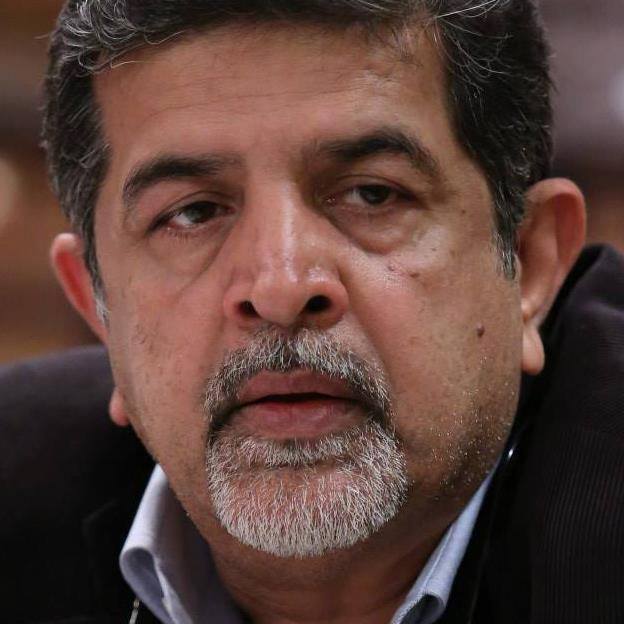
  • Meet Hubert Gorczyca from Poland living in Norway who will come to Pakistan soon !

    Make him your friend and interview him !
    Meet Hubert Gorczyca from Poland living in Norway 🇳🇴 who will come to Pakistan soon ! Make him your friend and interview him !
    0 Комментарии 0 Поделились 60 Просмотры 0
  • This is a true story that had happened in 1892 at Stanford University. Its moral is still relevant today.

    A young, 18 year old student was struggling to pay his fees. He
    was an orphan, and not knowing where to turn for money, he came up with a bright idea. A friend and he decided to host a musical concert
    on campus to raise money for their education.

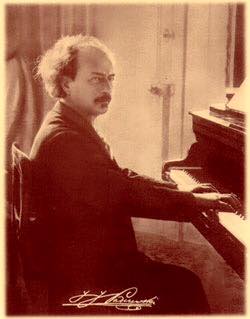
    They reached out to the great pianist Ignacy J. Paderewski. His manager demanded a guaranteed fee of $2,000 for the piano
    recital. A deal was struck. And the boys began to work to make the concert a success.

    The big day arrived. Paderewski performed at Stanford.

    But unfortunately, they had not managed to sell enough tickets. The total collection was only $1,600. Disappointed, they went to Paderewski and explained their plight. They gave him the entire $1,600, plus a cheque for the balance of $400. They promised to honour the cheque soonest possible.

    "No" said Paderewski. "This is not acceptable" He tore up the cheque,
    returned the $1,600 and told the boys "Heres the $1,600.

    Please deduct whatever expenses you have incurred. Keep the money you need for your fees. And just give me whatever is left" The boys were surprised, and thanked him profusely.

    It was a small act of kindness. But it clearly marked out Paderewski as a great human being. Why should he help two people he did not even know? We all come across situations like these in our lives.

    And most of us only think "If I help them, what would happen to
    me?"

    The truly great people think, "If I dont help them, what will happen to them?" They dont do it expecting something in return.

    They do it because they feel its the right thing to do.

    Paderewski later went on to become the Prime Minister of Poland. He was a great leader, but unfortunately when the World War began, Poland was ravaged. There were over 1.5 million people starving in his country, and no money to feed them.

    Paderewski did not know where to turn for help. He reached out to the US Food and Relief Administration for help.

    The head was a man called Herbert Hoover - who later went on to
    become the US President. Hoover agreed to help and quickly shipped tons of food grains to fee the starving Polish people.A calamity was averted.

    Paderewski was relieved. He decided to
    go across to meet Hoover and personally thank him. When Paderewski began to thank Hoover for his noble gesture, Hoover quickly interjected and said, "You shouldnt
    be thanking me, Mr. Prime Minister. You may not remember this, but several years ago, you helped two young students go through
    college in the US. I was one of them."

    The world is a wonderful place. What goes around usually comes around...

    Shared via Sultan Arfeen
    This is a true story that had happened in 1892 at Stanford University. It's moral is still relevant today. A young, 18 year old student was struggling to pay his fees. He was an orphan, and not knowing where to turn for money, he came up with a bright idea. A friend and he decided to host a musical concert on campus to raise money for their education. They reached out to the great pianist Ignacy J. Paderewski. His manager demanded a guaranteed fee of $2,000 for the piano recital. A deal was struck. And the boys began to work to make the concert a success. The big day arrived. Paderewski performed at Stanford. But unfortunately, they had not managed to sell enough tickets. The total collection was only $1,600. Disappointed, they went to Paderewski and explained their plight. They gave him the entire $1,600, plus a cheque for the balance of $400. They promised to honour the cheque soonest possible. "No" said Paderewski. "This is not acceptable" He tore up the cheque, returned the $1,600 and told the boys "Here's the $1,600. Please deduct whatever expenses you have incurred. Keep the money you need for your fees. And just give me whatever is left" The boys were surprised, and thanked him profusely. It was a small act of kindness. But it clearly marked out Paderewski as a great human being. Why should he help two people he did not even know? We all come across situations like these in our lives. And most of us only think "If I help them, what would happen to me?" The truly great people think, "If I don't help them, what will happen to them?" They don't do it expecting something in return. They do it because they feel it's the right thing to do. Paderewski later went on to become the Prime Minister of Poland. He was a great leader, but unfortunately when the World War began, Poland was ravaged. There were over 1.5 million people starving in his country, and no money to feed them. Paderewski did not know where to turn for help. He reached out to the US Food and Relief Administration for help. The head was a man called Herbert Hoover - who later went on to become the US President. Hoover agreed to help and quickly shipped tons of food grains to fee the starving Polish people.A calamity was averted. Paderewski was relieved. He decided to go across to meet Hoover and personally thank him. When Paderewski began to thank Hoover for his noble gesture, Hoover quickly interjected and said, "You shouldn't be thanking me, Mr. Prime Minister. You may not remember this, but several years ago, you helped two young students go through college in the US. I was one of them." The world is a wonderful place. What goes around usually comes around... Shared via Sultan Arfeen
    0 Комментарии 0 Поделились 100 Просмотры
  • My Friend Masood Naqi is in jeans business in Karachi, and is going to go to a business excursion trip to Poland, Czech republic, Hungary,
    Romania, Bulgaria etc etc

    If you know any people from these places, Please do introduce them to me and to him :)
    My Friend Masood Naqi is in jeans business in Karachi, and is going to go to a business excursion trip to Poland, Czech republic, Hungary, Romania, Bulgaria etc etc If you know any people from these places, Please do introduce them to me and to him :)
    0 Комментарии 0 Поделились 58 Просмотры
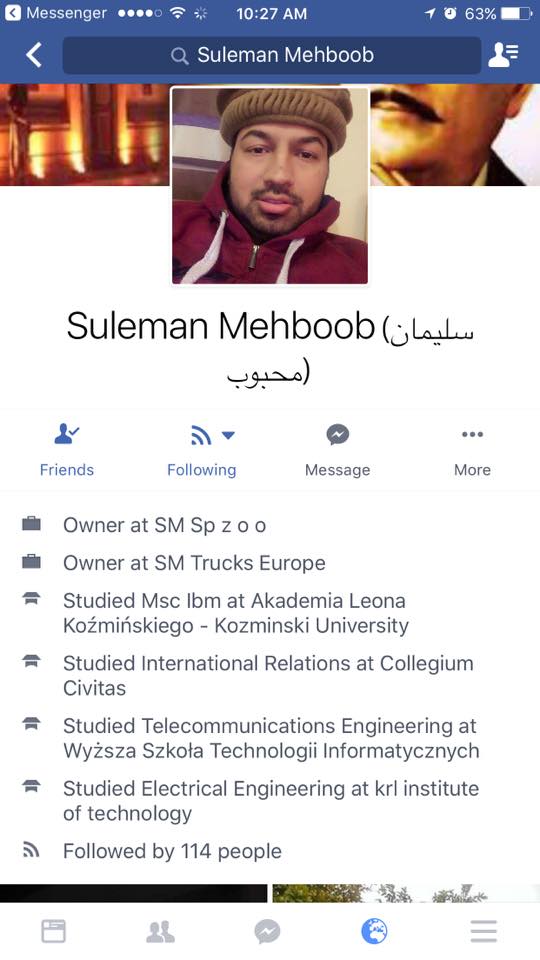
  • Are you in Warsaw, Poland and want to meetup ? 1230 afternoon today Suleman Mehboob has arranged a lunch meetup !

    You are welcome to join !

    Inbox him or ask him here for details
    Are you in Warsaw, Poland and want to meetup ? 1230 afternoon today Suleman Mehboob has arranged a lunch meetup ! You are welcome to join ! Inbox him or ask him here for details
    0 Комментарии 0 Поделились 108 Просмотры
Расширенные страницы