#rsisb
Roll no 279
song no 12
foundation level
# Microbial Universe: The Power of the Invisible World
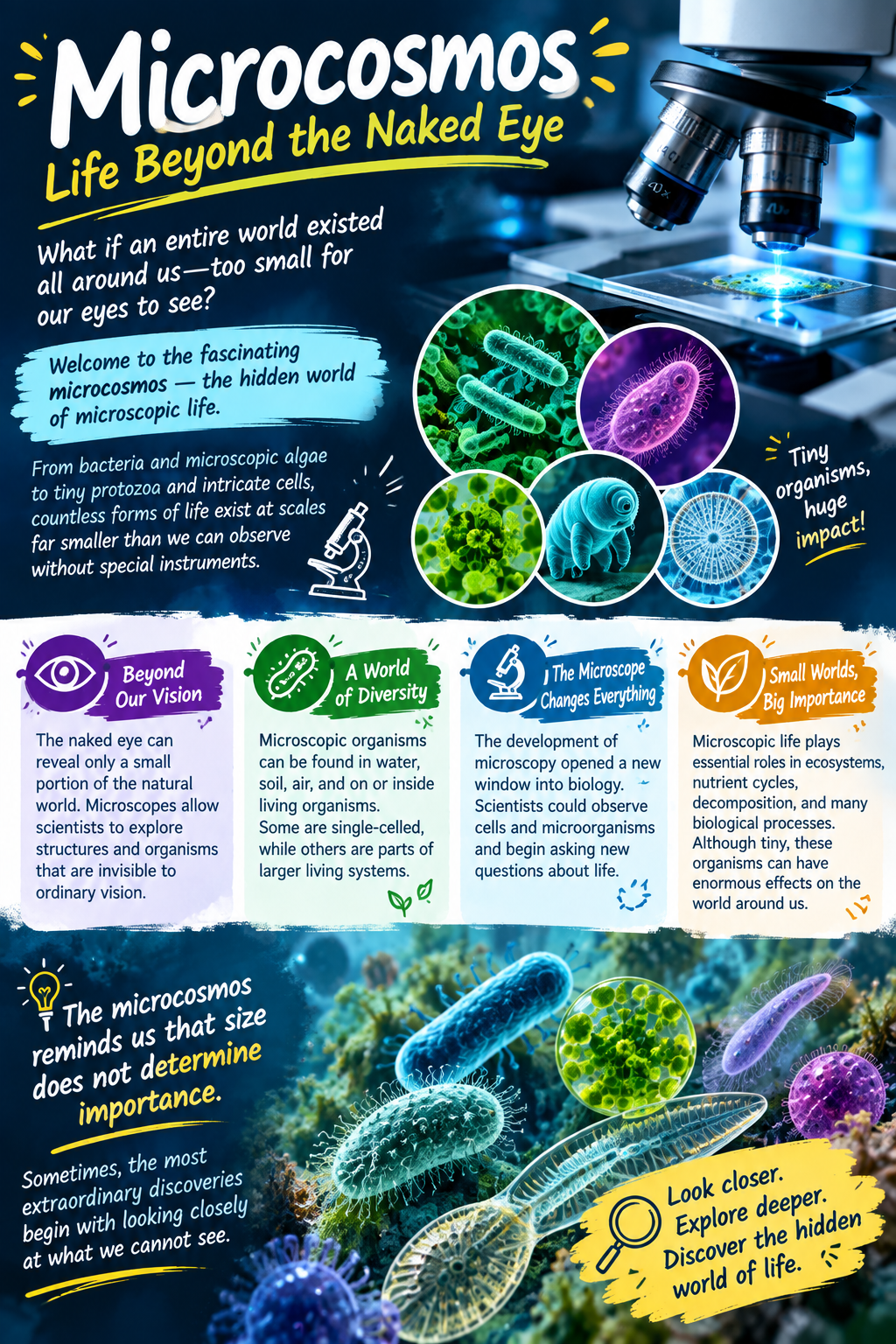
The world around us is full of tiny living organisms that are too small to see with our naked eyes. These fascinating organisms are called microbes or microorganisms. Although they are invisible to us, they play an incredibly important role in our lives, our environment, and the natural world.
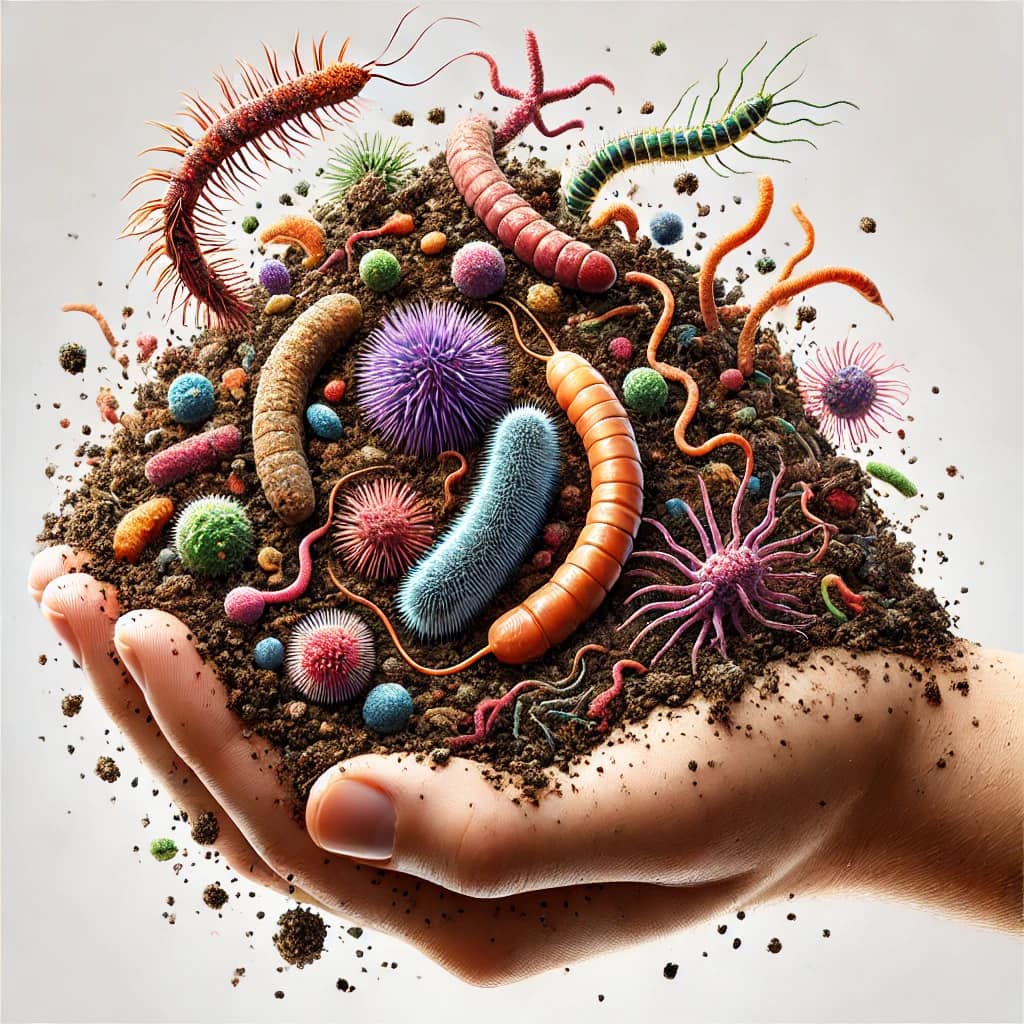
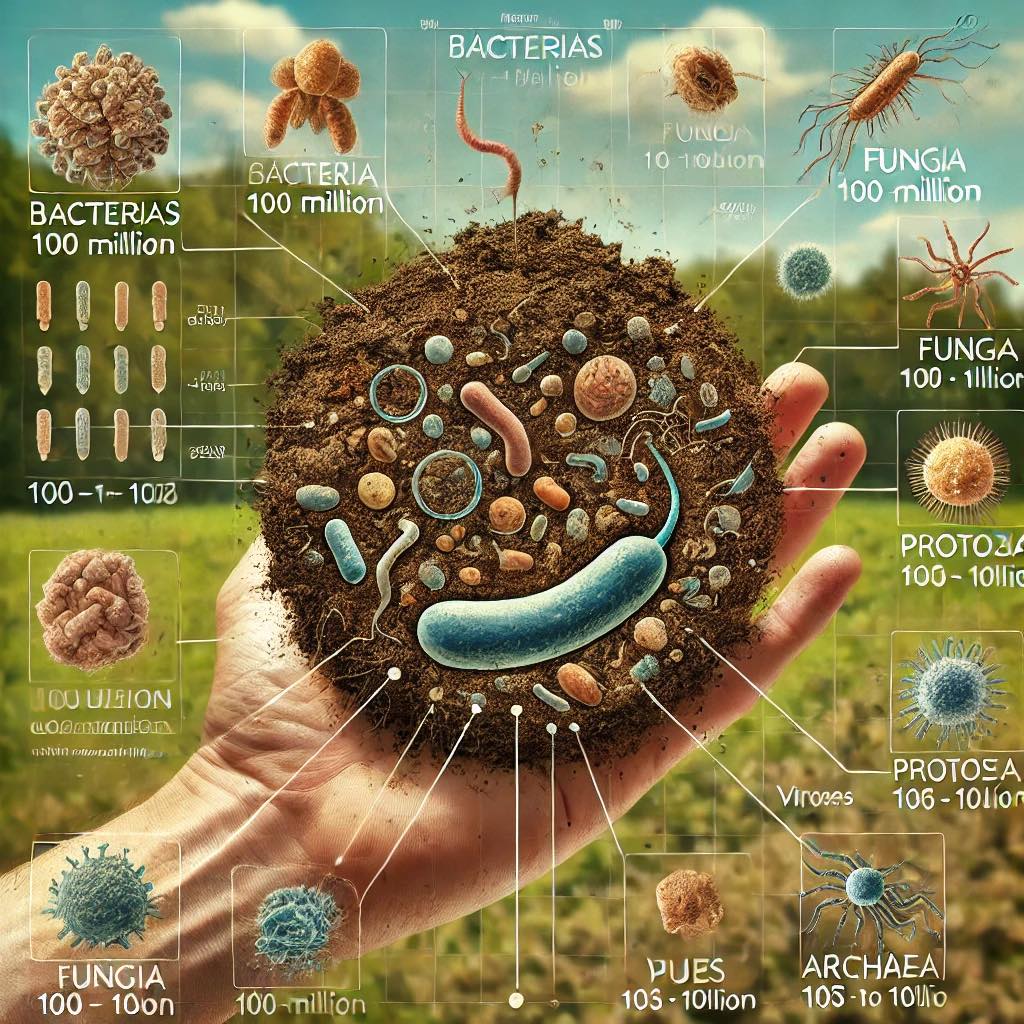
The microbial universe includes bacteria, fungi, protozoa, microscopic algae, and other fascinating microorganisms. They exist almost everywhere—in soil, water, air, and even inside living organisms. Some microbes help keep our bodies healthy, while others support the growth of plants and maintain the balance of ecosystems.
Microorganisms are essential for many natural processes. They help decompose dead plants and animals, recycle nutrients, improve soil fertility, and support food production. Some bacteria are used to make yogurt and cheese, while yeast helps bread rise. These tiny organisms demonstrate how something so small can make such a huge difference!
However, not all microbes are beneficial. Certain microorganisms can cause diseases and infections. Scientists study these organisms to understand how they work and how we can protect ourselves through hygiene, sanitation, vaccination, and medical research.
In this exciting journey into the microbial universe, we will discover the different types of microorganisms, explore their amazing abilities, understand their importance in nature, and learn how they influence human life. We will also explore the fascinating world of microscopes and scientific discoveries that allow us to study these invisible forms of life.
**Remember:** The smallest organisms can have some of the biggest impacts on our planet. Let's explore the invisible world, discover the wonders of science, and understand the incredible power of microorganisms!
#MicrobialUniverse #Microorganisms #Microbiology #Science #Bacteria #Fungi #Protozoa #MicroscopicWorld #ScientificDiscovery #Biology #Education #Learning #ExploreScience #InvisibleWorld
#rsisb
Roll no 279
song no 12
foundation level
# 🦠 Microbial Universe: The Power of the Invisible World 🔬🌍
The world around us is full of tiny living organisms that are too small to see with our naked eyes. These fascinating organisms are called microbes or microorganisms. Although they are invisible to us, they play an incredibly important role in our lives, our environment, and the natural world. 🌱✨
The microbial universe includes bacteria, fungi, protozoa, microscopic algae, and other fascinating microorganisms. They exist almost everywhere—in soil, water, air, and even inside living organisms. Some microbes help keep our bodies healthy, while others support the growth of plants and maintain the balance of ecosystems. 🌿💧
Microorganisms are essential for many natural processes. They help decompose dead plants and animals, recycle nutrients, improve soil fertility, and support food production. Some bacteria are used to make yogurt and cheese, while yeast helps bread rise. These tiny organisms demonstrate how something so small can make such a huge difference! 🧀🍞🔍
However, not all microbes are beneficial. Certain microorganisms can cause diseases and infections. Scientists study these organisms to understand how they work and how we can protect ourselves through hygiene, sanitation, vaccination, and medical research. 🧪🧑🔬
In this exciting journey into the microbial universe, we will discover the different types of microorganisms, explore their amazing abilities, understand their importance in nature, and learn how they influence human life. We will also explore the fascinating world of microscopes and scientific discoveries that allow us to study these invisible forms of life. 🔬📚
**Remember:** The smallest organisms can have some of the biggest impacts on our planet. Let's explore the invisible world, discover the wonders of science, and understand the incredible power of microorganisms! 🚀🌎
#MicrobialUniverse #Microorganisms #Microbiology #Science #Bacteria #Fungi #Protozoa #MicroscopicWorld #ScientificDiscovery #Biology #Education #Learning #ExploreScience #InvisibleWorld 🦠🔬🌍
0 Commentarios
0 Acciones
742 Views
2