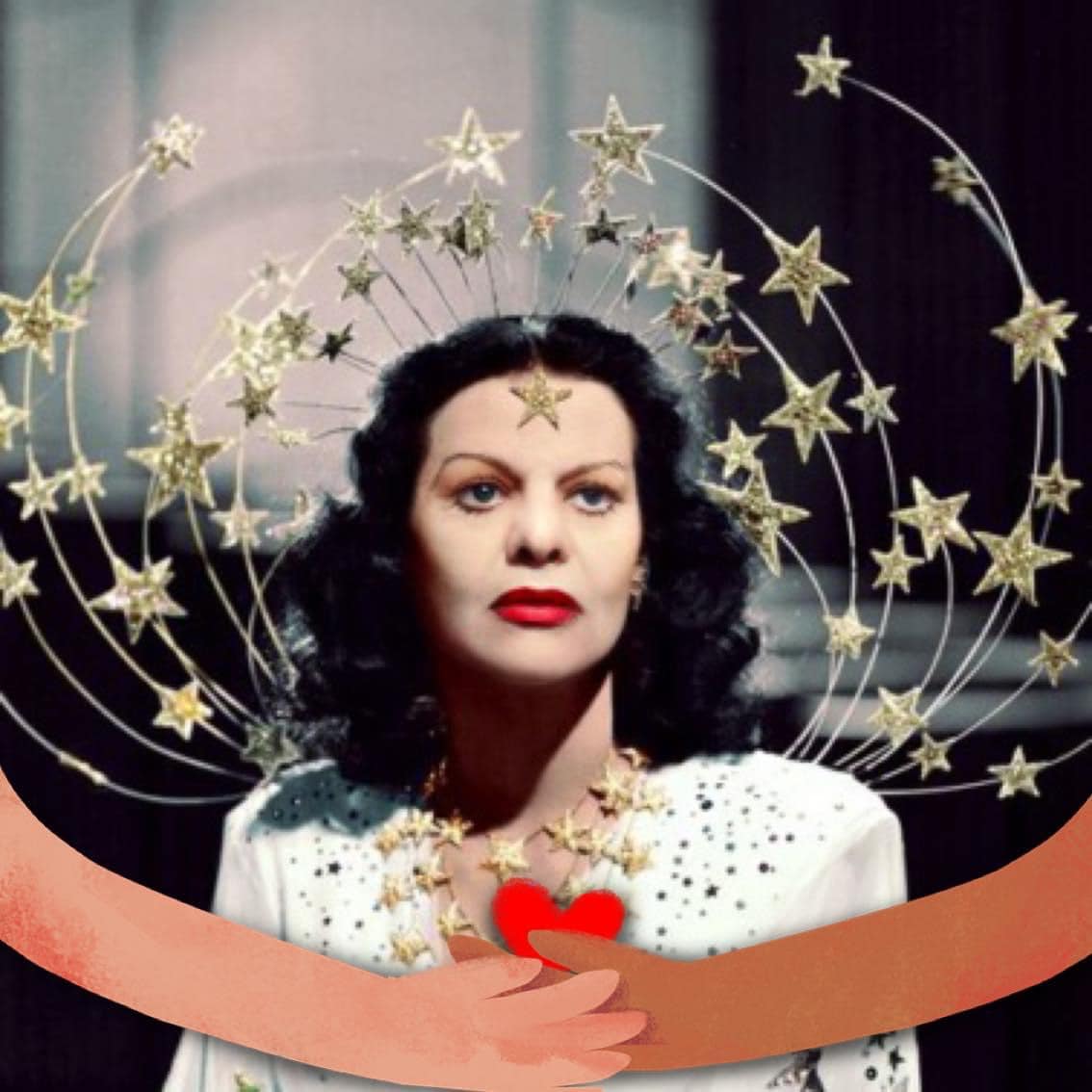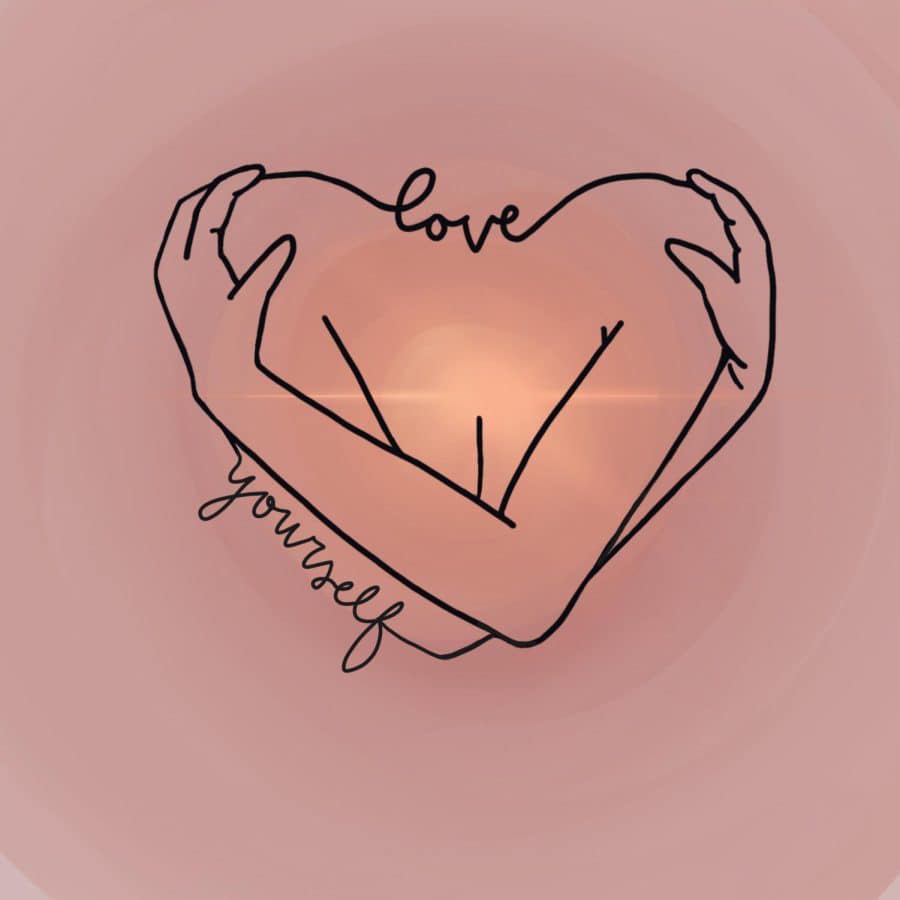
• Healing Touch is a type of energy therapy that is based on the idea that human beings are fields of energy that are in constant interaction with others and the environment. The goal of Healing Touch is to restore balance and harmonies in the energy system, thereby placing the client in a position to self heal. It involves the use of the practitioners hands to influence the human energy system, specifically the energy field that surrounds the body and the energy centers that control the flow from the energy field to the physical body.

    Practitioners of Healing Touch believe that this method can help in reducing stress, creating a sense of relaxation, and promoting healing on various levels – physical, mental, emotional, and spiritual. Some of the techniques used in Healing Touch include clearing, energizing, and balancing the energy field.

    Its important to note that while Healing Touch is used in various healthcare settings and is endorsed by some in the nursing and holistic health communities, it is considered a complementary or alternative medicine practice. Its effectiveness and mechanisms are not widely supported or explained by conventional scientific medical understanding. People often use it alongside traditional medical treatments, not as a replacement. As with any complementary or alternative therapy, its advisable to consult with a healthcare professional before starting treatment.
    Healing Touch is a type of energy therapy that is based on the idea that human beings are fields of energy that are in constant interaction with others and the environment. The goal of Healing Touch is to restore balance and harmonies in the energy system, thereby placing the client in a position to self heal. It involves the use of the practitioner's hands to influence the human energy system, specifically the energy field that surrounds the body and the energy centers that control the flow from the energy field to the physical body. Practitioners of Healing Touch believe that this method can help in reducing stress, creating a sense of relaxation, and promoting healing on various levels – physical, mental, emotional, and spiritual. Some of the techniques used in Healing Touch include clearing, energizing, and balancing the energy field. It's important to note that while Healing Touch is used in various healthcare settings and is endorsed by some in the nursing and holistic health communities, it is considered a complementary or alternative medicine practice. Its effectiveness and mechanisms are not widely supported or explained by conventional scientific medical understanding. People often use it alongside traditional medical treatments, not as a replacement. As with any complementary or alternative therapy, it's advisable to consult with a healthcare professional before starting treatment.
    0 Σχόλια 0 Μοιράστηκε 734 Views
  • Chief Memory Makers
    (jobs like this do exist! just sharing, came accross it, not related to me at all!)

    #DreamJob

    We are looking for a creative, spontaneous, and easygoing trio of close friends who are always together for lifes most important moments. This group should be eager to embark on an exhilarating journey, traveling to stunning corners of the globe, staying in luxurious hotels, enjoying lavish relaxation, indulging in endless fun, and crafting an engaging narrative of their incredible adventure.

    **Who we need:** A trio of close friends who create lasting memories together
    **Where they are needed:** Flytographer
    **Compensation:** $15,000 USD

    **Requirements:**
    - A trio of inseparable travel-loving friends. They can be a father and sons, siblings, college roommates, or childhood friends who have shared many adventures.
    - Strong friendship and a tight-knit bond.
    - Each member must be over 21 years old.
    - A spirit of spontaneity and a constant readiness for new adventures.
    - A passion for exploration and adventure.
    - Significant travel experience.
    - Ability to create popular social media content.
    - Familiarity with basic principles of interior design, architecture, art, and photography is a plus.

    **Responsibilities:**
    - Spend 10 days each in five elite hotels around the world. The trio can choose from 350 locations globally, including London, Paris, Bali, Cape Town, Tokyo, Buenos Aires, Ibiza, and many more.
    - Enjoy the relaxation and luxury offered.
    - Visit numerous interesting and exciting places, including local attractions.
    - Participate in many fun activities organized especially for the trio.
    - Savor private dinners prepared by the worlds top chefs.
    - Make captivating social media posts, offering tips on activities in the chosen destinations.

    **Benefits:**
    - Earn $15,000 (split $5,000 each) for traveling to the worlds most beautiful, interesting, and picturesque locations and enjoying unforgettable adventures. Choose from 350 global destinations including London, Paris, Bali, Cape Town, Tokyo, Buenos Aires, Ibiza, and more.
    - Free accommodation in five luxurious hotels (10 days each) and the opportunity to experience all the services they offer.
    - Discover numerous incredible attractions and unique sites.
    - Equal opportunities for people from all countries, cultures, and nationalities. This annual position has previously been held by citizens of dozens of different countries, and we plan to expand this geographic diversity.
    - The chance to become world-renowned travel bloggers, creating content for the companys social media pages, followed by a vast audience.

    To apply for this dream job, tell us about each member of your trio and send four links to their best content on TikTok and Instagram to hello@flytographer.com with the subject line "Chief Memory Makers".

    چیف میموری بنانے والے
    (اس طرح کی نوکریاں موجود ہیں! صرف اشتراک کرنا، اس کے ساتھ آیا، مجھ سے کوئی تعلق نہیں!)

    #من پسند نوکری

    ہم قریبی دوستوں کی تخلیقی، بے ساختہ، اور آسانی سے چلنے والی تینوں کی تلاش میں ہیں جو زندگی کے اہم ترین لمحات کے لیے ہمیشہ ساتھ رہتے ہیں۔ اس گروپ کو ایک پُرجوش سفر کا آغاز کرنے، دنیا کے حیرت انگیز کونوں کا سفر کرنے، پرتعیش ہوٹلوں میں قیام کرنے، شاندار آرام سے لطف اندوز ہونے، نہ ختم ہونے والے تفریح ​​میں شامل ہونے، اور اپنے ناقابلِ یقین ایڈونچر کی ایک دلچسپ داستان تیار کرنے کے لیے بے تاب ہونا چاہیے۔

    **ہمیں کس کی ضرورت ہے:** قریبی دوستوں کی تینوں جو ایک ساتھ دیرپا یادیں تخلیق کرتی ہیں۔
    **جہاں ان کی ضرورت ہے:** فلائیٹوگرافر
    **معاوضہ:** $15,000 USD

    **ضروریات:**
    - سفر سے محبت کرنے والے دوستوں کی تینوں کو الگ نہیں کیا جا سکتا۔ وہ باپ اور بیٹے، بہن بھائی، کالج روم میٹ، یا بچپن کے دوست ہو سکتے ہیں جنہوں نے بہت سی مہم جوئی کا اشتراک کیا ہے۔
    - مضبوط دوستی اور ایک مضبوط بندھن۔
    - ہر رکن کی عمر 21 سال سے زیادہ ہونی چاہیے۔
    - بے ساختہ جذبہ اور نئی مہم جوئی کے لیے مستقل تیاری۔
    - ایکسپلوریشن اور ایڈونچر کا جنون۔
    - اہم سفر کا تجربہ۔
    - مقبول سوشل میڈیا مواد بنانے کی صلاحیت۔
    - اندرونی ڈیزائن، فن تعمیر، آرٹ، اور فوٹو گرافی کے بنیادی اصولوں سے واقفیت ایک پلس ہے۔

    **ذمہ داریاں:**
    - دنیا بھر کے پانچ ایلیٹ ہوٹلوں میں ہر ایک میں 10 دن گزاریں۔ تینوں عالمی سطح پر 350 مقامات میں سے انتخاب کر سکتے ہیں، جن میں لندن، پیرس، بالی، کیپ ٹاؤن، ٹوکیو، بیونس آئرس، ایبیزا اور بہت کچھ شامل ہے۔
    - پیش کردہ آرام اور عیش و آرام سے لطف اٹھائیں۔
    - مقامی پرکشش مقامات سمیت متعدد دلچسپ اور پرجوش مقامات کا دورہ کریں۔
    - بہت ساری تفریحی سرگرمیوں میں حصہ لیں جو خاص طور پر تینوں کے لئے منظم ہیں۔
    - دنیا کے سرکردہ باورچیوں کے تیار کردہ پرائیویٹ ڈنر کا مزہ لیں۔
    - منتخب کردہ مقامات پر سرگرمیوں کے بارے میں تجاویز پیش کرتے ہوئے دلکش سوشل میڈیا پوسٹس بنائیں۔

    **فوائد:**
    - دنیا کے سب سے خوبصورت، دلچسپ، اور دلکش مقامات کا سفر کرنے اور ناقابل فراموش مہم جوئی سے لطف اندوز ہونے کے لیے $15,000 (ہر ایک میں $5,000 تقسیم کریں) کمائیں۔ لندن، پیرس، بالی، کیپ ٹاؤن، ٹوکیو، بیونس آئرس، ایبیزا اور مزید سمیت 350 عالمی مقامات میں سے انتخاب کریں۔
    - پانچ پرتعیش ہوٹلوں میں مفت رہائش (ہر ایک میں 10 دن) اور ان کی پیش کردہ تمام خدمات کا تجربہ کرنے کا موقع۔
    - متعدد ناقابل یقین پرکشش مقامات اور منفرد سائٹس دریافت کریں۔
    - تمام ممالک، ثقافتوں اور قومیتوں کے لوگوں کے لیے یکساں مواقع۔ یہ سالانہ پوزیشن اس سے قبل درجنوں مختلف ممالک کے شہریوں کے پاس ہے، اور ہم اس جغرافیائی تنوع کو وسعت دینے کا ارادہ رکھتے ہیں۔
    - عالمی شہرت یافتہ ٹریول بلاگرز بننے کا موقع، کمپنی کے سوشل میڈیا پیجز کے لیے مواد تیار کرنا، جس کے بعد ایک وسیع سامعین۔

    اس خوابیدہ جاب کے لیے درخواست دینے کے لیے، ہمیں اپنی تینوں کے ہر رکن کے بارے میں بتائیں اور TikTok اور Instagram پر ان کے بہترین مواد کے چار لنکس hello@flytographer.com پر بھیجیں جس کی سبجیکٹ لائن "چیف میموری میکرز" ہے۔

    Via Aksinya Samoylova
    Chief Memory Makers (jobs like this do exist! 🙂 just sharing, came accross it, not related to me at all!) #DreamJob We are looking for a creative, spontaneous, and easygoing trio of close friends who are always together for life's most important moments. This group should be eager to embark on an exhilarating journey, traveling to stunning corners of the globe, staying in luxurious hotels, enjoying lavish relaxation, indulging in endless fun, and crafting an engaging narrative of their incredible adventure. **Who we need:** A trio of close friends who create lasting memories together **Where they are needed:** Flytographer **Compensation:** $15,000 USD **Requirements:** - A trio of inseparable travel-loving friends. They can be a father and sons, siblings, college roommates, or childhood friends who have shared many adventures. - Strong friendship and a tight-knit bond. - Each member must be over 21 years old. - A spirit of spontaneity and a constant readiness for new adventures. - A passion for exploration and adventure. - Significant travel experience. - Ability to create popular social media content. - Familiarity with basic principles of interior design, architecture, art, and photography is a plus. **Responsibilities:** - Spend 10 days each in five elite hotels around the world. The trio can choose from 350 locations globally, including London, Paris, Bali, Cape Town, Tokyo, Buenos Aires, Ibiza, and many more. - Enjoy the relaxation and luxury offered. - Visit numerous interesting and exciting places, including local attractions. - Participate in many fun activities organized especially for the trio. - Savor private dinners prepared by the world's top chefs. - Make captivating social media posts, offering tips on activities in the chosen destinations. **Benefits:** - Earn $15,000 (split $5,000 each) for traveling to the world's most beautiful, interesting, and picturesque locations and enjoying unforgettable adventures. Choose from 350 global destinations including London, Paris, Bali, Cape Town, Tokyo, Buenos Aires, Ibiza, and more. - Free accommodation in five luxurious hotels (10 days each) and the opportunity to experience all the services they offer. - Discover numerous incredible attractions and unique sites. - Equal opportunities for people from all countries, cultures, and nationalities. This annual position has previously been held by citizens of dozens of different countries, and we plan to expand this geographic diversity. - The chance to become world-renowned travel bloggers, creating content for the company's social media pages, followed by a vast audience. To apply for this dream job, tell us about each member of your trio and send four links to their best content on TikTok and Instagram to hello@flytographer.com with the subject line "Chief Memory Makers". چیف میموری بنانے والے (اس طرح کی نوکریاں موجود ہیں! 🙂 صرف اشتراک کرنا، اس کے ساتھ آیا، مجھ سے کوئی تعلق نہیں!) #من پسند نوکری ہم قریبی دوستوں کی تخلیقی، بے ساختہ، اور آسانی سے چلنے والی تینوں کی تلاش میں ہیں جو زندگی کے اہم ترین لمحات کے لیے ہمیشہ ساتھ رہتے ہیں۔ اس گروپ کو ایک پُرجوش سفر کا آغاز کرنے، دنیا کے حیرت انگیز کونوں کا سفر کرنے، پرتعیش ہوٹلوں میں قیام کرنے، شاندار آرام سے لطف اندوز ہونے، نہ ختم ہونے والے تفریح ​​میں شامل ہونے، اور اپنے ناقابلِ یقین ایڈونچر کی ایک دلچسپ داستان تیار کرنے کے لیے بے تاب ہونا چاہیے۔ **ہمیں کس کی ضرورت ہے:** قریبی دوستوں کی تینوں جو ایک ساتھ دیرپا یادیں تخلیق کرتی ہیں۔ **جہاں ان کی ضرورت ہے:** فلائیٹوگرافر **معاوضہ:** $15,000 USD **ضروریات:** - سفر سے محبت کرنے والے دوستوں کی تینوں کو الگ نہیں کیا جا سکتا۔ وہ باپ اور بیٹے، بہن بھائی، کالج روم میٹ، یا بچپن کے دوست ہو سکتے ہیں جنہوں نے بہت سی مہم جوئی کا اشتراک کیا ہے۔ - مضبوط دوستی اور ایک مضبوط بندھن۔ - ہر رکن کی عمر 21 سال سے زیادہ ہونی چاہیے۔ - بے ساختہ جذبہ اور نئی مہم جوئی کے لیے مستقل تیاری۔ - ایکسپلوریشن اور ایڈونچر کا جنون۔ - اہم سفر کا تجربہ۔ - مقبول سوشل میڈیا مواد بنانے کی صلاحیت۔ - اندرونی ڈیزائن، فن تعمیر، آرٹ، اور فوٹو گرافی کے بنیادی اصولوں سے واقفیت ایک پلس ہے۔ **ذمہ داریاں:** - دنیا بھر کے پانچ ایلیٹ ہوٹلوں میں ہر ایک میں 10 دن گزاریں۔ تینوں عالمی سطح پر 350 مقامات میں سے انتخاب کر سکتے ہیں، جن میں لندن، پیرس، بالی، کیپ ٹاؤن، ٹوکیو، بیونس آئرس، ایبیزا اور بہت کچھ شامل ہے۔ - پیش کردہ آرام اور عیش و آرام سے لطف اٹھائیں۔ - مقامی پرکشش مقامات سمیت متعدد دلچسپ اور پرجوش مقامات کا دورہ کریں۔ - بہت ساری تفریحی سرگرمیوں میں حصہ لیں جو خاص طور پر تینوں کے لئے منظم ہیں۔ - دنیا کے سرکردہ باورچیوں کے تیار کردہ پرائیویٹ ڈنر کا مزہ لیں۔ - منتخب کردہ مقامات پر سرگرمیوں کے بارے میں تجاویز پیش کرتے ہوئے دلکش سوشل میڈیا پوسٹس بنائیں۔ **فوائد:** - دنیا کے سب سے خوبصورت، دلچسپ، اور دلکش مقامات کا سفر کرنے اور ناقابل فراموش مہم جوئی سے لطف اندوز ہونے کے لیے $15,000 (ہر ایک میں $5,000 تقسیم کریں) کمائیں۔ لندن، پیرس، بالی، کیپ ٹاؤن، ٹوکیو، بیونس آئرس، ایبیزا اور مزید سمیت 350 عالمی مقامات میں سے انتخاب کریں۔ - پانچ پرتعیش ہوٹلوں میں مفت رہائش (ہر ایک میں 10 دن) اور ان کی پیش کردہ تمام خدمات کا تجربہ کرنے کا موقع۔ - متعدد ناقابل یقین پرکشش مقامات اور منفرد سائٹس دریافت کریں۔ - تمام ممالک، ثقافتوں اور قومیتوں کے لوگوں کے لیے یکساں مواقع۔ یہ سالانہ پوزیشن اس سے قبل درجنوں مختلف ممالک کے شہریوں کے پاس ہے، اور ہم اس جغرافیائی تنوع کو وسعت دینے کا ارادہ رکھتے ہیں۔ - عالمی شہرت یافتہ ٹریول بلاگرز بننے کا موقع، کمپنی کے سوشل میڈیا پیجز کے لیے مواد تیار کرنا، جس کے بعد ایک وسیع سامعین۔ اس خوابیدہ جاب کے لیے درخواست دینے کے لیے، ہمیں اپنی تینوں کے ہر رکن کے بارے میں بتائیں اور TikTok اور Instagram پر ان کے بہترین مواد کے چار لنکس hello@flytographer.com پر بھیجیں جس کی سبجیکٹ لائن "چیف میموری میکرز" ہے۔ Via Aksinya Samoylova
    0 Σχόλια 0 Μοιράστηκε 1023 Views
  • ### Why Do People Abuse You and How to Handle It

    As a leader, you are often in the spotlight, which can make you a target for criticism and abuse. Even if you were as enlightened as Jesus or Buddha, it’s likely that a significant portion of people might still dislike you. Understanding why people behave this way and learning how to handle it can protect your mental health and help you lead more effectively.

    #### Scientific Reasons Behind Criticism and Abuse

    **Negativity Bias**
    Human brains are wired to focus more on negative information than positive information. This survival mechanism, which helped our ancestors recognize and respond to threats, means that negative comments and criticism tend to have a stronger impact than positive feedback.

    **Social Comparison Theory**
    People often compare themselves to others to gauge their own success and self-worth. When someone excels or stands out, it can trigger feelings of inadequacy or jealousy, leading to criticism or negative behavior towards the successful individual.

    **Cognitive Dissonance**
    When people encounter information or behaviors that conflict with their beliefs or values, it creates discomfort or cognitive dissonance. To resolve this discomfort, they may criticize or devalue the source of the conflicting information.

    #### Why People Criticize and Hate

    **Projection**
    People project their own insecurities and unresolved issues onto others. When they see qualities in others that they dislike about themselves, they may respond with criticism or hostility.

    **Envy and Jealousy**
    Success and visibility can trigger envy and jealousy in others, leading them to criticize or undermine the individual they perceive as a threat to their own self-esteem or status.

    **Fear of Change**
    Leaders often introduce changes that can be unsettling for people who prefer the status quo. Fear of the unknown or loss of control can lead to resistance and criticism.

    #### Strategies to Handle Criticism and Hatred

    **Self-Awareness and Mindfulness**
    Practice mindfulness and self-awareness to understand your own emotional responses. Recognize when you are being triggered and take a step back to respond thoughtfully rather than react impulsively.

    **Emotional Regulation**
    Techniques such as deep breathing, meditation, and progressive muscle relaxation can help you manage stress and regulate your emotions.

    **Empathy and Perspective-Taking**
    Try to understand where the criticism is coming from. Empathy can help you see the situation from the other persons perspective and reduce the emotional impact of their words.

    **Focus on Constructive Feedback**
    Not all criticism is harmful. Identify constructive feedback that can help you grow and improve, and distinguish it from baseless or malicious criticism.

    **Boundaries and Support Systems**
    Set boundaries to protect your mental health. Surround yourself with supportive and positive individuals who can provide encouragement and perspective.

    **Cognitive Restructuring**
    Challenge negative thoughts and beliefs that arise from criticism. Replace them with more balanced and rational thoughts.

    **Professional Help**
    Consider seeking help from a therapist or counselor to develop coping strategies and work through emotional issues.

    #### Protecting Mental Health

    **Self-Care**
    Engage in regular self-care activities such as exercise, hobbies, spending time with loved ones, and ensuring adequate sleep.

    **Mindfulness Practices**
    Incorporate mindfulness practices such as meditation, yoga, or tai chi into your daily routine to enhance emotional resilience.

    **Positive Affirmations**
    Use positive affirmations to reinforce your self-worth and counteract negative feedback.

    **Developing Resilience**
    Building resilience through practices like journaling, gratitude exercises, and learning from past experiences can help you bounce back from criticism more effectively.

    ### Conclusion

    Handling criticism and maintaining mental health as a leader involves understanding the psychological reasons behind peoples negative behavior and employing strategies to manage your emotional responses. By practicing mindfulness, emotional regulation, empathy, and self-care, you can build resilience and protect your mental well-being amidst criticism and negativity.

    Understanding why people abuse you and learning to handle it effectively not only improves your leadership but also ensures you remain mentally strong and focused on your goals.
    ### Why Do People Abuse You and How to Handle It As a leader, you are often in the spotlight, which can make you a target for criticism and abuse. Even if you were as enlightened as Jesus or Buddha, it’s likely that a significant portion of people might still dislike you. Understanding why people behave this way and learning how to handle it can protect your mental health and help you lead more effectively. #### Scientific Reasons Behind Criticism and Abuse **Negativity Bias** Human brains are wired to focus more on negative information than positive information. This survival mechanism, which helped our ancestors recognize and respond to threats, means that negative comments and criticism tend to have a stronger impact than positive feedback. **Social Comparison Theory** People often compare themselves to others to gauge their own success and self-worth. When someone excels or stands out, it can trigger feelings of inadequacy or jealousy, leading to criticism or negative behavior towards the successful individual. **Cognitive Dissonance** When people encounter information or behaviors that conflict with their beliefs or values, it creates discomfort or cognitive dissonance. To resolve this discomfort, they may criticize or devalue the source of the conflicting information. #### Why People Criticize and Hate **Projection** People project their own insecurities and unresolved issues onto others. When they see qualities in others that they dislike about themselves, they may respond with criticism or hostility. **Envy and Jealousy** Success and visibility can trigger envy and jealousy in others, leading them to criticize or undermine the individual they perceive as a threat to their own self-esteem or status. **Fear of Change** Leaders often introduce changes that can be unsettling for people who prefer the status quo. Fear of the unknown or loss of control can lead to resistance and criticism. #### Strategies to Handle Criticism and Hatred **Self-Awareness and Mindfulness** Practice mindfulness and self-awareness to understand your own emotional responses. Recognize when you are being triggered and take a step back to respond thoughtfully rather than react impulsively. **Emotional Regulation** Techniques such as deep breathing, meditation, and progressive muscle relaxation can help you manage stress and regulate your emotions. **Empathy and Perspective-Taking** Try to understand where the criticism is coming from. Empathy can help you see the situation from the other person's perspective and reduce the emotional impact of their words. **Focus on Constructive Feedback** Not all criticism is harmful. Identify constructive feedback that can help you grow and improve, and distinguish it from baseless or malicious criticism. **Boundaries and Support Systems** Set boundaries to protect your mental health. Surround yourself with supportive and positive individuals who can provide encouragement and perspective. **Cognitive Restructuring** Challenge negative thoughts and beliefs that arise from criticism. Replace them with more balanced and rational thoughts. **Professional Help** Consider seeking help from a therapist or counselor to develop coping strategies and work through emotional issues. #### Protecting Mental Health **Self-Care** Engage in regular self-care activities such as exercise, hobbies, spending time with loved ones, and ensuring adequate sleep. **Mindfulness Practices** Incorporate mindfulness practices such as meditation, yoga, or tai chi into your daily routine to enhance emotional resilience. **Positive Affirmations** Use positive affirmations to reinforce your self-worth and counteract negative feedback. **Developing Resilience** Building resilience through practices like journaling, gratitude exercises, and learning from past experiences can help you bounce back from criticism more effectively. ### Conclusion Handling criticism and maintaining mental health as a leader involves understanding the psychological reasons behind people's negative behavior and employing strategies to manage your emotional responses. By practicing mindfulness, emotional regulation, empathy, and self-care, you can build resilience and protect your mental well-being amidst criticism and negativity. Understanding why people abuse you and learning to handle it effectively not only improves your leadership but also ensures you remain mentally strong and focused on your goals.
    0 Σχόλια 0 Μοιράστηκε 860 Views
  • How Crying Cleanses Our Mind

    Ever wonder why you often feel better after a good cry? It turns out that crying is more than just a response to sadness; it’s a natural way to clear our minds and refresh our emotions. Here’s how:

    1. Emotional Release: Crying is a powerful emotional outlet. When we cry, we release built-up stress and tension, which can lead to a profound sense of relief and mental clarity.
    2. Detoxification: Emotional tears contain stress hormones and toxins. By crying, we help to expel these substances from our bodies, potentially lowering stress levels and improving our mood.
    3. Endorphin Boost: The act of crying triggers the release of endorphins, our body’s natural painkillers and mood enhancers. This can make us feel better and think more clearly.
    4. Calming Effect: Crying activates the parasympathetic nervous system, which promotes relaxation and reduces anxiety. This calming effect can help clear our thoughts and bring emotional balance.

    So next time you feel the tears coming, don’t hold back. Let them flow and allow your mind to find its balance again. Crying is a natural, healthy way to process emotions and maintain mental well-being.

    #MentalHealth #EmotionalWellbeing #Crying #StressRelief #Mindfulness
    How Crying Cleanses Our Mind 🧠💧 Ever wonder why you often feel better after a good cry? It turns out that crying is more than just a response to sadness; it’s a natural way to clear our minds and refresh our emotions. Here’s how: 1. Emotional Release: Crying is a powerful emotional outlet. When we cry, we release built-up stress and tension, which can lead to a profound sense of relief and mental clarity. 2. Detoxification: Emotional tears contain stress hormones and toxins. By crying, we help to expel these substances from our bodies, potentially lowering stress levels and improving our mood. 3. Endorphin Boost: The act of crying triggers the release of endorphins, our body’s natural painkillers and mood enhancers. This can make us feel better and think more clearly. 4. Calming Effect: Crying activates the parasympathetic nervous system, which promotes relaxation and reduces anxiety. This calming effect can help clear our thoughts and bring emotional balance. So next time you feel the tears coming, don’t hold back. Let them flow and allow your mind to find its balance again. Crying is a natural, healthy way to process emotions and maintain mental well-being. 💙 #MentalHealth #EmotionalWellbeing #Crying #StressRelief #Mindfulness
    0 Σχόλια 0 Μοιράστηκε 1029 Views
  • Do you know someone who does this

    Remote viewing is a practice that claims individuals can use their mind to perceive distant or unseen targets, such as objects, locations, or events, without any direct interaction or use of the five senses. This concept gained attention during the Cold War when intelligence agencies, particularly the CIA and the U.S. military, explored it as part of their “psychic spying” programs, most notably through “Project Stargate.”

    The basic premise of remote viewing is that a person (the “viewer”) can describe details about a target, such as its appearance or characteristics, despite having no prior knowledge of it or any physical contact. The process usually involves a viewer entering a meditative or focused state, during which they receive impressions, images, or sensory information about the target. This information is then recorded, often in the form of drawings, descriptions, or written notes.

    Key Aspects of Remote Viewing:

    1. The Viewer: A person attempting to “see” or “perceive” a distant or hidden object, location, or event using only their mind.
    2. The Target: The location, event, or object that is hidden from the viewer. It could be in a different room, another part of the world, or even in the past or future.
    3. The Protocol: Remote viewing often follows structured protocols designed to avoid bias or external influence. In some cases, the viewer is given only a vague or coded reference to the target to prevent any prior knowledge from influencing the session.

    Historical Context:

    During the Cold War, both the United States and the Soviet Union were reportedly interested in paranormal and psychic phenomena as potential intelligence-gathering tools. The U.S. government funded experiments under programs like Stargate (1978–1995) to study the effectiveness of remote viewing. They hoped remote viewers could gather intelligence about foreign military installations, strategic locations, or hidden objects.

    While there were occasional reports of success in remote viewing, many critics pointed out flaws in the methodology and inconsistencies in the results. As a result, the Stargate program was eventually shut down, with a 1995 report concluding that remote viewing had no practical intelligence value.

    How Remote Viewing Works (in Theory):

    1. Target Assignment: The viewer is given a “target identifier,” which might be a random number or a vague description (without revealing any details).
    2. Focus and Relaxation: The viewer typically enters a meditative or relaxed state to quiet the mind and focus on impressions.
    3. Perceiving the Target: The viewer receives impressions—visual, sensory, or emotional—related to the target. These impressions might come in flashes or gradually.
    4. Recording Impressions: The viewer records their impressions through sketches, written descriptions, or verbal reports. These impressions may be analyzed later to assess accuracy.
    5. Verification: The viewer’s report is compared to the actual details of the target to evaluate how closely the perceptions match reality.

    Is Remote Viewing Real?

    While some people claim remote viewing works, mainstream science views it with skepticism due to a lack of replicable, verifiable evidence. Controlled experiments have not consistently produced results that are beyond what could be attributed to chance or guesswork.

    Remote Viewing vs. Telepathy:

    • Remote Viewing: Focuses on perceiving distant places or objects without any sensory contact.
    • Telepathy: Involves mind-to-mind communication, where thoughts or information are transmitted between individuals without spoken words.

    Though remote viewing has largely been discredited by scientific communities, it remains a subject of fascination for people interested in paranormal phenomena.
    Do you know someone who does this Remote viewing is a practice that claims individuals can use their mind to perceive distant or unseen targets, such as objects, locations, or events, without any direct interaction or use of the five senses. This concept gained attention during the Cold War when intelligence agencies, particularly the CIA and the U.S. military, explored it as part of their “psychic spying” programs, most notably through “Project Stargate.” The basic premise of remote viewing is that a person (the “viewer”) can describe details about a target, such as its appearance or characteristics, despite having no prior knowledge of it or any physical contact. The process usually involves a viewer entering a meditative or focused state, during which they receive impressions, images, or sensory information about the target. This information is then recorded, often in the form of drawings, descriptions, or written notes. Key Aspects of Remote Viewing: 1. The Viewer: A person attempting to “see” or “perceive” a distant or hidden object, location, or event using only their mind. 2. The Target: The location, event, or object that is hidden from the viewer. It could be in a different room, another part of the world, or even in the past or future. 3. The Protocol: Remote viewing often follows structured protocols designed to avoid bias or external influence. In some cases, the viewer is given only a vague or coded reference to the target to prevent any prior knowledge from influencing the session. Historical Context: During the Cold War, both the United States and the Soviet Union were reportedly interested in paranormal and psychic phenomena as potential intelligence-gathering tools. The U.S. government funded experiments under programs like Stargate (1978–1995) to study the effectiveness of remote viewing. They hoped remote viewers could gather intelligence about foreign military installations, strategic locations, or hidden objects. While there were occasional reports of success in remote viewing, many critics pointed out flaws in the methodology and inconsistencies in the results. As a result, the Stargate program was eventually shut down, with a 1995 report concluding that remote viewing had no practical intelligence value. How Remote Viewing Works (in Theory): 1. Target Assignment: The viewer is given a “target identifier,” which might be a random number or a vague description (without revealing any details). 2. Focus and Relaxation: The viewer typically enters a meditative or relaxed state to quiet the mind and focus on impressions. 3. Perceiving the Target: The viewer receives impressions—visual, sensory, or emotional—related to the target. These impressions might come in flashes or gradually. 4. Recording Impressions: The viewer records their impressions through sketches, written descriptions, or verbal reports. These impressions may be analyzed later to assess accuracy. 5. Verification: The viewer’s report is compared to the actual details of the target to evaluate how closely the perceptions match reality. Is Remote Viewing Real? While some people claim remote viewing works, mainstream science views it with skepticism due to a lack of replicable, verifiable evidence. Controlled experiments have not consistently produced results that are beyond what could be attributed to chance or guesswork. Remote Viewing vs. Telepathy: • Remote Viewing: Focuses on perceiving distant places or objects without any sensory contact. • Telepathy: Involves mind-to-mind communication, where thoughts or information are transmitted between individuals without spoken words. Though remote viewing has largely been discredited by scientific communities, it remains a subject of fascination for people interested in paranormal phenomena.
    0 Σχόλια 0 Μοιράστηκε 472 Views
  • Breath Stacking – The Ancient Yogic Technique for Modern Times

    Origin and Meaning

    Breath Stacking, known in classical yoga as Viloma Pranayama, is an ancient breathing technique that comes from India’s yogic traditions. The word Viloma means “against the natural order,” because instead of inhaling in one smooth flow, you deliberately pause and add more breath in stages. In modern science and medicine, “breath stacking” is also used to describe a technique where patients take repeated small breaths without exhaling, to expand the lungs fully. This shows how timeless yoga’s knowledge is: what was once spiritual practice is now applied in medical therapy.


    Benefits for the Body
    1. Lung expansion: Breath stacking stretches the lungs beyond their usual capacity, strengthening the diaphragm and chest muscles.
    2. Better oxygenation: The extra air taken in increases oxygen levels in the blood, energizing the body.
    3. Cleansing effect: Old, stagnant air in the lungs gets pushed out, keeping the respiratory system healthier.
    4. Improved heart rhythm: Slow, stacked breathing supports the heart, lowers blood pressure, and balances circulation.
    5. Immune support: Increased oxygen and relaxation strengthen the body’s natural defenses.


    Benefits for the Mind
    1. Deep relaxation: The pauses between breaths calm the nervous system, reducing stress and anxiety.
    2. Mental clarity: Focusing on each mini-breath sharpens concentration and mindfulness.
    3. Emotional balance: It slows down racing thoughts, bringing stability and peace.
    4. Meditation support: Breath stacking naturally leads the mind into a meditative state, preparing for deeper practices.


    How to Practice Breath Stacking

    Step 1 – Preparation
    • Sit comfortably with a straight spine (or lie down if needed).
    • Relax your shoulders and close your eyes.

    Step 2 – The Technique
    1. Inhale gently, filling part of your lungs.
    2. Pause for 2–3 seconds.
    3. Inhale again, adding more air on top.
    4. Pause again.
    5. Repeat this cycle until your lungs feel comfortably full.
    6. Then exhale slowly in one smooth breath.

    Step 3 – Practice Time
    • Start with 3–4 cycles.
    • With practice, build up to 8–10 cycles over 5–10 minutes daily.

    Step 4 – Variations
    • Stacked Exhalation: Take a full breath in, then release it in stages with pauses.
    • Stacked Inhale + Exhale: Combine both methods for a full experience once you’re comfortable.


    Conclusion

    Breath Stacking is a bridge between ancient yoga and modern science. It expands the lungs, relaxes the mind, and gives you more control over your life energy. Practiced daily, it becomes a simple tool to keep the body strong, the mind calm, and the spirit focused.
    Breath Stacking – The Ancient Yogic Technique for Modern Times Origin and Meaning Breath Stacking, known in classical yoga as Viloma Pranayama, is an ancient breathing technique that comes from India’s yogic traditions. The word Viloma means “against the natural order,” because instead of inhaling in one smooth flow, you deliberately pause and add more breath in stages. In modern science and medicine, “breath stacking” is also used to describe a technique where patients take repeated small breaths without exhaling, to expand the lungs fully. This shows how timeless yoga’s knowledge is: what was once spiritual practice is now applied in medical therapy. ⸻ Benefits for the Body 1. Lung expansion: Breath stacking stretches the lungs beyond their usual capacity, strengthening the diaphragm and chest muscles. 2. Better oxygenation: The extra air taken in increases oxygen levels in the blood, energizing the body. 3. Cleansing effect: Old, stagnant air in the lungs gets pushed out, keeping the respiratory system healthier. 4. Improved heart rhythm: Slow, stacked breathing supports the heart, lowers blood pressure, and balances circulation. 5. Immune support: Increased oxygen and relaxation strengthen the body’s natural defenses. ⸻ Benefits for the Mind 1. Deep relaxation: The pauses between breaths calm the nervous system, reducing stress and anxiety. 2. Mental clarity: Focusing on each mini-breath sharpens concentration and mindfulness. 3. Emotional balance: It slows down racing thoughts, bringing stability and peace. 4. Meditation support: Breath stacking naturally leads the mind into a meditative state, preparing for deeper practices. ⸻ How to Practice Breath Stacking Step 1 – Preparation • Sit comfortably with a straight spine (or lie down if needed). • Relax your shoulders and close your eyes. Step 2 – The Technique 1. Inhale gently, filling part of your lungs. 2. Pause for 2–3 seconds. 3. Inhale again, adding more air on top. 4. Pause again. 5. Repeat this cycle until your lungs feel comfortably full. 6. Then exhale slowly in one smooth breath. Step 3 – Practice Time • Start with 3–4 cycles. • With practice, build up to 8–10 cycles over 5–10 minutes daily. Step 4 – Variations • Stacked Exhalation: Take a full breath in, then release it in stages with pauses. • Stacked Inhale + Exhale: Combine both methods for a full experience once you’re comfortable. ⸻ Conclusion Breath Stacking is a bridge between ancient yoga and modern science. It expands the lungs, relaxes the mind, and gives you more control over your life energy. Practiced daily, it becomes a simple tool to keep the body strong, the mind calm, and the spirit focused.
    0 Σχόλια 0 Μοιράστηκε 380 Views
  • Because the mind is not ready. The mind does not believe, is not convinced. In the same way as the body need to be trained also the mind need training. If the goal being too high the mind will not accept it if it is not very fit and strong. The way to overcome this is, 1. Muscular relaxation, 2. Mind relaxation and 3. Mind development/reprogramming/taking control over ones own mind.

    Via Robert Axelsson
    Because the mind is not ready. The mind does not believe, is not convinced. In the same way as the body need to be trained also the mind need training. If the goal being too high the mind will not accept it if it is not very fit and strong. The way to overcome this is, 1. Muscular relaxation, 2. Mind relaxation and 3. Mind development/reprogramming/taking control over ones own mind. Via Robert Axelsson
    0 Σχόλια 0 Μοιράστηκε 277 Views
  • Relaxation comes when you are mindful and live in present moment !

    Laura Mae Jones will help you do that !

    Join her , ask questions in the group Learn to relax with Laura Jones

    Join her whatspp group https://chat.whatsapp.com/KfnWGR2hhRH6onhnViga0E
    Relaxation comes when you are mindful and live in present moment ! Laura Mae Jones will help you do that ! Join her , ask questions in the group Learn to relax with Laura Jones Join her whatspp group https://chat.whatsapp.com/KfnWGR2hhRH6onhnViga0E
    0 Σχόλια 0 Μοιράστηκε 238 Views
  • Self-love is the practice of cultivating a positive and nurturing relationship with oneself. It involves accepting, appreciating, and valuing oneself unconditionally, and treating oneself with kindness, understanding, and care. Self-love is an essential aspect of mental health and emotional well-being, as it sets the foundation for building healthy relationships with others and coping with lifes challenges.

    Some key aspects of self-love include:

    Self-acceptance: Embracing and appreciating oneself, including ones strengths and weaknesses, without judgment or self-criticism.
    Self-compassion: Treating oneself with kindness and understanding during difficult times, rather than being overly critical or harsh.
    Self-care: Prioritizing ones physical, mental, and emotional well-being by engaging in activities that promote health and happiness, such as exercise, sleep, relaxation, and hobbies.
    Self-esteem: Holding a positive and realistic view of oneself and ones abilities, recognizing ones worth and value as a person.
    Self-respect: Setting boundaries and standing up for oneself when necessary, and not tolerating mistreatment or disrespect from others.
    Self-awareness: Developing a deep understanding of ones emotions, thoughts, and needs, and using this knowledge to make informed decisions and navigate life more effectively.
    Personal growth: Continually striving to improve and grow as an individual by learning from experiences, embracing challenges, and pursuing self-development opportunities.
    Practicing self-love can lead to increased happiness, resilience, and overall well-being, and can help reduce feelings of anxiety, depression, and self-doubt. Its important to remember that self-love is a lifelong journey, and it requires consistent effort and mindfulness to maintain a healthy relationship with oneself.
    Self-love is the practice of cultivating a positive and nurturing relationship with oneself. It involves accepting, appreciating, and valuing oneself unconditionally, and treating oneself with kindness, understanding, and care. Self-love is an essential aspect of mental health and emotional well-being, as it sets the foundation for building healthy relationships with others and coping with life's challenges. Some key aspects of self-love include: Self-acceptance: Embracing and appreciating oneself, including one's strengths and weaknesses, without judgment or self-criticism. Self-compassion: Treating oneself with kindness and understanding during difficult times, rather than being overly critical or harsh. Self-care: Prioritizing one's physical, mental, and emotional well-being by engaging in activities that promote health and happiness, such as exercise, sleep, relaxation, and hobbies. Self-esteem: Holding a positive and realistic view of oneself and one's abilities, recognizing one's worth and value as a person. Self-respect: Setting boundaries and standing up for oneself when necessary, and not tolerating mistreatment or disrespect from others. Self-awareness: Developing a deep understanding of one's emotions, thoughts, and needs, and using this knowledge to make informed decisions and navigate life more effectively. Personal growth: Continually striving to improve and grow as an individual by learning from experiences, embracing challenges, and pursuing self-development opportunities. Practicing self-love can lead to increased happiness, resilience, and overall well-being, and can help reduce feelings of anxiety, depression, and self-doubt. It's important to remember that self-love is a lifelong journey, and it requires consistent effort and mindfulness to maintain a healthy relationship with oneself.
    0 Σχόλια 0 Μοιράστηκε 260 Views
  • #Midjourney prompt !
    A striking and contemporary scene, a sleek, modern-designed house featuring clean lines and large glass windows that seamlessly integrate indoor and outdoor spaces, a pristine swimming pool in the front reflecting the sunlight and inviting relaxation, the meticulously landscaped surroundings adding to the overall elegance and sophistication of the property, the camera capturing the impressive and luxurious residence using a Nikon Z7 II with a Nikon NIKKOR Z 14-24mm f/2.8 S lens, showcasing the artistry of modern architecture and the allure of upscale living, --ar 16:9 --v 5 --q 2 --s 750
    #Midjourney prompt ! A striking and contemporary scene, a sleek, modern-designed house featuring clean lines and large glass windows that seamlessly integrate indoor and outdoor spaces, a pristine swimming pool in the front reflecting the sunlight and inviting relaxation, the meticulously landscaped surroundings adding to the overall elegance and sophistication of the property, the camera capturing the impressive and luxurious residence using a Nikon Z7 II with a Nikon NIKKOR Z 14-24mm f/2.8 S lens, showcasing the artistry of modern architecture and the allure of upscale living, --ar 16:9 --v 5 --q 2 --s 750
    0 Σχόλια 0 Μοιράστηκε 522 Views
Αναζήτηση αποτελεσμάτων