• What do you know about
    SDGs
    Future of the World in 2030
    What do you know about SDGs Future of the World in 2030
    0 Kommentare 0 Anteile 369 Ansichten
  • SDGs Academy of Pakistan welcomes you to the first ever SDG Hackaton in Islamabad Pakistan. It will take place 21-31st of March. The Hackathon will contain different activities such as a High Level Dialogue on the Sustainable Development Goals and a 24 hour stakeholder Hackathon where new partnerships will be built that will help solving the SDGs of Pakistan and the World.

    Program overview:
    21st March - 22nd March 2020: Arrival of the foreign guests. Getting to know each other and the local context.

    22nd of March - U4SSC: Training/workshop Hackathon
    (U4SSC - UNs implementation program for smart sustainable cities)

    23rd of March 2020: Engaging the foreign guests in 23rd March Celebration so that they are well familiar with the philosophy of creation of Pakistan and the future plans of taking Pakistan into the 21st century

    24th March 2020: A high level dialogue on Pakistans current readiness in SDG’s and identify the gaps along with fast track solutions. This will be a high level engagement with foreign experts, senior Government officials from relevant organizations and private sector stakeholders of SDG’s.

    25th March 2020: SDG’s HACKATHON in Islamabad COMSTECH

    26th March 2020: Closing Dialogue of SDGs Hackathon Venue: Ministry of Planning, Development and Reform hall Mr. Asad Umer (Guest of honor)

    27th to 31st March 2020 - Deep Local

    During these four days all foreign guests would be taken to resorts and venues outside Islamabad for building deeper relations. Including:
    -SWABI KPK Trip to the Tarbela Dam
    -GIK Institute Ghulam Ishaq & Khan Institute of Engineering Sciences and Technology
    -SWAT Trip Visits to all the Buddhist Archeology sites
    -SWAT Museum
    -Churchill Picket.
    -Meet Up with the Royal Family Members of SWAT.

    Practical:
    For attending the SDG Hackathon Pakistan there is no fee. Moreover, accommodation and travel expenses SDGs Academy and local sponsors will take care of.
    Air ticket and VISA is to be paid by the delegates themselves.
    You will also be given a presentation slot for 10 mins in the high level dialogue on behalf of your organization and share how you are progressing on the SDGs UN agenda 2030

    We are looking forward to your active participation in this very important event. Objective of this conference is to learn from the Global practices on SDGs.

    Hope to hear from your organization soon.
    Kindly send your confirmation/or and questions to:
    Mr Bert Ola : bertola.bergstrand@gmail.com (foreign delegation)
    Miss Sadaf Khalid: sadaf.khalid@sdgsacademy.pk

    Regards,
    Sadaf Khalid Khan
    CEO SDGs Academy Pakistan
    SDGs Academy of Pakistan welcomes you to the first ever SDG Hackaton in Islamabad Pakistan. It will take place 21-31st of March. The Hackathon will contain different activities such as a High Level Dialogue on the Sustainable Development Goals and a 24 hour stakeholder Hackathon where new partnerships will be built that will help solving the SDGs of Pakistan and the World. Program overview: 21st March - 22nd March 2020: Arrival of the foreign guests. Getting to know each other and the local context. 22nd of March - U4SSC: Training/workshop Hackathon (U4SSC - UNs implementation program for smart sustainable cities) 23rd of March 2020: Engaging the foreign guests in 23rd March Celebration so that they are well familiar with the philosophy of creation of Pakistan and the future plans of taking Pakistan into the 21st century 24th March 2020: A high level dialogue on Pakistans current readiness in SDG’s and identify the gaps along with fast track solutions. This will be a high level engagement with foreign experts, senior Government officials from relevant organizations and private sector stakeholders of SDG’s. 25th March 2020: SDG’s HACKATHON in Islamabad COMSTECH 26th March 2020: Closing Dialogue of SDGs Hackathon Venue: Ministry of Planning, Development and Reform hall Mr. Asad Umer (Guest of honor) 27th to 31st March 2020 - Deep Local During these four days all foreign guests would be taken to resorts and venues outside Islamabad for building deeper relations. Including: -SWABI KPK Trip to the Tarbela Dam -GIK Institute Ghulam Ishaq & Khan Institute of Engineering Sciences and Technology -SWAT Trip Visits to all the Buddhist Archeology sites -SWAT Museum -Churchill Picket. -Meet Up with the Royal Family Members of SWAT. Practical: For attending the SDG Hackathon Pakistan there is no fee. Moreover, accommodation and travel expenses SDGs Academy and local sponsors will take care of. Air ticket and VISA is to be paid by the delegates themselves. You will also be given a presentation slot for 10 mins in the high level dialogue on behalf of your organization and share how you are progressing on the SDGs UN agenda 2030 We are looking forward to your active participation in this very important event. Objective of this conference is to learn from the Global practices on SDGs. Hope to hear from your organization soon. Kindly send your confirmation/or and questions to: Mr Bert Ola : bertola.bergstrand@gmail.com (foreign delegation) Miss Sadaf Khalid: sadaf.khalid@sdgsacademy.pk Regards, Sadaf Khalid Khan CEO SDGs Academy Pakistan
    0 Kommentare 0 Anteile 727 Ansichten
  • The timeline presents an overview of major events in Pakistans education history since its independence. It is important to note that the education system in Pakistan has faced various challenges, such as low enrollment rates, gender disparities, and limited resources, and there are ongoing efforts to address these issues.

    1947: Pakistan gains independence from British India, inheriting an education system based on the British colonial model.

    1947-1950: Initial focus on establishing primary and secondary schools, as well as institutions for teacher training.

    1951: The First Five-Year Plan (1951-1956) is launched, emphasizing the expansion of education and literacy.

    1959: The University of Karachi is established, becoming one of the leading institutions of higher learning in Pakistan.

    1960: The National Commission on Education is formed, providing recommendations for education system reforms.

    1961: The University of Peshawar is established, promoting higher education in the Khyber Pakhtunkhwa province.

    1972: The Government of Pakistan nationalizes private schools and colleges, aiming to improve access and standardize education.

    1979: The University Grants Commission (UGC) is established to regulate and develop higher education in Pakistan.

    1980s: The focus shifts to madrasa education, with many Islamic religious schools receiving increased financial support.

    1990s: Pakistan sees an expansion in private schools, as the government relaxes regulations on private education institutions.

    2002: The Higher Education Commission (HEC) is established, replacing the UGC and focusing on the development and funding of higher education institutions.

    2004: The National Education Policy is introduced, emphasizing access, quality, and relevance in education.

    2009: Pakistan passes the 18th Amendment to its constitution, making education a fundamental right and devolving responsibility for education to the provinces.

    2010: The National Education Policy is revised, focusing on early childhood education, teacher training, and curriculum development.

    2012: Malala Yousafzai, a Pakistani activist for female education, is shot by the Taliban but survives and later becomes an international symbol for girls education rights.

    2013: The Right to Free and Compulsory Education Act is passed, ensuring free education for children aged 5 to 16.

    2015: Pakistan introduces the Sustainable Development Goals (SDGs) in its National Education Policy, emphasizing quality education for all by 2030.

    2017: The National Curriculum Framework is revised to improve and update the education system.
    The timeline presents an overview of major events in Pakistan's education history since its independence. It is important to note that the education system in Pakistan has faced various challenges, such as low enrollment rates, gender disparities, and limited resources, and there are ongoing efforts to address these issues. 1947: Pakistan gains independence from British India, inheriting an education system based on the British colonial model. 1947-1950: Initial focus on establishing primary and secondary schools, as well as institutions for teacher training. 1951: The First Five-Year Plan (1951-1956) is launched, emphasizing the expansion of education and literacy. 1959: The University of Karachi is established, becoming one of the leading institutions of higher learning in Pakistan. 1960: The National Commission on Education is formed, providing recommendations for education system reforms. 1961: The University of Peshawar is established, promoting higher education in the Khyber Pakhtunkhwa province. 1972: The Government of Pakistan nationalizes private schools and colleges, aiming to improve access and standardize education. 1979: The University Grants Commission (UGC) is established to regulate and develop higher education in Pakistan. 1980s: The focus shifts to madrasa education, with many Islamic religious schools receiving increased financial support. 1990s: Pakistan sees an expansion in private schools, as the government relaxes regulations on private education institutions. 2002: The Higher Education Commission (HEC) is established, replacing the UGC and focusing on the development and funding of higher education institutions. 2004: The National Education Policy is introduced, emphasizing access, quality, and relevance in education. 2009: Pakistan passes the 18th Amendment to its constitution, making education a fundamental right and devolving responsibility for education to the provinces. 2010: The National Education Policy is revised, focusing on early childhood education, teacher training, and curriculum development. 2012: Malala Yousafzai, a Pakistani activist for female education, is shot by the Taliban but survives and later becomes an international symbol for girls' education rights. 2013: The Right to Free and Compulsory Education Act is passed, ensuring free education for children aged 5 to 16. 2015: Pakistan introduces the Sustainable Development Goals (SDGs) in its National Education Policy, emphasizing quality education for all by 2030. 2017: The National Curriculum Framework is revised to improve and update the education system.
    0 Kommentare 0 Anteile 571 Ansichten
  • The British Council’s Connecting Classrooms program is a global education initiative designed to equip young people with the knowledge, skills, and values necessary to thrive in a global economy. It fosters international collaboration among schools, teachers, and students, emphasizing global citizenship and sustainable development. 


    Program Overview

    Connecting Classrooms aims to:
    • Develop core skills such as critical thinking, communication, collaboration, and digital literacy.
    • Promote global citizenship by engaging students with worldwide issues.
    • Support inclusive education, ensuring equitable access for learners with diverse needs.
    • Facilitate partnerships between schools across different countries.  

    The program has reached over 5 million learners, 30,000 teachers, and 13,000 school leaders in more than 40 countries, including the UK, Ethiopia, Malawi, and Pakistan. 


    Key Components
    1. School Partnerships: Connecting Classrooms establishes links between schools in the UK and other countries, enabling collaborative projects that focus on global themes. 
    2. Professional Development: Teachers and school leaders receive training to embed global themes and core skills into their curricula. This includes both online and face-to-face courses. 
    3. Classroom Resources: The program offers free resources aligned with the Sustainable Development Goals (SDGs), helping educators incorporate global issues into their teaching. 
    4. Funding Opportunities: Schools can apply for grants to support visits, events, and training as part of their Connecting Classrooms journey. 
    5. Accreditation: Schools demonstrating outstanding practice in international learning can receive the International School Award, recognizing their commitment to global education. 


    Impact and Achievements
    • Global Reach: Since its inception, Connecting Classrooms has connected schools across more than 40 countries, fostering a global network of educators and learners. 
    • Skill Development: Students involved in the program have shown improvements in critical thinking, problem-solving, and collaboration skills. 
    • Policy Influence: The program has engaged over 750 policymakers, contributing to education policy development that supports global learning and core skills integration. 


    How to Get Involved

    Educators and schools interested in participating can:
    • Partner with schools internationally to collaborate on global projects.
    • Access professional development courses to enhance teaching practices.
    • Utilize classroom resources to introduce global themes.
    • Apply for funding to support international collaboration activities.
    • Aim for the International School Award to gain recognition for their global education efforts.  

    For more information and to explore resources, visit the British Council’s Connecting Classrooms page.


    By participating in Connecting Classrooms, schools not only enrich their educational offerings but also prepare students to become informed, responsible global citizens ready to tackle the challenges of the 21st century.

    The British Council’s Connecting Classrooms program is a global education initiative designed to equip young people with the knowledge, skills, and values necessary to thrive in a global economy. It fosters international collaboration among schools, teachers, and students, emphasizing global citizenship and sustainable development.  ⸻ 🌍 Program Overview Connecting Classrooms aims to: • Develop core skills such as critical thinking, communication, collaboration, and digital literacy. • Promote global citizenship by engaging students with worldwide issues. • Support inclusive education, ensuring equitable access for learners with diverse needs. • Facilitate partnerships between schools across different countries.   The program has reached over 5 million learners, 30,000 teachers, and 13,000 school leaders in more than 40 countries, including the UK, Ethiopia, Malawi, and Pakistan.  ⸻ 🧑‍🏫 Key Components 1. School Partnerships: Connecting Classrooms establishes links between schools in the UK and other countries, enabling collaborative projects that focus on global themes.  2. Professional Development: Teachers and school leaders receive training to embed global themes and core skills into their curricula. This includes both online and face-to-face courses.  3. Classroom Resources: The program offers free resources aligned with the Sustainable Development Goals (SDGs), helping educators incorporate global issues into their teaching.  4. Funding Opportunities: Schools can apply for grants to support visits, events, and training as part of their Connecting Classrooms journey.  5. Accreditation: Schools demonstrating outstanding practice in international learning can receive the International School Award, recognizing their commitment to global education.  ⸻ 📈 Impact and Achievements • Global Reach: Since its inception, Connecting Classrooms has connected schools across more than 40 countries, fostering a global network of educators and learners.  • Skill Development: Students involved in the program have shown improvements in critical thinking, problem-solving, and collaboration skills.  • Policy Influence: The program has engaged over 750 policymakers, contributing to education policy development that supports global learning and core skills integration.  ⸻ 🤝 How to Get Involved Educators and schools interested in participating can: • Partner with schools internationally to collaborate on global projects. • Access professional development courses to enhance teaching practices. • Utilize classroom resources to introduce global themes. • Apply for funding to support international collaboration activities. • Aim for the International School Award to gain recognition for their global education efforts.   For more information and to explore resources, visit the British Council’s Connecting Classrooms page. ⸻ By participating in Connecting Classrooms, schools not only enrich their educational offerings but also prepare students to become informed, responsible global citizens ready to tackle the challenges of the 21st century.

    0 Kommentare 0 Anteile 524 Ansichten
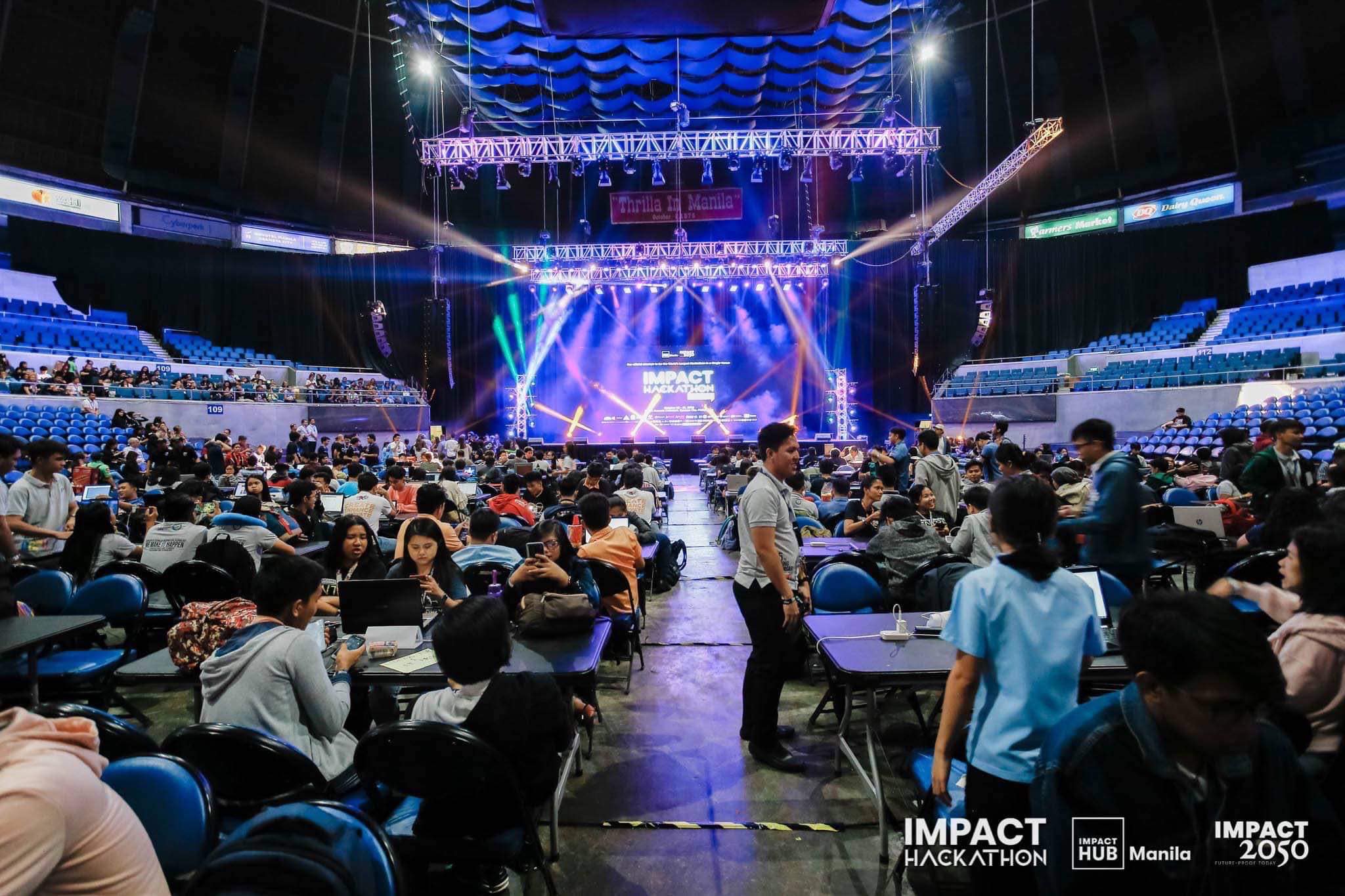
  • Impact Hackathon is an official attempt to be the World’s Largest Multi-City Hackathon by October 30-31, 2019. Simultaneous hacking by 3,500 participants will happen under one roof in Metro Manila, and a total of 10,000 hackers across various cities in the Philippines.

    The event will be a 24-hr reverse hackathon targeted towards the SDGs mainly categories under Agriculture, Education, Smart Cities.
    Impact Hackathon is an official attempt to be the World’s Largest Multi-City Hackathon by October 30-31, 2019. Simultaneous hacking by 3,500 participants will happen under one roof in Metro Manila, and a total of 10,000 hackers across various cities in the Philippines. The event will be a 24-hr reverse hackathon targeted towards the SDGs mainly categories under Agriculture, Education, Smart Cities.
    0 Kommentare 0 Anteile 322 Ansichten
  • AOA

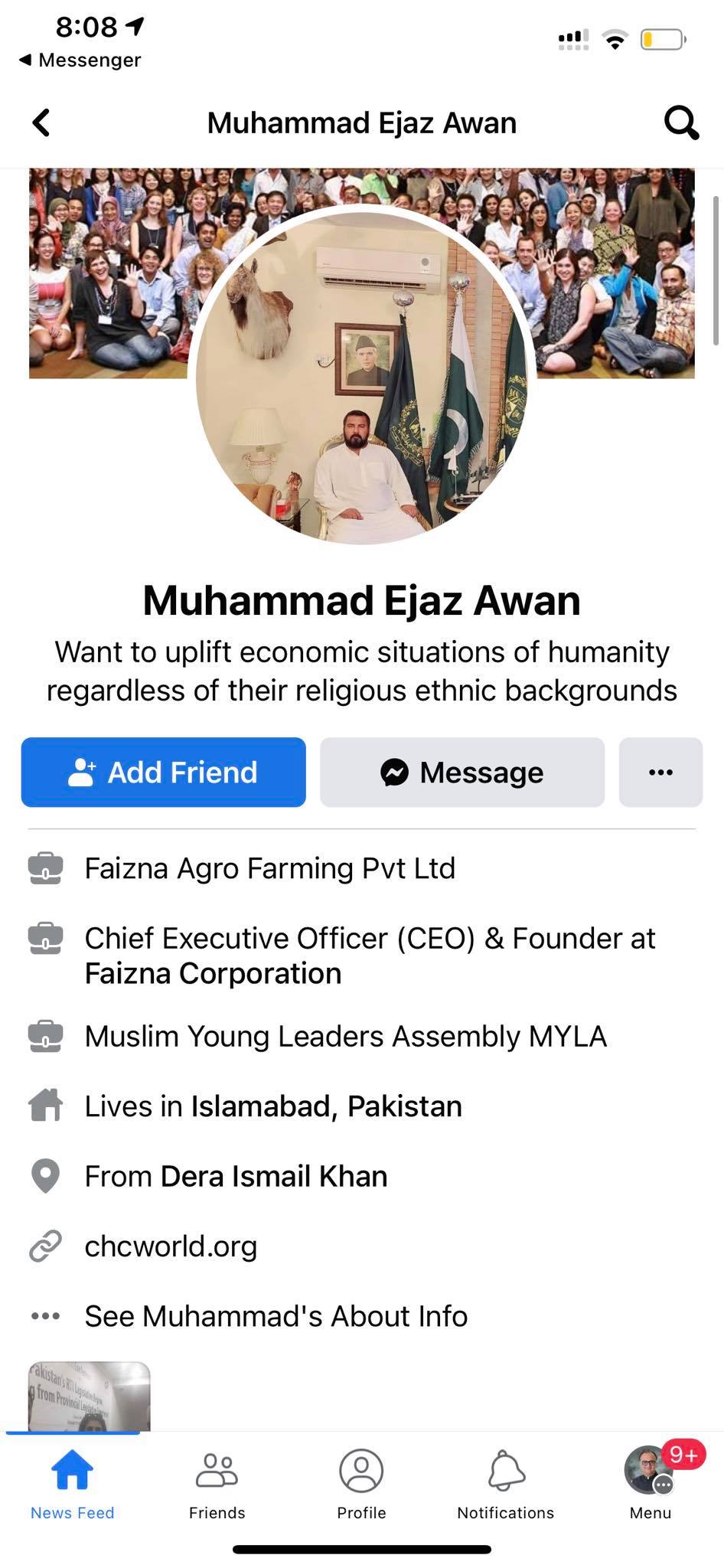
    I am working on my innovation entrepreneurs in humanitarian affairs where i want to uplift economic situation of common public it will indirectly address many sdgs

    Need appointment with you in isb it will help me to refine my approaches and will put me in position to serve better
    Multiple dimensions benefits

    Jazak Allah khair

    Kind Regards
    Muhammad Ejaz Awan
    03335792700
    Founder/CEO, Community Help Community- CHC & CHC Edhi Network, Muslim Young leaders assembly MYLA,
    Chairman Faizna corporation, Faizna Agro farming SMC pvt ltd & Faizna developers/ builders.
    Member of Asia Pacific Refugee Rights Network (APRRN), International
    Detention Coalition (IDC), Professionals in Humanitarian Assistance and Protection (PHAP),Protection Cluster UNHCR, UNDP, UNOCHA, CCCM cluster, Food Security Cluster KP/FATA
    www.chcworld.org www.Faizna.com Twitter:MuhammadCHC
    AOA I am working on my innovation entrepreneurs in humanitarian affairs where i want to uplift economic situation of common public it will indirectly address many sdgs Need appointment with you in isb it will help me to refine my approaches and will put me in position to serve better Multiple dimensions benefits Jazak Allah khair Kind Regards Muhammad Ejaz Awan 03335792700 Founder/CEO, Community Help Community- CHC & CHC Edhi Network, Muslim Young leaders assembly MYLA, Chairman Faizna corporation, Faizna Agro farming SMC pvt ltd & Faizna developers/ builders. Member of Asia Pacific Refugee Rights Network (APRRN), International Detention Coalition (IDC), Professionals in Humanitarian Assistance and Protection (PHAP),Protection Cluster UNHCR, UNDP, UNOCHA, CCCM cluster, Food Security Cluster KP/FATA www.chcworld.org www.Faizna.com Twitter:MuhammadCHC
    0 Kommentare 0 Anteile 326 Ansichten
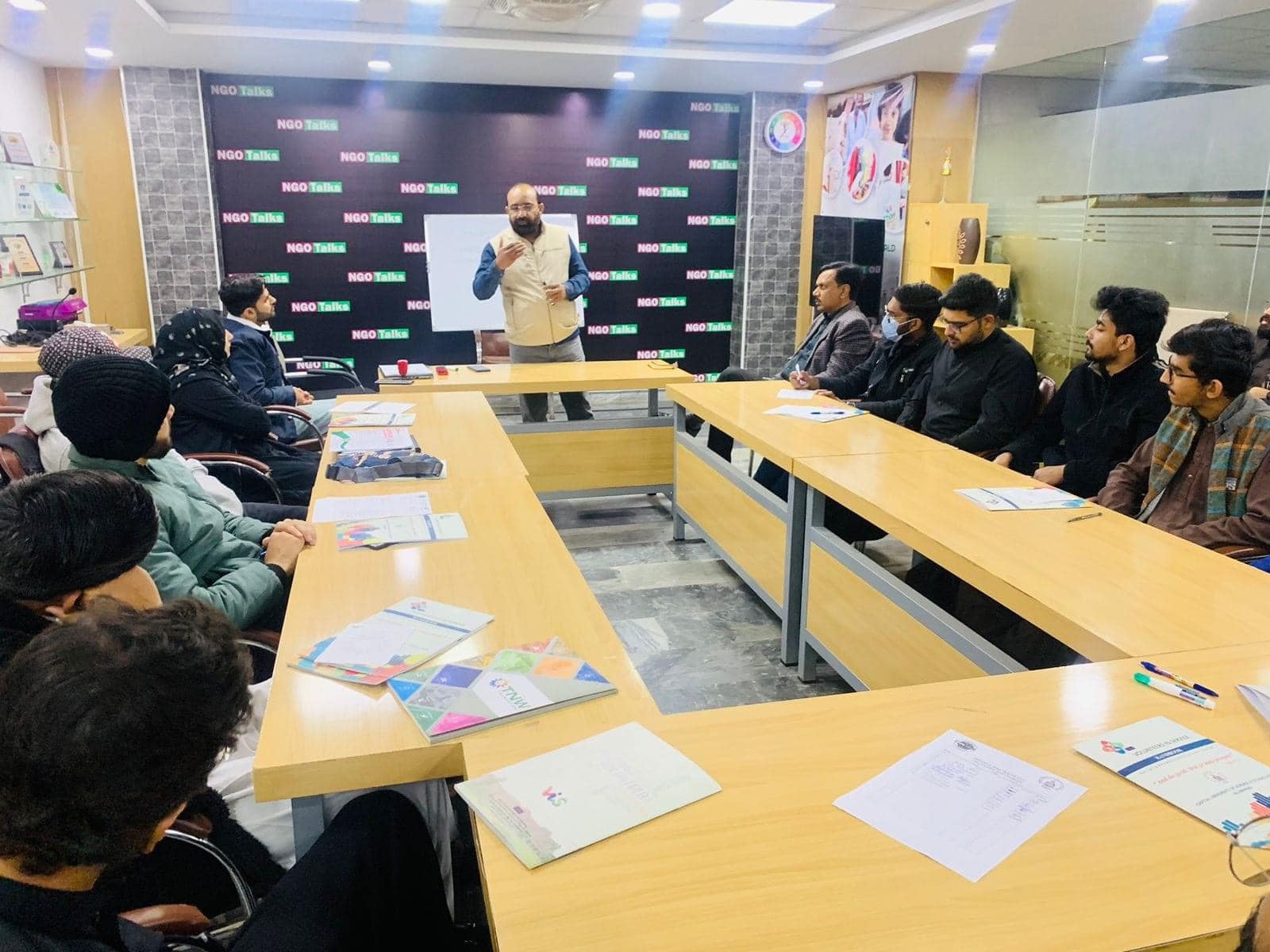
  • At #NGOtalks we make VIDEOS & go LIVE to show your actions of SOCIAL GOOD. If you or your NGO is doing something special for the society and putting positive impact, we would like to listen you and share it with our vast audience related to social and development sector. Catch us by WhatsApp 0092 345 8024696. You may be our next guest or host. To keep yourself updated FOLLOW our page THE NGO WORLD ..

    By Zafar Iqbal

    #theNGOworld #Nonprofits #NGO #SDGs #GlobalGoals #UN #Impact #SocialGood
    At #NGOtalks we make VIDEOS & go LIVE to show your actions of SOCIAL GOOD. If you or your NGO is doing something special for the society and putting positive impact, we would like to listen you and share it with our vast audience related to social and development sector. Catch us by WhatsApp 0092 345 8024696. You may be our next guest or host. To keep yourself updated FOLLOW our page THE NGO WORLD .. By Zafar Iqbal #theNGOworld #Nonprofits #NGO #SDGs #GlobalGoals #UN #Impact #SocialGood
    0 Kommentare 0 Anteile 1594 Ansichten
  • Will & Skill A session on "9C’s of leadership" was delivered to young participants in developing the nine key characteristics of leadership so they can feel ready and well supported as they develop their leadership practice.
    1- Competence
    2- Communication
    3- Collaboration
    4- Confidence
    5- Cooperation
    6- Composition
    7- Commitment
    8- Control
    9-Creativity

    By Zafar Iqbal founder THE NGO WORLD

    #youth #leaders #leadership #brightfuture #professionaldevelopment #willskill #success #successfullife #theNGOworld #TNWF #enterpreneurship #GlobalGoal2030 #SDGs
    Will & Skill A session on "9C’s of leadership" was delivered to young participants in developing the nine key characteristics of leadership so they can feel ready and well supported as they develop their leadership practice. 1- Competence 2- Communication 3- Collaboration 4- Confidence 5- Cooperation 6- Composition 7- Commitment 8- Control 9-Creativity By Zafar Iqbal founder THE NGO WORLD #youth #leaders #leadership #brightfuture #professionaldevelopment #willskill #success #successfullife #theNGOworld #TNWF #enterpreneurship #GlobalGoal2030 #SDGs
    0 Kommentare 0 Anteile 2310 Ansichten
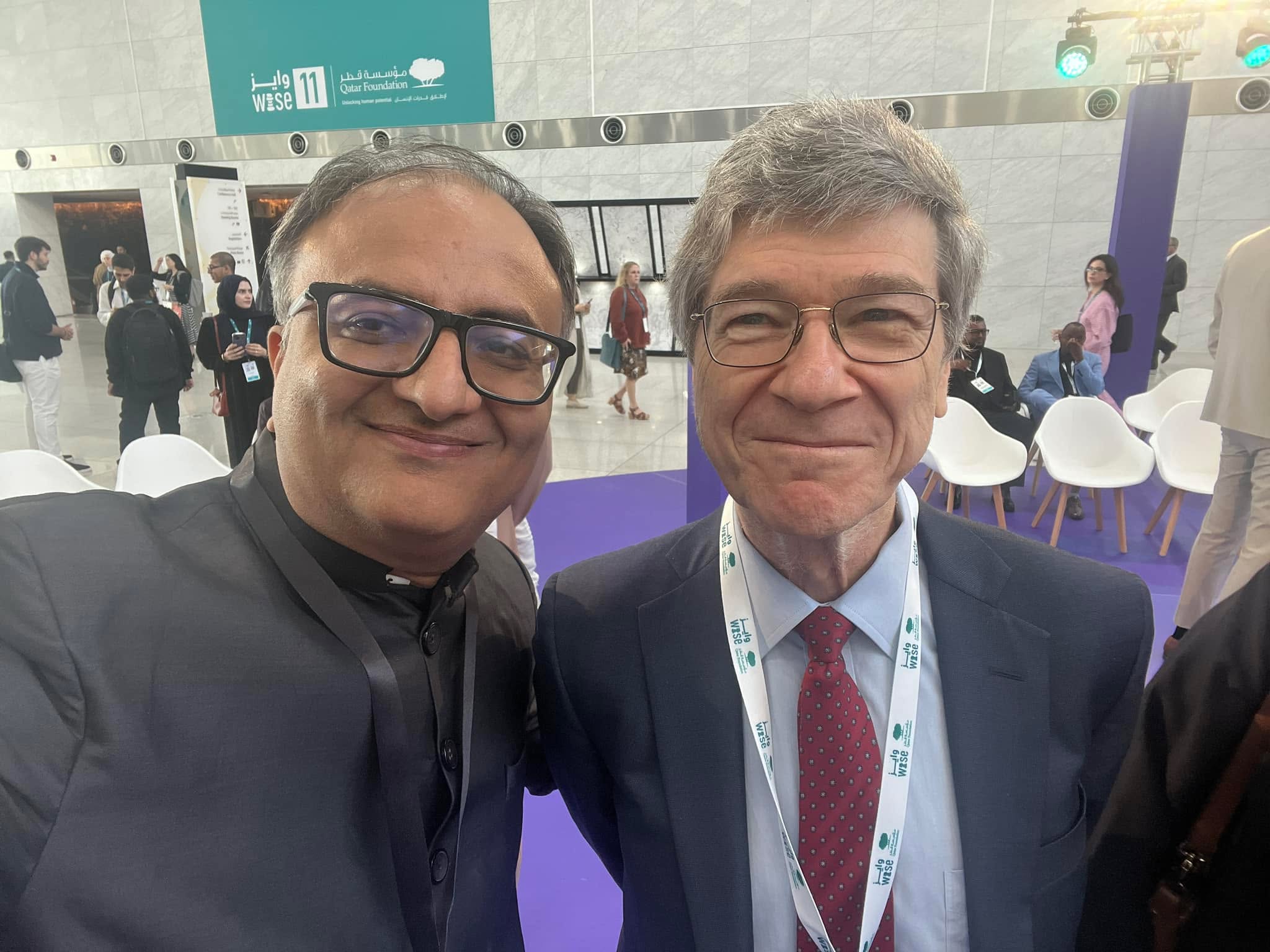
  • Honored to finally have met one of the 100 most info people of the world Jeffery Sachs

    He wrote the book out of poverty in 2005

    He showed keen interest in our work in Rehan School Korangi Campus and found it very radical and agreed to a podcast with me about getting out of poverty this week or online !

    Jeffrey Sachs, an American economist, academic, and public policy analyst, played a significant role in the development of the Sustainable Development Goals (SDGs). As Director of the Center for Sustainable Development at Columbia University and President of the UN Sustainable Development Solutions Network, Sachs has been a vocal advocate for the SDGs. He served as Special Advisor to three UN Secretaries-General: Kofi Annan, Ban Ki-moon, and António Guterres, between 2001 and 2018. His work included significant contributions to the Millennium Development Goals (MDGs), which were precursors to the SDGs. Sachs chaired the WHO Commission on Macroeconomics and Health, which supported the MDGs related to health, and played a key role in launching The Global Fund to Fight AIDS, Tuberculosis, and Malaria. His efforts helped shape global policies and strategies to combat poverty, disease, and promote sustainable development [oai_citation:1,Jeffrey Sachs - Wikipedia](https://en.wikipedia.org/wiki/Jeffrey_Sachs) [oai_citation:2,Jeffrey Sachs - Wikipedia](https://en.wikipedia.org/wiki/Jeffrey_Sachs).
    Honored to finally have met one of the 100 most info people of the world Jeffery Sachs He wrote the book out of poverty in 2005 He showed keen interest in our work in Rehan School Korangi Campus and found it very radical and agreed to a podcast with me about getting out of poverty this week or online ! Jeffrey Sachs, an American economist, academic, and public policy analyst, played a significant role in the development of the Sustainable Development Goals (SDGs). As Director of the Center for Sustainable Development at Columbia University and President of the UN Sustainable Development Solutions Network, Sachs has been a vocal advocate for the SDGs. He served as Special Advisor to three UN Secretaries-General: Kofi Annan, Ban Ki-moon, and António Guterres, between 2001 and 2018. His work included significant contributions to the Millennium Development Goals (MDGs), which were precursors to the SDGs. Sachs chaired the WHO Commission on Macroeconomics and Health, which supported the MDGs related to health, and played a key role in launching The Global Fund to Fight AIDS, Tuberculosis, and Malaria. His efforts helped shape global policies and strategies to combat poverty, disease, and promote sustainable development [oai_citation:1,Jeffrey Sachs - Wikipedia](https://en.wikipedia.org/wiki/Jeffrey_Sachs) [oai_citation:2,Jeffrey Sachs - Wikipedia](https://en.wikipedia.org/wiki/Jeffrey_Sachs).
    0 Kommentare 0 Anteile 303 Ansichten
  • Historic Announcement at Ammar Ai College Islamabad

    Today, at Ammar Ai College, Islamabad, top educators and development specialists gathered under #DigitalPakistanVision2047 to launch a groundbreaking initiative: Pakistan’s first WiFi DX Village.

    This model village will focus on:
    Women Economic Empowerment
    SDGs Academy Pakistan
    CIT – Center of Information Technology
    In collaboration with APCICT – Asian & Pacific Training Centre for ICT for Development

    During the event, my dear friend Ammar Jeffery, ex Director FIA (Pakistan) made a powerful announcement:

    10 Fully-Funded Scholarships for Pakistani Youth (ages 18–22)
    ✔ Free accommodation
    ✔ Free food
    ✔ 4 hours of education daily
    ✔ 8 hours of practical work solving real SDG challenges

    The program will follow the Rehan College Curriculum – where students learn by doing, earn while learning, and graduate as future leaders and entrepreneurs.

    Normal fee: 25,000 PKR/month
    Today’s gift: 10 scholarships covering the full cost for 4 years (worth over 1.2 million PKR per student).

    This is not just education – it’s a movement to build the next generation of leaders who will solve global problems and uplift Pakistan.

    Apply now through this group: https://chat.whatsapp.com/CpZ3NnCEjXD9adBltjzy5P?mode=ems_copy_c

    #AmmarCollege #WiFiDXVillage #WomenEmpowerment #SDGs #RehanCollege #DigitalPakistanVision2047
    🌍✨ Historic Announcement at Ammar Ai College Islamabad ✨🌍 Today, at Ammar Ai College, Islamabad, top educators and development specialists gathered under #DigitalPakistanVision2047 to launch a groundbreaking initiative: Pakistan’s first WiFi DX Village. 🚀💻 This model village will focus on: ✅ Women Economic Empowerment ✅ SDGs Academy Pakistan ✅ CIT – Center of Information Technology ✅ In collaboration with APCICT – Asian & Pacific Training Centre for ICT for Development 📢 During the event, my dear friend Ammar Jeffery, ex Director FIA (Pakistan) made a powerful announcement: 🎓 10 Fully-Funded Scholarships for Pakistani Youth (ages 18–22) ✔ Free accommodation 🏠 ✔ Free food 🍴 ✔ 4 hours of education daily 📚 ✔ 8 hours of practical work solving real SDG challenges 🌱 The program will follow the Rehan College Curriculum – where students learn by doing, earn while learning, and graduate as future leaders and entrepreneurs. 💡 Normal fee: 25,000 PKR/month 🎁 Today’s gift: 10 scholarships covering the full cost for 4 years (worth over 1.2 million PKR per student). 🔥 This is not just education – it’s a movement to build the next generation of leaders who will solve global problems and uplift Pakistan. 👉 Apply now through this group: https://chat.whatsapp.com/CpZ3NnCEjXD9adBltjzy5P?mode=ems_copy_c #AmmarCollege #WiFiDXVillage #WomenEmpowerment #SDGs #RehanCollege #DigitalPakistanVision2047
    0 Kommentare 0 Anteile 1420 Ansichten
Suchergebnis