Accl Foundation Level (Rehan School Urdu Bazar Campus)
Day :118 Story post no : 16
Roll no : 17
Accl task
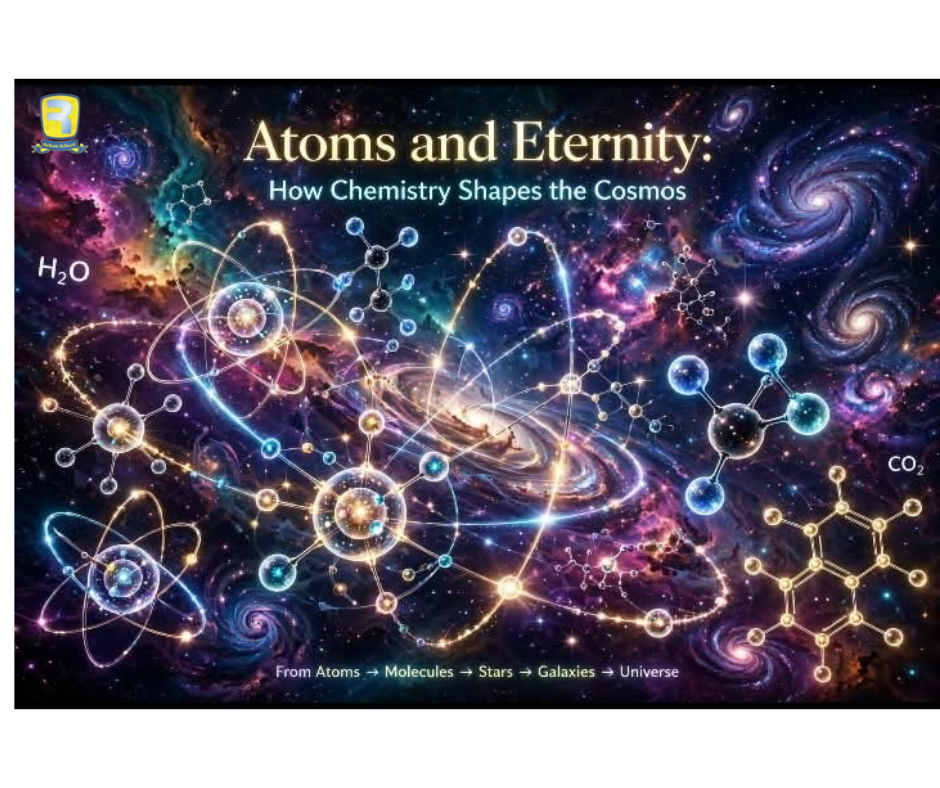
Atoms and Eternity: How Chemistry Shapes the Cosmos
Long, long ago, there was nothing. No stars, no planets, no light. Only darkness and silence in the endless space.
Then, something magical happened. Tiny particles called atoms were born. They were so small that no one could see them, but they had great power inside them.
These atoms started to meet each other. They joined hands and became molecules. Molecules joined together and became clouds of gas and dust in space.
Slowly, those clouds became hot and bright, and the first stars were born. Stars shined in the darkness and gave light to the universe. Inside the stars, chemistry was working like magic. Atoms were changing, mixing, and creating new elements like carbon, oxygen, and iron.
When old stars died, they did not disappear. They exploded and spread their atoms all over space. Those atoms travelled for millions of years and became part of new stars, new planets, and new worlds.
One of those worlds was our Earth. The same atoms from ancient stars made our oceans, our mountains, our trees, and even us. The iron in our blood, the calcium in our bones, and the oxygen we breathe all came from stars.
That is why scientists say, "We are made of star dust."
Chemistry is the bridge between tiny atoms and the endless Cosmos. It shows us that nothing is ever truly lost. Atoms live forever. They change their form, but they never die. They are eternal.
So, when you look at the night sky, remember: You are not just looking at the stars. You are looking at your own beginning. You are a small part of a big, beautiful, eternal universe.
ایٹمز اور ابدیت: کیمسٹری کائنات کو کیسے بناتی ہے
بہت بہت پہلے، کچھ بھی نہیں تھا۔ نہ ستارے، نہ سیارے، نہ روشنی۔ بس لامتناہی خلا میں اندھیرا اور خاموشی تھی۔
پھر کچھ جادوئی ہوا۔ چھوٹے چھوٹے ذرات پیدا ہوئے جنہیں ایٹمز کہتے ہیں۔ وہ اتنے چھوٹے تھے کہ کوئی انہیں دیکھ نہیں سکتا تھا، لیکن ان کے اندر بہت بڑی طاقت تھی۔
یہ ایٹمز ایک دوسرے سے ملنے لگے۔ انہوں نے ہاتھ ملایا اور مالیکیولز بن گئے۔ مالیکیولز آپس میں ملے اور خلا میں گیس اور دھول کے بادل بن گئے۔
آہستہ آہستہ، وہ بادل گرم اور روشن ہو گئے، اور پہلے ستارے پیدا ہوئے۔ ستاروں نے اندھیرے میں چمک کر کائنات کو روشنی دی۔ ستاروں کے اندر کیمسٹری جادو کی طرح کام کر رہی تھی۔ ایٹمز بدل رہے تھے، مل رہے تھے، اور کاربن، آکسیجن اور آئرن جیسے نئے عناصر بنا رہے تھے۔
جب پرانے ستارے مرے، تو وہ ختم نہیں ہوئے۔ وہ پھٹ گئے اور اپنے ایٹمز کو پورے خلا میں پھیلا دیا۔ وہ ایٹمز لاکھوں سال تک سفر کرتے رہے اور نئے ستاروں، نئے سیاروں اور نئی دنیاؤں کا حصہ بن گئے۔
ان میں سے ایک دنیا ہماری زمین تھی۔ قدیم ستاروں کے انہی ایٹمز نے ہمارے سمندر، ہمارے پہاڑ، ہمارے درخت، اور یہاں تک کہ ہمیں بھی بنایا۔ ہمارے خون میں موجود آئرن، ہماری ہڈیوں میں موجود کیلشیم، اور جو آکسیجن ہم سانس لیتے ہیں، سب ستاروں سے آئے ہیں۔
اسی لیے سائنسدان کہتے ہیں، "ہم ستاروں کی دھول سے بنے ہیں۔"
کیمسٹری چھوٹے سے ایٹم اور لامتناہی کائنات کے درمیان ایک پل ہے۔ یہ ہمیں بتاتی ہے کہ کچھ بھی کبھی مکمل طور پر ختم نہیں ہوتا۔ ایٹمز ہمیشہ زندہ رہتے ہیں۔ وہ اپنی شکل بدلتے ہیں، لیکن کبھی مرتے نہیں۔ وہ ابدی ہیں۔
تو جب تم رات کے آسمان کو دیکھو، یاد رکھنا: تم صرف ستاروں کو نہیں دیکھ رہے۔ تم اپنی شروعات کو دیکھ رہے ہو۔ تم ایک بڑی، خوبصورت، ابدی کائنات کا ایک چھوٹا سا حصہ ہو۔
--- See less
Accl Foundation Level (Rehan School Urdu Bazar Campus)
Day :118 Story post no : 16
Roll no : 17
Accl task
Atoms and Eternity: How Chemistry Shapes the Cosmos
Long, long ago, there was nothing. No stars, no planets, no light. Only darkness and silence in the endless space.
Then, something magical happened. Tiny particles called atoms were born. They were so small that no one could see them, but they had great power inside them.
These atoms started to meet each other. They joined hands and became molecules. Molecules joined together and became clouds of gas and dust in space.
Slowly, those clouds became hot and bright, and the first stars were born. Stars shined in the darkness and gave light to the universe. Inside the stars, chemistry was working like magic. Atoms were changing, mixing, and creating new elements like carbon, oxygen, and iron.
When old stars died, they did not disappear. They exploded and spread their atoms all over space. Those atoms travelled for millions of years and became part of new stars, new planets, and new worlds.
One of those worlds was our Earth. The same atoms from ancient stars made our oceans, our mountains, our trees, and even us. The iron in our blood, the calcium in our bones, and the oxygen we breathe all came from stars.
That is why scientists say, "We are made of star dust."
Chemistry is the bridge between tiny atoms and the endless Cosmos. It shows us that nothing is ever truly lost. Atoms live forever. They change their form, but they never die. They are eternal.
So, when you look at the night sky, remember: You are not just looking at the stars. You are looking at your own beginning. You are a small part of a big, beautiful, eternal universe.
ایٹمز اور ابدیت: کیمسٹری کائنات کو کیسے بناتی ہے
بہت بہت پہلے، کچھ بھی نہیں تھا۔ نہ ستارے، نہ سیارے، نہ روشنی۔ بس لامتناہی خلا میں اندھیرا اور خاموشی تھی۔
پھر کچھ جادوئی ہوا۔ چھوٹے چھوٹے ذرات پیدا ہوئے جنہیں ایٹمز کہتے ہیں۔ وہ اتنے چھوٹے تھے کہ کوئی انہیں دیکھ نہیں سکتا تھا، لیکن ان کے اندر بہت بڑی طاقت تھی۔
یہ ایٹمز ایک دوسرے سے ملنے لگے۔ انہوں نے ہاتھ ملایا اور مالیکیولز بن گئے۔ مالیکیولز آپس میں ملے اور خلا میں گیس اور دھول کے بادل بن گئے۔
آہستہ آہستہ، وہ بادل گرم اور روشن ہو گئے، اور پہلے ستارے پیدا ہوئے۔ ستاروں نے اندھیرے میں چمک کر کائنات کو روشنی دی۔ ستاروں کے اندر کیمسٹری جادو کی طرح کام کر رہی تھی۔ ایٹمز بدل رہے تھے، مل رہے تھے، اور کاربن، آکسیجن اور آئرن جیسے نئے عناصر بنا رہے تھے۔
جب پرانے ستارے مرے، تو وہ ختم نہیں ہوئے۔ وہ پھٹ گئے اور اپنے ایٹمز کو پورے خلا میں پھیلا دیا۔ وہ ایٹمز لاکھوں سال تک سفر کرتے رہے اور نئے ستاروں، نئے سیاروں اور نئی دنیاؤں کا حصہ بن گئے۔
ان میں سے ایک دنیا ہماری زمین تھی۔ قدیم ستاروں کے انہی ایٹمز نے ہمارے سمندر، ہمارے پہاڑ، ہمارے درخت، اور یہاں تک کہ ہمیں بھی بنایا۔ ہمارے خون میں موجود آئرن، ہماری ہڈیوں میں موجود کیلشیم، اور جو آکسیجن ہم سانس لیتے ہیں، سب ستاروں سے آئے ہیں۔
اسی لیے سائنسدان کہتے ہیں، "ہم ستاروں کی دھول سے بنے ہیں۔"
کیمسٹری چھوٹے سے ایٹم اور لامتناہی کائنات کے درمیان ایک پل ہے۔ یہ ہمیں بتاتی ہے کہ کچھ بھی کبھی مکمل طور پر ختم نہیں ہوتا۔ ایٹمز ہمیشہ زندہ رہتے ہیں۔ وہ اپنی شکل بدلتے ہیں، لیکن کبھی مرتے نہیں۔ وہ ابدی ہیں۔
تو جب تم رات کے آسمان کو دیکھو، یاد رکھنا: تم صرف ستاروں کو نہیں دیکھ رہے۔ تم اپنی شروعات کو دیکھ رہے ہو۔ تم ایک بڑی، خوبصورت، ابدی کائنات کا ایک چھوٹا سا حصہ ہو۔
--- See less
0 Σχόλια
0 Μοιράστηκε
199 Views