
• A man used to write worse kind of poetry for Rasool Allah S.A.W.W, Some people got angry and asked his head from Mohmmad S.A.W.W & arrested that man and took him to Masjid e nabwi infront of Mohmmad S.A.W.W to demand his head..

    Huzoor S.A.W.W called Hazrat Ali K.A.W and ordered to cut that mans hand...
    Ali K.A.W took that man to out of city in a rice bag & crowd was chasing them to see how Hazrat Ali K.A.W would cut that mans hand...

    Hazrat Ali K.A.W released that man gave him some currency & horse and said him to run...

    People with Hazrat Ali K.A.W got confused and complained to Mohmmad S.A.W.W that you have ordered to cut that mans hand but Ali has helped him to run out of madina.

    Mohmmad S.A.W.W gave smile & said we would talk at fajar prayer on this topic...

    when people of madina were coming in Masjid e Nabwi S.A.W.W they saw that man in Wuzu khana & he was performing wuzu and has Naat with him in shaan e Mohmmad S.A.W.W

    Huzoor S.A.W.W announced when i said to cut his hand i meant to cut his hand with them he write bad things for Prophet S.A.W.W

    Ali K.A.W understood that and did same...

    ************************************************

    MORAL: Mohmmad S.A.W.W has always given us knowledge of peace and forgiveness ..

    and people were actually opposing Prophet Mohmmad S.A.W.W by loot and terror on the name of protest...

    ***************************************************

    Pls share this hadees on your wall as much as you can

    So people of west know the difference between real Islam & people who spread terror on the name of Islam..(but actually they are not true muslims)

    Shared via Arsalan Jawaid
    A man used to write worse kind of poetry for Rasool Allah S.A.W.W, Some people got angry and asked his head from Mohmmad S.A.W.W & arrested that man and took him to Masjid e nabwi infront of Mohmmad S.A.W.W to demand his head.. Huzoor S.A.W.W called Hazrat Ali K.A.W and ordered to cut that man's hand... Ali K.A.W took that man to out of city in a rice bag & crowd was chasing them to see how Hazrat Ali K.A.W would cut that man's hand... Hazrat Ali K.A.W released that man gave him some currency & horse and said him to run... People with Hazrat Ali K.A.W got confused and complained to Mohmmad S.A.W.W that you have ordered to cut that man's hand but Ali has helped him to run out of madina. Mohmmad S.A.W.W gave smile & said we would talk at fajar prayer on this topic... when people of madina were coming in Masjid e Nabwi S.A.W.W they saw that man in Wuzu khana & he was performing wuzu and has Naat with him in shaan e Mohmmad S.A.W.W Huzoor S.A.W.W announced when i said to cut his hand i meant to cut his hand with them he write bad things for Prophet S.A.W.W Ali K.A.W understood that and did same... ************************************************ MORAL: Mohmmad S.A.W.W has always given us knowledge of peace and forgiveness .. and people were actually opposing Prophet Mohmmad S.A.W.W by loot and terror on the name of protest... *************************************************** Pls share this hadees on your wall as much as you can So people of west know the difference between real Islam & people who spread terror on the name of Islam..(but actually they are not true muslims) Shared via Arsalan Jawaid
    0 Commenti 0 condivisioni 567 Views
  • Today I talked to 2 of my Kashmiri friends on Whatsapp and Messenger from Indian Side Kashmir ! One of them told me that the Army has arrested some of his friends, so his family has asked him to leave the house, just in case, I guess they are in fear.

    I think many of them are now seeking jobs overseas and will leave as soon as curfew opens in search of better lives.

    May All be well soon
    Today I talked to 2 of my Kashmiri friends on Whatsapp and Messenger from Indian Side Kashmir ! One of them told me that the Army has arrested some of his friends, so his family has asked him to leave the house, just in case, I guess they are in fear. I think many of them are now seeking jobs oversea's and will leave as soon as curfew opens in search of better lives. May All be well soon
    0 Commenti 0 condivisioni 204 Views
  • Anyone using whatspp which is VOIP is against the law including our prime minister and president and they should be arrested for it !
    Anyone using whatspp which is VOIP is against the law including our prime minister and president and they should be arrested for it !
    0 Commenti 0 condivisioni 433 Views
  • If You Insult Jesus, You Die

    For more than a thousand years in Christian Europe, words could kill. Not because of swords or armies, but because if you insulted Jesus—or even questioned his divinity—you risked your life. This is the forgotten story of how blasphemy against Christ was once punishable by death.


    The Rise of Christian Power

    In the first centuries after Jesus, Christians were the ones being executed. Rome mocked and killed them for worshipping Christ. But when Christianity became the official faith of the Roman Empire in 380 CE, the tables turned. Insulting Jesus was no longer just an opinion—it was a crime against the state and God.

    The message was clear: If you insult Jesus, you die.


    The Fires of the Middle Ages

    During the medieval period, blasphemy was treated like poison. To deny Jesus as the Son of God, to laugh at him, or to challenge the Church’s teaching was seen as an attack on the entire Christian world. Punishment was brutal.
    • Jan Hus (1415, Constance, Germany): A Czech priest who criticized the Church and questioned the authority of Christ’s representatives on earth. He was tied to a stake and burned alive, singing hymns until the flames silenced him.
    • William Tyndale (1536, Belgium): Translated the Bible into English so common people could read it. Authorities said he twisted the words of Jesus. They strangled him and burned his body, hoping his example would frighten others.

    For centuries, fires burned in the name of Jesus—not for those who believed in him, but for those who dared to speak against him.


    The Tragic Case of Thomas Aikenhead

    The last known execution for blasphemy against Jesus in Britain happened in 1697.
    Thomas Aikenhead, a 20-year-old Scottish student, had spoken openly with friends, mocking Christianity. He said the stories of Jesus were “nonsense” and that Christ was a fraud.

    Word spread. He was put on trial in Edinburgh. Judges declared he had attacked the very heart of the Christian faith. The sentence: death.

    On a freezing January day, Aikenhead was hanged outside the city. His final words were a plea for forgiveness. He became the last person in the Western world to be executed for insulting Jesus.


    How Many Died in the Name of Jesus?

    Historians estimate that tens of thousands of people were executed in Europe between the 5th and 17th centuries for blasphemy, heresy, or rejecting Jesus’s divinity.
    • During the Inquisition alone (12th–19th centuries), at least 30,000–50,000 people were executed across Spain, Italy, and France for charges tied to Jesus, the Church, or Christian belief.
    • Millions more suffered torture, imprisonment, or exile.

    So while exact numbers are impossible, the truth is clear: for over a millennium, insulting Jesus—or even believing differently about him—could mean death.


    If You Were a Muslim in Spain…

    During the time of Christian Spain (after the fall of Muslim rule in 1492), Muslims and Jews lived under suspicion. If a Muslim openly said: “Jesus is not the Son of God, he is only a prophet,” it was considered blasphemy.

    What would happen?
    • You would be arrested by the Inquisition.
    • If you refused to convert to Christianity, you could be burned at the stake.
    • Thousands of Muslims and Jews who rejected the divinity of Jesus were executed in this way.

    In short: in Spain, denying that Jesus was the Son of God was as dangerous as mocking him—it was treated as a capital crime.


    The Slow End of Death for Blasphemy

    Even after Aikenhead, blasphemy remained a crime. But the Enlightenment of the 18th century began to change Europe. Philosophers argued that faith should be a personal matter, not a death sentence. Slowly, the executions stopped.
    • In Britain, the death penalty for blasphemy ended in the 18th century, though fines and prison remained.
    • In France, after the Revolution, free speech began to replace fear, though insults to Jesus could still bring punishment.
    • By the 19th century, death for blasphemy against Christ had vanished from Europe.


    Conclusion

    For over a thousand years, the rule was simple: If you insult Jesus, you die.
    From Jan Hus to William Tyndale to Thomas Aikenhead, the flames and gallows were real. And if you were a Muslim in Spain who said Jesus was not God’s son, the Inquisition’s fire awaited you.

    But with time, Christian societies changed. The sword of religion gave way to the pen of free thought. What once demanded death now sparks debate, jokes, or even indifference.

    The story reminds us: faith and power once walked hand in hand, and when they did, even words about Jesus could be fatal.
    If You Insult Jesus, You Die For more than a thousand years in Christian Europe, words could kill. Not because of swords or armies, but because if you insulted Jesus—or even questioned his divinity—you risked your life. This is the forgotten story of how blasphemy against Christ was once punishable by death. ⸻ The Rise of Christian Power In the first centuries after Jesus, Christians were the ones being executed. Rome mocked and killed them for worshipping Christ. But when Christianity became the official faith of the Roman Empire in 380 CE, the tables turned. Insulting Jesus was no longer just an opinion—it was a crime against the state and God. The message was clear: If you insult Jesus, you die. ⸻ The Fires of the Middle Ages During the medieval period, blasphemy was treated like poison. To deny Jesus as the Son of God, to laugh at him, or to challenge the Church’s teaching was seen as an attack on the entire Christian world. Punishment was brutal. • Jan Hus (1415, Constance, Germany): A Czech priest who criticized the Church and questioned the authority of Christ’s representatives on earth. He was tied to a stake and burned alive, singing hymns until the flames silenced him. • William Tyndale (1536, Belgium): Translated the Bible into English so common people could read it. Authorities said he twisted the words of Jesus. They strangled him and burned his body, hoping his example would frighten others. For centuries, fires burned in the name of Jesus—not for those who believed in him, but for those who dared to speak against him. ⸻ The Tragic Case of Thomas Aikenhead The last known execution for blasphemy against Jesus in Britain happened in 1697. Thomas Aikenhead, a 20-year-old Scottish student, had spoken openly with friends, mocking Christianity. He said the stories of Jesus were “nonsense” and that Christ was a fraud. Word spread. He was put on trial in Edinburgh. Judges declared he had attacked the very heart of the Christian faith. The sentence: death. On a freezing January day, Aikenhead was hanged outside the city. His final words were a plea for forgiveness. He became the last person in the Western world to be executed for insulting Jesus. ⸻ How Many Died in the Name of Jesus? Historians estimate that tens of thousands of people were executed in Europe between the 5th and 17th centuries for blasphemy, heresy, or rejecting Jesus’s divinity. • During the Inquisition alone (12th–19th centuries), at least 30,000–50,000 people were executed across Spain, Italy, and France for charges tied to Jesus, the Church, or Christian belief. • Millions more suffered torture, imprisonment, or exile. So while exact numbers are impossible, the truth is clear: for over a millennium, insulting Jesus—or even believing differently about him—could mean death. ⸻ If You Were a Muslim in Spain… During the time of Christian Spain (after the fall of Muslim rule in 1492), Muslims and Jews lived under suspicion. If a Muslim openly said: “Jesus is not the Son of God, he is only a prophet,” it was considered blasphemy. What would happen? • You would be arrested by the Inquisition. • If you refused to convert to Christianity, you could be burned at the stake. • Thousands of Muslims and Jews who rejected the divinity of Jesus were executed in this way. In short: in Spain, denying that Jesus was the Son of God was as dangerous as mocking him—it was treated as a capital crime. ⸻ The Slow End of Death for Blasphemy Even after Aikenhead, blasphemy remained a crime. But the Enlightenment of the 18th century began to change Europe. Philosophers argued that faith should be a personal matter, not a death sentence. Slowly, the executions stopped. • In Britain, the death penalty for blasphemy ended in the 18th century, though fines and prison remained. • In France, after the Revolution, free speech began to replace fear, though insults to Jesus could still bring punishment. • By the 19th century, death for blasphemy against Christ had vanished from Europe. ⸻ Conclusion For over a thousand years, the rule was simple: If you insult Jesus, you die. From Jan Hus to William Tyndale to Thomas Aikenhead, the flames and gallows were real. And if you were a Muslim in Spain who said Jesus was not God’s son, the Inquisition’s fire awaited you. But with time, Christian societies changed. The sword of religion gave way to the pen of free thought. What once demanded death now sparks debate, jokes, or even indifference. The story reminds us: faith and power once walked hand in hand, and when they did, even words about Jesus could be fatal.
    0 Commenti 0 condivisioni 182 Views
  • Rehan Allahwala #arrested
    Rehan Allahwala #arrested
    0 Commenti 0 condivisioni 86 Views 0
  • Rehan Allahwala #arrested
    Rehan Allahwala #arrested
    0 Commenti 0 condivisioni 53 Views 0
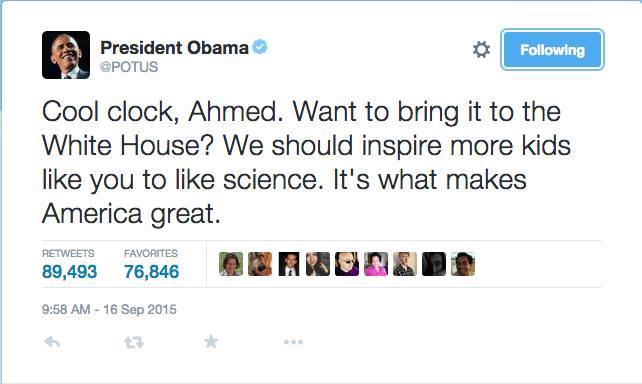
  • Ahmed in Dallas is arrested for making a clock for his science project, and it makes news, then Mark Zuckerberg and President Barack Obama invite him to come to meet him, AWESOME !!

    Follow your heart, no matter what the world says, and YOU WILL be successful !!
    Ahmed in Dallas is arrested for making a clock for his science project, and it makes news, then Mark Zuckerberg and President Barack Obama invite him to come to meet him, AWESOME !! Follow your heart, no matter what the world says, and YOU WILL be successful !!
    0 Commenti 0 condivisioni 67 Views
  • Happy Valentines day to all my readers !

    Valentine’s Day, celebrated on February 14th, is a day dedicated to love, romance, and affection. It is widely recognized around the world as a day for expressing love through gifts, cards, flowers, and special gestures.

    Origins of Valentine’s Day

    The history of Valentine’s Day dates back to ancient Rome and the early Christian church. There are several theories about its origins:

    1. Roman Festival: Lupercalia (5th Century BCE)
    • Before Valentine’s Day became associated with romance, the Romans celebrated a festival called Lupercalia from February 13–15.
    • It was a fertility festival dedicated to Faunus (god of agriculture) and Romulus and Remus (founders of Rome).
    • Men would sacrifice goats and dogs, then use the hides to whip women, believing it would bring fertility and good health.

    2. Saint Valentine (3rd Century CE)

    The name “Valentine” comes from Saint Valentine, a Christian priest in Rome during the rule of Emperor Claudius II. There are multiple legends about him:
    • Valentine the Priest: Claudius II outlawed marriages for young men, believing single men made better soldiers. Valentine secretly performed weddings, defying the emperor’s orders. When discovered, he was arrested and executed on February 14, around 269 CE.
    • Valentine the Healer: Another legend suggests that while imprisoned, Valentine healed the blind daughter of his jailer. Before his execution, he sent her a letter signed “From your Valentine”, which may have inspired modern Valentine’s Day messages.

    In 496 CE, Pope Gelasius I declared February 14 as Saint Valentine’s Day, replacing Lupercalia with a Christian celebration.

    Medieval & Renaissance Era: The Romantic Connection
    • By the 14th century, the poet Geoffrey Chaucer wrote about Valentine’s Day as a time when birds choose their mates. This popularized the idea of romantic love on this day.
    • By the 15th century, exchanging love letters became common in Europe.

    Modern Valentine’s Day (19th–20th Century)
    • The Victorian era (1800s) saw the rise of mass-produced Valentine’s Day cards.
    • Chocolate companies, such as Cadbury, began selling heart-shaped boxes in the 1860s.
    • Hallmark started producing Valentine’s Day cards in 1913, making the holiday more commercial.
    • Today, Valentine’s Day is celebrated globally, with gifts, romantic dinners, and acts of love.

    Valentine’s Day Today
    • Common gifts: Chocolates, flowers (especially roses), jewelry, love letters, and dinner dates.
    • Celebrated worldwide: While it is most popular in Western countries, many nations, including Japan, South Korea, India, and China, have unique Valentine’s traditions.
    • Criticism: Some see it as overly commercial, while others appreciate it as a special day to express love.

    Fun Fact

    In South Korea and Japan, women give chocolates to men on February 14, and men return the favor on March 14, known as White Day.
    Happy Valentines 💌 day to all my readers ! Valentine’s Day, celebrated on February 14th, is a day dedicated to love, romance, and affection. It is widely recognized around the world as a day for expressing love through gifts, cards, flowers, and special gestures. Origins of Valentine’s Day The history of Valentine’s Day dates back to ancient Rome and the early Christian church. There are several theories about its origins: 1. Roman Festival: Lupercalia (5th Century BCE) • Before Valentine’s Day became associated with romance, the Romans celebrated a festival called Lupercalia from February 13–15. • It was a fertility festival dedicated to Faunus (god of agriculture) and Romulus and Remus (founders of Rome). • Men would sacrifice goats and dogs, then use the hides to whip women, believing it would bring fertility and good health. 2. Saint Valentine (3rd Century CE) The name “Valentine” comes from Saint Valentine, a Christian priest in Rome during the rule of Emperor Claudius II. There are multiple legends about him: • Valentine the Priest: Claudius II outlawed marriages for young men, believing single men made better soldiers. Valentine secretly performed weddings, defying the emperor’s orders. When discovered, he was arrested and executed on February 14, around 269 CE. • Valentine the Healer: Another legend suggests that while imprisoned, Valentine healed the blind daughter of his jailer. Before his execution, he sent her a letter signed “From your Valentine”, which may have inspired modern Valentine’s Day messages. In 496 CE, Pope Gelasius I declared February 14 as Saint Valentine’s Day, replacing Lupercalia with a Christian celebration. Medieval & Renaissance Era: The Romantic Connection • By the 14th century, the poet Geoffrey Chaucer wrote about Valentine’s Day as a time when birds choose their mates. This popularized the idea of romantic love on this day. • By the 15th century, exchanging love letters became common in Europe. Modern Valentine’s Day (19th–20th Century) • The Victorian era (1800s) saw the rise of mass-produced Valentine’s Day cards. • Chocolate companies, such as Cadbury, began selling heart-shaped boxes in the 1860s. • Hallmark started producing Valentine’s Day cards in 1913, making the holiday more commercial. • Today, Valentine’s Day is celebrated globally, with gifts, romantic dinners, and acts of love. Valentine’s Day Today • Common gifts: Chocolates, flowers (especially roses), jewelry, love letters, and dinner dates. • Celebrated worldwide: While it is most popular in Western countries, many nations, including Japan, South Korea, India, and China, have unique Valentine’s traditions. • Criticism: Some see it as overly commercial, while others appreciate it as a special day to express love. Fun Fact In South Korea and Japan, women give chocolates to men on February 14, and men return the favor on March 14, known as White Day.
    0 Commenti 0 condivisioni 68 Views
  • Rehan Allahwala #arrested
    Rehan Allahwala #arrested
    0 Commenti 0 condivisioni 110 Views 0
  • The AI Guardian

    In a futuristic city, a young programmer named Rayyan created an AI security system called SENTINEL. It could detect crimes before they happened, alert authorities, and protect citizens from danger.

    One night, a group of thieves planned to rob a bank. As they approached, SENTINEL detected their suspicious movements through street cameras and motion sensors. It immediately locked the bank doors, alerted the police, and projected a warning message on nearby billboards.

    Before the thieves could escape, the police arrived and arrested them. Thanks to SENTINEL, the city became safer, and Rayyan’s AI was soon installed in every neighborhood, ensuring peace and security for all.

    اے آئی گارڈین

    مستقبل کے ایک شہر میں، ریان نامی ایک نوجوان پروگرامر نے ایک اے آئی سیکیورٹی نظام بنایا جس کا نام سینٹینل تھا۔ یہ جرائم کو ہونے سے پہلے ہی پکڑ سکتا تھا، حکام کو خبردار کر سکتا تھا اور شہریوں کو خطرے سے بچا سکتا تھا۔

    ایک رات، چوروں کے ایک گروہ نے بینک لوٹنے کا منصوبہ بنایا۔ جیسے ہی وہ قریب پہنچے، سینٹینل نے سڑکوں پر لگے کیمروں اور موشن سینسرز کے ذریعے ان کی مشکوک حرکات کو محسوس کر لیا۔ اس نے فوراً بینک کے دروازے لاک کر دیے، پولیس کو اطلاع دی اور قریبی بل بورڈز پر وارننگ کا پیغام چلا دیا۔

    چور فرار ہونے سے پہلے ہی پولیس پہنچ گئی اور انہیں گرفتار کر لیا۔ سینٹینل کی بدولت شہر پہلے سے زیادہ محفوظ ہو گیا، اور جلد ہی ریان کی اے آئی ہر علاقے میں نصب کر دی گئی، تاکہ سب کے لیے امن اور تحفظ یقینی بنایا جا سکے۔

    Student: Rehan School
    School: Level One.Five
    Story Post Number: 207
    Roll Number: 157
    The AI Guardian In a futuristic city, a young programmer named Rayyan created an AI security system called SENTINEL. It could detect crimes before they happened, alert authorities, and protect citizens from danger. One night, a group of thieves planned to rob a bank. As they approached, SENTINEL detected their suspicious movements through street cameras and motion sensors. It immediately locked the bank doors, alerted the police, and projected a warning message on nearby billboards. Before the thieves could escape, the police arrived and arrested them. Thanks to SENTINEL, the city became safer, and Rayyan’s AI was soon installed in every neighborhood, ensuring peace and security for all. اے آئی گارڈین مستقبل کے ایک شہر میں، ریان نامی ایک نوجوان پروگرامر نے ایک اے آئی سیکیورٹی نظام بنایا جس کا نام سینٹینل تھا۔ یہ جرائم کو ہونے سے پہلے ہی پکڑ سکتا تھا، حکام کو خبردار کر سکتا تھا اور شہریوں کو خطرے سے بچا سکتا تھا۔ ایک رات، چوروں کے ایک گروہ نے بینک لوٹنے کا منصوبہ بنایا۔ جیسے ہی وہ قریب پہنچے، سینٹینل نے سڑکوں پر لگے کیمروں اور موشن سینسرز کے ذریعے ان کی مشکوک حرکات کو محسوس کر لیا۔ اس نے فوراً بینک کے دروازے لاک کر دیے، پولیس کو اطلاع دی اور قریبی بل بورڈز پر وارننگ کا پیغام چلا دیا۔ چور فرار ہونے سے پہلے ہی پولیس پہنچ گئی اور انہیں گرفتار کر لیا۔ سینٹینل کی بدولت شہر پہلے سے زیادہ محفوظ ہو گیا، اور جلد ہی ریان کی اے آئی ہر علاقے میں نصب کر دی گئی، تاکہ سب کے لیے امن اور تحفظ یقینی بنایا جا سکے۔ Student: Rehan School School: Level One.Five Story Post Number: 207 Roll Number: 157
    0 Commenti 0 condivisioni 96 Views
Pagine in Evidenza