• How is the word lahore related to son of lord ram loha ?

    There is a theory that the name "Lahore" is derived from the ancient Sanskrit word "Loharuka," which means "the city of Loh," referring to the Lohar people who are believed to have lived in the region. However, this theory has not been definitively proven, and the origins of the name "Lahore" are not certain.

    Loha is a Sanskrit word that means "iron," and it is not directly related to the name "Lahore." It is possible that the word "Lahore" may have some connection to the word "Loha," but this has not been definitively established.

    Lord Rama, also known as Ramachandra, is a mythological figure from Hindu mythology who is considered to be an avatar of the god Vishnu. According to the Hindu epic the Ramayana, Rama was the prince of Ayodhya and the son of King Dasharatha and Queen Kausalya. He had three brothers and two sons, Lava and Kusha, and his wife was Sita. Lord Rama is not connected to the name "Lahore" or the word "Loha”.

    #ChatGPT
    How is the word lahore related to son of lord ram loha ? There is a theory that the name "Lahore" is derived from the ancient Sanskrit word "Loharuka," which means "the city of Loh," referring to the Lohar people who are believed to have lived in the region. However, this theory has not been definitively proven, and the origins of the name "Lahore" are not certain. Loha is a Sanskrit word that means "iron," and it is not directly related to the name "Lahore." It is possible that the word "Lahore" may have some connection to the word "Loha," but this has not been definitively established. Lord Rama, also known as Ramachandra, is a mythological figure from Hindu mythology who is considered to be an avatar of the god Vishnu. According to the Hindu epic the Ramayana, Rama was the prince of Ayodhya and the son of King Dasharatha and Queen Kausalya. He had three brothers and two sons, Lava and Kusha, and his wife was Sita. Lord Rama is not connected to the name "Lahore" or the word "Loha”. #ChatGPT
    0 Commentarii 0 Distribuiri 340 Views
  • Origins of Holi and the Multan Sun Temple Connection

    Mythological Accounts Linking Holi to Multan

    Holi’s origin is rooted in Hindu mythology, particularly the legend of Prahlada and Holika. Prahlada was the devout son of the asura king Hiranyakashipu, who, according to lore, ruled in the ancient city of Multan (known in Sanskrit as Kashyapapura)  . Hiranyakashipu’s sister Holika attempted to kill the boy Prahlada by burning him, but due to divine protection Holika herself was engulfed in the flames. In the Bhagavata Purana and other texts, Holika is ultimately burned to ashes as a result of her evil act . This triumph of good over evil is commemorated as Holika Dahan, the ceremonial bonfire on the eve of Holi. Local tradition in Multan explicitly ties this event to the city – it is said that Holika was burned on the spot that later became a temple site . After Hiranyakashipu’s demise at the hands of Lord Vishnu’s Narasimha avatar, Prahlada is believed to have built a shrine in honor of Narasimha at this very location . The temple was constructed around the pillar from which Narasimha emerged, and “thus, the festival of Holika Dahan commenced” at Multan . In other words, mythological accounts (as preserved in local folklore and later texts) hold that the first Holi bonfire was lit in Multan to celebrate Holika’s defeat and Prahlada’s survival, laying the foundation for the Holi festival.

    Notably, ancient Sanskrit sources do not name Multan outright in the Prahlada story, but they provide clues that align with Multan’s identity. The city’s old Sanskrit name “Kashyapapura” literally means City of Kashyapa, and according to tradition it was founded by Rishi Kashyapa – who in myth is the ancestor (grandfather) of Hiranyakashipu . This gives Multan a direct link to Prahlada’s lineage. Even Greek historians preserved this memory: both Herodotus and Ptolemy mention a city called Kaspeira/Kasyapapura, which scholars identify with Multan . Such ancient references suggest the legend of Multan’s founding by Kashyapa (and by extension its connection to Prahlada’s tale) was well known in antiquity. In summary, while core Hindu scriptures describe Prahlada and Holika’s saga in detail, it’s the later interpretation of those accounts – supported by local folklore and nomenclature – that situates the story in Multan, providing a mythological basis for linking Holi’s origin to the city.

    The Prahladpuri Temple and Holi Tradition

    The focal point of the Holi-Multan connection is the Prahladpuri Temple in Multan. According to legend, Prahlada established this temple to honor Lord Narasimha after the deity’s victory over Hiranyakashipu . The temple’s very inception is intertwined with the Holika episode: oral traditions maintain that it was built around the charred pillar that witnessed Holika’s destruction and Narasimha’s appearance . This temple became the center of an annual celebration marking those events. Historical records from the 19th century note that a yearly festival was held on the temple premises commemorating Narasimha’s appearance (an event directly related to Prahlada’s story) . This celebration corresponds to the essence of Holi – rejoicing at the end of tyranny and the salvation of Prahlada. In effect, Prahladpuri Temple served as a cultural memory site for the Holi legend: local Hindus would gather to re-enact or remember the burning of Holika (Holika Dahan) and the divine deliverance of Prahlada . Even the name “Prahladpuri” itself signifies the temple’s association with Prahlada.

    Historically, Prahladpuri Temple stood within the fort of Multan, adjacent to where the dargah (shrine) of Sufi saint Bahauddin Zakariya is today . Over the centuries, the temple saw cycles of destruction and rebuilding. It was reported to be the only active Hindu shrine in Multan by the mid-1800s, described then as a modest brick building with carved wooden pillars . Despite its modest state, its legacy as “the only place of Hindu worship in Multan” at that time underscores how strongly it was rooted in local religious life . Unfortunately, Prahladpuri Temple did not survive the turmoils of the 20th century; it was damaged during the Partition of India and later razed in 1992 during communal riots, leaving only ruins where it once stood. Yet, the memory of this temple endures because of its legendary status as the birthplace of Holi’s most important rite. Modern historians and writers often cite Prahladpuri when discussing Holi’s origins – for instance, an article in The Friday Times titled “Holi’s home by heritage” highlighted Multan and Prahladpuri’s role in the festival’s history . All told, the Prahladpuri Temple’s lore provides a tangible link (through place-based tradition) between the city of Multan and the celebration of Holi.

    Multan’s Sun Temple in History and Legend

    Apart from Prahladpuri, Multan was famous for another ancient shrine – the Sun Temple of Multan, dedicated to the sun god (Surya, also locally called Aditya or Mul). This Sun Temple was one of the most renowned pilgrimage sites in the subcontinent for millennia. Historical evidence for its prominence is plentiful: the Greek admiral Skylax (515 BCE) mentioned a revered temple in Multan, as did Alexander’s historians, and the Chinese traveler Hiuen Tsang recorded a thriving Aditya (Sun-god) temple when he visited Multan in 641 CE  . The Arab polymath Al-Biruni also described the Multan sun idol in the 11th century, noting its great age and the wealth it attracted from pilgrims  . According to Al-Biruni, local Brahmins claimed the idol dated back to the Krita Yuga (a mythical age over 200,000 years past), underscoring how ancient and sacred the site was believed to be . Multan’s very name is linked to this temple – the Sanskrit Mulasthana (meaning “original place”) and even the word Multan itself are thought to derive from “Mul”, an epithet of the sun god whose idol stood there . Another old name of the city, Kashyapapura, also appears in this context, blending the city’s mythic founding by Kashyapa/Prahlada’s family with its identity as a solar worship center .

    Is there a connection between Holi and the Sun Temple? Indirectly, yes. While the Sun Temple was dedicated to Surya rather than Vishnu, local mythological accounts intertwine the two. One tradition holds that Prahlada himself instituted sun worship in Multan  – suggesting that after Narasimha’s victory, Prahlada honored not only Vishnu but also the sun god at Mulasthana. This legend possibly arose to integrate Prahlada (a Vaishnavite hero) into Multan’s older solar cult. It was also said that Prahlada’s father Hiranyakashipu (being a descendant of the sage Kashyapa) gave Multan its Kashyapapura name, tying the Sun Temple city to Prahlada’s lineage . In essence, Prahlada became a patron figure of all sacred sites in Multan. Thus, later tellings sometimes blur the lines between the Sun Temple and Prahladpuri. For example, some narratives claim Prahlada built the first temple in Multan (by one account, the Sun Temple; by another, the Narasimha temple) – in either case, crediting him with establishing the city’s holiness  . This is why the question of Holi’s origin often invokes the “Sun Temple of Multan” in the same breath as Prahlad: both temples, in different ways, trace back to Prahlada’s legacy. However, it’s important to distinguish that the Holi festival is directly tied to Prahladpuri (Narasimha) Temple and the Holika incident, not to sun worship itself. The Sun Temple’s role is more about underscoring Multan’s antiquity and spiritual significance, which bolsters the plausibility that an ancient festival like Holi could have roots there.

    Archaeological and Scholarly Evidence

    From an archaeological perspective, little remains of these once-great temples today. The Sun Temple of Multan was destroyed by repeated invasions – it survived into the 10th century but was later obliterated (accounts suggest it was finally torn down by the Mughal Aurangzeb in the 17th century)  . Its exact site is uncertain now, though it was located in the old fort area (some ruins near the Suraj Kund reservoir are associated with it) . The Prahladpuri Temple lasted longer, but as noted, it too was reduced to ruins by the late 20th century. What we know of these structures comes from historical descriptions and a few surveys. British administrators like Alexander Burnes and Alexander Cunningham documented Prahladpuri in the 1800s, describing its architecture and noting its annual festivals  . Cunningham in 1854 found the temple roofless yet still revered, standing alongside the “Suraj Kund” (Sun Temple tank), indicating both temples’ sites were known then  . In the 1920s, the Multan District Gazetteer recorded local folklore in detail – confirming the belief that “this was the place where Holika was burnt” and that the temple was built by Bhakta Prahlada himself . This gazetteer (edited by historian Sir Edward Maclagan) treats the Prahlad-Holi connection as an established part of Multan’s heritage .

    Modern scholarship generally views the Multan Holi legend as mythologically and culturally significant, even if not verifiable in a strict historical sense. Researchers note that the Prahlad story is an ancient pan-Indian legend, but Multan’s unique contribution was to localize it. Scholar Anna Suvorova observes that Multan’s multiple names (Kashyapapura, Mulasthana, etc.) reflect layers of mythic history, from the sun cult to Prahlada’s tale  . Historian Syed Muhammad Latif in his Early History of Multan (1891) compiled references from Sanskrit texts and concluded that Kashyapapura (Multan) was indeed associated with Prahlada’s lineage . Likewise, contemporary writers often cite Multan when discussing Holi’s origins – not as the sole origin (since Holi as a spring festival likely has composite roots) but as one of the principal legendary sites of its birth . Importantly, no inscriptions or excavated artifacts directly link Holi to the Sun Temple site – our understanding comes from textual evidence and later documentation. The absence of physical inscriptions is not surprising, given the antiquity of the events (if one follows the legend, it occurred in mythic prehistory) and the destruction of the temples. What does exist is a continuity of cultural memory: from Puranic storytellers to early geographers, from Al-Biruni to British gazetteers, many sources reiterate Multan’s status as an ancient holy city tied to Prahlada’s story  .

    Conclusion: Myth or History?

    In evaluating the connection between Holi’s origin and the Sun Temple of Multan, we find a blend of mythological narrative and historical tradition. Mythologically, the story of Prahlada and Holika provides the foundation of Holi, and Multan’s identity as Kashyapapura/Mulasthana is deeply woven into that story by later interpretations  . Historically, Multan undeniably had a famous Sun Temple and a revered Prahladpuri Temple, which made it a natural locus for celebrating the Prahlada legend. Accounts by travelers and historians over the ages corroborate the importance of these temples and the persistence of the Prahlada-Holika tradition in the region  . While there is no concrete archaeological proof that “Holi started here and nowhere else,” the convergence of evidence – ancient city names, local folklore, scholarly documentation – strongly supports the idea that Multan was considered the cradle of the Holi festival in the eyes of many. In other words, the connection is supported by tradition and texts, if not by strict empirical evidence. As one historian quipped, Multan can be seen as “Holi’s home by heritage” . Today, acknowledging this connection is less about verifying an event in material history and more about recognizing the enduring power of myth and place: the Sun Temple city of Multan has kept alive the legend of Holi’s origin for countless generations, blending its ancient sun-worshipping past with the colorful folklore of Prahlada and Holika that gives Holi its meaning  .

    Sources: Historical and mythological references linking Prahlada’s story and Holi to Multan include local folklore documented in the Multan Gazetteer , research by S. M. Latif and others on Multan’s ancient names , travelogues by Hiuen Tsang and Al-Biruni noting the Sun Temple’s prominence , and modern analyses of these traditions in scholarly and journalistic writing. These collectively indicate that, in the realm of heritage and legend, Holi’s genesis is closely associated with the Sun Temple city of Multan.  

    Origins of Holi and the Multan Sun Temple Connection Mythological Accounts Linking Holi to Multan Holi’s origin is rooted in Hindu mythology, particularly the legend of Prahlada and Holika. Prahlada was the devout son of the asura king Hiranyakashipu, who, according to lore, ruled in the ancient city of Multan (known in Sanskrit as Kashyapapura)  . Hiranyakashipu’s sister Holika attempted to kill the boy Prahlada by burning him, but due to divine protection Holika herself was engulfed in the flames. In the Bhagavata Purana and other texts, Holika is ultimately burned to ashes as a result of her evil act . This triumph of good over evil is commemorated as Holika Dahan, the ceremonial bonfire on the eve of Holi. Local tradition in Multan explicitly ties this event to the city – it is said that Holika was burned on the spot that later became a temple site . After Hiranyakashipu’s demise at the hands of Lord Vishnu’s Narasimha avatar, Prahlada is believed to have built a shrine in honor of Narasimha at this very location . The temple was constructed around the pillar from which Narasimha emerged, and “thus, the festival of Holika Dahan commenced” at Multan . In other words, mythological accounts (as preserved in local folklore and later texts) hold that the first Holi bonfire was lit in Multan to celebrate Holika’s defeat and Prahlada’s survival, laying the foundation for the Holi festival. Notably, ancient Sanskrit sources do not name Multan outright in the Prahlada story, but they provide clues that align with Multan’s identity. The city’s old Sanskrit name “Kashyapapura” literally means City of Kashyapa, and according to tradition it was founded by Rishi Kashyapa – who in myth is the ancestor (grandfather) of Hiranyakashipu . This gives Multan a direct link to Prahlada’s lineage. Even Greek historians preserved this memory: both Herodotus and Ptolemy mention a city called Kaspeira/Kasyapapura, which scholars identify with Multan . Such ancient references suggest the legend of Multan’s founding by Kashyapa (and by extension its connection to Prahlada’s tale) was well known in antiquity. In summary, while core Hindu scriptures describe Prahlada and Holika’s saga in detail, it’s the later interpretation of those accounts – supported by local folklore and nomenclature – that situates the story in Multan, providing a mythological basis for linking Holi’s origin to the city. The Prahladpuri Temple and Holi Tradition The focal point of the Holi-Multan connection is the Prahladpuri Temple in Multan. According to legend, Prahlada established this temple to honor Lord Narasimha after the deity’s victory over Hiranyakashipu . The temple’s very inception is intertwined with the Holika episode: oral traditions maintain that it was built around the charred pillar that witnessed Holika’s destruction and Narasimha’s appearance . This temple became the center of an annual celebration marking those events. Historical records from the 19th century note that a yearly festival was held on the temple premises commemorating Narasimha’s appearance (an event directly related to Prahlada’s story) . This celebration corresponds to the essence of Holi – rejoicing at the end of tyranny and the salvation of Prahlada. In effect, Prahladpuri Temple served as a cultural memory site for the Holi legend: local Hindus would gather to re-enact or remember the burning of Holika (Holika Dahan) and the divine deliverance of Prahlada . Even the name “Prahladpuri” itself signifies the temple’s association with Prahlada. Historically, Prahladpuri Temple stood within the fort of Multan, adjacent to where the dargah (shrine) of Sufi saint Bahauddin Zakariya is today . Over the centuries, the temple saw cycles of destruction and rebuilding. It was reported to be the only active Hindu shrine in Multan by the mid-1800s, described then as a modest brick building with carved wooden pillars . Despite its modest state, its legacy as “the only place of Hindu worship in Multan” at that time underscores how strongly it was rooted in local religious life . Unfortunately, Prahladpuri Temple did not survive the turmoils of the 20th century; it was damaged during the Partition of India and later razed in 1992 during communal riots, leaving only ruins where it once stood. Yet, the memory of this temple endures because of its legendary status as the birthplace of Holi’s most important rite. Modern historians and writers often cite Prahladpuri when discussing Holi’s origins – for instance, an article in The Friday Times titled “Holi’s home by heritage” highlighted Multan and Prahladpuri’s role in the festival’s history . All told, the Prahladpuri Temple’s lore provides a tangible link (through place-based tradition) between the city of Multan and the celebration of Holi. Multan’s Sun Temple in History and Legend Apart from Prahladpuri, Multan was famous for another ancient shrine – the Sun Temple of Multan, dedicated to the sun god (Surya, also locally called Aditya or Mul). This Sun Temple was one of the most renowned pilgrimage sites in the subcontinent for millennia. Historical evidence for its prominence is plentiful: the Greek admiral Skylax (515 BCE) mentioned a revered temple in Multan, as did Alexander’s historians, and the Chinese traveler Hiuen Tsang recorded a thriving Aditya (Sun-god) temple when he visited Multan in 641 CE  . The Arab polymath Al-Biruni also described the Multan sun idol in the 11th century, noting its great age and the wealth it attracted from pilgrims  . According to Al-Biruni, local Brahmins claimed the idol dated back to the Krita Yuga (a mythical age over 200,000 years past), underscoring how ancient and sacred the site was believed to be . Multan’s very name is linked to this temple – the Sanskrit Mulasthana (meaning “original place”) and even the word Multan itself are thought to derive from “Mul”, an epithet of the sun god whose idol stood there . Another old name of the city, Kashyapapura, also appears in this context, blending the city’s mythic founding by Kashyapa/Prahlada’s family with its identity as a solar worship center . Is there a connection between Holi and the Sun Temple? Indirectly, yes. While the Sun Temple was dedicated to Surya rather than Vishnu, local mythological accounts intertwine the two. One tradition holds that Prahlada himself instituted sun worship in Multan  – suggesting that after Narasimha’s victory, Prahlada honored not only Vishnu but also the sun god at Mulasthana. This legend possibly arose to integrate Prahlada (a Vaishnavite hero) into Multan’s older solar cult. It was also said that Prahlada’s father Hiranyakashipu (being a descendant of the sage Kashyapa) gave Multan its Kashyapapura name, tying the Sun Temple city to Prahlada’s lineage . In essence, Prahlada became a patron figure of all sacred sites in Multan. Thus, later tellings sometimes blur the lines between the Sun Temple and Prahladpuri. For example, some narratives claim Prahlada built the first temple in Multan (by one account, the Sun Temple; by another, the Narasimha temple) – in either case, crediting him with establishing the city’s holiness  . This is why the question of Holi’s origin often invokes the “Sun Temple of Multan” in the same breath as Prahlad: both temples, in different ways, trace back to Prahlada’s legacy. However, it’s important to distinguish that the Holi festival is directly tied to Prahladpuri (Narasimha) Temple and the Holika incident, not to sun worship itself. The Sun Temple’s role is more about underscoring Multan’s antiquity and spiritual significance, which bolsters the plausibility that an ancient festival like Holi could have roots there. Archaeological and Scholarly Evidence From an archaeological perspective, little remains of these once-great temples today. The Sun Temple of Multan was destroyed by repeated invasions – it survived into the 10th century but was later obliterated (accounts suggest it was finally torn down by the Mughal Aurangzeb in the 17th century)  . Its exact site is uncertain now, though it was located in the old fort area (some ruins near the Suraj Kund reservoir are associated with it) . The Prahladpuri Temple lasted longer, but as noted, it too was reduced to ruins by the late 20th century. What we know of these structures comes from historical descriptions and a few surveys. British administrators like Alexander Burnes and Alexander Cunningham documented Prahladpuri in the 1800s, describing its architecture and noting its annual festivals  . Cunningham in 1854 found the temple roofless yet still revered, standing alongside the “Suraj Kund” (Sun Temple tank), indicating both temples’ sites were known then  . In the 1920s, the Multan District Gazetteer recorded local folklore in detail – confirming the belief that “this was the place where Holika was burnt” and that the temple was built by Bhakta Prahlada himself . This gazetteer (edited by historian Sir Edward Maclagan) treats the Prahlad-Holi connection as an established part of Multan’s heritage . Modern scholarship generally views the Multan Holi legend as mythologically and culturally significant, even if not verifiable in a strict historical sense. Researchers note that the Prahlad story is an ancient pan-Indian legend, but Multan’s unique contribution was to localize it. Scholar Anna Suvorova observes that Multan’s multiple names (Kashyapapura, Mulasthana, etc.) reflect layers of mythic history, from the sun cult to Prahlada’s tale  . Historian Syed Muhammad Latif in his Early History of Multan (1891) compiled references from Sanskrit texts and concluded that Kashyapapura (Multan) was indeed associated with Prahlada’s lineage . Likewise, contemporary writers often cite Multan when discussing Holi’s origins – not as the sole origin (since Holi as a spring festival likely has composite roots) but as one of the principal legendary sites of its birth . Importantly, no inscriptions or excavated artifacts directly link Holi to the Sun Temple site – our understanding comes from textual evidence and later documentation. The absence of physical inscriptions is not surprising, given the antiquity of the events (if one follows the legend, it occurred in mythic prehistory) and the destruction of the temples. What does exist is a continuity of cultural memory: from Puranic storytellers to early geographers, from Al-Biruni to British gazetteers, many sources reiterate Multan’s status as an ancient holy city tied to Prahlada’s story  . Conclusion: Myth or History? In evaluating the connection between Holi’s origin and the Sun Temple of Multan, we find a blend of mythological narrative and historical tradition. Mythologically, the story of Prahlada and Holika provides the foundation of Holi, and Multan’s identity as Kashyapapura/Mulasthana is deeply woven into that story by later interpretations  . Historically, Multan undeniably had a famous Sun Temple and a revered Prahladpuri Temple, which made it a natural locus for celebrating the Prahlada legend. Accounts by travelers and historians over the ages corroborate the importance of these temples and the persistence of the Prahlada-Holika tradition in the region  . While there is no concrete archaeological proof that “Holi started here and nowhere else,” the convergence of evidence – ancient city names, local folklore, scholarly documentation – strongly supports the idea that Multan was considered the cradle of the Holi festival in the eyes of many. In other words, the connection is supported by tradition and texts, if not by strict empirical evidence. As one historian quipped, Multan can be seen as “Holi’s home by heritage” . Today, acknowledging this connection is less about verifying an event in material history and more about recognizing the enduring power of myth and place: the Sun Temple city of Multan has kept alive the legend of Holi’s origin for countless generations, blending its ancient sun-worshipping past with the colorful folklore of Prahlada and Holika that gives Holi its meaning  . Sources: Historical and mythological references linking Prahlada’s story and Holi to Multan include local folklore documented in the Multan Gazetteer , research by S. M. Latif and others on Multan’s ancient names , travelogues by Hiuen Tsang and Al-Biruni noting the Sun Temple’s prominence , and modern analyses of these traditions in scholarly and journalistic writing. These collectively indicate that, in the realm of heritage and legend, Holi’s genesis is closely associated with the Sun Temple city of Multan.  

    0 Commentarii 0 Distribuiri 668 Views
  • Part 1: The 1525 Squad vs. the Job Market of 2025

    Three villagers from 1525—Hugo the Blacksmith, Agnes the Herb Witch, and Sir Cedric the Scroll Keeper—mysteriously fall into a wormhole while chasing a confused goat. They land smack in the middle of 2025.

    Hugo: “What in the name of Saint Ironbeard is influencing? This boy dances on something called TikTok and gets gold for it?”

    Agnes: “That one’s filming herself talking to a mirror box… says she’s a life coach. Back in my day, you got one beating from a nun and boom, your life was on track.”

    Cedric (scrolling a smartphone like it’s possessed): “Behold, they call this a UI/UX Designer! They rearrange boxes on a glowing square and charge more than a duke’s ransom!”

    Observations:
    • They call plumbers “engineers.”
    • They call laziness “remote work.”
    • One man yells at the screen while playing a game—and people donate him money.
    • Hugo faints after learning that “blacksmithing” is now called “3D printing.”

    Final judgment from Team 1525:

    “Everyone’s either selling pixels, watching pixels, or yelling at pixels. No one tills soil anymore. Madness.”


    Part 2: 2025 Squad vs. the Futurists of 2125

    Fast forward. Now it’s Ayesha, a 2025 AI trainer, Mo, a podcast producer, and Ali, a blockchain consultant who visit the future—2125. And oh boy…

    Ayesha: “Wait, this lady’s job is to emotionally support robots going through existential crises?”

    Mo: “This guy is a Memory Curator… he edits your memories for Instagram aesthetics. I’m both impressed and deeply terrified.”

    Ali: “You’re telling me this woman is a DNA Influencer? She biohacks her genes live and gets paid in ‘Genecoins’? I need to sit down.”

    Weirdest Jobs of 2125:
    • Drone Stylist: Styles delivery drones for brand appeal.
    • Synthetic Pet Therapist: Calms down AI cats who refuse to obey.
    • Time-Zone Emotional Guide: Helps people emotionally adjust when they travel to Mars and experience 38-hour days.
    • Virtual Cemetery Manager: Maintains and moderates avatars of dead relatives.

    Final judgment from Team 2025:

    “Okay, we had some odd jobs, but at least we didn’t have to emotionally coach holograms through breakups.”


    Part 3: 2125 Squad Looks Back at 2025… and 1525

    Three cool humans from 2125—Zara the AI Whisperer, Jin the Mars Colony Chef, and Robo-Dan (50% human, 50% confused)—look at past job listings for fun:

    Zara: “They needed human people to fix bugs in software? That’s like using fire to dry your tears.”

    Jin: “Someone had to manually flip burgers? What is this… medieval torture?”

    Robo-Dan: “They didn’t even have neural upload insurance. Poor souls. One broken leg and boom, bankruptcy.”

    Perspective:
    • 2025: Still used fingers to type.
    • 1525: Used scrolls and goats for communication.
    • 2125: Just blink at a hologram and it updates your résumé telepathically.


    Moral of the Story:

    Every generation thinks the next one is weird and the previous one is barbaric. But secretly, they’re all just trying to:

    Make money
    Be happy
    Not die from confusion

    And the weirdest job?

    Judging other people’s jobs.
    Part 1: The 1525 Squad vs. the Job Market of 2025 Three villagers from 1525—Hugo the Blacksmith, Agnes the Herb Witch, and Sir Cedric the Scroll Keeper—mysteriously fall into a wormhole while chasing a confused goat. They land smack in the middle of 2025. 👀 Hugo: “What in the name of Saint Ironbeard is influencing? This boy dances on something called TikTok and gets gold for it?” 💃 Agnes: “That one’s filming herself talking to a mirror box… says she’s a life coach. Back in my day, you got one beating from a nun and boom, your life was on track.” 📱 Cedric (scrolling a smartphone like it’s possessed): “Behold, they call this a UI/UX Designer! They rearrange boxes on a glowing square and charge more than a duke’s ransom!” 🤣 Observations: • They call plumbers “engineers.” • They call laziness “remote work.” • One man yells at the screen while playing a game—and people donate him money. • Hugo faints after learning that “blacksmithing” is now called “3D printing.” Final judgment from Team 1525: “Everyone’s either selling pixels, watching pixels, or yelling at pixels. No one tills soil anymore. Madness.” ⸻ Part 2: 2025 Squad vs. the Futurists of 2125 Fast forward. Now it’s Ayesha, a 2025 AI trainer, Mo, a podcast producer, and Ali, a blockchain consultant who visit the future—2125. And oh boy… 👾 Ayesha: “Wait, this lady’s job is to emotionally support robots going through existential crises?” 🤖 Mo: “This guy is a Memory Curator… he edits your memories for Instagram aesthetics. I’m both impressed and deeply terrified.” 🧬 Ali: “You’re telling me this woman is a DNA Influencer? She biohacks her genes live and gets paid in ‘Genecoins’? I need to sit down.” 🤣 Weirdest Jobs of 2125: • Drone Stylist: Styles delivery drones for brand appeal. • Synthetic Pet Therapist: Calms down AI cats who refuse to obey. • Time-Zone Emotional Guide: Helps people emotionally adjust when they travel to Mars and experience 38-hour days. • Virtual Cemetery Manager: Maintains and moderates avatars of dead relatives. Final judgment from Team 2025: “Okay, we had some odd jobs, but at least we didn’t have to emotionally coach holograms through breakups.” ⸻ Part 3: 2125 Squad Looks Back at 2025… and 1525 Three cool humans from 2125—Zara the AI Whisperer, Jin the Mars Colony Chef, and Robo-Dan (50% human, 50% confused)—look at past job listings for fun: 💻 Zara: “They needed human people to fix bugs in software? That’s like using fire to dry your tears.” 🍔 Jin: “Someone had to manually flip burgers? What is this… medieval torture?” 🔋 Robo-Dan: “They didn’t even have neural upload insurance. Poor souls. One broken leg and boom, bankruptcy.” 😂 Perspective: • 2025: Still used fingers to type. • 1525: Used scrolls and goats for communication. • 2125: Just blink at a hologram and it updates your résumé telepathically. ⸻ Moral of the Story: Every generation thinks the next one is weird and the previous one is barbaric. But secretly, they’re all just trying to: ✅ Make money ✅ Be happy ✅ Not die from confusion And the weirdest job? Judging other people’s jobs.
    0 Commentarii 0 Distribuiri 1107 Views
  • 26 AI tools you can’t ignore in 2025
    1. ChatGPT.com – solves anything
    2. RehanSchool.com – learn AI and AI coding
    3. Syllaby.io – create and publish videos
    4. MidJourney.com – generates art
    5. Replit.com – writes and runs code
    6. Heygen.com – creates AI avatars
    7. Soundraw.io – produces music in seconds
    8. Ranked.ai – rank higher on Google
    9. Submagic.co – turn long videos into shorts
    10. SlidesAI.io – makes presentations for you
    11. PicWish.com – edits photos fast
    12. Fastread.io – create ebooks
    13. Bibley.io – AI for Bible study
    14. Manus.im – code any app
    15. Capsho.com – podcast into content
    16. Webinarkit.com – AI for webinars
    17. Creatorunlock.com – AI for YouTube
    18. Socialbe.how – write viral comments
    19. Adcreative.ai – AI tool for advertising
    20. Canva.com – design anything
    21. Fastphoto.io – create AI headshots
    22. Askcoachken.com – AI relationship coach
    23. Threadmaster.ai – create viral Facebook thread
    24. Vo.dev – create frontend mockups
    25. Suno.com – create AI music
    26. Keywordsearch.com – boost ad conversions
    26 AI tools you can’t ignore in 2025 1. ChatGPT.com – solves anything 2. RehanSchool.com – learn AI and AI coding 3. Syllaby.io – create and publish videos 4. MidJourney.com – generates art 5. Replit.com – writes and runs code 6. Heygen.com – creates AI avatars 7. Soundraw.io – produces music in seconds 8. Ranked.ai – rank higher on Google 9. Submagic.co – turn long videos into shorts 10. SlidesAI.io – makes presentations for you 11. PicWish.com – edits photos fast 12. Fastread.io – create ebooks 13. Bibley.io – AI for Bible study 14. Manus.im – code any app 15. Capsho.com – podcast into content 16. Webinarkit.com – AI for webinars 17. Creatorunlock.com – AI for YouTube 18. Socialbe.how – write viral comments 19. Adcreative.ai – AI tool for advertising 20. Canva.com – design anything 21. Fastphoto.io – create AI headshots 22. Askcoachken.com – AI relationship coach 23. Threadmaster.ai – create viral Facebook thread 24. Vo.dev – create frontend mockups 25. Suno.com – create AI music 26. Keywordsearch.com – boost ad conversions
    0 Commentarii 0 Distribuiri 2158 Views
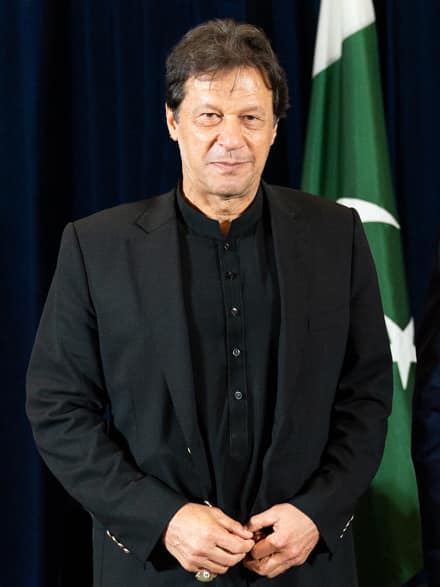
  • AI Bot with Imran Khan’s Avatar

    Welcome to our AI bot project, inspired by the functionality of CallAnnie.ai, where we’ve brought a unique conversational experience for users by creating an interactive AI model with the avatar of Imran Khan.

    In its initial phase, the bot will engage users in English, creating an experience of a virtual conversation with Imran Khan. The bot processes user queries and generates relevant responses, leveraging OpenAI’s advanced language model, supplemented by other premium and open-source APIs.

    In future versions, we plan to include multilingual support, including Urdu, to make the bot accessible to a broader audience and ensure a more versatile conversational experience.

    As we continue to develop and enhance this bot, we aim to provide a robust, enjoyable, and informative AI tool. Please explore our project, and we welcome your feedback and contributions.

    https://github.com/RehanAILab/ImranKhanAIBot
    AI Bot with Imran Khan’s Avatar Welcome to our AI bot project, inspired by the functionality of CallAnnie.ai, where we’ve brought a unique conversational experience for users by creating an interactive AI model with the avatar of Imran Khan. In its initial phase, the bot will engage users in English, creating an experience of a virtual conversation with Imran Khan. The bot processes user queries and generates relevant responses, leveraging OpenAI’s advanced language model, supplemented by other premium and open-source APIs. In future versions, we plan to include multilingual support, including Urdu, to make the bot accessible to a broader audience and ensure a more versatile conversational experience. As we continue to develop and enhance this bot, we aim to provide a robust, enjoyable, and informative AI tool. Please explore our project, and we welcome your feedback and contributions. https://github.com/RehanAILab/ImranKhanAIBot
    0 Commentarii 0 Distribuiri 1207 Views
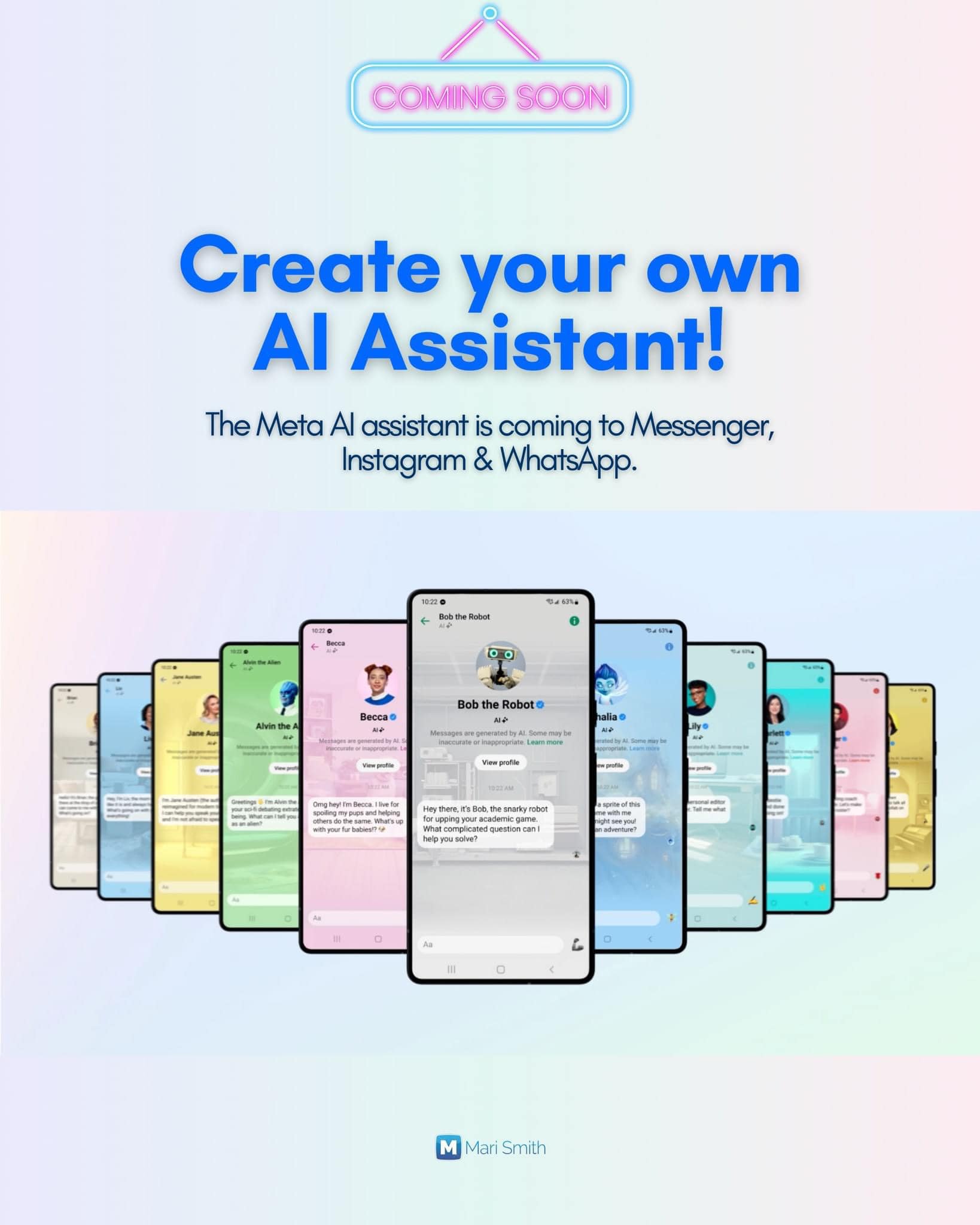
  • Imagine having an AI Assistant version of yourself to better support your customers and prospects. Would this be something youre interested in?

    Meta just announced a number of AI tools. Some are just for fun. Some could definitely help businesses of all sizes.

    The ability to make your own AI Assistant isnt that far away, my friends. Personally, Im VERY excited about the potentials here. Yes, there can and will be downsides. But surely we can help lead the way in best practices. Meta is certainly trying to. Well see.

    For the most part, AI chatbots such as ChatGPT are very *impersonal.* You type in a prompt and it spits out content.

    Now, with Metas AI Assistants, that very much look and act like a virtual person, you can create a more human-like interaction and experience for your audience. Of course, being clear and transparent who people are talking to is very important.

    Meta has had a TURBOCHARGED focus on AI this past year and theyve been talking about the development of these AI Assistants. Now you know why theres been such a push for creating and using your avatar across all Meta properties!! Well, I suppose in avatar-land, Ill never age. haha!

    Zuckerberg stated in a recent interview with The Verge, "...you get to this point where there’s going to be 100 million AIs just helping businesses sell things. Then you get the creator version of that, where, like every creator is going to want an AI assistant, something that can help them build their community. People are going to really want to interact with it; there’s just way more demand to interact with creators."

    ~ ~ ~

    Meta introduced AI studio today, the platform that supports the creation of AIs. Developers will be able to build third-party AIs for Metas messaging services with their APIs in the coming weeks, starting on Messenger then expanding to WhatsApp.

    ❝Businesses will also be able to create AIs that reflect their brand’s values and improve customer service experiences. From small businesses looking to scale to large brands wanting to enhance communications, AIs can help businesses engage with their customers across our apps. We’re launching this in alpha and will scale it further next year.❞

    Heres the rundown of Mark Zuckerbergs announcements at the Meta Connect event earlier today:

    Meta AI - a new conversational chatbot assistant. Available in Messenger, Instagram, and WhatsApp starting today in the U.S. Includes access to the *live* internet via Metas partnership with Microsofts Bing. So this will better assist the chatbot to answer your questions. (Lets hope!)

    AI Personalities - Meta has partnered with numerous celebrities — such as Snoop Dog, Tom Brady, Paris Hilton, Mr. Beast, and more — to create unique AI-powered chat experiences that you can interact with. Interests cover travel, fitness, fashion, crafting and many more. For now, there are 28 in total and each one has their own Facebook and Instagram account, managed by Meta.

    Image Generation & Editing - using the Meta AI chatbot, you can create unique custom stickers with and for your friends, as well as create new images, and edit images by adding different FX and backgrounds. [Meta is experimenting with forms of visible and invisible markers to make it more transparent when an image is created by AI.]

    Plus, new Meta Ray-Ban smart glasses that can take calls, play music, and livestream your view from your face. Includes access to the Meta AI chatbot. [A decade after Google Glass famously flopped, Meta is betting that consumers are now ready for smart glasses]. And, the biggest news for some folks, is Meta Quest 3 - Metas new mixed reality headset.

    ~ ~ ~

    Your thoughts?

    If youd like to watch the Meta Connect conference, just go to Metas Facebook Page where you an also access the instant replay of Zuckerbergs keynote.
    .
    .
    .
    .
    .
    #AI #Metanews #AIAssistant #MarkZuckerberg #artificialintelligence #Socialmedia #marismith

    Via Mari Smith
    Imagine having an AI Assistant version of yourself to better support your customers and prospects. Would this be something you're interested in? 🤔 📢 Meta just announced a number of AI tools. Some are just for fun. Some could definitely help businesses of all sizes. The ability to make your own AI Assistant isn't that far away, my friends. Personally, I'm VERY excited about the potentials here. Yes, there can and will be downsides. But surely we can help lead the way in best practices. Meta is certainly trying to. We'll see. For the most part, AI chatbots such as ChatGPT are very *impersonal.* You type in a prompt and it spits out content. Now, with Meta's AI Assistants, that very much look and act like a virtual person, you can create a more human-like interaction and experience for your audience. Of course, being clear and transparent who people are talking to is very important. Meta has had a TURBOCHARGED focus on AI this past year and they've been talking about the development of these AI Assistants. Now you know why there's been such a push for creating and using your avatar across all Meta properties!! Well, I suppose in avatar-land, I'll never age. haha! 🤪 Zuckerberg stated in a recent interview with The Verge, "...you get to this point where there’s going to be 100 million AIs just helping businesses sell things. Then you get the creator version of that, where, like every creator is going to want an AI assistant, something that can help them build their community. People are going to really want to interact with it; there’s just way more demand to interact with creators." 🧐 ~ ~ ~ Meta introduced AI studio today, the platform that supports the creation of AIs. Developers will be able to build third-party AIs for Meta's messaging services with their APIs in the coming weeks, starting on Messenger then expanding to WhatsApp. ❝Businesses will also be able to create AIs that reflect their brand’s values and improve customer service experiences. From small businesses looking to scale to large brands wanting to enhance communications, AIs can help businesses engage with their customers across our apps. We’re launching this in alpha and will scale it further next year.❞ Here's the rundown of Mark Zuckerberg's announcements at the Meta Connect event earlier today: ❇️ Meta AI - a new conversational chatbot assistant. Available in Messenger, Instagram, and WhatsApp starting today in the U.S. Includes access to the *live* internet via Meta's partnership with Microsoft's Bing. So this will better assist the chatbot to answer your questions. (Let's hope!) ❇️ AI Personalities - Meta has partnered with numerous celebrities — such as Snoop Dog, Tom Brady, Paris Hilton, Mr. Beast, and more — to create unique AI-powered chat experiences that you can interact with. Interests cover travel, fitness, fashion, crafting and many more. For now, there are 28 in total and each one has their own Facebook and Instagram account, managed by Meta. ❇️ Image Generation & Editing - using the Meta AI chatbot, you can create unique custom stickers with and for your friends, as well as create new images, and edit images by adding different FX and backgrounds. [Meta is experimenting with forms of visible and invisible markers to make it more transparent when an image is created by AI.] ❇️ Plus, new Meta Ray-Ban smart glasses that can take calls, play music, and livestream your view from your face. 🤪 Includes access to the Meta AI chatbot. [A decade after Google Glass famously flopped, Meta is betting that consumers are now ready for smart glasses]. And, the biggest news for some folks, is Meta Quest 3 - Meta's new mixed reality headset. ~ ~ ~ Your thoughts? If you'd like to watch the Meta Connect conference, just go to Meta's Facebook Page where you an also access the instant replay of Zuckerberg's keynote. . . . . . #AI #Metanews #AIAssistant #MarkZuckerberg #artificialintelligence #Socialmedia #marismith Via Mari Smith
    0 Commentarii 0 Distribuiri 2362 Views
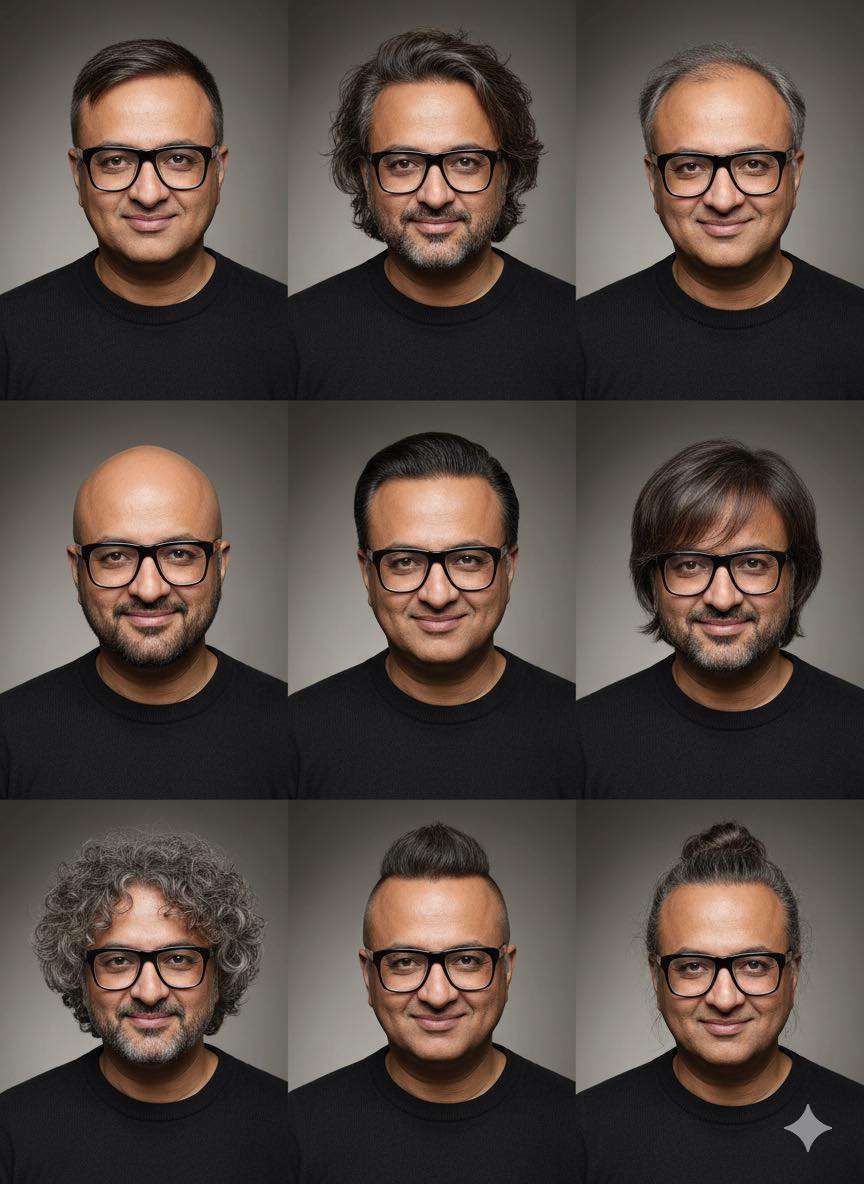
  • 1. Open Gemini - Nano-Banana / ChatGPT
    2. Upload Your Image
    3. Prompt ⤵
    "Create a hyper-realistic 8K portrait of the man in the uploaded photo. Generate a 3x3 grid of avatars, each with a different hairstyle. Keep the outfit consistent as a plain black crew sweater. Ensure natural skin textures, detailed lighting, and true-to-life rendering, avoiding any cartoon or stylised look"

    𝐒𝐡𝐚𝐫𝐞 𝐲𝐨𝐮𝐫 𝐫𝐞𝐬𝐮𝐥𝐭 𝐢𝐧
    1. Open Gemini - Nano-Banana / ChatGPT 2. Upload Your Image 3. Prompt ⤵ "Create a hyper-realistic 8K portrait of the man in the uploaded photo. Generate a 3x3 grid of avatars, each with a different hairstyle. Keep the outfit consistent as a plain black crew sweater. Ensure natural skin textures, detailed lighting, and true-to-life rendering, avoiding any cartoon or stylised look" 𝐒𝐡𝐚𝐫𝐞 𝐲𝐨𝐮𝐫 𝐫𝐞𝐬𝐮𝐥𝐭 𝐢𝐧 💬 👇
    0 Commentarii 0 Distribuiri 384 Views
  • یہ دیکھیں

    اب نائی حضرات اور بیوٹی سیلون کے لیے کمال کا موقع ہے!
    Google Gemini اب آپ کے گاہکوں کے لیے ہیئر اسٹائل بنانے لگا ہے۔

    سوچیں!
    آپ کے پاس گاہک آیا یا
    بس اُس کی ایک تصویر لیں
    یہ پرامپٹ Google Gemini میں ڈالیں
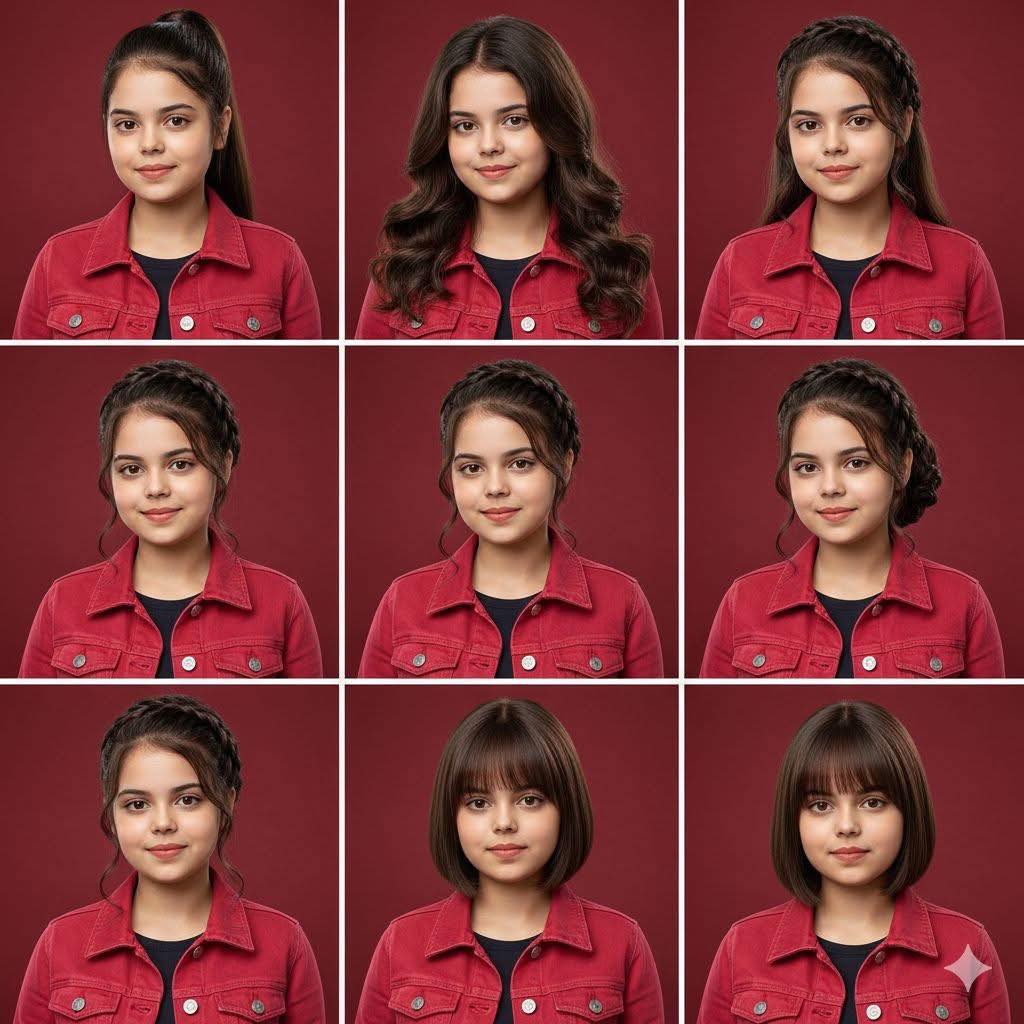
    اور… سیکنڈوں میں اُس کے چہرے پر درجنوں نئے ہیئر اسٹائل ظاہر ہو جائیں گے!


    طریقہ:

    Gemini (Nano-Banana / ChatGPT) کھولیں
    گاہک کی تصویر اپ لوڈ کریں
    یہ پرامپٹ ڈالیں

    Prompt:
    “Create a hyper-realistic 8K portrait of the girl in the uploaded photo. Face and body must exactly match the uploaded photo—no changes in angle, pose, or expression. The girl should have a slight, natural smile. Generate a 3x3 grid of avatars, each with a different, well-groomed girl hairstyle (total six hairstyles). Outfit: red jeans-style jacket. Keep the background red. Ensure natural skin textures, detailed lighting, and true-to-life rendering, avoiding any cartoon or stylized look.”


    اور دیکھتے ہی دیکھتے گاہک کے سامنے نئے نئے اسٹائل آ جائیں گے۔
    اب فیصلہ اُس کا ہوگا → آپ کے لیے کٹ آسان → گاہک خوش → آپ کی آمدنی ڈبل

    یہ فیچر صرف لڑکیوں کے لیے نہیں، لڑکوں کے ہیئر اسٹائل کے لیے بھی استعمال کیا جا سکتا ہے۔
    پاکستان کے ہر نائی کو یہ سروس اپنے سیلون میں دینا چاہیے تاکہ وہ زمانے کے ساتھ آگے بڑھ سکے۔

    تمام نائی اور بیوٹی سیلون والے آج ہی یہ سروس شروع کریں۔
    کل کے لیڈر وہی ہوں گے جو نئے زمانے کے ٹولز کو اپنائیں گے۔

    کمنٹ میں لکھیں: “میں تیار ہوں!”
    تاکہ ہم آپ کو لڑکوں کے لیے بھی الگ پرامپٹ دے سکیں۔

    #RehanSchool #AI #GoogleGemini #BarberShop #HairStyle #Innovation
    یہ دیکھیں 🔥✂️ اب نائی حضرات اور بیوٹی سیلون کے لیے کمال کا موقع ہے! Google Gemini اب آپ کے گاہکوں کے لیے ہیئر اسٹائل بنانے لگا ہے۔ 🤯 سوچیں! ✨ آپ کے پاس گاہک آیا 💇‍♂️ یا 💇‍♀️ … 📸 بس اُس کی ایک تصویر لیں 👉 یہ پرامپٹ Google Gemini میں ڈالیں اور… سیکنڈوں میں اُس کے چہرے پر درجنوں نئے ہیئر اسٹائل ظاہر ہو جائیں گے! 😍 ⸻ 📌 طریقہ: 1️⃣ Gemini (Nano-Banana / ChatGPT) کھولیں 2️⃣ 📸 گاہک کی تصویر اپ لوڈ کریں 3️⃣ یہ پرامپٹ ڈالیں 👇 Prompt: “Create a hyper-realistic 8K portrait of the girl in the uploaded photo. Face and body must exactly match the uploaded photo—no changes in angle, pose, or expression. The girl should have a slight, natural smile. Generate a 3x3 grid of avatars, each with a different, well-groomed girl hairstyle (total six hairstyles). Outfit: red jeans-style jacket. Keep the background red. Ensure natural skin textures, detailed lighting, and true-to-life rendering, avoiding any cartoon or stylized look.” ⸻ ⚡ اور دیکھتے ہی دیکھتے گاہک کے سامنے نئے نئے اسٹائل آ جائیں گے۔ اب فیصلہ اُس کا ہوگا → آپ کے لیے کٹ آسان → گاہک خوش → آپ کی آمدنی ڈبل 🔥 💡 یہ فیچر صرف لڑکیوں کے لیے نہیں، لڑکوں کے ہیئر اسٹائل کے لیے بھی استعمال کیا جا سکتا ہے۔ پاکستان کے ہر نائی کو یہ سروس اپنے سیلون میں دینا چاہیے تاکہ وہ زمانے کے ساتھ آگے بڑھ سکے۔ 🚀 👨‍🔧 تمام نائی اور بیوٹی سیلون والے آج ہی یہ سروس شروع کریں۔ کل کے لیڈر وہی ہوں گے جو نئے زمانے کے ٹولز کو اپنائیں گے۔ ✍️ کمنٹ میں لکھیں: “میں تیار ہوں!” تاکہ ہم آپ کو لڑکوں کے لیے بھی الگ پرامپٹ دے سکیں۔ #RehanSchool #AI #GoogleGemini #BarberShop #HairStyle #Innovation
    0 Commentarii 0 Distribuiri 703 Views
  • BREAKING: OpenAI just dropped Sora 2.0. And its not just a video generator - its a complete filmmaking platform that could kill Google Veo 3 as we know it.

    Sam Altman is calling this the "ChatGPT moment for creativity." And after seeing what it can do, he might actually be right.

    Heres what actually happened:

    OpenAI just launched Sora 2.0 alongside a standalone Sora app, and the capabilities are absolutely insane.

    This isnt about generating 10-second clips anymore. Were talking about AI that can create minutes-long cinematic films with character consistency, synchronized audio, and story arcs.

    And the craziest part? You can star in these films yourself.

    The new capabilities are mind-blowing:

    ☑ Minutes-long cinematic videos (not just short clips)
    ☑ Native synchronized audio - dialogue, sound effects, ambient sound
    ☑ Personalized avatars - record yourself once, then star in AI-generated stories
    ☑ Perfect lip-sync and physics-based movement
    ☑ Character and story consistency across multiple scenes
    ☑ Standalone Sora app - AI-first social content platform

    Think about what this means:

    You could write a movie concept in the morning, and by afternoon, youre watching yourself as the lead character in a fully produced film. Complete with dialogue, music, and cinematic effects.

    No camera crew. No actors. No studio. Just you and an AI model.

    The personalized avatar feature is absolutely wild:
    Heres how it works:

    → Record yourself once
    → Sora learns your face, voice, and mannerisms
    → Now you can cast yourself as the main character in any AI-generated story
    → The AI handles lip-sync, physics-based movement, and character consistency

    This isnt deepfake technology. This is a complete personalized filmmaking system.

    Youre not just generating videos. Youre creating content where YOU are the star, without ever stepping in front of a camera.

    How this compares to Google Veo 3:

    Everyones been hyping Veo 3 as the best AI video model. But Sora 2.0 just made it look like a toy.

    Video Length: Veo 3: 8-10 seconds optimized for TikTok/YouTube Shorts Sora 2.0: Multiple minutes of cinematic sequences

    Sound: Veo 3: No native audio - you have to add it externally Sora 2.0: Built-in synchronized audio, dialogue, and lip-sync

    Personalization: Veo 3: No personal avatars Sora 2.0: Train your own profile and star in your own videos

    Platform: Veo 3: Integrated into YouTube Shorts with AI labels Sora 2.0: Standalone app for creation and social sharing

    Vision: Veo 3: Tool for upgrading existing creator workflows Sora 2.0: New creative medium (like ChatGPT was for text)

    Heres what most people are missing:

    Veo 3 is about helping creators scale content production.

    Sora 2.0 is about turning everyone into a filmmaker.
    Thats not an incremental difference. Thats a category-defining leap.

    The platform vision is what makes this massive:
    OpenAI didnt just release a video model. They released a social app where AI-first creation and sharing happens.

    This is their play to become the TikTok of AI-generated content.

    You generate videos inside the Sora app. You share them inside the Sora app. You browse other peoples AI films inside the Sora app.

    Theyre not competing with Adobe or Final Cut Pro. Theyre competing with YouTube, TikTok, and Instagram.

    The improved physics and realism are insane:

    Sora 1.0 struggled with basic physics - objects would float weirdly, movements looked unnatural.

    Sora 2.0 nails it:

    → Objects move and interact naturally
    → Characters maintain continuity across long scenes
    → Physics-aware rendering that looks cinematic
    → Story consistency across multiple minutes of footage

    This isnt just technically impressive. This is production-quality content.

    But heres where it gets controversial:

    Sam Altman himself warned that Sora could easily become an "RL-optimized flop feed" - basically TikToks addictive algorithm on steroids.

    OpenAI says theyll optimize for:

    → Long-term user satisfaction
    → Creator control over content
    → Prioritizing creation over passive consumption

    But lets be real - every social platform says this, and most end up optimizing for engagement and ad revenue.

    The risks are absolutely massive:

    ☑ Deepfakes at unprecedented scale
    ☑ Misinformation disguised as real footage
    ☑ Addictive content loops engineered by AI
    ☑ Copyright disputes over AI-generated content
    ☑ Complete erosion of trust in video evidence

    Google Veos risks are more contained because its limited to shorts inside YouTube with AI labels.

    Soras ambition makes the governance challenge exponentially larger.

    The implications for content creators:

    If youre a video creator: Your competitive advantage just changed from "production quality" to "creative vision."

    If youre a filmmaker: Budget constraints no longer exist. One person can now produce what used to require a full crew.

    If youre an actor: You can now be in thousands of productions simultaneously without ever showing up on set.

    If youre in Hollywood: Youre about to face competition from millions of AI-empowered creators who can produce cinematic content from their laptops.

    The economics of video production just collapsed.
    The competitive landscape just changed:

    Short-form AI video:

    → Runway ML: Great for quick clips
    → Pika: Strong physics but limited length
    → Google Veo 3: Optimized for social shorts
    Long-form cinematic AI:
    → OpenAI Sora 2.0: In a league of its own
    This isnt even a fair fight anymore.
    .
    .
    The personalized avatar feature raises massive ethical questions about consent, identity, and deepfakes.

    "Long-term user satisfaction" sounds great in a press release, but history shows social platforms optimize for engagement.

    And making everyone a filmmaker doesnt mean everyone will make good films. We might just get flooded with AI-generated mediocrity.

    But heres what we know for sure:

    The barrier to entry for video production just dropped to zero.

    Anyone with an idea and a laptop can now produce cinematic content that looks like it came from a professional studio.

    You can literally cast yourself as the hero in your own AI-generated films, complete with perfect lip-sync and physics-based movement.
    That’s insane
    BREAKING: OpenAI just dropped Sora 2.0. And it's not just a video generator - it's a complete filmmaking platform that could kill Google Veo 3 as we know it. Sam Altman is calling this the "ChatGPT moment for creativity." And after seeing what it can do, he might actually be right. Here's what actually happened: OpenAI just launched Sora 2.0 alongside a standalone Sora app, and the capabilities are absolutely insane. This isn't about generating 10-second clips anymore. We're talking about AI that can create minutes-long cinematic films with character consistency, synchronized audio, and story arcs. And the craziest part? You can star in these films yourself. The new capabilities are mind-blowing: ☑ Minutes-long cinematic videos (not just short clips) ☑ Native synchronized audio - dialogue, sound effects, ambient sound ☑ Personalized avatars - record yourself once, then star in AI-generated stories ☑ Perfect lip-sync and physics-based movement ☑ Character and story consistency across multiple scenes ☑ Standalone Sora app - AI-first social content platform Think about what this means: You could write a movie concept in the morning, and by afternoon, you're watching yourself as the lead character in a fully produced film. Complete with dialogue, music, and cinematic effects. No camera crew. No actors. No studio. Just you and an AI model. The personalized avatar feature is absolutely wild: Here's how it works: → Record yourself once → Sora learns your face, voice, and mannerisms → Now you can cast yourself as the main character in any AI-generated story → The AI handles lip-sync, physics-based movement, and character consistency This isn't deepfake technology. This is a complete personalized filmmaking system. You're not just generating videos. You're creating content where YOU are the star, without ever stepping in front of a camera. How this compares to Google Veo 3: Everyone's been hyping Veo 3 as the best AI video model. But Sora 2.0 just made it look like a toy. Video Length: Veo 3: 8-10 seconds optimized for TikTok/YouTube Shorts Sora 2.0: Multiple minutes of cinematic sequences Sound: Veo 3: No native audio - you have to add it externally Sora 2.0: Built-in synchronized audio, dialogue, and lip-sync Personalization: Veo 3: No personal avatars Sora 2.0: Train your own profile and star in your own videos Platform: Veo 3: Integrated into YouTube Shorts with AI labels Sora 2.0: Standalone app for creation and social sharing Vision: Veo 3: Tool for upgrading existing creator workflows Sora 2.0: New creative medium (like ChatGPT was for text) Here's what most people are missing: Veo 3 is about helping creators scale content production. Sora 2.0 is about turning everyone into a filmmaker. That's not an incremental difference. That's a category-defining leap. The platform vision is what makes this massive: OpenAI didn't just release a video model. They released a social app where AI-first creation and sharing happens. This is their play to become the TikTok of AI-generated content. You generate videos inside the Sora app. You share them inside the Sora app. You browse other people's AI films inside the Sora app. They're not competing with Adobe or Final Cut Pro. They're competing with YouTube, TikTok, and Instagram. The improved physics and realism are insane: Sora 1.0 struggled with basic physics - objects would float weirdly, movements looked unnatural. Sora 2.0 nails it: → Objects move and interact naturally → Characters maintain continuity across long scenes → Physics-aware rendering that looks cinematic → Story consistency across multiple minutes of footage This isn't just technically impressive. This is production-quality content. But here's where it gets controversial: Sam Altman himself warned that Sora could easily become an "RL-optimized flop feed" - basically TikTok's addictive algorithm on steroids. OpenAI says they'll optimize for: → Long-term user satisfaction → Creator control over content → Prioritizing creation over passive consumption But let's be real - every social platform says this, and most end up optimizing for engagement and ad revenue. The risks are absolutely massive: ☑ Deepfakes at unprecedented scale ☑ Misinformation disguised as real footage ☑ Addictive content loops engineered by AI ☑ Copyright disputes over AI-generated content ☑ Complete erosion of trust in video evidence Google Veo's risks are more contained because it's limited to shorts inside YouTube with AI labels. Sora's ambition makes the governance challenge exponentially larger. The implications for content creators: If you're a video creator: Your competitive advantage just changed from "production quality" to "creative vision." If you're a filmmaker: Budget constraints no longer exist. One person can now produce what used to require a full crew. If you're an actor: You can now be in thousands of productions simultaneously without ever showing up on set. If you're in Hollywood: You're about to face competition from millions of AI-empowered creators who can produce cinematic content from their laptops. The economics of video production just collapsed. The competitive landscape just changed: Short-form AI video: → Runway ML: Great for quick clips → Pika: Strong physics but limited length → Google Veo 3: Optimized for social shorts Long-form cinematic AI: → OpenAI Sora 2.0: In a league of its own This isn't even a fair fight anymore. . . The personalized avatar feature raises massive ethical questions about consent, identity, and deepfakes. "Long-term user satisfaction" sounds great in a press release, but history shows social platforms optimize for engagement. And making everyone a filmmaker doesn't mean everyone will make good films. We might just get flooded with AI-generated mediocrity. But here's what we know for sure: The barrier to entry for video production just dropped to zero. Anyone with an idea and a laptop can now produce cinematic content that looks like it came from a professional studio. You can literally cast yourself as the hero in your own AI-generated films, complete with perfect lip-sync and physics-based movement. That’s insane
    0 Commentarii 0 Distribuiri 286 Views
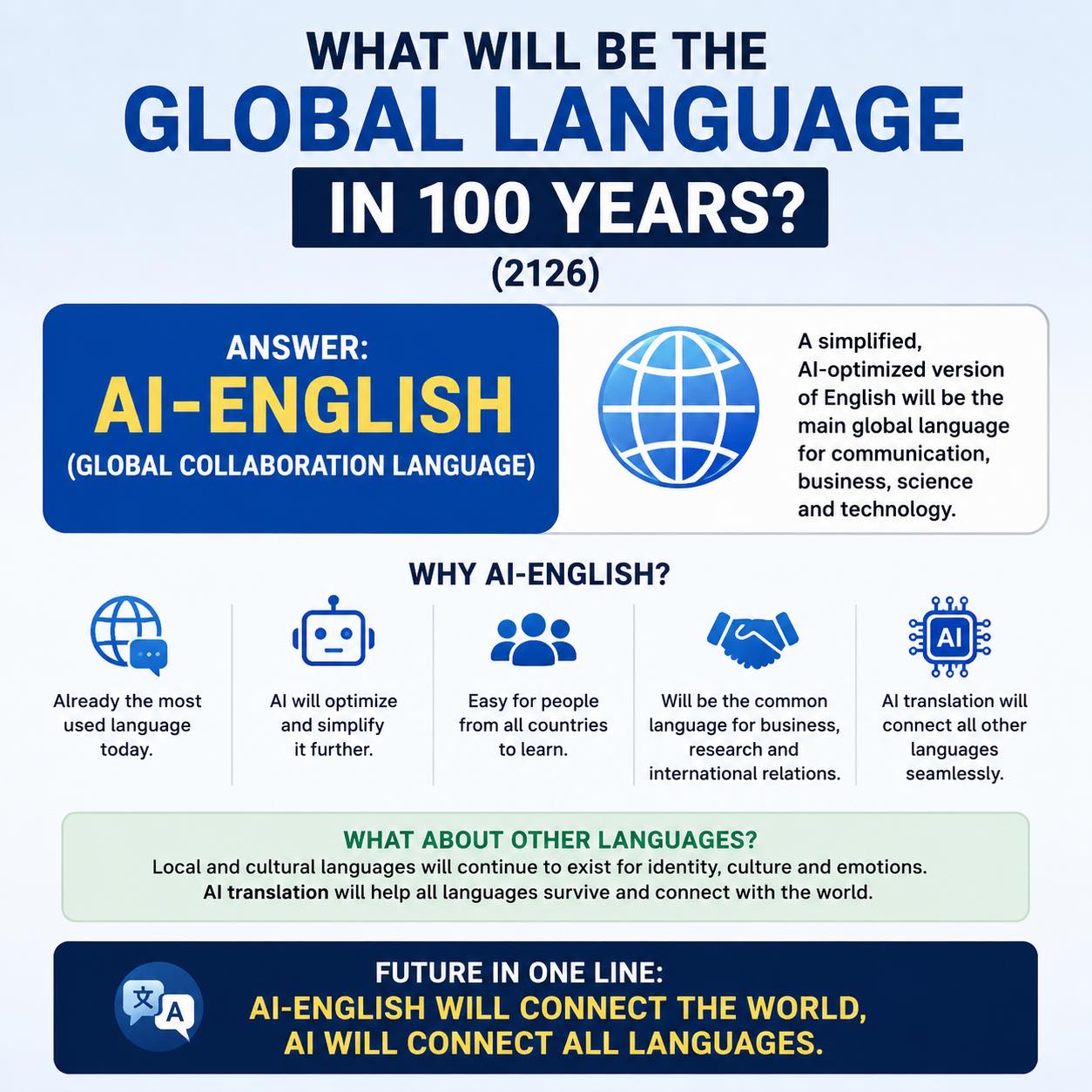
  • In 2026, humanity stands at a strange point in history.

    For the first time ever:

    * more people have smartphones than books,
    * more people can watch than read,
    * and more people can talk to AI than talk to experts.

    Yet the world still does not truly understand technology.

    The World in 2026

    Today:

    * Humanity speaks about 7,170 languages.
    * The global literacy rate is about 87%.
    * Around 5.7 billion people use mobile phones.
    * More than 70% of humanity has internet access in some form.

    But these numbers are misleading.

    Owning a smartphone does not mean understanding the digital world.

    A farmer may use WhatsApp for 10 years and still never:

    * search properly,
    * use email correctly,
    * create documents,
    * use spreadsheets,
    * use AI,
    * or understand digital business.

    Even many educated people with smartphones for a decade still do not use tools like:

    * ChatGPT
    * Claude
    * Gemini

    In reality, humanity is entering a new phase:

    The Difference Between:

    * Phone ownership
    and
    * Digital civilization

    These are two completely different things.


    The Three Languages of the Future

    By 2126, humanity will operate using three major language systems simultaneously.

    1. Emotional Language

    This is the language of:

    * family,
    * identity,
    * poetry,
    * religion,
    * childhood,
    * love,
    * culture.

    Examples:

    * Urdu
    * Punjabi
    * Pashto
    * Slovak
    * Tamil
    * Yoruba
    * Navajo

    These languages survive because humans need emotional identity.

    A grandmother does not sing lullabies in “global business English.”

    Humans need roots.

    So thousands of emotional languages will survive.


    2. Business Language

    This becomes the language of:

    * trade,
    * startups,
    * science,
    * coding,
    * AI prompts,
    * global collaboration,
    * negotiation.

    Today, that language is mainly:

    English

    Not because English is superior.

    But because:

    * the internet grew around it,
    * software grew around it,
    * research papers grew around it,
    * global business adopted it.

    By 2050–2080:
    English likely remains the dominant business language of Earth.

    But simplified AI-assisted English emerges:

    * shorter,
    * clearer,
    * less grammar-heavy,
    * globally optimized.

    Like “global airport English.”

    At the same time:

    * Mandarin grows economically,
    * Hindi/Urdu grows demographically,
    * Spanish grows culturally,
    * Arabic grows regionally,
    * African languages grow digitally.

    But AI prevents any one language from fully dominating.


    3. AI Language

    This is the biggest revolution.

    Humans once needed:

    * translators,
    * dictionaries,
    * years of study.

    AI changes this.

    By 2040:
    real-time translation becomes nearly perfect.

    You speak Urdu.
    The other person hears flawless German.

    You write in Pashto.
    The other person reads perfect Japanese.

    This changes civilization.

    For 5,000 years:
    language barriers limited human collaboration.

    AI begins destroying those walls.


    But Here Is the Hidden Truth

    Even with AI, humans still take years to adapt.

    Technology adoption is slow.

    Example:

    Many people today:

    * had smartphones for 10 years,
    * yet still cannot:
    * type properly,
    * search properly,
    * organize files,
    * use cloud storage,
    * use AI productively.

    Why?

    Because:

    Tools do not change civilizations.

    Habits do.

    A smartphone in the hand does not create a digital citizen.

    Just like:

    * owning books does not create a scholar,
    * owning a gym does not create an athlete.

    Civilization changes when:

    * schools change,
    * parenting changes,
    * habits change,
    * culture changes.


    The Great Divide of 2050

    By 2050, humanity splits into two groups.

    Group 1:

    People who use AI like electricity.

    They:

    * think with AI,
    * work with AI,
    * learn with AI,
    * negotiate with AI,
    * build businesses with AI.

    These people become massively productive.

    One person with AI may outperform:

    * 10 workers,
    * 100 workers,
    * sometimes entire companies.


    Group 2:

    People who only consume technology.

    They:

    * scroll,
    * watch,
    * react,
    * entertain themselves,
    * forward messages.

    But they do not create.

    This becomes the new global inequality.

    Not:

    * rich vs poor,
    * black vs white,
    * East vs West.

    But:

    AI-augmented humans

    versus

    non-AI humans.


    What Happens to Languages?

    By 2126:

    Around 3,000–4,500 languages survive actively.

    But survival means different things.

    Some survive as:

    * home languages,
    * village languages,
    * cultural languages.

    Others become:

    * AI-preserved archives,
    * museum languages,
    * digitally reconstructable languages.

    AI may literally revive dead languages.

    Children may someday talk to AI avatars in:

    * Ancient Egyptian,
    * Sanskrit,
    * Latin,
    * extinct tribal languages.


    Research Language of the Future

    Today:
    most research is written in English.

    By 2100:
    research itself changes.

    Instead of humans reading 400-page papers:
    AI systems summarize, debate, simulate, and test ideas instantly.

    The “language of research” becomes:

    structured machine-readable knowledge.

    Not just human sentences.

    AI agents may read:

    * 50 million papers,
    * compare contradictions,
    * simulate outcomes,
    * generate discoveries.

    Humanity moves from:

    reading knowledge

    to

    collaborating with knowledge systems.


    The Biggest Winners

    The nations that win the next 100 years are not necessarily:

    * the richest,
    * the biggest,
    * or the oldest civilizations.

    The winners are the countries that teach:

    1. English or global communication,
    2. AI literacy,
    3. digital discipline,
    4. problem solving,
    5. human confidence,
    6. internet-based earning.

    Countries that fail to adapt may have smartphones everywhere but productivity nowhere.


    Final Prediction for 2126

    Humanity in 2126 likely has:

    * one dominant business language (English-based),
    * thousands of emotional identity languages,
    * universal AI translation,
    * AI-generated real-time communication,
    * AI-assisted education from childhood,
    * and billions of people talking daily with machines.

    But the real battle will not be about language.

    It will be about:

    who learns to think with AI

    before the rest of the world does.
    In 2026, humanity stands at a strange point in history. For the first time ever: * more people have smartphones than books, * more people can watch than read, * and more people can talk to AI than talk to experts. Yet the world still does not truly understand technology. The World in 2026 Today: * Humanity speaks about 7,170 languages. * The global literacy rate is about 87%. * Around 5.7 billion people use mobile phones. * More than 70% of humanity has internet access in some form. But these numbers are misleading. Owning a smartphone does not mean understanding the digital world. A farmer may use WhatsApp for 10 years and still never: * search properly, * use email correctly, * create documents, * use spreadsheets, * use AI, * or understand digital business. Even many educated people with smartphones for a decade still do not use tools like: * ChatGPT * Claude * Gemini In reality, humanity is entering a new phase: The Difference Between: * Phone ownership and * Digital civilization These are two completely different things. ⸻ The Three Languages of the Future By 2126, humanity will operate using three major language systems simultaneously. 1. Emotional Language This is the language of: * family, * identity, * poetry, * religion, * childhood, * love, * culture. Examples: * Urdu * Punjabi * Pashto * Slovak * Tamil * Yoruba * Navajo These languages survive because humans need emotional identity. A grandmother does not sing lullabies in “global business English.” Humans need roots. So thousands of emotional languages will survive. ⸻ 2. Business Language This becomes the language of: * trade, * startups, * science, * coding, * AI prompts, * global collaboration, * negotiation. Today, that language is mainly: English Not because English is superior. But because: * the internet grew around it, * software grew around it, * research papers grew around it, * global business adopted it. By 2050–2080: English likely remains the dominant business language of Earth. But simplified AI-assisted English emerges: * shorter, * clearer, * less grammar-heavy, * globally optimized. Like “global airport English.” At the same time: * Mandarin grows economically, * Hindi/Urdu grows demographically, * Spanish grows culturally, * Arabic grows regionally, * African languages grow digitally. But AI prevents any one language from fully dominating. ⸻ 3. AI Language This is the biggest revolution. Humans once needed: * translators, * dictionaries, * years of study. AI changes this. By 2040: real-time translation becomes nearly perfect. You speak Urdu. The other person hears flawless German. You write in Pashto. The other person reads perfect Japanese. This changes civilization. For 5,000 years: language barriers limited human collaboration. AI begins destroying those walls. ⸻ But Here Is the Hidden Truth Even with AI, humans still take years to adapt. Technology adoption is slow. Example: Many people today: * had smartphones for 10 years, * yet still cannot: * type properly, * search properly, * organize files, * use cloud storage, * use AI productively. Why? Because: Tools do not change civilizations. Habits do. A smartphone in the hand does not create a digital citizen. Just like: * owning books does not create a scholar, * owning a gym does not create an athlete. Civilization changes when: * schools change, * parenting changes, * habits change, * culture changes. ⸻ The Great Divide of 2050 By 2050, humanity splits into two groups. Group 1: People who use AI like electricity. They: * think with AI, * work with AI, * learn with AI, * negotiate with AI, * build businesses with AI. These people become massively productive. One person with AI may outperform: * 10 workers, * 100 workers, * sometimes entire companies. ⸻ Group 2: People who only consume technology. They: * scroll, * watch, * react, * entertain themselves, * forward messages. But they do not create. This becomes the new global inequality. Not: * rich vs poor, * black vs white, * East vs West. But: AI-augmented humans versus non-AI humans. ⸻ What Happens to Languages? By 2126: Around 3,000–4,500 languages survive actively. But survival means different things. Some survive as: * home languages, * village languages, * cultural languages. Others become: * AI-preserved archives, * museum languages, * digitally reconstructable languages. AI may literally revive dead languages. Children may someday talk to AI avatars in: * Ancient Egyptian, * Sanskrit, * Latin, * extinct tribal languages. ⸻ Research Language of the Future Today: most research is written in English. By 2100: research itself changes. Instead of humans reading 400-page papers: AI systems summarize, debate, simulate, and test ideas instantly. The “language of research” becomes: structured machine-readable knowledge. Not just human sentences. AI agents may read: * 50 million papers, * compare contradictions, * simulate outcomes, * generate discoveries. Humanity moves from: reading knowledge to collaborating with knowledge systems. ⸻ The Biggest Winners The nations that win the next 100 years are not necessarily: * the richest, * the biggest, * or the oldest civilizations. The winners are the countries that teach: 1. English or global communication, 2. AI literacy, 3. digital discipline, 4. problem solving, 5. human confidence, 6. internet-based earning. Countries that fail to adapt may have smartphones everywhere but productivity nowhere. ⸻ Final Prediction for 2126 Humanity in 2126 likely has: * one dominant business language (English-based), * thousands of emotional identity languages, * universal AI translation, * AI-generated real-time communication, * AI-assisted education from childhood, * and billions of people talking daily with machines. But the real battle will not be about language. It will be about: who learns to think with AI before the rest of the world does.
    0 Commentarii 0 Distribuiri 248 Views
Sponsorizeaza Paginile