• Rehan, To be honest,... when I read comments to your postings, it seems to me that some educated people sound so backwards and ignorant?!? Do they really believe that all other opinions and religions are not worthy and have no value? Are they really so "closed minded" to think that every word attributed to Islam is holy and can not be questioned? Do they really believe that every beautiful phrase and "feel good" commentary is exclusive to Islam? There are beautiful values and beliefs in nearly all of the world philosophies and religions....... with very little difference between them. As I say,...."If God is a JUST God,... there are many paths to the same source". People,.... be open minded, respectful, and do not feel the need to dominate.... otherwise, youve got it all wrong.

    Kenneth Rabin
    Rehan, To be honest,... when I read comments to your postings, it seems to me that some educated people sound so backwards and ignorant?!? Do they really believe that all other opinions and religions are not worthy and have no value? Are they really so "closed minded" to think that every word attributed to Islam is holy and can not be questioned? Do they really believe that every beautiful phrase and "feel good" commentary is exclusive to Islam? There are beautiful values and beliefs in nearly all of the world philosophies and religions....... with very little difference between them. As I say,...."If God is a JUST God,... there are many paths to the same source". People,.... be open minded, respectful, and do not feel the need to dominate.... otherwise, you've got it all wrong. Kenneth Rabin
    0 Comentários 0 Compartilhamentos 1506 Visualizações
  • Is this you? :-)

    COMMENTARY by Thomas L. Friedman: I think I’ll plan to go from Kiev to Hanoi more often. It’s only when you go to two seemingly disconnected places that you see the big trends, and one of the big ones I’ve noticed is the emergence of “The Square People.” In 2004, the Harvard political scientist Samuel Huntington wrote about an emerging global “superclass” of “Davos Men” — alluding to attendees of the Davos World Economic Forum — a transnational, cosmopolitan elite drawn from high-tech, finance, multinationals, academics and NGOs. The Davos Men had “little need for national loyalty” and more in common with each other than their fellow citizens, Huntington argued. They also had the skills to disproportionately benefit from the new globalization of markets and information technologies.
    Is this you? :-) COMMENTARY by Thomas L. Friedman: I think I’ll plan to go from Kiev to Hanoi more often. It’s only when you go to two seemingly disconnected places that you see the big trends, and one of the big ones I’ve noticed is the emergence of “The Square People.” In 2004, the Harvard political scientist Samuel Huntington wrote about an emerging global “superclass” of “Davos Men” — alluding to attendees of the Davos World Economic Forum — a transnational, cosmopolitan elite drawn from high-tech, finance, multinationals, academics and NGOs. The Davos Men had “little need for national loyalty” and more in common with each other than their fellow citizens, Huntington argued. They also had the skills to disproportionately benefit from the new globalization of markets and information technologies.
    0 Comentários 0 Compartilhamentos 3017 Visualizações
  • Theres a famous story about a Jewish scholar, Hillel the Elder, a contemporary of Jesus.

    A pagan came to him and offered to convert to Judaism if the rabbi could recite the whole of Jewish teaching while he stood on one leg.

    Hillel stood on one leg and said, "That which is hateful to you, do not do to your neighbor. That is the Torah. The rest is commentary. Go and learn that."
    There's a famous story about a Jewish scholar, Hillel the Elder, a contemporary of Jesus. A pagan came to him and offered to convert to Judaism if the rabbi could recite the whole of Jewish teaching while he stood on one leg. Hillel stood on one leg and said, "That which is hateful to you, do not do to your neighbor. That is the Torah. The rest is commentary. Go and learn that."
    0 Comentários 0 Compartilhamentos 550 Visualizações
  • The "Allegory of the Cave" is a story written by the Greek philosopher Plato, and is featured in his work "The Republic." The exact date of when "The Republic" was written is not known, but it is estimated to have been composed in 380 BCE.

    The story describes the journey of a person from a state of ignorance to a state of knowledge . In the story, there are prisoners in a cave who have been tied up so that they can only look straight ahead and see the shadows of objects passing by on the wall in front of them . These shadows are all that the prisoners know of reality .

    One day, one of the prisoners is freed and is able to leave the cave . He sees the real objects for the first time and eventually realizes that the shadows in the cave were only an imitation of reality . He comes to understand that the objects in the world are more real and that his previous understanding was limited and incomplete .

    The allegory is often interpreted as a representation of the journey from ignorance to knowledge and the limitations of sensory perception . It is also seen as a commentary on the role of education in shaping our understanding of the world .
    The "Allegory of the Cave" is a story written by the Greek philosopher Plato, and is featured in his work "The Republic." The exact date of when "The Republic" was written is not known, but it is estimated to have been composed in 380 BCE. The story describes the journey of a person from a state of ignorance to a state of knowledge 💡. In the story, there are prisoners in a cave who have been tied up so that they can only look straight ahead and see the shadows of objects passing by on the wall in front of them 🔗. These shadows are all that the prisoners know of reality 🙈. One day, one of the prisoners is freed 🙌 and is able to leave the cave 🚶‍♂️. He sees the real objects for the first time 🤯 and eventually realizes that the shadows in the cave were only an imitation of reality 💡. He comes to understand that the objects in the world are more real 🌎 and that his previous understanding was limited and incomplete 🤔. The allegory is often interpreted as a representation of the journey from ignorance to knowledge 🧠 and the limitations of sensory perception 👀. It is also seen as a commentary on the role of education in shaping our understanding of the world 📚.
    0 Comentários 0 Compartilhamentos 1055 Visualizações
  • Name 10 pakistani youtubers who have earned over 1 million dollars

    Chatgpt:

    It is difficult to accurately estimate the earnings of YouTubers, as their income comes from various sources, such as ad revenue, sponsorships, merchandise sales, and other business ventures. Moreover, YouTubers earnings are generally not disclosed publicly. However, I can provide a list of some popular Pakistani YouTubers who may have earned a significant income from their channels. These creators have a large following and are known for their content in Pakistan:

    Irfan Junejo - A vlogger and filmmaker known for his storytelling and cinematography skills.
    P 4 Pakao - Nadir Alis channel, which focuses on producing prank videos.
    Ducky Bhai - Saad Ur Rehman, aka Ducky Bhai, is a YouTuber known for his roast videos, gaming content, and commentary.
    Rahim Pardesi - A comedian and entertainer known for playing multiple characters, particularly Nasreen.
    Kitchen with Amna - A popular cooking channel by Amna featuring various recipes.
    Taimoor Salahuddin (Mooroo) - A musician, vlogger, and filmmaker known for his unique storytelling style and creative videos.
    Zaid Ali T - A Pakistani-Canadian YouTuber famous for his comedy sketches and vlogs.
    Sham Idrees - A Pakistani-Canadian YouTuber known for his vlogs, comedy sketches, and music videos.
    The Idiotz - A group of content creators known for their comedy skits and short films.
    Raza Samo (Awesamo Speaks) - A YouTuber who creates content ranging from comedy sketches to social commentary.
    Please note that this list is not a definitive confirmation of their earnings, but it highlights some of the most popular Pakistani YouTubers who might have earned a substantial income from their
    Name 10 pakistani youtubers who have earned over 1 million dollars Chatgpt: It is difficult to accurately estimate the earnings of YouTubers, as their income comes from various sources, such as ad revenue, sponsorships, merchandise sales, and other business ventures. Moreover, YouTubers' earnings are generally not disclosed publicly. However, I can provide a list of some popular Pakistani YouTubers who may have earned a significant income from their channels. These creators have a large following and are known for their content in Pakistan: Irfan Junejo - A vlogger and filmmaker known for his storytelling and cinematography skills. P 4 Pakao - Nadir Ali's channel, which focuses on producing prank videos. Ducky Bhai - Saad Ur Rehman, aka Ducky Bhai, is a YouTuber known for his roast videos, gaming content, and commentary. Rahim Pardesi - A comedian and entertainer known for playing multiple characters, particularly Nasreen. Kitchen with Amna - A popular cooking channel by Amna featuring various recipes. Taimoor Salahuddin (Mooroo) - A musician, vlogger, and filmmaker known for his unique storytelling style and creative videos. Zaid Ali T - A Pakistani-Canadian YouTuber famous for his comedy sketches and vlogs. Sham Idrees - A Pakistani-Canadian YouTuber known for his vlogs, comedy sketches, and music videos. The Idiotz - A group of content creators known for their comedy skits and short films. Raza Samo (Awesamo Speaks) - A YouTuber who creates content ranging from comedy sketches to social commentary. Please note that this list is not a definitive confirmation of their earnings, but it highlights some of the most popular Pakistani YouTubers who might have earned a substantial income from their
    0 Comentários 0 Compartilhamentos 1794 Visualizações
  • In "The Revival of the Religious Sciences", Imam Al-Ghazali dedicates a significant portion to discussing the inner dimensions of spiritual life, including the practice of Murāqibah. According to Al-Ghazali, Murāqibah involves being constantly aware of Gods presence. It means that a believer should live with the understanding that Allah is always watching over him, which should guide his actions and thoughts.

    **Key Aspects Highlighted by Al-Ghazali:**

    1. **Awareness of Gods Presence**: The core of Murāqibah is to cultivate a state where one is always mindful of being in Allah’s presence, considering every act as if seeing Allah or being seen by Him.

    2. **Self-Examination and Accountability**: Al-Ghazali emphasizes the importance of regularly accounting for ones deeds and keeping track of one’s actions. This introspection helps in purifying the heart and refining ones character.

    3. **Controlling Thoughts**: He discusses controlling wandering thoughts that distract from remembrance of Allah. The focus should be on directing the mind towards constructive and spiritually beneficial thoughts.

    4. **Consistency in Practice**: The effectiveness of Murāqibah, as taught by Al-Ghazali, depends on its consistency. Daily practice is recommended to strengthen one’s spiritual awareness and connection with Allah.

    5. **Outcome of Murāqibah**: The ultimate goal of Murāqibah, according to Al-Ghazali, is to reach a state of Ihsan (perfection), where one worships Allah as if seeing Him, and though one sees Him not, indeed Allah sees him.

    For a deeper understanding and practical guidance, reading specific chapters from Al-Ghazali’s work would be highly beneficial. You might consider obtaining a translation of "Ihya Ulum al-Din" that also includes commentary, as it would provide both the historical context and practical applications of Murāqibah as discussed by Al-Ghazali.
    In "The Revival of the Religious Sciences", Imam Al-Ghazali dedicates a significant portion to discussing the inner dimensions of spiritual life, including the practice of Murāqibah. According to Al-Ghazali, Murāqibah involves being constantly aware of God's presence. It means that a believer should live with the understanding that Allah is always watching over him, which should guide his actions and thoughts. **Key Aspects Highlighted by Al-Ghazali:** 1. **Awareness of God's Presence**: The core of Murāqibah is to cultivate a state where one is always mindful of being in Allah’s presence, considering every act as if seeing Allah or being seen by Him. 2. **Self-Examination and Accountability**: Al-Ghazali emphasizes the importance of regularly accounting for one's deeds and keeping track of one’s actions. This introspection helps in purifying the heart and refining one's character. 3. **Controlling Thoughts**: He discusses controlling wandering thoughts that distract from remembrance of Allah. The focus should be on directing the mind towards constructive and spiritually beneficial thoughts. 4. **Consistency in Practice**: The effectiveness of Murāqibah, as taught by Al-Ghazali, depends on its consistency. Daily practice is recommended to strengthen one’s spiritual awareness and connection with Allah. 5. **Outcome of Murāqibah**: The ultimate goal of Murāqibah, according to Al-Ghazali, is to reach a state of Ihsan (perfection), where one worships Allah as if seeing Him, and though one sees Him not, indeed Allah sees him. For a deeper understanding and practical guidance, reading specific chapters from Al-Ghazali’s work would be highly beneficial. You might consider obtaining a translation of "Ihya' 'Ulum al-Din" that also includes commentary, as it would provide both the historical context and practical applications of Murāqibah as discussed by Al-Ghazali.
    0 Comentários 0 Compartilhamentos 586 Visualizações
  • Poetry holds a significant place in cultures worldwide, transcending time, geography, and language. Here’s a summary of its global significance:

    1. Expression of Human Emotions:

    • Poetry captures the full spectrum of human emotions, from love, joy, and hope to sorrow, grief, and longing. It enables people to articulate feelings that might be difficult to express in everyday language.

    2. Cultural Preservation:

    • Poetry plays a crucial role in preserving cultural identity, traditions, and values. It often carries the wisdom, folklore, and collective experiences of a society. Epic poems, like the “Iliad” in Greece or “Mahabharata” in India, are cornerstones of cultural heritage.

    3. Social and Political Commentary:

    • Throughout history, poets have used poetry to critique society, challenge authority, and inspire change. It has been a tool for political expression, activism, and movements, influencing revolutions and social change, like the works of Pablo Neruda or Langston Hughes.

    4. Literary and Artistic Value:

    • Poetry is an art form that focuses on language, rhythm, and aesthetics. It allows for creativity, metaphor, and linguistic play, creating a space for deep reflection and interpretation. The works of poets like William Shakespeare, Rumi, and Emily Dickinson have had a profound impact on literature.

    5. Healing and Therapy:

    • Poetry can serve as a therapeutic tool, providing solace and healing for individuals dealing with trauma, grief, or difficult times. It is often used in therapies to help people process emotions and find comfort.

    6. Global Influence and Connectivity:

    • Poetry connects people across cultures and languages. Translations of poets like Rumi, Rabindranath Tagore, and Hafez have reached global audiences, showing how poetry can transcend borders and bring diverse cultures closer.

    7. Celebration of Language:

    • Poetry is a celebration of language’s beauty, intricacies, and power. It often pushes the boundaries of language, exploring new expressions, forms, and styles, from traditional sonnets to modern free verse.

    In summary, poetry holds a mirror to society, acts as a vessel for cultural memory, and provides a platform for individual and collective voices. Its influence spans centuries, shaping human thought, art, and society, and continues to be a powerful medium in the modern world.

    Poetry holds a significant place in cultures worldwide, transcending time, geography, and language. Here’s a summary of its global significance: 1. Expression of Human Emotions: • Poetry captures the full spectrum of human emotions, from love, joy, and hope to sorrow, grief, and longing. It enables people to articulate feelings that might be difficult to express in everyday language. 2. Cultural Preservation: • Poetry plays a crucial role in preserving cultural identity, traditions, and values. It often carries the wisdom, folklore, and collective experiences of a society. Epic poems, like the “Iliad” in Greece or “Mahabharata” in India, are cornerstones of cultural heritage. 3. Social and Political Commentary: • Throughout history, poets have used poetry to critique society, challenge authority, and inspire change. It has been a tool for political expression, activism, and movements, influencing revolutions and social change, like the works of Pablo Neruda or Langston Hughes. 4. Literary and Artistic Value: • Poetry is an art form that focuses on language, rhythm, and aesthetics. It allows for creativity, metaphor, and linguistic play, creating a space for deep reflection and interpretation. The works of poets like William Shakespeare, Rumi, and Emily Dickinson have had a profound impact on literature. 5. Healing and Therapy: • Poetry can serve as a therapeutic tool, providing solace and healing for individuals dealing with trauma, grief, or difficult times. It is often used in therapies to help people process emotions and find comfort. 6. Global Influence and Connectivity: • Poetry connects people across cultures and languages. Translations of poets like Rumi, Rabindranath Tagore, and Hafez have reached global audiences, showing how poetry can transcend borders and bring diverse cultures closer. 7. Celebration of Language: • Poetry is a celebration of language’s beauty, intricacies, and power. It often pushes the boundaries of language, exploring new expressions, forms, and styles, from traditional sonnets to modern free verse. In summary, poetry holds a mirror to society, acts as a vessel for cultural memory, and provides a platform for individual and collective voices. Its influence spans centuries, shaping human thought, art, and society, and continues to be a powerful medium in the modern world.

    0 Comentários 0 Compartilhamentos 1337 Visualizações
  • Looking to hire a cricket or Hockey commentary maker for 30 mins a day
    Looking to hire a cricket or Hockey commentary maker for 30 mins a day
    0 Comentários 0 Compartilhamentos 695 Visualizações
  • 100+ Ways Humans Share Ideas

    Most people only know essays, speeches, and manifestos.
    But across history, humans invented 100+ formats to share vision, wisdom, and knowledge.
    Here’s the full list with short explanations


    Academic & Analytical
    1. Essay – Structured argument or reflection.
    2. Research Paper – Evidence-based academic study.
    3. Thesis/Dissertation – Long academic argument proving original research.
    4. Case Study – Real example analyzed for lessons.
    5. White Paper – In-depth problem + solution report.
    6. Report – Factual summary of findings or progress.
    7. Article – Informative piece, often journalistic.
    8. Think Piece – Reflective commentary on a trend or issue.
    9. Critique/Review – Evaluation of a work or idea.
    10. Commentary/Analysis – Expert opinion tied to current events.


    Oral & Performative
    11. Speech – Oral delivery to inspire or inform.
    12. Lecture – Educational talk.
    13. Sermon/Khutbah – Religious or moral teaching.
    14. Oration – Formal ceremonial speech.
    15. Debate Speech – Argument for or against a motion.
    16. Panel Talk – Group discussion on a topic.
    17. Storytelling/Narrative – Ideas expressed as a story.
    18. Dialogue (Platonic) – Written conversation exploring ideas.
    19. Podcast Episode – Audio discussion or storytelling.
    20. Transcript – Written record of a talk or discussion.


    Declarations & Guiding Texts
    21. Manifesto – Bold declaration of beliefs/vision.
    22. Declaration – Formal announcement of intent.
    23. Charter – Foundational principles or rights.
    24. Constitution – Governing framework for a group/nation.
    25. Credo – Short statement of belief.
    26. Mission Statement – Why an organization exists.
    27. Vision Statement – Where an organization wants to go.
    28. Values Statement – Guiding principles.
    29. Covenant – Sacred/binding agreement.
    30. Commandments – Rules stated as imperatives.


    Political, Legal & Organizational
    31. Resolution – Formal decision or stance.
    32. Proposal – Plan presented for approval.
    33. Petition – Collective demand for change.
    34. Proclamation/Edict – Official public decree.
    35. Treaty/Agreement – Negotiated settlement between parties.
    36. Contract – Legal agreement of rights/duties.
    37. MoU – Partnership statement of intent.
    38. Code of Conduct – Behavioral guidelines.
    39. Policy Note – Recommendation on public policy.
    40. Briefing Note – Concise summary for leaders.
    41. Memo – Short internal communication.
    42. Agenda – Planned order of topics/actions.
    43. Minutes of Meeting – Written record of decisions made.
    44. SOP (Standard Operating Procedure) – Step-by-step action guide.
    45. Framework/Model – Structured system for thinking/acting.


    Media & Public Communication
    46. Op-ed – Opinion column in media.
    47. Editorial – Opinion of a newspaper/media outlet.
    48. Editorial Cartoon – Satire through drawings.
    49. Open Letter – Public letter to an individual/group.
    50. Pamphlet/Booklet – Short persuasive handout.
    51. Press Release – Announcement to the media.
    52. Newsletter – Regular updates for readers.
    53. Blog Post – Informal online article.
    54. FAQ (Q&A Format) – Clarifies questions in simple answers.


    Creative & Literary
    55. Poem – Ideas expressed in verse.
    56. Anthem – Uplifting collective song.
    57. Song Lyrics – Artistic message in music.
    58. Ballad – Narrative poem/song.
    59. Epic – Long poetic story of heroes.
    60. Fable – Story with animals teaching morals.
    61. Parable – Short story with a lesson.
    62. Allegory – Story symbolizing deeper meaning.
    63. Myth – Cultural story explaining beliefs.
    64. Legend – Semi-historical heroic tale.
    65. Memoir – Personal life reflections.
    66. Autobiography – Full life story.
    67. Diary/Journal – Daily reflections and thoughts.


    Digital & Modern
    68. Tweet/Thread – Micro expression of ideas.
    69. Meme – Humor + message in image/text.
    70. Infographic – Visual data + explanation.
    71. Poster – Visual idea promotion.
    72. Slogan – Catchy phrase for influence.
    73. Motto – Short guiding phrase.
    74. Hashtag Campaign – Social media movement in a tag.
    75. Story/Reel Script – Short video storytelling.
    76. TikTok Script – Short-form performance writing.
    77. Visual Essay – Combination of images + words.


    Spiritual & Philosophical
    78. Sutra – Ancient condensed teaching.
    79. Hadith/Tradition – Short saying of wisdom.
    80. Aphorism/Maxim – Punchy wisdom in one line.
    81. Proverb – Traditional short wisdom.
    82. Mantra/Chant – Repeated words for focus.
    83. Hymn – Religious praise in song.


    Structured Expressions
    84. Glossary/Definitions List – Explains key terms.
    85. Annotation/Exegesis – Commentary on text.
    86. Preface – Intro by author.
    87. Foreword – Intro by another person.
    88. Afterword – Reflections at the end.
    89. Roundtable Summary – Notes of group discussion.
    90. Q&A Interview – Ideas shared via questions.
    91. Panel Transcript – Multiple voices written down.
    92. Criticism/Response – Argument + counterargument.
    93. Checklist – Ideas in action-item form.
    94. Guide/Handbook – Instructional steps.
    95. Handout – Quick-reference material.
    96. Workshops Notes – Learning captured in writing.
    97. Study Guide – Structured prep material.
    98. Framework Diagram – Visual model of thinking.
    99. Action Plan – Ideas broken into steps.
    100. Vision Roadmap – Timed plan for the future.


    That’s 100+ ways humans express ideas.
    Each format has its own power, audience, and purpose.

    Question for you:
    If you had to share your life vision today — would you write an essay, deliver a speech, or publish a manifesto?
    🎙️ 100+ Ways Humans Share Ideas 🌍✍️ Most people only know essays, speeches, and manifestos. But across history, humans invented 100+ formats to share vision, wisdom, and knowledge. Here’s the full list with short explanations 👇 ⸻ 📚 Academic & Analytical 1. Essay – Structured argument or reflection. 2. Research Paper – Evidence-based academic study. 3. Thesis/Dissertation – Long academic argument proving original research. 4. Case Study – Real example analyzed for lessons. 5. White Paper – In-depth problem + solution report. 6. Report – Factual summary of findings or progress. 7. Article – Informative piece, often journalistic. 8. Think Piece – Reflective commentary on a trend or issue. 9. Critique/Review – Evaluation of a work or idea. 10. Commentary/Analysis – Expert opinion tied to current events. ⸻ 🎤 Oral & Performative 11. Speech – Oral delivery to inspire or inform. 12. Lecture – Educational talk. 13. Sermon/Khutbah – Religious or moral teaching. 14. Oration – Formal ceremonial speech. 15. Debate Speech – Argument for or against a motion. 16. Panel Talk – Group discussion on a topic. 17. Storytelling/Narrative – Ideas expressed as a story. 18. Dialogue (Platonic) – Written conversation exploring ideas. 19. Podcast Episode – Audio discussion or storytelling. 20. Transcript – Written record of a talk or discussion. ⸻ 📜 Declarations & Guiding Texts 21. Manifesto – Bold declaration of beliefs/vision. 22. Declaration – Formal announcement of intent. 23. Charter – Foundational principles or rights. 24. Constitution – Governing framework for a group/nation. 25. Credo – Short statement of belief. 26. Mission Statement – Why an organization exists. 27. Vision Statement – Where an organization wants to go. 28. Values Statement – Guiding principles. 29. Covenant – Sacred/binding agreement. 30. Commandments – Rules stated as imperatives. ⸻ 🏛️ Political, Legal & Organizational 31. Resolution – Formal decision or stance. 32. Proposal – Plan presented for approval. 33. Petition – Collective demand for change. 34. Proclamation/Edict – Official public decree. 35. Treaty/Agreement – Negotiated settlement between parties. 36. Contract – Legal agreement of rights/duties. 37. MoU – Partnership statement of intent. 38. Code of Conduct – Behavioral guidelines. 39. Policy Note – Recommendation on public policy. 40. Briefing Note – Concise summary for leaders. 41. Memo – Short internal communication. 42. Agenda – Planned order of topics/actions. 43. Minutes of Meeting – Written record of decisions made. 44. SOP (Standard Operating Procedure) – Step-by-step action guide. 45. Framework/Model – Structured system for thinking/acting. ⸻ 📰 Media & Public Communication 46. Op-ed – Opinion column in media. 47. Editorial – Opinion of a newspaper/media outlet. 48. Editorial Cartoon – Satire through drawings. 49. Open Letter – Public letter to an individual/group. 50. Pamphlet/Booklet – Short persuasive handout. 51. Press Release – Announcement to the media. 52. Newsletter – Regular updates for readers. 53. Blog Post – Informal online article. 54. FAQ (Q&A Format) – Clarifies questions in simple answers. ⸻ 🎨 Creative & Literary 55. Poem – Ideas expressed in verse. 56. Anthem – Uplifting collective song. 57. Song Lyrics – Artistic message in music. 58. Ballad – Narrative poem/song. 59. Epic – Long poetic story of heroes. 60. Fable – Story with animals teaching morals. 61. Parable – Short story with a lesson. 62. Allegory – Story symbolizing deeper meaning. 63. Myth – Cultural story explaining beliefs. 64. Legend – Semi-historical heroic tale. 65. Memoir – Personal life reflections. 66. Autobiography – Full life story. 67. Diary/Journal – Daily reflections and thoughts. ⸻ 🌐 Digital & Modern 68. Tweet/Thread – Micro expression of ideas. 69. Meme – Humor + message in image/text. 70. Infographic – Visual data + explanation. 71. Poster – Visual idea promotion. 72. Slogan – Catchy phrase for influence. 73. Motto – Short guiding phrase. 74. Hashtag Campaign – Social media movement in a tag. 75. Story/Reel Script – Short video storytelling. 76. TikTok Script – Short-form performance writing. 77. Visual Essay – Combination of images + words. ⸻ 🕊️ Spiritual & Philosophical 78. Sutra – Ancient condensed teaching. 79. Hadith/Tradition – Short saying of wisdom. 80. Aphorism/Maxim – Punchy wisdom in one line. 81. Proverb – Traditional short wisdom. 82. Mantra/Chant – Repeated words for focus. 83. Hymn – Religious praise in song. ⸻ 📑 Structured Expressions 84. Glossary/Definitions List – Explains key terms. 85. Annotation/Exegesis – Commentary on text. 86. Preface – Intro by author. 87. Foreword – Intro by another person. 88. Afterword – Reflections at the end. 89. Roundtable Summary – Notes of group discussion. 90. Q&A Interview – Ideas shared via questions. 91. Panel Transcript – Multiple voices written down. 92. Criticism/Response – Argument + counterargument. 93. Checklist – Ideas in action-item form. 94. Guide/Handbook – Instructional steps. 95. Handout – Quick-reference material. 96. Workshops Notes – Learning captured in writing. 97. Study Guide – Structured prep material. 98. Framework Diagram – Visual model of thinking. 99. Action Plan – Ideas broken into steps. 100. Vision Roadmap – Timed plan for the future. ⸻ ✅ That’s 100+ ways humans express ideas. Each format has its own power, audience, and purpose. 👉 Question for you: If you had to share your life vision today — would you write an essay, deliver a speech, or publish a manifesto? 🌍
    0 Comentários 0 Compartilhamentos 1591 Visualizações
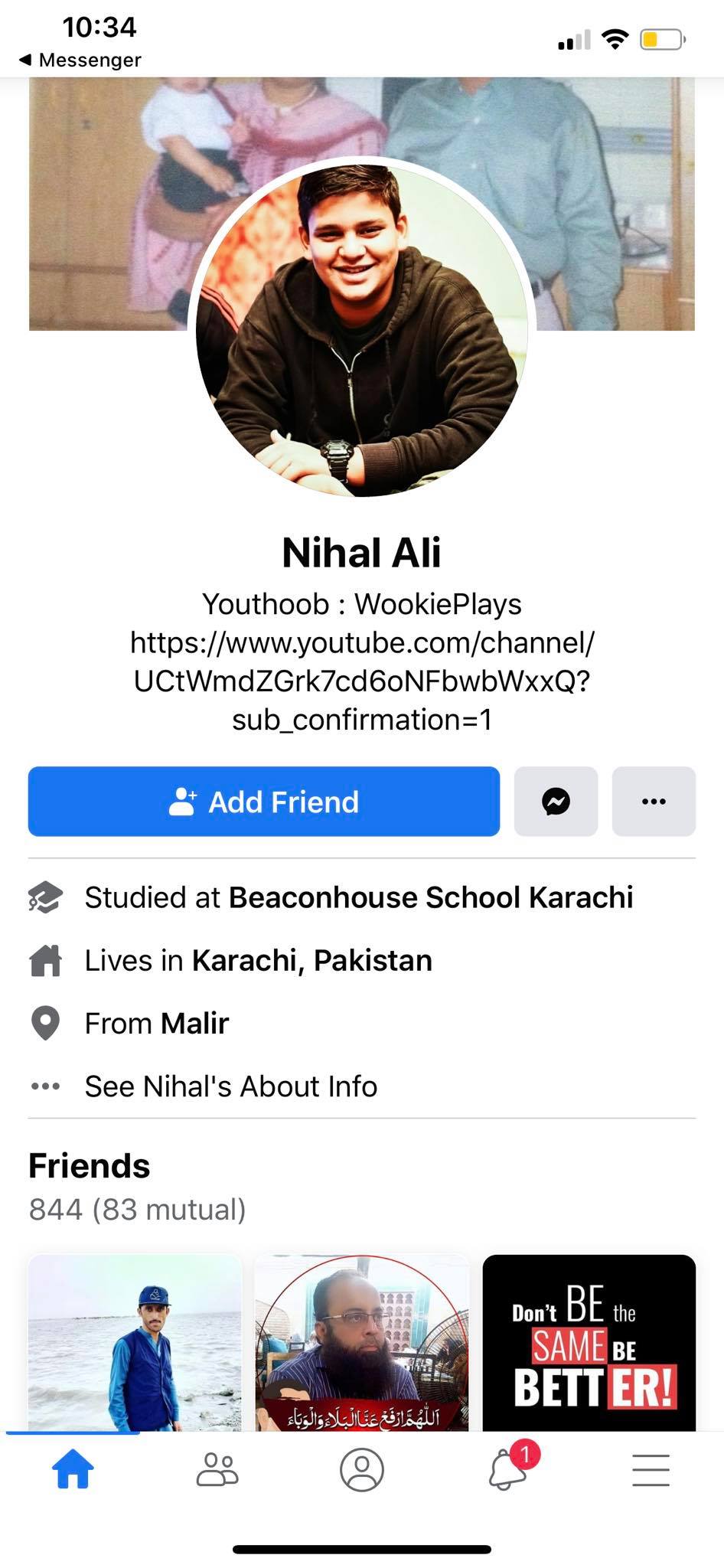
  • In these times of pandemic Covid-19, spreading happiness in the world is an act of HUMANITY.

    I am 16 years old, I had learned VIDEO EDITING in just 4 days.

    As we see there are always the INDIAN or others countries GAMERS on top. Its my aim to be the number one gamer from PAKISTAN and represent my country.

    I have started my own YOUTUBE CHANNEL through this. I am still learning and polishing up my skills. I hope all the gaming enthusiasts out there would support this new beginning.
    These videos consists of #memes , #comedy , #commentary #stories

    My channel link :
    https://www.youtube.com/channel/UCtWmdZGrk7cd6oNFbwbWxxQ
    In these times of pandemic Covid-19, spreading happiness in the world is an act of HUMANITY. I am 16 years old, I had learned VIDEO EDITING in just 4 days. As we see there are always the INDIAN or others countries GAMERS on top. It's my aim to be the number one gamer from PAKISTAN and represent my country.💚 I have started my own YOUTUBE CHANNEL through this. I am still learning and polishing up my skills. I hope all the gaming enthusiasts out there would support this new beginning. 😊 These videos consists of #memes , #comedy , #commentary #stories My channel link : https://www.youtube.com/channel/UCtWmdZGrk7cd6oNFbwbWxxQ
    0 Comentários 0 Compartilhamentos 882 Visualizações
Páginas Impulsionadas