• Level 01
    Work Book 01
    Day 10
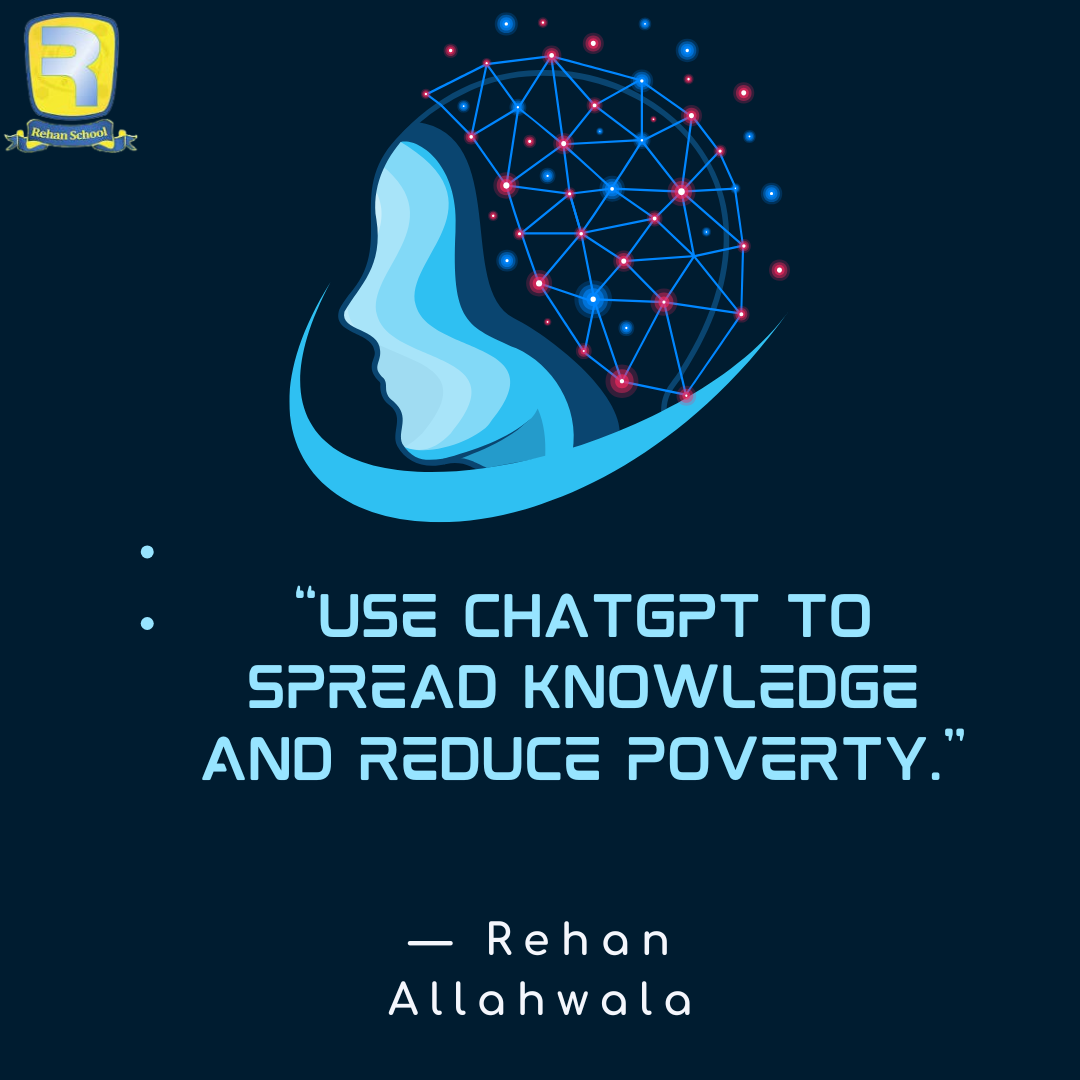
    Task Canva post 31

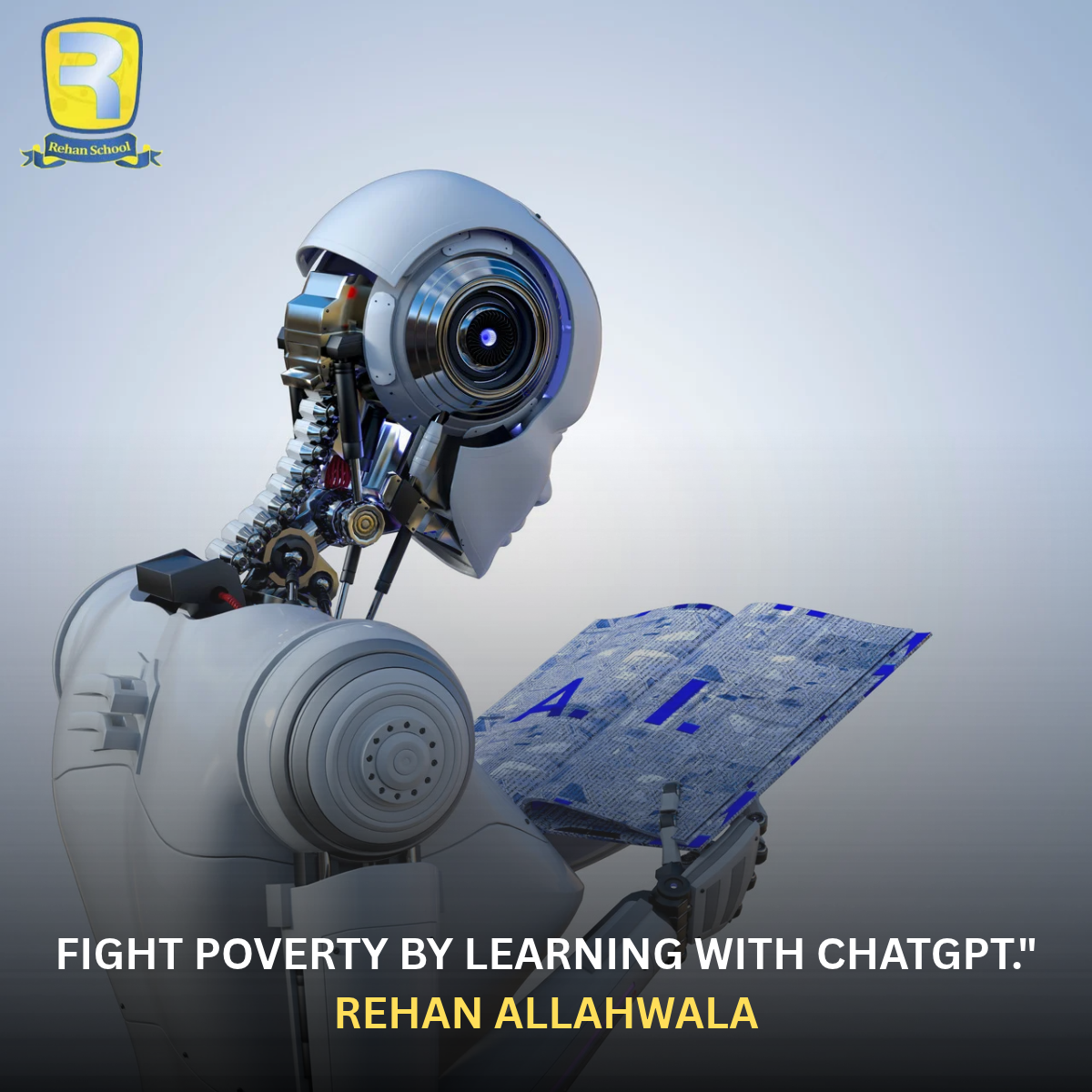
    Knowledge is the greatest investment you can make. With the right skills and the power of AI, anyone can create opportunities, build a better future, and overcome poverty. Keep learning, keep growing.

    #ChatGPT #AIForGood #RehanAllahwala #DigitalSkills #LearnWithAI #FutureSkills #Education #SkillDevelopment #FinancialFreedom #CareerGrowth #Entrepreneurship #Innovation #TechForGood #SuccessMindset #NeverStopLearning #Opportunities #AIEducation #CanvaDesign #SocialMediaPost #motivationalquotes

    @followers
    Tania Khan Mentorship Wali
    Mohsin Rathore Seo Wala
    Imran Khan Street Wala
    Shazia Javed
    Hafsa Noor
    Rehan School Korangi Campus
    Level 01 Work Book 01 Day 10 Task Canva post 31 Knowledge is the greatest investment you can make. With the right skills and the power of AI, anyone can create opportunities, build a better future, and overcome poverty. Keep learning, keep growing. 🚀💙 #ChatGPT #AIForGood #RehanAllahwala #DigitalSkills #LearnWithAI #FutureSkills #Education #SkillDevelopment #FinancialFreedom #CareerGrowth #Entrepreneurship #Innovation #TechForGood #SuccessMindset #NeverStopLearning #Opportunities #AIEducation #CanvaDesign #SocialMediaPost #motivationalquotes @followers Tania Khan Mentorship Wali Mohsin Rathore Seo Wala Imran Khan Street Wala Shazia Javed Hafsa Noor Rehan School Korangi Campus
    0 Comments 0 Shares 2079 Views
  • Level 01 Book 01
    Day 08
    Task Canva post 26

    "Knowledge is the greatest equalizer. When AI reaches every hand, opportunity reaches every home. "

    #ChatGPT #AIForGood #ArtificialIntelligence #Education #Innovation #DigitalSkills #FutureOfWork #Empowerment #TechForGood #Learning #Success #Opportunity #RehanAllahwala #AI #inspirationalquotes

    Tania Khan Mentorship Wali
    Mohsin Rathore Seo Wala
    Imran Khan Street Wala
    Hafsa Noor
    Rehan School Korangi Campus
    Shazia Javed
    Level 01 Book 01 Day 08 Task Canva post 26 "Knowledge is the greatest equalizer. When AI reaches every hand, opportunity reaches every home. 🤖✨" #ChatGPT #AIForGood #ArtificialIntelligence #Education #Innovation #DigitalSkills #FutureOfWork #Empowerment #TechForGood #Learning #Success #Opportunity #RehanAllahwala #AI #inspirationalquotes Tania Khan Mentorship Wali Mohsin Rathore Seo Wala Imran Khan Street Wala Hafsa Noor Rehan School Korangi Campus Shazia Javed
    0 Comments 0 Shares 1119 Views
  • Level 01 Book 01
    Day 07
    Task Canva post

    Summary

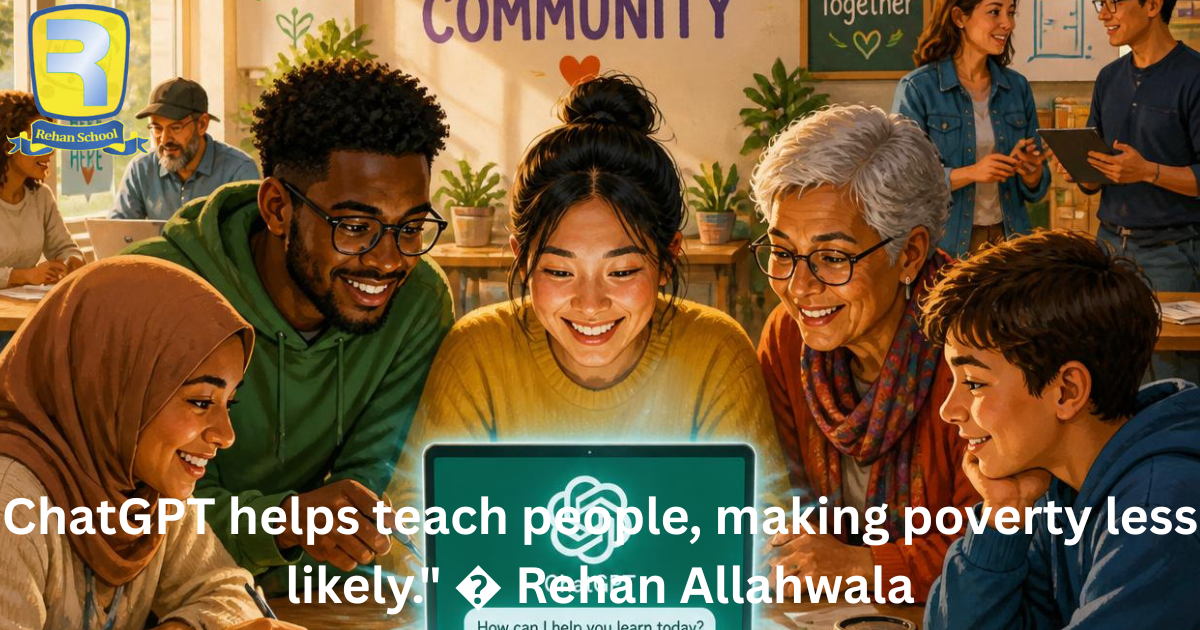
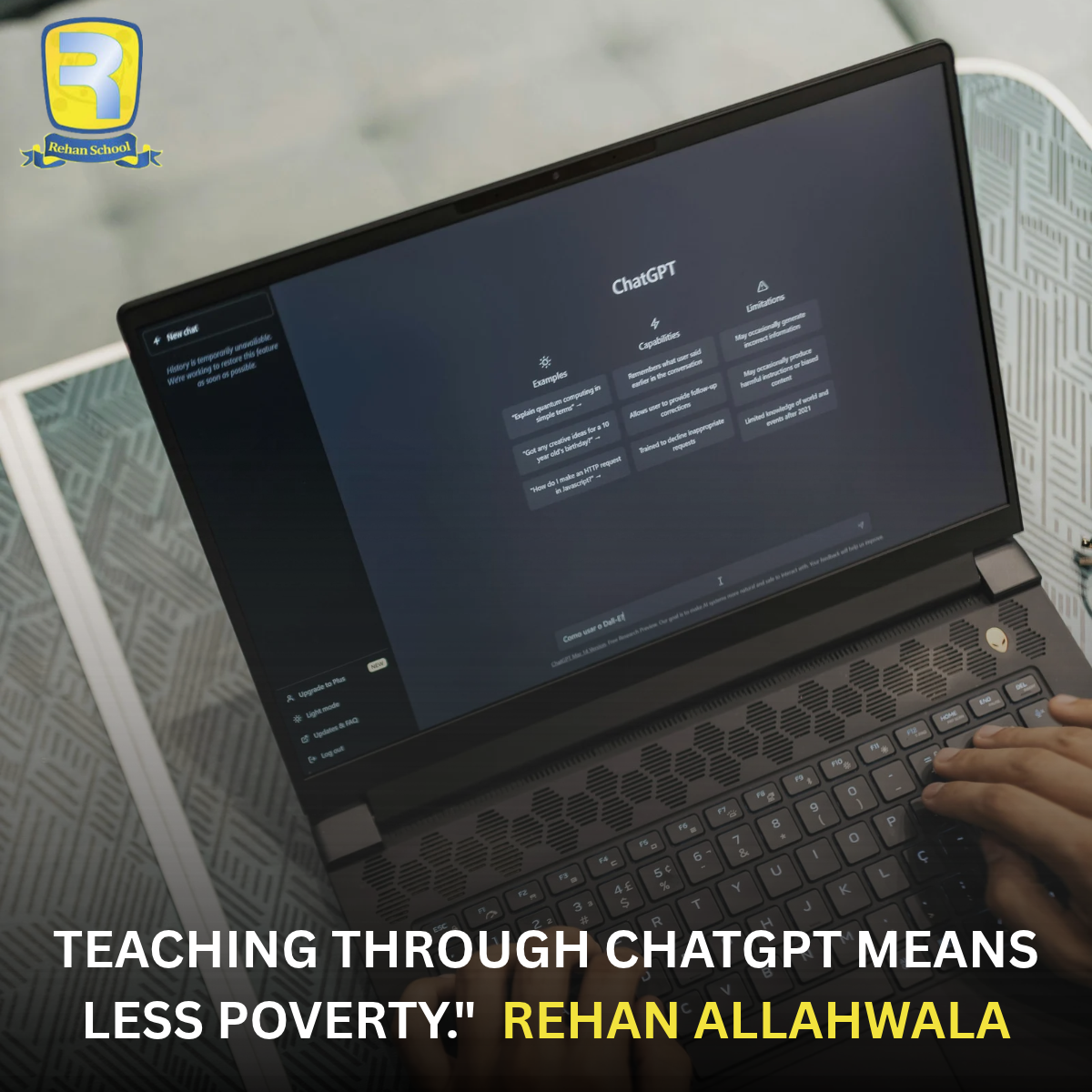
    "Teaching through ChatGPT means less poverty."
    When knowledge becomes accessible, opportunities grow. Every lesson shared has the power to change a life, create new skills, and build a brighter future. Education empowered by AI can help break the cycle of poverty—one learner at a time.

    #TeachingThroughChatGPT #EducationForAll #AIForGood #ChatGPT #Learning #DigitalEducation #Empowerment #Innovation #FutureOfEducation #SkillDevelopment #KnowledgeIsPower #EndPoverty #EducationMatters #RehanAllahwala #PakistanZindabad

    Tania Khan Mentorship Wali
    Mohsin Rathore Seo Wala
    Imran Khan Street Wala
    Shazia Javed
    Hafsa Noor
    Level 01 Book 01 Day 07 Task Canva post Summary "Teaching through ChatGPT means less poverty." 🌍✨ When knowledge becomes accessible, opportunities grow. Every lesson shared has the power to change a life, create new skills, and build a brighter future. Education empowered by AI can help break the cycle of poverty—one learner at a time. #TeachingThroughChatGPT #EducationForAll #AIForGood #ChatGPT #Learning #DigitalEducation #Empowerment #Innovation #FutureOfEducation #SkillDevelopment #KnowledgeIsPower #EndPoverty #EducationMatters #RehanAllahwala #PakistanZindabad Tania Khan Mentorship Wali Mohsin Rathore Seo Wala Imran Khan Street Wala Shazia Javed Hafsa Noor
    0 Comments 0 Shares 1963 Views
  • Level 01 Book 01
    Day 04
    Task Canva post 13
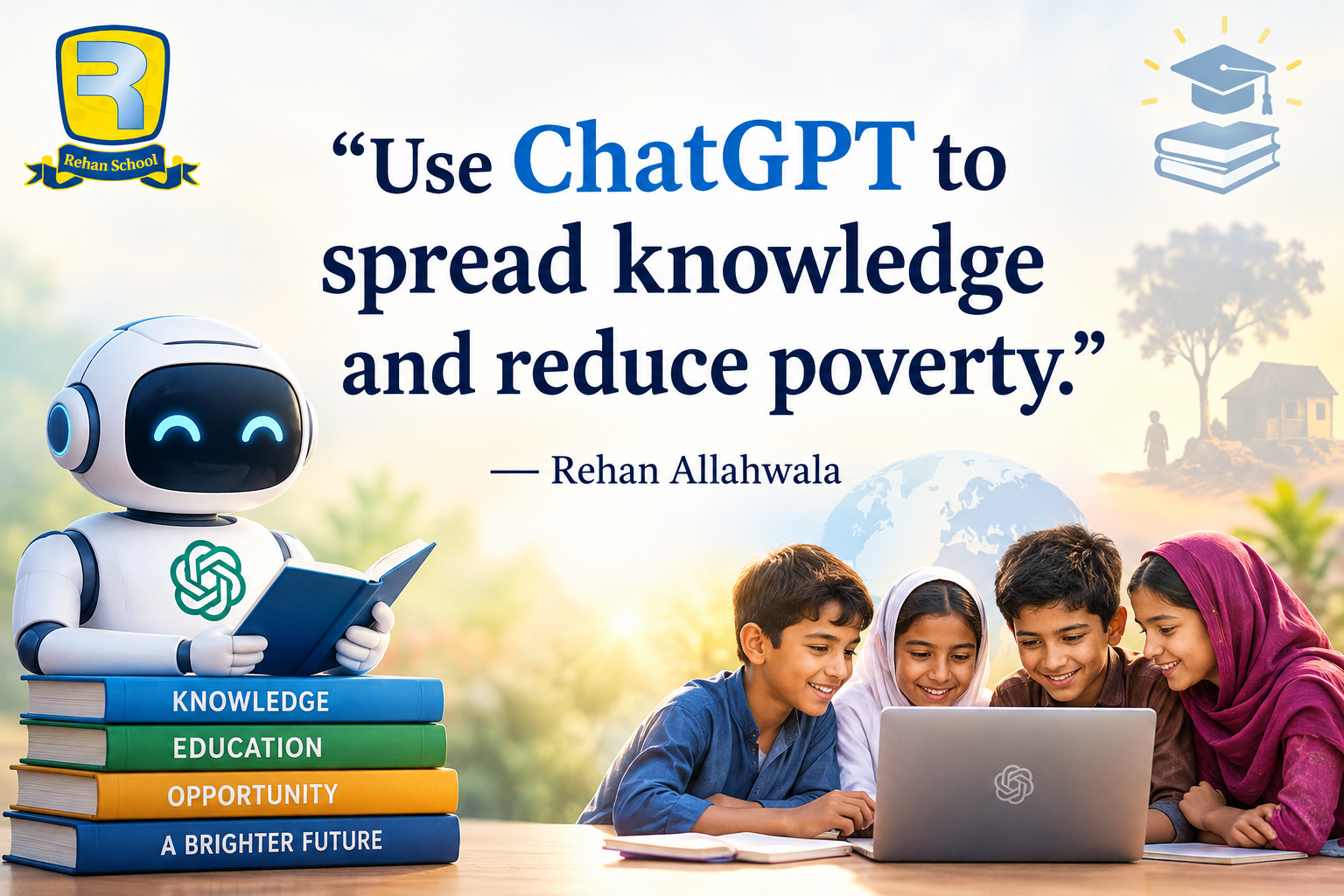
    Topic "Use ChatGPT to help everyone learn and escape poverty." – Rehan Allahwala

    Summary

    When used wisely, ChatGPT can help millions of people learn new skills, access knowledge, build careers, and create better opportunities. Education is one of the strongest paths out of poverty, and AI can make learning accessible to everyone.

    "Use ChatGPT to help everyone learn and escape poverty."
    — Rehan Allahwala

    Let's use technology to empower people, not just automate tasks.

    #ChatGPT #ArtificialIntelligence #AIForGood #EducationForAll #LearnWithAI #DigitalSkills #FutureOfWork #Innovation #Empowerment #PovertyAlleviation #EdTech #TechForGood #LifelongLearning #RehanAllahwala #openai

    Tania Khan Mentorship Wali
    Mohsin Rathore Seo Wala
    Imran Khan Street Wala
    Shazia EducationWali
    Hafsa Noor
    Level 01 Book 01 Day 04 Task Canva post 13 Topic "Use ChatGPT to help everyone learn and escape poverty." – Rehan Allahwala Summary When used wisely, ChatGPT can help millions of people learn new skills, access knowledge, build careers, and create better opportunities. Education is one of the strongest paths out of poverty, and AI can make learning accessible to everyone. "Use ChatGPT to help everyone learn and escape poverty." — Rehan Allahwala Let's use technology to empower people, not just automate tasks. 💚 #ChatGPT #ArtificialIntelligence #AIForGood #EducationForAll #LearnWithAI #DigitalSkills #FutureOfWork #Innovation #Empowerment #PovertyAlleviation #EdTech #TechForGood #LifelongLearning #RehanAllahwala #openai Tania Khan Mentorship Wali Mohsin Rathore Seo Wala Imran Khan Street Wala Shazia EducationWali Hafsa Noor
    0 Comments 0 Shares 3063 Views
  • Level 01 Book 01
    Day 03
    Task Canva post 10
    Topic "ChatGPT can bring education where it's needed most to fight poverty." –

    Education is the greatest investment in a better future.

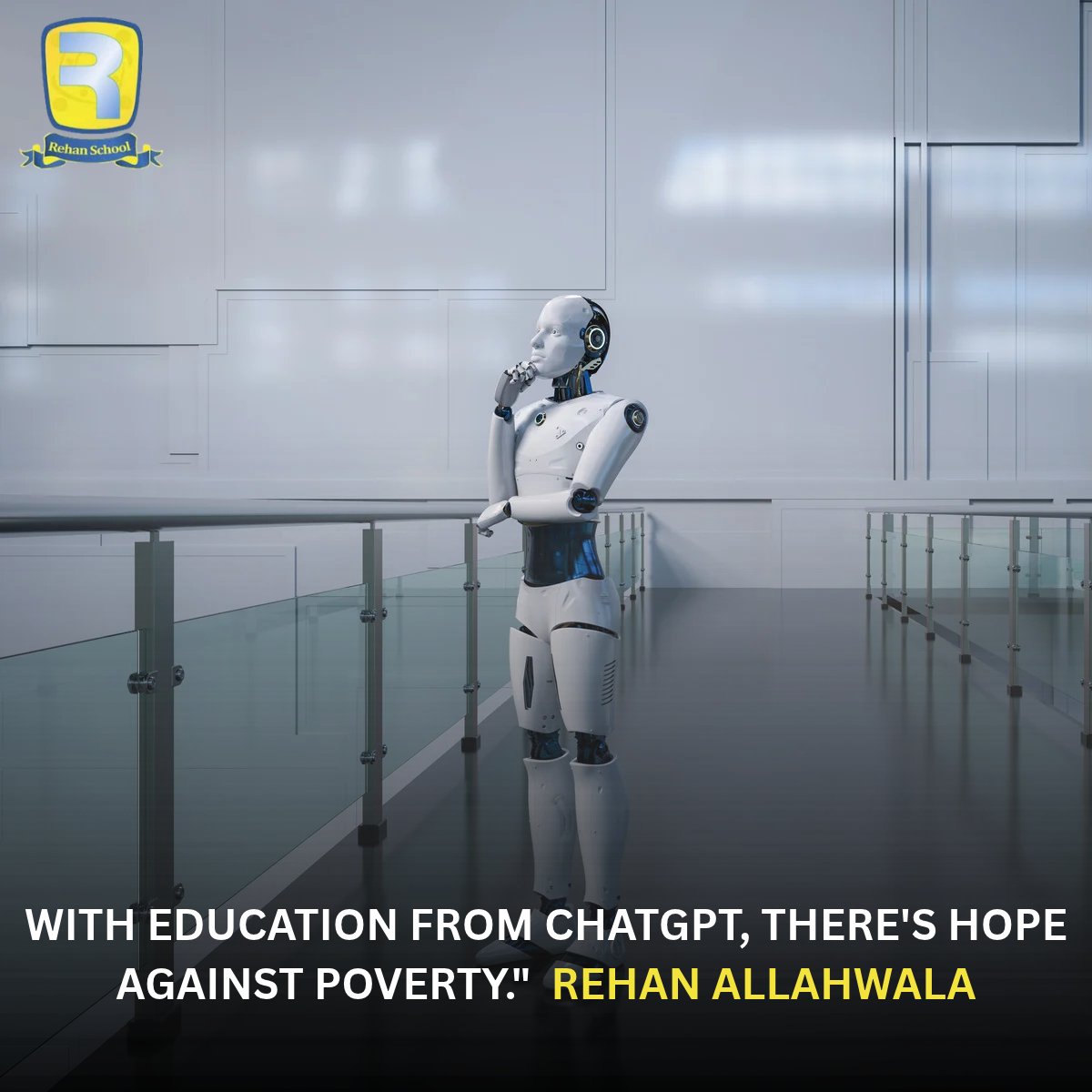
    "ChatGPT can bring education where it's needed most to fight poverty." — Rehan Allahwala

    When knowledge becomes accessible, lives change. AI has the power to help students learn, entrepreneurs grow, and communities create new opportunities. Together, we can bridge the education gap and empower the next generation.

    Every lesson learned is a step toward a brighter future.

    #ChatGPT #AIForGood #EducationForAll #FightPoverty #DigitalEducation #FutureOfLearning #Empowerment #Innovation #Education #LearnGrowSucceed #TechForGood #Pakistan #RehanAllahwala

    Tania Khan Mentorship Wali
    Mohsin Rathore Seo Wala
    Imran Khan Street Wala
    Shazia EducationWali
    Hafsa Noor
    Rehan School Korangi Campus
    Level 01 Book 01 Day 03 Task Canva post 10 Topic "ChatGPT can bring education where it's needed most to fight poverty." – Education is the greatest investment in a better future. 🌍📚 "ChatGPT can bring education where it's needed most to fight poverty." — Rehan Allahwala When knowledge becomes accessible, lives change. AI has the power to help students learn, entrepreneurs grow, and communities create new opportunities. Together, we can bridge the education gap and empower the next generation. 💚 Every lesson learned is a step toward a brighter future. #ChatGPT #AIForGood #EducationForAll #FightPoverty #DigitalEducation #FutureOfLearning #Empowerment #Innovation #Education #LearnGrowSucceed #TechForGood #Pakistan #RehanAllahwala Tania Khan Mentorship Wali Mohsin Rathore Seo Wala Imran Khan Street Wala Shazia EducationWali Hafsa Noor Rehan School Korangi Campus
    0 Comments 0 Shares 2600 Views
  • Level 01 Book 01
    Day 02
    Task Canva post 07
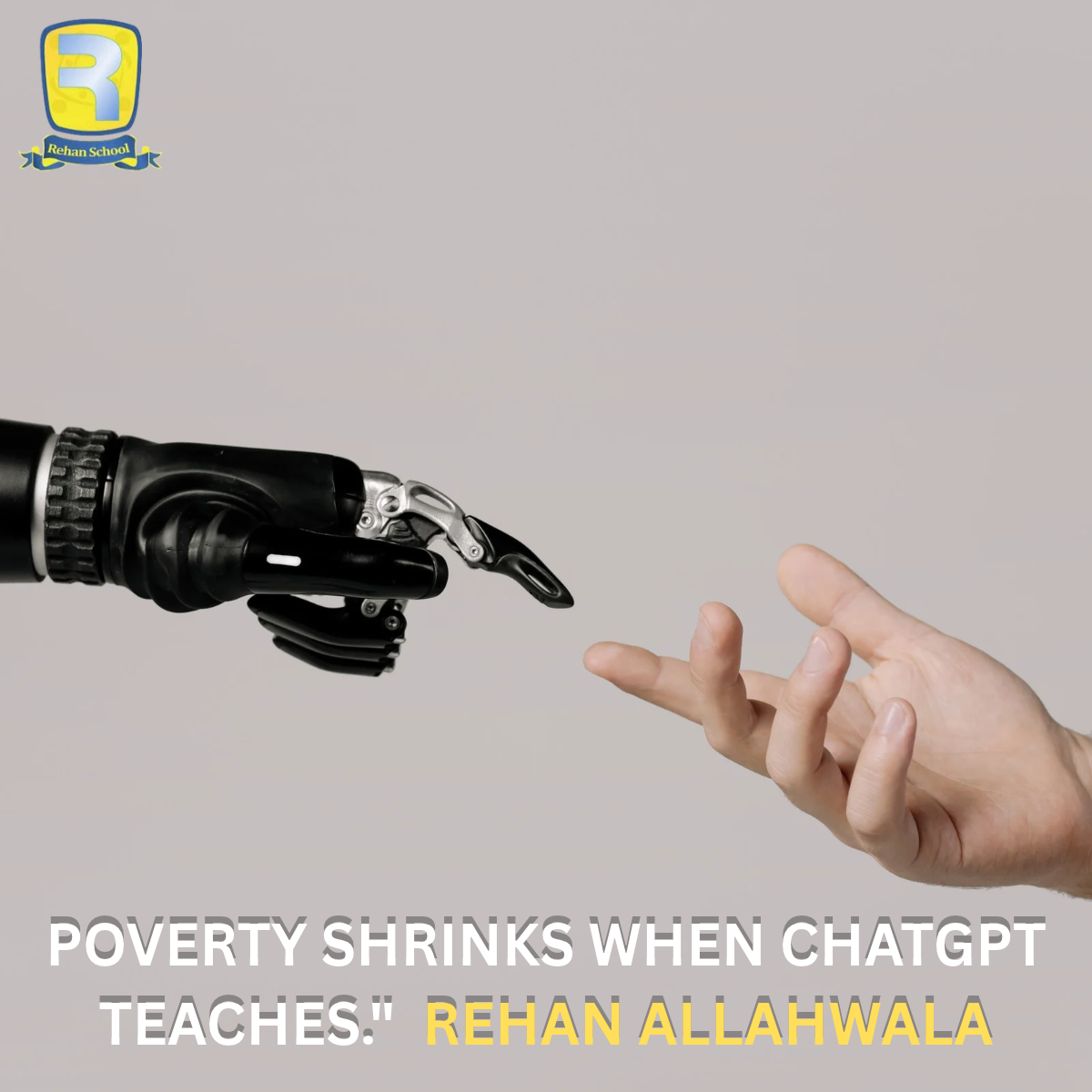
    Topic : "Teach with ChatGPT and watch poverty decrease." – Rehan Allahwala

    #TeachWithChatGPT #AIEducation #ChatGPT #DigitalLearning #EducationForAll #LearnWithAI #FutureOfEducation #AIForGood #EdTech #EmpowerThroughEducation #EndPoverty #KnowledgeIsPower #SkillsForSuccess #OnlineLearning #RehanAllahwala #Innovation #LifelongLearning #TechForGood #EducationMatters #SmartLearning

    Tania Khan Mentorship Wali
    Imran Khan Street Wala
    Shazia EducationWali
    Mohsin Rathore Seo Wala
    Rehan School Korangi Campus
    Hafsa Noor
    Level 01 Book 01 Day 02 Task Canva post 07 Topic : "Teach with ChatGPT and watch poverty decrease." – Rehan Allahwala #TeachWithChatGPT #AIEducation #ChatGPT #DigitalLearning #EducationForAll #LearnWithAI #FutureOfEducation #AIForGood #EdTech #EmpowerThroughEducation #EndPoverty #KnowledgeIsPower #SkillsForSuccess #OnlineLearning #RehanAllahwala #Innovation #LifelongLearning #TechForGood #EducationMatters #SmartLearning Tania Khan Mentorship Wali Imran Khan Street Wala Shazia EducationWali Mohsin Rathore Seo Wala Rehan School Korangi Campus Hafsa Noor
    2
    0 Comments 0 Shares 3588 Views
  • Empower Your Future in Just 1 Minute a Day!

    Are you ready to take control of your life and design your destiny?

    Step 1: Define your Top 3 Life Goals – the dreams that matter most to YOU.
    Step 2: Connect with 10 Global Leaders on Twitter and LinkedIn – people who are already living the life you want.
    Step 3: Ask ChatGPT to become your personal success coach – every morning, it will give you one 1-minute task to move you closer to your goals. Yes, just ONE minute a day!

    Imagine what 365 tiny steps can do for your future.

    Tag someone who needs this. Let’s build a generation that creates impact — not excuses.

    #LifeByDesign #1MinSuccess #AIForGood #RehanSchool #DreamBigDoDaily
    🎯 Empower Your Future in Just 1 Minute a Day! 🌍 Are you ready to take control of your life and design your destiny? ✅ Step 1: Define your Top 3 Life Goals – the dreams that matter most to YOU. ✅ Step 2: Connect with 10 Global Leaders on Twitter and LinkedIn – people who are already living the life you want. ✅ Step 3: Ask ChatGPT to become your personal success coach – every morning, it will give you one 1-minute task to move you closer to your goals. Yes, just ONE minute a day! Imagine what 365 tiny steps can do for your future. 🚀 Tag someone who needs this. Let’s build a generation that creates impact — not excuses. 💪💡 #LifeByDesign #1MinSuccess #AIForGood #RehanSchool #DreamBigDoDaily
    0 Comments 0 Shares 1609 Views
  • The Story of Plastic-Eating Bacteria
    (And How AI Can Help Nature Heal Our Planet)

    Plastic is one of the greatest inventions — and one of our biggest mistakes.
    It made life easy, but it’s now choking our planet.

    Every year, the world produces more than 400 million tons of plastic.
    That’s 50 kilograms for every person alive.
    We make around 480 billion plastic bottles and 500 billion shopping bags every year.
    Most are used only once, sometimes for just a few minutes, and then thrown away.

    Only a small part is ever recycled.
    The rest ends up in rivers, landfills, and oceans.
    Every minute, a full garbage truck of plastic is dumped into the sea —
    that’s 8 million tons of plastic every single year.
    It’s killing fish, turtles, birds, and entering our own food and water as microplastics.


    Nature Fights Back

    In 2016, scientists in Japan found a miracle:
    a tiny bacterium living in a recycling factory that could actually eat plastic bottles.
    They called it Ideonella sakaiensis.

    This little creature makes two special enzymes — PETase and MHETase — that break down plastic into small molecules.
    The bacteria then use these molecules as food and energy.

    A plastic bottle that normally lasts 450 to 1,000 years in nature can start to disappear within a few months to a few years when these bacteria are at work.

    Since then, more bacteria have been found — in soil, seawater, and even inside insects — that can eat plastic bags, cups, and wrappers.
    They work slowly, but they’re doing what humans couldn’t do for decades.

    Nature has begun to heal itself.


    How It Works

    The bacteria release enzymes that act like tiny scissors, cutting the strong bonds inside the plastic.
    Once the chains are broken into small pieces, the bacteria absorb them, use them for energy, and release harmless products like carbon dioxide, water, and natural biomass.

    In warm, moist conditions, bacteria can start breaking a thin plastic bottle within six weeks, while in colder places it might take a few years.
    A shopping bag that would last 1,000 years might begin to weaken within a decade.

    That may sound slow, but it’s still a million times faster than nature alone.


    How AI Can Help

    Artificial Intelligence can speed up everything.
    Here’s how AI can help this global clean-up:
    1. Discovering new bacteria faster:
    AI can scan DNA data from soil, oceans, and waste sites to find new microbes or enzymes that can eat different kinds of plastic. What used to take scientists years can now take days.
    2. Designing stronger enzymes:
    AI can simulate millions of enzyme variations and test which ones could break plastic faster.
    In 2022, researchers used AI to create an enzyme called FAST-PETase, which breaks down plastics in hours instead of months.
    3. Tracking ocean plastic:
    AI satellites and drones can identify where plastic pollution is worst — on beaches, in rivers, and across oceans — helping governments and NGOs clean smarter, not harder.
    4. Creating smart recycling plants:
    AI systems can sort and process plastic waste automatically, reducing contamination and improving recycling rates.
    5. Predicting plastic flow:
    AI models can show where plastic will travel in rivers and seas, allowing early collection before it reaches the ocean.

    AI gives us the superpower to understand nature faster — and to help bacteria work smarter.


    What We Can Do as Normal Citizens

    You don’t have to be a scientist to be part of the solution.
    Here’s how ordinary people like us can help right now:
    1. Use less plastic.
    Carry your own bottle, bag, and cup. Small choices multiplied by millions change the world.
    2. Recycle properly.
    Wash and separate your plastic waste before throwing it away. Dirty plastic can’t be recycled.
    3. Support innovation.
    Encourage local schools, startups, and governments to invest in AI-based recycling and bio-research.
    4. Educate others.
    Share posts, videos, and stories that raise awareness — like this one.
    Change begins when people start talking about it.
    5. Join cleanup drives.
    Be part of beach and park cleanups. It’s simple, powerful, and inspiring.
    6. Plant hope.
    Support eco-friendly products, businesses, and technologies that protect nature.


    A Message of Hope

    Nature is not helpless.
    In just one human lifetime, it has already evolved tiny bacteria that eat our waste.
    And now, with Artificial Intelligence, we can help those bacteria become our allies — turning mountains of trash into clean, living Earth again.

    The future is not just about humans versus nature — it’s about humans and nature working together, powered by AI.

    If we all play our part — one bottle, one bag, one click at a time — the world will change faster than we think.

    Let’s join forces:
    Nature + Science + AI + People = A cleaner, safer planet.

    — Rehan Allahwala
    #RehanAllahwala #RehanSchool #AIForGood #PlasticFreePakistan #ClimateAction #Innovation #Hope
    🌍 The Story of Plastic-Eating Bacteria (And How AI Can Help Nature Heal Our Planet) Plastic is one of the greatest inventions — and one of our biggest mistakes. It made life easy, but it’s now choking our planet. Every year, the world produces more than 400 million tons of plastic. That’s 50 kilograms for every person alive. We make around 480 billion plastic bottles and 500 billion shopping bags every year. Most are used only once, sometimes for just a few minutes, and then thrown away. Only a small part is ever recycled. The rest ends up in rivers, landfills, and oceans. Every minute, a full garbage truck of plastic is dumped into the sea — that’s 8 million tons of plastic every single year. It’s killing fish, turtles, birds, and entering our own food and water as microplastics. ⸻ 🧫 Nature Fights Back In 2016, scientists in Japan found a miracle: a tiny bacterium living in a recycling factory that could actually eat plastic bottles. They called it Ideonella sakaiensis. This little creature makes two special enzymes — PETase and MHETase — that break down plastic into small molecules. The bacteria then use these molecules as food and energy. A plastic bottle that normally lasts 450 to 1,000 years in nature can start to disappear within a few months to a few years when these bacteria are at work. Since then, more bacteria have been found — in soil, seawater, and even inside insects — that can eat plastic bags, cups, and wrappers. They work slowly, but they’re doing what humans couldn’t do for decades. Nature has begun to heal itself. ⸻ ⚙️ How It Works The bacteria release enzymes that act like tiny scissors, cutting the strong bonds inside the plastic. Once the chains are broken into small pieces, the bacteria absorb them, use them for energy, and release harmless products like carbon dioxide, water, and natural biomass. In warm, moist conditions, bacteria can start breaking a thin plastic bottle within six weeks, while in colder places it might take a few years. A shopping bag that would last 1,000 years might begin to weaken within a decade. That may sound slow, but it’s still a million times faster than nature alone. ⸻ 💡 How AI Can Help Artificial Intelligence can speed up everything. Here’s how AI can help this global clean-up: 1. Discovering new bacteria faster: AI can scan DNA data from soil, oceans, and waste sites to find new microbes or enzymes that can eat different kinds of plastic. What used to take scientists years can now take days. 2. Designing stronger enzymes: AI can simulate millions of enzyme variations and test which ones could break plastic faster. In 2022, researchers used AI to create an enzyme called FAST-PETase, which breaks down plastics in hours instead of months. 3. Tracking ocean plastic: AI satellites and drones can identify where plastic pollution is worst — on beaches, in rivers, and across oceans — helping governments and NGOs clean smarter, not harder. 4. Creating smart recycling plants: AI systems can sort and process plastic waste automatically, reducing contamination and improving recycling rates. 5. Predicting plastic flow: AI models can show where plastic will travel in rivers and seas, allowing early collection before it reaches the ocean. AI gives us the superpower to understand nature faster — and to help bacteria work smarter. ⸻ 🧍‍♀️ What We Can Do as Normal Citizens You don’t have to be a scientist to be part of the solution. Here’s how ordinary people like us can help right now: 1. Use less plastic. Carry your own bottle, bag, and cup. Small choices multiplied by millions change the world. 2. Recycle properly. Wash and separate your plastic waste before throwing it away. Dirty plastic can’t be recycled. 3. Support innovation. Encourage local schools, startups, and governments to invest in AI-based recycling and bio-research. 4. Educate others. Share posts, videos, and stories that raise awareness — like this one. Change begins when people start talking about it. 5. Join cleanup drives. Be part of beach and park cleanups. It’s simple, powerful, and inspiring. 6. Plant hope. Support eco-friendly products, businesses, and technologies that protect nature. ⸻ 🌿 A Message of Hope Nature is not helpless. In just one human lifetime, it has already evolved tiny bacteria that eat our waste. And now, with Artificial Intelligence, we can help those bacteria become our allies — turning mountains of trash into clean, living Earth again. The future is not just about humans versus nature — it’s about humans and nature working together, powered by AI. If we all play our part — one bottle, one bag, one click at a time — the world will change faster than we think. 💚 Let’s join forces: Nature + Science + AI + People = A cleaner, safer planet. — Rehan Allahwala #RehanAllahwala #RehanSchool #AIForGood #PlasticFreePakistan #ClimateAction #Innovation #Hope
    0 Comments 0 Shares 2839 Views
  • پلاسٹک کھانے والے بیکٹیریا کی کہانی
    (اور یہ کہ مصنوعی ذہانت فطرت کو کیسے شفا دے سکتی ہے)

    پلاسٹک — ایک ایسی ایجاد جس نے زندگی آسان بنائی، مگر اب زمین کے لیے ایک زہر بن گئی ہے۔
    یہ ہلکی ہے، سستی ہے، مضبوط ہے، اور ہمیشہ کے لیے رہ جاتی ہے۔

    ہر سال دنیا میں چار سو ملین ٹن سے زیادہ پلاسٹک تیار ہوتا ہے۔
    یہ ایسے ہے جیسے زمین پر ہر انسان کے حصے میں پچاس کلوگرام پلاسٹک آتا ہو۔
    ہم ہر سال 480 ارب پلاسٹک کی بوتلیں اور 500 ارب شاپنگ بیگز بناتے ہیں۔
    زیادہ تر صرف چند منٹ کے لیے استعمال ہوتے ہیں، پھر پھینک دیے جاتے ہیں۔

    ان میں سے بہت کم ری سائیکل ہوتے ہیں۔
    باقی زمین، دریاؤں اور سمندروں میں جا پہنچتے ہیں۔
    ہر ایک منٹ میں، ایک کچرے سے بھرا ٹرک پلاسٹک سمندر میں پھینک دیتا ہے۔
    یوں سالانہ آٹھ ملین ٹن پلاسٹک سمندروں میں جا گرتا ہے۔
    یہ مچھلیوں، پرندوں، کچھووں کو مارتا ہے اور آخرکار ہماری خوراک اور پانی میں واپس آجاتا ہے۔


    فطرت کا جواب

    2016 میں جاپان کے سائنس دانوں نے ایک حیرت انگیز دریافت کی۔
    انہوں نے ایک پلاسٹک ری سائیکلنگ فیکٹری میں ایک ننھا سا بیکٹیریا پایا جو پلاسٹک کی بوتلیں کھا سکتا تھا!
    اس کا نام رکھا گیا Ideonella sakaiensis۔

    یہ بیکٹیریا دو خاص انزائم بناتا ہے — PETase اور MHETase —
    جو پلاسٹک کی زنجیر جیسے مالیکیولز کو کاٹ کر چھوٹے ٹکڑوں میں تبدیل کر دیتے ہیں۔
    پھر یہ بیکٹیریا ان چھوٹے ٹکڑوں کو کھا کر توانائی حاصل کرتا ہے اور بڑھتا ہے۔

    ایک پلاسٹک بوتل جو عام طور پر 450 سے 1000 سال میں ختم ہوتی ہے،
    یہ بیکٹیریا اسے صرف چند ہفتوں یا چند مہینوں میں توڑنا شروع کر دیتا ہے۔

    بعد میں سائنس دانوں نے زمین، سمندر اور حتیٰ کہ کچھ کیڑوں کے پیٹ میں بھی ایسے بیکٹیریا پائے جو پلاسٹک بیگز، کپ، اور ریپرز کو آہستہ آہستہ کھا سکتے ہیں۔
    یہ رفتار میں سست ہیں، مگر وہی کام کر رہے ہیں جو انسان صدیوں میں نہ کر سکا۔

    فطرت نے شفا کا عمل شروع کر دیا ہے۔


    یہ کیسے کام کرتے ہیں؟

    بیکٹیریا پلاسٹک پر جم جاتے ہیں اور خاص انزائم خارج کرتے ہیں۔
    یہ انزائم چھریوں کی طرح پلاسٹک کی مضبوط زنجیروں کو کاٹتے ہیں۔
    پھر بیکٹیریا ان چھوٹے مالیکیولز کو اپنے اندر جذب کرتے ہیں،
    ان سے توانائی حاصل کرتے ہیں، اور آخر میں پانی، کاربن ڈائی آکسائیڈ، اور قدرتی مادہ خارج کرتے ہیں۔

    گرم اور نم ماحول میں، یہ بیکٹیریا ایک پتلی پلاسٹک بوتل کو چھ ہفتوں میں توڑنا شروع کر سکتے ہیں،
    اور سرد جگہوں میں یہ عمل چند سال لیتا ہے۔
    جبکہ ایک شاپنگ بیگ جو عام طور پر 1000 سال لگاتا ہے،
    یہ بیکٹیریا اسے چند برسوں میں کمزور کر دیتے ہیں۔

    یہ رفتار آہستہ ہے، مگر فطرت کے عام عمل سے لاکھوں گنا تیز ہے۔


    مصنوعی ذہانت (AI) کیسے مدد کر سکتی ہے؟

    اب سائنس کے ساتھ مصنوعی ذہانت (Artificial Intelligence) بھی میدان میں آ چکی ہے —
    اور یہ فطرت کو تیزی سے سیکھنے اور مدد کرنے میں استعمال ہو رہی ہے۔
    1. نئے بیکٹیریا کی تلاش میں مدد:
    AI لاکھوں مٹی، سمندری اور کوڑا کرکٹ کے سیمپلز کے ڈی این اے ڈیٹا کو پڑھ کر ایسے نئے بیکٹیریا ڈھونڈ سکتی ہے جو پلاسٹک کھا سکیں۔
    جو تحقیق پہلے برسوں لیتی تھی، اب دنوں میں ممکن ہے۔
    2. زیادہ طاقتور انزائم بنانا:
    AI مختلف انزائمز کے لاکھوں ممکنہ ڈیزائن بنا کر یہ پیش گوئی کر سکتی ہے کہ کون سا پلاسٹک کو سب سے تیزی سے توڑے گا۔
    2022 میں سائنس دانوں نے AI سے بنایا ہوا ایک انزائم FAST-PETase تیار کیا جو پلاسٹک کو گھنٹوں میں توڑ دیتا ہے۔
    3. سمندروں میں پلاسٹک کا سراغ لگانا:
    AI سے چلنے والے سیٹلائٹس اور ڈرونز سمندروں اور ساحلوں پر پلاسٹک کے پھیلاؤ کی درست نشاندہی کرتے ہیں،
    تاکہ صفائی کے کام مؤثر انداز میں کیے جا سکیں۔
    4. سمارٹ ری سائیکلنگ پلانٹس:
    AI خودکار نظاموں کے ذریعے پلاسٹک کو چھانٹتا اور ری سائیکل کرتا ہے،
    جس سے ری سائیکلنگ کا عمل تیز اور سستا ہو جاتا ہے۔
    5. پلاسٹک کے بہاؤ کی پیشگوئی:
    AI ماڈلز یہ بتاتے ہیں کہ دریا یا ہوا کے ساتھ پلاسٹک کہاں جائے گا،
    تاکہ اسے سمندر میں جانے سے پہلے ہی پکڑا جا سکے۔

    یوں AI، فطرت کو سمجھنے اور اسے تیزی سے کام کرنے میں مدد دیتا ہے۔


    ہم عام لوگ کیا کر سکتے ہیں؟

    ہم سب، بغیر سائنسدان ہوئے بھی، اس مہم کا حصہ بن سکتے ہیں۔
    1. پلاسٹک کا کم استعمال کریں۔
    اپنی بوتل، کپ، اور شاپنگ بیگ ساتھ رکھیں۔
    چھوٹی عادتیں بڑے نتائج لاتی ہیں۔
    2. صحیح طریقے سے ری سائیکل کریں۔
    پلاسٹک پھینکنے سے پہلے دھوئیں، صاف کریں، الگ رکھیں۔
    گندا پلاسٹک ری سائیکل نہیں ہوتا۔
    3. سائنس اور نئی تحقیق کی حمایت کریں۔
    اسکولوں، اسٹارٹ اپس، اور حکومتوں کو AI پر مبنی ماحول دوست تحقیق کی حوصلہ افزائی کریں۔
    4. لوگوں میں آگاہی پھیلائیں۔
    پوسٹس، ویڈیوز، اور کہانیاں شیئر کریں۔
    تبدیلی بات کرنے سے شروع ہوتی ہے۔
    5. صفائی کی مہمات میں شامل ہوں۔
    ساحلوں، پارکوں، اور گلیوں کی صفائی میں حصہ لیں۔
    یہ چھوٹا مگر مؤثر قدم ہے۔
    6. ماحول دوست مصنوعات اپنائیں۔
    ان کاروباروں کی مدد کریں جو قدرت کو نقصان نہیں پہنچاتے۔


    امید کا پیغام

    قدرت کبھی ہار نہیں مانتی۔
    انسان نے صرف سو سال پہلے پلاسٹک بنایا،
    اور قدرت نے اتنی جلدی بیکٹیریا پیدا کر دیے جو اسے کھا سکتے ہیں۔
    یہی زندگی کا حسن ہے — یہ ہمیشہ توازن تلاش کرتی ہے۔

    اب اگر ہم مصنوعی ذہانت اور قدرت کو ایک ساتھ ملا دیں،
    تو ہم وہ کر سکتے ہیں جو کبھی ناممکن لگتا تھا۔

    انسان اور فطرت کا اتحاد،
    AI کی طاقت کے ساتھ —
    یہی وہ راستہ ہے جو زمین کو دوبارہ صاف، محفوظ اور خوبصورت بنا سکتا ہے۔

    آئیے ہم سب مل کر فطرت کے ساتھ کھڑے ہوں۔
    ایک بوتل، ایک بیگ، ایک قدم —
    اور دنیا بدلنے لگے گی۔

    — ریحان اللہ والا
    #RehanAllahwala #RehanSchool #PlasticFreePakistan #AIForGood #ماحول_دوست #فطرت_کی_آواز #امید
    🌍 پلاسٹک کھانے والے بیکٹیریا کی کہانی (اور یہ کہ مصنوعی ذہانت فطرت کو کیسے شفا دے سکتی ہے) پلاسٹک — ایک ایسی ایجاد جس نے زندگی آسان بنائی، مگر اب زمین کے لیے ایک زہر بن گئی ہے۔ یہ ہلکی ہے، سستی ہے، مضبوط ہے، اور ہمیشہ کے لیے رہ جاتی ہے۔ ہر سال دنیا میں چار سو ملین ٹن سے زیادہ پلاسٹک تیار ہوتا ہے۔ یہ ایسے ہے جیسے زمین پر ہر انسان کے حصے میں پچاس کلوگرام پلاسٹک آتا ہو۔ ہم ہر سال 480 ارب پلاسٹک کی بوتلیں اور 500 ارب شاپنگ بیگز بناتے ہیں۔ زیادہ تر صرف چند منٹ کے لیے استعمال ہوتے ہیں، پھر پھینک دیے جاتے ہیں۔ ان میں سے بہت کم ری سائیکل ہوتے ہیں۔ باقی زمین، دریاؤں اور سمندروں میں جا پہنچتے ہیں۔ ہر ایک منٹ میں، ایک کچرے سے بھرا ٹرک پلاسٹک سمندر میں پھینک دیتا ہے۔ یوں سالانہ آٹھ ملین ٹن پلاسٹک سمندروں میں جا گرتا ہے۔ یہ مچھلیوں، پرندوں، کچھووں کو مارتا ہے اور آخرکار ہماری خوراک اور پانی میں واپس آجاتا ہے۔ ⸻ 🧫 فطرت کا جواب 2016 میں جاپان کے سائنس دانوں نے ایک حیرت انگیز دریافت کی۔ انہوں نے ایک پلاسٹک ری سائیکلنگ فیکٹری میں ایک ننھا سا بیکٹیریا پایا جو پلاسٹک کی بوتلیں کھا سکتا تھا! اس کا نام رکھا گیا Ideonella sakaiensis۔ یہ بیکٹیریا دو خاص انزائم بناتا ہے — PETase اور MHETase — جو پلاسٹک کی زنجیر جیسے مالیکیولز کو کاٹ کر چھوٹے ٹکڑوں میں تبدیل کر دیتے ہیں۔ پھر یہ بیکٹیریا ان چھوٹے ٹکڑوں کو کھا کر توانائی حاصل کرتا ہے اور بڑھتا ہے۔ ایک پلاسٹک بوتل جو عام طور پر 450 سے 1000 سال میں ختم ہوتی ہے، یہ بیکٹیریا اسے صرف چند ہفتوں یا چند مہینوں میں توڑنا شروع کر دیتا ہے۔ بعد میں سائنس دانوں نے زمین، سمندر اور حتیٰ کہ کچھ کیڑوں کے پیٹ میں بھی ایسے بیکٹیریا پائے جو پلاسٹک بیگز، کپ، اور ریپرز کو آہستہ آہستہ کھا سکتے ہیں۔ یہ رفتار میں سست ہیں، مگر وہی کام کر رہے ہیں جو انسان صدیوں میں نہ کر سکا۔ فطرت نے شفا کا عمل شروع کر دیا ہے۔ 🌱 ⸻ ⚙️ یہ کیسے کام کرتے ہیں؟ بیکٹیریا پلاسٹک پر جم جاتے ہیں اور خاص انزائم خارج کرتے ہیں۔ یہ انزائم چھریوں کی طرح پلاسٹک کی مضبوط زنجیروں کو کاٹتے ہیں۔ پھر بیکٹیریا ان چھوٹے مالیکیولز کو اپنے اندر جذب کرتے ہیں، ان سے توانائی حاصل کرتے ہیں، اور آخر میں پانی، کاربن ڈائی آکسائیڈ، اور قدرتی مادہ خارج کرتے ہیں۔ گرم اور نم ماحول میں، یہ بیکٹیریا ایک پتلی پلاسٹک بوتل کو چھ ہفتوں میں توڑنا شروع کر سکتے ہیں، اور سرد جگہوں میں یہ عمل چند سال لیتا ہے۔ جبکہ ایک شاپنگ بیگ جو عام طور پر 1000 سال لگاتا ہے، یہ بیکٹیریا اسے چند برسوں میں کمزور کر دیتے ہیں۔ یہ رفتار آہستہ ہے، مگر فطرت کے عام عمل سے لاکھوں گنا تیز ہے۔ ⸻ 🤖 مصنوعی ذہانت (AI) کیسے مدد کر سکتی ہے؟ اب سائنس کے ساتھ مصنوعی ذہانت (Artificial Intelligence) بھی میدان میں آ چکی ہے — اور یہ فطرت کو تیزی سے سیکھنے اور مدد کرنے میں استعمال ہو رہی ہے۔ 1. نئے بیکٹیریا کی تلاش میں مدد: AI لاکھوں مٹی، سمندری اور کوڑا کرکٹ کے سیمپلز کے ڈی این اے ڈیٹا کو پڑھ کر ایسے نئے بیکٹیریا ڈھونڈ سکتی ہے جو پلاسٹک کھا سکیں۔ جو تحقیق پہلے برسوں لیتی تھی، اب دنوں میں ممکن ہے۔ 2. زیادہ طاقتور انزائم بنانا: AI مختلف انزائمز کے لاکھوں ممکنہ ڈیزائن بنا کر یہ پیش گوئی کر سکتی ہے کہ کون سا پلاسٹک کو سب سے تیزی سے توڑے گا۔ 2022 میں سائنس دانوں نے AI سے بنایا ہوا ایک انزائم FAST-PETase تیار کیا جو پلاسٹک کو گھنٹوں میں توڑ دیتا ہے۔ 3. سمندروں میں پلاسٹک کا سراغ لگانا: AI سے چلنے والے سیٹلائٹس اور ڈرونز سمندروں اور ساحلوں پر پلاسٹک کے پھیلاؤ کی درست نشاندہی کرتے ہیں، تاکہ صفائی کے کام مؤثر انداز میں کیے جا سکیں۔ 4. سمارٹ ری سائیکلنگ پلانٹس: AI خودکار نظاموں کے ذریعے پلاسٹک کو چھانٹتا اور ری سائیکل کرتا ہے، جس سے ری سائیکلنگ کا عمل تیز اور سستا ہو جاتا ہے۔ 5. پلاسٹک کے بہاؤ کی پیشگوئی: AI ماڈلز یہ بتاتے ہیں کہ دریا یا ہوا کے ساتھ پلاسٹک کہاں جائے گا، تاکہ اسے سمندر میں جانے سے پہلے ہی پکڑا جا سکے۔ یوں AI، فطرت کو سمجھنے اور اسے تیزی سے کام کرنے میں مدد دیتا ہے۔ ⸻ 👥 ہم عام لوگ کیا کر سکتے ہیں؟ ہم سب، بغیر سائنسدان ہوئے بھی، اس مہم کا حصہ بن سکتے ہیں۔ 1. پلاسٹک کا کم استعمال کریں۔ اپنی بوتل، کپ، اور شاپنگ بیگ ساتھ رکھیں۔ چھوٹی عادتیں بڑے نتائج لاتی ہیں۔ 2. صحیح طریقے سے ری سائیکل کریں۔ پلاسٹک پھینکنے سے پہلے دھوئیں، صاف کریں، الگ رکھیں۔ گندا پلاسٹک ری سائیکل نہیں ہوتا۔ 3. سائنس اور نئی تحقیق کی حمایت کریں۔ اسکولوں، اسٹارٹ اپس، اور حکومتوں کو AI پر مبنی ماحول دوست تحقیق کی حوصلہ افزائی کریں۔ 4. لوگوں میں آگاہی پھیلائیں۔ پوسٹس، ویڈیوز، اور کہانیاں شیئر کریں۔ تبدیلی بات کرنے سے شروع ہوتی ہے۔ 5. صفائی کی مہمات میں شامل ہوں۔ ساحلوں، پارکوں، اور گلیوں کی صفائی میں حصہ لیں۔ یہ چھوٹا مگر مؤثر قدم ہے۔ 6. ماحول دوست مصنوعات اپنائیں۔ ان کاروباروں کی مدد کریں جو قدرت کو نقصان نہیں پہنچاتے۔ ⸻ 🌿 امید کا پیغام قدرت کبھی ہار نہیں مانتی۔ انسان نے صرف سو سال پہلے پلاسٹک بنایا، اور قدرت نے اتنی جلدی بیکٹیریا پیدا کر دیے جو اسے کھا سکتے ہیں۔ یہی زندگی کا حسن ہے — یہ ہمیشہ توازن تلاش کرتی ہے۔ اب اگر ہم مصنوعی ذہانت اور قدرت کو ایک ساتھ ملا دیں، تو ہم وہ کر سکتے ہیں جو کبھی ناممکن لگتا تھا۔ انسان اور فطرت کا اتحاد، AI کی طاقت کے ساتھ — یہی وہ راستہ ہے جو زمین کو دوبارہ صاف، محفوظ اور خوبصورت بنا سکتا ہے۔ آئیے ہم سب مل کر فطرت کے ساتھ کھڑے ہوں۔ ایک بوتل، ایک بیگ، ایک قدم — اور دنیا بدلنے لگے گی۔ 💚 — ریحان اللہ والا #RehanAllahwala #RehanSchool #PlasticFreePakistan #AIForGood #ماحول_دوست #فطرت_کی_آواز #امید
    0 Comments 0 Shares 1986 Views
  • A Positive Timeline for Earth: Using AI to Achieve Universal Prosperity, Zero War, and Zero Hunger

    2024–2030: Laying the Foundation for AI-Driven Global Transformation

    1. 2024:
    • Global AI Collaboration: A global treaty signed by major nations and tech companies to use AI for universal human welfare.
    • Establishment of the Global AI Alliance (GAIA) to oversee and regulate the ethical use of AI.
    • AI begins optimizing food distribution networks, reducing food waste by 30%.
    2. 2025:
    • Deployment of AI systems for precision agriculture, doubling crop yields in developing countries.
    • Universal Basic Income (UBI) pilot programs powered by AI-driven global wealth redistribution begin in select regions.
    • AI-enabled conflict resolution systems begin mediating in war zones, leading to peace agreements in 3 major regions.
    3. 2026:
    • AI-powered education platforms provide free, high-quality, multilingual education to 500 million children.
    • UBI of $100/month implemented in 20% of the world’s population, funded by AI-optimized global taxation.
    • Global Hunger Index drops by 50% as AI logistics deliver surplus food to undernourished areas.
    4. 2027:
    • AI-optimized healthcare systems reduce preventable diseases by 40%.
    • Solar-powered AI-driven desalination plants provide clean drinking water to 1 billion people.
    • AI-powered predictive diplomacy prevents conflicts in 5 major regions, marking a 20% reduction in global violence.
    5. 2028–2030:
    • Universal Basic Income of $500/month for every adult globally, funded by AI-driven automation of wealth creation.
    • AI ensures zero hunger globally by coordinating food production, storage, and equitable distribution.
    • Global Peace Accord signed, with AI-driven monitoring ensuring compliance and transparency.

    2031–2040: Scaling AI for Universal Prosperity

    1. 2031–2035:
    • AI-driven circular economies drastically reduce resource waste and environmental damage.
    • UBI increases to $750/month globally as automation and AI optimize industries and create surplus wealth.
    • AI monitors climate change, resulting in a 60% reduction in global emissions through coordinated global action.
    • AI-enabled education eliminates illiteracy worldwide, with virtual classrooms tailored to every learner’s needs.
    2. 2036:
    • World Hunger officially eradicated as AI-coordinated systems ensure sufficient, equitable food production and delivery.
    • AI-driven conflict prevention systems eliminate the last remaining armed conflicts, achieving zero war globally.
    • AI democratically oversees global governance systems, ensuring transparency and equity for all nations.
    3. 2037–2040:
    • UBI reaches $1,000/month for every person worldwide, funded by an AI-managed global wealth fund derived from automated industries, trade efficiencies, and equitable taxation.
    • AI-driven medical breakthroughs cure major diseases, leading to a 20-year increase in global life expectancy.
    • AI ensures renewable energy powers 100% of global infrastructure, making energy universally accessible and affordable.

    2041–2050: A Fully Transformed Global Society

    1. 2041–2045:
    • AI-coordinated resource sharing eliminates poverty completely.
    • Collaborative AI systems create breakthroughs in space exploration, enabling off-Earth resource extraction to support global prosperity.
    • AI-driven governance systems are adopted worldwide, ensuring fair and efficient management of global resources and conflicts.
    2. 2046–2050:
    • Humanity transitions to a post-scarcity society, with AI ensuring that basic needs (food, water, shelter, education, healthcare) are universally met without financial barriers.
    • UBI increases beyond $1,000/month, allowing people to pursue creative and meaningful endeavors without economic stress.
    • Global happiness index reaches unprecedented levels as AI ensures equity, peace, and prosperity for all.

    Key Achievements by 2050

    • Universal Basic Income: $1,000/month for every global citizen, powered by AI-driven wealth creation and equitable redistribution.
    • Zero Hunger: AI optimizes agriculture, distribution, and eliminates waste, ensuring food for all.
    • Zero War: Predictive AI systems and global peace accords prevent and resolve conflicts.
    • Universal Education: AI delivers free, tailored education, ensuring everyone has access to knowledge.
    • Healthcare for All: AI-powered systems provide affordable, personalized, and preventive healthcare.
    • Environmental Sustainability: AI ensures renewable energy powers the planet, achieving carbon neutrality and reversing climate damage.

    This vision relies on global collaboration, ethical AI use, and a shared commitment to equity and peace. By harnessing AI responsibly, we can transform Earth into a prosperous, peaceful, and sustainable home for all humanity.

    #GlobalUtopia #FutureEarth2050 #AIForGood #UniversalProsperity #ZeroHunger #ZeroWar #SustainableFuture #GreenEnergy #PeacefulPlanet #EqualityForAll #SmartCities #InnovativeWorld #UBIForAll #AIInnovation #GlobalUnity
    A Positive Timeline for Earth: Using AI to Achieve Universal Prosperity, Zero War, and Zero Hunger 2024–2030: Laying the Foundation for AI-Driven Global Transformation 1. 2024: • Global AI Collaboration: A global treaty signed by major nations and tech companies to use AI for universal human welfare. • Establishment of the Global AI Alliance (GAIA) to oversee and regulate the ethical use of AI. • AI begins optimizing food distribution networks, reducing food waste by 30%. 2. 2025: • Deployment of AI systems for precision agriculture, doubling crop yields in developing countries. • Universal Basic Income (UBI) pilot programs powered by AI-driven global wealth redistribution begin in select regions. • AI-enabled conflict resolution systems begin mediating in war zones, leading to peace agreements in 3 major regions. 3. 2026: • AI-powered education platforms provide free, high-quality, multilingual education to 500 million children. • UBI of $100/month implemented in 20% of the world’s population, funded by AI-optimized global taxation. • Global Hunger Index drops by 50% as AI logistics deliver surplus food to undernourished areas. 4. 2027: • AI-optimized healthcare systems reduce preventable diseases by 40%. • Solar-powered AI-driven desalination plants provide clean drinking water to 1 billion people. • AI-powered predictive diplomacy prevents conflicts in 5 major regions, marking a 20% reduction in global violence. 5. 2028–2030: • Universal Basic Income of $500/month for every adult globally, funded by AI-driven automation of wealth creation. • AI ensures zero hunger globally by coordinating food production, storage, and equitable distribution. • Global Peace Accord signed, with AI-driven monitoring ensuring compliance and transparency. 2031–2040: Scaling AI for Universal Prosperity 1. 2031–2035: • AI-driven circular economies drastically reduce resource waste and environmental damage. • UBI increases to $750/month globally as automation and AI optimize industries and create surplus wealth. • AI monitors climate change, resulting in a 60% reduction in global emissions through coordinated global action. • AI-enabled education eliminates illiteracy worldwide, with virtual classrooms tailored to every learner’s needs. 2. 2036: • World Hunger officially eradicated as AI-coordinated systems ensure sufficient, equitable food production and delivery. • AI-driven conflict prevention systems eliminate the last remaining armed conflicts, achieving zero war globally. • AI democratically oversees global governance systems, ensuring transparency and equity for all nations. 3. 2037–2040: • UBI reaches $1,000/month for every person worldwide, funded by an AI-managed global wealth fund derived from automated industries, trade efficiencies, and equitable taxation. • AI-driven medical breakthroughs cure major diseases, leading to a 20-year increase in global life expectancy. • AI ensures renewable energy powers 100% of global infrastructure, making energy universally accessible and affordable. 2041–2050: A Fully Transformed Global Society 1. 2041–2045: • AI-coordinated resource sharing eliminates poverty completely. • Collaborative AI systems create breakthroughs in space exploration, enabling off-Earth resource extraction to support global prosperity. • AI-driven governance systems are adopted worldwide, ensuring fair and efficient management of global resources and conflicts. 2. 2046–2050: • Humanity transitions to a post-scarcity society, with AI ensuring that basic needs (food, water, shelter, education, healthcare) are universally met without financial barriers. • UBI increases beyond $1,000/month, allowing people to pursue creative and meaningful endeavors without economic stress. • Global happiness index reaches unprecedented levels as AI ensures equity, peace, and prosperity for all. Key Achievements by 2050 • Universal Basic Income: $1,000/month for every global citizen, powered by AI-driven wealth creation and equitable redistribution. • Zero Hunger: AI optimizes agriculture, distribution, and eliminates waste, ensuring food for all. • Zero War: Predictive AI systems and global peace accords prevent and resolve conflicts. • Universal Education: AI delivers free, tailored education, ensuring everyone has access to knowledge. • Healthcare for All: AI-powered systems provide affordable, personalized, and preventive healthcare. • Environmental Sustainability: AI ensures renewable energy powers the planet, achieving carbon neutrality and reversing climate damage. This vision relies on global collaboration, ethical AI use, and a shared commitment to equity and peace. By harnessing AI responsibly, we can transform Earth into a prosperous, peaceful, and sustainable home for all humanity. #GlobalUtopia #FutureEarth2050 #AIForGood #UniversalProsperity #ZeroHunger #ZeroWar #SustainableFuture #GreenEnergy #PeacefulPlanet #EqualityForAll #SmartCities #InnovativeWorld #UBIForAll #AIInnovation #GlobalUnity
    0 Comments 0 Shares 6515 Views
More Results