• DIDX in #Amsterdam
    DIDX in #Amsterdam
    0 Comments 0 Shares 54 Views
  • HERE YOU GET A CHANCE TO EXPLORE EUROPE FOR 12 NIGHTS & 13 DAYS. INTERESTED PEOPLE PLEASE LET US KNOW (INBOX OR CALL)

    3 Nights Frankfurt
    3 Nights Paris
    3 Nights Amsterdam
    3 Nights Rome
    Inter City Transfers
    Visa Services
    Daily City Tours
    Breakfast
    International Air Ticket.

    Cost 350,000

    For details Contact: Anis Uddin 0313-2388559

    Whatsapp: +33755803004
    HERE YOU GET A CHANCE TO EXPLORE EUROPE FOR 12 NIGHTS & 13 DAYS. INTERESTED PEOPLE PLEASE LET US KNOW (INBOX OR CALL) 3 Nights Frankfurt 3 Nights Paris 3 Nights Amsterdam 3 Nights Rome Inter City Transfers Visa Services Daily City Tours Breakfast International Air Ticket. Cost 350,000 For details Contact: Anis Uddin 0313-2388559 Whatsapp: +33755803004
    0 Comments 0 Shares 199 Views
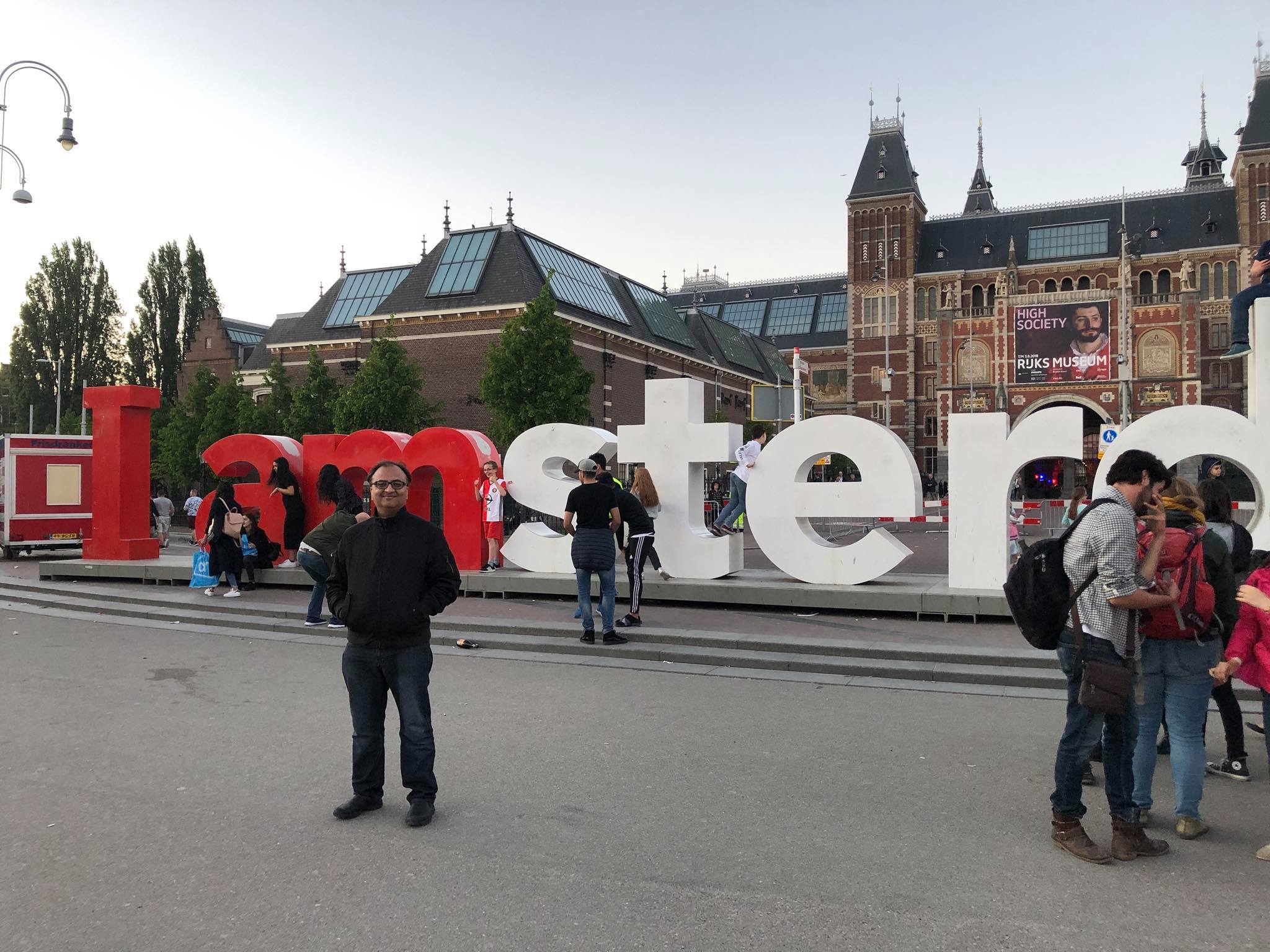
  • I am in Amsterdamn this week ! Who wants to
    meet-up ?
    I am in Amsterdamn this week ! Who wants to meet-up ?
    0 Comments 0 Shares 183 Views
  • Dear Rehan. Happy Birthday.

    Hope you are doing well. Here all is fine. I am currently working on bringing climate action to the leaders of the European union with the help of many great climate kids (like greta thunberg). Just the other day I also met a great young activist from Pakistan (https://www.facebook.com/balaantraxx). I am about to introduce him to some religious leaders

    But I thought maybe you have some ideas to bring his work (https://gulfnews.com/world/asia/pakistan/pakistani-university-students-take-to-streets-over-climate-1.63919822) to some important people in Pakistan (or tell me who I should contact to help Iqbal and his message to the forefront). It would also be great if you could give Iqbal some attention on your channels (maybe an interview?). I think he is very inspiring to all of us and Climate Action should be a big topic in Pakistan (and the rest of the world:). Thank s a million! All the very best from Amsterdam, Mark

    Mark Woerde
    Dear Rehan. Happy Birthday. Hope you are doing well. Here all is fine. I am currently working on bringing climate action to the leaders of the European union with the help of many great climate kids (like greta thunberg). Just the other day I also met a great young activist from Pakistan (https://www.facebook.com/balaantraxx). I am about to introduce him to some religious leaders But I thought maybe you have some ideas to bring his work (https://gulfnews.com/world/asia/pakistan/pakistani-university-students-take-to-streets-over-climate-1.63919822) to some important people in Pakistan (or tell me who I should contact to help Iqbal and his message to the forefront). It would also be great if you could give Iqbal some attention on your channels (maybe an interview?). I think he is very inspiring to all of us and Climate Action should be a big topic in Pakistan (and the rest of the world:). Thank s a million! All the very best from Amsterdam, Mark Mark Woerde
    0 Comments 0 Shares 352 Views
  • Book burning incidents have taken place throughout history for ideological reasons. The burning of the Bible has also occurred in Europe. Here are some notable incidents of Bible burning in Europe:
    Martin Luthers 1534 German translation of the Bible was burned in Catholic-dominated parts of Germany in 1624, by order of the Pope
    1
    .
    In 1553, the Talmud was publicly burned in Venice, Italy, which was a center for the printing of Jewish books
    1
    .
    In 1568, there was a lesser-known burning of Jewish books in Venice, Italy
    1
    .
    In 1490, a number of Hebrew Bibles and other Jewish books were burned at the behest of the Spanish Inquisition
    1
    .
    In 1522, the authorities at Leiden ordered the confiscation of all Lutheran works in the town, but apparently did not burn them
    1
    .
    The first mass book burning in the North was in 1521 in the ecclesiastical territory of Utrecht. The first mass book burning in Amsterdam took place later, in 1526. Thereafter, public book burning remained part of life in the Habsburg Empire
    1
    .
    In recent years, there have been incidents of burning the Bible in Europe. Here are some examples:
    In January 2023, a man named Erinipuzha Mustafa burned the Bible in Kerala, India, in revenge over the desecration of the Quran in Europe
    3
    .
    In April 2017, a UK rabbi-politician burned the Christian Bible on the eve of Passover, sparking controversy in the British media
    5
    .
    In July 2023, a request was filed to burn the Torah and Bible outside the Israeli embassy in Sweden, following the burning of a Quran outside a mosque in Stockholm
    2
    .
    Some commentators have suggested that burning holy books should be illegal, as it is a manifestation of a phenomenon widespread across European countries that are on their way to becoming post-Christian
    6
    . In Malaysia, the prime minister has stated that the burning of any religious book or text, including the Quran, the Bible, or the Hindu holy texts, will not be tolerated
    6
    . In 2010, a high court judge banned the burning of religious books in South Africa, and the following year, a UK court jailed a man for burning the Quran in public
    6
    .
    Book burning incidents have taken place throughout history for ideological reasons. The burning of the Bible has also occurred in Europe. Here are some notable incidents of Bible burning in Europe: Martin Luther's 1534 German translation of the Bible was burned in Catholic-dominated parts of Germany in 1624, by order of the Pope 1 . In 1553, the Talmud was publicly burned in Venice, Italy, which was a center for the printing of Jewish books 1 . In 1568, there was a lesser-known burning of Jewish books in Venice, Italy 1 . In 1490, a number of Hebrew Bibles and other Jewish books were burned at the behest of the Spanish Inquisition 1 . In 1522, the authorities at Leiden ordered the confiscation of all Lutheran works in the town, but apparently did not burn them 1 . The first mass book burning in the North was in 1521 in the ecclesiastical territory of Utrecht. The first mass book burning in Amsterdam took place later, in 1526. Thereafter, public book burning remained part of life in the Habsburg Empire 1 . In recent years, there have been incidents of burning the Bible in Europe. Here are some examples: In January 2023, a man named Erinipuzha Mustafa burned the Bible in Kerala, India, in revenge over the desecration of the Quran in Europe 3 . In April 2017, a UK rabbi-politician burned the Christian Bible on the eve of Passover, sparking controversy in the British media 5 . In July 2023, a request was filed to burn the Torah and Bible outside the Israeli embassy in Sweden, following the burning of a Quran outside a mosque in Stockholm 2 . Some commentators have suggested that burning holy books should be illegal, as it is a manifestation of a phenomenon widespread across European countries that are on their way to becoming post-Christian 6 . In Malaysia, the prime minister has stated that the burning of any religious book or text, including the Quran, the Bible, or the Hindu holy texts, will not be tolerated 6 . In 2010, a high court judge banned the burning of religious books in South Africa, and the following year, a UK court jailed a man for burning the Quran in public 6 .
    0 Comments 0 Shares 1066 Views
  • Creating the European Union (EU) was a complex process that evolved over decades, involving a series of treaties, expansions, and integrative steps. Heres a detailed look at the small and significant steps that led to the formation of the EU, which could serve as a roadmap for creating a similar union, like an Asian Union.

    ### Initial Concepts and Foundations

    1. **Post-World War II Reconciliation (1945-1950):** The devastation of World War II prompted European leaders to seek ways to prevent future conflicts. The idea of European integration was seen as a solution to foster peace and economic cooperation.

    2. **Schuman Declaration (1950):** French Foreign Minister Robert Schuman proposed the creation of a European Coal and Steel Community (ECSC), aiming to pool coal and steel production. This was a strategic move to bind Europe’s key industries together, making war between historic rivals France and Germany "not merely unthinkable, but materially impossible."

    3. **Treaty of Paris (1951):** Established the ECSC, including six founding countries: Belgium, France, Germany, Italy, Luxembourg, and the Netherlands. This treaty was the first step towards economic integration.

    ### Expanding the Scope of Integration

    4. **Treaty of Rome (1957):** Signed by the six ECSC members, it created the European Economic Community (EEC) and Euratom. The EEC aimed at establishing a common market and a customs union among the member states.

    5. **Merger Treaty (1965):** Merged the executive bodies of the ECSC, EEC, and Euratom into a single Commission and Council of the European Communities, simplifying the structure and strengthening integration.

    ### Enlargement and Deepening Integration

    6. **First Enlargement (1973):** Denmark, Ireland, and the United Kingdom joined, marking the first expansion beyond the six founding members.

    7. **Single European Act (1986):** Aimed at creating a single market by 1992, it allowed for the free movement of goods, services, capital, and people. This act significantly deepened economic integration.

    8. **Treaty of Maastricht (1992):** Officially established the European Union and introduced the concept of European citizenship. It set the stage for monetary union and introduced the three-pillar structure of the EU.

    9. **Treaty of Amsterdam (1997) and Treaty of Nice (2001):** These treaties reformed institutions to prepare for the eastward expansion of the EU and improved decision-making processes.

    ### Expansion and Consolidation

    10. **Eurozone (1999):** Introduction of the euro as a single currency for many EU countries, further integrating the economies of member states.

    11. **Eastern Enlargement (2004 and 2007):** The EU expanded to include eight Central and Eastern European countries in 2004, followed by Bulgaria and Romania in 2007, marking a significant geographical and political expansion.

    12. **Treaty of Lisbon (2007, effective 2009):** Simplified the EU’s structure, increased the powers of the European Parliament, and introduced changes to improve decision-making efficiency. It also established a more permanent President of the European Council and a High Representative for Foreign Affairs to strengthen the EUs global presence.

    ### Continuous Challenges and Adaptations

    - **Brexit (2016 referendum, effective 2020):** The United Kingdoms vote to leave the EU marked a significant challenge and led to discussions about the nature of EU integration and the future direction of the union.

    - **Ongoing Issues:** The EU continues to face challenges such as migration crises, economic disparities, and external pressures. It has also been working on digital transformation, climate change policies, and strengthening the European Health Union in response to the COVID-19 pandemic.

    Creating a similar union, like an Asian Union, would likely involve similar steps: starting with targeted economic cooperation, gradually expanding the scope of integration, formalizing structures through treaties, and continuously adapting to new challenges. It would also require strong political will, a shared vision among member states, and mechanisms to accommodate diversity while pursuing common goals.
    Creating the European Union (EU) was a complex process that evolved over decades, involving a series of treaties, expansions, and integrative steps. Here's a detailed look at the small and significant steps that led to the formation of the EU, which could serve as a roadmap for creating a similar union, like an Asian Union. ### Initial Concepts and Foundations 1. **Post-World War II Reconciliation (1945-1950):** The devastation of World War II prompted European leaders to seek ways to prevent future conflicts. The idea of European integration was seen as a solution to foster peace and economic cooperation. 2. **Schuman Declaration (1950):** French Foreign Minister Robert Schuman proposed the creation of a European Coal and Steel Community (ECSC), aiming to pool coal and steel production. This was a strategic move to bind Europe’s key industries together, making war between historic rivals France and Germany "not merely unthinkable, but materially impossible." 3. **Treaty of Paris (1951):** Established the ECSC, including six founding countries: Belgium, France, Germany, Italy, Luxembourg, and the Netherlands. This treaty was the first step towards economic integration. ### Expanding the Scope of Integration 4. **Treaty of Rome (1957):** Signed by the six ECSC members, it created the European Economic Community (EEC) and Euratom. The EEC aimed at establishing a common market and a customs union among the member states. 5. **Merger Treaty (1965):** Merged the executive bodies of the ECSC, EEC, and Euratom into a single Commission and Council of the European Communities, simplifying the structure and strengthening integration. ### Enlargement and Deepening Integration 6. **First Enlargement (1973):** Denmark, Ireland, and the United Kingdom joined, marking the first expansion beyond the six founding members. 7. **Single European Act (1986):** Aimed at creating a single market by 1992, it allowed for the free movement of goods, services, capital, and people. This act significantly deepened economic integration. 8. **Treaty of Maastricht (1992):** Officially established the European Union and introduced the concept of European citizenship. It set the stage for monetary union and introduced the three-pillar structure of the EU. 9. **Treaty of Amsterdam (1997) and Treaty of Nice (2001):** These treaties reformed institutions to prepare for the eastward expansion of the EU and improved decision-making processes. ### Expansion and Consolidation 10. **Eurozone (1999):** Introduction of the euro as a single currency for many EU countries, further integrating the economies of member states. 11. **Eastern Enlargement (2004 and 2007):** The EU expanded to include eight Central and Eastern European countries in 2004, followed by Bulgaria and Romania in 2007, marking a significant geographical and political expansion. 12. **Treaty of Lisbon (2007, effective 2009):** Simplified the EU’s structure, increased the powers of the European Parliament, and introduced changes to improve decision-making efficiency. It also established a more permanent President of the European Council and a High Representative for Foreign Affairs to strengthen the EU's global presence. ### Continuous Challenges and Adaptations - **Brexit (2016 referendum, effective 2020):** The United Kingdom's vote to leave the EU marked a significant challenge and led to discussions about the nature of EU integration and the future direction of the union. - **Ongoing Issues:** The EU continues to face challenges such as migration crises, economic disparities, and external pressures. It has also been working on digital transformation, climate change policies, and strengthening the European Health Union in response to the COVID-19 pandemic. Creating a similar union, like an Asian Union, would likely involve similar steps: starting with targeted economic cooperation, gradually expanding the scope of integration, formalizing structures through treaties, and continuously adapting to new challenges. It would also require strong political will, a shared vision among member states, and mechanisms to accommodate diversity while pursuing common goals.
    0 Comments 0 Shares 1280 Views
  • History of New York

    Pre-Colonial Era (Before 1600s)
    • Before 1600s: The area now known as New York was inhabited by the Lenape people, a Native American tribe. Exact population figures are not available for this period.

    Dutch and English Colonization (1609–1776)
    • 1609: Henry Hudson explores the area on behalf of the Dutch.
    • 1624: Establishment of New Amsterdam by the Dutch.
    • 1664: The English take control and rename it New York.
    • 1698: New York’s population is approximately 4,937.

    Revolutionary War & Early U.S. History (1776–1800s)
    • 1776: British forces capture New York during the American Revolution.
    • 1783: British troops evacuate; the city becomes part of the United States.
    • 1790: Population reaches 33,131, making it the largest city in the U.S. 
    • 1800: Population grows to 60,515. 

    Industrialization & Immigration Boom (1800s)
    • 1820: Population is 123,706; the city begins to see significant immigration. 
    • 1830: Population increases to 202,589. 
    • 1840: Population reaches 312,710. 
    • 1850: Population surges to 515,547, with many Irish and German immigrants arriving. 
    • 1860: Population is 813,669. 
    • 1870: Population reaches 942,292. 
    • 1880: Population grows to 1,206,299. 
    • 1890: Population is 1,515,301. 

    Early 1900s – Growth & Global Power
    • 1900: Population reaches 3,437,202. 
    • 1910: Population increases to 4,766,883. 
    • 1920: Population is 5,620,048. 
    • 1930: Population reaches 6,930,446. 
    • 1940: Population is 7,454,995. 
    • 1950: Population peaks at 7,891,957. 

    Mid 1900s – Post-War Boom & Civil Rights Era
    • 1960: Population slightly declines to 7,781,984. 
    • 1970: Population is 7,894,862. 
    • 1980: Population decreases to 7,071,639. 
    • 1990: Population rebounds to 7,322,564. 

    Modern New York (2000–Present)
    • 2000: Population reaches 8,008,278. 
    • 2010: Population increases to 8,175,133. 
    • 2020: Population is 8,804,190. 
    • 2023: The New York metropolitan area’s population is approximately 18,937,000. 

    These figures illustrate New York’s dynamic growth and demographic changes over the centuries.

    History of New York Pre-Colonial Era (Before 1600s) • Before 1600s: The area now known as New York was inhabited by the Lenape people, a Native American tribe. Exact population figures are not available for this period. Dutch and English Colonization (1609–1776) • 1609: Henry Hudson explores the area on behalf of the Dutch. • 1624: Establishment of New Amsterdam by the Dutch. • 1664: The English take control and rename it New York. • 1698: New York’s population is approximately 4,937. Revolutionary War & Early U.S. History (1776–1800s) • 1776: British forces capture New York during the American Revolution. • 1783: British troops evacuate; the city becomes part of the United States. • 1790: Population reaches 33,131, making it the largest city in the U.S.  • 1800: Population grows to 60,515.  Industrialization & Immigration Boom (1800s) • 1820: Population is 123,706; the city begins to see significant immigration.  • 1830: Population increases to 202,589.  • 1840: Population reaches 312,710.  • 1850: Population surges to 515,547, with many Irish and German immigrants arriving.  • 1860: Population is 813,669.  • 1870: Population reaches 942,292.  • 1880: Population grows to 1,206,299.  • 1890: Population is 1,515,301.  Early 1900s – Growth & Global Power • 1900: Population reaches 3,437,202.  • 1910: Population increases to 4,766,883.  • 1920: Population is 5,620,048.  • 1930: Population reaches 6,930,446.  • 1940: Population is 7,454,995.  • 1950: Population peaks at 7,891,957.  Mid 1900s – Post-War Boom & Civil Rights Era • 1960: Population slightly declines to 7,781,984.  • 1970: Population is 7,894,862.  • 1980: Population decreases to 7,071,639.  • 1990: Population rebounds to 7,322,564.  Modern New York (2000–Present) • 2000: Population reaches 8,008,278.  • 2010: Population increases to 8,175,133.  • 2020: Population is 8,804,190.  • 2023: The New York metropolitan area’s population is approximately 18,937,000.  These figures illustrate New York’s dynamic growth and demographic changes over the centuries.

    0 Comments 0 Shares 259 Views
  • Amsterdam
    Amsterdam
    0 Comments 0 Shares 21 Views
  • #Amsterdam
    #Amsterdam
    0 Comments 0 Shares 21 Views
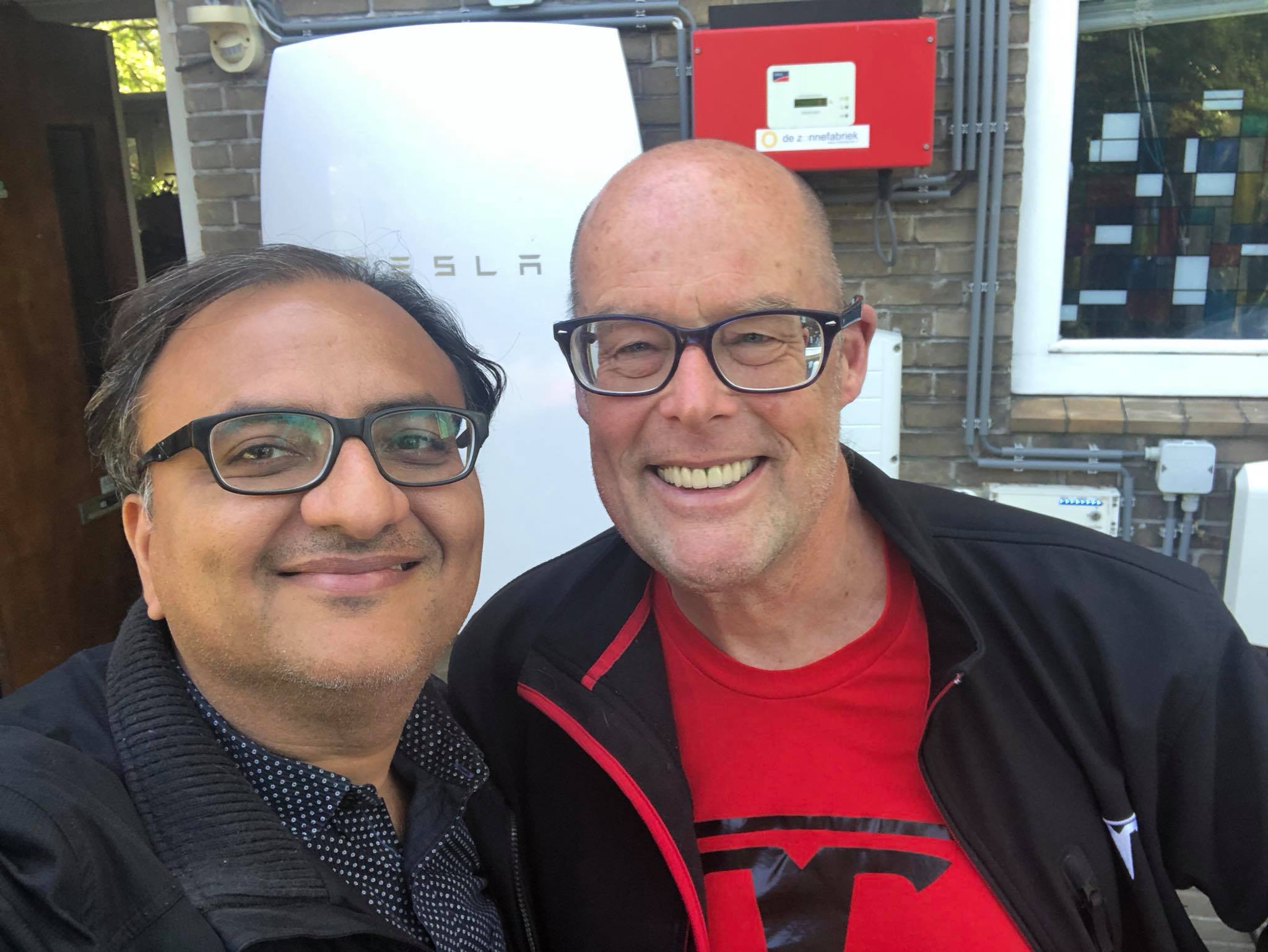
  • I am Honoured to have met today Vincent Everts

    A highly powerful influencer in technology in Holland, a technology Evangelist, a speaker, and a coach for companies on change and high growth.

    He has one of the biggest heart I have ever seen and is a very giving man thus the universe rewards him accordingly !

    I Highly recommend you all to add him and invite him to your interviews and TED talk events to learn from his experiences.

    He is doing an annual blockchain conference in Amsterdamn that I also recommend you to attend !
    I am Honoured to have met today Vincent Everts A highly powerful influencer in technology in Holland, a technology Evangelist, a speaker, and a coach for companies on change and high growth. He has one of the biggest heart I have ever seen and is a very giving man thus the universe rewards him accordingly ! I Highly recommend you all to add him and invite him to your interviews and TED talk events to learn from his experiences. He is doing an annual blockchain conference in Amsterdamn that I also recommend you to attend !
    0 Comments 0 Shares 187 Views
More Results