• Any Bengali speaking people here ? Meet Mahmood Shehri
    Any Bengali speaking people here ? Meet Mahmood Shehri
    0 Yorumlar 0 hisse senetleri 227 Views
  • This was NOT a census that counts who is residing where, so that economic resources can be allocated. It was nothing more than a verification drive of NADRA database and that too at an exorbitant expense.

    As such this census robbed Karachi of its due resources and political representatives!
    Karachi is the second biggest city of Pashtuns, 2nd biggest city of Punjabis, is the largest city of Sindhis and Balochis.

    However, all these Punjabis, Sindhis, Balochis, and Pushtuns living in Karachi for decades, using its infrastructure and resources are NOT counted as residents of Karachi if their cnic address is outside Karachi. Similarly Bengalis and Afghanis and other illegal aliens living in Karachi are not counted as residents of Karachi if they do not have nadra card.

    Census only counted those who had (1) nadra registered/cnic and (2) whose address was of Karachi. All those residing in Karachi who did not have nadra cnic/registration (Bengalis, Burmese, Afghanis,..) or whose permanent address was not Karachi(immigrants from interior Sindh, Punjab, Pashtuns, Balochs) were not counted.

    Shared from Irfan Hyder
    This was NOT a census that counts who is residing where, so that economic resources can be allocated. It was nothing more than a verification drive of NADRA database and that too at an exorbitant expense. As such this census robbed Karachi of its due resources and political representatives! Karachi is the second biggest city of Pashtuns, 2nd biggest city of Punjabis, is the largest city of Sindhis and Balochis. However, all these Punjabis, Sindhis, Balochis, and Pushtuns living in Karachi for decades, using its infrastructure and resources are NOT counted as residents of Karachi if their cnic address is outside Karachi. Similarly Bengalis and Afghanis and other illegal aliens living in Karachi are not counted as residents of Karachi if they do not have nadra card. Census only counted those who had (1) nadra registered/cnic and (2) whose address was of Karachi. All those residing in Karachi who did not have nadra cnic/registration (Bengalis, Burmese, Afghanis,..) or whose permanent address was not Karachi(immigrants from interior Sindh, Punjab, Pashtuns, Balochs) were not counted. Shared from Irfan Hyder
    0 Yorumlar 0 hisse senetleri 1213 Views
  • Who wants to interview next Rayan Bengali ? Woh Pakistan aur Bangladesh kay darmian muhabbat barhana chahtay hain
    Who wants to interview next Rayan Bengali ? Woh Pakistan aur Bangladesh 🇧🇩 kay darmian muhabbat barhana chahtay hain
    0 Yorumlar 0 hisse senetleri 243 Views
  • If our prime minister can take guidance of a spiritual person ! I guess the whole nation would !

    Interesting to see Bengali baba from chalking on wall to facebook now !

    Disclaimer: I am not promoting this, just found it very interesting to see this kind of add on Facebook
    If our prime minister can take guidance of a spiritual person ! I guess the whole nation would ! Interesting to see Bengali baba from chalking on wall to facebook now ! Disclaimer: I am not promoting this, just found it very interesting to see this kind of add on Facebook
    0 Yorumlar 0 hisse senetleri 257 Views
  • Looking for someone in Islamabad who speaks Bengali for making some videos !
    Looking for someone in Islamabad who speaks Bengali for making some videos !
    0 Yorumlar 0 hisse senetleri 204 Views
  • The word for "Allah" in different languages may vary, but it often reflects the concept of God in those respective languages. Heres "Allah" in 50 different languages:

    1. Arabic - الله (Allah)
    2. Persian - خدا (Khoda)
    3. Urdu - اللہ (Allah)
    4. Turkish - Tanrı
    5. Indonesian - Allah
    6. Malay - Allah
    7. Swahili - Mungu
    8. Bengali - আল্লাহ (Allah)
    9. Hindi - अल्लाह (Allah)
    10. Punjabi - ਅੱਲਾਹ (Allah)
    11. Somali - Ilaah
    12. Pashto - خدا (Khuda)
    13. Kurdish - Xweda
    14. Azerbaijani - Allah
    15. Uzbek - Alloh
    16. Kazakh - Аллаһ (Allah)
    17. Malayalam - അല്ലാഹു (Allahu)
    18. Tamil - அல்லாஹ் (Allāh)
    19. Thai - อัลลอฮ์ (Allāh)
    20. Vietnamese - Chúa
    21. Russian - Аллах (Allakh)
    22. Chinese (Simplified) - 安拉 (Ān lā)
    23. Japanese - アッラー (Arrā)
    24. Korean - 알라 (Alla)
    25. Greek - Αλλάχ (Allákh)
    26. Hebrew - אללה (Ellah)
    27. Spanish - Alá
    28. French - Allah
    29. German - Allah
    30. Italian - Allah
    31. Portuguese - Alá
    32. Dutch - Allah
    33. Norwegian - Allah
    34. Swedish - Allah
    35. Finnish - Allah
    36. Danish - Allah
    37. Romanian - Allah
    38. Polish - Allah
    39. Hungarian - Allah
    40. Czech - Allah
    41. Slovak - Allah
    42. Bulgarian - Алах (Alah)
    43. Greek (Ancient) - Αλλάχ (Allákh)
    44. Hausa - Allah
    45. Yoruba - Olodumare
    46. Igbo - Chineke
    47. Zulu - Unkulunkulu
    48. Maori - Atua
    49. Hawaiian - Akua
    50. Navajo - Diyin Dineé (Holy Being)

    Please note that the pronunciation and script for "Allah" may vary in these languages, but the concept of God is often represented by a similar term in various cultures and languages.
    The word for "Allah" in different languages may vary, but it often reflects the concept of God in those respective languages. Here's "Allah" in 50 different languages: 1. Arabic - الله (Allah) 2. Persian - خدا (Khoda) 3. Urdu - اللہ (Allah) 4. Turkish - Tanrı 5. Indonesian - Allah 6. Malay - Allah 7. Swahili - Mungu 8. Bengali - আল্লাহ (Allah) 9. Hindi - अल्लाह (Allah) 10. Punjabi - ਅੱਲਾਹ (Allah) 11. Somali - Ilaah 12. Pashto - خدا (Khuda) 13. Kurdish - Xweda 14. Azerbaijani - Allah 15. Uzbek - Alloh 16. Kazakh - Аллаһ (Allah) 17. Malayalam - അല്ലാഹു (Allahu) 18. Tamil - அல்லாஹ் (Allāh) 19. Thai - อัลลอฮ์ (Allāh) 20. Vietnamese - Chúa 21. Russian - Аллах (Allakh) 22. Chinese (Simplified) - 安拉 (Ān lā) 23. Japanese - アッラー (Arrā) 24. Korean - 알라 (Alla) 25. Greek - Αλλάχ (Allákh) 26. Hebrew - אללה (El'lah) 27. Spanish - Alá 28. French - Allah 29. German - Allah 30. Italian - Allah 31. Portuguese - Alá 32. Dutch - Allah 33. Norwegian - Allah 34. Swedish - Allah 35. Finnish - Allah 36. Danish - Allah 37. Romanian - Allah 38. Polish - Allah 39. Hungarian - Allah 40. Czech - Allah 41. Slovak - Allah 42. Bulgarian - Алах (Alah) 43. Greek (Ancient) - Αλλάχ (Allákh) 44. Hausa - Allah 45. Yoruba - Olodumare 46. Igbo - Chineke 47. Zulu - Unkulunkulu 48. Maori - Atua 49. Hawaiian - Akua 50. Navajo - Diyin Dine'é (Holy Being) Please note that the pronunciation and script for "Allah" may vary in these languages, but the concept of God is often represented by a similar term in various cultures and languages.
    0 Yorumlar 0 hisse senetleri 1043 Views
  • Listing translations for "Allah" (or God) in 100 languages is quite a task, and note that the concept of God and the specifics of language nuances can make a direct translation challenging. However, Ill provide translations for the word "God" or its closest equivalent in various languages. Remember, in many languages, the name "Allah" is also used directly, especially in languages influenced by Islam. Heres an attempt:

    1. English: God
    2. Arabic: الله (Allah)
    3. French: Dieu
    4. Spanish: Dios
    5. Portuguese: Deus
    6. German: Gott
    7. Russian: Бог (Bog)
    8. Chinese (Mandarin): 上帝 (Shàngdì)
    9. Japanese: 神 (Kami)
    10. Korean: 하느님 (Haneunim)
    11. Hindi: भगवान (Bhagwan) or ईश्वर (Ishwar)
    12. Bengali: ঈশ্বর (Ishor)
    13. Punjabi: ਰੱਬ (Rabb)
    14. Urdu: خدا (Khuda)
    15. Persian (Farsi): خدا (Khuda)
    16. Turkish: Tanrı
    17. Malay/Indonesian: Tuhan
    18. Filipino: Diyos
    19. Vietnamese: Chúa
    20. Thai: พระเจ้า (Phra Chao)
    21. Kannada: ದೇವರು (Devaru)
    22. Tamil: கடவுள் (Kadavul)
    23. Telugu: దేవుడు (Devudu)
    24. Malayalam: ദൈവം (Daivam)
    25. Gujarati: ભગવાન (Bhagwan)
    26. Marathi: दैवत (Daivat)
    27. Nepali: परमेश्वर (Parameshwar)
    28. Sinhalese: දෙවියා (Deviya)
    29. Burmese: ဘုရား (Bhura)
    30. Lao: ພຣະເຈົ້າ (Phra Chao)
    31. Khmer: ព្រះ (Preah)
    32. Pashto: خداي (Khday)
    33. Sindhi: الله (Allah) or خُدَ
    34. Uzbek: Alloh or Xudo
    35. Kurdish: Xwedê
    36. Swahili: Mungu
    37. Hausa: Allah
    38. Yoruba: Olorun
    39. Igbo: Chukwu
    40. Zulu: uNkulunkulu
    41. Somali: Ilaah
    42. Amharic: እግዚአብሔር (Egziabher)
    43. Afrikaans: God
    44. Dutch: God
    45. Italian: Dio
    46. Romanian: Dumnezeu
    47. Polish: Bóg
    48. Ukrainian: Бог (Boh)
    49. Greek: Θεός (Theós)
    50. Czech: Bůh
    51. Slovak: Boh
    52. Hungarian: Isten
    53. Swedish: Gud
    54. Norwegian: Gud
    55. Danish: Gud
    56. Finnish: Jumala
    57. Lithuanian: Dievas
    58. Latvian: Dievs
    59. Estonian: Jumal
    60. Croatian: Bog
    61. Bosnian: Bog
    62. Serbian: Бог (Bog)
    63. Macedonian: Бог (Bog)
    64. Albanian: Zoti
    65. Bulgarian: Бог (Bog)
    66. Georgian: ღმერთი (Ghmerti)
    67. Kazakh: Құдай (Quday)
    68. Tajik: Худо (Khudo)
    69. Kyrgyz: Алла (Alla)
    70. Turkmen: Alla
    71. Azeri: Tanrı
    72. Armenian: Աստված (Astvats)
    73. Hebrew: אלוהים (Elohim)
    74. Maltese: Alla
    75. Dhivehi: الله (Allah)
    76. Sinhala: දෙවියා (Deviya)
    77. Basque: Jainko
    78. Icelandic: Guð
    79. Irish: Dia
    80. Scottish Gaelic: Dia
    81. Welsh: Duw
    82. Breton: Doue
    83. Corsican: Diu
    84. Belarusian: Бог (Boh)
    85. Mongolian: Бурхан (Burkhan)
    86. Bahasa Bugis: Dewata
    87. Javanese: Gusti
    88. Maori: Atua
    89. Samoan: Atua
    90. Tongan: Otua
    91. Fijian: Kalou
    92. Malagasy: Andriamanitra
    93. Tswana: Modimo
    94. Shona: Mwari
    95. Maltese: Alla
    96. Quechua: Dios
    97. Guarani: Ñandejara
    98. Aymara: Tata Inti
    99. Mapudungun: Ñuke Mapu
    100. Kiswahili: Mungu

    Note that some nuances can be lost in translation, and not all these translations might be an exact fit for the concept of "Allah" or "God" as understood in Islam or Christianity. Always consult with native speakers or linguists for deeper understanding.
    Listing translations for "Allah" (or God) in 100 languages is quite a task, and note that the concept of God and the specifics of language nuances can make a direct translation challenging. However, I'll provide translations for the word "God" or its closest equivalent in various languages. Remember, in many languages, the name "Allah" is also used directly, especially in languages influenced by Islam. Here's an attempt: 1. English: God 2. Arabic: الله (Allah) 3. French: Dieu 4. Spanish: Dios 5. Portuguese: Deus 6. German: Gott 7. Russian: Бог (Bog) 8. Chinese (Mandarin): 上帝 (Shàngdì) 9. Japanese: 神 (Kami) 10. Korean: 하느님 (Haneunim) 11. Hindi: भगवान (Bhagwan) or ईश्वर (Ishwar) 12. Bengali: ঈশ্বর (Ishor) 13. Punjabi: ਰੱਬ (Rabb) 14. Urdu: خدا (Khuda) 15. Persian (Farsi): خدا (Khuda) 16. Turkish: Tanrı 17. Malay/Indonesian: Tuhan 18. Filipino: Diyos 19. Vietnamese: Chúa 20. Thai: พระเจ้า (Phra Chao) 21. Kannada: ದೇವರು (Devaru) 22. Tamil: கடவுள் (Kadavul) 23. Telugu: దేవుడు (Devudu) 24. Malayalam: ദൈവം (Daivam) 25. Gujarati: ભગવાન (Bhagwan) 26. Marathi: दैवत (Daivat) 27. Nepali: परमेश्वर (Parameshwar) 28. Sinhalese: දෙවියා (Deviya) 29. Burmese: ဘုရား (Bhura) 30. Lao: ພຣະເຈົ້າ (Phra Chao) 31. Khmer: ព្រះ (Preah) 32. Pashto: خداي (Khday) 33. Sindhi: الله (Allah) or خُدَ 34. Uzbek: Alloh or Xudo 35. Kurdish: Xwedê 36. Swahili: Mungu 37. Hausa: Allah 38. Yoruba: Olorun 39. Igbo: Chukwu 40. Zulu: uNkulunkulu 41. Somali: Ilaah 42. Amharic: እግዚአብሔር (Egziabher) 43. Afrikaans: God 44. Dutch: God 45. Italian: Dio 46. Romanian: Dumnezeu 47. Polish: Bóg 48. Ukrainian: Бог (Boh) 49. Greek: Θεός (Theós) 50. Czech: Bůh 51. Slovak: Boh 52. Hungarian: Isten 53. Swedish: Gud 54. Norwegian: Gud 55. Danish: Gud 56. Finnish: Jumala 57. Lithuanian: Dievas 58. Latvian: Dievs 59. Estonian: Jumal 60. Croatian: Bog 61. Bosnian: Bog 62. Serbian: Бог (Bog) 63. Macedonian: Бог (Bog) 64. Albanian: Zoti 65. Bulgarian: Бог (Bog) 66. Georgian: ღმერთი (Ghmerti) 67. Kazakh: Құдай (Quday) 68. Tajik: Худо (Khudo) 69. Kyrgyz: Алла (Alla) 70. Turkmen: Alla 71. Azeri: Tanrı 72. Armenian: Աստված (Astvats) 73. Hebrew: אלוהים (Elohim) 74. Maltese: Alla 75. Dhivehi: الله (Allah) 76. Sinhala: දෙවියා (Deviya) 77. Basque: Jainko 78. Icelandic: Guð 79. Irish: Dia 80. Scottish Gaelic: Dia 81. Welsh: Duw 82. Breton: Doue 83. Corsican: Diu 84. Belarusian: Бог (Boh) 85. Mongolian: Бурхан (Burkhan) 86. Bahasa Bugis: Dewata 87. Javanese: Gusti 88. Maori: Atua 89. Samoan: Atua 90. Tongan: 'Otua 91. Fijian: Kalou 92. Malagasy: Andriamanitra 93. Tswana: Modimo 94. Shona: Mwari 95. Maltese: Alla 96. Quechua: Dios 97. Guarani: Ñandejara 98. Aymara: Tata Inti 99. Mapudungun: Ñuke Mapu 100. Kiswahili: Mungu Note that some nuances can be lost in translation, and not all these translations might be an exact fit for the concept of "Allah" or "God" as understood in Islam or Christianity. Always consult with native speakers or linguists for deeper understanding.
    0 Yorumlar 0 hisse senetleri 2980 Views
  • Korean has 30 ways to say you !

    The language with the most words for “you” is Korean, due to its complex system of honorifics, politeness levels, and indirect addressing methods. While other languages like Japanese, Javanese, and Thai also have nuanced pronoun systems, Korean stands out because of its cultural emphasis on relationships and context.

    Here are the top 30 languages with rich systems for addressing “you,” ordered by complexity and variety:

    Top 30 Languages with the Most Words for “You”:

    1. Korean
    • Over 20 distinct forms, including 너 (neo), 당신 (dangsin), 그대 (geudae), 형 (hyeong), 오빠 (oppa), 여보 (yeobo), 그쪽 (geujjok), and more.
    2. Japanese
    • More than 10 forms, including あなた (anata), 君 (kimi), お前 (omae), 貴様 (kisama), and others, each reflecting politeness, intimacy, or disdain.
    3. Javanese
    • Several forms based on social status and respect, such as sampeyan, kowe, panjenengan, and njenengan.
    4. Thai
    • Multiple words like คุณ (khun), เธอ (theu), มึง (mueng), and others, differentiated by politeness and familiarity.
    5. Indonesian
    • Includes kamu, anda, engkau, kalian, and more, with distinctions based on formality and plurality.
    6. Vietnamese
    • A complex system where “you” depends on age, gender, and relationship, such as bạn, em, anh, chị, ông, bà.
    7. Chinese (Mandarin)
    • Basic forms like 你 (nǐ) and 您 (nín), with honorifics and variations for regional dialects.
    8. Urdu
    • Three main forms (تو, تم, آپ) reflecting intimacy, politeness, and respect.
    9. Slovak
    • Two main forms (ty, vy), with formal and plural distinctions.
    10. Russian
    • Two main forms: ты (ty) for informal and вы (vy) for formal/plural.
    11. German
    • Includes du (informal singular), ihr (informal plural), and Sie (formal singular/plural).
    12. French
    • Uses tu (informal singular) and vous (formal singular/plural).
    13. Spanish
    • Tú (informal singular), usted (formal singular), vosotros/as (informal plural), ustedes (formal plural).
    14. Italian
    • Tu (informal singular), Lei (formal singular), voi (plural).
    15. Hindi
    • Similar to Urdu: तू (tu), तुम (tum), आप (aap).
    16. Portuguese
    • Includes tu, você, o senhor/a senhora (formal), and vocês.
    17. Polish
    • Ty (informal) and pan/pani (formal).
    18. Arabic
    • أنتَ (anta, male), أنتِ (anti, female), أنتما (antuma, dual), and more based on gender and plurality.
    19. Turkish
    • Sen (informal singular), siz (formal singular/plural).
    20. Greek
    • Εσύ (esý, informal singular), Εσείς (eseís, formal singular/plural).
    21. Tamil
    • Includes நீ (nī, informal), நீங்கள் (nīṅkaḷ, formal).
    22. Malay
    • Kamu (informal), anda (formal), awak (neutral).
    23. Tagalog (Filipino)
    • Includes ikaw/ka (informal singular), kayo (formal/plural).
    24. Bengali
    • তুই (tui, very informal), তুমি (tumi, informal), আপনি (apni, formal).
    25. Czech
    • Ty (informal), vy (formal/plural).
    26. Swahili
    • Wewe (informal), ninyi (plural).
    27. Dutch
    • Jij/je (informal singular), u (formal singular/plural), jullie (informal plural).
    28. Thai-Isan (Lao)
    • Multiple forms like เจ้า (chao), คุณ (khun), มึง (mueng).
    29. Farsi (Persian)
    • تو (to, informal), شما (shoma, formal/plural).
    30. Punjabi
    • ਤੁਸੀਂ (tusī̃, formal/plural), ਤੂੰ (tū̃, informal).

    Why Korean Has the Most Words for “You:**

    Korean culture emphasizes respect and hierarchy, requiring highly specific forms of address. Depending on the listener’s age, social status, relationship, and setting, Koreans choose from direct pronouns, titles, or indirect expressions to avoid offending or overstepping cultural norms.

    If you’d like a deeper dive into any language, feel free to ask!

    Korean has 30 ways to say you ! The language with the most words for “you” is Korean, due to its complex system of honorifics, politeness levels, and indirect addressing methods. While other languages like Japanese, Javanese, and Thai also have nuanced pronoun systems, Korean stands out because of its cultural emphasis on relationships and context. Here are the top 30 languages with rich systems for addressing “you,” ordered by complexity and variety: Top 30 Languages with the Most Words for “You”: 1. Korean • Over 20 distinct forms, including 너 (neo), 당신 (dangsin), 그대 (geudae), 형 (hyeong), 오빠 (oppa), 여보 (yeobo), 그쪽 (geujjok), and more. 2. Japanese • More than 10 forms, including あなた (anata), 君 (kimi), お前 (omae), 貴様 (kisama), and others, each reflecting politeness, intimacy, or disdain. 3. Javanese • Several forms based on social status and respect, such as sampeyan, kowe, panjenengan, and njenengan. 4. Thai • Multiple words like คุณ (khun), เธอ (theu), มึง (mueng), and others, differentiated by politeness and familiarity. 5. Indonesian • Includes kamu, anda, engkau, kalian, and more, with distinctions based on formality and plurality. 6. Vietnamese • A complex system where “you” depends on age, gender, and relationship, such as bạn, em, anh, chị, ông, bà. 7. Chinese (Mandarin) • Basic forms like 你 (nǐ) and 您 (nín), with honorifics and variations for regional dialects. 8. Urdu • Three main forms (تو, تم, آپ) reflecting intimacy, politeness, and respect. 9. Slovak • Two main forms (ty, vy), with formal and plural distinctions. 10. Russian • Two main forms: ты (ty) for informal and вы (vy) for formal/plural. 11. German • Includes du (informal singular), ihr (informal plural), and Sie (formal singular/plural). 12. French • Uses tu (informal singular) and vous (formal singular/plural). 13. Spanish • Tú (informal singular), usted (formal singular), vosotros/as (informal plural), ustedes (formal plural). 14. Italian • Tu (informal singular), Lei (formal singular), voi (plural). 15. Hindi • Similar to Urdu: तू (tu), तुम (tum), आप (aap). 16. Portuguese • Includes tu, você, o senhor/a senhora (formal), and vocês. 17. Polish • Ty (informal) and pan/pani (formal). 18. Arabic • أنتَ (anta, male), أنتِ (anti, female), أنتما (antuma, dual), and more based on gender and plurality. 19. Turkish • Sen (informal singular), siz (formal singular/plural). 20. Greek • Εσύ (esý, informal singular), Εσείς (eseís, formal singular/plural). 21. Tamil • Includes நீ (nī, informal), நீங்கள் (nīṅkaḷ, formal). 22. Malay • Kamu (informal), anda (formal), awak (neutral). 23. Tagalog (Filipino) • Includes ikaw/ka (informal singular), kayo (formal/plural). 24. Bengali • তুই (tui, very informal), তুমি (tumi, informal), আপনি (apni, formal). 25. Czech • Ty (informal), vy (formal/plural). 26. Swahili • Wewe (informal), ninyi (plural). 27. Dutch • Jij/je (informal singular), u (formal singular/plural), jullie (informal plural). 28. Thai-Isan (Lao) • Multiple forms like เจ้า (chao), คุณ (khun), มึง (mueng). 29. Farsi (Persian) • تو (to, informal), شما (shoma, formal/plural). 30. Punjabi • ਤੁਸੀਂ (tusī̃, formal/plural), ਤੂੰ (tū̃, informal). Why Korean Has the Most Words for “You:** Korean culture emphasizes respect and hierarchy, requiring highly specific forms of address. Depending on the listener’s age, social status, relationship, and setting, Koreans choose from direct pronouns, titles, or indirect expressions to avoid offending or overstepping cultural norms. If you’d like a deeper dive into any language, feel free to ask!

    0 Yorumlar 0 hisse senetleri 1737 Views
  • What Happened in 1952 in Bangladesh / Pakistan ?

    The Bengali Language Movement

    Also known as: “Bhasha Andolon” (ভাষা আন্দোলন)

    ⸻

    Background:

    After the creation of Pakistan in 1947, the government in West Pakistan declared that:

    “Urdu will be the only national language of Pakistan.”

    This made the people of East Pakistan (now Bangladesh) furious — because over 56% of Pakistanis spoke Bengali, not Urdu.

    This wasn’t just about language. It was about:
    • Identity
    • Representation
    • Respect

    ⸻

    February 21, 1952 – The Turning Point
    • Students in Dhaka University organized protests demanding Bengali be made an official state language.
    • The government banned public gatherings.
    • But students marched anyway.
    • Police opened fire near the Dhaka Medical College.

    Several students were killed, including:
    • Salam
    • Rafiq
    • Barkat
    • Jabbar

    Their blood stained the streets — and lit a fire that would one day lead to independence.

    ⸻

    Aftermath:
    • Due to massive protests, in 1956, Bengali was finally declared one of the two state languages of Pakistan (along with Urdu).
    • But the pain and injustice wasn’t forgotten.
    • The movement became a symbol of resistance and cultural pride for the Bengali people.

    ⸻

    Global Recognition:

    February 21 is now observed as:

    International Mother Language Day
    Declared by UNESCO in 1999, inspired by the events of Dhaka, 1952.

    ⸻

    Bottom Line:

    People died not for land, oil, or power — but for the right to speak their own language.

    That’s how Bangladesh’s journey truly began — with poetry, protest, and sacrifice.
    📚 What Happened in 1952 in Bangladesh 🇧🇩 / Pakistan 🇵🇰 ? 🇧🇩 The Bengali Language Movement Also known as: “Bhasha Andolon” (ভাষা আন্দোলন) ⸻ 🎯 Background: After the creation of Pakistan in 1947, the government in West Pakistan declared that: 🗣️ “Urdu will be the only national language of Pakistan.” This made the people of East Pakistan (now Bangladesh) furious — because over 56% of Pakistanis spoke Bengali, not Urdu. This wasn’t just about language. It was about: • Identity • Representation • Respect ⸻ 🔥 February 21, 1952 – The Turning Point • Students in Dhaka University organized protests demanding Bengali be made an official state language. • The government banned public gatherings. • But students marched anyway. • Police opened fire near the Dhaka Medical College. 🩸 Several students were killed, including: • Salam • Rafiq • Barkat • Jabbar Their blood stained the streets — and lit a fire that would one day lead to independence. ⸻ 🏛️ Aftermath: • Due to massive protests, in 1956, Bengali was finally declared one of the two state languages of Pakistan (along with Urdu). • But the pain and injustice wasn’t forgotten. • The movement became a symbol of resistance and cultural pride for the Bengali people. ⸻ 🌍 Global Recognition: February 21 is now observed as: 🕊️ International Mother Language Day Declared by UNESCO in 1999, inspired by the events of Dhaka, 1952. ⸻ 🧠 Bottom Line: People died not for land, oil, or power — but for the right to speak their own language. That’s how Bangladesh’s journey truly began — with poetry, protest, and sacrifice.
    0 Yorumlar 0 hisse senetleri 319 Views
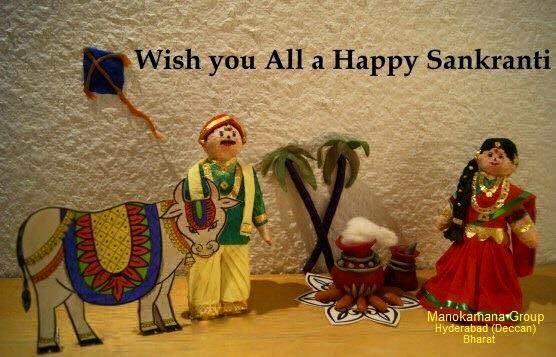
  • Happy Sankranti to everyone who celebrates it !

    Sankranti (Sanskrit: संक्रान्ति saṁkrānti) means transmigration of the Sun from one Rāshi (constellation of the zodiac in Indian astronomy) to the next.[1] Hence, there are 12 Sankrantis in a year.[2] Each Sankranti is marked as the beginning of a month in the sidereal solar calendars followed in Andhra Pradesh, Telangana,Karnataka, Maharashtra, Tamil Nadu, Kerala, Odisha, Punjab, Gujarat. On the other hand, in the sidereal solar Bengali calendar and Assamese calendar, a Sankranti is marked as the end of each month and the day following as the beginning of a new month.

    Learn More: https://en.wikipedia.org/wiki/Sankranti
    Happy Sankranti to everyone who celebrates it ! Sankranti (Sanskrit: संक्रान्ति saṁkrānti) means transmigration of the Sun from one Rāshi (constellation of the zodiac in Indian astronomy) to the next.[1] Hence, there are 12 Sankrantis in a year.[2] Each Sankranti is marked as the beginning of a month in the sidereal solar calendars followed in Andhra Pradesh, Telangana,Karnataka, Maharashtra, Tamil Nadu, Kerala, Odisha, Punjab, Gujarat. On the other hand, in the sidereal solar Bengali calendar and Assamese calendar, a Sankranti is marked as the end of each month and the day following as the beginning of a new month. Learn More: https://en.wikipedia.org/wiki/Sankranti
    0 Yorumlar 0 hisse senetleri 536 Views
Arama Sonuçları