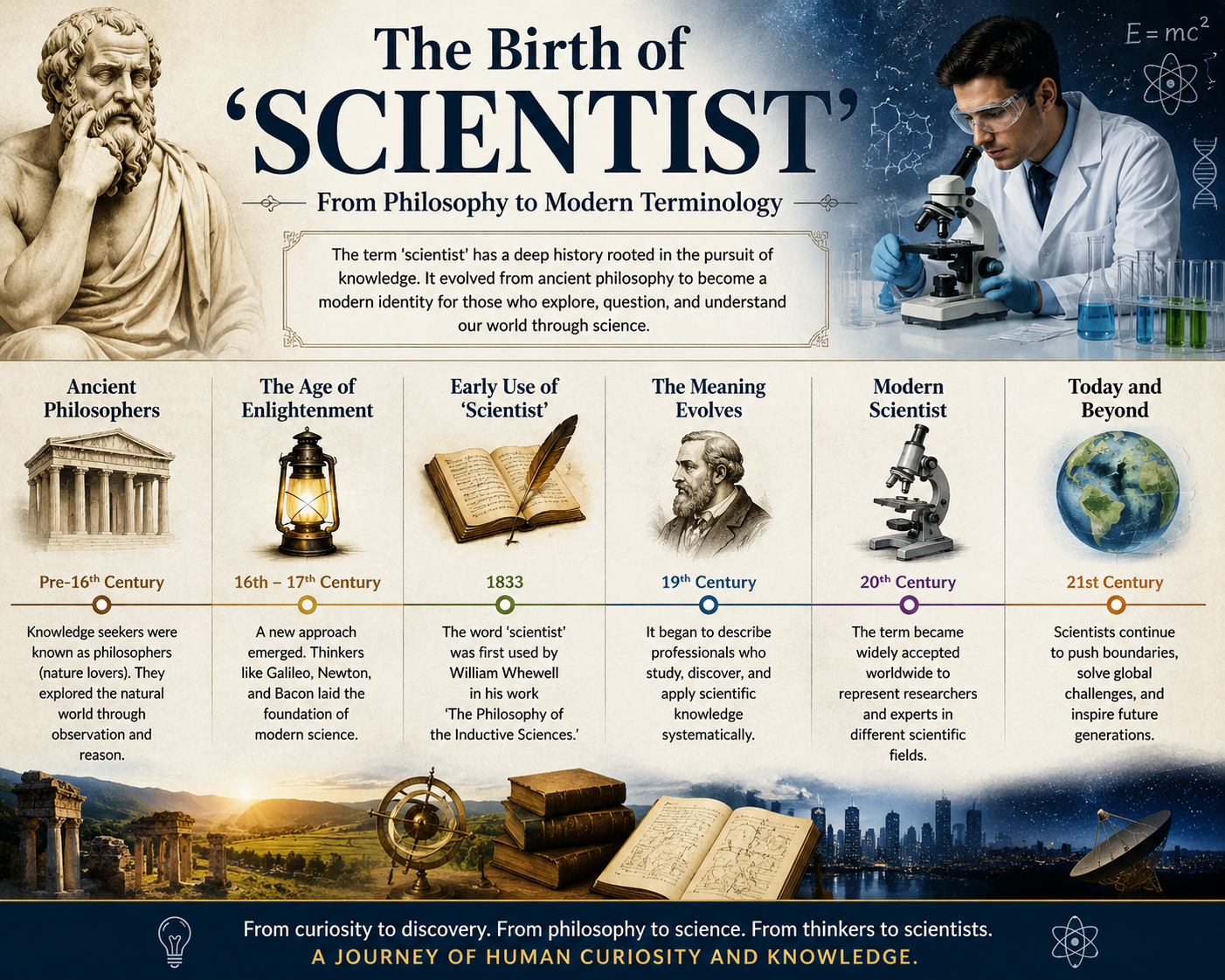
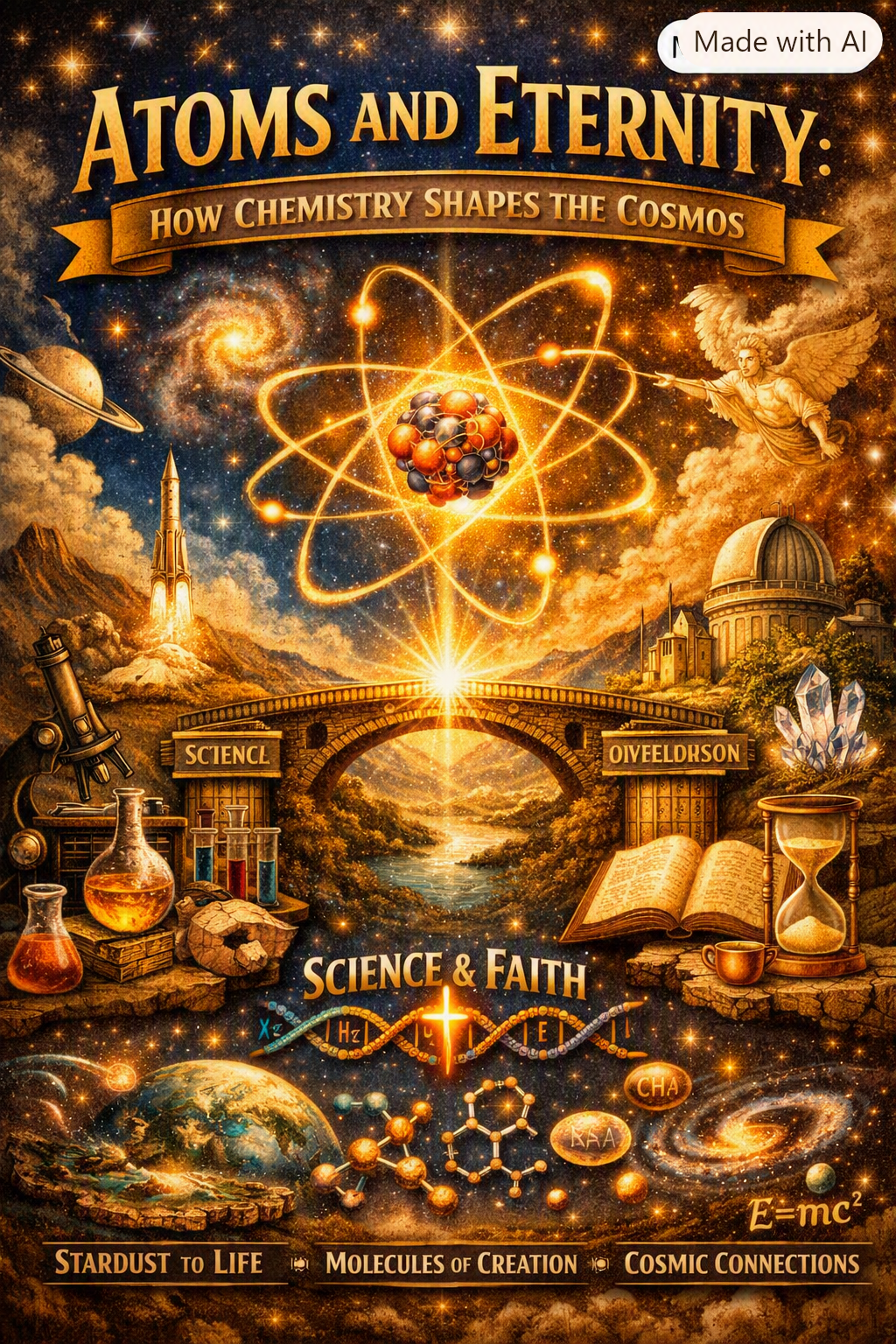
• #rsisb
    RollNo.247
    Foundation Level
    Periodic Table: The Language of Science

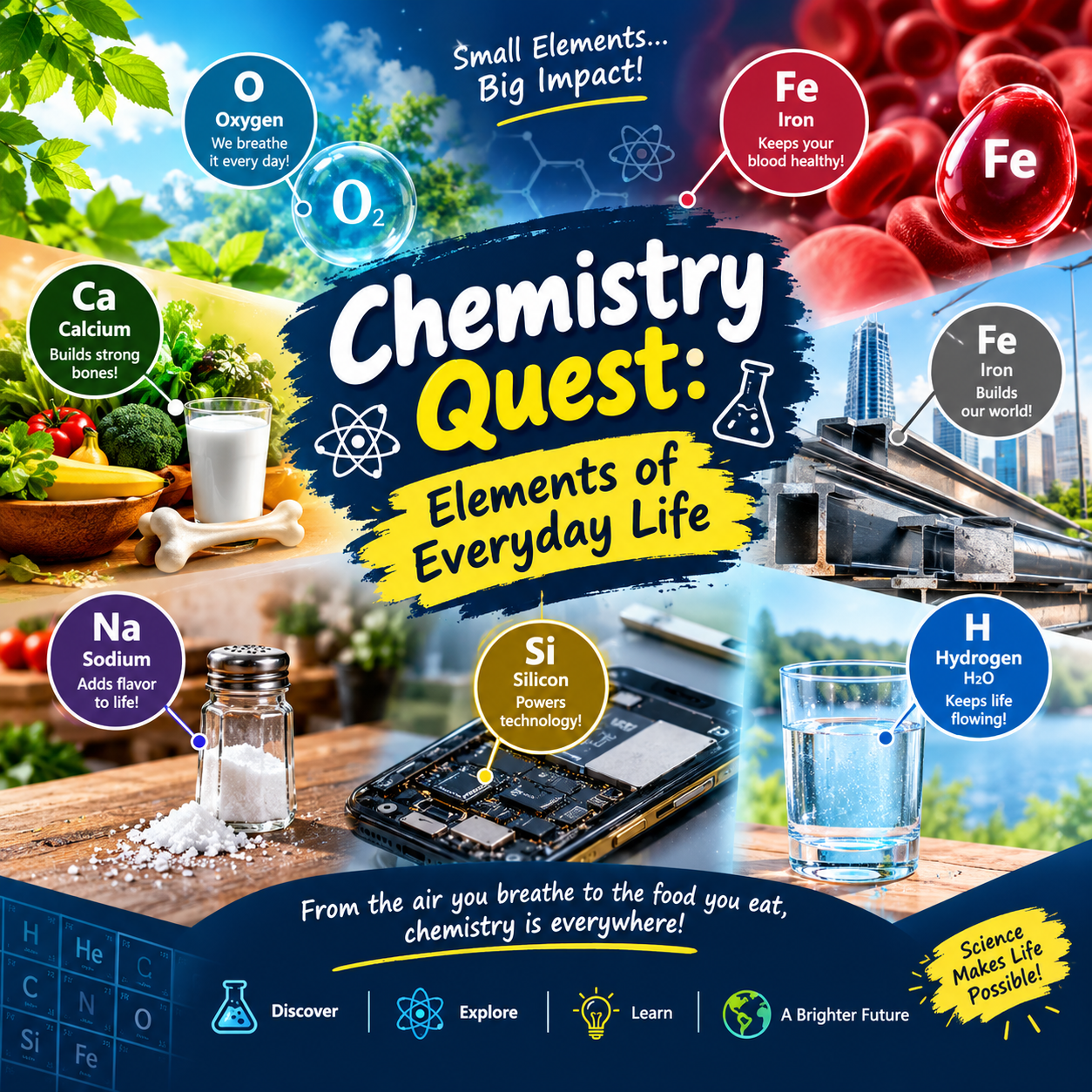
    The Periodic Table is often called the language of science because it organizes all known chemical elements into a clear and meaningful system. Developed from the groundbreaking work of Dmitri Mendeleev, the periodic table helps scientists, students, engineers, and researchers understand the properties and behaviour of every element. From the oxygen we breathe to the gold in jewellery and the silicon inside computers , every element has its own place and purpose.

    Each element is represented by a unique symbol, atomic number, and atomic mass, making it easier to study and compare their characteristics. The rows, called periods, and the columns, called groups, reveal patterns that allow scientists to predict how elements react with one another. This organised structure has become one of the most important tools in chemistry and modern science.

    The periodic table is more than just a chart hanging on a classroom wall—it is a map of the building blocks of the universe. It helps us understand everything from stars and planets to medicines, clean energy, electronics, and everyday materials. Whether creating life-saving drugs , designing stronger buildings , developing renewable energy , or exploring space , the periodic table plays a vital role in scientific discovery.

    Learning the periodic table strengthens critical thinking, improves problem-solving skills, and opens the door to understanding chemistry in a simple and logical way. Every element tells a story about nature, innovation, and the incredible world around us.

    The more we explore the periodic table, the more we appreciate the beauty, order, and endless possibilities of science. Let curiosity guide you, because every great scientific discovery begins with a single question.

    #PeriodicTable #Chemistry #Science #STEM #Education #Learning #ChemicalElements #AtomicStructure #ScienceEducation #ScientificDiscovery #Physics #Biology #Innovation #Research #Knowledge #Students #Teachers #FutureScientists #ScienceFacts #ExploreScience
    #rsisb RollNo.247 Foundation Level 🧪 Periodic Table: The Language of Science 🌍⚛️ The Periodic Table is often called the language of science because it organizes all known chemical elements into a clear and meaningful system. 📚⚛️ Developed from the groundbreaking work of Dmitri Mendeleev, the periodic table helps scientists, students, engineers, and researchers understand the properties and behaviour of every element. From the oxygen we breathe 🌬️ to the gold in jewellery 💍 and the silicon inside computers 💻, every element has its own place and purpose. Each element is represented by a unique symbol, atomic number, and atomic mass, making it easier to study and compare their characteristics. The rows, called periods, and the columns, called groups, reveal patterns that allow scientists to predict how elements react with one another. 🔬✨ This organised structure has become one of the most important tools in chemistry and modern science. The periodic table is more than just a chart hanging on a classroom wall—it is a map of the building blocks of the universe. 🌌 It helps us understand everything from stars and planets to medicines, clean energy, electronics, and everyday materials. Whether creating life-saving drugs 💊, designing stronger buildings 🏗️, developing renewable energy ⚡, or exploring space 🚀, the periodic table plays a vital role in scientific discovery. Learning the periodic table strengthens critical thinking, improves problem-solving skills, and opens the door to understanding chemistry in a simple and logical way. Every element tells a story about nature, innovation, and the incredible world around us. 🌱🔍 The more we explore the periodic table, the more we appreciate the beauty, order, and endless possibilities of science. Let curiosity guide you, because every great scientific discovery begins with a single question. 🌟🧠 #PeriodicTable #Chemistry #Science #STEM #Education #Learning #ChemicalElements #AtomicStructure #ScienceEducation #ScientificDiscovery #Physics #Biology #Innovation #Research #Knowledge #Students #Teachers #FutureScientists #ScienceFacts #ExploreScience
    0 Комментарии 0 Поделились 2586 Просмотры
  • #rsisb
    Roll No.190
    Image With Chatgpt
    Foundation Level

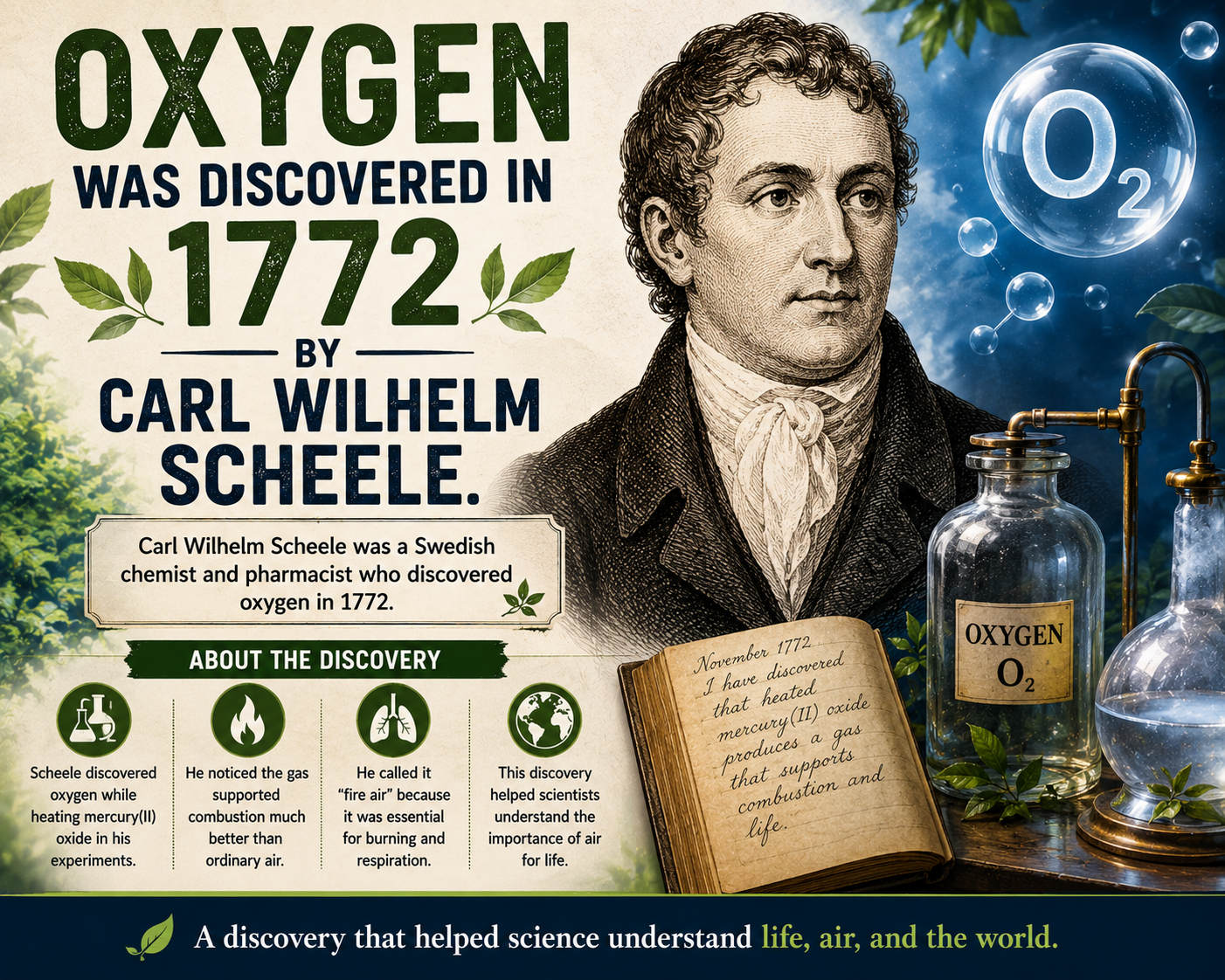
    “Oxygen was discovered in 1772 by Carl Wilhelm Scheele.”
    Idea 1: The Discovery Moment

    Show Carl Wilhelm Scheele in an old 18th-century laboratory surrounded by glass bottles, test tubes, candles, and handwritten notes. A glowing cloud of oxygen rises from a glass container, with “1772” shining in the background.

    Idea 2: The Invisible Gas

    Show a scientist holding an empty-looking glass jar. Around the jar, add glowing symbols of breathing, fire, plants, and life to show that oxygen is invisible but essential.

    Idea 3: History to Modern Science

    Create a timeline:

    1772 → Oxygen Discovery → Modern Science → Life on Earth

    Idea 4: Oxygen and Life

    Show a historical scientist on one side and a modern world on the other: forests , animals , humans , fire , and a space mission .

    Best AI Picture Prompt

    “A cinematic educational science poster showing Carl Wilhelm Scheele in an 18th-century laboratory in 1772, surrounded by vintage glass bottles, chemical equipment, candles, and handwritten scientific notes, a subtle glowing symbol representing oxygen emerging from a glass container, historical atmosphere, scientific discovery theme, dramatic warm lighting, realistic, highly detailed, inspirational, with the title ‘OXYGEN DISCOVERED IN 1772’ and ‘CARL WILHELM SCHEELE’.”

    Caption:
    A discovery that changed science forever!
    #Oxygen #ScienceHistory #CarlWilhelmScheele #Chemistry #ScientificDiscovery #ScienceFacts #LearnScience
    #rsisb Roll No.190 Image With Chatgpt Foundation Level 🧪💨 “Oxygen was discovered in 1772 by Carl Wilhelm Scheele.” 🖼️ Idea 1: The Discovery Moment 🔬✨ Show Carl Wilhelm Scheele in an old 18th-century laboratory surrounded by glass bottles, test tubes, candles, and handwritten notes. A glowing cloud of oxygen rises from a glass container, with “1772” shining in the background. 🖼️ Idea 2: The Invisible Gas 💨🔍 Show a scientist holding an empty-looking glass jar. Around the jar, add glowing symbols of breathing, fire, plants, and life to show that oxygen is invisible but essential. 🌱🔥🫁 🖼️ Idea 3: History to Modern Science ⏳➡️🔬 Create a timeline: 1772 🧪 → Oxygen Discovery 💨 → Modern Science 🚀 → Life on Earth 🌍 🖼️ Idea 4: Oxygen and Life 🌍🌿 Show a historical scientist on one side and a modern world on the other: forests 🌳, animals 🐘, humans 🫁, fire 🔥, and a space mission 🚀. 🎨 Best AI Picture Prompt “A cinematic educational science poster showing Carl Wilhelm Scheele in an 18th-century laboratory in 1772, surrounded by vintage glass bottles, chemical equipment, candles, and handwritten scientific notes, a subtle glowing symbol representing oxygen emerging from a glass container, historical atmosphere, scientific discovery theme, dramatic warm lighting, realistic, highly detailed, inspirational, with the title ‘OXYGEN DISCOVERED IN 1772’ and ‘CARL WILHELM SCHEELE’.” 🔬💨✨ Caption: 🧪✨ A discovery that changed science forever! 💨🌍 #Oxygen #ScienceHistory #CarlWilhelmScheele #Chemistry #ScientificDiscovery #ScienceFacts #LearnScience 🔬🌟
    0 Комментарии 0 Поделились 2539 Просмотры
  • #rsisb
    Roll no. 253
    StoryPost no.09
    Foundation level
    ## **Periodic Table: The Language of Science**

    The **Periodic Table** is one of the greatest achievements in science, organizing all known chemical elements into a systematic chart based on their atomic structure and properties. It serves as a universal language for scientists, helping them understand how elements behave, interact, and combine to form everything around us—from the air we breathe and the water we drink to the stars in the universe and the technology we use every day. By studying the periodic table, students gain a deeper understanding of chemistry, discover patterns among elements, and learn how scientific knowledge drives innovation in medicine, engineering, environmental science, and space exploration. It is the foundation of chemistry and a powerful tool for exploring the building blocks of our world.

    ** Key Lesson:** *The Periodic Table organizes the elements of nature, helping us understand the composition of matter and the science behind the world around us.*

    ** Hashtags:**
    #PeriodicTable #Chemistry #Science #STEM #Education #ChemicalElements #AtomicStructure #Learning #ScientificDiscovery #Innovation #ScienceEducation #Matter #Elements #RehanSchool #FutureScientists
    Asma Shaheen EducationWali
    Irum Asim
    Saima Happinesswali

    #rsisb Roll no. 253 StoryPost no.09 Foundation level ## 🧪⚛️ **Periodic Table: The Language of Science** The **Periodic Table** is one of the greatest achievements in science, organizing all known chemical elements into a systematic chart based on their atomic structure and properties. It serves as a universal language for scientists, helping them understand how elements behave, interact, and combine to form everything around us—from the air we breathe and the water we drink to the stars in the universe and the technology we use every day. By studying the periodic table, students gain a deeper understanding of chemistry, discover patterns among elements, and learn how scientific knowledge drives innovation in medicine, engineering, environmental science, and space exploration. It is the foundation of chemistry and a powerful tool for exploring the building blocks of our world. 🌍🔬✨ **📚 Key Lesson:** *The Periodic Table organizes the elements of nature, helping us understand the composition of matter and the science behind the world around us.* **🏷️ Hashtags:** #PeriodicTable #Chemistry #Science #STEM #Education #ChemicalElements #AtomicStructure #Learning #ScientificDiscovery #Innovation #ScienceEducation #Matter #Elements #RehanSchool #FutureScientists ⚛️🧪🌍 Asma Shaheen EducationWali Irum Asim Saima Happinesswali

    0 Комментарии 0 Поделились 4233 Просмотры
  • #rsisb
    Roll no. 214
    Foundation level
    Story post no.8
    Acids and bases are essential to life and play a vital role in the world around us. From the food we eat to the medicines we take and the products we use every day , these chemical substances help maintain balance in nature and our bodies. Understanding acids and bases reveals the fascinating science behind pH, chemical reactions, and the environment. Join us as we explore how chemistry shapes our everyday lives and keeps nature in harmony! #AcidsAndBases #Chemistry #Science #STEM #Education #Learning #Nature #ChemicalReactions #pHScale #ScienceFacts #Biology #Environment #Students #Knowledge #ExploreScience
    #rsisb Roll no. 214 Foundation level Story post no.8 Acids and bases are essential to life and play a vital role in the world around us. From the food we eat 🍋 to the medicines we take 💊 and the products we use every day 🧼, these chemical substances help maintain balance in nature and our bodies. Understanding acids and bases reveals the fascinating science behind pH, chemical reactions, and the environment. Join us as we explore how chemistry shapes our everyday lives and keeps nature in harmony! 🌍✨ #AcidsAndBases #Chemistry #Science #STEM #Education #Learning #Nature #ChemicalReactions #pHScale #ScienceFacts #Biology #Environment #Students #Knowledge #ExploreScience 🧪⚗️🌱📚🌍
    0 Комментарии 0 Поделились 1314 Просмотры
  • #rsisb
    RollNo.244
    Story Post
    Foundation Level
    **The Quran and Science: A Bond of Knowledge**

    The Quran encourages people to observe, reflect, and seek knowledge about the world around them. Throughout history, many Muslim scholars have been inspired by its call to explore nature, leading to important contributions in fields such as astronomy, medicine, mathematics, and chemistry.

    While science explains **how** the natural world works through observation and evidence, the Quran inspires many believers to appreciate the wisdom, order, and beauty of creation. Together, they encourage curiosity, learning, and the pursuit of knowledge with humility and purpose.

    *"And say, 'My Lord, increase me in knowledge.'"* — **Quran 20:114**

    #Quran #Science #Knowledge #Learning #Education #STEM #Islam #Curiosity #ScientificDiscovery #RehanSchool
    #rsisb RollNo.244 Story Post Foundation Level 📖✨ **The Quran and Science: A Bond of Knowledge** 🌍🔬 The Quran encourages people to observe, reflect, and seek knowledge about the world around them. Throughout history, many Muslim scholars have been inspired by its call to explore nature, leading to important contributions in fields such as astronomy, medicine, mathematics, and chemistry. 🌙🧬📚 While science explains **how** the natural world works through observation and evidence, the Quran inspires many believers to appreciate the wisdom, order, and beauty of creation. Together, they encourage curiosity, learning, and the pursuit of knowledge with humility and purpose. 🌟 💡 *"And say, 'My Lord, increase me in knowledge.'"* — **Quran 20:114** #Quran #Science #Knowledge #Learning #Education #STEM #Islam #Curiosity #ScientificDiscovery #RehanSchool
    0 Комментарии 0 Поделились 1058 Просмотры
  • #rsisb
    Roll No.214
    foundation level
    Story post no. 7
    Here's a caption with emojis for your topic:
    **Periodic Table: The Language of Science**
    The periodic table is more than just a chart—it's the foundation of chemistry and the key to understanding the building blocks of our universe. From the air we breathe to the technology we use every day , every element has a unique role in shaping our world.
    Keep exploring, stay curious, and discover the amazing world of science—one element at a time!
    **Every element tells a story, and together they create the language of science.**
    #PeriodicTable #Science #Chemistry #STEM #Education #Learning #Elements #ScientificDiscovery #ScienceFacts #Innovation #Knowledge #Students #FutureScientists #ExploreScience #ScienceLovers
    #rsisb Roll No.214 foundation level Story post no. 7 Here's a caption with emojis for your topic: 🧪⚛️ **Periodic Table: The Language of Science** 🌍✨ The periodic table is more than just a chart—it's the foundation of chemistry and the key to understanding the building blocks of our universe. 🌌 From the air we breathe 🌬️ to the technology we use every day 📱, every element has a unique role in shaping our world. 🌟 📚 Keep exploring, stay curious, and discover the amazing world of science—one element at a time! 🔬💡 🧬⚡ **Every element tells a story, and together they create the language of science.** 🌈✨ #PeriodicTable #Science #Chemistry #STEM #Education #Learning #Elements #ScientificDiscovery #ScienceFacts #Innovation #Knowledge #Students #FutureScientists #ExploreScience #ScienceLovers 🧪🔬🌍
    0 Комментарии 0 Поделились 2154 Просмотры
  • Love is an intense feeling of affection and connection towards someone or something. It can refer to romantic love between two partners, the love between family members or friends, or even love for a pet or an object. Love can have a profound impact on a persons emotions, behavior, and overall well-being.

    Love is often described as a complex mix of emotions, thoughts, and behaviors. It can involve feelings of joy, happiness, and contentment, as well as feelings of vulnerability and fear of rejection. Love can also involve physical sensations, such as a racing heartbeat or butterflies in the stomach.

    Love is a universal experience, and it is considered to be one of the most powerful and influential emotions. It has been studied by philosophers, psychologists, and anthropologists for centuries, and it continues to be a topic of research and discussion today.

    Love can take many forms and can vary greatly from person to person. Some people may experience love as a deep, emotional connection, while others may experience it as more of a physical attraction. Despite its many variations, love is widely considered to be a fundamental aspect of the human experience, and it is often considered to be a key component of happiness and well-being.

    Love is a complex emotion that is influenced by a variety of factors, including biology, psychology, and social and cultural influences. While there is no single hormone that is responsible for love, several hormones have been implicated in the experience and expression of love and affection.

    Here are a few hormones that have been linked to love and affection:

    1. Oxytocin: Oxytocin is often referred to as the "love hormone." It is released in the brain and is associated with feelings of bonding, trust, and affection. Oxytocin is often released during physical touch and sexual activity, and it is thought to play a role in the formation of close relationships and the experience of love.

    2. Dopamine: Dopamine is a neurotransmitter that is associated with feelings of pleasure and reward. It is released in response to positive experiences, such as falling in love, and is thought to play a role in the formation of romantic attachments.

    3. Serotonin: Serotonin is a neurotransmitter that is associated with feelings of happiness and well-being. Low levels of serotonin have been linked to depression and anxiety, and it is thought that changes in serotonin levels may contribute to the experience of love and affection.

    4. Adrenaline: Adrenaline is a hormone that is associated with excitement and arousal. It is often released in response to intense feelings, such as love and passion, and is thought to play a role in the experience of attraction and sexual desire.

    Its important to note that the experience of love and affection is influenced by a complex interplay of hormones, brain chemistry, and environmental and psychological factors. While these hormones may play a role in the experience of love, they are not the sole determinants of love and affection.
    Love is an intense feeling of affection and connection towards someone or something. It can refer to romantic love between two partners, the love between family members or friends, or even love for a pet or an object. Love can have a profound impact on a person's emotions, behavior, and overall well-being. Love is often described as a complex mix of emotions, thoughts, and behaviors. It can involve feelings of joy, happiness, and contentment, as well as feelings of vulnerability and fear of rejection. Love can also involve physical sensations, such as a racing heartbeat or butterflies in the stomach. Love is a universal experience, and it is considered to be one of the most powerful and influential emotions. It has been studied by philosophers, psychologists, and anthropologists for centuries, and it continues to be a topic of research and discussion today. Love can take many forms and can vary greatly from person to person. Some people may experience love as a deep, emotional connection, while others may experience it as more of a physical attraction. Despite its many variations, love is widely considered to be a fundamental aspect of the human experience, and it is often considered to be a key component of happiness and well-being. Love is a complex emotion that is influenced by a variety of factors, including biology, psychology, and social and cultural influences. While there is no single hormone that is responsible for love, several hormones have been implicated in the experience and expression of love and affection. Here are a few hormones that have been linked to love and affection: 1. Oxytocin: Oxytocin is often referred to as the "love hormone." It is released in the brain and is associated with feelings of bonding, trust, and affection. Oxytocin is often released during physical touch and sexual activity, and it is thought to play a role in the formation of close relationships and the experience of love. 2. Dopamine: Dopamine is a neurotransmitter that is associated with feelings of pleasure and reward. It is released in response to positive experiences, such as falling in love, and is thought to play a role in the formation of romantic attachments. 3. Serotonin: Serotonin is a neurotransmitter that is associated with feelings of happiness and well-being. Low levels of serotonin have been linked to depression and anxiety, and it is thought that changes in serotonin levels may contribute to the experience of love and affection. 4. Adrenaline: Adrenaline is a hormone that is associated with excitement and arousal. It is often released in response to intense feelings, such as love and passion, and is thought to play a role in the experience of attraction and sexual desire. It's important to note that the experience of love and affection is influenced by a complex interplay of hormones, brain chemistry, and environmental and psychological factors. While these hormones may play a role in the experience of love, they are not the sole determinants of love and affection.
    0 Комментарии 0 Поделились 1029 Просмотры
  • Use lemon and Orange peal for vitamin b9

    Extracting folic acid (vitamin B9) from lemon peel involves a series of steps to isolate and concentrate the compound. Heres a simplified overview of the process:

    1. **Preparation of Lemon Peel**:
    - Collect fresh lemons and wash them thoroughly to remove any dirt or pesticides.
    - Peel the lemons, taking care to remove only the outer yellow layer (zest) and avoid the white pith, which is bitter.
    - Dry the lemon peels either by air-drying, using a dehydrator, or in an oven at a low temperature. The goal is to remove moisture without degrading the nutrients.

    2. **Extraction Process**:
    - Grind the dried lemon peels into a fine powder using a grinder or food processor.
    - Place the powdered lemon peel in a container and add a solvent that can dissolve folic acid. Ethanol or a mixture of ethanol and water is commonly used for this purpose.
    - Allow the mixture to sit for a specified period, often several hours to days, at room temperature or under gentle heating. This process helps to extract folic acid and other soluble compounds into the solvent.
    - Filter the mixture to separate the liquid extract from the solid residues.

    3. **Concentration and Purification**:
    - Evaporate the solvent from the liquid extract under reduced pressure or by using a rotary evaporator. This step concentrates the extract and removes the solvent.
    - Further purification steps may be necessary to isolate folic acid from other compounds present in the extract. This can involve techniques such as column chromatography, crystallization, or precipitation.

    4. **Quantification and Verification**:
    - Use analytical methods such as high-performance liquid chromatography (HPLC) or mass spectrometry to quantify the folic acid content in the extract and confirm its purity.

    Its important to note that extracting folic acid from lemon peel or other natural sources can be complex and may require specialized equipment and knowledge of chemistry. Additionally, the yield of folic acid from lemon peel may be relatively low compared to other sources, so its crucial to evaluate the feasibility and cost-effectiveness of the extraction process for commercial purposes.
    Use lemon and Orange peal for vitamin b9 Extracting folic acid (vitamin B9) from lemon peel involves a series of steps to isolate and concentrate the compound. Here's a simplified overview of the process: 1. **Preparation of Lemon Peel**: - Collect fresh lemons and wash them thoroughly to remove any dirt or pesticides. - Peel the lemons, taking care to remove only the outer yellow layer (zest) and avoid the white pith, which is bitter. - Dry the lemon peels either by air-drying, using a dehydrator, or in an oven at a low temperature. The goal is to remove moisture without degrading the nutrients. 2. **Extraction Process**: - Grind the dried lemon peels into a fine powder using a grinder or food processor. - Place the powdered lemon peel in a container and add a solvent that can dissolve folic acid. Ethanol or a mixture of ethanol and water is commonly used for this purpose. - Allow the mixture to sit for a specified period, often several hours to days, at room temperature or under gentle heating. This process helps to extract folic acid and other soluble compounds into the solvent. - Filter the mixture to separate the liquid extract from the solid residues. 3. **Concentration and Purification**: - Evaporate the solvent from the liquid extract under reduced pressure or by using a rotary evaporator. This step concentrates the extract and removes the solvent. - Further purification steps may be necessary to isolate folic acid from other compounds present in the extract. This can involve techniques such as column chromatography, crystallization, or precipitation. 4. **Quantification and Verification**: - Use analytical methods such as high-performance liquid chromatography (HPLC) or mass spectrometry to quantify the folic acid content in the extract and confirm its purity. It's important to note that extracting folic acid from lemon peel or other natural sources can be complex and may require specialized equipment and knowledge of chemistry. Additionally, the yield of folic acid from lemon peel may be relatively low compared to other sources, so it's crucial to evaluate the feasibility and cost-effectiveness of the extraction process for commercial purposes.
    0 Комментарии 0 Поделились 311 Просмотры
  • Which of the 2 pitches do you like more ?

    1.

    “My name is Rehan Adlawalla. I’m a teacher creating a new kind of school for the post-internet and post-AI era. We’re not focused on traditional subjects like biology or chemistry. Instead, we teach students how to learn, communicate, interview people, build networks, and impact 10 million human beings. It’s an eight-year program, and our goal is to teach them how to make a million dollars before graduating high school. That’s what I do.”

    2. ChatGPT generated

    “Hi, I’m Rehan Adlawalla. I’m revolutionizing education with a new school designed for the post-internet and post-AI era. Our curriculum goes beyond traditional subjects, focusing on skills like learning how to learn, effective communication, networking, and making a positive impact on millions. It’s an eight-year journey where we aim to empower students to make a million dollars before they even graduate high school. That’s the future of education I’m working on.”
    Which of the 2 pitches do you like more ? 1. “My name is Rehan Adlawalla. I’m a teacher creating a new kind of school for the post-internet and post-AI era. We’re not focused on traditional subjects like biology or chemistry. Instead, we teach students how to learn, communicate, interview people, build networks, and impact 10 million human beings. It’s an eight-year program, and our goal is to teach them how to make a million dollars before graduating high school. That’s what I do.” 2. ChatGPT generated “Hi, I’m Rehan Adlawalla. I’m revolutionizing education with a new school designed for the post-internet and post-AI era. Our curriculum goes beyond traditional subjects, focusing on skills like learning how to learn, effective communication, networking, and making a positive impact on millions. It’s an eight-year journey where we aim to empower students to make a million dollars before they even graduate high school. That’s the future of education I’m working on.”
    0 Комментарии 0 Поделились 434 Просмотры
  • Which of the 2 pitches do you like more ?

    1.

    “My name is Rehan Adlawalla. I’m a teacher creating a new kind of school for the post-internet and post-AI era. We’re not focused on traditional subjects like biology or chemistry. Instead, we teach students how to learn, communicate, interview people, build networks, and impact 10 million human beings. It’s an eight-year program, and our goal is to teach them how to make a million dollars before graduating high school. That’s what I do.”

    2. ChatGPT generated

    “Hi, I’m Rehan Adlawalla. I’m revolutionizing education with a new school designed for the post-internet and post-AI era. Our curriculum goes beyond traditional subjects, focusing on skills like learning how to learn, effective communication, networking, and making a positive impact on millions. It’s an eight-year journey where we aim to empower students to make a million dollars before they even graduate high school. That’s the future of education I’m working on.”
    Which of the 2 pitches do you like more ? 1. “My name is Rehan Adlawalla. I’m a teacher creating a new kind of school for the post-internet and post-AI era. We’re not focused on traditional subjects like biology or chemistry. Instead, we teach students how to learn, communicate, interview people, build networks, and impact 10 million human beings. It’s an eight-year program, and our goal is to teach them how to make a million dollars before graduating high school. That’s what I do.” 2. ChatGPT generated “Hi, I’m Rehan Adlawalla. I’m revolutionizing education with a new school designed for the post-internet and post-AI era. Our curriculum goes beyond traditional subjects, focusing on skills like learning how to learn, effective communication, networking, and making a positive impact on millions. It’s an eight-year journey where we aim to empower students to make a million dollars before they even graduate high school. That’s the future of education I’m working on.”
    0 Комментарии 0 Поделились 385 Просмотры
Расширенные страницы