• #rsisb
    Roll No. 183
    Image With Chatgpt No. 22
    Foundation Level

    **Did You Know?**

    The **Amazon Rainforest** is often called the **"Lungs of the Earth"** because it plays a vital role in our planet's ecosystem. While a popular claim says it produces **20% of the Earth's oxygen**, the reality is more nuanced—although the Amazon generates a great deal of oxygen through photosynthesis, it also uses much of that oxygen through the respiration of plants and other living organisms. Even so, it remains one of the world's most important ecosystems, helping regulate climate, store vast amounts of carbon, and provide a home for millions of plant and animal species.

    Protecting the Amazon means protecting biodiversity, supporting Indigenous communities, and helping maintain a healthier planet for future generations. Every small action we take to care for nature makes a difference. Let's spread awareness and inspire others to value and protect our forests!

    **Nature is our greatest treasure—let's protect it together!**

    #AmazonRainforest #DidYouKnow #NatureFacts #SaveTheAmazon #ProtectNature #ClimateAction #GoGreen #Earth #Environment #Rainforest #Wildlife #Biodiversity #Sustainability #EcoFriendly #NatureLovers #PlanetEarth #GreenFuture #Forest #Conservation #LearnSomethingNew

    Malik Lehrasib Awan
    Irum Asim

    #rsisb Roll No. 183 Image With Chatgpt No. 22 Foundation Level 🌿🌎 **Did You Know?** 🌎🌿 The **Amazon Rainforest** is often called the **"Lungs of the Earth"** because it plays a vital role in our planet's ecosystem. 🌳💚 While a popular claim says it produces **20% of the Earth's oxygen**, the reality is more nuanced—although the Amazon generates a great deal of oxygen through photosynthesis, it also uses much of that oxygen through the respiration of plants and other living organisms. 🌱🍃 Even so, it remains one of the world's most important ecosystems, helping regulate climate, store vast amounts of carbon, and provide a home for millions of plant and animal species. 🦜🐒🌺 Protecting the Amazon means protecting biodiversity, supporting Indigenous communities, and helping maintain a healthier planet for future generations. Every small action we take to care for nature makes a difference. 🌍💙 Let's spread awareness and inspire others to value and protect our forests! 🌿✨ 💚 **Nature is our greatest treasure—let's protect it together!** 🌎🌱 #AmazonRainforest #DidYouKnow #NatureFacts #SaveTheAmazon #ProtectNature #ClimateAction #GoGreen #Earth #Environment #Rainforest #Wildlife #Biodiversity #Sustainability #EcoFriendly #NatureLovers #PlanetEarth #GreenFuture #Forest #Conservation #LearnSomethingNew 🌿🌎🍃💚✨ Malik Lehrasib Awan Irum Asim
    0 Reacties 0 aandelen 4076 Views
  • Join Mr. Rayed Afzal’s Green Karachi Initiative!

    Mr. Rayed Afzal, an educationist with a vision, is launching an ambitious project to plant 100 million trees in Karachi, starting from his colony, PAF Malir Falcon. This initiative aims to transform our city into a green haven, mitigating the heat wave effects and improving our environment.

    To kickstart this mission, Mr. Afzal is setting up a nursery training program in his colony and is inviting all school children to participate in this monumental effort. Here’s how it works:

    1. Plant 100 Trees: Each student will plant 100 tree saplings in plastic bags.
    2. Return in Three Months: After three months, students can take their grown saplings home and plant them in their communities.
    3. Repeat Planting: The cycle continues as students plant another 100 saplings, ensuring a steady supply of trees ready to be planted every three months.

    This initiative provides a hands-on learning experience for students and ensures they can actively contribute to greening Karachi. Mr. Afzal, connected to hundreds of schools, calls upon all Karachiites to join this mission and make 70% of Karachi green.

    Goals of the Initiative:

    • Plant trees in every empty plot across Karachi, including footpaths and coastal areas.
    • Utilize hardy trees like Peepal and Conocarpus that can thrive with minimal care.
    • Ensure no empty plot in Karachi remains barren. Even plots awaiting construction can be temporarily greened with trees that can be later relocated or managed.

    Why Conocarpus and Peepal?

    • Conocarpus: Can grow 8-10 feet tall, requiring minimal watering after the first month.
    • Peepal: Known for its resilience and ability to thrive in urban environments.

    Be a Part of the Green Karachi Mission:

    • Who: All school children and their families.
    • Where: PAF Malir Falcon and other parts of Karachi.
    • When: Starting now, with continuous cycles every three months.

    Join Mr. Rayed Afzal in making Karachi a greener, cooler place to live. Together, we can ensure that no empty plot is left unplanted and contribute to a healthier environment for future generations.

    Let’s plant trees, nurture them, and watch Karachi transform into a lush green city.

    #GreenKarachiInitiative #Plant100MillionTrees #GreenPAFMalirFalcon #EnvironmentalEducation #TreePlanting #SustainableKarachi #ClimateAction #KarachiSchoolProjects
    🌿 Join Mr. Rayed Afzal’s Green Karachi Initiative! 🌳 Mr. Rayed Afzal, an educationist with a vision, is launching an ambitious project to plant 100 million trees in Karachi, starting from his colony, PAF Malir Falcon. This initiative aims to transform our city into a green haven, mitigating the heat wave effects and improving our environment. To kickstart this mission, Mr. Afzal is setting up a nursery training program in his colony and is inviting all school children to participate in this monumental effort. Here’s how it works: 1. Plant 100 Trees: Each student will plant 100 tree saplings in plastic bags. 2. Return in Three Months: After three months, students can take their grown saplings home and plant them in their communities. 3. Repeat Planting: The cycle continues as students plant another 100 saplings, ensuring a steady supply of trees ready to be planted every three months. This initiative provides a hands-on learning experience for students and ensures they can actively contribute to greening Karachi. Mr. Afzal, connected to hundreds of schools, calls upon all Karachiites to join this mission and make 70% of Karachi green. Goals of the Initiative: • Plant trees in every empty plot across Karachi, including footpaths and coastal areas. • Utilize hardy trees like Peepal and Conocarpus that can thrive with minimal care. • Ensure no empty plot in Karachi remains barren. Even plots awaiting construction can be temporarily greened with trees that can be later relocated or managed. Why Conocarpus and Peepal? • Conocarpus: Can grow 8-10 feet tall, requiring minimal watering after the first month. • Peepal: Known for its resilience and ability to thrive in urban environments. Be a Part of the Green Karachi Mission: • Who: All school children and their families. • Where: PAF Malir Falcon and other parts of Karachi. • When: Starting now, with continuous cycles every three months. Join Mr. Rayed Afzal in making Karachi a greener, cooler place to live. Together, we can ensure that no empty plot is left unplanted and contribute to a healthier environment for future generations. Let’s plant trees, nurture them, and watch Karachi transform into a lush green city. 🌱🌳 #GreenKarachiInitiative #Plant100MillionTrees #GreenPAFMalirFalcon #EnvironmentalEducation #TreePlanting #SustainableKarachi #ClimateAction #KarachiSchoolProjects
    0 Reacties 0 aandelen 2244 Views
  • The Story of Plastic-Eating Bacteria
    (And How AI Can Help Nature Heal Our Planet)

    Plastic is one of the greatest inventions — and one of our biggest mistakes.
    It made life easy, but it’s now choking our planet.

    Every year, the world produces more than 400 million tons of plastic.
    That’s 50 kilograms for every person alive.
    We make around 480 billion plastic bottles and 500 billion shopping bags every year.
    Most are used only once, sometimes for just a few minutes, and then thrown away.

    Only a small part is ever recycled.
    The rest ends up in rivers, landfills, and oceans.
    Every minute, a full garbage truck of plastic is dumped into the sea —
    that’s 8 million tons of plastic every single year.
    It’s killing fish, turtles, birds, and entering our own food and water as microplastics.


    Nature Fights Back

    In 2016, scientists in Japan found a miracle:
    a tiny bacterium living in a recycling factory that could actually eat plastic bottles.
    They called it Ideonella sakaiensis.

    This little creature makes two special enzymes — PETase and MHETase — that break down plastic into small molecules.
    The bacteria then use these molecules as food and energy.

    A plastic bottle that normally lasts 450 to 1,000 years in nature can start to disappear within a few months to a few years when these bacteria are at work.

    Since then, more bacteria have been found — in soil, seawater, and even inside insects — that can eat plastic bags, cups, and wrappers.
    They work slowly, but they’re doing what humans couldn’t do for decades.

    Nature has begun to heal itself.


    How It Works

    The bacteria release enzymes that act like tiny scissors, cutting the strong bonds inside the plastic.
    Once the chains are broken into small pieces, the bacteria absorb them, use them for energy, and release harmless products like carbon dioxide, water, and natural biomass.

    In warm, moist conditions, bacteria can start breaking a thin plastic bottle within six weeks, while in colder places it might take a few years.
    A shopping bag that would last 1,000 years might begin to weaken within a decade.

    That may sound slow, but it’s still a million times faster than nature alone.


    How AI Can Help

    Artificial Intelligence can speed up everything.
    Here’s how AI can help this global clean-up:
    1. Discovering new bacteria faster:
    AI can scan DNA data from soil, oceans, and waste sites to find new microbes or enzymes that can eat different kinds of plastic. What used to take scientists years can now take days.
    2. Designing stronger enzymes:
    AI can simulate millions of enzyme variations and test which ones could break plastic faster.
    In 2022, researchers used AI to create an enzyme called FAST-PETase, which breaks down plastics in hours instead of months.
    3. Tracking ocean plastic:
    AI satellites and drones can identify where plastic pollution is worst — on beaches, in rivers, and across oceans — helping governments and NGOs clean smarter, not harder.
    4. Creating smart recycling plants:
    AI systems can sort and process plastic waste automatically, reducing contamination and improving recycling rates.
    5. Predicting plastic flow:
    AI models can show where plastic will travel in rivers and seas, allowing early collection before it reaches the ocean.

    AI gives us the superpower to understand nature faster — and to help bacteria work smarter.


    What We Can Do as Normal Citizens

    You don’t have to be a scientist to be part of the solution.
    Here’s how ordinary people like us can help right now:
    1. Use less plastic.
    Carry your own bottle, bag, and cup. Small choices multiplied by millions change the world.
    2. Recycle properly.
    Wash and separate your plastic waste before throwing it away. Dirty plastic can’t be recycled.
    3. Support innovation.
    Encourage local schools, startups, and governments to invest in AI-based recycling and bio-research.
    4. Educate others.
    Share posts, videos, and stories that raise awareness — like this one.
    Change begins when people start talking about it.
    5. Join cleanup drives.
    Be part of beach and park cleanups. It’s simple, powerful, and inspiring.
    6. Plant hope.
    Support eco-friendly products, businesses, and technologies that protect nature.


    A Message of Hope

    Nature is not helpless.
    In just one human lifetime, it has already evolved tiny bacteria that eat our waste.
    And now, with Artificial Intelligence, we can help those bacteria become our allies — turning mountains of trash into clean, living Earth again.

    The future is not just about humans versus nature — it’s about humans and nature working together, powered by AI.

    If we all play our part — one bottle, one bag, one click at a time — the world will change faster than we think.

    Let’s join forces:
    Nature + Science + AI + People = A cleaner, safer planet.

    — Rehan Allahwala
    #RehanAllahwala #RehanSchool #AIForGood #PlasticFreePakistan #ClimateAction #Innovation #Hope
    🌍 The Story of Plastic-Eating Bacteria (And How AI Can Help Nature Heal Our Planet) Plastic is one of the greatest inventions — and one of our biggest mistakes. It made life easy, but it’s now choking our planet. Every year, the world produces more than 400 million tons of plastic. That’s 50 kilograms for every person alive. We make around 480 billion plastic bottles and 500 billion shopping bags every year. Most are used only once, sometimes for just a few minutes, and then thrown away. Only a small part is ever recycled. The rest ends up in rivers, landfills, and oceans. Every minute, a full garbage truck of plastic is dumped into the sea — that’s 8 million tons of plastic every single year. It’s killing fish, turtles, birds, and entering our own food and water as microplastics. ⸻ 🧫 Nature Fights Back In 2016, scientists in Japan found a miracle: a tiny bacterium living in a recycling factory that could actually eat plastic bottles. They called it Ideonella sakaiensis. This little creature makes two special enzymes — PETase and MHETase — that break down plastic into small molecules. The bacteria then use these molecules as food and energy. A plastic bottle that normally lasts 450 to 1,000 years in nature can start to disappear within a few months to a few years when these bacteria are at work. Since then, more bacteria have been found — in soil, seawater, and even inside insects — that can eat plastic bags, cups, and wrappers. They work slowly, but they’re doing what humans couldn’t do for decades. Nature has begun to heal itself. ⸻ ⚙️ How It Works The bacteria release enzymes that act like tiny scissors, cutting the strong bonds inside the plastic. Once the chains are broken into small pieces, the bacteria absorb them, use them for energy, and release harmless products like carbon dioxide, water, and natural biomass. In warm, moist conditions, bacteria can start breaking a thin plastic bottle within six weeks, while in colder places it might take a few years. A shopping bag that would last 1,000 years might begin to weaken within a decade. That may sound slow, but it’s still a million times faster than nature alone. ⸻ 💡 How AI Can Help Artificial Intelligence can speed up everything. Here’s how AI can help this global clean-up: 1. Discovering new bacteria faster: AI can scan DNA data from soil, oceans, and waste sites to find new microbes or enzymes that can eat different kinds of plastic. What used to take scientists years can now take days. 2. Designing stronger enzymes: AI can simulate millions of enzyme variations and test which ones could break plastic faster. In 2022, researchers used AI to create an enzyme called FAST-PETase, which breaks down plastics in hours instead of months. 3. Tracking ocean plastic: AI satellites and drones can identify where plastic pollution is worst — on beaches, in rivers, and across oceans — helping governments and NGOs clean smarter, not harder. 4. Creating smart recycling plants: AI systems can sort and process plastic waste automatically, reducing contamination and improving recycling rates. 5. Predicting plastic flow: AI models can show where plastic will travel in rivers and seas, allowing early collection before it reaches the ocean. AI gives us the superpower to understand nature faster — and to help bacteria work smarter. ⸻ 🧍‍♀️ What We Can Do as Normal Citizens You don’t have to be a scientist to be part of the solution. Here’s how ordinary people like us can help right now: 1. Use less plastic. Carry your own bottle, bag, and cup. Small choices multiplied by millions change the world. 2. Recycle properly. Wash and separate your plastic waste before throwing it away. Dirty plastic can’t be recycled. 3. Support innovation. Encourage local schools, startups, and governments to invest in AI-based recycling and bio-research. 4. Educate others. Share posts, videos, and stories that raise awareness — like this one. Change begins when people start talking about it. 5. Join cleanup drives. Be part of beach and park cleanups. It’s simple, powerful, and inspiring. 6. Plant hope. Support eco-friendly products, businesses, and technologies that protect nature. ⸻ 🌿 A Message of Hope Nature is not helpless. In just one human lifetime, it has already evolved tiny bacteria that eat our waste. And now, with Artificial Intelligence, we can help those bacteria become our allies — turning mountains of trash into clean, living Earth again. The future is not just about humans versus nature — it’s about humans and nature working together, powered by AI. If we all play our part — one bottle, one bag, one click at a time — the world will change faster than we think. 💚 Let’s join forces: Nature + Science + AI + People = A cleaner, safer planet. — Rehan Allahwala #RehanAllahwala #RehanSchool #AIForGood #PlasticFreePakistan #ClimateAction #Innovation #Hope
    0 Reacties 0 aandelen 1188 Views
  • #pakistan #ClimateAction
    #pakistan #ClimateAction
    0 Reacties 0 aandelen 228 Views 0
  • Thank you so much WWF President Adil Najam for giving your precious time to meet me yesterday ! Hope to see you soon in our school campuses !

    Dr. Adil Najam, a distinguished scholar, climate policy expert, and global leader who has dedicated his life to environmental sustainability, education, and public policy. His journey is an inspiration for all who strive to make a difference in the world.

    Current Role: President of WWF International
    Past Leadership: Founding Dean of Boston University’s Pardee School of Global Studies
    Academic Background: Ph.D. in Environmental Policy from MIT
    Past Roles: Vice Chancellor at LUMS, UN Development Policy Advisor, Lead Author for the IPCC (which won the 2007 Nobel Peace Prize)

    Dr. Najam has been at the forefront of global climate negotiations, sustainability efforts, and international development. His work has influenced policies on climate resilience, conservation, and environmental governance. Recognized with Pakistan’s Sitara-i-Imtiaz & Hilal-i-Imtiaz, he continues to shape the future of environmental leadership.

    His journey is a testament to the power of vision, action, and leadership in creating a sustainable world.

    Let’s celebrate global leaders like Dr. Adil Najam who are shaping a better future for our planet! #Leadership #ClimateAction #WWF #Sustainability #GlobalImpact
    Thank you so much WWF President Adil Najam for giving your precious time to meet me yesterday ! Hope to see you soon in our school campuses ! Dr. Adil Najam, a distinguished scholar, climate policy expert, and global leader who has dedicated his life to environmental sustainability, education, and public policy. His journey is an inspiration for all who strive to make a difference in the world. 🔹 Current Role: President of WWF International 🔹 Past Leadership: Founding Dean of Boston University’s Pardee School of Global Studies 🔹 Academic Background: Ph.D. in Environmental Policy from MIT 🔹 Past Roles: Vice Chancellor at LUMS, UN Development Policy Advisor, Lead Author for the IPCC (which won the 2007 Nobel Peace Prize) Dr. Najam has been at the forefront of global climate negotiations, sustainability efforts, and international development. His work has influenced policies on climate resilience, conservation, and environmental governance. Recognized with Pakistan’s Sitara-i-Imtiaz & Hilal-i-Imtiaz, he continues to shape the future of environmental leadership. His journey is a testament to the power of vision, action, and leadership in creating a sustainable world. 🌱🌏 👏 Let’s celebrate global leaders like Dr. Adil Najam who are shaping a better future for our planet! #Leadership #ClimateAction #WWF #Sustainability #GlobalImpact
    0 Reacties 0 aandelen 583 Views
  • Sajjeed Aslam — A Role Model for the Next Generation of Pakistan

    In a world where most people dream of success only in personal terms, Sajjeed Aslam stands out as a man who measures success by impact — on people, on the planet, and on the progress of nations. For a young Pakistani student searching for direction, his journey is living proof that you can come from Pakistan, rise to global leadership, and still stay deeply connected to your roots.

    Sajjeed’s story begins with dedication and education. He started as a professional accountant — a field many young Pakistanis know well. But he didn’t stop there. Through hard work and relentless learning, he became a certified director, a climate strategist, and an expert in global sustainability and technology. He studied at some of the world’s most prestigious institutions such as INSEAD, the National Defence University, the CFA Institute, and the World Bank Academy. His education became not just a certificate, but a bridge that connected him to the world.

    Today, he serves as a Partner for ESG and Technology at Spectreco, a global sustainability and technology firm based in the United States with an office in Lahore. The company works on billion-dollar projects that create real environmental and economic change — helping governments and businesses build a cleaner, smarter, and more resilient future. For a Pakistani youth, that’s not just impressive — it’s inspiring. It shows that Pakistanis can sit at the same table where the world’s biggest environmental and investment decisions are made.

    But what makes Sajjeed’s journey truly special is his humility and purpose. He doesn’t chase titles; he builds solutions. He travels the world — from the United Kingdom to Turkey, from Singapore to East Africa — yet he continues to mentor, speak, and collaborate with Pakistan’s business and education sectors. In every forum, whether it’s the World Economic Forum, the United Nations Environment Programme, or the Global Educator Forum, he carries Pakistan’s name with pride.

    For students who often feel limited by their background, Sajjeed Aslam’s life sends a clear message: your birthplace does not define your destiny — your mindset does. He shows that with education, global thinking, and integrity, a young person from Karachi, Lahore, or Quetta can rise to influence policy, climate finance, and world business. He also proves that leadership in today’s world is not about authority but about service — service to humanity, to sustainability, and to future generations.

    Sajjeed’s story should be taught in classrooms and shared in youth circles across Pakistan. He represents the bridge between what Pakistan is and what it can become — a nation that exports not only products, but also knowledge, innovation, and leadership.

    Every Pakistani student who dreams of working with the UN, the World Bank, or leading their own clean-tech startup can look up to Sajjeed Aslam and say, “If he can do it, so can I.”

    — Rehan Allahwala
    #RehanAllahwala #Inspiration #PakistaniLeaders #ClimateAction #Education #Leadership
    Sajjeed Aslam — A Role Model for the Next Generation of Pakistan In a world where most people dream of success only in personal terms, Sajjeed Aslam stands out as a man who measures success by impact — on people, on the planet, and on the progress of nations. For a young Pakistani student searching for direction, his journey is living proof that you can come from Pakistan, rise to global leadership, and still stay deeply connected to your roots. Sajjeed’s story begins with dedication and education. He started as a professional accountant — a field many young Pakistanis know well. But he didn’t stop there. Through hard work and relentless learning, he became a certified director, a climate strategist, and an expert in global sustainability and technology. He studied at some of the world’s most prestigious institutions such as INSEAD, the National Defence University, the CFA Institute, and the World Bank Academy. His education became not just a certificate, but a bridge that connected him to the world. Today, he serves as a Partner for ESG and Technology at Spectreco, a global sustainability and technology firm based in the United States with an office in Lahore. The company works on billion-dollar projects that create real environmental and economic change — helping governments and businesses build a cleaner, smarter, and more resilient future. For a Pakistani youth, that’s not just impressive — it’s inspiring. It shows that Pakistanis can sit at the same table where the world’s biggest environmental and investment decisions are made. But what makes Sajjeed’s journey truly special is his humility and purpose. He doesn’t chase titles; he builds solutions. He travels the world — from the United Kingdom to Turkey, from Singapore to East Africa — yet he continues to mentor, speak, and collaborate with Pakistan’s business and education sectors. In every forum, whether it’s the World Economic Forum, the United Nations Environment Programme, or the Global Educator Forum, he carries Pakistan’s name with pride. For students who often feel limited by their background, Sajjeed Aslam’s life sends a clear message: your birthplace does not define your destiny — your mindset does. He shows that with education, global thinking, and integrity, a young person from Karachi, Lahore, or Quetta can rise to influence policy, climate finance, and world business. He also proves that leadership in today’s world is not about authority but about service — service to humanity, to sustainability, and to future generations. Sajjeed’s story should be taught in classrooms and shared in youth circles across Pakistan. He represents the bridge between what Pakistan is and what it can become — a nation that exports not only products, but also knowledge, innovation, and leadership. Every Pakistani student who dreams of working with the UN, the World Bank, or leading their own clean-tech startup can look up to Sajjeed Aslam and say, “If he can do it, so can I.” — Rehan Allahwala #RehanAllahwala #Inspiration #PakistaniLeaders #ClimateAction #Education #Leadership
    0 Reacties 0 aandelen 328 Views
  • پاکستان میں اگر “Water Superhero” کا کوئی حقیقی مطلب ہے…
    تو شاید اُس کا نام ہے:
    Muhammad Ameen Keryo.

    جب زیادہ تر لوگ صرف شکایت کر رہے تھے کہ
    “پاکستان میں پانی گندا ہے…”
    “نالے زہریلے ہیں…”
    “سمندر مر رہا ہے…”

    تب ایک شخص خاموشی سے
    قدرت کے ساتھ مل کر
    پاکستان کا پہلا Constructed Wetland بنا رہا تھا۔

    سال تھا 2010۔

    کوئی بڑی کمپنی نہیں۔
    کوئی اربوں کی فنڈنگ نہیں۔
    کوئی میڈیا شور نہیں۔

    صرف ایک خواب:

    “قدرت کے ذریعے پاکستان کا پانی دوبارہ زندہ کرنا۔”

    آج؟
    15 سال بعد؟

    200 سے زیادہ Wetland Systems.
    پاکستان سے باہر تک Projects.
    International Recognition.
    اور ہزاروں لاکھوں گیلن گندا پانی
    قدرتی طریقے سے صاف کرنے والے سسٹمز۔

    لیکن اصل بات یہ نہیں۔

    اصل بات یہ ہے کہ:

    دنیا AI Revolution کی بات کر رہی ہے…
    لیکن آنے والی جنگیں “صاف پانی” پر ہوں گی۔

    اور پاکستان میں ایک شخص
    15 سال پہلے ہی مستقبل دیکھ چکا تھا۔

    Muhammad Ameen Keryo صرف Engineer نہیں۔
    وہ اُن لوگوں میں سے ہیں
    جو زمین کے ساتھ بات کرتے ہیں۔

    وہ آپ کو دکھاتے ہیں کہ
    Plants صرف خوبصورتی کے لیے نہیں ہوتے…
    وہ پانی صاف کر سکتے ہیں۔
    زمین بچا سکتے ہیں۔
    شہر زندہ کر سکتے ہیں۔

    Imagine کریں…

    پاکستان کے نوجوان
    صرف Scroll کرنے کے بجائے
    ایک مہینہ اُن کے ساتھ انٹرن شپ کریں۔

    نالا کیسے صاف ہوتا ہے؟
    Wetland کیسے بنتا ہے؟
    Wastewater کیسے دوبارہ usable بنتا ہے؟
    Nature-Based Solutions کیسے کام کرتے ہیں؟

    یہ وہ علم ہے
    جو اگلے 50 سال میں سونے سے زیادہ قیمتی ہوگا۔

    اگر آپ:
    • Environmental Engineer ہیں
    • Student ہیں
    • Climate Activist ہیں
    • Architect ہیں
    • Civil Engineer ہیں
    • Farmer ہیں
    • یا صرف پاکستان سے محبت کرتے ہیں…

    تو ایسے لوگوں کے ساتھ کام کرنا
    زندگی بدل سکتا ہے۔

    پاکستان میں ہر Housing Society،
    ہر Factory،
    ہر Farm House،
    ہر Town،
    ہر DHA،
    ہر Government Project
    کو ایسے لوگوں کی ضرورت ہے۔

    ہم Flyovers پر اربوں خرچ کرتے ہیں…
    لیکن پانی صاف کرنے والوں کو Superstars نہیں بناتے۔

    وقت آ گیا ہے کہ بدلیں۔

    اگر آپ پاکستان میں:
    گندا پانی صاف کرنا چاہتے ہیں
    Lakes اور Rivers revive کرنا چاہتے ہیں
    Sustainable Cities بنانا چاہتے ہیں
    Nature-Based Solutions سیکھنا چاہتے ہیں
    یا Wetland Systems لگوانا چاہتے ہیں…

    تو Muhammad Ameen Keryo جیسے لوگوں کو ڈھونڈیں…
    ان سے سیکھیں…
    ان کے ساتھ کام کریں…
    اور اگر ممکن ہو تو انہیں Hire کریں۔

    Contact Muhammad Ameen Keryo:
    +92 300 3233687

    Join

    https://chat.whatsapp.com/CaaDQe7LYe84Tuvyc0TimQ?s=cl&p=i&mlu=1&amv=1

    کیونکہ بعض لوگ صرف Career نہیں بناتے…
    وہ مستقبل بناتے ہیں۔

    #MuhammadAmeenKeryo
    #ConstructedWetlands
    #NatureBasedSolutions
    #CleanPakistan
    #WaterRevolution
    #EnvironmentalEngineering
    #GreenPakistan
    #ClimateAction
    #PakistanZindabad

    Type green if interested
    🌿 پاکستان میں اگر “Water Superhero” کا کوئی حقیقی مطلب ہے… تو شاید اُس کا نام ہے: Muhammad Ameen Keryo. 🇵🇰💧 جب زیادہ تر لوگ صرف شکایت کر رہے تھے کہ “پاکستان میں پانی گندا ہے…” “نالے زہریلے ہیں…” “سمندر مر رہا ہے…” تب ایک شخص خاموشی سے قدرت کے ساتھ مل کر پاکستان کا پہلا Constructed Wetland بنا رہا تھا۔ 🌱 سال تھا 2010۔ کوئی بڑی کمپنی نہیں۔ کوئی اربوں کی فنڈنگ نہیں۔ کوئی میڈیا شور نہیں۔ صرف ایک خواب: “قدرت کے ذریعے پاکستان کا پانی دوبارہ زندہ کرنا۔” آج؟ 15 سال بعد؟ 200 سے زیادہ Wetland Systems. پاکستان سے باہر تک Projects. International Recognition. اور ہزاروں لاکھوں گیلن گندا پانی قدرتی طریقے سے صاف کرنے والے سسٹمز۔ 🌍💧 لیکن اصل بات یہ نہیں۔ اصل بات یہ ہے کہ: دنیا AI Revolution کی بات کر رہی ہے… لیکن آنے والی جنگیں “صاف پانی” پر ہوں گی۔ اور پاکستان میں ایک شخص 15 سال پہلے ہی مستقبل دیکھ چکا تھا۔ Muhammad Ameen Keryo صرف Engineer نہیں۔ وہ اُن لوگوں میں سے ہیں جو زمین کے ساتھ بات کرتے ہیں۔ 🌿 وہ آپ کو دکھاتے ہیں کہ Plants صرف خوبصورتی کے لیے نہیں ہوتے… وہ پانی صاف کر سکتے ہیں۔ زمین بچا سکتے ہیں۔ شہر زندہ کر سکتے ہیں۔ Imagine کریں… پاکستان کے نوجوان صرف Scroll کرنے کے بجائے ایک مہینہ اُن کے ساتھ انٹرن شپ کریں۔ 🌱 نالا کیسے صاف ہوتا ہے؟ Wetland کیسے بنتا ہے؟ Wastewater کیسے دوبارہ usable بنتا ہے؟ Nature-Based Solutions کیسے کام کرتے ہیں؟ یہ وہ علم ہے جو اگلے 50 سال میں سونے سے زیادہ قیمتی ہوگا۔ 💧 اگر آپ: • Environmental Engineer ہیں • Student ہیں • Climate Activist ہیں • Architect ہیں • Civil Engineer ہیں • Farmer ہیں • یا صرف پاکستان سے محبت کرتے ہیں… تو ایسے لوگوں کے ساتھ کام کرنا زندگی بدل سکتا ہے۔ پاکستان میں ہر Housing Society، ہر Factory، ہر Farm House، ہر Town، ہر DHA، ہر Government Project کو ایسے لوگوں کی ضرورت ہے۔ ہم Flyovers پر اربوں خرچ کرتے ہیں… لیکن پانی صاف کرنے والوں کو Superstars نہیں بناتے۔ وقت آ گیا ہے کہ بدلیں۔ 🇵🇰 اگر آپ پاکستان میں: ✔️ گندا پانی صاف کرنا چاہتے ہیں ✔️ Lakes اور Rivers revive کرنا چاہتے ہیں ✔️ Sustainable Cities بنانا چاہتے ہیں ✔️ Nature-Based Solutions سیکھنا چاہتے ہیں ✔️ یا Wetland Systems لگوانا چاہتے ہیں… تو Muhammad Ameen Keryo جیسے لوگوں کو ڈھونڈیں… ان سے سیکھیں… ان کے ساتھ کام کریں… اور اگر ممکن ہو تو انہیں Hire کریں۔ 📞 Contact Muhammad Ameen Keryo: +92 300 3233687 Join https://chat.whatsapp.com/CaaDQe7LYe84Tuvyc0TimQ?s=cl&p=i&mlu=1&amv=1 کیونکہ بعض لوگ صرف Career نہیں بناتے… وہ مستقبل بناتے ہیں۔ 🌍💚 #MuhammadAmeenKeryo #ConstructedWetlands #NatureBasedSolutions #CleanPakistan #WaterRevolution #EnvironmentalEngineering #GreenPakistan #ClimateAction #PakistanZindabad Type green if interested
    0 Reacties 0 aandelen 1400 Views
  • #pakistan #ClimateAction
    #pakistan #ClimateAction
    0 Reacties 0 aandelen 208 Views 0
  • #rsisb
    Roll no 214
    Foundation level
    Story post no 7
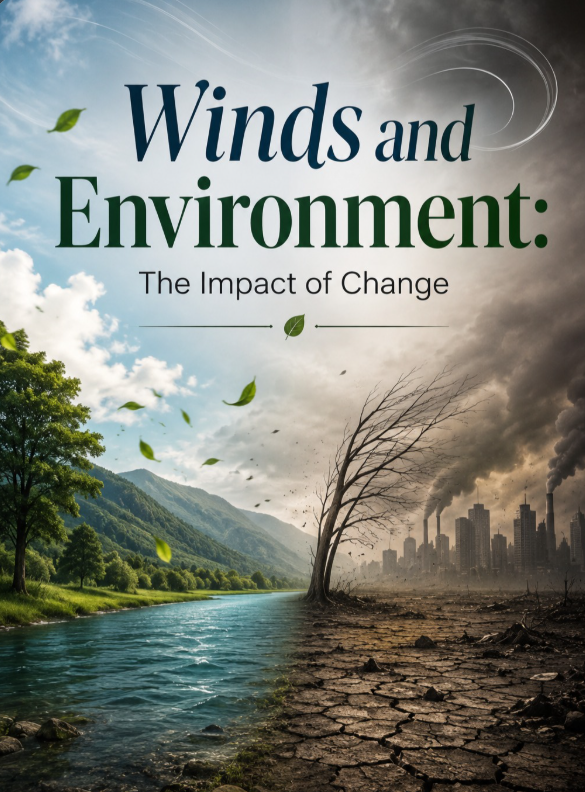
    The wind is more than just moving air—it plays a vital role in shaping our environment, influencing weather patterns, supporting ecosystems, and providing clean renewable energy. However, climate change is affecting wind patterns around the world, leading to stronger storms, shifting weather conditions, and changes that impact agriculture, wildlife, and daily life.

    Understanding how winds and the environment are connected helps us appreciate the importance of protecting our planet. By reducing pollution, supporting renewable energy, and making sustainable choices, we can help create a healthier future for generations to come.

    Join us as we explore the fascinating relationship between winds, climate, and the environment—and discover why every small action matters in the fight against climate change!

    #Winds #Environment #ClimateChange #Weather #Nature #RenewableEnergy #GreenEnergy #Sustainability #SaveThePlanet #Earth #EcoFriendly #CleanEnergy #GlobalWarming #EnvironmentalAwareness #Science #Education #ClimateAction #GoGreen #ProtectNature #LearnWithUs
    #rsisb Roll no 214 Foundation level Story post no 7 The wind is more than just moving air—it plays a vital role in shaping our environment, influencing weather patterns, supporting ecosystems, and providing clean renewable energy. 🌱💨 However, climate change is affecting wind patterns around the world, leading to stronger storms, shifting weather conditions, and changes that impact agriculture, wildlife, and daily life. Understanding how winds and the environment are connected helps us appreciate the importance of protecting our planet. By reducing pollution, supporting renewable energy, and making sustainable choices, we can help create a healthier future for generations to come. 🌎💚 Join us as we explore the fascinating relationship between winds, climate, and the environment—and discover why every small action matters in the fight against climate change! 🌬️🌿 #Winds #Environment #ClimateChange #Weather #Nature #RenewableEnergy #GreenEnergy #Sustainability #SaveThePlanet #Earth #EcoFriendly #CleanEnergy #GlobalWarming #EnvironmentalAwareness #Science #Education #ClimateAction #GoGreen #ProtectNature #LearnWithUs 🌍💚
    0 Reacties 0 aandelen 2557 Views
  • Roll on 80
    canva post on 444
    Did you know? The Amazon Rainforest produces around 20% of the Earths oxygen and is often called the "Lungs of the Earth."
    Protecting nature means protecting our future.
    #AmazonRainforest #Nature #Earth #SaveThePlanet #Environment #DidYouKnow #GoGreen #ClimateAction #NatureLovers #Oxygen #Forest #EarthDay
    @asmashaheeneducationwali
    Roll on 80 canva post on 444 🌍🌱 Did you know? The Amazon Rainforest produces around 20% of the Earth's oxygen and is often called the "Lungs of the Earth." 🌿💚 Protecting nature means protecting our future. 🌎✨ #AmazonRainforest #Nature #Earth #SaveThePlanet #Environment #DidYouKnow #GoGreen #ClimateAction #NatureLovers #Oxygen #Forest #EarthDay @asmashaheeneducationwali
    2
    0 Reacties 0 aandelen 5535 Views
Zoekresultaten