• Meet Anwer Khan Tanoli

    He owns a Dairy Farm, The feed factory of the Dairy, A Salt Mine, A Poultry Farm, and its feed service.

    You can learn about all these things from him and his brothers !!

    Amazing family !
    Meet Anwer Khan Tanoli He owns a Dairy Farm, The feed factory of the Dairy, A Salt Mine, A Poultry Farm, and it's feed service. You can learn about all these things from him and his brothers !! Amazing family !
    0 Kommentare 0 Anteile 216 Ansichten
  • words that sound similar in both Urdu and English, many of which have been borrowed or adapted into Urdu:

    1. **Bank** - "بینک" (bank): A financial institution.
    2. **Doctor** - "ڈاکٹر" (doctor): A medical professional.
    3. **Engine** - "انجن" (engine): A machine or motor.
    4. **Hotel** - "ہوٹل" (hotel): A place of accommodation.
    5. **Taxi** - "ٹیکسی" (taxi): A vehicle for hire.
    6. **Bus** - "بس" (bus): A large vehicle for transporting people.
    7. **Tea** - "چائے" (chai): A beverage.
    8. **Glass** - "گلاس" (glass): A drinking container.
    9. **Radio** - "ریڈیو" (radio): An electronic device for broadcasting.
    10. **Telephone** - "ٹیلی فون" (telephone): A communication device.
    11. **Camera** - "کیمرہ" (camera): A device for capturing images.
    12. **Cycle** - "سائیکل" (cycle): A bicycle.
    13. **Computer** - "کمپیوٹر" (computer): An electronic computing device.
    14. **Chair** - "چیئر" (chair): A piece of furniture.
    15. **Cinema** - "سینما" (cinema): A place to watch films.
    16. **Hospital** - "ہسپتال" (hospital): A place for medical treatment.
    17. **Office** - "آفس" (office): A place of administrative work.
    18. **Pencil** - "پنسل" (pencil): A writing instrument.
    19. **Petrol** - "پٹرول" (petrol): Fuel for vehicles.
    20. **Restaurant** - "ریستوران" (restaurant): A place to eat.
    21. **School** - "اسکول" (school): An institution for education.
    22. **Station** - "اسٹیشن" (station): A place for vehicles to stop, like a bus station.
    23. **Shop** - "شاپ" (shop): A place to buy goods.
    24. **Toilet** - "ٹوائلٹ" (toilet): Restroom or bathroom.
    25. **Train** - "ٹرین" (train): A mode of rail transport.
    26. **University** - "یونیورسٹی" (university): A higher education institution.
    27. **Watch** - "واچ" (watch): A time-telling device.
    28. **Zoo** - "چڑیا گھر" (chidiya ghar): While the exact word isnt the same, many Urdu speakers will understand the English word "zoo."
    29. **Fan** - "فین" (fan): A device for cooling.
    30. **Gas** - "گیس" (gas): Refers to fuels or natural gas.
    31. **Jacket** - "جیکٹ" (jacket): A piece of clothing.
    32. **Lunch** - "لنچ" (lunch): A mid-day meal.
    33. **Match** - "میچ" (match): Refers to a game or contest.
    34. **Note** - "نوٹ" (note): A piece of paper with information or a currency bill.
    35. **Print** - "پرنٹ" (print): To make a copy using a printer.
    36. **Road** - "روڈ" (road): A path for vehicles.
    37. **Spoon** - "سپون" (spoon): A utensil.
    38. **Table** - "ٹیبل" (table): A piece of furniture.
    39. **Ticket** - "ٹکٹ" (ticket): A pass or admission paper.
    40. **Vitamin** - "وٹامن" (vitamin): A nutritional compound.
    41. **Wash** - "واش" (wash): To clean.
    42. **Cup** - "کپ" (cup): A small container for drinking.
    43. **Club** - "کلب" (club): An organization or a place of gathering.
    44. **Milk** - "ملک" (milk): A dairy product.
    45. **Team** - "ٹیم" (team): A group working together.
    46. **Park** - "پارک" (park): A public recreational area.
    47. **Basket** - "باسکٹ" (basket): A container.
    48. **Gate** - "گیٹ" (gate): An entrance.
    49. **Pen** - "پن" (pen): A writing instrument.
    50. **Guitar** - "گٹار" (guitar): A musical instrument.

    Many of these words are directly borrowed or adapted from English due to globalization and technological advancements.
    words that sound similar in both Urdu and English, many of which have been borrowed or adapted into Urdu: 1. **Bank** - "بینک" (bank): A financial institution. 2. **Doctor** - "ڈاکٹر" (doctor): A medical professional. 3. **Engine** - "انجن" (engine): A machine or motor. 4. **Hotel** - "ہوٹل" (hotel): A place of accommodation. 5. **Taxi** - "ٹیکسی" (taxi): A vehicle for hire. 6. **Bus** - "بس" (bus): A large vehicle for transporting people. 7. **Tea** - "چائے" (chai): A beverage. 8. **Glass** - "گلاس" (glass): A drinking container. 9. **Radio** - "ریڈیو" (radio): An electronic device for broadcasting. 10. **Telephone** - "ٹیلی فون" (telephone): A communication device. 11. **Camera** - "کیمرہ" (camera): A device for capturing images. 12. **Cycle** - "سائیکل" (cycle): A bicycle. 13. **Computer** - "کمپیوٹر" (computer): An electronic computing device. 14. **Chair** - "چیئر" (chair): A piece of furniture. 15. **Cinema** - "سینما" (cinema): A place to watch films. 16. **Hospital** - "ہسپتال" (hospital): A place for medical treatment. 17. **Office** - "آفس" (office): A place of administrative work. 18. **Pencil** - "پنسل" (pencil): A writing instrument. 19. **Petrol** - "پٹرول" (petrol): Fuel for vehicles. 20. **Restaurant** - "ریستوران" (restaurant): A place to eat. 21. **School** - "اسکول" (school): An institution for education. 22. **Station** - "اسٹیشن" (station): A place for vehicles to stop, like a bus station. 23. **Shop** - "شاپ" (shop): A place to buy goods. 24. **Toilet** - "ٹوائلٹ" (toilet): Restroom or bathroom. 25. **Train** - "ٹرین" (train): A mode of rail transport. 26. **University** - "یونیورسٹی" (university): A higher education institution. 27. **Watch** - "واچ" (watch): A time-telling device. 28. **Zoo** - "چڑیا گھر" (chidiya ghar): While the exact word isn't the same, many Urdu speakers will understand the English word "zoo." 29. **Fan** - "فین" (fan): A device for cooling. 30. **Gas** - "گیس" (gas): Refers to fuels or natural gas. 31. **Jacket** - "جیکٹ" (jacket): A piece of clothing. 32. **Lunch** - "لنچ" (lunch): A mid-day meal. 33. **Match** - "میچ" (match): Refers to a game or contest. 34. **Note** - "نوٹ" (note): A piece of paper with information or a currency bill. 35. **Print** - "پرنٹ" (print): To make a copy using a printer. 36. **Road** - "روڈ" (road): A path for vehicles. 37. **Spoon** - "سپون" (spoon): A utensil. 38. **Table** - "ٹیبل" (table): A piece of furniture. 39. **Ticket** - "ٹکٹ" (ticket): A pass or admission paper. 40. **Vitamin** - "وٹامن" (vitamin): A nutritional compound. 41. **Wash** - "واش" (wash): To clean. 42. **Cup** - "کپ" (cup): A small container for drinking. 43. **Club** - "کلب" (club): An organization or a place of gathering. 44. **Milk** - "ملک" (milk): A dairy product. 45. **Team** - "ٹیم" (team): A group working together. 46. **Park** - "پارک" (park): A public recreational area. 47. **Basket** - "باسکٹ" (basket): A container. 48. **Gate** - "گیٹ" (gate): An entrance. 49. **Pen** - "پن" (pen): A writing instrument. 50. **Guitar** - "گٹار" (guitar): A musical instrument. Many of these words are directly borrowed or adapted from English due to globalization and technological advancements.
    0 Kommentare 0 Anteile 1264 Ansichten
  • Origin of Nestlé

    Nestlé, the world’s largest food and beverage company, traces its origins to 1866 in Vevey, Switzerland. It was founded as a result of the pioneering efforts of two separate entities that later merged.

    Henri Nestlé and Milk-Based Infant Food (1867)

    • Founder: Henri Nestlé, a German-born Swiss pharmacist, developed one of the world’s first infant formulas in 1867.
    • Invention: Concerned with infant malnutrition, Henri created “Farine Lactée” (“milk flour”), a mix of cow’s milk, wheat flour, and sugar. It was marketed as an alternative for mothers unable to breastfeed, and it saved the lives of many malnourished children.
    • Trademark: Henri adopted his family name, Nestlé, which means “little nest” in German, as the company’s logo. The nest symbolizes care, security, and nourishment—values that remain central to the brand.

    Anglo-Swiss Condensed Milk Company (1866)

    • Founders: Charles and George Page, brothers from the United States, established the Anglo-Swiss Condensed Milk Company in Cham, Switzerland, in 1866.
    • Product: They pioneered the production of sweetened condensed milk in Europe, aimed at improving nutrition and shelf life. This was particularly beneficial in areas where fresh milk was unavailable or spoiled easily.

    Merger of Nestlé and Anglo-Swiss (1905)

    In 1905, Henri Nestlé’s company merged with the Anglo-Swiss Condensed Milk Company, creating a single entity that retained the Nestlé name. The merger combined expertise in infant food, dairy products, and distribution networks.

    Growth and Diversification

    • By the early 20th century, Nestlé expanded its product range to include chocolates, coffee (Nescafé in 1938), powdered milk, and culinary products.
    • During World War I and II, demand for dairy and nutritional products surged, driving the company’s growth.
    • Over the decades, Nestlé acquired numerous iconic brands, including KitKat, Nespresso, Gerber, Maggi, and Purina.

    Today, Nestlé is headquartered in Vevey, Switzerland, and operates in over 190 countries, offering a diverse portfolio of food, beverage, and health-related products. Its origins in infant nutrition and condensed milk remain key pillars of its history.
    Origin of Nestlé Nestlé, the world’s largest food and beverage company, traces its origins to 1866 in Vevey, Switzerland. It was founded as a result of the pioneering efforts of two separate entities that later merged. Henri Nestlé and Milk-Based Infant Food (1867) • Founder: Henri Nestlé, a German-born Swiss pharmacist, developed one of the world’s first infant formulas in 1867. • Invention: Concerned with infant malnutrition, Henri created “Farine Lactée” (“milk flour”), a mix of cow’s milk, wheat flour, and sugar. It was marketed as an alternative for mothers unable to breastfeed, and it saved the lives of many malnourished children. • Trademark: Henri adopted his family name, Nestlé, which means “little nest” in German, as the company’s logo. The nest symbolizes care, security, and nourishment—values that remain central to the brand. Anglo-Swiss Condensed Milk Company (1866) • Founders: Charles and George Page, brothers from the United States, established the Anglo-Swiss Condensed Milk Company in Cham, Switzerland, in 1866. • Product: They pioneered the production of sweetened condensed milk in Europe, aimed at improving nutrition and shelf life. This was particularly beneficial in areas where fresh milk was unavailable or spoiled easily. Merger of Nestlé and Anglo-Swiss (1905) In 1905, Henri Nestlé’s company merged with the Anglo-Swiss Condensed Milk Company, creating a single entity that retained the Nestlé name. The merger combined expertise in infant food, dairy products, and distribution networks. Growth and Diversification • By the early 20th century, Nestlé expanded its product range to include chocolates, coffee (Nescafé in 1938), powdered milk, and culinary products. • During World War I and II, demand for dairy and nutritional products surged, driving the company’s growth. • Over the decades, Nestlé acquired numerous iconic brands, including KitKat, Nespresso, Gerber, Maggi, and Purina. Today, Nestlé is headquartered in Vevey, Switzerland, and operates in over 190 countries, offering a diverse portfolio of food, beverage, and health-related products. Its origins in infant nutrition and condensed milk remain key pillars of its history.
    0 Kommentare 0 Anteile 511 Ansichten
  • What is a Mucus-Free or Mucus-Less Diet?

    The mucus-free or mucus-less diet, as popularized by Dr. Arnold Ehret, is a plant-based dietary approach that emphasizes eating foods that do not produce mucus in the body. The system is based on the belief that mucus-forming foods contribute to disease, whereas mucus-free foods cleanse the body and promote health. The diet primarily consists of fresh fruits, leafy greens, and other non-starchy vegetables, while avoiding foods that are said to produce mucus, such as dairy, meat, processed foods, and refined grains.

    Core Components of the Mucus-Free Diet
    1. Allowed Foods (Mucus-Free):
    • Fresh fruits (e.g., apples, oranges, berries, melons).
    • Non-starchy vegetables (e.g., leafy greens, celery, cucumbers, zucchini).
    • Some nuts and seeds in moderation.
    2. Avoided Foods (Mucus-Forming):
    • Dairy products (milk, cheese, yogurt).
    • Animal products (meat, eggs, fish).
    • Refined carbohydrates (white bread, pasta, sugar).
    • Starchy foods (potatoes, rice, legumes).
    • Processed and artificial foods.
    3. Additional Practices:
    • Fasting to accelerate detoxification.
    • Eating simple meals for easier digestion.
    • Prioritizing hydration through distilled water and herbal teas.

    The Science (or Lack Thereof) Behind the Diet

    Ehret’s Theory on Mucus

    Dr. Arnold Ehret believed that all disease is caused by a buildup of “mucus” in the body. In his view:
    • Mucus is a byproduct of eating unnatural, processed, or mucus-forming foods.
    • This mucus accumulates in the digestive system and other organs, clogging the body and impairing its natural functions.
    • Cleansing the body of mucus leads to healing, vitality, and disease prevention.

    Scientific Perspective on Mucus
    1. What is Mucus?
    • Mucus is a slippery secretion produced by mucous membranes in the body. It serves several essential functions:
    • Protects and lubricates tissues.
    • Traps pathogens, dust, and irritants to prevent infection.
    • Aids in digestion by coating the stomach and intestines.
    2. Mucus Production and Diet:
    • Certain foods (e.g., dairy) can temporarily stimulate mucus production, especially in individuals with sensitivities, but this is not harmful for most people.
    • The body naturally regulates mucus production, and excess mucus is expelled (e.g., through coughing, sneezing, or digestion).
    3. Mucus and Disease:
    • There is no scientific evidence that mucus itself causes chronic disease.
    • However, some people may have conditions where mucus overproduction is a symptom (e.g., asthma, chronic sinusitis). In these cases, avoiding trigger foods might help.
    4. Cleansing and Detox Claims:
    • Ehret’s claims about “cleansing mucus” lack scientific backing. The body has its own detoxification systems (e.g., liver, kidneys, and lymphatic system) that do not rely on specific diets.

    Why Does Ehret Say Mucus is Bad?

    Ehret believed:
    1. Mucus clogs the body, disrupting normal functions.
    2. Mucus-forming foods are “unnatural” and cause digestive inefficiency, leading to toxin buildup.
    3. A mucus-free state allows the body to heal itself and perform at its best.

    From Ehret’s perspective, the absence of mucus is a sign of optimal health. He equated the elimination of mucus with the removal of toxins and the restoration of vitality.

    Modern Scientific Interpretation
    1. Some Valid Points:
    • A diet high in fruits and vegetables is undeniably beneficial for health due to their fiber, vitamins, and antioxidants.
    • Avoiding processed foods, refined sugars, and excessive animal products can reduce inflammation and promote better digestion.
    • Fasting has some scientific support for benefits like cellular repair (autophagy) and improved metabolic health.
    2. Questionable Claims:
    • The idea that mucus-forming foods directly cause disease is not scientifically supported.
    • The body produces and expels mucus naturally as part of its protective systems, and this is not inherently harmful.

    Why Do Some People Feel Better on a Mucus-Free Diet?
    1. Elimination of Processed Foods:
    • Cutting out processed foods, sugar, and refined carbs reduces inflammation and improves gut health.
    2. Increased Nutrient Intake:
    • A diet rich in fruits and vegetables provides antioxidants, fiber, and hydration, which can improve digestion and overall well-being.
    3. Improved Gut Health:
    • Reducing heavy, hard-to-digest foods (e.g., meat, dairy) may alleviate bloating, gas, and sluggish digestion.
    4. Weight Loss:
    • Transitioning to lighter, whole foods often results in natural weight loss, which can enhance energy and mobility.

    Summary

    The mucus-free diet focuses on eating clean, plant-based foods to cleanse the body and reduce toxin buildup. While some principles of the diet align with modern nutritional science (e.g., avoiding processed foods, eating more fruits and vegetables), the concept that mucus directly causes disease is not supported by current evidence. Mucus is a natural and protective part of the body’s functions, and its production is not inherently harmful. However, the diet’s emphasis on whole, natural foods can lead to significant health improvements for many individuals.

    What is a Mucus-Free or Mucus-Less Diet? The mucus-free or mucus-less diet, as popularized by Dr. Arnold Ehret, is a plant-based dietary approach that emphasizes eating foods that do not produce mucus in the body. The system is based on the belief that mucus-forming foods contribute to disease, whereas mucus-free foods cleanse the body and promote health. The diet primarily consists of fresh fruits, leafy greens, and other non-starchy vegetables, while avoiding foods that are said to produce mucus, such as dairy, meat, processed foods, and refined grains. Core Components of the Mucus-Free Diet 1. Allowed Foods (Mucus-Free): • Fresh fruits (e.g., apples, oranges, berries, melons). • Non-starchy vegetables (e.g., leafy greens, celery, cucumbers, zucchini). • Some nuts and seeds in moderation. 2. Avoided Foods (Mucus-Forming): • Dairy products (milk, cheese, yogurt). • Animal products (meat, eggs, fish). • Refined carbohydrates (white bread, pasta, sugar). • Starchy foods (potatoes, rice, legumes). • Processed and artificial foods. 3. Additional Practices: • Fasting to accelerate detoxification. • Eating simple meals for easier digestion. • Prioritizing hydration through distilled water and herbal teas. The Science (or Lack Thereof) Behind the Diet Ehret’s Theory on Mucus Dr. Arnold Ehret believed that all disease is caused by a buildup of “mucus” in the body. In his view: • Mucus is a byproduct of eating unnatural, processed, or mucus-forming foods. • This mucus accumulates in the digestive system and other organs, clogging the body and impairing its natural functions. • Cleansing the body of mucus leads to healing, vitality, and disease prevention. Scientific Perspective on Mucus 1. What is Mucus? • Mucus is a slippery secretion produced by mucous membranes in the body. It serves several essential functions: • Protects and lubricates tissues. • Traps pathogens, dust, and irritants to prevent infection. • Aids in digestion by coating the stomach and intestines. 2. Mucus Production and Diet: • Certain foods (e.g., dairy) can temporarily stimulate mucus production, especially in individuals with sensitivities, but this is not harmful for most people. • The body naturally regulates mucus production, and excess mucus is expelled (e.g., through coughing, sneezing, or digestion). 3. Mucus and Disease: • There is no scientific evidence that mucus itself causes chronic disease. • However, some people may have conditions where mucus overproduction is a symptom (e.g., asthma, chronic sinusitis). In these cases, avoiding trigger foods might help. 4. Cleansing and Detox Claims: • Ehret’s claims about “cleansing mucus” lack scientific backing. The body has its own detoxification systems (e.g., liver, kidneys, and lymphatic system) that do not rely on specific diets. Why Does Ehret Say Mucus is Bad? Ehret believed: 1. Mucus clogs the body, disrupting normal functions. 2. Mucus-forming foods are “unnatural” and cause digestive inefficiency, leading to toxin buildup. 3. A mucus-free state allows the body to heal itself and perform at its best. From Ehret’s perspective, the absence of mucus is a sign of optimal health. He equated the elimination of mucus with the removal of toxins and the restoration of vitality. Modern Scientific Interpretation 1. Some Valid Points: • A diet high in fruits and vegetables is undeniably beneficial for health due to their fiber, vitamins, and antioxidants. • Avoiding processed foods, refined sugars, and excessive animal products can reduce inflammation and promote better digestion. • Fasting has some scientific support for benefits like cellular repair (autophagy) and improved metabolic health. 2. Questionable Claims: • The idea that mucus-forming foods directly cause disease is not scientifically supported. • The body produces and expels mucus naturally as part of its protective systems, and this is not inherently harmful. Why Do Some People Feel Better on a Mucus-Free Diet? 1. Elimination of Processed Foods: • Cutting out processed foods, sugar, and refined carbs reduces inflammation and improves gut health. 2. Increased Nutrient Intake: • A diet rich in fruits and vegetables provides antioxidants, fiber, and hydration, which can improve digestion and overall well-being. 3. Improved Gut Health: • Reducing heavy, hard-to-digest foods (e.g., meat, dairy) may alleviate bloating, gas, and sluggish digestion. 4. Weight Loss: • Transitioning to lighter, whole foods often results in natural weight loss, which can enhance energy and mobility. Summary The mucus-free diet focuses on eating clean, plant-based foods to cleanse the body and reduce toxin buildup. While some principles of the diet align with modern nutritional science (e.g., avoiding processed foods, eating more fruits and vegetables), the concept that mucus directly causes disease is not supported by current evidence. Mucus is a natural and protective part of the body’s functions, and its production is not inherently harmful. However, the diet’s emphasis on whole, natural foods can lead to significant health improvements for many individuals.

    0 Kommentare 0 Anteile 1241 Ansichten
  • 10 Body Signals You Should Never Ignore

    Your body speaks. Are you listening?
    Most people pop a pill and move on — but symptoms are signals, not problems.
    Here are 10 common body signs that could be warning you of something deeper:


    1. Constant Fatigue
    Not just tiredness — could mean:
    • Vitamin D or B12 deficiency
    • Thyroid imbalance
    • Chronic stress or hidden infection


    2. Skin Breakouts / Acne
    Your skin reflects your inner health.
    • Hormonal imbalance
    • Gut issues
    • Food intolerance (like dairy/sugar)


    3. Sugar or Salt Cravings
    Not just lack of willpower — could mean:
    • Blood sugar imbalance
    • Adrenal fatigue
    • Mineral deficiency


    4. Dry Lips / Cracked Mouth Corners
    Not just weather — might indicate:
    • Dehydration
    • Vitamin B or iron deficiency
    • Fungal infection


    5. Frequent Headaches
    Beyond just tension — may signal:
    • Dehydration
    • Eye strain
    • High blood pressure or stress


    6. Bloating After Meals
    Not always “normal.” Possible causes:
    • Food intolerance (gluten/dairy)
    • Poor gut bacteria
    • Low stomach acid


    7. Hair Thinning / Hair Loss
    May indicate:
    • Thyroid issues
    • Iron deficiency
    • Hormonal imbalance or stress


    8. Cold Hands & Feet
    May be due to:
    • Poor circulation
    • Low thyroid function
    • Anemia


    9. Mood Swings / Irritability
    Could be linked to:
    • Hormones
    • Gut health
    • Blood sugar levels


    10. Dark Circles Under Eyes
    Not just tiredness — may signal:
    • Sleep issues
    • Dehydration
    • Kidney or liver stress


    Stop silencing the symptoms — start understanding them.
    Your body is wise. Listen closely.

    #ListenToYourBody #HealthAwareness #BodySignals #HolisticHealing #NaturalHealth #WellnessJourney #HealingFromWithin
    10 Body Signals You Should Never Ignore Your body speaks. Are you listening? Most people pop a pill and move on — but symptoms are signals, not problems. Here are 10 common body signs that could be warning you of something deeper: ⸻ 1. Constant Fatigue 😴 Not just tiredness — could mean: • Vitamin D or B12 deficiency • Thyroid imbalance • Chronic stress or hidden infection ⸻ 2. Skin Breakouts / Acne 🧖 Your skin reflects your inner health. • Hormonal imbalance • Gut issues • Food intolerance (like dairy/sugar) ⸻ 3. Sugar or Salt Cravings 🍫🧂 Not just lack of willpower — could mean: • Blood sugar imbalance • Adrenal fatigue • Mineral deficiency ⸻ 4. Dry Lips / Cracked Mouth Corners 💋 Not just weather — might indicate: • Dehydration • Vitamin B or iron deficiency • Fungal infection ⸻ 5. Frequent Headaches 🤕 Beyond just tension — may signal: • Dehydration • Eye strain • High blood pressure or stress ⸻ 6. Bloating After Meals 🍽️ Not always “normal.” Possible causes: • Food intolerance (gluten/dairy) • Poor gut bacteria • Low stomach acid ⸻ 7. Hair Thinning / Hair Loss 💇‍♀️ May indicate: • Thyroid issues • Iron deficiency • Hormonal imbalance or stress ⸻ 8. Cold Hands & Feet ❄️ May be due to: • Poor circulation • Low thyroid function • Anemia ⸻ 9. Mood Swings / Irritability 😠😢 Could be linked to: • Hormones • Gut health • Blood sugar levels ⸻ 10. Dark Circles Under Eyes 🐼 Not just tiredness — may signal: • Sleep issues • Dehydration • Kidney or liver stress ⸻ Stop silencing the symptoms — start understanding them. Your body is wise. Listen closely. #ListenToYourBody #HealthAwareness #BodySignals #HolisticHealing #NaturalHealth #WellnessJourney #HealingFromWithin
    0 Kommentare 0 Anteile 3057 Ansichten
  • I am sure that I am Positive :) so anyone can add me, and here is a short introduction of mine, Hi,
    This is Khubaib Saeed Balouch,from Dina, Pakistan,
    I belongs to Graphic Designer,
    Dairy Farmer, Poultry Farmer,
    Dog Lover, Horse Lover, (you can say Nature lover),
    I am also Social Worker
    (Running a BLOOD DONORs Society) in my District!
    I am Vice President of District Blood Donor Society!
    I want to connect with good people all around the
    world for making Peace and making
    my surroundings Positive and peaceful,
    I always try to learn and to
    engage with people from different cultures,
    it will be my honor if you accept my friendship request,
    Greetings from Pakistan
    Regards!
    Khubaib Saeed Balouch
    I am sure that I am Positive :) so anyone can add me, and here is a short introduction of mine, Hi, This is Khubaib Saeed Balouch,from Dina, Pakistan, I belongs to Graphic Designer, Dairy Farmer, Poultry Farmer, Dog Lover, Horse Lover, (you can say Nature lover), I am also Social Worker (Running a BLOOD DONOR's Society) in my District! I am Vice President of District Blood Donor Society! I want to connect with good people all around the world for making Peace and making my surroundings Positive and peaceful, I always try to learn and to engage with people from different cultures, it will be my honor if you accept my friendship request, Greetings from Pakistan Regards! Khubaib Saeed Balouch
    0 Kommentare 0 Anteile 183 Ansichten
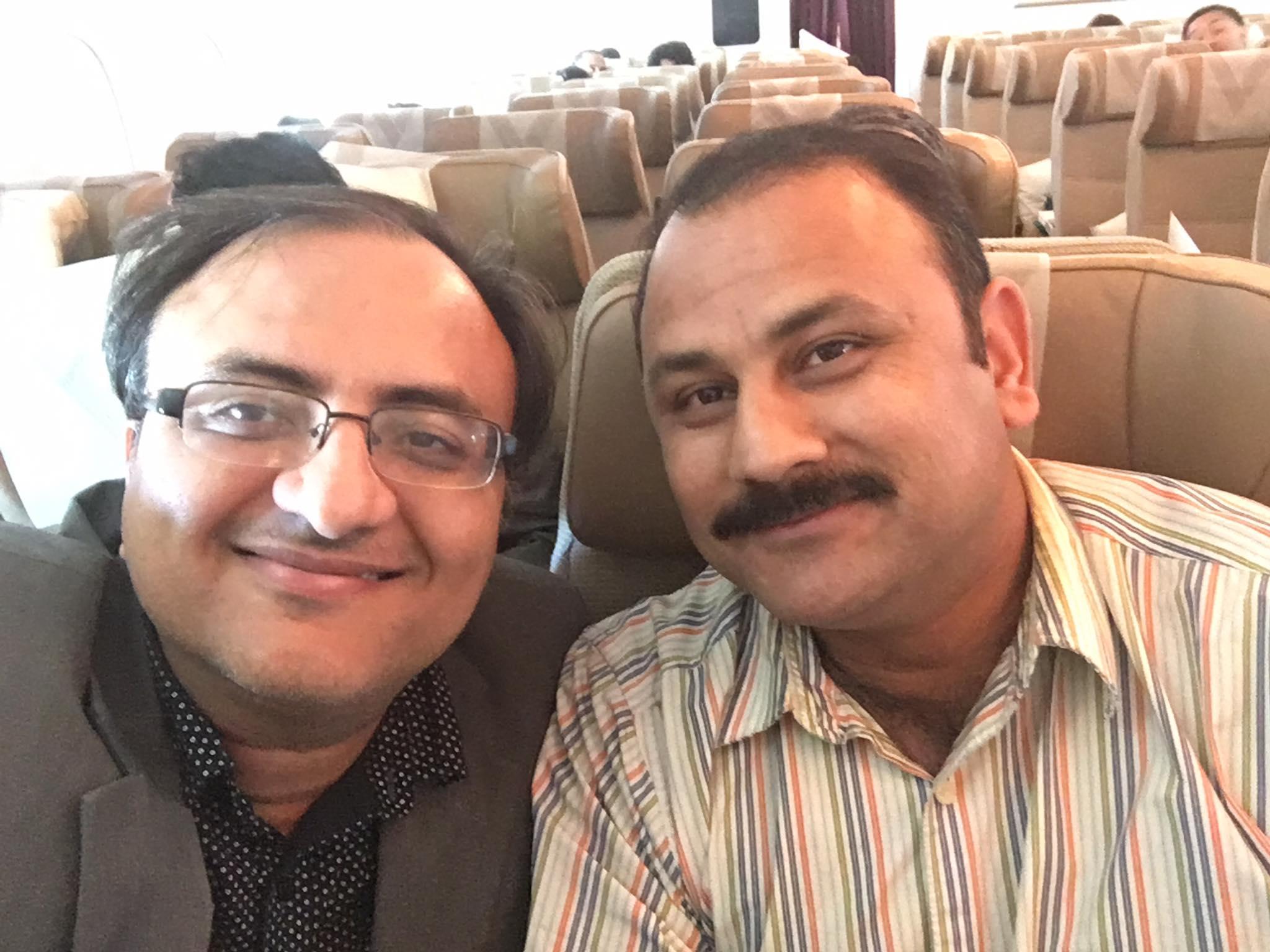
  • Honoured to meet Rai Sohail Akram Jakhar who speaks Russian, English, Punjabi and Urdu !

    He is now starting dairy farming business near faisalabad !

    Know anyone who can help him start that ?

    What questions would you like to ask him ? Do connect
    Honoured to meet Rai Sohail Akram Jakhar who speaks Russian, English, Punjabi and Urdu ! He is now starting dairy farming business near faisalabad ! Know anyone who can help him start that ? What questions would you like to ask him ? Do connect
    0 Kommentare 0 Anteile 156 Ansichten
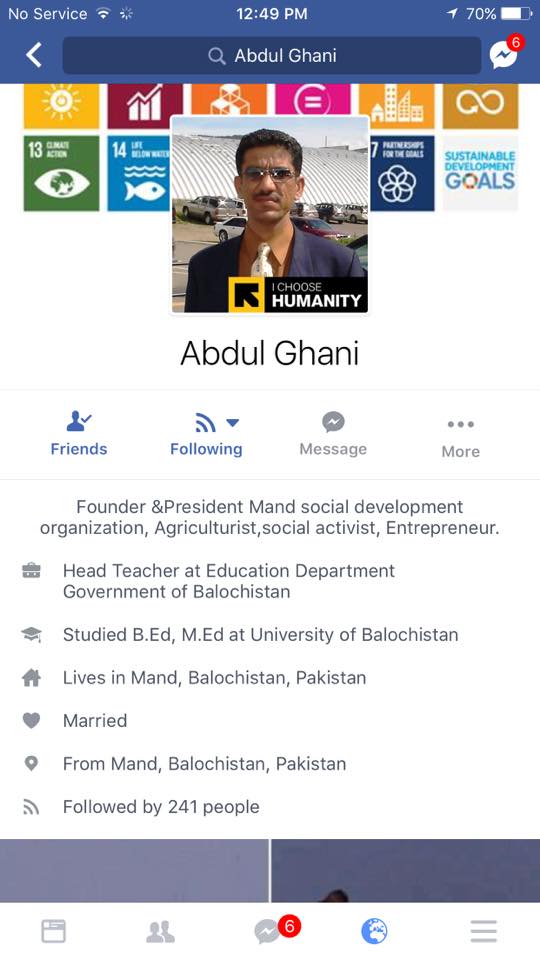
  • Want to be in agri business ? Meet Abdul Ghani

    I will upgrade my existing farm to introduce new technology in farming, introduce organic farming in my district we have cows dungs and goat manure in a lot in our area and every home in my village have cows and goats but no any single commercial dairy farm in our tehsil, I will establish a well equipped dairy farm in tehsil headquarter. Buy different machinery used in farming, establish a poultry farm bcz in our area there is no any poultry farm. collect cows dungs and manures in my village and establish a composter machine to make organic fertilizer for farming. Introduce tunnel farming, drip irrigation system, hydroponics, fish farming, goat farming,camel farming in my farm. one portion of farm will be used for herbal medicine aloe Vera etc. establish a pressing machine for extracting date syrup, make a branded company of dates packaging and sell it in my online shopping store. If someone interested we will begins it in equity bases. founder of g.baloch enterprise , social entrepreneur needs only a fund raiser for my project. I need only a co founder and financer for my project. Bcz we are practicing traditional farming wasting a lot of water and electricity with less productions in this time. It will change the socio economic condition of people, gradually whole area farmers benefited by seeing the result of our farm.
    Want to be in agri business ? Meet Abdul Ghani I will upgrade my existing farm to introduce new technology in farming, introduce organic farming in my district we have cows dungs and goat manure in a lot in our area and every home in my village have cows and goats but no any single commercial dairy farm in our tehsil, I will establish a well equipped dairy farm in tehsil headquarter. Buy different machinery used in farming, establish a poultry farm bcz in our area there is no any poultry farm. collect cows dungs and manures in my village and establish a composter machine to make organic fertilizer for farming. Introduce tunnel farming, drip irrigation system, hydroponics, fish farming, goat farming,camel farming in my farm. one portion of farm will be used for herbal medicine aloe Vera etc. establish a pressing machine for extracting date syrup, make a branded company of dates packaging and sell it in my online shopping store. If someone interested we will begins it in equity bases. founder of g.baloch enterprise , social entrepreneur needs only a fund raiser for my project. I need only a co founder and financer for my project. Bcz we are practicing traditional farming wasting a lot of water and electricity with less productions in this time. It will change the socio economic condition of people, gradually whole area farmers benefited by seeing the result of our farm.
    0 Kommentare 0 Anteile 119 Ansichten
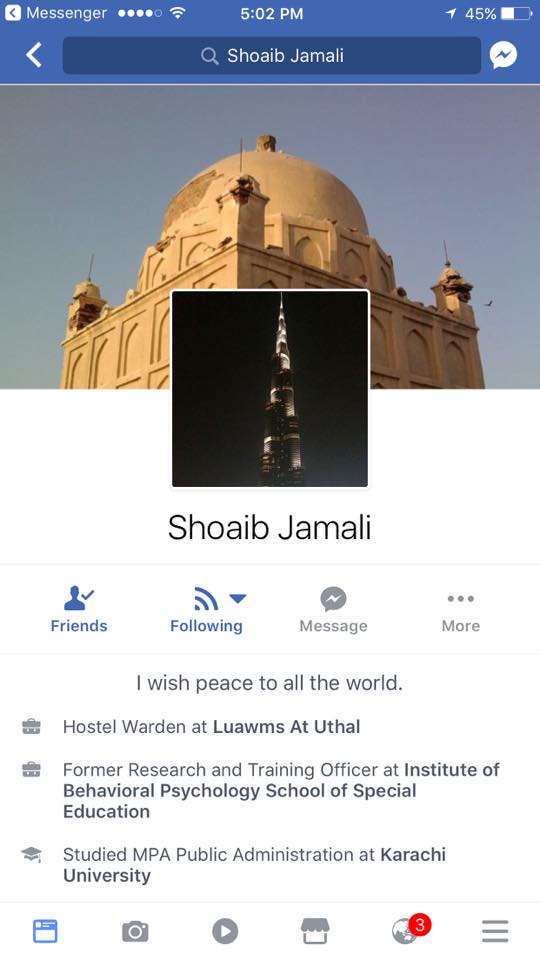
  • Great opportunity by Shoaib Jamali

    Dear Sir,
    I have 50Acres fertile land at Uthal, Lasbella Balochistan, 100miles away from Karachi. The market value of this land is 10million PKR.
    I want to fix a solar system tubewell (boring 200ft)for agriculture purpose, underground water quality is very good for agriculture and Banana, Papaya, Cheeko, Cotton, Lemon, Wheat and many more vegetables fruits and grains can be cultivated.
    I am looking for a partner to develop an Agriculture farm with Poltry and Dairy Farm (big business of the region).
    I am looking forward for your kind reply.
    Great opportunity by Shoaib Jamali Dear Sir, I have 50Acres fertile land at Uthal, Lasbella Balochistan, 100miles away from Karachi. The market value of this land is 10million PKR. I want to fix a solar system tubewell (boring 200ft)for agriculture purpose, underground water quality is very good for agriculture and Banana, Papaya, Cheeko, Cotton, Lemon, Wheat and many more vegetables fruits and grains can be cultivated. I am looking for a partner to develop an Agriculture farm with Poltry and Dairy Farm (big business of the region). I am looking forward for your kind reply.
    0 Kommentare 0 Anteile 158 Ansichten
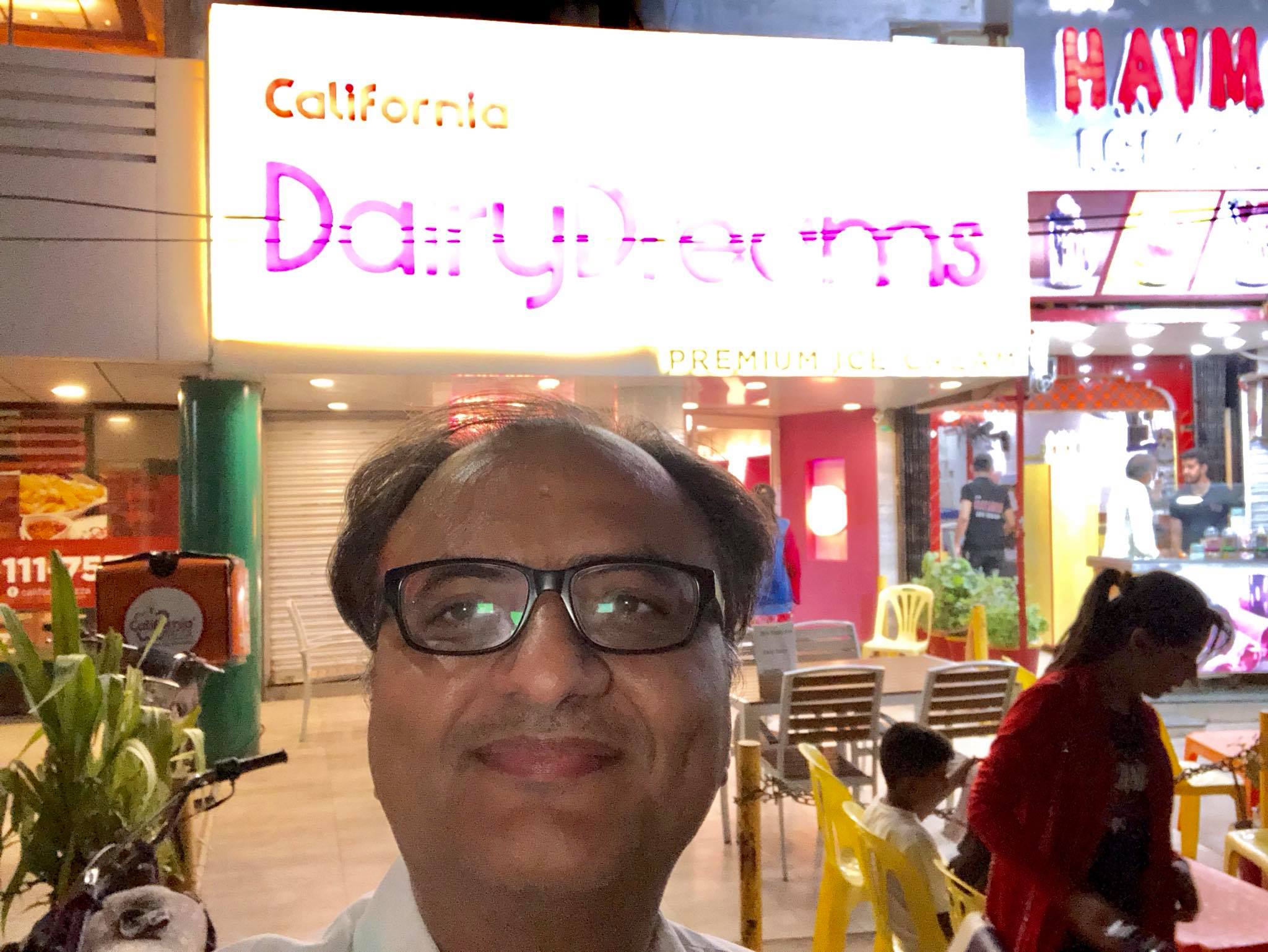
  • California Dairy Dreams

    A great addition to Karachi’s Sweet Food options !

    Good taste
    California Dairy Dreams A great addition to Karachi’s Sweet Food options ! Good taste
    0 Kommentare 0 Anteile 110 Ansichten
Suchergebnis