• Assalamu alaykum, Rehan. Heres an idea that is worth your time:

    A web site that teaches languages for free, rated as better than Rosetta Stone software.

    Here is a Ted Talk that the founder of the site gave: http://youtu.be/-Ht4qiDRZE8.

    Today there are six languages on-line, and 10,000,000 users. But since October 9, 2013, the site has invited native speakers of other languages to step forward to add their language to the site. It is a process that will take less time the more people participate. The first step of the process will be teaching speakers of the foreign language how to speak English. Then that data will be used to teach English speakers the foreign language. Finally, the collected data will allow speakers of any language to learn any other language.

    The business model of the site that explains why the site is free for language learners is explained in the video.

    I want you to consider recruiting people to add Urdu to the site. Once Urdu to English is accomplished, it will be easier to add Urdu to Chinese, Urdu to French, Urdu to etc., etc.

    They need to visit http://incubator.duolingo.com

    If you know speakers of Fushaa Arabic -- Arabic free of any dialects, not the language of the streets of Cairo, buit the language of AlJazeera, of academia, etc. Then encourage them, too.

    Again, the more people are involved, the faster the language will come on-line inshaAllah.

    If Urdu is added, millions of Pakistanis will benefit inshaAllah, and Urdu will be preserved, too, inshaAllah as an easy to learn language. When Arabic is added, inshaAllah, billions of people will have better access to the Quran, assuming that Fushaa is added as opposed to a dialect.

    Sorry for the long message. But I think you will agree with me that this project has the capacity to change the world as we know it. And I know that will interest you.
    Assalamu 'alaykum, Rehan. Here's an idea that is worth your time: A web site that teaches languages for free, rated as better than Rosetta Stone software. Here is a Ted Talk that the founder of the site gave: http://youtu.be/-Ht4qiDRZE8. Today there are six languages on-line, and 10,000,000 users. But since October 9, 2013, the site has invited native speakers of other languages to step forward to add their language to the site. It is a process that will take less time the more people participate. The first step of the process will be teaching speakers of the foreign language how to speak English. Then that data will be used to teach English speakers the foreign language. Finally, the collected data will allow speakers of any language to learn any other language. The business model of the site that explains why the site is free for language learners is explained in the video. I want you to consider recruiting people to add Urdu to the site. Once Urdu to English is accomplished, it will be easier to add Urdu to Chinese, Urdu to French, Urdu to etc., etc. They need to visit http://incubator.duolingo.com If you know speakers of Fushaa Arabic -- Arabic free of any dialects, not the language of the streets of Cairo, buit the language of AlJazeera, of academia, etc. Then encourage them, too. Again, the more people are involved, the faster the language will come on-line inshaAllah. If Urdu is added, millions of Pakistanis will benefit inshaAllah, and Urdu will be preserved, too, inshaAllah as an easy to learn language. When Arabic is added, inshaAllah, billions of people will have better access to the Quran, assuming that Fushaa is added as opposed to a dialect. Sorry for the long message. But I think you will agree with me that this project has the capacity to change the world as we know it. And I know that will interest you.
    0 Commenti 0 condivisioni 1703 Views
  • Rehan Sir, did you hear about Hello English and Duolingo apps? I learn English from these apps. I found it so effective for learning English. Both are so easy to use and fun like playing game.
    But Duolingo app is an online app.
    Rate for this app.
    Duolingo 3/5
    Hello English 5/5
    You can recomend these apps to the Palestinians.
    Rehan Sir, did you hear about Hello English and Duolingo apps? I learn English from these apps. I found it so effective for learning English. Both are so easy to use and fun like playing game. But Duolingo app is an online app. Rate for this app. Duolingo 3/5 Hello English 5/5 You can recomend these apps to the Palestinians.
    0 Commenti 0 condivisioni 122 Views
  • I am looking for someone in @Duolingo

    to do podcast with and work with them to introduce it in our school as primary way to teach english, arabic, and chinese to students !

    I am unable to find someone yet !
    I am looking for someone in @Duolingo to do podcast with and work with them to introduce it in our school as primary way to teach english, arabic, and chinese to students ! I am unable to find someone yet !
    0 Commenti 0 condivisioni 237 Views
  • Layoff announcements in 2024:

    - PayPal cuts 9% of workforce (TODAY!)
    - UPS cuts +12,000 roles (TODAY!)
    - Microsoft cuts +1,900 roles
    - Twitch cuts 35% of workforce
    - Unity Software 25%
    - Brex 20%
    - Discord 17%
    - Wayfair 13%
    - Riot Games 11%
    - Duolingo 10%
    - Rent the Runway 10%
    - eBay 9%
    - Blackrock 3%
    - Citigroug cuts 20,000 roles
    - Google cuts +1,000
    - Amazon cuts several hundred roles.
    - Rehan Foundation - 10

    In 2023 layoffs jumped 98% from 2022.
    Layoff announcements in 2024: - PayPal cuts 9% of workforce (TODAY!) - UPS cuts +12,000 roles (TODAY!) - Microsoft cuts +1,900 roles - Twitch cuts 35% of workforce - Unity Software 25% - Brex 20% - Discord 17% - Wayfair 13% - Riot Games 11% - Duolingo 10% - Rent the Runway 10% - eBay 9% - Blackrock 3% - Citigroug cuts 20,000 roles - Google cuts +1,000 - Amazon cuts several hundred roles. - Rehan Foundation - 10 In 2023 layoffs jumped 98% from 2022.
    0 Commenti 0 condivisioni 640 Views
  • To increase the number of global English speakers to 6 billion in the next 10 years, a massive and coordinated effort would be required across multiple sectors such as education, technology, and global policy. Here are some potential strategies that could drive this growth:

    ### 1. **Leverage Digital Platforms for English Education**
    - **Expand online learning platforms**: Platforms like Duolingo, Coursera, and YouTube already offer free or low-cost English lessons. Increasing access to these platforms in developing countries by improving internet infrastructure and providing subsidies for devices could help.
    - **Gamified learning**: Make learning English more engaging with interactive, game-based platforms and apps. Using AI to adapt lessons to individual users progress could make it easier and more fun for billions to learn English.
    - **Affordable internet access**: Collaborating with global initiatives like Elon Musks Starlink to provide affordable and universal internet access could enable more people in remote and underserved areas to access English-learning resources.

    ### 2. **Government Policies and Education Reform**
    - **Mandatory English education**: Governments could prioritize English as a second language from primary school through higher education, ensuring every child is exposed to English from an early age.
    - **Free English learning programs**: Governments could launch large-scale, free English education initiatives, partnering with private and public institutions to deliver programs through schools, community centers, and online platforms.
    - **Teacher training**: Invest in training millions of English teachers globally to meet the growing demand, especially in non-native English-speaking regions.

    ### 3. **Cultural and Media Influence**
    - **English-language media**: Make English-language content—movies, TV shows, music, and podcasts—more accessible and appealing globally. Netflix, YouTube, and other streaming services could partner with governments to provide free or subsidized English-language content.
    - **Social media campaigns**: Use platforms like TikTok, Instagram, and Twitter to create viral challenges, memes, and trends encouraging English learning, making it cool and fun for young people globally to speak English.

    ### 4. **Technology and AI-driven Learning**
    - **AI-powered translation**: Integrating AI-driven translation tools directly into mobile apps, smartphones, and other digital interfaces could expose more people to English in their everyday interactions.
    - **Smart devices for English learning**: Develop affordable, AI-powered language learning assistants (similar to Alexa or Google Assistant) that provide personalized, conversational English practice, especially for people in low-income regions.
    - **VR and AR learning environments**: Use virtual reality (VR) and augmented reality (AR) to create immersive English-learning environments where users interact with native English speakers and practice in real-life scenarios.

    ### 5. **Corporate and Business Initiatives**
    - **English as a corporate language**: Encourage global corporations, especially in non-native English-speaking countries, to adopt English as their official corporate language. This would necessitate language training for employees and drive a greater need for English proficiency.
    - **Workplace English training**: Create incentives for companies to offer free or subsidized English training to their employees globally, especially in countries where English is not widely spoken.

    ### 6. **Addressing Access and Inclusivity**
    - **Subsidies for learning resources**: Governments and international organizations could provide subsidies for English-learning resources, including textbooks, apps, and tuition, to make them more affordable for lower-income populations.
    - **Programs in rural and underserved areas**: Focus specifically on rural, economically disadvantaged, and isolated communities by creating mobile English learning centers or deploying teachers to remote regions.

    ### 7. **Global Collaborations and Diplomatic Efforts**
    - **United Nations-led initiative**: A global initiative led by international organizations like the UN or UNESCO to promote English learning as a tool for global development could accelerate growth. Offering incentives for nations to participate in widespread English literacy campaigns could create worldwide momentum.
    - **Scholarships and exchange programs**: Increase the availability of scholarships, study-abroad programs, and cultural exchanges in English-speaking countries to encourage immersion and fluency.

    ### 8. **Incentivize English Learning**
    - **Financial incentives**: Governments or organizations could offer financial rewards or certificates for proficiency in English, creating an economic incentive for people to learn.
    - **Global recognition**: Make English proficiency an internationally recognized certification with benefits for employment, education, and migration, encouraging widespread adoption.

    ### Potential Challenges:
    1. **Cultural resistance**: Some countries or communities may resist the dominance of English, valuing the preservation of their own languages and cultures.
    2. **Access to education**: Ensuring that everyone, especially those in poorer regions, has the opportunity and resources to learn English is a major challenge.
    3. **Infrastructure limitations**: In many parts of the world, access to digital devices and the internet is still limited.

    ### Conclusion:
    Achieving 6 billion English speakers in 10 years would require a global, coordinated effort, integrating government policy, education reforms, technology, and media influence. The widespread availability of English learning tools, digital platforms, and AI-powered solutions combined with incentives and strong educational policies could push the world closer to this goal. However, it would also need to be balanced with respect for linguistic diversity and cultural preservation.

    To increase the number of global English speakers to 6 billion in the next 10 years, a massive and coordinated effort would be required across multiple sectors such as education, technology, and global policy. Here are some potential strategies that could drive this growth: ### 1. **Leverage Digital Platforms for English Education** - **Expand online learning platforms**: Platforms like Duolingo, Coursera, and YouTube already offer free or low-cost English lessons. Increasing access to these platforms in developing countries by improving internet infrastructure and providing subsidies for devices could help. - **Gamified learning**: Make learning English more engaging with interactive, game-based platforms and apps. Using AI to adapt lessons to individual users' progress could make it easier and more fun for billions to learn English. - **Affordable internet access**: Collaborating with global initiatives like Elon Musk's Starlink to provide affordable and universal internet access could enable more people in remote and underserved areas to access English-learning resources. ### 2. **Government Policies and Education Reform** - **Mandatory English education**: Governments could prioritize English as a second language from primary school through higher education, ensuring every child is exposed to English from an early age. - **Free English learning programs**: Governments could launch large-scale, free English education initiatives, partnering with private and public institutions to deliver programs through schools, community centers, and online platforms. - **Teacher training**: Invest in training millions of English teachers globally to meet the growing demand, especially in non-native English-speaking regions. ### 3. **Cultural and Media Influence** - **English-language media**: Make English-language content—movies, TV shows, music, and podcasts—more accessible and appealing globally. Netflix, YouTube, and other streaming services could partner with governments to provide free or subsidized English-language content. - **Social media campaigns**: Use platforms like TikTok, Instagram, and Twitter to create viral challenges, memes, and trends encouraging English learning, making it cool and fun for young people globally to speak English. ### 4. **Technology and AI-driven Learning** - **AI-powered translation**: Integrating AI-driven translation tools directly into mobile apps, smartphones, and other digital interfaces could expose more people to English in their everyday interactions. - **Smart devices for English learning**: Develop affordable, AI-powered language learning assistants (similar to Alexa or Google Assistant) that provide personalized, conversational English practice, especially for people in low-income regions. - **VR and AR learning environments**: Use virtual reality (VR) and augmented reality (AR) to create immersive English-learning environments where users interact with native English speakers and practice in real-life scenarios. ### 5. **Corporate and Business Initiatives** - **English as a corporate language**: Encourage global corporations, especially in non-native English-speaking countries, to adopt English as their official corporate language. This would necessitate language training for employees and drive a greater need for English proficiency. - **Workplace English training**: Create incentives for companies to offer free or subsidized English training to their employees globally, especially in countries where English is not widely spoken. ### 6. **Addressing Access and Inclusivity** - **Subsidies for learning resources**: Governments and international organizations could provide subsidies for English-learning resources, including textbooks, apps, and tuition, to make them more affordable for lower-income populations. - **Programs in rural and underserved areas**: Focus specifically on rural, economically disadvantaged, and isolated communities by creating mobile English learning centers or deploying teachers to remote regions. ### 7. **Global Collaborations and Diplomatic Efforts** - **United Nations-led initiative**: A global initiative led by international organizations like the UN or UNESCO to promote English learning as a tool for global development could accelerate growth. Offering incentives for nations to participate in widespread English literacy campaigns could create worldwide momentum. - **Scholarships and exchange programs**: Increase the availability of scholarships, study-abroad programs, and cultural exchanges in English-speaking countries to encourage immersion and fluency. ### 8. **Incentivize English Learning** - **Financial incentives**: Governments or organizations could offer financial rewards or certificates for proficiency in English, creating an economic incentive for people to learn. - **Global recognition**: Make English proficiency an internationally recognized certification with benefits for employment, education, and migration, encouraging widespread adoption. ### Potential Challenges: 1. **Cultural resistance**: Some countries or communities may resist the dominance of English, valuing the preservation of their own languages and cultures. 2. **Access to education**: Ensuring that everyone, especially those in poorer regions, has the opportunity and resources to learn English is a major challenge. 3. **Infrastructure limitations**: In many parts of the world, access to digital devices and the internet is still limited. ### Conclusion: Achieving 6 billion English speakers in 10 years would require a global, coordinated effort, integrating government policy, education reforms, technology, and media influence. The widespread availability of English learning tools, digital platforms, and AI-powered solutions combined with incentives and strong educational policies could push the world closer to this goal. However, it would also need to be balanced with respect for linguistic diversity and cultural preservation.

    0 Commenti 0 condivisioni 1152 Views
  • **Can We Reach 6 Billion English Speakers in the Next 10 Years?**

    Achieving such a massive goal would require a coordinated global effort across multiple sectors. Here’s how we could get there:

    **Leverage Digital Learning**: Expand access to online platforms (Duolingo, Coursera) and make English learning interactive with AI and gamified apps.

    **Government Policies**: Make English a mandatory subject worldwide, train millions of teachers, and offer free language programs.

    **Cultural Influence**: Use English-language media, music, and social media to make learning fun and engaging for younger generations.

    **Tech Solutions**: Develop AI-powered translation tools and VR/AR-based immersive learning experiences to scale English learning globally.

    **Corporate Involvement**: Encourage companies to adopt English as their corporate language and invest in employee language training.

    **Incentivize Learning**: Offer financial rewards, global certifications, and scholarships to encourage widespread adoption.

    While challenges like cultural resistance and infrastructure gaps exist, the combination of technology, policy reform, and incentives could make English accessible to billions more people.

    What do you think? Is this goal achievable?

    #GlobalGrowth #EnglishLearning #EdTech #LanguageLearning #Innovation #Globalization #Education #FutureOfWork
    🌍 **Can We Reach 6 Billion English Speakers in the Next 10 Years?** Achieving such a massive goal would require a coordinated global effort across multiple sectors. Here’s how we could get there: 1️⃣ **Leverage Digital Learning**: Expand access to online platforms (Duolingo, Coursera) and make English learning interactive with AI and gamified apps. 2️⃣ **Government Policies**: Make English a mandatory subject worldwide, train millions of teachers, and offer free language programs. 3️⃣ **Cultural Influence**: Use English-language media, music, and social media to make learning fun and engaging for younger generations. 4️⃣ **Tech Solutions**: Develop AI-powered translation tools and VR/AR-based immersive learning experiences to scale English learning globally. 5️⃣ **Corporate Involvement**: Encourage companies to adopt English as their corporate language and invest in employee language training. 6️⃣ **Incentivize Learning**: Offer financial rewards, global certifications, and scholarships to encourage widespread adoption. While challenges like cultural resistance and infrastructure gaps exist, the combination of technology, policy reform, and incentives could make English accessible to billions more people. What do you think? Is this goal achievable? #GlobalGrowth #EnglishLearning #EdTech #LanguageLearning #Innovation #Globalization #Education #FutureOfWork
    0 Commenti 0 condivisioni 1431 Views
  • Achieving a common language for global communication within 10 years is a challenging but potentially feasible goal with the use of AI agents, policy initiatives, and cultural adaptation. Here’s a practical roadmap:

    1. Utilize AI Agents for Language Standardization

    AI can significantly accelerate the adoption of a common language by simplifying communication and learning processes. Here’s how:

    a. AI-Powered Language Learning Tools

    • Develop AI platforms that personalize language learning (e.g., adaptive apps like Duolingo but powered by advanced AI).
    • Use gamification, real-time feedback, and cultural context to teach the chosen global language effectively to diverse populations.

    b. Real-Time Translation and Communication

    • Deploy wearable AI translation devices or apps for seamless real-time communication in the global language. This bridges the gap while people learn.
    • Examples:
    • Neural-based voice synthesis for natural pronunciation.
    • AI tools to simulate immersive environments for practice.

    c. AI-Assisted Content Creation

    • Use AI to generate media, books, movies, and music in the global language to promote widespread cultural adoption.
    • Leverage AI-driven cultural storytelling to localize content, making the language relatable to different regions.

    2. Select the Language (or Create One)

    The choice of language is critical. Practical options:
    1. English: Already dominant in global communication; requires less infrastructure.
    2. Constructed Language (e.g., Esperanto 2.0):
    • Use AI to design a simple, easy-to-learn universal language.
    • AI can model linguistic structures that are intuitive for diverse language groups.

    3. Launch a Global Language Movement

    A rapid cultural shift requires mass adoption initiatives:

    a. International Collaboration

    • Partner with international organizations like the UN, UNESCO, and WHO to declare a global language project as part of sustainable development goals.

    b. Language in Education

    • Implement AI tutors in schools worldwide to teach the chosen language efficiently.
    • Offer free, accessible courses powered by AI for both children and adults.

    c. Corporate and Media Involvement

    • Partner with global corporations to make the chosen language mandatory in workplaces.
    • Encourage production of globally popular content (movies, music, social media trends) in the common language.

    4. Incentivize and Normalize Usage

    Incentives can speed up adoption:
    • Economic Rewards: Provide financial benefits for learning and using the language (e.g., discounts, job opportunities).
    • Social Incentives: Use AI-driven gamification for public challenges or competitions to popularize the language.
    • Integration into Tech: Make the language the default for all major platforms (social media, websites, apps).

    5. AI-Enhanced Cultural Sensitivity

    To prevent resistance:
    • Use AI to localize learning materials and tailor them to different cultural contexts.
    • AI agents can ensure that the global language doesn’t erase native cultures but instead complements them.

    6. AI-Driven Advocacy Campaigns

    Run global campaigns using AI-powered content creators to:
    • Promote the language on social media and traditional media.
    • Foster a sense of global unity and purpose around the language.

    7. Rapid Deployment of Translation AI

    To act as a bridge:
    • Use AI translation tools to enable people to use their native languages while transitioning to the common language.
    • AI can “auto-correct” for differences in dialects and accents as people learn.

    Realistic Timeline for 10-Year Goal

    1. Year 1-2: Research and Development
    • Finalize the choice of language.
    • Build robust AI language-learning platforms and real-time translators.
    2. Year 3-5: Pilot Programs
    • Roll out AI-powered learning tools in select countries.
    • Launch global campaigns and incentivized adoption programs.
    3. Year 6-7: Mass Adoption
    • Integrate the language into education systems, workplaces, and global media.
    • Use AI to evaluate and adapt based on adoption rates.
    4. Year 8-10: Global Standardization
    • Ensure the language is widely spoken, understood, and accessible.
    • Continue using AI agents to assist lagging populations and address resistance.

    Key Tools and AI Agents for Implementation

    1. Language Tutors:
    • AI agents that adapt to individual learners’ pace and style.
    2. Translators:
    • Real-time, voice-to-voice AI-powered translation devices.
    3. Content Creators:
    • AI generating accessible, engaging, and culturally sensitive materials in the global language.
    4. Policy Advisors:
    • AI models to predict and mitigate social resistance to a common language.
    5. Analytics Tools:
    • AI monitoring tools to assess adoption rates and adjust strategies dynamically.

    Challenges and Solutions

    • Resistance to Change: Use cultural localization and financial incentives to reduce resistance.
    • Technological Access: Partner with NGOs and governments to ensure access to AI tools in underprivileged areas.
    • Cultural Preservation: Ensure the global language coexists with local languages rather than replacing them entirely.

    Conclusion

    With AI driving language learning, real-time translation, and global campaigns, a common language can be achieved within 10 years. The key is leveraging technology to make the transition seamless, incentivizing adoption, and integrating the language into education, business, and media.
    Achieving a common language for global communication within 10 years is a challenging but potentially feasible goal with the use of AI agents, policy initiatives, and cultural adaptation. Here’s a practical roadmap: 1. Utilize AI Agents for Language Standardization AI can significantly accelerate the adoption of a common language by simplifying communication and learning processes. Here’s how: a. AI-Powered Language Learning Tools • Develop AI platforms that personalize language learning (e.g., adaptive apps like Duolingo but powered by advanced AI). • Use gamification, real-time feedback, and cultural context to teach the chosen global language effectively to diverse populations. b. Real-Time Translation and Communication • Deploy wearable AI translation devices or apps for seamless real-time communication in the global language. This bridges the gap while people learn. • Examples: • Neural-based voice synthesis for natural pronunciation. • AI tools to simulate immersive environments for practice. c. AI-Assisted Content Creation • Use AI to generate media, books, movies, and music in the global language to promote widespread cultural adoption. • Leverage AI-driven cultural storytelling to localize content, making the language relatable to different regions. 2. Select the Language (or Create One) The choice of language is critical. Practical options: 1. English: Already dominant in global communication; requires less infrastructure. 2. Constructed Language (e.g., Esperanto 2.0): • Use AI to design a simple, easy-to-learn universal language. • AI can model linguistic structures that are intuitive for diverse language groups. 3. Launch a Global Language Movement A rapid cultural shift requires mass adoption initiatives: a. International Collaboration • Partner with international organizations like the UN, UNESCO, and WHO to declare a global language project as part of sustainable development goals. b. Language in Education • Implement AI tutors in schools worldwide to teach the chosen language efficiently. • Offer free, accessible courses powered by AI for both children and adults. c. Corporate and Media Involvement • Partner with global corporations to make the chosen language mandatory in workplaces. • Encourage production of globally popular content (movies, music, social media trends) in the common language. 4. Incentivize and Normalize Usage Incentives can speed up adoption: • Economic Rewards: Provide financial benefits for learning and using the language (e.g., discounts, job opportunities). • Social Incentives: Use AI-driven gamification for public challenges or competitions to popularize the language. • Integration into Tech: Make the language the default for all major platforms (social media, websites, apps). 5. AI-Enhanced Cultural Sensitivity To prevent resistance: • Use AI to localize learning materials and tailor them to different cultural contexts. • AI agents can ensure that the global language doesn’t erase native cultures but instead complements them. 6. AI-Driven Advocacy Campaigns Run global campaigns using AI-powered content creators to: • Promote the language on social media and traditional media. • Foster a sense of global unity and purpose around the language. 7. Rapid Deployment of Translation AI To act as a bridge: • Use AI translation tools to enable people to use their native languages while transitioning to the common language. • AI can “auto-correct” for differences in dialects and accents as people learn. Realistic Timeline for 10-Year Goal 1. Year 1-2: Research and Development • Finalize the choice of language. • Build robust AI language-learning platforms and real-time translators. 2. Year 3-5: Pilot Programs • Roll out AI-powered learning tools in select countries. • Launch global campaigns and incentivized adoption programs. 3. Year 6-7: Mass Adoption • Integrate the language into education systems, workplaces, and global media. • Use AI to evaluate and adapt based on adoption rates. 4. Year 8-10: Global Standardization • Ensure the language is widely spoken, understood, and accessible. • Continue using AI agents to assist lagging populations and address resistance. Key Tools and AI Agents for Implementation 1. Language Tutors: • AI agents that adapt to individual learners’ pace and style. 2. Translators: • Real-time, voice-to-voice AI-powered translation devices. 3. Content Creators: • AI generating accessible, engaging, and culturally sensitive materials in the global language. 4. Policy Advisors: • AI models to predict and mitigate social resistance to a common language. 5. Analytics Tools: • AI monitoring tools to assess adoption rates and adjust strategies dynamically. Challenges and Solutions • Resistance to Change: Use cultural localization and financial incentives to reduce resistance. • Technological Access: Partner with NGOs and governments to ensure access to AI tools in underprivileged areas. • Cultural Preservation: Ensure the global language coexists with local languages rather than replacing them entirely. Conclusion With AI driving language learning, real-time translation, and global campaigns, a common language can be achieved within 10 years. The key is leveraging technology to make the transition seamless, incentivizing adoption, and integrating the language into education, business, and media.
    0 Commenti 0 condivisioni 359 Views
  • Rehan Teacher Training Institute – Become a 21st Century Educator

    For passionate learners across Pakistan and beyond
    Apply now: rehan.school/tt


    LEVEL-BY-LEVEL TRAINING & CAREER GROWTH


    Level 1 – Foundation (2 Months)
    2 hours/day of live online training
    • Minimum age: 18 years
    • Learn:
    • AI for education
    • Canva for classroom creativity
    • Podcasting for student engagement
    • Confidence, communication & modern teaching methods
    • Smartphone and internet required
    • No teaching required – focus is on personal learning and growth

    After completing Level 1, graduates may begin teaching the ACCL Course by Rehan School from home or online to help others become internet- and AI-literate.


    Level 2 – Skill Building & Global Exposure
    2 hours/day of online training
    • Learn how to teach through conversation and engagement instead of traditional lectures
    • Connect with 50+ international educators on LinkedIn
    • Participate in podcasts with global teachers
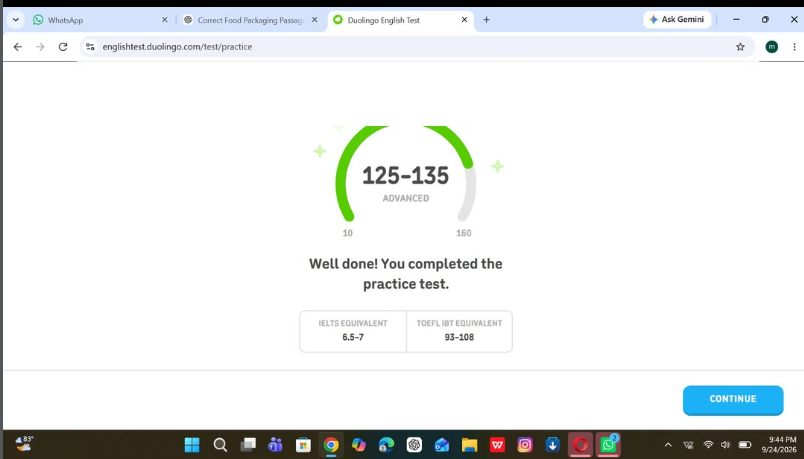
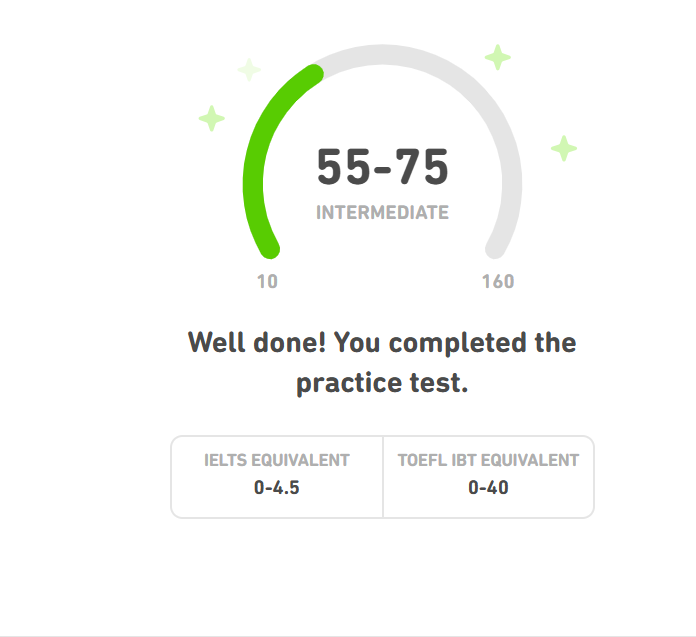
    • Must pass Duolingo Intermediate English Exam
    • Laptop, internet, and smartphone required


    Level 3 – Beginner Teacher at Rehan School
    • Join as a part-time teacher at Rehan School
    Work: 4 hours/day
    Salary: Rs. 10,000/month
    • Continue 2 hours/day in Level 4 (Master Teacher Training)
    • Start teaching with full support and mentoring


    Level 4 – Master Teacher
    Training: 2 hours/day
    Salary: Rs. 35,000/month
    • Responsibilities:
    • Independently lead classrooms
    • Mentor junior teachers
    • Innovate in teaching approaches
    • Eligible for Vice Principal roles


    Levels 5 & 6 – Educational Leadership Track
    Training: 2 hours/day
    • Learn:
    • Campus and team management
    • Curriculum design
    • Teacher training & program scaling
    Salary potential: Rs. 100,000+ per month
    • Opportunities to lead multiple campuses or become a national trainer


    Key Information
    • Minimum age to enroll: 18 years
    • All training is 2 hours/day across all levels
    • From Level 2 onward: Laptop, internet, and smartphone are required
    • No prior teaching experience needed
    • Graduates may be hired at Rehan School or referred to partner institutions

    Enroll today: rehan.school/tt
    For assistance, send a message via WhatsApp
    🎓 Rehan Teacher Training Institute – Become a 21st Century Educator 📍 For passionate learners across Pakistan and beyond 🌐 Apply now: rehan.school/tt ⸻ 🪜 LEVEL-BY-LEVEL TRAINING & CAREER GROWTH ⸻ ✅ Level 1 – Foundation (2 Months) • 🕒 2 hours/day of live online training • Minimum age: 18 years • Learn: • AI for education • Canva for classroom creativity • Podcasting for student engagement • Confidence, communication & modern teaching methods • Smartphone and internet required • No teaching required – focus is on personal learning and growth 🌟 After completing Level 1, graduates may begin teaching the ACCL Course by Rehan School from home or online to help others become internet- and AI-literate. ⸻ ✅ Level 2 – Skill Building & Global Exposure • 🕒 2 hours/day of online training • Learn how to teach through conversation and engagement instead of traditional lectures • Connect with 50+ international educators on LinkedIn • Participate in podcasts with global teachers • Must pass Duolingo Intermediate English Exam • Laptop, internet, and smartphone required ⸻ ✅ Level 3 – Beginner Teacher at Rehan School • Join as a part-time teacher at Rehan School • 🕓 Work: 4 hours/day • 💵 Salary: Rs. 10,000/month • Continue 2 hours/day in Level 4 (Master Teacher Training) • Start teaching with full support and mentoring ⸻ ✅ Level 4 – Master Teacher • 🕒 Training: 2 hours/day • 💵 Salary: Rs. 35,000/month • Responsibilities: • Independently lead classrooms • Mentor junior teachers • Innovate in teaching approaches • Eligible for Vice Principal roles ⸻ ✅ Levels 5 & 6 – Educational Leadership Track • 🕒 Training: 2 hours/day • Learn: • Campus and team management • Curriculum design • Teacher training & program scaling • 💼 Salary potential: Rs. 100,000+ per month • Opportunities to lead multiple campuses or become a national trainer ⸻ 📌 Key Information • Minimum age to enroll: 18 years • All training is 2 hours/day across all levels • From Level 2 onward: Laptop, internet, and smartphone are required • No prior teaching experience needed • Graduates may be hired at Rehan School or referred to partner institutions 🌐 Enroll today: rehan.school/tt 📲 For assistance, send a message via WhatsApp
    0 Commenti 0 condivisioni 613 Views
  • Chapter X: The Internet for All

    If Planet Union had a birthday, it wasn’t when the flag was raised or the armies went home. It was the day the last human on Earth got connected to the internet.


    Step 1: The Great Connection (2026–2027)

    For decades, billions were left offline — too poor, too rural, or too remote. But in 2026, competition to Starlink changed everything.
    • China launched SkyNet Asia.
    • India built BharatNet Constellation.
    • Africa deployed UbuntuSat.
    • Europe added Galileo Net.

    Instead of competing, they merged under the Planet Progress Fund. The deal was simple:
    “One year of free internet and hardware for every unconnected person on Earth.”

    By 2027, villages in the Amazon, deserts in Africa, and mountains in Nepal were suddenly online. For the first time in history, 100% of humanity could connect.


    Step 2: One Voice

    Once connected, communication apps realized they couldn’t stay in silos. WhatsApp, Telegram, Viber, WeChat — rivals for years — announced the OpenComm Protocol.

    Every call, every message, every video now flowed seamlessly. It didn’t matter what app you used; the world had one digital voice.


    Step 3: One Language

    Connection exposed another problem: language. But AI solved it fast.
    • Teenagers hacked Duolingo into a viral Duolingo 2.0, where kids binge-learned English like a TikTok series. Within three years, the majority of under-25s spoke it as a common tongue.
    • At the same time, AI-powered translation became perfect. Anyone could speak to anyone in their own language — and still be understood.

    For the first time, language was no longer a barrier.


    Step 4: One Wallet

    Next came money. Bitcoin had opened the door, but in 2028, the world’s messaging apps embedded FlowPay — instant, borderless, transparent.
    • Customs clearance became digital: seconds, not weeks.
    • Corruption collapsed: every transaction was traceable.
    • Farmers in Uganda sold bananas directly to cafés in Berlin.
    • Artists in Peru sold songs to fans in Lagos.

    Money no longer trickled. It flowed.


    Step 5: One Market

    With communication and payments solved, commerce exploded. A new platform was born: UniMart.
    • Owned by the people, not billionaires.
    • Every seller had access to 8 billion buyers.
    • Every buyer had direct access to producers.

    E-commerce went planetary, and with it came the Courier Boom: drones, maglev cargo, and AI-driven logistics made delivery from Nairobi to New York as easy as sending a local letter.


    The Outcome

    By 2030:
    • The global economy doubled in size.
    • Extreme poverty dropped below 2%.
    • Every human being was visible, connected, and empowered.


    Legacy

    Historians wrote:
    “Peace was possible because the internet came first. Once we were all connected, the rest was inevitable.”

    And across every router and satellite dish installed under the Planet Union Fund, the same motto was stamped:

    “No one offline. No one left behind.”


    Now copy this chapter and share it on your social media so others can imagine the day the whole world came online.
    Hashtags: #PlanetUnion #Peace2030 #WorldUnited #InternetForAll
    Chapter X: The Internet for All If Planet Union had a birthday, it wasn’t when the flag was raised or the armies went home. It was the day the last human on Earth got connected to the internet. ⸻ Step 1: The Great Connection (2026–2027) For decades, billions were left offline — too poor, too rural, or too remote. But in 2026, competition to Starlink changed everything. • China launched SkyNet Asia. • India built BharatNet Constellation. • Africa deployed UbuntuSat. • Europe added Galileo Net. Instead of competing, they merged under the Planet Progress Fund. The deal was simple: “One year of free internet and hardware for every unconnected person on Earth.” By 2027, villages in the Amazon, deserts in Africa, and mountains in Nepal were suddenly online. For the first time in history, 100% of humanity could connect. ⸻ Step 2: One Voice Once connected, communication apps realized they couldn’t stay in silos. WhatsApp, Telegram, Viber, WeChat — rivals for years — announced the OpenComm Protocol. Every call, every message, every video now flowed seamlessly. It didn’t matter what app you used; the world had one digital voice. ⸻ Step 3: One Language Connection exposed another problem: language. But AI solved it fast. • Teenagers hacked Duolingo into a viral Duolingo 2.0, where kids binge-learned English like a TikTok series. Within three years, the majority of under-25s spoke it as a common tongue. • At the same time, AI-powered translation became perfect. Anyone could speak to anyone in their own language — and still be understood. For the first time, language was no longer a barrier. ⸻ Step 4: One Wallet Next came money. Bitcoin had opened the door, but in 2028, the world’s messaging apps embedded FlowPay — instant, borderless, transparent. • Customs clearance became digital: seconds, not weeks. • Corruption collapsed: every transaction was traceable. • Farmers in Uganda sold bananas directly to cafés in Berlin. • Artists in Peru sold songs to fans in Lagos. Money no longer trickled. It flowed. ⸻ Step 5: One Market With communication and payments solved, commerce exploded. A new platform was born: UniMart. • Owned by the people, not billionaires. • Every seller had access to 8 billion buyers. • Every buyer had direct access to producers. E-commerce went planetary, and with it came the Courier Boom: drones, maglev cargo, and AI-driven logistics made delivery from Nairobi to New York as easy as sending a local letter. ⸻ The Outcome By 2030: • The global economy doubled in size. • Extreme poverty dropped below 2%. • Every human being was visible, connected, and empowered. ⸻ Legacy Historians wrote: “Peace was possible because the internet came first. Once we were all connected, the rest was inevitable.” And across every router and satellite dish installed under the Planet Union Fund, the same motto was stamped: “No one offline. No one left behind.” ⸻ 👉 Now copy this chapter and share it on your social media so others can imagine the day the whole world came online. Hashtags: #PlanetUnion #Peace2030 #WorldUnited #InternetForAll
    0 Commenti 0 condivisioni 1222 Views
  • Dear Mark Zuckerberg and Sheryl Sandberg !

    Facebook is now the world’s biggest nation.

    Facebook has rules and polices to follow, and Facebook wants people to follow them.

    Just like any other government, Facebook needs to create a national curriculum for education so that most of its citizens can speak a common language, know the common rules and follow them, follow the common code of conduct.

    Today humanity is divided by hundreds of languages but connected via the intenet and facebook, and it’s about time that we as humans start to look, feel, believe and take care of whole Earth as our country, not just a particular country.

    Take work for example, a person from one country is unable to find or do work in another country as they don’t even have that country in their spectrum of awareness to look for work in.

    They don’t know that they can work in one country and live in another and it will not make any difference on their lives except that they can earn much more, but this needs to be brought in our mass awareness otherwise they / we will not evolve to the best possible version of ourselves.

    Facebook itself is now the country, it needs to create these schools, markets, companies, payment systems, banks, so the Facebook citizen doesn’t have to use the broken systems of the physical countries they live in!

    Why can’t Facebook have its bank which I can own a debit card of and use it in the physical world to buy my bread?

    Why can’t my salary be transferred from the company in the Facebook world directly to my bank?

    Why can’t I charge my customers today using Facebook “dollars”, and then spend it on other Facebook hosted companies?

    Lots of people today trust Facebook and Facebook foundation should look into these new opportunities.

    Facebook school:

    The primary focus of the school must be on bringing people from different countries together and language.

    The classmates should be each from another country, as far as possible from them, to bring them closer and bring others far from them into their awareness radius.

    English language teaching apps like Duolingo and Babbel should be bought by Facebook, rebranded and pushed out as a Facebook product bringing more people to learn together.

    Singing together apps like Smule, should be bought and the class room or classmates should sing together and then post their videos together so their families can also explore that far away country citizen. Is it really that far any more?

    The job market place in facebook should allow people to find people to work for from other countries, and people should be able to apply for jobs from anywhere in the world.

    The world has changed and it has changed more in last 2 years due to Covid than it has ever before, and if we don’t change our methods of evolving fast enough, our politicians and human fear will take us back 50 years to the past they are familiar of, instead to a future that sounds like science fiction to everyone.
    Dear Mark Zuckerberg and Sheryl Sandberg ! Facebook is now the world’s biggest nation. Facebook has rules and polices to follow, and Facebook wants people to follow them. Just like any other government, Facebook needs to create a national curriculum for education so that most of its citizens can speak a common language, know the common rules and follow them, follow the common code of conduct. Today humanity is divided by hundreds of languages but connected via the intenet and facebook, and it’s about time that we as humans start to look, feel, believe and take care of whole Earth as our country, not just a particular country. Take work for example, a person from one country is unable to find or do work in another country as they don’t even have that country in their spectrum of awareness to look for work in. They don’t know that they can work in one country and live in another and it will not make any difference on their lives except that they can earn much more, but this needs to be brought in our mass awareness otherwise they / we will not evolve to the best possible version of ourselves. Facebook itself is now the country, it needs to create these schools, markets, companies, payment systems, banks, so the Facebook citizen doesn’t have to use the broken systems of the physical countries they live in! Why can’t Facebook have its bank which I can own a debit card of and use it in the physical world to buy my bread? Why can’t my salary be transferred from the company in the Facebook world directly to my bank? Why can’t I charge my customers today using Facebook “dollars”, and then spend it on other Facebook hosted companies? Lots of people today trust Facebook and Facebook foundation should look into these new opportunities. Facebook school: The primary focus of the school must be on bringing people from different countries together and language. The classmates should be each from another country, as far as possible from them, to bring them closer and bring others far from them into their awareness radius. English language teaching apps like Duolingo and Babbel should be bought by Facebook, rebranded and pushed out as a Facebook product bringing more people to learn together. Singing together apps like Smule, should be bought and the class room or classmates should sing together and then post their videos together so their families can also explore that far away country citizen. Is it really that far any more? The job market place in facebook should allow people to find people to work for from other countries, and people should be able to apply for jobs from anywhere in the world. The world has changed and it has changed more in last 2 years due to Covid than it has ever before, and if we don’t change our methods of evolving fast enough, our politicians and human fear will take us back 50 years to the past they are familiar of, instead to a future that sounds like science fiction to everyone.
    0 Commenti 0 condivisioni 170 Views
Pagine in Evidenza