• Fondation Level Batch No 4
    Roll RSLC #42
    Task No #180
    Day #180

    Today, I completed my **English Test** and achieved an amazing **100% accuracy**! ?? I earned **5 XP** and completed the lesson in just **1 minute 40 seconds**. Every lesson gives me a new opportunity to learn, improve, and build confidence in English. ??

    I?m proud of this small achievement because consistent practice is the key to making progress. ? I?ll continue learning new words, improving my grammar, and practicing English every day. Step by step, I?m becoming better and more confident. ?

    #EnglishLearning #EnglishTest #LearnEnglish #LanguageLearning #KeepLearning #LearningJourney
    Fondation Level Batch No 4 Roll RSLC #42 Task No #180 Day #180 Today, I completed my **English Test** and achieved an amazing **100% accuracy**! ?? I earned **5 XP** and completed the lesson in just **1 minute 40 seconds**. Every lesson gives me a new opportunity to learn, improve, and build confidence in English. ?? I?m proud of this small achievement because consistent practice is the key to making progress. ? I?ll continue learning new words, improving my grammar, and practicing English every day. Step by step, I?m becoming better and more confident. ? #EnglishLearning #EnglishTest #LearnEnglish #LanguageLearning #KeepLearning #LearningJourney
    0 Σχόλια 0 Μοιράστηκε 327 Views
  • RSIF8
    Roll no:112
    Call Annie no:2
    Call Annie topic: "Okay" - The Story Behind the World's Favorite Word
    "Okay" – The Story Behind the World's Favorite Word
    Description:
    Have you ever wondered where the word “Okay” came from? It is one of the most commonly used words in everyday conversations, but its history is surprisingly interesting!
    In this 5-minute live conversation with Annie, I’ll explore the fascinating story behind the word “Okay.” We’ll talk about its origins, how it became popular, and why people around the world use it so often today.
    From a simple word to a global part of everyday communication, “Okay” has an amazing journey! Join me as we discover how this small and simple word became such a big part of the English language.
    Tune in, listen, learn, and enjoy this fun conversation!
    Let’s talk about “Okay”!
    Hashtags:
    #Okay #WordHistory #EnglishLearning #LearnEnglish #LanguageLearning #EnglishLanguage #InterestingFacts #WordOfTheDay #Communication #FunLearning #Annie #LiveConversation #SocialMediaLive #LearnSomethingNew #WorldsFavoriteWord #LanguageHistory #EnglishPractice #Education #Knowledge #ExploreLanguage
    Emojis:
    RSIF8 Roll no:112 Call Annie no:2 Call Annie topic: "Okay" - The Story Behind the World's Favorite Word 💬🌍 "Okay" – The Story Behind the World's Favorite Word Description: Have you ever wondered where the word “Okay” came from? 🤔💬 It is one of the most commonly used words in everyday conversations, but its history is surprisingly interesting! 🌍✨ In this 5-minute live conversation with Annie, I’ll explore the fascinating story behind the word “Okay.” 🎙️📚 We’ll talk about its origins, how it became popular, and why people around the world use it so often today. 🗣️🌎 From a simple word to a global part of everyday communication, “Okay” has an amazing journey! 🚀💡 Join me as we discover how this small and simple word became such a big part of the English language. 😊📖 Tune in, listen, learn, and enjoy this fun conversation! 🎤✨ Let’s talk about “Okay”! 💬❤️ Hashtags: #Okay #WordHistory #EnglishLearning #LearnEnglish #LanguageLearning #EnglishLanguage #InterestingFacts #WordOfTheDay #Communication #FunLearning #Annie #LiveConversation #SocialMediaLive #LearnSomethingNew #WorldsFavoriteWord #LanguageHistory #EnglishPractice #Education #Knowledge #ExploreLanguage Emojis: 💬 🌍 🎙️ 📚 ✨ 🤔 😊 🗣️ 🎤 💡 🚀 ❤️ 🌎 📖 🔤 🎯 🙌 🌟 📱 🔥
    0 Σχόλια 0 Μοιράστηκε 1045 Views 24
  • RSIF8
    Roll No: 112
    Call Annie No: 1
    Call Annie Topic: “Hello” – Origins of a Simple Greeting
    **“Hello” – Origins of a Simple Greeting**
    In this video, I talk about the interesting origins and history of the simple word **“Hello.”**
    “Hello” is one of the most common greetings we use when meeting someone or starting a conversation. Over time, it became a familiar part of everyday communication.
    In this activity, you will learn about:
    The history of the word “Hello”
    How “Hello” became a common greeting
    How greetings help us start conversations
    Why simple words can have an interesting history
    The importance of friendly communication
    This activity helped me learn something interesting about everyday language and improved my communication and speaking skills.
    **Tip:** A simple “Hello” can be the beginning of a great conversation!
    **Watch the video and learn about the story behind “Hello”!**
    **Learn • Speak • Connect • Improve**
    #RSIF8 #RollNo112 #StoryPostNo2 #Day21 #Hello #Greeting #Communication #EnglishLearning #LanguageLearning #EnglishPractice #SpeakingSkills #DigitalSkills #LearningJourney #StudentLife #KeepLearning
    RSIF8 🎓✨ Roll No: 112 🎯 Call Annie No: 1 📝 Call Annie Topic: “Hello” – Origins of a Simple Greeting 👋✨ 👋✨ **“Hello” – Origins of a Simple Greeting** In this video, I talk about the interesting origins and history of the simple word **“Hello.”** 🗣️📚 “Hello” is one of the most common greetings we use when meeting someone or starting a conversation. Over time, it became a familiar part of everyday communication. 🌍💬 In this activity, you will learn about: 🔹 The history of the word “Hello” 📖 🔹 How “Hello” became a common greeting 👋 🔹 How greetings help us start conversations 🗣️ 🔹 Why simple words can have an interesting history 💡 🔹 The importance of friendly communication 🤝✨ This activity helped me learn something interesting about everyday language and improved my communication and speaking skills. 📚🗣️ 💡 **Tip:** A simple “Hello” can be the beginning of a great conversation! 😊👋 🎬 **Watch the video and learn about the story behind “Hello”!** 👇 **Learn • Speak • Connect • Improve** 🌟 #RSIF8 #RollNo112 #StoryPostNo2 #Day21 #Hello #Greeting #Communication #EnglishLearning #LanguageLearning #EnglishPractice #SpeakingSkills #DigitalSkills #LearningJourney #StudentLife #KeepLearning 👋📚🗣️✨
    0 Σχόλια 0 Μοιράστηκε 1209 Views 15
  • #rsisb
    Roll no 248
    Foundation level
    Call Annie no 21
    **"Air" – Breathing Life into Language (25 min)**

    Explore the fascinating world of **air**—the invisible force that surrounds us and makes life possible! In this 25-minute discussion, we’ll discover how air supports breathing, nature, weather, communication, and even the way we use language.

    From the simple act of taking a breath to powerful ideas like **fresh air, atmosphere, wind, and freedom**, this topic connects science with everyday English. Get ready to learn new vocabulary, share your thoughts, answer interesting questions, and see how one simple word can open the door to many ideas!

    #Air #EnglishLearning #LearnEnglish #SpeakingPractice #Vocabulary #ScienceAndLanguage #BreathingLife #EnglishConversation #StudentLearning #LanguageLearning #LearnAndGrow
    #rsisb Roll no 248 Foundation level Call Annie no 21 🌬️ **"Air" – Breathing Life into Language (25 min)** 🌍💨 Explore the fascinating world of **air**—the invisible force that surrounds us and makes life possible! 🌱🫁 In this 25-minute discussion, we’ll discover how air supports breathing, nature, weather, communication, and even the way we use language. 🗣️✨ From the simple act of taking a breath to powerful ideas like **fresh air, atmosphere, wind, and freedom**, this topic connects science with everyday English. 📚💡 Get ready to learn new vocabulary, share your thoughts, answer interesting questions, and see how one simple word can open the door to many ideas! 🚀🌤️ #Air 🌬️ #EnglishLearning 📚 #LearnEnglish 🗣️ #SpeakingPractice 🎤 #Vocabulary 💡 #ScienceAndLanguage 🔬 #BreathingLife 🌱 #EnglishConversation 💬 #StudentLearning 🎓 #LanguageLearning 🌍 #LearnAndGrow 🚀✨
    0 Σχόλια 0 Μοιράστηκε 1080 Views 1
  • #rsisb
    Roll No.240
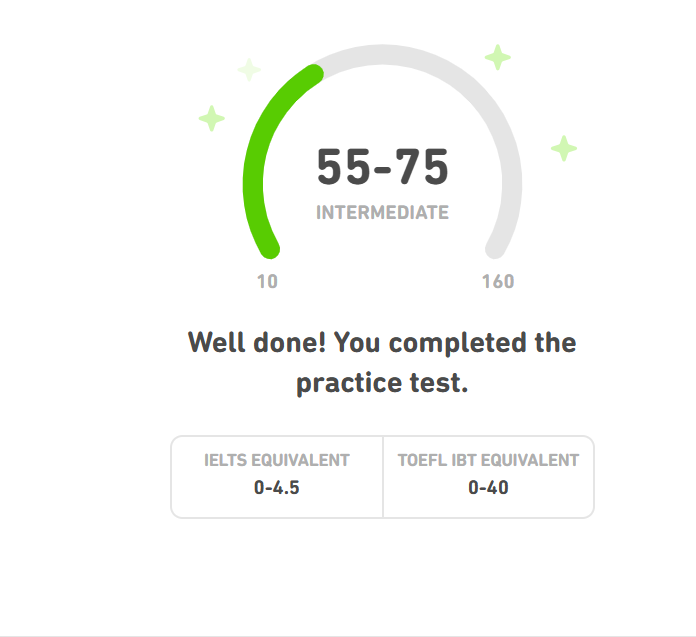
    Duolingo English Test
    Foundation Level

    Today was a very special and valuable learning day for me! I took the Duolingo English Test (DET), and I really enjoyed the whole experience. During the test, I learned many new things and got the chance to practice different English skills.

    I answered many interesting questions and tried my best to give clear, confident, and thoughtful answers. Some questions were challenging, but they helped me think in English and improve my understanding. I also learned new vocabulary, practiced my grammar, and became more confident in speaking and writing English.

    The most exciting part was seeing my progress while answering the questions. I felt happy because I was able to understand the questions better and express my ideas more confidently. This experience showed me that regular practice, confidence, and hard work can make our English skills better every day.

    Today, I did not just take a test—I also gained a new learning experience. I learned from my mistakes, discovered my strengths, and motivated myself to continue improving.

    I am thankful for this experience and excited to keep learning English. My goal is to become more fluent, confident, and successful in the future.

    Learn more. Practice more. Believe in yourself. Keep growing!

    #DuolingoEnglishTest #DET #Duolingo #EnglishLearning #LearnEnglish #EnglishPractice #EnglishSkills #EnglishSpeaking #EnglishWriting #EnglishListening #EnglishReading #EnglishTest #EnglishProficiency #StudentLife #StudyGoals #Education #LearningJourney #SelfImprovement #EnglishVocabulary #EnglishGrammar #SpeakEnglish #PracticeEnglish #Confidence #Motivation #Success #StudyMotivation #NeverStopLearning #KeepLearning #FutureGoals #AcademicSuccess

    Rehan School Islamabad Campus
    Asma Shaheen EducationWali
    Irum Asim
    Saima Happinesswali

    #rsisb Roll No.240 Duolingo English Test Foundation Level Today was a very special and valuable learning day for me! 🎓😊 I took the Duolingo English Test (DET), and I really enjoyed the whole experience. 💻📝 During the test, I learned many new things and got the chance to practice different English skills. 🗣️🎧📖✍️ I answered many interesting questions and tried my best to give clear, confident, and thoughtful answers. 💪🌟 Some questions were challenging, but they helped me think in English and improve my understanding. 🧠📚 I also learned new vocabulary, practiced my grammar, and became more confident in speaking and writing English. 🇬🇧✨ The most exciting part was seeing my progress while answering the questions. 😍✅ I felt happy because I was able to understand the questions better and express my ideas more confidently. 🗣️💯 This experience showed me that regular practice, confidence, and hard work can make our English skills better every day. 🚀📈 Today, I did not just take a test—I also gained a new learning experience. 🌱📖 I learned from my mistakes, discovered my strengths, and motivated myself to continue improving. 💪🔥 I am thankful for this experience and excited to keep learning English. ❤️📚 My goal is to become more fluent, confident, and successful in the future. 🌟🎯 ✨ Learn more. Practice more. Believe in yourself. Keep growing! 🚀💙 #DuolingoEnglishTest #DET #Duolingo #EnglishLearning #LearnEnglish #EnglishPractice #EnglishSkills #EnglishSpeaking #EnglishWriting #EnglishListening #EnglishReading #EnglishTest #EnglishProficiency #StudentLife #StudyGoals #Education #LearningJourney #SelfImprovement #EnglishVocabulary #EnglishGrammar #SpeakEnglish #PracticeEnglish #Confidence #Motivation #Success #StudyMotivation #NeverStopLearning #KeepLearning #FutureGoals #AcademicSuccess 🎓📚🇬🇧✨💪🚀 Rehan School Islamabad Campus Asma Shaheen EducationWali Irum Asim Saima Happinesswali
    0 Σχόλια 0 Μοιράστηκε 2949 Views
  • #rsisb
    Roll no.239
    maya no.16
    Foundation Level


    Have you ever wondered where the word **“Sorry”** comes from and why it is such an important part of human communication?

    The word **sorry** is more than just a simple response after making a mistake. It expresses regret, sympathy, responsibility, and sometimes a sincere desire to repair a relationship. Throughout history, apologies have played an important role in maintaining peace and understanding between people.

    Saying **“I’m sorry”** can be difficult because it requires honesty and courage. A meaningful apology shows that we recognize our mistakes and care about the feelings of others. However, a true apology is not only about saying the word—it is also about understanding what went wrong and trying to do better.

    The journey of the word **“Sorry”** also reminds us how language changes over time. Words develop new meanings as societies and cultures change. Today, “sorry” is used in many different situations: when we make a mistake, express sympathy, politely interrupt someone, or show concern.

    A sincere apology can heal misunderstandings, rebuild trust, and strengthen relationships. Sometimes, one small word can make a big difference.

    **Say sorry when you are wrong. Learn from your mistakes. Grow into a better person.**

    #Sorry #Apology #Language #WordHistory #Communication #Kindness #Respect #Forgiveness #Relationships #LearnAndGrow #EnglishLearning #Vocabulary #SelfImprovement #PositiveChange
    #rsisb Roll no.239 maya no.16 Foundation Level Have you ever wondered where the word **“Sorry”** comes from and why it is such an important part of human communication? 🤔💭 The word **sorry** is more than just a simple response after making a mistake. It expresses regret, sympathy, responsibility, and sometimes a sincere desire to repair a relationship. ❤️🤝 Throughout history, apologies have played an important role in maintaining peace and understanding between people. Saying **“I’m sorry”** can be difficult because it requires honesty and courage. 💪 A meaningful apology shows that we recognize our mistakes and care about the feelings of others. However, a true apology is not only about saying the word—it is also about understanding what went wrong and trying to do better. 🌱✨ The journey of the word **“Sorry”** also reminds us how language changes over time. Words develop new meanings as societies and cultures change. Today, “sorry” is used in many different situations: when we make a mistake, express sympathy, politely interrupt someone, or show concern. 🗣️🌍 A sincere apology can heal misunderstandings, rebuild trust, and strengthen relationships. ❤️‍🩹 Sometimes, one small word can make a big difference. ✨ **Say sorry when you are wrong. Learn from your mistakes. Grow into a better person.** ✨ #Sorry #Apology #Language #WordHistory #Communication #Kindness #Respect #Forgiveness #Relationships #LearnAndGrow #EnglishLearning #Vocabulary #SelfImprovement #PositiveChange 🌍💬❤️
    0 Σχόλια 0 Μοιράστηκε 1511 Views 1
  • #rsisb
    Roll no.239
    maya no.13
    Foundation Level


    “Good Morning” is one of the most common and meaningful greetings used to begin the day. It is a simple expression of **kindness, politeness, and goodwill**. When we say “Good Morning” to someone, we are not only greeting them but also wishing them a pleasant and positive start to their day.

    The tradition of morning greetings has been part of human communication for centuries. People have always used greetings to show respect, acknowledge one another, and build friendly connections. In English, “Good Morning” became a popular way to greet someone during the early hours of the day.

    A simple “Good Morning” can create a warm and welcoming atmosphere. Whether we say it to our family members, friends, teachers, classmates, colleagues, or neighbors, it helps strengthen relationships and encourages positive communication.

    Different cultures and languages have their own unique ways of greeting people in the morning. These greetings may sound different, but they often share the same purpose: **to show respect, kindness, and good wishes**.

    In today's busy world, we should never underestimate the power of a simple greeting. A smile and a kind “Good Morning” can brighten someone's mood and make them feel noticed and respected.

    ### **Start your day with kindness, positivity, and a warm smile. A simple “Good Morning” can make a big difference!**

    #GoodMorning #MorningGreeting #Tradition #Communication #Kindness #Positivity #EnglishLearning #Greetings #GoodVibes #StartYourDayRight #Respect #HumanConnection
    #rsisb Roll no.239 maya no.13 Foundation Level “Good Morning” is one of the most common and meaningful greetings used to begin the day. It is a simple expression of **kindness, politeness, and goodwill**. When we say “Good Morning” to someone, we are not only greeting them but also wishing them a pleasant and positive start to their day. 😊 The tradition of morning greetings has been part of human communication for centuries. People have always used greetings to show respect, acknowledge one another, and build friendly connections. In English, “Good Morning” became a popular way to greet someone during the early hours of the day. 🌞 A simple “Good Morning” can create a warm and welcoming atmosphere. Whether we say it to our family members, friends, teachers, classmates, colleagues, or neighbors, it helps strengthen relationships and encourages positive communication. 🤝💛 Different cultures and languages have their own unique ways of greeting people in the morning. These greetings may sound different, but they often share the same purpose: **to show respect, kindness, and good wishes**. 🌍✨ In today's busy world, we should never underestimate the power of a simple greeting. A smile and a kind “Good Morning” can brighten someone's mood and make them feel noticed and respected. 🌻😊 ### 🌟 **Start your day with kindness, positivity, and a warm smile. A simple “Good Morning” can make a big difference!** ☀️💫 #GoodMorning #MorningGreeting #Tradition #Communication #Kindness #Positivity #EnglishLearning #Greetings #GoodVibes #StartYourDayRight #Respect #HumanConnection 🌅☀️😊
    0 Σχόλια 0 Μοιράστηκε 2858 Views 13
  • #rsisb
    Roll no.247
    Foundation level

    # **“Alright” – How This Simple Affirmation Came to Be **

    The word **“Alright”** may seem like one of the simplest words in everyday conversation, but behind this small expression lies a fascinating story of language, communication, reassurance, and human connection. We often say “alright” without thinking about it—when we agree with someone, accept a situation, reassure a friend, or simply indicate that everything is okay. But how did this ordinary word become such an important part of our daily communication?

    In this 10-minute exploration, **“Alright” – How This Simple Affirmation Came to Be**, we take a closer look at the meaning and development of this familiar expression. The word combines the idea of being “all” or completely in a particular condition with “right,” suggesting that things are satisfactory, acceptable, or in order. Over time, its use became increasingly common in spoken and written English.

    One of the most interesting things about “alright” is its versatility. It can communicate agreement: *“Alright, let’s begin.”* It can offer reassurance: *“Are you alright?”* It can show acceptance: *“Alright, I understand.”* It can even express a decision to move forward: *“Alright, let’s try again.”* In just one word, we can communicate different emotions and intentions depending on our tone and the situation.

    The story of “alright” also shows us that languages are constantly changing. Words and expressions develop as people use them in new ways. Some forms become accepted in informal conversation before becoming more widely recognized in writing. “Alright” is a great example of how everyday speech can influence the evolution of language.

    Another fascinating aspect is the difference between **“all right”** and **“alright.”** Both forms are widely encountered, but their usage and acceptance have been debated by writers, editors, and language experts. “All right” has traditionally been preferred in formal writing, while “alright” is extremely common in informal communication and has become increasingly familiar in modern English. This difference reminds us that language is not always fixed—it grows and changes with society.

    The word also has an important social function. When someone asks, **“Are you alright?”**, they may not simply be asking about a situation. They could be showing concern, kindness, or friendship. A simple word can therefore become a bridge between people.

    “Alright” can also represent optimism and resilience. Sometimes life does not go exactly as planned, yet saying “alright” can mean that we are ready to continue. It can carry the feeling of **acceptance, patience, and hope**. Even when something is difficult, saying “alright, let’s keep going” can help create a positive attitude.

    This topic encourages us to think about how much meaning can exist inside ordinary words. Words that we use every day can have histories that stretch across generations. Studying them helps us understand not only language, but also the people and cultures that shaped it.

    So the next time you hear or say **“Alright,”** take a moment to notice what it means in that particular situation. Is it agreement? Is it reassurance? Is it acceptance? Is it encouragement to move forward? The answer may depend entirely on the context and the speaker’s tone.

    Ultimately, **“Alright”** is more than just a simple affirmation. It is a small example of the incredible flexibility of human language. It demonstrates how words evolve, how meanings change, and how everyday expressions can connect people.

    **Let’s celebrate the fascinating stories hidden inside ordinary words!** Every simple expression has a journey, and sometimes the smallest words can tell us the biggest stories.

    #Alright #LanguageHistory #EnglishLanguage #WordOrigins #Linguistics #LanguageLearning #EnglishWords #WordsMatter #Communication #EverydayLanguage #Affirmation #LanguageEvolution #WordHistory #LearnEnglish #EnglishLearning #Vocabulary #InterestingFacts #LanguageAndCulture #CommunicationSkills #EducationalContent #DidYouKnow #LearningIsFun #HistoryOfLanguage #WordsAndMeaning #ExploreLanguage
    #rsisb Roll no.247 Foundation level # **“Alright” – How This Simple Affirmation Came to Be 🌟** The word **“Alright”** may seem like one of the simplest words in everyday conversation, but behind this small expression lies a fascinating story of language, communication, reassurance, and human connection. 😊💬 We often say “alright” without thinking about it—when we agree with someone, accept a situation, reassure a friend, or simply indicate that everything is okay. But how did this ordinary word become such an important part of our daily communication? 🤔✨ In this 10-minute exploration, **“Alright” – How This Simple Affirmation Came to Be**, we take a closer look at the meaning and development of this familiar expression. 📚🌍 The word combines the idea of being “all” or completely in a particular condition with “right,” suggesting that things are satisfactory, acceptable, or in order. Over time, its use became increasingly common in spoken and written English. One of the most interesting things about “alright” is its versatility. 🌈 It can communicate agreement: *“Alright, let’s begin.”* It can offer reassurance: *“Are you alright?”* It can show acceptance: *“Alright, I understand.”* It can even express a decision to move forward: *“Alright, let’s try again.”* In just one word, we can communicate different emotions and intentions depending on our tone and the situation. 🗣️💡 The story of “alright” also shows us that languages are constantly changing. 🔄📖 Words and expressions develop as people use them in new ways. Some forms become accepted in informal conversation before becoming more widely recognized in writing. “Alright” is a great example of how everyday speech can influence the evolution of language. Another fascinating aspect is the difference between **“all right”** and **“alright.”** ✍️ Both forms are widely encountered, but their usage and acceptance have been debated by writers, editors, and language experts. “All right” has traditionally been preferred in formal writing, while “alright” is extremely common in informal communication and has become increasingly familiar in modern English. This difference reminds us that language is not always fixed—it grows and changes with society. 🌱📚 The word also has an important social function. ❤️ When someone asks, **“Are you alright?”**, they may not simply be asking about a situation. They could be showing concern, kindness, or friendship. A simple word can therefore become a bridge between people. 🤝😊 “Alright” can also represent optimism and resilience. 🌟 Sometimes life does not go exactly as planned, yet saying “alright” can mean that we are ready to continue. It can carry the feeling of **acceptance, patience, and hope**. Even when something is difficult, saying “alright, let’s keep going” can help create a positive attitude. 💪🌅 This topic encourages us to think about how much meaning can exist inside ordinary words. Words that we use every day can have histories that stretch across generations. 🕰️📖 Studying them helps us understand not only language, but also the people and cultures that shaped it. So the next time you hear or say **“Alright,”** take a moment to notice what it means in that particular situation. Is it agreement? 👍 Is it reassurance? 💙 Is it acceptance? 🌿 Is it encouragement to move forward? 🚀 The answer may depend entirely on the context and the speaker’s tone. Ultimately, **“Alright”** is more than just a simple affirmation. It is a small example of the incredible flexibility of human language. 🌍🗣️ It demonstrates how words evolve, how meanings change, and how everyday expressions can connect people. ✨ **Let’s celebrate the fascinating stories hidden inside ordinary words!** Every simple expression has a journey, and sometimes the smallest words can tell us the biggest stories. 📚💫 #Alright #LanguageHistory #EnglishLanguage #WordOrigins #Linguistics #LanguageLearning #EnglishWords #WordsMatter #Communication #EverydayLanguage #Affirmation #LanguageEvolution #WordHistory #LearnEnglish #EnglishLearning #Vocabulary #InterestingFacts #LanguageAndCulture #CommunicationSkills #EducationalContent #DidYouKnow #LearningIsFun #HistoryOfLanguage #WordsAndMeaning #ExploreLanguage 📚🌍✨🗣️💡❤️

    0 Σχόλια 0 Μοιράστηκε 4364 Views 8
  • #rsisb
    Roll no 248
    Foundation level
    Call Annie no 14
    **Take It Easy – The Origins of a Laid-Back Expression**

    Join Annie for a fun and interesting 10-minute conversation about the phrase **“Take It Easy.”** Discover where this relaxed expression comes from, what it really means, and how people use it in everyday English.

    A great topic for learning English, understanding expressions, and enjoying a calm conversation!

    #TakeItEasy #EnglishLearning #LearnEnglish #EnglishConversation #Annie #EnglishExpressions #Vocabulary #SpeakEnglish #LearnWithFun #DailyEnglish #StudentLife #LanguageLearning #StayCalm #KeepLearning
    #rsisb Roll no 248 Foundation level Call Annie no 14 🌿 **Take It Easy – The Origins of a Laid-Back Expression** 😌💬 Join Annie for a fun and interesting 10-minute conversation about the phrase **“Take It Easy.”** 🌍✨ Discover where this relaxed expression comes from, what it really means, and how people use it in everyday English. 🗣️📚 A great topic for learning English, understanding expressions, and enjoying a calm conversation! 😊🌟 #TakeItEasy #EnglishLearning #LearnEnglish #EnglishConversation #Annie #EnglishExpressions #Vocabulary #SpeakEnglish #LearnWithFun #DailyEnglish #StudentLife #LanguageLearning #StayCalm #KeepLearning 📚✨😌
    0 Σχόλια 0 Μοιράστηκε 1542 Views 9
  • #rsisb
    Roll No.221
    Call Annei No.06
    Foundation Level


    “Hurry Up!” – The Tale of a Time-Sensitive Phrase

    Assalamu Alaikum everyone! Welcome back to my channel!

    In today's interesting conversation, I talk with Annie from CallAnnie about one of the most common phrases we use in everyday English — “Hurry Up!”

    Have you ever wondered where this phrase came from? Why do people use it when they are in a rush? And how has its meaning and usage changed over time?

    In this interview, we explore the origin, history, meaning, everyday usage, cultural differences, and modern importance of the phrase “Hurry Up.” We also discuss how our relationship with time has changed and whether constantly rushing is actually good for us.

    Watch the full interview and discover the fascinating story behind this simple but powerful expression!

    Question for you: How often do you say “Hurry Up” in your daily life? Let me know in the comments!

    Like | Comment | Share | Subscribe

    #HurryUp #EnglishLearning #LearnEnglish #EnglishLanguage #CallAnnie #AnnieAI #EnglishConversation #WordOrigins #EnglishExpressions #LanguageLearning #EducationalContent #AIInterview #TimeManagement #Communication #SalmanWazir
    https://www.youtube.com/?utm_source=chatgpt.com
    @followers
    Asma Shaheen EducationWali
    Irum Asim
    Saima Happinesswali
    #rsisb Roll No.221 Call Annei No.06 Foundation Level ⏰💨 “Hurry Up!” – The Tale of a Time-Sensitive Phrase Assalamu Alaikum everyone! 👋 Welcome back to my channel! In today's interesting conversation, I talk with Annie from CallAnnie about one of the most common phrases we use in everyday English — “Hurry Up!” Have you ever wondered where this phrase came from? 🤔 Why do people use it when they are in a rush? And how has its meaning and usage changed over time? In this interview, we explore the origin, history, meaning, everyday usage, cultural differences, and modern importance of the phrase “Hurry Up.” We also discuss how our relationship with time has changed and whether constantly rushing is actually good for us. 🌍⏳ 🎙️ Watch the full interview and discover the fascinating story behind this simple but powerful expression! 💬 Question for you: How often do you say “Hurry Up” in your daily life? Let me know in the comments! 👍 Like | 💬 Comment | 🔄 Share | 🔔 Subscribe #HurryUp #EnglishLearning #LearnEnglish #EnglishLanguage #CallAnnie #AnnieAI #EnglishConversation #WordOrigins #EnglishExpressions #LanguageLearning #EducationalContent #AIInterview #TimeManagement #Communication #SalmanWazir https://www.youtube.com/?utm_source=chatgpt.com @followers Asma Shaheen EducationWali Irum Asim Saima Happinesswali
    0 Σχόλια 0 Μοιράστηκε 2549 Views 8
Αναζήτηση αποτελεσμάτων