• #rsisb
    Roll No 253
    Foundation Level
    Song 08

    **CHEMICAL REACTIONS: THE ENGINE OF LIFE | THE SCIENCE BEHIND EVERY BREATH**

    What if every heartbeat, every breath, every movement, and every thought depends on an invisible world of chemical reactions?

    **“Chemical Reactions: The Engine of Life”** takes you on a fascinating musical journey into the chemistry that keeps living organisms alive. From the smallest cell to the most complex human body, life depends on countless chemical reactions happening every second.

    Inside every cell, molecules are constantly being **broken down, built up, transformed, and exchanged**. These reactions release energy, create essential molecules, repair cellular structures, and maintain the delicate balance required for life.

    **The song explores:**

    How chemical reactions transform matter
    Energy release and energy storage in cells
    Photosynthesis and how plants capture sunlight
    Cellular respiration and the production of usable energy
    Enzymes that accelerate essential biological reactions
    The importance of water and molecular interactions
    How metabolism connects thousands of reactions together
    How chemistry supports the function of organs and cells
    How chemical processes drive growth, repair, and reproduction

    At the heart of the story is **metabolism** — the vast network of chemical reactions that allows organisms to obtain energy and build the molecules they need to survive.

    When you eat food, chemistry transforms its molecules into usable energy. When you breathe, oxygen participates in reactions that help cells produce energy. When a plant grows toward sunlight, chemistry is turning light energy into stored chemical energy.

    Even the smallest changes in molecules can create enormous consequences.

    A reaction can release energy.
    A reaction can store energy.
    A reaction can build something new.
    A reaction can break something down.

    Together, these processes form an extraordinary molecular engine that powers life itself.

    **From atoms to cells, from sunlight to energy, from food to movement — chemistry is everywhere.**

    **Plants use it to grow.**
    **Cells use it to survive.**
    **Brains use it to function.**
    **Muscles use it to move.**
    **Life uses it to continue.**

    **“Chemical Reactions: The Engine of Life”** is more than a song about chemistry. It is a reminder that beneath everything we see, an invisible molecular world is constantly working — transforming matter and energy into the processes we call **life**.

    **Every reaction tells a story.**
    **Every molecule has a purpose.**
    **And together, they create the chemistry of life.**

    #ChemicalReactions #EngineOfLife #Chemistry #Biochemistry #ScienceSong #ChemistryEducation #Biology #CellularRespiration #Photosynthesis #Enzymes #Metabolism #MolecularScience #ScienceEducation #LifeScience #EducationalMusic

    Asma Shaheen EducationWali
    Saima Empowerment Wali
    Mishaal TrainingWali
    #rsisb Roll No 253 Foundation Level Song 08 🧪 **CHEMICAL REACTIONS: THE ENGINE OF LIFE | THE SCIENCE BEHIND EVERY BREATH** 🧬⚡ What if every heartbeat, every breath, every movement, and every thought depends on an invisible world of chemical reactions? 🌌🔬 **“Chemical Reactions: The Engine of Life”** takes you on a fascinating musical journey into the chemistry that keeps living organisms alive. From the smallest cell to the most complex human body, life depends on countless chemical reactions happening every second. 🧪✨ Inside every cell, molecules are constantly being **broken down, built up, transformed, and exchanged**. These reactions release energy, create essential molecules, repair cellular structures, and maintain the delicate balance required for life. ⚡🧬 🎵 **The song explores:** 🧪 How chemical reactions transform matter ⚡ Energy release and energy storage in cells 🍃 Photosynthesis and how plants capture sunlight 🫁 Cellular respiration and the production of usable energy 🧬 Enzymes that accelerate essential biological reactions 💧 The importance of water and molecular interactions 🔬 How metabolism connects thousands of reactions together ❤️ How chemistry supports the function of organs and cells 🌱 How chemical processes drive growth, repair, and reproduction At the heart of the story is **metabolism** — the vast network of chemical reactions that allows organisms to obtain energy and build the molecules they need to survive. 🔥🔬 When you eat food, chemistry transforms its molecules into usable energy. When you breathe, oxygen participates in reactions that help cells produce energy. When a plant grows toward sunlight, chemistry is turning light energy into stored chemical energy. ☀️🌿 Even the smallest changes in molecules can create enormous consequences. A reaction can release energy. A reaction can store energy. A reaction can build something new. A reaction can break something down. Together, these processes form an extraordinary molecular engine that powers life itself. 🧬⚙️✨ 🎬 **From atoms to cells, from sunlight to energy, from food to movement — chemistry is everywhere.** 🌱 **Plants use it to grow.** 🫀 **Cells use it to survive.** 🧠 **Brains use it to function.** 🏃 **Muscles use it to move.** 🌍 **Life uses it to continue.** **“Chemical Reactions: The Engine of Life”** is more than a song about chemistry. It is a reminder that beneath everything we see, an invisible molecular world is constantly working — transforming matter and energy into the processes we call **life**. ❤️🧪 ✨ **Every reaction tells a story.** ⚡ **Every molecule has a purpose.** 🧬 **And together, they create the chemistry of life.** #ChemicalReactions #EngineOfLife #Chemistry #Biochemistry #ScienceSong #ChemistryEducation #Biology #CellularRespiration #Photosynthesis #Enzymes #Metabolism #MolecularScience #ScienceEducation #LifeScience #EducationalMusic 🧪🧬⚡🌱🔬 Asma Shaheen EducationWali Saima Empowerment Wali Mishaal TrainingWali
    0 Comentários 0 Compartilhamentos 1424 Visualizações 5
  • RSIF8
    Roll no:85
    Task no:69
    Task topic:Acids and Bases: The Balance of Nature
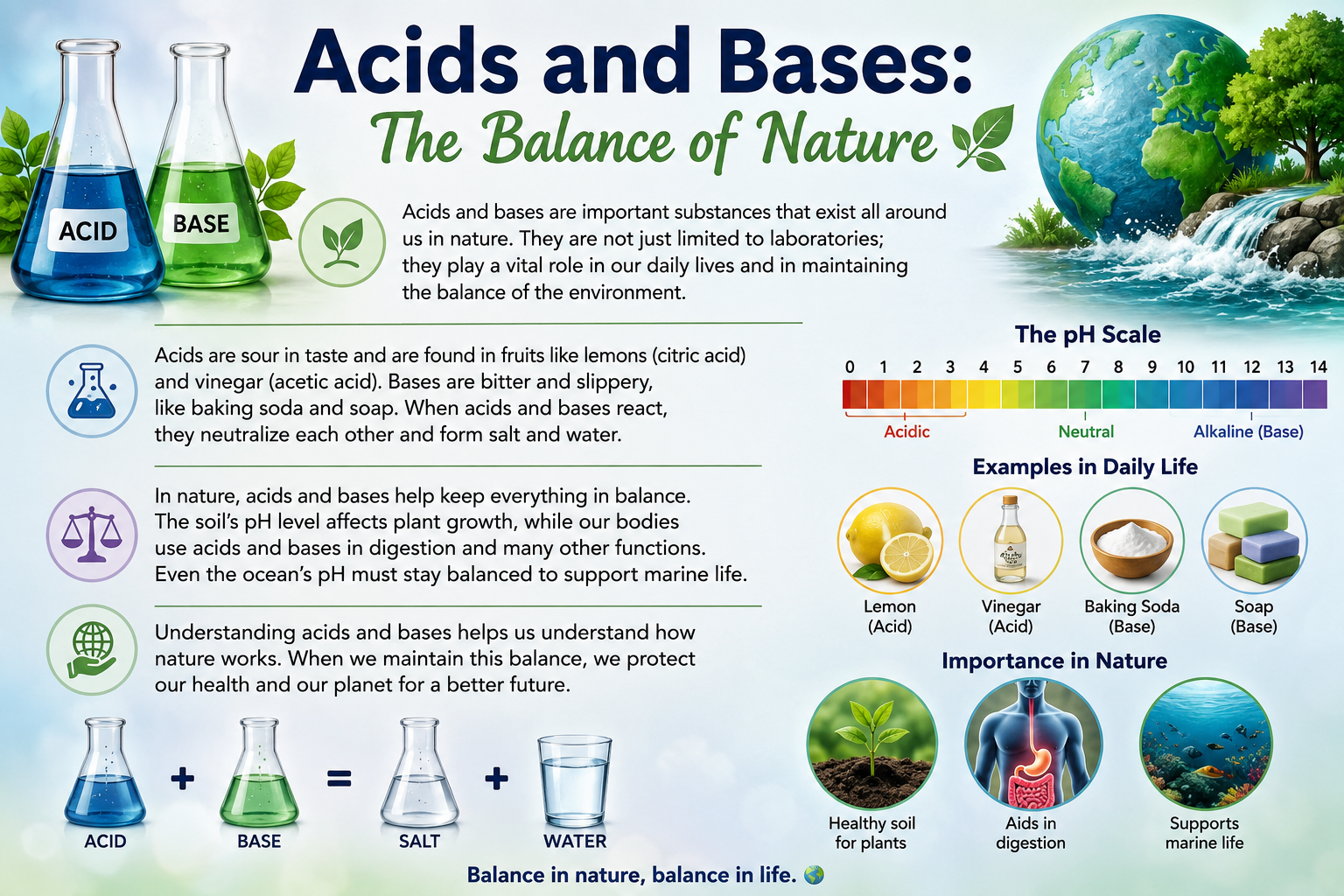
    Have you ever wondered why a lemon tastes sour, why soap feels slippery, or how our stomach digests food? The answer lies in the fascinating world of acids and bases. These substances are found everywhere—in nature, in our homes, and even inside our bodies. Together, they help maintain the delicate balance that supports life on Earth.
    Acids are substances that usually taste sour and have a pH below 7. Common examples include citric acid in lemons, acetic acid in vinegar, and hydrochloric acid in the stomach, which helps digest food. Bases, on the other hand, usually have a pH above 7 and feel slippery. Baking soda, soap, and many cleaning products are everyday examples of bases.
    One of the most amazing things about acids and bases is that they can neutralize each other. When an acid reacts with a base, they produce salt and water. This neutralization process is important in many areas of life, from treating acidic soil for better farming to making medicines that reduce excess stomach acid.
    Nature depends on the balance between acids and bases. Healthy soil has the right pH for plants to grow, rivers and oceans need balanced pH levels to support aquatic life, and our bodies carefully regulate pH so that organs and enzymes can function properly. Even a small change in this balance can affect living organisms.
    Understanding acids and bases helps us appreciate how chemistry works in everyday life. They are not just laboratory chemicals—they are essential to cooking, cleaning, farming, medicine, and the environment. By learning about them, we gain a deeper understanding of the natural world and the scientific principles that keep it in harmony
    RSIF8 Roll no:85 Task no:69 Task topic:Acids and Bases: The Balance of Nature Have you ever wondered why a lemon tastes sour, why soap feels slippery, or how our stomach digests food? The answer lies in the fascinating world of acids and bases. These substances are found everywhere—in nature, in our homes, and even inside our bodies. Together, they help maintain the delicate balance that supports life on Earth. Acids are substances that usually taste sour and have a pH below 7. Common examples include citric acid in lemons, acetic acid in vinegar, and hydrochloric acid in the stomach, which helps digest food. Bases, on the other hand, usually have a pH above 7 and feel slippery. Baking soda, soap, and many cleaning products are everyday examples of bases. One of the most amazing things about acids and bases is that they can neutralize each other. When an acid reacts with a base, they produce salt and water. This neutralization process is important in many areas of life, from treating acidic soil for better farming to making medicines that reduce excess stomach acid. Nature depends on the balance between acids and bases. Healthy soil has the right pH for plants to grow, rivers and oceans need balanced pH levels to support aquatic life, and our bodies carefully regulate pH so that organs and enzymes can function properly. Even a small change in this balance can affect living organisms. Understanding acids and bases helps us appreciate how chemistry works in everyday life. They are not just laboratory chemicals—they are essential to cooking, cleaning, farming, medicine, and the environment. By learning about them, we gain a deeper understanding of the natural world and the scientific principles that keep it in harmony
    0 Comentários 0 Compartilhamentos 930 Visualizações
  • RSIF8
    Roll no: 99
    Story post no: 21
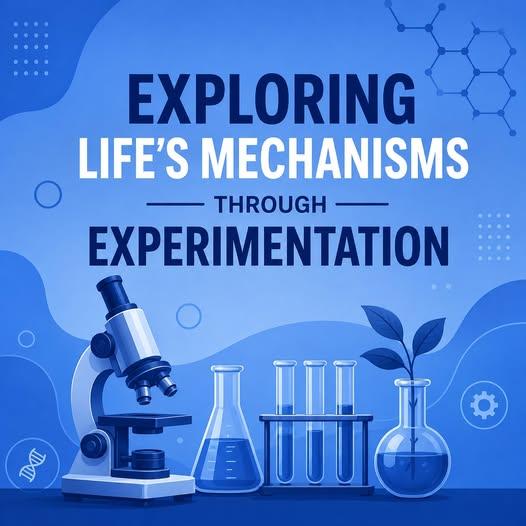
    Story topic: Exploring Life's Mechanisms Through Experimentation
    Experimentation is an essential part of biology that helps us understand how living organisms function. By conducting experiments, scientists can observe biological processes, test ideas, and discover how different systems interact with one another.
    From studying cells and enzymes to observing plant growth and biological reactions, experiments allow us to explore the mechanisms that make life possible. Through careful observation and investigation, we can turn questions into knowledge and gain a deeper appreciation for the complexity of living systems.
    #BiologyExperiments #Biology #LifeScience #Science #Experimentation #BiologyEducation #STEM #LearnBiology #ScienceEducation #Education
    RSIF8 Roll no: 99 Story post no: 21 Story topic: Exploring Life's Mechanisms Through Experimentation Experimentation is an essential part of biology that helps us understand how living organisms function. By conducting experiments, scientists can observe biological processes, test ideas, and discover how different systems interact with one another. From studying cells and enzymes to observing plant growth and biological reactions, experiments allow us to explore the mechanisms that make life possible. Through careful observation and investigation, we can turn questions into knowledge and gain a deeper appreciation for the complexity of living systems. #BiologyExperiments #Biology #LifeScience #Science #Experimentation #BiologyEducation #STEM #LearnBiology #ScienceEducation #Education
    0 Comentários 0 Compartilhamentos 1400 Visualizações
  • #rsisb
    Roll no.239
    Story post no.22
    Foundation Level


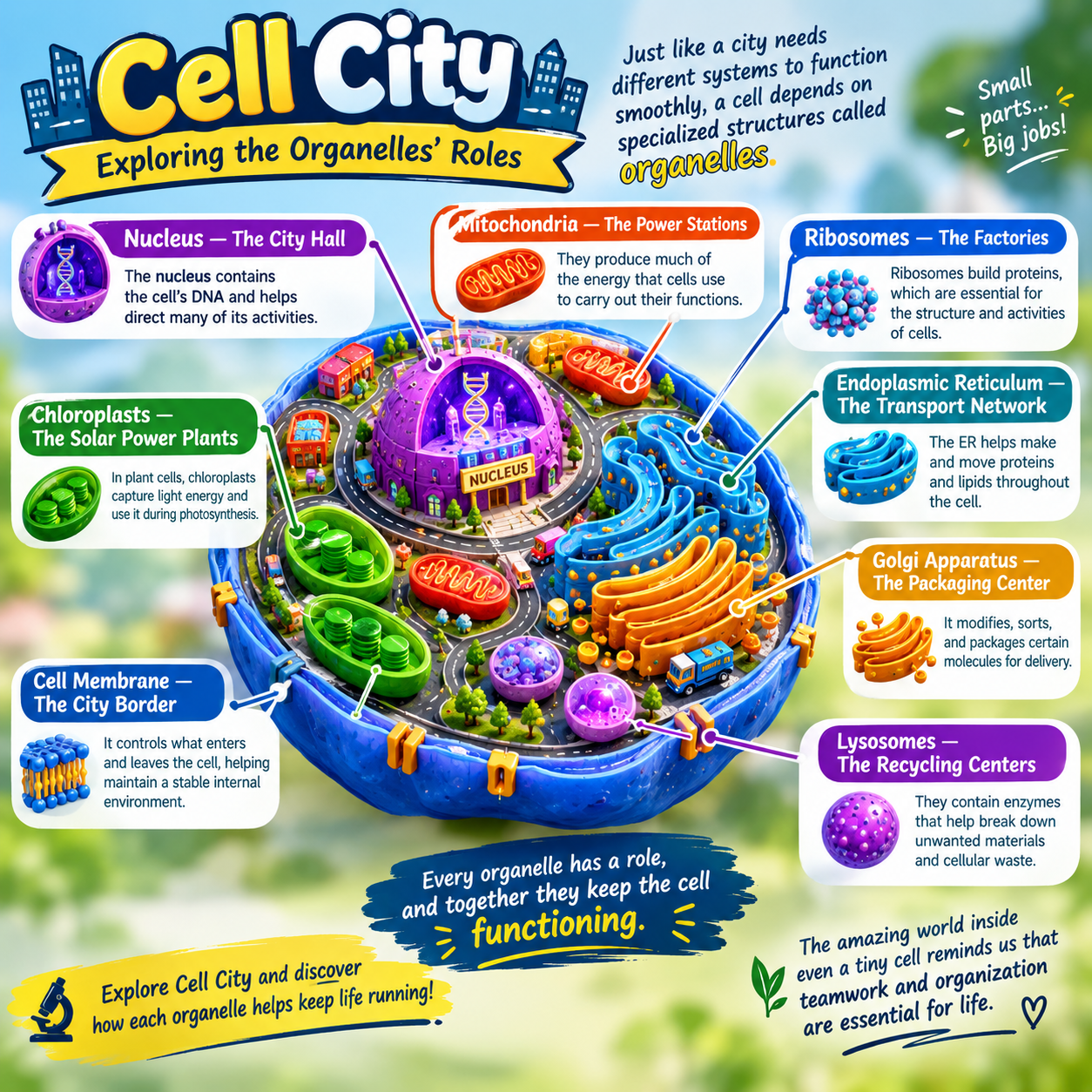
    Imagine a living cell as a busy, well-organized city where every building, worker, and department has an important job. Welcome to **Cell City**!

    Just like a city needs different systems to function smoothly, a cell depends on specialized structures called **organelles**.

    **Nucleus — The City Hall**
    The nucleus contains the cell’s DNA and helps direct many of its activities.

    **Mitochondria — The Power Stations**
    They produce much of the energy that cells use to carry out their functions.

    **Ribosomes — The Factories**
    Ribosomes build proteins, which are essential for the structure and activities of cells.

    **Endoplasmic Reticulum — The Transport Network**
    The ER helps make and move proteins and lipids throughout the cell.

    **Golgi Apparatus — The Packaging Center**
    It modifies, sorts, and packages certain molecules for delivery.

    **Lysosomes — The Recycling Centers**
    They contain enzymes that help break down unwanted materials and cellular waste.

    **Cell Membrane — The City Border**
    It controls what enters and leaves the cell, helping maintain a stable internal environment.

    **Chloroplasts — The Solar Power Plants**
    In plant cells, chloroplasts capture light energy and use it during photosynthesis.

    Every organelle has a role, and together they keep the cell functioning. The amazing world inside even a tiny cell reminds us that **teamwork and organization are essential for life.**

    **Explore Cell City and discover how each organelle helps keep life running!**

    #CellCity #CellBiology #Organelles #Biology #Science #ScienceEducation #BiologyFacts #CellStructure #Mitochondria #Nucleus #Ribosomes #GolgiApparatus #Chloroplasts #Learning #DidYouKnow #education
    #rsisb Roll no.239 Story post no.22 Foundation Level Imagine a living cell as a busy, well-organized city where every building, worker, and department has an important job. Welcome to **Cell City**! 🏙️ Just like a city needs different systems to function smoothly, a cell depends on specialized structures called **organelles**. 🏛️ **Nucleus — The City Hall** The nucleus contains the cell’s DNA and helps direct many of its activities. ⚡ **Mitochondria — The Power Stations** They produce much of the energy that cells use to carry out their functions. 🏭 **Ribosomes — The Factories** Ribosomes build proteins, which are essential for the structure and activities of cells. 🚚 **Endoplasmic Reticulum — The Transport Network** The ER helps make and move proteins and lipids throughout the cell. 📦 **Golgi Apparatus — The Packaging Center** It modifies, sorts, and packages certain molecules for delivery. ♻️ **Lysosomes — The Recycling Centers** They contain enzymes that help break down unwanted materials and cellular waste. 🚪 **Cell Membrane — The City Border** It controls what enters and leaves the cell, helping maintain a stable internal environment. 🌿 **Chloroplasts — The Solar Power Plants** In plant cells, chloroplasts capture light energy and use it during photosynthesis. Every organelle has a role, and together they keep the cell functioning. The amazing world inside even a tiny cell reminds us that **teamwork and organization are essential for life.** 🌱🔬 ✨ **Explore Cell City and discover how each organelle helps keep life running!** #CellCity #CellBiology #Organelles #Biology #Science #ScienceEducation #BiologyFacts #CellStructure #Mitochondria #Nucleus #Ribosomes #GolgiApparatus #Chloroplasts #Learning #DidYouKnow #education
    0 Comentários 0 Compartilhamentos 2687 Visualizações
  • #rsisb
    Roll no.247
    Foundaton level

    # Chemical Reactions: The Engine of Life

    Life is a remarkable journey powered by countless **chemical reactions** happening every second inside living organisms. From the moment we breathe, eat, move, think, and grow, chemistry is constantly at work behind the scenes. Chemical reactions transform substances into new substances, release and store energy, build important molecules, and help our bodies maintain balance.

    One of the most important examples is **cellular respiration**, where cells break down nutrients such as glucose to obtain energy needed for life. Plants also use chemical reactions during **photosynthesis**, converting sunlight, water, and carbon dioxide into glucose and oxygen. These processes demonstrate how beautifully chemistry connects the living world.

    Inside our bodies, enzymes help chemical reactions happen efficiently. Digestion, muscle movement, growth, healing, and many other biological processes depend on carefully controlled chemical reactions. Even the formation of DNA, the molecule that carries genetic information, relies on chemistry.

    Chemical reactions are therefore much more than equations written in a science textbook. They are the **engine of life itself**—connecting atoms and molecules to cells, organisms, ecosystems, and the entire natural world. Understanding these reactions helps us appreciate how complex, organized, and fascinating life truly is.

    Explore the incredible world of chemistry and discover how tiny molecular changes can create the energy, structures, and processes that make life possible!

    #ChemicalReactions #EngineOfLife #Chemistry #Science #Biology #Biochemistry #LifeScience #CellularRespiration #Photosynthesis #Enzymes #DNA #Molecules #Atoms #Energy #ScientificDiscovery #ScienceEducation #LearnChemistry #ExploreScience #STEM #Nature #LifeAndScience
    #rsisb Roll no.247 Foundaton level # Chemical Reactions: The Engine of Life 🧪🌱✨ Life is a remarkable journey powered by countless **chemical reactions** happening every second inside living organisms. 🧬⚡ From the moment we breathe, eat, move, think, and grow, chemistry is constantly at work behind the scenes. Chemical reactions transform substances into new substances, release and store energy, build important molecules, and help our bodies maintain balance. 🌍🔬 One of the most important examples is **cellular respiration**, where cells break down nutrients such as glucose to obtain energy needed for life. 🍎➡️⚡ Plants also use chemical reactions during **photosynthesis**, converting sunlight, water, and carbon dioxide into glucose and oxygen. ☀️🌿💚 These processes demonstrate how beautifully chemistry connects the living world. Inside our bodies, enzymes help chemical reactions happen efficiently. 🧬🔬 Digestion, muscle movement, growth, healing, and many other biological processes depend on carefully controlled chemical reactions. Even the formation of DNA, the molecule that carries genetic information, relies on chemistry. 🧬✨ Chemical reactions are therefore much more than equations written in a science textbook. They are the **engine of life itself**—connecting atoms and molecules to cells, organisms, ecosystems, and the entire natural world. 🌎💫 Understanding these reactions helps us appreciate how complex, organized, and fascinating life truly is. Explore the incredible world of chemistry and discover how tiny molecular changes can create the energy, structures, and processes that make life possible! 🧪🔭🌱💡 #ChemicalReactions #EngineOfLife #Chemistry #Science #Biology #Biochemistry #LifeScience #CellularRespiration #Photosynthesis #Enzymes #DNA #Molecules #Atoms #Energy #ScientificDiscovery #ScienceEducation #LearnChemistry #ExploreScience #STEM #Nature #LifeAndScience 🧪🔬🧬🌿
    0 Comentários 0 Compartilhamentos 5060 Visualizações 4
  • **Papaya Power: Amazing Benefits for Your Body!**

    Packed with the enzyme *papain*, papaya eases digestion.
    A vitamin treasure: Loaded with Vitamin C, A, and potassium.
    Reduces inflammation thanks to enzymes papain & chymopapain.
    Heart-friendly with fiber and essential nutrients.
    Brightens & boosts skin health.
    Your immunitys best friend with its Vitamin C punch.
    Eyes on the prize: Protects against macular degeneration.
    Potential to combat certain cancers.
    A weight loss ally - low in calories, high in satisfaction.
    Strengthen those bones with its Vitamin K content.

    Enjoy papaya as part of a balanced diet and unlock its myriad benefits! #PapayaPower #HealthBenefits #NaturesBounty
    🌟 **Papaya Power: Amazing Benefits for Your Body!** 🌟 ✨ Packed with the enzyme *papain*, papaya eases digestion. ✨ A vitamin treasure: Loaded with Vitamin C, A, and potassium. ✨ Reduces inflammation thanks to enzymes papain & chymopapain. ✨ Heart-friendly with fiber and essential nutrients. ✨ Brightens & boosts skin health. ✨ Your immunity's best friend with its Vitamin C punch. ✨ Eyes on the prize: Protects against macular degeneration. ✨ Potential to combat certain cancers. ✨ A weight loss ally - low in calories, high in satisfaction. ✨ Strengthen those bones with its Vitamin K content. Enjoy papaya as part of a balanced diet and unlock its myriad benefits! 🧡🍈 #PapayaPower #HealthBenefits #Nature'sBounty
    0 Comentários 0 Compartilhamentos 2246 Visualizações
  • The Story of Plastic-Eating Bacteria
    (And How AI Can Help Nature Heal Our Planet)

    Plastic is one of the greatest inventions — and one of our biggest mistakes.
    It made life easy, but it’s now choking our planet.

    Every year, the world produces more than 400 million tons of plastic.
    That’s 50 kilograms for every person alive.
    We make around 480 billion plastic bottles and 500 billion shopping bags every year.
    Most are used only once, sometimes for just a few minutes, and then thrown away.

    Only a small part is ever recycled.
    The rest ends up in rivers, landfills, and oceans.
    Every minute, a full garbage truck of plastic is dumped into the sea —
    that’s 8 million tons of plastic every single year.
    It’s killing fish, turtles, birds, and entering our own food and water as microplastics.

    ⸻

    Nature Fights Back

    In 2016, scientists in Japan found a miracle:
    a tiny bacterium living in a recycling factory that could actually eat plastic bottles.
    They called it Ideonella sakaiensis.

    This little creature makes two special enzymes — PETase and MHETase — that break down plastic into small molecules.
    The bacteria then use these molecules as food and energy.

    A plastic bottle that normally lasts 450 to 1,000 years in nature can start to disappear within a few months to a few years when these bacteria are at work.

    Since then, more bacteria have been found — in soil, seawater, and even inside insects — that can eat plastic bags, cups, and wrappers.
    They work slowly, but they’re doing what humans couldn’t do for decades.

    Nature has begun to heal itself.

    ⸻

    How It Works

    The bacteria release enzymes that act like tiny scissors, cutting the strong bonds inside the plastic.
    Once the chains are broken into small pieces, the bacteria absorb them, use them for energy, and release harmless products like carbon dioxide, water, and natural biomass.

    In warm, moist conditions, bacteria can start breaking a thin plastic bottle within six weeks, while in colder places it might take a few years.
    A shopping bag that would last 1,000 years might begin to weaken within a decade.

    That may sound slow, but it’s still a million times faster than nature alone.

    ⸻

    How AI Can Help

    Artificial Intelligence can speed up everything.
    Here’s how AI can help this global clean-up:
    1. Discovering new bacteria faster:
    AI can scan DNA data from soil, oceans, and waste sites to find new microbes or enzymes that can eat different kinds of plastic. What used to take scientists years can now take days.
    2. Designing stronger enzymes:
    AI can simulate millions of enzyme variations and test which ones could break plastic faster.
    In 2022, researchers used AI to create an enzyme called FAST-PETase, which breaks down plastics in hours instead of months.
    3. Tracking ocean plastic:
    AI satellites and drones can identify where plastic pollution is worst — on beaches, in rivers, and across oceans — helping governments and NGOs clean smarter, not harder.
    4. Creating smart recycling plants:
    AI systems can sort and process plastic waste automatically, reducing contamination and improving recycling rates.
    5. Predicting plastic flow:
    AI models can show where plastic will travel in rivers and seas, allowing early collection before it reaches the ocean.

    AI gives us the superpower to understand nature faster — and to help bacteria work smarter.

    ⸻

    ‍ What We Can Do as Normal Citizens

    You don’t have to be a scientist to be part of the solution.
    Here’s how ordinary people like us can help right now:
    1. Use less plastic.
    Carry your own bottle, bag, and cup. Small choices multiplied by millions change the world.
    2. Recycle properly.
    Wash and separate your plastic waste before throwing it away. Dirty plastic can’t be recycled.
    3. Support innovation.
    Encourage local schools, startups, and governments to invest in AI-based recycling and bio-research.
    4. Educate others.
    Share posts, videos, and stories that raise awareness — like this one.
    Change begins when people start talking about it.
    5. Join cleanup drives.
    Be part of beach and park cleanups. It’s simple, powerful, and inspiring.
    6. Plant hope.
    Support eco-friendly products, businesses, and technologies that protect nature.

    ⸻

    A Message of Hope

    Nature is not helpless.
    In just one human lifetime, it has already evolved tiny bacteria that eat our waste.
    And now, with Artificial Intelligence, we can help those bacteria become our allies — turning mountains of trash into clean, living Earth again.

    The future is not just about humans versus nature — it’s about humans and nature working together, powered by AI.

    If we all play our part — one bottle, one bag, one click at a time — the world will change faster than we think.

    Let’s join forces:
    Nature + Science + AI + People = A cleaner, safer planet.

    — Rehan Allahwala
    #RehanAllahwala #RehanSchool #AIForGood #PlasticFreePakistan #ClimateAction #Innovation #Hope
    🌍 The Story of Plastic-Eating Bacteria (And How AI Can Help Nature Heal Our Planet) Plastic is one of the greatest inventions — and one of our biggest mistakes. It made life easy, but it’s now choking our planet. Every year, the world produces more than 400 million tons of plastic. That’s 50 kilograms for every person alive. We make around 480 billion plastic bottles and 500 billion shopping bags every year. Most are used only once, sometimes for just a few minutes, and then thrown away. Only a small part is ever recycled. The rest ends up in rivers, landfills, and oceans. Every minute, a full garbage truck of plastic is dumped into the sea — that’s 8 million tons of plastic every single year. It’s killing fish, turtles, birds, and entering our own food and water as microplastics. ⸻ 🧫 Nature Fights Back In 2016, scientists in Japan found a miracle: a tiny bacterium living in a recycling factory that could actually eat plastic bottles. They called it Ideonella sakaiensis. This little creature makes two special enzymes — PETase and MHETase — that break down plastic into small molecules. The bacteria then use these molecules as food and energy. A plastic bottle that normally lasts 450 to 1,000 years in nature can start to disappear within a few months to a few years when these bacteria are at work. Since then, more bacteria have been found — in soil, seawater, and even inside insects — that can eat plastic bags, cups, and wrappers. They work slowly, but they’re doing what humans couldn’t do for decades. Nature has begun to heal itself. ⸻ ⚙️ How It Works The bacteria release enzymes that act like tiny scissors, cutting the strong bonds inside the plastic. Once the chains are broken into small pieces, the bacteria absorb them, use them for energy, and release harmless products like carbon dioxide, water, and natural biomass. In warm, moist conditions, bacteria can start breaking a thin plastic bottle within six weeks, while in colder places it might take a few years. A shopping bag that would last 1,000 years might begin to weaken within a decade. That may sound slow, but it’s still a million times faster than nature alone. ⸻ 💡 How AI Can Help Artificial Intelligence can speed up everything. Here’s how AI can help this global clean-up: 1. Discovering new bacteria faster: AI can scan DNA data from soil, oceans, and waste sites to find new microbes or enzymes that can eat different kinds of plastic. What used to take scientists years can now take days. 2. Designing stronger enzymes: AI can simulate millions of enzyme variations and test which ones could break plastic faster. In 2022, researchers used AI to create an enzyme called FAST-PETase, which breaks down plastics in hours instead of months. 3. Tracking ocean plastic: AI satellites and drones can identify where plastic pollution is worst — on beaches, in rivers, and across oceans — helping governments and NGOs clean smarter, not harder. 4. Creating smart recycling plants: AI systems can sort and process plastic waste automatically, reducing contamination and improving recycling rates. 5. Predicting plastic flow: AI models can show where plastic will travel in rivers and seas, allowing early collection before it reaches the ocean. AI gives us the superpower to understand nature faster — and to help bacteria work smarter. ⸻ 🧍‍♀️ What We Can Do as Normal Citizens You don’t have to be a scientist to be part of the solution. Here’s how ordinary people like us can help right now: 1. Use less plastic. Carry your own bottle, bag, and cup. Small choices multiplied by millions change the world. 2. Recycle properly. Wash and separate your plastic waste before throwing it away. Dirty plastic can’t be recycled. 3. Support innovation. Encourage local schools, startups, and governments to invest in AI-based recycling and bio-research. 4. Educate others. Share posts, videos, and stories that raise awareness — like this one. Change begins when people start talking about it. 5. Join cleanup drives. Be part of beach and park cleanups. It’s simple, powerful, and inspiring. 6. Plant hope. Support eco-friendly products, businesses, and technologies that protect nature. ⸻ 🌿 A Message of Hope Nature is not helpless. In just one human lifetime, it has already evolved tiny bacteria that eat our waste. And now, with Artificial Intelligence, we can help those bacteria become our allies — turning mountains of trash into clean, living Earth again. The future is not just about humans versus nature — it’s about humans and nature working together, powered by AI. If we all play our part — one bottle, one bag, one click at a time — the world will change faster than we think. 💚 Let’s join forces: Nature + Science + AI + People = A cleaner, safer planet. — Rehan Allahwala #RehanAllahwala #RehanSchool #AIForGood #PlasticFreePakistan #ClimateAction #Innovation #Hope
    0 Comentários 0 Compartilhamentos 3414 Visualizações
  • The Story of Plastic-Eating Mushrooms

    Plastic pollution has become one of the most serious environmental challenges of our time. Every year, more than 400 million tons of plastic are produced, and only about 9% of it ever gets recycled. The rest ends up in landfills, rivers, and oceans, where it remains for hundreds of years, harming animals, entering our food chain, and choking our planet.

    But nature, as always, has a secret weapon — fungi. In the last decade, scientists have discovered that some species of mushrooms have the extraordinary ability to “eat” plastic, turning it into harmless materials. These organisms may hold one of the keys to cleaning up our plastic-filled world.

    ⸻

    What Are Plastic-Eating Mushrooms?

    Plastic-eating mushrooms are not a single species but a group of fungi capable of breaking down synthetic polymers — the long chemical chains that make up plastics. Instead of relying on sunlight or heat, these fungi use enzymes, powerful biological molecules, to digest plastic just as they would digest wood or dead leaves.

    The first major discovery came in 2011 when students from Yale University explored the Amazon rainforest and found a species called Pestalotiopsis microspora. This fungus could survive by feeding on polyurethane, a common type of plastic used in foams, shoes, and furniture — even in places without oxygen, such as deep landfills. This was revolutionary because it meant that fungi could potentially degrade plastic where most other life forms could not survive.

    A few years later, another breakthrough came from Pakistan. Scientists studying a waste dump near Islamabad discovered Aspergillus tubingensis, a fungus that could break down polyurethane in just a few weeks. This discovery gained international attention because it showed that plastic-eating fungi exist even in polluted urban environments, not only in exotic rainforests.

    Since then, researchers around the world — from China to Hawaii — have identified more than 200 species of fungi capable of degrading various plastics, including polyethylene (used in shopping bags), polystyrene (used in packaging), and PET (used in bottles).

    ⸻

    How Do They Eat Plastic?

    The process through which mushrooms “eat” plastic is both simple and amazing.

    When a piece of plastic comes in contact with fungal spores, the spores germinate and form a thin network called mycelium — a web of thread-like roots that cover the plastic’s surface. Once attached, the fungus secretes special enzymes that start attacking the strong chemical bonds inside the plastic.

    These enzymes act like molecular scissors, cutting the long plastic molecules into smaller pieces called monomers. The fungus then absorbs these small molecules as food, using them as a source of carbon and energy. Over time, the plastic begins to lose its shape, crack, and disappear. What remains is mostly water, carbon dioxide, and fungal biomass — all naturally occurring and harmless.

    Some fungi even do this in anaerobic conditions, where there is no oxygen. This is important because most landfill environments are oxygen-poor. That means fungi could, in theory, help reduce the billions of tons of plastic buried underground.

    ⸻

    Where Are They Found?

    Plastic-degrading fungi have been found in some of the most unexpected places.
    • Tropical rainforests like the Amazon, where humidity and biodiversity create perfect conditions for unique microbes to evolve.
    • Urban dumps and landfills, where human waste gives fungi new materials to adapt to.
    • Oceans and coastal areas, where marine fungi cling to floating plastic debris and slowly begin digesting it.

    In 2023, a team from the University of Hawaii discovered that over 60% of marine fungi isolated from ocean plastic waste could degrade plastic to some extent. This shows that nature is already evolving to respond to our pollution problem — we just need to understand and support it.

    ⸻

    What Are the Challenges?

    Although the idea of mushrooms eating plastic sounds like a miracle, it is not yet a large-scale solution. Scientists face several challenges.

    First, speed. Fungi work slowly. In laboratory experiments, small pieces of plastic may take weeks or months to break down, while the world produces millions of tons of plastic every month.

    Second, plastic variety. Not all plastics are the same. Some, like polyurethane, are easier to digest; others, like polyethylene, are extremely resistant. We still don’t have fungi that can handle every type.

    Third, environmental conditions. Fungi need the right temperature, humidity, and nutrients to survive. In dry or cold environments, they may not function effectively.

    Fourth, safety and by-products. When plastic is broken down, tiny microplastics or chemical residues might still remain. Scientists must ensure that these by-products do not cause new environmental or health problems.

    Lastly, scalability. What works in a small petri dish is not easy to repeat in a landfill or ocean. To make this technology useful, we need bioreactors — machines where fungi can grow under controlled conditions and process large quantities of waste.

    ⸻

    Why It Matters

    Even with its challenges, the discovery of plastic-eating mushrooms is a symbol of hope. It reminds us that nature is not our enemy but our greatest teacher. Fungi have been decomposing dead trees, leaves, and animals for millions of years. Now, they are adapting to a new material that humans have introduced: plastic.

    For countries like Pakistan, where waste management systems are weak, this presents a massive opportunity for innovation. Imagine young students or entrepreneurs developing small-scale units that use fungi to turn plastic waste into compost or clean soil. This could become a new form of green entrepreneurship, creating jobs while protecting the environment.

    Schools, like Rehan School, could include this topic in science and leadership curriculums — encouraging students to see waste not as a problem but as a business opportunity. Students could collect plastic waste, experiment with local fungi, measure results, and even develop small startup ideas based on bioremediation.

    ⸻

    The Future of Fungal Biodegradation

    Scientists are now exploring how to make fungi work faster using genetic engineering and biotechnology. By studying the enzymes that break down plastic, researchers hope to produce synthetic versions that are much more efficient.

    Some labs are also combining fungi with bacteria to create microbial teams — ecosystems that can digest different plastics together. Others are designing bioreactors that feed on plastic waste and produce valuable by-products like organic fertilizer or even edible mycelium (mushroom protein).

    In the long term, this technology could be integrated with recycling systems. For example, factories might send certain types of waste to “fungal recycling plants,” where mushrooms turn plastic into harmless matter instead of burning or burying it.

    ⸻

    Lessons from Nature

    The discovery of plastic-eating mushrooms teaches a deep lesson about life on Earth. Whenever humans create a problem, nature begins working on a solution. These fungi are proof that evolution never sleeps. They are small, silent recyclers, turning pollution into potential.

    It also challenges us to rethink how we live. Instead of fighting nature with chemicals and machines, we can partner with it — using living systems to heal what we have damaged.

    ⸻

    Conclusion

    Plastic-eating mushrooms are still in the early stages of research, but they represent one of the most exciting frontiers in environmental science. They show that solutions to global problems may come not from high technology, but from the humble soil beneath our feet.

    If supported by researchers, entrepreneurs, and educators, these fungi could one day help humanity close the loop on plastic waste. For visionary institutions like Rehan School, this is more than a science topic — it is an opportunity to inspire the next generation of green innovators who can turn today’s waste into tomorrow’s wealth.

    Nature has already shown us the way. Now it’s our turn to follow.
    🌱 The Story of Plastic-Eating Mushrooms Plastic pollution has become one of the most serious environmental challenges of our time. Every year, more than 400 million tons of plastic are produced, and only about 9% of it ever gets recycled. The rest ends up in landfills, rivers, and oceans, where it remains for hundreds of years, harming animals, entering our food chain, and choking our planet. But nature, as always, has a secret weapon — fungi. In the last decade, scientists have discovered that some species of mushrooms have the extraordinary ability to “eat” plastic, turning it into harmless materials. These organisms may hold one of the keys to cleaning up our plastic-filled world. ⸻ 🍄 What Are Plastic-Eating Mushrooms? Plastic-eating mushrooms are not a single species but a group of fungi capable of breaking down synthetic polymers — the long chemical chains that make up plastics. Instead of relying on sunlight or heat, these fungi use enzymes, powerful biological molecules, to digest plastic just as they would digest wood or dead leaves. The first major discovery came in 2011 when students from Yale University explored the Amazon rainforest and found a species called Pestalotiopsis microspora. This fungus could survive by feeding on polyurethane, a common type of plastic used in foams, shoes, and furniture — even in places without oxygen, such as deep landfills. This was revolutionary because it meant that fungi could potentially degrade plastic where most other life forms could not survive. A few years later, another breakthrough came from Pakistan. Scientists studying a waste dump near Islamabad discovered Aspergillus tubingensis, a fungus that could break down polyurethane in just a few weeks. This discovery gained international attention because it showed that plastic-eating fungi exist even in polluted urban environments, not only in exotic rainforests. Since then, researchers around the world — from China to Hawaii — have identified more than 200 species of fungi capable of degrading various plastics, including polyethylene (used in shopping bags), polystyrene (used in packaging), and PET (used in bottles). ⸻ 🔬 How Do They Eat Plastic? The process through which mushrooms “eat” plastic is both simple and amazing. When a piece of plastic comes in contact with fungal spores, the spores germinate and form a thin network called mycelium — a web of thread-like roots that cover the plastic’s surface. Once attached, the fungus secretes special enzymes that start attacking the strong chemical bonds inside the plastic. These enzymes act like molecular scissors, cutting the long plastic molecules into smaller pieces called monomers. The fungus then absorbs these small molecules as food, using them as a source of carbon and energy. Over time, the plastic begins to lose its shape, crack, and disappear. What remains is mostly water, carbon dioxide, and fungal biomass — all naturally occurring and harmless. Some fungi even do this in anaerobic conditions, where there is no oxygen. This is important because most landfill environments are oxygen-poor. That means fungi could, in theory, help reduce the billions of tons of plastic buried underground. ⸻ 🌍 Where Are They Found? Plastic-degrading fungi have been found in some of the most unexpected places. • Tropical rainforests like the Amazon, where humidity and biodiversity create perfect conditions for unique microbes to evolve. • Urban dumps and landfills, where human waste gives fungi new materials to adapt to. • Oceans and coastal areas, where marine fungi cling to floating plastic debris and slowly begin digesting it. In 2023, a team from the University of Hawaii discovered that over 60% of marine fungi isolated from ocean plastic waste could degrade plastic to some extent. This shows that nature is already evolving to respond to our pollution problem — we just need to understand and support it. ⸻ ⚙️ What Are the Challenges? Although the idea of mushrooms eating plastic sounds like a miracle, it is not yet a large-scale solution. Scientists face several challenges. First, speed. Fungi work slowly. In laboratory experiments, small pieces of plastic may take weeks or months to break down, while the world produces millions of tons of plastic every month. Second, plastic variety. Not all plastics are the same. Some, like polyurethane, are easier to digest; others, like polyethylene, are extremely resistant. We still don’t have fungi that can handle every type. Third, environmental conditions. Fungi need the right temperature, humidity, and nutrients to survive. In dry or cold environments, they may not function effectively. Fourth, safety and by-products. When plastic is broken down, tiny microplastics or chemical residues might still remain. Scientists must ensure that these by-products do not cause new environmental or health problems. Lastly, scalability. What works in a small petri dish is not easy to repeat in a landfill or ocean. To make this technology useful, we need bioreactors — machines where fungi can grow under controlled conditions and process large quantities of waste. ⸻ 🌿 Why It Matters Even with its challenges, the discovery of plastic-eating mushrooms is a symbol of hope. It reminds us that nature is not our enemy but our greatest teacher. Fungi have been decomposing dead trees, leaves, and animals for millions of years. Now, they are adapting to a new material that humans have introduced: plastic. For countries like Pakistan, where waste management systems are weak, this presents a massive opportunity for innovation. Imagine young students or entrepreneurs developing small-scale units that use fungi to turn plastic waste into compost or clean soil. This could become a new form of green entrepreneurship, creating jobs while protecting the environment. Schools, like Rehan School, could include this topic in science and leadership curriculums — encouraging students to see waste not as a problem but as a business opportunity. Students could collect plastic waste, experiment with local fungi, measure results, and even develop small startup ideas based on bioremediation. ⸻ 🚀 The Future of Fungal Biodegradation Scientists are now exploring how to make fungi work faster using genetic engineering and biotechnology. By studying the enzymes that break down plastic, researchers hope to produce synthetic versions that are much more efficient. Some labs are also combining fungi with bacteria to create microbial teams — ecosystems that can digest different plastics together. Others are designing bioreactors that feed on plastic waste and produce valuable by-products like organic fertilizer or even edible mycelium (mushroom protein). In the long term, this technology could be integrated with recycling systems. For example, factories might send certain types of waste to “fungal recycling plants,” where mushrooms turn plastic into harmless matter instead of burning or burying it. ⸻ 💡 Lessons from Nature The discovery of plastic-eating mushrooms teaches a deep lesson about life on Earth. Whenever humans create a problem, nature begins working on a solution. These fungi are proof that evolution never sleeps. They are small, silent recyclers, turning pollution into potential. It also challenges us to rethink how we live. Instead of fighting nature with chemicals and machines, we can partner with it — using living systems to heal what we have damaged. ⸻ 🧭 Conclusion Plastic-eating mushrooms are still in the early stages of research, but they represent one of the most exciting frontiers in environmental science. They show that solutions to global problems may come not from high technology, but from the humble soil beneath our feet. If supported by researchers, entrepreneurs, and educators, these fungi could one day help humanity close the loop on plastic waste. For visionary institutions like Rehan School, this is more than a science topic — it is an opportunity to inspire the next generation of green innovators who can turn today’s waste into tomorrow’s wealth. Nature has already shown us the way. Now it’s our turn to follow.
    0 Comentários 0 Compartilhamentos 3554 Visualizações
  • Vinegar: Turning Pakistan’s Fruits & Vegetables into Health, Value, and Business

    Vinegar is not just sour water; it is fermented intelligence of food. Pakistan is blessed with fruits and vegetables that can be converted into high-value vinegars with health, culinary, and export potential. Below is a simple guide to common Pakistani fruit and vegetable vinegars and their key benefits, explained briefly and clearly.

    ⸻

    Apple Vinegar (Seb, Swat & Balochistan)

    Supports digestion, controls blood sugar, and helps weight management.
    Most popular daily-use vinegar worldwide and easy to market.

    ⸻

    Pomegranate Vinegar (Anar, Kandahar & Sindh)

    Rich in antioxidants; supports liver health and blood circulation.
    Considered premium and medicinal, ideal for wellness brands.

    ⸻

    Date Vinegar (Khajoor, Sindh & Balochistan)

    Helps gut health and provides minerals like potassium and magnesium.
    Excellent use of surplus or low-grade dates.

    ⸻

    Banana Vinegar (Sindh & Punjab)

    Gentle on the stomach; supports blood pressure and muscle function.
    Good for people who cannot tolerate strong acidity.

    ⸻

    Grape Vinegar (Angoor, Balochistan)

    Improves digestion and heart health; traditional in many cultures.
    Strong export and restaurant demand.

    ⸻

    Sugarcane Vinegar (Ganna, Punjab)

    Boosts metabolism and aids digestion when used correctly.
    Low-cost raw material with high scalability.

    ⸻

    Mango Vinegar (Aam, Sindh & Punjab)

    Contains natural enzymes; helps digestion and appetite control.
    Unique flavor—excellent for gourmet and fusion markets.

    ⸻

    Lemon Vinegar (Lemo, Punjab)

    Supports detox pathways and improves iron absorption.
    High household usage and easy consumer education.

    ⸻

    Onion Vinegar (Piyaaz, Nationwide)

    Supports immunity and gut bacteria due to sulfur compounds.
    Strong medicinal niche, especially in traditional remedies.

    ⸻

    Garlic Vinegar (Lehsan)

    Known for antibacterial properties and heart health support.
    Small quantity, high potency product.

    ⸻

    Chili Vinegar (Mirch)

    Stimulates digestion and metabolism in small amounts.
    Popular in street food and restaurant supply chains.

    ⸻

    Why Vinegar Is a Smart Business

    Vinegar:
    • Extends shelf life from days to years
    • Converts waste into value
    • Requires low technology
    • Has food, health, and cosmetic uses
    • Is export-friendly and brandable

    Pakistan doesn’t just need more crops — it needs better processing.

    ⸻

    Final Thought

    In the future, smart food businesses will not sell fruit alone —
    they will sell what fruit becomes.

    Vinegar is one of the simplest, oldest, and most powerful examples.
    Vinegar: Turning Pakistan’s Fruits & Vegetables into Health, Value, and Business Vinegar is not just sour water; it is fermented intelligence of food. Pakistan is blessed with fruits and vegetables that can be converted into high-value vinegars with health, culinary, and export potential. Below is a simple guide to common Pakistani fruit and vegetable vinegars and their key benefits, explained briefly and clearly. ⸻ Apple Vinegar (Seb, Swat & Balochistan) Supports digestion, controls blood sugar, and helps weight management. Most popular daily-use vinegar worldwide and easy to market. ⸻ Pomegranate Vinegar (Anar, Kandahar & Sindh) Rich in antioxidants; supports liver health and blood circulation. Considered premium and medicinal, ideal for wellness brands. ⸻ Date Vinegar (Khajoor, Sindh & Balochistan) Helps gut health and provides minerals like potassium and magnesium. Excellent use of surplus or low-grade dates. ⸻ Banana Vinegar (Sindh & Punjab) Gentle on the stomach; supports blood pressure and muscle function. Good for people who cannot tolerate strong acidity. ⸻ Grape Vinegar (Angoor, Balochistan) Improves digestion and heart health; traditional in many cultures. Strong export and restaurant demand. ⸻ Sugarcane Vinegar (Ganna, Punjab) Boosts metabolism and aids digestion when used correctly. Low-cost raw material with high scalability. ⸻ Mango Vinegar (Aam, Sindh & Punjab) Contains natural enzymes; helps digestion and appetite control. Unique flavor—excellent for gourmet and fusion markets. ⸻ Lemon Vinegar (Lemo, Punjab) Supports detox pathways and improves iron absorption. High household usage and easy consumer education. ⸻ Onion Vinegar (Piyaaz, Nationwide) Supports immunity and gut bacteria due to sulfur compounds. Strong medicinal niche, especially in traditional remedies. ⸻ Garlic Vinegar (Lehsan) Known for antibacterial properties and heart health support. Small quantity, high potency product. ⸻ Chili Vinegar (Mirch) Stimulates digestion and metabolism in small amounts. Popular in street food and restaurant supply chains. ⸻ Why Vinegar Is a Smart Business Vinegar: • Extends shelf life from days to years • Converts waste into value • Requires low technology • Has food, health, and cosmetic uses • Is export-friendly and brandable Pakistan doesn’t just need more crops — it needs better processing. ⸻ Final Thought In the future, smart food businesses will not sell fruit alone — they will sell what fruit becomes. Vinegar is one of the simplest, oldest, and most powerful examples.
    0 Comentários 0 Compartilhamentos 1895 Visualizações
  • سویر کراوٹ کے فوائد۔

    سویرکراٹ ایک قسم کی خمیر شدہ گوبھی ہے جس میں صحت کے بڑے فوائد ہیں۔

    سویر کراوٹ بہت غذائیت بخش ، فائبر سے بھرپور ، پروبائیوٹکس ، وٹامنز ، منرلز اور انزائمز کا ذریعہ ہے۔
    ابال ایسے حالات پیدا کرتا ہے جو فائدہ مند پروبائیوٹکس کی نشوونما کو فروغ دیتے ہیں جو کھانے کو زیادہ ہضم بناتے ہیں ، وٹامنز اور معدنیات کو جذب کرنے کی گٹ کی صلاحیت کو بڑھاتے ہیں ، بلڈ پریشر کو بہتر بناتے ہیں اور دل کی بیماری کو کم کرتے ہیں۔

    your آپ کے نظام ہضم کو بہتر بناتا ہے
    اپنے مدافعتی نظام کو فروغ دیں
    وزن کم کرنے میں مدد کریں۔
    stress تناؤ کو کم کرنے اور دماغی صحت کو برقرار رکھنے میں مدد کریں۔
    certain بعض کینسر کے خطرے کو کم کریں۔
    دل کی صحت کو فروغ دیں۔
    bones مضبوط ہڈیوں میں حصہ ڈالیں۔

    Benefits of Sauerkraut

    Sauerkraut is a type of fermented cabbage with major health benefits.

    Sauerkraut is very nutritious, rich of fiber, source of probiotics, vitamins, minerals and enzymes.
    Fermentation creates conditions promoting the growth of beneficial probiotics which make food more digestable, increases gut´s ability to absorb the vitamins and minerals, improves blood pressure and lower heart desease.

    • Improves your digestion system
    • Boost your immune system
    • Help lose weight
    • Help reduce stress and maintain brain health
    • Reduce the risk of certain cancers
    • Promote heart health
    • Contribute to stronger bones

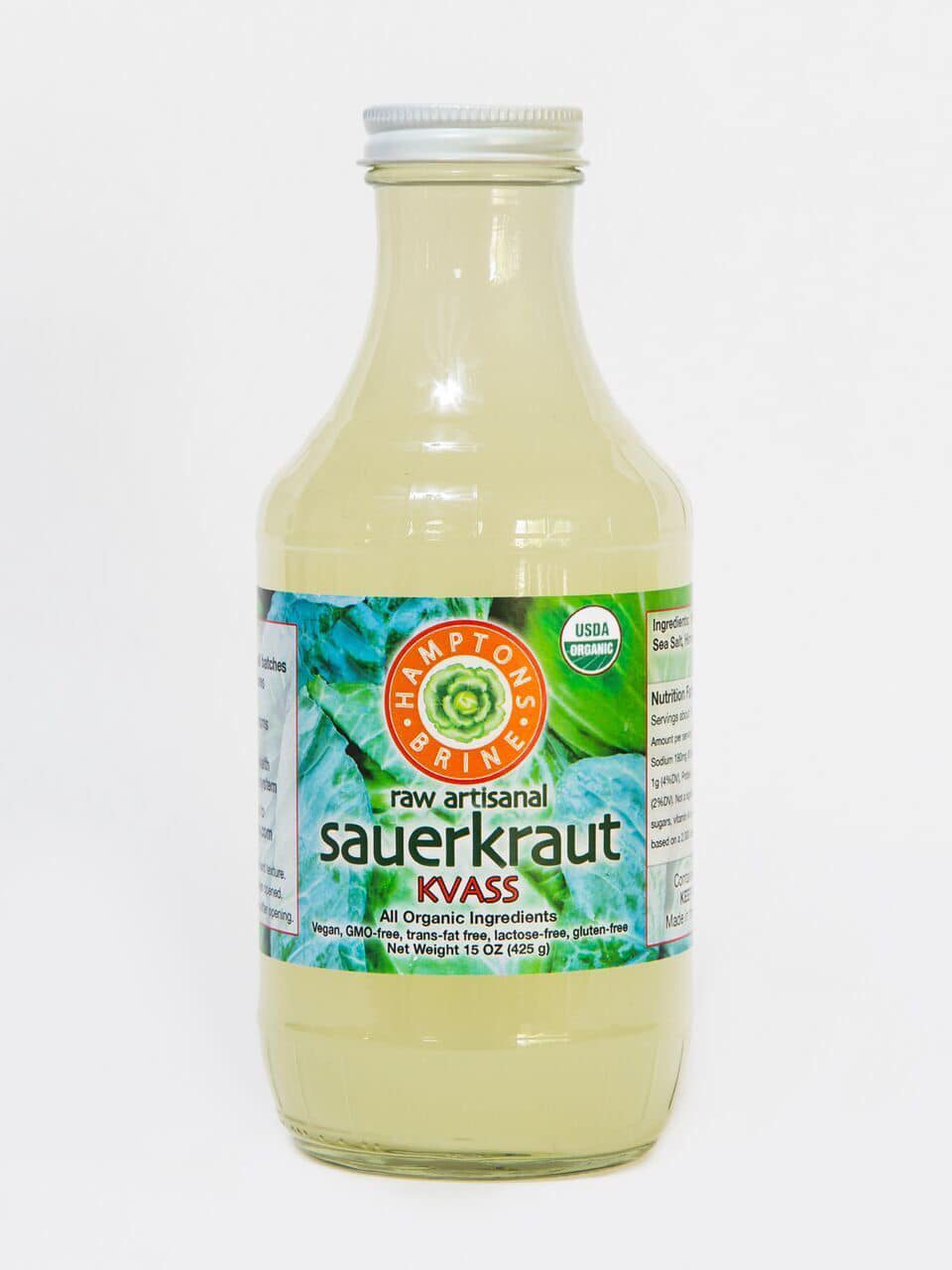
    Sauerkraut Kvass: raw organic kraut juice, slowly fermented, probiotic-rich, unpasteurized, dairy- and gluten-free https://www.amazon.com/dp/B01EMAKVOI/ref=cm_sw_r_oth_api_glt_fabc_CWXQGTXV293C8FGDFV30
    سویر کراوٹ کے فوائد۔ سویرکراٹ ایک قسم کی خمیر شدہ گوبھی ہے جس میں صحت کے بڑے فوائد ہیں۔ سویر کراوٹ بہت غذائیت بخش ، فائبر سے بھرپور ، پروبائیوٹکس ، وٹامنز ، منرلز اور انزائمز کا ذریعہ ہے۔ ابال ایسے حالات پیدا کرتا ہے جو فائدہ مند پروبائیوٹکس کی نشوونما کو فروغ دیتے ہیں جو کھانے کو زیادہ ہضم بناتے ہیں ، وٹامنز اور معدنیات کو جذب کرنے کی گٹ کی صلاحیت کو بڑھاتے ہیں ، بلڈ پریشر کو بہتر بناتے ہیں اور دل کی بیماری کو کم کرتے ہیں۔ your آپ کے نظام ہضم کو بہتر بناتا ہے اپنے مدافعتی نظام کو فروغ دیں وزن کم کرنے میں مدد کریں۔ stress تناؤ کو کم کرنے اور دماغی صحت کو برقرار رکھنے میں مدد کریں۔ certain بعض کینسر کے خطرے کو کم کریں۔ دل کی صحت کو فروغ دیں۔ bones مضبوط ہڈیوں میں حصہ ڈالیں۔ Benefits of Sauerkraut Sauerkraut is a type of fermented cabbage with major health benefits. Sauerkraut is very nutritious, rich of fiber, source of probiotics, vitamins, minerals and enzymes. Fermentation creates conditions promoting the growth of beneficial probiotics which make food more digestable, increases gut´s ability to absorb the vitamins and minerals, improves blood pressure and lower heart desease. • Improves your digestion system • Boost your immune system • Help lose weight • Help reduce stress and maintain brain health • Reduce the risk of certain cancers • Promote heart health • Contribute to stronger bones Sauerkraut Kvass: raw organic kraut juice, slowly fermented, probiotic-rich, unpasteurized, dairy- and gluten-free https://www.amazon.com/dp/B01EMAKVOI/ref=cm_sw_r_oth_api_glt_fabc_CWXQGTXV293C8FGDFV30
    0 Comentários 0 Compartilhamentos 665 Visualizações
Páginas impulsionada