• #rsisb
    Roll NO:232
    Foundation level student.
    Story post:38

    ### The Magic of Helping Others

    **Description:**
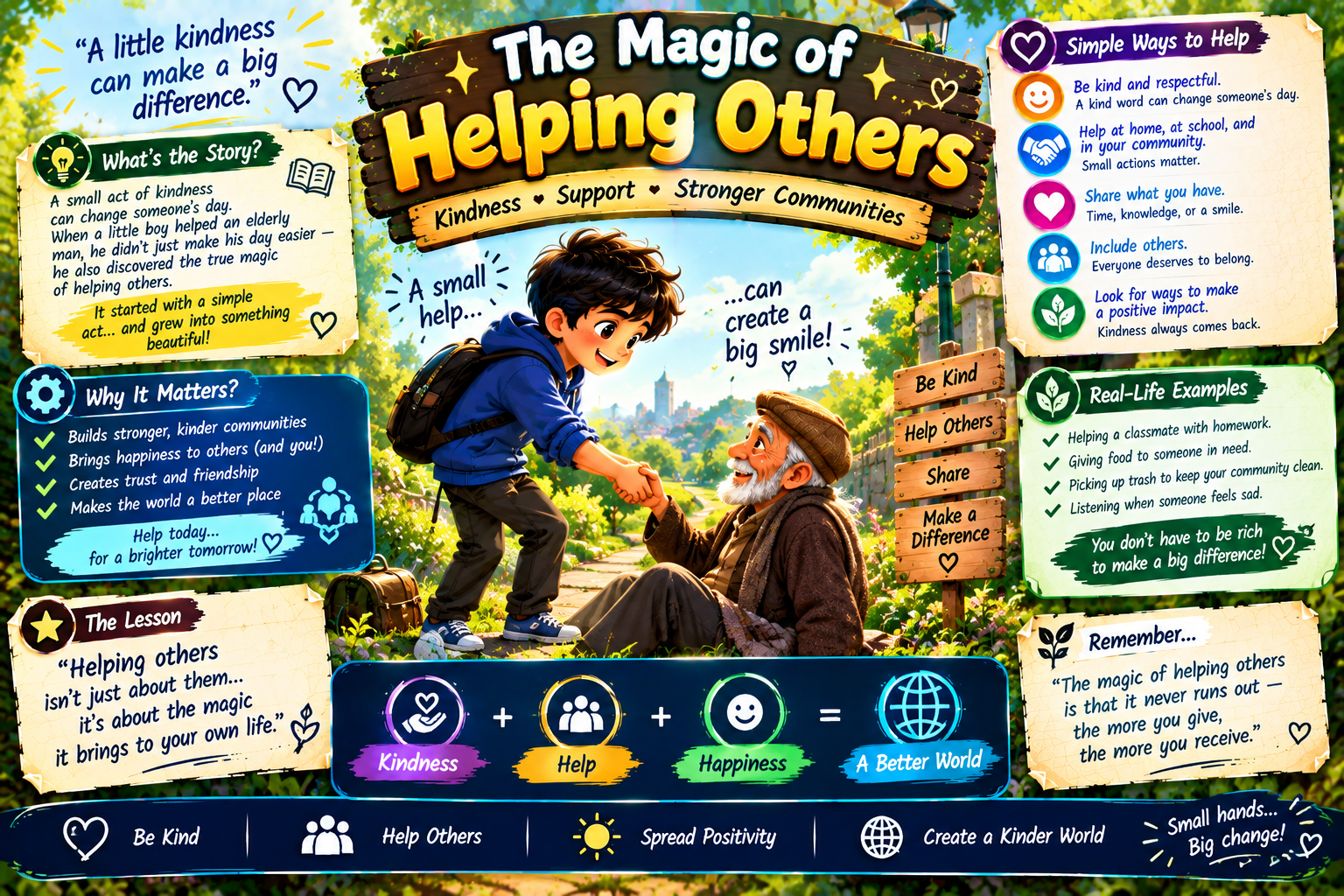
    **The Magic of Helping Others** is a heartwarming story that shows how even a small act of kindness can make a big difference. From sharing and supporting friends to helping someone in need, every kind action can spread happiness and bring people closer together.

    This inspiring journey teaches us the importance of **kindness, empathy, generosity, and teamwork**. Sometimes, the greatest magic is simply being there for someone else.

    **Hashtags:**
    #TheMagicOfHelpingOthers #HelpingOthers #Kindness #BeKind #Compassion #Empathy #Friendship #Teamwork #Generosity #PositiveVibes #LifeLessons #Inspiration #MoralStory #EducationalVideo #SpreadKindness #MakeADifference

    **Emojis:**
    🫶 ‍‍
    #rsisb Roll NO:232 Foundation level student. Story post:38 ### 🤝✨ The Magic of Helping Others 💖🌟 **Description:** **The Magic of Helping Others** is a heartwarming story that shows how even a small act of kindness can make a big difference. 🌱💖 From sharing and supporting friends to helping someone in need, every kind action can spread happiness and bring people closer together. 🤝😊 This inspiring journey teaches us the importance of **kindness, empathy, generosity, and teamwork**. Sometimes, the greatest magic is simply being there for someone else. ✨🌍❤️ **Hashtags:** #TheMagicOfHelpingOthers #HelpingOthers #Kindness #BeKind #Compassion #Empathy #Friendship #Teamwork #Generosity #PositiveVibes #LifeLessons #Inspiration #MoralStory #EducationalVideo #SpreadKindness #MakeADifference 🤝💖 **Emojis:** 🤝 💖 🌟 ✨ 😊 ❤️ 🌱 🫶 🌈 🌍 📚 💡 🧑‍🤝‍🧑 🌸 🙌
    0 Commentarii 0 Distribuiri 1168 Views
  • Mulla Nasruddin and the Invisible Treasure | ملا نصرالدین اور پوشیدہ خزانہ

    English Story

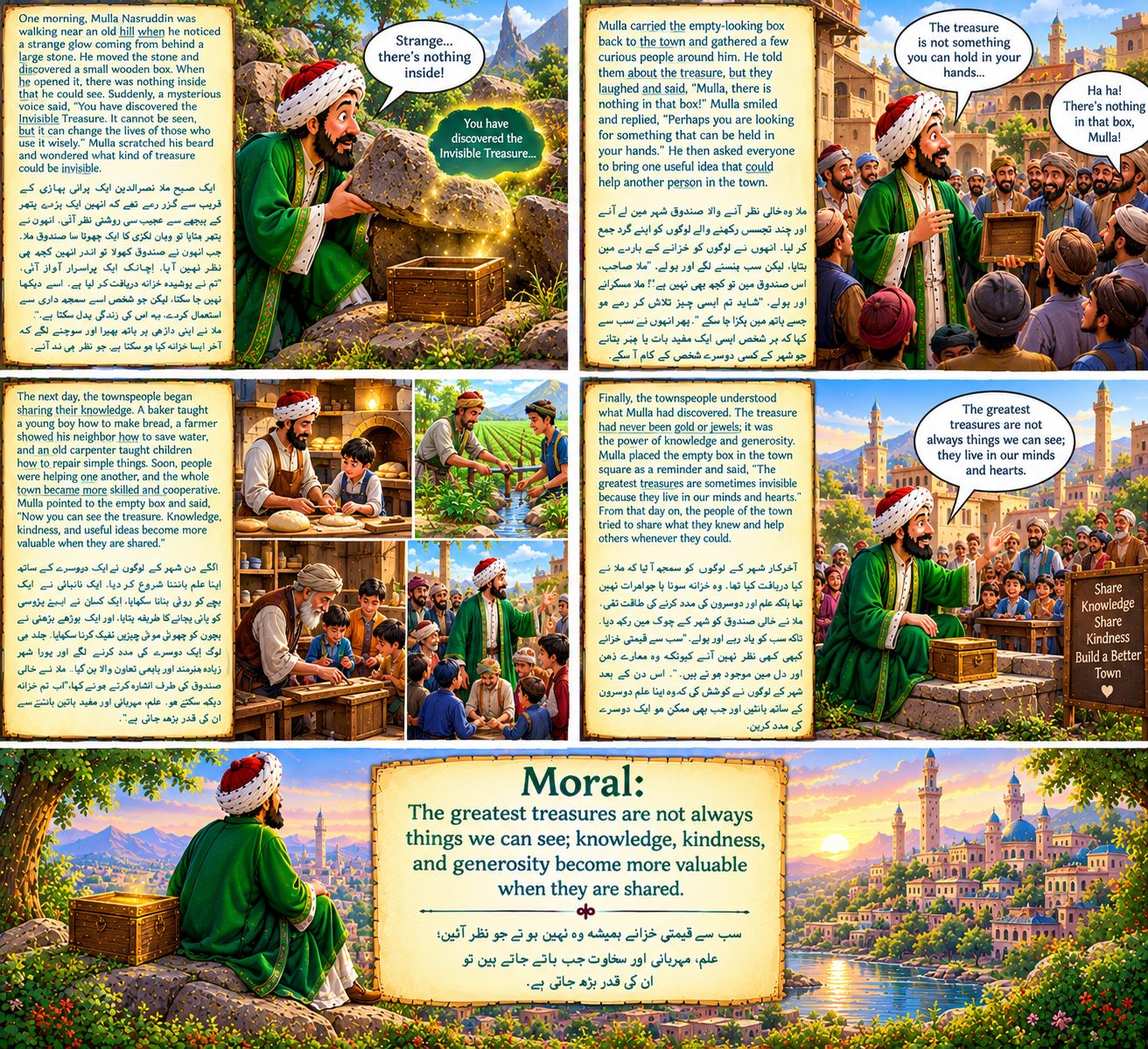
    One morning, Mulla Nasruddin was walking near an old hill when he noticed a strange glow coming from behind a large stone. He moved the stone and discovered a small wooden box. When he opened it, there was nothing inside that he could see. Suddenly, a mysterious voice said, “You have discovered the Invisible Treasure. It cannot be seen, but it can change the lives of those who use it wisely.” Mulla scratched his beard and wondered what kind of treasure could be invisible.

    Mulla carried the empty-looking box back to the town and gathered a few curious people around him. He told them about the treasure, but they laughed and said, “Mulla, there is nothing in that box!” Mulla smiled and replied, “Perhaps you are looking for something that can be held in your hands.” He then asked everyone to bring one useful idea that could help another person in the town.

    The next day, the townspeople began sharing their knowledge. A baker taught a young boy how to make bread, a farmer showed his neighbor how to save water, and an old carpenter taught children how to repair simple things. Soon, people were helping one another, and the whole town became more skilled and cooperative. Mulla pointed to the empty box and said, “Now you can see the treasure. Knowledge, kindness, and useful ideas become more valuable when they are shared.”

    The townspeople finally understood what Mulla had discovered. The treasure had never been gold or jewels; it was the power of knowledge and generosity. Mulla placed the empty box in the town square as a reminder and said, “The greatest treasures are sometimes invisible because they live in our minds and hearts.” From that day on, the people of the town tried to share what they knew and help others whenever they could.

    Urdu Story

    ایک صبح ملا نصرالدین ایک پرانی پہاڑی کے قریب سے گزر رہے تھے کہ انہیں ایک بڑے پتھر کے پیچھے سے عجیب سی روشنی نظر آئی۔ انہوں نے پتھر ہٹایا تو وہاں لکڑی کا ایک چھوٹا سا صندوق ملا۔ جب انہوں نے صندوق کھولا تو اندر انہیں کچھ بھی نظر نہیں آیا۔ اچانک ایک پراسرار آواز آئی، “تم نے پوشیدہ خزانہ دریافت کر لیا ہے۔ اسے دیکھا نہیں جا سکتا، لیکن جو شخص اسے سمجھ داری سے استعمال کرے، یہ اس کی زندگی بدل سکتا ہے۔” ملا نے اپنی داڑھی پر ہاتھ پھیرا اور سوچنے لگے کہ آخر ایسا خزانہ کیا ہو سکتا ہے جو نظر ہی نہ آئے۔

    ملا وہ خالی نظر آنے والا صندوق شہر میں لے آئے اور چند تجسس رکھنے والے لوگوں کو اپنے گرد جمع کر لیا۔ انہوں نے لوگوں کو خزانے کے بارے میں بتایا، لیکن سب ہنسنے لگے اور بولے، “ملا صاحب، اس صندوق میں تو کچھ بھی نہیں ہے!” ملا مسکرائے اور بولے، “شاید تم ایسی چیز تلاش کر رہے ہو جسے ہاتھ میں پکڑا جا سکے۔” پھر انہوں نے سب سے کہا کہ ہر شخص ایسی ایک مفید بات یا ہنر بتائے جو شہر کے کسی دوسرے شخص کے کام آ سکے۔

    اگلے دن شہر کے لوگوں نے ایک دوسرے کے ساتھ اپنا علم بانٹنا شروع کر دیا۔ ایک نانبائی نے ایک بچے کو روٹی بنانا سکھایا، ایک کسان نے اپنے پڑوسی کو پانی بچانے کا طریقہ بتایا، اور ایک بوڑھے بڑھئی نے بچوں کو چھوٹی موٹی چیزیں ٹھیک کرنا سکھایا۔ جلد ہی لوگ ایک دوسرے کی مدد کرنے لگے اور پورا شہر زیادہ ہنرمند اور باہمی تعاون والا بن گیا۔ ملا نے خالی صندوق کی طرف اشارہ کرتے ہوئے کہا، “اب تم خزانہ دیکھ سکتے ہو۔ علم، مہربانی اور مفید باتیں بانٹنے سے ان کی قدر بڑھ جاتی ہے۔”

    آخرکار شہر کے لوگوں کو سمجھ آ گیا کہ ملا نے کیا دریافت کیا تھا۔ وہ خزانہ سونا یا جواہرات نہیں تھا بلکہ علم اور دوسروں کی مدد کرنے کی طاقت تھی۔ ملا نے خالی صندوق کو شہر کے چوک میں رکھ دیا تاکہ سب کو یاد رہے اور بولے، “سب سے قیمتی خزانے کبھی کبھی اس لیے نظر نہیں آتے کیونکہ وہ ہمارے ذہن اور دل میں موجود ہوتے ہیں۔” اس دن کے بعد شہر کے لوگوں نے کوشش کی کہ وہ اپنا علم دوسروں کے ساتھ بانٹیں اور جب بھی ممکن ہو ایک دوسرے کی مدد کریں۔

    Moral: The greatest treasures are not always things we can see; knowledge, kindness, and generosity become more valuable when they are shared.

    Tags: Mulla Nasruddin, Mulla Nasruddin Story, Invisible Treasure, Hidden Treasure, Moral Stories, Urdu Stories, English Stories, Wisdom, Knowledge, Kindness, Generosity, Cleverness, Life Lessons, Kids Stories

    Mulla Nasruddin and the Invisible Treasure | ملا نصرالدین اور پوشیدہ خزانہ English Story One morning, Mulla Nasruddin was walking near an old hill when he noticed a strange glow coming from behind a large stone. He moved the stone and discovered a small wooden box. When he opened it, there was nothing inside that he could see. Suddenly, a mysterious voice said, “You have discovered the Invisible Treasure. It cannot be seen, but it can change the lives of those who use it wisely.” Mulla scratched his beard and wondered what kind of treasure could be invisible. Mulla carried the empty-looking box back to the town and gathered a few curious people around him. He told them about the treasure, but they laughed and said, “Mulla, there is nothing in that box!” Mulla smiled and replied, “Perhaps you are looking for something that can be held in your hands.” He then asked everyone to bring one useful idea that could help another person in the town. The next day, the townspeople began sharing their knowledge. A baker taught a young boy how to make bread, a farmer showed his neighbor how to save water, and an old carpenter taught children how to repair simple things. Soon, people were helping one another, and the whole town became more skilled and cooperative. Mulla pointed to the empty box and said, “Now you can see the treasure. Knowledge, kindness, and useful ideas become more valuable when they are shared.” The townspeople finally understood what Mulla had discovered. The treasure had never been gold or jewels; it was the power of knowledge and generosity. Mulla placed the empty box in the town square as a reminder and said, “The greatest treasures are sometimes invisible because they live in our minds and hearts.” From that day on, the people of the town tried to share what they knew and help others whenever they could. Urdu Story ایک صبح ملا نصرالدین ایک پرانی پہاڑی کے قریب سے گزر رہے تھے کہ انہیں ایک بڑے پتھر کے پیچھے سے عجیب سی روشنی نظر آئی۔ انہوں نے پتھر ہٹایا تو وہاں لکڑی کا ایک چھوٹا سا صندوق ملا۔ جب انہوں نے صندوق کھولا تو اندر انہیں کچھ بھی نظر نہیں آیا۔ اچانک ایک پراسرار آواز آئی، “تم نے پوشیدہ خزانہ دریافت کر لیا ہے۔ اسے دیکھا نہیں جا سکتا، لیکن جو شخص اسے سمجھ داری سے استعمال کرے، یہ اس کی زندگی بدل سکتا ہے۔” ملا نے اپنی داڑھی پر ہاتھ پھیرا اور سوچنے لگے کہ آخر ایسا خزانہ کیا ہو سکتا ہے جو نظر ہی نہ آئے۔ ملا وہ خالی نظر آنے والا صندوق شہر میں لے آئے اور چند تجسس رکھنے والے لوگوں کو اپنے گرد جمع کر لیا۔ انہوں نے لوگوں کو خزانے کے بارے میں بتایا، لیکن سب ہنسنے لگے اور بولے، “ملا صاحب، اس صندوق میں تو کچھ بھی نہیں ہے!” ملا مسکرائے اور بولے، “شاید تم ایسی چیز تلاش کر رہے ہو جسے ہاتھ میں پکڑا جا سکے۔” پھر انہوں نے سب سے کہا کہ ہر شخص ایسی ایک مفید بات یا ہنر بتائے جو شہر کے کسی دوسرے شخص کے کام آ سکے۔ اگلے دن شہر کے لوگوں نے ایک دوسرے کے ساتھ اپنا علم بانٹنا شروع کر دیا۔ ایک نانبائی نے ایک بچے کو روٹی بنانا سکھایا، ایک کسان نے اپنے پڑوسی کو پانی بچانے کا طریقہ بتایا، اور ایک بوڑھے بڑھئی نے بچوں کو چھوٹی موٹی چیزیں ٹھیک کرنا سکھایا۔ جلد ہی لوگ ایک دوسرے کی مدد کرنے لگے اور پورا شہر زیادہ ہنرمند اور باہمی تعاون والا بن گیا۔ ملا نے خالی صندوق کی طرف اشارہ کرتے ہوئے کہا، “اب تم خزانہ دیکھ سکتے ہو۔ علم، مہربانی اور مفید باتیں بانٹنے سے ان کی قدر بڑھ جاتی ہے۔” آخرکار شہر کے لوگوں کو سمجھ آ گیا کہ ملا نے کیا دریافت کیا تھا۔ وہ خزانہ سونا یا جواہرات نہیں تھا بلکہ علم اور دوسروں کی مدد کرنے کی طاقت تھی۔ ملا نے خالی صندوق کو شہر کے چوک میں رکھ دیا تاکہ سب کو یاد رہے اور بولے، “سب سے قیمتی خزانے کبھی کبھی اس لیے نظر نہیں آتے کیونکہ وہ ہمارے ذہن اور دل میں موجود ہوتے ہیں۔” اس دن کے بعد شہر کے لوگوں نے کوشش کی کہ وہ اپنا علم دوسروں کے ساتھ بانٹیں اور جب بھی ممکن ہو ایک دوسرے کی مدد کریں۔ Moral: The greatest treasures are not always things we can see; knowledge, kindness, and generosity become more valuable when they are shared. Tags: Mulla Nasruddin, Mulla Nasruddin Story, Invisible Treasure, Hidden Treasure, Moral Stories, Urdu Stories, English Stories, Wisdom, Knowledge, Kindness, Generosity, Cleverness, Life Lessons, Kids Stories

    0 Commentarii 0 Distribuiri 759 Views
  • Mohsin #RSF8
    Call Annine NO:1
    Class: foundation level
    Made by Me
    rool no:13
    "Thank You" – The Etymology of Gratitude

    In a world filled with constant communication, two of the most powerful words we can say are "Thank You." Though simple, these words carry centuries of history and represent one of humanity's most cherished values—gratitude. The English word thank originates from the Old English word þanc, which meant "thought," "goodwill," or "gratitude." Over time, this expression evolved into the familiar phrase we use today to acknowledge kindness, generosity, and support.

    Gratitude is a universal language that transcends borders, cultures, and generations. Whether we say "Thank You," "Shukriya," "Merci," "Gracias," or "Arigato," the message remains the same: appreciation for the goodness we receive from others. These simple words have the power to strengthen relationships, build trust, and create a sense of belonging among people. A sincere expression of thanks can brighten someone's day, encourage acts of kindness, and remind us that even small gestures deserve recognition.

    Throughout history, societies have valued gratitude as a sign of humility, respect, and good character. Philosophers, religious traditions, and cultural customs around the world have emphasized the importance of being thankful. Modern research has also shown that practicing gratitude contributes to greater happiness, reduced stress, improved mental well-being, and stronger social connections. People who regularly express appreciation often experience more positive emotions and healthier relationships.

    In our fast-paced lives, we sometimes overlook the importance of acknowledging the efforts and kindness of others. Yet, a heartfelt "Thank You" can transform ordinary moments into meaningful memories. It costs nothing to express gratitude, but its impact can be profound and long-lasting. Whether we are thanking our parents, teachers, friends, colleagues, or even strangers, these words reflect empathy, respect, and appreciation.

    As we navigate through life, let us remember that gratitude is not merely a response to receiving something—it is a way of seeing the world with
    Mohsin #RSF8🎓✨ Call Annine NO:1 Class: foundation level 📚 Made by Me 💻🚀 rool no:13 🌟 "Thank You" – The Etymology of Gratitude 🌟 In a world filled with constant communication, two of the most powerful words we can say are "Thank You." Though simple, these words carry centuries of history and represent one of humanity's most cherished values—gratitude. The English word thank originates from the Old English word þanc, which meant "thought," "goodwill," or "gratitude." Over time, this expression evolved into the familiar phrase we use today to acknowledge kindness, generosity, and support. Gratitude is a universal language that transcends borders, cultures, and generations. Whether we say "Thank You," "Shukriya," "Merci," "Gracias," or "Arigato," the message remains the same: appreciation for the goodness we receive from others. These simple words have the power to strengthen relationships, build trust, and create a sense of belonging among people. A sincere expression of thanks can brighten someone's day, encourage acts of kindness, and remind us that even small gestures deserve recognition. Throughout history, societies have valued gratitude as a sign of humility, respect, and good character. Philosophers, religious traditions, and cultural customs around the world have emphasized the importance of being thankful. Modern research has also shown that practicing gratitude contributes to greater happiness, reduced stress, improved mental well-being, and stronger social connections. People who regularly express appreciation often experience more positive emotions and healthier relationships. In our fast-paced lives, we sometimes overlook the importance of acknowledging the efforts and kindness of others. Yet, a heartfelt "Thank You" can transform ordinary moments into meaningful memories. It costs nothing to express gratitude, but its impact can be profound and long-lasting. Whether we are thanking our parents, teachers, friends, colleagues, or even strangers, these words reflect empathy, respect, and appreciation. As we navigate through life, let us remember that gratitude is not merely a response to receiving something—it is a way of seeing the world with
    0 Commentarii 0 Distribuiri 1569 Views 136
  • **Miraj Atif | Rehan School Islamabad | Level One**
    **POST NO. 36**

    **HELPING THE POOR**

    ### Story: A Little Help, A Big Difference

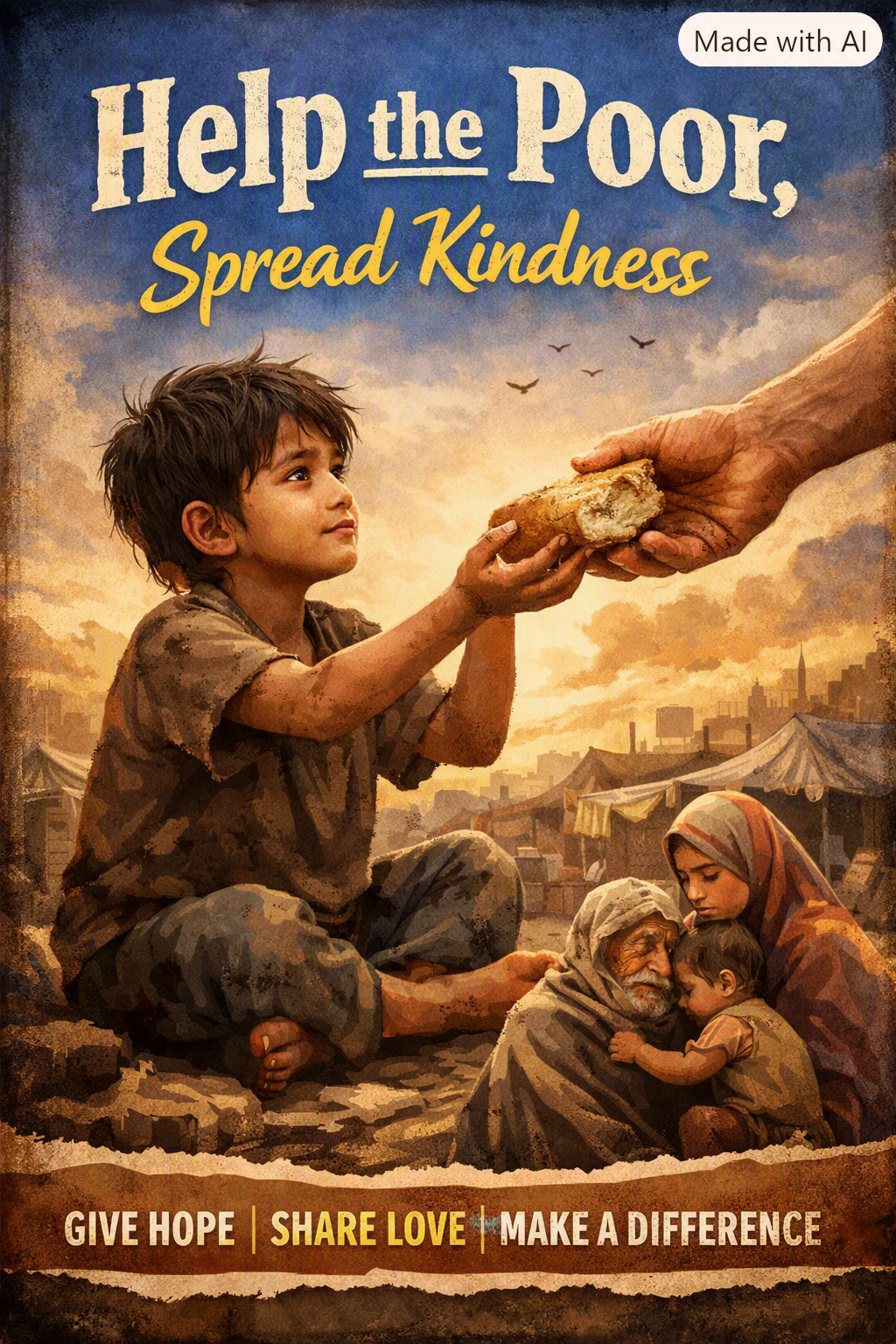
    One day, a student was walking home when he noticed a family struggling to afford basic necessities. He didn't have a lot of money himself, but he wanted to help.

    He shared some food with them and later encouraged his family to donate clothes and other useful items they no longer needed.

    The family was grateful, but the student realized something even more important: **helping others isn't always about how much you can give. It's about caring enough to do something.**

    He continued helping whenever he could, whether by sharing food, giving useful items, volunteering his time, or simply treating people with dignity and respect.

    **Lesson:** We don't need to be rich to help others. Even a small act of generosity can bring hope and make someone's difficult day a little easier.

    **If you have the ability to help someone in need, don't wait for the perfect opportunity. Start with whatever you can give.**

    #PostNo36 #HelpingThePoor #HelpingOthers #Kindness #Generosity #Compassion #GiveBack #LifeLessons #GoodCharacter #PersonalGrowth #RehanSchool #MirajAtif
    **Miraj Atif | Rehan School Islamabad | Level One** **POST NO. 36** ❤️ **HELPING THE POOR** ### 📖 Story: A Little Help, A Big Difference One day, a student was walking home when he noticed a family struggling to afford basic necessities. He didn't have a lot of money himself, but he wanted to help. He shared some food with them and later encouraged his family to donate clothes and other useful items they no longer needed. The family was grateful, but the student realized something even more important: **helping others isn't always about how much you can give. It's about caring enough to do something.** He continued helping whenever he could, whether by sharing food, giving useful items, volunteering his time, or simply treating people with dignity and respect. 🌟 **Lesson:** We don't need to be rich to help others. Even a small act of generosity can bring hope and make someone's difficult day a little easier. 💡 **If you have the ability to help someone in need, don't wait for the perfect opportunity. Start with whatever you can give.** #PostNo36 #HelpingThePoor #HelpingOthers #Kindness #Generosity #Compassion #GiveBack #LifeLessons #GoodCharacter #PersonalGrowth #RehanSchool #MirajAtif
    0 Commentarii 0 Distribuiri 2332 Views
  • RSIF8
    Roll No: 82
    Canva post:3
    Canva post topic: #Claver plan of Mulla Nasrudin
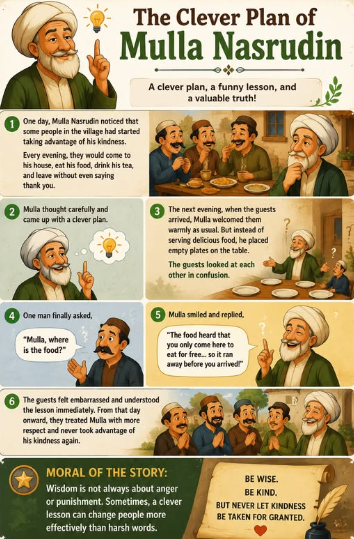
    The Clever Plan of Mulla Nasrudin

    In a small village, Mulla Nasrudin was known for his kindness, wisdom, and sense of humor. People loved visiting him because he always welcomed everyone warmly with food, tea, and friendly conversation. But after some time, a few villagers began taking advantage of his generosity. Every evening, they would come to his house only to eat and enjoy themselves, without showing respect or gratitude.

    Instead of becoming angry or arguing with them, Mulla Nasrudin decided to teach them a clever lesson. One evening, when the guests arrived expecting another delicious meal, Mulla placed empty plates in front of them. Everyone looked confused and surprised. Finally, one man asked, “Mulla, where is the food?”

    With a smile on his face, Mulla replied, “The food heard that you only come here to eat for free… so it ran away before you arrived!”

    At that moment, the guests understood their mistake. They felt embarrassed for taking Mulla’s kindness for granted. From that day onward, they treated him with respect and never misused his hospitality again.

    Moral of the Story:
    True wisdom is not always shown through anger or punishment. Sometimes, a smart and gentle lesson can change hearts more effectively than harsh words. Kindness is precious, but people should also learn to value and respect it.

    This beautiful story reminds us to appreciate the people who help us, support us, and care for us. Never misuse someone’s kindness, because genuine hearts are rare to find.

    #MullaNasrudin #WiseStories #LifeLessons #MoralStory #CleverPlan #StoryTime #Wisdom #Learning #InspirationalStories #SocialMediaPost See less
    RSIF8 Roll No: 82 🎯 Canva post:3 Canva post topic:💻 #Claver plan of Mulla Nasrudin The Clever Plan of Mulla Nasrudin 🧠✨ In a small village, Mulla Nasrudin was known for his kindness, wisdom, and sense of humor. People loved visiting him because he always welcomed everyone warmly with food, tea, and friendly conversation. But after some time, a few villagers began taking advantage of his generosity. Every evening, they would come to his house only to eat and enjoy themselves, without showing respect or gratitude. Instead of becoming angry or arguing with them, Mulla Nasrudin decided to teach them a clever lesson. One evening, when the guests arrived expecting another delicious meal, Mulla placed empty plates in front of them. Everyone looked confused and surprised. Finally, one man asked, “Mulla, where is the food?” With a smile on his face, Mulla replied, “The food heard that you only come here to eat for free… so it ran away before you arrived!” 😄 At that moment, the guests understood their mistake. They felt embarrassed for taking Mulla’s kindness for granted. From that day onward, they treated him with respect and never misused his hospitality again. 🌟 Moral of the Story: True wisdom is not always shown through anger or punishment. Sometimes, a smart and gentle lesson can change hearts more effectively than harsh words. Kindness is precious, but people should also learn to value and respect it. 💡 This beautiful story reminds us to appreciate the people who help us, support us, and care for us. Never misuse someone’s kindness, because genuine hearts are rare to find. #MullaNasrudin #WiseStories #LifeLessons #MoralStory #CleverPlan #StoryTime #Wisdom #Learning #InspirationalStories #SocialMediaPost See less
    0 Commentarii 0 Distribuiri 2315 Views
  • RSIF8
    Roll No: 82
    Canva post:3
    Canva post topic: #Claver plan of Mulla Nasrudin
    The Clever Plan of Mulla Nasrudin
    In a small village, Mulla Nasrudin was known for his kindness, wisdom, and sense of humor. People loved visiting him because he always welcomed everyone warmly with food, tea, and friendly conversation. But after some time, a few villagers began taking advantage of his generosity. Every evening, they would come to his house only to eat and enjoy themselves, without showing respect or gratitude.
    Instead of becoming angry or arguing with them, Mulla Nasrudin decided to teach them a clever lesson. One evening, when the guests arrived expecting another delicious meal, Mulla placed empty plates in front of them. Everyone looked confused and surprised. Finally, one man asked, “Mulla, where is the food?”
    With a smile on his face, Mulla replied, “The food heard that you only come here to eat for free… so it ran away before you arrived!”
    At that moment, the guests understood their mistake. They felt embarrassed for taking Mulla’s kindness for granted. From that day onward, they treated him with respect and never misused his hospitality again.
    Moral of the Story:
    True wisdom is not always shown through anger or punishment. Sometimes, a smart and gentle lesson can change hearts more effectively than harsh words. Kindness is precious, but people should also learn to value and respect it.
    This beautiful story reminds us to appreciate the people who help us, support us, and care for us. Never misuse someone’s kindness, because genuine hearts are rare to find.
    #MullaNasrudin #WiseStories #LifeLessons #MoralStory #CleverPlan #StoryTime #Wisdom #Learning #InspirationalStories #SocialMediaPost See less
    RSIF8 Roll No: 82 🎯 Canva post:3 Canva post topic:💻 #Claver plan of Mulla Nasrudin The Clever Plan of Mulla Nasrudin 🧠✨ In a small village, Mulla Nasrudin was known for his kindness, wisdom, and sense of humor. People loved visiting him because he always welcomed everyone warmly with food, tea, and friendly conversation. But after some time, a few villagers began taking advantage of his generosity. Every evening, they would come to his house only to eat and enjoy themselves, without showing respect or gratitude. Instead of becoming angry or arguing with them, Mulla Nasrudin decided to teach them a clever lesson. One evening, when the guests arrived expecting another delicious meal, Mulla placed empty plates in front of them. Everyone looked confused and surprised. Finally, one man asked, “Mulla, where is the food?” With a smile on his face, Mulla replied, “The food heard that you only come here to eat for free… so it ran away before you arrived!” 😄 At that moment, the guests understood their mistake. They felt embarrassed for taking Mulla’s kindness for granted. From that day onward, they treated him with respect and never misused his hospitality again. 🌟 Moral of the Story: True wisdom is not always shown through anger or punishment. Sometimes, a smart and gentle lesson can change hearts more effectively than harsh words. Kindness is precious, but people should also learn to value and respect it. 💡 This beautiful story reminds us to appreciate the people who help us, support us, and care for us. Never misuse someone’s kindness, because genuine hearts are rare to find. #MullaNasrudin #WiseStories #LifeLessons #MoralStory #CleverPlan #StoryTime #Wisdom #Learning #InspirationalStories #SocialMediaPost See less
    0 Commentarii 0 Distribuiri 2114 Views
  • Level 01 Book 01
    Day 02
    Task Story post 02
    Topic : Mulla Nasruddin in about when he found a pot of gold and what he did with it

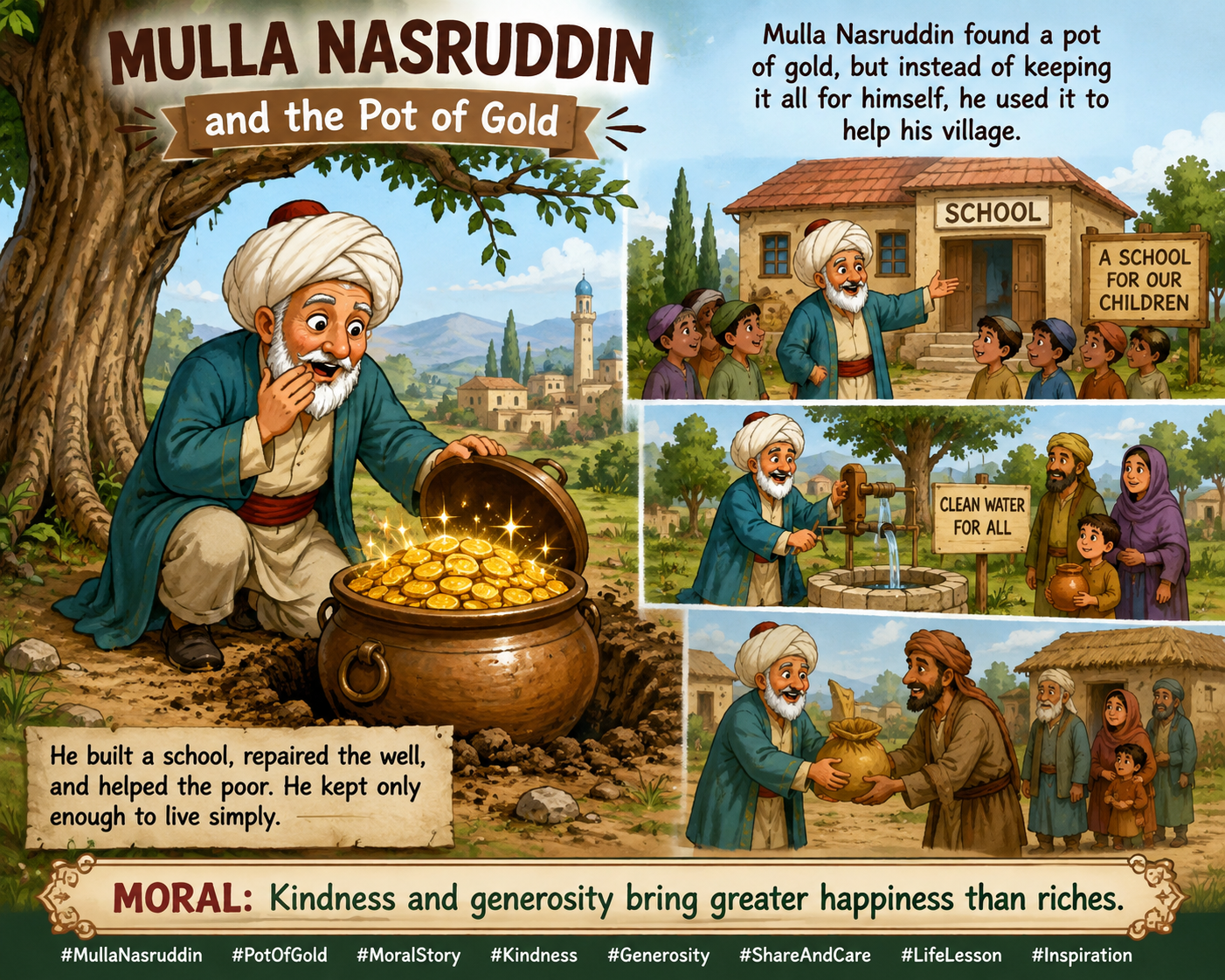
    Mulla Nasruddin and the Pot of Gold

    One sunny morning, Mulla Nasruddin was walking through a quiet forest when he noticed something shining beneath an old tree. Curious, he dug into the ground and discovered a large pot filled with sparkling gold coins.

    At first, Mulla was very excited. But instead of keeping all the gold for himself, he thought about the poor families in his village. He used part of the treasure to build a school, repair the village well, and help people who had no food or shelter. He kept only enough money to live a simple and comfortable life.

    Soon, the entire village became happier and stronger. Everyone respected Mulla, not because he was rich, but because he was kind and generous. Mulla smiled and said, "True wealth is not in what you keep, but in what you share."

    Moral:
    Kindness and generosity bring greater happiness than riches.

    #MullaNasruddin #PotOfGold #MoralStory #Kindness #Generosity #ShareAndCare #LifeLesson #inspiration

    Tania Khan Mentorship Wali
    Mohsin Rathore Seo Wala
    Imran Khan Street Wala
    Shazia EducationWali
    Hafsa Noor
    Rehan School Korangi Campus
    Level 01 Book 01 Day 02 Task Story post 02 Topic : Mulla Nasruddin in about when he found a pot of gold and what he did with it Mulla Nasruddin and the Pot of Gold One sunny morning, Mulla Nasruddin was walking through a quiet forest when he noticed something shining beneath an old tree. Curious, he dug into the ground and discovered a large pot filled with sparkling gold coins. At first, Mulla was very excited. But instead of keeping all the gold for himself, he thought about the poor families in his village. He used part of the treasure to build a school, repair the village well, and help people who had no food or shelter. He kept only enough money to live a simple and comfortable life. Soon, the entire village became happier and stronger. Everyone respected Mulla, not because he was rich, but because he was kind and generous. Mulla smiled and said, "True wealth is not in what you keep, but in what you share." Moral: Kindness and generosity bring greater happiness than riches. #MullaNasruddin #PotOfGold #MoralStory #Kindness #Generosity #ShareAndCare #LifeLesson #inspiration Tania Khan Mentorship Wali Mohsin Rathore Seo Wala Imran Khan Street Wala Shazia EducationWali Hafsa Noor Rehan School Korangi Campus
    0 Commentarii 0 Distribuiri 2843 Views
  • #rsisb
    Roll No.247
    Call Aine 5
    Foundation Level

    "Thank You" – The Etymology of Gratitude (5 Min)

    Have you ever stopped to think about the words "Thank You"? These two simple words carry centuries of history, culture, and heartfelt emotion. Although we say them every day, their origin tells a fascinating story about how humans have expressed appreciation throughout history.

    The English word "thank" comes from the Old English word þanc (thanc), which meant "thought," "gratitude," or "good feeling." In ancient times, expressing thanks wasn't just about being polite—it was a way of recognizing kindness, strengthening relationships, and showing respect. Over time, the phrase "Thank You" evolved into one of the most meaningful expressions in the English language.

    Gratitude is a universal language that crosses cultures, religions, and generations. Whether someone helps you with a small favor or changes your life in a big way, saying "Thank You" acknowledges their kindness and reminds them that their actions matter.

    Scientific studies have even shown that practicing gratitude can improve mental health, reduce stress, strengthen friendships, and increase happiness. A sincere "Thank You" can brighten someone's day, build trust, and create lasting positive connections.

    Across the world, every language has its own beautiful way of expressing gratitude:

    English: Thank You
    French: Merci
    Spanish: Gracias
    Italian: Grazie
    German: Danke
    Urdu: Shukriya (شکریہ)

    No matter how it's spoken, the message remains the same: "I appreciate you."

    So the next time you say "Thank You," remember that you're using a phrase with a rich history that has connected people for hundreds of years. A few simple words can spread kindness, inspire generosity, and make the world a little brighter—one expression of gratitude at a time.

    Never underestimate the power of saying "Thank You." It costs nothing, but it can mean everything.
    #rsisb Roll No.247 Call Aine 5 Foundation Level 🌟 "Thank You" – The Etymology of Gratitude (5 Min) 🙏💖 Have you ever stopped to think about the words "Thank You"? 🤔 These two simple words carry centuries of history, culture, and heartfelt emotion. Although we say them every day, their origin tells a fascinating story about how humans have expressed appreciation throughout history. The English word "thank" comes from the Old English word þanc (thanc), which meant "thought," "gratitude," or "good feeling." In ancient times, expressing thanks wasn't just about being polite—it was a way of recognizing kindness, strengthening relationships, and showing respect. Over time, the phrase "Thank You" evolved into one of the most meaningful expressions in the English language. Gratitude is a universal language that crosses cultures, religions, and generations. Whether someone helps you with a small favor or changes your life in a big way, saying "Thank You" acknowledges their kindness and reminds them that their actions matter. ❤️ Scientific studies have even shown that practicing gratitude can improve mental health, reduce stress, strengthen friendships, and increase happiness. 😊 A sincere "Thank You" can brighten someone's day, build trust, and create lasting positive connections. Across the world, every language has its own beautiful way of expressing gratitude: 🇬🇧 English: Thank You 🇫🇷 French: Merci 🇪🇸 Spanish: Gracias 🇮🇹 Italian: Grazie 🇩🇪 German: Danke 🇵🇰 Urdu: Shukriya (شکریہ) No matter how it's spoken, the message remains the same: "I appreciate you." 🌍💝 So the next time you say "Thank You," remember that you're using a phrase with a rich history that has connected people for hundreds of years. A few simple words can spread kindness, inspire generosity, and make the world a little brighter—one expression of gratitude at a time. 🌟 💬 Never underestimate the power of saying "Thank You." It costs nothing, but it can mean everything.
    0 Commentarii 0 Distribuiri 3170 Views 17
  • “Beyond Borders : The Art of Pakistan Hospitality”

    Step into the soulful rhythm of Pakistani warmth — a country where chai is more than just tea, and every guest is treated like family. This vibrant musical journey celebrates the unmatched hospitality of Pakistan, where kindness knows no boundaries and generosity flows from heart to heart.

    From bustling chai dhabas to serene village courtyards, from the laughter of children offering sweets to the reverent traditions of welcoming travelers — this song brings alive the everyday poetry of mehmaan-nawazi (hospitality) that defines Pakistani culture.

    Blending folk instruments, regional rhythms, and heartfelt lyrics, “Beyond Borders” is more than a song — it's a tribute to the spirit of connection that transcends language, geography, and culture.

    song no 15
    roll no 51

    Follow Us:
    Instagram: [ / muhammadmujeebasif ]
    LinkedIn: [ / muhammad-mujeeb-asif-a9b3b6363 ]
    Facebook: [ / mujeeb.asif.822421 ]
    YouTube: [ / @mujeeb3810 ]

    FOR any type of song,youtube thumnail,editing,and canva post needed then contect me on whatapps number : 03001040381

    Don’t forget to LIKE, SHARE, and SUBSCRIBE for more inspiring content!

    Fawad BusinessWala
    Mujeeb Asif
    Rubab EducationWali
    Shahzaib Marketing Wala
    “Beyond Borders : The Art of Pakistan Hospitality” Step into the soulful rhythm of Pakistani warmth — a country where chai is more than just tea, and every guest is treated like family. This vibrant musical journey celebrates the unmatched hospitality of Pakistan, where kindness knows no boundaries and generosity flows from heart to heart. From bustling chai dhabas to serene village courtyards, from the laughter of children offering sweets to the reverent traditions of welcoming travelers — this song brings alive the everyday poetry of mehmaan-nawazi (hospitality) that defines Pakistani culture. Blending folk instruments, regional rhythms, and heartfelt lyrics, “Beyond Borders” is more than a song — it's a tribute to the spirit of connection that transcends language, geography, and culture. song no 15 roll no 51 👉 Follow Us: 📸 Instagram: [ / muhammadmujeebasif ] 💼 LinkedIn: [ / muhammad-mujeeb-asif-a9b3b6363 ] 📘 Facebook: [ / mujeeb.asif.822421 ] 🎥 YouTube: [ / @mujeeb3810 ] FOR any type of song,youtube thumnail,editing,and canva post needed then contect me on whatapps number : 03001040381 Don’t forget to LIKE, SHARE, and SUBSCRIBE for more inspiring content! Fawad BusinessWala Mujeeb Asif Rubab EducationWali Shahzaib Marketing Wala
    0 Commentarii 0 Distribuiri 3442 Views 0
  • "A really great man is known by three signs: generosity in the design, humanity in the execution, moderation in success."

    Ghulam Asghar
    "A really great man is known by three signs: generosity in the design, humanity in the execution, moderation in success." Ghulam Asghar
    0 Commentarii 0 Distribuiri 509 Views
Sponsorizeaza Paginile