• India has a rich and complex history spanning over 5,000 years, marked by the rise and fall of civilizations, empires, and cultural transformations. Here is a concise historical overview of India’s development:

    1. Ancient India (c. 3000 BCE – 600 BCE)

    Indus Valley Civilization (c. 3000–1500 BCE)

    • One of the world’s earliest urban civilizations, centered in present-day Pakistan and northwestern India.
    • Cities like Harappa and Mohenjo-Daro featured advanced urban planning, drainage systems, and trade networks.
    • The script remains undeciphered, and the civilization’s decline around 1500 BCE is linked to environmental changes and other factors.

    Vedic Period (c. 1500–600 BCE)

    • Arrival of Indo-Aryans who composed the Vedas, the foundational texts of Hinduism.
    • Development of early political structures, social stratification (caste system), and religious practices.
    • Transition from a pastoral to agrarian society.

    2. Classical Period (600 BCE – 1200 CE)

    Rise of Kingdoms and Empires (600 BCE – 300 BCE)

    • Mahajanapadas: 16 powerful kingdoms and republics like Magadha and Koshala.
    • Buddhism and Jainism emerged in the 6th century BCE as reformist movements against Vedic orthodoxy, led by Gautama Buddha and Mahavira.

    Maurya Empire (321–185 BCE)

    • Founded by Chandragupta Maurya, it was one of India’s largest empires.
    • Under Ashoka the Great, Buddhism spread across Asia, and pillars and edicts promoting nonviolence and dharma were erected.

    Gupta Empire (c. 320–550 CE)

    • Known as the “Golden Age” of India, it was a period of immense cultural, scientific, and artistic achievements.
    • Advances in mathematics (concept of zero), astronomy, literature (Kalidasa), and medicine occurred during this time.
    • Hinduism flourished, and major texts like the Puranas and Ramayana were written or codified.

    3. Medieval India (1200–1757)

    Early Medieval Period (600–1200)

    • Emergence of regional kingdoms such as the Chalukyas, Pallavas, Rashtrakutas, and Cholas in southern India.
    • The Chola dynasty expanded maritime trade and cultural influence to Southeast Asia.

    Islamic Invasions and Delhi Sultanate (1206–1526)

    • Islamic rule began with invasions by Mahmud of Ghazni (11th century) and Muhammad Ghori (12th century).
    • Establishment of the Delhi Sultanate, which saw the spread of Islam in India.
    • Significant cultural syncretism, with the fusion of Indian and Islamic traditions in art, architecture (e.g., Qutub Minar), and language.

    Mughal Empire (1526–1757)

    • Founded by Babur in 1526 after defeating the Delhi Sultanate.
    • Reached its zenith under Akbar, who implemented policies of religious tolerance and administrative reforms.
    • Cultural achievements under Shah Jahan (Taj Mahal) and Aurangzeb, though his reign saw the beginning of the empire’s decline.

    4. Colonial Period (1757–1947)

    British East India Company (1757–1857)

    • Following the Battle of Plassey (1757), the British East India Company gained control over Bengal and expanded its influence.
    • Exploitation of India’s resources led to famines, economic decline, and widespread discontent.

    British Raj (1858–1947)

    • After the 1857 Rebellion (India’s First War of Independence), the British Crown took direct control.
    • Infrastructure like railways, telegraphs, and canals developed, but largely served colonial interests.
    • Rise of Indian nationalism, with reform movements led by figures like Raja Ram Mohan Roy and Swami Vivekananda.

    Indian Independence Movement

    • Indian National Congress (1885) and Muslim League (1906) emerged as political platforms.
    • Leaders like Mahatma Gandhi, Jawaharlal Nehru, and Subhas Chandra Bose played key roles in mobilizing the masses.
    • Partition of Bengal (1905), Jallianwala Bagh massacre (1919), and Quit India Movement (1942) were significant events.
    • India gained independence on August 15, 1947, but was partitioned into India and Pakistan.

    5. Modern India (1947–Present)

    Post-Independence (1947–1991)

    • Adoption of the Constitution of India in 1950, establishing a secular, democratic republic.
    • Economic policies focused on self-reliance and industrialization under leaders like Jawaharlal Nehru.
    • Social reforms included the abolition of untouchability and the promotion of women’s rights.
    • Wars with Pakistan (1947, 1965, 1971) and China (1962) shaped foreign policy.
    • Green Revolution in the 1960s improved agricultural productivity but widened inequality.

    Economic Liberalization (1991–Present)

    • In 1991, economic reforms under P. V. Narasimha Rao and Manmohan Singh shifted India from a socialist to a market-oriented economy.
    • Rapid economic growth, fueled by IT, services, and industrial sectors, made India a global player.
    • Challenges include income inequality, environmental degradation, and political polarization.

    21st Century Developments

    • India’s space program (ISRO) achieved milestones like Chandrayaan and Mangalyaan missions.
    • Rise of India as a global economic power, with advancements in technology, healthcare, and infrastructure.
    • Political shifts under leaders like Narendra Modi, emphasizing nationalism, economic reforms, and a strong global presence.

    Summary of Contributions:

    1. Religion and Philosophy: Birthplace of Hinduism, Buddhism, Jainism, and Sikhism.
    2. Science and Mathematics: Innovations in astronomy, mathematics (concept of zero, decimals), and medicine.
    3. Art and Culture: Flourished under various dynasties; notable for architecture, literature, and music.
    4. Modern Global Influence: A rising power in technology, economy, and geopolitics.

    India’s history is a testament to its resilience, diversity, and enduring cultural richness.
    India has a rich and complex history spanning over 5,000 years, marked by the rise and fall of civilizations, empires, and cultural transformations. Here is a concise historical overview of India’s development: 1. Ancient India (c. 3000 BCE – 600 BCE) Indus Valley Civilization (c. 3000–1500 BCE) • One of the world’s earliest urban civilizations, centered in present-day Pakistan and northwestern India. • Cities like Harappa and Mohenjo-Daro featured advanced urban planning, drainage systems, and trade networks. • The script remains undeciphered, and the civilization’s decline around 1500 BCE is linked to environmental changes and other factors. Vedic Period (c. 1500–600 BCE) • Arrival of Indo-Aryans who composed the Vedas, the foundational texts of Hinduism. • Development of early political structures, social stratification (caste system), and religious practices. • Transition from a pastoral to agrarian society. 2. Classical Period (600 BCE – 1200 CE) Rise of Kingdoms and Empires (600 BCE – 300 BCE) • Mahajanapadas: 16 powerful kingdoms and republics like Magadha and Koshala. • Buddhism and Jainism emerged in the 6th century BCE as reformist movements against Vedic orthodoxy, led by Gautama Buddha and Mahavira. Maurya Empire (321–185 BCE) • Founded by Chandragupta Maurya, it was one of India’s largest empires. • Under Ashoka the Great, Buddhism spread across Asia, and pillars and edicts promoting nonviolence and dharma were erected. Gupta Empire (c. 320–550 CE) • Known as the “Golden Age” of India, it was a period of immense cultural, scientific, and artistic achievements. • Advances in mathematics (concept of zero), astronomy, literature (Kalidasa), and medicine occurred during this time. • Hinduism flourished, and major texts like the Puranas and Ramayana were written or codified. 3. Medieval India (1200–1757) Early Medieval Period (600–1200) • Emergence of regional kingdoms such as the Chalukyas, Pallavas, Rashtrakutas, and Cholas in southern India. • The Chola dynasty expanded maritime trade and cultural influence to Southeast Asia. Islamic Invasions and Delhi Sultanate (1206–1526) • Islamic rule began with invasions by Mahmud of Ghazni (11th century) and Muhammad Ghori (12th century). • Establishment of the Delhi Sultanate, which saw the spread of Islam in India. • Significant cultural syncretism, with the fusion of Indian and Islamic traditions in art, architecture (e.g., Qutub Minar), and language. Mughal Empire (1526–1757) • Founded by Babur in 1526 after defeating the Delhi Sultanate. • Reached its zenith under Akbar, who implemented policies of religious tolerance and administrative reforms. • Cultural achievements under Shah Jahan (Taj Mahal) and Aurangzeb, though his reign saw the beginning of the empire’s decline. 4. Colonial Period (1757–1947) British East India Company (1757–1857) • Following the Battle of Plassey (1757), the British East India Company gained control over Bengal and expanded its influence. • Exploitation of India’s resources led to famines, economic decline, and widespread discontent. British Raj (1858–1947) • After the 1857 Rebellion (India’s First War of Independence), the British Crown took direct control. • Infrastructure like railways, telegraphs, and canals developed, but largely served colonial interests. • Rise of Indian nationalism, with reform movements led by figures like Raja Ram Mohan Roy and Swami Vivekananda. Indian Independence Movement • Indian National Congress (1885) and Muslim League (1906) emerged as political platforms. • Leaders like Mahatma Gandhi, Jawaharlal Nehru, and Subhas Chandra Bose played key roles in mobilizing the masses. • Partition of Bengal (1905), Jallianwala Bagh massacre (1919), and Quit India Movement (1942) were significant events. • India gained independence on August 15, 1947, but was partitioned into India and Pakistan. 5. Modern India (1947–Present) Post-Independence (1947–1991) • Adoption of the Constitution of India in 1950, establishing a secular, democratic republic. • Economic policies focused on self-reliance and industrialization under leaders like Jawaharlal Nehru. • Social reforms included the abolition of untouchability and the promotion of women’s rights. • Wars with Pakistan (1947, 1965, 1971) and China (1962) shaped foreign policy. • Green Revolution in the 1960s improved agricultural productivity but widened inequality. Economic Liberalization (1991–Present) • In 1991, economic reforms under P. V. Narasimha Rao and Manmohan Singh shifted India from a socialist to a market-oriented economy. • Rapid economic growth, fueled by IT, services, and industrial sectors, made India a global player. • Challenges include income inequality, environmental degradation, and political polarization. 21st Century Developments • India’s space program (ISRO) achieved milestones like Chandrayaan and Mangalyaan missions. • Rise of India as a global economic power, with advancements in technology, healthcare, and infrastructure. • Political shifts under leaders like Narendra Modi, emphasizing nationalism, economic reforms, and a strong global presence. Summary of Contributions: 1. Religion and Philosophy: Birthplace of Hinduism, Buddhism, Jainism, and Sikhism. 2. Science and Mathematics: Innovations in astronomy, mathematics (concept of zero, decimals), and medicine. 3. Art and Culture: Flourished under various dynasties; notable for architecture, literature, and music. 4. Modern Global Influence: A rising power in technology, economy, and geopolitics. India’s history is a testament to its resilience, diversity, and enduring cultural richness.
    0 Commentarii 0 Distribuiri 1007 Views
  • The Austro-Hungarian Empire was a dual monarchy that existed from 1867 to 1918, emerging as a political solution to internal tensions within the Austrian Empire and among its diverse ethnic groups. It played a significant role in European geopolitics until its collapse at the end of World War I.

    Formation:

    1. Predecessor: Austrian Empire (1804–1867)
    • The Austrian Empire was established in 1804 by the House of Habsburg, covering a vast and ethnically diverse territory including modern Austria, Hungary, the Czech Republic, Slovakia, parts of Poland, Romania, Italy, and the Balkans.
    • The 1848 revolutions across Europe brought demands for independence and autonomy from Hungary and other ethnic groups under Habsburg rule.
    2. Austro-Hungarian Compromise of 1867 (Ausgleich)
    • After Austria’s defeat in the Austro-Prussian War (1866), its influence in Germany declined, prompting the Habsburg monarchy to refocus on stabilizing its internal issues.
    • The Compromise of 1867 established a dual monarchy where the Austrian Empire and the Kingdom of Hungary became two separate, equal states united under Emperor Franz Joseph I, who served as both Emperor of Austria and King of Hungary.
    • The two entities shared certain institutions, like foreign policy, military, and finance, but had separate parliaments and governance for internal affairs.

    What It Was About:

    1. Structure: Dual Monarchy
    • The empire was divided into two main regions:
    • Cisleithania (Austria): Included modern Austria, the Czech Republic, and other territories.
    • Transleithania (Hungary): Included modern Hungary, Slovakia, and parts of Croatia, Serbia, and Romania.
    • Bosnia and Herzegovina were administered jointly after 1878.
    2. Diversity
    • The empire was a multi-ethnic state with Germans, Hungarians, Czechs, Slovaks, Poles, Ukrainians, Romanians, Croats, Serbs, Slovenes, Italians, and Jews.
    • Ethnic tensions were a persistent challenge as many groups sought greater autonomy or independence.
    3. Economy and Culture
    • The empire was an industrializing force in Central Europe, with significant infrastructure development, urbanization, and cultural achievements.
    • It became a center of innovation, arts, and literature, with Vienna and Budapest as cultural hubs.
    4. Challenges
    • Persistent ethnic nationalism and unequal representation in governance caused tensions.
    • The dual monarchy’s structure failed to address the aspirations of many smaller ethnic groups.

    Decline and Fall:

    1. World War I (1914–1918)
    • The empire’s involvement in World War I began after the assassination of Archduke Franz Ferdinand in Sarajevo in 1914, which led to the war.
    • The war drained its resources and further strained relations among its ethnic groups.
    2. End of the Empire (1918)
    • As the war ended, the empire disintegrated due to internal revolts and external pressure.
    • In 1918, Emperor Karl I renounced his participation in state affairs, effectively dissolving the monarchy.
    3. Post-Empire
    • The empire’s territories were divided among newly formed or expanded states, including Austria, Hungary, Czechoslovakia, Yugoslavia, and others, as per the Treaty of Saint-Germain (1919) and Treaty of Trianon (1920).

    Key Dates:

    • 1867: Formation of Austro-Hungarian Empire.
    • 1914: Start of World War I.
    • 1918: Collapse of the empire.

    The Austro-Hungarian Empire is remembered as both a powerful and deeply flawed entity, symbolizing the challenges of governing a multi-ethnic state in a period of rising nationalism.
    The Austro-Hungarian Empire was a dual monarchy that existed from 1867 to 1918, emerging as a political solution to internal tensions within the Austrian Empire and among its diverse ethnic groups. It played a significant role in European geopolitics until its collapse at the end of World War I. Formation: 1. Predecessor: Austrian Empire (1804–1867) • The Austrian Empire was established in 1804 by the House of Habsburg, covering a vast and ethnically diverse territory including modern Austria, Hungary, the Czech Republic, Slovakia, parts of Poland, Romania, Italy, and the Balkans. • The 1848 revolutions across Europe brought demands for independence and autonomy from Hungary and other ethnic groups under Habsburg rule. 2. Austro-Hungarian Compromise of 1867 (Ausgleich) • After Austria’s defeat in the Austro-Prussian War (1866), its influence in Germany declined, prompting the Habsburg monarchy to refocus on stabilizing its internal issues. • The Compromise of 1867 established a dual monarchy where the Austrian Empire and the Kingdom of Hungary became two separate, equal states united under Emperor Franz Joseph I, who served as both Emperor of Austria and King of Hungary. • The two entities shared certain institutions, like foreign policy, military, and finance, but had separate parliaments and governance for internal affairs. What It Was About: 1. Structure: Dual Monarchy • The empire was divided into two main regions: • Cisleithania (Austria): Included modern Austria, the Czech Republic, and other territories. • Transleithania (Hungary): Included modern Hungary, Slovakia, and parts of Croatia, Serbia, and Romania. • Bosnia and Herzegovina were administered jointly after 1878. 2. Diversity • The empire was a multi-ethnic state with Germans, Hungarians, Czechs, Slovaks, Poles, Ukrainians, Romanians, Croats, Serbs, Slovenes, Italians, and Jews. • Ethnic tensions were a persistent challenge as many groups sought greater autonomy or independence. 3. Economy and Culture • The empire was an industrializing force in Central Europe, with significant infrastructure development, urbanization, and cultural achievements. • It became a center of innovation, arts, and literature, with Vienna and Budapest as cultural hubs. 4. Challenges • Persistent ethnic nationalism and unequal representation in governance caused tensions. • The dual monarchy’s structure failed to address the aspirations of many smaller ethnic groups. Decline and Fall: 1. World War I (1914–1918) • The empire’s involvement in World War I began after the assassination of Archduke Franz Ferdinand in Sarajevo in 1914, which led to the war. • The war drained its resources and further strained relations among its ethnic groups. 2. End of the Empire (1918) • As the war ended, the empire disintegrated due to internal revolts and external pressure. • In 1918, Emperor Karl I renounced his participation in state affairs, effectively dissolving the monarchy. 3. Post-Empire • The empire’s territories were divided among newly formed or expanded states, including Austria, Hungary, Czechoslovakia, Yugoslavia, and others, as per the Treaty of Saint-Germain (1919) and Treaty of Trianon (1920). Key Dates: • 1867: Formation of Austro-Hungarian Empire. • 1914: Start of World War I. • 1918: Collapse of the empire. The Austro-Hungarian Empire is remembered as both a powerful and deeply flawed entity, symbolizing the challenges of governing a multi-ethnic state in a period of rising nationalism.
    0 Commentarii 0 Distribuiri 706 Views
  • The is one of the most emotionally charged and geopolitically complex conflicts in modern history. Different people see it through completely different lenses depending on their history, media, ideology, geography, and fears.

    Here are five major angles people use to understand the war:


    1. The Pro-Ukraine / Anti-Russian Invasion Angle

    This is the dominant view in most Western countries.

    Core Belief:

    Russia invaded a sovereign country without justification.

    People with this view say:

    * Ukraine is an independent nation.
    * Russia violated international law by annexing Crimea in 2014 and invading in 2022.
    * Ukrainians have the right to choose Europe, democracy, or NATO if they want.
    * Russia is trying to rebuild imperial influence similar to the Soviet era.

    This side often highlights:

    * Civilian casualties
    * Destruction of cities
    * Refugees
    * Alleged war crimes
    * Forced deportations
    * Attacks on infrastructure

    They argue:

    “If large countries can simply invade smaller neighbors, the entire world order collapses.”

    NATO officially frames its support as helping Ukraine defend itself under international law.


    2. The Pro-Russian / Anti-NATO Expansion Angle

    This is common among Russian officials, some geopolitical analysts, and people skeptical of U.S. foreign policy.

    Core Belief:

    Russia felt strategically cornered by NATO expansion.

    People with this view argue:

    * NATO kept moving eastward after the Cold War.
    * Russia repeatedly warned that Ukraine joining NATO was a “red line.”
    * From Moscow’s perspective, hostile military infrastructure near its borders was unacceptable.
    * The West ignored Russian security concerns for decades.

    This angle often compares it to:

    “How would America react if Russia placed military bases in Mexico or Canada?”

    Supporters also point to:

    * Russian-speaking populations in eastern Ukraine
    * The 2014 overthrow of Ukraine’s pro-Russian president
    * Historical ties between Russia and Ukraine
    * Crimea’s strategic naval importance

    Some analysts argue NATO expansion was a major trigger for the war.


    3. The “Both Sides Are Being Used” Angle

    This view is common among anti-war thinkers and people distrustful of global power politics.

    Core Belief:

    Ordinary Ukrainians and Russians are both paying the price for a larger geopolitical power struggle.

    People with this view say:

    * Ukraine became the battleground between Russia and the West.
    * Russia, NATO, defense industries, intelligence agencies, and politicians all have strategic interests.
    * Young Ukrainians and Russians are dying while elites remain protected.
    * Arms manufacturers, energy politics, and geopolitical influence all play roles.

    This perspective often calls the war:

    * A proxy war
    * A security competition
    * A great-power confrontation

    Russian officials call it a NATO proxy war, while NATO rejects that framing.


    4. The Historical-Identity Angle

    This view focuses less on military strategy and more on identity, history, and civilization.

    Core Belief:

    The conflict is partly about competing visions of history and nationhood.

    Russia’s leadership often argues:

    * Russians and Ukrainians are historically “one people.”
    * Ukraine was deeply tied to the Russian Empire and Soviet Union.
    * Western influence is “pulling Ukraine away” culturally and politically.

    Ukraine strongly rejects this narrative and emphasizes:

    * Its own language
    * Its own culture
    * Its own identity
    * Its right to exist independently

    For many Ukrainians, this war is existential:

    “If we lose, our nation disappears.”

    For many Russians supporting the Kremlin:

    “If Ukraine fully joins the Western military sphere, Russia loses historical and strategic security.”

    This identity conflict is one reason compromise becomes emotionally difficult.


    5. The Humanitarian / Human Cost Angle

    This perspective ignores geopolitics and focuses on ordinary humans.

    Core Belief:

    War destroys generations regardless of who is “right.”

    This angle focuses on:

    * Millions displaced
    * Trauma in children
    * Destroyed homes
    * Economic collapse
    * Families separated
    * Long-term hatred between neighbors

    The conflict has also affected:

    * Food prices globally
    * Energy prices
    * Migration
    * Cybersecurity
    * Military spending worldwide

    Research shows major economic and entrepreneurial losses in both countries.

    Many people holding this view believe:

    “Even if one side wins militarily, both societies may lose psychologically for decades.”


    A Sixth Angle Emerging in 2026:

    The “Frozen Conflict” Fear

    Many analysts now worry the war may become a long-term frozen conflict like:

    * Korea
    * Kashmir
    * Cyprus

    Russia currently controls around 20% of Ukrainian territory including Crimea and parts of Donbas, according to several trackers.

    Recent reports show:

    * Heavy casualties on both sides
    * Expanding drone warfare
    * Economic pressure on Russia
    * Continued Western aid to Ukraine
    * No clear peace settlement yet


    The Difficult Truth

    The hardest part about this conflict is:

    Two things can be true at the same time.

    For example:

    * Russia may genuinely fear NATO expansion.
    * Ukraine may genuinely fear Russian domination.

    Or:

    * NATO may believe it is defending democracy.
    * Russia may believe it is defending strategic survival.

    Humans often want a simple:

    “good guy vs bad guy”

    But geopolitics is usually:

    history + fear + power + propaganda + economics + identity + trauma.

    That does not mean “all sides are equal.”
    It means understanding conflicts requires seeing multiple layers simultaneously.
    The is one of the most emotionally charged and geopolitically complex conflicts in modern history. Different people see it through completely different lenses depending on their history, media, ideology, geography, and fears. Here are five major angles people use to understand the war: ⸻ 1. The Pro-Ukraine / Anti-Russian Invasion Angle This is the dominant view in most Western countries. Core Belief: Russia invaded a sovereign country without justification. People with this view say: * Ukraine is an independent nation. * Russia violated international law by annexing Crimea in 2014 and invading in 2022. * Ukrainians have the right to choose Europe, democracy, or NATO if they want. * Russia is trying to rebuild imperial influence similar to the Soviet era. This side often highlights: * Civilian casualties * Destruction of cities * Refugees * Alleged war crimes * Forced deportations * Attacks on infrastructure They argue: “If large countries can simply invade smaller neighbors, the entire world order collapses.” NATO officially frames its support as helping Ukraine defend itself under international law. ⸻ 2. The Pro-Russian / Anti-NATO Expansion Angle This is common among Russian officials, some geopolitical analysts, and people skeptical of U.S. foreign policy. Core Belief: Russia felt strategically cornered by NATO expansion. People with this view argue: * NATO kept moving eastward after the Cold War. * Russia repeatedly warned that Ukraine joining NATO was a “red line.” * From Moscow’s perspective, hostile military infrastructure near its borders was unacceptable. * The West ignored Russian security concerns for decades. This angle often compares it to: “How would America react if Russia placed military bases in Mexico or Canada?” Supporters also point to: * Russian-speaking populations in eastern Ukraine * The 2014 overthrow of Ukraine’s pro-Russian president * Historical ties between Russia and Ukraine * Crimea’s strategic naval importance Some analysts argue NATO expansion was a major trigger for the war. ⸻ 3. The “Both Sides Are Being Used” Angle This view is common among anti-war thinkers and people distrustful of global power politics. Core Belief: Ordinary Ukrainians and Russians are both paying the price for a larger geopolitical power struggle. People with this view say: * Ukraine became the battleground between Russia and the West. * Russia, NATO, defense industries, intelligence agencies, and politicians all have strategic interests. * Young Ukrainians and Russians are dying while elites remain protected. * Arms manufacturers, energy politics, and geopolitical influence all play roles. This perspective often calls the war: * A proxy war * A security competition * A great-power confrontation Russian officials call it a NATO proxy war, while NATO rejects that framing. ⸻ 4. The Historical-Identity Angle This view focuses less on military strategy and more on identity, history, and civilization. Core Belief: The conflict is partly about competing visions of history and nationhood. Russia’s leadership often argues: * Russians and Ukrainians are historically “one people.” * Ukraine was deeply tied to the Russian Empire and Soviet Union. * Western influence is “pulling Ukraine away” culturally and politically. Ukraine strongly rejects this narrative and emphasizes: * Its own language * Its own culture * Its own identity * Its right to exist independently For many Ukrainians, this war is existential: “If we lose, our nation disappears.” For many Russians supporting the Kremlin: “If Ukraine fully joins the Western military sphere, Russia loses historical and strategic security.” This identity conflict is one reason compromise becomes emotionally difficult. ⸻ 5. The Humanitarian / Human Cost Angle This perspective ignores geopolitics and focuses on ordinary humans. Core Belief: War destroys generations regardless of who is “right.” This angle focuses on: * Millions displaced * Trauma in children * Destroyed homes * Economic collapse * Families separated * Long-term hatred between neighbors The conflict has also affected: * Food prices globally * Energy prices * Migration * Cybersecurity * Military spending worldwide Research shows major economic and entrepreneurial losses in both countries. Many people holding this view believe: “Even if one side wins militarily, both societies may lose psychologically for decades.” ⸻ A Sixth Angle Emerging in 2026: The “Frozen Conflict” Fear Many analysts now worry the war may become a long-term frozen conflict like: * Korea * Kashmir * Cyprus Russia currently controls around 20% of Ukrainian territory including Crimea and parts of Donbas, according to several trackers. Recent reports show: * Heavy casualties on both sides * Expanding drone warfare * Economic pressure on Russia * Continued Western aid to Ukraine * No clear peace settlement yet ⸻ The Difficult Truth The hardest part about this conflict is: Two things can be true at the same time. For example: * Russia may genuinely fear NATO expansion. * Ukraine may genuinely fear Russian domination. Or: * NATO may believe it is defending democracy. * Russia may believe it is defending strategic survival. Humans often want a simple: “good guy vs bad guy” But geopolitics is usually: history + fear + power + propaganda + economics + identity + trauma. That does not mean “all sides are equal.” It means understanding conflicts requires seeing multiple layers simultaneously.
    0 Commentarii 0 Distribuiri 395 Views
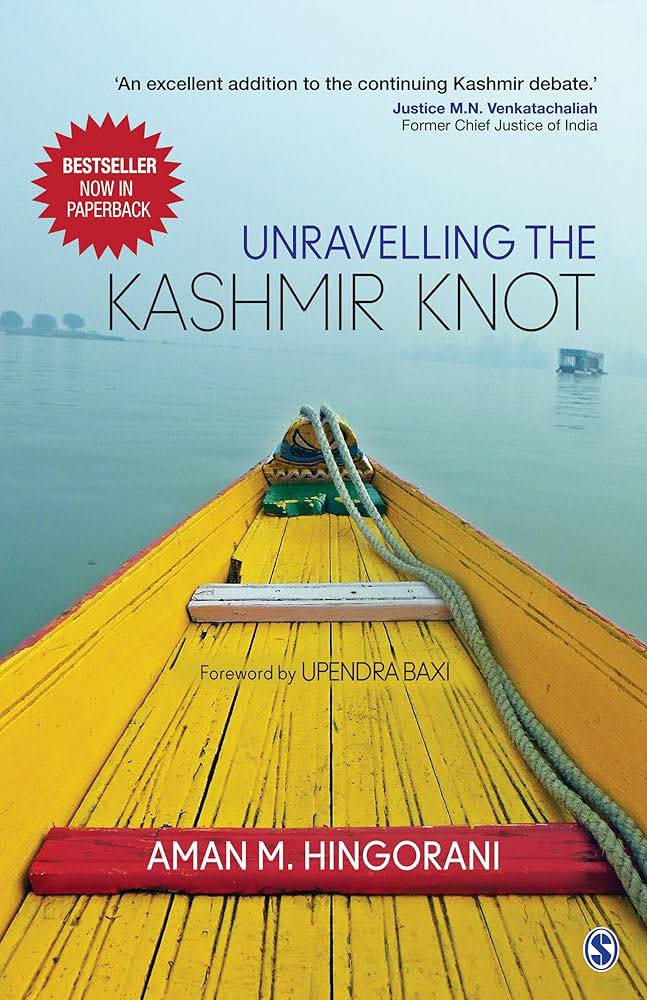
  • Aman M. Hingorani’s Unravelling the Kashmir Knot: Past, Present and Future is a meticulously researched work that delves into the historical, legal, and geopolitical facets of the Kashmir conflict. Authored by a seasoned Supreme Court lawyer, the book offers a unique perspective on the origins and potential resolutions of the dispute.  


    Overview

    Hingorani posits that the Kashmir issue is a byproduct of British colonial strategies aimed at maintaining geopolitical influence post-independence. Drawing from declassified British archives and legal statutes such as the Indian Independence Act of 1947 and the Government of India Act of 1935, he argues that the accession of Jammu and Kashmir to India was legally valid and irrevocable. The book also critiques the role of international entities and suggests that India’s approach to the International Court of Justice (ICJ) could reinforce its claim over the region .  


    Key Themes
    • British Colonial Strategy: The book examines how British policies, including the promotion of the Muslim League and the two-nation theory, contributed to the partition and the ensuing Kashmir conflict . 
    • Legal Validity of Accession: Hingorani emphasizes that the Maharaja’s decision to accede to India was in accordance with prevailing legal frameworks, rendering Pakistan’s claims over the territory legally untenable . 
    • International Law and the ICJ: The author advocates for India to present its case to the ICJ, asserting that a legal endorsement would help dispel the “disputed territory” label and strengthen India’s position internationally . 
    • Post-Article 370 Developments: The third edition of the book includes analysis of the abrogation of Article 370, discussing its implications on the region’s autonomy and India’s constitutional framework . 


    Critical Reception

    The book has been lauded for its comprehensive analysis and legal acumen. Reviewers have highlighted its balanced approach and the depth of research, noting its contribution to understanding the complex dynamics of the Kashmir issue .


    Where to Find

    Unravelling the Kashmir Knot is available for purchase on platforms like Amazon and Goodreads. It’s a recommended read for those interested in South Asian geopolitics, legal history, and conflict resolution. 
    Aman M. Hingorani’s Unravelling the Kashmir Knot: Past, Present and Future is a meticulously researched work that delves into the historical, legal, and geopolitical facets of the Kashmir conflict. Authored by a seasoned Supreme Court lawyer, the book offers a unique perspective on the origins and potential resolutions of the dispute.   ⸻ 📘 Overview Hingorani posits that the Kashmir issue is a byproduct of British colonial strategies aimed at maintaining geopolitical influence post-independence. Drawing from declassified British archives and legal statutes such as the Indian Independence Act of 1947 and the Government of India Act of 1935, he argues that the accession of Jammu and Kashmir to India was legally valid and irrevocable. The book also critiques the role of international entities and suggests that India’s approach to the International Court of Justice (ICJ) could reinforce its claim over the region .   ⸻ 🔍 Key Themes • British Colonial Strategy: The book examines how British policies, including the promotion of the Muslim League and the two-nation theory, contributed to the partition and the ensuing Kashmir conflict .  • Legal Validity of Accession: Hingorani emphasizes that the Maharaja’s decision to accede to India was in accordance with prevailing legal frameworks, rendering Pakistan’s claims over the territory legally untenable .  • International Law and the ICJ: The author advocates for India to present its case to the ICJ, asserting that a legal endorsement would help dispel the “disputed territory” label and strengthen India’s position internationally .  • Post-Article 370 Developments: The third edition of the book includes analysis of the abrogation of Article 370, discussing its implications on the region’s autonomy and India’s constitutional framework .  ⸻ 📚 Critical Reception The book has been lauded for its comprehensive analysis and legal acumen. Reviewers have highlighted its balanced approach and the depth of research, noting its contribution to understanding the complex dynamics of the Kashmir issue . ⸻ 📖 Where to Find Unravelling the Kashmir Knot is available for purchase on platforms like Amazon and Goodreads. It’s a recommended read for those interested in South Asian geopolitics, legal history, and conflict resolution. 
    0 Commentarii 0 Distribuiri 197 Views
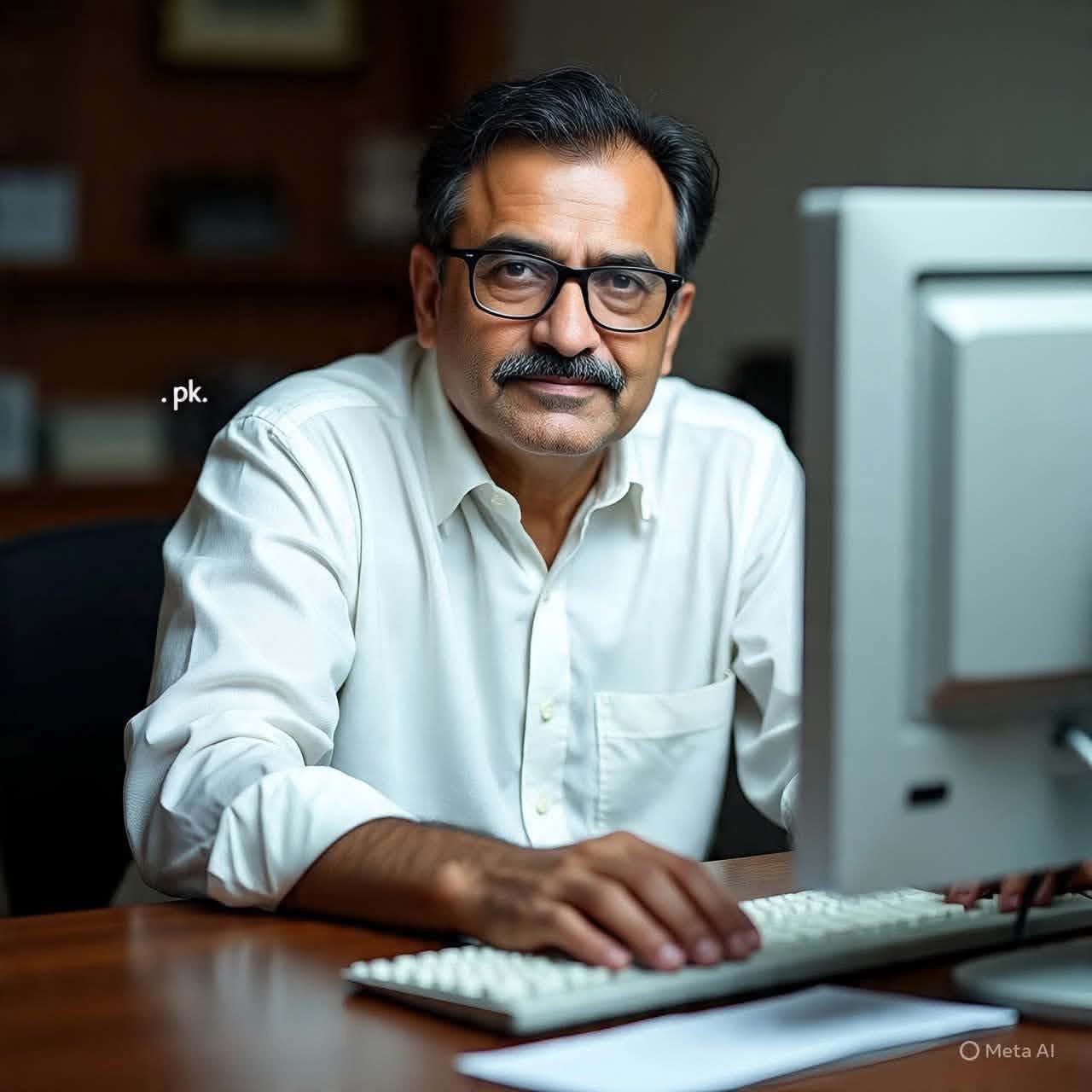
  • *پاکستان کا گمنام ہیرو: اشعر نثار - وہ بندہ جس نے پورے ملک کو.pk دیا*

    یار، آج تم جو بھی ویب سائٹ.pk پر کھولتے ہو نا — چاہے وہ http://daraz.pk ہو، http://pakwheels.pk ہو، یا تمہارا اپنا http://blog.pk — اس کے پیچھے ایک ایسے بندے کا دماغ ہے جس کا نام 99% پاکستانیوں نے کبھی نہیں سنا۔

    *نام ہے اشعر نثار۔*

    1989 کی بات ہے۔ انٹرنیٹ کا نام بھی کسی نے نہیں سنا تھا۔ UET لاہور سے ایک لڑکا پاس آؤٹ ہوتا ہے۔ امریکہ جاتا ہے، پڑھتا ہے، لیکن دل پاکستان میں ہی اٹکا رہتا ہے۔

    1992 میں جب دنیا کہہ رہی تھی “انٹرنیٹ ترقی یافتہ ملکوں کا کھلونا ہے”، اس بندے نے کہا “نہیں، پاکستان کا بھی اپنا انٹرنیٹ کا ایڈریس ہو گا”۔ اور اکیلے بیٹھ کر.pk ڈومین رجسٹری بنا دی۔ نام رکھا PKNIC۔

    *مسئلہ کیا تھا؟*
    حکومت کو انٹرنیٹ کی سمجھ نہیں تھی۔ کوئی فنڈ نہیں، کوئی ٹیم نہیں، کوئی دفتر نہیں۔ اوپر سے دباؤ کہ “یہ انٹرنیٹ-ورنیٹ چھوڑو، ملک کے اور مسئلے ہیں”۔ لیکن یہ بندہ ڈٹا رہا۔

    گھر کے ایک کمرے سے شروع کیا۔ خود کوڈ لکھتا، خود سرور چلاتا، خود شکایتیں سنتا۔ 90s میں جب کسی کی ای میل بند ہو جاتی تو لوگ عمران انور کو فون کرتے تھے، اور عمران انور آگے اشعر نثار کو۔ یہ وہ دور تھا جب پاکستان میں انٹرنیٹ کے “باپ” صرف 2-3 لوگ تھے۔ اشعر ان میں سے ایک تھا۔

    *آج نتیجہ کیا ہے؟*
    30 سال بعد، 5 لاکھ سے زیادہ.pk ویب سائٹس لائیو ہیں۔ ہر یوٹیوبر، ہر فری لانسر، ہر سٹارٹ اپ جو “ڈاٹ پی کے” لگاتا ہے، وہ انجانے میں اشعر نثار کے بنائے ہوئے سسٹم کو استعمال کر رہا ہے۔

    اربوں روپے کی ای-کامرس انڈسٹری.pk پر کھڑی ہے۔ لیکن جس نے بنیاد رکھی، وہ نہ TV پر آتا ہے، نہ ایوارڈ لینے۔ آج بھی خاموشی سے PKNIC چلاتا ہے۔ کبھی تصویر تک نیٹ پر نہیں ملتی۔

    *اسے گمنام کیوں کہتے ہیں؟*
    کیونکہ ہم ہیرو اسے کہتے ہیں جو دھماکہ کرے۔ جو خاموشی سے پوری قوم کے لیے ڈیجیٹل شناخت بنا دے، اسے ہم بھول جاتے ہیں۔

    عمران خان، عبدالقدیر خان کو سب جانتے ہیں۔ لیکن جس نے پاکستان کو انٹرنیٹ کا “شناختی کارڈ” دیا، اس کا نام لینے والا کوئی نہیں۔

    *ٹکنالوجی کی طاقت یہی ہے دوستو*
    یہ شور نہیں کرتی۔ یہ بس ایک بندے کو لیپ ٹاپ دے دیتی ہے اور وہ پوری قوم کا مستقبل کوڈ کر دیتا ہے۔

    اشعر نثار نے کوئی ایٹم بم نہیں بنایا۔ اس نے اس سے زیادہ خطرناک چیز بنائی: موقع۔
    اس.pk کی وجہ سے لاکھوں لوگوں نے آن لائن کاروبار شروع کیے۔ لاکھوں فری لانسرز نے ڈالر کمائے۔ اگر 1992 میں یہ بندہ ہمت ہار جاتا، تو آج ہم سب.com کے کرائے دار ہوتے۔

    *سبق کیا ملا؟*
    ہیرو وہ نہیں ہوتا جو سٹیج پر کھڑا ہو۔ ہیرو وہ ہوتا ہے جس کے کندھے پر سٹیج کھڑا ہو۔

    اشعر نثار، عمران انور، ایلوی برادران — یہ پاکستان کی IT انڈسٹری کے اصل باپ ہیں۔ ان کے بغیر نہ تمہاری فیس بک پوسٹ.pk پر رینک کرتی، نہ تمہارا دراز سٹور چلتا۔

    اگلی بار جب کوئی.pk ویب سائٹ کھولو، تو ایک سیکنڈ کے لیے اس گمنام بندے کا شکریہ ادا کر دینا جس نے 1992 میں کہا تھا “پاکستان کا بھی اپنا ڈومین ہو گا”۔

    https://www.linkedin.com/in/ashar-nisar-53599610?utm_source=share_via&utm_content=profile&utm_medium=member_ios

    #UnsungHeroes #PakistanTech #PKNIC #AsharNisar #DigitalPakistan #TechKaBaap #PakistanOnWorldStage #USIranTalks #Geopolitics #WorldPolitics #AIWala #BreakingNews #SecretService #viral #trending #invisiblefortress
    *پاکستان کا گمنام ہیرو: اشعر نثار - وہ بندہ جس نے پورے ملک کو.pk دیا* 🇵🇰💻 یار، آج تم جو بھی ویب سائٹ.pk پر کھولتے ہو نا — چاہے وہ http://daraz.pk ہو، http://pakwheels.pk ہو، یا تمہارا اپنا http://blog.pk — اس کے پیچھے ایک ایسے بندے کا دماغ ہے جس کا نام 99% پاکستانیوں نے کبھی نہیں سنا۔ *نام ہے اشعر نثار۔* 1989 کی بات ہے۔ انٹرنیٹ کا نام بھی کسی نے نہیں سنا تھا۔ UET لاہور سے ایک لڑکا پاس آؤٹ ہوتا ہے۔ امریکہ جاتا ہے، پڑھتا ہے، لیکن دل پاکستان میں ہی اٹکا رہتا ہے۔ 1992 میں جب دنیا کہہ رہی تھی “انٹرنیٹ ترقی یافتہ ملکوں کا کھلونا ہے”، اس بندے نے کہا “نہیں، پاکستان کا بھی اپنا انٹرنیٹ کا ایڈریس ہو گا”۔ اور اکیلے بیٹھ کر.pk ڈومین رجسٹری بنا دی۔ نام رکھا PKNIC۔ *مسئلہ کیا تھا؟* حکومت کو انٹرنیٹ کی سمجھ نہیں تھی۔ کوئی فنڈ نہیں، کوئی ٹیم نہیں، کوئی دفتر نہیں۔ اوپر سے دباؤ کہ “یہ انٹرنیٹ-ورنیٹ چھوڑو، ملک کے اور مسئلے ہیں”۔ لیکن یہ بندہ ڈٹا رہا۔ گھر کے ایک کمرے سے شروع کیا۔ خود کوڈ لکھتا، خود سرور چلاتا، خود شکایتیں سنتا۔ 90s میں جب کسی کی ای میل بند ہو جاتی تو لوگ عمران انور کو فون کرتے تھے، اور عمران انور آگے اشعر نثار کو۔ یہ وہ دور تھا جب پاکستان میں انٹرنیٹ کے “باپ” صرف 2-3 لوگ تھے۔ اشعر ان میں سے ایک تھا۔ *آج نتیجہ کیا ہے؟* 30 سال بعد، 5 لاکھ سے زیادہ.pk ویب سائٹس لائیو ہیں۔ ہر یوٹیوبر، ہر فری لانسر، ہر سٹارٹ اپ جو “ڈاٹ پی کے” لگاتا ہے، وہ انجانے میں اشعر نثار کے بنائے ہوئے سسٹم کو استعمال کر رہا ہے۔ اربوں روپے کی ای-کامرس انڈسٹری.pk پر کھڑی ہے۔ لیکن جس نے بنیاد رکھی، وہ نہ TV پر آتا ہے، نہ ایوارڈ لینے۔ آج بھی خاموشی سے PKNIC چلاتا ہے۔ کبھی تصویر تک نیٹ پر نہیں ملتی۔ *اسے گمنام کیوں کہتے ہیں؟* کیونکہ ہم ہیرو اسے کہتے ہیں جو دھماکہ کرے۔ جو خاموشی سے پوری قوم کے لیے ڈیجیٹل شناخت بنا دے، اسے ہم بھول جاتے ہیں۔ عمران خان، عبدالقدیر خان کو سب جانتے ہیں۔ لیکن جس نے پاکستان کو انٹرنیٹ کا “شناختی کارڈ” دیا، اس کا نام لینے والا کوئی نہیں۔ *ٹکنالوجی کی طاقت یہی ہے دوستو* یہ شور نہیں کرتی۔ یہ بس ایک بندے کو لیپ ٹاپ دے دیتی ہے اور وہ پوری قوم کا مستقبل کوڈ کر دیتا ہے۔ اشعر نثار نے کوئی ایٹم بم نہیں بنایا۔ اس نے اس سے زیادہ خطرناک چیز بنائی: موقع۔ اس.pk کی وجہ سے لاکھوں لوگوں نے آن لائن کاروبار شروع کیے۔ لاکھوں فری لانسرز نے ڈالر کمائے۔ اگر 1992 میں یہ بندہ ہمت ہار جاتا، تو آج ہم سب.com کے کرائے دار ہوتے۔ *سبق کیا ملا؟* ہیرو وہ نہیں ہوتا جو سٹیج پر کھڑا ہو۔ ہیرو وہ ہوتا ہے جس کے کندھے پر سٹیج کھڑا ہو۔ اشعر نثار، عمران انور، ایلوی برادران — یہ پاکستان کی IT انڈسٹری کے اصل باپ ہیں۔ ان کے بغیر نہ تمہاری فیس بک پوسٹ.pk پر رینک کرتی، نہ تمہارا دراز سٹور چلتا۔ اگلی بار جب کوئی.pk ویب سائٹ کھولو، تو ایک سیکنڈ کے لیے اس گمنام بندے کا شکریہ ادا کر دینا جس نے 1992 میں کہا تھا “پاکستان کا بھی اپنا ڈومین ہو گا”۔ https://www.linkedin.com/in/ashar-nisar-53599610?utm_source=share_via&utm_content=profile&utm_medium=member_ios #UnsungHeroes #PakistanTech #PKNIC #AsharNisar #DigitalPakistan #TechKaBaap #PakistanOnWorldStage #USIranTalks #Geopolitics #WorldPolitics #AIWala #BreakingNews #SecretService #viral #trending #invisiblefortress
    0 Commentarii 0 Distribuiri 2094 Views