• Hamburger University

    In 1961, Ray launched a training program, later called Hamburger University, at a new restaurant in Elk Grove Village, Illinois. There, franchisees and operators were trained in the scientific methods of running a successful McDonald’s. Hamburger U also had a research and development laboratory to develop new cooking, freezing, storing and serving methods. Today, more than 80,000 people have graduated from the program.
    Hamburger University In 1961, Ray launched a training program, later called Hamburger University, at a new restaurant in Elk Grove Village, Illinois. There, franchisees and operators were trained in the scientific methods of running a successful McDonald’s. Hamburger U also had a research and development laboratory to develop new cooking, freezing, storing and serving methods. Today, more than 80,000 people have graduated from the program.
    0 Комментарии 0 Поделились 2668 Просмотры
  • I am travelling to #Hamburg , # Copenhagen, #Stockholm, #Oslo, #Gothenburg, #Tallinn in next 10 Days, Anyone who wants to meetup, Please write on status where you want to meet, and do check my updates for location announcements, Thanks
    I am travelling to #Hamburg , # Copenhagen, #Stockholm, #Oslo, #Gothenburg, #Tallinn in next 10 Days, Anyone who wants to meetup, Please write on status where you want to meet, and do check my updates for location announcements, Thanks
    0 Комментарии 0 Поделились 1259 Просмотры
  • Hello Hamburg !whos here ?
    Hello Hamburg !who's here ?
    0 Комментарии 0 Поделились 336 Просмотры
  • There are no camels in Germany, Hamburg is a city in Germany, are there Camels in Hamburg ?
    There are no camels 🐪 in Germany, Hamburg is a city in Germany, are there Camels in Hamburg ?
    0 Комментарии 0 Поделились 384 Просмотры
  • The Origin Story of Ketchup — A Story Essay

    Long before the world dipped French fries in ketchup…
    long before burgers dripped with red sauce…

    There was no tomato in ketchup at all.

    The true story begins 2,500 years ago, deep in Asia.


    Chapter 1 — The Sauce of the Sea (China, 300 BCE)

    Along the coastline of ancient China, fishermen fermented:
    • Fish
    • Salt
    • Water
    • Sometimes seaweed

    They called this dark, salty liquid:

    “鮭汁” (Ke-tsiap)

    Pronounced kay-chap.
    It meant “fish brine” or “fish sauce.”

    It was powerful, sharp, and full of umami — the perfect seasoning.
    Sailors loved it, traders carried it, and soon it spread along the shipping routes of Asia.


    Chapter 2 — The Journey to Southeast Asia

    Ke-tsiap traveled to:
    • Malaysia
    • Indonesia
    • Singapore
    • The Philippines

    Local people copied it.

    In Malay it became:

    “Kecap” or “Kicap”

    This word still exists today — the origin of our modern “ketchup.”

    But still — no tomato yet.


    Chapter 3 — The British Discover the Magic (1600s)

    British sailors visiting Asia tasted kecap and loved it.

    They brought the idea back to England.

    But Britain had no Asian fish sauce, so they improvised and created their own versions:
    • Mushroom ketchup
    • Walnut ketchup
    • Oyster ketchup
    • Anchovy ketchup

    Ketchup at this time looked brown, not red.
    It was used in soups, gravies, and meat pies — more like soy sauce than today’s ketchup.

    For over 150 years, ketchup was a brown, savory British sauce.


    Chapter 4 — The Tomato Arrives (1800s, America)

    Tomatoes reached America from Europe.
    People were still unsure — were tomatoes poisonous or safe?

    Then American cooks did something bold:

    They made tomato ketchup.

    The earliest printed recipe appears around 1812 by scientist James Mease.
    He called tomatoes “love apples” and mixed them with:
    • Vinegar
    • Salt
    • Spices

    This new red ketchup was bright, sweet, and tangy.
    Americans loved it instantly.

    Tomato ketchup pushed aside every other version.


    Chapter 5 — Heinz and the Birth of Modern Ketchup (1876)

    This is the real turning point.

    Henry J. Heinz created the ketchup we know today:
    • Thick
    • Smooth
    • Bright red
    • Sweet
    • Shelf-stable

    He added distilled vinegar and removed all artificial preservatives.
    His glass bottle with the number 57 became iconic.

    From that moment, ketchup transformed from a homemade sauce to a global kitchen essential.


    Chapter 6 — Ketchup Conquers the World

    By the 1900s:
    • Hamburgers
    • Hot dogs
    • Fries
    • Fried chicken
    • Eggs
    • Shawarma
    • Samosas
    • Pakoras
    • Parathas

    All got baptized in ketchup.

    India made spicy ketchup.
    Pakistan made chili-garlic ketchup.
    Japan made omurice ketchup.
    The world made a thousand versions — but all of them trace back to:

    A Chinese fermented fish sauce.


    The Journey in One Line

    A salty Chinese fish sauce became a British mushroom sauce…
    which became an American tomato sauce…
    which became ketchup, the world’s favorite icon.
    🍅 The Origin Story of Ketchup — A Story Essay Long before the world dipped French fries in ketchup… long before burgers dripped with red sauce… There was no tomato in ketchup at all. The true story begins 2,500 years ago, deep in Asia. ⸻ 🌊 Chapter 1 — The Sauce of the Sea (China, 300 BCE) Along the coastline of ancient China, fishermen fermented: • Fish • Salt • Water • Sometimes seaweed They called this dark, salty liquid: “鮭汁” (Ke-tsiap) Pronounced kay-chap. It meant “fish brine” or “fish sauce.” It was powerful, sharp, and full of umami — the perfect seasoning. Sailors loved it, traders carried it, and soon it spread along the shipping routes of Asia. ⸻ 🛶 Chapter 2 — The Journey to Southeast Asia Ke-tsiap traveled to: • Malaysia • Indonesia • Singapore • The Philippines Local people copied it. In Malay it became: “Kecap” or “Kicap” This word still exists today — the origin of our modern “ketchup.” But still — no tomato yet. ⸻ 🚢 Chapter 3 — The British Discover the Magic (1600s) British sailors visiting Asia tasted kecap and loved it. They brought the idea back to England. But Britain had no Asian fish sauce, so they improvised and created their own versions: • Mushroom ketchup • Walnut ketchup • Oyster ketchup • Anchovy ketchup Ketchup at this time looked brown, not red. It was used in soups, gravies, and meat pies — more like soy sauce than today’s ketchup. For over 150 years, ketchup was a brown, savory British sauce. ⸻ 🍅 Chapter 4 — The Tomato Arrives (1800s, America) Tomatoes reached America from Europe. People were still unsure — were tomatoes poisonous or safe? Then American cooks did something bold: They made tomato ketchup. The earliest printed recipe appears around 1812 by scientist James Mease. He called tomatoes “love apples” and mixed them with: • Vinegar • Salt • Spices This new red ketchup was bright, sweet, and tangy. Americans loved it instantly. Tomato ketchup pushed aside every other version. ⸻ 🏭 Chapter 5 — Heinz and the Birth of Modern Ketchup (1876) This is the real turning point. Henry J. Heinz created the ketchup we know today: • Thick • Smooth • Bright red • Sweet • Shelf-stable He added distilled vinegar and removed all artificial preservatives. His glass bottle with the number 57 became iconic. From that moment, ketchup transformed from a homemade sauce to a global kitchen essential. ⸻ 🌍 Chapter 6 — Ketchup Conquers the World By the 1900s: • Hamburgers • Hot dogs • Fries • Fried chicken • Eggs • Shawarma • Samosas • Pakoras • Parathas All got baptized in ketchup. India made spicy ketchup. Pakistan made chili-garlic ketchup. Japan made omurice ketchup. The world made a thousand versions — but all of them trace back to: A Chinese fermented fish sauce. ⸻ 🍅 The Journey in One Line A salty Chinese fish sauce became a British mushroom sauce… which became an American tomato sauce… which became ketchup, the world’s favorite icon.
    0 Комментарии 0 Поделились 1526 Просмотры
  • Hi Rehan, Nice meeting you, thanks for friend request. O really enjoyed watching and listening to your live event tonight, it was like a free seminar and even tho I am 66 and health issues urge me to take it easy it is lovely to hear about How to do Things, cause thats what it always boils down to, make music or do business - it all has to come out of the same heart or it wont work. Loved what you said about the hamburger venture that would never succeed if you dony like hamburgers - things like that are enriching and applicable in so many situations.

    I am a singer songwriter, style country, folk, blues and some jazz. I am a late bloomer, writing started in my late 30s and really took off when I was nearly 50.
    So I never really thought of selling music or even reaching out to an audience - until then I had been playing in bands and teaching music, mainly guitar.
    But when health issues presented themselves I had to use my energy in another way, and this may sound familiar: in a situation like that you have to become organized, build a network that can work for you. For musicians these tools are well developed already, offering free opportunities to showcase your music and grow a fan base. So being confined to being home most of the time had its advantages too, and just for the fun of it I created a page on reverbnation.com that interacts very well with other social platforms, like here on facebook: this page is a creation by reverbnation and it took them quite a few court cases to make it possible for musicians to showcase their music here and yet keep the copy rights. Its all wonderful stuff you learn along the way and its amazing how much I picked up from friends who are all successful in some kind of business ranging from mechanics running workshops to music producers.

    Health however turned worse, last year I was diagnosed with lung cancer and my right lung was taken out. A serious blow of course, but through hard work and exercise I am learning to function again using 1 lung; there will be a moment when Ill be back singing.

    Hey, its nice to talk to you, you see how inspiring your talk with Bevan was, it really puts the mind at work.

    Enough talk about myself, thanks again for the Friend Request, and enjoy my music on www.harryvsingersongwriter.com, a nifty simple site with links to other places that work very well for me.

    Have a great weekend!

    Meet Harry Versluijs
    Hi Rehan, Nice meeting you, thanks for friend request. O really enjoyed watching and listening to your live event tonight, it was like a free seminar and even tho I am 66 and health issues urge me to take it easy it is lovely to hear about How to do Things, cause that's what it always boils down to, make music or do business - it all has to come out of the same heart or it won't work. Loved what you said about the hamburger venture that would never succeed if you don'y like hamburgers - things like that are enriching and applicable in so many situations. I am a singer songwriter, style country, folk, blues and some jazz. I am a late bloomer, writing started in my late 30's and really took off when I was nearly 50. So I never really thought of selling music or even reaching out to an audience - until then I had been playing in bands and teaching music, mainly guitar. But when health issues presented themselves I had to use my energy in another way, and this may sound familiar: in a situation like that you have to become organized, build a network that can work for you. For musicians these tools are well developed already, offering free opportunities to showcase your music and grow a fan base. So being confined to being home most of the time had its advantages too, and just for the fun of it I created a page on reverbnation.com that interacts very well with other social platforms, like here on facebook: this page is a creation by reverbnation and it took them quite a few court cases to make it possible for musicians to showcase their music here and yet keep the copy rights. It's all wonderful stuff you learn along the way and it's amazing how much I picked up from friends who are all successful in some kind of business ranging from mechanics running workshops to music producers. Health however turned worse, last year I was diagnosed with lung cancer and my right lung was taken out. A serious blow of course, but through hard work and exercise I am learning to function again using 1 lung; there will be a moment when I'll be back singing. Hey, it's nice to talk to you, you see how inspiring your talk with Bevan was, it really puts the mind at work. Enough talk about myself, thanks again for the Friend Request, and enjoy my music on www.harryvsingersongwriter.com, a nifty simple site with links to other places that work very well for me. Have a great weekend! Meet Harry Versluijs
    0 Комментарии 0 Поделились 319 Просмотры
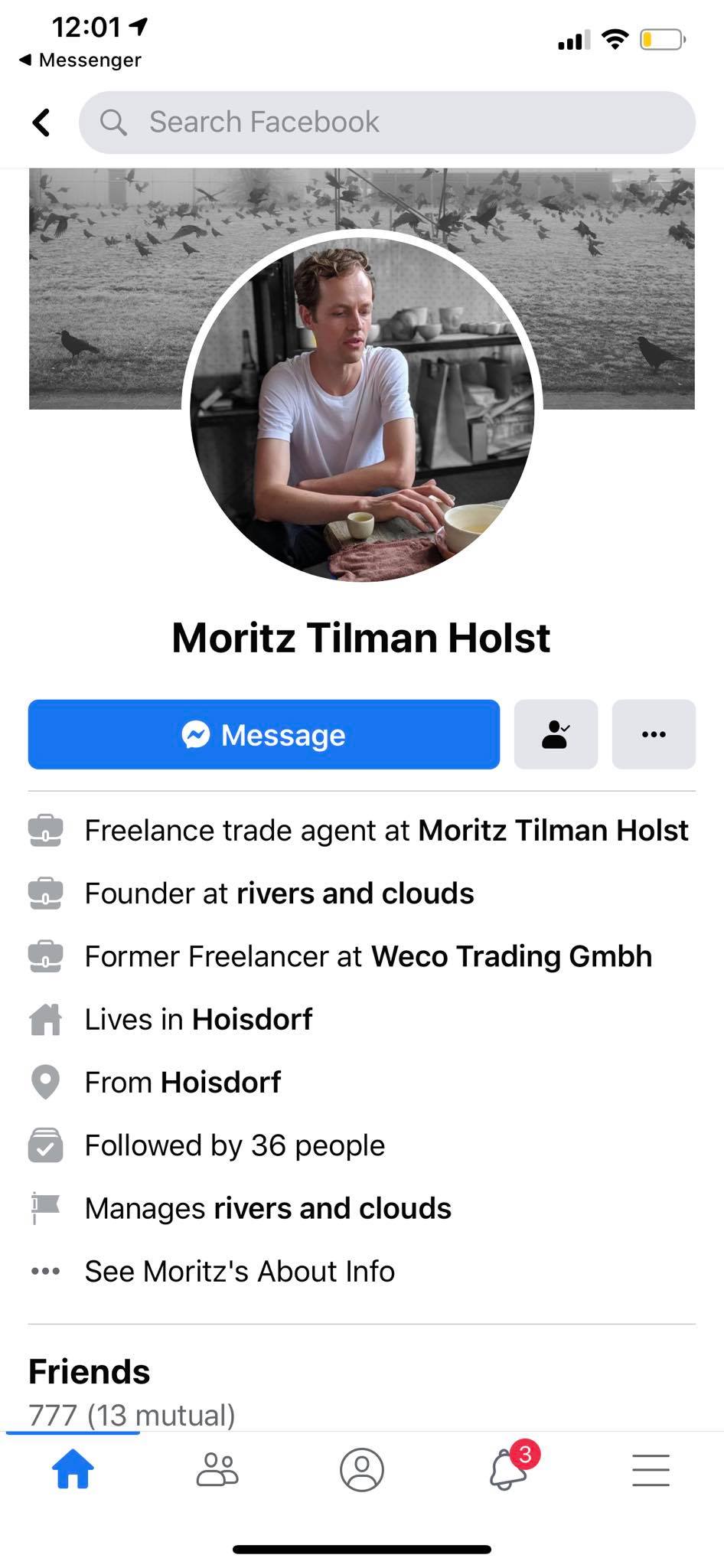
  • Hi Rehan! Nice to meet you!

    My family has a small construction business called Friedrich Holst in Hamburg, Germany, specialized on very complicated constructions mostly in water, for example harbours, bridges and tunnels since now 150 years.

    My grandad took over the company quite young, just before the war and as you can imagine, Hamburg had a lot to rebuild afterwards, so those were good years and he bought some very specialized machinery.

    In the 50s these machines werent used that much in Hamburg no more, so when he heard about the government of Pakistan asking for specialized companies to help building the new port of Karachi, he went all in, moved most of his company and machinery there.

    He lost everything in 1957, when the new Republic of Pakistan decided to seize all foreign assets in the country and only thanks to a lot of luck, a one decade long court case and his very talented workers he was able to rebuild his company here.

    He still until his death kept close contact to some Pakistani friends though and had many beautiful stories from his time there.

    Moritz Tilman Holst
    Hi Rehan! Nice to meet you! My family has a small construction business called Friedrich Holst in Hamburg, Germany, specialized on very complicated constructions mostly in water, for example harbours, bridges and tunnels since now 150 years. My grandad took over the company quite young, just before the war and as you can imagine, Hamburg had a lot to rebuild afterwards, so those were good years and he bought some very specialized machinery. In the 50s these machines weren't used that much in Hamburg no more, so when he heard about the government of Pakistan asking for specialized companies to help building the new port of Karachi, he went all in, moved most of his company and machinery there. He lost everything in 1957, when the new Republic of Pakistan decided to seize all foreign assets in the country and only thanks to a lot of luck, a one decade long court case and his very talented workers he was able to rebuild his company here. He still until his death kept close contact to some Pakistani friends though and had many beautiful stories from his time there. Moritz Tilman Holst
    0 Комментарии 0 Поделились 259 Просмотры
  • **Have You Spent 10,000 Hours on Your Art to Become Successful?**

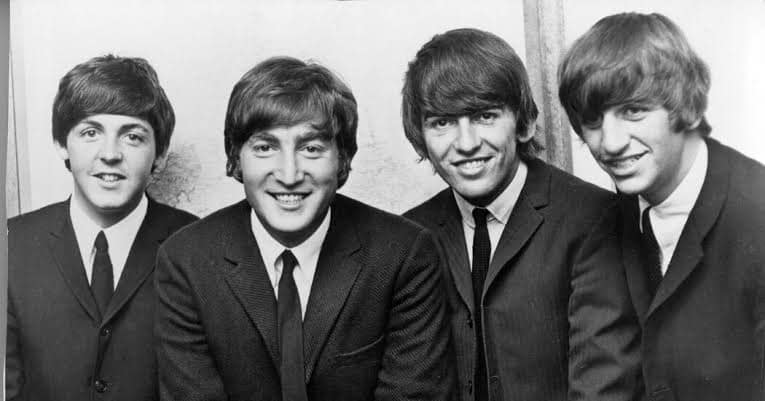
    When we think of The Beatles, we remember them as one of the most iconic and successful bands in history. But did you know that their success wasnt just a stroke of luck? Before they became household names, The Beatles spent countless hours honing their craft in the unlikeliest of places—Hamburg, Germany.

    In the early 1960s, The Beatles performed in Hamburg’s gritty clubs, playing marathon sessions of up to eight hours a night, seven days a week. They werent just playing to packed stadiums; they were grinding it out, night after night, in small, smoky clubs. Between 1960 and 1962, they amassed thousands of hours of live performance experience—far more than most bands of their time. By the time they returned to England, they were masters of their craft, ready to take on the world.

    Malcolm Gladwell, in his book *Outliers*, uses The Beatles story to highlight the "10,000-Hour Rule." This idea suggests that it takes roughly 10,000 hours of practice to achieve mastery in any field. For The Beatles, those countless hours in Hamburg were crucial to their meteoric rise.

    So, the question is—have you invested your 10,000 hours in your art, your passion, your dream? Success doesnt come overnight. It’s built in the quiet hours of dedication and persistence. The Beatles didnt become legends by chance; they put in the work.

    Are you willing to do the same? #10000Hours #TheBeatles #Success #Persistence #Outliers
    **Have You Spent 10,000 Hours on Your Art to Become Successful?** When we think of The Beatles, we remember them as one of the most iconic and successful bands in history. But did you know that their success wasn't just a stroke of luck? Before they became household names, The Beatles spent countless hours honing their craft in the unlikeliest of places—Hamburg, Germany. In the early 1960s, The Beatles performed in Hamburg’s gritty clubs, playing marathon sessions of up to eight hours a night, seven days a week. They weren't just playing to packed stadiums; they were grinding it out, night after night, in small, smoky clubs. Between 1960 and 1962, they amassed thousands of hours of live performance experience—far more than most bands of their time. By the time they returned to England, they were masters of their craft, ready to take on the world. Malcolm Gladwell, in his book *Outliers*, uses The Beatles' story to highlight the "10,000-Hour Rule." This idea suggests that it takes roughly 10,000 hours of practice to achieve mastery in any field. For The Beatles, those countless hours in Hamburg were crucial to their meteoric rise. So, the question is—have you invested your 10,000 hours in your art, your passion, your dream? Success doesn't come overnight. It’s built in the quiet hours of dedication and persistence. The Beatles didn't become legends by chance; they put in the work. Are you willing to do the same? 🎶 #10000Hours #TheBeatles #Success #Persistence #Outliers
    0 Комментарии 0 Поделились 1004 Просмотры
  • Imke Hafsa is a remarkable woman who embraced Islam in Germany in 2012, Alhamdulillah. With the help of some wonderful sisters at a Masjid in Hamburg, she learned about Islam and became a practicing Muslimah. She has a deep love for the faith and a strong commitment to calling people towards goodness.

    Despite the challenges of wearing a hijab and practicing Islam in Germany, she remains steadfast in her belief and is never ashamed of her religion. Her trust is in Allah alone, and she encourages others to strengthen their Iman by making sincere Dua, seeking Allah’s forgiveness, and treating everyone—rich or poor, educated or not—with kindness and respect.

    Imke Hafsa has also visited Pakistan twice and has great admiration for its hospitality, beautiful landscapes, and rich history. She encourages Pakistanis to take pride in their country and work towards its betterment. Her journey is an inspiration for anyone striving to stay firm in their faith, and she continues to spread positivity and guidance wherever she goes. May Allah bless her and grant her success in all her endeavors!

    Do inbox a congratulations to her and invite her again to Pakistan
    Imke Hafsa is a remarkable woman who embraced Islam in Germany in 2012, Alhamdulillah. With the help of some wonderful sisters at a Masjid in Hamburg, she learned about Islam and became a practicing Muslimah. She has a deep love for the faith and a strong commitment to calling people towards goodness. Despite the challenges of wearing a hijab and practicing Islam in Germany, she remains steadfast in her belief and is never ashamed of her religion. Her trust is in Allah alone, and she encourages others to strengthen their Iman by making sincere Dua, seeking Allah’s forgiveness, and treating everyone—rich or poor, educated or not—with kindness and respect. Imke Hafsa has also visited Pakistan twice and has great admiration for its hospitality, beautiful landscapes, and rich history. She encourages Pakistanis to take pride in their country and work towards its betterment. Her journey is an inspiration for anyone striving to stay firm in their faith, and she continues to spread positivity and guidance wherever she goes. May Allah bless her and grant her success in all her endeavors! Do inbox a congratulations to her and invite her again to Pakistan 🇵🇰
    0 Комментарии 0 Поделились 257 Просмотры
  • The Birth of NIVEA Creme (1911–1931)

    Hamburg, Germany, 1890s

    A young pharmacist named Oscar Troplowitz had just taken over a small but promising laboratory founded by Paul Beiersdorf. Hamburg was bustling with trade, science, and new ideas. Troplowitz wasn’t just a pharmacist — he was an entrepreneur with an eye for opportunity.

    At that time, creams existed, but they were unreliable. They separated into oily puddles in summer and froze stiff in winter. Ladies in Berlin, Paris, or Buenos Aires could not depend on them. There was no truly modern skincare product.


    The Breakthrough: A Chemist’s Secret

    Enter Isaac Lifschütz, a brilliant but eccentric chemist. He had developed something radical: Eucerit — a stable emulsifier made from lanolin (sheep’s wool fat). This ingredient could keep oil and water bound together, smooth and creamy, through heat and cold, across continents.

    Troplowitz immediately recognized its potential. He brought in Professor Paul Gerson Unna, one of Germany’s most respected dermatologists, to refine the formula. Together, they blended glycerin, oils, fragrance — and Lifschütz’s Eucerit.

    The result was a cream unlike anything before: smooth, snow-white, velvety, and stable.


    1911: A Tin of Snow

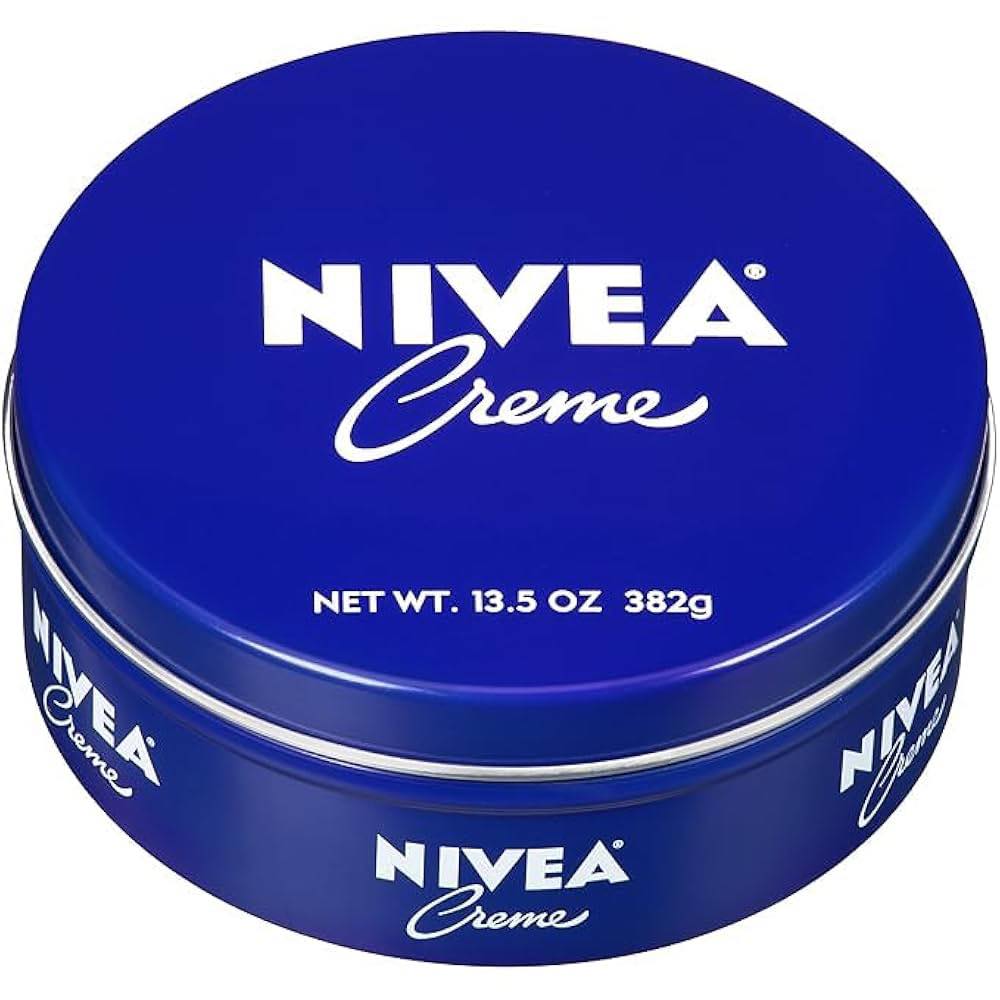
    In December 1911, Beiersdorf launched the product. They named it NIVEA, from the Latin nix, nivis — “snow.” The name captured its whiteness and purity.

    The packaging was just as daring as the formula. Instead of fragile jars, Troplowitz invested in custom machinery to fill and seal aluminum tins. This kept the cream fresh during shipping and gave it a modern, industrial feel.

    Hamburg dockworkers soon noticed small blue-gray tins leaving for Buenos Aires, Sydney, New York. In just three years, NIVEA Creme was on shelves in every corner of the world.


    War and Survival (1914–1918)

    World War I almost killed the dream. Global trade routes broke down. Raw materials grew scarce. Yet Troplowitz’s foresight — establishing affiliates abroad early — meant that NIVEA survived where other European brands collapsed. Even during wartime, women and men held on to their little tins of “snow cream.”


    The Roaring 1920s: Identity and Expansion

    By the 1920s, NIVEA was already an international brand. But branding was inconsistent. The tins had Art Nouveau designs with flowers and cherubs. Pretty — but not timeless.

    In 1925, the company made a bold move: a clean blue tin with white block letters. This minimalist look was modern, universal, and unforgettable. It was a branding masterstroke.

    At the same time, NIVEA expanded beyond the original cream:
    • 1922–1928: shaving soap, hair tonics, sun-care lotions.
    • Advertisements targeted not just women but also men, children, athletes. NIVEA became a “family brand” before the term existed.


    By 1931: A Global Household Name

    In just twenty years, NIVEA Creme had gone from a risky experiment in a Hamburg lab to one of the first true global consumer brands. Its success was built on three pillars:
    1. Scientific breakthrough (Eucerit, the stable emulsion).
    2. Entrepreneurial vision (Troplowitz’s global expansion, tin packaging).
    3. Branding genius (the simple name, the blue tin).

    Even a century later, the same formula, the same blue tin, and the same snow-white cream remain — proof of how powerful those first 20 years were.

    🌿 The Birth of NIVEA Creme (1911–1931) Hamburg, Germany, 1890s A young pharmacist named Oscar Troplowitz had just taken over a small but promising laboratory founded by Paul Beiersdorf. Hamburg was bustling with trade, science, and new ideas. Troplowitz wasn’t just a pharmacist — he was an entrepreneur with an eye for opportunity. At that time, creams existed, but they were unreliable. They separated into oily puddles in summer and froze stiff in winter. Ladies in Berlin, Paris, or Buenos Aires could not depend on them. There was no truly modern skincare product. ⸻ The Breakthrough: A Chemist’s Secret Enter Isaac Lifschütz, a brilliant but eccentric chemist. He had developed something radical: Eucerit — a stable emulsifier made from lanolin (sheep’s wool fat). This ingredient could keep oil and water bound together, smooth and creamy, through heat and cold, across continents. Troplowitz immediately recognized its potential. He brought in Professor Paul Gerson Unna, one of Germany’s most respected dermatologists, to refine the formula. Together, they blended glycerin, oils, fragrance — and Lifschütz’s Eucerit. The result was a cream unlike anything before: smooth, snow-white, velvety, and stable. ⸻ 1911: A Tin of Snow In December 1911, Beiersdorf launched the product. They named it NIVEA, from the Latin nix, nivis — “snow.” The name captured its whiteness and purity. The packaging was just as daring as the formula. Instead of fragile jars, Troplowitz invested in custom machinery to fill and seal aluminum tins. This kept the cream fresh during shipping and gave it a modern, industrial feel. Hamburg dockworkers soon noticed small blue-gray tins leaving for Buenos Aires, Sydney, New York. In just three years, NIVEA Creme was on shelves in every corner of the world. ⸻ War and Survival (1914–1918) World War I almost killed the dream. Global trade routes broke down. Raw materials grew scarce. Yet Troplowitz’s foresight — establishing affiliates abroad early — meant that NIVEA survived where other European brands collapsed. Even during wartime, women and men held on to their little tins of “snow cream.” ⸻ The Roaring 1920s: Identity and Expansion By the 1920s, NIVEA was already an international brand. But branding was inconsistent. The tins had Art Nouveau designs with flowers and cherubs. Pretty — but not timeless. In 1925, the company made a bold move: a clean blue tin with white block letters. This minimalist look was modern, universal, and unforgettable. It was a branding masterstroke. At the same time, NIVEA expanded beyond the original cream: • 1922–1928: shaving soap, hair tonics, sun-care lotions. • Advertisements targeted not just women but also men, children, athletes. NIVEA became a “family brand” before the term existed. ⸻ By 1931: A Global Household Name In just twenty years, NIVEA Creme had gone from a risky experiment in a Hamburg lab to one of the first true global consumer brands. Its success was built on three pillars: 1. Scientific breakthrough (Eucerit, the stable emulsion). 2. Entrepreneurial vision (Troplowitz’s global expansion, tin packaging). 3. Branding genius (the simple name, the blue tin). Even a century later, the same formula, the same blue tin, and the same snow-white cream remain — proof of how powerful those first 20 years were.

    0 Комментарии 0 Поделились 449 Просмотры
Расширенные страницы