• RSIf8
    Roll no.49
    Tedx Talk no.41
    TEDx Talk Review:The Danger of a Single Story – Chimamanda Ngozi Adichie

    In this TEDx Talk review, I explore “The Danger of a Single Story” by Chimamanda Ngozi Adichie. This powerful talk explains how hearing only one side of a person, culture, or country can create misunderstandings, stereotypes, and unfair judgments.

    Through personal experiences and meaningful examples, Chimamanda encourages us to look beyond common assumptions, listen to different perspectives, and understand that every person has a unique story.

    This talk teaches us the importance of open-mindedness, cultural understanding, and respecting diversity. It reminds us that no single story can define an entire person or community.

    The key message: Never judge someone based on just one story. Listen, learn, and explore different perspectives before forming an opinion!

    #TEDxTalk #TheDangerOfASingleStory #ChimamandaAdichie #DifferentPerspectives #CulturalAwareness #OpenMindedness #RespectDiversity #Inspiration #ClassFoundation #RSf8
    RSIf8 Roll no.49 Tedx Talk no.41 TEDx Talk Review:The Danger of a Single Story – Chimamanda Ngozi Adichie In this TEDx Talk review, I explore “The Danger of a Single Story” by Chimamanda Ngozi Adichie. This powerful talk explains how hearing only one side of a person, culture, or country can create misunderstandings, stereotypes, and unfair judgments. Through personal experiences and meaningful examples, Chimamanda encourages us to look beyond common assumptions, listen to different perspectives, and understand that every person has a unique story. 📖✨ This talk teaches us the importance of open-mindedness, cultural understanding, and respecting diversity. It reminds us that no single story can define an entire person or community. ❤️ 💡 The key message: Never judge someone based on just one story. Listen, learn, and explore different perspectives before forming an opinion! #TEDxTalk #TheDangerOfASingleStory #ChimamandaAdichie #DifferentPerspectives #CulturalAwareness #OpenMindedness #RespectDiversity #Inspiration #ClassFoundation #RSf8
    0 Commentaires 0 Parts 454 Vue 1
  • Day : 174
    foundation level
    accl book 1

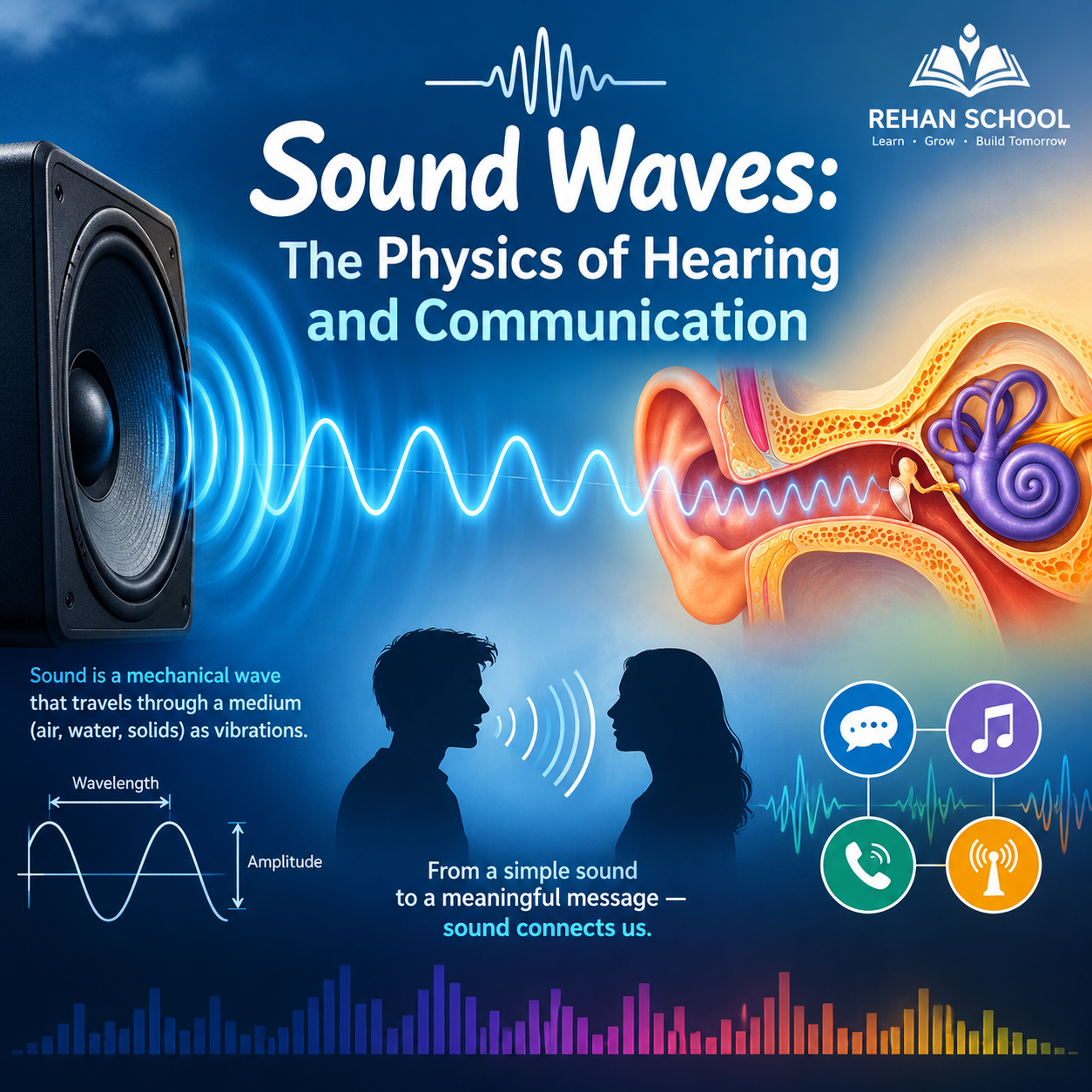
    **Sound Waves: The Physics of Hearing and Communication**
    Have you ever wondered how sound travels from one person to another? Sound waves are an amazing part of physics that make hearing, speaking, listening to music, and communicating with others possible.
    In this educational journey, we explore how sound is produced through vibrations, how it travels through different mediums such as air, water, and solids, and how our ears receive and interpret these vibrations. We also discover important concepts like wavelength, amplitude, frequency, and the science behind human hearing.
    From the sound of a musical instrument to the words we speak every day, sound waves connect us to the world around us. Through this creative and educational song, we make learning physics more interesting, engaging, and fun!
    At **Rehan School**, we believe that learning becomes more powerful when science meets creativity. Let’s explore the fascinating world of sound and discover the physics behind every voice, every melody, and every message.
    **Listen, learn, and discover how sound connects us!**
    #SoundWaves #Physics #ScienceEducation #HearingAndCommunication #LearnThroughMusic #EducationalSong #Wavelength #Amplitude #HumanEar #RehanSchool #CreativeLearning #STEMEducation
    Day : 174 foundation level accl book 1 🔊 **Sound Waves: The Physics of Hearing and Communication** 🎧 Have you ever wondered how sound travels from one person to another? 🌊 Sound waves are an amazing part of physics that make hearing, speaking, listening to music, and communicating with others possible. In this educational journey, we explore how sound is produced through vibrations, how it travels through different mediums such as air, water, and solids, and how our ears receive and interpret these vibrations. We also discover important concepts like wavelength, amplitude, frequency, and the science behind human hearing. From the sound of a musical instrument to the words we speak every day, sound waves connect us to the world around us. Through this creative and educational song, we make learning physics more interesting, engaging, and fun! 🎶📚 At **Rehan School**, we believe that learning becomes more powerful when science meets creativity. Let’s explore the fascinating world of sound and discover the physics behind every voice, every melody, and every message. ✨ **Listen, learn, and discover how sound connects us!** #SoundWaves #Physics #ScienceEducation #HearingAndCommunication #LearnThroughMusic #EducationalSong #Wavelength #Amplitude #HumanEar #RehanSchool #CreativeLearning #STEMEducation
    0 Commentaires 0 Parts 639 Vue
  • RSIF8
    Roll no:14
    canva post no:67
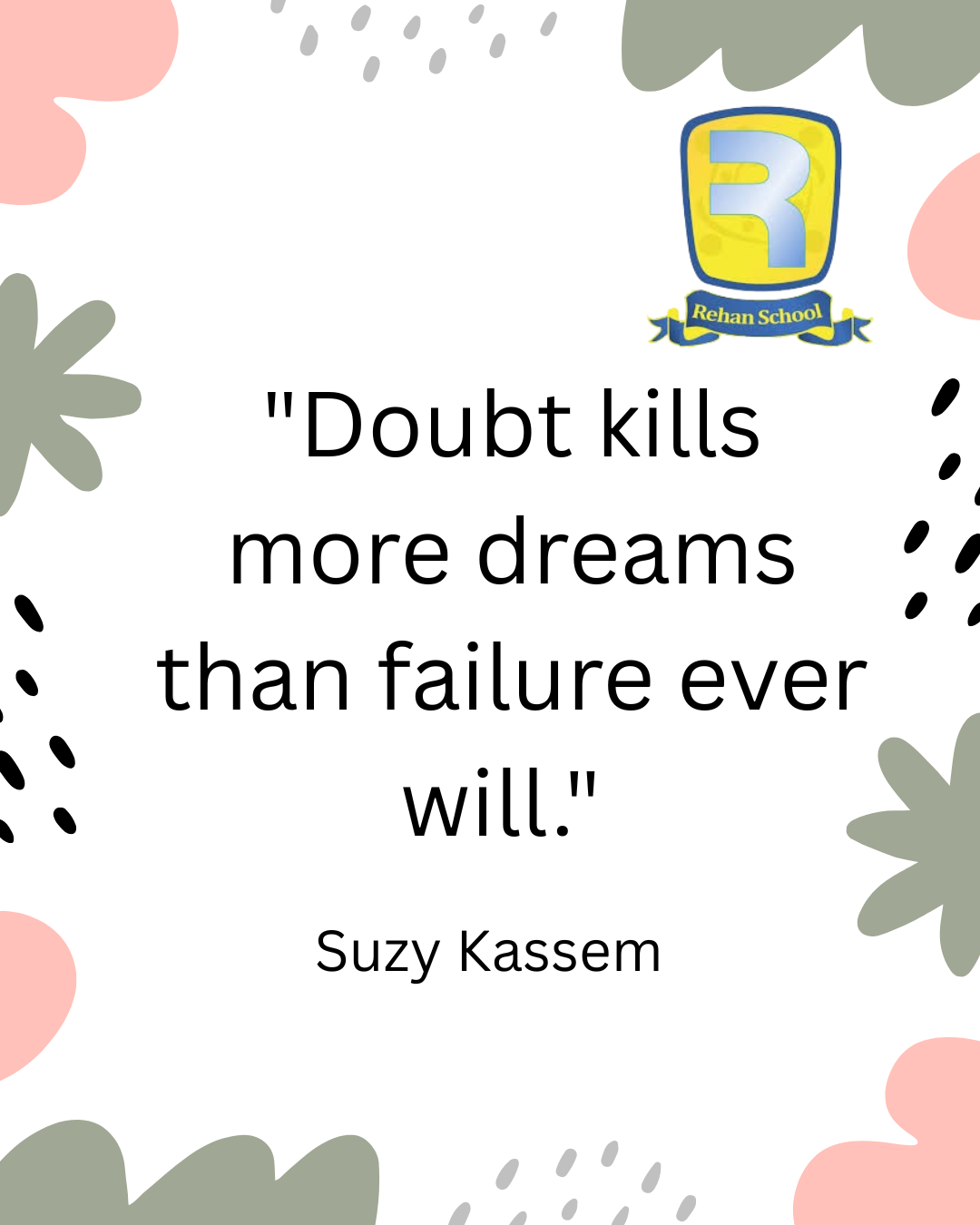
    canva post topic:"Doubt kills more dreams than failure ever will." — Suzy Kassem

    **Sound Waves: The Physics of Hearing and Communication**

    Welcome to the fascinating world of sound waves, where physics explains how we hear, speak, listen to music, and communicate with one another! Sound is more than just noise; it is a form of energy that travels through a medium such as air, water, or solids in the form of mechanical waves.

    **What Are Sound Waves?**

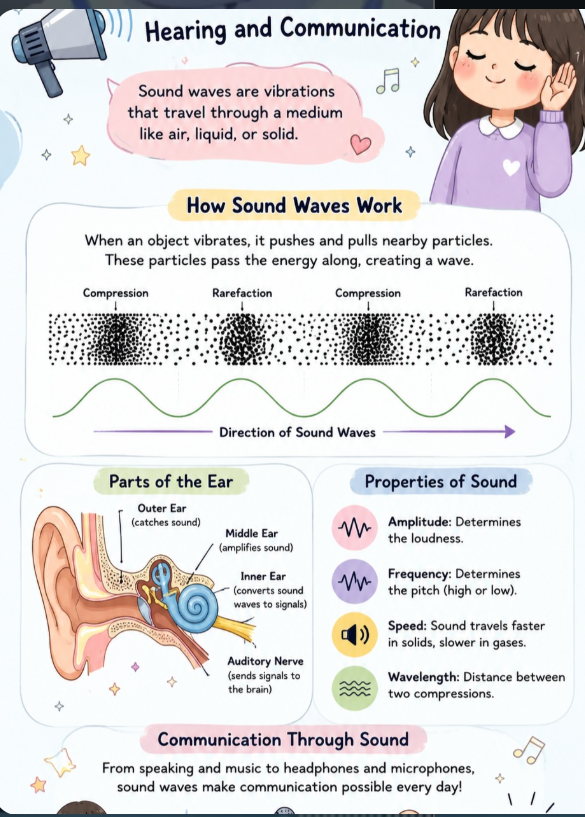
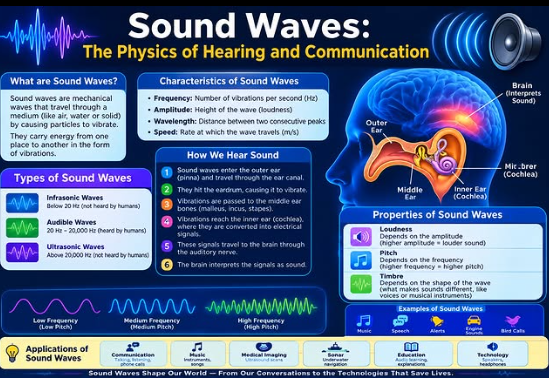
    Sound waves are produced when an object vibrates, causing nearby particles to vibrate and transfer energy from one place to another. These waves travel through compressions and rarefactions, allowing sound to reach our ears. Unlike light waves, sound waves need a medium to travel and cannot move through a vacuum.

    **How Do We Hear Sound?**

    Our hearing system is an amazing example of science in action! When sound waves enter the outer ear, they travel through the ear canal and make the eardrum vibrate. Tiny bones in the middle ear transmit these vibrations to the cochlea in the inner ear, where they are converted into electrical signals. The auditory nerve carries these signals to the brain, which interprets them as sounds.

    **Key Properties of Sound Waves:**

    **Frequency:** Determines the pitch of a sound, whether it is high or low. It is measured in hertz (Hz).

    **Amplitude:** Determines the loudness of a sound.

    **Wavelength:** Represents the distance between two consecutive points in a wave, such as compressions.

    **Speed:** Sound travels through air at approximately 343 meters per second at 20°C.

    **Sound Waves in Communication**

    Sound waves play an essential role in our everyday lives. Human speech allows us to share ideas and emotions, music brings creativity and expression, and technologies such as telephones, radios, sonar, and voice communication systems help connect people across the world.

    **Why Is Understanding Sound Important?**

    Learning about sound waves helps us understand the science behind hearing, musical instruments, noise reduction, medical ultrasound, and modern communication technologies. It also shows how physics connects scientific principles with the experiences we encounter every day.

    **Discover the invisible waves that bring voices to our ears and connect people, ideas, and the world!**

    Like, Share, and Follow for more interesting science topics, educational content, and fascinating discoveries!

    #SoundWaves #Physics #ScienceEducation #Hearing #Communication #Acoustics #WaveMotion #SoundPhysics #EducationalContent #ScienceFacts #LearningIsFun #Technology #ExploreScience
    RSIF8 Roll no:14 canva post no:67 canva post topic:"Doubt kills more dreams than failure ever will." — Suzy Kassem 🔊 **Sound Waves: The Physics of Hearing and Communication** 🌊🎧 Welcome to the fascinating world of sound waves, where physics explains how we hear, speak, listen to music, and communicate with one another! 🌍✨ Sound is more than just noise; it is a form of energy that travels through a medium such as air, water, or solids in the form of mechanical waves. 🔬 **What Are Sound Waves?** Sound waves are produced when an object vibrates, causing nearby particles to vibrate and transfer energy from one place to another. These waves travel through compressions and rarefactions, allowing sound to reach our ears. Unlike light waves, sound waves need a medium to travel and cannot move through a vacuum. 👂 **How Do We Hear Sound?** Our hearing system is an amazing example of science in action! When sound waves enter the outer ear, they travel through the ear canal and make the eardrum vibrate. Tiny bones in the middle ear transmit these vibrations to the cochlea in the inner ear, where they are converted into electrical signals. The auditory nerve carries these signals to the brain, which interprets them as sounds. 📚 **Key Properties of Sound Waves:** 🔹 **Frequency:** Determines the pitch of a sound, whether it is high or low. It is measured in hertz (Hz). 🔹 **Amplitude:** Determines the loudness of a sound. 🔹 **Wavelength:** Represents the distance between two consecutive points in a wave, such as compressions. 🔹 **Speed:** Sound travels through air at approximately 343 meters per second at 20°C. 📡 **Sound Waves in Communication** Sound waves play an essential role in our everyday lives. Human speech allows us to share ideas and emotions, music brings creativity and expression, and technologies such as telephones, radios, sonar, and voice communication systems help connect people across the world. 💡 **Why Is Understanding Sound Important?** Learning about sound waves helps us understand the science behind hearing, musical instruments, noise reduction, medical ultrasound, and modern communication technologies. It also shows how physics connects scientific principles with the experiences we encounter every day. 🌟 **Discover the invisible waves that bring voices to our ears and connect people, ideas, and the world!** 👍 Like, Share, and Follow for more interesting science topics, educational content, and fascinating discoveries! #SoundWaves #Physics #ScienceEducation #Hearing #Communication #Acoustics #WaveMotion #SoundPhysics #EducationalContent #ScienceFacts #LearningIsFun #Technology #ExploreScience 🔬🎧
    0 Commentaires 0 Parts 1801 Vue
  • RSIF8
    Roll no 94
    Story post no 25
    Story post topic
    Sound Waves: The Physics of Hearing and Communication
    Have you ever wondered how we hear voices, music, and sounds around us? Sound waves are vibrations that travel through the air and carry information from one place to another. From conversations with friends to listening to your favorite songs, sound plays a vital role in communication and everyday life.
    Understanding the science behind sound helps us appreciate how our ears and brains work together to connect us with the world.
    #SoundWaves #PhysicsOfSound #HearingScience #Communication #STEMEducation #ScienceFacts #LearningJourney #Physics #Education #Knowledge #ScienceLovers #ExploreAndLearn
    RSIF8 Roll no 94 Story post no 25 Story post topic 🎧🌊 Sound Waves: The Physics of Hearing and Communication 🌊🎧 Have you ever wondered how we hear voices, music, and sounds around us? 🤔 Sound waves are vibrations that travel through the air and carry information from one place to another. From conversations with friends to listening to your favorite songs, sound plays a vital role in communication and everyday life. 🔊✨ Understanding the science behind sound helps us appreciate how our ears and brains work together to connect us with the world. 🌍👂 #SoundWaves #PhysicsOfSound #HearingScience #Communication #STEMEducation #ScienceFacts #LearningJourney #Physics #Education #Knowledge #ScienceLovers #ExploreAndLearn 🎵📚🔬
    0 Commentaires 0 Parts 2369 Vue
  • RSIF8
    ROLL NO 77
    MOVIE REVIEW NO 15
    MOVIE TOPIC "Freedom Writers".

    **Freedom Writers – A Story That Inspires Change!**

    *Freedom Writers* is a powerful and inspiring movie about education, courage, equality, and the power of believing in others. ‍

    The story follows Erin Gruwell, a dedicated teacher who inspires her students to overcome racism, violence, and difficult life circumstances through education and writing. By sharing their personal stories, the students learn to understand one another, break stereotypes, and believe in a brighter future.

    **Lesson of the Movie:** Never judge people by their past or background. Everyone has a story worth hearing, and one caring teacher can change many lives!

    Remember, your past does not define your future. Keep learning, keep growing, and never give up on your dreams!

    \#FreedomWriters #MovieReview #EducationalContent #EducationMatters #Inspiration #Motivation #NeverGiveUp #BelieveInYourself #Equality #Kindness #TeachersMatter #LifeLessons #PersonalGrowth #RehanCodingWithAI

    Make the movie summary more specificAdd a stronger audience call to action
    RSIF8 ROLL NO 77 MOVIE REVIEW NO 15 MOVIE TOPIC "Freedom Writers". 🎬✨ **Freedom Writers – A Story That Inspires Change!** 📚❤️ *Freedom Writers* is a powerful and inspiring movie about education, courage, equality, and the power of believing in others. 🌟👩‍🏫 The story follows Erin Gruwell, a dedicated teacher who inspires her students to overcome racism, violence, and difficult life circumstances through education and writing. 📝💪 By sharing their personal stories, the students learn to understand one another, break stereotypes, and believe in a brighter future. 🌈🤝 💡 **Lesson of the Movie:** Never judge people by their past or background. Everyone has a story worth hearing, and one caring teacher can change many lives! ❤️🌍 ✨ Remember, your past does not define your future. Keep learning, keep growing, and never give up on your dreams! 🚀🎯 \#FreedomWriters #MovieReview #EducationalContent #EducationMatters #Inspiration #Motivation #NeverGiveUp #BelieveInYourself #Equality #Kindness #TeachersMatter #LifeLessons #PersonalGrowth #RehanCodingWithAI 🎬📚❤️ Make the movie summary more specificAdd a stronger audience call to action
    0 Commentaires 0 Parts 1989 Vue 24
  • ACCL Foundation Level (Rehan School Urdu Bazar Campus )
    Day :14 Story Post No : 5
    Roll No : 17
    Accl task
    ### 1. اردو میں کہانی: مُلا نصیر الدین اور رسی پر چلنے والا
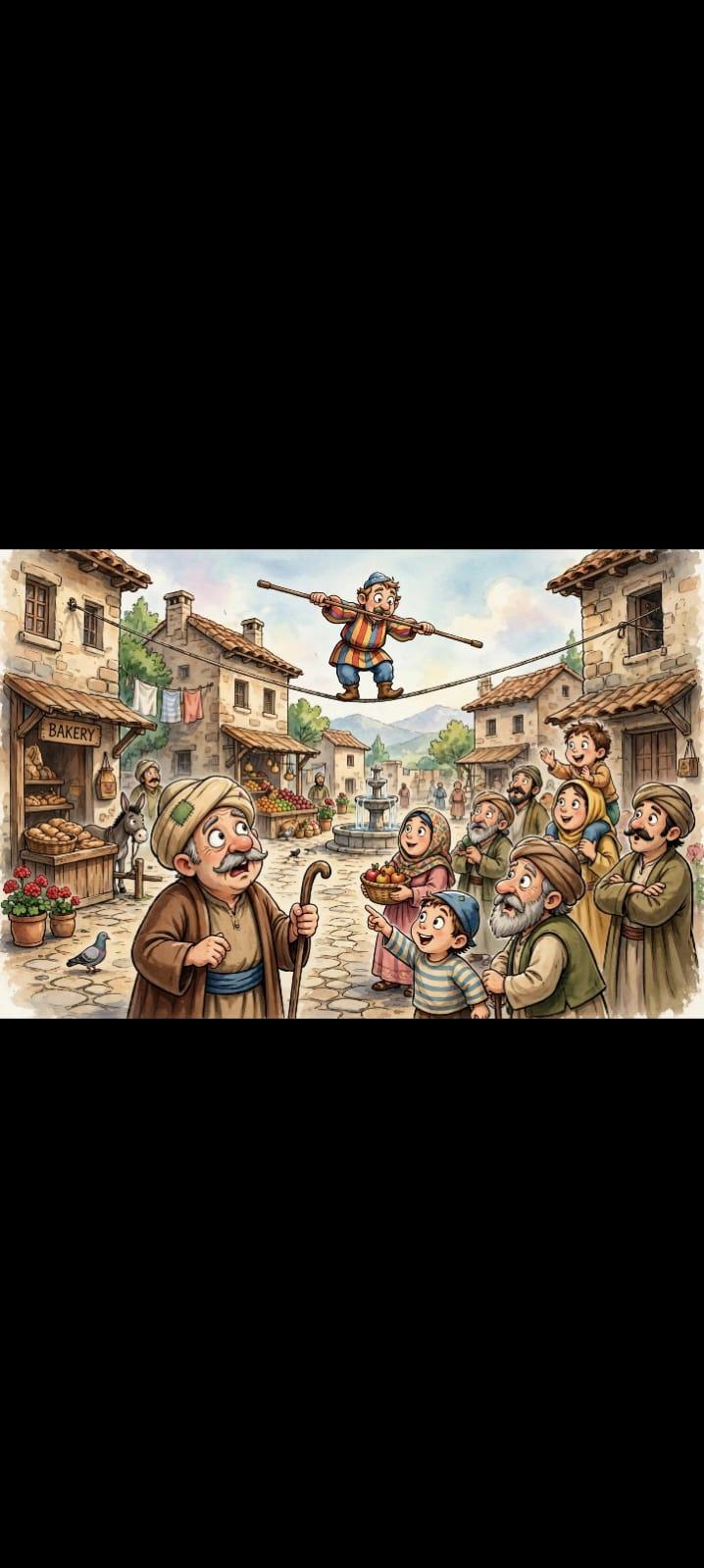
    ایک دن گاؤں کے چوک میں ایک رسی پر چلنے والا آیا۔ اس نے دو گھروں کے درمیان ایک لمبی رسی باندھی اور اس پر چل کر اپنا کرتب دکھانے لگا۔
    گاؤں کے سارے لوگ جمع ہو گئے۔ بچے، بوڑھے، عورتیں سب حیران ہو کر اسے دیکھ رہے تھے۔ مُلا نصیر الدین بھی اپنی لاٹھی لے کر وہاں آ گیا۔
    رسی پر چلنے والے نے اپنا توازن برقرار رکھا اور ایک طرف سے دوسری طرف بڑی مہارت سے چل گیا۔ سب لوگوں نے تالیاں بجائیں۔
    رسی پر چلنے والا بہت خوش ہوا اور نیچے اتر کر بولا، "کیا آپ لوگوں کو یقین ہے کہ میں دوبارہ اس رسی پر چل سکتا ہوں؟"
    سب چلائے، "ہاں، ہمیں یقین ہے!"
    پھر اس نے پوچھا، "کیا آپ کو یقین ہے کہ میں آنکھوں پر پٹی باندھ کر بھی چل سکتا ہوں؟"
    سب پھر چلائے، "ہاں، ہمیں یقین ہے!"
    تو وہ بولا، "تو پھر کون میری پیٹھ پر بیٹھے گا؟"
    یہ سن کر سب پیچھے ہٹ گئے۔ کوئی بھی اس کی پیٹھ پر بیٹھنے کو تیار نہ ہوا۔
    تب مُلا نصیر الدین آگے آیا اور بولا، "بھائی، یقین کرنا اور کرنا دو الگ الگ باتیں ہیں۔ لوگ باتوں پر تو یقین کر لیتے ہیں، لیکن جب عمل کا وقت آتا ہے تو سب پیچھے ہٹ جاتے ہیں۔"
    سب لوگ مُلا کی اس بات پر شرمندہ ہو گئے۔
    سبق: صرف باتوں پر یقین نہیں، عمل پر بھروسہ کرنا چاہیے۔
    ---
    ### 2. In English: Mulla Nasrudin & The Tightrope Walker
    One day, a tightrope walker came to the village square. He tied a long rope between two houses and started walking on it to show his skill.
    All the villagers gathered. Children, old people, women, everyone was watching him in amazement. Mulla Nasrudin also came there with his stick.
    The tightrope walker kept his balance and walked skillfully from one side to the other. Everyone clapped.
    The tightrope walker was very happy and came down and said, "Do you all believe that I can walk on this rope again?"
    Everyone shouted, "Yes, we believe you!"
    Then he asked, "Do you believe that I can walk with my eyes blindfolded?"
    Everyone shouted again, "Yes, we believe you!"
    Then he said, "Then who will sit on my back?"
    Hearing this, everyone stepped back. No one was ready to sit on his back.
    Then Mulla Nasrudin stepped forward and said, "My friend, believing and doing are two different things. People believe in words, but when it comes to action, everyone steps back."
    Everyone was embarrassed by Mulla's words.
    Moral: Don't just believe in words, trust in action. See less
    ACCL Foundation Level (Rehan School Urdu Bazar Campus ) Day :14 Story Post No : 5 Roll No : 17 Accl task ### 1. اردو میں کہانی: مُلا نصیر الدین اور رسی پر چلنے والا ایک دن گاؤں کے چوک میں ایک رسی پر چلنے والا آیا۔ اس نے دو گھروں کے درمیان ایک لمبی رسی باندھی اور اس پر چل کر اپنا کرتب دکھانے لگا۔ گاؤں کے سارے لوگ جمع ہو گئے۔ بچے، بوڑھے، عورتیں سب حیران ہو کر اسے دیکھ رہے تھے۔ مُلا نصیر الدین بھی اپنی لاٹھی لے کر وہاں آ گیا۔ رسی پر چلنے والے نے اپنا توازن برقرار رکھا اور ایک طرف سے دوسری طرف بڑی مہارت سے چل گیا۔ سب لوگوں نے تالیاں بجائیں۔ رسی پر چلنے والا بہت خوش ہوا اور نیچے اتر کر بولا، "کیا آپ لوگوں کو یقین ہے کہ میں دوبارہ اس رسی پر چل سکتا ہوں؟" سب چلائے، "ہاں، ہمیں یقین ہے!" پھر اس نے پوچھا، "کیا آپ کو یقین ہے کہ میں آنکھوں پر پٹی باندھ کر بھی چل سکتا ہوں؟" سب پھر چلائے، "ہاں، ہمیں یقین ہے!" تو وہ بولا، "تو پھر کون میری پیٹھ پر بیٹھے گا؟" یہ سن کر سب پیچھے ہٹ گئے۔ کوئی بھی اس کی پیٹھ پر بیٹھنے کو تیار نہ ہوا۔ تب مُلا نصیر الدین آگے آیا اور بولا، "بھائی، یقین کرنا اور کرنا دو الگ الگ باتیں ہیں۔ لوگ باتوں پر تو یقین کر لیتے ہیں، لیکن جب عمل کا وقت آتا ہے تو سب پیچھے ہٹ جاتے ہیں۔" سب لوگ مُلا کی اس بات پر شرمندہ ہو گئے۔ سبق: صرف باتوں پر یقین نہیں، عمل پر بھروسہ کرنا چاہیے۔ --- ### 2. In English: Mulla Nasrudin & The Tightrope Walker One day, a tightrope walker came to the village square. He tied a long rope between two houses and started walking on it to show his skill. All the villagers gathered. Children, old people, women, everyone was watching him in amazement. Mulla Nasrudin also came there with his stick. The tightrope walker kept his balance and walked skillfully from one side to the other. Everyone clapped. The tightrope walker was very happy and came down and said, "Do you all believe that I can walk on this rope again?" Everyone shouted, "Yes, we believe you!" Then he asked, "Do you believe that I can walk with my eyes blindfolded?" Everyone shouted again, "Yes, we believe you!" Then he said, "Then who will sit on my back?" Hearing this, everyone stepped back. No one was ready to sit on his back. Then Mulla Nasrudin stepped forward and said, "My friend, believing and doing are two different things. People believe in words, but when it comes to action, everyone steps back." Everyone was embarrassed by Mulla's words. Moral: Don't just believe in words, trust in action. See less
    0 Commentaires 0 Parts 1208 Vue
  • ACCL Foundation Level (Rehan School Urdu Bazar Campus )
    Day 12: Story Post No 3
    Roll no 17
    Accl task
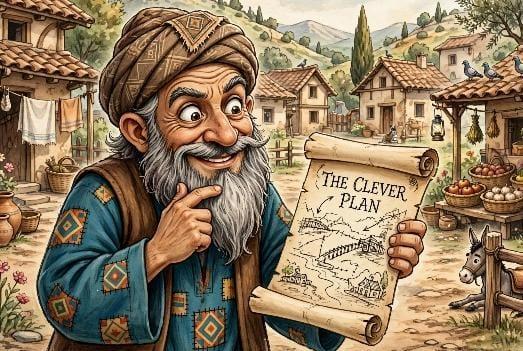
    . اردو میں کہانی: مُلا نصیر الدین کا چالاک منصوبہ
    ایک بار مُلا نصیر الدین کے گاؤں میں ایک ظالم جاگیردار تھا جو غریب کسانوں سے زبردستی اناج لے لیتا تھا۔
    ایک دن جاگیردار نے اعلان کیا کہ جو بھی اپنے گدھے کو دریا کے پار نہیں لے جا سکے گا، اس کا گدھا ضبط کر لیا جائے گا۔ دریا پر پل ٹوٹا ہوا تھا اور پانی بہت گہرا تھا۔
    سب کسان بہت پریشان تھے۔ تب مُلا نصیر الدین آگے آیا۔
    مُلا نے اپنا گدھا الٹا کر اس کی پیٹھ پر بیٹھنے کے بجائے اسے کندھے پر اٹھانے کا ڈھونگ کیا اور زور زور سے چلانے لگا "ہائے میرا گدھا بیمار ہے، میں اسے ڈاکٹر کے پاس لے جا رہا ہوں!"
    جاگیردار نے ہنس کر کہا "مُلا، تم پاگل ہو گئے ہو؟ گدھا کندھے پر نہیں اٹھایا جاتا!"
    مُلا نے جواب دیا "جناب، اگر میں گدھے پر بیٹھ کر دریا پار کرتا تو آپ کہتے کہ میں نے گدھے کو تھکایا، اور اگر پیدل لے جاتا تو آپ کہتے کہ میں نے دیر کر دی۔ اس لیے میں نے یہ چالاک منصوبہ بنایا ہے تاکہ آپ کے کسی قانون میں نہ آؤں۔"
    مُلا کی چالاکی پر سب گاؤں والے ہنس پڑے اور جاگیردار شرمندہ ہو گیا۔ اس دن کے بعد اس نے غریبوں کو تنگ کرنا چھوڑ دیا۔
    سبق: عقل سے بڑی طاقت کوئی نہیں۔
    ---
    ### 2. In English: The Clever Plan of Mulla Nasrudin
    Once, there was a cruel landlord in Mulla Nasrudin's village who used to take grains from poor farmers forcefully.
    One day, the landlord announced that anyone who could not take his donkey across the river would have his donkey confiscated. The bridge over the river was broken and the water was very deep.
    All the farmers were very worried. Then Mulla Nasrudin stepped forward.
    Mulla pretended to carry his donkey on his shoulder instead of riding it, and started shouting loudly, "Oh, my donkey is sick, I am taking him to the doctor!"
    The landlord laughed and said, "Mulla, have you gone mad? You don't carry a donkey on your shoulder!"
    Mulla replied, "Sir, if I had ridden the donkey across the river, you would say I tired the donkey, and if I had walked with it, you would say I was late. So I made this clever plan so that I don't fall under any of your laws."
    Hearing Mulla's cleverness, all the villagers laughed and the landlord was embarrassed. After that day, he stopped troubling the poor.
    Moral: There is no power greater than wisdom. See less
    ACCL Foundation Level (Rehan School Urdu Bazar Campus ) Day 12: Story Post No 3 Roll no 17 Accl task . اردو میں کہانی: مُلا نصیر الدین کا چالاک منصوبہ ایک بار مُلا نصیر الدین کے گاؤں میں ایک ظالم جاگیردار تھا جو غریب کسانوں سے زبردستی اناج لے لیتا تھا۔ ایک دن جاگیردار نے اعلان کیا کہ جو بھی اپنے گدھے کو دریا کے پار نہیں لے جا سکے گا، اس کا گدھا ضبط کر لیا جائے گا۔ دریا پر پل ٹوٹا ہوا تھا اور پانی بہت گہرا تھا۔ سب کسان بہت پریشان تھے۔ تب مُلا نصیر الدین آگے آیا۔ مُلا نے اپنا گدھا الٹا کر اس کی پیٹھ پر بیٹھنے کے بجائے اسے کندھے پر اٹھانے کا ڈھونگ کیا اور زور زور سے چلانے لگا "ہائے میرا گدھا بیمار ہے، میں اسے ڈاکٹر کے پاس لے جا رہا ہوں!" جاگیردار نے ہنس کر کہا "مُلا، تم پاگل ہو گئے ہو؟ گدھا کندھے پر نہیں اٹھایا جاتا!" مُلا نے جواب دیا "جناب، اگر میں گدھے پر بیٹھ کر دریا پار کرتا تو آپ کہتے کہ میں نے گدھے کو تھکایا، اور اگر پیدل لے جاتا تو آپ کہتے کہ میں نے دیر کر دی۔ اس لیے میں نے یہ چالاک منصوبہ بنایا ہے تاکہ آپ کے کسی قانون میں نہ آؤں۔" مُلا کی چالاکی پر سب گاؤں والے ہنس پڑے اور جاگیردار شرمندہ ہو گیا۔ اس دن کے بعد اس نے غریبوں کو تنگ کرنا چھوڑ دیا۔ سبق: عقل سے بڑی طاقت کوئی نہیں۔ --- ### 2. In English: The Clever Plan of Mulla Nasrudin Once, there was a cruel landlord in Mulla Nasrudin's village who used to take grains from poor farmers forcefully. One day, the landlord announced that anyone who could not take his donkey across the river would have his donkey confiscated. The bridge over the river was broken and the water was very deep. All the farmers were very worried. Then Mulla Nasrudin stepped forward. Mulla pretended to carry his donkey on his shoulder instead of riding it, and started shouting loudly, "Oh, my donkey is sick, I am taking him to the doctor!" The landlord laughed and said, "Mulla, have you gone mad? You don't carry a donkey on your shoulder!" Mulla replied, "Sir, if I had ridden the donkey across the river, you would say I tired the donkey, and if I had walked with it, you would say I was late. So I made this clever plan so that I don't fall under any of your laws." Hearing Mulla's cleverness, all the villagers laughed and the landlord was embarrassed. After that day, he stopped troubling the poor. Moral: There is no power greater than wisdom. See less
    0 Commentaires 0 Parts 1140 Vue
  • Paul Benedict’s feedback after my podcast

    After recording my podcast with Paul Benedict from the Ohio University Center for Entrepreneurship, USA, he shared this feedback, and I had to share it with all of you.

    “I am deeply grateful for the opportunity to speak with you and your audience… learning more about Rehan School and how you’re challenging students to succeed and thrive is really inspiring.”

    “I would love to have all of your students come study with us. Come join us.”

    Hearing this kind of feedback from an international guest means a lot. It shows the world is noticing what Rehan School students are doing.

    Thank you, Paul, for your kind words and support.

    Watch the full podcast:
    https://www.facebook.com/share/v/1DwoNTEYLq/

    CONNECT WITH PAUL BENEDICT
    LinkedIn: https://www.linkedin.com/in/pcbenedict/
    Center for Entrepreneurship: https://www.linkedin.com/company/ohio-university-center-for-entrepreneurship
    Ohio AI Instagram: https://www.instagram.com/ohio__ai/
    Ohio University Social Media: https://linktr.ee/ohio.university
    Official Website: https://www.ohio.edu/entrepreneurship

    #PaulBenedict #OhioUniversity #OhioAI #RehanSchool #RehanAllahwala #AIFirstSchool #Entrepreneurship #PodcastFeedback #FutureOfEducation #PakistaniStudents #GlobalEducation #Pakistan #Reels Rehan Allahwala
    Paul Benedict’s feedback after my podcast 🇺🇸🤝🇵🇰 After recording my podcast with Paul Benedict from the Ohio University Center for Entrepreneurship, USA, he shared this feedback, and I had to share it with all of you. 🎙️ “I am deeply grateful for the opportunity to speak with you and your audience… learning more about Rehan School and how you’re challenging students to succeed and thrive is really inspiring.” “I would love to have all of your students come study with us. Come join us.” Hearing this kind of feedback from an international guest means a lot. It shows the world is noticing what Rehan School students are doing. 💛 Thank you, Paul, for your kind words and support. 🙏 🎧 Watch the full podcast: https://www.facebook.com/share/v/1DwoNTEYLq/ CONNECT WITH PAUL BENEDICT 🔗 LinkedIn: https://www.linkedin.com/in/pcbenedict/ 🏛️ Center for Entrepreneurship: https://www.linkedin.com/company/ohio-university-center-for-entrepreneurship 🤖 Ohio AI Instagram: https://www.instagram.com/ohio__ai/ 📱 Ohio University Social Media: https://linktr.ee/ohio.university 🌐 Official Website: https://www.ohio.edu/entrepreneurship #PaulBenedict #OhioUniversity #OhioAI #RehanSchool #RehanAllahwala #AIFirstSchool #Entrepreneurship #PodcastFeedback #FutureOfEducation #PakistaniStudents #GlobalEducation #Pakistan #Reels [rehan]
    0 Commentaires 0 Parts 4581 Vue 3
  • **Roll No: 2**
    **Batch: 14**
    **Book: ACCL**
    **Task No: 120**

    # Why Frogs? Understanding the Anatomy of Life

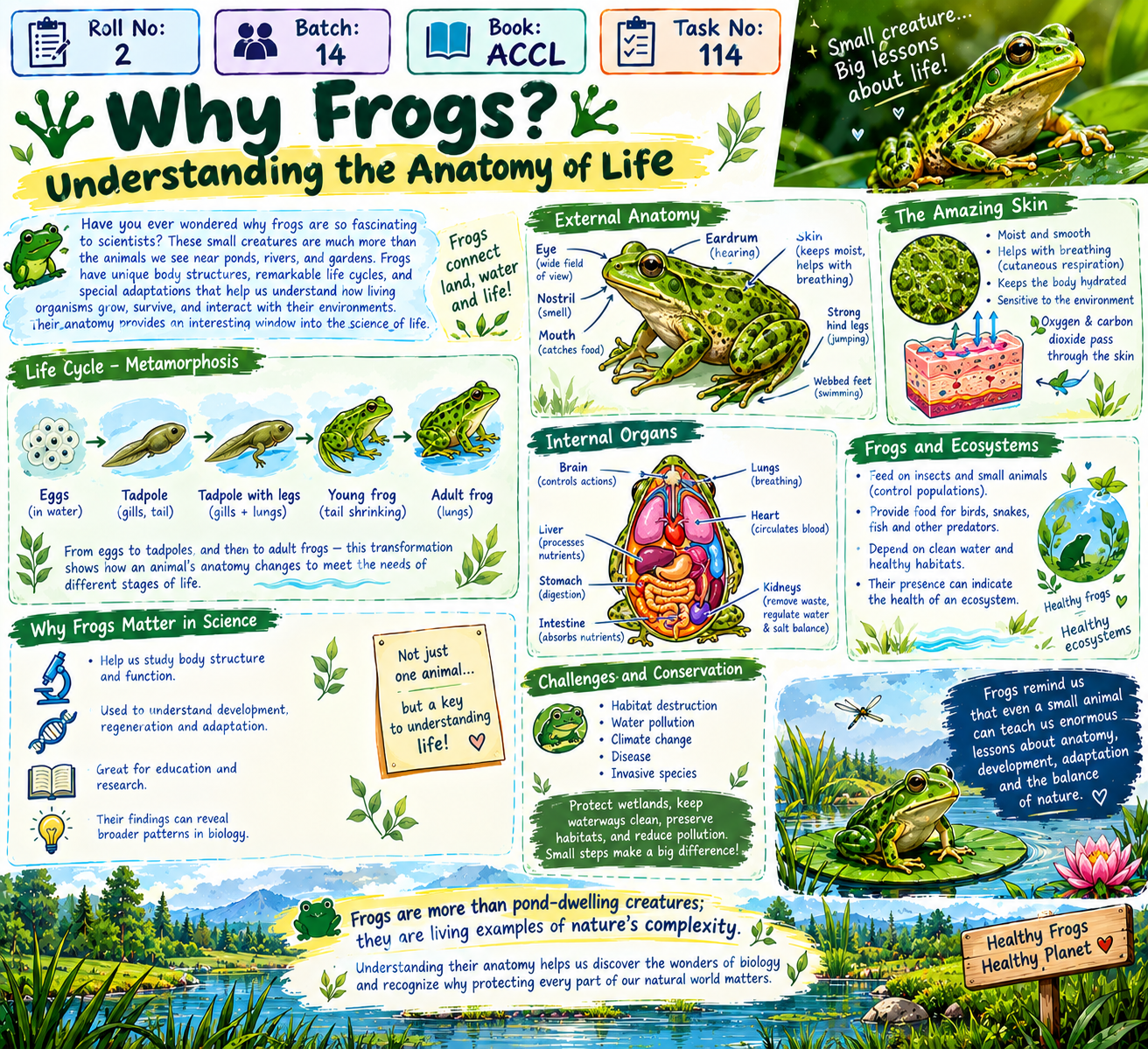
    Have you ever wondered why frogs are so fascinating to scientists? These small creatures are much more than the animals we see near ponds, rivers, and gardens. Frogs have unique body structures, remarkable life cycles, and special adaptations that help us understand how living organisms grow, survive, and interact with their environments. Their anatomy provides an interesting window into the science of life.

    A frog's body is designed for life both in water and on land. Its body generally has a broad head, a short trunk, strong hind legs, and webbed feet in many species. These features help frogs jump, swim, and move through their habitats. Their eyes are positioned to provide a wide field of view, while their sensitive hearing helps them detect sounds, including the calls of other frogs.

    One of the most interesting features of frogs is their skin. Unlike the dry, scaly skin of many reptiles, frog skin is usually moist and plays an important role in their survival. Many frogs can exchange gases through their skin as well as through their lungs. This process, called **cutaneous respiration**, allows oxygen and carbon dioxide to pass across the skin under suitable conditions. Their skin also helps maintain moisture, making a healthy habitat especially important for them.

    Frogs have a fascinating life cycle called **metamorphosis**. Many begin life as eggs in water. The eggs hatch into tadpoles, which usually have tails and breathe mainly through gills. As they develop, they grow legs, their lungs develop, and their bodies gradually change into those of adult frogs. The tail is usually absorbed during development. This transformation demonstrates how an animal's anatomy changes to meet the needs of different stages of life.

    The internal organs of a frog also reveal important biological principles. Its heart circulates blood through the body, carrying oxygen and nutrients to tissues. The digestive system breaks down food, while the kidneys help remove waste and regulate water and salt balance. The brain and nervous system coordinate movement, senses, and responses to the environment. Each organ works with other systems to keep the animal alive.

    Frogs are also valuable to ecosystems. Many feed on insects and other small animals, helping influence populations of these organisms. Frogs themselves provide food for birds, snakes, fish, and other predators. Because many frogs depend on suitable water and land habitats, changes in their populations can provide clues about environmental conditions. Scientists therefore study frogs to learn more about biodiversity, habitat quality, and ecosystem health.

    Another reason frogs are important is their role in scientific research and education. Their anatomy helps students explore the structure and function of organs, compare different vertebrates, and understand biological systems. Researchers also study frog development, regeneration in certain species, communication, and adaptation. Such research can reveal broader patterns in biology, although findings from frogs do not always apply directly to humans.

    Unfortunately, many frog species face challenges such as habitat destruction, water pollution, climate change, disease, and invasive species. Protecting wetlands, keeping waterways clean, preserving natural habitats, and reducing pollution can help support frog populations and the many other organisms that share their ecosystems. Caring for frogs is one way of caring for the wider web of life.

    Frogs remind us that even a small animal can teach us enormous lessons about anatomy, development, adaptation, and the balance of nature. By observing their bodies and studying their life cycles, we gain a deeper appreciation of how living systems work together.

    **Frogs are more than pond-dwelling creatures; they are living examples of nature's complexity. Understanding their anatomy helps us discover the wonders of biology and recognize why protecting every part of our natural world matters. **

    \#Frogs #AnatomyOfLife #Biology #LifeCycle #AnimalScience #Biodiversity #ACCL #Batch14 #Task114
    **Roll No: 2** **Batch: 14** **Book: ACCL** **Task No: 120** # 🐸🔬 Why Frogs? Understanding the Anatomy of Life 🌿💚 Have you ever wondered why frogs are so fascinating to scientists? 🐸🌎 These small creatures are much more than the animals we see near ponds, rivers, and gardens. Frogs have unique body structures, remarkable life cycles, and special adaptations that help us understand how living organisms grow, survive, and interact with their environments. Their anatomy provides an interesting window into the science of life. 🔬✨ A frog's body is designed for life both in water and on land. 💧🌱 Its body generally has a broad head, a short trunk, strong hind legs, and webbed feet in many species. These features help frogs jump, swim, and move through their habitats. Their eyes are positioned to provide a wide field of view, while their sensitive hearing helps them detect sounds, including the calls of other frogs. 🦵👀 One of the most interesting features of frogs is their skin. Unlike the dry, scaly skin of many reptiles, frog skin is usually moist and plays an important role in their survival. 🐸💦 Many frogs can exchange gases through their skin as well as through their lungs. This process, called **cutaneous respiration**, allows oxygen and carbon dioxide to pass across the skin under suitable conditions. Their skin also helps maintain moisture, making a healthy habitat especially important for them. Frogs have a fascinating life cycle called **metamorphosis**. 🥚➡️🐟➡️🐸 Many begin life as eggs in water. The eggs hatch into tadpoles, which usually have tails and breathe mainly through gills. As they develop, they grow legs, their lungs develop, and their bodies gradually change into those of adult frogs. The tail is usually absorbed during development. This transformation demonstrates how an animal's anatomy changes to meet the needs of different stages of life. 🌱🔄 The internal organs of a frog also reveal important biological principles. ❤️ Its heart circulates blood through the body, carrying oxygen and nutrients to tissues. The digestive system breaks down food, while the kidneys help remove waste and regulate water and salt balance. The brain and nervous system coordinate movement, senses, and responses to the environment. Each organ works with other systems to keep the animal alive. 🧠🫀 Frogs are also valuable to ecosystems. 🦟🌿 Many feed on insects and other small animals, helping influence populations of these organisms. Frogs themselves provide food for birds, snakes, fish, and other predators. Because many frogs depend on suitable water and land habitats, changes in their populations can provide clues about environmental conditions. Scientists therefore study frogs to learn more about biodiversity, habitat quality, and ecosystem health. 🌍🔎 Another reason frogs are important is their role in scientific research and education. 📚🔬 Their anatomy helps students explore the structure and function of organs, compare different vertebrates, and understand biological systems. Researchers also study frog development, regeneration in certain species, communication, and adaptation. Such research can reveal broader patterns in biology, although findings from frogs do not always apply directly to humans. Unfortunately, many frog species face challenges such as habitat destruction, water pollution, climate change, disease, and invasive species. 🌧️🏞️ Protecting wetlands, keeping waterways clean, preserving natural habitats, and reducing pollution can help support frog populations and the many other organisms that share their ecosystems. Caring for frogs is one way of caring for the wider web of life. 💚♻️ Frogs remind us that even a small animal can teach us enormous lessons about anatomy, development, adaptation, and the balance of nature. By observing their bodies and studying their life cycles, we gain a deeper appreciation of how living systems work together. 🐸🌎🔬 **Frogs are more than pond-dwelling creatures; they are living examples of nature's complexity. Understanding their anatomy helps us discover the wonders of biology and recognize why protecting every part of our natural world matters. 🐸🧬🌿✨** \#Frogs #AnatomyOfLife #Biology #LifeCycle #AnimalScience #Biodiversity #ACCL #Batch14 #Task114 🐸🔬🌍

    0 Commentaires 0 Parts 4343 Vue
  • RSi F8
    Story post NO:21
    roll NO:13
    Class: Foundation Level
    Made by Me

    Sound Waves: The Physics of Hearing and Communication

    Sound is one of the most important forms of energy in our everyday lives. From the sound of a human voice to music, birds singing, vehicles moving, and signals used by modern communication systems, sound waves are constantly around us. The topic “Sound Waves: The Physics of Hearing and Communication” explores how sound is produced, how it travels, how our ears detect it, and how humans use it to communicate and understand the world.

    Sound is created when an object vibrates. These vibrations cause particles in a medium such as air, water, or a solid material to move back and forth, producing a wave. Unlike light waves, sound waves need a medium to travel through, which is why sound cannot travel through empty space. The speed and behavior of sound can change depending on the material through which it travels.

    An important part of understanding sound waves is learning about frequency, wavelength, amplitude, and speed. Frequency determines the pitch of a sound, while amplitude is related to how strong or loud the sound appears. Different combinations of these properties allow us to hear a huge variety of sounds. Musical instruments, human voices, and natural sounds all produce unique patterns of vibrations that our ears and brains can recognize.

    Human hearing is an amazing biological process. When sound waves enter the ear, they travel through the ear canal and cause the eardrum to vibrate. These vibrations are transferred through tiny structures in the middle ear and eventually reach the inner ear, where they are converted into electrical signals. The brain then processes these signals and allows us to recognize speech, music, warning sounds, and many other forms of information.

    Sound waves are also essential for communication. Human beings use sound to share ideas, express emotions, ask questions, tell stories, and build relationships. Modern technology has expanded the ways we communicate using sound.
    RSi F8 🎓✨ Story post NO:21 roll NO:13 Class: Foundation Level 📚 Made by Me 💻🚀 🎧 Sound Waves: The Physics of Hearing and Communication Sound is one of the most important forms of energy in our everyday lives. From the sound of a human voice to music, birds singing, vehicles moving, and signals used by modern communication systems, sound waves are constantly around us. The topic “Sound Waves: The Physics of Hearing and Communication” explores how sound is produced, how it travels, how our ears detect it, and how humans use it to communicate and understand the world. Sound is created when an object vibrates. These vibrations cause particles in a medium such as air, water, or a solid material to move back and forth, producing a wave. Unlike light waves, sound waves need a medium to travel through, which is why sound cannot travel through empty space. The speed and behavior of sound can change depending on the material through which it travels. An important part of understanding sound waves is learning about frequency, wavelength, amplitude, and speed. Frequency determines the pitch of a sound, while amplitude is related to how strong or loud the sound appears. Different combinations of these properties allow us to hear a huge variety of sounds. Musical instruments, human voices, and natural sounds all produce unique patterns of vibrations that our ears and brains can recognize. Human hearing is an amazing biological process. When sound waves enter the ear, they travel through the ear canal and cause the eardrum to vibrate. These vibrations are transferred through tiny structures in the middle ear and eventually reach the inner ear, where they are converted into electrical signals. The brain then processes these signals and allows us to recognize speech, music, warning sounds, and many other forms of information. Sound waves are also essential for communication. Human beings use sound to share ideas, express emotions, ask questions, tell stories, and build relationships. Modern technology has expanded the ways we communicate using sound.
    0 Commentaires 0 Parts 1183 Vue
Plus de résultats