• #rsisb
    Roll no.239
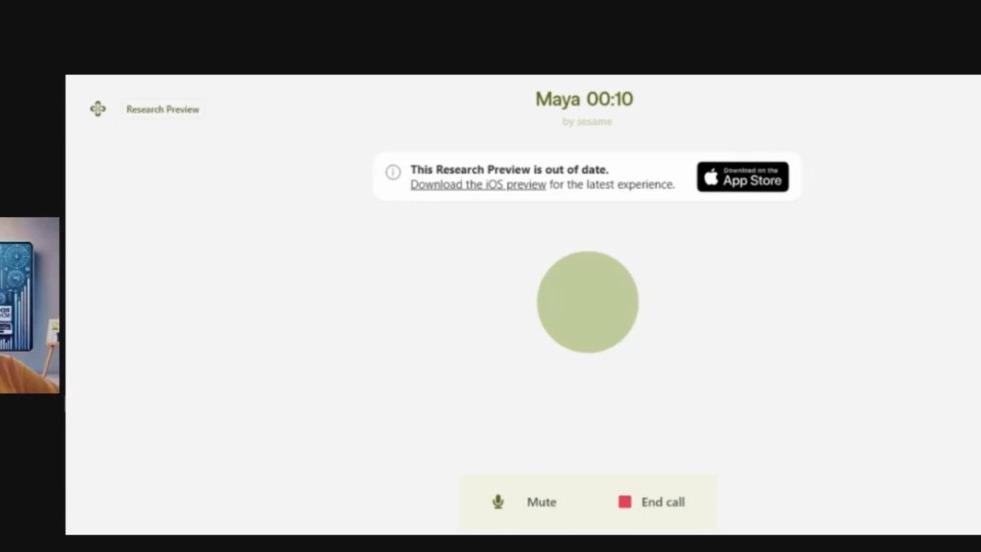
    Maya no.19
    Foundation Level

    **“Conscious – Tracing the Evolution of Awareness”** explores one of the greatest mysteries of science and philosophy: **how awareness and conscious experience developed in living beings**. Consciousness allows us to experience the world, think, remember, feel emotions, make decisions, and recognize ourselves.

    The topic takes us back to the earliest forms of life and asks how simple organisms developed increasingly complex ways of sensing and responding to their surroundings. As nervous systems and brains became more sophisticated, organisms gained greater abilities to process information, learn from experiences, remember events, and respond flexibly to their environments.

    One of the most fascinating questions is whether consciousness appeared suddenly or **evolved gradually over millions of years**. Scientists study the brains and behaviors of humans and other animals to understand possible forms of awareness. However, consciousness remains difficult to explain because subjective experiences—such as seeing colors, feeling pain, or experiencing emotions—are personal and cannot be directly observed by others.

    The discussion also introduces **self-awareness**, which is the ability to recognize oneself and reflect on one's own thoughts and experiences. Human consciousness is closely connected with language, memory, attention, imagination, creativity, and decision-making.

    Another important part of the topic is the relationship between **conscious and unconscious processes**. Many things our brains do happen automatically, without our full awareness. This shows that the human mind is far more complex than conscious thought alone.

    Overall, this 25-minute exploration encourages us to think deeply about **who we are, how awareness developed, and what it means to be conscious**. It connects biology, neuroscience, psychology, evolution, and philosophy while reminding us that many questions about consciousness are still unanswered.

    **Key Message:** Understanding consciousness may help us better understand not only the human brain, but also the evolution of life, intelligence, identity, and our place in the universe.
    ### **Hashtags**

    #Consciousness #Awareness #Evolution #HumanMind #BrainScience #Neuroscience #SelfAwareness #Psychology #Science #Philosophy #HumanEvolution #Learning #Curiosity #Knowledge #MindAndBrain
    #rsisb Roll no.239 Maya no.19 Foundation Level **“Conscious – Tracing the Evolution of Awareness”** explores one of the greatest mysteries of science and philosophy: **how awareness and conscious experience developed in living beings**. Consciousness allows us to experience the world, think, remember, feel emotions, make decisions, and recognize ourselves. The topic takes us back to the earliest forms of life and asks how simple organisms developed increasingly complex ways of sensing and responding to their surroundings. As nervous systems and brains became more sophisticated, organisms gained greater abilities to process information, learn from experiences, remember events, and respond flexibly to their environments. One of the most fascinating questions is whether consciousness appeared suddenly or **evolved gradually over millions of years**. Scientists study the brains and behaviors of humans and other animals to understand possible forms of awareness. However, consciousness remains difficult to explain because subjective experiences—such as seeing colors, feeling pain, or experiencing emotions—are personal and cannot be directly observed by others. The discussion also introduces **self-awareness**, which is the ability to recognize oneself and reflect on one's own thoughts and experiences. Human consciousness is closely connected with language, memory, attention, imagination, creativity, and decision-making. Another important part of the topic is the relationship between **conscious and unconscious processes**. Many things our brains do happen automatically, without our full awareness. This shows that the human mind is far more complex than conscious thought alone. Overall, this 25-minute exploration encourages us to think deeply about **who we are, how awareness developed, and what it means to be conscious**. It connects biology, neuroscience, psychology, evolution, and philosophy while reminding us that many questions about consciousness are still unanswered. 🌟 **Key Message:** Understanding consciousness may help us better understand not only the human brain, but also the evolution of life, intelligence, identity, and our place in the universe. ### **Hashtags** #Consciousness #Awareness #Evolution #HumanMind #BrainScience #Neuroscience #SelfAwareness #Psychology #Science #Philosophy #HumanEvolution #Learning #Curiosity #Knowledge #MindAndBrain 🧠🔬✨
    0 Comentários 0 Compartilhamentos 620 Visualizações 3

  • #rsisb
    Roll no.239
    Maya no.19
    Foundation Level

    **“Conscious – Tracing the Evolution of Awareness”** explores one of the greatest mysteries of science and philosophy: **how awareness and conscious experience developed in living beings**. Consciousness allows us to experience the world, think, remember, feel emotions, make decisions, and recognize ourselves.

    The topic takes us back to the earliest forms of life and asks how simple organisms developed increasingly complex ways of sensing and responding to their surroundings. As nervous systems and brains became more sophisticated, organisms gained greater abilities to process information, learn from experiences, remember events, and respond flexibly to their environments.

    One of the most fascinating questions is whether consciousness appeared suddenly or **evolved gradually over millions of years**. Scientists study the brains and behaviors of humans and other animals to understand possible forms of awareness. However, consciousness remains difficult to explain because subjective experiences—such as seeing colors, feeling pain, or experiencing emotions—are personal and cannot be directly observed by others.

    The discussion also introduces **self-awareness**, which is the ability to recognize oneself and reflect on one's own thoughts and experiences. Human consciousness is closely connected with language, memory, attention, imagination, creativity, and decision-making.

    Another important part of the topic is the relationship between **conscious and unconscious processes**. Many things our brains do happen automatically, without our full awareness. This shows that the human mind is far more complex than conscious thought alone.

    Overall, this 25-minute exploration encourages us to think deeply about **who we are, how awareness developed, and what it means to be conscious**. It connects biology, neuroscience, psychology, evolution, and philosophy while reminding us that many questions about consciousness are still unanswered.

    **Key Message:** Understanding consciousness may help us better understand not only the human brain, but also the evolution of life, intelligence, identity, and our place in the universe.

    ### **Hashtags**

    #Consciousness #Awareness #Evolution #HumanMind #BrainScience #Neuroscience #SelfAwareness #Psychology #Science #Philosophy #HumanEvolution #Learning #Curiosity #Knowledge #MindAndBrain


    **“Conscious – Tracing the Evolution of Awareness”** explores one of the greatest mysteries of science and philosophy: **how awareness and conscious experience developed in living beings**. Consciousness allows us to experience the world, think, remember, feel emotions, make decisions, and recognize ourselves.

    The topic takes us back to the earliest forms of life and asks how simple organisms developed increasingly complex ways of sensing and responding to their surroundings. As nervous systems and brains became more sophisticated, organisms gained greater abilities to process information, learn from experiences, remember events, and respond flexibly to their environments.

    One of the most fascinating questions is whether consciousness appeared suddenly or **evolved gradually over millions of years**. Scientists study the brains and behaviors of humans and other animals to understand possible forms of awareness. However, consciousness remains difficult to explain because subjective experiences—such as seeing colors, feeling pain, or experiencing emotions—are personal and cannot be directly observed by others.

    The discussion also introduces **self-awareness**, which is the ability to recognize oneself and reflect on one's own thoughts and experiences. Human consciousness is closely connected with language, memory, attention, imagination, creativity, and decision-making.

    Another important part of the topic is the relationship between **conscious and unconscious processes**. Many things our brains do happen automatically, without our full awareness. This shows that the human mind is far more complex than conscious thought alone.

    Overall, this 25-minute exploration encourages us to think deeply about **who we are, how awareness developed, and what it means to be conscious**. It connects biology, neuroscience, psychology, evolution, and philosophy while reminding us that many questions about consciousness are still unanswered.

    **Key Message:** Understanding consciousness may help us better understand not only the human brain, but also the evolution of life, intelligence, identity, and our place in the universe.

    ### **Hashtags**

    #Consciousness #Awareness #Evolution #HumanMind #BrainScience #Neuroscience #SelfAwareness #Psychology #Science #Philosophy #HumanEvolution #Learning #Curiosity #Knowledge #MindAndBrain
    #rsisb Roll no.239 Maya no.19 Foundation Level **“Conscious – Tracing the Evolution of Awareness”** explores one of the greatest mysteries of science and philosophy: **how awareness and conscious experience developed in living beings**. Consciousness allows us to experience the world, think, remember, feel emotions, make decisions, and recognize ourselves. The topic takes us back to the earliest forms of life and asks how simple organisms developed increasingly complex ways of sensing and responding to their surroundings. As nervous systems and brains became more sophisticated, organisms gained greater abilities to process information, learn from experiences, remember events, and respond flexibly to their environments. One of the most fascinating questions is whether consciousness appeared suddenly or **evolved gradually over millions of years**. Scientists study the brains and behaviors of humans and other animals to understand possible forms of awareness. However, consciousness remains difficult to explain because subjective experiences—such as seeing colors, feeling pain, or experiencing emotions—are personal and cannot be directly observed by others. The discussion also introduces **self-awareness**, which is the ability to recognize oneself and reflect on one's own thoughts and experiences. Human consciousness is closely connected with language, memory, attention, imagination, creativity, and decision-making. Another important part of the topic is the relationship between **conscious and unconscious processes**. Many things our brains do happen automatically, without our full awareness. This shows that the human mind is far more complex than conscious thought alone. Overall, this 25-minute exploration encourages us to think deeply about **who we are, how awareness developed, and what it means to be conscious**. It connects biology, neuroscience, psychology, evolution, and philosophy while reminding us that many questions about consciousness are still unanswered. 🌟 **Key Message:** Understanding consciousness may help us better understand not only the human brain, but also the evolution of life, intelligence, identity, and our place in the universe. ### **Hashtags** #Consciousness #Awareness #Evolution #HumanMind #BrainScience #Neuroscience #SelfAwareness #Psychology #Science #Philosophy #HumanEvolution #Learning #Curiosity #Knowledge #MindAndBrain 🧠🔬✨ **“Conscious – Tracing the Evolution of Awareness”** explores one of the greatest mysteries of science and philosophy: **how awareness and conscious experience developed in living beings**. Consciousness allows us to experience the world, think, remember, feel emotions, make decisions, and recognize ourselves. The topic takes us back to the earliest forms of life and asks how simple organisms developed increasingly complex ways of sensing and responding to their surroundings. As nervous systems and brains became more sophisticated, organisms gained greater abilities to process information, learn from experiences, remember events, and respond flexibly to their environments. One of the most fascinating questions is whether consciousness appeared suddenly or **evolved gradually over millions of years**. Scientists study the brains and behaviors of humans and other animals to understand possible forms of awareness. However, consciousness remains difficult to explain because subjective experiences—such as seeing colors, feeling pain, or experiencing emotions—are personal and cannot be directly observed by others. The discussion also introduces **self-awareness**, which is the ability to recognize oneself and reflect on one's own thoughts and experiences. Human consciousness is closely connected with language, memory, attention, imagination, creativity, and decision-making. Another important part of the topic is the relationship between **conscious and unconscious processes**. Many things our brains do happen automatically, without our full awareness. This shows that the human mind is far more complex than conscious thought alone. Overall, this 25-minute exploration encourages us to think deeply about **who we are, how awareness developed, and what it means to be conscious**. It connects biology, neuroscience, psychology, evolution, and philosophy while reminding us that many questions about consciousness are still unanswered. 🌟 **Key Message:** Understanding consciousness may help us better understand not only the human brain, but also the evolution of life, intelligence, identity, and our place in the universe. ### **Hashtags** #Consciousness #Awareness #Evolution #HumanMind #BrainScience #Neuroscience #SelfAwareness #Psychology #Science #Philosophy #HumanEvolution #Learning #Curiosity #Knowledge #MindAndBrain 🧠🔬✨
    0 Comentários 0 Compartilhamentos 571 Visualizações 2

  • #rsisb
    Roll no.239
    Maya no.19
    Foundation Level

    **“Conscious – Tracing the Evolution of Awareness”** explores one of the greatest mysteries of science and philosophy: **how awareness and conscious experience developed in living beings**. Consciousness allows us to experience the world, think, remember, feel emotions, make decisions, and recognize ourselves.

    The topic takes us back to the earliest forms of life and asks how simple organisms developed increasingly complex ways of sensing and responding to their surroundings. As nervous systems and brains became more sophisticated, organisms gained greater abilities to process information, learn from experiences, remember events, and respond flexibly to their environments.

    One of the most fascinating questions is whether consciousness appeared suddenly or **evolved gradually over millions of years**. Scientists study the brains and behaviors of humans and other animals to understand possible forms of awareness. However, consciousness remains difficult to explain because subjective experiences—such as seeing colors, feeling pain, or experiencing emotions—are personal and cannot be directly observed by others.

    The discussion also introduces **self-awareness**, which is the ability to recognize oneself and reflect on one's own thoughts and experiences. Human consciousness is closely connected with language, memory, attention, imagination, creativity, and decision-making.

    Another important part of the topic is the relationship between **conscious and unconscious processes**. Many things our brains do happen automatically, without our full awareness. This shows that the human mind is far more complex than conscious thought alone.

    Overall, this 25-minute exploration encourages us to think deeply about **who we are, how awareness developed, and what it means to be conscious**. It connects biology, neuroscience, psychology, evolution, and philosophy while reminding us that many questions about consciousness are still unanswered.

    **Key Message:** Understanding consciousness may help us better understand not only the human brain, but also the evolution of life, intelligence, identity, and our place in the universe.


    #Consciousness #Awareness #Evolution #HumanMind #BrainScience #Neuroscience #SelfAwareness #Psychology #Science #Philosophy #HumanEvolution #Learning #Curiosity #Knowledge #MindAndBrain


    **“Conscious – Tracing the Evolution of Awareness”** explores one of the greatest mysteries of science and philosophy: **how awareness and conscious experience developed in living beings**. Consciousness allows us to experience the world, think, remember, feel emotions, make decisions, and recognize ourselves.

    The topic takes us back to the earliest forms of life and asks how simple organisms developed increasingly complex ways of sensing and responding to their surroundings. As nervous systems and brains became more sophisticated, organisms gained greater abilities to process information, learn from experiences, remember events, and respond flexibly to their environments.
    One of the most fascinating questions is whether consciousness appeared suddenly or **evolved gradually over millions of years**. Scientists study the brains and behaviors of humans and other animals to understand possible forms of awareness. However, consciousness remains difficult to explain because subjective experiences—such as seeing colors, feeling pain, or experiencing emotions—are personal and cannot be directly observed by others.


    #Consciousness #Awareness #Evolution #HumanMind #BrainScience #Neuroscience #SelfAwareness #Psychology #Science #Philosophy #HumanEvolution #Learning #Curiosity #Knowledge #MindAndBrain
    #rsisb Roll no.239 Maya no.19 Foundation Level **“Conscious – Tracing the Evolution of Awareness”** explores one of the greatest mysteries of science and philosophy: **how awareness and conscious experience developed in living beings**. Consciousness allows us to experience the world, think, remember, feel emotions, make decisions, and recognize ourselves. The topic takes us back to the earliest forms of life and asks how simple organisms developed increasingly complex ways of sensing and responding to their surroundings. As nervous systems and brains became more sophisticated, organisms gained greater abilities to process information, learn from experiences, remember events, and respond flexibly to their environments. One of the most fascinating questions is whether consciousness appeared suddenly or **evolved gradually over millions of years**. Scientists study the brains and behaviors of humans and other animals to understand possible forms of awareness. However, consciousness remains difficult to explain because subjective experiences—such as seeing colors, feeling pain, or experiencing emotions—are personal and cannot be directly observed by others. The discussion also introduces **self-awareness**, which is the ability to recognize oneself and reflect on one's own thoughts and experiences. Human consciousness is closely connected with language, memory, attention, imagination, creativity, and decision-making. Another important part of the topic is the relationship between **conscious and unconscious processes**. Many things our brains do happen automatically, without our full awareness. This shows that the human mind is far more complex than conscious thought alone. Overall, this 25-minute exploration encourages us to think deeply about **who we are, how awareness developed, and what it means to be conscious**. It connects biology, neuroscience, psychology, evolution, and philosophy while reminding us that many questions about consciousness are still unanswered. 🌟 **Key Message:** Understanding consciousness may help us better understand not only the human brain, but also the evolution of life, intelligence, identity, and our place in the universe. #Consciousness #Awareness #Evolution #HumanMind #BrainScience #Neuroscience #SelfAwareness #Psychology #Science #Philosophy #HumanEvolution #Learning #Curiosity #Knowledge #MindAndBrain 🧠🔬✨ **“Conscious – Tracing the Evolution of Awareness”** explores one of the greatest mysteries of science and philosophy: **how awareness and conscious experience developed in living beings**. Consciousness allows us to experience the world, think, remember, feel emotions, make decisions, and recognize ourselves. The topic takes us back to the earliest forms of life and asks how simple organisms developed increasingly complex ways of sensing and responding to their surroundings. As nervous systems and brains became more sophisticated, organisms gained greater abilities to process information, learn from experiences, remember events, and respond flexibly to their environments. One of the most fascinating questions is whether consciousness appeared suddenly or **evolved gradually over millions of years**. Scientists study the brains and behaviors of humans and other animals to understand possible forms of awareness. However, consciousness remains difficult to explain because subjective experiences—such as seeing colors, feeling pain, or experiencing emotions—are personal and cannot be directly observed by others. #Consciousness #Awareness #Evolution #HumanMind #BrainScience #Neuroscience #SelfAwareness #Psychology #Science #Philosophy #HumanEvolution #Learning #Curiosity #Knowledge #MindAndBrain 🧠🔬✨
    0 Comentários 0 Compartilhamentos 575 Visualizações 1

  • #rsisb
    Roll no.239
    Maya no.19
    Foundation Level

    **“Conscious – Tracing the Evolution of Awareness”** explores one of the greatest mysteries of science and philosophy: **how awareness and conscious experience developed in living beings**. Consciousness allows us to experience the world, think, remember, feel emotions, make decisions, and recognize ourselves.

    The topic takes us back to the earliest forms of life and asks how simple organisms developed increasingly complex ways of sensing and responding to their surroundings. As nervous systems and brains became more sophisticated, organisms gained greater abilities to process information, learn from experiences, remember events, and respond flexibly to their environments.

    One of the most fascinating questions is whether consciousness appeared suddenly or **evolved gradually over millions of years**. Scientists study the brains and behaviors of humans and other animals to understand possible forms of awareness. However, consciousness remains difficult to explain because subjective experiences—such as seeing colors, feeling pain, or experiencing emotions—are personal and cannot be directly observed by others.

    The discussion also introduces **self-awareness**, which is the ability to recognize oneself and reflect on one's own thoughts and experiences. Human consciousness is closely connected with language, memory, attention, imagination, creativity, and decision-making.

    Another important part of the topic is the relationship between **conscious and unconscious processes**. Many things our brains do happen automatically, without our full awareness. This shows that the human mind is far more complex than conscious thought alone.

    Overall, this 25-minute exploration encourages us to think deeply about **who we are, how awareness developed, and what it means to be conscious**. It connects biology, neuroscience, psychology, evolution, and philosophy while reminding us that many questions about consciousness are still unanswered.

    **Key Message:** Understanding consciousness may help us better understand not only the human brain, but also the evolution of life, intelligence, identity, and our place in the universe.

    ### **Hashtags**

    #Consciousness #Awareness #Evolution #HumanMind #BrainScience #Neuroscience #SelfAwareness #Psychology #Science #Philosophy #HumanEvolution #Learning #Curiosity #Knowledge #MindAndBrain


    **“Conscious – Tracing the Evolution of Awareness”** explores one of the greatest mysteries of science and philosophy: **how awareness and conscious experience developed in living beings**. Consciousness allows us to experience the world, think, remember, feel emotions, make decisions, and recognize ourselves.

    The topic takes us back to the earliest forms of life and asks how simple organisms developed increasingly complex ways of sensing and responding to their surroundings. As nervous systems and brains became more sophisticated, organisms gained greater abilities to process information, learn from experiences, remember events, and respond flexibly to their environments.

    One of the most fascinating questions is whether consciousness appeared suddenly or **evolved gradually over millions of years**. Scientists study the brains and behaviors of humans and other animals to understand possible forms of awareness. However, consciousness remains difficult to explain because subjective experiences—such as seeing colors, feeling pain, or experiencing emotions—are personal and cannot be directly observed by others.
    ### **Hashtags**

    #Consciousness #Awareness #Evolution #HumanMind #BrainScience #Neuroscience #SelfAwareness #Psychology #Science #Philosophy #HumanEvolution #Learning #Curiosity #Knowledge #MindAndBrain
    #rsisb Roll no.239 Maya no.19 Foundation Level **“Conscious – Tracing the Evolution of Awareness”** explores one of the greatest mysteries of science and philosophy: **how awareness and conscious experience developed in living beings**. Consciousness allows us to experience the world, think, remember, feel emotions, make decisions, and recognize ourselves. The topic takes us back to the earliest forms of life and asks how simple organisms developed increasingly complex ways of sensing and responding to their surroundings. As nervous systems and brains became more sophisticated, organisms gained greater abilities to process information, learn from experiences, remember events, and respond flexibly to their environments. One of the most fascinating questions is whether consciousness appeared suddenly or **evolved gradually over millions of years**. Scientists study the brains and behaviors of humans and other animals to understand possible forms of awareness. However, consciousness remains difficult to explain because subjective experiences—such as seeing colors, feeling pain, or experiencing emotions—are personal and cannot be directly observed by others. The discussion also introduces **self-awareness**, which is the ability to recognize oneself and reflect on one's own thoughts and experiences. Human consciousness is closely connected with language, memory, attention, imagination, creativity, and decision-making. Another important part of the topic is the relationship between **conscious and unconscious processes**. Many things our brains do happen automatically, without our full awareness. This shows that the human mind is far more complex than conscious thought alone. Overall, this 25-minute exploration encourages us to think deeply about **who we are, how awareness developed, and what it means to be conscious**. It connects biology, neuroscience, psychology, evolution, and philosophy while reminding us that many questions about consciousness are still unanswered. 🌟 **Key Message:** Understanding consciousness may help us better understand not only the human brain, but also the evolution of life, intelligence, identity, and our place in the universe. ### **Hashtags** #Consciousness #Awareness #Evolution #HumanMind #BrainScience #Neuroscience #SelfAwareness #Psychology #Science #Philosophy #HumanEvolution #Learning #Curiosity #Knowledge #MindAndBrain 🧠🔬✨ **“Conscious – Tracing the Evolution of Awareness”** explores one of the greatest mysteries of science and philosophy: **how awareness and conscious experience developed in living beings**. Consciousness allows us to experience the world, think, remember, feel emotions, make decisions, and recognize ourselves. The topic takes us back to the earliest forms of life and asks how simple organisms developed increasingly complex ways of sensing and responding to their surroundings. As nervous systems and brains became more sophisticated, organisms gained greater abilities to process information, learn from experiences, remember events, and respond flexibly to their environments. One of the most fascinating questions is whether consciousness appeared suddenly or **evolved gradually over millions of years**. Scientists study the brains and behaviors of humans and other animals to understand possible forms of awareness. However, consciousness remains difficult to explain because subjective experiences—such as seeing colors, feeling pain, or experiencing emotions—are personal and cannot be directly observed by others. ### **Hashtags** #Consciousness #Awareness #Evolution #HumanMind #BrainScience #Neuroscience #SelfAwareness #Psychology #Science #Philosophy #HumanEvolution #Learning #Curiosity #Knowledge #MindAndBrain 🧠🔬✨
    0 Comentários 0 Compartilhamentos 575 Visualizações 2

  • #rsisb
    Roll no.239
    Maya no.19
    Foundation Level

    **“Conscious – Tracing the Evolution of Awareness”** explores one of the greatest mysteries of science and philosophy: **how awareness and conscious experience developed in living beings**. Consciousness allows us to experience the world, think, remember, feel emotions, make decisions, and recognize ourselves.

    The topic takes us back to the earliest forms of life and asks how simple organisms developed increasingly complex ways of sensing and responding to their surroundings. As nervous systems and brains became more sophisticated, organisms gained greater abilities to process information, learn from experiences, remember events, and respond flexibly to their environments.

    One of the most fascinating questions is whether consciousness appeared suddenly or **evolved gradually over millions of years**. Scientists study the brains and behaviors of humans and other animals to understand possible forms of awareness. However, consciousness remains difficult to explain because subjective experiences—such as seeing colors, feeling pain, or experiencing emotions—are personal and cannot be directly observed by others.

    The discussion also introduces **self-awareness**, which is the ability to recognize oneself and reflect on one's own thoughts and experiences. Human consciousness is closely connected with language, memory, attention, imagination, creativity, and decision-making.

    Another important part of the topic is the relationship between **conscious and unconscious processes**. Many things our brains do happen automatically, without our full awareness. This shows that the human mind is far more complex than conscious thought alone.

    Overall, this 25-minute exploration encourages us to think deeply about **who we are, how awareness developed, and what it means to be conscious**. It connects biology, neuroscience, psychology, evolution, and philosophy while reminding us that many questions about consciousness are still unanswered.

    **Key Message:** Understanding consciousness may help us better understand not only the human brain, but also the evolution of life, intelligence, identity, and our place in the universe.

    ### **Hashtags**

    #Consciousness #Awareness #Evolution #HumanMind #BrainScience #Neuroscience #SelfAwareness #Psychology #Science #Philosophy #HumanEvolution #Learning #Curiosity #Knowledge #MindAndBrain


    **“Conscious – Tracing the Evolution of Awareness”** explores one of the greatest mysteries of science and philosophy: **how awareness and conscious experience developed in living beings**. Consciousness allows us to experience the world, think, remember, feel emotions, make decisions, and recognize ourselves.

    The topic takes us back to the earliest forms of life and asks how simple organisms developed increasingly complex ways of sensing and responding to their surroundings. As nervous systems and brains became more sophisticated, organisms gained greater abilities to process information, learn from experiences, remember events, and respond flexibly to their environments.

    One of the most fascinating questions is whether consciousness appeared suddenly or **evolved gradually over millions of years**. Scientists study the brains and behaviors of humans and other animals to understand possible forms of awareness. However, consciousness remains difficult to explain because subjective experiences—such as seeing colors, feeling pain, or experiencing emotions—are personal and cannot be directly observed by others.

    The discussion also introduces **self-awareness**, which is the ability to recognize oneself and reflect on one's own thoughts and experiences. Human consciousness is closely connected with language, memory, attention, imagination, creativity, and decision-making.

    Another important part of the topic is the relationship between **conscious and unconscious processes**. Many things our brains do happen automatically, without our full awareness. This shows that the human mind is far more complex than conscious thought alone.

    Overall, this 25-minute exploration encourages us to think deeply about **who we are, how awareness developed, and what it means to be conscious**. It connects biology, neuroscience, psychology, evolution, and philosophy while reminding us that many questions about consciousness are still unanswered.

    **Key Message:** Understanding consciousness may help us better understand not only the human brain, but also the evolution of life, intelligence, identity, and our place in the universe.

    ### **Hashtags**

    #Consciousness #Awareness #Evolution #HumanMind #BrainScience #Neuroscience #SelfAwareness #Psychology #Science #Philosophy #HumanEvolution #Learning #Curiosity #Knowledge #MindAndBrain
    #rsisb Roll no.239 Maya no.19 Foundation Level **“Conscious – Tracing the Evolution of Awareness”** explores one of the greatest mysteries of science and philosophy: **how awareness and conscious experience developed in living beings**. Consciousness allows us to experience the world, think, remember, feel emotions, make decisions, and recognize ourselves. The topic takes us back to the earliest forms of life and asks how simple organisms developed increasingly complex ways of sensing and responding to their surroundings. As nervous systems and brains became more sophisticated, organisms gained greater abilities to process information, learn from experiences, remember events, and respond flexibly to their environments. One of the most fascinating questions is whether consciousness appeared suddenly or **evolved gradually over millions of years**. Scientists study the brains and behaviors of humans and other animals to understand possible forms of awareness. However, consciousness remains difficult to explain because subjective experiences—such as seeing colors, feeling pain, or experiencing emotions—are personal and cannot be directly observed by others. The discussion also introduces **self-awareness**, which is the ability to recognize oneself and reflect on one's own thoughts and experiences. Human consciousness is closely connected with language, memory, attention, imagination, creativity, and decision-making. Another important part of the topic is the relationship between **conscious and unconscious processes**. Many things our brains do happen automatically, without our full awareness. This shows that the human mind is far more complex than conscious thought alone. Overall, this 25-minute exploration encourages us to think deeply about **who we are, how awareness developed, and what it means to be conscious**. It connects biology, neuroscience, psychology, evolution, and philosophy while reminding us that many questions about consciousness are still unanswered. 🌟 **Key Message:** Understanding consciousness may help us better understand not only the human brain, but also the evolution of life, intelligence, identity, and our place in the universe. ### **Hashtags** #Consciousness #Awareness #Evolution #HumanMind #BrainScience #Neuroscience #SelfAwareness #Psychology #Science #Philosophy #HumanEvolution #Learning #Curiosity #Knowledge #MindAndBrain 🧠🔬✨ **“Conscious – Tracing the Evolution of Awareness”** explores one of the greatest mysteries of science and philosophy: **how awareness and conscious experience developed in living beings**. Consciousness allows us to experience the world, think, remember, feel emotions, make decisions, and recognize ourselves. The topic takes us back to the earliest forms of life and asks how simple organisms developed increasingly complex ways of sensing and responding to their surroundings. As nervous systems and brains became more sophisticated, organisms gained greater abilities to process information, learn from experiences, remember events, and respond flexibly to their environments. One of the most fascinating questions is whether consciousness appeared suddenly or **evolved gradually over millions of years**. Scientists study the brains and behaviors of humans and other animals to understand possible forms of awareness. However, consciousness remains difficult to explain because subjective experiences—such as seeing colors, feeling pain, or experiencing emotions—are personal and cannot be directly observed by others. The discussion also introduces **self-awareness**, which is the ability to recognize oneself and reflect on one's own thoughts and experiences. Human consciousness is closely connected with language, memory, attention, imagination, creativity, and decision-making. Another important part of the topic is the relationship between **conscious and unconscious processes**. Many things our brains do happen automatically, without our full awareness. This shows that the human mind is far more complex than conscious thought alone. Overall, this 25-minute exploration encourages us to think deeply about **who we are, how awareness developed, and what it means to be conscious**. It connects biology, neuroscience, psychology, evolution, and philosophy while reminding us that many questions about consciousness are still unanswered. 🌟 **Key Message:** Understanding consciousness may help us better understand not only the human brain, but also the evolution of life, intelligence, identity, and our place in the universe. ### **Hashtags** #Consciousness #Awareness #Evolution #HumanMind #BrainScience #Neuroscience #SelfAwareness #Psychology #Science #Philosophy #HumanEvolution #Learning #Curiosity #Knowledge #MindAndBrain 🧠🔬✨
    0 Comentários 0 Compartilhamentos 573 Visualizações 3

  • #rsisb
    Roll no.239
    Maya no.19
    Foundation Level

    **“Conscious – Tracing the Evolution of Awareness”** explores one of the greatest mysteries of science and philosophy: **how awareness and conscious experience developed in living beings**. Consciousness allows us to experience the world, think, remember, feel emotions, make decisions, and recognize ourselves.

    The topic takes us back to the earliest forms of life and asks how simple organisms developed increasingly complex ways of sensing and responding to their surroundings. As nervous systems and brains became more sophisticated, organisms gained greater abilities to process information, learn from experiences, remember events, and respond flexibly to their environments.

    One of the most fascinating questions is whether consciousness appeared suddenly or **evolved gradually over millions of years**. Scientists study the brains and behaviors of humans and other animals to understand possible forms of awareness. However, consciousness remains difficult to explain because subjective experiences—such as seeing colors, feeling pain, or experiencing emotions—are personal and cannot be directly observed by others.

    The discussion also introduces **self-awareness**, which is the ability to recognize oneself and reflect on one's own thoughts and experiences. Human consciousness is closely connected with language, memory, attention, imagination, creativity, and decision-making.

    Another important part of the topic is the relationship between **conscious and unconscious processes**. Many things our brains do happen automatically, without our full awareness. This shows that the human mind is far more complex than conscious thought alone.

    Overall, this 25-minute exploration encourages us to think deeply about **who we are, how awareness developed, and what it means to be conscious**. It connects biology, neuroscience, psychology, evolution, and philosophy while reminding us that many questions about consciousness are still unanswered.

    **Key Message:** Understanding consciousness may help us better understand not only the human brain, but also the evolution of life, intelligence, identity, and our place in the universe.

    ### **Hashtags**

    #Consciousness #Awareness #Evolution #HumanMind #BrainScience #Neuroscience #SelfAwareness #Psychology #Science #Philosophy #HumanEvolution #Learning #Curiosity #Knowledge #MindAndBrain


    **“Conscious – Tracing the Evolution of Awareness”** explores one of the greatest mysteries of science and philosophy: **how awareness and conscious experience developed in living beings**. Consciousness allows us to experience the world, think, remember, feel emotions, make decisions, and recognize ourselves.

    The topic takes us back to the earliest forms of life and asks how simple organisms developed increasingly complex ways of sensing and responding to their surroundings. As nervous systems and brains became more sophisticated, organisms gained greater abilities to process information, learn from experiences, remember events, and respond flexibly to their environments.

    One of the most fascinating questions is whether consciousness appeared suddenly or **evolved gradually over millions of years**. Scientists study the brains and behaviors of humans and other animals to understand possible forms of awareness. However, consciousness remains difficult to explain because subjective experiences—such as seeing colors, feeling pain, or experiencing emotions—are personal and cannot be directly observed by others.

    The discussion also introduces **self-awareness**, which is the ability to recognize oneself and reflect on one's own thoughts and experiences. Human consciousness is closely connected with language, memory, attention, imagination, creativity, and decision-making.

    Another important part of the topic is the relationship between **conscious and unconscious processes**. Many things our brains do happen automatically, without our full awareness. This shows that the human mind is far more complex than conscious thought alone.

    Overall, this 25-minute exploration encourages us to think deeply about **who we are, how awareness developed, and what it means to be conscious**. It connects biology, neuroscience, psychology, evolution, and philosophy while reminding us that many questions about consciousness are still unanswered.

    **Key Message:** Understanding consciousness may help us better understand not only the human brain, but also the evolution of life, intelligence, identity, and our place in the universe.

    ### **Hashtags**

    #Consciousness #Awareness #Evolution #HumanMind #BrainScience #Neuroscience #SelfAwareness #Psychology #Science #Philosophy #HumanEvolution #Learning #Curiosity #Knowledge #MindAndBrain
    #rsisb Roll no.239 Maya no.19 Foundation Level **“Conscious – Tracing the Evolution of Awareness”** explores one of the greatest mysteries of science and philosophy: **how awareness and conscious experience developed in living beings**. Consciousness allows us to experience the world, think, remember, feel emotions, make decisions, and recognize ourselves. The topic takes us back to the earliest forms of life and asks how simple organisms developed increasingly complex ways of sensing and responding to their surroundings. As nervous systems and brains became more sophisticated, organisms gained greater abilities to process information, learn from experiences, remember events, and respond flexibly to their environments. One of the most fascinating questions is whether consciousness appeared suddenly or **evolved gradually over millions of years**. Scientists study the brains and behaviors of humans and other animals to understand possible forms of awareness. However, consciousness remains difficult to explain because subjective experiences—such as seeing colors, feeling pain, or experiencing emotions—are personal and cannot be directly observed by others. The discussion also introduces **self-awareness**, which is the ability to recognize oneself and reflect on one's own thoughts and experiences. Human consciousness is closely connected with language, memory, attention, imagination, creativity, and decision-making. Another important part of the topic is the relationship between **conscious and unconscious processes**. Many things our brains do happen automatically, without our full awareness. This shows that the human mind is far more complex than conscious thought alone. Overall, this 25-minute exploration encourages us to think deeply about **who we are, how awareness developed, and what it means to be conscious**. It connects biology, neuroscience, psychology, evolution, and philosophy while reminding us that many questions about consciousness are still unanswered. 🌟 **Key Message:** Understanding consciousness may help us better understand not only the human brain, but also the evolution of life, intelligence, identity, and our place in the universe. ### **Hashtags** #Consciousness #Awareness #Evolution #HumanMind #BrainScience #Neuroscience #SelfAwareness #Psychology #Science #Philosophy #HumanEvolution #Learning #Curiosity #Knowledge #MindAndBrain 🧠🔬✨ **“Conscious – Tracing the Evolution of Awareness”** explores one of the greatest mysteries of science and philosophy: **how awareness and conscious experience developed in living beings**. Consciousness allows us to experience the world, think, remember, feel emotions, make decisions, and recognize ourselves. The topic takes us back to the earliest forms of life and asks how simple organisms developed increasingly complex ways of sensing and responding to their surroundings. As nervous systems and brains became more sophisticated, organisms gained greater abilities to process information, learn from experiences, remember events, and respond flexibly to their environments. One of the most fascinating questions is whether consciousness appeared suddenly or **evolved gradually over millions of years**. Scientists study the brains and behaviors of humans and other animals to understand possible forms of awareness. However, consciousness remains difficult to explain because subjective experiences—such as seeing colors, feeling pain, or experiencing emotions—are personal and cannot be directly observed by others. The discussion also introduces **self-awareness**, which is the ability to recognize oneself and reflect on one's own thoughts and experiences. Human consciousness is closely connected with language, memory, attention, imagination, creativity, and decision-making. Another important part of the topic is the relationship between **conscious and unconscious processes**. Many things our brains do happen automatically, without our full awareness. This shows that the human mind is far more complex than conscious thought alone. Overall, this 25-minute exploration encourages us to think deeply about **who we are, how awareness developed, and what it means to be conscious**. It connects biology, neuroscience, psychology, evolution, and philosophy while reminding us that many questions about consciousness are still unanswered. 🌟 **Key Message:** Understanding consciousness may help us better understand not only the human brain, but also the evolution of life, intelligence, identity, and our place in the universe. ### **Hashtags** #Consciousness #Awareness #Evolution #HumanMind #BrainScience #Neuroscience #SelfAwareness #Psychology #Science #Philosophy #HumanEvolution #Learning #Curiosity #Knowledge #MindAndBrain 🧠🔬✨
    0 Comentários 0 Compartilhamentos 572 Visualizações 2
  • #rsisb Roll No.240 Call Annie No.22 Foundation Level # Conscious – Tracing the Evolution of Awareness **Conscious – Tracing the Evolution of Awareness** explores the fascinating journey of consciousness, from the earliest forms of awareness in living organisms to the complex human mind. This 25-minute educational documentary looks at how life senses its surroundings, how brains evolved to process information, and how memory, emotions, language, and self-awareness shaped human behavior. The video takes viewers through the evolution of nervous systems, animal intelligence, perception, learning, and human consciousness. It also explores thought-provoking questions: What does it mean to be conscious? Why are humans aware of themselves? Could consciousness exist in forms we do not yet understand? With engaging scientific explanations, fascinating examples, and a journey through millions of years of evolution, this video connects biology, neuroscience, psychology, and philosophy to explain one of the greatest mysteries of life: **awareness itself.** **#Consciousness #Evolution #Awareness #HumanMind #Neuroscience #Psychology #Science #EvolutionOfLife #Brain #Education #Documentary** Rehan School Islamabad Campus Asma Shaheen EducationWali Irum Asim Saima Happinesswali https://www.facebook.com/share/v/1cbUPG9Wiz/
    WWW.FACEBOOK.COM
    Facebook
    #rsisb Roll No.240 Call Annie No.22 Foundation Level # Conscious – Tracing the Evolution of Awareness **Conscious – Tracing the Evolution of Awareness** explores the fascinating journey of...
    0 Comentários 0 Compartilhamentos 1314 Visualizações