• Philipines Visa On Arrival

    All these country citizens can go to Philipines without a visa, and get visa on arrival

    Andorra Angola Antigua and Barbuda
    Argentina Australia Austria
    Bahamas Bahrain Barbados
    Belgium Belize Benin
    Bhutan Bolivia Botswana
    Brazil* Brunei Darussalam Bulgaria
    Burkina Faso Burundi Cambodia
    Cameroon Canada Cape Verde
    Central African Republic Chad Chile
    Colombia Comoros Congo
    Congo, Democratic Republic Costa Rica Cote d’Ivoire
    Croatia Cyprus Czech Republic
    Denmark Djibouti Dominica
    Dominican Republic Ecuador El Salvador
    Equatorial Guinea Eritrea Estonia
    Ethiopia Fiji Finland
    France Gabon Gambia
    Germany Ghana Greece
    Grenada Guatemala Guinea
    Guinea Bissau Guyana Haiti
    Honduras Hungary Iceland
    Indonesia Ireland Israel*
    Italy Jamaica Japan
    Kazakhstan Kenya Kiribati
    Korea (ROK) Kuwait Kyrgyzstan
    Laos Latvia Lesotho
    Liberia Liechtenstein Lithuania
    Luxembourg Madagascar Malawi
    Malaysia Maldives Mali
    Malta Marshall Islands Mauritania
    Mauritius Mexico Micronesia
    Monaco Mongolia Morocco
    Mozambique Myanmar Namibia
    Nepal Netherlands New Zealand
    Nicaragua Niger Norway
    Oman Palau Panama
    Papua New Guinea Paraguay Peru
    Poland Portugal Qatar
    Romania Rwanda Russia
    Saint Kitts and Nevis Saint Lucia Saint Vincent and the Grenadines
    Samoa San Marino Sao Tome and Principe
    Saudi Arabia Senegal Seychelles
    Singapore Slovak Republic Slovenia
    Solomon Islands South Africa Spain
    Suriname Swaziland Sweden
    Switzerland Tajikistan Tanzania
    Thailand Togo Trinidad and Tobago
    Tunisia Turkey Turkmenistan
    Tuvalu Uganda United Arab Emirates
    United Kingdom of Great Britain and Northern Ireland (UK) United States of America (USA) Uruguay
    Uzbekistan Vanuatu Vatican
    Venezuela Vietnam Zambia
    Zimbabwe
    Philipines Visa On Arrival All these country citizens can go to Philipines without a visa, and get visa on arrival Andorra Angola Antigua and Barbuda Argentina Australia Austria Bahamas Bahrain Barbados Belgium Belize Benin Bhutan Bolivia Botswana Brazil* Brunei Darussalam Bulgaria Burkina Faso Burundi Cambodia Cameroon Canada Cape Verde Central African Republic Chad Chile Colombia Comoros Congo Congo, Democratic Republic Costa Rica Cote d’Ivoire Croatia Cyprus Czech Republic Denmark Djibouti Dominica Dominican Republic Ecuador El Salvador Equatorial Guinea Eritrea Estonia Ethiopia Fiji Finland France Gabon Gambia Germany Ghana Greece Grenada Guatemala Guinea Guinea Bissau Guyana Haiti Honduras Hungary Iceland Indonesia Ireland Israel* Italy Jamaica Japan Kazakhstan Kenya Kiribati Korea (ROK) Kuwait Kyrgyzstan Laos Latvia Lesotho Liberia Liechtenstein Lithuania Luxembourg Madagascar Malawi Malaysia Maldives Mali Malta Marshall Islands Mauritania Mauritius Mexico Micronesia Monaco Mongolia Morocco Mozambique Myanmar Namibia Nepal Netherlands New Zealand Nicaragua Niger Norway Oman Palau Panama Papua New Guinea Paraguay Peru Poland Portugal Qatar Romania Rwanda Russia Saint Kitts and Nevis Saint Lucia Saint Vincent and the Grenadines Samoa San Marino Sao Tome and Principe Saudi Arabia Senegal Seychelles Singapore Slovak Republic Slovenia Solomon Islands South Africa Spain Suriname Swaziland Sweden Switzerland Tajikistan Tanzania Thailand Togo Trinidad and Tobago Tunisia Turkey Turkmenistan Tuvalu Uganda United Arab Emirates United Kingdom of Great Britain and Northern Ireland (UK) United States of America (USA) Uruguay Uzbekistan Vanuatu Vatican Venezuela Vietnam Zambia Zimbabwe
    0 Commentarii 0 Distribuiri 3495 Views
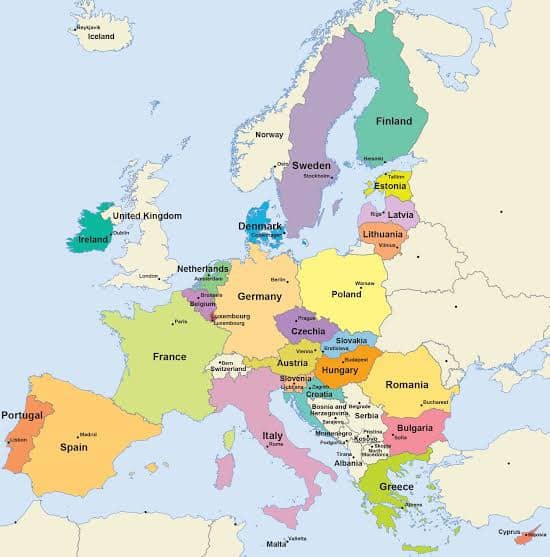
  • Creating the European Union (EU) was a complex process that evolved over decades, involving a series of treaties, expansions, and integrative steps. Heres a detailed look at the small and significant steps that led to the formation of the EU, which could serve as a roadmap for creating a similar union, like an Asian Union.

    ### Initial Concepts and Foundations

    1. **Post-World War II Reconciliation (1945-1950):** The devastation of World War II prompted European leaders to seek ways to prevent future conflicts. The idea of European integration was seen as a solution to foster peace and economic cooperation.

    2. **Schuman Declaration (1950):** French Foreign Minister Robert Schuman proposed the creation of a European Coal and Steel Community (ECSC), aiming to pool coal and steel production. This was a strategic move to bind Europe’s key industries together, making war between historic rivals France and Germany "not merely unthinkable, but materially impossible."

    3. **Treaty of Paris (1951):** Established the ECSC, including six founding countries: Belgium, France, Germany, Italy, Luxembourg, and the Netherlands. This treaty was the first step towards economic integration.

    ### Expanding the Scope of Integration

    4. **Treaty of Rome (1957):** Signed by the six ECSC members, it created the European Economic Community (EEC) and Euratom. The EEC aimed at establishing a common market and a customs union among the member states.

    5. **Merger Treaty (1965):** Merged the executive bodies of the ECSC, EEC, and Euratom into a single Commission and Council of the European Communities, simplifying the structure and strengthening integration.

    ### Enlargement and Deepening Integration

    6. **First Enlargement (1973):** Denmark, Ireland, and the United Kingdom joined, marking the first expansion beyond the six founding members.

    7. **Single European Act (1986):** Aimed at creating a single market by 1992, it allowed for the free movement of goods, services, capital, and people. This act significantly deepened economic integration.

    8. **Treaty of Maastricht (1992):** Officially established the European Union and introduced the concept of European citizenship. It set the stage for monetary union and introduced the three-pillar structure of the EU.

    9. **Treaty of Amsterdam (1997) and Treaty of Nice (2001):** These treaties reformed institutions to prepare for the eastward expansion of the EU and improved decision-making processes.

    ### Expansion and Consolidation

    10. **Eurozone (1999):** Introduction of the euro as a single currency for many EU countries, further integrating the economies of member states.

    11. **Eastern Enlargement (2004 and 2007):** The EU expanded to include eight Central and Eastern European countries in 2004, followed by Bulgaria and Romania in 2007, marking a significant geographical and political expansion.

    12. **Treaty of Lisbon (2007, effective 2009):** Simplified the EU’s structure, increased the powers of the European Parliament, and introduced changes to improve decision-making efficiency. It also established a more permanent President of the European Council and a High Representative for Foreign Affairs to strengthen the EUs global presence.

    ### Continuous Challenges and Adaptations

    - **Brexit (2016 referendum, effective 2020):** The United Kingdoms vote to leave the EU marked a significant challenge and led to discussions about the nature of EU integration and the future direction of the union.

    - **Ongoing Issues:** The EU continues to face challenges such as migration crises, economic disparities, and external pressures. It has also been working on digital transformation, climate change policies, and strengthening the European Health Union in response to the COVID-19 pandemic.

    Creating a similar union, like an Asian Union, would likely involve similar steps: starting with targeted economic cooperation, gradually expanding the scope of integration, formalizing structures through treaties, and continuously adapting to new challenges. It would also require strong political will, a shared vision among member states, and mechanisms to accommodate diversity while pursuing common goals.
    Creating the European Union (EU) was a complex process that evolved over decades, involving a series of treaties, expansions, and integrative steps. Here's a detailed look at the small and significant steps that led to the formation of the EU, which could serve as a roadmap for creating a similar union, like an Asian Union. ### Initial Concepts and Foundations 1. **Post-World War II Reconciliation (1945-1950):** The devastation of World War II prompted European leaders to seek ways to prevent future conflicts. The idea of European integration was seen as a solution to foster peace and economic cooperation. 2. **Schuman Declaration (1950):** French Foreign Minister Robert Schuman proposed the creation of a European Coal and Steel Community (ECSC), aiming to pool coal and steel production. This was a strategic move to bind Europe’s key industries together, making war between historic rivals France and Germany "not merely unthinkable, but materially impossible." 3. **Treaty of Paris (1951):** Established the ECSC, including six founding countries: Belgium, France, Germany, Italy, Luxembourg, and the Netherlands. This treaty was the first step towards economic integration. ### Expanding the Scope of Integration 4. **Treaty of Rome (1957):** Signed by the six ECSC members, it created the European Economic Community (EEC) and Euratom. The EEC aimed at establishing a common market and a customs union among the member states. 5. **Merger Treaty (1965):** Merged the executive bodies of the ECSC, EEC, and Euratom into a single Commission and Council of the European Communities, simplifying the structure and strengthening integration. ### Enlargement and Deepening Integration 6. **First Enlargement (1973):** Denmark, Ireland, and the United Kingdom joined, marking the first expansion beyond the six founding members. 7. **Single European Act (1986):** Aimed at creating a single market by 1992, it allowed for the free movement of goods, services, capital, and people. This act significantly deepened economic integration. 8. **Treaty of Maastricht (1992):** Officially established the European Union and introduced the concept of European citizenship. It set the stage for monetary union and introduced the three-pillar structure of the EU. 9. **Treaty of Amsterdam (1997) and Treaty of Nice (2001):** These treaties reformed institutions to prepare for the eastward expansion of the EU and improved decision-making processes. ### Expansion and Consolidation 10. **Eurozone (1999):** Introduction of the euro as a single currency for many EU countries, further integrating the economies of member states. 11. **Eastern Enlargement (2004 and 2007):** The EU expanded to include eight Central and Eastern European countries in 2004, followed by Bulgaria and Romania in 2007, marking a significant geographical and political expansion. 12. **Treaty of Lisbon (2007, effective 2009):** Simplified the EU’s structure, increased the powers of the European Parliament, and introduced changes to improve decision-making efficiency. It also established a more permanent President of the European Council and a High Representative for Foreign Affairs to strengthen the EU's global presence. ### Continuous Challenges and Adaptations - **Brexit (2016 referendum, effective 2020):** The United Kingdom's vote to leave the EU marked a significant challenge and led to discussions about the nature of EU integration and the future direction of the union. - **Ongoing Issues:** The EU continues to face challenges such as migration crises, economic disparities, and external pressures. It has also been working on digital transformation, climate change policies, and strengthening the European Health Union in response to the COVID-19 pandemic. Creating a similar union, like an Asian Union, would likely involve similar steps: starting with targeted economic cooperation, gradually expanding the scope of integration, formalizing structures through treaties, and continuously adapting to new challenges. It would also require strong political will, a shared vision among member states, and mechanisms to accommodate diversity while pursuing common goals.
    0 Commentarii 0 Distribuiri 876 Views
  • ### An Average Luxembourger Earns PKR 30,818,000 Per Year in 2024

    As of 2024, the average income for a person in Luxembourg, based on the GDP per capita, is approximately **$107,375**. When converted into Pakistani Rupees (PKR), this amounts to around **PKR 30,818,000** per year, using an exchange rate of roughly **PKR 287** per US dollar.

    Luxembourg, with a population of about **672,000** people, boasts one of the highest GDP per capita figures globally. This reflects the countrys strong financial sector, high standard of living, and robust economy, which continue to attract talent from around the world.

    **Go on LinkedIn** and connect with professionals from Luxembourg. Explore what makes this small yet economically powerful country thrive, and see how you can apply similar strategies in your own career!

    #Luxembourg #Economy #HighIncome #GDP #PKR #Networking #LinkedIn #GlobalEconomy
    ### An Average Luxembourger Earns PKR 30,818,000 Per Year in 2024 As of 2024, the average income for a person in Luxembourg, based on the GDP per capita, is approximately **$107,375**. When converted into Pakistani Rupees (PKR), this amounts to around **PKR 30,818,000** per year, using an exchange rate of roughly **PKR 287** per US dollar. Luxembourg, with a population of about **672,000** people, boasts one of the highest GDP per capita figures globally. This reflects the country's strong financial sector, high standard of living, and robust economy, which continue to attract talent from around the world. 👉 **Go on LinkedIn** and connect with professionals from Luxembourg. Explore what makes this small yet economically powerful country thrive, and see how you can apply similar strategies in your own career! #Luxembourg #Economy #HighIncome #GDP #PKR #Networking #LinkedIn #GlobalEconomy
    0 Commentarii 0 Distribuiri 840 Views
  • For Pakistani graduates seeking employment opportunities abroad, several countries offer relatively accessible work permits or visa pathways. While direct employment without a permit is uncommon, the following countries have streamlined processes that may facilitate your transition:

    1. Germany
    • Job Seeker Visa: Germany provides a Job Seeker Visa allowing individuals to enter the country and search for employment. Applicants must have a recognized degree, relevant work experience, and sufficient financial means to support their stay. Upon securing a job, you can apply for a work permit or EU Blue Card. 

    2. United Arab Emirates (UAE)
    • Job Seeker Visa: The UAE offers a Job Seeker Visa valid for 60, 90, or 120 days, enabling individuals to explore job opportunities without a prior employment offer. Applicants need a bachelor’s degree, proof of financial stability, and a valid passport. 

    3. Portugal
    • Job Seeker Visa: Portugal has introduced a Job Seeker Visa allowing entry for up to 180 days to search for employment. Applicants must demonstrate financial means to support their stay and have a valid travel document.

    4. Thailand
    • Work Permits: Thailand offers work permits, particularly in sectors like tourism, hospitality, and education. The process is relatively straightforward, especially for professionals in demand. 

    5. South Korea
    • E-9 Non-Professional Employment Visa: South Korea issues the E-9 visa to workers from select countries, including Pakistan, for employment in sectors like manufacturing, construction, and agriculture. Applicants must meet specific requirements and secure a job offer through the Employment Permit System. 

    6. Saudi Arabia
    • Work Visas: Saudi Arabia employs a significant number of Pakistani workers, particularly in construction, retail, and domestic work. Obtaining a work visa requires a job offer and sponsorship from a Saudi employer. 

    7. Qatar
    • Work Visas: Qatar has a streamlined process for obtaining work visas, especially for professionals in sectors like construction, healthcare, and education. A job offer and employer sponsorship are necessary.

    8. Bahrain
    • Flexi Permit: Bahrain offers the Flexi Permit, allowing expatriates without legal residency to work and live in the country without an employer sponsor. This permit is subject to specific eligibility criteria.

    9. Oman
    • Work Visas: Oman provides work visas for various sectors, with a relatively straightforward application process facilitated by employer sponsorship.

    10. Malaysia
    • Employment Pass: Malaysia’s Employment Pass caters to expatriates in managerial or technical positions. Applicants need a job offer with a minimum salary requirement.

    11. Singapore
    • Employment Pass: Singapore offers the Employment Pass for foreign professionals, managers, and executives. Applicants must have a job offer, relevant qualifications, and meet salary criteria. 

    12. Canada
    • Global Skills Strategy: Canada has provisions for short-term work permit exemptions for high-skilled workers, facilitating quicker entry for eligible individuals. 

    13. Australia
    • Temporary Skill Shortage Visa (Subclass 482): Australia allows employers to sponsor skilled workers for up to four years. Applicants must have relevant skills and qualifications. 

    14. New Zealand
    • Essential Skills Work Visa: New Zealand offers this visa to workers with a job offer in sectors facing skill shortages. Applicants must meet health and character requirements.

    15. Ireland
    • General Employment Permit: Ireland provides permits to non-EU citizens for up to two years, with opportunities for renewal. Applicants need a job offer in eligible occupations. 

    16. Colombia
    • Migrant (M) Visa: Colombia offers the M Visa for foreign nationals with a local employment contract. The process is relatively straightforward, requiring standard documentation. 

    17. Cambodia
    • E-Type Visa (Ordinary Visa): Cambodia allows foreigners to obtain an E-Type Visa, which can be extended for long-term stays and includes eligibility for work permits. 

    18. Slovakia
    • Single Permit: Slovakia offers a Single Permit combining residence and work authorization, simplifying the process for foreign workers. 

    19. Latvia
    • Work Permits: Latvia provides various work permits, including options for those employed by Latvian companies or through intra-company transfers. 

    20. Luxembourg
    • Short-Stay Schengen Visa: Luxembourg offers short-stay visas for business purposes, with relatively straightforward procedures for eligible applicants. 

    Important Considerations:
    • Documentation: Ensure all educational and professional documents are authenticated and, if necessary, translated.
    • Language Proficiency: Proficiency in the host country’s language can enhance employment prospects and integration.
    • Legal Compliance: Always adhere to the immigration and labor laws of the host country to avoid legal complications.

    While these countries offer more accessible pathways, it’s crucial to conduct thorough research and consult official immigration resources or legal experts to navigate the specific requirements and processes effectively.

    You can ask more to ChatGPT
    For Pakistani graduates seeking employment opportunities abroad, several countries offer relatively accessible work permits or visa pathways. While direct employment without a permit is uncommon, the following countries have streamlined processes that may facilitate your transition: 1. Germany • Job Seeker Visa: Germany provides a Job Seeker Visa allowing individuals to enter the country and search for employment. Applicants must have a recognized degree, relevant work experience, and sufficient financial means to support their stay. Upon securing a job, you can apply for a work permit or EU Blue Card.  2. United Arab Emirates (UAE) • Job Seeker Visa: The UAE offers a Job Seeker Visa valid for 60, 90, or 120 days, enabling individuals to explore job opportunities without a prior employment offer. Applicants need a bachelor’s degree, proof of financial stability, and a valid passport.  3. Portugal • Job Seeker Visa: Portugal has introduced a Job Seeker Visa allowing entry for up to 180 days to search for employment. Applicants must demonstrate financial means to support their stay and have a valid travel document. 4. Thailand • Work Permits: Thailand offers work permits, particularly in sectors like tourism, hospitality, and education. The process is relatively straightforward, especially for professionals in demand.  5. South Korea • E-9 Non-Professional Employment Visa: South Korea issues the E-9 visa to workers from select countries, including Pakistan, for employment in sectors like manufacturing, construction, and agriculture. Applicants must meet specific requirements and secure a job offer through the Employment Permit System.  6. Saudi Arabia • Work Visas: Saudi Arabia employs a significant number of Pakistani workers, particularly in construction, retail, and domestic work. Obtaining a work visa requires a job offer and sponsorship from a Saudi employer.  7. Qatar • Work Visas: Qatar has a streamlined process for obtaining work visas, especially for professionals in sectors like construction, healthcare, and education. A job offer and employer sponsorship are necessary. 8. Bahrain • Flexi Permit: Bahrain offers the Flexi Permit, allowing expatriates without legal residency to work and live in the country without an employer sponsor. This permit is subject to specific eligibility criteria. 9. Oman • Work Visas: Oman provides work visas for various sectors, with a relatively straightforward application process facilitated by employer sponsorship. 10. Malaysia • Employment Pass: Malaysia’s Employment Pass caters to expatriates in managerial or technical positions. Applicants need a job offer with a minimum salary requirement. 11. Singapore • Employment Pass: Singapore offers the Employment Pass for foreign professionals, managers, and executives. Applicants must have a job offer, relevant qualifications, and meet salary criteria.  12. Canada • Global Skills Strategy: Canada has provisions for short-term work permit exemptions for high-skilled workers, facilitating quicker entry for eligible individuals.  13. Australia • Temporary Skill Shortage Visa (Subclass 482): Australia allows employers to sponsor skilled workers for up to four years. Applicants must have relevant skills and qualifications.  14. New Zealand • Essential Skills Work Visa: New Zealand offers this visa to workers with a job offer in sectors facing skill shortages. Applicants must meet health and character requirements. 15. Ireland • General Employment Permit: Ireland provides permits to non-EU citizens for up to two years, with opportunities for renewal. Applicants need a job offer in eligible occupations.  16. Colombia • Migrant (M) Visa: Colombia offers the M Visa for foreign nationals with a local employment contract. The process is relatively straightforward, requiring standard documentation.  17. Cambodia • E-Type Visa (Ordinary Visa): Cambodia allows foreigners to obtain an E-Type Visa, which can be extended for long-term stays and includes eligibility for work permits.  18. Slovakia • Single Permit: Slovakia offers a Single Permit combining residence and work authorization, simplifying the process for foreign workers.  19. Latvia • Work Permits: Latvia provides various work permits, including options for those employed by Latvian companies or through intra-company transfers.  20. Luxembourg • Short-Stay Schengen Visa: Luxembourg offers short-stay visas for business purposes, with relatively straightforward procedures for eligible applicants.  Important Considerations: • Documentation: Ensure all educational and professional documents are authenticated and, if necessary, translated. • Language Proficiency: Proficiency in the host country’s language can enhance employment prospects and integration. • Legal Compliance: Always adhere to the immigration and labor laws of the host country to avoid legal complications. While these countries offer more accessible pathways, it’s crucial to conduct thorough research and consult official immigration resources or legal experts to navigate the specific requirements and processes effectively. You can ask more to ChatGPT
    0 Commentarii 0 Distribuiri 1486 Views
  • 1945 - 1959

    A peaceful Europe – the beginnings of cooperation
    The European Union is set up with the aim of ending the frequent and bloody wars between neighbours, which culminated in the Second World War. As of 1950, the European Coal and Steel Community begins to unite European countries economically and politically in order to secure lasting peace. The six founding countries are Belgium, France, Germany, Italy, Luxembourg and the Netherlands. The 1950s are dominated by a cold war between east and west. Protests in Hungary against the Communist regime are put down by Soviet tanks in 1956. In 1957, the Treaty of Rome creates the European Economic Community (EEC), or ‘Common Market’.
    1945 - 1959 A peaceful Europe – the beginnings of cooperation The European Union is set up with the aim of ending the frequent and bloody wars between neighbours, which culminated in the Second World War. As of 1950, the European Coal and Steel Community begins to unite European countries economically and politically in order to secure lasting peace. The six founding countries are Belgium, France, Germany, Italy, Luxembourg and the Netherlands. The 1950s are dominated by a cold war between east and west. Protests in Hungary against the Communist regime are put down by Soviet tanks in 1956. In 1957, the Treaty of Rome creates the European Economic Community (EEC), or ‘Common Market’.
    0 Commentarii 0 Distribuiri 261 Views