India has a rich and complex history spanning over 5,000 years, marked by the rise and fall of civilizations, empires, and cultural transformations. Here is a concise historical overview of India’s development:
1. Ancient India (c. 3000 BCE – 600 BCE)
Indus Valley Civilization (c. 3000–1500 BCE)
• One of the world’s earliest urban civilizations, centered in present-day Pakistan and northwestern India.
• Cities like Harappa and Mohenjo-Daro featured advanced urban planning, drainage systems, and trade networks.
• The script remains undeciphered, and the civilization’s decline around 1500 BCE is linked to environmental changes and other factors.
Vedic Period (c. 1500–600 BCE)
• Arrival of Indo-Aryans who composed the Vedas, the foundational texts of Hinduism.
• Development of early political structures, social stratification (caste system), and religious practices.
• Transition from a pastoral to agrarian society.
2. Classical Period (600 BCE – 1200 CE)
Rise of Kingdoms and Empires (600 BCE – 300 BCE)
• Mahajanapadas: 16 powerful kingdoms and republics like Magadha and Koshala.
• Buddhism and Jainism emerged in the 6th century BCE as reformist movements against Vedic orthodoxy, led by Gautama Buddha and Mahavira.
Maurya Empire (321–185 BCE)
• Founded by Chandragupta Maurya, it was one of India’s largest empires.
• Under Ashoka the Great, Buddhism spread across Asia, and pillars and edicts promoting nonviolence and dharma were erected.
Gupta Empire (c. 320–550 CE)
• Known as the “Golden Age” of India, it was a period of immense cultural, scientific, and artistic achievements.
• Advances in mathematics (concept of zero), astronomy, literature (Kalidasa), and medicine occurred during this time.
• Hinduism flourished, and major texts like the Puranas and Ramayana were written or codified.
3. Medieval India (1200–1757)
Early Medieval Period (600–1200)
• Emergence of regional kingdoms such as the Chalukyas, Pallavas, Rashtrakutas, and Cholas in southern India.
• The Chola dynasty expanded maritime trade and cultural influence to Southeast Asia.
Islamic Invasions and Delhi Sultanate (1206–1526)
• Islamic rule began with invasions by Mahmud of Ghazni (11th century) and Muhammad Ghori (12th century).
• Establishment of the Delhi Sultanate, which saw the spread of Islam in India.
• Significant cultural syncretism, with the fusion of Indian and Islamic traditions in art, architecture (e.g., Qutub Minar), and language.
Mughal Empire (1526–1757)
• Founded by Babur in 1526 after defeating the Delhi Sultanate.
• Reached its zenith under Akbar, who implemented policies of religious tolerance and administrative reforms.
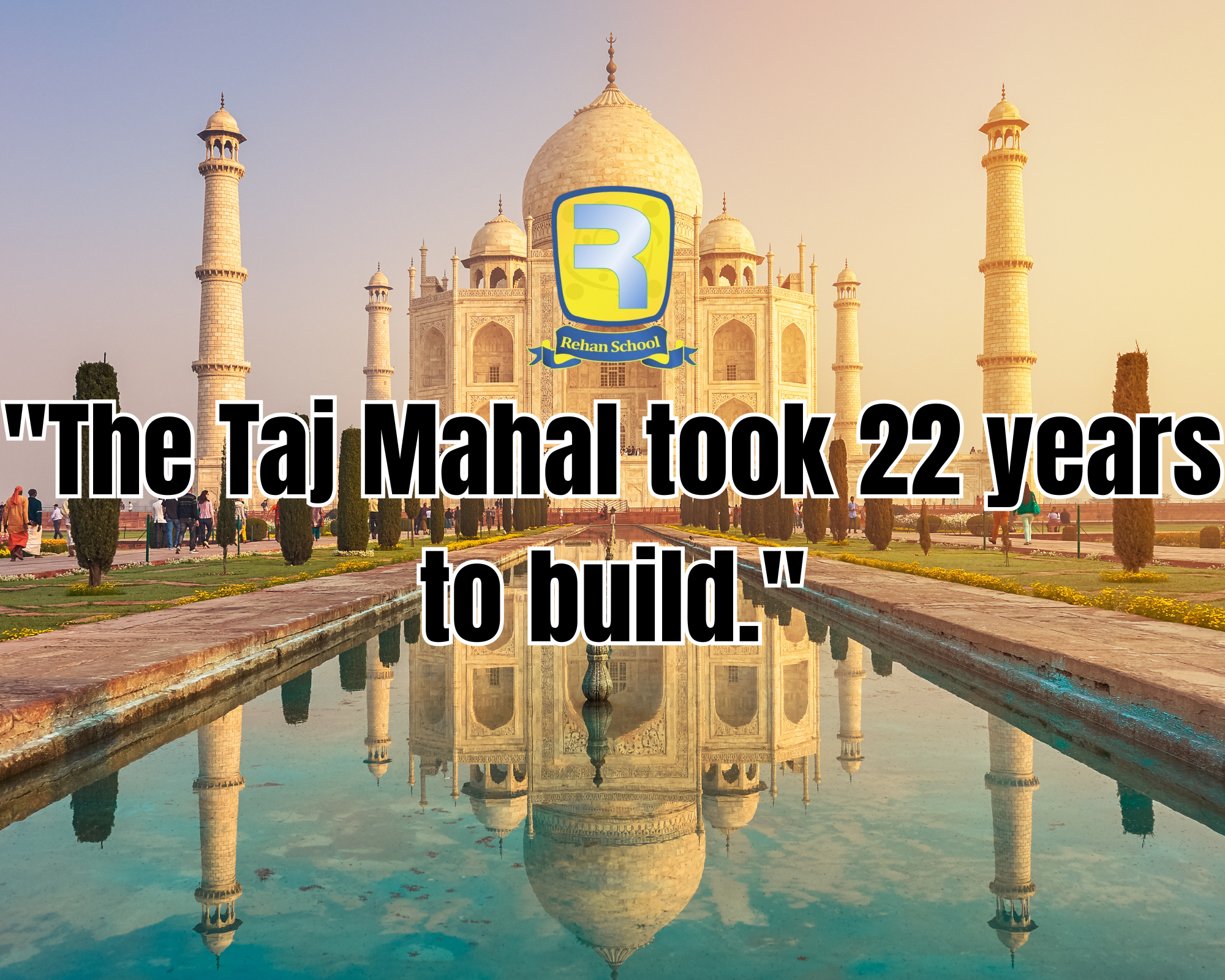
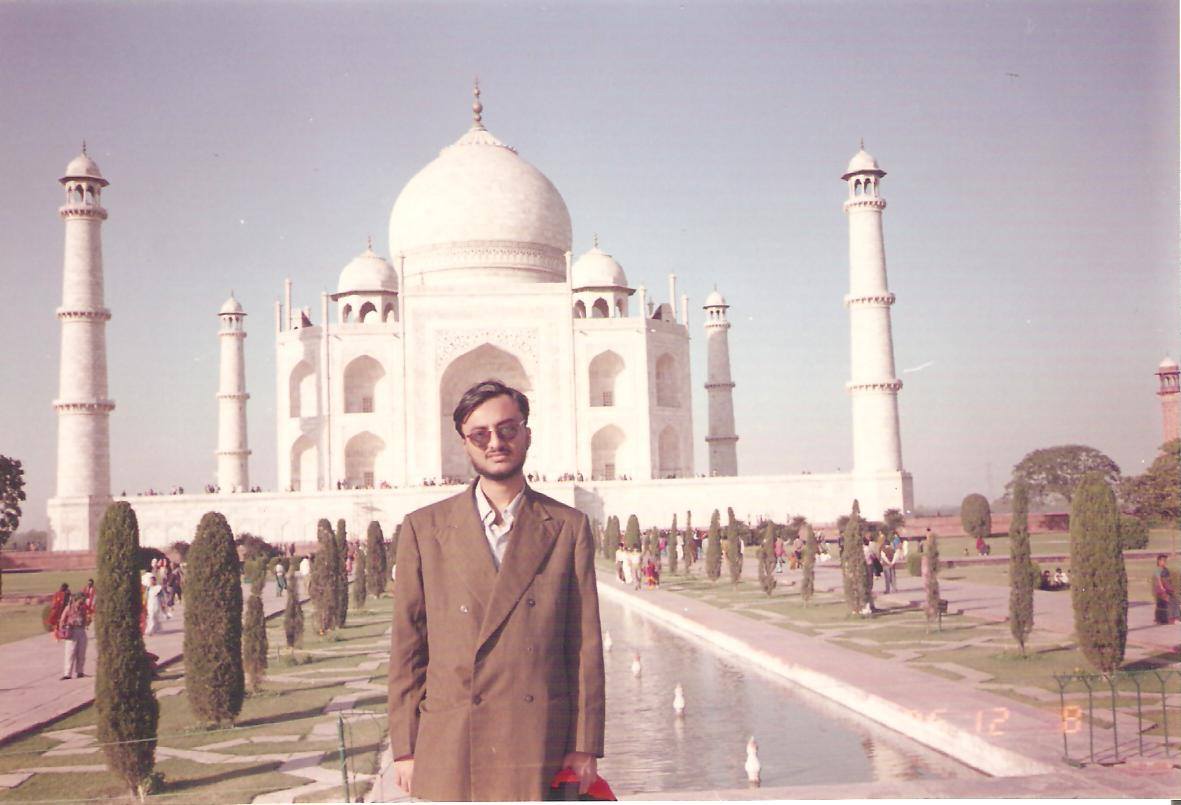
• Cultural achievements under Shah Jahan (Taj Mahal) and Aurangzeb, though his reign saw the beginning of the empire’s decline.
4. Colonial Period (1757–1947)
British East India Company (1757–1857)
• Following the Battle of Plassey (1757), the British East India Company gained control over Bengal and expanded its influence.
• Exploitation of India’s resources led to famines, economic decline, and widespread discontent.
British Raj (1858–1947)
• After the 1857 Rebellion (India’s First War of Independence), the British Crown took direct control.
• Infrastructure like railways, telegraphs, and canals developed, but largely served colonial interests.
• Rise of Indian nationalism, with reform movements led by figures like Raja Ram Mohan Roy and Swami Vivekananda.
Indian Independence Movement
• Indian National Congress (1885) and Muslim League (1906) emerged as political platforms.
• Leaders like Mahatma Gandhi, Jawaharlal Nehru, and Subhas Chandra Bose played key roles in mobilizing the masses.
• Partition of Bengal (1905), Jallianwala Bagh massacre (1919), and Quit India Movement (1942) were significant events.
• India gained independence on August 15, 1947, but was partitioned into India and Pakistan.
5. Modern India (1947–Present)
Post-Independence (1947–1991)
• Adoption of the Constitution of India in 1950, establishing a secular, democratic republic.
• Economic policies focused on self-reliance and industrialization under leaders like Jawaharlal Nehru.
• Social reforms included the abolition of untouchability and the promotion of women’s rights.
• Wars with Pakistan (1947, 1965, 1971) and China (1962) shaped foreign policy.
• Green Revolution in the 1960s improved agricultural productivity but widened inequality.
Economic Liberalization (1991–Present)
• In 1991, economic reforms under P. V. Narasimha Rao and Manmohan Singh shifted India from a socialist to a market-oriented economy.
• Rapid economic growth, fueled by IT, services, and industrial sectors, made India a global player.
• Challenges include income inequality, environmental degradation, and political polarization.
21st Century Developments
• India’s space program (ISRO) achieved milestones like Chandrayaan and Mangalyaan missions.
• Rise of India as a global economic power, with advancements in technology, healthcare, and infrastructure.
• Political shifts under leaders like Narendra Modi, emphasizing nationalism, economic reforms, and a strong global presence.
Summary of Contributions:
1. Religion and Philosophy: Birthplace of Hinduism, Buddhism, Jainism, and Sikhism.
2. Science and Mathematics: Innovations in astronomy, mathematics (concept of zero, decimals), and medicine.
3. Art and Culture: Flourished under various dynasties; notable for architecture, literature, and music.
4. Modern Global Influence: A rising power in technology, economy, and geopolitics.
India’s history is a testament to its resilience, diversity, and enduring cultural richness.
India has a rich and complex history spanning over 5,000 years, marked by the rise and fall of civilizations, empires, and cultural transformations. Here is a concise historical overview of India’s development:
1. Ancient India (c. 3000 BCE – 600 BCE)
Indus Valley Civilization (c. 3000–1500 BCE)
• One of the world’s earliest urban civilizations, centered in present-day Pakistan and northwestern India.
• Cities like Harappa and Mohenjo-Daro featured advanced urban planning, drainage systems, and trade networks.
• The script remains undeciphered, and the civilization’s decline around 1500 BCE is linked to environmental changes and other factors.
Vedic Period (c. 1500–600 BCE)
• Arrival of Indo-Aryans who composed the Vedas, the foundational texts of Hinduism.
• Development of early political structures, social stratification (caste system), and religious practices.
• Transition from a pastoral to agrarian society.
2. Classical Period (600 BCE – 1200 CE)
Rise of Kingdoms and Empires (600 BCE – 300 BCE)
• Mahajanapadas: 16 powerful kingdoms and republics like Magadha and Koshala.
• Buddhism and Jainism emerged in the 6th century BCE as reformist movements against Vedic orthodoxy, led by Gautama Buddha and Mahavira.
Maurya Empire (321–185 BCE)
• Founded by Chandragupta Maurya, it was one of India’s largest empires.
• Under Ashoka the Great, Buddhism spread across Asia, and pillars and edicts promoting nonviolence and dharma were erected.
Gupta Empire (c. 320–550 CE)
• Known as the “Golden Age” of India, it was a period of immense cultural, scientific, and artistic achievements.
• Advances in mathematics (concept of zero), astronomy, literature (Kalidasa), and medicine occurred during this time.
• Hinduism flourished, and major texts like the Puranas and Ramayana were written or codified.
3. Medieval India (1200–1757)
Early Medieval Period (600–1200)
• Emergence of regional kingdoms such as the Chalukyas, Pallavas, Rashtrakutas, and Cholas in southern India.
• The Chola dynasty expanded maritime trade and cultural influence to Southeast Asia.
Islamic Invasions and Delhi Sultanate (1206–1526)
• Islamic rule began with invasions by Mahmud of Ghazni (11th century) and Muhammad Ghori (12th century).
• Establishment of the Delhi Sultanate, which saw the spread of Islam in India.
• Significant cultural syncretism, with the fusion of Indian and Islamic traditions in art, architecture (e.g., Qutub Minar), and language.
Mughal Empire (1526–1757)
• Founded by Babur in 1526 after defeating the Delhi Sultanate.
• Reached its zenith under Akbar, who implemented policies of religious tolerance and administrative reforms.
• Cultural achievements under Shah Jahan (Taj Mahal) and Aurangzeb, though his reign saw the beginning of the empire’s decline.
4. Colonial Period (1757–1947)
British East India Company (1757–1857)
• Following the Battle of Plassey (1757), the British East India Company gained control over Bengal and expanded its influence.
• Exploitation of India’s resources led to famines, economic decline, and widespread discontent.
British Raj (1858–1947)
• After the 1857 Rebellion (India’s First War of Independence), the British Crown took direct control.
• Infrastructure like railways, telegraphs, and canals developed, but largely served colonial interests.
• Rise of Indian nationalism, with reform movements led by figures like Raja Ram Mohan Roy and Swami Vivekananda.
Indian Independence Movement
• Indian National Congress (1885) and Muslim League (1906) emerged as political platforms.
• Leaders like Mahatma Gandhi, Jawaharlal Nehru, and Subhas Chandra Bose played key roles in mobilizing the masses.
• Partition of Bengal (1905), Jallianwala Bagh massacre (1919), and Quit India Movement (1942) were significant events.
• India gained independence on August 15, 1947, but was partitioned into India and Pakistan.
5. Modern India (1947–Present)
Post-Independence (1947–1991)
• Adoption of the Constitution of India in 1950, establishing a secular, democratic republic.
• Economic policies focused on self-reliance and industrialization under leaders like Jawaharlal Nehru.
• Social reforms included the abolition of untouchability and the promotion of women’s rights.
• Wars with Pakistan (1947, 1965, 1971) and China (1962) shaped foreign policy.
• Green Revolution in the 1960s improved agricultural productivity but widened inequality.
Economic Liberalization (1991–Present)
• In 1991, economic reforms under P. V. Narasimha Rao and Manmohan Singh shifted India from a socialist to a market-oriented economy.
• Rapid economic growth, fueled by IT, services, and industrial sectors, made India a global player.
• Challenges include income inequality, environmental degradation, and political polarization.
21st Century Developments
• India’s space program (ISRO) achieved milestones like Chandrayaan and Mangalyaan missions.
• Rise of India as a global economic power, with advancements in technology, healthcare, and infrastructure.
• Political shifts under leaders like Narendra Modi, emphasizing nationalism, economic reforms, and a strong global presence.
Summary of Contributions:
1. Religion and Philosophy: Birthplace of Hinduism, Buddhism, Jainism, and Sikhism.
2. Science and Mathematics: Innovations in astronomy, mathematics (concept of zero, decimals), and medicine.
3. Art and Culture: Flourished under various dynasties; notable for architecture, literature, and music.
4. Modern Global Influence: A rising power in technology, economy, and geopolitics.
India’s history is a testament to its resilience, diversity, and enduring cultural richness.