• #rsisb
    Roll no 248
    Foundation level
    Condoing Task no 11
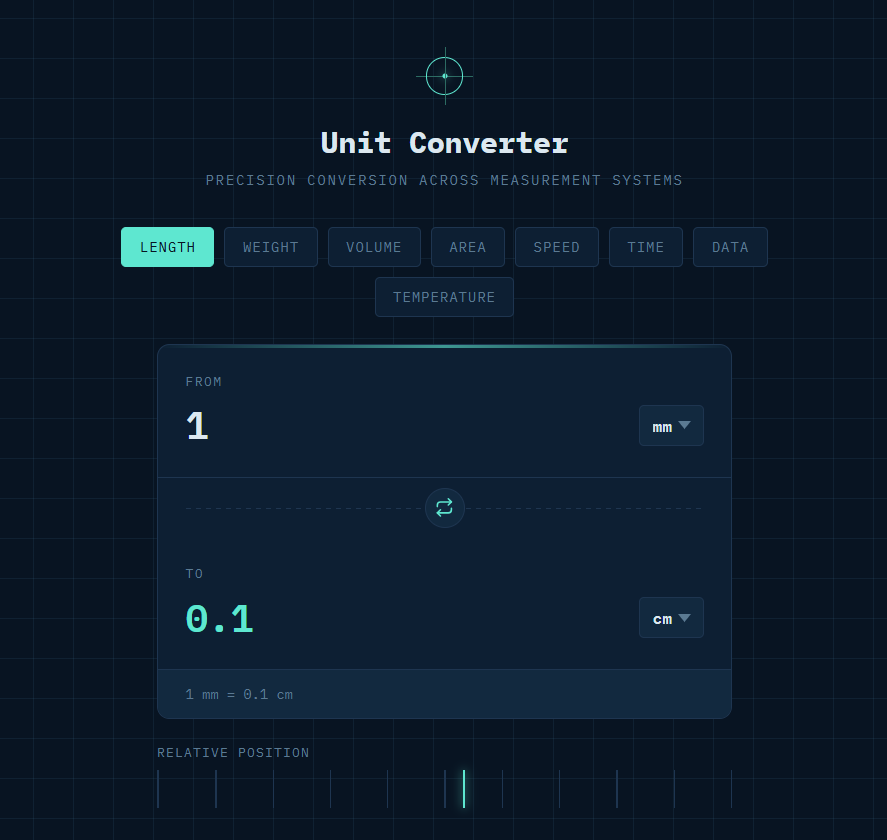
    **Unit Converter – Making Measurements Simple! **

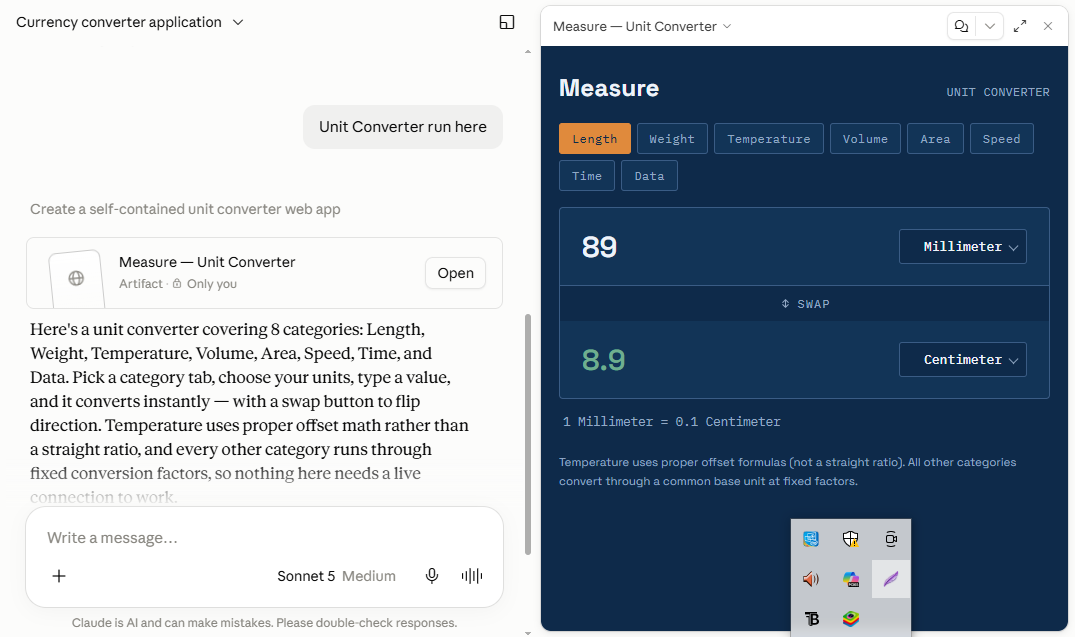
    Convert measurements quickly and easily with a **Unit Converter**! Whether you need to change meters to kilometers, kilograms to grams, Celsius to Fahrenheit, or liters to milliliters, a unit converter makes calculations simple and accurate.

    This useful tool helps students, teachers, professionals, and everyday users understand different measurement units without confusion. Learn, calculate, and convert with confidence!

    #UnitConverter #Measurement #MathTools #StudentLife #Learning #Education #Technology #Science #EasyMath #SmartTools #Calculator #Conversions
    #rsisb Roll no 248 Foundation level Condoing Task no 11 📏 **Unit Converter – Making Measurements Simple! 🔄** Convert measurements quickly and easily with a **Unit Converter**! 🌟 Whether you need to change meters to kilometers, kilograms to grams, Celsius to Fahrenheit, or liters to milliliters, a unit converter makes calculations simple and accurate. 🧮✨ This useful tool helps students, teachers, professionals, and everyday users understand different measurement units without confusion. 📚💡 Learn, calculate, and convert with confidence! 🚀 #UnitConverter #Measurement #MathTools #StudentLife #Learning #Education #Technology #Science #EasyMath #SmartTools #Calculator #Conversions 📐🔢✨
    0 Commentaires 0 Parts 152 Vue
  • #rsisb
    Roll no.239
    Foundation Level

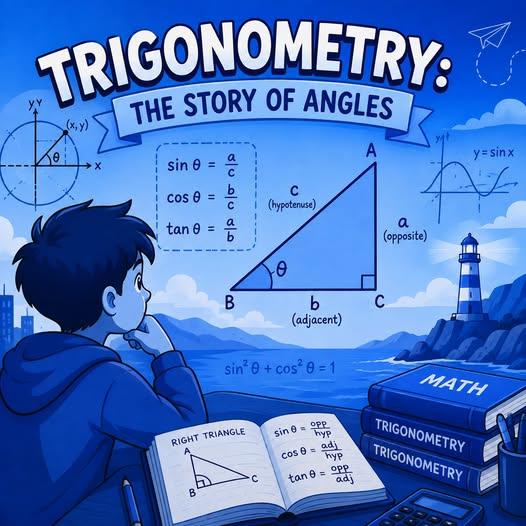
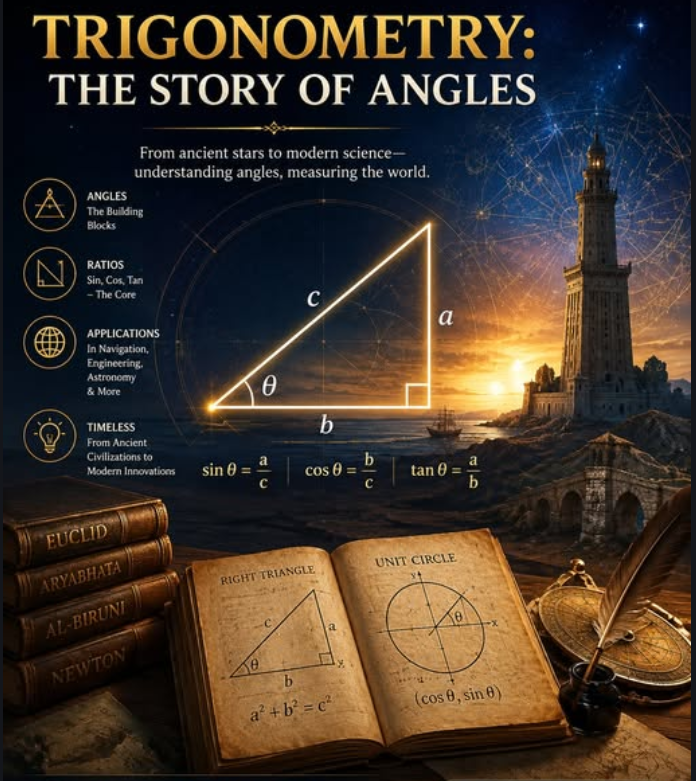
    **Trigonometry** is the fascinating branch of mathematics that explores the relationships between **angles and the sides of triangles**. The word itself comes from Greek roots meaning “triangle” and “measurement.”

    At the heart of trigonometry are three important ratios: **sine, cosine, and tangent**. These help us understand angles and calculate unknown lengths and measurements.

    genui{"trigonometry_vectors":{"type_id":"UNIT_CIRCLE"}}

    Trigonometry is used far beyond the classroom. It plays an important role in **engineering, architecture, astronomy, physics, navigation, computer graphics, and construction**.

    The story of angles shows us how a simple mathematical idea can become a powerful tool for understanding the world around us.
    #rsisb Roll no.239 Foundation Level **Trigonometry** is the fascinating branch of mathematics that explores the relationships between **angles and the sides of triangles**. The word itself comes from Greek roots meaning “triangle” and “measurement.” At the heart of trigonometry are three important ratios: **sine, cosine, and tangent**. These help us understand angles and calculate unknown lengths and measurements. genui{"trigonometry_vectors":{"type_id":"UNIT_CIRCLE"}} Trigonometry is used far beyond the classroom. It plays an important role in **engineering, architecture, astronomy, physics, navigation, computer graphics, and construction**. The story of angles shows us how a simple mathematical idea can become a powerful tool for understanding the world around us.
    0 Commentaires 0 Parts 1017 Vue
  • #rsisb
    Roll no.239
    Foundation Level

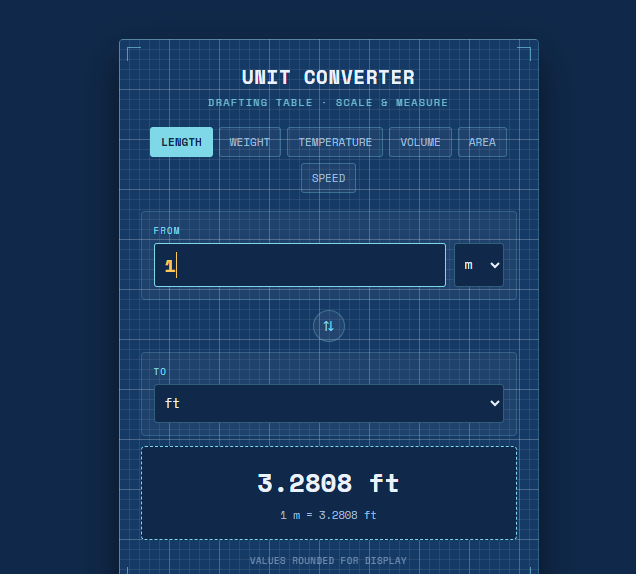
    A **Unit Converter** is a simple and useful tool that helps users convert measurements from one unit to another quickly and accurately. It can be used for common categories such as **length, weight, temperature, time, area, volume, and speed**.

    For example, users can convert **kilometers to miles, kilograms to pounds, liters to gallons, or Celsius to Fahrenheit**. A unit converter saves time, reduces calculation errors, and makes everyday measurements easier to understand.

    Whether you are a student, teacher, traveler, or professional, a unit converter is a convenient tool for handling different measurement systems.
    #rsisb Roll no.239 Foundation Level A **Unit Converter** is a simple and useful tool that helps users convert measurements from one unit to another quickly and accurately. It can be used for common categories such as **length, weight, temperature, time, area, volume, and speed**. For example, users can convert **kilometers to miles, kilograms to pounds, liters to gallons, or Celsius to Fahrenheit**. A unit converter saves time, reduces calculation errors, and makes everyday measurements easier to understand. Whether you are a student, teacher, traveler, or professional, a unit converter is a convenient tool for handling different measurement systems.
    0 Commentaires 0 Parts 430 Vue
  • #rsisb
    Roll No. 267
    Foundation Level
    Story post No.12
    The Wonders of Geometry: Shapes and Philosophy
    Hello everyone! My name is Nimra Shahzadi, and I am a Foundation Level student at Rehan School Islamabad, Barakahu Campus.
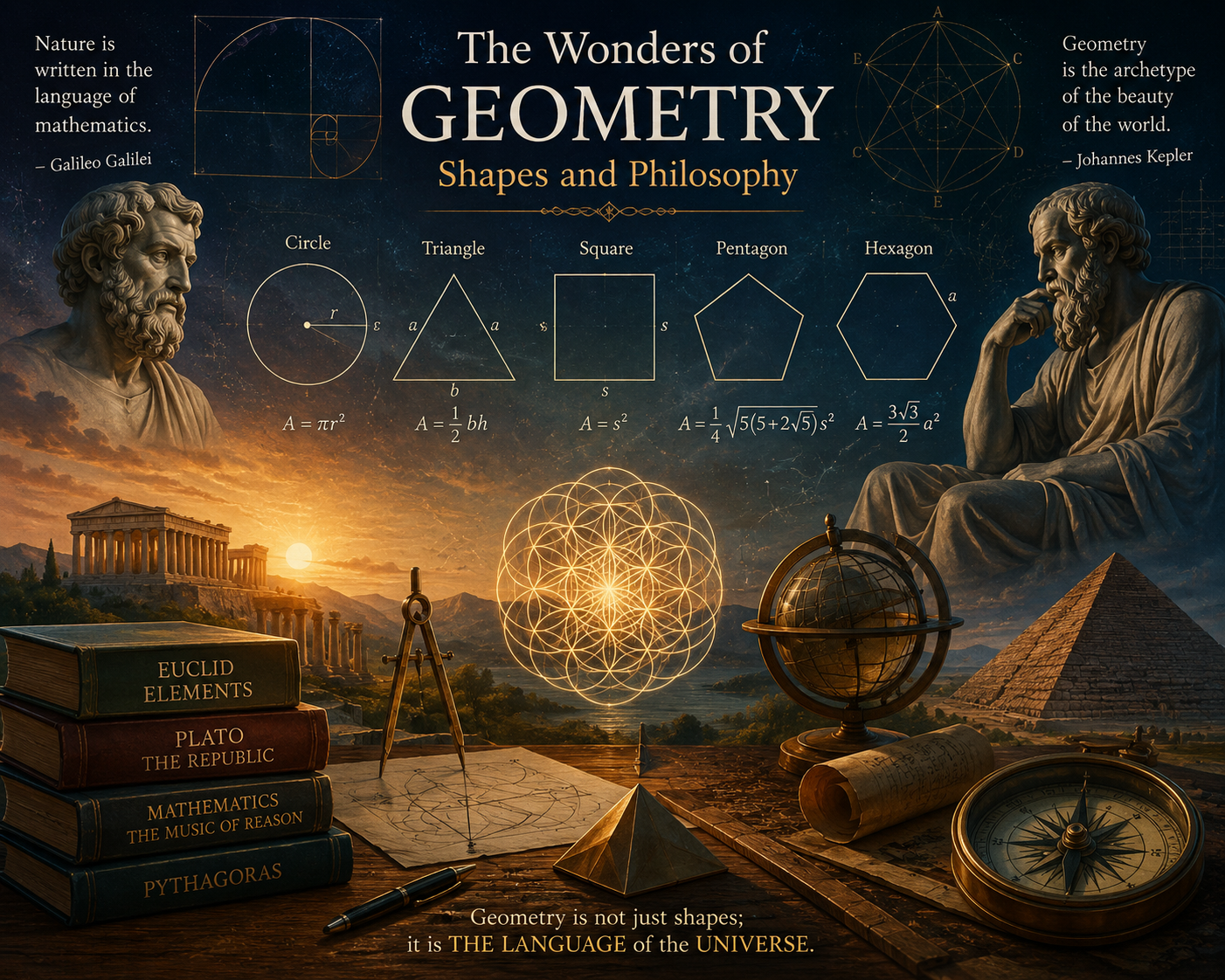
    Today, I explored the fascinating topic "The Wonders of Geometry: Shapes and Philosophy." This topic helped me understand that geometry is more than just learning about shapes, angles, and measurements. It teaches us how patterns, balance, and logic are present in the world around us. From buildings and bridges to nature and art, geometry plays an important role in our daily lives.
    I also learned that geometry encourages us to think carefully, solve problems, and appreciate the beauty of design. The philosophical side of geometry reminds us that order, symmetry, and balance can inspire creativity and help us see the world in a new way. This topic motivated me to improve my mathematical thinking and develop better problem-solving skills.
    What I Learned:
    In this topic, I learned that geometry is not only about shapes and formulas but also about understanding the patterns and beauty of the world. It helps us think logically, solve problems, and become more creative learners.
    Call to Action:
    What is your favorite geometric shape, and where do you see it in everyday life? Share your thoughts in the comments and let's explore the wonderful world of geometry together!
    #Geometry #Shapes #Mathematics #Learning #Education #ProblemSolving #CriticalThinking #Science #StudentLife #RehanSchool #FoundationLevel #Knowledge #LearningJourney #rsisb
    Irum Asim
    Saima Happinesswali
    Asma Shaheen EducationWali
    #rsisb Roll No. 267 Foundation Level Story post No.12 📐✨ The Wonders of Geometry: Shapes and Philosophy Hello everyone! My name is Nimra Shahzadi, and I am a Foundation Level student at Rehan School Islamabad, Barakahu Campus. Today, I explored the fascinating topic "The Wonders of Geometry: Shapes and Philosophy." This topic helped me understand that geometry is more than just learning about shapes, angles, and measurements. It teaches us how patterns, balance, and logic are present in the world around us. From buildings and bridges to nature and art, geometry plays an important role in our daily lives. 🌍📏 I also learned that geometry encourages us to think carefully, solve problems, and appreciate the beauty of design. The philosophical side of geometry reminds us that order, symmetry, and balance can inspire creativity and help us see the world in a new way. This topic motivated me to improve my mathematical thinking and develop better problem-solving skills. 💡📚 📚 What I Learned: In this topic, I learned that geometry is not only about shapes and formulas but also about understanding the patterns and beauty of the world. It helps us think logically, solve problems, and become more creative learners. 🌟 🚀 Call to Action: What is your favorite geometric shape, and where do you see it in everyday life? Share your thoughts in the comments and let's explore the wonderful world of geometry together! 😊📐 #Geometry #Shapes #Mathematics #Learning #Education #ProblemSolving #CriticalThinking #Science #StudentLife #RehanSchool #FoundationLevel #Knowledge #LearningJourney #rsisb 📐✨📚 Irum Asim Saima Happinesswali Asma Shaheen EducationWali
    0 Commentaires 0 Parts 1561 Vue
  • #rsisb
    Roll No. 267
    Foundation Level
    Story post No.12
    The Wonders of Geometry: Shapes and Philosophy
    Hello everyone! My name is Nimra Shahzadi, and I am a Foundation Level student at Rehan School Islamabad, Barakahu Campus.
    Today, I explored the fascinating topic "The Wonders of Geometry: Shapes and Philosophy." This topic helped me understand that geometry is more than just learning about shapes, angles, and measurements. It teaches us how patterns, balance, and logic are present in the world around us. From buildings and bridges to nature and art, geometry plays an important role in our daily lives.
    I also learned that geometry encourages us to think carefully, solve problems, and appreciate the beauty of design. The philosophical side of geometry reminds us that order, symmetry, and balance can inspire creativity and help us see the world in a new way. This topic motivated me to improve my mathematical thinking and develop better problem-solving skills.
    What I Learned:
    In this topic, I learned that geometry is not only about shapes and formulas but also about understanding the patterns and beauty of the world. It helps us think logically, solve problems, and become more creative learners.
    Call to Action:
    What is your favorite geometric shape, and where do you see it in everyday life? Share your thoughts in the comments and let's explore the wonderful world of geometry together!
    #Geometry #Shapes #Mathematics #Learning #Education #ProblemSolving #CriticalThinking #Science #StudentLife #RehanSchool #FoundationLevel #Knowledge #LearningJourney #rsisb
    Irum Asim
    Saima Happinesswali
    Asma Shaheen EducationWali
    #rsisb Roll No. 267 Foundation Level Story post No.12 📐✨ The Wonders of Geometry: Shapes and Philosophy Hello everyone! My name is Nimra Shahzadi, and I am a Foundation Level student at Rehan School Islamabad, Barakahu Campus. Today, I explored the fascinating topic "The Wonders of Geometry: Shapes and Philosophy." This topic helped me understand that geometry is more than just learning about shapes, angles, and measurements. It teaches us how patterns, balance, and logic are present in the world around us. From buildings and bridges to nature and art, geometry plays an important role in our daily lives. 🌍📏 I also learned that geometry encourages us to think carefully, solve problems, and appreciate the beauty of design. The philosophical side of geometry reminds us that order, symmetry, and balance can inspire creativity and help us see the world in a new way. This topic motivated me to improve my mathematical thinking and develop better problem-solving skills. 💡📚 📚 What I Learned: In this topic, I learned that geometry is not only about shapes and formulas but also about understanding the patterns and beauty of the world. It helps us think logically, solve problems, and become more creative learners. 🌟 🚀 Call to Action: What is your favorite geometric shape, and where do you see it in everyday life? Share your thoughts in the comments and let's explore the wonderful world of geometry together! 😊📐 #Geometry #Shapes #Mathematics #Learning #Education #ProblemSolving #CriticalThinking #Science #StudentLife #RehanSchool #FoundationLevel #Knowledge #LearningJourney #rsisb 📐✨📚 Irum Asim Saima Happinesswali Asma Shaheen EducationWali
    0 Commentaires 0 Parts 1507 Vue
  • #rsisb
    Roll No. 267
    Foundation Level
    Story post No.12
    The Wonders of Geometry: Shapes and Philosophy
    Hello everyone! My name is Nimra Shahzadi, and I am a Foundation Level student at Rehan School Islamabad, Barakahu Campus.
    Today, I explored the fascinating topic "The Wonders of Geometry: Shapes and Philosophy." This topic helped me understand that geometry is more than just learning about shapes, angles, and measurements. It teaches us how patterns, balance, and logic are present in the world around us. From buildings and bridges to nature and art, geometry plays an important role in our daily lives.
    I also learned that geometry encourages us to think carefully, solve problems, and appreciate the beauty of design. The philosophical side of geometry reminds us that order, symmetry, and balance can inspire creativity and help us see the world in a new way. This topic motivated me to improve my mathematical thinking and develop better problem-solving skills.
    What I Learned:
    In this topic, I learned that geometry is not only about shapes and formulas but also about understanding the patterns and beauty of the world. It helps us think logically, solve problems, and become more creative learners.
    Call to Action:
    What is your favorite geometric shape, and where do you see it in everyday life? Share your thoughts in the comments and let's explore the wonderful world of geometry together!
    #Geometry #Shapes #Mathematics #Learning #Education #ProblemSolving #CriticalThinking #Science #StudentLife #RehanSchool #FoundationLevel #Knowledge #LearningJourney #rsisb
    Irum Asim
    Saima Happinesswali
    Asma Shaheen EducationWali
    #rsisb Roll No. 267 Foundation Level Story post No.12 📐✨ The Wonders of Geometry: Shapes and Philosophy Hello everyone! My name is Nimra Shahzadi, and I am a Foundation Level student at Rehan School Islamabad, Barakahu Campus. Today, I explored the fascinating topic "The Wonders of Geometry: Shapes and Philosophy." This topic helped me understand that geometry is more than just learning about shapes, angles, and measurements. It teaches us how patterns, balance, and logic are present in the world around us. From buildings and bridges to nature and art, geometry plays an important role in our daily lives. 🌍📏 I also learned that geometry encourages us to think carefully, solve problems, and appreciate the beauty of design. The philosophical side of geometry reminds us that order, symmetry, and balance can inspire creativity and help us see the world in a new way. This topic motivated me to improve my mathematical thinking and develop better problem-solving skills. 💡📚 📚 What I Learned: In this topic, I learned that geometry is not only about shapes and formulas but also about understanding the patterns and beauty of the world. It helps us think logically, solve problems, and become more creative learners. 🌟 🚀 Call to Action: What is your favorite geometric shape, and where do you see it in everyday life? Share your thoughts in the comments and let's explore the wonderful world of geometry together! 😊📐 #Geometry #Shapes #Mathematics #Learning #Education #ProblemSolving #CriticalThinking #Science #StudentLife #RehanSchool #FoundationLevel #Knowledge #LearningJourney #rsisb 📐✨📚 Irum Asim Saima Happinesswali Asma Shaheen EducationWali
    0 Commentaires 0 Parts 1384 Vue
  • #rsisb
    Roll No. 267
    Foundation Level
    Story post No.12
    The Wonders of Geometry: Shapes and Philosophy
    Hello everyone! My name is Nimra Shahzadi, and I am a Foundation Level student at Rehan School Islamabad, Barakahu Campus.
    Today, I explored the fascinating topic "The Wonders of Geometry: Shapes and Philosophy." This topic helped me understand that geometry is more than just learning about shapes, angles, and measurements. It teaches us how patterns, balance, and logic are present in the world around us. From buildings and bridges to nature and art, geometry plays an important role in our daily lives.
    I also learned that geometry encourages us to think carefully, solve problems, and appreciate the beauty of design. The philosophical side of geometry reminds us that order, symmetry, and balance can inspire creativity and help us see the world in a new way. This topic motivated me to improve my mathematical thinking and develop better problem-solving skills.
    What I Learned:
    In this topic, I learned that geometry is not only about shapes and formulas but also about understanding the patterns and beauty of the world. It helps us think logically, solve problems, and become more creative learners.
    Call to Action:
    What is your favorite geometric shape, and where do you see it in everyday life? Share your thoughts in the comments and let's explore the wonderful world of geometry together!
    #Geometry #Shapes #Mathematics #Learning #Education #ProblemSolving #CriticalThinking #Science #StudentLife #RehanSchool #FoundationLevel #Knowledge #LearningJourney #rsisb
    Irum Asim
    Saima Happinesswali
    Asma Shaheen EducationWali
    #rsisb Roll No. 267 Foundation Level Story post No.12 📐✨ The Wonders of Geometry: Shapes and Philosophy Hello everyone! My name is Nimra Shahzadi, and I am a Foundation Level student at Rehan School Islamabad, Barakahu Campus. Today, I explored the fascinating topic "The Wonders of Geometry: Shapes and Philosophy." This topic helped me understand that geometry is more than just learning about shapes, angles, and measurements. It teaches us how patterns, balance, and logic are present in the world around us. From buildings and bridges to nature and art, geometry plays an important role in our daily lives. 🌍📏 I also learned that geometry encourages us to think carefully, solve problems, and appreciate the beauty of design. The philosophical side of geometry reminds us that order, symmetry, and balance can inspire creativity and help us see the world in a new way. This topic motivated me to improve my mathematical thinking and develop better problem-solving skills. 💡📚 📚 What I Learned: In this topic, I learned that geometry is not only about shapes and formulas but also about understanding the patterns and beauty of the world. It helps us think logically, solve problems, and become more creative learners. 🌟 🚀 Call to Action: What is your favorite geometric shape, and where do you see it in everyday life? Share your thoughts in the comments and let's explore the wonderful world of geometry together! 😊📐 #Geometry #Shapes #Mathematics #Learning #Education #ProblemSolving #CriticalThinking #Science #StudentLife #RehanSchool #FoundationLevel #Knowledge #LearningJourney #rsisb 📐✨📚 Irum Asim Saima Happinesswali Asma Shaheen EducationWali
    0 Commentaires 0 Parts 1146 Vue
  • Our consultant is looking for schools who can participate in testing of Rehan School content impact measurement, if you know any schools who can participate, they need 30 min for 2 months 2 times.
    Our consultant is looking for schools who can participate in testing of Rehan School content impact measurement, if you know any schools who can participate, they need 30 min for 2 months 2 times.
    0 Commentaires 0 Parts 311 Vue
  • Story of Humanity


    Before the Beginning

    Before there were stars or dust, there was silence.
    A void — neither light nor dark, neither time nor space — only the Infinite, unmanifested.

    Then came the Command — “Be.”
    And from that single vibration, the universe was born.
    Energy spun into matter, light split from darkness, and time began its first breath.

    Galaxies swirled. Suns ignited. Planets cooled.
    Among countless stars, one small blue world appeared — the Earth — floating in the cradle of cosmic harmony.


    The Age Before Life

    For billions of years, Earth was a fiery sphere.
    Volcanoes roared, lightning danced upon oceans of molten rock.
    Then — rain. Endless rain.
    Water filled the valleys, cooled the crust, and in those ancient seas, life stirred for the first time.

    It began small — a spark of chemistry turned consciousness.
    One cell divided into two, then ten thousand.
    Life began its long, patient march — forming plants, fish, reptiles, birds, and beasts.


    The Age Before Adam

    Among the animals rose creatures who began to dream.
    They learned to walk upright, use tools, light fires, and look at the stars.
    They were not yet Adam — not yet self-aware in the divine sense — but they were preparing the stage.

    For millions of years, evolution sculpted body and mind.
    From Africa to Asia, tribes migrated, hunted, and survived.
    Their hands built stone tools, their eyes watched lightning, and their hearts began to wonder:
    “Who made all this?”

    And then came the awakening.


    The Coming of Adam

    In a moment beyond measurement, consciousness took a leap.
    Man became aware not just of the world — but of himself.
    He could name, imagine, choose, love, and question.
    This was the birth of Adam, the first human with a soul awakened to know his Creator.

    Adam was taught words — symbols of knowledge.
    He learned the names of things, and with that came understanding.
    He and Eve lived in a paradise of awareness, until they chose curiosity over command —
    and so began the long journey of learning through experience.

    Humanity was cast not into punishment, but into purpose —
    to discover, to create, to build, to fall, and to rise again.


    The Age of Tribes and Fire

    Their children spread across mountains and plains.
    They learned to make fire, shape stones, and gather in tribes.
    They painted on cave walls — stories of hunts, stars, and gods.
    Every sunrise, they asked the same question:
    “Why are we here?”

    And though scattered, the answer always came in whispers —
    through prophets, sages, and seekers — that man was not an accident, but an intention.


    The Age of Kingdoms

    Humanity discovered agriculture.
    Villages turned into cities, and cities into empires.
    Sumer, Egypt, Indus, China — civilizations rose from the mud like miracles.
    They built temples to heaven, measured the stars, and recorded time.

    Kings ruled. Priests prayed. Philosophers questioned.
    And in every age, new messengers came — Abraham, Moses, Krishna, Buddha, Jesus, Muhammad —
    each reminding mankind of its forgotten promise:
    You are not just flesh; you are spirit.
    You are not just born to live; you are born to awaken.


    The Age of Conflict and Discovery

    But man’s gift — his freedom — was double-edged.
    Greed grew beside wisdom, pride beside progress.
    Nations conquered each other in the name of gods, gold, and glory.

    Yet even through war and suffering, light emerged.
    The Renaissance rekindled art and science.
    The Age of Reason birthed philosophy and democracy.
    The Industrial Revolution unleashed power beyond imagination — steam, steel, and electricity.

    Man conquered distance, tamed rivers, and soared into skies.
    But in doing so, he forgot the silence from which he came.


    The Age of Machines and Mind

    Then, in the blink of history, came the modern age.
    Humans split atoms, reached the moon, and created minds in metal — computers, algorithms, and artificial intelligence.
    We connected the planet with invisible threads of data,
    yet struggled to connect with our own hearts.

    Billions lived side by side,
    but loneliness became louder than ever.
    We gained information, but lost wisdom.
    We created abundance, yet many remained hungry.
    We built towers of glass, but shattered inner peace.

    Still — hope never died.


    The Age of Awakening

    Now, in this very moment, humanity stands at the edge of transformation.
    AI, like a mirror, reflects back what we are — creators of infinite potential and danger alike.
    Our challenge is no longer survival, but meaning.

    The same eternal question returns:
    “Who are we?”
    And the answer remains unchanged:
    “We are consciousness, clothed in dust, learning to become light.”

    Every human — scientist or mystic, poor or powerful — is a note in the same divine symphony.
    The wars, inventions, religions, and revolutions are all chapters of one book:
    The story of the universe remembering itself through us.


    Epilogue — The Next Dawn

    From before Adam till now, humanity has walked a path from instinct to intellect, from chaos to consciousness.
    Our next leap will not be physical — it will be spiritual.
    When we learn to unite science with love, technology with compassion, and intellect with humility,
    we will finally return — not to Eden as a place, but as a state of being.

    The story is not ending.
    It is just beginning again.
    Story of Humanity ⸻ 🌌 Before the Beginning Before there were stars or dust, there was silence. A void — neither light nor dark, neither time nor space — only the Infinite, unmanifested. Then came the Command — “Be.” And from that single vibration, the universe was born. Energy spun into matter, light split from darkness, and time began its first breath. Galaxies swirled. Suns ignited. Planets cooled. Among countless stars, one small blue world appeared — the Earth — floating in the cradle of cosmic harmony. ⸻ 🌊 The Age Before Life For billions of years, Earth was a fiery sphere. Volcanoes roared, lightning danced upon oceans of molten rock. Then — rain. Endless rain. Water filled the valleys, cooled the crust, and in those ancient seas, life stirred for the first time. It began small — a spark of chemistry turned consciousness. One cell divided into two, then ten thousand. Life began its long, patient march — forming plants, fish, reptiles, birds, and beasts. ⸻ 🐒 The Age Before Adam Among the animals rose creatures who began to dream. They learned to walk upright, use tools, light fires, and look at the stars. They were not yet Adam — not yet self-aware in the divine sense — but they were preparing the stage. For millions of years, evolution sculpted body and mind. From Africa to Asia, tribes migrated, hunted, and survived. Their hands built stone tools, their eyes watched lightning, and their hearts began to wonder: “Who made all this?” And then came the awakening. ⸻ 👤 The Coming of Adam In a moment beyond measurement, consciousness took a leap. Man became aware not just of the world — but of himself. He could name, imagine, choose, love, and question. This was the birth of Adam, the first human with a soul awakened to know his Creator. Adam was taught words — symbols of knowledge. He learned the names of things, and with that came understanding. He and Eve lived in a paradise of awareness, until they chose curiosity over command — and so began the long journey of learning through experience. Humanity was cast not into punishment, but into purpose — to discover, to create, to build, to fall, and to rise again. ⸻ 🏕️ The Age of Tribes and Fire Their children spread across mountains and plains. They learned to make fire, shape stones, and gather in tribes. They painted on cave walls — stories of hunts, stars, and gods. Every sunrise, they asked the same question: “Why are we here?” And though scattered, the answer always came in whispers — through prophets, sages, and seekers — that man was not an accident, but an intention. ⸻ 🏙️ The Age of Kingdoms Humanity discovered agriculture. Villages turned into cities, and cities into empires. Sumer, Egypt, Indus, China — civilizations rose from the mud like miracles. They built temples to heaven, measured the stars, and recorded time. Kings ruled. Priests prayed. Philosophers questioned. And in every age, new messengers came — Abraham, Moses, Krishna, Buddha, Jesus, Muhammad — each reminding mankind of its forgotten promise: You are not just flesh; you are spirit. You are not just born to live; you are born to awaken. ⸻ ⚔️ The Age of Conflict and Discovery But man’s gift — his freedom — was double-edged. Greed grew beside wisdom, pride beside progress. Nations conquered each other in the name of gods, gold, and glory. Yet even through war and suffering, light emerged. The Renaissance rekindled art and science. The Age of Reason birthed philosophy and democracy. The Industrial Revolution unleashed power beyond imagination — steam, steel, and electricity. Man conquered distance, tamed rivers, and soared into skies. But in doing so, he forgot the silence from which he came. ⸻ 💻 The Age of Machines and Mind Then, in the blink of history, came the modern age. Humans split atoms, reached the moon, and created minds in metal — computers, algorithms, and artificial intelligence. We connected the planet with invisible threads of data, yet struggled to connect with our own hearts. Billions lived side by side, but loneliness became louder than ever. We gained information, but lost wisdom. We created abundance, yet many remained hungry. We built towers of glass, but shattered inner peace. Still — hope never died. ⸻ 🌍 The Age of Awakening Now, in this very moment, humanity stands at the edge of transformation. AI, like a mirror, reflects back what we are — creators of infinite potential and danger alike. Our challenge is no longer survival, but meaning. The same eternal question returns: “Who are we?” And the answer remains unchanged: “We are consciousness, clothed in dust, learning to become light.” Every human — scientist or mystic, poor or powerful — is a note in the same divine symphony. The wars, inventions, religions, and revolutions are all chapters of one book: The story of the universe remembering itself through us. ⸻ 🌅 Epilogue — The Next Dawn From before Adam till now, humanity has walked a path from instinct to intellect, from chaos to consciousness. Our next leap will not be physical — it will be spiritual. When we learn to unite science with love, technology with compassion, and intellect with humility, we will finally return — not to Eden as a place, but as a state of being. The story is not ending. It is just beginning again.
    0 Commentaires 0 Parts 1133 Vue
  • What Is Truth and What Is False?

    Human beings have searched for the meaning of truth for thousands of years. Every religion, every philosopher, every scientist, and every society has tried to answer one simple question:

    “What is real, and what is not?”

    Understanding truth and falsehood is not only a philosophical exercise. It affects how we think, how we judge, how we lead, and how we build our life. Nations rise or fall depending on how close they stay to truth.

    Let’s break it down clearly.


    1. Truth: What Matches Reality

    Truth is anything that matches facts, reality, and evidence.
    • If a statement can be verified, it is closer to truth.
    • If it can be repeated and still comes out the same, it is truth.
    • If anyone can test it and get the same result, it is truth.

    Examples:
    • Water boils at 100°C at sea level — testable.
    • Gravity pulls objects down — observable.
    • Honesty builds trust — repeatable in every society.

    Truth has no owner, no religion, no tribe, and no emotion.
    It simply is.


    2. Falsehood: What Does Not Match Reality

    Falsehood is the opposite: anything that goes against facts or cannot be proven.
    • It may sound nice.
    • It may be emotional.
    • It may be popular.
    • It may even have millions of believers.

    But if it does not match reality, it is false.

    Example:
    • “The Earth is flat” — believed for centuries, still false.
    • “You can get rich without work or skill” — sounds attractive, false.
    • “Ignoring problems makes them disappear” — emotionally comfortable, false.

    Falsehood often survives because humans like comfort, not corrections.


    3. Why Humans Struggle With Truth

    Three reasons:

    a) Ego

    Our ego wants to be right, not to learn what is right.
    So we defend old beliefs even when new evidence appears.

    b) Limited Knowledge

    We only see a small part of reality.
    Truth often requires data, experience, or perspective we don’t yet have.

    c) Fear

    Truth can be painful.
    It may force us to change, apologize, grow, or let go.

    So sometimes we prefer a beautiful lie over an uncomfortable truth.


    4. Types of Truth

    Truth is not one thing — it has layers:

    1. Scientific Truth

    Based on measurement, experiment, and proof.
    Example: Vaccines prevent diseases.

    2. Historical Truth

    Based on documents, records, and evidence.
    Example: Civilizations rise when education becomes a national habit.

    3. Personal Truth

    Based on lived experience.
    Example: A child raised with love grows confident.

    4. Moral Truth

    Based on universal human values.
    Example: Kindness improves every relationship.

    5. Spiritual Truth

    Based on inner experience, reflection, and connection.
    Example: Gratitude reduces anxiety and increases peace.


    5. Why Falsehood Spreads Faster

    Falsehood spreads quickly because it is:
    • More exciting
    • More emotional
    • More simple
    • More dramatic

    Truth is usually:
    • Calm
    • Detailed
    • Complex
    • Requires thinking

    A lie can win in minutes.
    Truth wins in decades.


    6. How to Recognize Truth in Daily Life

    A simple test:

    1. Evidence Test

    Is it backed by facts, data, or repeatable experience?

    2. Logic Test

    Does it make sense when you remove emotion?

    3. Consistency Test

    Does it stay true across time and situations?

    4. Benefit Test

    Does it improve life, growth, or peace?

    5. Universal Test

    Does it work for all humans, not just one group?

    If something passes these tests, it is close to truth.


    7. Why Truth Matters for Leaders and Nations

    A leader who avoids truth:
    • makes weak decisions,
    • builds weak systems,
    • surrounds themselves with weak people.

    A leader who loves truth:
    • sees clearly,
    • corrects quickly,
    • grows consistently.

    Nations that face truth rise.
    Nations that hide truth collapse.


    8. Conclusion: Truth Is a Lifelong Discipline

    Truth is not an object you find once.
    It is a habit you build every day.
    • Asking questions
    • Challenging old beliefs
    • Checking evidence
    • Listening without ego
    • Updating your mind
    • Admitting mistakes
    • Seeking clarity

    The more truth you accept, the stronger your life becomes.

    Falsehood gives comfort,
    but truth gives power.

    Falsehood gives illusion,
    but truth gives progress.

    Falsehood helps today,
    but truth helps generations.
    What Is Truth and What Is False? Human beings have searched for the meaning of truth for thousands of years. Every religion, every philosopher, every scientist, and every society has tried to answer one simple question: “What is real, and what is not?” Understanding truth and falsehood is not only a philosophical exercise. It affects how we think, how we judge, how we lead, and how we build our life. Nations rise or fall depending on how close they stay to truth. Let’s break it down clearly. ⸻ 1. Truth: What Matches Reality Truth is anything that matches facts, reality, and evidence. • If a statement can be verified, it is closer to truth. • If it can be repeated and still comes out the same, it is truth. • If anyone can test it and get the same result, it is truth. Examples: • Water boils at 100°C at sea level — testable. • Gravity pulls objects down — observable. • Honesty builds trust — repeatable in every society. Truth has no owner, no religion, no tribe, and no emotion. It simply is. ⸻ 2. Falsehood: What Does Not Match Reality Falsehood is the opposite: anything that goes against facts or cannot be proven. • It may sound nice. • It may be emotional. • It may be popular. • It may even have millions of believers. But if it does not match reality, it is false. Example: • “The Earth is flat” — believed for centuries, still false. • “You can get rich without work or skill” — sounds attractive, false. • “Ignoring problems makes them disappear” — emotionally comfortable, false. Falsehood often survives because humans like comfort, not corrections. ⸻ 3. Why Humans Struggle With Truth Three reasons: a) Ego Our ego wants to be right, not to learn what is right. So we defend old beliefs even when new evidence appears. b) Limited Knowledge We only see a small part of reality. Truth often requires data, experience, or perspective we don’t yet have. c) Fear Truth can be painful. It may force us to change, apologize, grow, or let go. So sometimes we prefer a beautiful lie over an uncomfortable truth. ⸻ 4. Types of Truth Truth is not one thing — it has layers: 1. Scientific Truth Based on measurement, experiment, and proof. Example: Vaccines prevent diseases. 2. Historical Truth Based on documents, records, and evidence. Example: Civilizations rise when education becomes a national habit. 3. Personal Truth Based on lived experience. Example: A child raised with love grows confident. 4. Moral Truth Based on universal human values. Example: Kindness improves every relationship. 5. Spiritual Truth Based on inner experience, reflection, and connection. Example: Gratitude reduces anxiety and increases peace. ⸻ 5. Why Falsehood Spreads Faster Falsehood spreads quickly because it is: • More exciting • More emotional • More simple • More dramatic Truth is usually: • Calm • Detailed • Complex • Requires thinking A lie can win in minutes. Truth wins in decades. ⸻ 6. How to Recognize Truth in Daily Life A simple test: 1. Evidence Test Is it backed by facts, data, or repeatable experience? 2. Logic Test Does it make sense when you remove emotion? 3. Consistency Test Does it stay true across time and situations? 4. Benefit Test Does it improve life, growth, or peace? 5. Universal Test Does it work for all humans, not just one group? If something passes these tests, it is close to truth. ⸻ 7. Why Truth Matters for Leaders and Nations A leader who avoids truth: • makes weak decisions, • builds weak systems, • surrounds themselves with weak people. A leader who loves truth: • sees clearly, • corrects quickly, • grows consistently. Nations that face truth rise. Nations that hide truth collapse. ⸻ 8. Conclusion: Truth Is a Lifelong Discipline Truth is not an object you find once. It is a habit you build every day. • Asking questions • Challenging old beliefs • Checking evidence • Listening without ego • Updating your mind • Admitting mistakes • Seeking clarity The more truth you accept, the stronger your life becomes. Falsehood gives comfort, but truth gives power. Falsehood gives illusion, but truth gives progress. Falsehood helps today, but truth helps generations.
    0 Commentaires 0 Parts 161 Vue
Plus de résultats