• DEAR RESPECTED FRIENDS ASSALAM O ALIKUM
    "INVITATION"
    LET US COME JOIN TO BUST ILLITERACY ,EXTREMISM AND NARCOTICS
    CLASSIC ADULT EDUCATION ACADEMY AND YOUNG LAWYERS GROUP CORDIALLY INVITE YOU TO ATTEND AS A SPECIAL GUEST
    IN A SEMINAR ON THE TOPIC OF
    " THE ROLE OF YOUTH PROGRESS AND DEVELOPMENT OF COUNTRY "
    HELD ON 10tH MAY SATURDAY AT 3:0 PM AT CLASSIC ADULT EDUCATION ACADEMY NORTH KARACHI CAMPUS SEC. 5B/3 UC -12 NEW KARACHI TOWN
    PLZ JOIN US FOR THE SAKE OF COUNTRYS AN NATION AND ENCOURAGEMENT OF YOUTH
    AWAITING FOR WARM WELCOME
    MALIK ABDUL NASIR KHILJI (ADV)
    CELL NO ++92-3338260900

    Malik Abdul Nasir Khilji
    DEAR RESPECTED FRIENDS ASSALAM O ALIKUM "INVITATION" LET US COME JOIN TO BUST ILLITERACY ,EXTREMISM AND NARCOTICS CLASSIC ADULT EDUCATION ACADEMY AND YOUNG LAWYERS GROUP CORDIALLY INVITE YOU TO ATTEND AS A SPECIAL GUEST IN A SEMINAR ON THE TOPIC OF " THE ROLE OF YOUTH PROGRESS AND DEVELOPMENT OF COUNTRY " HELD ON 10tH MAY SATURDAY AT 3:0 PM AT CLASSIC ADULT EDUCATION ACADEMY NORTH KARACHI CAMPUS SEC. 5B/3 UC -12 NEW KARACHI TOWN PLZ JOIN US FOR THE SAKE OF COUNTRY'S AN NATION AND ENCOURAGEMENT OF YOUTH AWAITING FOR WARM WELCOME MALIK ABDUL NASIR KHILJI (ADV) CELL NO ++92-3338260900 Malik Abdul Nasir Khilji
    0 Comentários 0 Compartilhamentos 574 Visualizações
  • THIS IS A SOLUTION, HOW TO FINISH CORRUPTION?

    Well everyone in Pakistan seems to commend the achievements of Singapore in drastically reducing the corruption level. It is a matter of pride for us Asians that we have one Asian country in the list of top 5 corruption less country. Today in this article we shall try to see what steps Singapore took to ensure such great achievement, which now have become an example for other countries to follow. I will try to keep the article short and simple, and “to the point”.

    Before beginning the main discussion we have to look at some quick facts on Singapore. Singapore is a small island country made up of 63 islands, in the southern tip of Malay Peninsula. Singapore is one of the most advanced economies in the world, with successful free market economy. Like India, Singapore was a British colony, and got rid of the British in 31st August 1963. Since then they made rapid progress, thanks to some efficient planning and execution. Her GDP per ca-pita is 62,100 $, and what is amazing is the fact that the GDP is still growing at the rate of 14.5%. When it started off though, just after independence she had a GDP per ca pita of 511$, what a remarkable leap!

    Initially Singapore, when it started off as a developing country did face the crisis of corruption, but they left no stone upturned to achieve a level that has become the subject of study to many foreign Nations. During the 1950’s the police inspectors of Singapore stole 1,800 tons of narcotics and forced the British to form some sort of vigilance commission named- CPIB (Corrupt Practices Investigation Bureau). This didn’t help much until major restructuring and improvements were made inside CPIB itself. “In response, in the 1970s, Singapore reorganized the CPIB and gave it considerable powers to curb endemic corruption. The reorganized CPIB concentrated its activities on investigation and enforcement. Evidence of the CPIB’s success in reducing corruption is present from Singapore’s highly favorable investment climate that “typically ranks among the top twenty recipients of foreign investment in the world in absolute terms.” This success in attracting investments attests to that government’s ability to overcome the perverse effects of reputation in the persistence of corrupt behavior.” “Among the CPIB’s unique characteristics are its small size, narrow police emphasis, and service to a semi-authoritarian regime. With only 75 staff members, the CPIB lacks the presence of Hong Kong’s ICAC, and it has accordingly a narrow investigative function. The CPIB has relied on deterrent strategies; for example, a conviction for corruption may carry a $100,000.00 fine and up to five years in prison.

    But it’s not only the CPIB which makes all the differences there are others parts as well. Let me summarize those in order.

    In an article on Corruption Control in Singapore, Mr Koh Teck Hin, Deputy Director CPIB, Singapore outlines those salient points which forms the core of the anti corruption campaign of Singapore:-

    POLITICAL WILL

    Mr. Koh Teck Hin, says, “These sentiments reflect the determination and political will for the fight against corruption. Political will is a key ingredient in the transformation effort from Singapore’s corruption infested past as it forms that all important sub-structure, upon which all the super-structures of anti-corruption work rest. It provides the soil and the nutrient which allows the seeds of anti-corruption work to germinate and grow. The government has matched its words with deeds – it mobilized the public, and the entire civil service to fight corruption.”

    FRAMEWORK OF CORRUPTION CONTROL

    With a strong political will as the foundation, the framework of corruption control consists of four pillars, consisting of 4As, as follows:

    A. Effective Anti Corruption Acts (or laws)

    I. This allows CPIB to inspect both private and public cases. Since Public cases are also vital to ensure corruption free run of corporate and attract investment.
    II. The public official has to prove his innocence if he is reported to have accepted bribes or under table payments.

    III. A bribe acceptor would still be punished if he fails to return favour after accepting the bribe.

    IV. The act forbids to public officials to accept gifts.

    V. The act empowers the official to pay the exact amount of bribe he received apart from other punishment.

    VI. The act reserves punishment for any cases of corruption committed outside Singapore.

    B. Effective Anti Corruption Agency

    I. The CPIB is the only agency empowered with the right and independence to deal with any cases of corruption.
    II. It can investigate cases of any person however high in the hierarchy he may be.

    III. It directly reports to the Prime Minister and no one else.

    IV. The Bureau’s slogan is “swift and sure” by which it ensures fast and outright coverage of cases.

    C. Effective Adjudication (or punishment)

    I. Transparency in the Judicial Process.
    II. The court slams a penalty to the offender, which is, to pay the exact amount of bribe taken.

    III. The Government nullifies all the contracts or favors granted by any convicted corrupt official, while in service. The contractor who gave the bribe is barred to enter into any government for five years.

    IV. There can be court ruling of double payment. For instance if an official in a MNC accepts bribe, he has to pay the government the money he accepted as bribe, adding to that if the company where he served asks for compensation he has to pay the company as well.

    D. Efficient Government Administration.

    Preventive and Administrative Measures in the Public Sector.

    I. A public officer cannot borrow money from any person who has official dealings with him or her;
    II. A public officer’s unsecured debts and liabilities cannot at anytime be more than three times his other monthly salary;

    III. A public officer cannot use any official information to further his or her private interest;

    IV. A public officer is required to declare his or her assets at his or her first appointment and also annually;

    V. A public officer cannot engage in trade or business or undertake any part-time employment without approval; and

    VI. A public officer cannot receive entertainment or present in any form from members of the public.

    Proper care is taken so that the Public officers are paid well and,

    I. identifying and removing opportunity for corruption in Government work procedures;

    II. streamlining cumbersome administrative procedures and slashing red tape to provide an efficient and transparent civil service so that no one needs to recourse to corrupt civil servants to get things done;

    III. reviewing public officers’ salary regularly to ensure that they are paid adequately and comparable to that of the private sector;

    IV. reminding Government contractors at the time when contracts are signed that bribing public officers administering the contract may render their contracts to be terminated. A clause to this effect forms part of the standard contract conditions.

    EFFECTIVE ADMINISTRATION:

    a. An effective administration reduces hurdles and provide swiftest the delivery of the public benefit.
    b. Major Reforms in 1995 called “Public Service in the 21st century”.

    c. Zero in Process: By which passing a file “from one desk to the other” is reduced.

    d. Public Officers have websites where in they point those areas where improvements are needed and accordingly improvements are made.

    e. The general public can put their grievances and suggestions online, it is obligatory for public officers to reply those issues.This keeps the Governments “at their toes”.

    f. A new system known as OBLS (Online Business Licensing Service) has been taken up. Where even a hawker can apply for licence over net, instead of physical going to door to door and thus receive his licence sitting at home.

    g. The CPIB organizes workshops where it invites administrative officials from UK, US, France, Australia, Korea, and Hong Kong for cross learning and knowledge sharing.

    So this is the story of Singapore and the steps they took to fight corruption. I haven’t found anything closely relevant to things such as ‘Lokpal Bill’ being brought into Singapore in 1982, as many nowadays say. But they have made it possible in their very own way. Our case is certainly different than theirs’. May be we need Lokpal since all other forms proved a failure when it came to reduce corruption, on the contrary day by day it has spread like an epidemic, our solution therefore is bound to be different. Whether the Lokpal bill will be the greatest solution I can’t say that, what I want to say is a strong “political will” is required to overhaul the system of administration as well.

    Many intellectuals are saying that Lokpal will have enormous power and that may be bad for the stability of Pakistan. But it is also true, that if only a public servant does wrong, Lokpal will come into action and not till then. So if one does good work why should he fear at all?

    enjoy!

    THIS IS A SOLUTION, HOW TO FINISH CORRUPTION? Well everyone in Pakistan seems to commend the achievements of Singapore in drastically reducing the corruption level. It is a matter of pride for us Asians that we have one Asian country in the list of top 5 corruption less country. Today in this article we shall try to see what steps Singapore took to ensure such great achievement, which now have become an example for other countries to follow. I will try to keep the article short and simple, and “to the point”. Before beginning the main discussion we have to look at some quick facts on Singapore. Singapore is a small island country made up of 63 islands, in the southern tip of Malay Peninsula. Singapore is one of the most advanced economies in the world, with successful free market economy. Like India, Singapore was a British colony, and got rid of the British in 31st August 1963. Since then they made rapid progress, thanks to some efficient planning and execution. Her GDP per ca-pita is 62,100 $, and what is amazing is the fact that the GDP is still growing at the rate of 14.5%. When it started off though, just after independence she had a GDP per ca pita of 511$, what a remarkable leap! Initially Singapore, when it started off as a developing country did face the crisis of corruption, but they left no stone upturned to achieve a level that has become the subject of study to many foreign Nations. During the 1950’s the police inspectors of Singapore stole 1,800 tons of narcotics and forced the British to form some sort of vigilance commission named- CPIB (Corrupt Practices Investigation Bureau). This didn’t help much until major restructuring and improvements were made inside CPIB itself. “In response, in the 1970s, Singapore reorganized the CPIB and gave it considerable powers to curb endemic corruption. The reorganized CPIB concentrated its activities on investigation and enforcement. Evidence of the CPIB’s success in reducing corruption is present from Singapore’s highly favorable investment climate that “typically ranks among the top twenty recipients of foreign investment in the world in absolute terms.” This success in attracting investments attests to that government’s ability to overcome the perverse effects of reputation in the persistence of corrupt behavior.” “Among the CPIB’s unique characteristics are its small size, narrow police emphasis, and service to a semi-authoritarian regime. With only 75 staff members, the CPIB lacks the presence of Hong Kong’s ICAC, and it has accordingly a narrow investigative function. The CPIB has relied on deterrent strategies; for example, a conviction for corruption may carry a $100,000.00 fine and up to five years in prison. But it’s not only the CPIB which makes all the differences there are others parts as well. Let me summarize those in order. In an article on Corruption Control in Singapore, Mr Koh Teck Hin, Deputy Director CPIB, Singapore outlines those salient points which forms the core of the anti corruption campaign of Singapore:- POLITICAL WILL Mr. Koh Teck Hin, says, “These sentiments reflect the determination and political will for the fight against corruption. Political will is a key ingredient in the transformation effort from Singapore’s corruption infested past as it forms that all important sub-structure, upon which all the super-structures of anti-corruption work rest. It provides the soil and the nutrient which allows the seeds of anti-corruption work to germinate and grow. The government has matched its words with deeds – it mobilized the public, and the entire civil service to fight corruption.” FRAMEWORK OF CORRUPTION CONTROL With a strong political will as the foundation, the framework of corruption control consists of four pillars, consisting of 4As, as follows: A. Effective Anti Corruption Acts (or laws) I. This allows CPIB to inspect both private and public cases. Since Public cases are also vital to ensure corruption free run of corporate and attract investment. II. The public official has to prove his innocence if he is reported to have accepted bribes or under table payments. III. A bribe acceptor would still be punished if he fails to return favour after accepting the bribe. IV. The act forbids to public officials to accept gifts. V. The act empowers the official to pay the exact amount of bribe he received apart from other punishment. VI. The act reserves punishment for any cases of corruption committed outside Singapore. B. Effective Anti Corruption Agency I. The CPIB is the only agency empowered with the right and independence to deal with any cases of corruption. II. It can investigate cases of any person however high in the hierarchy he may be. III. It directly reports to the Prime Minister and no one else. IV. The Bureau’s slogan is “swift and sure” by which it ensures fast and outright coverage of cases. C. Effective Adjudication (or punishment) I. Transparency in the Judicial Process. II. The court slams a penalty to the offender, which is, to pay the exact amount of bribe taken. III. The Government nullifies all the contracts or favors granted by any convicted corrupt official, while in service. The contractor who gave the bribe is barred to enter into any government for five years. IV. There can be court ruling of double payment. For instance if an official in a MNC accepts bribe, he has to pay the government the money he accepted as bribe, adding to that if the company where he served asks for compensation he has to pay the company as well. D. Efficient Government Administration. Preventive and Administrative Measures in the Public Sector. I. A public officer cannot borrow money from any person who has official dealings with him or her; II. A public officer’s unsecured debts and liabilities cannot at anytime be more than three times his other monthly salary; III. A public officer cannot use any official information to further his or her private interest; IV. A public officer is required to declare his or her assets at his or her first appointment and also annually; V. A public officer cannot engage in trade or business or undertake any part-time employment without approval; and VI. A public officer cannot receive entertainment or present in any form from members of the public. Proper care is taken so that the Public officers are paid well and, I. identifying and removing opportunity for corruption in Government work procedures; II. streamlining cumbersome administrative procedures and slashing red tape to provide an efficient and transparent civil service so that no one needs to recourse to corrupt civil servants to get things done; III. reviewing public officers’ salary regularly to ensure that they are paid adequately and comparable to that of the private sector; IV. reminding Government contractors at the time when contracts are signed that bribing public officers administering the contract may render their contracts to be terminated. A clause to this effect forms part of the standard contract conditions. EFFECTIVE ADMINISTRATION: a. An effective administration reduces hurdles and provide swiftest the delivery of the public benefit. b. Major Reforms in 1995 called “Public Service in the 21st century”. c. Zero in Process: By which passing a file “from one desk to the other” is reduced. d. Public Officers have websites where in they point those areas where improvements are needed and accordingly improvements are made. e. The general public can put their grievances and suggestions online, it is obligatory for public officers to reply those issues.This keeps the Governments “at their toes”. f. A new system known as OBLS (Online Business Licensing Service) has been taken up. Where even a hawker can apply for licence over net, instead of physical going to door to door and thus receive his licence sitting at home. g. The CPIB organizes workshops where it invites administrative officials from UK, US, France, Australia, Korea, and Hong Kong for cross learning and knowledge sharing. So this is the story of Singapore and the steps they took to fight corruption. I haven’t found anything closely relevant to things such as ‘Lokpal Bill’ being brought into Singapore in 1982, as many nowadays say. But they have made it possible in their very own way. Our case is certainly different than theirs’. May be we need Lokpal since all other forms proved a failure when it came to reduce corruption, on the contrary day by day it has spread like an epidemic, our solution therefore is bound to be different. Whether the Lokpal bill will be the greatest solution I can’t say that, what I want to say is a strong “political will” is required to overhaul the system of administration as well. Many intellectuals are saying that Lokpal will have enormous power and that may be bad for the stability of Pakistan. But it is also true, that if only a public servant does wrong, Lokpal will come into action and not till then. So if one does good work why should he fear at all? enjoy!

    0 Comentários 0 Compartilhamentos 1534 Visualizações
  • Moai

    Moais are informal social groups that form to provide support to its members. Moai means “meeting for a common purpose” in Japanese and originated from the social support groups in Okinawa, Japan. According to research, Moais are one of the leading factors of the longevity of lifespan of the Okinawan people, making the region among the highest concentration of centenarians in the world.
    I love the concept of Moai because I believe we need these social groups for our personal well-being now more than ever. Demanding careers, family life and an increasing tendency to live our lives online can lead to social isolation. According to author Shelley Provost, “Moai can serve as an extended family where social and emotional needs are met — managing a crisis, reducing stress, connecting emotionally and, at times, assuaging grief. Essentially, a moai is a group of people who “have your back” and commit to all aspects of your well-being.”
    This is similar to the Buddhist idea of “itai doshin”. In Japanese it, roughly translated, means “Many in body, one in mind.” It’s a way of thinking about our place in society that I see as the antidote to narcissism. It argues that even a small group of well meaning people can be influential in creating happiness and peace in their community.
    Building a Moai takes time, effort and a certain amount of vulnerability. But it can begin with a simple act such as a dinner party among acquaintances. Start building your Moai here or whatapp or real life

    #moai
    Moai Moais are informal social groups that form to provide support to its members. Moai means “meeting for a common purpose” in Japanese and originated from the social support groups in Okinawa, Japan. According to research, Moais are one of the leading factors of the longevity of lifespan of the Okinawan people, making the region among the highest concentration of centenarians in the world. I love the concept of Moai because I believe we need these social groups for our personal well-being now more than ever. Demanding careers, family life and an increasing tendency to live our lives online can lead to social isolation. According to author Shelley Provost, “Moai can serve as an extended family where social and emotional needs are met — managing a crisis, reducing stress, connecting emotionally and, at times, assuaging grief. Essentially, a moai is a group of people who “have your back” and commit to all aspects of your well-being.” This is similar to the Buddhist idea of “itai doshin”. In Japanese it, roughly translated, means “Many in body, one in mind.” It’s a way of thinking about our place in society that I see as the antidote to narcissism. It argues that even a small group of well meaning people can be influential in creating happiness and peace in their community. Building a Moai takes time, effort and a certain amount of vulnerability. But it can begin with a simple act such as a dinner party among acquaintances. Start building your Moai here or whatapp or real life #moai
    0 Comentários 0 Compartilhamentos 1029 Visualizações
  • Throughout history, the region now known as Israel and Palestine has been known by various names, often reflecting the cultural, political, or religious influences of the time. Heres a broad overview:

    1. **Canaan (circa 15th century BCE)**:
    - The term used in ancient texts to refer to the region, especially by the ancient Egyptians.

    2. **Land of Israel / Eretz Yisrael (circa 1200 BCE - Present)**:
    - The name used in Jewish religious texts to refer to the land promised to the descendants of Abraham through his son Isaac and grandson Jacob (Israel).

    3. **Judea / Judah (circa 11th century BCE - 6th century CE)**:
    - After the split of the United Monarchy of Israel, the southern kingdom was known as Judah. Later, under Roman rule, the name Judea was also used to refer to the area.

    4. **Philistia (circa 12th century BCE - 7th century BCE)**:
    - Used in ancient texts to refer to the region along the southern coastline, inhabited by the Philistines.

    5. **Roman Palestine / Syria Palaestina (135 CE - 4th century CE)**:
    - After suppressing the Bar Kokhba revolt, the Romans merged Judea with other regions and renamed the area Syria Palaestina to minimize Jewish identification with the land.

    6. **Byzantine Palestine (4th century CE - 7th century CE)**:
    - Under the Byzantine Empire, the region continued to be known as Palestine, divided into several administrative units.

    7. **Jund Filastin (7th century CE - 11th century CE)**:
    - After the Muslim conquest, the area was organized into a military district as part of larger administrative divisions under various Islamic empires.

    8. **The Holy Land (4th century CE - Present)**:
    - Used predominantly in a Christian context to refer to the region associated with the life of Jesus and biblical events.

    9. **Ottoman Palestine (16th century CE - 20th century CE)**:
    - Under Ottoman rule, the region was part of the Damascus Eyalet and later the Beirut Vilayet, without an official area named Palestine. However, the term Palestine was still used in common parlance.

    10. **British Mandate Palestine (1920 - 1948)**:
    - After World War I, the League of Nations established the British Mandate for Palestine, which included the current territories of Israel, the West Bank, Gaza, and Jordan.

    11. **Israel (1948 - Present)**:
    - After the declaration of the state of Israel in 1948, the term Israel came into official use for the region.

    12. **West Bank & Gaza Strip**:
    - After the 1948 Arab-Israeli War and the 1967 Six-Day War, these terms became commonly used to refer to the territories occupied by Israel but identified as part of the aspirational Palestinian state.

    Throughout history, the names used for the region have reflected its complex history of conquest, settlement, and administration by various empires and states.
    Throughout history, the region now known as Israel and Palestine has been known by various names, often reflecting the cultural, political, or religious influences of the time. Here's a broad overview: 1. **Canaan (circa 15th century BCE)**: - The term used in ancient texts to refer to the region, especially by the ancient Egyptians. 2. **Land of Israel / Eretz Yisrael (circa 1200 BCE - Present)**: - The name used in Jewish religious texts to refer to the land promised to the descendants of Abraham through his son Isaac and grandson Jacob (Israel). 3. **Judea / Judah (circa 11th century BCE - 6th century CE)**: - After the split of the United Monarchy of Israel, the southern kingdom was known as Judah. Later, under Roman rule, the name Judea was also used to refer to the area. 4. **Philistia (circa 12th century BCE - 7th century BCE)**: - Used in ancient texts to refer to the region along the southern coastline, inhabited by the Philistines. 5. **Roman Palestine / Syria Palaestina (135 CE - 4th century CE)**: - After suppressing the Bar Kokhba revolt, the Romans merged Judea with other regions and renamed the area Syria Palaestina to minimize Jewish identification with the land. 6. **Byzantine Palestine (4th century CE - 7th century CE)**: - Under the Byzantine Empire, the region continued to be known as Palestine, divided into several administrative units. 7. **Jund Filastin (7th century CE - 11th century CE)**: - After the Muslim conquest, the area was organized into a military district as part of larger administrative divisions under various Islamic empires. 8. **The Holy Land (4th century CE - Present)**: - Used predominantly in a Christian context to refer to the region associated with the life of Jesus and biblical events. 9. **Ottoman Palestine (16th century CE - 20th century CE)**: - Under Ottoman rule, the region was part of the Damascus Eyalet and later the Beirut Vilayet, without an official area named Palestine. However, the term Palestine was still used in common parlance. 10. **British Mandate Palestine (1920 - 1948)**: - After World War I, the League of Nations established the British Mandate for Palestine, which included the current territories of Israel, the West Bank, Gaza, and Jordan. 11. **Israel (1948 - Present)**: - After the declaration of the state of Israel in 1948, the term Israel came into official use for the region. 12. **West Bank & Gaza Strip**: - After the 1948 Arab-Israeli War and the 1967 Six-Day War, these terms became commonly used to refer to the territories occupied by Israel but identified as part of the aspirational Palestinian state. Throughout history, the names used for the region have reflected its complex history of conquest, settlement, and administration by various empires and states.
    0 Comentários 0 Compartilhamentos 240 Visualizações
  • The Austro-Hungarian Empire was a dual monarchy that existed from 1867 to 1918, emerging as a political solution to internal tensions within the Austrian Empire and among its diverse ethnic groups. It played a significant role in European geopolitics until its collapse at the end of World War I.

    Formation:

    1. Predecessor: Austrian Empire (1804–1867)
    • The Austrian Empire was established in 1804 by the House of Habsburg, covering a vast and ethnically diverse territory including modern Austria, Hungary, the Czech Republic, Slovakia, parts of Poland, Romania, Italy, and the Balkans.
    • The 1848 revolutions across Europe brought demands for independence and autonomy from Hungary and other ethnic groups under Habsburg rule.
    2. Austro-Hungarian Compromise of 1867 (Ausgleich)
    • After Austria’s defeat in the Austro-Prussian War (1866), its influence in Germany declined, prompting the Habsburg monarchy to refocus on stabilizing its internal issues.
    • The Compromise of 1867 established a dual monarchy where the Austrian Empire and the Kingdom of Hungary became two separate, equal states united under Emperor Franz Joseph I, who served as both Emperor of Austria and King of Hungary.
    • The two entities shared certain institutions, like foreign policy, military, and finance, but had separate parliaments and governance for internal affairs.

    What It Was About:

    1. Structure: Dual Monarchy
    • The empire was divided into two main regions:
    • Cisleithania (Austria): Included modern Austria, the Czech Republic, and other territories.
    • Transleithania (Hungary): Included modern Hungary, Slovakia, and parts of Croatia, Serbia, and Romania.
    • Bosnia and Herzegovina were administered jointly after 1878.
    2. Diversity
    • The empire was a multi-ethnic state with Germans, Hungarians, Czechs, Slovaks, Poles, Ukrainians, Romanians, Croats, Serbs, Slovenes, Italians, and Jews.
    • Ethnic tensions were a persistent challenge as many groups sought greater autonomy or independence.
    3. Economy and Culture
    • The empire was an industrializing force in Central Europe, with significant infrastructure development, urbanization, and cultural achievements.
    • It became a center of innovation, arts, and literature, with Vienna and Budapest as cultural hubs.
    4. Challenges
    • Persistent ethnic nationalism and unequal representation in governance caused tensions.
    • The dual monarchy’s structure failed to address the aspirations of many smaller ethnic groups.

    Decline and Fall:

    1. World War I (1914–1918)
    • The empire’s involvement in World War I began after the assassination of Archduke Franz Ferdinand in Sarajevo in 1914, which led to the war.
    • The war drained its resources and further strained relations among its ethnic groups.
    2. End of the Empire (1918)
    • As the war ended, the empire disintegrated due to internal revolts and external pressure.
    • In 1918, Emperor Karl I renounced his participation in state affairs, effectively dissolving the monarchy.
    3. Post-Empire
    • The empire’s territories were divided among newly formed or expanded states, including Austria, Hungary, Czechoslovakia, Yugoslavia, and others, as per the Treaty of Saint-Germain (1919) and Treaty of Trianon (1920).

    Key Dates:

    • 1867: Formation of Austro-Hungarian Empire.
    • 1914: Start of World War I.
    • 1918: Collapse of the empire.

    The Austro-Hungarian Empire is remembered as both a powerful and deeply flawed entity, symbolizing the challenges of governing a multi-ethnic state in a period of rising nationalism.
    The Austro-Hungarian Empire was a dual monarchy that existed from 1867 to 1918, emerging as a political solution to internal tensions within the Austrian Empire and among its diverse ethnic groups. It played a significant role in European geopolitics until its collapse at the end of World War I. Formation: 1. Predecessor: Austrian Empire (1804–1867) • The Austrian Empire was established in 1804 by the House of Habsburg, covering a vast and ethnically diverse territory including modern Austria, Hungary, the Czech Republic, Slovakia, parts of Poland, Romania, Italy, and the Balkans. • The 1848 revolutions across Europe brought demands for independence and autonomy from Hungary and other ethnic groups under Habsburg rule. 2. Austro-Hungarian Compromise of 1867 (Ausgleich) • After Austria’s defeat in the Austro-Prussian War (1866), its influence in Germany declined, prompting the Habsburg monarchy to refocus on stabilizing its internal issues. • The Compromise of 1867 established a dual monarchy where the Austrian Empire and the Kingdom of Hungary became two separate, equal states united under Emperor Franz Joseph I, who served as both Emperor of Austria and King of Hungary. • The two entities shared certain institutions, like foreign policy, military, and finance, but had separate parliaments and governance for internal affairs. What It Was About: 1. Structure: Dual Monarchy • The empire was divided into two main regions: • Cisleithania (Austria): Included modern Austria, the Czech Republic, and other territories. • Transleithania (Hungary): Included modern Hungary, Slovakia, and parts of Croatia, Serbia, and Romania. • Bosnia and Herzegovina were administered jointly after 1878. 2. Diversity • The empire was a multi-ethnic state with Germans, Hungarians, Czechs, Slovaks, Poles, Ukrainians, Romanians, Croats, Serbs, Slovenes, Italians, and Jews. • Ethnic tensions were a persistent challenge as many groups sought greater autonomy or independence. 3. Economy and Culture • The empire was an industrializing force in Central Europe, with significant infrastructure development, urbanization, and cultural achievements. • It became a center of innovation, arts, and literature, with Vienna and Budapest as cultural hubs. 4. Challenges • Persistent ethnic nationalism and unequal representation in governance caused tensions. • The dual monarchy’s structure failed to address the aspirations of many smaller ethnic groups. Decline and Fall: 1. World War I (1914–1918) • The empire’s involvement in World War I began after the assassination of Archduke Franz Ferdinand in Sarajevo in 1914, which led to the war. • The war drained its resources and further strained relations among its ethnic groups. 2. End of the Empire (1918) • As the war ended, the empire disintegrated due to internal revolts and external pressure. • In 1918, Emperor Karl I renounced his participation in state affairs, effectively dissolving the monarchy. 3. Post-Empire • The empire’s territories were divided among newly formed or expanded states, including Austria, Hungary, Czechoslovakia, Yugoslavia, and others, as per the Treaty of Saint-Germain (1919) and Treaty of Trianon (1920). Key Dates: • 1867: Formation of Austro-Hungarian Empire. • 1914: Start of World War I. • 1918: Collapse of the empire. The Austro-Hungarian Empire is remembered as both a powerful and deeply flawed entity, symbolizing the challenges of governing a multi-ethnic state in a period of rising nationalism.
    0 Comentários 0 Compartilhamentos 820 Visualizações
  • Growing plants from salted water explained by Dr Bashir Ahmad of National Agriculture Research Center - NARC
    Growing plants from salted water explained by Dr Bashir Ahmad of National Agriculture Research Center - NARC
    0 Comentários 0 Compartilhamentos 223 Visualizações 0
  • The Story of Nation-States

    How the World Moved from Tribes and Empires to Countries

    For most of human history, the world did not have countries the way we know them today.
    There were tribes, kingdoms, empires, and city-states — but the idea that a land belongs to a nation of people with a shared identity is surprisingly very new.

    The concept of the nation-state is only about 300–400 years old, yet today almost the entire planet is divided into them.

    Let’s understand how this powerful idea was born.


    1. The World Before Nation-States

    Tribes, Kingdoms, and Empires

    Before the 1600s, people did not identify themselves as citizens of a country.

    Instead they belonged to:

    • Tribes (based on family and blood relations)
    • City-states like Athens or Sparta
    • Kingdoms ruled by monarchs
    • Large empires controlling many cultures

    Examples:
    • Roman Empire
    • Ottoman Empire
    • Mughal Empire
    • Chinese Empire

    These empires ruled many languages, religions, and ethnic groups.

    People identified themselves mainly as:
    • Muslims or Christians
    • Members of a tribe
    • Subjects of a king

    Not as “citizens of a nation.”

    For example:

    A person living in Lahore in 1700 would say
    “I am a subject of the Mughal Emperor” — not “I am Pakistani.”


    2. The Turning Point: Peace of Westphalia (1648)

    The modern nation-state system began after the Thirty Years’ War in Europe.

    This war destroyed large parts of Europe and involved many kingdoms fighting over religion and power.

    The war ended with a historic agreement:

    Peace of Westphalia (1648)

    This treaty introduced a revolutionary idea:

    Each territory should control its own affairs.

    Three important principles emerged:

    Sovereignty – Every state controls its own territory.
    Borders matter – Clear geographical boundaries.
    Non-interference – Other states should not interfere.

    This became the foundation of the modern international system.


    3. The Rise of Nationalism (1700s–1800s)

    During the 18th and 19th centuries, a powerful new idea spread:

    A nation should govern itself.

    This idea is called nationalism.

    Three major revolutions helped spread it.


    American Revolution (1776)

    American Revolution

    People in the American colonies rejected the rule of the British king.

    They declared:

    Governments should represent the people.

    This created the United States, one of the earliest modern nation-states.


    French Revolution (1789)

    French Revolution

    This revolution changed the political language of the world.

    Before the revolution:

    People served the king.

    After the revolution:

    People belonged to the nation.

    New ideas emerged:
    • Citizenship
    • Equality before law
    • National identity


    🗺 4. Europe Becomes Nation-States

    During the 1800s many regions reorganized into modern nations.

    Examples include:
    • Germany unified in 1871
    • Italy unified in 1861

    Before this, Germany and Italy were dozens of small kingdoms and duchies.

    Nationalism united them into single states.


    5. Nation-States Spread Across the World

    The idea spread globally during the 20th century.

    Two major events accelerated it.


    World War I (1914–1918)

    World War I

    After this war, large empires collapsed:
    • Ottoman Empire
    • Austro‑Hungarian Empire
    • Russian Empire

    Many new countries appeared in Europe and the Middle East.


    World War II and Decolonization

    World War II

    After 1945, European colonial empires weakened.

    Countries in Asia and Africa demanded independence.

    Examples:
    • India (1947)
    • Pakistan (1947)
    • Indonesia (1945)
    • Nigeria (1960)

    Within a few decades, dozens of new nation-states emerged.


    6. The World Today

    Today the international system is based on nation-states.

    There are about 195 countries in the world.

    They interact through global institutions like:
    • United Nations
    • World Bank
    • International Monetary Fund

    Each state has:
    • Defined borders
    • Government
    • Citizens
    • Sovereignty


    The Challenge of Nation-States

    Although nation-states dominate today, they also face major challenges:

    • Many states contain multiple ethnic groups
    • Borders drawn during colonial times created conflicts
    • Globalization weakens traditional borders
    • Migration mixes cultures

    Examples include tensions in regions like:
    • the Middle East
    • parts of Africa
    • Eastern Europe


    A Powerful Idea That Changed the World

    The nation-state transformed human civilization.

    It created:
    • modern governments
    • citizenship
    • passports
    • national economies
    • international diplomacy

    But historically speaking, it is still a very young invention.

    For thousands of years humans lived under tribes and empires.

    Only recently have we organized the world into countries.

    And the future may bring yet another transformation.

    Because history shows something very important:

    Human political systems are always evolving.
    🌍 The Story of Nation-States How the World Moved from Tribes and Empires to Countries For most of human history, the world did not have countries the way we know them today. There were tribes, kingdoms, empires, and city-states — but the idea that a land belongs to a nation of people with a shared identity is surprisingly very new. The concept of the nation-state is only about 300–400 years old, yet today almost the entire planet is divided into them. Let’s understand how this powerful idea was born. ⸻ 🏹 1. The World Before Nation-States Tribes, Kingdoms, and Empires Before the 1600s, people did not identify themselves as citizens of a country. Instead they belonged to: • Tribes (based on family and blood relations) • City-states like Athens or Sparta • Kingdoms ruled by monarchs • Large empires controlling many cultures Examples: • Roman Empire • Ottoman Empire • Mughal Empire • Chinese Empire These empires ruled many languages, religions, and ethnic groups. People identified themselves mainly as: • Muslims or Christians • Members of a tribe • Subjects of a king Not as “citizens of a nation.” For example: A person living in Lahore in 1700 would say “I am a subject of the Mughal Emperor” — not “I am Pakistani.” ⸻ ⚔️ 2. The Turning Point: Peace of Westphalia (1648) The modern nation-state system began after the Thirty Years’ War in Europe. This war destroyed large parts of Europe and involved many kingdoms fighting over religion and power. The war ended with a historic agreement: Peace of Westphalia (1648) This treaty introduced a revolutionary idea: Each territory should control its own affairs. Three important principles emerged: 1️⃣ Sovereignty – Every state controls its own territory. 2️⃣ Borders matter – Clear geographical boundaries. 3️⃣ Non-interference – Other states should not interfere. This became the foundation of the modern international system. ⸻ 📚 3. The Rise of Nationalism (1700s–1800s) During the 18th and 19th centuries, a powerful new idea spread: A nation should govern itself. This idea is called nationalism. Three major revolutions helped spread it. ⸻ 🇺🇸 American Revolution (1776) American Revolution People in the American colonies rejected the rule of the British king. They declared: Governments should represent the people. This created the United States, one of the earliest modern nation-states. ⸻ 🇫🇷 French Revolution (1789) French Revolution This revolution changed the political language of the world. Before the revolution: People served the king. After the revolution: People belonged to the nation. New ideas emerged: • Citizenship • Equality before law • National identity ⸻ 🗺 4. Europe Becomes Nation-States During the 1800s many regions reorganized into modern nations. Examples include: • Germany unified in 1871 • Italy unified in 1861 Before this, Germany and Italy were dozens of small kingdoms and duchies. Nationalism united them into single states. ⸻ 🌏 5. Nation-States Spread Across the World The idea spread globally during the 20th century. Two major events accelerated it. ⸻ 🌍 World War I (1914–1918) World War I After this war, large empires collapsed: • Ottoman Empire • Austro‑Hungarian Empire • Russian Empire Many new countries appeared in Europe and the Middle East. ⸻ 🌍 World War II and Decolonization World War II After 1945, European colonial empires weakened. Countries in Asia and Africa demanded independence. Examples: • India (1947) • Pakistan (1947) • Indonesia (1945) • Nigeria (1960) Within a few decades, dozens of new nation-states emerged. ⸻ 🌐 6. The World Today Today the international system is based on nation-states. There are about 195 countries in the world. They interact through global institutions like: • United Nations • World Bank • International Monetary Fund Each state has: • Defined borders • Government • Citizens • Sovereignty ⸻ ⚠️ The Challenge of Nation-States Although nation-states dominate today, they also face major challenges: • Many states contain multiple ethnic groups • Borders drawn during colonial times created conflicts • Globalization weakens traditional borders • Migration mixes cultures Examples include tensions in regions like: • the Middle East • parts of Africa • Eastern Europe ⸻ 🚀 A Powerful Idea That Changed the World The nation-state transformed human civilization. It created: • modern governments • citizenship • passports • national economies • international diplomacy But historically speaking, it is still a very young invention. For thousands of years humans lived under tribes and empires. Only recently have we organized the world into countries. And the future may bring yet another transformation. Because history shows something very important: Human political systems are always evolving.
    0 Comentários 0 Compartilhamentos 561 Visualizações
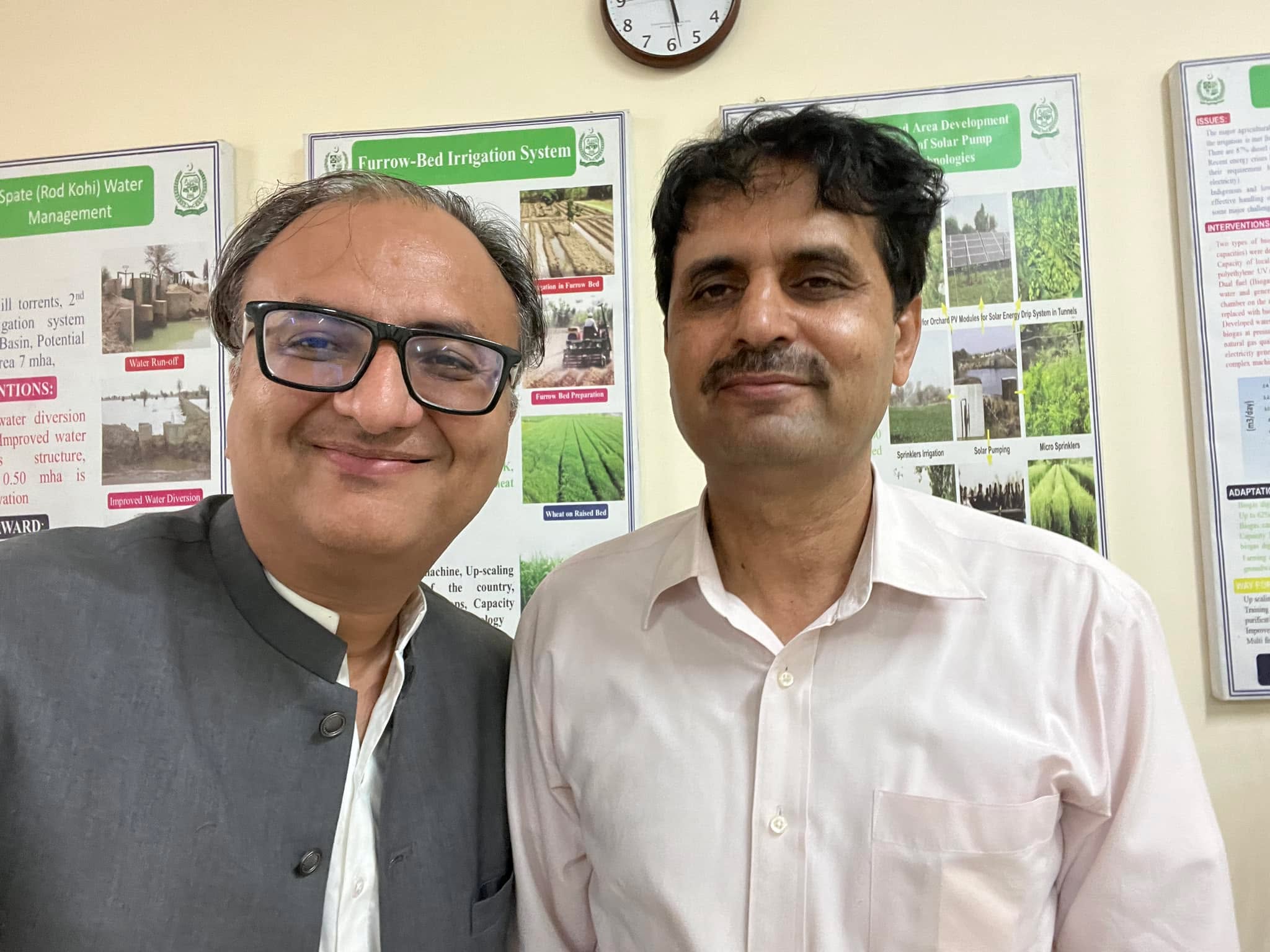
  • Honored to meet Dr Bashir Ahmad sahib who is director of Water and Climate change in NARC Islamabad !

    Join National Agriculture Research Center - NARC group if you are into agriculture !
    Honored to meet Dr Bashir Ahmad sahib who is director of Water and Climate change in NARC Islamabad ! Join National Agriculture Research Center - NARC group if you are into agriculture !
    0 Comentários 0 Compartilhamentos 219 Visualizações
  • I am an active student of Rehan Allahwalla IT solutions expert. My fundamental connection with the Muslim World was when I had a change of religion I was Roman Catholic and now I am Muslim. I provide IT security to politically exposed people, corporations and music artists who have a lot of influence on the population of my country. It is impossible to watch TV, the media is controlled by the state, the fourth power does not exist in my country, the judiciary is corrupt, legislative and executive depends on who is the government of the day. Being my guide Allah, thanks to my mentor, the esteemed Rehan Allahwalla who one morning woke me up with a video call and on the other side was Ammar Jaffri, Rehan introduced me as a lawyer but I lack a year to have a license and practice the profession. I was all flushed because I could not speak fluent English and told him I was a student. I got involved with Professor Muhamad Faisal of Al Nafi because Rehan met him on an airplane flight and he had books on Hacking and Social Engineering... I immediately contacted him and he turned out to be the CEO of one of the computer security labs in Karachi. https://bitsgrafia.com/doctrina/la-importancia-central-del-conocimiento and began to re-educate my people after being subdued by the Roman Catholic Church and the current government, since the National Constitution of the Argentine Republic adopts as its Official Religion that of Pope Francis who is in the Vatican. Our country due to the corruption of the current government is a Narco Socialist country that subjugates my people and neighboring countries such as Bolivia, in which I had the opportunity to work for the Consulate of Bolivia by the hand of the Vice Consul Dr. Jeannette Castro Escobar who now lives in La Paz Bolivia. In Bitsgrafia.com Dr. Asghar Abbas Baloch who is currently part of the Judiciary in Pakistan collaborated with an exclusive article for Bitsgrafia https://bitsgrafia.com/doctrina/cibercrimen-en-pakistan-leyes-por-asghar-abbas -baloch left another link of interest improved by my https://bitsgrafia.com/doctrina/las-redes-sociales-en-internet-como-instrumento-de-control-penal in short my story is long and I do not want to take your valuable time. I was subjected by the Roman Church to multiple tortures, chemical straitjackets, they broke my right foot, I was able to recover from the injuries and give chemical order to my body ..... my father was part of the ideologues of the coup that managed to recover the Democracy of my country together with the Government of the Radical Civic Union, taking the mandate the president Raul Alfonsin with whom I shared moments of my life when he visited my city in my adolescence. At this moment I have a strategic alliance with the president of the Radical Civic Union, currently Deputy of my province, having previous positions as president of the Council of the Magistracy and I was protected during his mandate as Minister of Security of the province of Santa Fe. Next year there are presidential elections and I am the IT of cgc-producciones.com together with the Notary Dr. Carlos Guillermo Calamante. Carlos Guillermo Calamante we are engaged in a digital war against the media, the artists that we manage and represent have metrics of more than 80 million reproductions in a single song on YouTube in December I go on tour with an artist who represents the production company CGC productions, I leave the computer a little I will try to leave my comfort zone to accompany her in her shows to "La Joaqui" in her tour throughout December in my country and the bordering ones. My idea is to achieve through Twitter, Facebook, Instagram and YouTube to make a political campaign through art and music, it is impossible to beat the fourth power, since the media are monopolistic and managed by the State as it is in Cuba, I ahice a post degree at the University of Lucero Moya, Holguin in object oriented programming and c++. I only wanted to learn to program to make video games, my first programs were in c++ arkanoid, tetris, I only wanted to make 3D games with collision detectors and I ended up starting a Digital War now that I am strong, comfortable, with Capital I am standing firm to the current government and I will try that the UCR or some alternative political party not managed by the opposition wins next years elections. I am accompanied in this battle by the descendant of General Paz fundaciongralpaz.com.ar who was my professor in civil law, former Director of the Universidad Abierta Interamericana Roberto Cerana Paz that when commando groups with balaclavas repeatedly entered my home putting seals and gag in my mouth covering my eyes I was interned in different places for example on an island 500 km from my home where while I was locked up I sent a Habeas Corpus to a Federal Judge of the Nation and he laughed in my face at the same time Professor Cerana Paz and Professor of Roman Law Dr. Julian Cochero explain to me that in the same moment I was locked up in a prison in an island 500 km away from my home Dr. Julian Cochero explained to me that in the drafting of the Habeas Corpus I could not be a witness for myself... anyway I am not alone. I would like to know when I wake up if I sent the message to the correct group. Mashallah brothers

    Via Luciano Lisandro Méndez
    I am an active student of Rehan Allahwalla IT solutions expert. My fundamental connection with the Muslim World was when I had a change of religion I was Roman Catholic and now I am Muslim. I provide IT security to politically exposed people, corporations and music artists who have a lot of influence on the population of my country. It is impossible to watch TV, the media is controlled by the state, the fourth power does not exist in my country, the judiciary is corrupt, legislative and executive depends on who is the government of the day. Being my guide Allah, thanks to my mentor, the esteemed Rehan Allahwalla who one morning woke me up with a video call and on the other side was Ammar Jaffri, Rehan introduced me as a lawyer but I lack a year to have a license and practice the profession. I was all flushed because I could not speak fluent English and told him I was a student. I got involved with Professor Muhamad Faisal of Al Nafi because Rehan met him on an airplane flight and he had books on Hacking and Social Engineering... I immediately contacted him and he turned out to be the CEO of one of the computer security labs in Karachi. https://bitsgrafia.com/doctrina/la-importancia-central-del-conocimiento and began to re-educate my people after being subdued by the Roman Catholic Church and the current government, since the National Constitution of the Argentine Republic adopts as its Official Religion that of Pope Francis who is in the Vatican. Our country due to the corruption of the current government is a Narco Socialist country that subjugates my people and neighboring countries such as Bolivia, in which I had the opportunity to work for the Consulate of Bolivia by the hand of the Vice Consul Dr. Jeannette Castro Escobar who now lives in La Paz Bolivia. In Bitsgrafia.com Dr. Asghar Abbas Baloch who is currently part of the Judiciary in Pakistan collaborated with an exclusive article for Bitsgrafia https://bitsgrafia.com/doctrina/cibercrimen-en-pakistan-leyes-por-asghar-abbas -baloch left another link of interest improved by my https://bitsgrafia.com/doctrina/las-redes-sociales-en-internet-como-instrumento-de-control-penal in short my story is long and I do not want to take your valuable time. I was subjected by the Roman Church to multiple tortures, chemical straitjackets, they broke my right foot, I was able to recover from the injuries and give chemical order to my body ..... my father was part of the ideologues of the coup that managed to recover the Democracy of my country together with the Government of the Radical Civic Union, taking the mandate the president Raul Alfonsin with whom I shared moments of my life when he visited my city in my adolescence. At this moment I have a strategic alliance with the president of the Radical Civic Union, currently Deputy of my province, having previous positions as president of the Council of the Magistracy and I was protected during his mandate as Minister of Security of the province of Santa Fe. Next year there are presidential elections and I am the IT of cgc-producciones.com together with the Notary Dr. Carlos Guillermo Calamante. Carlos Guillermo Calamante we are engaged in a digital war against the media, the artists that we manage and represent have metrics of more than 80 million reproductions in a single song on YouTube in December I go on tour with an artist who represents the production company CGC productions, I leave the computer a little I will try to leave my comfort zone to accompany her in her shows to "La Joaqui" in her tour throughout December in my country and the bordering ones. My idea is to achieve through Twitter, Facebook, Instagram and YouTube to make a political campaign through art and music, it is impossible to beat the fourth power, since the media are monopolistic and managed by the State as it is in Cuba, I ahice a post degree at the University of Lucero Moya, Holguin in object oriented programming and c++. I only wanted to learn to program to make video games, my first programs were in c++ arkanoid, tetris, I only wanted to make 3D games with collision detectors and I ended up starting a Digital War now that I am strong, comfortable, with Capital I am standing firm to the current government and I will try that the UCR or some alternative political party not managed by the opposition wins next year's elections. I am accompanied in this battle by the descendant of General Paz fundaciongralpaz.com.ar who was my professor in civil law, former Director of the Universidad Abierta Interamericana Roberto Cerana Paz that when commando groups with balaclavas repeatedly entered my home putting seals and gag in my mouth covering my eyes I was interned in different places for example on an island 500 km from my home where while I was locked up I sent a Habeas Corpus to a Federal Judge of the Nation and he laughed in my face at the same time Professor Cerana Paz and Professor of Roman Law Dr. Julian Cochero explain to me that in the same moment I was locked up in a prison in an island 500 km away from my home Dr. Julian Cochero explained to me that in the drafting of the Habeas Corpus I could not be a witness for myself... anyway I am not alone. I would like to know when I wake up if I sent the message to the correct group. Mashallah brothers Via Luciano Lisandro Méndez
    0 Comentários 0 Compartilhamentos 242 Visualizações
  • Marie Antoinette was the Queen of France from 1774 to 1792, and she remains one of the most well-known figures in European history. Born in 1755 as an Austrian archduchess, she married Louis XVI of France at the age of 14 to solidify the alliance between Austria and France. As queen, she became infamous for her extravagant lifestyle and spending during a period of financial crisis in France, contributing to the growing unpopularity of the French monarchy.

    Marie Antoinette is often (though falsely) attributed with the phrase, "Let them eat cake," which was supposedly her response when told that the French people were starving and had no bread. Although this phrase has been debunked, it symbolizes her detachment from the struggles of the common people.

    Her lavish lifestyle, combined with political turmoil, eventually led to the French Revolution. In 1792, she and Louis XVI were dethroned, and after a series of trials, they were both executed by guillotine. Marie Antoinette was executed on October 16, 1793. Her life and death have since been the subject of intense debate, and she has become a symbol of the excesses of the monarchy leading up to the Revolution.

    You can watch her movie on Netflix
    Marie Antoinette was the Queen of France from 1774 to 1792, and she remains one of the most well-known figures in European history. Born in 1755 as an Austrian archduchess, she married Louis XVI of France at the age of 14 to solidify the alliance between Austria and France. As queen, she became infamous for her extravagant lifestyle and spending during a period of financial crisis in France, contributing to the growing unpopularity of the French monarchy. Marie Antoinette is often (though falsely) attributed with the phrase, "Let them eat cake," which was supposedly her response when told that the French people were starving and had no bread. Although this phrase has been debunked, it symbolizes her detachment from the struggles of the common people. Her lavish lifestyle, combined with political turmoil, eventually led to the French Revolution. In 1792, she and Louis XVI were dethroned, and after a series of trials, they were both executed by guillotine. Marie Antoinette was executed on October 16, 1793. Her life and death have since been the subject of intense debate, and she has become a symbol of the excesses of the monarchy leading up to the Revolution. You can watch her movie on Netflix
    0 Comentários 0 Compartilhamentos 215 Visualizações
Páginas impulsionada