• #rsisb
    Roll no.239
    Maya no.19
    Foundation Level

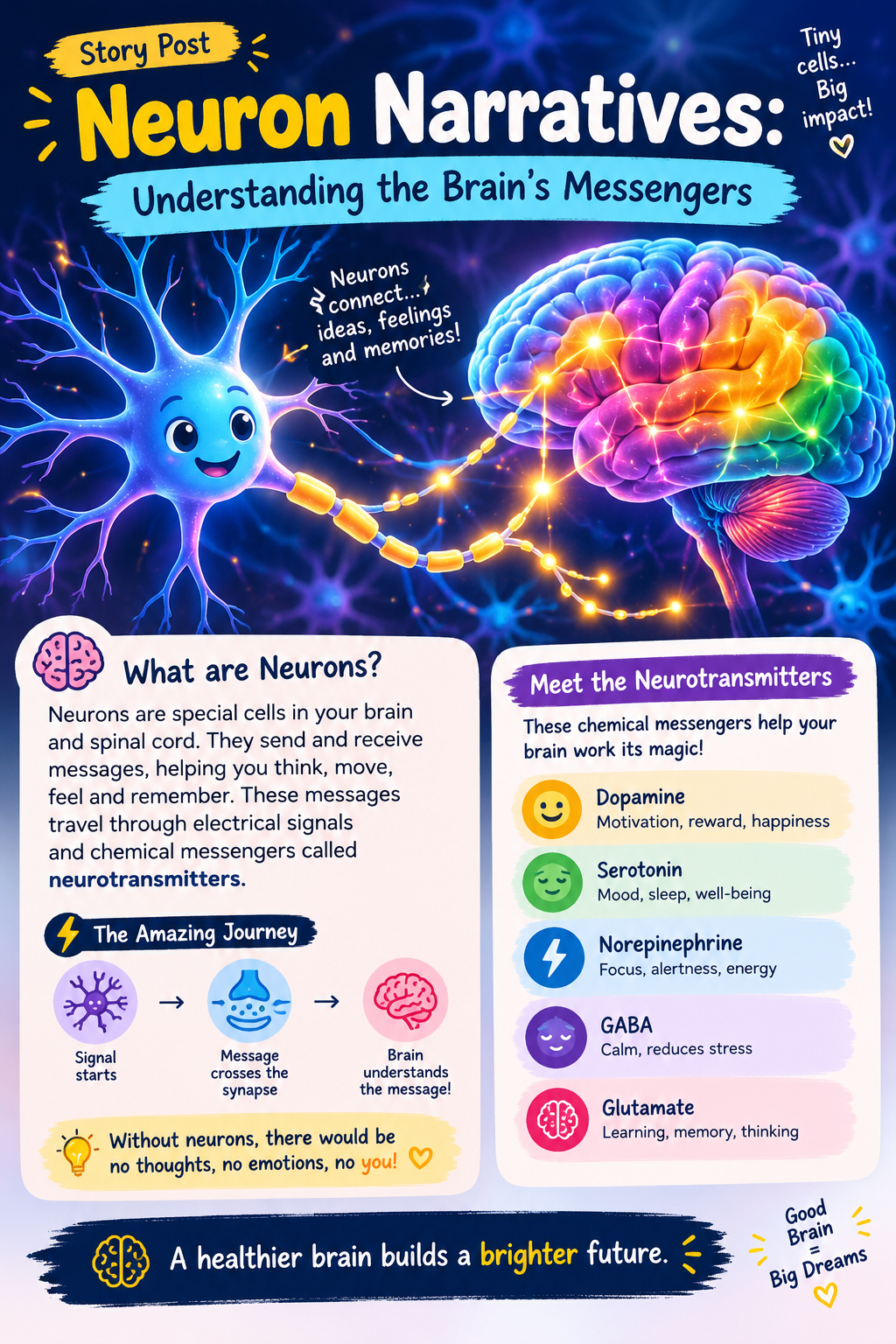
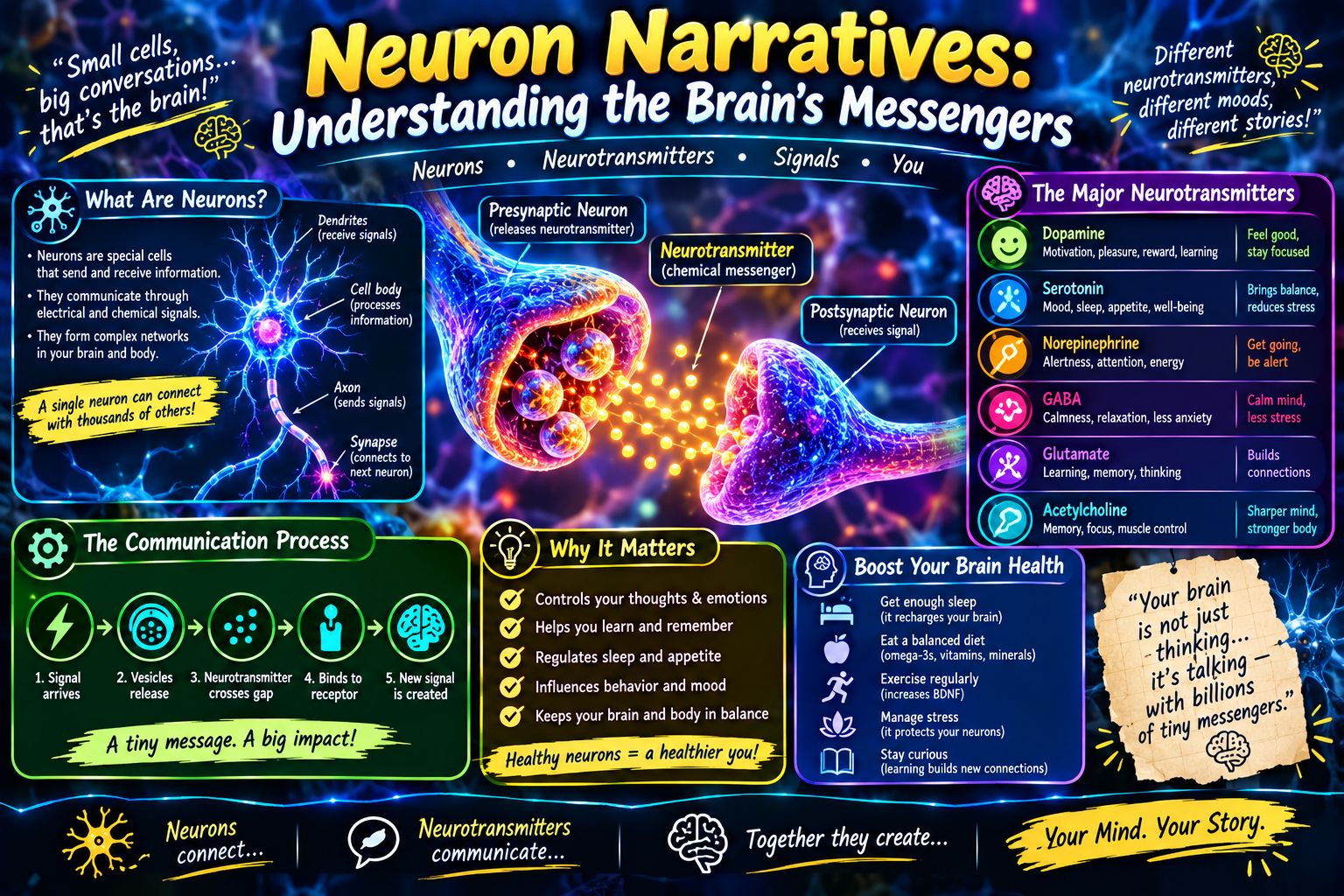
    **“Conscious – Tracing the Evolution of Awareness”** explores one of the greatest mysteries of science and philosophy: **how awareness and conscious experience developed in living beings**. Consciousness allows us to experience the world, think, remember, feel emotions, make decisions, and recognize ourselves.

    The topic takes us back to the earliest forms of life and asks how simple organisms developed increasingly complex ways of sensing and responding to their surroundings. As nervous systems and brains became more sophisticated, organisms gained greater abilities to process information, learn from experiences, remember events, and respond flexibly to their environments.

    One of the most fascinating questions is whether consciousness appeared suddenly or **evolved gradually over millions of years**. Scientists study the brains and behaviors of humans and other animals to understand possible forms of awareness. However, consciousness remains difficult to explain because subjective experiences—such as seeing colors, feeling pain, or experiencing emotions—are personal and cannot be directly observed by others.

    The discussion also introduces **self-awareness**, which is the ability to recognize oneself and reflect on one's own thoughts and experiences. Human consciousness is closely connected with language, memory, attention, imagination, creativity, and decision-making.

    Another important part of the topic is the relationship between **conscious and unconscious processes**. Many things our brains do happen automatically, without our full awareness. This shows that the human mind is far more complex than conscious thought alone.

    Overall, this 25-minute exploration encourages us to think deeply about **who we are, how awareness developed, and what it means to be conscious**. It connects biology, neuroscience, psychology, evolution, and philosophy while reminding us that many questions about consciousness are still unanswered.

    **Key Message:** Understanding consciousness may help us better understand not only the human brain, but also the evolution of life, intelligence, identity, and our place in the universe.
    ### **Hashtags**

    #Consciousness #Awareness #Evolution #HumanMind #BrainScience #Neuroscience #SelfAwareness #Psychology #Science #Philosophy #HumanEvolution #Learning #Curiosity #Knowledge #MindAndBrain
    #rsisb Roll no.239 Maya no.19 Foundation Level **“Conscious – Tracing the Evolution of Awareness”** explores one of the greatest mysteries of science and philosophy: **how awareness and conscious experience developed in living beings**. Consciousness allows us to experience the world, think, remember, feel emotions, make decisions, and recognize ourselves. The topic takes us back to the earliest forms of life and asks how simple organisms developed increasingly complex ways of sensing and responding to their surroundings. As nervous systems and brains became more sophisticated, organisms gained greater abilities to process information, learn from experiences, remember events, and respond flexibly to their environments. One of the most fascinating questions is whether consciousness appeared suddenly or **evolved gradually over millions of years**. Scientists study the brains and behaviors of humans and other animals to understand possible forms of awareness. However, consciousness remains difficult to explain because subjective experiences—such as seeing colors, feeling pain, or experiencing emotions—are personal and cannot be directly observed by others. The discussion also introduces **self-awareness**, which is the ability to recognize oneself and reflect on one's own thoughts and experiences. Human consciousness is closely connected with language, memory, attention, imagination, creativity, and decision-making. Another important part of the topic is the relationship between **conscious and unconscious processes**. Many things our brains do happen automatically, without our full awareness. This shows that the human mind is far more complex than conscious thought alone. Overall, this 25-minute exploration encourages us to think deeply about **who we are, how awareness developed, and what it means to be conscious**. It connects biology, neuroscience, psychology, evolution, and philosophy while reminding us that many questions about consciousness are still unanswered. 🌟 **Key Message:** Understanding consciousness may help us better understand not only the human brain, but also the evolution of life, intelligence, identity, and our place in the universe. ### **Hashtags** #Consciousness #Awareness #Evolution #HumanMind #BrainScience #Neuroscience #SelfAwareness #Psychology #Science #Philosophy #HumanEvolution #Learning #Curiosity #Knowledge #MindAndBrain 🧠🔬✨
    0 Комментарии 0 Поделились 434 Просмотры 3

  • #rsisb
    Roll no.239
    Maya no.19
    Foundation Level

    **“Conscious – Tracing the Evolution of Awareness”** explores one of the greatest mysteries of science and philosophy: **how awareness and conscious experience developed in living beings**. Consciousness allows us to experience the world, think, remember, feel emotions, make decisions, and recognize ourselves.

    The topic takes us back to the earliest forms of life and asks how simple organisms developed increasingly complex ways of sensing and responding to their surroundings. As nervous systems and brains became more sophisticated, organisms gained greater abilities to process information, learn from experiences, remember events, and respond flexibly to their environments.

    One of the most fascinating questions is whether consciousness appeared suddenly or **evolved gradually over millions of years**. Scientists study the brains and behaviors of humans and other animals to understand possible forms of awareness. However, consciousness remains difficult to explain because subjective experiences—such as seeing colors, feeling pain, or experiencing emotions—are personal and cannot be directly observed by others.

    The discussion also introduces **self-awareness**, which is the ability to recognize oneself and reflect on one's own thoughts and experiences. Human consciousness is closely connected with language, memory, attention, imagination, creativity, and decision-making.

    Another important part of the topic is the relationship between **conscious and unconscious processes**. Many things our brains do happen automatically, without our full awareness. This shows that the human mind is far more complex than conscious thought alone.

    Overall, this 25-minute exploration encourages us to think deeply about **who we are, how awareness developed, and what it means to be conscious**. It connects biology, neuroscience, psychology, evolution, and philosophy while reminding us that many questions about consciousness are still unanswered.

    **Key Message:** Understanding consciousness may help us better understand not only the human brain, but also the evolution of life, intelligence, identity, and our place in the universe.

    ### **Hashtags**

    #Consciousness #Awareness #Evolution #HumanMind #BrainScience #Neuroscience #SelfAwareness #Psychology #Science #Philosophy #HumanEvolution #Learning #Curiosity #Knowledge #MindAndBrain


    **“Conscious – Tracing the Evolution of Awareness”** explores one of the greatest mysteries of science and philosophy: **how awareness and conscious experience developed in living beings**. Consciousness allows us to experience the world, think, remember, feel emotions, make decisions, and recognize ourselves.

    The topic takes us back to the earliest forms of life and asks how simple organisms developed increasingly complex ways of sensing and responding to their surroundings. As nervous systems and brains became more sophisticated, organisms gained greater abilities to process information, learn from experiences, remember events, and respond flexibly to their environments.

    One of the most fascinating questions is whether consciousness appeared suddenly or **evolved gradually over millions of years**. Scientists study the brains and behaviors of humans and other animals to understand possible forms of awareness. However, consciousness remains difficult to explain because subjective experiences—such as seeing colors, feeling pain, or experiencing emotions—are personal and cannot be directly observed by others.

    The discussion also introduces **self-awareness**, which is the ability to recognize oneself and reflect on one's own thoughts and experiences. Human consciousness is closely connected with language, memory, attention, imagination, creativity, and decision-making.

    Another important part of the topic is the relationship between **conscious and unconscious processes**. Many things our brains do happen automatically, without our full awareness. This shows that the human mind is far more complex than conscious thought alone.

    Overall, this 25-minute exploration encourages us to think deeply about **who we are, how awareness developed, and what it means to be conscious**. It connects biology, neuroscience, psychology, evolution, and philosophy while reminding us that many questions about consciousness are still unanswered.

    **Key Message:** Understanding consciousness may help us better understand not only the human brain, but also the evolution of life, intelligence, identity, and our place in the universe.

    ### **Hashtags**

    #Consciousness #Awareness #Evolution #HumanMind #BrainScience #Neuroscience #SelfAwareness #Psychology #Science #Philosophy #HumanEvolution #Learning #Curiosity #Knowledge #MindAndBrain
    #rsisb Roll no.239 Maya no.19 Foundation Level **“Conscious – Tracing the Evolution of Awareness”** explores one of the greatest mysteries of science and philosophy: **how awareness and conscious experience developed in living beings**. Consciousness allows us to experience the world, think, remember, feel emotions, make decisions, and recognize ourselves. The topic takes us back to the earliest forms of life and asks how simple organisms developed increasingly complex ways of sensing and responding to their surroundings. As nervous systems and brains became more sophisticated, organisms gained greater abilities to process information, learn from experiences, remember events, and respond flexibly to their environments. One of the most fascinating questions is whether consciousness appeared suddenly or **evolved gradually over millions of years**. Scientists study the brains and behaviors of humans and other animals to understand possible forms of awareness. However, consciousness remains difficult to explain because subjective experiences—such as seeing colors, feeling pain, or experiencing emotions—are personal and cannot be directly observed by others. The discussion also introduces **self-awareness**, which is the ability to recognize oneself and reflect on one's own thoughts and experiences. Human consciousness is closely connected with language, memory, attention, imagination, creativity, and decision-making. Another important part of the topic is the relationship between **conscious and unconscious processes**. Many things our brains do happen automatically, without our full awareness. This shows that the human mind is far more complex than conscious thought alone. Overall, this 25-minute exploration encourages us to think deeply about **who we are, how awareness developed, and what it means to be conscious**. It connects biology, neuroscience, psychology, evolution, and philosophy while reminding us that many questions about consciousness are still unanswered. 🌟 **Key Message:** Understanding consciousness may help us better understand not only the human brain, but also the evolution of life, intelligence, identity, and our place in the universe. ### **Hashtags** #Consciousness #Awareness #Evolution #HumanMind #BrainScience #Neuroscience #SelfAwareness #Psychology #Science #Philosophy #HumanEvolution #Learning #Curiosity #Knowledge #MindAndBrain 🧠🔬✨ **“Conscious – Tracing the Evolution of Awareness”** explores one of the greatest mysteries of science and philosophy: **how awareness and conscious experience developed in living beings**. Consciousness allows us to experience the world, think, remember, feel emotions, make decisions, and recognize ourselves. The topic takes us back to the earliest forms of life and asks how simple organisms developed increasingly complex ways of sensing and responding to their surroundings. As nervous systems and brains became more sophisticated, organisms gained greater abilities to process information, learn from experiences, remember events, and respond flexibly to their environments. One of the most fascinating questions is whether consciousness appeared suddenly or **evolved gradually over millions of years**. Scientists study the brains and behaviors of humans and other animals to understand possible forms of awareness. However, consciousness remains difficult to explain because subjective experiences—such as seeing colors, feeling pain, or experiencing emotions—are personal and cannot be directly observed by others. The discussion also introduces **self-awareness**, which is the ability to recognize oneself and reflect on one's own thoughts and experiences. Human consciousness is closely connected with language, memory, attention, imagination, creativity, and decision-making. Another important part of the topic is the relationship between **conscious and unconscious processes**. Many things our brains do happen automatically, without our full awareness. This shows that the human mind is far more complex than conscious thought alone. Overall, this 25-minute exploration encourages us to think deeply about **who we are, how awareness developed, and what it means to be conscious**. It connects biology, neuroscience, psychology, evolution, and philosophy while reminding us that many questions about consciousness are still unanswered. 🌟 **Key Message:** Understanding consciousness may help us better understand not only the human brain, but also the evolution of life, intelligence, identity, and our place in the universe. ### **Hashtags** #Consciousness #Awareness #Evolution #HumanMind #BrainScience #Neuroscience #SelfAwareness #Psychology #Science #Philosophy #HumanEvolution #Learning #Curiosity #Knowledge #MindAndBrain 🧠🔬✨
    0 Комментарии 0 Поделились 389 Просмотры 2

  • #rsisb
    Roll no.239
    Maya no.19
    Foundation Level

    **“Conscious – Tracing the Evolution of Awareness”** explores one of the greatest mysteries of science and philosophy: **how awareness and conscious experience developed in living beings**. Consciousness allows us to experience the world, think, remember, feel emotions, make decisions, and recognize ourselves.

    The topic takes us back to the earliest forms of life and asks how simple organisms developed increasingly complex ways of sensing and responding to their surroundings. As nervous systems and brains became more sophisticated, organisms gained greater abilities to process information, learn from experiences, remember events, and respond flexibly to their environments.

    One of the most fascinating questions is whether consciousness appeared suddenly or **evolved gradually over millions of years**. Scientists study the brains and behaviors of humans and other animals to understand possible forms of awareness. However, consciousness remains difficult to explain because subjective experiences—such as seeing colors, feeling pain, or experiencing emotions—are personal and cannot be directly observed by others.

    The discussion also introduces **self-awareness**, which is the ability to recognize oneself and reflect on one's own thoughts and experiences. Human consciousness is closely connected with language, memory, attention, imagination, creativity, and decision-making.

    Another important part of the topic is the relationship between **conscious and unconscious processes**. Many things our brains do happen automatically, without our full awareness. This shows that the human mind is far more complex than conscious thought alone.

    Overall, this 25-minute exploration encourages us to think deeply about **who we are, how awareness developed, and what it means to be conscious**. It connects biology, neuroscience, psychology, evolution, and philosophy while reminding us that many questions about consciousness are still unanswered.

    **Key Message:** Understanding consciousness may help us better understand not only the human brain, but also the evolution of life, intelligence, identity, and our place in the universe.


    #Consciousness #Awareness #Evolution #HumanMind #BrainScience #Neuroscience #SelfAwareness #Psychology #Science #Philosophy #HumanEvolution #Learning #Curiosity #Knowledge #MindAndBrain


    **“Conscious – Tracing the Evolution of Awareness”** explores one of the greatest mysteries of science and philosophy: **how awareness and conscious experience developed in living beings**. Consciousness allows us to experience the world, think, remember, feel emotions, make decisions, and recognize ourselves.

    The topic takes us back to the earliest forms of life and asks how simple organisms developed increasingly complex ways of sensing and responding to their surroundings. As nervous systems and brains became more sophisticated, organisms gained greater abilities to process information, learn from experiences, remember events, and respond flexibly to their environments.
    One of the most fascinating questions is whether consciousness appeared suddenly or **evolved gradually over millions of years**. Scientists study the brains and behaviors of humans and other animals to understand possible forms of awareness. However, consciousness remains difficult to explain because subjective experiences—such as seeing colors, feeling pain, or experiencing emotions—are personal and cannot be directly observed by others.


    #Consciousness #Awareness #Evolution #HumanMind #BrainScience #Neuroscience #SelfAwareness #Psychology #Science #Philosophy #HumanEvolution #Learning #Curiosity #Knowledge #MindAndBrain
    #rsisb Roll no.239 Maya no.19 Foundation Level **“Conscious – Tracing the Evolution of Awareness”** explores one of the greatest mysteries of science and philosophy: **how awareness and conscious experience developed in living beings**. Consciousness allows us to experience the world, think, remember, feel emotions, make decisions, and recognize ourselves. The topic takes us back to the earliest forms of life and asks how simple organisms developed increasingly complex ways of sensing and responding to their surroundings. As nervous systems and brains became more sophisticated, organisms gained greater abilities to process information, learn from experiences, remember events, and respond flexibly to their environments. One of the most fascinating questions is whether consciousness appeared suddenly or **evolved gradually over millions of years**. Scientists study the brains and behaviors of humans and other animals to understand possible forms of awareness. However, consciousness remains difficult to explain because subjective experiences—such as seeing colors, feeling pain, or experiencing emotions—are personal and cannot be directly observed by others. The discussion also introduces **self-awareness**, which is the ability to recognize oneself and reflect on one's own thoughts and experiences. Human consciousness is closely connected with language, memory, attention, imagination, creativity, and decision-making. Another important part of the topic is the relationship between **conscious and unconscious processes**. Many things our brains do happen automatically, without our full awareness. This shows that the human mind is far more complex than conscious thought alone. Overall, this 25-minute exploration encourages us to think deeply about **who we are, how awareness developed, and what it means to be conscious**. It connects biology, neuroscience, psychology, evolution, and philosophy while reminding us that many questions about consciousness are still unanswered. 🌟 **Key Message:** Understanding consciousness may help us better understand not only the human brain, but also the evolution of life, intelligence, identity, and our place in the universe. #Consciousness #Awareness #Evolution #HumanMind #BrainScience #Neuroscience #SelfAwareness #Psychology #Science #Philosophy #HumanEvolution #Learning #Curiosity #Knowledge #MindAndBrain 🧠🔬✨ **“Conscious – Tracing the Evolution of Awareness”** explores one of the greatest mysteries of science and philosophy: **how awareness and conscious experience developed in living beings**. Consciousness allows us to experience the world, think, remember, feel emotions, make decisions, and recognize ourselves. The topic takes us back to the earliest forms of life and asks how simple organisms developed increasingly complex ways of sensing and responding to their surroundings. As nervous systems and brains became more sophisticated, organisms gained greater abilities to process information, learn from experiences, remember events, and respond flexibly to their environments. One of the most fascinating questions is whether consciousness appeared suddenly or **evolved gradually over millions of years**. Scientists study the brains and behaviors of humans and other animals to understand possible forms of awareness. However, consciousness remains difficult to explain because subjective experiences—such as seeing colors, feeling pain, or experiencing emotions—are personal and cannot be directly observed by others. #Consciousness #Awareness #Evolution #HumanMind #BrainScience #Neuroscience #SelfAwareness #Psychology #Science #Philosophy #HumanEvolution #Learning #Curiosity #Knowledge #MindAndBrain 🧠🔬✨
    0 Комментарии 0 Поделились 390 Просмотры 1

  • #rsisb
    Roll no.239
    Maya no.19
    Foundation Level

    **“Conscious – Tracing the Evolution of Awareness”** explores one of the greatest mysteries of science and philosophy: **how awareness and conscious experience developed in living beings**. Consciousness allows us to experience the world, think, remember, feel emotions, make decisions, and recognize ourselves.

    The topic takes us back to the earliest forms of life and asks how simple organisms developed increasingly complex ways of sensing and responding to their surroundings. As nervous systems and brains became more sophisticated, organisms gained greater abilities to process information, learn from experiences, remember events, and respond flexibly to their environments.

    One of the most fascinating questions is whether consciousness appeared suddenly or **evolved gradually over millions of years**. Scientists study the brains and behaviors of humans and other animals to understand possible forms of awareness. However, consciousness remains difficult to explain because subjective experiences—such as seeing colors, feeling pain, or experiencing emotions—are personal and cannot be directly observed by others.

    The discussion also introduces **self-awareness**, which is the ability to recognize oneself and reflect on one's own thoughts and experiences. Human consciousness is closely connected with language, memory, attention, imagination, creativity, and decision-making.

    Another important part of the topic is the relationship between **conscious and unconscious processes**. Many things our brains do happen automatically, without our full awareness. This shows that the human mind is far more complex than conscious thought alone.

    Overall, this 25-minute exploration encourages us to think deeply about **who we are, how awareness developed, and what it means to be conscious**. It connects biology, neuroscience, psychology, evolution, and philosophy while reminding us that many questions about consciousness are still unanswered.

    **Key Message:** Understanding consciousness may help us better understand not only the human brain, but also the evolution of life, intelligence, identity, and our place in the universe.

    ### **Hashtags**

    #Consciousness #Awareness #Evolution #HumanMind #BrainScience #Neuroscience #SelfAwareness #Psychology #Science #Philosophy #HumanEvolution #Learning #Curiosity #Knowledge #MindAndBrain


    **“Conscious – Tracing the Evolution of Awareness”** explores one of the greatest mysteries of science and philosophy: **how awareness and conscious experience developed in living beings**. Consciousness allows us to experience the world, think, remember, feel emotions, make decisions, and recognize ourselves.

    The topic takes us back to the earliest forms of life and asks how simple organisms developed increasingly complex ways of sensing and responding to their surroundings. As nervous systems and brains became more sophisticated, organisms gained greater abilities to process information, learn from experiences, remember events, and respond flexibly to their environments.

    One of the most fascinating questions is whether consciousness appeared suddenly or **evolved gradually over millions of years**. Scientists study the brains and behaviors of humans and other animals to understand possible forms of awareness. However, consciousness remains difficult to explain because subjective experiences—such as seeing colors, feeling pain, or experiencing emotions—are personal and cannot be directly observed by others.
    ### **Hashtags**

    #Consciousness #Awareness #Evolution #HumanMind #BrainScience #Neuroscience #SelfAwareness #Psychology #Science #Philosophy #HumanEvolution #Learning #Curiosity #Knowledge #MindAndBrain
    #rsisb Roll no.239 Maya no.19 Foundation Level **“Conscious – Tracing the Evolution of Awareness”** explores one of the greatest mysteries of science and philosophy: **how awareness and conscious experience developed in living beings**. Consciousness allows us to experience the world, think, remember, feel emotions, make decisions, and recognize ourselves. The topic takes us back to the earliest forms of life and asks how simple organisms developed increasingly complex ways of sensing and responding to their surroundings. As nervous systems and brains became more sophisticated, organisms gained greater abilities to process information, learn from experiences, remember events, and respond flexibly to their environments. One of the most fascinating questions is whether consciousness appeared suddenly or **evolved gradually over millions of years**. Scientists study the brains and behaviors of humans and other animals to understand possible forms of awareness. However, consciousness remains difficult to explain because subjective experiences—such as seeing colors, feeling pain, or experiencing emotions—are personal and cannot be directly observed by others. The discussion also introduces **self-awareness**, which is the ability to recognize oneself and reflect on one's own thoughts and experiences. Human consciousness is closely connected with language, memory, attention, imagination, creativity, and decision-making. Another important part of the topic is the relationship between **conscious and unconscious processes**. Many things our brains do happen automatically, without our full awareness. This shows that the human mind is far more complex than conscious thought alone. Overall, this 25-minute exploration encourages us to think deeply about **who we are, how awareness developed, and what it means to be conscious**. It connects biology, neuroscience, psychology, evolution, and philosophy while reminding us that many questions about consciousness are still unanswered. 🌟 **Key Message:** Understanding consciousness may help us better understand not only the human brain, but also the evolution of life, intelligence, identity, and our place in the universe. ### **Hashtags** #Consciousness #Awareness #Evolution #HumanMind #BrainScience #Neuroscience #SelfAwareness #Psychology #Science #Philosophy #HumanEvolution #Learning #Curiosity #Knowledge #MindAndBrain 🧠🔬✨ **“Conscious – Tracing the Evolution of Awareness”** explores one of the greatest mysteries of science and philosophy: **how awareness and conscious experience developed in living beings**. Consciousness allows us to experience the world, think, remember, feel emotions, make decisions, and recognize ourselves. The topic takes us back to the earliest forms of life and asks how simple organisms developed increasingly complex ways of sensing and responding to their surroundings. As nervous systems and brains became more sophisticated, organisms gained greater abilities to process information, learn from experiences, remember events, and respond flexibly to their environments. One of the most fascinating questions is whether consciousness appeared suddenly or **evolved gradually over millions of years**. Scientists study the brains and behaviors of humans and other animals to understand possible forms of awareness. However, consciousness remains difficult to explain because subjective experiences—such as seeing colors, feeling pain, or experiencing emotions—are personal and cannot be directly observed by others. ### **Hashtags** #Consciousness #Awareness #Evolution #HumanMind #BrainScience #Neuroscience #SelfAwareness #Psychology #Science #Philosophy #HumanEvolution #Learning #Curiosity #Knowledge #MindAndBrain 🧠🔬✨
    0 Комментарии 0 Поделились 389 Просмотры 2

  • #rsisb
    Roll no.239
    Maya no.19
    Foundation Level

    **“Conscious – Tracing the Evolution of Awareness”** explores one of the greatest mysteries of science and philosophy: **how awareness and conscious experience developed in living beings**. Consciousness allows us to experience the world, think, remember, feel emotions, make decisions, and recognize ourselves.

    The topic takes us back to the earliest forms of life and asks how simple organisms developed increasingly complex ways of sensing and responding to their surroundings. As nervous systems and brains became more sophisticated, organisms gained greater abilities to process information, learn from experiences, remember events, and respond flexibly to their environments.

    One of the most fascinating questions is whether consciousness appeared suddenly or **evolved gradually over millions of years**. Scientists study the brains and behaviors of humans and other animals to understand possible forms of awareness. However, consciousness remains difficult to explain because subjective experiences—such as seeing colors, feeling pain, or experiencing emotions—are personal and cannot be directly observed by others.

    The discussion also introduces **self-awareness**, which is the ability to recognize oneself and reflect on one's own thoughts and experiences. Human consciousness is closely connected with language, memory, attention, imagination, creativity, and decision-making.

    Another important part of the topic is the relationship between **conscious and unconscious processes**. Many things our brains do happen automatically, without our full awareness. This shows that the human mind is far more complex than conscious thought alone.

    Overall, this 25-minute exploration encourages us to think deeply about **who we are, how awareness developed, and what it means to be conscious**. It connects biology, neuroscience, psychology, evolution, and philosophy while reminding us that many questions about consciousness are still unanswered.

    **Key Message:** Understanding consciousness may help us better understand not only the human brain, but also the evolution of life, intelligence, identity, and our place in the universe.

    ### **Hashtags**

    #Consciousness #Awareness #Evolution #HumanMind #BrainScience #Neuroscience #SelfAwareness #Psychology #Science #Philosophy #HumanEvolution #Learning #Curiosity #Knowledge #MindAndBrain


    **“Conscious – Tracing the Evolution of Awareness”** explores one of the greatest mysteries of science and philosophy: **how awareness and conscious experience developed in living beings**. Consciousness allows us to experience the world, think, remember, feel emotions, make decisions, and recognize ourselves.

    The topic takes us back to the earliest forms of life and asks how simple organisms developed increasingly complex ways of sensing and responding to their surroundings. As nervous systems and brains became more sophisticated, organisms gained greater abilities to process information, learn from experiences, remember events, and respond flexibly to their environments.

    One of the most fascinating questions is whether consciousness appeared suddenly or **evolved gradually over millions of years**. Scientists study the brains and behaviors of humans and other animals to understand possible forms of awareness. However, consciousness remains difficult to explain because subjective experiences—such as seeing colors, feeling pain, or experiencing emotions—are personal and cannot be directly observed by others.

    The discussion also introduces **self-awareness**, which is the ability to recognize oneself and reflect on one's own thoughts and experiences. Human consciousness is closely connected with language, memory, attention, imagination, creativity, and decision-making.

    Another important part of the topic is the relationship between **conscious and unconscious processes**. Many things our brains do happen automatically, without our full awareness. This shows that the human mind is far more complex than conscious thought alone.

    Overall, this 25-minute exploration encourages us to think deeply about **who we are, how awareness developed, and what it means to be conscious**. It connects biology, neuroscience, psychology, evolution, and philosophy while reminding us that many questions about consciousness are still unanswered.

    **Key Message:** Understanding consciousness may help us better understand not only the human brain, but also the evolution of life, intelligence, identity, and our place in the universe.

    ### **Hashtags**

    #Consciousness #Awareness #Evolution #HumanMind #BrainScience #Neuroscience #SelfAwareness #Psychology #Science #Philosophy #HumanEvolution #Learning #Curiosity #Knowledge #MindAndBrain
    #rsisb Roll no.239 Maya no.19 Foundation Level **“Conscious – Tracing the Evolution of Awareness”** explores one of the greatest mysteries of science and philosophy: **how awareness and conscious experience developed in living beings**. Consciousness allows us to experience the world, think, remember, feel emotions, make decisions, and recognize ourselves. The topic takes us back to the earliest forms of life and asks how simple organisms developed increasingly complex ways of sensing and responding to their surroundings. As nervous systems and brains became more sophisticated, organisms gained greater abilities to process information, learn from experiences, remember events, and respond flexibly to their environments. One of the most fascinating questions is whether consciousness appeared suddenly or **evolved gradually over millions of years**. Scientists study the brains and behaviors of humans and other animals to understand possible forms of awareness. However, consciousness remains difficult to explain because subjective experiences—such as seeing colors, feeling pain, or experiencing emotions—are personal and cannot be directly observed by others. The discussion also introduces **self-awareness**, which is the ability to recognize oneself and reflect on one's own thoughts and experiences. Human consciousness is closely connected with language, memory, attention, imagination, creativity, and decision-making. Another important part of the topic is the relationship between **conscious and unconscious processes**. Many things our brains do happen automatically, without our full awareness. This shows that the human mind is far more complex than conscious thought alone. Overall, this 25-minute exploration encourages us to think deeply about **who we are, how awareness developed, and what it means to be conscious**. It connects biology, neuroscience, psychology, evolution, and philosophy while reminding us that many questions about consciousness are still unanswered. 🌟 **Key Message:** Understanding consciousness may help us better understand not only the human brain, but also the evolution of life, intelligence, identity, and our place in the universe. ### **Hashtags** #Consciousness #Awareness #Evolution #HumanMind #BrainScience #Neuroscience #SelfAwareness #Psychology #Science #Philosophy #HumanEvolution #Learning #Curiosity #Knowledge #MindAndBrain 🧠🔬✨ **“Conscious – Tracing the Evolution of Awareness”** explores one of the greatest mysteries of science and philosophy: **how awareness and conscious experience developed in living beings**. Consciousness allows us to experience the world, think, remember, feel emotions, make decisions, and recognize ourselves. The topic takes us back to the earliest forms of life and asks how simple organisms developed increasingly complex ways of sensing and responding to their surroundings. As nervous systems and brains became more sophisticated, organisms gained greater abilities to process information, learn from experiences, remember events, and respond flexibly to their environments. One of the most fascinating questions is whether consciousness appeared suddenly or **evolved gradually over millions of years**. Scientists study the brains and behaviors of humans and other animals to understand possible forms of awareness. However, consciousness remains difficult to explain because subjective experiences—such as seeing colors, feeling pain, or experiencing emotions—are personal and cannot be directly observed by others. The discussion also introduces **self-awareness**, which is the ability to recognize oneself and reflect on one's own thoughts and experiences. Human consciousness is closely connected with language, memory, attention, imagination, creativity, and decision-making. Another important part of the topic is the relationship between **conscious and unconscious processes**. Many things our brains do happen automatically, without our full awareness. This shows that the human mind is far more complex than conscious thought alone. Overall, this 25-minute exploration encourages us to think deeply about **who we are, how awareness developed, and what it means to be conscious**. It connects biology, neuroscience, psychology, evolution, and philosophy while reminding us that many questions about consciousness are still unanswered. 🌟 **Key Message:** Understanding consciousness may help us better understand not only the human brain, but also the evolution of life, intelligence, identity, and our place in the universe. ### **Hashtags** #Consciousness #Awareness #Evolution #HumanMind #BrainScience #Neuroscience #SelfAwareness #Psychology #Science #Philosophy #HumanEvolution #Learning #Curiosity #Knowledge #MindAndBrain 🧠🔬✨
    0 Комментарии 0 Поделились 386 Просмотры 3

  • #rsisb
    Roll no.239
    Maya no.19
    Foundation Level

    **“Conscious – Tracing the Evolution of Awareness”** explores one of the greatest mysteries of science and philosophy: **how awareness and conscious experience developed in living beings**. Consciousness allows us to experience the world, think, remember, feel emotions, make decisions, and recognize ourselves.

    The topic takes us back to the earliest forms of life and asks how simple organisms developed increasingly complex ways of sensing and responding to their surroundings. As nervous systems and brains became more sophisticated, organisms gained greater abilities to process information, learn from experiences, remember events, and respond flexibly to their environments.

    One of the most fascinating questions is whether consciousness appeared suddenly or **evolved gradually over millions of years**. Scientists study the brains and behaviors of humans and other animals to understand possible forms of awareness. However, consciousness remains difficult to explain because subjective experiences—such as seeing colors, feeling pain, or experiencing emotions—are personal and cannot be directly observed by others.

    The discussion also introduces **self-awareness**, which is the ability to recognize oneself and reflect on one's own thoughts and experiences. Human consciousness is closely connected with language, memory, attention, imagination, creativity, and decision-making.

    Another important part of the topic is the relationship between **conscious and unconscious processes**. Many things our brains do happen automatically, without our full awareness. This shows that the human mind is far more complex than conscious thought alone.

    Overall, this 25-minute exploration encourages us to think deeply about **who we are, how awareness developed, and what it means to be conscious**. It connects biology, neuroscience, psychology, evolution, and philosophy while reminding us that many questions about consciousness are still unanswered.

    **Key Message:** Understanding consciousness may help us better understand not only the human brain, but also the evolution of life, intelligence, identity, and our place in the universe.

    ### **Hashtags**

    #Consciousness #Awareness #Evolution #HumanMind #BrainScience #Neuroscience #SelfAwareness #Psychology #Science #Philosophy #HumanEvolution #Learning #Curiosity #Knowledge #MindAndBrain


    **“Conscious – Tracing the Evolution of Awareness”** explores one of the greatest mysteries of science and philosophy: **how awareness and conscious experience developed in living beings**. Consciousness allows us to experience the world, think, remember, feel emotions, make decisions, and recognize ourselves.

    The topic takes us back to the earliest forms of life and asks how simple organisms developed increasingly complex ways of sensing and responding to their surroundings. As nervous systems and brains became more sophisticated, organisms gained greater abilities to process information, learn from experiences, remember events, and respond flexibly to their environments.

    One of the most fascinating questions is whether consciousness appeared suddenly or **evolved gradually over millions of years**. Scientists study the brains and behaviors of humans and other animals to understand possible forms of awareness. However, consciousness remains difficult to explain because subjective experiences—such as seeing colors, feeling pain, or experiencing emotions—are personal and cannot be directly observed by others.

    The discussion also introduces **self-awareness**, which is the ability to recognize oneself and reflect on one's own thoughts and experiences. Human consciousness is closely connected with language, memory, attention, imagination, creativity, and decision-making.

    Another important part of the topic is the relationship between **conscious and unconscious processes**. Many things our brains do happen automatically, without our full awareness. This shows that the human mind is far more complex than conscious thought alone.

    Overall, this 25-minute exploration encourages us to think deeply about **who we are, how awareness developed, and what it means to be conscious**. It connects biology, neuroscience, psychology, evolution, and philosophy while reminding us that many questions about consciousness are still unanswered.

    **Key Message:** Understanding consciousness may help us better understand not only the human brain, but also the evolution of life, intelligence, identity, and our place in the universe.

    ### **Hashtags**

    #Consciousness #Awareness #Evolution #HumanMind #BrainScience #Neuroscience #SelfAwareness #Psychology #Science #Philosophy #HumanEvolution #Learning #Curiosity #Knowledge #MindAndBrain
    #rsisb Roll no.239 Maya no.19 Foundation Level **“Conscious – Tracing the Evolution of Awareness”** explores one of the greatest mysteries of science and philosophy: **how awareness and conscious experience developed in living beings**. Consciousness allows us to experience the world, think, remember, feel emotions, make decisions, and recognize ourselves. The topic takes us back to the earliest forms of life and asks how simple organisms developed increasingly complex ways of sensing and responding to their surroundings. As nervous systems and brains became more sophisticated, organisms gained greater abilities to process information, learn from experiences, remember events, and respond flexibly to their environments. One of the most fascinating questions is whether consciousness appeared suddenly or **evolved gradually over millions of years**. Scientists study the brains and behaviors of humans and other animals to understand possible forms of awareness. However, consciousness remains difficult to explain because subjective experiences—such as seeing colors, feeling pain, or experiencing emotions—are personal and cannot be directly observed by others. The discussion also introduces **self-awareness**, which is the ability to recognize oneself and reflect on one's own thoughts and experiences. Human consciousness is closely connected with language, memory, attention, imagination, creativity, and decision-making. Another important part of the topic is the relationship between **conscious and unconscious processes**. Many things our brains do happen automatically, without our full awareness. This shows that the human mind is far more complex than conscious thought alone. Overall, this 25-minute exploration encourages us to think deeply about **who we are, how awareness developed, and what it means to be conscious**. It connects biology, neuroscience, psychology, evolution, and philosophy while reminding us that many questions about consciousness are still unanswered. 🌟 **Key Message:** Understanding consciousness may help us better understand not only the human brain, but also the evolution of life, intelligence, identity, and our place in the universe. ### **Hashtags** #Consciousness #Awareness #Evolution #HumanMind #BrainScience #Neuroscience #SelfAwareness #Psychology #Science #Philosophy #HumanEvolution #Learning #Curiosity #Knowledge #MindAndBrain 🧠🔬✨ **“Conscious – Tracing the Evolution of Awareness”** explores one of the greatest mysteries of science and philosophy: **how awareness and conscious experience developed in living beings**. Consciousness allows us to experience the world, think, remember, feel emotions, make decisions, and recognize ourselves. The topic takes us back to the earliest forms of life and asks how simple organisms developed increasingly complex ways of sensing and responding to their surroundings. As nervous systems and brains became more sophisticated, organisms gained greater abilities to process information, learn from experiences, remember events, and respond flexibly to their environments. One of the most fascinating questions is whether consciousness appeared suddenly or **evolved gradually over millions of years**. Scientists study the brains and behaviors of humans and other animals to understand possible forms of awareness. However, consciousness remains difficult to explain because subjective experiences—such as seeing colors, feeling pain, or experiencing emotions—are personal and cannot be directly observed by others. The discussion also introduces **self-awareness**, which is the ability to recognize oneself and reflect on one's own thoughts and experiences. Human consciousness is closely connected with language, memory, attention, imagination, creativity, and decision-making. Another important part of the topic is the relationship between **conscious and unconscious processes**. Many things our brains do happen automatically, without our full awareness. This shows that the human mind is far more complex than conscious thought alone. Overall, this 25-minute exploration encourages us to think deeply about **who we are, how awareness developed, and what it means to be conscious**. It connects biology, neuroscience, psychology, evolution, and philosophy while reminding us that many questions about consciousness are still unanswered. 🌟 **Key Message:** Understanding consciousness may help us better understand not only the human brain, but also the evolution of life, intelligence, identity, and our place in the universe. ### **Hashtags** #Consciousness #Awareness #Evolution #HumanMind #BrainScience #Neuroscience #SelfAwareness #Psychology #Science #Philosophy #HumanEvolution #Learning #Curiosity #Knowledge #MindAndBrain 🧠🔬✨
    0 Комментарии 0 Поделились 387 Просмотры 2
  • #rsisb Roll No.240 Call Annie No.22 Foundation Level # Conscious – Tracing the Evolution of Awareness **Conscious – Tracing the Evolution of Awareness** explores the fascinating journey of consciousness, from the earliest forms of awareness in living organisms to the complex human mind. This 25-minute educational documentary looks at how life senses its surroundings, how brains evolved to process information, and how memory, emotions, language, and self-awareness shaped human behavior. The video takes viewers through the evolution of nervous systems, animal intelligence, perception, learning, and human consciousness. It also explores thought-provoking questions: What does it mean to be conscious? Why are humans aware of themselves? Could consciousness exist in forms we do not yet understand? With engaging scientific explanations, fascinating examples, and a journey through millions of years of evolution, this video connects biology, neuroscience, psychology, and philosophy to explain one of the greatest mysteries of life: **awareness itself.** **#Consciousness #Evolution #Awareness #HumanMind #Neuroscience #Psychology #Science #EvolutionOfLife #Brain #Education #Documentary** Rehan School Islamabad Campus Asma Shaheen EducationWali Irum Asim Saima Happinesswali https://www.facebook.com/share/v/1cbUPG9Wiz/
    WWW.FACEBOOK.COM
    Facebook
    #rsisb Roll No.240 Call Annie No.22 Foundation Level # Conscious – Tracing the Evolution of Awareness **Conscious – Tracing the Evolution of Awareness** explores the fascinating journey of...
    0 Комментарии 0 Поделились 1192 Просмотры
  • CALL FOR SPEAKERS! Hello friends, I am helping to invite 3-5 great speakers to an upcoming event in SF on August 3rd that is organized by The Year of the X - Innovation Festival.
    Topics/ Speakers of interest: Virtual Reality, Robotics, Big Data, AI, neuroscience. As for industries: Digital health, Automotive/ Space (i.e. Tesla, SpaceX), Investors, Tech (Airbnb, Google, FB, etc.) Anyone here in my network of awesome people is interested to speak or can recommend fellow high-profile individuals who fit the criteria?
    Note: This event will be free and open to public (details will be announced soon). The organizers aim is offering to invite the speakers who join in SF to speak at their next big festival in Germany followed by 33 Monkeys, an innovation retreat weekend in a fabulous mountain hut in Austria.
    Looking forward to hear from you lovely people!

    Contact Rania Hoteit directly if you or your friends are interested !
    CALL FOR SPEAKERS! Hello friends, I am helping to invite 3-5 great speakers to an upcoming event in SF on August 3rd that is organized by The Year of the X - Innovation Festival. Topics/ Speakers of interest: Virtual Reality, Robotics, Big Data, AI, neuroscience. As for industries: Digital health, Automotive/ Space (i.e. Tesla, SpaceX), Investors, Tech (Airbnb, Google, FB, etc.) Anyone here in my network of awesome people is interested to speak or can recommend fellow high-profile individuals who fit the criteria? Note: This event will be free and open to public (details will be announced soon). The organizer's aim is offering to invite the speakers who join in SF to speak at their next big festival in Germany followed by 33 Monkeys, an innovation retreat weekend in a fabulous mountain hut in Austria. 😀 Looking forward to hear from you lovely people! Contact Rania Hoteit directly if you or your friends are interested !
    0 Комментарии 0 Поделились 1635 Просмотры
  • Belief audit using ai !

    Belief auditing is the process of identifying, examining, and critically evaluating your deeply held beliefs—especially unconscious or inherited ones—to determine whether they are true, useful, or aligned with your goals and values. It’s like doing a “spring cleaning” of your mental operating system. The aim is to surface biases, limiting beliefs, outdated assumptions, or inconsistencies, and then either reinforce, revise, or discard them.

    Why belief auditing matters:
    • Most of our beliefs are inherited (culture, religion, schooling, media).
    • Some beliefs hold us back from growth, success, or understanding others.
    • Auditing helps us evolve mentally and emotionally with clarity.


    How to Use AI (like ChatGPT, DeepSeek, Grok, Gemini) for Belief Auditing

    Here’s a step-by-step approach:

    1. Identify Your Beliefs

    Use ChatGPT or Gemini to generate a list of your beliefs in different categories:
    • About yourself (“I’m not good at math”)
    • About the world (“Money is the root of all evil”)
    • About others (“People can’t be trusted”)
    • About religion, politics, success, health, relationships, etc.

    Prompt:

    “Help me list 20 core beliefs I might have about money/success/religion/relationships.”


    2. Ask AI to Audit One Belief at a Time

    Use “deep search” or powerful LLMs to fact-check, analyze origins, compare cultural perspectives, and give counter-arguments.

    Prompt (for ChatGPT or Gemini):

    “I believe that people who don’t believe in my religion are wrong. Can you help me audit this belief by showing me where it might come from, what are the pros and cons of keeping it, and what other perspectives exist?”

    You can ask follow-up questions like:
    • “What would someone from another culture believe?”
    • “What does science say about this belief?”
    • “Could this belief be a limiting one? Why or why not?”


    3. Use AI for Socratic Dialogue

    Ask the AI to challenge your belief through questions—like a therapist or philosopher would.

    Prompt:

    “Please act like Socrates. I believe ‘Success only comes from hard work.’ Challenge this belief through 10 questions that make me reflect deeper.”


    4. Use DeepSeek or Gemini’s “Deep Search”

    Use their advanced capabilities to gather diverse viewpoints, case studies, historical evolution of beliefs, and scientific backing.

    Prompt (Deep Search):

    “Search and summarize what modern neuroscience says about the belief ‘I’m not capable of change.’ Include studies or expert opinions.”


    5. Ask for Alternative Beliefs

    Ask the AI to offer alternative, empowering beliefs that are more useful or growth-oriented.

    Prompt:

    “What’s a more empowering or flexible belief than ‘I’m bad at public speaking’?”


    6. Log and Track Progress

    Ask ChatGPT to create a belief journal template where you log:
    • The belief
    • Evidence for and against
    • How it makes you feel
    • Alternative belief
    • New action or experiment

    Prompt:

    “Create a simple belief journal format I can use every day to log and audit my beliefs.”


    Bonus: Turn AI into Your Belief Coach

    Ask ChatGPT or Gemini to play the role of a daily belief challenge coach.

    Prompt:

    “Every day, give me one belief to question and audit. Use ideas from psychology, history, philosophy, and different cultures.”
    Belief audit using ai ! Belief auditing is the process of identifying, examining, and critically evaluating your deeply held beliefs—especially unconscious or inherited ones—to determine whether they are true, useful, or aligned with your goals and values. It’s like doing a “spring cleaning” of your mental operating system. The aim is to surface biases, limiting beliefs, outdated assumptions, or inconsistencies, and then either reinforce, revise, or discard them. Why belief auditing matters: • Most of our beliefs are inherited (culture, religion, schooling, media). • Some beliefs hold us back from growth, success, or understanding others. • Auditing helps us evolve mentally and emotionally with clarity. ⸻ How to Use AI (like ChatGPT, DeepSeek, Grok, Gemini) for Belief Auditing Here’s a step-by-step approach: 1. Identify Your Beliefs Use ChatGPT or Gemini to generate a list of your beliefs in different categories: • About yourself (“I’m not good at math”) • About the world (“Money is the root of all evil”) • About others (“People can’t be trusted”) • About religion, politics, success, health, relationships, etc. Prompt: “Help me list 20 core beliefs I might have about money/success/religion/relationships.” ⸻ 2. Ask AI to Audit One Belief at a Time Use “deep search” or powerful LLMs to fact-check, analyze origins, compare cultural perspectives, and give counter-arguments. Prompt (for ChatGPT or Gemini): “I believe that people who don’t believe in my religion are wrong. Can you help me audit this belief by showing me where it might come from, what are the pros and cons of keeping it, and what other perspectives exist?” You can ask follow-up questions like: • “What would someone from another culture believe?” • “What does science say about this belief?” • “Could this belief be a limiting one? Why or why not?” ⸻ 3. Use AI for Socratic Dialogue Ask the AI to challenge your belief through questions—like a therapist or philosopher would. Prompt: “Please act like Socrates. I believe ‘Success only comes from hard work.’ Challenge this belief through 10 questions that make me reflect deeper.” ⸻ 4. Use DeepSeek or Gemini’s “Deep Search” Use their advanced capabilities to gather diverse viewpoints, case studies, historical evolution of beliefs, and scientific backing. Prompt (Deep Search): “Search and summarize what modern neuroscience says about the belief ‘I’m not capable of change.’ Include studies or expert opinions.” ⸻ 5. Ask for Alternative Beliefs Ask the AI to offer alternative, empowering beliefs that are more useful or growth-oriented. Prompt: “What’s a more empowering or flexible belief than ‘I’m bad at public speaking’?” ⸻ 6. Log and Track Progress Ask ChatGPT to create a belief journal template where you log: • The belief • Evidence for and against • How it makes you feel • Alternative belief • New action or experiment Prompt: “Create a simple belief journal format I can use every day to log and audit my beliefs.” ⸻ Bonus: Turn AI into Your Belief Coach Ask ChatGPT or Gemini to play the role of a daily belief challenge coach. Prompt: “Every day, give me one belief to question and audit. Use ideas from psychology, history, philosophy, and different cultures.”
    0 Комментарии 0 Поделились 972 Просмотры
  • The Silent Poison: How Chronic Stress Destroys the Brain Without Us Knowing

    And why people in poverty or illness need mental health support even more than medicine or money.


    Real-World Scenario: The Everyday Life of Toxic Stress

    Imagine this life — which millions live every day:
    • Your father has been sick in bed for two years. You’re his caregiver, nurse, and breadwinner.
    • You live in a broken-down neighborhood where there’s garbage in the streets, water once a week, and frequent power cuts.
    • You earn on daily wages. If you don’t work, you don’t eat. There’s no safety net, no backup.
    • Your child wants new shoes. You want to say yes. But there’s only enough money for rice and lentils.
    • You hear about suicide, theft, or violence regularly in your area. The system around you is failing — but you must survive.

    Now imagine living like this for months, years, even decades.

    You’re not always crying. You’re not yelling. But inside?

    Your brain is fighting for its life — every single day.

    This is chronic toxic stress — and it’s killing your mental clarity, your peace, and even your physical health — slowly and silently.


    The Science: What Toxic Stress Does to Your Brain and Body

    Toxic stress is a condition described by Harvard’s Center on the Developing Child and the World Health Organization (WHO) as the prolonged activation of the body’s stress response system without adequate support.

    It’s not ordinary stress. It’s unresolved, unrelenting, and often invisible to the person suffering.

    Here’s how it damages your brain:
    1. Amygdala (emotional alarm center) becomes overactive
    → You become jumpy, fearful, irritable.
    → Small problems feel like disasters.
    2. Prefrontal Cortex (decision-making area) weakens
    → You lose focus. Make poor financial or family decisions. Can’t plan or think clearly.
    → You may self-sabotage without knowing why.
    3. Hippocampus (memory and learning) shrinks
    → You struggle to remember things, learn new skills, or stay calm.
    → It affects school, work, parenting.
    4. Immune system and heart weaken
    → People with toxic stress have higher risk of diabetes, blood pressure, depression, and heart attacks, according to the American Psychological Association (APA).


    The Worst Part: Most People Don’t Even Know It’s Happening

    You may say:
    • “I’m just tired.”
    • “I’m just unlucky.”
    • “It’s life. Everyone struggles.”

    But this is not just normal tiredness.
    It’s neurological trauma caused by long-term environmental pressure.

    Most people living in poverty, illness, war, displacement, or broken families suffer from undiagnosed toxic stress, which:
    • Makes them feel stuck in life
    • Makes them emotionally numb or explosive
    • Makes them blame themselves for being lazy or weak
    • When in reality, their brain is under chemical and cognitive attack


    Can It Be Healed? Yes — but Only Through Awareness + Action

    Here’s what science and psychology recommend:

    1. Awareness First

    Start by acknowledging:
    “I am not weak. I am under pressure. My brain needs help.”

    This mental shift is powerful — it breaks shame and opens the door to healing.

    2. Micro-Healing Habits (Backed by Neuroscience)
    • Deep breathing lowers cortisol (stress hormone) in 5 minutes
    • 15 minutes of silence daily resets the nervous system
    • Walking in nature or sun activates serotonin (mood stabilizer)
    • Journaling or talking to a friend releases emotional weight
    • 8 hours of sleep repairs the prefrontal cortex

    Even in poverty or illness, small moments of peace are neurologically healing.

    3. Social Connection = Mental Protection

    Having one trusted person to talk to regularly can lower the risk of depression by up to 40%, according to a 2022 study by Harvard Medical School.


    Final Thought: You’re Not Lazy. You’re Overloaded.

    Most people in poverty are told:
    “Work harder.”
    “Think positive.”
    “Be grateful.”

    But the truth is:
    You’re not broken. You’re exhausted. You’re overloaded. Your brain is carrying too much.

    We don’t just need jobs or education.
    We need mental recovery.
    We need spaces where the nervous system can breathe again.

    So if you or someone you love lives with illness, poverty, or constant stress — know this:

    Their brain is not okay.
    They’re not weak — they’re wounded.
    And just like a broken bone, a stressed brain can heal — with rest, love, and support.
    🧠 The Silent Poison: How Chronic Stress Destroys the Brain Without Us Knowing And why people in poverty or illness need mental health support even more than medicine or money. ⸻ 🏚️ Real-World Scenario: The Everyday Life of Toxic Stress Imagine this life — which millions live every day: • Your father has been sick in bed for two years. You’re his caregiver, nurse, and breadwinner. • You live in a broken-down neighborhood where there’s garbage in the streets, water once a week, and frequent power cuts. • You earn on daily wages. If you don’t work, you don’t eat. There’s no safety net, no backup. • Your child wants new shoes. You want to say yes. But there’s only enough money for rice and lentils. • You hear about suicide, theft, or violence regularly in your area. The system around you is failing — but you must survive. Now imagine living like this for months, years, even decades. You’re not always crying. You’re not yelling. But inside? Your brain is fighting for its life — every single day. This is chronic toxic stress — and it’s killing your mental clarity, your peace, and even your physical health — slowly and silently. ⸻ 🧬 The Science: What Toxic Stress Does to Your Brain and Body Toxic stress is a condition described by Harvard’s Center on the Developing Child and the World Health Organization (WHO) as the prolonged activation of the body’s stress response system without adequate support. It’s not ordinary stress. It’s unresolved, unrelenting, and often invisible to the person suffering. 🔥 Here’s how it damages your brain: 1. Amygdala (emotional alarm center) becomes overactive → You become jumpy, fearful, irritable. → Small problems feel like disasters. 2. Prefrontal Cortex (decision-making area) weakens → You lose focus. Make poor financial or family decisions. Can’t plan or think clearly. → You may self-sabotage without knowing why. 3. Hippocampus (memory and learning) shrinks → You struggle to remember things, learn new skills, or stay calm. → It affects school, work, parenting. 4. Immune system and heart weaken → People with toxic stress have higher risk of diabetes, blood pressure, depression, and heart attacks, according to the American Psychological Association (APA). ⸻ ❗ The Worst Part: Most People Don’t Even Know It’s Happening You may say: • “I’m just tired.” • “I’m just unlucky.” • “It’s life. Everyone struggles.” But this is not just normal tiredness. It’s neurological trauma caused by long-term environmental pressure. Most people living in poverty, illness, war, displacement, or broken families suffer from undiagnosed toxic stress, which: • Makes them feel stuck in life • Makes them emotionally numb or explosive • Makes them blame themselves for being lazy or weak • When in reality, their brain is under chemical and cognitive attack ⸻ 🧘‍♂️ Can It Be Healed? Yes — but Only Through Awareness + Action Here’s what science and psychology recommend: ✅ 1. Awareness First Start by acknowledging: “I am not weak. I am under pressure. My brain needs help.” This mental shift is powerful — it breaks shame and opens the door to healing. ✅ 2. Micro-Healing Habits (Backed by Neuroscience) • Deep breathing lowers cortisol (stress hormone) in 5 minutes • 15 minutes of silence daily resets the nervous system • Walking in nature or sun activates serotonin (mood stabilizer) • Journaling or talking to a friend releases emotional weight • 8 hours of sleep repairs the prefrontal cortex Even in poverty or illness, small moments of peace are neurologically healing. ✅ 3. Social Connection = Mental Protection Having one trusted person to talk to regularly can lower the risk of depression by up to 40%, according to a 2022 study by Harvard Medical School. ⸻ 💡 Final Thought: You’re Not Lazy. You’re Overloaded. Most people in poverty are told: “Work harder.” “Think positive.” “Be grateful.” But the truth is: You’re not broken. You’re exhausted. You’re overloaded. Your brain is carrying too much. We don’t just need jobs or education. We need mental recovery. We need spaces where the nervous system can breathe again. So if you or someone you love lives with illness, poverty, or constant stress — know this: 👉 Their brain is not okay. 👉 They’re not weak — they’re wounded. 👉 And just like a broken bone, a stressed brain can heal — with rest, love, and support.
    0 Комментарии 0 Поделились 2001 Просмотры
Расширенные страницы