• Why Jensen Huang Appears to “Wish Pain and Suffering” on Youth and Students

    (An explanatory essay in simple, direct language)

    When people say that Jensen Huang “wishes pain and suffering” on young people, it sounds shocking—almost cruel. But this statement is not literal. It is philosophical. It comes from a deep belief about how real capability, leadership, and innovation are formed.

    Let’s unpack this calmly and clearly.


    1. What Jensen Huang Actually Means

    Jensen Huang does not mean physical pain, injustice, or unnecessary hardship.

    He means this:

    Without struggle, discomfort, and failure, humans do not grow.

    He is arguing against a world where:
    • Everything is made easy
    • Failure is avoided
    • Discomfort is removed
    • Children are protected from struggle at all costs

    In his view, such comfort produces weak thinkers, not strong builders.


    2. The Science Behind His Thinking

    Human growth follows a well-studied principle called stress adaptation.

    Examples:
    • Muscles grow only when they are stressed and torn
    • Brains rewire only when challenged
    • Confidence grows only after facing fear
    • Judgment develops only after making mistakes

    If there is no resistance, there is no development.

    From a neuroscience perspective:
    • Easy success → shallow learning
    • Struggle → deep neural connections
    • Failure → long-term wisdom

    So when Huang talks about “suffering,” he is really talking about productive struggle.


    3. Why This Message Sounds Harsh Today

    Modern society—especially education—has shifted toward:
    • Safe spaces everywhere
    • Removing pressure
    • Lowering standards
    • Avoiding failure
    • Giving certificates without competence

    This creates a dangerous illusion:

    “You are ready” — when you are not.

    Jensen Huang is warning against this illusion.

    He believes it creates graduates who:
    • Break under pressure
    • Fear responsibility
    • Avoid hard problems
    • Expect comfort before contribution

    From his perspective, that is crueler than allowing struggle.


    4. Pain vs. Meaningful Hardship (Important Distinction)

    Let’s be very clear:

    He does not support:
    • Exploitation
    • Poverty
    • Abuse
    • Injustice
    • Hopeless suffering

    He supports:
    • Tough projects
    • Impossible deadlines
    • Public failure
    • Being wrong
    • Long learning curves

    This is the kind of hardship that:
    • Builds resilience
    • Creates inventors
    • Produces leaders
    • Prepares people for reality


    5. Why This Matters in the AI Age

    In the AI era:
    • Easy tasks are automated
    • Simple thinking is replaced
    • Average skills are worthless

    Only people who can:
    • Tolerate confusion
    • Learn continuously
    • Fail fast
    • Rebuild themselves

    …will survive and lead.

    Jensen Huang knows this firsthand. NVIDIA was not an overnight success. It nearly failed multiple times. The company survived because its people were trained through pressure, not comfort.


    6. The Real Message to Youth

    His real message is this:

    “I respect you enough to believe you can handle difficulty.”

    That is not hatred.
    That is respect.

    Lowering standards says:

    “You are weak.”

    Raising difficulty says:

    “You are capable.”


    7. A Final Thought

    A society that removes struggle produces dependence.
    A society that embraces meaningful hardship produces leaders.

    Jensen Huang is not wishing suffering.
    He is warning against a painless education that creates a painful future.

    And that warning—though uncomfortable—is worth listening to.
    Why Jensen Huang Appears to “Wish Pain and Suffering” on Youth and Students (An explanatory essay in simple, direct language) When people say that Jensen Huang “wishes pain and suffering” on young people, it sounds shocking—almost cruel. But this statement is not literal. It is philosophical. It comes from a deep belief about how real capability, leadership, and innovation are formed. Let’s unpack this calmly and clearly. ⸻ 1. What Jensen Huang Actually Means Jensen Huang does not mean physical pain, injustice, or unnecessary hardship. He means this: Without struggle, discomfort, and failure, humans do not grow. He is arguing against a world where: • Everything is made easy • Failure is avoided • Discomfort is removed • Children are protected from struggle at all costs In his view, such comfort produces weak thinkers, not strong builders. ⸻ 2. The Science Behind His Thinking Human growth follows a well-studied principle called stress adaptation. Examples: • Muscles grow only when they are stressed and torn • Brains rewire only when challenged • Confidence grows only after facing fear • Judgment develops only after making mistakes If there is no resistance, there is no development. From a neuroscience perspective: • Easy success → shallow learning • Struggle → deep neural connections • Failure → long-term wisdom So when Huang talks about “suffering,” he is really talking about productive struggle. ⸻ 3. Why This Message Sounds Harsh Today Modern society—especially education—has shifted toward: • Safe spaces everywhere • Removing pressure • Lowering standards • Avoiding failure • Giving certificates without competence This creates a dangerous illusion: “You are ready” — when you are not. Jensen Huang is warning against this illusion. He believes it creates graduates who: • Break under pressure • Fear responsibility • Avoid hard problems • Expect comfort before contribution From his perspective, that is crueler than allowing struggle. ⸻ 4. Pain vs. Meaningful Hardship (Important Distinction) Let’s be very clear: ❌ He does not support: • Exploitation • Poverty • Abuse • Injustice • Hopeless suffering ✅ He supports: • Tough projects • Impossible deadlines • Public failure • Being wrong • Long learning curves This is the kind of hardship that: • Builds resilience • Creates inventors • Produces leaders • Prepares people for reality ⸻ 5. Why This Matters in the AI Age In the AI era: • Easy tasks are automated • Simple thinking is replaced • Average skills are worthless Only people who can: • Tolerate confusion • Learn continuously • Fail fast • Rebuild themselves …will survive and lead. Jensen Huang knows this firsthand. NVIDIA was not an overnight success. It nearly failed multiple times. The company survived because its people were trained through pressure, not comfort. ⸻ 6. The Real Message to Youth His real message is this: “I respect you enough to believe you can handle difficulty.” That is not hatred. That is respect. Lowering standards says: “You are weak.” Raising difficulty says: “You are capable.” ⸻ 7. A Final Thought A society that removes struggle produces dependence. A society that embraces meaningful hardship produces leaders. Jensen Huang is not wishing suffering. He is warning against a painless education that creates a painful future. And that warning—though uncomfortable—is worth listening to.
    0 تبصرے 0 شیئرز 866 ویوز
  • پاکستان کا اے آئی کا لمحہ

    ڈاکٹر جاوید لغاری
    دی نیوز – 24 فروری 2026

    اسلام آباد میں حال ہی میں ہونے والے انڈس اے آئی ویک کے موقع پر وزیرِاعظم شہباز شریف نے اعلان کیا کہ پاکستان 2030 تک مصنوعی ذہانت (AI) پر ایک ارب ڈالر خرچ کرے گا۔

    اس منصوبے کے تحت:
    • وفاقی اسکولوں میں اے آئی کا نصاب متعارف کرایا جائے گا۔
    • 2030 تک اے آئی میں ایک ہزار سے زیادہ مکمل فنڈڈ پی ایچ ڈی اسکالرشپس دی جائیں گی تاکہ عالمی معیار کی تحقیق ہو سکے۔
    • دس لاکھ ایسے افراد کو اے آئی کی تربیت دی جائے گی جو آئی ٹی فیلڈ سے تعلق نہیں رکھتے۔

    یہ ایک اچھا اور بروقت قدم ہے۔ پہلے بھی لکھا جا چکا ہے کہ اگر پاکستان کو دنیا میں مقابلہ کرنا ہے تو اسے فوری طور پر اے آئی میں مہارت رکھنے والے افراد اور مضبوط انفراسٹرکچر تیار کرنا ہوگا۔ حکومت اس بات کی تعریف کی مستحق ہے کہ اس نے سمجھ لیا ہے کہ اے آئی کوئی اختیار نہیں بلکہ معیشت کی بقا کے لیے ضروری ہے۔


    دنیا میں اے آئی کی تیز رفتار ترقی

    ہم اس وقت اے آئی کی غیر معمولی ترقی کا دور دیکھ رہے ہیں۔ اندازہ ہے کہ چند سالوں میں عالمی اے آئی مارکیٹ 800 ارب ڈالر سے زیادہ ہو جائے گی۔ اے آئی صنعت، حکومت، صحت، تعلیم اور دفاع سمیت ہر شعبے میں بڑی تبدیلی لا رہی ہے۔

    لیکن یہ مقابلہ صرف معاشی نہیں رہا، بلکہ اب یہ بڑی طاقتوں کے درمیان سیاسی اور اسٹریٹیجک مقابلہ بھی بن چکا ہے۔ بہت سے ماہرین کا خیال ہے کہ جو ملک اے آئی میں آگے ہوگا، وہ مستقبل میں طاقت کا توازن بھی طے کرے گا۔ کچھ لوگ یہ بھی خبردار کرتے ہیں کہ اگر اے آئی کو قابو میں نہ رکھا گیا تو بے روزگاری بڑھ سکتی ہے اور معاشرے غیر مستحکم ہو سکتے ہیں۔


    اگلا مرحلہ: مصنوعی عمومی ذہانت (AGI)

    اب دنیا کی توجہ مصنوعی عمومی ذہانت (AGI) پر ہے، جو انسان کی طرح یا اس سے زیادہ ذہین ہو سکتی ہے۔ ماہرین کا کہنا ہے کہ اگلے چند سالوں میں اے جی آئی کمپیوٹر پر ہونے والے تقریباً ہر کام کو انسان سے زیادہ تیزی اور درستگی سے کر سکے گی۔ اس سے ابتدائی سطح کی بہت سی نوکریاں ختم ہو سکتی ہیں۔


    امریکہ اور چین کی دوڑ

    امریکہ میں صدر ڈونلڈ ٹرمپ نے 500 ارب ڈالر کے اے آئی انفراسٹرکچر منصوبے کا اعلان کیا ہے۔ “اسٹار گیٹ پروگرام” کے تحت 20 سے زیادہ بڑے ڈیٹا سینٹر بنائے جا رہے ہیں۔ ہر سینٹر بہت وسیع رقبے پر ہوگا اور ہزاروں نوکریاں پیدا کرے گا۔ NVIDIA جیسی کمپنی بھی اے آئی انفراسٹرکچر پر 100 ارب ڈالر تک خرچ کر رہی ہے۔

    چین بھی پیچھے نہیں ہے۔ اندازہ ہے کہ صرف 2025 میں چین نے 125 ارب ڈالر سے زیادہ اے آئی پر خرچ کیے۔ چین تحقیق، چپس بنانے اور خودکار نظاموں میں تیزی سے آگے بڑھ رہا ہے۔


    بھارت کی پیش رفت

    جب پاکستان سست روی کا شکار رہا، بھارت نے پچھلے دس سال میں تقریباً 11 ارب ڈالر اے آئی پر خرچ کیے۔ اب گوگل، ایمیزون اور مائیکروسافٹ جیسی بڑی کمپنیاں اربوں ڈالر بھارت میں لگا رہی ہیں۔ بھارت 2026 میں عالمی اے آئی سمٹ بھی منعقد کر رہا ہے جس میں دنیا کے بڑے لیڈر اور ٹیکنالوجی کمپنیوں کے سربراہ شرکت کریں گے۔


    ڈیٹا سینٹرز کی اہمیت

    جدید اے آئی سسٹمز کے لیے بہت بڑے اور طاقتور ڈیٹا سینٹرز کی ضرورت ہوتی ہے۔ ان کے لیے سستی بجلی، ٹھنڈا ماحول، پانی اور مضبوط بجلی کا نظام ضروری ہے۔ ایک گیگا واٹ کے ڈیٹا سینٹر کی لاگت 20 ارب ڈالر سے بھی زیادہ ہو سکتی ہے۔

    امریکہ، مشرق وسطیٰ اور ایشیا میں ایسے بڑے منصوبے تیزی سے بن رہے ہیں۔


    پاکستان کے لیے موقع

    پاکستان کے شمالی علاقوں میں ہائیڈرو پاور (پن بجلی) کی صلاحیت موجود ہے، موسم ٹھنڈا ہے اور قابلِ تجدید توانائی دستیاب ہے۔ ان علاقوں میں اے آئی ڈیٹا سینٹر بنا کر غیر ملکی سرمایہ کاری حاصل کی جا سکتی ہے۔

    کم از کم پاکستان کو 20 میگا واٹ کا قومی اے آئی ڈیٹا سینٹر ضرور بنانا چاہیے۔ اس سے قومی سلامتی مضبوط ہوگی، مقامی اسٹارٹ اپس کو سہارا ملے گا اور بیرونی کمپنیوں پر انحصار کم ہوگا۔


    صرف عمارتیں کافی نہیں

    صرف انفراسٹرکچر بنانا کافی نہیں ہے۔ ضروری ہے کہ:
    • قوانین آسان بنائے جائیں
    • ٹیکس میں رعایت دی جائے
    • کاروبار شروع کرنا آسان ہو
    • یونیورسٹیاں نصاب جدید بنائیں
    • تحقیق کو عملی کاروبار میں بدلا جائے
    • ذہین افراد کو ملک چھوڑنے سے روکا جائے


    نتیجہ

    پاکستان نے پہلا قدم اٹھا لیا ہے۔ ایک ارب ڈالر کا اعلان نیت ظاہر کرتا ہے، لیکن اب ضرورت ہے تیز، منظم اور بڑے پیمانے پر عمل درآمد کی۔

    پاکستان کا مستقبل اس بات پر منحصر ہے کہ ہم کتنی جلدی ہنر مند اے آئی ماہرین، جدید ڈیجیٹل انفراسٹرکچر اور عالمی معیار کی تحقیق تیار کر سکتے ہیں۔ اگر درست پالیسی اور مستقل سرمایہ کاری کی جائے تو پاکستان بھی عالمی اے آئی معیشت میں اپنا حصہ حاصل کر سکتا ہے۔


    مصنف سابق سینیٹر اور ہائر ایجوکیشن کمیشن کے سابق چیئرمین ہیں۔

    By Javaid Laghari
    پاکستان کا اے آئی کا لمحہ ڈاکٹر جاوید لغاری دی نیوز – 24 فروری 2026 اسلام آباد میں حال ہی میں ہونے والے انڈس اے آئی ویک کے موقع پر وزیرِاعظم شہباز شریف نے اعلان کیا کہ پاکستان 2030 تک مصنوعی ذہانت (AI) پر ایک ارب ڈالر خرچ کرے گا۔ اس منصوبے کے تحت: • وفاقی اسکولوں میں اے آئی کا نصاب متعارف کرایا جائے گا۔ • 2030 تک اے آئی میں ایک ہزار سے زیادہ مکمل فنڈڈ پی ایچ ڈی اسکالرشپس دی جائیں گی تاکہ عالمی معیار کی تحقیق ہو سکے۔ • دس لاکھ ایسے افراد کو اے آئی کی تربیت دی جائے گی جو آئی ٹی فیلڈ سے تعلق نہیں رکھتے۔ یہ ایک اچھا اور بروقت قدم ہے۔ پہلے بھی لکھا جا چکا ہے کہ اگر پاکستان کو دنیا میں مقابلہ کرنا ہے تو اسے فوری طور پر اے آئی میں مہارت رکھنے والے افراد اور مضبوط انفراسٹرکچر تیار کرنا ہوگا۔ حکومت اس بات کی تعریف کی مستحق ہے کہ اس نے سمجھ لیا ہے کہ اے آئی کوئی اختیار نہیں بلکہ معیشت کی بقا کے لیے ضروری ہے۔ ⸻ دنیا میں اے آئی کی تیز رفتار ترقی ہم اس وقت اے آئی کی غیر معمولی ترقی کا دور دیکھ رہے ہیں۔ اندازہ ہے کہ چند سالوں میں عالمی اے آئی مارکیٹ 800 ارب ڈالر سے زیادہ ہو جائے گی۔ اے آئی صنعت، حکومت، صحت، تعلیم اور دفاع سمیت ہر شعبے میں بڑی تبدیلی لا رہی ہے۔ لیکن یہ مقابلہ صرف معاشی نہیں رہا، بلکہ اب یہ بڑی طاقتوں کے درمیان سیاسی اور اسٹریٹیجک مقابلہ بھی بن چکا ہے۔ بہت سے ماہرین کا خیال ہے کہ جو ملک اے آئی میں آگے ہوگا، وہ مستقبل میں طاقت کا توازن بھی طے کرے گا۔ کچھ لوگ یہ بھی خبردار کرتے ہیں کہ اگر اے آئی کو قابو میں نہ رکھا گیا تو بے روزگاری بڑھ سکتی ہے اور معاشرے غیر مستحکم ہو سکتے ہیں۔ ⸻ اگلا مرحلہ: مصنوعی عمومی ذہانت (AGI) اب دنیا کی توجہ مصنوعی عمومی ذہانت (AGI) پر ہے، جو انسان کی طرح یا اس سے زیادہ ذہین ہو سکتی ہے۔ ماہرین کا کہنا ہے کہ اگلے چند سالوں میں اے جی آئی کمپیوٹر پر ہونے والے تقریباً ہر کام کو انسان سے زیادہ تیزی اور درستگی سے کر سکے گی۔ اس سے ابتدائی سطح کی بہت سی نوکریاں ختم ہو سکتی ہیں۔ ⸻ امریکہ اور چین کی دوڑ امریکہ میں صدر ڈونلڈ ٹرمپ نے 500 ارب ڈالر کے اے آئی انفراسٹرکچر منصوبے کا اعلان کیا ہے۔ “اسٹار گیٹ پروگرام” کے تحت 20 سے زیادہ بڑے ڈیٹا سینٹر بنائے جا رہے ہیں۔ ہر سینٹر بہت وسیع رقبے پر ہوگا اور ہزاروں نوکریاں پیدا کرے گا۔ NVIDIA جیسی کمپنی بھی اے آئی انفراسٹرکچر پر 100 ارب ڈالر تک خرچ کر رہی ہے۔ چین بھی پیچھے نہیں ہے۔ اندازہ ہے کہ صرف 2025 میں چین نے 125 ارب ڈالر سے زیادہ اے آئی پر خرچ کیے۔ چین تحقیق، چپس بنانے اور خودکار نظاموں میں تیزی سے آگے بڑھ رہا ہے۔ ⸻ بھارت کی پیش رفت جب پاکستان سست روی کا شکار رہا، بھارت نے پچھلے دس سال میں تقریباً 11 ارب ڈالر اے آئی پر خرچ کیے۔ اب گوگل، ایمیزون اور مائیکروسافٹ جیسی بڑی کمپنیاں اربوں ڈالر بھارت میں لگا رہی ہیں۔ بھارت 2026 میں عالمی اے آئی سمٹ بھی منعقد کر رہا ہے جس میں دنیا کے بڑے لیڈر اور ٹیکنالوجی کمپنیوں کے سربراہ شرکت کریں گے۔ ⸻ ڈیٹا سینٹرز کی اہمیت جدید اے آئی سسٹمز کے لیے بہت بڑے اور طاقتور ڈیٹا سینٹرز کی ضرورت ہوتی ہے۔ ان کے لیے سستی بجلی، ٹھنڈا ماحول، پانی اور مضبوط بجلی کا نظام ضروری ہے۔ ایک گیگا واٹ کے ڈیٹا سینٹر کی لاگت 20 ارب ڈالر سے بھی زیادہ ہو سکتی ہے۔ امریکہ، مشرق وسطیٰ اور ایشیا میں ایسے بڑے منصوبے تیزی سے بن رہے ہیں۔ ⸻ پاکستان کے لیے موقع پاکستان کے شمالی علاقوں میں ہائیڈرو پاور (پن بجلی) کی صلاحیت موجود ہے، موسم ٹھنڈا ہے اور قابلِ تجدید توانائی دستیاب ہے۔ ان علاقوں میں اے آئی ڈیٹا سینٹر بنا کر غیر ملکی سرمایہ کاری حاصل کی جا سکتی ہے۔ کم از کم پاکستان کو 20 میگا واٹ کا قومی اے آئی ڈیٹا سینٹر ضرور بنانا چاہیے۔ اس سے قومی سلامتی مضبوط ہوگی، مقامی اسٹارٹ اپس کو سہارا ملے گا اور بیرونی کمپنیوں پر انحصار کم ہوگا۔ ⸻ صرف عمارتیں کافی نہیں صرف انفراسٹرکچر بنانا کافی نہیں ہے۔ ضروری ہے کہ: • قوانین آسان بنائے جائیں • ٹیکس میں رعایت دی جائے • کاروبار شروع کرنا آسان ہو • یونیورسٹیاں نصاب جدید بنائیں • تحقیق کو عملی کاروبار میں بدلا جائے • ذہین افراد کو ملک چھوڑنے سے روکا جائے ⸻ نتیجہ پاکستان نے پہلا قدم اٹھا لیا ہے۔ ایک ارب ڈالر کا اعلان نیت ظاہر کرتا ہے، لیکن اب ضرورت ہے تیز، منظم اور بڑے پیمانے پر عمل درآمد کی۔ پاکستان کا مستقبل اس بات پر منحصر ہے کہ ہم کتنی جلدی ہنر مند اے آئی ماہرین، جدید ڈیجیٹل انفراسٹرکچر اور عالمی معیار کی تحقیق تیار کر سکتے ہیں۔ اگر درست پالیسی اور مستقل سرمایہ کاری کی جائے تو پاکستان بھی عالمی اے آئی معیشت میں اپنا حصہ حاصل کر سکتا ہے۔ ⸻ مصنف سابق سینیٹر اور ہائر ایجوکیشن کمیشن کے سابق چیئرمین ہیں۔ By Javaid Laghari
    0 تبصرے 0 شیئرز 1000 ویوز
  • This period — 1930 to 1970 at Stanford University — is one of the most studied transformations in education and innovation history.

    Because before this period:

    Stanford was not famous globally.
    It was a regional university on the U.S. West Coast.

    After this period:

    It became the engine behind Silicon Valley, producing companies worth trillions.

    And interestingly:

    Much of it was not a master plan at the beginning — it evolved through a few bold decisions.

    Let’s break it down clearly.


    Stanford Before 1930

    Stanford faced problems:
    • far from U.S. industrial centers,
    • limited funding,
    • fewer elite students compared to Harvard or MIT.

    It needed survival.

    This forced experimentation.


    The 6 Things Stanford Did (Accidentally Creating Silicon Valley)


    They Allowed Professors to Start Companies

    In most universities then:

    Professors doing business was discouraged.

    Stanford leadership — especially Frederick Terman (engineering dean) — encouraged it.

    Example:

    Two Stanford students started a company in a garage.

    That company became:

    Hewlett-Packard

    This changed everything.

    University knowledge began turning into companies.


    University Land Became Startup Space (Stanford Industrial Park)

    1951 — Stanford made a radical decision.

    Instead of selling land:

    They leased university land to technology companies.

    This became:

    Stanford Research Park.

    Companies moved next to students and professors.

    Result:

    Ideas moved daily between academia and industry.

    Today this model exists worldwide.


    Government Research Money Flowed Through Stanford

    During WWII and Cold War:

    U.S. government funded electronics and radar research.

    Stanford accepted massive research collaboration.

    Students worked on real national problems.

    Outcome:

    Engineering talent exploded.

    Later this talent created semiconductor companies.


    Failure Became Acceptable Culture

    Important psychological change.

    Students saw professors launching companies.

    Startups failing became normal.

    Instead of shame:

    Failure = learning.

    This cultural shift later defined Silicon Valley.


    Alumni Stayed Local

    Normally graduates leave universities.

    Stanford graduates stayed nearby because:
    • companies existed nearby,
    • investors nearby,
    • labs nearby.

    Talent accumulated geographically.

    This created network density.


    Venture Capital Was Born Nearby

    Near Stanford emerged Sand Hill Road.

    World’s largest venture capital concentration.

    Ideas → funding → companies happened within minutes.

    Speed became unfair advantage.


    The Hidden Formula Stanford Accidentally Created

    It became:

    University
    • Industry
    • Capital
    • Government
    • Risk Culture
    • Talent Density.

    Not curriculum.

    An ecosystem.


    Why This Produced Giants Later

    From this ecosystem eventually emerged companies connected to Stanford ecosystem like:
    • Google
    • NVIDIA
    • Cisco
    • Yahoo
    • Sun Microsystems.

    The innovation loop never stopped.


    How This Can Be Replicated Today (Very Practical)

    Any country or institution trying today should focus on:


    1. Students Must Build Companies While Studying

    Not after graduation.

    Learning + earning simultaneously.


    2. Campus Must Host Businesses

    Factories
    startups
    digital companies inside ecosystem.

    Daily exposure matters.


    3. Real Problems Instead of Exams

    Energy
    transport
    AI
    education.

    Mission-driven learning.


    4. Investors or Revenue Access

    Students must access:

    clients or funding early.

    Otherwise ideas die.


    5. Public Documentation

    Stanford success spread because others studied it.

    Documentation attracts replication.


    The Deep Lesson

    Stanford did not try to produce billionaires.

    They created an environment where ambitious people collided continuously.

    And extraordinary outcomes followed.


    Important Observation

    Today many experts believe:

    The next Stanford-like experiment may not come from America.

    Because digital infrastructure now allows experimentation anywhere.
    This period — 1930 to 1970 at Stanford University — is one of the most studied transformations in education and innovation history. Because before this period: 👉 Stanford was not famous globally. It was a regional university on the U.S. West Coast. After this period: 👉 It became the engine behind Silicon Valley, producing companies worth trillions. And interestingly: Much of it was not a master plan at the beginning — it evolved through a few bold decisions. Let’s break it down clearly. ⸻ 🌎 Stanford Before 1930 Stanford faced problems: • far from U.S. industrial centers, • limited funding, • fewer elite students compared to Harvard or MIT. It needed survival. This forced experimentation. ⸻ ⭐ The 6 Things Stanford Did (Accidentally Creating Silicon Valley) ⸻ 1️⃣ They Allowed Professors to Start Companies In most universities then: Professors doing business was discouraged. Stanford leadership — especially Frederick Terman (engineering dean) — encouraged it. Example: Two Stanford students started a company in a garage. That company became: 👉 Hewlett-Packard This changed everything. University knowledge began turning into companies. ⸻ 2️⃣ University Land Became Startup Space (Stanford Industrial Park) 1951 — Stanford made a radical decision. Instead of selling land: They leased university land to technology companies. This became: 👉 Stanford Research Park. Companies moved next to students and professors. Result: Ideas moved daily between academia and industry. Today this model exists worldwide. ⸻ 3️⃣ Government Research Money Flowed Through Stanford During WWII and Cold War: U.S. government funded electronics and radar research. Stanford accepted massive research collaboration. Students worked on real national problems. Outcome: Engineering talent exploded. Later this talent created semiconductor companies. ⸻ 4️⃣ Failure Became Acceptable Culture Important psychological change. Students saw professors launching companies. Startups failing became normal. Instead of shame: Failure = learning. This cultural shift later defined Silicon Valley. ⸻ 5️⃣ Alumni Stayed Local Normally graduates leave universities. Stanford graduates stayed nearby because: • companies existed nearby, • investors nearby, • labs nearby. Talent accumulated geographically. This created network density. ⸻ 6️⃣ Venture Capital Was Born Nearby Near Stanford emerged Sand Hill Road. World’s largest venture capital concentration. Ideas → funding → companies happened within minutes. Speed became unfair advantage. ⸻ ⚡ The Hidden Formula Stanford Accidentally Created It became: University • Industry • Capital • Government • Risk Culture • Talent Density. Not curriculum. An ecosystem. ⸻ 🧠 Why This Produced Giants Later From this ecosystem eventually emerged companies connected to Stanford ecosystem like: • Google • NVIDIA • Cisco • Yahoo • Sun Microsystems. The innovation loop never stopped. ⸻ 🌍 How This Can Be Replicated Today (Very Practical) Any country or institution trying today should focus on: ⸻ ✅ 1. Students Must Build Companies While Studying Not after graduation. Learning + earning simultaneously. ⸻ ✅ 2. Campus Must Host Businesses Factories startups digital companies inside ecosystem. Daily exposure matters. ⸻ ✅ 3. Real Problems Instead of Exams Energy transport AI education. Mission-driven learning. ⸻ ✅ 4. Investors or Revenue Access Students must access: clients or funding early. Otherwise ideas die. ⸻ ✅ 5. Public Documentation Stanford success spread because others studied it. Documentation attracts replication. ⸻ ⭐ The Deep Lesson Stanford did not try to produce billionaires. They created an environment where ambitious people collided continuously. And extraordinary outcomes followed. ⸻ 🔎 Important Observation Today many experts believe: The next Stanford-like experiment may not come from America. Because digital infrastructure now allows experimentation anywhere.
    0 تبصرے 0 شیئرز 660 ویوز
  • The Future of Nation-States

    Why Some Historians Believe the Nation-State System May Change by 2100

    The nation-state has dominated the world for about 300 years.
    Almost every place on Earth today is part of a country with borders, a government, and citizens.

    But many historians, economists, and futurists believe the system may transform dramatically in the next 50–100 years.

    Why?

    Because several powerful forces are changing how humans organize society.


    1. Globalization Is Weakening Borders

    Over the past 40 years, the world has become deeply interconnected.

    Goods, money, information, and ideas now move across borders faster than ever before.

    Large multinational companies such as:
    • Apple
    • Amazon
    • Microsoft
    • Google

    often operate across 100+ countries simultaneously.

    In many cases:

    • Their revenues are larger than the GDP of small countries.
    • Their influence affects billions of people.

    Some scholars argue that corporations and networks are becoming as powerful as states.


    2. The Internet Created Digital Nations

    Before the internet, people mostly interacted within their own country.

    Today billions of people live in digital communities that cross borders.

    Platforms such as:
    • Meta
    • YouTube
    • TikTok

    have populations larger than any country.

    For example:

    • Facebook users alone exceed 3 billion people.

    Some thinkers call these “network states” or digital societies.

    In the future people might feel stronger identity with:

    • online communities
    • global professions
    • shared ideas

    rather than just geography.


    🏙 3. Cities Are Becoming More Powerful Than Countries

    Another trend is the rise of mega-cities.

    Some cities now have populations and economies larger than entire nations.

    Examples:
    • Tokyo – about 37 million people
    • Shanghai – about 26 million people
    • New York City – global financial center

    Many global decisions are increasingly made by cities, not national governments.

    Some experts predict the future could be dominated by city-states again, similar to ancient times.


    4. Artificial Intelligence May Change Governance

    AI is beginning to transform decision-making and management.

    Governments may increasingly rely on AI systems for:

    • economic planning
    • urban management
    • public services
    • national security

    Organizations like:
    • OpenAI
    • NVIDIA

    are building technologies that may eventually influence how societies are governed.

    Some futurists suggest that AI-managed systems could organize resources more efficiently than traditional governments.


    5. Global Problems Require Global Governance

    Many modern problems cannot be solved by one country alone.

    Examples include:

    • climate change
    • pandemics
    • cybercrime
    • artificial intelligence risks

    Global institutions such as:
    • United Nations
    • World Health Organization

    are attempts to create international coordination beyond national borders.

    Some experts believe humanity may eventually create stronger global governance structures.


    6. Migration Is Blurring National Identity

    Human mobility is increasing rapidly.

    Millions of people now:

    • live in one country
    • work in another
    • invest in another

    Large diaspora communities are common.

    For example:
    • India and China both have massive global diasporas.
    • Pakistan also has millions living abroad.

    As identities mix, the concept of one nation, one people, one culture becomes harder to maintain.


    Possible Futures

    Experts imagine several possible directions.

    Scenario 1 — Nation-States Continue

    The current system remains largely unchanged, with stronger international cooperation.

    Scenario 2 — Powerful Regional Blocs

    Groups of countries merge into larger unions like:
    • European Union

    Large regional alliances may dominate the world.

    Scenario 3 — Network States

    Communities organized around ideas, technology, or professions could form new kinds of “digital nations.”

    Scenario 4 — City-State Renaissance

    Mega-cities could become the main centers of political and economic power.


    What History Teaches Us

    Human political systems constantly evolve.

    Think about this timeline:

    Tribes → Kingdoms → Empires → Nation-States

    Each system seemed permanent in its time.

    But history shows something fascinating:

    Every political system eventually transforms.

    The nation-state is powerful today — but it may simply be one stage in humanity’s long journey of organizing society.


    The real question for the future is not whether change will happen — but what new system humanity will build next.
    🌍 The Future of Nation-States Why Some Historians Believe the Nation-State System May Change by 2100 The nation-state has dominated the world for about 300 years. Almost every place on Earth today is part of a country with borders, a government, and citizens. But many historians, economists, and futurists believe the system may transform dramatically in the next 50–100 years. Why? Because several powerful forces are changing how humans organize society. ⸻ 🌐 1. Globalization Is Weakening Borders Over the past 40 years, the world has become deeply interconnected. Goods, money, information, and ideas now move across borders faster than ever before. Large multinational companies such as: • Apple • Amazon • Microsoft • Google often operate across 100+ countries simultaneously. In many cases: • Their revenues are larger than the GDP of small countries. • Their influence affects billions of people. Some scholars argue that corporations and networks are becoming as powerful as states. ⸻ 💻 2. The Internet Created Digital Nations Before the internet, people mostly interacted within their own country. Today billions of people live in digital communities that cross borders. Platforms such as: • Meta • YouTube • TikTok have populations larger than any country. For example: • Facebook users alone exceed 3 billion people. Some thinkers call these “network states” or digital societies. In the future people might feel stronger identity with: • online communities • global professions • shared ideas rather than just geography. ⸻ 🏙 3. Cities Are Becoming More Powerful Than Countries Another trend is the rise of mega-cities. Some cities now have populations and economies larger than entire nations. Examples: • Tokyo – about 37 million people • Shanghai – about 26 million people • New York City – global financial center Many global decisions are increasingly made by cities, not national governments. Some experts predict the future could be dominated by city-states again, similar to ancient times. ⸻ 🤖 4. Artificial Intelligence May Change Governance AI is beginning to transform decision-making and management. Governments may increasingly rely on AI systems for: • economic planning • urban management • public services • national security Organizations like: • OpenAI • NVIDIA are building technologies that may eventually influence how societies are governed. Some futurists suggest that AI-managed systems could organize resources more efficiently than traditional governments. ⸻ 🌎 5. Global Problems Require Global Governance Many modern problems cannot be solved by one country alone. Examples include: • climate change • pandemics • cybercrime • artificial intelligence risks Global institutions such as: • United Nations • World Health Organization are attempts to create international coordination beyond national borders. Some experts believe humanity may eventually create stronger global governance structures. ⸻ 🧬 6. Migration Is Blurring National Identity Human mobility is increasing rapidly. Millions of people now: • live in one country • work in another • invest in another Large diaspora communities are common. For example: • India and China both have massive global diasporas. • Pakistan also has millions living abroad. As identities mix, the concept of one nation, one people, one culture becomes harder to maintain. ⸻ 🔮 Possible Futures Experts imagine several possible directions. Scenario 1 — Nation-States Continue The current system remains largely unchanged, with stronger international cooperation. Scenario 2 — Powerful Regional Blocs Groups of countries merge into larger unions like: • European Union Large regional alliances may dominate the world. Scenario 3 — Network States Communities organized around ideas, technology, or professions could form new kinds of “digital nations.” Scenario 4 — City-State Renaissance Mega-cities could become the main centers of political and economic power. ⸻ 📖 What History Teaches Us Human political systems constantly evolve. Think about this timeline: Tribes → Kingdoms → Empires → Nation-States Each system seemed permanent in its time. But history shows something fascinating: Every political system eventually transforms. The nation-state is powerful today — but it may simply be one stage in humanity’s long journey of organizing society. ⸻ ⭐ The real question for the future is not whether change will happen — but what new system humanity will build next.
    0 تبصرے 0 شیئرز 580 ویوز
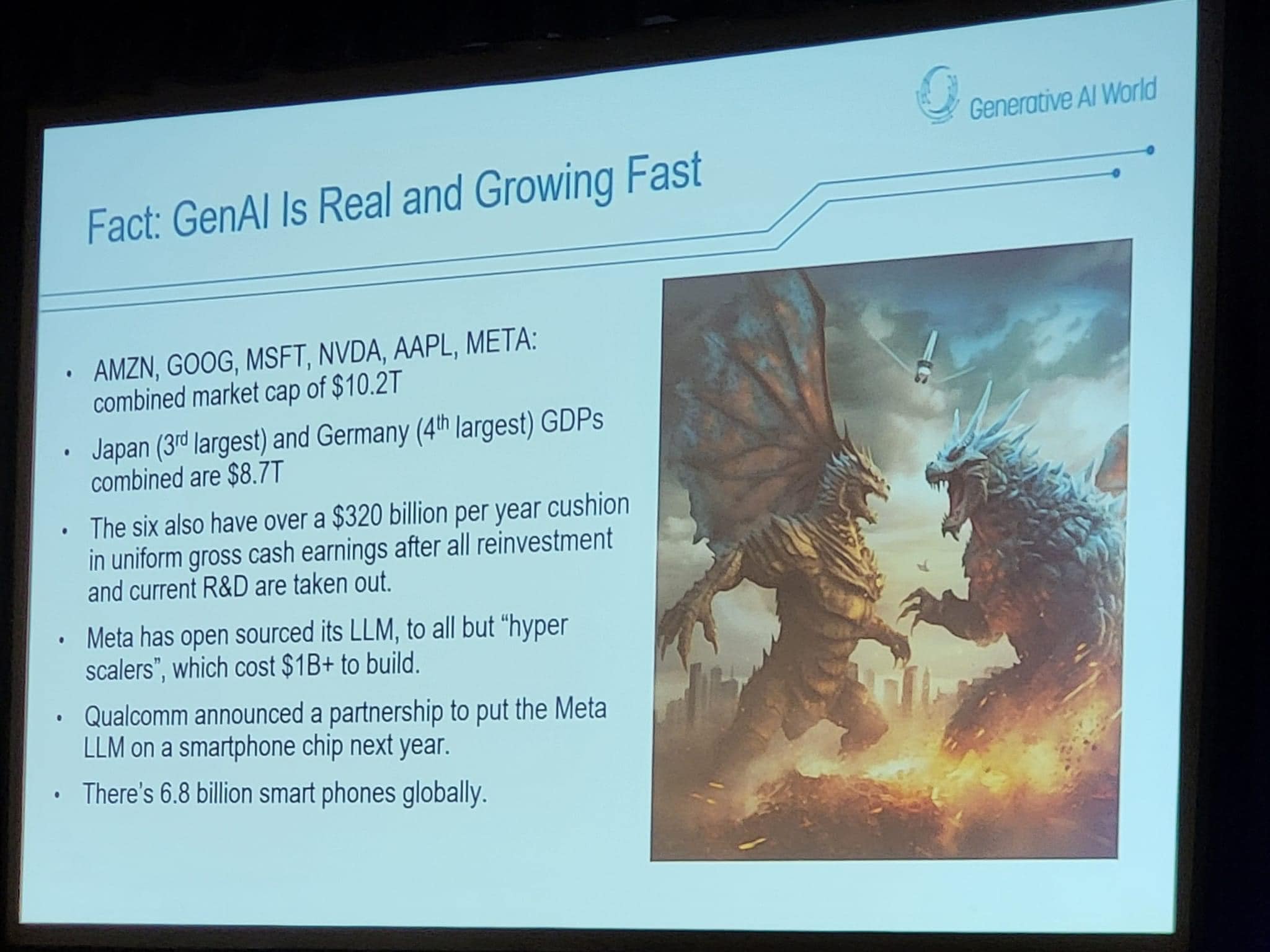
  • Apple, Amazon, Google, Microsoft, Meta, and NVIDIA have a combined market cap of $10.2 Trillion.

    To put that in perspective the 3rd amd 4th largest GDPs Japan and Germany have a combined $8.7 Trillion GDP.


    Via Christopher Brock
    Apple, Amazon, Google, Microsoft, Meta, and NVIDIA have a combined market cap of $10.2 Trillion. To put that in perspective the 3rd amd 4th largest GDPs Japan and Germany have a combined $8.7 Trillion GDP. 🤖 💰 Via Christopher Brock
    0 تبصرے 0 شیئرز 551 ویوز
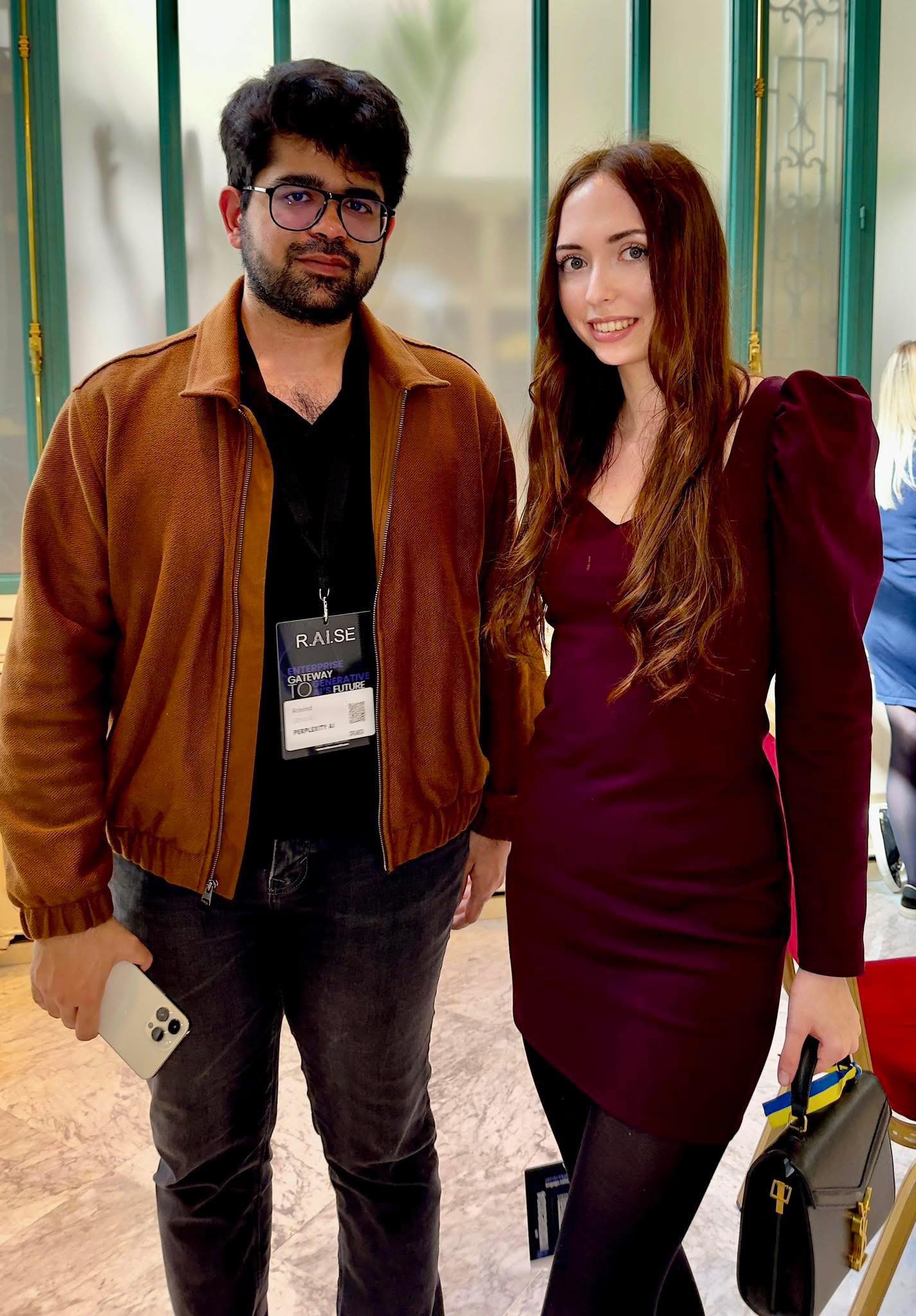
  • Perplexity, $18B AI unicorn, Offers to Buy Google Chrome browser for $34.5 Billion

    I had an opportunity to meet Aravind Srinivas, the visionary co-founder and CEO behind Perplexity, as they describe themselves “a free AI-powered answer engine”, in April 2024, when they raised $165 million in funding, valuing the company at over $1 billion. Today Perplexity is valued at mind-boggling $18 billion, backed by Jensen Huang(Founder and CEO NVIDIA), Jeff Bezos(Founder Amazon) and many other top minds and VCs.

    Aravind’s story is one of relentless curiosity and ambition. Born in Chennai (formerly Madras), India — the same city as Google’s CEO Sundar Pichai — he began with humble beginnings. Graduating from IIT Madras with dual degrees in Electrical Engineering and later earning a PhD in Computer Science from the University of California, Berkeley, Aravind’s journey took him through research roles at some of the world’s leading AI labs including OpenAI,
    Google Brain, and Google DeepMind before founding Perplexity in 2022.

    Perplexity has quickly risen from a promising startup to a formidable player in AI-powered search. Just recently, it secured an additional $100 million funding round, pushing its valuation to an impressive $18 billion — a meteoric rise since its inception only three years ago.

    Now, Perplexity is making headlines again with an audacious $34.5 billion bid to acquire Google’s Chrome browser. This bold move is about more than just acquiring technology — it’s about reshaping the digital landscape.

    Why does this matter?

    Chrome commands over 3 billion users worldwide, serving as the gateway to the web and a treasure trove of search traffic and data.

    Owning Chrome would give Perplexity the scale and reach to compete with tech giants like Google and OpenAI in the AI search race.

    Perplexity pledges to keep Chrome’s underlying Chromium code open source, invest $3 billion over two years, and maintain the browser’s default search engine — a promise to the open web and users.

    This move challenges Google’s long-standing dominance and disrupts the tech status quo amid ongoing antitrust scrutiny.

    Aravind and the Perplexity team are proof that grounded beginnings, combined with bold vision and relentless innovation, can disrupt even the largest tech empires.

    The future of search and browsers is being rewritten — and this is just the start. What are your thoughts on this daring bid?

    Via Anna Tutova
    Perplexity, $18B AI unicorn, Offers to Buy Google Chrome browser for $34.5 Billion😱 I had an opportunity to meet Aravind Srinivas, the visionary co-founder and CEO behind Perplexity, as they describe themselves “a free AI-powered answer engine”, in April 2024, when they raised $165 million in funding, valuing the company at over $1 billion. Today Perplexity is valued at mind-boggling $18 billion, backed by Jensen Huang(Founder and CEO NVIDIA), Jeff Bezos(Founder Amazon) and many other top minds and VCs. Aravind’s story is one of relentless curiosity and ambition. Born in Chennai (formerly Madras), India — the same city as Google’s CEO Sundar Pichai — he began with humble beginnings. Graduating from IIT Madras with dual degrees in Electrical Engineering and later earning a PhD in Computer Science from the University of California, Berkeley, Aravind’s journey took him through research roles at some of the world’s leading AI labs including OpenAI, Google Brain, and Google DeepMind before founding Perplexity in 2022. Perplexity has quickly risen from a promising startup to a formidable player in AI-powered search. Just recently, it secured an additional $100 million funding round, pushing its valuation to an impressive $18 billion — a meteoric rise since its inception only three years ago. Now, Perplexity is making headlines again with an audacious $34.5 billion bid to acquire Google’s Chrome browser. This bold move is about more than just acquiring technology — it’s about reshaping the digital landscape. Why does this matter? ▪️Chrome commands over 3 billion users worldwide, serving as the gateway to the web and a treasure trove of search traffic and data. ▪️Owning Chrome would give Perplexity the scale and reach to compete with tech giants like Google and OpenAI in the AI search race. ▪️Perplexity pledges to keep Chrome’s underlying Chromium code open source, invest $3 billion over two years, and maintain the browser’s default search engine — a promise to the open web and users. ▪️This move challenges Google’s long-standing dominance and disrupts the tech status quo amid ongoing antitrust scrutiny. Aravind and the Perplexity team are proof that grounded beginnings, combined with bold vision and relentless innovation, can disrupt even the largest tech empires. The future of search and browsers is being rewritten — and this is just the start. What are your thoughts on this daring bid? Via Anna Tutova
    0 تبصرے 0 شیئرز 878 ویوز
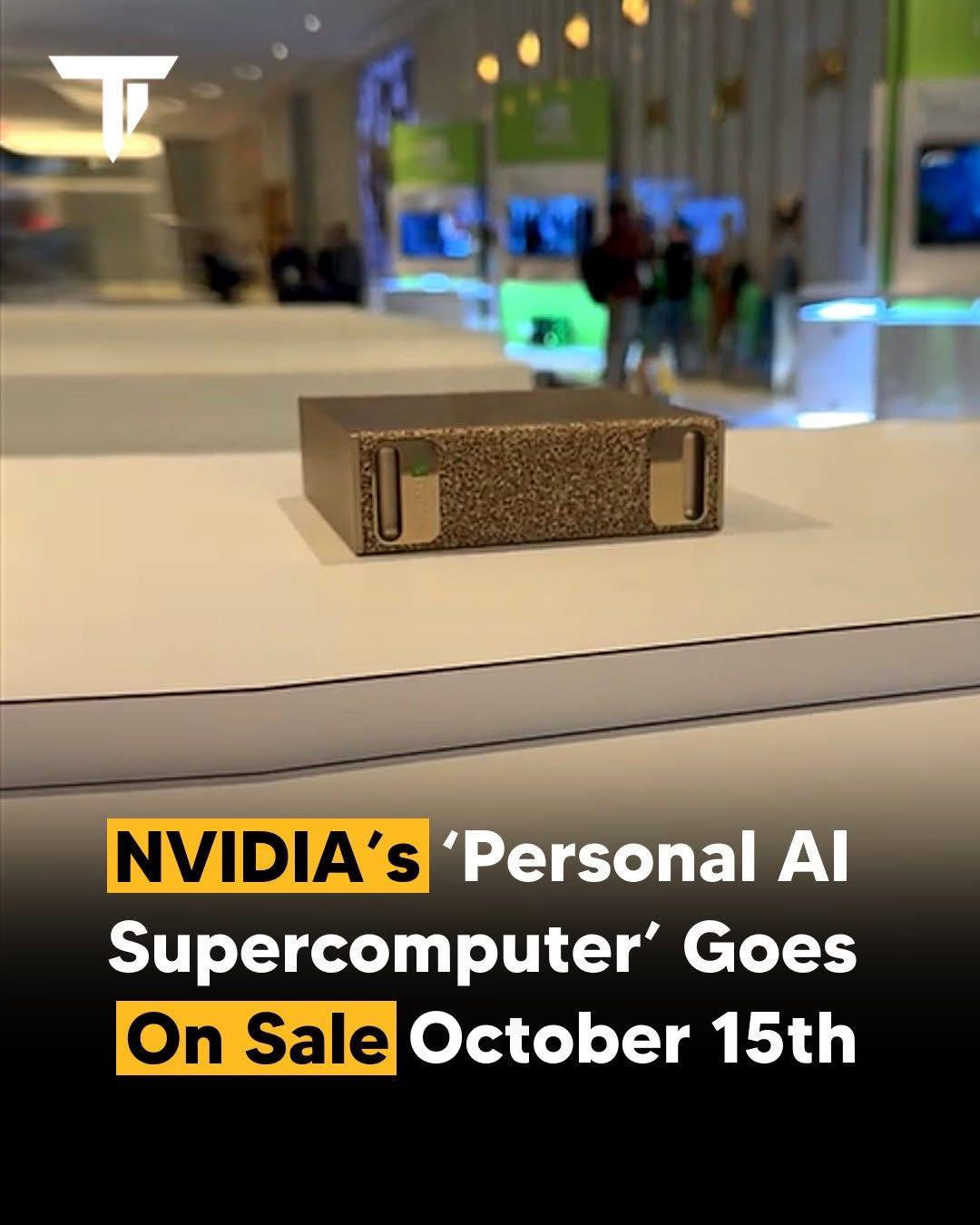
  • Nvidia’s DGX Spark, a compact “personal AI supercomputer,” went on sale on October 15, 2025, for $3,999. Built for developers and creators, it brings data center–level AI power to a desktop-sized device.

    Powered by Nvidia’s Grace Blackwell GB10 Superchip, the Spark delivers up to 1 petaflop of AI performance.

    It features 128 GB LPDDR5x memory, up to 4 TB NVMe SSD storage, WiFi 7, 10 GbE Ethernet, and USB-C connectivity — all in a lightweight 1.2 kg body.

    The DGX Spark is now available on Nvidia’s website and through partners like Asus, Dell, HP, Lenovo, and MSI, though early stock is already selling out fast.

    With DGX Spark, Nvidia aims to make high-end AI computing accessible to individuals, allowing developers and researchers to run large AI models locally instead of relying on the cloud.

    #DGXSpark #Nvidia #AISupercomputer
    Nvidia’s DGX Spark, a compact “personal AI supercomputer,” went on sale on October 15, 2025, for $3,999. Built for developers and creators, it brings data center–level AI power to a desktop-sized device. Powered by Nvidia’s Grace Blackwell GB10 Superchip, the Spark delivers up to 1 petaflop of AI performance. It features 128 GB LPDDR5x memory, up to 4 TB NVMe SSD storage, WiFi 7, 10 GbE Ethernet, and USB-C connectivity — all in a lightweight 1.2 kg body. The DGX Spark is now available on Nvidia’s website and through partners like Asus, Dell, HP, Lenovo, and MSI, though early stock is already selling out fast. With DGX Spark, Nvidia aims to make high-end AI computing accessible to individuals, allowing developers and researchers to run large AI models locally instead of relying on the cloud. #DGXSpark #Nvidia #AISupercomputer
    0 تبصرے 0 شیئرز 346 ویوز
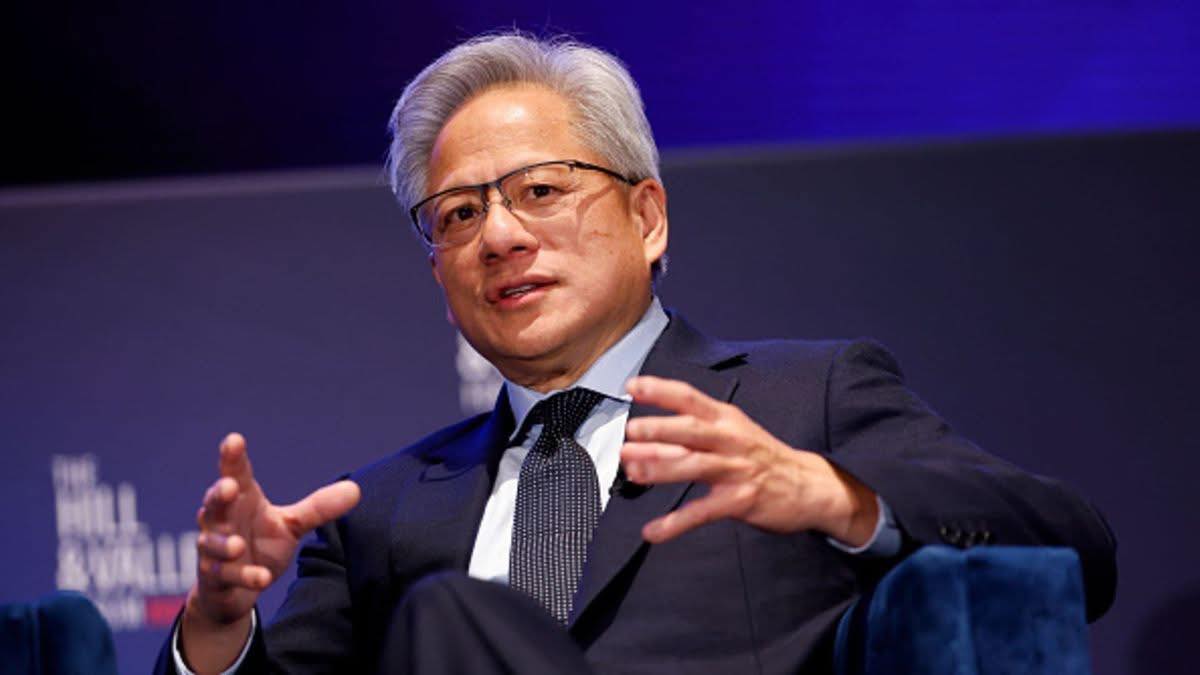
  • Nvidia CEO: If I were a student today, heres how Id use AI to do my job better—it ‘doesn’t matter’ the profession.
    Nvidia CEO: If I were a student today, here's how I'd use AI to do my job better—it ‘doesn’t matter’ the profession.
    0 تبصرے 0 شیئرز 212 ویوز
  • OpenClaw: انسانیت کی تاریخ کا شاید سب سے اہم سافٹ ویئر

    آج ایک ایسا سافٹ ویئر سامنے آیا ہے…
    جس کو سمجھنا ہر انسان کے لیے ضروری ہے۔

    اس کا نام ہے: OpenClaw

    یہ کوئی عام سافٹ ویئر نہیں…
    یہ وہ چیز ہے جو آنے والے وقت میں:

    انسان کے کام کرنے کا طریقہ بدل دے گی
    کمپنیوں کا نظام بدل دے گی
    اور شاید… پوری دنیا کی معیشت بدل دے گی


    OpenClaw اصل میں ہے کیا؟ (بہت آسان)

    پہلے:
    AI صرف سوالوں کے جواب دیتا تھا

    اب:
    OpenClaw کے ساتھ AI خود کام کرتا ہے

    یعنی:
    آپ بولیں… اور AI کر دے


    مثال سے سمجھیں

    آپ کہیں:
    “میری ویب سائٹ اپڈیٹ کر دو”

    OpenClaw والا AI:
    • خود login کرے گا
    • خود changes کرے گا
    • خود test کرے گا

    آپ کو کچھ نہیں کرنا


    آپ کہیں:
    “میرا business research کر کے strategy بنا دو”

    آپ سو جائیں
    صبح اٹھیں… کام مکمل


    یہ اتنا اہم کیوں ہے؟

    کیونکہ تاریخ میں پہلی بار:

    AI صرف سوچ نہیں رہا… کام بھی کر رہا ہے

    یہ بالکل ویسا ہی ہے جیسے:

    Linux نے internet بنایا
    HTML نے websites بنائیں
    Kubernetes نے cloud چلایا

    ویسے ہی OpenClaw:
    AI کو دنیا میں کام کرنے کے قابل بنا رہا ہے


    اس کا اثر کیا ہوگا؟
    1. AI ملازمین (Employees) آئیں گے
    ایک انسان = 10 AI workers
    2. چھوٹے لوگ بڑی کمپنیاں بنا سکیں گے
    ایک لڑکا laptop سے پوری کمپنی چلا سکتا ہے
    3. Jobs بدل جائیں گی
    جو AI use کرے گا وہ آگے جائے گا
    جو نہیں کرے گا… وہ پیچھے رہ جائے گا


    اصل خطرہ بھی سمجھیں

    طاقت جتنی بڑی ہوتی ہے… خطرہ بھی اتنا بڑا ہوتا ہے

    OpenClaw:
    • غلط ہاتھ میں جائے تو data leak ہو سکتا ہے
    • system hack ہو سکتا ہے

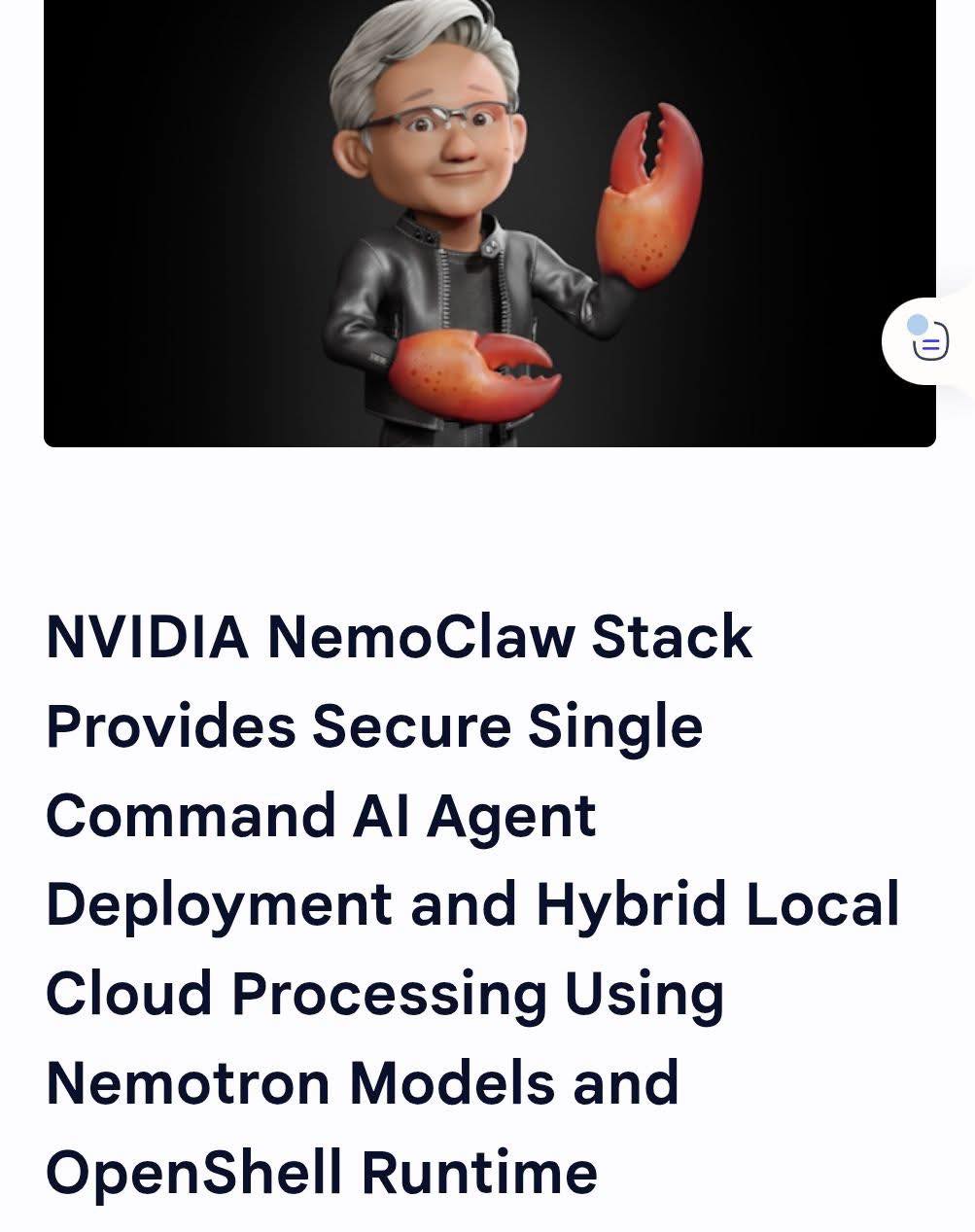
    اسی لیے NVIDIA نے NemoClaw بنایا:
    تاکہ یہ محفوظ طریقے سے استعمال ہو


    سب سے بڑی بات

    یہ سافٹ ویئر:
    کسی بڑی کمپنی نے نہیں بنایا

    ایک عام انسان نے بنایا

    اور آج:
    دنیا کی سب سے بڑی AI کمپنی (NVIDIA)
    اسی پر اپنا future بنا رہی ہے


    آپ کے لیے سبق

    دنیا بدل رہی ہے
    بہت تیزی سے بدل رہی ہے

    آپ کے پاس دو راستے ہیں:
    1. ignore کریں
    اور پیچھے رہ جائیں
    2. سیکھیں
    اور آگے نکل جائیں


    آج کا ایکشن

    ChatGPT کھولیں
    AI tools سیکھیں
    اپنا پہلا AI agent بنائیں


    یہ future نہیں… یہ ابھی ہو رہا ہے

    اور جو آج سیکھے گا… وہ کل دنیا چلائے گا

    — ریحان اللہ والا
    🔥 OpenClaw: انسانیت کی تاریخ کا شاید سب سے اہم سافٹ ویئر 🔥 آج ایک ایسا سافٹ ویئر سامنے آیا ہے… جس کو سمجھنا ہر انسان کے لیے ضروری ہے۔ 👉 اس کا نام ہے: OpenClaw یہ کوئی عام سافٹ ویئر نہیں… یہ وہ چیز ہے جو آنے والے وقت میں: 👉 انسان کے کام کرنے کا طریقہ بدل دے گی 👉 کمپنیوں کا نظام بدل دے گی 👉 اور شاید… پوری دنیا کی معیشت بدل دے گی ⸻ 🧠 OpenClaw اصل میں ہے کیا؟ (بہت آسان) پہلے: 👉 AI صرف سوالوں کے جواب دیتا تھا اب: 👉 OpenClaw کے ساتھ AI خود کام کرتا ہے یعنی: 👉 آپ بولیں… اور AI کر دے ⸻ ⚡ مثال سے سمجھیں 📌 آپ کہیں: 👉 “میری ویب سائٹ اپڈیٹ کر دو” OpenClaw والا AI: • خود login کرے گا • خود changes کرے گا • خود test کرے گا 👉 آپ کو کچھ نہیں کرنا ⸻ 📌 آپ کہیں: 👉 “میرا business research کر کے strategy بنا دو” 👉 آپ سو جائیں 👉 صبح اٹھیں… کام مکمل ⸻ 😳 یہ اتنا اہم کیوں ہے؟ کیونکہ تاریخ میں پہلی بار: 👉 AI صرف سوچ نہیں رہا… کام بھی کر رہا ہے یہ بالکل ویسا ہی ہے جیسے: 👉 Linux نے internet بنایا 👉 HTML نے websites بنائیں 👉 Kubernetes نے cloud چلایا 👉 ویسے ہی OpenClaw: AI کو دنیا میں کام کرنے کے قابل بنا رہا ہے ⸻ 🌍 اس کا اثر کیا ہوگا؟ 1. AI ملازمین (Employees) آئیں گے 👉 ایک انسان = 10 AI workers 2. چھوٹے لوگ بڑی کمپنیاں بنا سکیں گے 👉 ایک لڑکا laptop سے پوری کمپنی چلا سکتا ہے 3. Jobs بدل جائیں گی 👉 جو AI use کرے گا وہ آگے جائے گا 👉 جو نہیں کرے گا… وہ پیچھے رہ جائے گا ⸻ 🚨 اصل خطرہ بھی سمجھیں 👉 طاقت جتنی بڑی ہوتی ہے… خطرہ بھی اتنا بڑا ہوتا ہے OpenClaw: • غلط ہاتھ میں جائے تو data leak ہو سکتا ہے • system hack ہو سکتا ہے اسی لیے NVIDIA نے NemoClaw بنایا: 👉 تاکہ یہ محفوظ طریقے سے استعمال ہو ⸻ 💡 سب سے بڑی بات یہ سافٹ ویئر: 👉 کسی بڑی کمپنی نے نہیں بنایا 👉 ایک عام انسان نے بنایا اور آج: 👉 دنیا کی سب سے بڑی AI کمپنی (NVIDIA) اسی پر اپنا future بنا رہی ہے ⸻ 🧠 آپ کے لیے سبق 👉 دنیا بدل رہی ہے 👉 بہت تیزی سے بدل رہی ہے آپ کے پاس دو راستے ہیں: 1. ignore کریں 👉 اور پیچھے رہ جائیں 2. سیکھیں 👉 اور آگے نکل جائیں ⸻ 💥 آج کا ایکشن 👉 ChatGPT کھولیں 👉 AI tools سیکھیں 👉 اپنا پہلا AI agent بنائیں ⸻ 🌱 یہ future نہیں… یہ ابھی ہو رہا ہے 🔥 اور جو آج سیکھے گا… وہ کل دنیا چلائے گا — ریحان اللہ والا
    0 تبصرے 0 شیئرز 867 ویوز
  • OpenClaw: The New Operating System of Work (And Why Pakistan Must Pay Attention)

    We are standing at a moment that comes once in 20–30 years.

    When Jensen Huang, the founder of NVIDIA, compares something to Windows and Linux, you stop… and you pay attention.

    Because this is not hype.

    This is a shift.


    What is OpenClaw (Simple Language)

    OpenClaw is not just software.
    It is not just AI.

    It is an operating system for ACTION.

    Think like this:
    • Windows → runs your computer
    • Linux → runs servers
    • OpenClaw → runs WORK

    It has:
    • Memory (it remembers everything)
    • Intelligence (it thinks and decides)
    • Input (text, voice, files)
    • Output (messages, emails, actions)

    It does not just answer.
    It DOES.


    What This Means for You

    If you:
    • use WhatsApp
    • run a business
    • manage a school
    • handle emails
    • deal with customers

    Then OpenClaw can replace 10–100 people worth of repetitive work.


    Real Example: WhatsApp Problem (Rehan School)

    At Rehan School:

    Problem:
    Thousands of WhatsApp messages
    People asking questions
    Staff unable to reply on time

    No matter how many people we hired…
    replies were slow
    people got frustrated


    OpenClaw Solution

    Now imagine this:
    • A parent sends a message
    • OpenClaw reads it
    • Understands it
    • Replies instantly
    • Even sends a voice note in your voice

    Polite. Clear. Instant.

    No delay
    No human dependency
    No mood swings


    What OpenClaw Can Do (Real Use Cases)

    OpenClaw is not a chatbot.

    It is a digital employee factory.

    It can:
    Become your telephone operator
    Handle WhatsApp conversations (thousands at once)
    Send & reply to emails automatically
    Find new customers online
    Manage billing & invoices
    Scan receipts → store in database
    Browse internet → do research
    Follow up with people (better than humans)
    Write code → build software
    • 🗂 Organize your entire business workflow


    One Computer = Unlimited Employees

    This is the most powerful idea:

    You don’t hire employees. You CREATE them.

    From one system you can build:
    • Sales Agent
    • Support Agent
    • HR Agent
    • Finance Agent
    • Marketing Agent
    • Follow-up Agent

    All working:
    • 24/7
    • No salary
    • No leave
    • No forgetting


    The Biggest Superpower: Follow-Up

    Humans fail at one thing:

    Follow-up
    Consistency
    Discipline

    OpenClaw?

    ✔ Never forgets
    ✔ Reminds everyone
    ✔ Tracks everything
    ✔ Pushes tasks until done

    It can literally:
    • remind your staff
    • remind your students
    • remind YOU


    Why This Is Bigger Than ChatGPT

    ChatGPT helps you think.

    OpenClaw helps you execute.

    That is the difference.

    Thinking vs Doing
    Knowledge vs Action


    Important: This is Early Stage

    Let’s be honest:
    • This is new
    • This is evolving
    • This is not perfect

    But…

    So was:
    • Internet in 1995
    • Facebook in 2005
    • Smartphones in 2007

    Those who started early… won.


    What You Should Do (Practical Steps)

    Don’t wait.

    Start small.

    Step 1:

    Get a dedicated computer

    Step 2:

    Install OpenClaw (or similar agent systems)

    Step 3:

    Connect:
    • WhatsApp number
    • Email
    • Your workflows

    Step 4:

    Start experimenting:
    • auto replies
    • follow-ups
    • data entry
    • customer handling

    Step 5:

    Observe → improve → scale


    Pakistan Opportunity

    Pakistan does NOT need:
    • billions of dollars
    • big factories

    We need:
    • laptops
    • internet
    • skills

    OpenClaw can turn:
    students → earners
    small shops → automated businesses
    schools → AI-powered systems


    Final Thought

    This is not about technology.

    This is about power shift.

    From:
    • people doing work

    To:
    • systems doing work

    The people who learn this first…

    Will build:
    • faster companies
    • smarter systems
    • stronger nations


    My Recommendation

    Start today.

    Play with it.

    Break it.

    Test it.

    Use it in your school, your office, your home.

    Because the future will not ask:

    “Do you know AI?”

    It will ask:

    “Can your AI DO work?”
    🚀 OpenClaw: The New Operating System of Work (And Why Pakistan Must Pay Attention) We are standing at a moment that comes once in 20–30 years. When Jensen Huang, the founder of NVIDIA, compares something to Windows and Linux, you stop… and you pay attention. Because this is not hype. This is a shift. ⸻ 🧠 What is OpenClaw (Simple Language) OpenClaw is not just software. It is not just AI. It is an operating system for ACTION. Think like this: • Windows → runs your computer • Linux → runs servers • OpenClaw → runs WORK It has: • Memory (it remembers everything) • Intelligence (it thinks and decides) • Input (text, voice, files) • Output (messages, emails, actions) 👉 It does not just answer. 👉 It DOES. ⸻ ⚡ What This Means for You If you: • use WhatsApp • run a business • manage a school • handle emails • deal with customers Then OpenClaw can replace 10–100 people worth of repetitive work. ⸻ 📱 Real Example: WhatsApp Problem (Rehan School) At Rehan School: Problem: Thousands of WhatsApp messages People asking questions Staff unable to reply on time No matter how many people we hired… ❌ replies were slow ❌ people got frustrated ⸻ ✅ OpenClaw Solution Now imagine this: • A parent sends a message • OpenClaw reads it • Understands it • Replies instantly • Even sends a voice note in your voice Polite. Clear. Instant. 👉 No delay 👉 No human dependency 👉 No mood swings ⸻ 🤖 What OpenClaw Can Do (Real Use Cases) OpenClaw is not a chatbot. It is a digital employee factory. It can: • 📞 Become your telephone operator • 💬 Handle WhatsApp conversations (thousands at once) • 📧 Send & reply to emails automatically • 🔍 Find new customers online • 💰 Manage billing & invoices • 🧾 Scan receipts → store in database • 🌐 Browse internet → do research • 🧠 Follow up with people (better than humans) • 💻 Write code → build software • 🗂 Organize your entire business workflow ⸻ 🏭 One Computer = Unlimited Employees This is the most powerful idea: 👉 You don’t hire employees. You CREATE them. From one system you can build: • Sales Agent • Support Agent • HR Agent • Finance Agent • Marketing Agent • Follow-up Agent All working: • 24/7 • No salary • No leave • No forgetting ⸻ 🔁 The Biggest Superpower: Follow-Up Humans fail at one thing: ❌ Follow-up ❌ Consistency ❌ Discipline OpenClaw? ✔ Never forgets ✔ Reminds everyone ✔ Tracks everything ✔ Pushes tasks until done It can literally: • remind your staff • remind your students • remind YOU ⸻ 🎯 Why This Is Bigger Than ChatGPT ChatGPT helps you think. OpenClaw helps you execute. That is the difference. 👉 Thinking vs Doing 👉 Knowledge vs Action ⸻ ⚠️ Important: This is Early Stage Let’s be honest: • This is new • This is evolving • This is not perfect But… So was: • Internet in 1995 • Facebook in 2005 • Smartphones in 2007 Those who started early… won. ⸻ 🛠️ What You Should Do (Practical Steps) Don’t wait. Start small. Step 1: Get a dedicated computer Step 2: Install OpenClaw (or similar agent systems) Step 3: Connect: • WhatsApp number • Email • Your workflows Step 4: Start experimenting: • auto replies • follow-ups • data entry • customer handling Step 5: Observe → improve → scale ⸻ 🇵🇰 Pakistan Opportunity Pakistan does NOT need: • billions of dollars • big factories We need: • laptops • internet • skills OpenClaw can turn: 👉 students → earners 👉 small shops → automated businesses 👉 schools → AI-powered systems ⸻ 💡 Final Thought This is not about technology. This is about power shift. From: • people doing work To: • systems doing work The people who learn this first… Will build: • faster companies • smarter systems • stronger nations ⸻ 🔥 My Recommendation Start today. Play with it. Break it. Test it. Use it in your school, your office, your home. Because the future will not ask: 👉 “Do you know AI?” It will ask: 👉 “Can your AI DO work?”
    0 تبصرے 0 شیئرز 892 ویوز
More Results