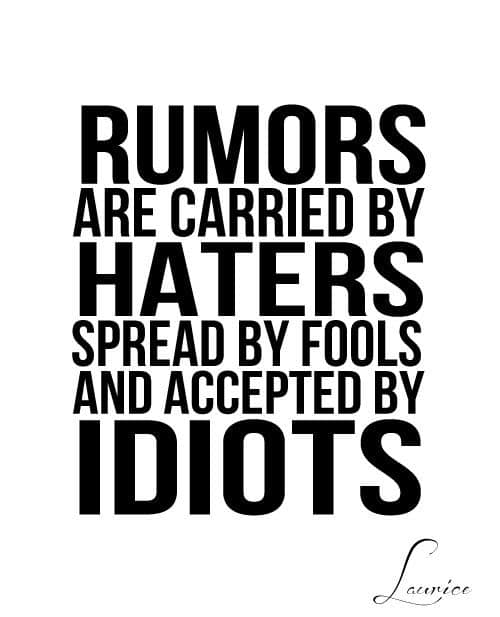
• **Ethics in Journalism: Why It Matters | Zachariah Hughes **

    In a world where information travels across the globe within seconds, journalism plays a vital role in helping people understand what is happening around them. But have you ever wondered why honesty, accuracy, and responsibility are so important when sharing news? The topic *“Ethics in Journalism: Why It Matters”* highlights the importance of trustworthy reporting and the responsibility journalists have toward society.

    Journalism is not simply about reporting stories or being the first to publish breaking news. It is about discovering the truth, checking facts, presenting information fairly, and helping people make informed decisions. Ethical journalists understand that their words can influence public opinion, affect people's lives, and shape the way communities understand important events.

    **Why do journalistic ethics matter?**

    **Truth and Accuracy:** Journalists should verify information before publishing it and correct mistakes when they occur.

    **Fairness and Balance:** Different perspectives should be represented responsibly, without deliberately misleading audiences.

    **Accountability:** Journalists should take responsibility for their reporting and explain or correct errors when necessary.

    **Respect for Privacy:** People's dignity and personal information should be treated carefully, especially when reporting sensitive stories.

    **Fighting Misinformation:** Responsible journalism helps audiences distinguish verified facts from rumors, misleading headlines, and false information.

    In the age of social media, anyone can share news, photos, and opinions with a global audience. This makes media literacy more important than ever. Before sharing a story, we should check its source, examine the evidence, and avoid spreading information that has not been verified. Every person who shares information has an opportunity to contribute to a more informed digital community.

    **The key message:** Journalism earns public trust through honesty, accuracy, independence, and accountability. Reliable information empowers people, strengthens communities, and supports informed decision-making.

    Let's value truth over rumors, facts over assumptions, and responsible reporting over sensationalism. A better-informed world begins with a commitment to seek the truth and share it responsibly!

    #ZachariahHughes #EthicsInJournalism #Journalism #MediaEthics #TruthMatters #ResponsibleJournalism #MediaLiteracy #FakeNewsAwareness #FactChecking #DigitalMedia #FreedomOfPress #PublicTrust #Misinformation #NewsReporting #CriticalThinking #SocialMediaAwareness #ResponsibleSharing #Communication #Integrity #TruthAndTransparency
    📰🌍 **Ethics in Journalism: Why It Matters | Zachariah Hughes 🎤✨** In a world where information travels across the globe within seconds, journalism plays a vital role in helping people understand what is happening around them. But have you ever wondered why honesty, accuracy, and responsibility are so important when sharing news? 🤔📢 The topic *“Ethics in Journalism: Why It Matters”* highlights the importance of trustworthy reporting and the responsibility journalists have toward society. 💡 Journalism is not simply about reporting stories or being the first to publish breaking news. It is about discovering the truth, checking facts, presenting information fairly, and helping people make informed decisions. Ethical journalists understand that their words can influence public opinion, affect people's lives, and shape the way communities understand important events. 🗞️🤝 ⚖️ **Why do journalistic ethics matter?** ✅ **Truth and Accuracy:** Journalists should verify information before publishing it and correct mistakes when they occur. ✅ **Fairness and Balance:** Different perspectives should be represented responsibly, without deliberately misleading audiences. ✅ **Accountability:** Journalists should take responsibility for their reporting and explain or correct errors when necessary. ✅ **Respect for Privacy:** People's dignity and personal information should be treated carefully, especially when reporting sensitive stories. ✅ **Fighting Misinformation:** Responsible journalism helps audiences distinguish verified facts from rumors, misleading headlines, and false information. 🔍📱 🌐 In the age of social media, anyone can share news, photos, and opinions with a global audience. This makes media literacy more important than ever. Before sharing a story, we should check its source, examine the evidence, and avoid spreading information that has not been verified. Every person who shares information has an opportunity to contribute to a more informed digital community. 💻✨ 🎯 **The key message:** Journalism earns public trust through honesty, accuracy, independence, and accountability. Reliable information empowers people, strengthens communities, and supports informed decision-making. ❤️ Let's value truth over rumors, facts over assumptions, and responsible reporting over sensationalism. A better-informed world begins with a commitment to seek the truth and share it responsibly! 📰🌍💡 #ZachariahHughes #EthicsInJournalism #Journalism #MediaEthics #TruthMatters #ResponsibleJournalism #MediaLiteracy #FakeNewsAwareness #FactChecking #DigitalMedia #FreedomOfPress #PublicTrust #Misinformation #NewsReporting #CriticalThinking #SocialMediaAwareness #ResponsibleSharing #Communication #Integrity #TruthAndTransparency 📰🔍🌍✨
    0 Reacties 0 aandelen 6459 Views 4
  • **How Students Can Create Ethical Communities | Daniel Lee **

    What makes a community strong, respectful, and successful? It is not only about the people who live or study together, but also about the values they share, the choices they make, and the way they treat one another. The idea of *“How Students Can Create Ethical Communities”* encourages students to understand the importance of honesty, responsibility, fairness, kindness, and respect in their everyday lives.

    Students have the power to make a positive difference in their schools, classrooms, and communities. By treating everyone equally, respecting different opinions, helping classmates, and standing up for what is right, they can create an environment where people feel safe, valued, and included. Even small actions, such as sharing knowledge, keeping promises, and admitting mistakes, can help build trust among people.

    Creating an ethical community also means understanding that our actions affect others. Students should learn to take responsibility for their decisions, communicate honestly, avoid spreading rumors, respect others' privacy, and resolve disagreements peacefully. When students work together with integrity and compassion, they become positive role models for their friends and the people around them. 🫶

    Ethical communities are not created by one person alone. They grow when students, teachers, parents, and community members work together toward common goals. Through teamwork, volunteer activities, responsible leadership, and thoughtful conversations, young people can help create a culture where fairness and kindness become everyday habits.

    **The key message:** You don't have to wait until you become an adult to make a difference. Every student can contribute to a better community by choosing honesty over dishonesty, respect over judgment, and cooperation over conflict.

    Let's inspire the next generation to become responsible citizens, compassionate leaders, and positive changemakers. Remember, a better community begins with the choices we make today!

    #DanielLee #EthicalCommunities #StudentLeadership #Ethics #Education #Honesty #Respect #KindnessMatters #ResponsibleCitizenship #CommunityBuilding #PositiveChange #Teamwork #Empathy #Integrity #SchoolCommunity #YouthEmpowerment #LeadershipSkills #SocialResponsibility #CharacterBuilding #MakeADifference
    🌍🤝 **How Students Can Create Ethical Communities | Daniel Lee 🎓✨** What makes a community strong, respectful, and successful? ❤️ It is not only about the people who live or study together, but also about the values they share, the choices they make, and the way they treat one another. The idea of *“How Students Can Create Ethical Communities”* encourages students to understand the importance of honesty, responsibility, fairness, kindness, and respect in their everyday lives. 🌱💡 🏫 Students have the power to make a positive difference in their schools, classrooms, and communities. By treating everyone equally, respecting different opinions, helping classmates, and standing up for what is right, they can create an environment where people feel safe, valued, and included. Even small actions, such as sharing knowledge, keeping promises, and admitting mistakes, can help build trust among people. 💖🤝 🌟 Creating an ethical community also means understanding that our actions affect others. Students should learn to take responsibility for their decisions, communicate honestly, avoid spreading rumors, respect others' privacy, and resolve disagreements peacefully. When students work together with integrity and compassion, they become positive role models for their friends and the people around them. 🫶📚 🚀 Ethical communities are not created by one person alone. They grow when students, teachers, parents, and community members work together toward common goals. Through teamwork, volunteer activities, responsible leadership, and thoughtful conversations, young people can help create a culture where fairness and kindness become everyday habits. 🎯 **The key message:** You don't have to wait until you become an adult to make a difference. Every student can contribute to a better community by choosing honesty over dishonesty, respect over judgment, and cooperation over conflict. 🌈✨ Let's inspire the next generation to become responsible citizens, compassionate leaders, and positive changemakers. Remember, a better community begins with the choices we make today! ❤️🌍 #DanielLee #EthicalCommunities #StudentLeadership #Ethics #Education #Honesty #Respect #KindnessMatters #ResponsibleCitizenship #CommunityBuilding #PositiveChange #Teamwork #Empathy #Integrity #SchoolCommunity #YouthEmpowerment #LeadershipSkills #SocialResponsibility #CharacterBuilding #MakeADifference 🎓🌍🤝💚✨
    0 Reacties 0 aandelen 6486 Views 4
  • #rsisb Roll No.240 Call Annie No.27 Book A: Level One Date:9:21:26 Today, I had a valuable live session about “Sharing with Others Live on Social Media.” 🎥📲 In this session, I learned why responsible sharing is important and how we can use social media to spread useful, positive, and meaningful information. 💡🌟 Sharing on social media can help us connect with people, exchange knowledge, share learning experiences, spread awareness, and support others. 🤝📚❤️ But before sharing anything, we should think carefully, check the information, respect people’s privacy, and avoid spreading rumors or false information. 🔍✅ This session helped me understand that we should always think before we share. A responsible social media user shares information honestly, respectfully, and carefully. 🌐💬✨ I am thankful for this learning opportunity and excited to continue improving my communication and social media skills. 🚀📖💪 #SharingWithOthers #LiveOnSocialMedia #SocialMedia #ResponsibleSharing #ThinkBeforeYouShare #DigitalLearning #OnlineLearning #SocialMediaAwareness #PositiveSharing #KnowledgeSharing #DigitalResponsibility #CommunicationSkills #LearningJourney #StayPositive #SpreadKnowledge 📱🤝🌍✨ @Rehan School Islamabad Campus @Asma Shaheen EducationWali @Irum Asim Leadershipwali @Saima Happinesswali https://www.facebook.com/share/v/19Qr5hjnt7/
    WWW.FACEBOOK.COM
    Made with Restream Studio. Livestream on 30+ platforms at once with Restream #rsisb Roll No.240 Call Annie No.27 Book A: Level One Date:9:21:26 Today, I had a valuable live session about “Sharing with Others Live on Social Media.” 🎥📲 In this session, I learned why responsible sharing is important and how we can use social media to spread useful, positive, and meaningful information. 💡🌟 Sharing on social media can help us connect with people, exchange knowledge, share learning experiences, spread awareness, and support others. 🤝📚❤️ But before sharing anything, we should think carefully, check the information, respect people’s privacy, and avoid spreading rumors or false information. 🔍✅ This session helped me understand that we should always think before we share. A responsible social media user shares information honestly, respectfully, and carefully. 🌐💬✨ I am thankful for this learning opportunity and excited to continue improving my communication and social media skills. 🚀📖💪 #SharingWithOthers #LiveOnSocialMedia #SocialMedia #ResponsibleSharing #ThinkBeforeYouShare #DigitalLearning #OnlineLearning #SocialMediaAwareness #PositiveSharing #KnowledgeSharing #DigitalResponsibility #CommunicationSkills #LearningJourney #StayPositive #SpreadKnowledge 📱🤝🌍✨ @Rehan School Islamabad Campus @Asma Shaheen EducationWali @Irum Asim Leadershipwali @Saima Happinesswali | Ahmad Ali Constriction Wala
    Made with Restream Studio. Livestream on 30+ platforms at once with Restream #rsisb Roll No.240 Call Annie No.27 Book A: Level One Date:9:21:26 Today, I had a valuable live session about “Sharing...
    0 Reacties 0 aandelen 3788 Views
  • #rsisb
    Roll No.240
    Call Annie No.26
    Book A: Level One
    Date:9:19:26

    In this live session, we talk about the importance of truth, honesty, and responsibility on social media. Social media gives us the opportunity to share our thoughts and information with others, but it is important to think carefully before posting or sharing anything.

    This discussion explores how we can identify false information, avoid rumors, verify information, respect different opinions, and become more responsible social media users.

    Truth builds trust, and responsible communication can help create a healthier and more positive online community. Let’s learn to think before we share, verify before we believe, and speak with honesty and respect.

    Think. Verify. Share Responsibly.
    Speak the truth
    Check the facts
    Respect others
    Use social media responsibly

    #TellingTheTruth #SocialMedia #Truth #Honesty #DigitalResponsibility #FactChecking #FakeNewsAwareness #ThinkBeforeYouShare #OnlineSafety #MediaLiteracy #ResponsibleSocialMedia #TruthMatters #DigitalCitizenship #Respect #Awareness

    Rehan School Islamabad Campus
    Asma Shaheen EducationWali
    Irum Asim Leadershipwali
    Saima Happinesswali


    #rsisb Roll No.240 Call Annie No.26 Book A: Level One Date:9:19:26 In this live session, we talk about the importance of truth, honesty, and responsibility on social media. 🗣️💯 Social media gives us the opportunity to share our thoughts and information with others, but it is important to think carefully before posting or sharing anything. This discussion explores how we can identify false information, avoid rumors, verify information, respect different opinions, and become more responsible social media users. 🔍📰🤝 Truth builds trust, and responsible communication can help create a healthier and more positive online community. 🌟💚 Let’s learn to think before we share, verify before we believe, and speak with honesty and respect. 🙌📚 💡 Think. Verify. Share Responsibly. 🎤 Speak the truth 🔍 Check the facts 🤝 Respect others 📱 Use social media responsibly #TellingTheTruth #SocialMedia #Truth #Honesty #DigitalResponsibility #FactChecking #FakeNewsAwareness #ThinkBeforeYouShare #OnlineSafety #MediaLiteracy #ResponsibleSocialMedia #TruthMatters #DigitalCitizenship #Respect #Awareness 🎤📱💯🔍🌐🤝✨ Rehan School Islamabad Campus Asma Shaheen EducationWali Irum Asim Leadershipwali Saima Happinesswali
    0 Reacties 0 aandelen 5620 Views 4
  • Understanding the Difference ‍

    Misinformation vs. Disinformation

    Misinformation:
    ‍ Unintentional: False or inaccurate info shared without harmful intent. Often due to errors or misunderstanding.
    ‍ No Malicious Intent: Those spreading it may genuinely believe its true.
    Example: Sharing unverified rumors on social media.

    Disinformation:
    Intentional: Deliberately created and spread to deceive, manipulate, or mislead.
    Malicious Intent: Aimed at influencing opinion, causing confusion, or harming reputations.
    Example: Spreading false info to damage a political opponents credibility.

    Remember, its all about the intent!

    #MisinformationVsDisinformation #StayInformed
    🤔 Understanding the Difference 🕵️‍♂️ 🔍 Misinformation vs. Disinformation 📢 📌 Misinformation: 🤷‍♂️ Unintentional: False or inaccurate info shared without harmful intent. Often due to errors or misunderstanding. 🙅‍♀️ No Malicious Intent: Those spreading it may genuinely believe it's true. 📜 Example: Sharing unverified rumors on social media. 📌 Disinformation: 🤥 Intentional: Deliberately created and spread to deceive, manipulate, or mislead. 🤬 Malicious Intent: Aimed at influencing opinion, causing confusion, or harming reputations. 📜 Example: Spreading false info to damage a political opponent's credibility. Remember, it's all about the intent! 🤨 #MisinformationVsDisinformation #StayInformed
    0 Reacties 0 aandelen 1854 Views
  • The Hidden Danger of Blaming Others: A Lesson from Prophet Muhammad’s (ﷺ) Hadith

    In today’s world, where social media allows us to express opinions instantly, many of us fall into the habit of blaming, mocking, or slandering others—especially public figures, politicians, or celebrities. It’s easy to criticize people we don’t agree with or hear rumors about, but have we considered the consequences of such behavior from an Islamic perspective?

    Prophet Muhammad (ﷺ) gave us a stark warning about this type of behavior in a profound hadith:

    The Hadith of the Bankrupt

    The Prophet (ﷺ) once asked his companions:

    “Do you know who the bankrupt is?”

    They replied, “A bankrupt person among us is one who has neither dirhams (money) nor wealth.”

    The Prophet (ﷺ) explained:

    “The bankrupt of my nation is the one who will come on the Day of Judgment with prayers, fasting, and zakah, but he insulted others, slandered others, consumed the wealth of others unjustly, shed the blood of others, and beat others. As a result, his good deeds will be given to those he wronged. If his good deeds are exhausted before his wrongs are paid for, their sins will be transferred to him, and he will be thrown into the Fire.”
    (Sahih Muslim, 2581)

    How This Applies to Us Today

    The hadith highlights a key point: Even if we are outwardly pious—praying, fasting, and giving charity—our actions toward others can destroy our rewards. Let’s reflect on how this applies to our everyday interactions, especially online:
    1. Slandering Politicians and Public Figures:
    • It’s common for people to criticize leaders or public figures without fully understanding their actions or having clear evidence. While holding leaders accountable is important, spreading unverified claims or false accusations is a grave sin in Islam.
    • On the Day of Judgment, these same individuals—whom we slandered—could take our good deeds as compensation for the harm we caused to their reputation.
    2. Social Media and False Information:
    • With the rise of social media, one careless post or share can harm someone’s reputation globally. Even forwarding unverified information makes us complicit in the sin.
    • The Prophet (ﷺ) warned us about this, saying:
    “It is enough falsehood for a man to relate everything he hears.” (Sahih Muslim, 5)
    3. Criticizing Without Evidence:
    • Allah commands us to verify information before acting upon it:
    “O you who have believed, if there comes to you a disobedient one with information, investigate, lest you harm a people out of ignorance and become, over what you have done, regretful.”
    (Quran, 49:6)
    • Spreading baseless accusations is not just a personal sin—it also creates a culture of distrust and injustice in society.

    The Consequences of Slander

    The hadith teaches us that slander and false accusations can have dire consequences. If we harm someone’s reputation unjustly, we risk losing our good deeds to them on the Day of Judgment. If we run out of good deeds, their sins may be transferred to us, leading to our spiritual downfall. This is the ultimate “bankruptcy” that the Prophet (ﷺ) warned us about.

    Imagine standing before Allah with all your prayers, fasting, and charity—but losing everything because of a careless word, a thoughtless comment, or an unverified accusation shared online.

    Practical Steps to Avoid This Sin
    1. Think Before You Speak or Post:
    Reflect on whether your words are truthful, beneficial, and necessary. If not, it’s better to remain silent. The Prophet (ﷺ) said:
    “Whoever believes in Allah and the Last Day should speak good or remain silent.” (Sahih al-Bukhari, 6475)
    2. Verify Information:
    Always ensure that the information you share is accurate and comes from a reliable source. Even then, consider whether sharing it is beneficial or necessary.
    3. Seek Forgiveness:
    If you have wronged someone through slander or false accusations, seek their forgiveness and make amends in this world before it’s too late.
    4. Focus on Your Own Deeds:
    Instead of judging others, focus on improving your own actions. Remember, we will all stand before Allah individually.

    Final Reminder

    The Prophet (ﷺ) taught us that the true “bankrupt” person is the one who loses their good deeds because of the harm they caused to others. In today’s world of instant opinions and viral posts, let us be extra cautious with our words and actions. Instead of blaming or slandering others, let us strive to be just, truthful, and kind—both in person and online.

    May Allah protect us from harming others and guide us to use our words and actions for good. Ameen.

    اردو میں مضمون: الزام تراشی کا خطرہ

    آج کے دور میں، جہاں سوشل میڈیا نے ہمیں فوراً اپنی رائے کا اظہار کرنے کا موقع دیا ہے، ہم اکثر سیاستدانوں، مشہور شخصیات، اور دیگر عوامی شخصیات کو الزام دینے یا ان پر تنقید کرنے کی عادت میں مبتلا ہو جاتے ہیں۔ ہمیں اس بات کا اندازہ نہیں ہوتا کہ اس قسم کا رویہ اسلامی نقطۂ نظر سے کتنی سنگین غلطی ہے۔

    نبی کریم ﷺ نے ہمیں ایک حدیث میں اس رویے کے سنگین نتائج سے خبردار فرمایا:

    حدیثِ مفلس

    نبی کریم ﷺ نے صحابہ سے پوچھا:

    “کیا تم جانتے ہو کہ مفلس کون ہے؟”

    صحابہ کرام نے جواب دیا: “ہمارے نزدیک مفلس وہ ہے جس کے پاس نہ درہم ہو نہ دولت۔”

    نبی کریم ﷺ نے فرمایا:

    “میری امت کا مفلس وہ ہے جو قیامت کے دن نماز، روزہ اور زکوٰۃ کے ساتھ آئے گا، لیکن اس نے لوگوں کو گالیاں دیں، الزام تراشی کی، ناحق مال کھایا، کسی کو قتل کیا، اور کسی کو مارا۔ چنانچہ اس کی نیکیاں ان لوگوں میں تقسیم کر دی جائیں گی جن کے ساتھ اس نے زیادتی کی۔ اگر اس کی نیکیاں ختم ہو جائیں، تو ان لوگوں کے گناہ اس پر ڈال دیے جائیں گے، اور پھر اسے جہنم میں ڈال دیا جائے گا۔”
    (صحیح مسلم، 2581)

    آج کے دور میں اس کا اطلاق

    یہ حدیث ہمیں یہ سکھاتی ہے کہ چاہے ہم کتنی ہی عبادات کریں، اگر ہم دوسروں کے ساتھ ناانصافی یا زیادتی کریں تو ہماری نیکیاں ضائع ہو سکتی ہیں۔ خاص طور پر سوشل میڈیا پر، ہم اکثر بغیر تحقیق کے الزام تراشی یا تنقید کر دیتے ہیں:
    1. سیاستدانوں اور مشہور شخصیات پر تنقید:
    • اکثر لوگ بغیر مکمل معلومات کے سیاستدانوں یا عوامی شخصیات پر تنقید کرتے ہیں۔ یہ یاد رکھنا ضروری ہے کہ بغیر ثبوت کے الزام لگانا یا جھوٹ پھیلانا اسلام میں سخت منع ہے۔
    • قیامت کے دن یہ لوگ، جن پر ہم نے تنقید کی، ہماری نیکیاں لے سکتے ہیں۔
    2. سوشل میڈیا پر جھوٹ پھیلانا:
    • سوشل میڈیا پر ایک پوسٹ یا شیئر پوری دنیا میں کسی کی شہرت کو نقصان پہنچا سکتی ہے۔ نبی کریم ﷺ نے فرمایا:
    “آدمی کے جھوٹا ہونے کے لئے یہی کافی ہے کہ وہ ہر سنی سنائی بات آگے بیان کر دے۔”
    (صحیح مسلم، 5)
    3. بغیر تحقیق کے الزام لگانا:
    • اللہ تعالیٰ قرآن میں فرماتے ہیں:
    “اے ایمان والو! اگر تمہارے پاس کوئی فاسق کوئی خبر لے کر آئے تو تحقیق کر لیا کرو، کہیں ایسا نہ ہو کہ تم کسی قوم کو نادانی سے نقصان پہنچا بیٹھو اور پھر اپنے کیے پر شرمندہ ہو۔”
    (القرآن، 49:6)

    سیکھنے کے اہم نکات
    • اپنی زبان اور الفاظ پر قابو رکھیں: بولنے یا پوسٹ کرنے سے پہلے سوچیں کہ آیا یہ بات سچ، مفید اور ضروری ہے۔ اگر نہیں، تو خاموش رہنا بہتر ہے۔ نبی کریم ﷺ نے فرمایا:
    “جو اللہ اور یوم آخرت پر ایمان رکھتا ہو، وہ اچھی بات کرے یا خاموش رہے۔”
    (صحیح بخاری، 6475)
    • معلومات کی تصدیق کریں: ہر بات شیئر کرنے سے پہلے اس کی تصدیق کریں کہ یہ سچ ہے اور اس کا شیئر کرنا ضروری ہے۔
    • معافی طلب کریں: اگر آپ نے کسی پر الزام تراشی کی ہو یا زیادتی کی ہو تو ان سے معافی مانگیں اور دنیا میں ہی معاملات درست کریں۔
    • اپنی نیکیوں کی فکر کریں: دوسروں کو جج کرنے کے بجائے اپنی اصلاح پر توجہ دیں۔

    آخری بات

    نبی کریم ﷺ نے فرمایا کہ حقیقی “مفلس” وہ ہے جو دوسروں کے ساتھ کی گئی زیادتی کی وجہ سے اپنی نیکیاں کھو دیتا ہے۔ آج کے دور میں، جہاں فوری رائے دینا اور جھوٹ پھیلانا آسان ہو گیا ہے، ہمیں اپنے الفاظ اور اعمال میں بہت محتاط رہنا چاہیے۔

    اللہ ہمیں دوسروں کے ساتھ زیادتی کرنے سے بچائے اور ہمیں نیک اعمال کرنے کی توفیق عطا فرمائے۔ آمین۔
    The Hidden Danger of Blaming Others: A Lesson from Prophet Muhammad’s (ﷺ) Hadith In today’s world, where social media allows us to express opinions instantly, many of us fall into the habit of blaming, mocking, or slandering others—especially public figures, politicians, or celebrities. It’s easy to criticize people we don’t agree with or hear rumors about, but have we considered the consequences of such behavior from an Islamic perspective? Prophet Muhammad (ﷺ) gave us a stark warning about this type of behavior in a profound hadith: The Hadith of the Bankrupt The Prophet (ﷺ) once asked his companions: “Do you know who the bankrupt is?” They replied, “A bankrupt person among us is one who has neither dirhams (money) nor wealth.” The Prophet (ﷺ) explained: “The bankrupt of my nation is the one who will come on the Day of Judgment with prayers, fasting, and zakah, but he insulted others, slandered others, consumed the wealth of others unjustly, shed the blood of others, and beat others. As a result, his good deeds will be given to those he wronged. If his good deeds are exhausted before his wrongs are paid for, their sins will be transferred to him, and he will be thrown into the Fire.” (Sahih Muslim, 2581) How This Applies to Us Today The hadith highlights a key point: Even if we are outwardly pious—praying, fasting, and giving charity—our actions toward others can destroy our rewards. Let’s reflect on how this applies to our everyday interactions, especially online: 1. Slandering Politicians and Public Figures: • It’s common for people to criticize leaders or public figures without fully understanding their actions or having clear evidence. While holding leaders accountable is important, spreading unverified claims or false accusations is a grave sin in Islam. • On the Day of Judgment, these same individuals—whom we slandered—could take our good deeds as compensation for the harm we caused to their reputation. 2. Social Media and False Information: • With the rise of social media, one careless post or share can harm someone’s reputation globally. Even forwarding unverified information makes us complicit in the sin. • The Prophet (ﷺ) warned us about this, saying: “It is enough falsehood for a man to relate everything he hears.” (Sahih Muslim, 5) 3. Criticizing Without Evidence: • Allah commands us to verify information before acting upon it: “O you who have believed, if there comes to you a disobedient one with information, investigate, lest you harm a people out of ignorance and become, over what you have done, regretful.” (Quran, 49:6) • Spreading baseless accusations is not just a personal sin—it also creates a culture of distrust and injustice in society. The Consequences of Slander The hadith teaches us that slander and false accusations can have dire consequences. If we harm someone’s reputation unjustly, we risk losing our good deeds to them on the Day of Judgment. If we run out of good deeds, their sins may be transferred to us, leading to our spiritual downfall. This is the ultimate “bankruptcy” that the Prophet (ﷺ) warned us about. Imagine standing before Allah with all your prayers, fasting, and charity—but losing everything because of a careless word, a thoughtless comment, or an unverified accusation shared online. Practical Steps to Avoid This Sin 1. Think Before You Speak or Post: Reflect on whether your words are truthful, beneficial, and necessary. If not, it’s better to remain silent. The Prophet (ﷺ) said: “Whoever believes in Allah and the Last Day should speak good or remain silent.” (Sahih al-Bukhari, 6475) 2. Verify Information: Always ensure that the information you share is accurate and comes from a reliable source. Even then, consider whether sharing it is beneficial or necessary. 3. Seek Forgiveness: If you have wronged someone through slander or false accusations, seek their forgiveness and make amends in this world before it’s too late. 4. Focus on Your Own Deeds: Instead of judging others, focus on improving your own actions. Remember, we will all stand before Allah individually. Final Reminder The Prophet (ﷺ) taught us that the true “bankrupt” person is the one who loses their good deeds because of the harm they caused to others. In today’s world of instant opinions and viral posts, let us be extra cautious with our words and actions. Instead of blaming or slandering others, let us strive to be just, truthful, and kind—both in person and online. May Allah protect us from harming others and guide us to use our words and actions for good. Ameen. اردو میں مضمون: الزام تراشی کا خطرہ آج کے دور میں، جہاں سوشل میڈیا نے ہمیں فوراً اپنی رائے کا اظہار کرنے کا موقع دیا ہے، ہم اکثر سیاستدانوں، مشہور شخصیات، اور دیگر عوامی شخصیات کو الزام دینے یا ان پر تنقید کرنے کی عادت میں مبتلا ہو جاتے ہیں۔ ہمیں اس بات کا اندازہ نہیں ہوتا کہ اس قسم کا رویہ اسلامی نقطۂ نظر سے کتنی سنگین غلطی ہے۔ نبی کریم ﷺ نے ہمیں ایک حدیث میں اس رویے کے سنگین نتائج سے خبردار فرمایا: حدیثِ مفلس نبی کریم ﷺ نے صحابہ سے پوچھا: “کیا تم جانتے ہو کہ مفلس کون ہے؟” صحابہ کرام نے جواب دیا: “ہمارے نزدیک مفلس وہ ہے جس کے پاس نہ درہم ہو نہ دولت۔” نبی کریم ﷺ نے فرمایا: “میری امت کا مفلس وہ ہے جو قیامت کے دن نماز، روزہ اور زکوٰۃ کے ساتھ آئے گا، لیکن اس نے لوگوں کو گالیاں دیں، الزام تراشی کی، ناحق مال کھایا، کسی کو قتل کیا، اور کسی کو مارا۔ چنانچہ اس کی نیکیاں ان لوگوں میں تقسیم کر دی جائیں گی جن کے ساتھ اس نے زیادتی کی۔ اگر اس کی نیکیاں ختم ہو جائیں، تو ان لوگوں کے گناہ اس پر ڈال دیے جائیں گے، اور پھر اسے جہنم میں ڈال دیا جائے گا۔” (صحیح مسلم، 2581) آج کے دور میں اس کا اطلاق یہ حدیث ہمیں یہ سکھاتی ہے کہ چاہے ہم کتنی ہی عبادات کریں، اگر ہم دوسروں کے ساتھ ناانصافی یا زیادتی کریں تو ہماری نیکیاں ضائع ہو سکتی ہیں۔ خاص طور پر سوشل میڈیا پر، ہم اکثر بغیر تحقیق کے الزام تراشی یا تنقید کر دیتے ہیں: 1. سیاستدانوں اور مشہور شخصیات پر تنقید: • اکثر لوگ بغیر مکمل معلومات کے سیاستدانوں یا عوامی شخصیات پر تنقید کرتے ہیں۔ یہ یاد رکھنا ضروری ہے کہ بغیر ثبوت کے الزام لگانا یا جھوٹ پھیلانا اسلام میں سخت منع ہے۔ • قیامت کے دن یہ لوگ، جن پر ہم نے تنقید کی، ہماری نیکیاں لے سکتے ہیں۔ 2. سوشل میڈیا پر جھوٹ پھیلانا: • سوشل میڈیا پر ایک پوسٹ یا شیئر پوری دنیا میں کسی کی شہرت کو نقصان پہنچا سکتی ہے۔ نبی کریم ﷺ نے فرمایا: “آدمی کے جھوٹا ہونے کے لئے یہی کافی ہے کہ وہ ہر سنی سنائی بات آگے بیان کر دے۔” (صحیح مسلم، 5) 3. بغیر تحقیق کے الزام لگانا: • اللہ تعالیٰ قرآن میں فرماتے ہیں: “اے ایمان والو! اگر تمہارے پاس کوئی فاسق کوئی خبر لے کر آئے تو تحقیق کر لیا کرو، کہیں ایسا نہ ہو کہ تم کسی قوم کو نادانی سے نقصان پہنچا بیٹھو اور پھر اپنے کیے پر شرمندہ ہو۔” (القرآن، 49:6) سیکھنے کے اہم نکات • اپنی زبان اور الفاظ پر قابو رکھیں: بولنے یا پوسٹ کرنے سے پہلے سوچیں کہ آیا یہ بات سچ، مفید اور ضروری ہے۔ اگر نہیں، تو خاموش رہنا بہتر ہے۔ نبی کریم ﷺ نے فرمایا: “جو اللہ اور یوم آخرت پر ایمان رکھتا ہو، وہ اچھی بات کرے یا خاموش رہے۔” (صحیح بخاری، 6475) • معلومات کی تصدیق کریں: ہر بات شیئر کرنے سے پہلے اس کی تصدیق کریں کہ یہ سچ ہے اور اس کا شیئر کرنا ضروری ہے۔ • معافی طلب کریں: اگر آپ نے کسی پر الزام تراشی کی ہو یا زیادتی کی ہو تو ان سے معافی مانگیں اور دنیا میں ہی معاملات درست کریں۔ • اپنی نیکیوں کی فکر کریں: دوسروں کو جج کرنے کے بجائے اپنی اصلاح پر توجہ دیں۔ آخری بات نبی کریم ﷺ نے فرمایا کہ حقیقی “مفلس” وہ ہے جو دوسروں کے ساتھ کی گئی زیادتی کی وجہ سے اپنی نیکیاں کھو دیتا ہے۔ آج کے دور میں، جہاں فوری رائے دینا اور جھوٹ پھیلانا آسان ہو گیا ہے، ہمیں اپنے الفاظ اور اعمال میں بہت محتاط رہنا چاہیے۔ اللہ ہمیں دوسروں کے ساتھ زیادتی کرنے سے بچائے اور ہمیں نیک اعمال کرنے کی توفیق عطا فرمائے۔ آمین۔
    0 Reacties 0 aandelen 1111 Views
  • The Hidden Danger of Blaming Others: A Lesson from Prophet Muhammad’s (ﷺ) Hadith

    In today’s world, where social media allows us to express opinions instantly, many of us fall into the habit of blaming, mocking, or slandering others—especially public figures, politicians, or celebrities. It’s easy to criticize people we don’t agree with or hear rumors about, but have we considered the consequences of such behavior from an Islamic perspective?

    Prophet Muhammad (ﷺ) gave us a stark warning about this type of behavior in a profound hadith:

    The Hadith of the Bankrupt

    The Prophet (ﷺ) once asked his companions:

    “Do you know who the bankrupt is?”

    They replied, “A bankrupt person among us is one who has neither dirhams (money) nor wealth.”

    The Prophet (ﷺ) explained:

    “The bankrupt of my nation is the one who will come on the Day of Judgment with prayers, fasting, and zakah, but he insulted others, slandered others, consumed the wealth of others unjustly, shed the blood of others, and beat others. As a result, his good deeds will be given to those he wronged. If his good deeds are exhausted before his wrongs are paid for, their sins will be transferred to him, and he will be thrown into the Fire.”
    (Sahih Muslim, 2581)

    How This Applies to Us Today

    The hadith highlights a key point: Even if we are outwardly pious—praying, fasting, and giving charity—our actions toward others can destroy our rewards. Let’s reflect on how this applies to our everyday interactions, especially online:
    1. Slandering Politicians and Public Figures:
    • It’s common for people to criticize leaders or public figures without fully understanding their actions or having clear evidence. While holding leaders accountable is important, spreading unverified claims or false accusations is a grave sin in Islam.
    • On the Day of Judgment, these same individuals—whom we slandered—could take our good deeds as compensation for the harm we caused to their reputation.
    2. Social Media and False Information:
    • With the rise of social media, one careless post or share can harm someone’s reputation globally. Even forwarding unverified information makes us complicit in the sin.
    • The Prophet (ﷺ) warned us about this, saying:
    “It is enough falsehood for a man to relate everything he hears.” (Sahih Muslim, 5)
    3. Criticizing Without Evidence:
    • Allah commands us to verify information before acting upon it:
    “O you who have believed, if there comes to you a disobedient one with information, investigate, lest you harm a people out of ignorance and become, over what you have done, regretful.”
    (Quran, 49:6)
    • Spreading baseless accusations is not just a personal sin—it also creates a culture of distrust and injustice in society.

    The Consequences of Slander

    The hadith teaches us that slander and false accusations can have dire consequences. If we harm someone’s reputation unjustly, we risk losing our good deeds to them on the Day of Judgment. If we run out of good deeds, their sins may be transferred to us, leading to our spiritual downfall. This is the ultimate “bankruptcy” that the Prophet (ﷺ) warned us about.

    Imagine standing before Allah with all your prayers, fasting, and charity—but losing everything because of a careless word, a thoughtless comment, or an unverified accusation shared online.

    Practical Steps to Avoid This Sin
    1. Think Before You Speak or Post:
    Reflect on whether your words are truthful, beneficial, and necessary. If not, it’s better to remain silent. The Prophet (ﷺ) said:
    “Whoever believes in Allah and the Last Day should speak good or remain silent.” (Sahih al-Bukhari, 6475)
    2. Verify Information:
    Always ensure that the information you share is accurate and comes from a reliable source. Even then, consider whether sharing it is beneficial or necessary.
    3. Seek Forgiveness:
    If you have wronged someone through slander or false accusations, seek their forgiveness and make amends in this world before it’s too late.
    4. Focus on Your Own Deeds:
    Instead of judging others, focus on improving your own actions. Remember, we will all stand before Allah individually.

    Final Reminder

    The Prophet (ﷺ) taught us that the true “bankrupt” person is the one who loses their good deeds because of the harm they caused to others. In today’s world of instant opinions and viral posts, let us be extra cautious with our words and actions. Instead of blaming or slandering others, let us strive to be just, truthful, and kind—both in person and online.

    May Allah protect us from harming others and guide us to use our words and actions for good. Ameen.

    اردو میں مضمون: الزام تراشی کا خطرہ

    آج کے دور میں، جہاں سوشل میڈیا نے ہمیں فوراً اپنی رائے کا اظہار کرنے کا موقع دیا ہے، ہم اکثر سیاستدانوں، مشہور شخصیات، اور دیگر عوامی شخصیات کو الزام دینے یا ان پر تنقید کرنے کی عادت میں مبتلا ہو جاتے ہیں۔ ہمیں اس بات کا اندازہ نہیں ہوتا کہ اس قسم کا رویہ اسلامی نقطۂ نظر سے کتنی سنگین غلطی ہے۔

    نبی کریم ﷺ نے ہمیں ایک حدیث میں اس رویے کے سنگین نتائج سے خبردار فرمایا:

    حدیثِ مفلس

    نبی کریم ﷺ نے صحابہ سے پوچھا:

    “کیا تم جانتے ہو کہ مفلس کون ہے؟”

    صحابہ کرام نے جواب دیا: “ہمارے نزدیک مفلس وہ ہے جس کے پاس نہ درہم ہو نہ دولت۔”

    نبی کریم ﷺ نے فرمایا:

    “میری امت کا مفلس وہ ہے جو قیامت کے دن نماز، روزہ اور زکوٰۃ کے ساتھ آئے گا، لیکن اس نے لوگوں کو گالیاں دیں، الزام تراشی کی، ناحق مال کھایا، کسی کو قتل کیا، اور کسی کو مارا۔ چنانچہ اس کی نیکیاں ان لوگوں میں تقسیم کر دی جائیں گی جن کے ساتھ اس نے زیادتی کی۔ اگر اس کی نیکیاں ختم ہو جائیں، تو ان لوگوں کے گناہ اس پر ڈال دیے جائیں گے، اور پھر اسے جہنم میں ڈال دیا جائے گا۔”
    (صحیح مسلم، 2581)

    آج کے دور میں اس کا اطلاق

    یہ حدیث ہمیں یہ سکھاتی ہے کہ چاہے ہم کتنی ہی عبادات کریں، اگر ہم دوسروں کے ساتھ ناانصافی یا زیادتی کریں تو ہماری نیکیاں ضائع ہو سکتی ہیں۔ خاص طور پر سوشل میڈیا پر، ہم اکثر بغیر تحقیق کے الزام تراشی یا تنقید کر دیتے ہیں:
    1. سیاستدانوں اور مشہور شخصیات پر تنقید:
    • اکثر لوگ بغیر مکمل معلومات کے سیاستدانوں یا عوامی شخصیات پر تنقید کرتے ہیں۔ یہ یاد رکھنا ضروری ہے کہ بغیر ثبوت کے الزام لگانا یا جھوٹ پھیلانا اسلام میں سخت منع ہے۔
    • قیامت کے دن یہ لوگ، جن پر ہم نے تنقید کی، ہماری نیکیاں لے سکتے ہیں۔
    2. سوشل میڈیا پر جھوٹ پھیلانا:
    • سوشل میڈیا پر ایک پوسٹ یا شیئر پوری دنیا میں کسی کی شہرت کو نقصان پہنچا سکتی ہے۔ نبی کریم ﷺ نے فرمایا:
    “آدمی کے جھوٹا ہونے کے لئے یہی کافی ہے کہ وہ ہر سنی سنائی بات آگے بیان کر دے۔”
    (صحیح مسلم، 5)
    3. بغیر تحقیق کے الزام لگانا:
    • اللہ تعالیٰ قرآن میں فرماتے ہیں:
    “اے ایمان والو! اگر تمہارے پاس کوئی فاسق کوئی خبر لے کر آئے تو تحقیق کر لیا کرو، کہیں ایسا نہ ہو کہ تم کسی قوم کو نادانی سے نقصان پہنچا بیٹھو اور پھر اپنے کیے پر شرمندہ ہو۔”
    (القرآن، 49:6)

    سیکھنے کے اہم نکات
    • اپنی زبان اور الفاظ پر قابو رکھیں: بولنے یا پوسٹ کرنے سے پہلے سوچیں کہ آیا یہ بات سچ، مفید اور ضروری ہے۔ اگر نہیں، تو خاموش رہنا بہتر ہے۔ نبی کریم ﷺ نے فرمایا:
    “جو اللہ اور یوم آخرت پر ایمان رکھتا ہو، وہ اچھی بات کرے یا خاموش رہے۔”
    (صحیح بخاری، 6475)
    • معلومات کی تصدیق کریں: ہر بات شیئر کرنے سے پہلے اس کی تصدیق کریں کہ یہ سچ ہے اور اس کا شیئر کرنا ضروری ہے۔
    • معافی طلب کریں: اگر آپ نے کسی پر الزام تراشی کی ہو یا زیادتی کی ہو تو ان سے معافی مانگیں اور دنیا میں ہی معاملات درست کریں۔
    • اپنی نیکیوں کی فکر کریں: دوسروں کو جج کرنے کے بجائے اپنی اصلاح پر توجہ دیں۔

    آخری بات

    نبی کریم ﷺ نے فرمایا کہ حقیقی “مفلس” وہ ہے جو دوسروں کے ساتھ کی گئی زیادتی کی وجہ سے اپنی نیکیاں کھو دیتا ہے۔ آج کے دور میں، جہاں فوری رائے دینا اور جھوٹ پھیلانا آسان ہو گیا ہے، ہمیں اپنے الفاظ اور اعمال میں بہت محتاط رہنا چاہیے۔

    اللہ ہمیں دوسروں کے ساتھ زیادتی کرنے سے بچائے اور ہمیں نیک اعمال کرنے کی توفیق عطا فرمائے۔ آمین۔
    The Hidden Danger of Blaming Others: A Lesson from Prophet Muhammad’s (ﷺ) Hadith In today’s world, where social media allows us to express opinions instantly, many of us fall into the habit of blaming, mocking, or slandering others—especially public figures, politicians, or celebrities. It’s easy to criticize people we don’t agree with or hear rumors about, but have we considered the consequences of such behavior from an Islamic perspective? Prophet Muhammad (ﷺ) gave us a stark warning about this type of behavior in a profound hadith: The Hadith of the Bankrupt The Prophet (ﷺ) once asked his companions: “Do you know who the bankrupt is?” They replied, “A bankrupt person among us is one who has neither dirhams (money) nor wealth.” The Prophet (ﷺ) explained: “The bankrupt of my nation is the one who will come on the Day of Judgment with prayers, fasting, and zakah, but he insulted others, slandered others, consumed the wealth of others unjustly, shed the blood of others, and beat others. As a result, his good deeds will be given to those he wronged. If his good deeds are exhausted before his wrongs are paid for, their sins will be transferred to him, and he will be thrown into the Fire.” (Sahih Muslim, 2581) How This Applies to Us Today The hadith highlights a key point: Even if we are outwardly pious—praying, fasting, and giving charity—our actions toward others can destroy our rewards. Let’s reflect on how this applies to our everyday interactions, especially online: 1. Slandering Politicians and Public Figures: • It’s common for people to criticize leaders or public figures without fully understanding their actions or having clear evidence. While holding leaders accountable is important, spreading unverified claims or false accusations is a grave sin in Islam. • On the Day of Judgment, these same individuals—whom we slandered—could take our good deeds as compensation for the harm we caused to their reputation. 2. Social Media and False Information: • With the rise of social media, one careless post or share can harm someone’s reputation globally. Even forwarding unverified information makes us complicit in the sin. • The Prophet (ﷺ) warned us about this, saying: “It is enough falsehood for a man to relate everything he hears.” (Sahih Muslim, 5) 3. Criticizing Without Evidence: • Allah commands us to verify information before acting upon it: “O you who have believed, if there comes to you a disobedient one with information, investigate, lest you harm a people out of ignorance and become, over what you have done, regretful.” (Quran, 49:6) • Spreading baseless accusations is not just a personal sin—it also creates a culture of distrust and injustice in society. The Consequences of Slander The hadith teaches us that slander and false accusations can have dire consequences. If we harm someone’s reputation unjustly, we risk losing our good deeds to them on the Day of Judgment. If we run out of good deeds, their sins may be transferred to us, leading to our spiritual downfall. This is the ultimate “bankruptcy” that the Prophet (ﷺ) warned us about. Imagine standing before Allah with all your prayers, fasting, and charity—but losing everything because of a careless word, a thoughtless comment, or an unverified accusation shared online. Practical Steps to Avoid This Sin 1. Think Before You Speak or Post: Reflect on whether your words are truthful, beneficial, and necessary. If not, it’s better to remain silent. The Prophet (ﷺ) said: “Whoever believes in Allah and the Last Day should speak good or remain silent.” (Sahih al-Bukhari, 6475) 2. Verify Information: Always ensure that the information you share is accurate and comes from a reliable source. Even then, consider whether sharing it is beneficial or necessary. 3. Seek Forgiveness: If you have wronged someone through slander or false accusations, seek their forgiveness and make amends in this world before it’s too late. 4. Focus on Your Own Deeds: Instead of judging others, focus on improving your own actions. Remember, we will all stand before Allah individually. Final Reminder The Prophet (ﷺ) taught us that the true “bankrupt” person is the one who loses their good deeds because of the harm they caused to others. In today’s world of instant opinions and viral posts, let us be extra cautious with our words and actions. Instead of blaming or slandering others, let us strive to be just, truthful, and kind—both in person and online. May Allah protect us from harming others and guide us to use our words and actions for good. Ameen. اردو میں مضمون: الزام تراشی کا خطرہ آج کے دور میں، جہاں سوشل میڈیا نے ہمیں فوراً اپنی رائے کا اظہار کرنے کا موقع دیا ہے، ہم اکثر سیاستدانوں، مشہور شخصیات، اور دیگر عوامی شخصیات کو الزام دینے یا ان پر تنقید کرنے کی عادت میں مبتلا ہو جاتے ہیں۔ ہمیں اس بات کا اندازہ نہیں ہوتا کہ اس قسم کا رویہ اسلامی نقطۂ نظر سے کتنی سنگین غلطی ہے۔ نبی کریم ﷺ نے ہمیں ایک حدیث میں اس رویے کے سنگین نتائج سے خبردار فرمایا: حدیثِ مفلس نبی کریم ﷺ نے صحابہ سے پوچھا: “کیا تم جانتے ہو کہ مفلس کون ہے؟” صحابہ کرام نے جواب دیا: “ہمارے نزدیک مفلس وہ ہے جس کے پاس نہ درہم ہو نہ دولت۔” نبی کریم ﷺ نے فرمایا: “میری امت کا مفلس وہ ہے جو قیامت کے دن نماز، روزہ اور زکوٰۃ کے ساتھ آئے گا، لیکن اس نے لوگوں کو گالیاں دیں، الزام تراشی کی، ناحق مال کھایا، کسی کو قتل کیا، اور کسی کو مارا۔ چنانچہ اس کی نیکیاں ان لوگوں میں تقسیم کر دی جائیں گی جن کے ساتھ اس نے زیادتی کی۔ اگر اس کی نیکیاں ختم ہو جائیں، تو ان لوگوں کے گناہ اس پر ڈال دیے جائیں گے، اور پھر اسے جہنم میں ڈال دیا جائے گا۔” (صحیح مسلم، 2581) آج کے دور میں اس کا اطلاق یہ حدیث ہمیں یہ سکھاتی ہے کہ چاہے ہم کتنی ہی عبادات کریں، اگر ہم دوسروں کے ساتھ ناانصافی یا زیادتی کریں تو ہماری نیکیاں ضائع ہو سکتی ہیں۔ خاص طور پر سوشل میڈیا پر، ہم اکثر بغیر تحقیق کے الزام تراشی یا تنقید کر دیتے ہیں: 1. سیاستدانوں اور مشہور شخصیات پر تنقید: • اکثر لوگ بغیر مکمل معلومات کے سیاستدانوں یا عوامی شخصیات پر تنقید کرتے ہیں۔ یہ یاد رکھنا ضروری ہے کہ بغیر ثبوت کے الزام لگانا یا جھوٹ پھیلانا اسلام میں سخت منع ہے۔ • قیامت کے دن یہ لوگ، جن پر ہم نے تنقید کی، ہماری نیکیاں لے سکتے ہیں۔ 2. سوشل میڈیا پر جھوٹ پھیلانا: • سوشل میڈیا پر ایک پوسٹ یا شیئر پوری دنیا میں کسی کی شہرت کو نقصان پہنچا سکتی ہے۔ نبی کریم ﷺ نے فرمایا: “آدمی کے جھوٹا ہونے کے لئے یہی کافی ہے کہ وہ ہر سنی سنائی بات آگے بیان کر دے۔” (صحیح مسلم، 5) 3. بغیر تحقیق کے الزام لگانا: • اللہ تعالیٰ قرآن میں فرماتے ہیں: “اے ایمان والو! اگر تمہارے پاس کوئی فاسق کوئی خبر لے کر آئے تو تحقیق کر لیا کرو، کہیں ایسا نہ ہو کہ تم کسی قوم کو نادانی سے نقصان پہنچا بیٹھو اور پھر اپنے کیے پر شرمندہ ہو۔” (القرآن، 49:6) سیکھنے کے اہم نکات • اپنی زبان اور الفاظ پر قابو رکھیں: بولنے یا پوسٹ کرنے سے پہلے سوچیں کہ آیا یہ بات سچ، مفید اور ضروری ہے۔ اگر نہیں، تو خاموش رہنا بہتر ہے۔ نبی کریم ﷺ نے فرمایا: “جو اللہ اور یوم آخرت پر ایمان رکھتا ہو، وہ اچھی بات کرے یا خاموش رہے۔” (صحیح بخاری، 6475) • معلومات کی تصدیق کریں: ہر بات شیئر کرنے سے پہلے اس کی تصدیق کریں کہ یہ سچ ہے اور اس کا شیئر کرنا ضروری ہے۔ • معافی طلب کریں: اگر آپ نے کسی پر الزام تراشی کی ہو یا زیادتی کی ہو تو ان سے معافی مانگیں اور دنیا میں ہی معاملات درست کریں۔ • اپنی نیکیوں کی فکر کریں: دوسروں کو جج کرنے کے بجائے اپنی اصلاح پر توجہ دیں۔ آخری بات نبی کریم ﷺ نے فرمایا کہ حقیقی “مفلس” وہ ہے جو دوسروں کے ساتھ کی گئی زیادتی کی وجہ سے اپنی نیکیاں کھو دیتا ہے۔ آج کے دور میں، جہاں فوری رائے دینا اور جھوٹ پھیلانا آسان ہو گیا ہے، ہمیں اپنے الفاظ اور اعمال میں بہت محتاط رہنا چاہیے۔ اللہ ہمیں دوسروں کے ساتھ زیادتی کرنے سے بچائے اور ہمیں نیک اعمال کرنے کی توفیق عطا فرمائے۔ آمین۔
    0 Reacties 0 aandelen 1052 Views
  • The Conocorpus, A “Threat” or “Rumor”
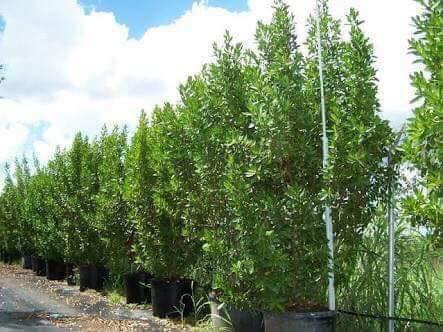
    Buttonwood or Conocarpus erectus is a widespread species of terrestrial mangrove along tropical and subtropical coasts of the Americas and West Africa. It grows as a shrub or small tree on the coastal mainland and on islands of a variety of sizes. It has two varieties "silver" and "green", having highly pubescent and nearly glabrous leaves, respectively. This species is widely distributed in coastal communities in tropical America and West Africa. It can be found throughout Florida and to the Bahamas and West Indies south to Brazil. In the Eastern Pacific, it is present in Mexico through Central America to Ecuador and the Galapagos. It is also found in West Africa. It was introduced in Hawaii, Kuwait, Dubai and Saudi Arabia.

    In Pakistan it was first introduced by the Former Mayor of Karachi Syed Mustafa Kamal who planted around 2.2 million Conocarpus plants almost everywhere in Karachi. This has dramatically transformed the city landscape and provided a thick shadow to the humans and animals. These plant also playing role in reducing carbon imprint by absorbing city’s ever increasing CO2 and producing the oxygen. In addition, It gives another life to the desert looking parks and concrete jungles. Because of its tendency to grow in harsh soil with presence of saline ground waters, this plant has become the most favorite tree of this city. When it was first imported to Karachi the price was around Rs.15000-25000/plant, however when local nurseries started propagating them due huge demand from the citizens and the government, prices were decreased to Rs.15-25/plant. As I already mentioned that this is a tropical plant, which belongs to the mangrove family, Karachi’s soil provided this plant a favorable environment to grow and flourish here. It’s physiology is not much different from our local trees like Neem, Ficus, Lignum, Flamboyant, Moringa, Eucalyptus, Amaltas, Imlee and so on. It is continuously purifying Karachi’s air pollution for years and reducing the salinity of ground waters as well. In the western world this tree also has economic value for its hard wood which is used in making furniture, charcoal manufacturing and medicinal uses.

    Since, few days there are rumors about this innocent tree, that it is causing allergy and asthma in Karachi’s population. Even on a private news channel, reporter has made such a foolish reporting against Conocorpus.

    A research study published by University of Karachi and The Aga Khan University in 2015, the Conocorpus was not even in the list of allergy causing plants. Another Research from University of Lahore, has reported that this tree has both antibacterial as well as antifungal properties. Even if you search “top 100 allergic plant in the world” on the Google, surprisingly Conocorpus is not there!

    The Globally recognized American research organization “National Center for Biotechnology Information”(https://www.ncbi.nlm.nih.gov/), which is authority for “ANY NEW MEDICAL DEVELOPMENT/RESEARCH” does not have any evidence for allergy caused by the Conocorpus.

    “Till now there is no such case reported for its harmful effect in Human as well as animals from anywhere in the world.”

    Instead of removing Conocorpus, Karachi needs another 2.2 million trees of other native varieties in its soil. Karachi’s climate favors majority of plants than any other city of Pakistan because of its soft sandy soil, moderate weather and high humidity levels.

    The paid “Timber Mafia” has now eyes on the 2.2 million Conocorpus trees for its precious wood and want to fill their every bottomless pocket like they did with Karachi’s Giant Eucalyptus trees.

    It’s time to re-think about this tree because every rumor is not TRUE…!

    Research By,

    Zia Mujahid

    Member Pakistan Bonsai Society

    Contact: +92-3417679089

    https://www.facebook.com/XiaMujahid.aNeX

    References:

    https://npgsweb.ars-grin.gov/gringlobal/taxonomydetail.aspx?11263

    https://ecommons.aku.edu/cgi/viewcontent.cgi?referer=https://www.google.com.pk/&httpsredir=1&article=1328&context=pakistan_fhs_mc_med_med
    https://www.researchgate.net/publication/263241536_ANTIBACTERIAL_AND_ANTIFUNGAL_ACTIVITY_OF_CONOCARPUS_LANCIFOLIUS_ENGL_COMBRETACEAE_Corresponding_Author

    http://tropical.theferns.info/viewtropical.php?id=Conocarpus+erectus

    http://eol.org/pages/582725/details
    The Conocorpus, A “Threat” or “Rumor” Buttonwood or Conocarpus erectus is a widespread species of terrestrial mangrove along tropical and subtropical coasts of the Americas and West Africa. It grows as a shrub or small tree on the coastal mainland and on islands of a variety of sizes. It has two varieties "silver" and "green", having highly pubescent and nearly glabrous leaves, respectively. This species is widely distributed in coastal communities in tropical America and West Africa. It can be found throughout Florida and to the Bahamas and West Indies south to Brazil. In the Eastern Pacific, it is present in Mexico through Central America to Ecuador and the Galapagos. It is also found in West Africa. It was introduced in Hawaii, Kuwait, Dubai and Saudi Arabia. In Pakistan it was first introduced by the Former Mayor of Karachi Syed Mustafa Kamal who planted around 2.2 million Conocarpus plants almost everywhere in Karachi. This has dramatically transformed the city landscape and provided a thick shadow to the humans and animals. These plant also playing role in reducing carbon imprint by absorbing city’s ever increasing CO2 and producing the oxygen. In addition, It gives another life to the desert looking parks and concrete jungles. Because of its tendency to grow in harsh soil with presence of saline ground waters, this plant has become the most favorite tree of this city. When it was first imported to Karachi the price was around Rs.15000-25000/plant, however when local nurseries started propagating them due huge demand from the citizens and the government, prices were decreased to Rs.15-25/plant. As I already mentioned that this is a tropical plant, which belongs to the mangrove family, Karachi’s soil provided this plant a favorable environment to grow and flourish here. It’s physiology is not much different from our local trees like Neem, Ficus, Lignum, Flamboyant, Moringa, Eucalyptus, Amaltas, Imlee and so on. It is continuously purifying Karachi’s air pollution for years and reducing the salinity of ground waters as well. In the western world this tree also has economic value for its hard wood which is used in making furniture, charcoal manufacturing and medicinal uses. Since, few days there are rumors about this innocent tree, that it is causing allergy and asthma in Karachi’s population. Even on a private news channel, reporter has made such a foolish reporting against Conocorpus. A research study published by University of Karachi and The Aga Khan University in 2015, the Conocorpus was not even in the list of allergy causing plants. Another Research from University of Lahore, has reported that this tree has both antibacterial as well as antifungal properties. Even if you search “top 100 allergic plant in the world” on the Google, surprisingly Conocorpus is not there! The Globally recognized American research organization “National Center for Biotechnology Information”(https://www.ncbi.nlm.nih.gov/), which is authority for “ANY NEW MEDICAL DEVELOPMENT/RESEARCH” does not have any evidence for allergy caused by the Conocorpus. “Till now there is no such case reported for its harmful effect in Human as well as animals from anywhere in the world.” Instead of removing Conocorpus, Karachi needs another 2.2 million trees of other native varieties in its soil. Karachi’s climate favors majority of plants than any other city of Pakistan because of its soft sandy soil, moderate weather and high humidity levels. The paid “Timber Mafia” has now eyes on the 2.2 million Conocorpus trees for its precious wood and want to fill their every bottomless pocket like they did with Karachi’s Giant Eucalyptus trees. It’s time to re-think about this tree because every rumor is not TRUE…! Research By, Zia Mujahid Member Pakistan Bonsai Society Contact: +92-3417679089 https://www.facebook.com/XiaMujahid.aNeX References: https://npgsweb.ars-grin.gov/gringlobal/taxonomydetail.aspx?11263 https://ecommons.aku.edu/cgi/viewcontent.cgi?referer=https://www.google.com.pk/&httpsredir=1&article=1328&context=pakistan_fhs_mc_med_med https://www.researchgate.net/publication/263241536_ANTIBACTERIAL_AND_ANTIFUNGAL_ACTIVITY_OF_CONOCARPUS_LANCIFOLIUS_ENGL_COMBRETACEAE_Corresponding_Author http://tropical.theferns.info/viewtropical.php?id=Conocarpus+erectus http://eol.org/pages/582725/details
    0 Reacties 0 aandelen 855 Views
  • Do you believe in Rumors ? #Rumors
    Do you believe in Rumors ? #Rumors
    0 Reacties 0 aandelen 43 Views
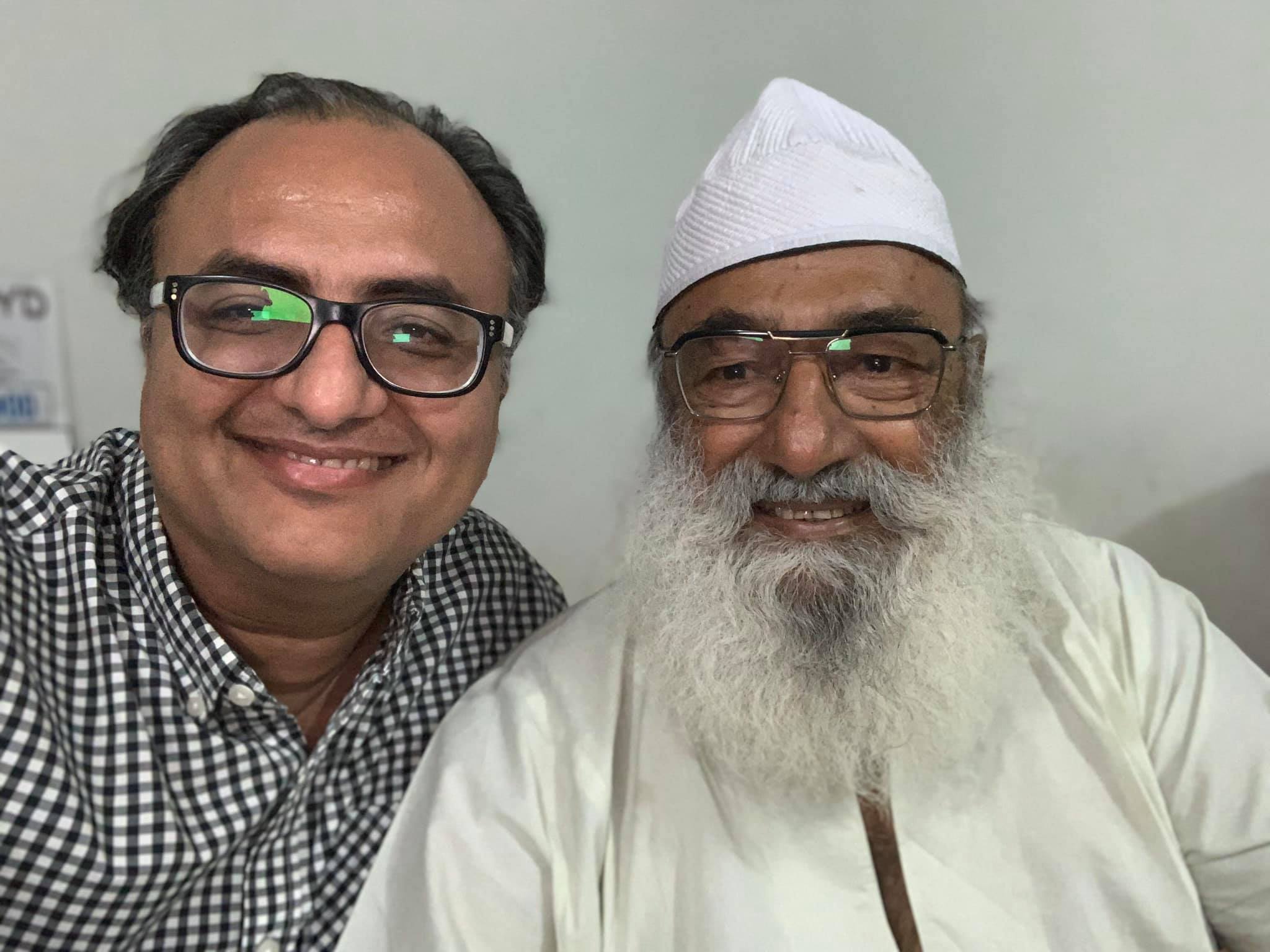
  • This is Mian Mitha ! An ex MNA 2 time’s and very infamous person in the world with allegations from all over the world on forced conversion to Islam by many !

    I spent 6 hours with him yesterday and recorded a Documentry about his life, allegations and his point of view !

    I am very sad that he claims no one ever came to have and asked him questions, but everyone blames him for the rumors around him !

    I will be making a facebook page for him and his son Mian Aslam is available for you to take him live with you !

    He is 80 years plus and very active in the community still and I think he is a very transparent man !

    The so called devil / Shaitan turns out to be very loving and caring man for all community !

    My Documentry includes invite by him to visit Sacho Satram Raharki Sahib temple the largest Hindu temple that I know of in Pakistan which is 10 mins drive from his home !

    He will go with me there in my next trip also to show that he has nothing against any religion !

    He is against anyone who is wanting to force convert anyone !

    Those who claim to hate him and that he is the devil he has politely requested to bring any case proof against him and interview him in person or on facebook

    +92 333 2522223 mian Aslam mian mitha son
    +92 335 6615096 mian mitha

    Plz call and get appointment for interview them on Facebook live or Streamyard

    May their be peace in all hearts of the world !

    Rehan Allahwala
    Founder
    Institute Of Peace

    May we all find courage to talk to people directly, not about them !
    This is Mian Mitha ! An ex MNA 2 time’s and very infamous person in the world 🌍 with allegations from all over the world 🌍 on forced conversion to Islam by many ! I spent 6 hours with him yesterday and recorded a Documentry about his life, allegations and his point of view ! I am very sad that he claims no one ever came to have and asked him questions, but everyone blames him for the rumors around him ! I will be making a facebook page for him and his son Mian Aslam is available for you to take him live with you ! He is 80 years plus and very active in the community still and I think he is a very transparent man ! The so called devil / Shaitan turns out to be very loving and caring man for all community ! My Documentry includes invite by him to visit Sacho Satram Raharki Sahib temple the largest Hindu temple that I know of in Pakistan which is 10 mins drive from his home ! He will go with me there in my next trip also to show that he has nothing against any religion ! He is against anyone who is wanting to force convert anyone ! Those who claim to hate him and that he is the devil he has politely requested to bring any case proof against him and interview him in person or on facebook +92 333 2522223 mian Aslam mian mitha son +92 335 6615096 mian mitha Plz call and get appointment for interview them on Facebook live or Streamyard May their be peace in all hearts of the world ! Rehan Allahwala Founder Institute Of Peace May we all find courage to talk to people directly, not about them !
    0 Reacties 0 aandelen 190 Views
Zoekresultaten