
• Karma Yoga is one of the four main paths of yoga outlined in Hindu philosophy, the others being Bhakti Yoga, Jnana Yoga, and Raja Yoga. It is derived from the Sanskrit word "karma," which means action, and "yoga," which means union or path. Karma Yoga is often referred to as the Yoga of Action or the Yoga of Selfless Service.

    The primary goal of Karma Yoga is to achieve spiritual growth and self-realization by performing selfless actions without attachment to the fruits of ones actions. It teaches that individuals should act according to their dharma (duty) in life, without expecting rewards or recognition. By detaching oneself from the results of ones actions, a Karma Yogi can attain a state of inner peace and spiritual growth, eventually leading to liberation (moksha) from the cycle of birth, death, and rebirth (samsara).

    Karma Yoga is based on the teachings of the ancient Indian scripture, the Bhagavad Gita, which emphasizes the importance of selfless service and the need for individuals to act according to their dharma. Lord Krishna, who is considered an incarnation of the god Vishnu, expounds these teachings to the warrior prince Arjuna in the context of the battlefield, symbolizing the challenges and struggles that one faces in life.

    Practicing Karma Yoga involves:

    Performing ones duty or work with a sense of dedication and selflessness, without expecting rewards or results.
    Offering the fruits of ones actions to a higher power, such as God or the universe.
    Cultivating mindfulness and awareness of ones actions, ensuring they align with ones dharma and the greater good.
    Developing qualities like humility, compassion, and equanimity.
    Karma Yoga can be practiced by anyone, regardless of their profession or occupation. The key is to perform ones duties with a sense of selflessness and detachment from the outcomes, ultimately leading to inner peace and spiritual growth.
    Karma Yoga is one of the four main paths of yoga outlined in Hindu philosophy, the others being Bhakti Yoga, Jnana Yoga, and Raja Yoga. It is derived from the Sanskrit word "karma," which means action, and "yoga," which means union or path. Karma Yoga is often referred to as the Yoga of Action or the Yoga of Selfless Service. The primary goal of Karma Yoga is to achieve spiritual growth and self-realization by performing selfless actions without attachment to the fruits of one's actions. It teaches that individuals should act according to their dharma (duty) in life, without expecting rewards or recognition. By detaching oneself from the results of one's actions, a Karma Yogi can attain a state of inner peace and spiritual growth, eventually leading to liberation (moksha) from the cycle of birth, death, and rebirth (samsara). Karma Yoga is based on the teachings of the ancient Indian scripture, the Bhagavad Gita, which emphasizes the importance of selfless service and the need for individuals to act according to their dharma. Lord Krishna, who is considered an incarnation of the god Vishnu, expounds these teachings to the warrior prince Arjuna in the context of the battlefield, symbolizing the challenges and struggles that one faces in life. Practicing Karma Yoga involves: Performing one's duty or work with a sense of dedication and selflessness, without expecting rewards or results. Offering the fruits of one's actions to a higher power, such as God or the universe. Cultivating mindfulness and awareness of one's actions, ensuring they align with one's dharma and the greater good. Developing qualities like humility, compassion, and equanimity. Karma Yoga can be practiced by anyone, regardless of their profession or occupation. The key is to perform one's duties with a sense of selflessness and detachment from the outcomes, ultimately leading to inner peace and spiritual growth.
    0 Commentarii 0 Distribuiri 1653 Views
  • Once upon a time, in the early days of the United States, there lived a man named John Chapman, better known as Johnny Appleseed. Johnny had a deep passion for nature and a desire to share its bounties with others.

    He wandered across the countryside, planting apple seeds wherever he went. With each seed he carefully placed in the fertile soil, he nurtured hope and possibility. Johnny understood that lifes true joy lay not in the fruits of his labor but in the act of planting itself.

    He believed that by sowing the seeds of goodness and selflessness, one could transform the world around them. Just as he tended to his apple trees, Johnny cared for the well-being of those he encountered. His actions spoke volumes, showing that true fulfillment comes from embracing ones duties with sincerity and dedication.

    With unwavering commitment, Johnny Appleseed spread not only apple orchards but also kindness, compassion, and the spirit of giving. People were touched by his humble presence and the generosity he embodied. He inspired them to cultivate their own gardens of benevolence, making the world a better place.

    Johnnys story teaches us that when we focus on selflessly fulfilling our responsibilities, without getting caught up in the outcomes, we can sow seeds of positive change. Just as an apple tree blossoms and bears fruit, our actions can bear results beyond our imagination.

    So let us, like Johnny Appleseed, strive to plant the seeds of goodness in our daily lives, nurturing them with love and care. By doing so, we can create a more compassionate and harmonious world for ourselves and future generations, guided by the wisdom that true fulfillment lies in the act of giving rather than solely pursuing the fruits of our labor.
    Once upon a time, in the early days of the United States, there lived a man named John Chapman, better known as Johnny Appleseed. Johnny had a deep passion for nature and a desire to share its bounties with others. He wandered across the countryside, planting apple seeds wherever he went. With each seed he carefully placed in the fertile soil, he nurtured hope and possibility. Johnny understood that life's true joy lay not in the fruits of his labor but in the act of planting itself. He believed that by sowing the seeds of goodness and selflessness, one could transform the world around them. Just as he tended to his apple trees, Johnny cared for the well-being of those he encountered. His actions spoke volumes, showing that true fulfillment comes from embracing one's duties with sincerity and dedication. With unwavering commitment, Johnny Appleseed spread not only apple orchards but also kindness, compassion, and the spirit of giving. People were touched by his humble presence and the generosity he embodied. He inspired them to cultivate their own gardens of benevolence, making the world a better place. Johnny's story teaches us that when we focus on selflessly fulfilling our responsibilities, without getting caught up in the outcomes, we can sow seeds of positive change. Just as an apple tree blossoms and bears fruit, our actions can bear results beyond our imagination. So let us, like Johnny Appleseed, strive to plant the seeds of goodness in our daily lives, nurturing them with love and care. By doing so, we can create a more compassionate and harmonious world for ourselves and future generations, guided by the wisdom that true fulfillment lies in the act of giving rather than solely pursuing the fruits of our labor.
    0 Commentarii 0 Distribuiri 939 Views
  • Teachings on Selflessness from Various Religions:

    **Islam**:
    *"And say, Do [as you will], for Allah will see your deeds, and [so will] His Messenger and the believers..."* (Quran 9:105)

    **Bhagavad Gita**:
    *"You have the right to perform your prescribed duties, but you are not entitled to the fruits of your actions."* (Gita 2:47)

    **Bible**:
    *"But when you give to the needy, do not let your left hand know what your right hand is doing..."* (Matthew 6:3-4)

    **Torah (Judaism)**:
    *"Do not be like servants who serve their master for the sake of receiving a reward..."* (Pirkei Avot 1:3)

    **Tao Te Ching (Taoism)**:
    *"Act without expectation."* (Chapter 2)

    **Dhammapada (Buddhism)**:
    *"The wise man is one who, when doing something good, does not seek self-praise."* (Dhammapada 76)

    We should perform our actions with sincerity and without seeking rewards or recognition.

    #Selflessness #Religion #Spirituality #BhagavadGita #Bible #Torah #TaoTeChing #Dhammapada
    Teachings on Selflessness from Various Religions: **Islam**: *"And say, 'Do [as you will], for Allah will see your deeds, and [so will] His Messenger and the believers...'"* (Quran 9:105) **Bhagavad Gita**: *"You have the right to perform your prescribed duties, but you are not entitled to the fruits of your actions."* (Gita 2:47) **Bible**: *"But when you give to the needy, do not let your left hand know what your right hand is doing..."* (Matthew 6:3-4) **Torah (Judaism)**: *"Do not be like servants who serve their master for the sake of receiving a reward..."* (Pirkei Avot 1:3) **Tao Te Ching (Taoism)**: *"Act without expectation."* (Chapter 2) **Dhammapada (Buddhism)**: *"The wise man is one who, when doing something good, does not seek self-praise."* (Dhammapada 76) We should perform our actions with sincerity and without seeking rewards or recognition. 🌸 #Selflessness #Religion #Spirituality #BhagavadGita #Bible #Torah #TaoTeChing #Dhammapada
    0 Commentarii 0 Distribuiri 1540 Views
  • Teachings on Selflessness from Various Religions:

    **Islam**:
    *"And say, Do [as you will], for Allah will see your deeds, and [so will] His Messenger and the believers..."* (Quran 9:105)

    **Bhagavad Gita**:
    *"You have the right to perform your prescribed duties, but you are not entitled to the fruits of your actions."* (Gita 2:47)

    **Bible**:
    *"But when you give to the needy, do not let your left hand know what your right hand is doing..."* (Matthew 6:3-4)

    **Torah (Judaism)**:
    *"Do not be like servants who serve their master for the sake of receiving a reward..."* (Pirkei Avot 1:3)

    **Tao Te Ching (Taoism)**:
    *"Act without expectation."* (Chapter 2)

    **Dhammapada (Buddhism)**:
    *"The wise man is one who, when doing something good, does not seek self-praise."* (Dhammapada 76)

    We should perform our actions with sincerity and without seeking rewards or recognition.

    #Selflessness #Religion #Spirituality #BhagavadGita #Bible #Torah #TaoTeChing #Dhammapada
    Teachings on Selflessness from Various Religions: **Islam**: *"And say, 'Do [as you will], for Allah will see your deeds, and [so will] His Messenger and the believers...'"* (Quran 9:105) **Bhagavad Gita**: *"You have the right to perform your prescribed duties, but you are not entitled to the fruits of your actions."* (Gita 2:47) **Bible**: *"But when you give to the needy, do not let your left hand know what your right hand is doing..."* (Matthew 6:3-4) **Torah (Judaism)**: *"Do not be like servants who serve their master for the sake of receiving a reward..."* (Pirkei Avot 1:3) **Tao Te Ching (Taoism)**: *"Act without expectation."* (Chapter 2) **Dhammapada (Buddhism)**: *"The wise man is one who, when doing something good, does not seek self-praise."* (Dhammapada 76) We should perform our actions with sincerity and without seeking rewards or recognition. 🌸 #Selflessness #Religion #Spirituality #BhagavadGita #Bible #Torah #TaoTeChing #Dhammapada
    0 Commentarii 0 Distribuiri 1472 Views
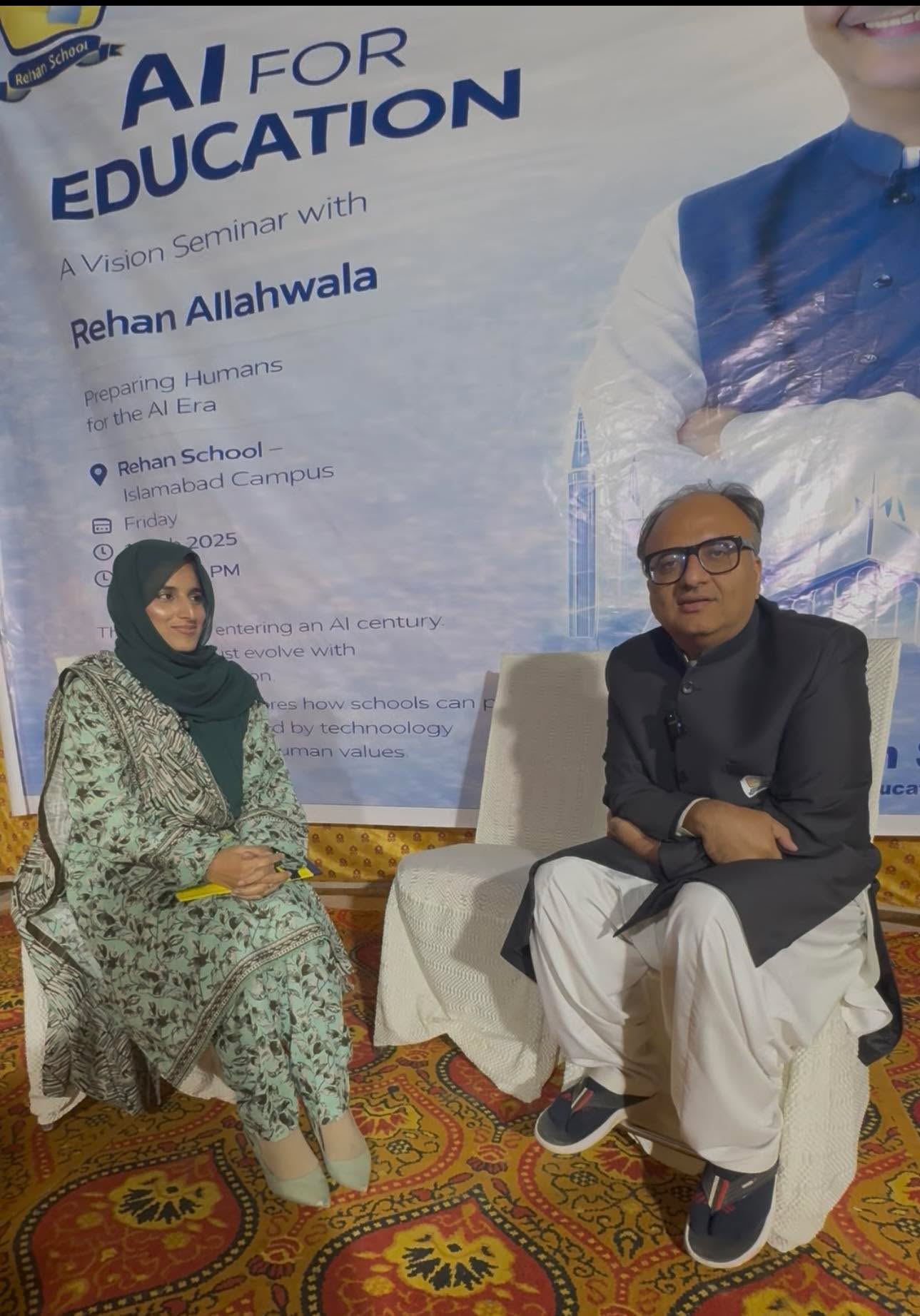
  • AI for Education — ایک ایسا دن جو سوچ بدل گیا

    کل “AI for Education” سیمینار میں شرکت کا موقع ملا، جس کی قیادت کر رہے تھے
    Rehan Allahwala —
    ایک عالمی سطح پر جانے پہچانے، باوقار اور AI کے میدان کے لیجنڈری مینٹر۔

    یہ میرے اور میرے خاندان کے لیے ایک بھرپور سیکھنے کا تجربہ تھا۔
    پنجاب کے مختلف شہروں، حتیٰ کہ دور دراز علاقوں سے لوگ آئے ہوئے تھے۔
    ماحول متنوع، پُرجوش اور بامقصد تھا۔

    صرف رسمی لیکچر نہیں تھا —
    بلکہ:

    کھلی گفتگو
    سروسز اور بزنس تعارف
    آئیڈیاز کا تبادلہ
    سنجیدہ مگر دوستانہ ماحول

    سب سے خوبصورت بات یہ لگی کہ لوگ بغیر انا، بغیر جھجک، بغیر غیر ضروری رویے کے ایک دوسرے سے مل رہے تھے۔ مختلف پس منظر رکھنے والے افراد ایک مہذب اور ہم آہنگ ماحول میں جُڑ رہے تھے۔

    اصل پیغام کیا تھا؟

    جدید دور تیزی سے بدل رہا ہے۔
    سسٹمز متروک ہو سکتے ہیں۔
    یہاں تک کہ AI بھی ہمیشہ کے لیے نہیں۔

    اصل ہدف یہ نہیں کہ کیا سیکھنا ہے
    بلکہ یہ کہ سیکھنا کیسے ہے۔

    یہ نقطہ میرے لیے سب سے طاقتور تھا۔
    یوں لگا جیسے فہم کی نئی پرتیں کھل گئیں ہوں۔

    ایک اور مشاہدہ

    کچھ شرکاء گہری بات کو مکمل طور پر سمجھ نہ سکے۔
    سوالات میں ابہام بھی تھا۔
    ایسے لمحات میں ریحان صاحب کا انداز سنجیدہ اور فکر مند محسوس ہوا۔

    ان کا نظم و ضبط سخت تھا۔
    دیر سے آنے والوں یا غیر رجسٹرڈ افراد کو شامل ہونے سے روکا گیا۔
    لہجہ بعض اوقات سخت بھی محسوس ہوا —
    مگر مقصد سنجیدگی اور معیار کو برقرار رکھنا تھا۔

    اور دلچسپ بات؟

    سیشن کے بعد وہ بالکل مختلف نظر آئے —
    پُرسکون، نرم، توجہ سے سننے والے، صبر سے سمجھانے والے،
    اور یہ کہنے والے کہ وہ خود بھی سیکھ رہے ہیں۔

    یہ تضاد نہیں تھا —
    یہ لیڈرشپ کی دو جہتیں تھیں۔

    خصوصی شکریہ
    Asma EducationWali
    جنہوں نے اس مفید سیمینار کا اہتمام کیا۔

    یہ میرا مختصر اور دیانتدارانہ تاثر ہے۔

    — Education by Sobia

    Yesterday, I was honored to attend the seminar “AI for Education” by the globally known, pleasant personality and legendary mentor in AI, Rehan Allahwala.
    It was a truly enriching learning experience for me and my family.
    People had come from across Punjab, many of them from remote areas. The environment was vibrant and diverse. We all learned a great deal and absorbed many subtle yet meaningful insights. Beyond the formal session, there was healthy socialization, exchange of ideas, services, business introductions, and thoughtful conversations. What I appreciated most was that people interacted openly — without social anxiety, ego, or unnecessary attitude. Individuals from different backgrounds connected in a congenial and respectful atmosphere.
    Listening to Rehan Sahib was, of course, the most inspiring part. His dedication, selflessness, hard work, clarity of explanation, and persuasive articulation of ideas were impactful. He spoke about the rapidly evolving modern era — how the world is changing, how systems may become obsolete, and how even AI itself may not remain permanent. He described this as a strange and uncertain time, especially for visionary and future-oriented thinkers, because we are still largely unclear about what the future truly holds.
    The core message I understood was that we are trying to teach people how to learn rather than simply what to learn. Personally, after listening carefully, I felt that new shades of understanding were added to my perspective.
    At the same time, it seemed that only a limited number of participants fully grasped the deeper principles being discussed. Some questions reflected confusion, and at moments Rehan Sir appeared thoughtful and slightly concerned while addressing them.
    During the session, his management style felt quite strict and firm. Late arrivals, casual approaches, or unregistered participants were directly asked not to join. His tone at times was intense and corrective. While it may have appeared harsh to some, it seemed intended to maintain seriousness and discipline in the session.
    Interestingly, after the session, his personality appeared entirely different — calm, approachable, caring, and generous with his time. He listened attentively, explained patiently, and even expressed that he continues to learn from others. That contrast was meaningful to observe.
    Thank you to Asma Education Wali for arranging this valuable seminar.
    This is my short and honest review of the experience.

    Educationby Sobia
    🌟 AI for Education — ایک ایسا دن جو سوچ بدل گیا 🌟 کل “AI for Education” سیمینار میں شرکت کا موقع ملا، جس کی قیادت کر رہے تھے Rehan Allahwala — ایک عالمی سطح پر جانے پہچانے، باوقار اور AI کے میدان کے لیجنڈری مینٹر۔ یہ میرے اور میرے خاندان کے لیے ایک بھرپور سیکھنے کا تجربہ تھا۔ پنجاب کے مختلف شہروں، حتیٰ کہ دور دراز علاقوں سے لوگ آئے ہوئے تھے۔ ماحول متنوع، پُرجوش اور بامقصد تھا۔ صرف رسمی لیکچر نہیں تھا — بلکہ: 🤝 کھلی گفتگو 💼 سروسز اور بزنس تعارف 💡 آئیڈیاز کا تبادلہ 🧠 سنجیدہ مگر دوستانہ ماحول سب سے خوبصورت بات یہ لگی کہ لوگ بغیر انا، بغیر جھجک، بغیر غیر ضروری رویے کے ایک دوسرے سے مل رہے تھے۔ مختلف پس منظر رکھنے والے افراد ایک مہذب اور ہم آہنگ ماحول میں جُڑ رہے تھے۔ اصل پیغام کیا تھا؟ جدید دور تیزی سے بدل رہا ہے۔ سسٹمز متروک ہو سکتے ہیں۔ یہاں تک کہ AI بھی ہمیشہ کے لیے نہیں۔ اصل ہدف یہ نہیں کہ کیا سیکھنا ہے بلکہ یہ کہ سیکھنا کیسے ہے۔ یہ نقطہ میرے لیے سب سے طاقتور تھا۔ یوں لگا جیسے فہم کی نئی پرتیں کھل گئیں ہوں۔ ایک اور مشاہدہ کچھ شرکاء گہری بات کو مکمل طور پر سمجھ نہ سکے۔ سوالات میں ابہام بھی تھا۔ ایسے لمحات میں ریحان صاحب کا انداز سنجیدہ اور فکر مند محسوس ہوا۔ ان کا نظم و ضبط سخت تھا۔ دیر سے آنے والوں یا غیر رجسٹرڈ افراد کو شامل ہونے سے روکا گیا۔ لہجہ بعض اوقات سخت بھی محسوس ہوا — مگر مقصد سنجیدگی اور معیار کو برقرار رکھنا تھا۔ اور دلچسپ بات؟ سیشن کے بعد وہ بالکل مختلف نظر آئے — پُرسکون، نرم، توجہ سے سننے والے، صبر سے سمجھانے والے، اور یہ کہنے والے کہ وہ خود بھی سیکھ رہے ہیں۔ یہ تضاد نہیں تھا — یہ لیڈرشپ کی دو جہتیں تھیں۔ خصوصی شکریہ Asma EducationWali جنہوں نے اس مفید سیمینار کا اہتمام کیا۔ یہ میرا مختصر اور دیانتدارانہ تاثر ہے۔ — Education by Sobia Yesterday, I was honored to attend the seminar “AI for Education” by the globally known, pleasant personality and legendary mentor in AI, Rehan Allahwala. It was a truly enriching learning experience for me and my family. People had come from across Punjab, many of them from remote areas. The environment was vibrant and diverse. We all learned a great deal and absorbed many subtle yet meaningful insights. Beyond the formal session, there was healthy socialization, exchange of ideas, services, business introductions, and thoughtful conversations. What I appreciated most was that people interacted openly — without social anxiety, ego, or unnecessary attitude. Individuals from different backgrounds connected in a congenial and respectful atmosphere. Listening to Rehan Sahib was, of course, the most inspiring part. His dedication, selflessness, hard work, clarity of explanation, and persuasive articulation of ideas were impactful. He spoke about the rapidly evolving modern era — how the world is changing, how systems may become obsolete, and how even AI itself may not remain permanent. He described this as a strange and uncertain time, especially for visionary and future-oriented thinkers, because we are still largely unclear about what the future truly holds. The core message I understood was that we are trying to teach people how to learn rather than simply what to learn. Personally, after listening carefully, I felt that new shades of understanding were added to my perspective. At the same time, it seemed that only a limited number of participants fully grasped the deeper principles being discussed. Some questions reflected confusion, and at moments Rehan Sir appeared thoughtful and slightly concerned while addressing them. During the session, his management style felt quite strict and firm. Late arrivals, casual approaches, or unregistered participants were directly asked not to join. His tone at times was intense and corrective. While it may have appeared harsh to some, it seemed intended to maintain seriousness and discipline in the session. Interestingly, after the session, his personality appeared entirely different — calm, approachable, caring, and generous with his time. He listened attentively, explained patiently, and even expressed that he continues to learn from others. That contrast was meaningful to observe. Thank you to Asma Education Wali for arranging this valuable seminar. This is my short and honest review of the experience. Educationby Sobia
    0 Commentarii 0 Distribuiri 446 Views
  • Story Post 5

    Title: The Lighthouse KeeperIn.

    a small coastal village, there was a lighthouse, tall and steadfast, guiding ships safely to shore. The lighthouse keeper, Mr. Harris, was a diligent man who took great pride in his work.

    Each night, he would climb to the top of the lighthouse to ensure the light shone brightly, protecting sailors from the treacherous rocks below.One stormy night, a ship was caught in a fierce tempest, struggling against the roaring waves. Inside the lighthouse,

    Mr. Harris was ready to light the lamp, but he realized he had run out of oil. Desperate, he remembered an old lamp at his home, filled with just enough oil to last the night.Battling the howling wind and rain, Mr. Harris raced home, retrieved the lamp, and rushed back to the lighthouse.

    He poured the oil into the beacon, and the light burst forth, piercing the darkness. The ship at sea, seeing the light, navigated safely to the harbor.The next morning, the village celebrated Mr. Harris's bravery.

    But he simply said, "I just did what needed to be done. It's our duty to help others when we can, even if it means going out of our comfort zone."Lesson:The story of Mr. Harris and the lighthouse teaches us the importance of responsibility and selflessness.

    It shows that sometimes, we need to make sacrifices and take action beyond our usual scope to help those in need. Mr. Harris's commitment to his duty not only saved the ship but also exemplified the impact one individual can have by doing what's right, even in challenging circumstances.

    Imran Leadershipwala
    Samra Mukhtar ItWali
    Story Post 5 Title: The Lighthouse KeeperIn. a small coastal village, there was a lighthouse, tall and steadfast, guiding ships safely to shore. The lighthouse keeper, Mr. Harris, was a diligent man who took great pride in his work. Each night, he would climb to the top of the lighthouse to ensure the light shone brightly, protecting sailors from the treacherous rocks below.One stormy night, a ship was caught in a fierce tempest, struggling against the roaring waves. Inside the lighthouse, Mr. Harris was ready to light the lamp, but he realized he had run out of oil. Desperate, he remembered an old lamp at his home, filled with just enough oil to last the night.Battling the howling wind and rain, Mr. Harris raced home, retrieved the lamp, and rushed back to the lighthouse. He poured the oil into the beacon, and the light burst forth, piercing the darkness. The ship at sea, seeing the light, navigated safely to the harbor.The next morning, the village celebrated Mr. Harris's bravery. But he simply said, "I just did what needed to be done. It's our duty to help others when we can, even if it means going out of our comfort zone."Lesson:The story of Mr. Harris and the lighthouse teaches us the importance of responsibility and selflessness. It shows that sometimes, we need to make sacrifices and take action beyond our usual scope to help those in need. Mr. Harris's commitment to his duty not only saved the ship but also exemplified the impact one individual can have by doing what's right, even in challenging circumstances. Imran Leadershipwala Samra Mukhtar ItWali
    0 Commentarii 0 Distribuiri 455 Views
  • **The Unseen Strength**

    In a village surrounded by tall mountains, there lived a young girl named Amina. She was known for her kindness and her quiet nature, but people often underestimated her because she never boasted about her abilities. She spent her days helping her neighbors, lifting heavy baskets, and making sure everyone had what they needed, yet she never asked for anything in return.

    One winter, a terrible snowstorm hit the village, blocking roads and trapping many people inside their homes. The villagers were struggling to survive without food and warmth. Amina, despite being small and delicate, took it upon herself to gather supplies from the mountain and bring them back to the village.

    She walked through the deep snow, carrying heavy sacks of food, and made multiple trips to ensure no one was left without help. Her actions saved many lives, and the villagers soon realized that her true strength was in her selflessness, not her physical power.

    **نظر نہ آنے والی طاقت**

    ایک گاؤں تھا جو بلند پہاڑوں سے گھرا ہوا تھا، جہاں ایک نوجوان لڑکی آمنہ رہتی تھی۔ وہ اپنی مہربانی اور خاموش طبیعت کی وجہ سے جانی جاتی تھی، لیکن لوگ اکثر اس کی صلاحیتوں کو نظرانداز کر دیتے تھے کیونکہ وہ اپنی صلاحیتوں کا شور نہیں مچاتی تھی۔ وہ اپنے دن اپنے ہمسایوں کی مدد کرتے ہوئے گزارتا، بھاری ٹوکریاں اُٹھاتی اور یہ یقینی بناتی کہ سب کو ان کی ضرورت کی چیز مل جائے، لیکن وہ کبھی بھی کچھ واپس نہیں مانگتی تھی۔

    ایک سردی کے موسم میں، ایک شدید برفانی طوفان نے گاؤں کو جکڑ لیا، سڑکیں بند ہو گئیں اور کئی لوگ اپنے گھروں میں پھنس گئے۔ گاؤں والے کھانے اور حرارت کے بغیر جدوجہد کر رہے تھے۔ آمنہ، جو کہ چھوٹی اور نازک تھی، نے خود پر ذمہ داری لی کہ وہ پہاڑ سے راشن جمع کرے اور گاؤں واپس لے آئے۔

    اس نے گہرے برف میں چلتے ہوئے، بھاری بیگوں میں کھانا اٹھایا اور بار بار سفر کیا تاکہ یہ یقینی بن سکے کہ کوئی بھی مدد کے بغیر نہ رہے۔ اس کے کام نے بہت ساری زندگیاں بچائیں، اور گاؤں والوں نے جلد ہی یہ سمجھا کہ اس کی اصل طاقت اس کی بے غرضی میں تھی، نہ کہ اس کی جسمانی طاقت میں۔

    Student: Rehan School
    School: Level One.Five
    Story Post Number: 141
    Roll Number: 157
    **The Unseen Strength** In a village surrounded by tall mountains, there lived a young girl named Amina. She was known for her kindness and her quiet nature, but people often underestimated her because she never boasted about her abilities. She spent her days helping her neighbors, lifting heavy baskets, and making sure everyone had what they needed, yet she never asked for anything in return. One winter, a terrible snowstorm hit the village, blocking roads and trapping many people inside their homes. The villagers were struggling to survive without food and warmth. Amina, despite being small and delicate, took it upon herself to gather supplies from the mountain and bring them back to the village. She walked through the deep snow, carrying heavy sacks of food, and made multiple trips to ensure no one was left without help. Her actions saved many lives, and the villagers soon realized that her true strength was in her selflessness, not her physical power. **نظر نہ آنے والی طاقت** ایک گاؤں تھا جو بلند پہاڑوں سے گھرا ہوا تھا، جہاں ایک نوجوان لڑکی آمنہ رہتی تھی۔ وہ اپنی مہربانی اور خاموش طبیعت کی وجہ سے جانی جاتی تھی، لیکن لوگ اکثر اس کی صلاحیتوں کو نظرانداز کر دیتے تھے کیونکہ وہ اپنی صلاحیتوں کا شور نہیں مچاتی تھی۔ وہ اپنے دن اپنے ہمسایوں کی مدد کرتے ہوئے گزارتا، بھاری ٹوکریاں اُٹھاتی اور یہ یقینی بناتی کہ سب کو ان کی ضرورت کی چیز مل جائے، لیکن وہ کبھی بھی کچھ واپس نہیں مانگتی تھی۔ ایک سردی کے موسم میں، ایک شدید برفانی طوفان نے گاؤں کو جکڑ لیا، سڑکیں بند ہو گئیں اور کئی لوگ اپنے گھروں میں پھنس گئے۔ گاؤں والے کھانے اور حرارت کے بغیر جدوجہد کر رہے تھے۔ آمنہ، جو کہ چھوٹی اور نازک تھی، نے خود پر ذمہ داری لی کہ وہ پہاڑ سے راشن جمع کرے اور گاؤں واپس لے آئے۔ اس نے گہرے برف میں چلتے ہوئے، بھاری بیگوں میں کھانا اٹھایا اور بار بار سفر کیا تاکہ یہ یقینی بن سکے کہ کوئی بھی مدد کے بغیر نہ رہے۔ اس کے کام نے بہت ساری زندگیاں بچائیں، اور گاؤں والوں نے جلد ہی یہ سمجھا کہ اس کی اصل طاقت اس کی بے غرضی میں تھی، نہ کہ اس کی جسمانی طاقت میں۔ Student: Rehan School School: Level One.Five Story Post Number: 141 Roll Number: 157
    0 Commentarii 0 Distribuiri 467 Views