• Ahluwalia Name Meaning
    Indian (Panjab): Sikh name derived from a place name Ahlu + -walia, a Panjabi adjectival suffix. According to Ibbetson (1916), Ahlu is the name of a village near Lahore which was founded by Sada Singh Kalal, a man of the Kalal community. The hereditary occupation of the Kalals was the manufacture of liquors (Sanskrit kalyapala ‘distiller of spirituous liquors’), but when that trade was subjected to government regulation in the 19th century, they mostly took to commerce. The title Ahluwalia ‘one from Ahlu’ was first taken by Sada Singh’s descendant, Jassa Singh, who is said to have been the most powerful and influential chief that the Sikhs ever had till the rise of Ranjit Singh. The Ahluwalias ruled in Kapurthala, a district in the Panjab which was once a small princely state. The family name Ahluwalia is now found not only among the descendants of Jassa Singh but also among many others who adopted it later.

    Source: Dictionary of American Family Names ©2013, Oxford University Press
    Ahluwalia Name Meaning Indian (Panjab): Sikh name derived from a place name Ahlu + -walia, a Panjabi adjectival suffix. According to Ibbetson (1916), Ahlu is the name of a village near Lahore which was founded by Sada Singh Kalal, a man of the Kalal community. The hereditary occupation of the Kalals was the manufacture of liquors (Sanskrit kalyapala ‘distiller of spirituous liquors’), but when that trade was subjected to government regulation in the 19th century, they mostly took to commerce. The title Ahluwalia ‘one from Ahlu’ was first taken by Sada Singh’s descendant, Jassa Singh, who is said to have been the most powerful and influential chief that the Sikhs ever had till the rise of Ranjit Singh. The Ahluwalias ruled in Kapurthala, a district in the Panjab which was once a small princely state. The family name Ahluwalia is now found not only among the descendants of Jassa Singh but also among many others who adopted it later. Source: Dictionary of American Family Names ©2013, Oxford University Press
    0 Σχόλια 0 Μοιράστηκε 407 Views
  • The concept of renunciation, asceticism, or monasticism exists in various forms and under different names in different religious and spiritual traditions around the world. Here are some examples:

    1. **Christianity**:
    - **Monasticism:** In Christianity, monasticism is the practice of individuals living in religious communities, often in monasteries or convents, where they take vows of poverty, chastity, and obedience. Monks and nuns are common terms for male and female monastics.

    2. **Buddhism**:
    - **Bhikkhu (Monk) and Bhikkhuni (Nun):** In Buddhism, individuals who renounce worldly life and join a monastic order are referred to as bhikkhus (monks) and bhikkhunis (nuns). They follow the Vinaya, a set of rules governing monastic conduct.

    3. **Islam**:
    - **Sufism:** Within Islam, Sufism is a mystical and ascetic branch that emphasizes spiritual closeness to God. Some Sufis may lead a monastic-like life of seclusion and devotion.

    4. **Judaism**:
    - **Essenes:** The Essenes were a Jewish sect in the Second Temple period known for their ascetic and communal lifestyle.

    5. **Sikhism**:
    - **Khalsa:** In Sikhism, the Khalsa is a community of initiated Sikhs who adhere to a code of conduct that includes renunciation of certain worldly practices and a commitment to living a disciplined and spiritual life.

    6. **Taoism**:
    - **Daoist Monasticism:** Taoist monasticism involves individuals living a simple, contemplative life in Taoist temples or hermitages, often emphasizing harmony with nature and inner cultivation.

    7. **Hinduism**:
    - **Vanaprastha:** In Hinduism, Vanaprastha is the third stage of life, where individuals transition from the duties of family life to a more ascetic existence, often retiring to the forest or countryside for meditation and spiritual study.

    These are just a few examples, and many other religious and spiritual traditions have their own practices and terms related to renunciation and asceticism. Each tradition has its unique beliefs, practices, and guidelines governing the life of renunciants or monastics.
    The concept of renunciation, asceticism, or monasticism exists in various forms and under different names in different religious and spiritual traditions around the world. Here are some examples: 1. **Christianity**: - **Monasticism:** In Christianity, monasticism is the practice of individuals living in religious communities, often in monasteries or convents, where they take vows of poverty, chastity, and obedience. Monks and nuns are common terms for male and female monastics. 2. **Buddhism**: - **Bhikkhu (Monk) and Bhikkhuni (Nun):** In Buddhism, individuals who renounce worldly life and join a monastic order are referred to as bhikkhus (monks) and bhikkhunis (nuns). They follow the Vinaya, a set of rules governing monastic conduct. 3. **Islam**: - **Sufism:** Within Islam, Sufism is a mystical and ascetic branch that emphasizes spiritual closeness to God. Some Sufis may lead a monastic-like life of seclusion and devotion. 4. **Judaism**: - **Essenes:** The Essenes were a Jewish sect in the Second Temple period known for their ascetic and communal lifestyle. 5. **Sikhism**: - **Khalsa:** In Sikhism, the Khalsa is a community of initiated Sikhs who adhere to a code of conduct that includes renunciation of certain worldly practices and a commitment to living a disciplined and spiritual life. 6. **Taoism**: - **Daoist Monasticism:** Taoist monasticism involves individuals living a simple, contemplative life in Taoist temples or hermitages, often emphasizing harmony with nature and inner cultivation. 7. **Hinduism**: - **Vanaprastha:** In Hinduism, Vanaprastha is the third stage of life, where individuals transition from the duties of family life to a more ascetic existence, often retiring to the forest or countryside for meditation and spiritual study. These are just a few examples, and many other religious and spiritual traditions have their own practices and terms related to renunciation and asceticism. Each tradition has its unique beliefs, practices, and guidelines governing the life of renunciants or monastics.
    0 Σχόλια 0 Μοιράστηκε 1450 Views
  • Multan: A Timeless City of Saints

    Multan, located along the eastern bank of the Chenab River in Pakistan’s Punjab province, is one of South Asia’s oldest continually inhabited cities and an important cultural, religious, and economic centre. Archaeological evidence ties the area to the early Harappan period, and historical sources describe the city (once called Mulasthana) as a capital and cultural centre of the Punjab region. According to legend recorded by historian Firishta, the city’s roots stretch back before 3000 BC; Hindu tradition associates its ancient name with the Mallian people who later resisted Alexander the Great. Multan fell under the Achaemenid Empire when Darius I annexed it around 500 BC. In 326 BC, during the Mallian campaign, Alexander laid siege to the city and was severely wounded by a poisoned arrow in its citadel. The city subsequently came under successive dynasties: the Rai and Brahman rulers of Sindh, Arab conquerors led by Muhammad bin Qasim in 712 CE, Ghaznavids, Ghurids, Mamluks, Tughluqs, Mughals, Sikhs and eventually the British Empire. Its prominence as a trading hub and a centre of learning attracted Sufi mystics in the 11th and 12th centuries, giving Multan the enduring sobriquet “City of Saints.”

    Sufism profoundly shaped Multan’s spiritual landscape. Writers note that the city’s association with spirituality predates Islam; however, it flourished with the arrival of Sufi saints who emphasised love, tolerance and devotion. Shrines such as those of Hazrat Bahauddin Zakariya and Hazrat Shah Rukn‑e‑Alam remain focal points for pilgrims and symbolise the city’s spiritual heritage. These shrines foster a culture of inclusivity, where people from diverse religious backgrounds gather to seek blessings and celebrate festivals, reinforcing Multan’s reputation as a beacon of tolerance.

    Today, Multan is the sixth‑largest city in Pakistan and a major urban centre for south‑central Punjab. Macrotrends estimates its metro‑area population in 2025 at about 2.258 million, up from 2.205 million in 2024. The city’s economy hinges on agriculture—particularly cotton, wheat and mangoes—and on textile and ceramics manufacturing. Multan is also developing as a regional transport hub, with connections via the M5 motorway and an international airport. Despite modernisation, the city retains its distinctive character, with its historic fort, centuries‑old bazaars, and vibrant handicrafts industry continuing to draw visitors.

    In recent years Multan and surrounding areas have confronted new challenges, including severe flooding in the Punjab region. Floods and stagnant water have increased the risk of vector‑borne diseases and strained local infrastructure, underscoring the need for resilient urban planning and public health initiatives. Nevertheless, the city’s enduring traditions and its growing population highlight its ongoing importance in Pakistan’s cultural and economic landscape.

    Multan thus embodies a tapestry of antiquity and modernity: from ancient legends and invasions to a living spiritual heritage and contemporary growth. For a school that aspires to cultivate leaders and entrepreneurs, Multan’s story offers lessons in resilience, inclusivity and the power of culture to shape a community over millennia.

    Multan: A Timeless City of Saints Multan, located along the eastern bank of the Chenab River in Pakistan’s Punjab province, is one of South Asia’s oldest continually inhabited cities and an important cultural, religious, and economic centre. Archaeological evidence ties the area to the early Harappan period, and historical sources describe the city (once called Mulasthana) as a capital and cultural centre of the Punjab region. According to legend recorded by historian Firishta, the city’s roots stretch back before 3000 BC; Hindu tradition associates its ancient name with the Mallian people who later resisted Alexander the Great. Multan fell under the Achaemenid Empire when Darius I annexed it around 500 BC. In 326 BC, during the Mallian campaign, Alexander laid siege to the city and was severely wounded by a poisoned arrow in its citadel. The city subsequently came under successive dynasties: the Rai and Brahman rulers of Sindh, Arab conquerors led by Muhammad bin Qasim in 712 CE, Ghaznavids, Ghurids, Mamluks, Tughluqs, Mughals, Sikhs and eventually the British Empire. Its prominence as a trading hub and a centre of learning attracted Sufi mystics in the 11th and 12th centuries, giving Multan the enduring sobriquet “City of Saints.” Sufism profoundly shaped Multan’s spiritual landscape. Writers note that the city’s association with spirituality predates Islam; however, it flourished with the arrival of Sufi saints who emphasised love, tolerance and devotion. Shrines such as those of Hazrat Bahauddin Zakariya and Hazrat Shah Rukn‑e‑Alam remain focal points for pilgrims and symbolise the city’s spiritual heritage. These shrines foster a culture of inclusivity, where people from diverse religious backgrounds gather to seek blessings and celebrate festivals, reinforcing Multan’s reputation as a beacon of tolerance. Today, Multan is the sixth‑largest city in Pakistan and a major urban centre for south‑central Punjab. Macrotrends estimates its metro‑area population in 2025 at about 2.258 million, up from 2.205 million in 2024. The city’s economy hinges on agriculture—particularly cotton, wheat and mangoes—and on textile and ceramics manufacturing. Multan is also developing as a regional transport hub, with connections via the M5 motorway and an international airport. Despite modernisation, the city retains its distinctive character, with its historic fort, centuries‑old bazaars, and vibrant handicrafts industry continuing to draw visitors. In recent years Multan and surrounding areas have confronted new challenges, including severe flooding in the Punjab region. Floods and stagnant water have increased the risk of vector‑borne diseases and strained local infrastructure, underscoring the need for resilient urban planning and public health initiatives. Nevertheless, the city’s enduring traditions and its growing population highlight its ongoing importance in Pakistan’s cultural and economic landscape. Multan thus embodies a tapestry of antiquity and modernity: from ancient legends and invasions to a living spiritual heritage and contemporary growth. For a school that aspires to cultivate leaders and entrepreneurs, Multan’s story offers lessons in resilience, inclusivity and the power of culture to shape a community over millennia.

    0 Σχόλια 0 Μοιράστηκε 1086 Views
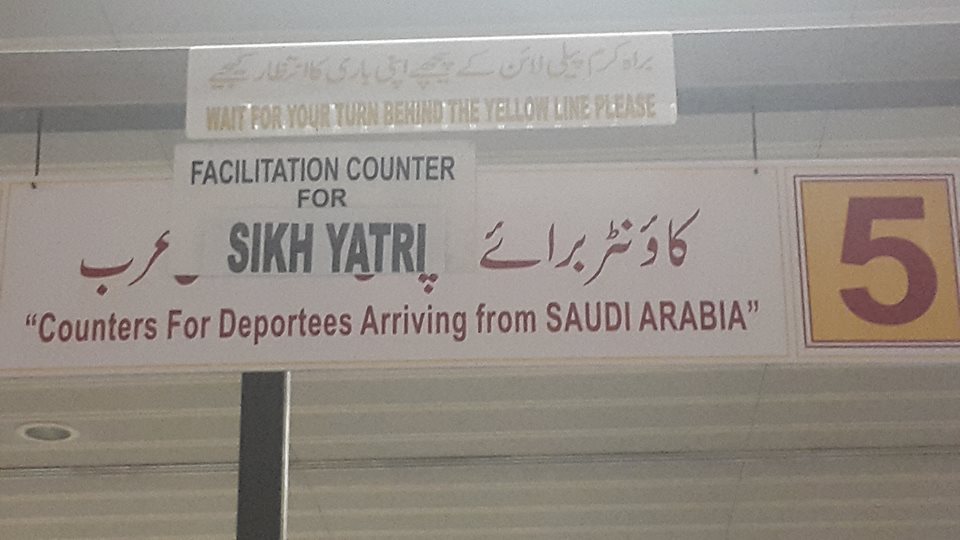
  • A great facility for #Sikhs in Pakistan
    A great facility for #Sikhs in Pakistan
    0 Σχόλια 0 Μοιράστηκε 51 Views
  • my message for my indian brothers and neighbours
    "Just for a one moment, forget that we both are enemies, just for a second think about the humanity, does your army doing right by killing innocent children and womens, they are weapon less, there is no competition of an armed army and those weaponless people...
    dont they have any human rights? should they be treated like this?? if you think that kashmir is your part, so are you guys doing good with your citizens??? for the last 2 months there is a curfue. even the mosques were closed on the Eid day, their religious festival. if your country is a secular state then shouldnt they allow everybody to celebrate their religious festivals.
    If your media is not showing these points, then search in google, and see some other countries news, dont see pakistani news if you feel that its a propaganda. see what the world is saying.
    see in our country Pakistan, sikhs are celebrating their festival hindus do celebrate their holis and dewalis even i have been part of one dewali function where my hindu friend want me to celebrate that so i did it for his happiness.
    One must admit that humanity should be superior. stop these fights nothing is going to get anything"

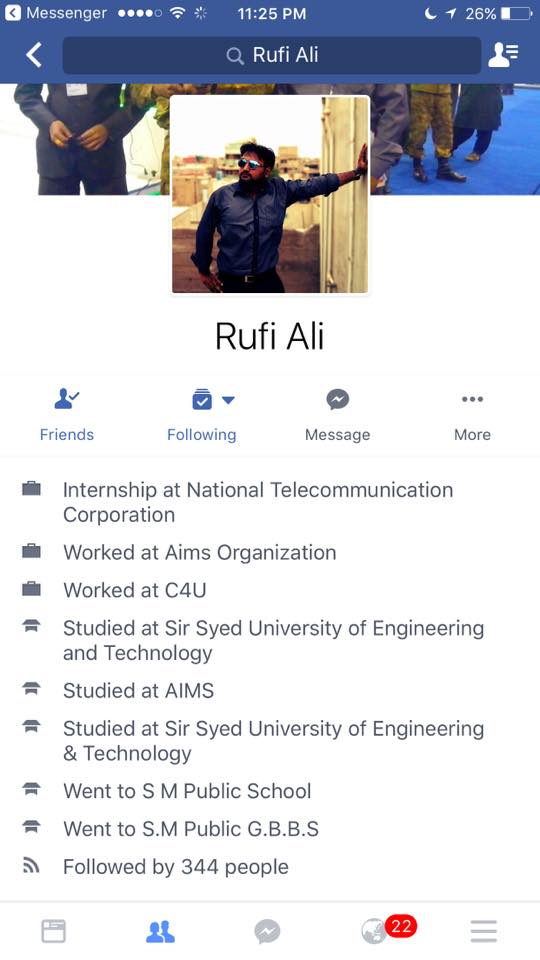
    Rufi Ali
    my message for my indian brothers and neighbours "Just for a one moment, forget that we both are enemies, just for a second think about the humanity, does your army doing right by killing innocent children and womens, they are weapon less, there is no competition of an armed army and those weaponless people... dont they have any human rights? should they be treated like this?? if you think that kashmir is your part, so are you guys doing good with your citizens??? for the last 2 months there is a curfue. even the mosques were closed on the Eid day, their religious festival. if your country is a secular state then shouldn't they allow everybody to celebrate their religious festivals. If your media is not showing these points, then search in google, and see some other countries news, dont see pakistani news if you feel that its a propaganda. see what the world is saying. see in our country Pakistan, sikhs are celebrating their festival hindus do celebrate their holis and dewalis even i have been part of one dewali function where my hindu friend want me to celebrate that so i did it for his happiness. One must admit that humanity should be superior. stop these fights nothing is going to get anything" Rufi Ali
    0 Σχόλια 0 Μοιράστηκε 234 Views
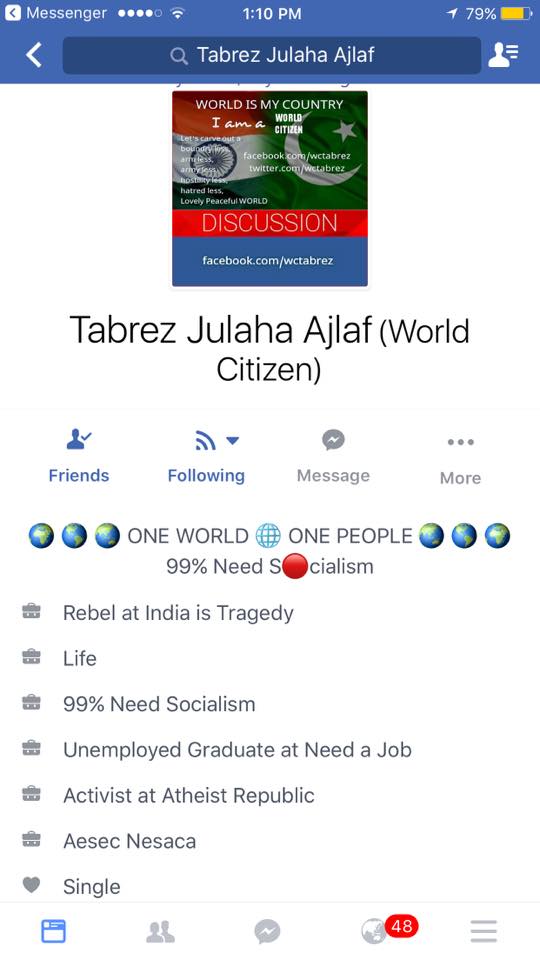
  • Tabrez Julaha Ajlaf Is from India and wants to know Pakistanis who are Christians, Ajlaf and Arzal Muslims, Shia Muslims Hindus, Janis, Buddhists, Sikhs.

    Can you introduce him to some ?
    Tabrez Julaha Ajlaf Is from India and wants to know Pakistanis who are Christians, Ajlaf and Arzal Muslims, Shia Muslims Hindus, Janis, Buddhists, Sikhs. Can you introduce him to some ?
    0 Σχόλια 0 Μοιράστηκε 51 Views
  • I don’t hate Hindus or Sikh as my grand parents we’re probably Hindus or Sikhs, I don’t hate Jews as they come from the family of Abraham who was the grand father of my Prophet Mohammad pbuh, I don’t hate any group as they all were created by the same creator as mine which makes them my brother or sister, so please don’t ask me to hate anyone, I do dislike ignorance in time of all the time information like ours, poverty in times of abundance like today, Fighting in in times of amazing communication abilities like today !

    Rehan Allahwala
    I don’t hate Hindus or Sikh as my grand parents we’re probably Hindus or Sikhs, I don’t hate Jews as they come from the family of Abraham who was the grand father of my Prophet Mohammad pbuh, I don’t hate any group as they all were created by the same creator as mine which makes them my brother or sister, so please don’t ask me to hate anyone, I do dislike ignorance in time of all the time information like ours, poverty in times of abundance like today, Fighting in in times of amazing communication abilities like today ! Rehan Allahwala
    0 Σχόλια 0 Μοιράστηκε 82 Views
  • Hello Sardar g ! At Sardar Jee Mobile

    Meet the Pakistani Sardar Sardar Ravinder Singh G who wants to Friend entire Pakistan on his Facebook !

    Do add him to learn more about him and Sikhs in Pakistan

    He is a Hakeem Also and can guide you about medicine also !
    Hello Sardar g ! At Sardar Jee Mobile Meet the Pakistani Sardar Sardar Ravinder Singh G who wants to Friend entire Pakistan on his Facebook ! Do add him to learn more about him and Sikhs in Pakistan 🇵🇰 He is a Hakeem Also and can guide you about medicine also !
    0 Σχόλια 0 Μοιράστηκε 51 Views
  • http://urduempire.net/2022/03/02/long-term-visa-suggestion-for-sikhs-by-rehan-allahwala/
    http://urduempire.net/2022/03/02/long-term-visa-suggestion-for-sikhs-by-rehan-allahwala/
    0 Σχόλια 0 Μοιράστηκε 72 Views
  • Since Imran Khan did #Kartarpur ! Maybe we can introduce Pakistan second home program also for Sikhs !
    Since Imran Khan did #Kartarpur ! Maybe we can introduce Pakistan second home program also for Sikhs !
    0 Σχόλια 0 Μοιράστηκε 176 Views 0
Αναζήτηση αποτελεσμάτων