• ACCL BOOK
    CANVA POST
    SYEDA UMAIMA EDITING WALI
    DAY : 57
    ROLL NO : 16
    FOUNDATION LEVEL
    > EXTRAORDINARY
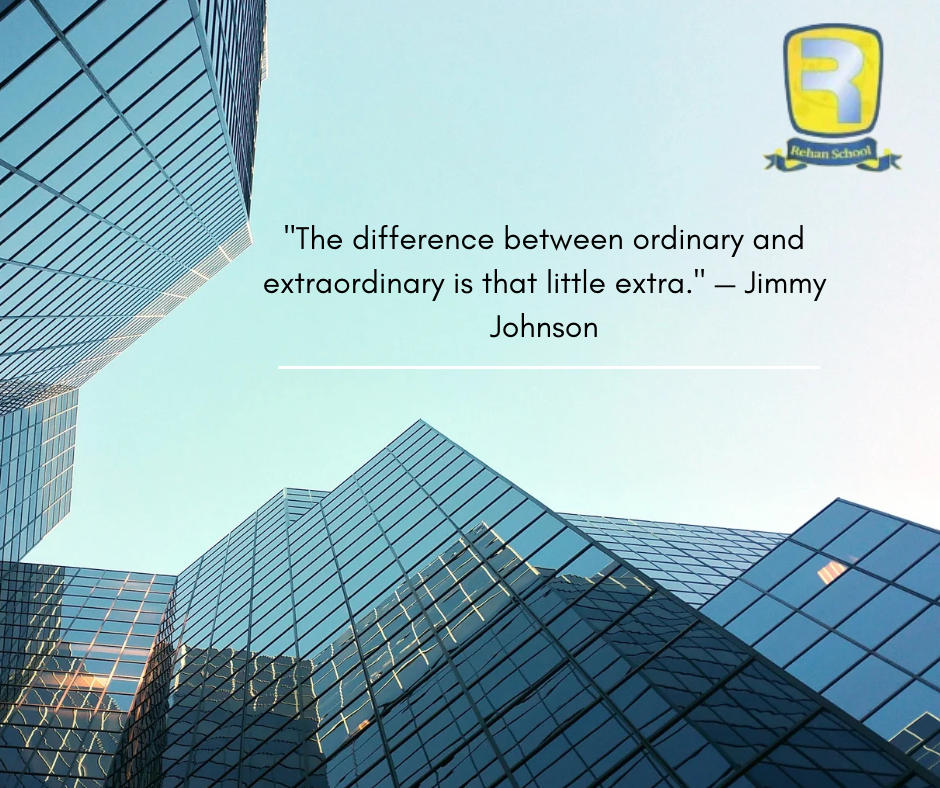
    > "The difference between ordinary and extraordinary is that little extra" — Jimmy Johnson
    > Most people do only what is required. They do normal work, normal effort, and live a normal life. That's called ORDINARY.
    > But some people do a LITTLE EXTRA. They work 10 minutes more, they practice one more time, they try one more idea when everyone else has stopped. And that little EXTRA makes them EXTRAORDINARY!
    > The secret of success is not big things, it's small extra efforts every day.
    > 1% extra effort every day = 100% extraordinary life!
    > So don't be ordinary, be extraordinary! Do that little extra today !
    ACCL BOOK CANVA POST SYEDA UMAIMA EDITING WALI DAY : 57 ROLL NO : 16 FOUNDATION LEVEL > 🌟 EXTRAORDINARY 🌟 > πŸ’¬ "The difference between ordinary and extraordinary is that little extra" — Jimmy Johnson ✨ > πŸ‘₯ Most people do only what is required. They do normal work, normal effort, and live a normal life. That's called ORDINARY. 😴 > πŸš€ But some people do a LITTLE EXTRA. They work 10 minutes more, they practice one more time, they try one more idea when everyone else has stopped. And that little EXTRA makes them EXTRAORDINARY! πŸ’ͺπŸ”₯ > πŸ“Œ The secret of success is not big things, it's small extra efforts every day. > 1% extra effort every day = 100% extraordinary life! πŸŒ±βž‘οΈπŸ† > ✨ So don't be ordinary, be extraordinary! Do that little extra today !
    0 Commenti 0 condivisioni 16 Views
  • ACCL POST
    Day:43
    Roll No:003
    Story post
    Student at Rehan School Urdu bazar campus

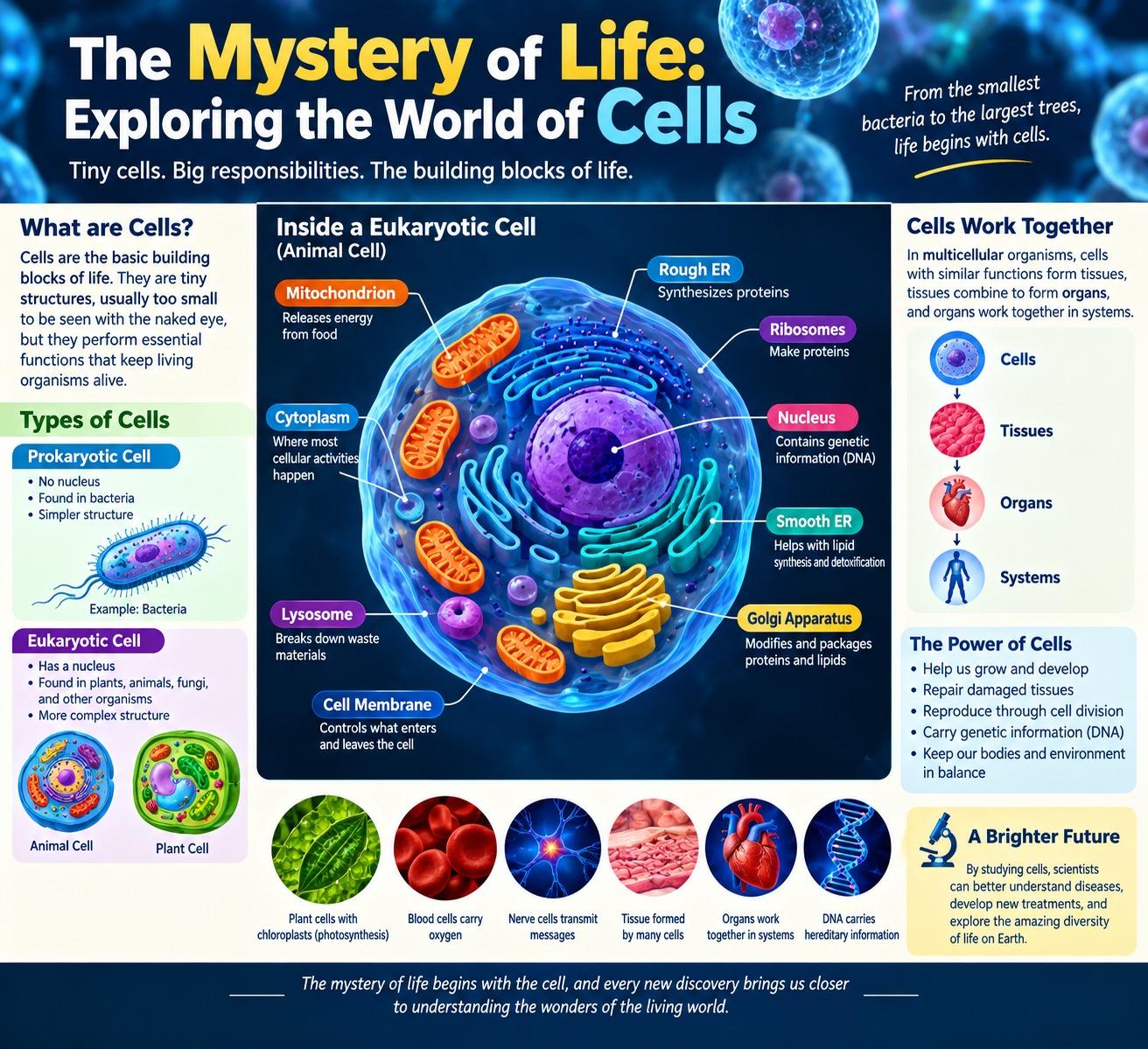
    # The Mystery of Life: Exploring the World of Cells Life is one of the most fascinating mysteries of the natural world. From the tallest trees to the smallest insects, every living organism has a unique structure and a special way of surviving. But have you ever wondered what makes life possible? What is the tiny building block that forms every living thing? The answer is **cells**, the fundamental units of life. Although cells are usually too small to be seen without a microscope, they perform countless important functions that allow living organisms to grow, develop, reproduce, and survive. Cells are often described as the basic building blocks of life because all living organisms are made up of one or more cells. Some organisms, such as bacteria, consist of only a single cell, while humans, animals, and plants are made up of trillions of cells. Each cell has its own structure and responsibilities. Some cells help the body obtain energy, while others carry oxygen, fight infections, or transmit messages throughout the body. In plants, cells help produce food through photosynthesis and provide support to the plant's structure. There are two major types of cells: **prokaryotic cells and eukaryotic cells**. Prokaryotic cells, such as bacteria, do not have a nucleus enclosed by a membrane. Eukaryotic cells, which are found in animals, plants, fungi, and many other organisms, contain a nucleus that stores genetic information. These cells also contain specialized structures called organelles, each of which performs a particular function. For example, the nucleus controls many cellular activities, mitochondria release usable energy from food, and the cell membrane regulates what enters and leaves the cell. Plant cells also contain chloroplasts, which help them produce food using sunlight. One of the most amazing things about cells is how they work together. In multicellular organisms, cells with similar functions form tissues, tissues combine to form organs, and organs work together in systems. In the human body, for example, the heart, lungs, brain, and other organs depend on the coordinated activities of countless cells. This cooperation allows the body to maintain balance, respond to changes, and carry out the activities necessary for life. Cells also play an essential role in growth, healing, and reproduction. Through a process called cell division, cells produce new cells. This allows organisms to grow, replace old or damaged cells, and repair tissues. Cells contain DNA, the genetic material that carries instructions for the development and functioning of living organisms. By studying DNA and cellular processes, scientists can better understand heredity, diseases, and the remarkable diversity of life on Earth. The study of cells has transformed our understanding of biology and medicine. understanding the wonders of the living world.**
    Activate to view larger image,
    View image

    ACCL POST Day:43 Roll No:003 Story post Student at Rehan School Urdu bazar campus # The Mystery of Life: Exploring the World of Cells Life is one of the most fascinating mysteries of the natural world. From the tallest trees to the smallest insects, every living organism has a unique structure and a special way of surviving. But have you ever wondered what makes life possible? What is the tiny building block that forms every living thing? The answer is **cells**, the fundamental units of life. Although cells are usually too small to be seen without a microscope, they perform countless important functions that allow living organisms to grow, develop, reproduce, and survive. Cells are often described as the basic building blocks of life because all living organisms are made up of one or more cells. Some organisms, such as bacteria, consist of only a single cell, while humans, animals, and plants are made up of trillions of cells. Each cell has its own structure and responsibilities. Some cells help the body obtain energy, while others carry oxygen, fight infections, or transmit messages throughout the body. In plants, cells help produce food through photosynthesis and provide support to the plant's structure. There are two major types of cells: **prokaryotic cells and eukaryotic cells**. Prokaryotic cells, such as bacteria, do not have a nucleus enclosed by a membrane. Eukaryotic cells, which are found in animals, plants, fungi, and many other organisms, contain a nucleus that stores genetic information. These cells also contain specialized structures called organelles, each of which performs a particular function. For example, the nucleus controls many cellular activities, mitochondria release usable energy from food, and the cell membrane regulates what enters and leaves the cell. Plant cells also contain chloroplasts, which help them produce food using sunlight. One of the most amazing things about cells is how they work together. In multicellular organisms, cells with similar functions form tissues, tissues combine to form organs, and organs work together in systems. In the human body, for example, the heart, lungs, brain, and other organs depend on the coordinated activities of countless cells. This cooperation allows the body to maintain balance, respond to changes, and carry out the activities necessary for life. Cells also play an essential role in growth, healing, and reproduction. Through a process called cell division, cells produce new cells. This allows organisms to grow, replace old or damaged cells, and repair tissues. Cells contain DNA, the genetic material that carries instructions for the development and functioning of living organisms. By studying DNA and cellular processes, scientists can better understand heredity, diseases, and the remarkable diversity of life on Earth. The study of cells has transformed our understanding of biology and medicine. understanding the wonders of the living world.** Activate to view larger image, View image

    0 Commenti 0 condivisioni 33 Views
  • ACCL TASK
    Day:41
    Roll No:003
    Story post
    @Student at Rehan School Urdu bazar campus

    # The Mystery of Life: Exploring the World of Cells

    Life is one of the most fascinating mysteries of the natural world. From the tallest trees to the smallest insects, every living organism has a unique structure and a special way of surviving. But have you ever wondered what makes life possible? What is the tiny building block that forms every living thing? The answer is **cells**, the fundamental units of life. Although cells are usually too small to be seen without a microscope, they perform countless important functions that allow living organisms to grow, develop, reproduce, and survive.

    Cells are often described as the basic building blocks of life because all living organisms are made up of one or more cells. Some organisms, such as bacteria, consist of only a single cell, while humans, animals, and plants are made up of trillions of cells. Each cell has its own structure and responsibilities. Some cells help the body obtain energy, while others carry oxygen, fight infections, or transmit messages throughout the body. In plants, cells help produce food through photosynthesis and provide support to the plant's structure.

    There are two major types of cells: **prokaryotic cells and eukaryotic cells**. Prokaryotic cells, such as bacteria, do not have a nucleus enclosed by a membrane. Eukaryotic cells, which are found in animals, plants, fungi, and many other organisms, contain a nucleus that stores genetic information. These cells also contain specialized structures called organelles, each of which performs a particular function. For example, the nucleus controls many cellular activities, mitochondria release usable energy from food, and the cell membrane regulates what enters and leaves the cell. Plant cells also contain chloroplasts, which help them produce food using sunlight.

    One of the most amazing things about cells is how they work together. In multicellular organisms, cells with similar functions form tissues, tissues combine to form organs, and organs work together in systems. In the human body, for example, the heart, lungs, brain, and other organs depend on the coordinated activities of countless cells. This cooperation allows the body to maintain balance, respond to changes, and carry out the activities necessary for life.

    Cells also play an essential role in growth, healing, and reproduction. Through a process called cell division, cells produce new cells. This allows organisms to grow, replace old or damaged cells, and repair tissues. Cells contain DNA, the genetic material that carries instructions for the development and functioning of living organisms. of cells. Exploring the world of cells helps us understand how living things function and reveals the extraordinary hidden within even the smallest units of life. The mystery of life begins with the cell, and every new discovery brings us closer to understanding the wonders of the living world.
    ACCL TASK Day:41 Roll No:003 Story post @Student at Rehan School Urdu bazar campus # The Mystery of Life: Exploring the World of Cells Life is one of the most fascinating mysteries of the natural world. From the tallest trees to the smallest insects, every living organism has a unique structure and a special way of surviving. But have you ever wondered what makes life possible? What is the tiny building block that forms every living thing? The answer is **cells**, the fundamental units of life. Although cells are usually too small to be seen without a microscope, they perform countless important functions that allow living organisms to grow, develop, reproduce, and survive. Cells are often described as the basic building blocks of life because all living organisms are made up of one or more cells. Some organisms, such as bacteria, consist of only a single cell, while humans, animals, and plants are made up of trillions of cells. Each cell has its own structure and responsibilities. Some cells help the body obtain energy, while others carry oxygen, fight infections, or transmit messages throughout the body. In plants, cells help produce food through photosynthesis and provide support to the plant's structure. There are two major types of cells: **prokaryotic cells and eukaryotic cells**. Prokaryotic cells, such as bacteria, do not have a nucleus enclosed by a membrane. Eukaryotic cells, which are found in animals, plants, fungi, and many other organisms, contain a nucleus that stores genetic information. These cells also contain specialized structures called organelles, each of which performs a particular function. For example, the nucleus controls many cellular activities, mitochondria release usable energy from food, and the cell membrane regulates what enters and leaves the cell. Plant cells also contain chloroplasts, which help them produce food using sunlight. One of the most amazing things about cells is how they work together. In multicellular organisms, cells with similar functions form tissues, tissues combine to form organs, and organs work together in systems. In the human body, for example, the heart, lungs, brain, and other organs depend on the coordinated activities of countless cells. This cooperation allows the body to maintain balance, respond to changes, and carry out the activities necessary for life. Cells also play an essential role in growth, healing, and reproduction. Through a process called cell division, cells produce new cells. This allows organisms to grow, replace old or damaged cells, and repair tissues. Cells contain DNA, the genetic material that carries instructions for the development and functioning of living organisms. of cells. Exploring the world of cells helps us understand how living things function and reveals the extraordinary hidden within even the smallest units of life. The mystery of life begins with the cell, and every new discovery brings us closer to understanding the wonders of the living world.
    0 Commenti 0 condivisioni 35 Views
  • RSFI8
    Roll no 88
    TEDxTalk no 3Urdu
    TEDxTalk topicWatch TEDx Talk: "Living in Denial – Climate Change" – Iqra Khilji (Review video in English & Urdu). Post both videos on social media.

    This powerful talk reminds us that climate change is real and affects everyone. From rising temperatures to floods and pollution, we all have a responsibility to protect our planet. Every small action matters—plant a tree , save water , reduce plastic , and keep our environment clean.

    Let's stop ignoring climate change and start making a positive difference for a greener and healthier future! Together, we can protect our Earth for the next generation.

    #TEDx #IqraKhilji #ClimateChange #LivingInDenial #SaveThePlanet #GoGreen #ProtectNature #Environment #Sustainability #ClimateAction #ReducePlastic #PlantTrees #SaveWater #Education #Inspiration #English #Urdu #Pakistan
    6m
    17w
    RSFI8 Roll no 88 TEDxTalk no 3Urdu TEDxTalk topicWatch TEDx Talk: "Living in Denial – Climate Change" – Iqra Khilji (Review video in English & Urdu). Post both videos on social media. This powerful talk reminds us that climate change is real and affects everyone. 🌎 From rising temperatures to floods and pollution, we all have a responsibility to protect our planet. Every small action matters—plant a tree 🌳, save water πŸ’§, reduce plastic ♻️, and keep our environment clean. Let's stop ignoring climate change and start making a positive difference for a greener and healthier future! 🌿✨ Together, we can protect our Earth for the next generation. 🌍❀️ #TEDx #IqraKhilji #ClimateChange #LivingInDenial #SaveThePlanet #GoGreen #ProtectNature #Environment #Sustainability #ClimateAction #ReducePlastic #PlantTrees #SaveWater #Education #Inspiration #English #Urdu #Pakistan πŸ‡΅πŸ‡°πŸŒ±πŸ’šπŸŒβ™»οΈ 6m 17w
    0 Commenti 0 condivisioni 63 Views 3
  • RSIF8
    Roll no:14
    canva post no:65
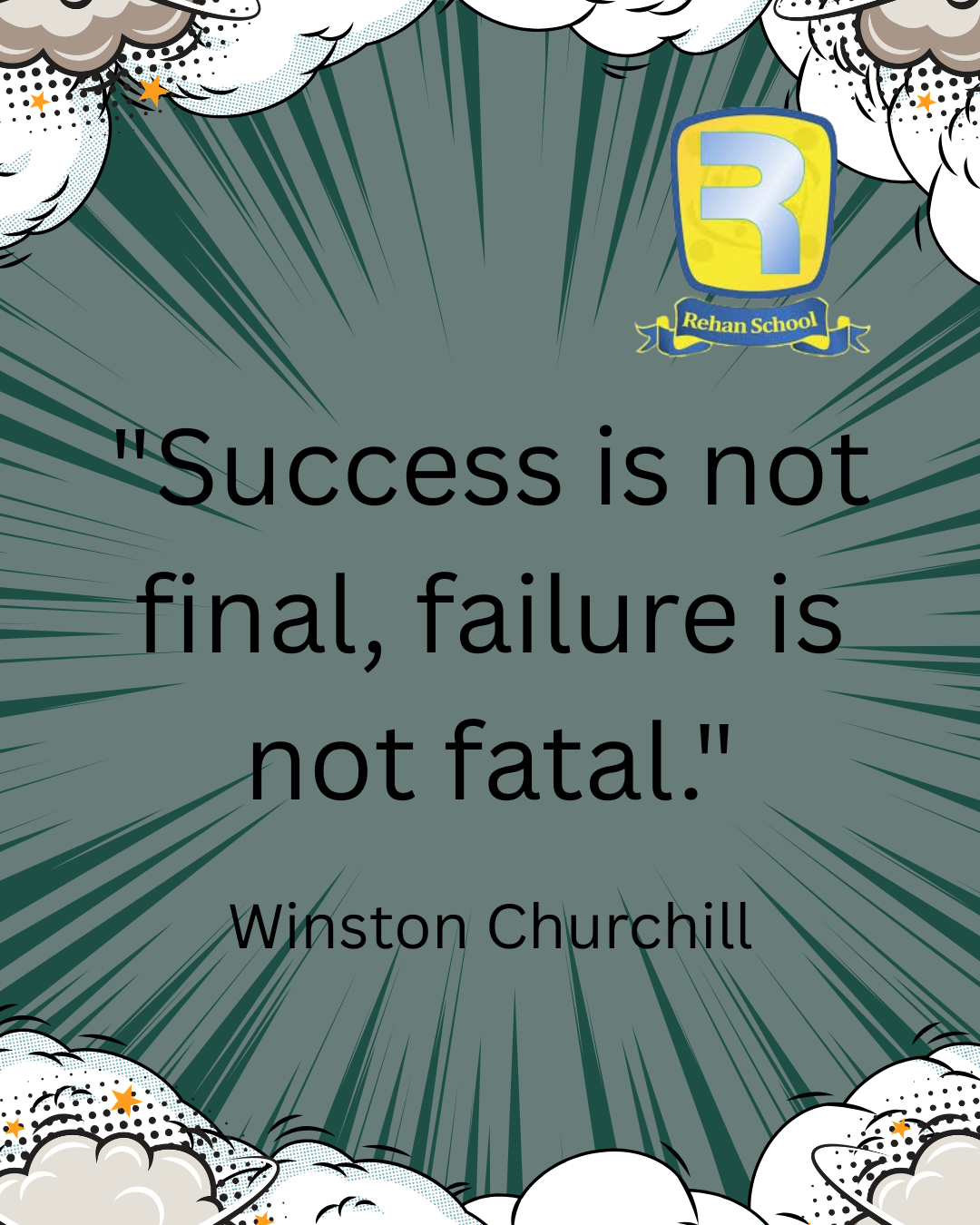
    canva topic:"Success is not final, failure is not fatal." — Winston Churchill

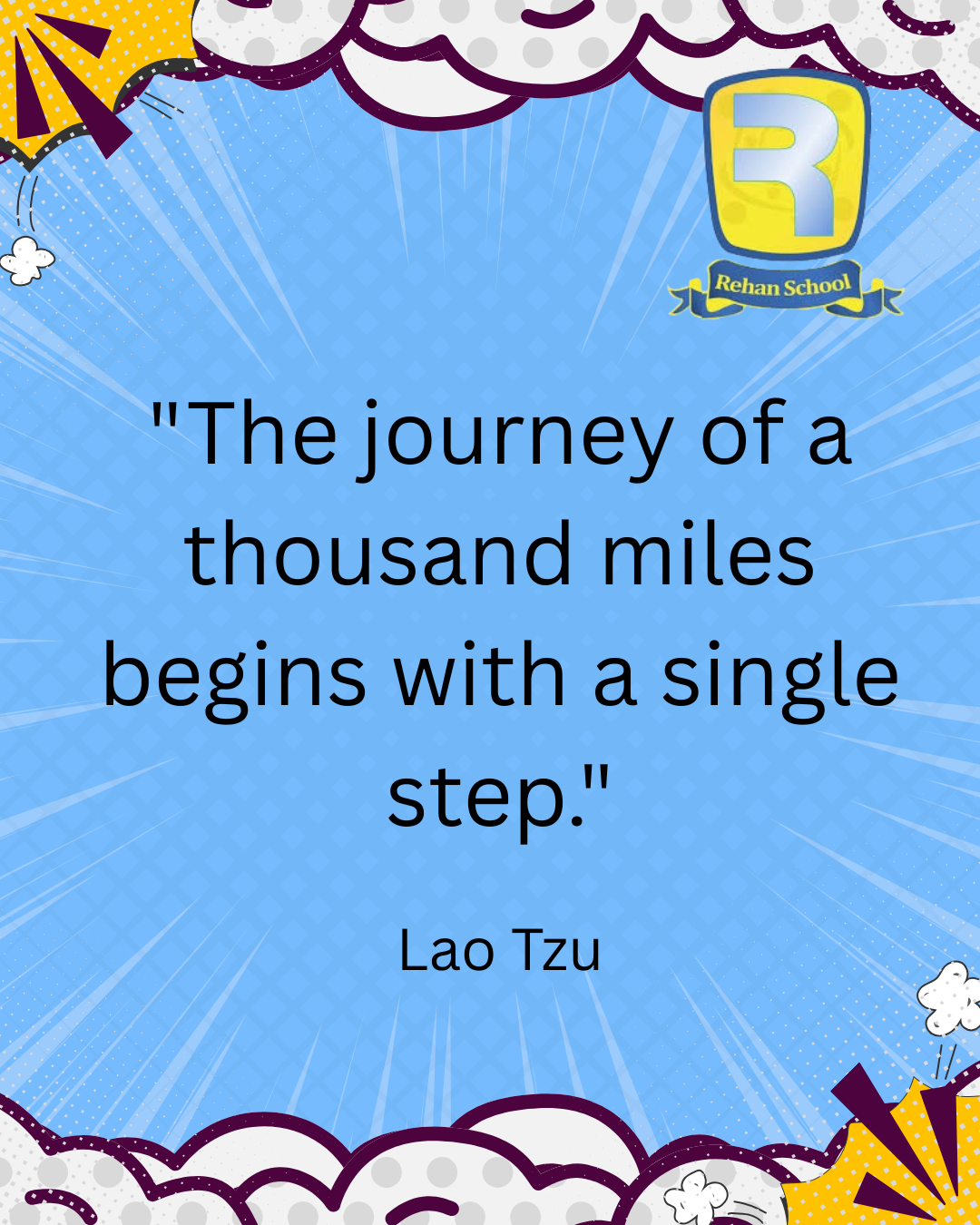
    # “The Journey of a Thousand Miles Begins with a Single Step.” ‍

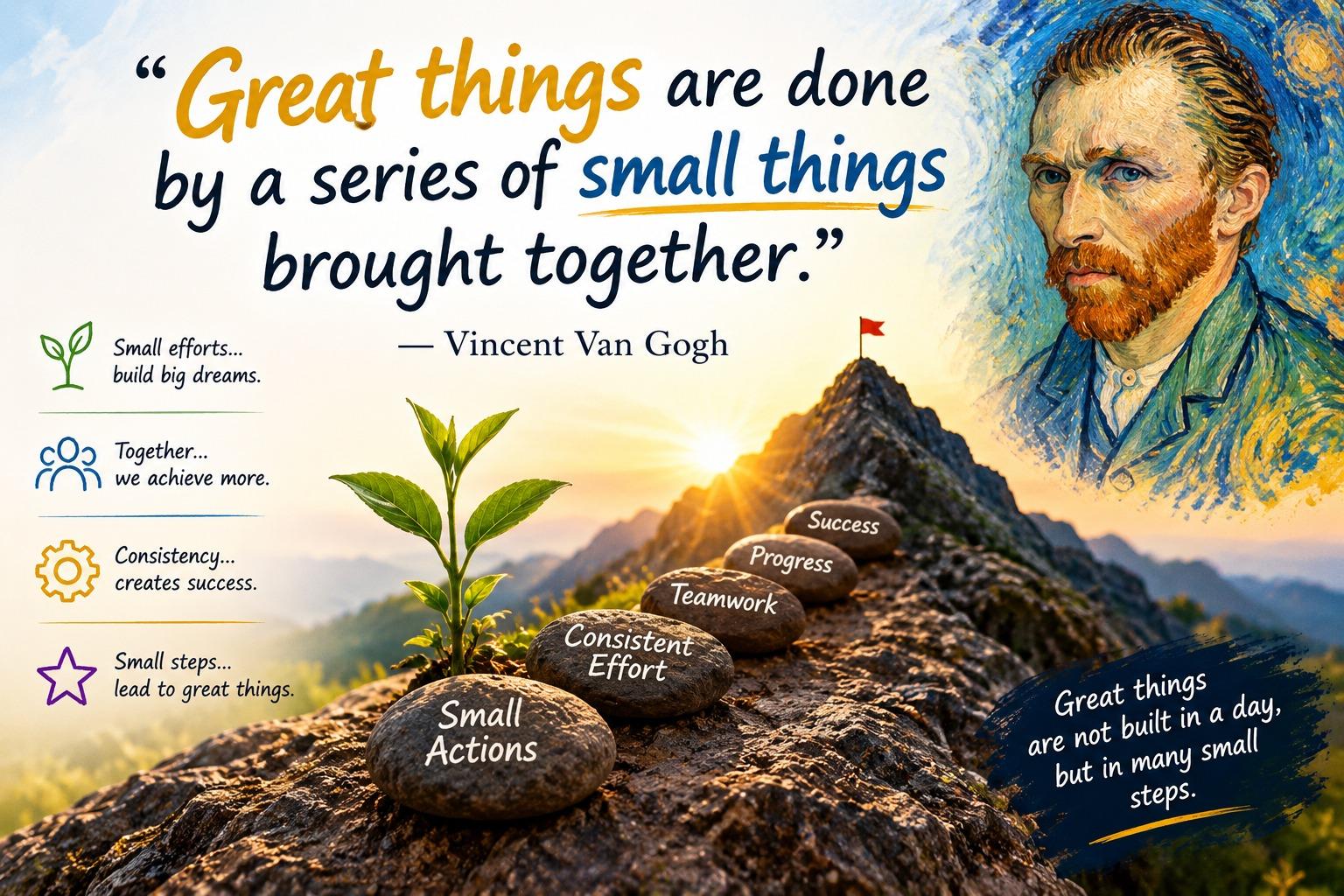
    Every great achievement begins with one small action. This timeless motivational quote reminds us that no matter how big our dreams may seem, the most important thing is to take the first step. Success doesn't happen all at once; it grows through patience, determination, courage, and consistent effort.

    Sometimes, we delay our goals because we are afraid of failure, uncertain about the future, or overwhelmed by the challenges ahead. We wait for the perfect moment, the perfect plan, or the perfect opportunity. But the truth is that progress begins when we decide to start, even if we don't have everything figured out.

    Whether you want to learn a new skill, improve your education, build a successful career, or become a better version of yourself, remember that every small step matters. A few minutes of practice, one new lesson, or one positive decision can bring you closer to your dreams. Don't underestimate the power of small beginnings, because today's efforts can create tomorrow's achievements.

    **Believe in your journey. Be patient with your progress. Keep moving forward, one step at a time.** Even when the road seems long and difficult, consistency will help you overcome obstacles and discover your true potential.

    You don't need to complete the entire journey today. You only need the courage to begin!

    If this message inspires you, like, share, and follow for more motivational quotes and daily inspiration.

    #Motivation #InspirationalQuotes #OneStepAtATime #SuccessMindset #NeverGiveUp #PersonalGrowth #DailyMotivation #BelieveInYourself #KeepMovingForward #PositiveThinking #SelfImprovement #DreamBig #SuccessJourney #GrowthMindset #StayFocused
    RSIF8 Roll no:14 canva post no:65 canva topic:"Success is not final, failure is not fatal." — Winston Churchill # 🌟 “The Journey of a Thousand Miles Begins with a Single Step.” 🚢‍β™‚οΈβœ¨ Every great achievement begins with one small action. This timeless motivational quote reminds us that no matter how big our dreams may seem, the most important thing is to take the first step. Success doesn't happen all at once; it grows through patience, determination, courage, and consistent effort. πŸ’ͺ🌈 Sometimes, we delay our goals because we are afraid of failure, uncertain about the future, or overwhelmed by the challenges ahead. We wait for the perfect moment, the perfect plan, or the perfect opportunity. But the truth is that progress begins when we decide to start, even if we don't have everything figured out. Whether you want to learn a new skill, improve your education, build a successful career, or become a better version of yourself, remember that every small step matters. πŸ“šπŸš€ A few minutes of practice, one new lesson, or one positive decision can bring you closer to your dreams. Don't underestimate the power of small beginnings, because today's efforts can create tomorrow's achievements. 🌱 **Believe in your journey. Be patient with your progress. Keep moving forward, one step at a time.** Even when the road seems long and difficult, consistency will help you overcome obstacles and discover your true potential. πŸ”₯ You don't need to complete the entire journey today. You only need the courage to begin! ❀️ If this message inspires you, like, share, and follow for more motivational quotes and daily inspiration. #Motivation #InspirationalQuotes #OneStepAtATime #SuccessMindset #NeverGiveUp #PersonalGrowth #DailyMotivation #BelieveInYourself #KeepMovingForward #PositiveThinking #SelfImprovement #DreamBig #SuccessJourney #GrowthMindset #StayFocused
    0 Commenti 0 condivisioni 99 Views
  • RSIF8
    Roll no:14
    canva post no:64
    canva topic:"The journey of a thousand miles begins with a single step." — Lao Tzu

    # “The Journey of a Thousand Miles Begins with a Single Step.” ‍

    Every great achievement begins with one small action. This timeless motivational quote reminds us that no matter how big our dreams may seem, the most important thing is to take the first step. Success doesn't happen all at once; it grows through patience, determination, courage, and consistent effort.

    Sometimes, we delay our goals because we are afraid of failure, uncertain about the future, or overwhelmed by the challenges ahead. We wait for the perfect moment, the perfect plan, or the perfect opportunity. But the truth is that progress begins when we decide to start, even if we don't have everything figured out.

    Whether you want to learn a new skill, improve your education, build a successful career, or become a better version of yourself, remember that every small step matters. A few minutes of practice, one new lesson, or one positive decision can bring you closer to your dreams. Don't underestimate the power of small beginnings, because today's efforts can create tomorrow's achievements.

    **Believe in your journey. Be patient with your progress. Keep moving forward, one step at a time.** Even when the road seems long and difficult, consistency will help you overcome obstacles and discover your true potential.

    You don't need to complete the entire journey today. You only need the courage to begin!

    If this message inspires you, like, share, and follow for more motivational quotes and daily inspiration.

    #Motivation #InspirationalQuotes #OneStepAtATime #SuccessMindset #NeverGiveUp #PersonalGrowth #DailyMotivation #BelieveInYourself #KeepMovingForward #PositiveThinking #SelfImprovement #DreamBig #SuccessJourney #GrowthMindset #StayFocused
    RSIF8 Roll no:14 canva post no:64 canva topic:"The journey of a thousand miles begins with a single step." — Lao Tzu # 🌟 “The Journey of a Thousand Miles Begins with a Single Step.” 🚢‍β™‚οΈβœ¨ Every great achievement begins with one small action. This timeless motivational quote reminds us that no matter how big our dreams may seem, the most important thing is to take the first step. Success doesn't happen all at once; it grows through patience, determination, courage, and consistent effort. πŸ’ͺ🌈 Sometimes, we delay our goals because we are afraid of failure, uncertain about the future, or overwhelmed by the challenges ahead. We wait for the perfect moment, the perfect plan, or the perfect opportunity. But the truth is that progress begins when we decide to start, even if we don't have everything figured out. Whether you want to learn a new skill, improve your education, build a successful career, or become a better version of yourself, remember that every small step matters. πŸ“šπŸš€ A few minutes of practice, one new lesson, or one positive decision can bring you closer to your dreams. Don't underestimate the power of small beginnings, because today's efforts can create tomorrow's achievements. 🌱 **Believe in your journey. Be patient with your progress. Keep moving forward, one step at a time.** Even when the road seems long and difficult, consistency will help you overcome obstacles and discover your true potential. πŸ”₯ You don't need to complete the entire journey today. You only need the courage to begin! ❀️ If this message inspires you, like, share, and follow for more motivational quotes and daily inspiration. #Motivation #InspirationalQuotes #OneStepAtATime #SuccessMindset #NeverGiveUp #PersonalGrowth #DailyMotivation #BelieveInYourself #KeepMovingForward #PositiveThinking #SelfImprovement #DreamBig #SuccessJourney #GrowthMindset #StayFocused
    0 Commenti 0 condivisioni 96 Views
  • RSIF8
    Roll no:14
    story no:24
    story topic:Climate and Culture: How Geography Shapes Our Way of Life

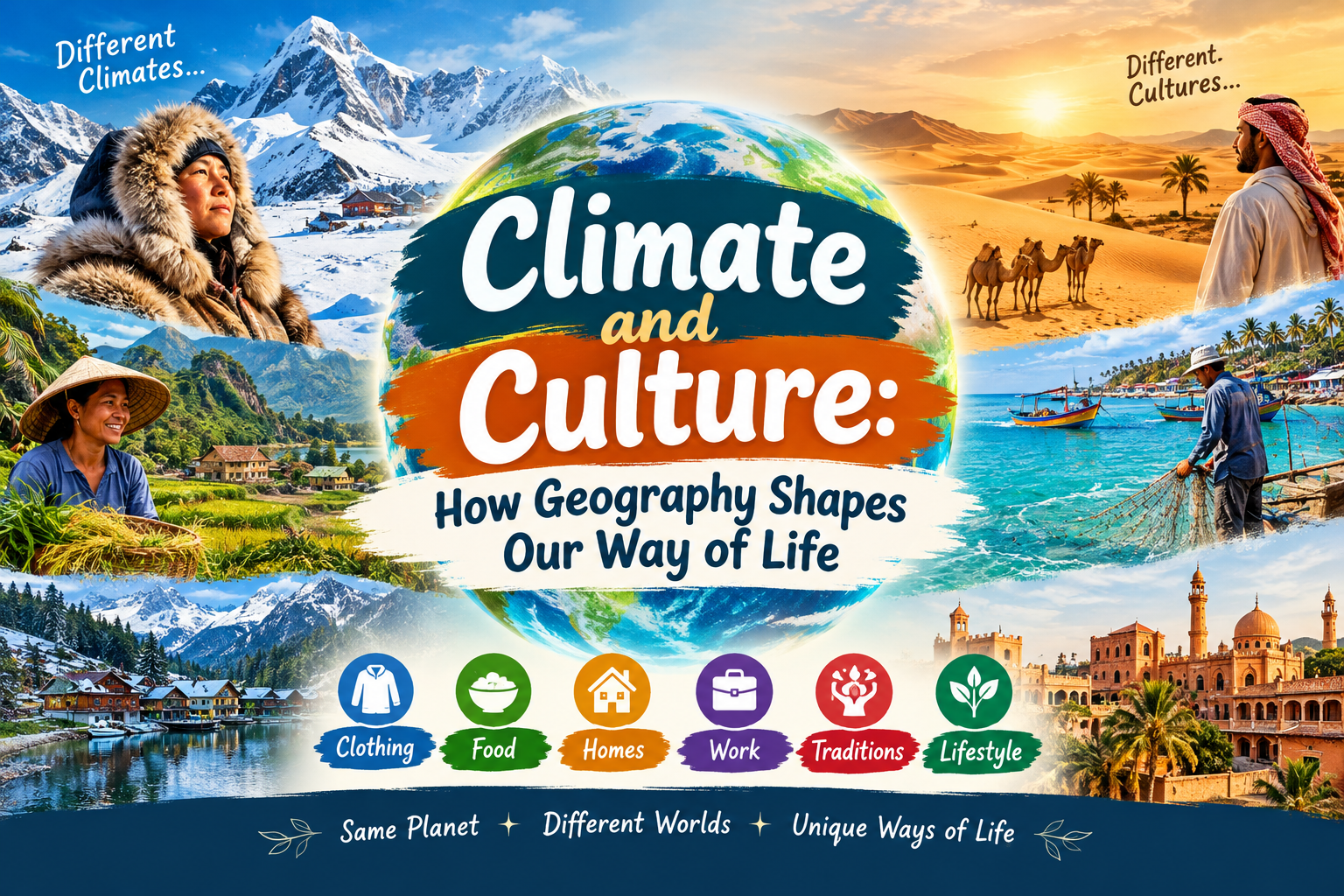
    # Climate and Culture: How Geography Shapes Our Way of Life

    How does the environment around us influence the way we live, dress, eat, work, and celebrate? **“Climate and Culture: How Geography Shapes Our Way of Life”** explores the fascinating relationship between climate, geography, and human culture. From freezing mountains to hot deserts, every region of the world has unique environmental conditions that shape the lifestyles, traditions, and customs of its people.

    Climate plays an important role in determining the types of clothing people wear, the food they eat, the houses they build, and the activities they enjoy. In colder regions, people often wear warm clothing and construct homes designed to retain heat. In hot areas, lightweight clothing and buildings that provide shade and ventilation help people adapt to high temperatures. Similarly, rainfall, soil fertility, and access to water influence agriculture, occupations, and local economies.

    Geography also contributes to the development of languages, festivals, architecture, and cultural traditions. Communities living near rivers and oceans may depend on fishing and maritime trade, while people in mountainous areas may develop traditions connected to farming, livestock, and mountain life. These differences make every culture unique and demonstrate how closely human societies are connected to the natural world.

    This topic helps students understand the importance of environmental adaptation, cultural diversity, and sustainable living. It encourages us to appreciate different ways of life and recognize how people respond creatively to the opportunities and challenges presented by their surroundings.

    **Discover how our planet shapes our traditions, influences our choices, and connects geography with the beautiful diversity of human life!**

    Watch, learn, and explore the incredible connection between climate, culture, and the world we share.

    #ClimateAndCulture #Geography #HumanGeography #ClimateChange #CulturalDiversity #Environment #WorldCultures #GeographyEducation #SocialStudies #NatureAndCulture #SustainableLiving #EducationalContent #LearningIsFun #OurWorld
    RSIF8 Roll no:14 story no:24 story topic:Climate and Culture: How Geography Shapes Our Way of Life # 🌍 Climate and Culture: How Geography Shapes Our Way of Life 🌦️🏑 How does the environment around us influence the way we live, dress, eat, work, and celebrate? **“Climate and Culture: How Geography Shapes Our Way of Life”** explores the fascinating relationship between climate, geography, and human culture. From freezing mountains to hot deserts, every region of the world has unique environmental conditions that shape the lifestyles, traditions, and customs of its people. 🌎✨ Climate plays an important role in determining the types of clothing people wear, the food they eat, the houses they build, and the activities they enjoy. In colder regions, people often wear warm clothing and construct homes designed to retain heat. In hot areas, lightweight clothing and buildings that provide shade and ventilation help people adapt to high temperatures. Similarly, rainfall, soil fertility, and access to water influence agriculture, occupations, and local economies. πŸŒ§οΈπŸ”οΈβ˜€οΈ Geography also contributes to the development of languages, festivals, architecture, and cultural traditions. Communities living near rivers and oceans may depend on fishing and maritime trade, while people in mountainous areas may develop traditions connected to farming, livestock, and mountain life. These differences make every culture unique and demonstrate how closely human societies are connected to the natural world. 🌊🌾 This topic helps students understand the importance of environmental adaptation, cultural diversity, and sustainable living. It encourages us to appreciate different ways of life and recognize how people respond creatively to the opportunities and challenges presented by their surroundings. 🌱🀝 πŸ’‘ **Discover how our planet shapes our traditions, influences our choices, and connects geography with the beautiful diversity of human life!** 🌟 Watch, learn, and explore the incredible connection between climate, culture, and the world we share. #ClimateAndCulture #Geography #HumanGeography #ClimateChange #CulturalDiversity #Environment #WorldCultures #GeographyEducation #SocialStudies #NatureAndCulture #SustainableLiving #EducationalContent #LearningIsFun #OurWorld
    0 Commenti 0 condivisioni 88 Views
  • RSIF8
    Roll no: 86
    TEDx Talk no: 27
    TEDx Talk Topic: **"Why People Believe They Can't Draw" – Graham Shaw**

    In this task, I watched the inspiring TEDx Talk **"Why People Believe They Can't Draw"** by **Graham Shaw** and recorded my review in both **English and Urdu**. I shared both review videos on **Facebook, Instagram, TikTok, YouTube, and LinkedIn**.

    This TEDx Talk explains that drawing is not a talent reserved for a few people—it is a skill that anyone can learn with practice. Graham Shaw demonstrates simple techniques that help people gain confidence and improve their drawing abilities.

    One of the most valuable lessons I learned is that self-belief is the first step toward learning any new skill. Instead of saying **"I can't do it,"** we should keep practicing and never be afraid of making mistakes.

    This talk inspired me to think positively, embrace creativity, and understand that continuous learning and practice lead to improvement. It also reminded me that confidence can unlock hidden potential in every person.

    Overall, this was an enjoyable and educational experience. It encouraged me to believe in my abilities, develop new skills with confidence, and never stop learning.

    #TEDxTalk #GrahamShaw #WhyPeopleBelieveTheyCantDraw #Creativity #Learning #Education #SelfConfidence #StudentLearning #Motivation #RSIF8
    RSIF8 Roll no: 86 TEDx Talk no: 27 TEDx Talk Topic: **"Why People Believe They Can't Draw" – Graham Shaw** πŸŽ₯✏️✨ In this task, I watched the inspiring TEDx Talk **"Why People Believe They Can't Draw"** by **Graham Shaw** and recorded my review in both **English and Urdu**. I shared both review videos on **Facebook, Instagram, TikTok, YouTube, and LinkedIn**. πŸ“±πŸŒ This TEDx Talk explains that drawing is not a talent reserved for a few people—it is a skill that anyone can learn with practice. Graham Shaw demonstrates simple techniques that help people gain confidence and improve their drawing abilities. 🎨✏️ One of the most valuable lessons I learned is that self-belief is the first step toward learning any new skill. Instead of saying **"I can't do it,"** we should keep practicing and never be afraid of making mistakes. πŸ’‘πŸ“š This talk inspired me to think positively, embrace creativity, and understand that continuous learning and practice lead to improvement. It also reminded me that confidence can unlock hidden potential in every person. 🌟✨ Overall, this was an enjoyable and educational experience. It encouraged me to believe in my abilities, develop new skills with confidence, and never stop learning. πŸš€πŸ˜Š #TEDxTalk #GrahamShaw #WhyPeopleBelieveTheyCantDraw #Creativity #Learning #Education #SelfConfidence #StudentLearning #Motivation #RSIF8 πŸŽ₯βœοΈπŸŒŸπŸ“šβœ¨
    0 Commenti 0 condivisioni 76 Views 6
  • RSIF8
    Roll no 03
    Day 6 of learning english
    Learning with Mrs Zoya · mrszoya.com
    Day 6 of Learning English with Mrs. Zoya!

    Today is Day 6 of my English learning journey with Mrs. Zoya at mrszoya.com! I’m excited to keep learning new words, improving my pronunciation, and becoming more confident in speaking English. Every lesson teaches me something new and helps me move one step closer to my goals.

    Learning English is a beautiful journey of growth and self-improvement. I know that success takes time, patience, and regular practice, so I will keep learning and doing my best every day!

    Believe in yourself, stay consistent, and never stop learning!

    #Day6 #LearningEnglish #LearnEnglish #EnglishLearning #MrsZoya #MrsZoyaLearning #EnglishPractice #LanguageLearning #LearningJourney #DailyLearning #SelfImprovement #NewSkills #KeepGrowing #NeverStopLearning
    RSIF8 Roll no 03 Day 6 of learning english Learning with Mrs Zoya · mrszoya.com πŸ“šβœ¨ Day 6 of Learning English with Mrs. Zoya! πŸ‡¬πŸ‡§πŸŒΈ Today is Day 6 of my English learning journey with Mrs. Zoya at mrszoya.com! β€οΈπŸ“ I’m excited to keep learning new words, improving my pronunciation, and becoming more confident in speaking English. πŸ—£οΈπŸŒ Every lesson teaches me something new and helps me move one step closer to my goals. πŸ’«πŸ“– Learning English is a beautiful journey of growth and self-improvement. πŸŒ·πŸ’– I know that success takes time, patience, and regular practice, so I will keep learning and doing my best every day! πŸ’ͺ✨ 🌟 Believe in yourself, stay consistent, and never stop learning! πŸš€πŸ₯° #Day6 #LearningEnglish #LearnEnglish #EnglishLearning #MrsZoya #MrsZoyaLearning #EnglishPractice #LanguageLearning #LearningJourney #DailyLearning #SelfImprovement #NewSkills #KeepGrowing #NeverStopLearning πŸ“šπŸ‡¬πŸ‡§πŸŒΈπŸ’–
    0 Commenti 0 condivisioni 65 Views 1
  • RSIF8
    Roll no:14
    coding task:24
    coding topic:Digital Clock

    # Digital Clock – A Simple and Smart Timekeeping Application

    The **Digital Clock** is a simple, useful, and user-friendly application designed to display the current time in a clear digital format. It helps users keep track of time easily with an attractive interface and an easy-to-read display. Whether you're studying, working, or managing your daily routine, a digital clock makes timekeeping convenient and efficient.

    This project demonstrates how programming can be used to create practical applications for everyday life. Depending on its features, the digital clock can display hours, minutes, and seconds, support a 12-hour or 24-hour format, and include an AM/PM indicator.

    **Key Features:**
    - Real-time digital time display
    - Hours, minutes, and seconds
    - AM/PM format support
    - Simple and attractive user interface
    - Automatic time updates
    - A great beginner-friendly programming project

    This project is ideal for students, beginner programmers, and anyone interested in learning GUI development and real-time updates. It provides practical experience in creating interactive applications while improving programming and problem-solving skills.

    **Learn to code, build useful tools, and make every second count!**

    #DigitalClock #Programming #CodingProject #BeginnerProject #GUIApplication #LearnToCode #SoftwareDevelopment #ComputerScience #PythonProgramming #StudentProject #Technology #TimeManagement
    RSIF8 Roll no:14 coding task:24 coding topic:Digital Clock # πŸ•’ Digital Clock – A Simple and Smart Timekeeping Application ⏰ The **Digital Clock** is a simple, useful, and user-friendly application designed to display the current time in a clear digital format. It helps users keep track of time easily with an attractive interface and an easy-to-read display. Whether you're studying, working, or managing your daily routine, a digital clock makes timekeeping convenient and efficient. ✨ This project demonstrates how programming can be used to create practical applications for everyday life. Depending on its features, the digital clock can display hours, minutes, and seconds, support a 12-hour or 24-hour format, and include an AM/PM indicator. 🎯 πŸ’» **Key Features:** - πŸ•’ Real-time digital time display - ⏱️ Hours, minutes, and seconds - 🌞 AM/PM format support - 🎨 Simple and attractive user interface - ⚑ Automatic time updates - πŸ“š A great beginner-friendly programming project This project is ideal for students, beginner programmers, and anyone interested in learning GUI development and real-time updates. It provides practical experience in creating interactive applications while improving programming and problem-solving skills. 🌟 **Learn to code, build useful tools, and make every second count!** #DigitalClock #Programming #CodingProject #BeginnerProject #GUIApplication #LearnToCode #SoftwareDevelopment #ComputerScience #PythonProgramming #StudentProject #Technology #TimeManagement
    0 Commenti 0 condivisioni 64 Views
Pagine in Evidenza