• Today I made such a delicious burger at home that I completely forgot about outside burgers
    Made two burgers – one simple & classic, and one fully loaded (ganje wala ) with extra toppings
    Homemade taste + love = next level satisfaction

    #homemadeburgerpatty #burgerlove #foodielife #homecooking #burgertime #FoodLoversPakistan #desifoodie #cookingathome #yummyfood #burgerking
    Today I made such a delicious burger at home that I completely forgot about outside burgers 🤤🍔 Made two burgers – one simple & classic, and one fully loaded (ganje wala 😄) with extra toppings 🧀🥬🍅 Homemade taste + love = next level satisfaction ❤️🔥 #homemadeburgerpatty #burgerlove #foodielife #homecooking #burgertime #FoodLoversPakistan #desifoodie #cookingathome #yummyfood #burgerking
    0 Comentários 0 Compartilhamentos 8714 Visualizações 0
  • 2 Chicken Burgers, 1 Beef Burger, 2 Fries & 3 Drinks Rs. 1225 mein @ Fat Burger. Kareebi restaurant k liye FAT BURGEr
    2 Chicken Burgers, 1 Beef Burger, 2 Fries & 3 Drinks Rs. 1225 mein @ Fat Burger. Kareebi restaurant k liye FAT BURGEr
    0 Comentários 0 Compartilhamentos 503 Visualizações
  • Part 1: The 1525 Squad vs. the Job Market of 2025

    Three villagers from 1525—Hugo the Blacksmith, Agnes the Herb Witch, and Sir Cedric the Scroll Keeper—mysteriously fall into a wormhole while chasing a confused goat. They land smack in the middle of 2025.

    Hugo: “What in the name of Saint Ironbeard is influencing? This boy dances on something called TikTok and gets gold for it?”

    Agnes: “That one’s filming herself talking to a mirror box… says she’s a life coach. Back in my day, you got one beating from a nun and boom, your life was on track.”

    Cedric (scrolling a smartphone like it’s possessed): “Behold, they call this a UI/UX Designer! They rearrange boxes on a glowing square and charge more than a duke’s ransom!”

    Observations:
    • They call plumbers “engineers.”
    • They call laziness “remote work.”
    • One man yells at the screen while playing a game—and people donate him money.
    • Hugo faints after learning that “blacksmithing” is now called “3D printing.”

    Final judgment from Team 1525:

    “Everyone’s either selling pixels, watching pixels, or yelling at pixels. No one tills soil anymore. Madness.”

    ⸻

    Part 2: 2025 Squad vs. the Futurists of 2125

    Fast forward. Now it’s Ayesha, a 2025 AI trainer, Mo, a podcast producer, and Ali, a blockchain consultant who visit the future—2125. And oh boy…

    Ayesha: “Wait, this lady’s job is to emotionally support robots going through existential crises?”

    Mo: “This guy is a Memory Curator… he edits your memories for Instagram aesthetics. I’m both impressed and deeply terrified.”

    Ali: “You’re telling me this woman is a DNA Influencer? She biohacks her genes live and gets paid in ‘Genecoins’? I need to sit down.”

    Weirdest Jobs of 2125:
    • Drone Stylist: Styles delivery drones for brand appeal.
    • Synthetic Pet Therapist: Calms down AI cats who refuse to obey.
    • Time-Zone Emotional Guide: Helps people emotionally adjust when they travel to Mars and experience 38-hour days.
    • Virtual Cemetery Manager: Maintains and moderates avatars of dead relatives.

    Final judgment from Team 2025:

    “Okay, we had some odd jobs, but at least we didn’t have to emotionally coach holograms through breakups.”

    ⸻

    Part 3: 2125 Squad Looks Back at 2025… and 1525

    Three cool humans from 2125—Zara the AI Whisperer, Jin the Mars Colony Chef, and Robo-Dan (50% human, 50% confused)—look at past job listings for fun:

    Zara: “They needed human people to fix bugs in software? That’s like using fire to dry your tears.”

    Jin: “Someone had to manually flip burgers? What is this… medieval torture?”

    Robo-Dan: “They didn’t even have neural upload insurance. Poor souls. One broken leg and boom, bankruptcy.”

    Perspective:
    • 2025: Still used fingers to type.
    • 1525: Used scrolls and goats for communication.
    • 2125: Just blink at a hologram and it updates your résumé telepathically.

    ⸻

    Moral of the Story:

    Every generation thinks the next one is weird and the previous one is barbaric. But secretly, they’re all just trying to:

    Make money
    Be happy
    Not die from confusion

    And the weirdest job?

    Judging other people’s jobs.
    Part 1: The 1525 Squad vs. the Job Market of 2025 Three villagers from 1525—Hugo the Blacksmith, Agnes the Herb Witch, and Sir Cedric the Scroll Keeper—mysteriously fall into a wormhole while chasing a confused goat. They land smack in the middle of 2025. 👀 Hugo: “What in the name of Saint Ironbeard is influencing? This boy dances on something called TikTok and gets gold for it?” 💃 Agnes: “That one’s filming herself talking to a mirror box… says she’s a life coach. Back in my day, you got one beating from a nun and boom, your life was on track.” 📱 Cedric (scrolling a smartphone like it’s possessed): “Behold, they call this a UI/UX Designer! They rearrange boxes on a glowing square and charge more than a duke’s ransom!” 🤣 Observations: • They call plumbers “engineers.” • They call laziness “remote work.” • One man yells at the screen while playing a game—and people donate him money. • Hugo faints after learning that “blacksmithing” is now called “3D printing.” Final judgment from Team 1525: “Everyone’s either selling pixels, watching pixels, or yelling at pixels. No one tills soil anymore. Madness.” ⸻ Part 2: 2025 Squad vs. the Futurists of 2125 Fast forward. Now it’s Ayesha, a 2025 AI trainer, Mo, a podcast producer, and Ali, a blockchain consultant who visit the future—2125. And oh boy… 👾 Ayesha: “Wait, this lady’s job is to emotionally support robots going through existential crises?” 🤖 Mo: “This guy is a Memory Curator… he edits your memories for Instagram aesthetics. I’m both impressed and deeply terrified.” 🧬 Ali: “You’re telling me this woman is a DNA Influencer? She biohacks her genes live and gets paid in ‘Genecoins’? I need to sit down.” 🤣 Weirdest Jobs of 2125: • Drone Stylist: Styles delivery drones for brand appeal. • Synthetic Pet Therapist: Calms down AI cats who refuse to obey. • Time-Zone Emotional Guide: Helps people emotionally adjust when they travel to Mars and experience 38-hour days. • Virtual Cemetery Manager: Maintains and moderates avatars of dead relatives. Final judgment from Team 2025: “Okay, we had some odd jobs, but at least we didn’t have to emotionally coach holograms through breakups.” ⸻ Part 3: 2125 Squad Looks Back at 2025… and 1525 Three cool humans from 2125—Zara the AI Whisperer, Jin the Mars Colony Chef, and Robo-Dan (50% human, 50% confused)—look at past job listings for fun: 💻 Zara: “They needed human people to fix bugs in software? That’s like using fire to dry your tears.” 🍔 Jin: “Someone had to manually flip burgers? What is this… medieval torture?” 🔋 Robo-Dan: “They didn’t even have neural upload insurance. Poor souls. One broken leg and boom, bankruptcy.” 😂 Perspective: • 2025: Still used fingers to type. • 1525: Used scrolls and goats for communication. • 2125: Just blink at a hologram and it updates your résumé telepathically. ⸻ Moral of the Story: Every generation thinks the next one is weird and the previous one is barbaric. But secretly, they’re all just trying to: ✅ Make money ✅ Be happy ✅ Not die from confusion And the weirdest job? Judging other people’s jobs.
    0 Comentários 0 Compartilhamentos 1943 Visualizações
  • The Forgotten Chapter: Learning to Get Work Done Through Others

    For centuries, the education system was designed to produce employees, not leaders. It trained young people to memorize, to follow rules, and to work with their own hands — not to build teams or inspire others. But when we look at the people who earn the most in this world, we see a completely different story.

    Take the example of Chris Kempczinski, the CEO of McDonald’s. He has the same 24 hours in a day as any one of us. Yet he earns more than 5,376 crores rupees a year (around 19 million U.S. dollars). Is he flipping burgers in the kitchen? No. He is not making fries, yet he is ensuring that millions of fries are made every single day across the globe.

    Or consider the CEO of Starbucks. He is not behind the counter making cappuccinos. Yet his annual compensation also runs into thousands of crores of rupees.

    The CEO of T-Mobile USA made more than 841 crores rupees in one year, while his base salary alone was about 51 crores rupees. That is a massive gap. Why?

    Because the rare skill of getting work done through other people is what creates wealth. It is not about how hard you personally work. It is about how well you can lead, coordinate, and multiply results through others. And people who can do this have very little competition. That rarity is exactly what makes their salaries so high.

    Now think back to your own school days. Did you ever study a subject called “How to Get Work Done from Other People”? Of course not. Schools taught us to compete, not to collaborate. They taught us to sit silently, memorize facts, and reproduce them in exams. And if you ever tried to get help from a classmate, they called it cheating.

    But in the real world, that very thing — collaboration — is the most important skill. Humans became the most advanced species not because we worked the hardest alone, but because we worked together. Collaboration is our true superpower.

    At Rehan School, we are bringing back the forgotten chapter. Here, every student must get some of their tasks done through other students. And every student must also do work for others. What traditional schools call cheating, we call collaboration.

    Because the leaders of tomorrow will not be those who simply know the most facts, or those who work the hardest with their own hands. They will be the ones who can form teams, inspire people, and get things done through the efforts of many.

    That is the most important chapter in education. And at Rehan School, we make sure our students study it every single day.

    The Forgotten Chapter: Learning to Get Work Done Through Others For centuries, the education system was designed to produce employees, not leaders. It trained young people to memorize, to follow rules, and to work with their own hands — not to build teams or inspire others. But when we look at the people who earn the most in this world, we see a completely different story. Take the example of Chris Kempczinski, the CEO of McDonald’s. He has the same 24 hours in a day as any one of us. Yet he earns more than 5,376 crores rupees a year (around 19 million U.S. dollars). Is he flipping burgers in the kitchen? No. He is not making fries, yet he is ensuring that millions of fries are made every single day across the globe. Or consider the CEO of Starbucks. He is not behind the counter making cappuccinos. Yet his annual compensation also runs into thousands of crores of rupees. The CEO of T-Mobile USA made more than 841 crores rupees in one year, while his base salary alone was about 51 crores rupees. That is a massive gap. Why? Because the rare skill of getting work done through other people is what creates wealth. It is not about how hard you personally work. It is about how well you can lead, coordinate, and multiply results through others. And people who can do this have very little competition. That rarity is exactly what makes their salaries so high. Now think back to your own school days. Did you ever study a subject called “How to Get Work Done from Other People”? Of course not. Schools taught us to compete, not to collaborate. They taught us to sit silently, memorize facts, and reproduce them in exams. And if you ever tried to get help from a classmate, they called it cheating. But in the real world, that very thing — collaboration — is the most important skill. Humans became the most advanced species not because we worked the hardest alone, but because we worked together. Collaboration is our true superpower. At Rehan School, we are bringing back the forgotten chapter. Here, every student must get some of their tasks done through other students. And every student must also do work for others. What traditional schools call cheating, we call collaboration. Because the leaders of tomorrow will not be those who simply know the most facts, or those who work the hardest with their own hands. They will be the ones who can form teams, inspire people, and get things done through the efforts of many. That is the most important chapter in education. And at Rehan School, we make sure our students study it every single day.

    0 Comentários 0 Compartilhamentos 272 Visualizações
  • The Origin Story of Ketchup — A Story Essay

    Long before the world dipped French fries in ketchup…
    long before burgers dripped with red sauce…

    There was no tomato in ketchup at all.

    The true story begins 2,500 years ago, deep in Asia.

    ⸻

    Chapter 1 — The Sauce of the Sea (China, 300 BCE)

    Along the coastline of ancient China, fishermen fermented:
    • Fish
    • Salt
    • Water
    • Sometimes seaweed

    They called this dark, salty liquid:

    “鮭汁” (Ke-tsiap)

    Pronounced kay-chap.
    It meant “fish brine” or “fish sauce.”

    It was powerful, sharp, and full of umami — the perfect seasoning.
    Sailors loved it, traders carried it, and soon it spread along the shipping routes of Asia.

    ⸻

    Chapter 2 — The Journey to Southeast Asia

    Ke-tsiap traveled to:
    • Malaysia
    • Indonesia
    • Singapore
    • The Philippines

    Local people copied it.

    In Malay it became:

    “Kecap” or “Kicap”

    This word still exists today — the origin of our modern “ketchup.”

    But still — no tomato yet.

    ⸻

    Chapter 3 — The British Discover the Magic (1600s)

    British sailors visiting Asia tasted kecap and loved it.

    They brought the idea back to England.

    But Britain had no Asian fish sauce, so they improvised and created their own versions:
    • Mushroom ketchup
    • Walnut ketchup
    • Oyster ketchup
    • Anchovy ketchup

    Ketchup at this time looked brown, not red.
    It was used in soups, gravies, and meat pies — more like soy sauce than today’s ketchup.

    For over 150 years, ketchup was a brown, savory British sauce.

    ⸻

    Chapter 4 — The Tomato Arrives (1800s, America)

    Tomatoes reached America from Europe.
    People were still unsure — were tomatoes poisonous or safe?

    Then American cooks did something bold:

    They made tomato ketchup.

    The earliest printed recipe appears around 1812 by scientist James Mease.
    He called tomatoes “love apples” and mixed them with:
    • Vinegar
    • Salt
    • Spices

    This new red ketchup was bright, sweet, and tangy.
    Americans loved it instantly.

    Tomato ketchup pushed aside every other version.

    ⸻

    Chapter 5 — Heinz and the Birth of Modern Ketchup (1876)

    This is the real turning point.

    Henry J. Heinz created the ketchup we know today:
    • Thick
    • Smooth
    • Bright red
    • Sweet
    • Shelf-stable

    He added distilled vinegar and removed all artificial preservatives.
    His glass bottle with the number 57 became iconic.

    From that moment, ketchup transformed from a homemade sauce to a global kitchen essential.

    ⸻

    Chapter 6 — Ketchup Conquers the World

    By the 1900s:
    • Hamburgers
    • Hot dogs
    • Fries
    • Fried chicken
    • Eggs
    • Shawarma
    • Samosas
    • Pakoras
    • Parathas

    All got baptized in ketchup.

    India made spicy ketchup.
    Pakistan made chili-garlic ketchup.
    Japan made omurice ketchup.
    The world made a thousand versions — but all of them trace back to:

    A Chinese fermented fish sauce.

    ⸻

    The Journey in One Line

    A salty Chinese fish sauce became a British mushroom sauce…
    which became an American tomato sauce…
    which became ketchup, the world’s favorite icon.
    🍅 The Origin Story of Ketchup — A Story Essay Long before the world dipped French fries in ketchup… long before burgers dripped with red sauce… There was no tomato in ketchup at all. The true story begins 2,500 years ago, deep in Asia. ⸻ 🌊 Chapter 1 — The Sauce of the Sea (China, 300 BCE) Along the coastline of ancient China, fishermen fermented: • Fish • Salt • Water • Sometimes seaweed They called this dark, salty liquid: “鮭汁” (Ke-tsiap) Pronounced kay-chap. It meant “fish brine” or “fish sauce.” It was powerful, sharp, and full of umami — the perfect seasoning. Sailors loved it, traders carried it, and soon it spread along the shipping routes of Asia. ⸻ 🛶 Chapter 2 — The Journey to Southeast Asia Ke-tsiap traveled to: • Malaysia • Indonesia • Singapore • The Philippines Local people copied it. In Malay it became: “Kecap” or “Kicap” This word still exists today — the origin of our modern “ketchup.” But still — no tomato yet. ⸻ 🚢 Chapter 3 — The British Discover the Magic (1600s) British sailors visiting Asia tasted kecap and loved it. They brought the idea back to England. But Britain had no Asian fish sauce, so they improvised and created their own versions: • Mushroom ketchup • Walnut ketchup • Oyster ketchup • Anchovy ketchup Ketchup at this time looked brown, not red. It was used in soups, gravies, and meat pies — more like soy sauce than today’s ketchup. For over 150 years, ketchup was a brown, savory British sauce. ⸻ 🍅 Chapter 4 — The Tomato Arrives (1800s, America) Tomatoes reached America from Europe. People were still unsure — were tomatoes poisonous or safe? Then American cooks did something bold: They made tomato ketchup. The earliest printed recipe appears around 1812 by scientist James Mease. He called tomatoes “love apples” and mixed them with: • Vinegar • Salt • Spices This new red ketchup was bright, sweet, and tangy. Americans loved it instantly. Tomato ketchup pushed aside every other version. ⸻ 🏭 Chapter 5 — Heinz and the Birth of Modern Ketchup (1876) This is the real turning point. Henry J. Heinz created the ketchup we know today: • Thick • Smooth • Bright red • Sweet • Shelf-stable He added distilled vinegar and removed all artificial preservatives. His glass bottle with the number 57 became iconic. From that moment, ketchup transformed from a homemade sauce to a global kitchen essential. ⸻ 🌍 Chapter 6 — Ketchup Conquers the World By the 1900s: • Hamburgers • Hot dogs • Fries • Fried chicken • Eggs • Shawarma • Samosas • Pakoras • Parathas All got baptized in ketchup. India made spicy ketchup. Pakistan made chili-garlic ketchup. Japan made omurice ketchup. The world made a thousand versions — but all of them trace back to: A Chinese fermented fish sauce. ⸻ 🍅 The Journey in One Line A salty Chinese fish sauce became a British mushroom sauce… which became an American tomato sauce… which became ketchup, the world’s favorite icon.
    0 Comentários 0 Compartilhamentos 2818 Visualizações
  • Amazing #fomo burgers by Nour Rustom son of Izzat Rustom at techarc in #Dubai
    Amazing #fomo burgers by Nour Rustom son of Izzat Rustom at techarc in #Dubai
    0 Comentários 0 Compartilhamentos 163 Visualizações 0
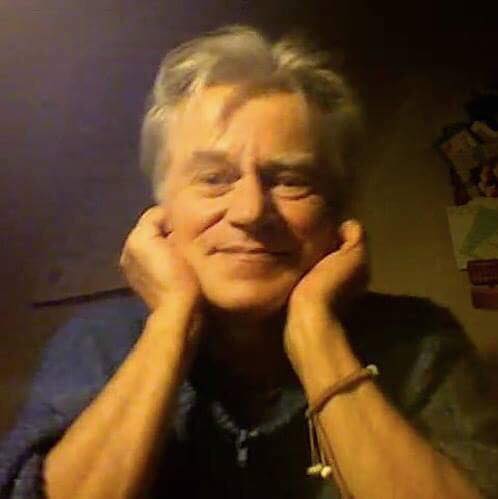
  • Hi Rehan, Nice meeting you, thanks for friend request. O really enjoyed watching and listening to your live event tonight, it was like a free seminar and even tho I am 66 and health issues urge me to take it easy it is lovely to hear about How to do Things, cause thats what it always boils down to, make music or do business - it all has to come out of the same heart or it wont work. Loved what you said about the hamburger venture that would never succeed if you dony like hamburgers - things like that are enriching and applicable in so many situations.

    I am a singer songwriter, style country, folk, blues and some jazz. I am a late bloomer, writing started in my late 30s and really took off when I was nearly 50.
    So I never really thought of selling music or even reaching out to an audience - until then I had been playing in bands and teaching music, mainly guitar.
    But when health issues presented themselves I had to use my energy in another way, and this may sound familiar: in a situation like that you have to become organized, build a network that can work for you. For musicians these tools are well developed already, offering free opportunities to showcase your music and grow a fan base. So being confined to being home most of the time had its advantages too, and just for the fun of it I created a page on reverbnation.com that interacts very well with other social platforms, like here on facebook: this page is a creation by reverbnation and it took them quite a few court cases to make it possible for musicians to showcase their music here and yet keep the copy rights. Its all wonderful stuff you learn along the way and its amazing how much I picked up from friends who are all successful in some kind of business ranging from mechanics running workshops to music producers.

    Health however turned worse, last year I was diagnosed with lung cancer and my right lung was taken out. A serious blow of course, but through hard work and exercise I am learning to function again using 1 lung; there will be a moment when Ill be back singing.

    Hey, its nice to talk to you, you see how inspiring your talk with Bevan was, it really puts the mind at work.

    Enough talk about myself, thanks again for the Friend Request, and enjoy my music on www.harryvsingersongwriter.com, a nifty simple site with links to other places that work very well for me.

    Have a great weekend!

    Meet Harry Versluijs
    Hi Rehan, Nice meeting you, thanks for friend request. O really enjoyed watching and listening to your live event tonight, it was like a free seminar and even tho I am 66 and health issues urge me to take it easy it is lovely to hear about How to do Things, cause that's what it always boils down to, make music or do business - it all has to come out of the same heart or it won't work. Loved what you said about the hamburger venture that would never succeed if you don'y like hamburgers - things like that are enriching and applicable in so many situations. I am a singer songwriter, style country, folk, blues and some jazz. I am a late bloomer, writing started in my late 30's and really took off when I was nearly 50. So I never really thought of selling music or even reaching out to an audience - until then I had been playing in bands and teaching music, mainly guitar. But when health issues presented themselves I had to use my energy in another way, and this may sound familiar: in a situation like that you have to become organized, build a network that can work for you. For musicians these tools are well developed already, offering free opportunities to showcase your music and grow a fan base. So being confined to being home most of the time had its advantages too, and just for the fun of it I created a page on reverbnation.com that interacts very well with other social platforms, like here on facebook: this page is a creation by reverbnation and it took them quite a few court cases to make it possible for musicians to showcase their music here and yet keep the copy rights. It's all wonderful stuff you learn along the way and it's amazing how much I picked up from friends who are all successful in some kind of business ranging from mechanics running workshops to music producers. Health however turned worse, last year I was diagnosed with lung cancer and my right lung was taken out. A serious blow of course, but through hard work and exercise I am learning to function again using 1 lung; there will be a moment when I'll be back singing. Hey, it's nice to talk to you, you see how inspiring your talk with Bevan was, it really puts the mind at work. Enough talk about myself, thanks again for the Friend Request, and enjoy my music on www.harryvsingersongwriter.com, a nifty simple site with links to other places that work very well for me. Have a great weekend! Meet Harry Versluijs
    0 Comentários 0 Compartilhamentos 1213 Visualizações
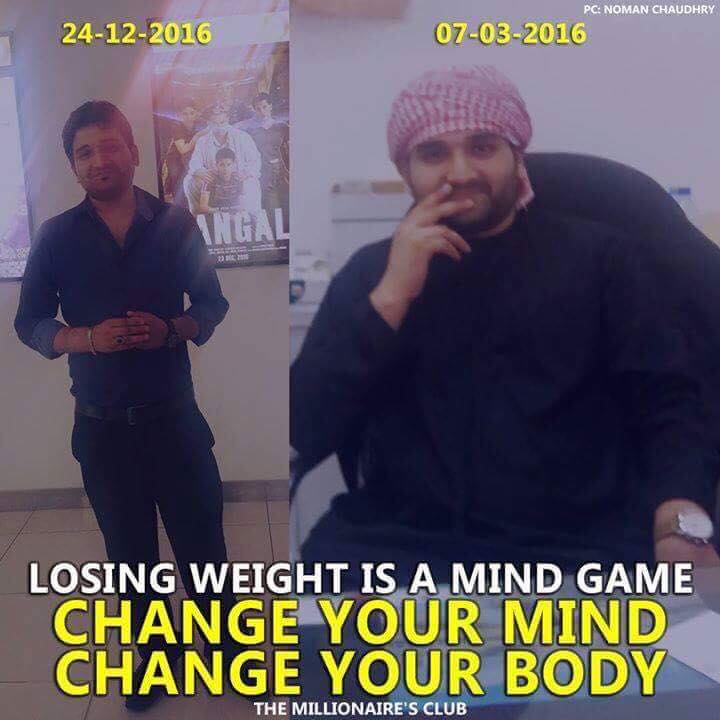
  • Guys, Nothing is impossible in the world. Everything depends upon your mind, your passion and your way of thinking. You can achieve anything anywhere anytime when you want but it will need a very important thing from your side which i called your passion.
    It was March 07th, 2016 when i realized that i am too much heavy now and i have to think again on my self. I realized that due, at the age of 25 only, people are thinking me as 35 so i planned about myself. Due to lot of work and busy schedule, i was unable to give proper time for gym or workout so i choosed another way and that was Diet Control. In other words, it was Self Control. I tried to schedule my meal times, start avoiding junk food specially KFC, Pizza Hut and McDonalds. Lot of time i controlled myself but sometime i failed due to craze for burgers and pizzas. Day by day, I gained my control on myself. By God, I never went to any gym, never eat any pill or anything else and I transformed my body from bulky fat to a normal guy.
    I dont want to share my story to get your attention, its only to motivate you. If a person who is very bad in habits can do this then why not you? I did this without any workout then why you are unable to achieve it with workout. The only reason behind this is "You and Yourself". Change yourself, your way of thinking as well as your diet. Nothing is impossible in the world. Its only depends upon your mind, change it and achieve it.

    Stay Blessed and Passionate

    Noman Chaudhry from Dubai
    Guys, Nothing is impossible in the world. Everything depends upon your mind, your passion and your way of thinking. You can achieve anything anywhere anytime when you want but it will need a very important thing from your side which i called your passion. It was March 07th, 2016 when i realized that i am too much heavy now and i have to think again on my self. I realized that due, at the age of 25 only, people are thinking me as 35 so i planned about myself. Due to lot of work and busy schedule, i was unable to give proper time for gym or workout so i choosed another way and that was Diet Control. In other words, it was Self Control. I tried to schedule my meal times, start avoiding junk food specially KFC, Pizza Hut and McDonald's. Lot of time i controlled myself but sometime i failed due to craze for burgers and pizza's. Day by day, I gained my control on myself. By God, I never went to any gym, never eat any pill or anything else and I transformed my body from bulky fat to a normal guy. I don't wan't to share my story to get your attention, its only to motivate you. If a person who is very bad in habits can do this then why not you? I did this without any workout then why you are unable to achieve it with workout. The only reason behind this is "You and Yourself". Change yourself, your way of thinking as well as your diet. Nothing is impossible in the world. Its only depends upon your mind, change it and achieve it. Stay Blessed and Passionate Noman Chaudhry from Dubai
    0 Comentários 0 Compartilhamentos 544 Visualizações
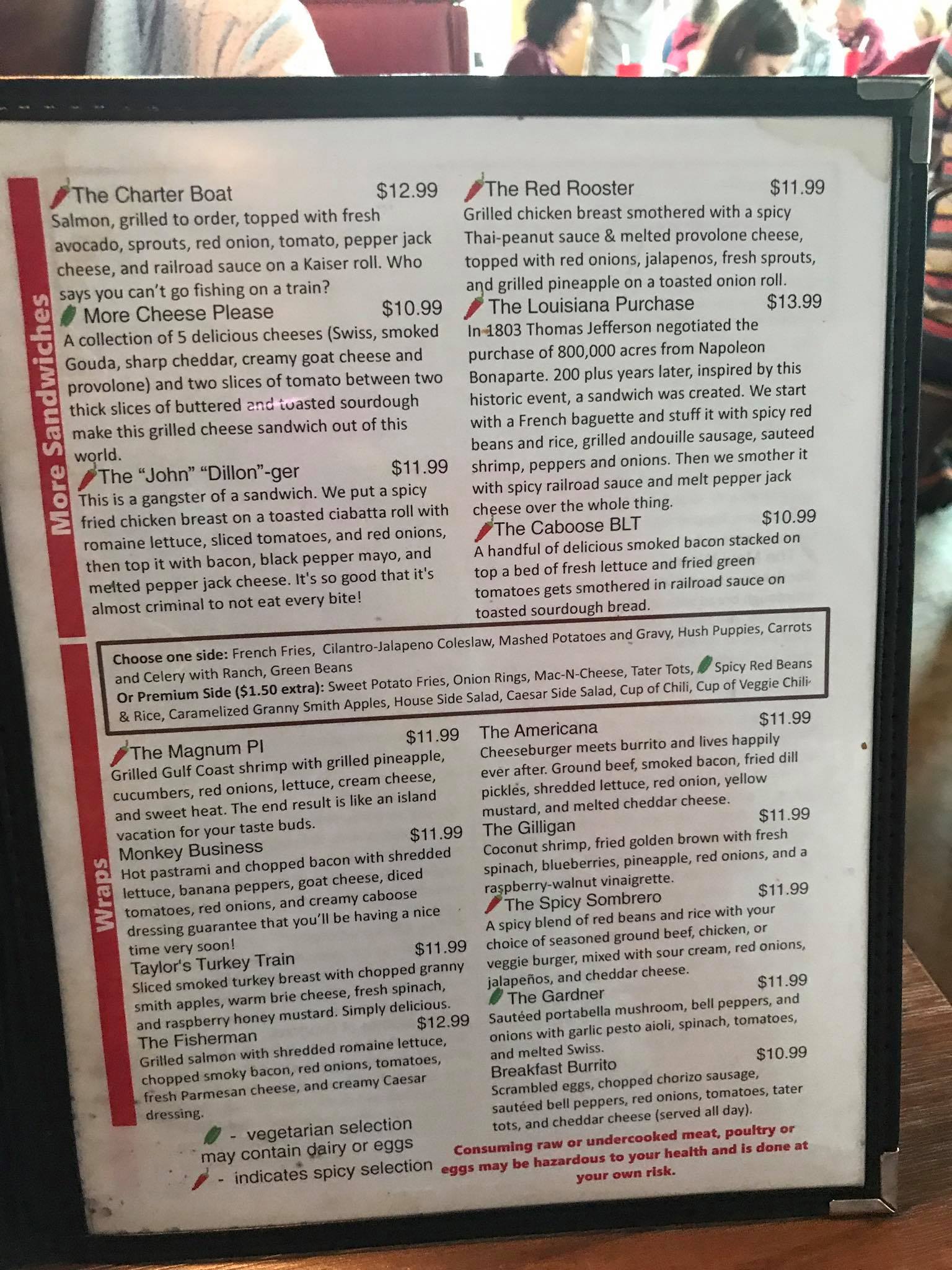
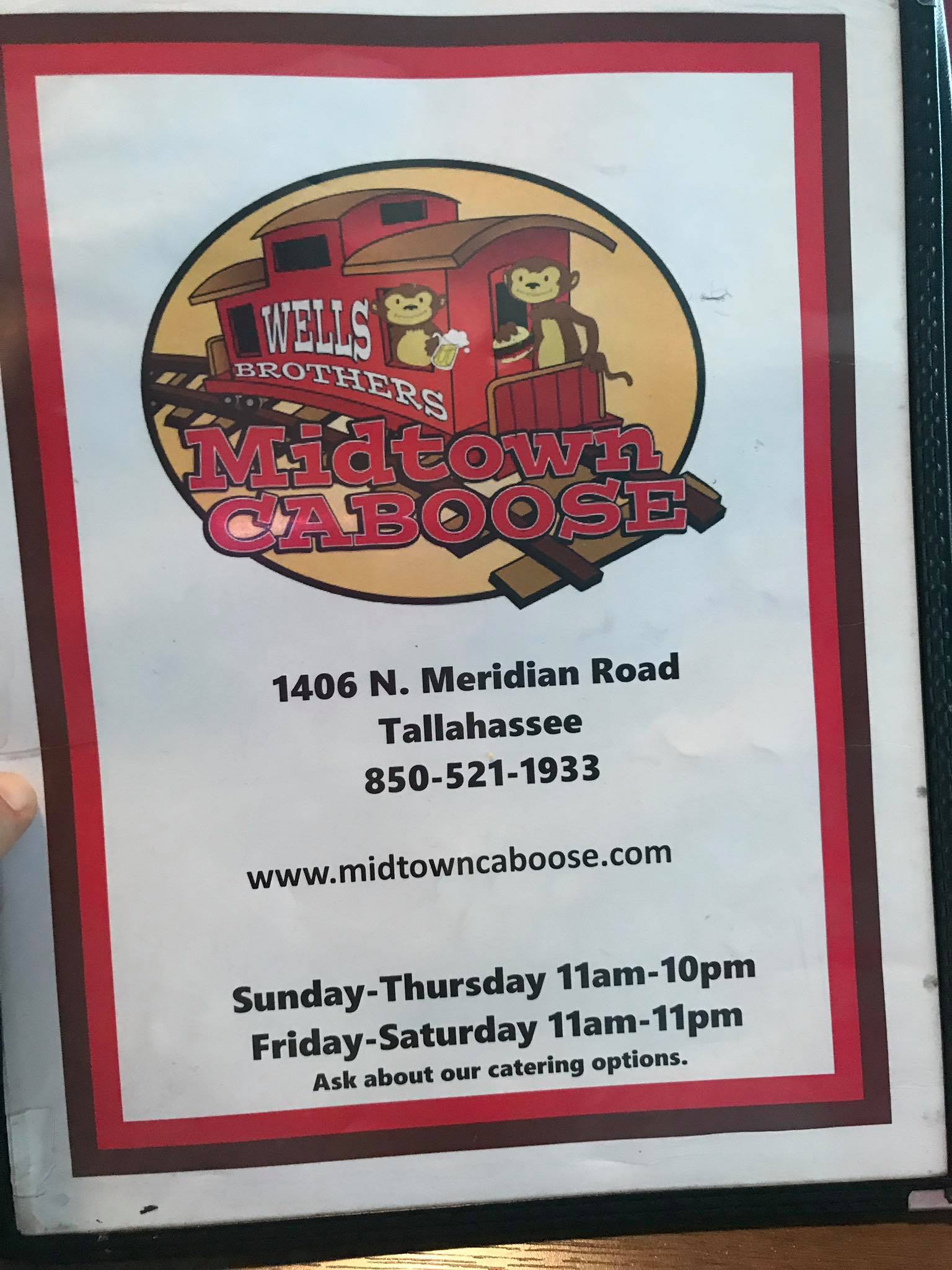
  • Amazing fast food joint ! Amazing menu to learn from !

    Thank You Amy Andrews for the location !

    #burgers
    Amazing fast food joint ! Amazing menu to learn from ! Thank You Amy Andrews for the location ! #burgers
    0 Comentários 0 Compartilhamentos 53 Visualizações
  • Amazing fast food joint ! Amazing menu to learn from !

    Thank You Amy Andrews for the location !

    #burgers
    Amazing fast food joint ! Amazing menu to learn from ! Thank You Amy Andrews for the location ! #burgers
    0 Comentários 0 Compartilhamentos 53 Visualizações
Páginas impulsionada