• Do you know someone who can service and fix minor cosmetics problems in my car in Karachi ?
    Do you know someone who can service and fix minor cosmetics problems in my car in Karachi ?
    0 Commentarii 0 Distribuiri 224 Views
  • 1. Neem Leaves (Azadirachta indica)

    Health Benefits:
    • Powerful antibacterial, antifungal, and antiviral properties.
    • Used for acne, eczema, dandruff, and skin infections.
    • Helps reduce blood sugar and cholesterol.
    • Strengthens immunity and liver function.

    Uses:
    • Boil 10–15 leaves in water and drink for detox.
    • Make neem oil or powder for skin and hair products.

    Business Potential:

    Neem leaves can be used to make herbal soaps, shampoos, mosquito repellents, and natural fertilizers.
    Pakistan could export neem-based products — a billion-dollar global market.


    2. Moringa Leaves (Sohanjna / Drumstick Tree)

    Health Benefits:
    • Extremely rich in vitamin A, C, calcium, iron, and protein.
    • Helps control blood sugar and cholesterol.
    • Boosts energy, immunity, and digestion.
    • Used for malnutrition treatment in rural areas.

    Uses:
    • Dried and powdered as moringa tea or superfood supplement.
    • Mixed into food for extra nutrients.

    Business Potential:

    Global moringa powder market is worth over $8 billion.
    Leaves from local trees can be dried, ground, and exported as organic moringa powder or capsules.


    3. Mulberry Leaves (Shahtoot ke Patte)

    Health Benefits:
    • Contain compounds that lower blood sugar and cholesterol.
    • Improve heart and liver function.
    • Used as food for silkworms — key to silk production.

    Uses:
    • Dried and used as tea for diabetics.
    • Extract used in cosmetics and supplements.

    Business Potential:

    Mulberry leaf tea and extract are in high demand in China and Japan.
    Pakistan’s mulberry trees can support silk farming + tea export.


    4. Curry Leaves (Karhi Patta)

    Health Benefits:
    • Improve digestion and liver function.
    • Control cholesterol and triglycerides.
    • Strengthen hair and skin.
    • Help manage diabetes and oxidative stress.

    Uses:
    • Common spice in cooking (especially for dal and curry).
    • Dried powder can be sold as seasoning.

    Business Potential:

    Can be packaged as “Karhi Patta Tea” or herbal spice mix for export.
    Each small garden or restaurant can dry and sell leaves instead of throwing them away.


    5. Papaya Leaves (Papeeta ke Patte)

    Health Benefits:
    • Rich in papain enzyme — improves digestion.
    • Shown to increase platelet count in dengue fever.
    • Strengthens liver and immunity.

    Uses:
    • Boil leaves to make papaya leaf juice or tea.
    • Used in skincare and enzyme supplements.

    Business Potential:

    Can be processed into enzyme extracts or natural medicine for dengue recovery.


    6. Guava Leaves (Amrood ke Patte)

    Health Benefits:
    • Help lower blood sugar and cholesterol.
    • Treat diarrhea, mouth ulcers, and skin inflammation.
    • Antibacterial and antioxidant.

    Uses:
    • Boiled as tea for diabetics or mouth rinse.

    Business Potential:

    Guava-leaf tea is already commercialized in Japan (FOSHU-certified).
    Pakistan can produce and export organic guava tea affordably.


    7. Mango Leaves (Aam ke Patte)

    Health Benefits:
    • Contain mangiferin, a strong antioxidant.
    • Help control blood sugar, cholesterol, and inflammation.
    • Aid digestion and wound healing.

    Uses:
    • Dried for mango-leaf tea or extract.
    • Used in herbal medicine and skincare.

    Business Potential:

    Can be used for mango leaf tea, extract capsules, or cosmetics.


    8. Banyan & Peepal Leaves (Bargad / Peepal)

    Health Benefits:
    • Traditional use for asthma, cough, ulcers, and infections.
    • Contain anti-inflammatory and antimicrobial compounds.
    • Peepal leaves support respiratory health and mental calmness.

    Uses:
    • Boiled for tea or medicinal decoction.
    • Dried for herbal mixtures.

    Business Potential:

    Can be developed into Ayurvedic and Unani herbal products.


    9. Coriander & Mint Stems and Leaves (Dhaniya & Pudina ke Patte)

    Health Benefits:
    • Aid digestion, detoxification, and reduce gas.
    • Help lower blood pressure and cholesterol.

    Uses:
    • Dried into herbal powders, teas, or capsules.
    • Used for aromatherapy and green chutneys.

    Business Potential:

    Can be dried, powdered, and sold as ready spice blends or teas — reducing waste in homes and restaurants.


    10. Beetroot and Radish Leaves (Chukandar & Mooli ke Patte)

    Health Benefits:
    • Full of iron, calcium, folate, and antioxidants.
    • Strengthen bones, skin, and immune system.
    • Help detoxify the liver and improve blood circulation.

    Uses:
    • Cook like spinach (saag).
    • Blend in soups and smoothies.

    Business Potential:

    Can be sold as “Leafy Superfood Mix” in local and export health markets.


    Summary: The Green Gold of Pakistan

    Leaf Type Key Benefit Possible Product
    Neem Antibacterial Soap, shampoo, pesticide
    Moringa Nutrition, energy Powder, tea, capsule
    Guava Blood sugar Tea
    Mango Cholesterol control Tea, extract
    Papaya Platelet booster Juice, capsule
    Mulberry Sugar control Tea, silk
    Curry Digestion, aroma Spice, tea
    Peepal Respiratory Herbal decoction
    Beetroot/Radish Iron, detox Saag, supplement
    Mint/Coriander Cooling, digestion Tea, chutney


    Conclusion

    Every leaf we throw away could be a medicine, a meal, or a business.
    Pakistan’s gardens, streets, and farms are filled with plants that can:
    • Heal the body,
    • Create income for farmers, and
    • Protect the environment.

    If schools, universities, and local entrepreneurs start collecting, drying, and processing these leaves,
    we can build a new Green Economy —
    turning waste into wellness and leaves into livelihood.
    🌿 1. Neem Leaves (Azadirachta indica) 🔹 Health Benefits: • Powerful antibacterial, antifungal, and antiviral properties. • Used for acne, eczema, dandruff, and skin infections. • Helps reduce blood sugar and cholesterol. • Strengthens immunity and liver function. 🔹 Uses: • Boil 10–15 leaves in water and drink for detox. • Make neem oil or powder for skin and hair products. 💰 Business Potential: Neem leaves can be used to make herbal soaps, shampoos, mosquito repellents, and natural fertilizers. Pakistan could export neem-based products — a billion-dollar global market. ⸻ 🌿 2. Moringa Leaves (Sohanjna / Drumstick Tree) 🔹 Health Benefits: • Extremely rich in vitamin A, C, calcium, iron, and protein. • Helps control blood sugar and cholesterol. • Boosts energy, immunity, and digestion. • Used for malnutrition treatment in rural areas. 🔹 Uses: • Dried and powdered as moringa tea or superfood supplement. • Mixed into food for extra nutrients. 💰 Business Potential: Global moringa powder market is worth over $8 billion. Leaves from local trees can be dried, ground, and exported as organic moringa powder or capsules. ⸻ 🌿 3. Mulberry Leaves (Shahtoot ke Patte) 🔹 Health Benefits: • Contain compounds that lower blood sugar and cholesterol. • Improve heart and liver function. • Used as food for silkworms — key to silk production. 🔹 Uses: • Dried and used as tea for diabetics. • Extract used in cosmetics and supplements. 💰 Business Potential: Mulberry leaf tea and extract are in high demand in China and Japan. Pakistan’s mulberry trees can support silk farming + tea export. ⸻ 🌿 4. Curry Leaves (Karhi Patta) 🔹 Health Benefits: • Improve digestion and liver function. • Control cholesterol and triglycerides. • Strengthen hair and skin. • Help manage diabetes and oxidative stress. 🔹 Uses: • Common spice in cooking (especially for dal and curry). • Dried powder can be sold as seasoning. 💰 Business Potential: Can be packaged as “Karhi Patta Tea” or herbal spice mix for export. Each small garden or restaurant can dry and sell leaves instead of throwing them away. ⸻ 🌿 5. Papaya Leaves (Papeeta ke Patte) 🔹 Health Benefits: • Rich in papain enzyme — improves digestion. • Shown to increase platelet count in dengue fever. • Strengthens liver and immunity. 🔹 Uses: • Boil leaves to make papaya leaf juice or tea. • Used in skincare and enzyme supplements. 💰 Business Potential: Can be processed into enzyme extracts or natural medicine for dengue recovery. ⸻ 🌿 6. Guava Leaves (Amrood ke Patte) 🔹 Health Benefits: • Help lower blood sugar and cholesterol. • Treat diarrhea, mouth ulcers, and skin inflammation. • Antibacterial and antioxidant. 🔹 Uses: • Boiled as tea for diabetics or mouth rinse. 💰 Business Potential: Guava-leaf tea is already commercialized in Japan (FOSHU-certified). Pakistan can produce and export organic guava tea affordably. ⸻ 🌿 7. Mango Leaves (Aam ke Patte) 🔹 Health Benefits: • Contain mangiferin, a strong antioxidant. • Help control blood sugar, cholesterol, and inflammation. • Aid digestion and wound healing. 🔹 Uses: • Dried for mango-leaf tea or extract. • Used in herbal medicine and skincare. 💰 Business Potential: Can be used for mango leaf tea, extract capsules, or cosmetics. ⸻ 🌿 8. Banyan & Peepal Leaves (Bargad / Peepal) 🔹 Health Benefits: • Traditional use for asthma, cough, ulcers, and infections. • Contain anti-inflammatory and antimicrobial compounds. • Peepal leaves support respiratory health and mental calmness. 🔹 Uses: • Boiled for tea or medicinal decoction. • Dried for herbal mixtures. 💰 Business Potential: Can be developed into Ayurvedic and Unani herbal products. ⸻ 🌿 9. Coriander & Mint Stems and Leaves (Dhaniya & Pudina ke Patte) 🔹 Health Benefits: • Aid digestion, detoxification, and reduce gas. • Help lower blood pressure and cholesterol. 🔹 Uses: • Dried into herbal powders, teas, or capsules. • Used for aromatherapy and green chutneys. 💰 Business Potential: Can be dried, powdered, and sold as ready spice blends or teas — reducing waste in homes and restaurants. ⸻ 🌿 10. Beetroot and Radish Leaves (Chukandar & Mooli ke Patte) 🔹 Health Benefits: • Full of iron, calcium, folate, and antioxidants. • Strengthen bones, skin, and immune system. • Help detoxify the liver and improve blood circulation. 🔹 Uses: • Cook like spinach (saag). • Blend in soups and smoothies. 💰 Business Potential: Can be sold as “Leafy Superfood Mix” in local and export health markets. ⸻ 🌳 Summary: The Green Gold of Pakistan Leaf Type Key Benefit Possible Product Neem Antibacterial Soap, shampoo, pesticide Moringa Nutrition, energy Powder, tea, capsule Guava Blood sugar Tea Mango Cholesterol control Tea, extract Papaya Platelet booster Juice, capsule Mulberry Sugar control Tea, silk Curry Digestion, aroma Spice, tea Peepal Respiratory Herbal decoction Beetroot/Radish Iron, detox Saag, supplement Mint/Coriander Cooling, digestion Tea, chutney ⸻ 💡 Conclusion Every leaf we throw away could be a medicine, a meal, or a business. Pakistan’s gardens, streets, and farms are filled with plants that can: • Heal the body, • Create income for farmers, and • Protect the environment. If schools, universities, and local entrepreneurs start collecting, drying, and processing these leaves, we can build a new Green Economy — turning waste into wellness and leaves into livelihood. 🍃💚

    0 Commentarii 0 Distribuiri 1613 Views
  • 1. Neem Leaves (Azadirachta indica)

    Health Benefits:
    • Powerful antibacterial, antifungal, and antiviral properties.
    • Used for acne, eczema, dandruff, and skin infections.
    • Helps reduce blood sugar and cholesterol.
    • Strengthens immunity and liver function.

    Uses:
    • Boil 10–15 leaves in water and drink for detox.
    • Make neem oil or powder for skin and hair products.

    Business Potential:

    Neem leaves can be used to make herbal soaps, shampoos, mosquito repellents, and natural fertilizers.
    Pakistan could export neem-based products — a billion-dollar global market.


    2. Moringa Leaves (Sohanjna / Drumstick Tree)

    Health Benefits:
    • Extremely rich in vitamin A, C, calcium, iron, and protein.
    • Helps control blood sugar and cholesterol.
    • Boosts energy, immunity, and digestion.
    • Used for malnutrition treatment in rural areas.

    Uses:
    • Dried and powdered as moringa tea or superfood supplement.
    • Mixed into food for extra nutrients.

    Business Potential:

    Global moringa powder market is worth over $8 billion.
    Leaves from local trees can be dried, ground, and exported as organic moringa powder or capsules.


    3. Mulberry Leaves (Shahtoot ke Patte)

    Health Benefits:
    • Contain compounds that lower blood sugar and cholesterol.
    • Improve heart and liver function.
    • Used as food for silkworms — key to silk production.

    Uses:
    • Dried and used as tea for diabetics.
    • Extract used in cosmetics and supplements.

    Business Potential:

    Mulberry leaf tea and extract are in high demand in China and Japan.
    Pakistan’s mulberry trees can support silk farming + tea export.


    4. Curry Leaves (Karhi Patta)

    Health Benefits:
    • Improve digestion and liver function.
    • Control cholesterol and triglycerides.
    • Strengthen hair and skin.
    • Help manage diabetes and oxidative stress.

    Uses:
    • Common spice in cooking (especially for dal and curry).
    • Dried powder can be sold as seasoning.

    Business Potential:

    Can be packaged as “Karhi Patta Tea” or herbal spice mix for export.
    Each small garden or restaurant can dry and sell leaves instead of throwing them away.


    5. Papaya Leaves (Papeeta ke Patte)

    Health Benefits:
    • Rich in papain enzyme — improves digestion.
    • Shown to increase platelet count in dengue fever.
    • Strengthens liver and immunity.

    Uses:
    • Boil leaves to make papaya leaf juice or tea.
    • Used in skincare and enzyme supplements.

    Business Potential:

    Can be processed into enzyme extracts or natural medicine for dengue recovery.


    6. Guava Leaves (Amrood ke Patte)

    Health Benefits:
    • Help lower blood sugar and cholesterol.
    • Treat diarrhea, mouth ulcers, and skin inflammation.
    • Antibacterial and antioxidant.

    Uses:
    • Boiled as tea for diabetics or mouth rinse.

    Business Potential:

    Guava-leaf tea is already commercialized in Japan (FOSHU-certified).
    Pakistan can produce and export organic guava tea affordably.


    7. Mango Leaves (Aam ke Patte)

    Health Benefits:
    • Contain mangiferin, a strong antioxidant.
    • Help control blood sugar, cholesterol, and inflammation.
    • Aid digestion and wound healing.

    Uses:
    • Dried for mango-leaf tea or extract.
    • Used in herbal medicine and skincare.

    Business Potential:

    Can be used for mango leaf tea, extract capsules, or cosmetics.


    8. Banyan & Peepal Leaves (Bargad / Peepal)

    Health Benefits:
    • Traditional use for asthma, cough, ulcers, and infections.
    • Contain anti-inflammatory and antimicrobial compounds.
    • Peepal leaves support respiratory health and mental calmness.

    Uses:
    • Boiled for tea or medicinal decoction.
    • Dried for herbal mixtures.

    Business Potential:

    Can be developed into Ayurvedic and Unani herbal products.


    9. Coriander & Mint Stems and Leaves (Dhaniya & Pudina ke Patte)

    Health Benefits:
    • Aid digestion, detoxification, and reduce gas.
    • Help lower blood pressure and cholesterol.

    Uses:
    • Dried into herbal powders, teas, or capsules.
    • Used for aromatherapy and green chutneys.

    Business Potential:

    Can be dried, powdered, and sold as ready spice blends or teas — reducing waste in homes and restaurants.


    10. Beetroot and Radish Leaves (Chukandar & Mooli ke Patte)

    Health Benefits:
    • Full of iron, calcium, folate, and antioxidants.
    • Strengthen bones, skin, and immune system.
    • Help detoxify the liver and improve blood circulation.

    Uses:
    • Cook like spinach (saag).
    • Blend in soups and smoothies.

    Business Potential:

    Can be sold as “Leafy Superfood Mix” in local and export health markets.


    Summary: The Green Gold of Pakistan

    Leaf Type Key Benefit Possible Product
    Neem Antibacterial Soap, shampoo, pesticide
    Moringa Nutrition, energy Powder, tea, capsule
    Guava Blood sugar Tea
    Mango Cholesterol control Tea, extract
    Papaya Platelet booster Juice, capsule
    Mulberry Sugar control Tea, silk
    Curry Digestion, aroma Spice, tea
    Peepal Respiratory Herbal decoction
    Beetroot/Radish Iron, detox Saag, supplement
    Mint/Coriander Cooling, digestion Tea, chutney


    Conclusion

    Every leaf we throw away could be a medicine, a meal, or a business.
    Pakistan’s gardens, streets, and farms are filled with plants that can:
    • Heal the body,
    • Create income for farmers, and
    • Protect the environment.

    If schools, universities, and local entrepreneurs start collecting, drying, and processing these leaves,
    we can build a new Green Economy —
    turning waste into wellness and leaves into livelihood.
    🌿 1. Neem Leaves (Azadirachta indica) 🔹 Health Benefits: • Powerful antibacterial, antifungal, and antiviral properties. • Used for acne, eczema, dandruff, and skin infections. • Helps reduce blood sugar and cholesterol. • Strengthens immunity and liver function. 🔹 Uses: • Boil 10–15 leaves in water and drink for detox. • Make neem oil or powder for skin and hair products. 💰 Business Potential: Neem leaves can be used to make herbal soaps, shampoos, mosquito repellents, and natural fertilizers. Pakistan could export neem-based products — a billion-dollar global market. ⸻ 🌿 2. Moringa Leaves (Sohanjna / Drumstick Tree) 🔹 Health Benefits: • Extremely rich in vitamin A, C, calcium, iron, and protein. • Helps control blood sugar and cholesterol. • Boosts energy, immunity, and digestion. • Used for malnutrition treatment in rural areas. 🔹 Uses: • Dried and powdered as moringa tea or superfood supplement. • Mixed into food for extra nutrients. 💰 Business Potential: Global moringa powder market is worth over $8 billion. Leaves from local trees can be dried, ground, and exported as organic moringa powder or capsules. ⸻ 🌿 3. Mulberry Leaves (Shahtoot ke Patte) 🔹 Health Benefits: • Contain compounds that lower blood sugar and cholesterol. • Improve heart and liver function. • Used as food for silkworms — key to silk production. 🔹 Uses: • Dried and used as tea for diabetics. • Extract used in cosmetics and supplements. 💰 Business Potential: Mulberry leaf tea and extract are in high demand in China and Japan. Pakistan’s mulberry trees can support silk farming + tea export. ⸻ 🌿 4. Curry Leaves (Karhi Patta) 🔹 Health Benefits: • Improve digestion and liver function. • Control cholesterol and triglycerides. • Strengthen hair and skin. • Help manage diabetes and oxidative stress. 🔹 Uses: • Common spice in cooking (especially for dal and curry). • Dried powder can be sold as seasoning. 💰 Business Potential: Can be packaged as “Karhi Patta Tea” or herbal spice mix for export. Each small garden or restaurant can dry and sell leaves instead of throwing them away. ⸻ 🌿 5. Papaya Leaves (Papeeta ke Patte) 🔹 Health Benefits: • Rich in papain enzyme — improves digestion. • Shown to increase platelet count in dengue fever. • Strengthens liver and immunity. 🔹 Uses: • Boil leaves to make papaya leaf juice or tea. • Used in skincare and enzyme supplements. 💰 Business Potential: Can be processed into enzyme extracts or natural medicine for dengue recovery. ⸻ 🌿 6. Guava Leaves (Amrood ke Patte) 🔹 Health Benefits: • Help lower blood sugar and cholesterol. • Treat diarrhea, mouth ulcers, and skin inflammation. • Antibacterial and antioxidant. 🔹 Uses: • Boiled as tea for diabetics or mouth rinse. 💰 Business Potential: Guava-leaf tea is already commercialized in Japan (FOSHU-certified). Pakistan can produce and export organic guava tea affordably. ⸻ 🌿 7. Mango Leaves (Aam ke Patte) 🔹 Health Benefits: • Contain mangiferin, a strong antioxidant. • Help control blood sugar, cholesterol, and inflammation. • Aid digestion and wound healing. 🔹 Uses: • Dried for mango-leaf tea or extract. • Used in herbal medicine and skincare. 💰 Business Potential: Can be used for mango leaf tea, extract capsules, or cosmetics. ⸻ 🌿 8. Banyan & Peepal Leaves (Bargad / Peepal) 🔹 Health Benefits: • Traditional use for asthma, cough, ulcers, and infections. • Contain anti-inflammatory and antimicrobial compounds. • Peepal leaves support respiratory health and mental calmness. 🔹 Uses: • Boiled for tea or medicinal decoction. • Dried for herbal mixtures. 💰 Business Potential: Can be developed into Ayurvedic and Unani herbal products. ⸻ 🌿 9. Coriander & Mint Stems and Leaves (Dhaniya & Pudina ke Patte) 🔹 Health Benefits: • Aid digestion, detoxification, and reduce gas. • Help lower blood pressure and cholesterol. 🔹 Uses: • Dried into herbal powders, teas, or capsules. • Used for aromatherapy and green chutneys. 💰 Business Potential: Can be dried, powdered, and sold as ready spice blends or teas — reducing waste in homes and restaurants. ⸻ 🌿 10. Beetroot and Radish Leaves (Chukandar & Mooli ke Patte) 🔹 Health Benefits: • Full of iron, calcium, folate, and antioxidants. • Strengthen bones, skin, and immune system. • Help detoxify the liver and improve blood circulation. 🔹 Uses: • Cook like spinach (saag). • Blend in soups and smoothies. 💰 Business Potential: Can be sold as “Leafy Superfood Mix” in local and export health markets. ⸻ 🌳 Summary: The Green Gold of Pakistan Leaf Type Key Benefit Possible Product Neem Antibacterial Soap, shampoo, pesticide Moringa Nutrition, energy Powder, tea, capsule Guava Blood sugar Tea Mango Cholesterol control Tea, extract Papaya Platelet booster Juice, capsule Mulberry Sugar control Tea, silk Curry Digestion, aroma Spice, tea Peepal Respiratory Herbal decoction Beetroot/Radish Iron, detox Saag, supplement Mint/Coriander Cooling, digestion Tea, chutney ⸻ 💡 Conclusion Every leaf we throw away could be a medicine, a meal, or a business. Pakistan’s gardens, streets, and farms are filled with plants that can: • Heal the body, • Create income for farmers, and • Protect the environment. If schools, universities, and local entrepreneurs start collecting, drying, and processing these leaves, we can build a new Green Economy — turning waste into wellness and leaves into livelihood. 🍃💚

    0 Commentarii 0 Distribuiri 1599 Views
  • Love makeup ? Home made cosmetics is another fantastic low entry cost business women can start from their homes !

    They are very easy to make and you can sell them easily via Facebook !

    #rehanideas #newbusiness #cosmetics
    Love makeup ? Home made cosmetics is another fantastic low entry cost business women can start from their homes ! They are very easy to make and you can sell them easily via Facebook ! #rehanideas #newbusiness #cosmetics
    0 Commentarii 0 Distribuiri 316 Views
  • My friend Arijan Lozana is visiting Lahore from Republic of Macedonia

    The country of Alexander the Great

    He is getting into Organic cosmetics business !

    Please inbox him if you want to meet him or can organise a meetup with him or talk of his in different schools and universities so people can learn about his wonderful experience in Pakistan
    My friend Arijan Lozana is visiting Lahore from Republic of Macedonia The country of Alexander the Great He is getting into Organic cosmetics business ! Please inbox him if you want to meet him or can organise a meetup with him or talk of his in different schools and universities so people can learn about his wonderful experience in Pakistan
    0 Commentarii 0 Distribuiri 81 Views
  • Meet my school friend Atif Zia who has recently opened a restaurant and now a resort in Hunza, Pakistan

    If you are traveling there do connect with him for guidance !

    He has a background in Cosmetics and can help you grow your businesses as mentor !

    He is now also a lawyer !
    Meet my school friend Atif Zia who has recently opened a restaurant and now a resort in Hunza, Pakistan If you are traveling there do connect with him for guidance ! He has a background in Cosmetics and can help you grow your businesses as mentor ! He is now also a lawyer !
    0 Commentarii 0 Distribuiri 84 Views
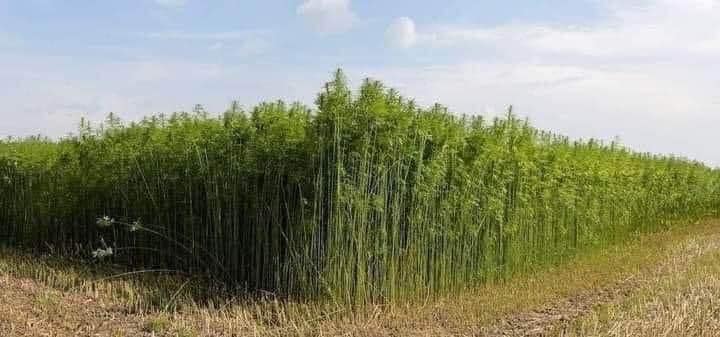
  • HOW AND WHY IS HEMP PROHIBITED?
    1. One hectare of hemp produces as much oxygen as 25 hectares of forest.
    2. I repeat, one acre of hemp can produce as much paper as 4 acres of wood.
    3. While hemp can be processed into paper 8 times, wood can be turned into paper 3 times.
    4. Hemp grows in 4 months, trees in 20-50 years.
    5. Hemp flower is a real radiation trap.
    6. Hemp can be grown anywhere in the world and it requires very little water. Furthermore, since it is able to defend itself from insects, it does not need pesticides.
    7. If hemp tissue were to spread, the pesticide industry could disappear completely.
    8. The first farmers used hemp; the word "KANVAS" is also the name of hemp products.
    Hemp is also an ideal plant for making ropes, shoelaces, bags, shoes, hats.
    9. Reducing the effects of chemotherapy and radiation in the treatment of cannabis, AIDS and cancer; It is used in at least 250 diseases such as rheumatism, heart, epilepsy, asthma, stomach, insomnia, psychology and spine diseases.
    10. The protein value of hemp seeds is very high and the two fatty acids contained in them cannot be found anywhere else in nature.
    11. Hemp is even cheaper to produce than soy.
    12. Cannabis fed animals dont need hormone supplements.
    13. All plastic products can be made from hemp, and hemp plastic is very easy to return to nature.
    14. If a car body is made of hemp, it will be 10 times stronger than steel.
    15. It can also be used for building insulation; durable, cheap and flexible.
    16. Hemp-based soaps and cosmetics dont contaminate water; so its completely eco-friendly.
    Production was mandatory in 18th-century America and farmers who did not produce were imprisoned. Now the tables have turned upside down. FROM WHERE?
    -W. R. Hearst owned newspapers, magazines and media in America in 1900. They had forests and produced paper. If the paper was made of hemp, it could have lost millions.
    - Rockefeller was the richest man in the world. He had an oil company. Biofuels, hemp oil, of course, were his biggest enemy.
    -Mellon was one of the main shareholders of Dupont Company and had a patent for manufacturing plastics from petroleum products. And the cannabis industry has threatened its market.
    - President Mellon Hoover next became Secretary of the Treasury. The big names weve been talking about decided in their meetings that cannabis was the enemy.
    And it was eliminated.
    Forests are being cut down for paper production.
    The number of pesticide poisoning and tumor is on the rise.
    Then we filled our world with plastic waste, harmful waste...

    Thanks to Marco Due Camarda for posting this.

    Thank you Luana Fazzini
    HOW AND WHY IS HEMP PROHIBITED? 👉1. One hectare of hemp produces as much oxygen as 25 hectares of forest. 👉2. I repeat, one acre of hemp can produce as much paper as 4 acres of wood. 👉3. While hemp can be processed into paper 8 times, wood can be turned into paper 3 times. 👉4. Hemp grows in 4 months, trees in 20-50 years. 👉5. Hemp flower is a real radiation trap. 👉6. Hemp can be grown anywhere in the world and it requires very little water. Furthermore, since it is able to defend itself from insects, it does not need pesticides. 👉7. If hemp tissue were to spread, the pesticide industry could disappear completely. 👉8. The first farmers used hemp; the word "KANVAS" is also the name of hemp products. Hemp is also an ideal plant for making ropes, shoelaces, bags, shoes, hats. 👉9. Reducing the effects of chemotherapy and radiation in the treatment of cannabis, AIDS and cancer; It is used in at least 250 diseases such as rheumatism, heart, epilepsy, asthma, stomach, insomnia, psychology and spine diseases. 👉10. The protein value of hemp seeds is very high and the two fatty acids contained in them cannot be found anywhere else in nature. 👉11. Hemp is even cheaper to produce than soy. 👉12. Cannabis fed animals don't need hormone supplements. 👉13. All plastic products can be made from hemp, and hemp plastic is very easy to return to nature. 👉14. If a car body is made of hemp, it will be 10 times stronger than steel. 👉15. It can also be used for building insulation; durable, cheap and flexible. 👉16. Hemp-based soaps and cosmetics don't contaminate water; so it's completely eco-friendly. Production was mandatory in 18th-century America and farmers who did not produce were imprisoned. Now the tables have turned upside down. FROM WHERE? 👎-W. R. Hearst owned newspapers, magazines and media in America in 1900. They had forests and produced paper. If the paper was made of hemp, it could have lost millions. 👎- Rockefeller was the richest man in the world. He had an oil company. Biofuels, hemp oil, of course, were his biggest enemy. 👎-Mellon was one of the main shareholders of Dupont Company and had a patent for manufacturing plastics from petroleum products. And the cannabis industry has threatened its market. 👎- President Mellon Hoover next became Secretary of the Treasury. The big names we've been talking about decided in their meetings that cannabis was the enemy. And it was eliminated. Forests are being cut down for paper production. The number of pesticide poisoning and tumor is on the rise. Then we filled our world with plastic waste, harmful waste... Thanks to Marco Due Camarda for posting this. Thank you Luana Fazzini
    0 Commentarii 0 Distribuiri 81 Views
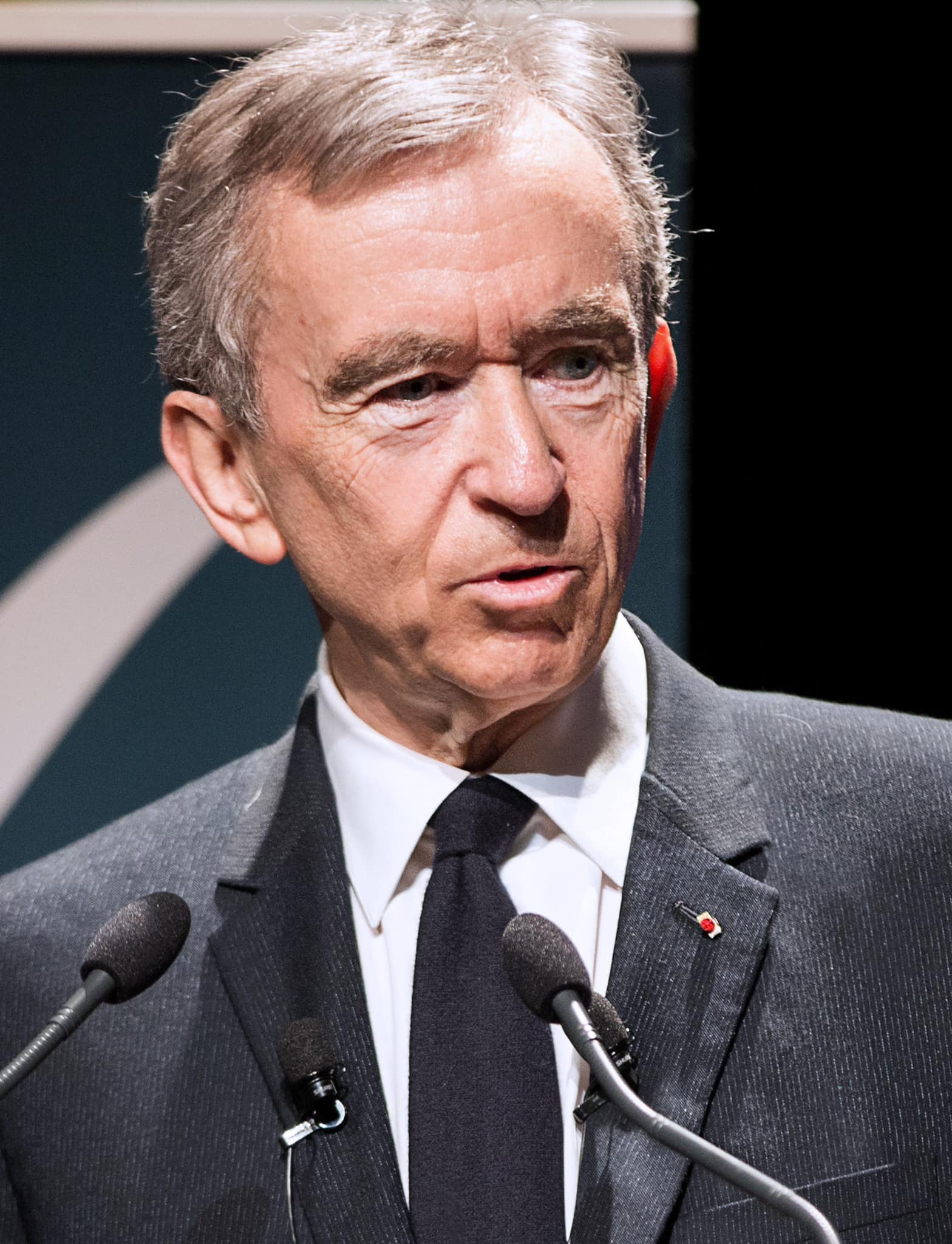
  • Bernard Arnault, the French billionaire and CEO of LVMH (Moët Hennessy Louis Vuitton), became one of the wealthiest people in the world through a combination of strategic investments, acquisitions, and an ability to identify and elevate luxury brands globally. Heres a summary of his story:

    ### Early Life and Career Beginnings:
    - **Born in 1949** in Roubaix, France, Bernard Arnault came from a family of industrialists. His father owned a civil engineering company, which was Arnaults first exposure to business.
    - After graduating from the prestigious **École Polytechnique**, Arnault joined his fathers business, which he helped diversify by convincing his father to focus on real estate. He succeeded in expanding the company and selling off its non-core construction activities.

    ### The Pivot to Luxury:
    - **1984** was a turning point. Arnault learned that the French government was looking to sell a failing textile company, **Boussac Saint-Frères**, which owned the luxury brand **Christian Dior**.
    - Arnault, with the financial backing of the French investment bank Lazard, purchased Boussac for $15 million. He immediately sold off most of Boussacs assets, except for Dior and Le Bon Marché, a luxury department store. This move allowed him to focus on luxury goods.

    ### The LVMH Empire:
    - Arnaults big break came in the **1980s**, when he recognized the value of consolidating the fragmented luxury market. In **1987**, the two luxury houses **Louis Vuitton** and **Moët Hennessy** merged to form **LVMH**, the world’s largest luxury goods company.
    - Arnault quickly became the majority shareholder, maneuvering through a hostile takeover to gain control of LVMH by **1989**. His aggressive acquisition strategy was key to his future wealth.

    ### Strategic Acquisitions and Expansions:
    - Over the next decades, Arnault expanded the LVMH group through acquisitions, adding **iconic brands** like:
    - **Fendi**
    - **Céline**
    - **Bulgari**
    - **Dom Pérignon**
    - **Givenchy**
    - **Tiffany & Co.** (for $16 billion in 2021, one of the largest luxury acquisitions ever)

    Arnault transformed LVMH into a conglomerate of more than **75 luxury brands**, spanning fashion, cosmetics, wines, spirits, and watches. He focused on elevating these brands, maintaining their exclusivity while scaling them globally.

    ### Management Style and Vision:
    - Arnault is known for his **hands-on approach**, often working closely with designers and CEOs of the brands under LVMH’s umbrella. He has a sharp eye for talent, helping to catapult figures like **John Galliano**, **Marc Jacobs**, and **Virgil Abloh** to global prominence in the fashion world.
    - He has a reputation for being extremely **strategic and patient**, often waiting years for the right moment to acquire a company or to make key moves in the market.

    ### Growth and Accumulation of Wealth:
    - Arnault’s wealth has ballooned as LVMHs market value has soared over the years. The luxury goods market’s growth, particularly driven by strong demand in **China**, and the prestige attached to brands under his leadership, have fueled this.
    - LVMHs stock has performed extremely well, further multiplying Arnaults wealth. His fortune has consistently grown due to the **globalization of luxury brands** and increased demand for high-end fashion and accessories.

    ### Personal Wealth:
    - As of recent years, Arnault’s net worth has often surpassed or rivaled other billionaires like Jeff Bezos and Elon Musk, making him **one of the richest people in the world**.
    - His wealth comes largely from his ownership stake in LVMH, as well as his investments in other ventures such as **real estate** and **art** (he is a passionate art collector and opened the **Louis Vuitton Foundation** in Paris, a contemporary art museum).

    ### Key Traits and Business Tactics:
    - **Vision for Global Luxury**: Arnault recognized early that the luxury market could be globalized, particularly with the rise of wealth in emerging economies.
    - **Aggressive but Strategic**: Arnault has been unafraid of hostile takeovers, but his moves are calculated and long-term in focus.
    - **Focus on Exclusivity**: Arnault is a master of maintaining the prestige and allure of luxury brands while growing them.

    In essence, Bernard Arnault built his fortune through calculated investments in luxury brands, a sharp understanding of global markets, and the ability to nurture and grow iconic names in fashion and luxury into global giants. His focus on branding, talent, and exclusivity has made LVMH a dominant force in the luxury world, translating to immense personal wealth.
    Bernard Arnault, the French billionaire and CEO of LVMH (Moët Hennessy Louis Vuitton), became one of the wealthiest people in the world through a combination of strategic investments, acquisitions, and an ability to identify and elevate luxury brands globally. Here's a summary of his story: ### Early Life and Career Beginnings: - **Born in 1949** in Roubaix, France, Bernard Arnault came from a family of industrialists. His father owned a civil engineering company, which was Arnault's first exposure to business. - After graduating from the prestigious **École Polytechnique**, Arnault joined his father's business, which he helped diversify by convincing his father to focus on real estate. He succeeded in expanding the company and selling off its non-core construction activities. ### The Pivot to Luxury: - **1984** was a turning point. Arnault learned that the French government was looking to sell a failing textile company, **Boussac Saint-Frères**, which owned the luxury brand **Christian Dior**. - Arnault, with the financial backing of the French investment bank Lazard, purchased Boussac for $15 million. He immediately sold off most of Boussac's assets, except for Dior and Le Bon Marché, a luxury department store. This move allowed him to focus on luxury goods. ### The LVMH Empire: - Arnault's big break came in the **1980s**, when he recognized the value of consolidating the fragmented luxury market. In **1987**, the two luxury houses **Louis Vuitton** and **Moët Hennessy** merged to form **LVMH**, the world’s largest luxury goods company. - Arnault quickly became the majority shareholder, maneuvering through a hostile takeover to gain control of LVMH by **1989**. His aggressive acquisition strategy was key to his future wealth. ### Strategic Acquisitions and Expansions: - Over the next decades, Arnault expanded the LVMH group through acquisitions, adding **iconic brands** like: - **Fendi** - **Céline** - **Bulgari** - **Dom Pérignon** - **Givenchy** - **Tiffany & Co.** (for $16 billion in 2021, one of the largest luxury acquisitions ever) Arnault transformed LVMH into a conglomerate of more than **75 luxury brands**, spanning fashion, cosmetics, wines, spirits, and watches. He focused on elevating these brands, maintaining their exclusivity while scaling them globally. ### Management Style and Vision: - Arnault is known for his **hands-on approach**, often working closely with designers and CEOs of the brands under LVMH’s umbrella. He has a sharp eye for talent, helping to catapult figures like **John Galliano**, **Marc Jacobs**, and **Virgil Abloh** to global prominence in the fashion world. - He has a reputation for being extremely **strategic and patient**, often waiting years for the right moment to acquire a company or to make key moves in the market. ### Growth and Accumulation of Wealth: - Arnault’s wealth has ballooned as LVMH's market value has soared over the years. The luxury goods market’s growth, particularly driven by strong demand in **China**, and the prestige attached to brands under his leadership, have fueled this. - LVMH's stock has performed extremely well, further multiplying Arnault's wealth. His fortune has consistently grown due to the **globalization of luxury brands** and increased demand for high-end fashion and accessories. ### Personal Wealth: - As of recent years, Arnault’s net worth has often surpassed or rivaled other billionaires like Jeff Bezos and Elon Musk, making him **one of the richest people in the world**. - His wealth comes largely from his ownership stake in LVMH, as well as his investments in other ventures such as **real estate** and **art** (he is a passionate art collector and opened the **Louis Vuitton Foundation** in Paris, a contemporary art museum). ### Key Traits and Business Tactics: - **Vision for Global Luxury**: Arnault recognized early that the luxury market could be globalized, particularly with the rise of wealth in emerging economies. - **Aggressive but Strategic**: Arnault has been unafraid of hostile takeovers, but his moves are calculated and long-term in focus. - **Focus on Exclusivity**: Arnault is a master of maintaining the prestige and allure of luxury brands while growing them. In essence, Bernard Arnault built his fortune through calculated investments in luxury brands, a sharp understanding of global markets, and the ability to nurture and grow iconic names in fashion and luxury into global giants. His focus on branding, talent, and exclusivity has made LVMH a dominant force in the luxury world, translating to immense personal wealth.
    0 Commentarii 0 Distribuiri 144 Views
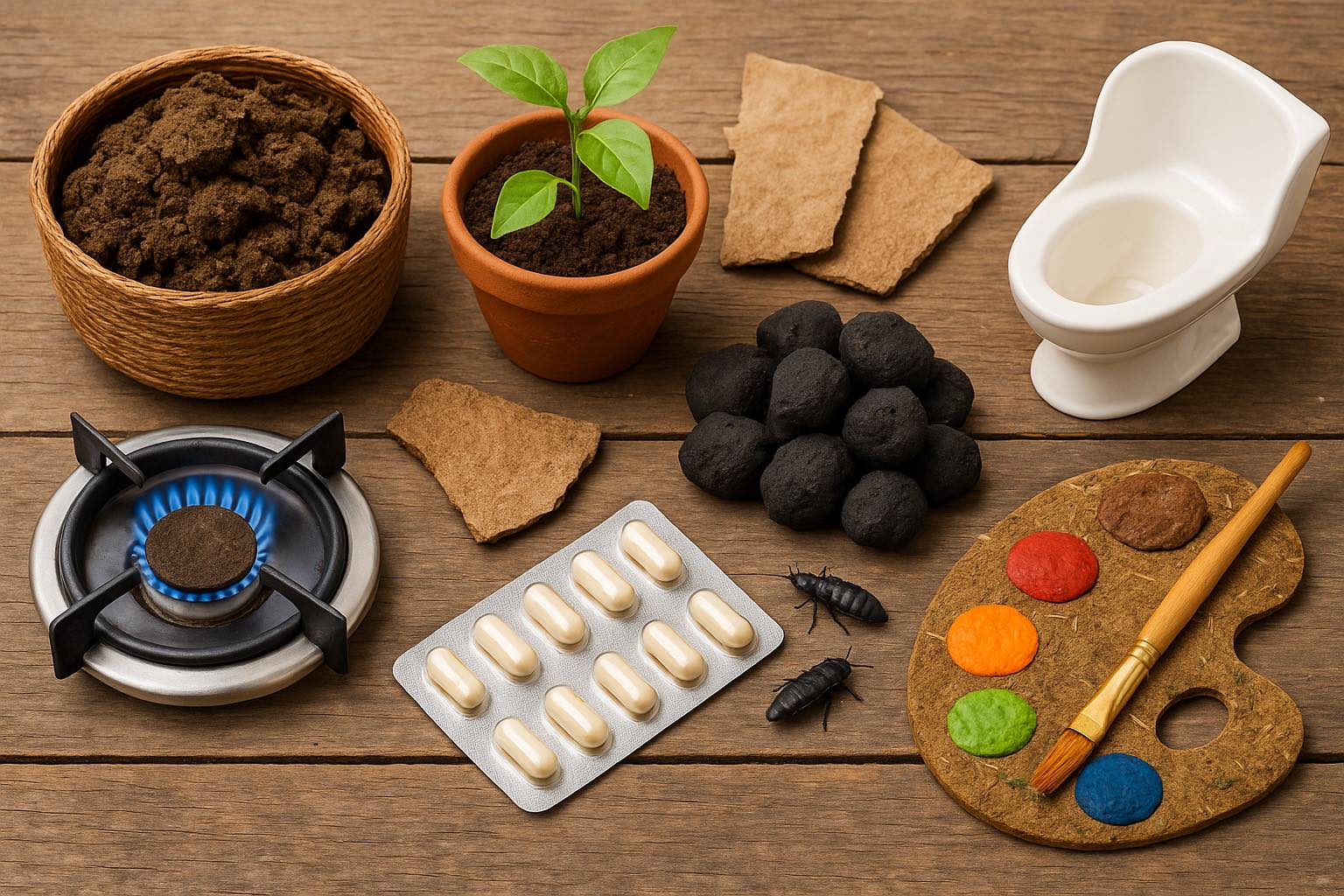
  • How to Make Money from ****: Turning Waste into Wealth

    For centuries, “****” has been considered useless, smelly, and something to get rid of quickly. But in the modern world, technology and entrepreneurship have transformed waste into a goldmine. What was once a problem is now a product. If handled smartly, human and animal excrement can be converted into energy, fertilizers, raw materials, and even profitable businesses worth millions.

    Here is a detailed breakdown of how to make money from ****:


    1. Biogas Production – Turning **** into Energy

    How it works:
    • Cow dung, poultry droppings, or human waste is collected in a sealed tank called a digester.
    • Microorganisms break it down without oxygen (anaerobic digestion).
    • This produces biogas (methane + carbon dioxide), which can be used for:
    • Cooking (instead of LPG/wood)
    • Electricity generation
    • Running small engines and vehicles

    Money Model:
    • Sell biogas cylinders to households.
    • Install biogas plants for farms, hotels, schools.
    • Generate electricity and sell back to the grid.

    Example Numbers:
    • 1 cow produces ~10–15 kg dung/day → enough to cook for a family of 5.
    • A 100-cow farm can power 20–25 homes.


    2. Organic Fertilizer & Compost – **** as Plant Food

    How it works:
    • Animal and human waste is dried, treated, and composted.
    • It turns into nutrient-rich fertilizer full of nitrogen, phosphorus, and potassium.

    Money Model:
    • Packaged as organic fertilizer → sell to farmers.
    • Branded as eco-friendly garden soil for urban gardening.

    Example Numbers:
    • In Pakistan, urea costs ~3,000 PKR per 50kg bag. Organic fertilizer can be sold at ~2,500 PKR with higher demand from organic farmers.
    • Poultry farms with 10,000 chickens produce tons of droppings daily, which can become a steady fertilizer business.


    3. Paper, Packaging & Building Materials

    How it works:
    • Elephant dung, cow dung, and horse manure contain undigested fibers.
    • These fibers can be processed into eco-friendly paper or biodegradable packaging.
    • Human waste sludge can also be mixed with other materials to create bricks and cement blocks.

    Money Model:
    • Sell eco-paper notebooks, gift boxes, tissue rolls.
    • Partner with eco-conscious brands.
    • Supply low-cost building materials in rural housing projects.

    Global Example: In Thailand and Sri Lanka, elephant dung paper is a thriving tourist souvenir industry.


    4. Bio-Plastics & Bio-Charcoal

    How it works:
    • Cow dung and other animal waste can be carbonized into biochar (a type of charcoal).
    • This biochar can be used as fuel, water filter material, or soil additive.
    • Some companies are also experimenting with turning human waste into bioplastics.

    Money Model:
    • Sell biochar as a cheap, clean alternative to coal.
    • Package biochar as a BBQ product for export markets.
    • Partner with green companies looking for biodegradable materials.


    5. Medical & Cosmetic Products

    Believe it or not:
    • Some animal dung is used in traditional medicine (e.g., Ayurveda uses cow dung and cow urine for treatments).
    • Cosmetics companies use sterilized extracts in face masks, soaps, and anti-aging creams (marketing it as “natural minerals”).

    Money Model:
    • Sell branded “organic” beauty products.
    • Develop herbal remedies with cow dung extracts.

    Example: India already has multiple companies making cow dung soap and exporting it.


    6. Insect Farming from ****

    How it works:
    • Flies naturally lay eggs in dung.
    • These eggs hatch into larvae (maggots), which are protein-rich animal feed for fish, poultry, and pets.

    Money Model:
    • Build a black soldier fly farm that grows larvae on animal manure.
    • Sell larvae as fish feed (cheaper than soybean meal).
    • Sell leftover compost as fertilizer.

    Example Numbers:
    • 1 ton of poultry droppings → produces 200–300 kg insect protein → which sells at a premium in the aquaculture industry.


    7. Public Toilets as a Business

    How it works:
    • Build pay-per-use eco-toilets in cities or bus stations.
    • Collect human waste → convert to biogas & fertilizer.
    • Make double income: toilet fees + energy/fertilizer sales.

    Money Model:
    • Charge 20–50 PKR per use.
    • Sell fertilizer to local farmers.
    • Provide clean sanitation while making profit.


    8. Art, Culture & Tourism

    Yes, even **** can be art!
    • Artists worldwide make sculptures and paintings using dung (dried, sterilized).
    • Tourists pay to see “eco-museums” of waste-to-wealth innovation.

    Money Model:
    • Sell dung-art souvenirs.
    • Run workshops on “eco-art.”
    • Attract eco-tourism funding.


    Challenges & How to Overcome Them
    1. Smell and Hygiene Issues → Must invest in treatment, deodorizing, and safe packaging.
    2. Cultural Taboos → Market products under eco-friendly or green branding (don’t always say it’s made of dung).
    3. Government Regulations → Work with local authorities for waste management licenses.


    Future Vision

    In a world of 8 billion people and billions of animals, **** is one of the most abundant resources on earth. If every village and city treated waste as a resource instead of a problem, we could:
    • Create thousands of jobs
    • Generate clean energy
    • Save the environment from pollution
    • And yes, make millions of dollars from ****.

    As the saying goes:
    “Where there’s muck, there’s money.”
    💩 How to Make Money from Shit: Turning Waste into Wealth For centuries, “shit” has been considered useless, smelly, and something to get rid of quickly. But in the modern world, technology and entrepreneurship have transformed waste into a goldmine. What was once a problem is now a product. If handled smartly, human and animal excrement can be converted into energy, fertilizers, raw materials, and even profitable businesses worth millions. Here is a detailed breakdown of how to make money from shit: ⸻ 1. Biogas Production – Turning Shit into Energy ⚡ How it works: • Cow dung, poultry droppings, or human waste is collected in a sealed tank called a digester. • Microorganisms break it down without oxygen (anaerobic digestion). • This produces biogas (methane + carbon dioxide), which can be used for: • Cooking (instead of LPG/wood) • Electricity generation • Running small engines and vehicles Money Model: • Sell biogas cylinders to households. • Install biogas plants for farms, hotels, schools. • Generate electricity and sell back to the grid. Example Numbers: • 1 cow produces ~10–15 kg dung/day → enough to cook for a family of 5. • A 100-cow farm can power 20–25 homes. ⸻ 2. Organic Fertilizer & Compost – Shit as Plant Food 🌱 How it works: • Animal and human waste is dried, treated, and composted. • It turns into nutrient-rich fertilizer full of nitrogen, phosphorus, and potassium. Money Model: • Packaged as organic fertilizer → sell to farmers. • Branded as eco-friendly garden soil for urban gardening. Example Numbers: • In Pakistan, urea costs ~3,000 PKR per 50kg bag. Organic fertilizer can be sold at ~2,500 PKR with higher demand from organic farmers. • Poultry farms with 10,000 chickens produce tons of droppings daily, which can become a steady fertilizer business. ⸻ 3. Paper, Packaging & Building Materials 📦 How it works: • Elephant dung, cow dung, and horse manure contain undigested fibers. • These fibers can be processed into eco-friendly paper or biodegradable packaging. • Human waste sludge can also be mixed with other materials to create bricks and cement blocks. Money Model: • Sell eco-paper notebooks, gift boxes, tissue rolls. • Partner with eco-conscious brands. • Supply low-cost building materials in rural housing projects. Global Example: In Thailand and Sri Lanka, elephant dung paper is a thriving tourist souvenir industry. ⸻ 4. Bio-Plastics & Bio-Charcoal 🔥 How it works: • Cow dung and other animal waste can be carbonized into biochar (a type of charcoal). • This biochar can be used as fuel, water filter material, or soil additive. • Some companies are also experimenting with turning human waste into bioplastics. Money Model: • Sell biochar as a cheap, clean alternative to coal. • Package biochar as a BBQ product for export markets. • Partner with green companies looking for biodegradable materials. ⸻ 5. Medical & Cosmetic Products 💊💄 Believe it or not: • Some animal dung is used in traditional medicine (e.g., Ayurveda uses cow dung and cow urine for treatments). • Cosmetics companies use sterilized extracts in face masks, soaps, and anti-aging creams (marketing it as “natural minerals”). Money Model: • Sell branded “organic” beauty products. • Develop herbal remedies with cow dung extracts. Example: India already has multiple companies making cow dung soap and exporting it. ⸻ 6. Insect Farming from Shit 🪲 How it works: • Flies naturally lay eggs in dung. • These eggs hatch into larvae (maggots), which are protein-rich animal feed for fish, poultry, and pets. Money Model: • Build a black soldier fly farm that grows larvae on animal manure. • Sell larvae as fish feed (cheaper than soybean meal). • Sell leftover compost as fertilizer. Example Numbers: • 1 ton of poultry droppings → produces 200–300 kg insect protein → which sells at a premium in the aquaculture industry. ⸻ 7. Public Toilets as a Business 🚻 How it works: • Build pay-per-use eco-toilets in cities or bus stations. • Collect human waste → convert to biogas & fertilizer. • Make double income: toilet fees + energy/fertilizer sales. Money Model: • Charge 20–50 PKR per use. • Sell fertilizer to local farmers. • Provide clean sanitation while making profit. ⸻ 8. Art, Culture & Tourism 🎨 Yes, even shit can be art! • Artists worldwide make sculptures and paintings using dung (dried, sterilized). • Tourists pay to see “eco-museums” of waste-to-wealth innovation. Money Model: • Sell dung-art souvenirs. • Run workshops on “eco-art.” • Attract eco-tourism funding. ⸻ Challenges & How to Overcome Them 🚧 1. Smell and Hygiene Issues → Must invest in treatment, deodorizing, and safe packaging. 2. Cultural Taboos → Market products under eco-friendly or green branding (don’t always say it’s made of dung). 3. Government Regulations → Work with local authorities for waste management licenses. ⸻ Future Vision 🚀 In a world of 8 billion people and billions of animals, shit is one of the most abundant resources on earth. If every village and city treated waste as a resource instead of a problem, we could: • Create thousands of jobs • Generate clean energy • Save the environment from pollution • And yes, make millions of dollars from shit. As the saying goes: 👉 “Where there’s muck, there’s money.”
    0 Commentarii 0 Distribuiri 658 Views
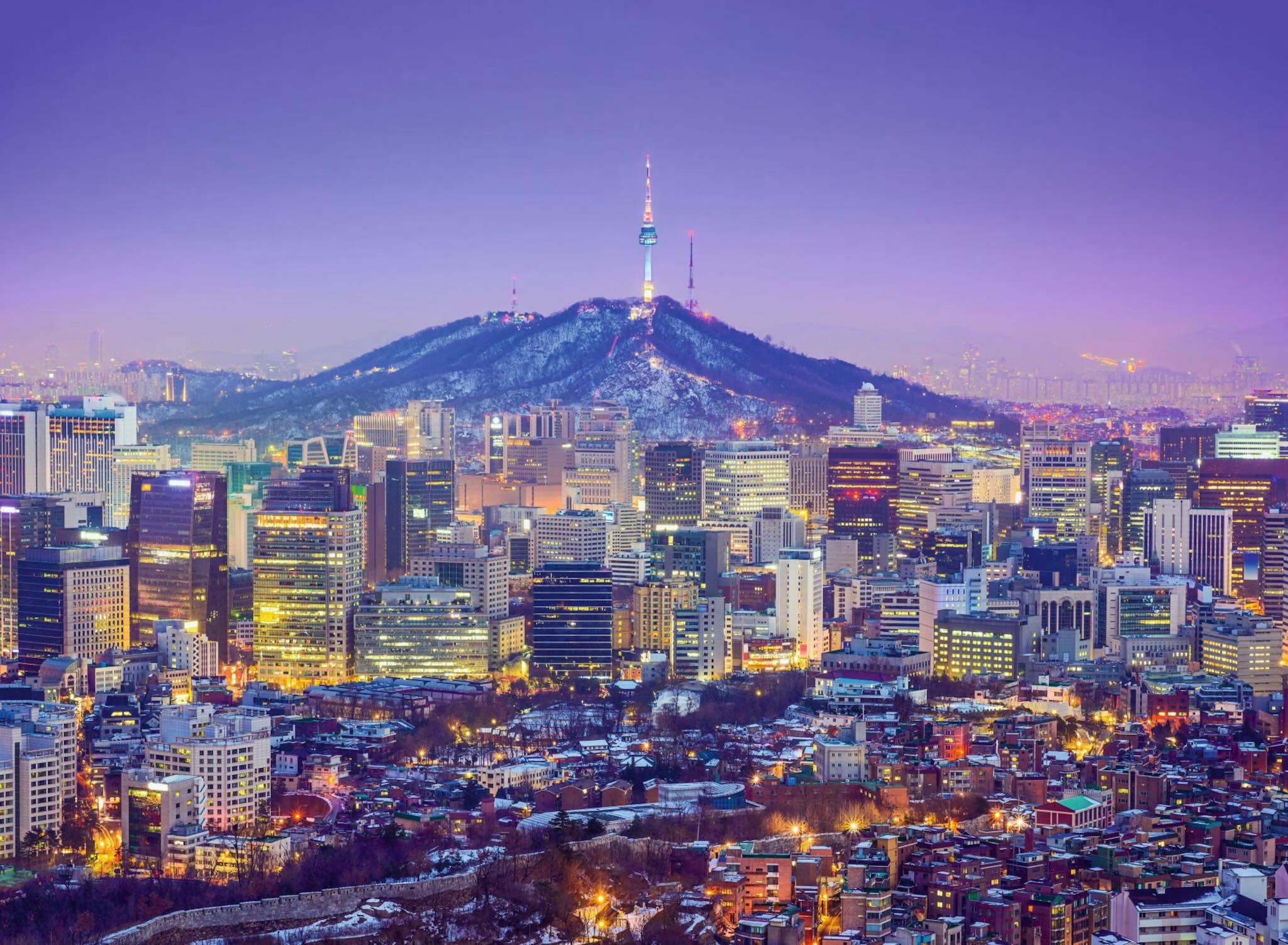
  • **From Ashes to Engineers:

    The True Story of How South Korea Rose**

    In 1953, South Korea did not look like a country with a future.

    It looked like a graveyard of dreams.

    Cities were flattened.
    Families lived in tents.
    Children begged near broken railway tracks.
    There was no oil, no gold, no gas, no fertile land to brag about.

    Foreign experts wrote reports saying:

    “South Korea is not viable as a modern nation.”

    At that time, Pakistan was ahead.
    Many countries were ahead.

    South Korea was not lucky.
    South Korea was desperate.

    And desperation, when guided properly, can become discipline.


    A Soldier Who Asked the Wrong Question (And Saved a Nation)

    In 1961, a military general named Park Chung-hee took power.

    He was not a poet.
    He was not a motivational speaker.
    He was not interested in applause.

    He asked one cold, frightening question:

    “How does a poor country with nothing survive in a competitive world?”

    Not:
    • Who should we blame?
    • Who colonized us?
    • Who betrayed us?

    Only:

    “What will we SELL to the world?”

    The answer terrified everyone:

    “We have only one resource: our people.
    And only one weapon: their skills.”

    That day, South Korea made a decision that quietly changed history.


    **The Most Important Decision:

    Engineering Over Everything**

    Park Chung-hee and his planners made a choice that was unpopular but fatalistic:
    • Not arts first
    • Not politics
    • Not slogans
    • Not bureaucracy

    Engineering. Science. Manufacturing.

    Universities were reshaped.
    Curriculums were rewritten.
    Math and physics became survival tools.

    Education was no longer about becoming educated.

    Education was about becoming useful.

    Teachers were treated like nation builders.
    Students were treated like future soldiers of industry.

    South Korea decided:

    “We will not debate our poverty.
    We will engineer our way out of it.”


    Hyundai: The Man Who Built Before He Knew How

    In a small village, a poor farmer’s son named Chung Ju-yung kept running away from home.

    Not for adventure.
    For escape from poverty.

    He had no engineering degree.
    No elite background.

    What he had was one rare quality:

    He finished what he started.

    When Park Chung-hee needed roads, bridges, and highways, he noticed this man.

    He gave him impossible tasks.

    “Build a highway.”
    “We’ve never done that.”
    “Then learn.”

    Later, Park ordered something insane:

    “Build ships.”

    Hyundai had never built a ship.
    South Korea had no shipbuilding industry.

    Chung Ju-yung famously showed foreign bankers a photo of a ship…
    that didn’t yet exist.

    He borrowed designs.
    He copied.
    He failed.
    He fixed.
    He delivered.

    Hyundai didn’t grow because it was brilliant.

    Hyundai grew because it moved faster than fear.


    Samsung: From Groceries to Global Technology

    Samsung did not begin with smartphones.

    It began by selling noodles and dried fish.

    Its founder, Lee Byung-chul, was a trader.
    But after the war, he realized something painful:

    “Trading will feed families.
    Manufacturing will feed a nation.”

    The government pushed companies hard:

    “Export or die.”

    Samsung entered sugar.
    Then textiles.
    Then electronics.

    Years later, Lee’s son, Lee Kun-hee, made one of the most brutal leadership statements in corporate history:

    “Change everything except your wife and children.”

    Samsung publicly destroyed defective products.
    Burned them.
    Shamed poor quality.

    Why?

    Because South Korea learned:

    Low quality is a national insult.

    Samsung didn’t chase cheap success.
    It chased world-class respect.


    LG: Quiet, Relentless, Engineering-First

    LG started as Lucky GoldStar.

    Soap.
    Cosmetics.
    Chemicals.

    When the government said, “We need electronics,” LG obeyed.

    No drama.
    No ego.

    They copied.
    They improved.
    They refined.

    LG engineers became famous not for flash — but for reliability.

    LG proves one thing:

    Nations are not built only by loud visionaries,
    but by silent executors.


    How Discipline Was Enforced (The Part No One Likes to Talk About)

    Loans were not gifts.
    They were tests.

    Miss targets?
    Funding stopped.

    Export or perish.
    Global competition was not optional.

    Failure was allowed.
    Laziness was not.

    Corruption existed — but it did not replace performance.

    In South Korea, excuses were expensive.


    The Cultural Shift That Changed Everything

    Slowly, a new mindset emerged:
    • Being late was shameful
    • Doing poor work was embarrassing
    • Wasting time was unforgivable

    People worked hard not because they loved suffering…

    …but because they loved dignity.

    They weren’t rebuilding companies.

    They were rebuilding self-respect.


    The Final Truth

    South Korea did not rise because it was lucky.
    It rose because it was serious.

    Serious about:
    • Engineering
    • Education
    • Time
    • Quality
    • Accountability

    They didn’t ask children:

    “What do you feel like studying?”

    They asked:

    “What will save our future?”

    And then they aligned everything to that answer.


    Why This Story Matters to Us

    Because poverty is not permanent.
    Because resources are not destiny.
    Because excuses are optional.

    South Korea proves one uncomfortable truth:

    A nation can change when it stops arguing
    and starts building.

    This is not just Korea’s story.

    It is a blueprint.

    And blueprints are meant to be used.

    — Rehan Allahwala
    **From Ashes to Engineers: The True Story of How South Korea Rose** In 1953, South Korea did not look like a country with a future. It looked like a graveyard of dreams. Cities were flattened. Families lived in tents. Children begged near broken railway tracks. There was no oil, no gold, no gas, no fertile land to brag about. Foreign experts wrote reports saying: “South Korea is not viable as a modern nation.” At that time, Pakistan was ahead. Many countries were ahead. South Korea was not lucky. South Korea was desperate. And desperation, when guided properly, can become discipline. ⸻ A Soldier Who Asked the Wrong Question (And Saved a Nation) In 1961, a military general named Park Chung-hee took power. He was not a poet. He was not a motivational speaker. He was not interested in applause. He asked one cold, frightening question: “How does a poor country with nothing survive in a competitive world?” Not: • Who should we blame? • Who colonized us? • Who betrayed us? Only: “What will we SELL to the world?” The answer terrified everyone: “We have only one resource: our people. And only one weapon: their skills.” That day, South Korea made a decision that quietly changed history. ⸻ **The Most Important Decision: Engineering Over Everything** Park Chung-hee and his planners made a choice that was unpopular but fatalistic: • Not arts first • Not politics • Not slogans • Not bureaucracy 👉 Engineering. Science. Manufacturing. Universities were reshaped. Curriculums were rewritten. Math and physics became survival tools. Education was no longer about becoming educated. Education was about becoming useful. Teachers were treated like nation builders. Students were treated like future soldiers of industry. South Korea decided: “We will not debate our poverty. We will engineer our way out of it.” ⸻ Hyundai: The Man Who Built Before He Knew How In a small village, a poor farmer’s son named Chung Ju-yung kept running away from home. Not for adventure. For escape from poverty. He had no engineering degree. No elite background. What he had was one rare quality: He finished what he started. When Park Chung-hee needed roads, bridges, and highways, he noticed this man. He gave him impossible tasks. “Build a highway.” “We’ve never done that.” “Then learn.” Later, Park ordered something insane: “Build ships.” Hyundai had never built a ship. South Korea had no shipbuilding industry. Chung Ju-yung famously showed foreign bankers a photo of a ship… that didn’t yet exist. He borrowed designs. He copied. He failed. He fixed. He delivered. Hyundai didn’t grow because it was brilliant. Hyundai grew because it moved faster than fear. ⸻ Samsung: From Groceries to Global Technology Samsung did not begin with smartphones. It began by selling noodles and dried fish. Its founder, Lee Byung-chul, was a trader. But after the war, he realized something painful: “Trading will feed families. Manufacturing will feed a nation.” The government pushed companies hard: “Export or die.” Samsung entered sugar. Then textiles. Then electronics. Years later, Lee’s son, Lee Kun-hee, made one of the most brutal leadership statements in corporate history: “Change everything except your wife and children.” Samsung publicly destroyed defective products. Burned them. Shamed poor quality. Why? Because South Korea learned: Low quality is a national insult. Samsung didn’t chase cheap success. It chased world-class respect. ⸻ LG: Quiet, Relentless, Engineering-First LG started as Lucky GoldStar. Soap. Cosmetics. Chemicals. When the government said, “We need electronics,” LG obeyed. No drama. No ego. They copied. They improved. They refined. LG engineers became famous not for flash — but for reliability. LG proves one thing: Nations are not built only by loud visionaries, but by silent executors. ⸻ How Discipline Was Enforced (The Part No One Likes to Talk About) Loans were not gifts. They were tests. Miss targets? Funding stopped. Export or perish. Global competition was not optional. Failure was allowed. Laziness was not. Corruption existed — but it did not replace performance. In South Korea, excuses were expensive. ⸻ The Cultural Shift That Changed Everything Slowly, a new mindset emerged: • Being late was shameful • Doing poor work was embarrassing • Wasting time was unforgivable People worked hard not because they loved suffering… …but because they loved dignity. They weren’t rebuilding companies. They were rebuilding self-respect. ⸻ The Final Truth South Korea did not rise because it was lucky. It rose because it was serious. Serious about: • Engineering • Education • Time • Quality • Accountability They didn’t ask children: “What do you feel like studying?” They asked: “What will save our future?” And then they aligned everything to that answer. ⸻ Why This Story Matters to Us Because poverty is not permanent. Because resources are not destiny. Because excuses are optional. South Korea proves one uncomfortable truth: A nation can change when it stops arguing and starts building. This is not just Korea’s story. It is a blueprint. And blueprints are meant to be used. — Rehan Allahwala
    0 Commentarii 0 Distribuiri 134 Views
Sponsorizeaza Paginile