• #rsisb
    Roll no 248
    Foundation level
    Talk with AI no 3
    **Talk with AI — Learn, Explore & Connect! **

    Today, I am going to have an exciting session called **“Talk with AI”**! In this session, I will explore how Artificial Intelligence (AI) works, ask interesting questions, and learn how AI can help us in education, business, creativity, and everyday life.

    **Watch Me Live!**
    YouTube — Join the live session.
    LinkedIn — Share ideas and connect with learners.
    Facebook — Watch the recorded session.
    Instagram — Explore highlights and updates.
    TikTok — Enjoy short clips and key moments.

    My goal is to learn new skills, improve my communication, build confidence, and inspire others to explore the world of AI. Every day is a new opportunity to learn something amazing!

    Let's learn, grow, and explore the future together!

    **Follow, Like, Share, and Support My Learning Journey!**

    #TalkWithAI #ArtificialIntelligence #AI #ChatGPT #LiveStreaming #YouTubeLive #LinkedInLive #Facebook #Instagram #TikTok #DigitalLearning #Technology #FutureOfAI #LearningJourney #StudentLife #DigitalSkills #Innovation #KeepLearning #RehanSchool #LearnWithAI
    #rsisb Roll no 248 Foundation level Talk with AI no 3 🎙️🤖 **Talk with AI — Learn, Explore & Connect! 🚀🌍** Today, I am going to have an exciting session called **“Talk with AI”**! 🎉 In this session, I will explore how Artificial Intelligence (AI) works, ask interesting questions, and learn how AI can help us in education, business, creativity, and everyday life. 🧠💡 📺 **Watch Me Live!** 🔴 YouTube — Join the live session. 💼 LinkedIn — Share ideas and connect with learners. 📘 Facebook — Watch the recorded session. 📸 Instagram — Explore highlights and updates. 🎵 TikTok — Enjoy short clips and key moments. My goal is to learn new skills, improve my communication, build confidence, and inspire others to explore the world of AI. 🌟 Every day is a new opportunity to learn something amazing! Let's learn, grow, and explore the future together! 🚀💻 **Follow, Like, Share, and Support My Learning Journey!** ❤️🙌 #TalkWithAI #ArtificialIntelligence #AI #ChatGPT #LiveStreaming #YouTubeLive #LinkedInLive #Facebook #Instagram #TikTok #DigitalLearning #Technology #FutureOfAI #LearningJourney #StudentLife #DigitalSkills #Innovation #KeepLearning #RehanSchool #LearnWithAI 🤖🌍🚀
    0 Comentários 0 Compartilhamentos 48 Visualizações 1
  • Unlock the future with robots: boost productivity, save time, and spark creativi

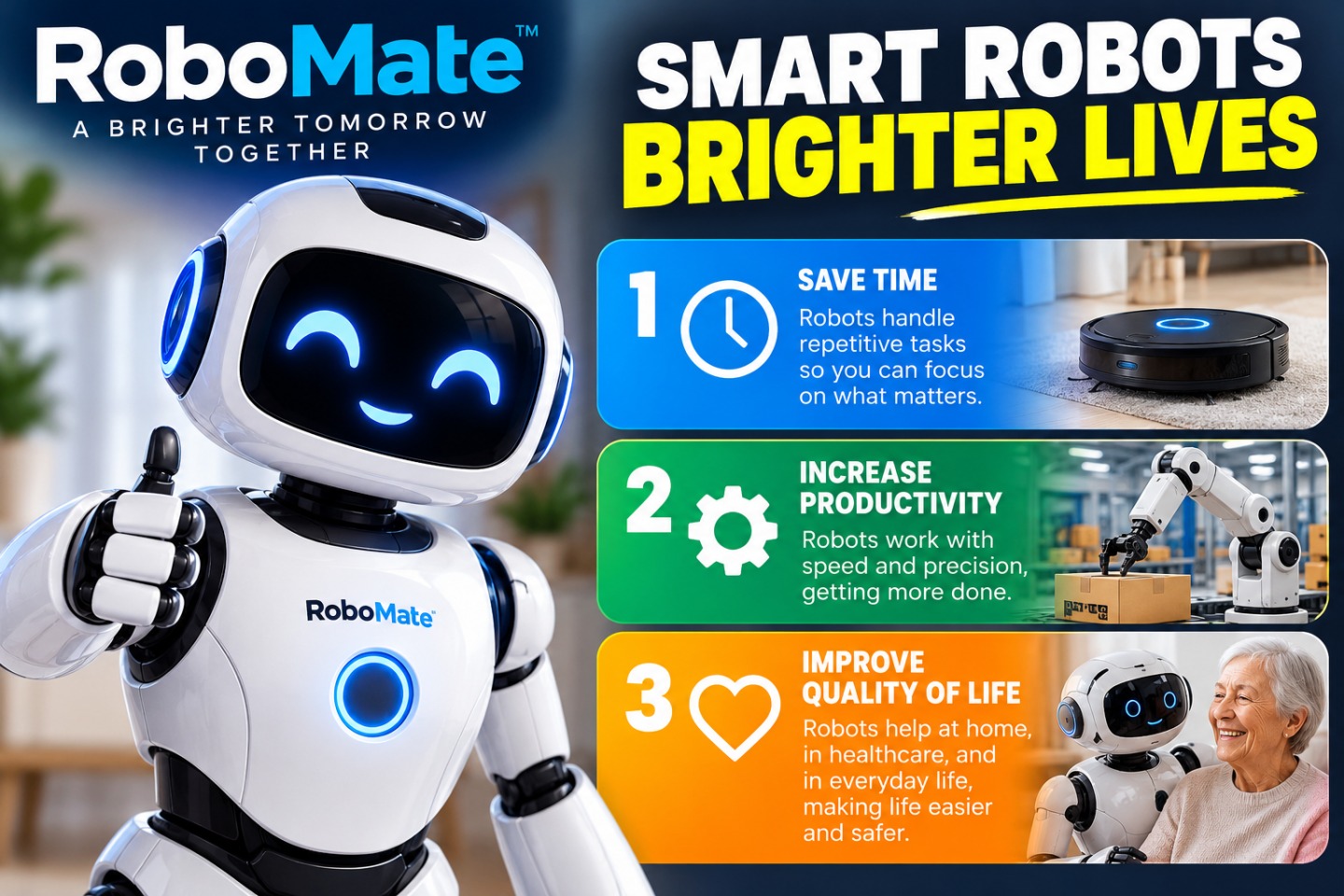
    Unlock the future with robots: boost productivity, save time, and spark creativity

    #robotics #futuretech #automation #innovation #techsavvy #productivity #fridayvibes #techtrends
    Unlock the future with robots: boost productivity, save time, and spark creativi Unlock the future with robots: boost productivity, save time, and spark creativity 🤖✨ #robotics #futuretech #automation #innovation #techsavvy #productivity #fridayvibes #techtrends
    0 Comentários 0 Compartilhamentos 50 Visualizações
  • Unlock the future: robots boost productivity, safety, and creativity

    Unlock the future: robots boost productivity, safety, and creativity

    #robotics #futuretech #automation #innovation #productivity #safety #creativity #techtrends #fridayvibes
    Unlock the future: robots boost productivity, safety, and creativity 🤖✨ Unlock the future: robots boost productivity, safety, and creativity 🤖✨ #robotics #futuretech #automation #innovation #productivity #safety #creativity #techtrends #fridayvibes
    0 Comentários 0 Compartilhamentos 57 Visualizações
  • #rsisb
    Roll no. 247
    Story post 14
    Foundation level

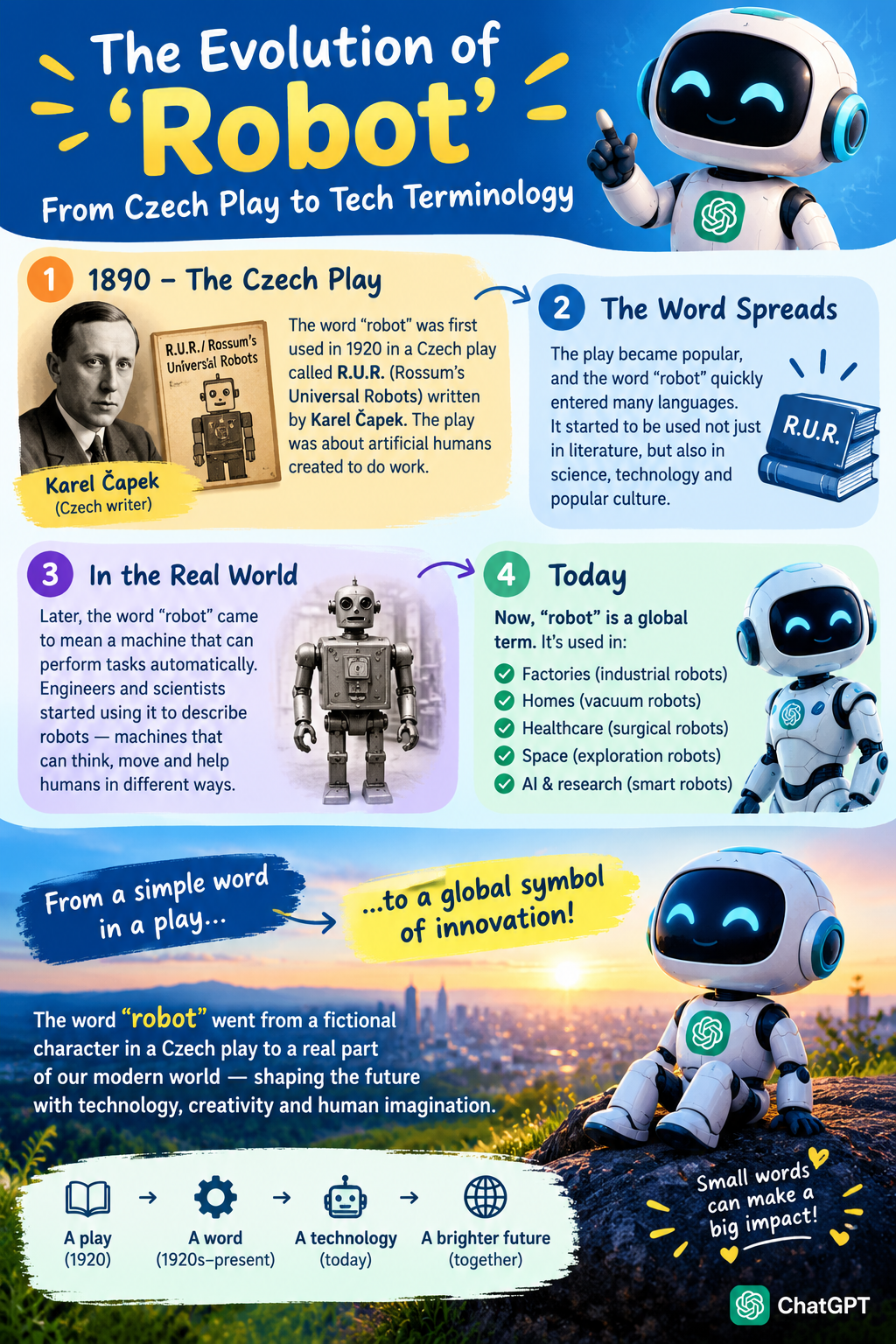
    **The Evolution of “Robot”: From Czech Play to Tech Terminology **

    Have you ever wondered where the word **“robot”** came from? Today, we use this word when talking about smart machines, artificial intelligence, factories, space exploration, and modern technology. But did you know that the word “robot” became popular through a Czech play written more than a century ago? Let's explore the fascinating journey of this little word that became a big part of our technological world!

    **1. The Beginning: A Czech Play **

    The story of the word “robot” begins with Czech writer and playwright **Karel Čapek** and his science-fiction play *R.U.R. (Rossum’s Universal Robots)*, first performed in 1921 and published in 1920. The play imagined artificial workers created to perform tasks for humans. It introduced audiences to ideas about artificial beings, technology, work, and the relationship between humans and machines.

    The word “robot” comes from the Czech word *robota*, associated with forced labor or compulsory work. Interestingly, Karel Čapek credited his brother, **Josef Čapek**, with suggesting the word for the play.

    **2. How the Word Spread Around the World **

    As the play gained attention, the word “robot” spread beyond literature and entered everyday language. People began using it to discuss machines that could perform tasks automatically. Over time, robots became a popular subject in science-fiction stories, films, books, and discussions about the future.

    Writers and scientists explored exciting questions: Could machines help humans? Could robots perform difficult tasks? How might technology change our lives? These questions helped inspire generations of inventors and researchers.

    **3. From Fiction to Real Machines **

    Robots eventually became an important part of real-world engineering and science. Modern robots can perform repetitive tasks, assist with manufacturing, explore places that are difficult for humans to reach, and help researchers carry out complex work.

    Today, we can find robots in many areas:

    **Factories:** Industrial robots help assemble products and perform precise tasks.

    **Homes:** Robotic vacuum cleaners help people with household cleaning.

    **Healthcare:** Specialised robotic systems assist medical professionals with certain procedures.

    **Space Exploration:** Robotic rovers and spacecraft help scientists explore distant worlds.

    **Agriculture:** Some robots help monitor crops and perform farming tasks.

    **Research:** Scientists use robots to test ideas, collect information, and explore new possibilities.

    **4. Robots and Artificial Intelligence **

    Modern technology has introduced new possibilities through artificial intelligence (AI). Some robots use AI to interpret information from sensors, recognise objects, plan actions, or respond to changing conditions. However, not every robot uses AI, and not every AI system is a robot.

    This difference is important! A robot is generally a physical machine that can carry out tasks, while AI refers to computer systems designed to perform tasks that may require abilities such as recognising patterns or understanding language. Together, robotics and AI are helping researchers develop new tools and technologies.

    **5. What Can We Learn from the Evolution of “Robot”?**

    The journey of the word “robot” teaches us that ideas can travel from books and plays into real life. A word introduced through a fictional story became an important term in science, engineering, and technology.

    It also reminds us that technology is created by people using imagination, creativity, teamwork, and scientific knowledge. As we learn more about robots, we should think about how to use technology responsibly and how it can benefit people and communities.

    **Conclusion: From a Czech Play to a Technological Future**

    The evolution of “robot” is a remarkable example of how language, literature, and science connect. What began as a word associated with artificial workers in a Czech play is now used around the world to describe machines that help us in factories, homes, hospitals, laboratories, and space exploration.

    The future of robotics will continue to bring new discoveries, challenges, and opportunities. By learning about the past, understanding the present, and thinking creatively about the future, we can become more informed and responsible users of technology.

    **Let's keep learning, exploring, and innovating!** Every great invention begins with an idea, and every curious mind has the potential to discover something new.

    **Question for everyone:** If you could invent a helpful robot, what would you want it to do? Share your ideas in the comments!

    Like, share, and spread the excitement of science and technology!

    ━━━━━━━━━━━━━━━━━━

    **HASHTAGS**

    #EvolutionOfRobots #RobotHistory #TheWordRobot #KarelCapek #JosefCapek #RUR #CzechLiterature #HistoryOfTechnology #Robotics #ArtificialIntelligence #AI #ScienceAndTechnology #EducationalPost #StoryPost #TechnologyEducation #FutureTechnology #Innovation #Engineering #STEMEducation #ScienceForEveryone #LearningIsFun #DigitalLearning #TechHistory #SmartMachines #SpaceExploration #IndustrialRobots #CreativeThinking #KnowledgeIsPower #ChatGPT #PostOnAllPlatforms
    #rsisb Roll no. 247 Story post 14 Foundation level 🤖🌍 **The Evolution of “Robot”: From Czech Play to Tech Terminology 📚✨** 🚀🤖 Have you ever wondered where the word **“robot”** came from? Today, we use this word when talking about smart machines, artificial intelligence, factories, space exploration, and modern technology. But did you know that the word “robot” became popular through a Czech play written more than a century ago? 📖🌟 Let's explore the fascinating journey of this little word that became a big part of our technological world! 💡🌐 📚 **1. The Beginning: A Czech Play 🇨🇿** The story of the word “robot” begins with Czech writer and playwright **Karel Čapek** and his science-fiction play *R.U.R. (Rossum’s Universal Robots)*, first performed in 1921 and published in 1920. 🎭🤖 The play imagined artificial workers created to perform tasks for humans. It introduced audiences to ideas about artificial beings, technology, work, and the relationship between humans and machines. The word “robot” comes from the Czech word *robota*, associated with forced labor or compulsory work. Interestingly, Karel Čapek credited his brother, **Josef Čapek**, with suggesting the word for the play. ✍️💭 🌎 **2. How the Word Spread Around the World 🌐** As the play gained attention, the word “robot” spread beyond literature and entered everyday language. People began using it to discuss machines that could perform tasks automatically. 📖⚙️ Over time, robots became a popular subject in science-fiction stories, films, books, and discussions about the future. Writers and scientists explored exciting questions: Could machines help humans? Could robots perform difficult tasks? How might technology change our lives? These questions helped inspire generations of inventors and researchers. 🚀🧠 ⚙️ **3. From Fiction to Real Machines 🏭** Robots eventually became an important part of real-world engineering and science. Modern robots can perform repetitive tasks, assist with manufacturing, explore places that are difficult for humans to reach, and help researchers carry out complex work. 🔧🤖 Today, we can find robots in many areas: 🏭 **Factories:** Industrial robots help assemble products and perform precise tasks. 🏠 **Homes:** Robotic vacuum cleaners help people with household cleaning. 🏥 **Healthcare:** Specialised robotic systems assist medical professionals with certain procedures. 🚀 **Space Exploration:** Robotic rovers and spacecraft help scientists explore distant worlds. 🌾 **Agriculture:** Some robots help monitor crops and perform farming tasks. 🧪 **Research:** Scientists use robots to test ideas, collect information, and explore new possibilities. 💻 **4. Robots and Artificial Intelligence 🧠** Modern technology has introduced new possibilities through artificial intelligence (AI). Some robots use AI to interpret information from sensors, recognise objects, plan actions, or respond to changing conditions. 🤖💡 However, not every robot uses AI, and not every AI system is a robot. This difference is important! A robot is generally a physical machine that can carry out tasks, while AI refers to computer systems designed to perform tasks that may require abilities such as recognising patterns or understanding language. Together, robotics and AI are helping researchers develop new tools and technologies. 🌐✨ 🌟 **5. What Can We Learn from the Evolution of “Robot”?** The journey of the word “robot” teaches us that ideas can travel from books and plays into real life. A word introduced through a fictional story became an important term in science, engineering, and technology. 📚➡️⚙️ It also reminds us that technology is created by people using imagination, creativity, teamwork, and scientific knowledge. As we learn more about robots, we should think about how to use technology responsibly and how it can benefit people and communities. ❤️🌍 🎯 **Conclusion: From a Czech Play to a Technological Future** The evolution of “robot” is a remarkable example of how language, literature, and science connect. What began as a word associated with artificial workers in a Czech play is now used around the world to describe machines that help us in factories, homes, hospitals, laboratories, and space exploration. 🤖🚀 The future of robotics will continue to bring new discoveries, challenges, and opportunities. By learning about the past, understanding the present, and thinking creatively about the future, we can become more informed and responsible users of technology. 🌟💚 📢 **Let's keep learning, exploring, and innovating!** Every great invention begins with an idea, and every curious mind has the potential to discover something new. 💡📚 💬 **Question for everyone:** If you could invent a helpful robot, what would you want it to do? Share your ideas in the comments! 👇🤖 ❤️ Like, share, and spread the excitement of science and technology! ━━━━━━━━━━━━━━━━━━ 🏷️ **HASHTAGS** #EvolutionOfRobots #RobotHistory #TheWordRobot #KarelCapek #JosefCapek #RUR #CzechLiterature #HistoryOfTechnology #Robotics #ArtificialIntelligence #AI #ScienceAndTechnology #EducationalPost #StoryPost #TechnologyEducation #FutureTechnology #Innovation #Engineering #STEMEducation #ScienceForEveryone #LearningIsFun #DigitalLearning #TechHistory #SmartMachines #SpaceExploration #IndustrialRobots #CreativeThinking #KnowledgeIsPower #ChatGPT #PostOnAllPlatforms 🤖🌍📚🚀✨

    0 Comentários 0 Compartilhamentos 1244 Visualizações
  • Teacher Training
    Level 2
    Day 4
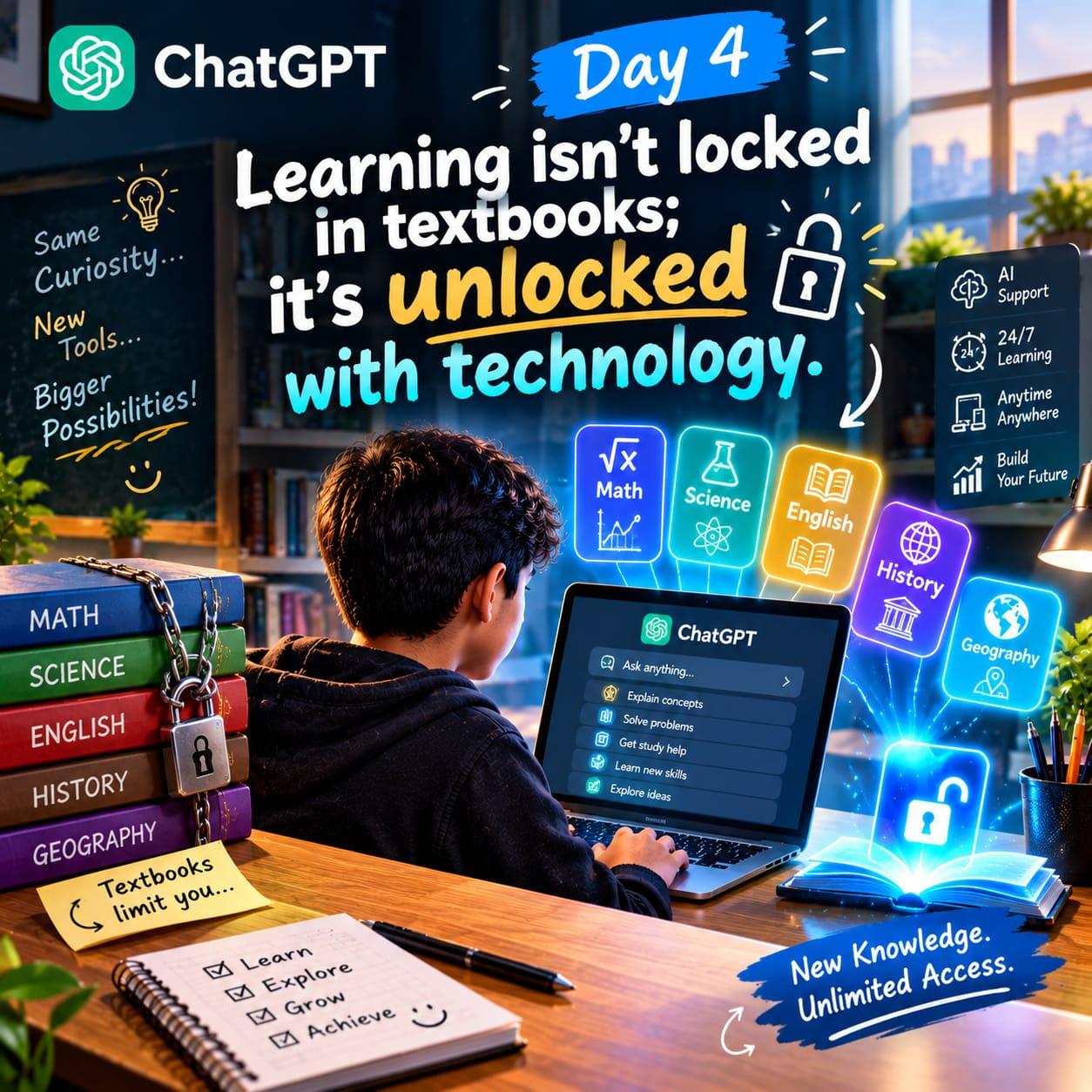
    Day 4: Learning Isn’t Locked in Textbooks; It’s Unlocked with Technology!
    Learning is more than just reading books. With technology and ChatGPT, students can explore new ideas, understand difficult topics, and discover endless learning opportunities.
    Unlock your creativity.
    Explore new knowledge.
    Learn smarter with AI.
    Build a brighter future.
    Don’t just memorize knowledge — explore it!
    #Day4 #ChatGPT #AIinEducation #DigitalLearning #SmartLearning #FutureOfEducation #LearnWithAI
    Teacher Training Level 2 Day 4 🔓📚 Day 4: Learning Isn’t Locked in Textbooks; It’s Unlocked with Technology! 💻🤖 Learning is more than just reading books. With technology and ChatGPT, students can explore new ideas, understand difficult topics, and discover endless learning opportunities. 🌍✨ 🔑 Unlock your creativity. 🧠 Explore new knowledge. 🚀 Learn smarter with AI. 🌟 Build a brighter future. Don’t just memorize knowledge — explore it! 💙 #Day4 #ChatGPT #AIinEducation #DigitalLearning #SmartLearning #FutureOfEducation #LearnWithAI
    0 Comentários 0 Compartilhamentos 241 Visualizações
  • RSIF8
    Roll no 77
    tedx talk no 31
    Tedx topic ضرور یہ رہی **“The Happy Secret to Better Work – Shawn Achor”** کے لیے ایک خوبصورت اور engaging description، emojis اور hashtags کے ساتھ:

    **The Happy Secret to Better Work – Shawn Achor**

    کیا کامیابی ہمیں خوش کرتی ہے، یا خوشی ہمیں کامیاب بناتی ہے؟ Shawn Achor کے اس inspiring talk میں ہم سیکھتے ہیں کہ خوشی صرف کامیابی کا نتیجہ نہیں بلکہ کامیابی کی ایک طاقتور وجہ بھی بن سکتی ہے۔

    شکرگزاری ، مثبت سوچ ، ورزش ‍، میڈیٹیشن ‍ اور دوسروں کے ساتھ مہربانی جیسی چھوٹی چھوٹی عادات ہمارے ذہن کو مثبت بنا سکتی ہیں اور ہماری productivity، creativity اور performance کو بہتر کر سکتی ہیں۔

    **Remember:** کامیاب ہونے کے لیے خوش ہونے کا انتظار نہ کریں—**خوشی سے آغاز کریں، کامیابی آپ کے سفر کا حصہ بن سکتی ہے!**

    #TheHappySecretToBetterWork #ShawnAchor #Happiness #Success #PositiveThinking #Motivation #Productivity #Mindset #SelfImprovement #PersonalGrowth #Inspiration #MentalWellbeing #SuccessMindset #MotivationalVideo #TEDTalk
    RSIF8 Roll no 77 tedx talk no 31 Tedx topic ضرور 😊 یہ رہی **“The Happy Secret to Better Work – Shawn Achor”** کے لیے ایک خوبصورت اور engaging description، emojis اور hashtags کے ساتھ: 😊✨ **The Happy Secret to Better Work – Shawn Achor** 🧠💼 کیا کامیابی ہمیں خوش کرتی ہے، یا خوشی ہمیں کامیاب بناتی ہے؟ 🤔🌟 Shawn Achor کے اس inspiring talk میں ہم سیکھتے ہیں کہ خوشی صرف کامیابی کا نتیجہ نہیں بلکہ کامیابی کی ایک طاقتور وجہ بھی بن سکتی ہے۔ 🚀💪 شکرگزاری 🙏، مثبت سوچ 😊، ورزش 🏃‍♂️، میڈیٹیشن 🧘‍♂️ اور دوسروں کے ساتھ مہربانی ❤️ جیسی چھوٹی چھوٹی عادات ہمارے ذہن کو مثبت بنا سکتی ہیں اور ہماری productivity، creativity اور performance کو بہتر کر سکتی ہیں۔ 🌱✨ 💡 **Remember:** کامیاب ہونے کے لیے خوش ہونے کا انتظار نہ کریں—**خوشی سے آغاز کریں، کامیابی آپ کے سفر کا حصہ بن سکتی ہے!** 🌈🏆 #TheHappySecretToBetterWork #ShawnAchor #Happiness #Success #PositiveThinking #Motivation #Productivity #Mindset #SelfImprovement #PersonalGrowth #Inspiration #MentalWellbeing #SuccessMindset #MotivationalVideo #TEDTalk 🎯✨
    0 Comentários 0 Compartilhamentos 436 Visualizações 3
  • Foundation Level
    Day 31
    Song No:1
    Roll No:007
    Waves of Karachi – Original Song

    I have created my own song, “Waves of Karachi,” inspired by the beauty, energy, and spirit of Karachi, Pakistan. This song celebrates the city’s beautiful coastline, ocean waves, vibrant culture, and the love people have for their city.

    Through this song, I want to express my creativity and share the unique vibe of Karachi with the world.

    Thank you for listening to my creation!

    #WavesOfKarachi #OriginalSong #Karachi #Pakistan #Music #Creativity #MadeInPakistan
    Foundation Level Day 31 Song No:1 Roll No:007 🌊 Waves of Karachi – Original Song 🎶 I have created my own song, “Waves of Karachi,” inspired by the beauty, energy, and spirit of Karachi, Pakistan. This song celebrates the city’s beautiful coastline, ocean waves, vibrant culture, and the love people have for their city. Through this song, I want to express my creativity and share the unique vibe of Karachi with the world. 🇵🇰❤️ 🎧 Thank you for listening to my creation! #WavesOfKarachi #OriginalSong #Karachi #Pakistan #Music #Creativity #MadeInPakistan
    0 Comentários 0 Compartilhamentos 149 Visualizações 3
  • #rsisb
    Roll no. 247
    Earning no.
    Foundation level

    **Finalize the Teaching Plan – Turning Learning Goals into Reality! **

    Assalam-o-Alaikum Everyone!

    Today, I am going to share my learning journey about **“Finalize the Teaching Plan.”** Finalizing a teaching plan is an important step in creating an organized, effective, and meaningful learning experience for students. It helps teachers prepare lessons, set clear learning objectives, choose suitable teaching methods, and make sure students understand what they are learning.

    A good teaching plan is more than just a timetable. It is a roadmap that guides both teachers and students toward success. Before finalizing a teaching plan, we should carefully review the learning objectives, lesson activities, teaching resources, time management, and assessment methods. We should also consider students' interests, abilities, questions, and individual learning needs. ‍‍

    **Important Steps to Finalize a Teaching Plan:**

    **1. Set Clear Learning Objectives:** Decide what students should know or be able to do by the end of the lesson.

    **2. Organize the Lesson Content:** Arrange the topics in a simple, logical, and easy-to-understand sequence.

    **3. Select Teaching Methods:** Use discussions, demonstrations, activities, storytelling, group work, and practical examples to make learning interesting.

    **4. Manage Time Effectively:** Give appropriate time to introductions, explanations, activities, questions, and revision.

    **5. Prepare Learning Resources:** Arrange books, worksheets, presentations, videos, and other materials needed for the lesson.

    **6. Encourage Student Participation:** Give students opportunities to ask questions, share ideas, solve problems, and learn from one another.

    **7. Plan Assessments:** Use quizzes, discussions, assignments, and activities to check students' understanding.

    **8. Review and Improve:** Make the final changes needed to ensure the teaching plan is clear, practical, and achievable.

    **Why Is Finalizing a Teaching Plan Important?**

    A finalized teaching plan helps teachers stay focused, use classroom time wisely, and create a positive learning environment. It also helps students understand their goals and participate confidently. When a plan is organized but flexible, teachers can make adjustments according to students' needs and make learning more enjoyable.

    **My Key Learning:**

    I have learned that successful teaching requires preparation, organization, creativity, patience, and continuous improvement. A well-prepared teaching plan can make lessons more effective and help students move toward their learning goals step by step.

    Let's remember that **great teaching begins with thoughtful planning, and meaningful learning grows through practice, curiosity, and teamwork!**

    Thank you for reading my learning journey! Keep learning, keep improving, and keep sharing knowledge with others!

    #rsisb Roll no. 247 Earning no. Foundation level 📚✨ **Finalize the Teaching Plan – Turning Learning Goals into Reality! 🎯📝** Assalam-o-Alaikum Everyone! 🌟😊 Today, I am going to share my learning journey about **“Finalize the Teaching Plan.”** 📖🎓 Finalizing a teaching plan is an important step in creating an organized, effective, and meaningful learning experience for students. It helps teachers prepare lessons, set clear learning objectives, choose suitable teaching methods, and make sure students understand what they are learning. 🧠💡 A good teaching plan is more than just a timetable. It is a roadmap that guides both teachers and students toward success. 🗺️🏆 Before finalizing a teaching plan, we should carefully review the learning objectives, lesson activities, teaching resources, time management, and assessment methods. We should also consider students' interests, abilities, questions, and individual learning needs. 👩‍🏫👨‍🎓💖 ✅ **Important Steps to Finalize a Teaching Plan:** 🎯 **1. Set Clear Learning Objectives:** Decide what students should know or be able to do by the end of the lesson. 📚 **2. Organize the Lesson Content:** Arrange the topics in a simple, logical, and easy-to-understand sequence. 🎨 **3. Select Teaching Methods:** Use discussions, demonstrations, activities, storytelling, group work, and practical examples to make learning interesting. ⏰ **4. Manage Time Effectively:** Give appropriate time to introductions, explanations, activities, questions, and revision. 🧰 **5. Prepare Learning Resources:** Arrange books, worksheets, presentations, videos, and other materials needed for the lesson. 🤝 **6. Encourage Student Participation:** Give students opportunities to ask questions, share ideas, solve problems, and learn from one another. 📝 **7. Plan Assessments:** Use quizzes, discussions, assignments, and activities to check students' understanding. 🔄 **8. Review and Improve:** Make the final changes needed to ensure the teaching plan is clear, practical, and achievable. 🌈 **Why Is Finalizing a Teaching Plan Important?** A finalized teaching plan helps teachers stay focused, use classroom time wisely, and create a positive learning environment. It also helps students understand their goals and participate confidently. When a plan is organized but flexible, teachers can make adjustments according to students' needs and make learning more enjoyable. 🌟📖 💭 **My Key Learning:** I have learned that successful teaching requires preparation, organization, creativity, patience, and continuous improvement. A well-prepared teaching plan can make lessons more effective and help students move toward their learning goals step by step. 🚀🏅 Let's remember that **great teaching begins with thoughtful planning, and meaningful learning grows through practice, curiosity, and teamwork!** 🌱💫 Thank you for reading my learning journey! ❤️🙏 Keep learning, keep improving, and keep sharing knowledge with others! 📚🌍✨
    0 Comentários 0 Compartilhamentos 576 Visualizações
  • **Roll No: 2**
    **Batch: 14**
    **Book: ACCL**
    **Task No: 108**

    ## Rock, Paper, Scissors Game

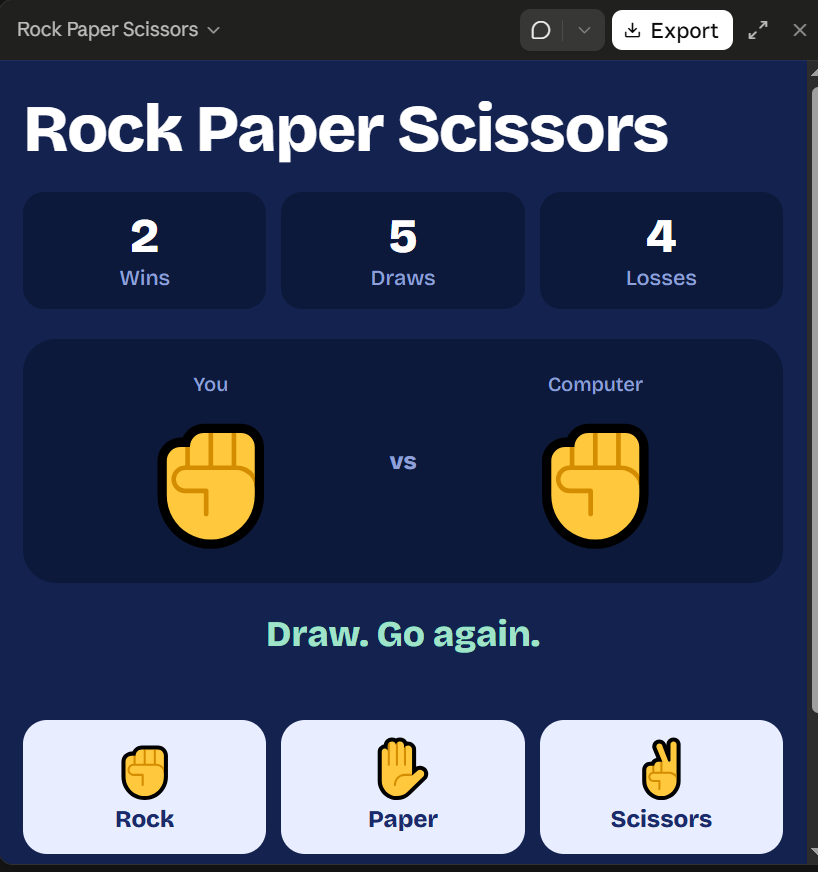
    This coding task focuses on creating an interactive **Rock, Paper, Scissors Game** that allows users to play against the computer. The game follows three simple choices: rock, paper, and scissors, each with its own winning rule. Rock defeats scissors, scissors defeats paper, and paper defeats rock. The project helps develop programming skills by using conditional statements, random selection, user input, and logical decision-making. It also introduces the concept of comparing the player's choice with the computer's choice to determine whether the result is a win, a loss, or a draw. By adding features such as score tracking, clear result messages, and an option to play again, the game becomes more engaging and user-friendly. Through this activity, I can strengthen my problem-solving abilities and gain practical experience in building simple interactive applications.

    ** Key Message:** Learn programming through creativity, logic, and fun while turning simple ideas into interactive games!

    #ACCL #Batch14 #RollNo2 #Task108 #RockPaperScissors #CodingProject #Programming #GameDevelopment #PythonProgramming #LearnToCode #ComputerScience #LogicalThinking #ProblemSolving #BeginnerCoding #InteractiveGame
    👤 **Roll No: 2** 📚 **Batch: 14** 📖 **Book: ACCL** 💻 **Task No: 108** ## 🎮 Rock, Paper, Scissors Game ✊📄✂️ 🚀 This coding task focuses on creating an interactive **Rock, Paper, Scissors Game** that allows users to play against the computer. The game follows three simple choices: rock, paper, and scissors, each with its own winning rule. ✊📄✂️ Rock defeats scissors, scissors defeats paper, and paper defeats rock. The project helps develop programming skills by using conditional statements, random selection, user input, and logical decision-making. 🧠💻 It also introduces the concept of comparing the player's choice with the computer's choice to determine whether the result is a win, a loss, or a draw. By adding features such as score tracking, clear result messages, and an option to play again, the game becomes more engaging and user-friendly. 🌟 Through this activity, I can strengthen my problem-solving abilities and gain practical experience in building simple interactive applications. **🎯 Key Message:** Learn programming through creativity, logic, and fun while turning simple ideas into interactive games! 🎉 #ACCL #Batch14 #RollNo2 #Task108 #RockPaperScissors #CodingProject #Programming #GameDevelopment #PythonProgramming #LearnToCode #ComputerScience #LogicalThinking #ProblemSolving #BeginnerCoding #InteractiveGame
    0 Comentários 0 Compartilhamentos 895 Visualizações
  • RSIF8
    Roll no:14
    textalk no:9
    textalk topic:"Sorry, Not Sorry" – How This Modern Phrase Evolved (10 min)

    **Sorry, Not Sorry – How This Modern Phrase Evolved**

    In this educational video, we explore the fascinating evolution of the popular English phrase **“Sorry, Not Sorry”** and discover how its meaning has changed over time. From a traditional expression of apology to a modern symbol of confidence, humor, and defiance, this phrase reflects the creativity and constant evolution of the English language.

    Discover how social media, popular culture, and everyday conversations helped make this expression widely recognized. Learn its different meanings, explore real-life examples, and understand when it is appropriate to use it.

    This video also highlights the importance of communication, self-confidence, and respect for others. Whether used jokingly among friends or to express a personal opinion, **“Sorry, Not Sorry”** reminds us that words can communicate different emotions depending on the situation.

    Join us on this exciting journey through modern English slang and improve your vocabulary while discovering how language reflects our changing society!

    **Keep learning, keep exploring, and keep improving your English!**

    #SorryNotSorry #EnglishLearning #EnglishVocabulary #ModernEnglish #EnglishPhrases #LearnEnglish #LanguageEvolution #EnglishEducation #CommunicationSkills #SocialMediaLanguage #EducationalVideo #EnglishExpressions #SpokenEnglish #CreativeLearning #ImproveYourEnglish
    RSIF8 Roll no:14 textalk no:9 textalk topic:"Sorry, Not Sorry" – How This Modern Phrase Evolved (10 min) 🎬✨ **Sorry, Not Sorry – How This Modern Phrase Evolved** ✨🎬 📚 In this educational video, we explore the fascinating evolution of the popular English phrase **“Sorry, Not Sorry”** and discover how its meaning has changed over time. 🗣️🌍 From a traditional expression of apology to a modern symbol of confidence, humor, and defiance, this phrase reflects the creativity and constant evolution of the English language. 💬✨ 📱 Discover how social media, popular culture, and everyday conversations helped make this expression widely recognized. Learn its different meanings, explore real-life examples, and understand when it is appropriate to use it. 🎯📖 💡 This video also highlights the importance of communication, self-confidence, and respect for others. Whether used jokingly among friends or to express a personal opinion, **“Sorry, Not Sorry”** reminds us that words can communicate different emotions depending on the situation. ❤️🤝 🚀 Join us on this exciting journey through modern English slang and improve your vocabulary while discovering how language reflects our changing society! 🎓 **Keep learning, keep exploring, and keep improving your English!** 🌟📚 #SorryNotSorry #EnglishLearning #EnglishVocabulary #ModernEnglish #EnglishPhrases #LearnEnglish #LanguageEvolution #EnglishEducation #CommunicationSkills #SocialMediaLanguage #EducationalVideo #EnglishExpressions #SpokenEnglish #CreativeLearning #ImproveYourEnglish 🎉✨
    0 Comentários 0 Compartilhamentos 860 Visualizações 2
Páginas impulsionada