• Wouldn’t it be interesting to see a conversation where politicians need to discuss some of the very real issues we will face in the 2020s:

    - What happens when a foreign power develops a 50 Qbit quantum computer that can cut through encryption like a knife through butter and look back 10 years at everything ever said by anyone? What private companies should be allowed to have a powerful quantum computer that can strip away all known encryption?

    - What ethical choices do we make about AI that is better at diagnosis than 90% of GPs? Or that can drive cars 90% more safely than humans? Or that is 90% better at adjudication than judges? Or that can categorically predict someone is a danger before they actually do something bad?

    - How does the economy function when 75% of human needs can be fulfilled by digital products, software, media or automation that creates this capacity without any human inputs?

    - In a 5G world, what do we want to occupy the additional 90% of bandwidth with? Do we want a super-surveillance state that is linked to Machine Learning? Do we want early diagnosis of incurable disease based upon sensors in our homes and watches?

    - What role do we want traditional education to play? What future are we preparing kids for? In a world where computers can give precise answers to 95% of the problems we could ever conceive, what training does a child require to operate it?

    If our biggest medical breakthroughs, military threats and educational needs all hinge on having good answers to difficult questions with quantum computing, AI/ML, 5G, etc why is this stuff never even remotely discussed?

    Via Daniel Priestley
    Wouldn’t it be interesting to see a conversation where politicians need to discuss some of the very real issues we will face in the 2020s: - What happens when a foreign power develops a 50 Qbit quantum computer that can cut through encryption like a knife through butter and look back 10 years at everything ever said by anyone? What private companies should be allowed to have a powerful quantum computer that can strip away all known encryption? - What ethical choices do we make about AI that is better at diagnosis than 90% of GPs? Or that can drive cars 90% more safely than humans? Or that is 90% better at adjudication than judges? Or that can categorically predict someone is a danger before they actually do something bad? - How does the economy function when 75% of human needs can be fulfilled by digital products, software, media or automation that creates this capacity without any human inputs? - In a 5G world, what do we want to occupy the additional 90% of bandwidth with? Do we want a super-surveillance state that is linked to Machine Learning? Do we want early diagnosis of incurable disease based upon sensors in our homes and watches? - What role do we want traditional education to play? What future are we preparing kids for? In a world where computers can give precise answers to 95% of the problems we could ever conceive, what training does a child require to operate it? If our biggest medical breakthroughs, military threats and educational needs all hinge on having good answers to difficult questions with quantum computing, AI/ML, 5G, etc why is this stuff never even remotely discussed? Via Daniel Priestley
    0 Commentaires 0 Parts 482 Vue
  • BPD

    Given boredoms association with major features of BPD, including emptiness, identity disturbance, impulsivity, and affective dysregulation, it is not surprising that boredom has been linked to the BPD diagnosis in adolescents
    BPD Given boredom's association with major features of BPD, including emptiness, identity disturbance, impulsivity, and affective dysregulation, it is not surprising that boredom has been linked to the BPD diagnosis in adolescents
    0 Commentaires 0 Parts 193 Vue
  • Mental infrastructure refers to the foundational systems and support mechanisms that contribute to a persons mental well-being, cognitive abilities, and emotional resilience. It includes various elements such as:

    1. Psychological Support: Access to counseling, therapy, or support groups to help individuals cope with mental health challenges.

    2. Education and Awareness: Knowledge and understanding of mental health issues to promote self-awareness and empathy towards others.

    3. Social Support: Having a network of friends, family, and community to provide emotional support and reduce feelings of isolation.

    4. Healthcare Services: Access to mental health professionals and medical treatments for diagnosis and management of mental health conditions.

    5. Stress Management: Techniques and practices that help individuals manage stress and build emotional resilience.

    6. Coping Mechanisms: Developing healthy coping strategies to deal with lifes challenges and setbacks.

    7. Mindfulness and Self-Care: Emphasizing practices that promote self-awareness, mindfulness, and taking care of ones mental well-being.

    A strong mental infrastructure is essential for promoting overall mental health and well-being, and it plays a crucial role in shaping an individuals ability to handle lifes ups and downs effectively.
    Mental infrastructure refers to the foundational systems and support mechanisms that contribute to a person's mental well-being, cognitive abilities, and emotional resilience. It includes various elements such as: 1. Psychological Support: Access to counseling, therapy, or support groups to help individuals cope with mental health challenges. 2. Education and Awareness: Knowledge and understanding of mental health issues to promote self-awareness and empathy towards others. 3. Social Support: Having a network of friends, family, and community to provide emotional support and reduce feelings of isolation. 4. Healthcare Services: Access to mental health professionals and medical treatments for diagnosis and management of mental health conditions. 5. Stress Management: Techniques and practices that help individuals manage stress and build emotional resilience. 6. Coping Mechanisms: Developing healthy coping strategies to deal with life's challenges and setbacks. 7. Mindfulness and Self-Care: Emphasizing practices that promote self-awareness, mindfulness, and taking care of one's mental well-being. A strong mental infrastructure is essential for promoting overall mental health and well-being, and it plays a crucial role in shaping an individual's ability to handle life's ups and downs effectively.
    0 Commentaires 0 Parts 818 Vue
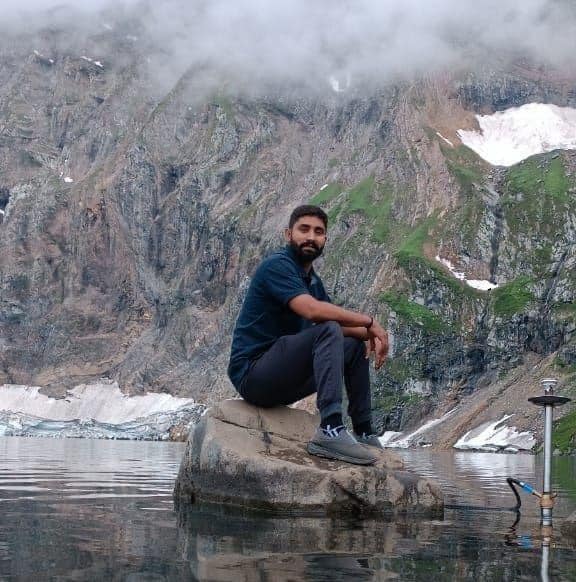
  • Ahhh I am talking from a planet where people dont know about self esteem,passion,love,self confidence,self awareness,where parents are shadowed still into their childhood,where generations are waiting to suffer...

    I am talking from the ugly side which is totally forgotten to educate the proper aspects and pattren of their being and these forgotten societies are just going to get prepared to engulf everything...
    Hey I am talking about people who live on earth who doesnt know whats definition of insan...
    Myself... A person who is fighting emotional instabilities,low self esteem issue,a person looking for success and lost in a sudden when he analysed deeply and realized simplicity is the only best life...a person who shivers when known or unknown scolds,a person who fears to face people now is the Oncall verterinary officer doing ultrasonography in mare and enjoying life a hell out of it that sometimes it scares me k Allah mian yh na keh dain aja tere paisy pury ho gae hn ...!

    I am Wasif AB

    I am expert in equine reproduction..as far as being expert concerned its limitless and learning with it too...
    Basically my work is doing ultrasonography in mare (horse) at doorstep all over Punjab.
    I am learning Forex trading from last four years and running a demo account since last two years.
    I am basically from district m.garh tehsil kot adu.currently from past two years living in district chiniot tehsil bhowana at a friend place often went to see family and parents.

    Pregnancy diagnosis and ovulation monitoring specifically

    Phone 03424836763
    Ahhh I am talking from a planet where people don't know about self esteem,passion,love,self confidence,self awareness,where parents are shadowed still into their childhood,where generations are waiting to suffer... I am talking from the ugly side which is totally forgotten to educate the proper aspects and pattren of their being and these forgotten societies are just going to get prepared to engulf everything... Hey I am talking about people who live on earth who doesn't know what's definition of insan... Myself... A person who is fighting emotional instabilities,low self esteem issue,a person looking for success and lost in a sudden when he analysed deeply and realized simplicity is the only best life...a person who shivers when known or unknown scolds,a person who fears to face people now is the Oncall verterinary officer doing ultrasonography in mare and enjoying life a hell out of it that sometimes it scares me k Allah mian yh na keh dain aja tere paisy pury ho gae hn😊 ...! I am Wasif AB I am expert in equine reproduction..as far as being expert concerned it's limitless and learning with it too... Basically my work is doing ultrasonography in mare (horse) at doorstep all over Punjab. I am learning Forex trading from last four years and running a demo account since last two years. I am basically from district m.garh tehsil kot adu.currently from past two years living in district chiniot tehsil bhowana at a friend place often went to see family and parents. Pregnancy diagnosis and ovulation monitoring specifically Phone 03424836763
    0 Commentaires 0 Parts 486 Vue
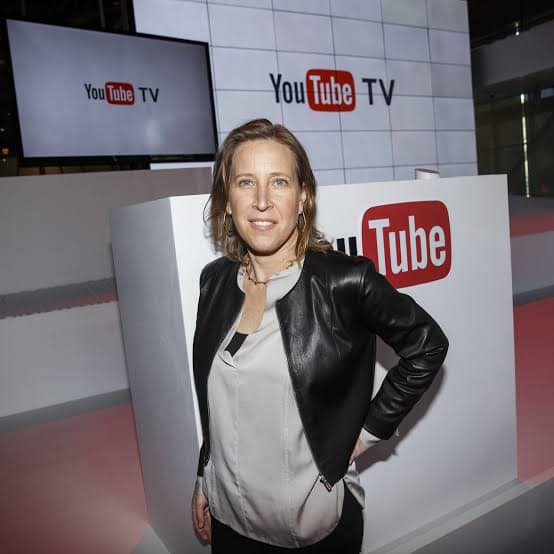
  • Former CEO of YouTube, Susan Wojcicki, has died at 56. Here’s what you probably didn’t know.

    In 1998, two young Stanford University students needed somewhere to work on their idea: a search engine for the internet.

    Their names were Sergey Brin and Larry Page.

    Susan was working at Intel Corporation at the time, but her mortgage was steep.

    She figured, “why not rent out the garage to make extra money?”

    In Susan’s garage, Google was born.

    By the time Google started to get on its feet, Susan had a choice to make:

    Stay with her stable career or take a leap on these crazy kids.

    She chose the latter.

    Five months pregnant, Susan’s family and friends told her she was crazy to leave Intel for a startup.

    (Coincidentally, Susan’s sister, Anne Wojcicki, would go on to become founder of 23andMe, and marry Sergey Brin.)

    Susan then became employee #16 at Google the very next year.

    Susan went on to revolutionize marketing at the startup and was responsible for the creation of Google Images and Google Books.

    By 2006, Susan’s eye for marketing soon landed on video.

    She led the company’s $1.65 billion dollars acquisition of YouTube.

    By 2012, Susan’s advertising team was bringing in 87% of the company’s revenue.

    By 2014, Susan was named CEO of YouTube.

    In December of that year, Susan made a bold move for a new CEO.

    She announced taking maternity leave for her fifth child — she went on to write an op-ed in The Wall Street Journal about why women need maternity leave.

    Susan went on to lead Youtube until 2023, when she stepped down due to lung cancer diagnosis.

    Sadly, while battling the disease, one of her youngest sons passed in March of this year from an overdose.

    Susan continued to fight, until losing her battle yesterday at the tender age of 56.

    Like many women’s roles, Susan’s pivotal role in the creation of Google is rarely told.

    But, now you’ve read it.

    And it’s your job to pass it on.

    Susan was not just a legend in Silicon Valley, but a legend for women and moms everywhere.

    RIP Susan !

    I am very sorry for her mother Esther Wojcicki she has truly given 3 amazing leaders to the world herself and countless via her teachings !

    #google #femalefounder #mother
    Former CEO of YouTube, Susan Wojcicki, has died at 56. Here’s what you probably didn’t know. In 1998, two young Stanford University students needed somewhere to work on their idea: a search engine for the internet. Their names were Sergey Brin and Larry Page. Susan was working at Intel Corporation at the time, but her mortgage was steep. She figured, “why not rent out the garage to make extra money?” In Susan’s garage, Google was born. By the time Google started to get on its feet, Susan had a choice to make: Stay with her stable career or take a leap on these crazy kids. She chose the latter. Five months pregnant, Susan’s family and friends told her she was crazy to leave Intel for a startup. (Coincidentally, Susan’s sister, Anne Wojcicki, would go on to become founder of 23andMe, and marry Sergey Brin.) Susan then became employee #16 at Google the very next year. Susan went on to revolutionize marketing at the startup and was responsible for the creation of Google Images and Google Books. By 2006, Susan’s eye for marketing soon landed on video. She led the company’s $1.65 billion dollars acquisition of YouTube. By 2012, Susan’s advertising team was bringing in 87% of the company’s revenue. By 2014, Susan was named CEO of YouTube. In December of that year, Susan made a bold move for a new CEO. She announced taking maternity leave for her fifth child — she went on to write an op-ed in The Wall Street Journal about why women need maternity leave. Susan went on to lead Youtube until 2023, when she stepped down due to lung cancer diagnosis. Sadly, while battling the disease, one of her youngest sons passed in March of this year from an overdose. Susan continued to fight, until losing her battle yesterday at the tender age of 56. Like many women’s roles, Susan’s pivotal role in the creation of Google is rarely told. But, now you’ve read it. And it’s your job to pass it on. Susan was not just a legend in Silicon Valley, but a legend for women and moms everywhere. RIP Susan ! I am very sorry for her mother Esther Wojcicki she has truly given 3 amazing leaders to the world herself and countless via her teachings ! #google #femalefounder #mother
    0 Commentaires 0 Parts 268 Vue
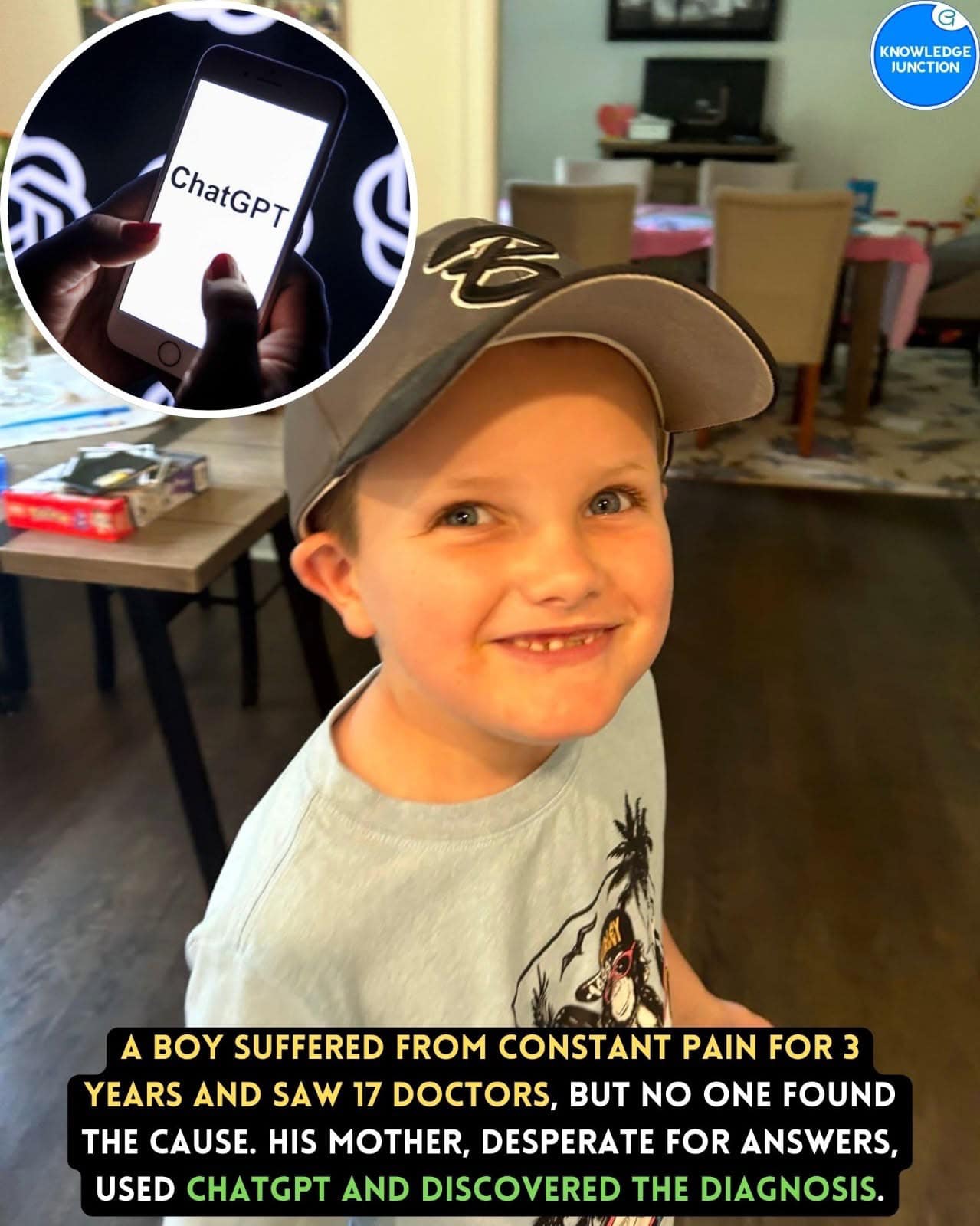
  • For three years, young Alex suffered from constant pain, but despite seeing 17 specialists, no doctor could find the cause. His mother, desperate for answers, turned to AI for help. She entered his symptoms and MRI details into ChatGPT, which suggested tethered cord syndrome—a condition where the spinal cord attaches to surrounding tissue, pulling on nerves and causing pain.
    This was a breakthrough. Taking this AI-generated insight to a neurosurgeon, she finally got confirmation of the diagnosis. The doctor performed surgery, bringing Alex much-needed relief. While many medical experts struggled to identify the problem, AI provided a crucial lead, proving how technology can assist in solving complex medical mysteries.

    #healthcare #diagnosis #healthtech #artificialintelligence

    تین سال تک نوجوان ایلکس مسلسل درد کا شکار رہا لیکن 17 ماہرین کو دیکھنے کے باوجود کوئی ڈاکٹر وجہ معلوم نہ کر سکا۔ اس کی ماں، جوابات کے لیے بے چین، مدد کے لیے AI کی طرف متوجہ ہوئی۔ اس نے چیٹ جی پی ٹی میں اس کی علامات اور ایم آر آئی کی تفصیلات درج کیں، جس میں ٹیچرڈ کورڈ سنڈروم کی تجویز پیش کی گئی تھی- ایک ایسی حالت جہاں ریڑھ کی ہڈی ارد گرد کے بافتوں سے منسلک ہوتی ہے، اعصاب کو کھینچتی ہے اور درد کا باعث بنتی ہے۔
    یہ ایک پیش رفت تھی۔ AI سے پیدا ہونے والی اس بصیرت کو ایک نیورو سرجن کے پاس لے کر، آخرکار اسے تشخیص کی تصدیق ہو گئی۔ ڈاکٹر نے سرجری کی، جس سے الیکس کو بہت زیادہ راحت ملی۔ جب کہ بہت سے طبی ماہرین نے اس مسئلے کی نشاندہی کرنے کے لیے جدوجہد کی، AI نے ایک اہم برتری فراہم کی، یہ ثابت کیا کہ ٹیکنالوجی پیچیدہ طبی رازوں کو حل کرنے میں کس طرح مدد کر سکتی ہے۔

    #healthcare #diagnosis #healthtech #artificial intelligence
    For three years, young Alex suffered from constant pain, but despite seeing 17 specialists, no doctor could find the cause. His mother, desperate for answers, turned to AI for help. She entered his symptoms and MRI details into ChatGPT, which suggested tethered cord syndrome—a condition where the spinal cord attaches to surrounding tissue, pulling on nerves and causing pain. This was a breakthrough. Taking this AI-generated insight to a neurosurgeon, she finally got confirmation of the diagnosis. The doctor performed surgery, bringing Alex much-needed relief. While many medical experts struggled to identify the problem, AI provided a crucial lead, proving how technology can assist in solving complex medical mysteries. #healthcare #diagnosis #healthtech #artificialintelligence تین سال تک نوجوان ایلکس مسلسل درد کا شکار رہا لیکن 17 ماہرین کو دیکھنے کے باوجود کوئی ڈاکٹر وجہ معلوم نہ کر سکا۔ اس کی ماں، جوابات کے لیے بے چین، مدد کے لیے AI کی طرف متوجہ ہوئی۔ اس نے چیٹ جی پی ٹی میں اس کی علامات اور ایم آر آئی کی تفصیلات درج کیں، جس میں ٹیچرڈ کورڈ سنڈروم کی تجویز پیش کی گئی تھی- ایک ایسی حالت جہاں ریڑھ کی ہڈی ارد گرد کے بافتوں سے منسلک ہوتی ہے، اعصاب کو کھینچتی ہے اور درد کا باعث بنتی ہے۔ یہ ایک پیش رفت تھی۔ AI سے پیدا ہونے والی اس بصیرت کو ایک نیورو سرجن کے پاس لے کر، آخرکار اسے تشخیص کی تصدیق ہو گئی۔ ڈاکٹر نے سرجری کی، جس سے الیکس کو بہت زیادہ راحت ملی۔ جب کہ بہت سے طبی ماہرین نے اس مسئلے کی نشاندہی کرنے کے لیے جدوجہد کی، AI نے ایک اہم برتری فراہم کی، یہ ثابت کیا کہ ٹیکنالوجی پیچیدہ طبی رازوں کو حل کرنے میں کس طرح مدد کر سکتی ہے۔ #healthcare #diagnosis #healthtech #artificial intelligence
    0 Commentaires 0 Parts 627 Vue