• Fable 5 is back !
    Fable 5 is back !
    0 Комментарии 0 Поделились 371 Просмотры
  • Fable 5 is back !
    Fable 5 is back !
    0 Комментарии 0 Поделились 331 Просмотры
  • Luqman Hakim, or **Luqman the Wise**, is a figure steeped in legend and moral teachings, most prominently within Islamic tradition. While he is mentioned in the Quran and in various other religious and folkloric texts, details about his life remain somewhat unclear, and much of what is known about him comes from stories and traditions passed down over centuries. Let’s explore the details:

    ### **Who Was Luqman?**
    Luqman is considered a man of great wisdom, though not a prophet. His wisdom and moral teachings have earned him a lasting legacy, and he is venerated across cultures. Some key details about Luqmans background are derived from Islamic texts and traditions:

    1. **Ethnicity and Origins**:
    - **African Origin**: Many Islamic scholars and narrations suggest that Luqman may have been of **African descent**, particularly from Nubia or Ethiopia. His description often includes references to his dark skin, and some traditions even describe him as a former slave who rose to great wisdom and respect due to his moral integrity and intellectual depth.
    - **Physical Appearance**: His appearance is sometimes mentioned in historical narrations, describing him as dark-skinned and humble in appearance, reflecting his modest life.

    2. **Family and Lineage**:
    - The Quran and other Islamic sources do not provide detailed information about his family lineage or whose son he was. Some say his father was **Baura ibn Nahur**, though this is more of a folkloric tradition, and these details arent confirmed in the Quran.
    - There is little detailed information about his mother either, but these omissions are common in ancient figures whose significance lies more in their teachings than in their genealogy.

    3. **Occupation**:
    - Luqman is said to have worked in humble professions, including as a **carpenter**, **tailor**, or **shepherd**. Despite these modest occupations, his intellectual and spiritual stature far exceeded that of many others of his time. He is often depicted as a man who reflected deeply on the world around him.

    4. **Slave and Freedom**:
    - According to some traditions, Luqman was once a **slave**. His wisdom and moral character, however, earned him freedom, and he went on to become a revered figure in society, known for his advice and insight.

    ### **How Did He Become Wise?**

    Luqman’s wisdom is regarded as a gift from God, and his knowledge is often seen as divinely inspired. According to Islamic tradition, Luqman became wise through his profound understanding of the world, his deep reflection, and his ability to draw moral lessons from even the simplest events.

    1. **Divine Gift of Wisdom**:
    - The Quran emphasizes that **Luqman’s wisdom was a direct gift from Allah**. In Surah Luqman (31:12), it is stated:
    - **"And We gave Luqman wisdom: Be grateful to Allah. And whoever is grateful, it is only for their own good. But whoever is ungrateful, surely Allah is Self-Sufficient, Praiseworthy."**
    - This verse signifies that Luqman’s wisdom was a blessing from God and that his gratitude was a defining feature of his character.

    2. **Humility and Piety**:
    - Luqman’s wisdom is closely tied to his humility and deep piety. He lived a simple life, and his deep connection to God allowed him to see the truth in all things. He was deeply aware of the dangers of arrogance and always stressed gratitude and humility.
    - His wisdom was not just intellectual but also spiritual. His closeness to God and his ability to see God’s signs in nature and life allowed him to give advice that touched on the deeper aspects of human existence.

    3. **Stories of His Wisdom**:
    - **Observation of Life**: Many of the stories about Luqman illustrate how he derived lessons from observing the world. One story tells of how he advised his son not to focus on appearances but on the substance of actions, highlighting the value of modesty and humility.
    - **Fables and Parables**: Luqman is sometimes compared to Aesop, as both are attributed with fables and moral lessons. Luqman’s wisdom is often conveyed through short stories that illustrate ethical behavior, patience, and submission to God’s will.
    - **His Advice to His Son**: The most famous segment of Luqman’s wisdom, as recorded in the Qur’an, is his advice to his son (Surah Luqman, verses 13–19). Some of the key teachings in this passage include:
    - The importance of worshiping only one God (Tawhid).
    - Avoiding arrogance and pride.
    - Being kind and respectful to parents, even if they are non-believers.
    - Leading a life of moderation, humility, and patience.
    - Performing prayers and promoting good deeds.

    ### **Luqman’s Wisdom in the Quran**:
    The Quran provides a glimpse into Luqman’s teachings. These teachings focus on essential human values, such as gratitude, humility, belief in one God, and moral uprightness. His advice to his son, recorded in Surah Luqman, includes:

    1. **Avoid Shirk (Polytheism)**:
    - Luqman advises his son not to associate partners with Allah, emphasizing the core Islamic belief in monotheism.
    - **“O my son! Do not associate others with Allah in worship, for associating others is truly the worst of all wrongs.”** (Surah Luqman 31:13)

    2. **Obedience to Parents**:
    - He advises respect and care for parents, even if they are not believers.
    - **“And We have commanded people to honour their parents…”** (Surah Luqman 31:14)

    3. **Modesty and Humility**:
    - He stresses the importance of humility and warns against arrogance and pride.
    - **“And do not turn your nose up at people, nor walk pridefully upon the earth. Surely Allah does not like whoever is arrogant, boastful.”** (Surah Luqman 31:18)

    4. **Kindness and Patience**:
    - Luqman teaches his son to show kindness and patience towards others and to be mindful of one’s character.

    ### **Later Influence and Legacy**:
    Luqman’s legacy as a wise man is enduring. His name has been immortalized in the Quran, and his teachings continue to be a source of guidance for Muslims. His figure transcends Islamic culture, finding its way into various traditions that emphasize wisdom, morality, and ethics.

    Luqman’s teachings are universally relevant, focusing on virtues like humility, kindness, gratitude, and respect. Though not much is known about his personal history, his wisdom remains a valuable source of moral and ethical guidance to this day.

    Luqman Hakim, or **Luqman the Wise**, is a figure steeped in legend and moral teachings, most prominently within Islamic tradition. While he is mentioned in the Qur'an and in various other religious and folkloric texts, details about his life remain somewhat unclear, and much of what is known about him comes from stories and traditions passed down over centuries. Let’s explore the details: ### **Who Was Luqman?** Luqman is considered a man of great wisdom, though not a prophet. His wisdom and moral teachings have earned him a lasting legacy, and he is venerated across cultures. Some key details about Luqman's background are derived from Islamic texts and traditions: 1. **Ethnicity and Origins**: - **African Origin**: Many Islamic scholars and narrations suggest that Luqman may have been of **African descent**, particularly from Nubia or Ethiopia. His description often includes references to his dark skin, and some traditions even describe him as a former slave who rose to great wisdom and respect due to his moral integrity and intellectual depth. - **Physical Appearance**: His appearance is sometimes mentioned in historical narrations, describing him as dark-skinned and humble in appearance, reflecting his modest life. 2. **Family and Lineage**: - The Qur'an and other Islamic sources do not provide detailed information about his family lineage or whose son he was. Some say his father was **Bau'ra ibn Nahur**, though this is more of a folkloric tradition, and these details aren't confirmed in the Qur'an. - There is little detailed information about his mother either, but these omissions are common in ancient figures whose significance lies more in their teachings than in their genealogy. 3. **Occupation**: - Luqman is said to have worked in humble professions, including as a **carpenter**, **tailor**, or **shepherd**. Despite these modest occupations, his intellectual and spiritual stature far exceeded that of many others of his time. He is often depicted as a man who reflected deeply on the world around him. 4. **Slave and Freedom**: - According to some traditions, Luqman was once a **slave**. His wisdom and moral character, however, earned him freedom, and he went on to become a revered figure in society, known for his advice and insight. ### **How Did He Become Wise?** Luqman’s wisdom is regarded as a gift from God, and his knowledge is often seen as divinely inspired. According to Islamic tradition, Luqman became wise through his profound understanding of the world, his deep reflection, and his ability to draw moral lessons from even the simplest events. 1. **Divine Gift of Wisdom**: - The Qur'an emphasizes that **Luqman’s wisdom was a direct gift from Allah**. In Surah Luqman (31:12), it is stated: - **"And We gave Luqman wisdom: 'Be grateful to Allah.' And whoever is grateful, it is only for their own good. But whoever is ungrateful, surely Allah is Self-Sufficient, Praiseworthy."** - This verse signifies that Luqman’s wisdom was a blessing from God and that his gratitude was a defining feature of his character. 2. **Humility and Piety**: - Luqman’s wisdom is closely tied to his humility and deep piety. He lived a simple life, and his deep connection to God allowed him to see the truth in all things. He was deeply aware of the dangers of arrogance and always stressed gratitude and humility. - His wisdom was not just intellectual but also spiritual. His closeness to God and his ability to see God’s signs in nature and life allowed him to give advice that touched on the deeper aspects of human existence. 3. **Stories of His Wisdom**: - **Observation of Life**: Many of the stories about Luqman illustrate how he derived lessons from observing the world. One story tells of how he advised his son not to focus on appearances but on the substance of actions, highlighting the value of modesty and humility. - **Fables and Parables**: Luqman is sometimes compared to Aesop, as both are attributed with fables and moral lessons. Luqman’s wisdom is often conveyed through short stories that illustrate ethical behavior, patience, and submission to God’s will. - **His Advice to His Son**: The most famous segment of Luqman’s wisdom, as recorded in the Qur’an, is his advice to his son (Surah Luqman, verses 13–19). Some of the key teachings in this passage include: - The importance of worshiping only one God (Tawhid). - Avoiding arrogance and pride. - Being kind and respectful to parents, even if they are non-believers. - Leading a life of moderation, humility, and patience. - Performing prayers and promoting good deeds. ### **Luqman’s Wisdom in the Qur'an**: The Qur'an provides a glimpse into Luqman’s teachings. These teachings focus on essential human values, such as gratitude, humility, belief in one God, and moral uprightness. His advice to his son, recorded in Surah Luqman, includes: 1. **Avoid Shirk (Polytheism)**: - Luqman advises his son not to associate partners with Allah, emphasizing the core Islamic belief in monotheism. - **“O my son! Do not associate others with Allah in worship, for associating others is truly the worst of all wrongs.”** (Surah Luqman 31:13) 2. **Obedience to Parents**: - He advises respect and care for parents, even if they are not believers. - **“And We have commanded people to honour their parents…”** (Surah Luqman 31:14) 3. **Modesty and Humility**: - He stresses the importance of humility and warns against arrogance and pride. - **“And do not turn your nose up at people, nor walk pridefully upon the earth. Surely Allah does not like whoever is arrogant, boastful.”** (Surah Luqman 31:18) 4. **Kindness and Patience**: - Luqman teaches his son to show kindness and patience towards others and to be mindful of one’s character. ### **Later Influence and Legacy**: Luqman’s legacy as a wise man is enduring. His name has been immortalized in the Qur'an, and his teachings continue to be a source of guidance for Muslims. His figure transcends Islamic culture, finding its way into various traditions that emphasize wisdom, morality, and ethics. Luqman’s teachings are universally relevant, focusing on virtues like humility, kindness, gratitude, and respect. Though not much is known about his personal history, his wisdom remains a valuable source of moral and ethical guidance to this day.

    0 Комментарии 0 Поделились 1654 Просмотры
  • Luqman Hakim, or **Luqman the Wise**, is a figure steeped in legend and moral teachings, most prominently within Islamic tradition. While he is mentioned in the Quran and in various other religious and folkloric texts, details about his life remain somewhat unclear, and much of what is known about him comes from stories and traditions passed down over centuries. Let’s explore the details:

    ### **Who Was Luqman?**
    Luqman is considered a man of great wisdom, though not a prophet. His wisdom and moral teachings have earned him a lasting legacy, and he is venerated across cultures. Some key details about Luqmans background are derived from Islamic texts and traditions:

    1. **Ethnicity and Origins**:
    - **African Origin**: Many Islamic scholars and narrations suggest that Luqman may have been of **African descent**, particularly from Nubia or Ethiopia. His description often includes references to his dark skin, and some traditions even describe him as a former slave who rose to great wisdom and respect due to his moral integrity and intellectual depth.
    - **Physical Appearance**: His appearance is sometimes mentioned in historical narrations, describing him as dark-skinned and humble in appearance, reflecting his modest life.

    2. **Family and Lineage**:
    - The Quran and other Islamic sources do not provide detailed information about his family lineage or whose son he was. Some say his father was **Baura ibn Nahur**, though this is more of a folkloric tradition, and these details arent confirmed in the Quran.
    - There is little detailed information about his mother either, but these omissions are common in ancient figures whose significance lies more in their teachings than in their genealogy.

    3. **Occupation**:
    - Luqman is said to have worked in humble professions, including as a **carpenter**, **tailor**, or **shepherd**. Despite these modest occupations, his intellectual and spiritual stature far exceeded that of many others of his time. He is often depicted as a man who reflected deeply on the world around him.

    4. **Slave and Freedom**:
    - According to some traditions, Luqman was once a **slave**. His wisdom and moral character, however, earned him freedom, and he went on to become a revered figure in society, known for his advice and insight.

    ### **How Did He Become Wise?**

    Luqman’s wisdom is regarded as a gift from God, and his knowledge is often seen as divinely inspired. According to Islamic tradition, Luqman became wise through his profound understanding of the world, his deep reflection, and his ability to draw moral lessons from even the simplest events.

    1. **Divine Gift of Wisdom**:
    - The Quran emphasizes that **Luqman’s wisdom was a direct gift from Allah**. In Surah Luqman (31:12), it is stated:
    - **"And We gave Luqman wisdom: Be grateful to Allah. And whoever is grateful, it is only for their own good. But whoever is ungrateful, surely Allah is Self-Sufficient, Praiseworthy."**
    - This verse signifies that Luqman’s wisdom was a blessing from God and that his gratitude was a defining feature of his character.

    2. **Humility and Piety**:
    - Luqman’s wisdom is closely tied to his humility and deep piety. He lived a simple life, and his deep connection to God allowed him to see the truth in all things. He was deeply aware of the dangers of arrogance and always stressed gratitude and humility.
    - His wisdom was not just intellectual but also spiritual. His closeness to God and his ability to see God’s signs in nature and life allowed him to give advice that touched on the deeper aspects of human existence.

    3. **Stories of His Wisdom**:
    - **Observation of Life**: Many of the stories about Luqman illustrate how he derived lessons from observing the world. One story tells of how he advised his son not to focus on appearances but on the substance of actions, highlighting the value of modesty and humility.
    - **Fables and Parables**: Luqman is sometimes compared to Aesop, as both are attributed with fables and moral lessons. Luqman’s wisdom is often conveyed through short stories that illustrate ethical behavior, patience, and submission to God’s will.
    - **His Advice to His Son**: The most famous segment of Luqman’s wisdom, as recorded in the Qur’an, is his advice to his son (Surah Luqman, verses 13–19). Some of the key teachings in this passage include:
    - The importance of worshiping only one God (Tawhid).
    - Avoiding arrogance and pride.
    - Being kind and respectful to parents, even if they are non-believers.
    - Leading a life of moderation, humility, and patience.
    - Performing prayers and promoting good deeds.

    ### **Luqman’s Wisdom in the Quran**:
    The Quran provides a glimpse into Luqman’s teachings. These teachings focus on essential human values, such as gratitude, humility, belief in one God, and moral uprightness. His advice to his son, recorded in Surah Luqman, includes:

    1. **Avoid Shirk (Polytheism)**:
    - Luqman advises his son not to associate partners with Allah, emphasizing the core Islamic belief in monotheism.
    - **“O my son! Do not associate others with Allah in worship, for associating others is truly the worst of all wrongs.”** (Surah Luqman 31:13)

    2. **Obedience to Parents**:
    - He advises respect and care for parents, even if they are not believers.
    - **“And We have commanded people to honour their parents…”** (Surah Luqman 31:14)

    3. **Modesty and Humility**:
    - He stresses the importance of humility and warns against arrogance and pride.
    - **“And do not turn your nose up at people, nor walk pridefully upon the earth. Surely Allah does not like whoever is arrogant, boastful.”** (Surah Luqman 31:18)

    4. **Kindness and Patience**:
    - Luqman teaches his son to show kindness and patience towards others and to be mindful of one’s character.

    ### **Later Influence and Legacy**:
    Luqman’s legacy as a wise man is enduring. His name has been immortalized in the Quran, and his teachings continue to be a source of guidance for Muslims. His figure transcends Islamic culture, finding its way into various traditions that emphasize wisdom, morality, and ethics.

    Luqman’s teachings are universally relevant, focusing on virtues like humility, kindness, gratitude, and respect. Though not much is known about his personal history, his wisdom remains a valuable source of moral and ethical guidance to this day.

    Luqman Hakim, or **Luqman the Wise**, is a figure steeped in legend and moral teachings, most prominently within Islamic tradition. While he is mentioned in the Qur'an and in various other religious and folkloric texts, details about his life remain somewhat unclear, and much of what is known about him comes from stories and traditions passed down over centuries. Let’s explore the details: ### **Who Was Luqman?** Luqman is considered a man of great wisdom, though not a prophet. His wisdom and moral teachings have earned him a lasting legacy, and he is venerated across cultures. Some key details about Luqman's background are derived from Islamic texts and traditions: 1. **Ethnicity and Origins**: - **African Origin**: Many Islamic scholars and narrations suggest that Luqman may have been of **African descent**, particularly from Nubia or Ethiopia. His description often includes references to his dark skin, and some traditions even describe him as a former slave who rose to great wisdom and respect due to his moral integrity and intellectual depth. - **Physical Appearance**: His appearance is sometimes mentioned in historical narrations, describing him as dark-skinned and humble in appearance, reflecting his modest life. 2. **Family and Lineage**: - The Qur'an and other Islamic sources do not provide detailed information about his family lineage or whose son he was. Some say his father was **Bau'ra ibn Nahur**, though this is more of a folkloric tradition, and these details aren't confirmed in the Qur'an. - There is little detailed information about his mother either, but these omissions are common in ancient figures whose significance lies more in their teachings than in their genealogy. 3. **Occupation**: - Luqman is said to have worked in humble professions, including as a **carpenter**, **tailor**, or **shepherd**. Despite these modest occupations, his intellectual and spiritual stature far exceeded that of many others of his time. He is often depicted as a man who reflected deeply on the world around him. 4. **Slave and Freedom**: - According to some traditions, Luqman was once a **slave**. His wisdom and moral character, however, earned him freedom, and he went on to become a revered figure in society, known for his advice and insight. ### **How Did He Become Wise?** Luqman’s wisdom is regarded as a gift from God, and his knowledge is often seen as divinely inspired. According to Islamic tradition, Luqman became wise through his profound understanding of the world, his deep reflection, and his ability to draw moral lessons from even the simplest events. 1. **Divine Gift of Wisdom**: - The Qur'an emphasizes that **Luqman’s wisdom was a direct gift from Allah**. In Surah Luqman (31:12), it is stated: - **"And We gave Luqman wisdom: 'Be grateful to Allah.' And whoever is grateful, it is only for their own good. But whoever is ungrateful, surely Allah is Self-Sufficient, Praiseworthy."** - This verse signifies that Luqman’s wisdom was a blessing from God and that his gratitude was a defining feature of his character. 2. **Humility and Piety**: - Luqman’s wisdom is closely tied to his humility and deep piety. He lived a simple life, and his deep connection to God allowed him to see the truth in all things. He was deeply aware of the dangers of arrogance and always stressed gratitude and humility. - His wisdom was not just intellectual but also spiritual. His closeness to God and his ability to see God’s signs in nature and life allowed him to give advice that touched on the deeper aspects of human existence. 3. **Stories of His Wisdom**: - **Observation of Life**: Many of the stories about Luqman illustrate how he derived lessons from observing the world. One story tells of how he advised his son not to focus on appearances but on the substance of actions, highlighting the value of modesty and humility. - **Fables and Parables**: Luqman is sometimes compared to Aesop, as both are attributed with fables and moral lessons. Luqman’s wisdom is often conveyed through short stories that illustrate ethical behavior, patience, and submission to God’s will. - **His Advice to His Son**: The most famous segment of Luqman’s wisdom, as recorded in the Qur’an, is his advice to his son (Surah Luqman, verses 13–19). Some of the key teachings in this passage include: - The importance of worshiping only one God (Tawhid). - Avoiding arrogance and pride. - Being kind and respectful to parents, even if they are non-believers. - Leading a life of moderation, humility, and patience. - Performing prayers and promoting good deeds. ### **Luqman’s Wisdom in the Qur'an**: The Qur'an provides a glimpse into Luqman’s teachings. These teachings focus on essential human values, such as gratitude, humility, belief in one God, and moral uprightness. His advice to his son, recorded in Surah Luqman, includes: 1. **Avoid Shirk (Polytheism)**: - Luqman advises his son not to associate partners with Allah, emphasizing the core Islamic belief in monotheism. - **“O my son! Do not associate others with Allah in worship, for associating others is truly the worst of all wrongs.”** (Surah Luqman 31:13) 2. **Obedience to Parents**: - He advises respect and care for parents, even if they are not believers. - **“And We have commanded people to honour their parents…”** (Surah Luqman 31:14) 3. **Modesty and Humility**: - He stresses the importance of humility and warns against arrogance and pride. - **“And do not turn your nose up at people, nor walk pridefully upon the earth. Surely Allah does not like whoever is arrogant, boastful.”** (Surah Luqman 31:18) 4. **Kindness and Patience**: - Luqman teaches his son to show kindness and patience towards others and to be mindful of one’s character. ### **Later Influence and Legacy**: Luqman’s legacy as a wise man is enduring. His name has been immortalized in the Qur'an, and his teachings continue to be a source of guidance for Muslims. His figure transcends Islamic culture, finding its way into various traditions that emphasize wisdom, morality, and ethics. Luqman’s teachings are universally relevant, focusing on virtues like humility, kindness, gratitude, and respect. Though not much is known about his personal history, his wisdom remains a valuable source of moral and ethical guidance to this day.

    0 Комментарии 0 Поделились 1366 Просмотры
  • 100+ Ways Humans Share Ideas

    Most people only know essays, speeches, and manifestos.
    But across history, humans invented 100+ formats to share vision, wisdom, and knowledge.
    Here’s the full list with short explanations

    ⸻

    Academic & Analytical
    1. Essay – Structured argument or reflection.
    2. Research Paper – Evidence-based academic study.
    3. Thesis/Dissertation – Long academic argument proving original research.
    4. Case Study – Real example analyzed for lessons.
    5. White Paper – In-depth problem + solution report.
    6. Report – Factual summary of findings or progress.
    7. Article – Informative piece, often journalistic.
    8. Think Piece – Reflective commentary on a trend or issue.
    9. Critique/Review – Evaluation of a work or idea.
    10. Commentary/Analysis – Expert opinion tied to current events.

    ⸻

    Oral & Performative
    11. Speech – Oral delivery to inspire or inform.
    12. Lecture – Educational talk.
    13. Sermon/Khutbah – Religious or moral teaching.
    14. Oration – Formal ceremonial speech.
    15. Debate Speech – Argument for or against a motion.
    16. Panel Talk – Group discussion on a topic.
    17. Storytelling/Narrative – Ideas expressed as a story.
    18. Dialogue (Platonic) – Written conversation exploring ideas.
    19. Podcast Episode – Audio discussion or storytelling.
    20. Transcript – Written record of a talk or discussion.

    ⸻

    Declarations & Guiding Texts
    21. Manifesto – Bold declaration of beliefs/vision.
    22. Declaration – Formal announcement of intent.
    23. Charter – Foundational principles or rights.
    24. Constitution – Governing framework for a group/nation.
    25. Credo – Short statement of belief.
    26. Mission Statement – Why an organization exists.
    27. Vision Statement – Where an organization wants to go.
    28. Values Statement – Guiding principles.
    29. Covenant – Sacred/binding agreement.
    30. Commandments – Rules stated as imperatives.

    ⸻

    Political, Legal & Organizational
    31. Resolution – Formal decision or stance.
    32. Proposal – Plan presented for approval.
    33. Petition – Collective demand for change.
    34. Proclamation/Edict – Official public decree.
    35. Treaty/Agreement – Negotiated settlement between parties.
    36. Contract – Legal agreement of rights/duties.
    37. MoU – Partnership statement of intent.
    38. Code of Conduct – Behavioral guidelines.
    39. Policy Note – Recommendation on public policy.
    40. Briefing Note – Concise summary for leaders.
    41. Memo – Short internal communication.
    42. Agenda – Planned order of topics/actions.
    43. Minutes of Meeting – Written record of decisions made.
    44. SOP (Standard Operating Procedure) – Step-by-step action guide.
    45. Framework/Model – Structured system for thinking/acting.

    ⸻

    Media & Public Communication
    46. Op-ed – Opinion column in media.
    47. Editorial – Opinion of a newspaper/media outlet.
    48. Editorial Cartoon – Satire through drawings.
    49. Open Letter – Public letter to an individual/group.
    50. Pamphlet/Booklet – Short persuasive handout.
    51. Press Release – Announcement to the media.
    52. Newsletter – Regular updates for readers.
    53. Blog Post – Informal online article.
    54. FAQ (Q&A Format) – Clarifies questions in simple answers.

    ⸻

    Creative & Literary
    55. Poem – Ideas expressed in verse.
    56. Anthem – Uplifting collective song.
    57. Song Lyrics – Artistic message in music.
    58. Ballad – Narrative poem/song.
    59. Epic – Long poetic story of heroes.
    60. Fable – Story with animals teaching morals.
    61. Parable – Short story with a lesson.
    62. Allegory – Story symbolizing deeper meaning.
    63. Myth – Cultural story explaining beliefs.
    64. Legend – Semi-historical heroic tale.
    65. Memoir – Personal life reflections.
    66. Autobiography – Full life story.
    67. Diary/Journal – Daily reflections and thoughts.

    ⸻

    Digital & Modern
    68. Tweet/Thread – Micro expression of ideas.
    69. Meme – Humor + message in image/text.
    70. Infographic – Visual data + explanation.
    71. Poster – Visual idea promotion.
    72. Slogan – Catchy phrase for influence.
    73. Motto – Short guiding phrase.
    74. Hashtag Campaign – Social media movement in a tag.
    75. Story/Reel Script – Short video storytelling.
    76. TikTok Script – Short-form performance writing.
    77. Visual Essay – Combination of images + words.

    ⸻

    Spiritual & Philosophical
    78. Sutra – Ancient condensed teaching.
    79. Hadith/Tradition – Short saying of wisdom.
    80. Aphorism/Maxim – Punchy wisdom in one line.
    81. Proverb – Traditional short wisdom.
    82. Mantra/Chant – Repeated words for focus.
    83. Hymn – Religious praise in song.

    ⸻

    Structured Expressions
    84. Glossary/Definitions List – Explains key terms.
    85. Annotation/Exegesis – Commentary on text.
    86. Preface – Intro by author.
    87. Foreword – Intro by another person.
    88. Afterword – Reflections at the end.
    89. Roundtable Summary – Notes of group discussion.
    90. Q&A Interview – Ideas shared via questions.
    91. Panel Transcript – Multiple voices written down.
    92. Criticism/Response – Argument + counterargument.
    93. Checklist – Ideas in action-item form.
    94. Guide/Handbook – Instructional steps.
    95. Handout – Quick-reference material.
    96. Workshops Notes – Learning captured in writing.
    97. Study Guide – Structured prep material.
    98. Framework Diagram – Visual model of thinking.
    99. Action Plan – Ideas broken into steps.
    100. Vision Roadmap – Timed plan for the future.

    ⸻

    That’s 100+ ways humans express ideas.
    Each format has its own power, audience, and purpose.

    Question for you:
    If you had to share your life vision today — would you write an essay, deliver a speech, or publish a manifesto?
    🎙️ 100+ Ways Humans Share Ideas 🌍✍️ Most people only know essays, speeches, and manifestos. But across history, humans invented 100+ formats to share vision, wisdom, and knowledge. Here’s the full list with short explanations 👇 ⸻ 📚 Academic & Analytical 1. Essay – Structured argument or reflection. 2. Research Paper – Evidence-based academic study. 3. Thesis/Dissertation – Long academic argument proving original research. 4. Case Study – Real example analyzed for lessons. 5. White Paper – In-depth problem + solution report. 6. Report – Factual summary of findings or progress. 7. Article – Informative piece, often journalistic. 8. Think Piece – Reflective commentary on a trend or issue. 9. Critique/Review – Evaluation of a work or idea. 10. Commentary/Analysis – Expert opinion tied to current events. ⸻ 🎤 Oral & Performative 11. Speech – Oral delivery to inspire or inform. 12. Lecture – Educational talk. 13. Sermon/Khutbah – Religious or moral teaching. 14. Oration – Formal ceremonial speech. 15. Debate Speech – Argument for or against a motion. 16. Panel Talk – Group discussion on a topic. 17. Storytelling/Narrative – Ideas expressed as a story. 18. Dialogue (Platonic) – Written conversation exploring ideas. 19. Podcast Episode – Audio discussion or storytelling. 20. Transcript – Written record of a talk or discussion. ⸻ 📜 Declarations & Guiding Texts 21. Manifesto – Bold declaration of beliefs/vision. 22. Declaration – Formal announcement of intent. 23. Charter – Foundational principles or rights. 24. Constitution – Governing framework for a group/nation. 25. Credo – Short statement of belief. 26. Mission Statement – Why an organization exists. 27. Vision Statement – Where an organization wants to go. 28. Values Statement – Guiding principles. 29. Covenant – Sacred/binding agreement. 30. Commandments – Rules stated as imperatives. ⸻ 🏛️ Political, Legal & Organizational 31. Resolution – Formal decision or stance. 32. Proposal – Plan presented for approval. 33. Petition – Collective demand for change. 34. Proclamation/Edict – Official public decree. 35. Treaty/Agreement – Negotiated settlement between parties. 36. Contract – Legal agreement of rights/duties. 37. MoU – Partnership statement of intent. 38. Code of Conduct – Behavioral guidelines. 39. Policy Note – Recommendation on public policy. 40. Briefing Note – Concise summary for leaders. 41. Memo – Short internal communication. 42. Agenda – Planned order of topics/actions. 43. Minutes of Meeting – Written record of decisions made. 44. SOP (Standard Operating Procedure) – Step-by-step action guide. 45. Framework/Model – Structured system for thinking/acting. ⸻ 📰 Media & Public Communication 46. Op-ed – Opinion column in media. 47. Editorial – Opinion of a newspaper/media outlet. 48. Editorial Cartoon – Satire through drawings. 49. Open Letter – Public letter to an individual/group. 50. Pamphlet/Booklet – Short persuasive handout. 51. Press Release – Announcement to the media. 52. Newsletter – Regular updates for readers. 53. Blog Post – Informal online article. 54. FAQ (Q&A Format) – Clarifies questions in simple answers. ⸻ 🎨 Creative & Literary 55. Poem – Ideas expressed in verse. 56. Anthem – Uplifting collective song. 57. Song Lyrics – Artistic message in music. 58. Ballad – Narrative poem/song. 59. Epic – Long poetic story of heroes. 60. Fable – Story with animals teaching morals. 61. Parable – Short story with a lesson. 62. Allegory – Story symbolizing deeper meaning. 63. Myth – Cultural story explaining beliefs. 64. Legend – Semi-historical heroic tale. 65. Memoir – Personal life reflections. 66. Autobiography – Full life story. 67. Diary/Journal – Daily reflections and thoughts. ⸻ 🌐 Digital & Modern 68. Tweet/Thread – Micro expression of ideas. 69. Meme – Humor + message in image/text. 70. Infographic – Visual data + explanation. 71. Poster – Visual idea promotion. 72. Slogan – Catchy phrase for influence. 73. Motto – Short guiding phrase. 74. Hashtag Campaign – Social media movement in a tag. 75. Story/Reel Script – Short video storytelling. 76. TikTok Script – Short-form performance writing. 77. Visual Essay – Combination of images + words. ⸻ 🕊️ Spiritual & Philosophical 78. Sutra – Ancient condensed teaching. 79. Hadith/Tradition – Short saying of wisdom. 80. Aphorism/Maxim – Punchy wisdom in one line. 81. Proverb – Traditional short wisdom. 82. Mantra/Chant – Repeated words for focus. 83. Hymn – Religious praise in song. ⸻ 📑 Structured Expressions 84. Glossary/Definitions List – Explains key terms. 85. Annotation/Exegesis – Commentary on text. 86. Preface – Intro by author. 87. Foreword – Intro by another person. 88. Afterword – Reflections at the end. 89. Roundtable Summary – Notes of group discussion. 90. Q&A Interview – Ideas shared via questions. 91. Panel Transcript – Multiple voices written down. 92. Criticism/Response – Argument + counterargument. 93. Checklist – Ideas in action-item form. 94. Guide/Handbook – Instructional steps. 95. Handout – Quick-reference material. 96. Workshops Notes – Learning captured in writing. 97. Study Guide – Structured prep material. 98. Framework Diagram – Visual model of thinking. 99. Action Plan – Ideas broken into steps. 100. Vision Roadmap – Timed plan for the future. ⸻ ✅ That’s 100+ ways humans express ideas. Each format has its own power, audience, and purpose. 👉 Question for you: If you had to share your life vision today — would you write an essay, deliver a speech, or publish a manifesto? 🌍
    0 Комментарии 0 Поделились 2754 Просмотры
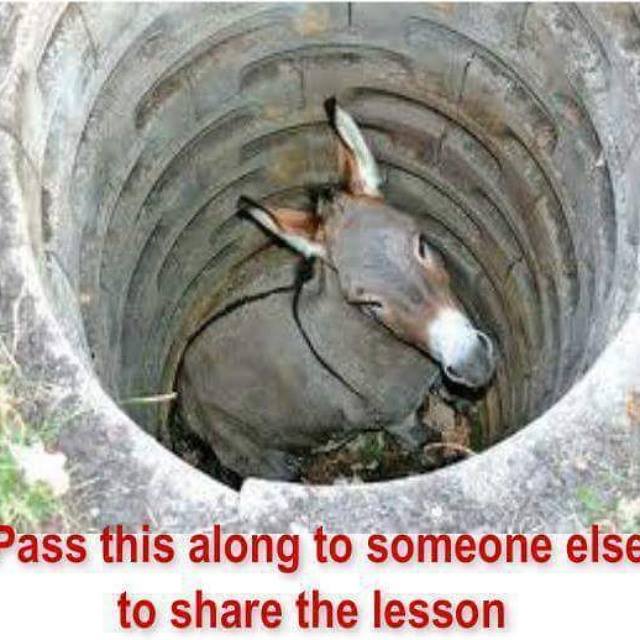
  • One day a farmers donkey fell down into a well. The animal cried piteously for hours as the farmer tried to figure out what to do. Finally, he decided the animal was old, and the well needed to be covered up anyway; it just wasnt worth it to retrieve the donkey.

    He invited all his neighbors to come over and help him. They all grabbed a shovel and began to shovel dirt into the well. At first, the donkey realized what was happening and cried horribly. Then, to everyones amazement he quieted down.

    A few shovel loads later, the farmer finally looked down the well. He was astonished at what he saw. With each shovel of dirt that hit his back, the donkey was doing something amazing. He would shake it off and take a step up.

    As the farmers neighbors continued to shovel dirt on top of the animal, he would shake it off and take a step up. Pretty soon, everyone was amazed as the donkey stepped up over the edge of the well and happily trotted off!

    MORAL :
    Life is going to shovel dirt on you, all kinds of dirt. The trick to getting out of the well is to shake it off and take a step up. Each of our troubles is a steppingstone. We can get out of the deepest wells just by not stopping, never giving up! Shake it off and take a step up.

    Remember the five simple rules to be happy:

    1. Free your heart from hatred - Forgive.

    2. Free your mind from worries - Most never happens.

    3. Live simply and appreciate what you have.

    4. Give more.

    5. Expect less from people but more from yourself.

    You have two choices... smile and close this page,
    or pass this along to someone else to share the lesson

    #rehan #rehanallahwala #motivation #inspiration #story #fable
    One day a farmer's donkey fell down into a well. The animal cried piteously for hours as the farmer tried to figure out what to do. Finally, he decided the animal was old, and the well needed to be covered up anyway; it just wasn't worth it to retrieve the donkey. He invited all his neighbors to come over and help him. They all grabbed a shovel and began to shovel dirt into the well. At first, the donkey realized what was happening and cried horribly. Then, to everyone's amazement he quieted down. A few shovel loads later, the farmer finally looked down the well. He was astonished at what he saw. With each shovel of dirt that hit his back, the donkey was doing something amazing. He would shake it off and take a step up. As the farmer's neighbors continued to shovel dirt on top of the animal, he would shake it off and take a step up. Pretty soon, everyone was amazed as the donkey stepped up over the edge of the well and happily trotted off! MORAL : Life is going to shovel dirt on you, all kinds of dirt. The trick to getting out of the well is to shake it off and take a step up. Each of our troubles is a steppingstone. We can get out of the deepest wells just by not stopping, never giving up! Shake it off and take a step up. Remember the five simple rules to be happy: 1. Free your heart from hatred - Forgive. 2. Free your mind from worries - Most never happens. 3. Live simply and appreciate what you have. 4. Give more. 5. Expect less from people but more from yourself. You have two choices... smile and close this page, or pass this along to someone else to share the lesson #rehan #rehanallahwala #motivation #inspiration #story #fable
    0 Комментарии 0 Поделились 230 Просмотры
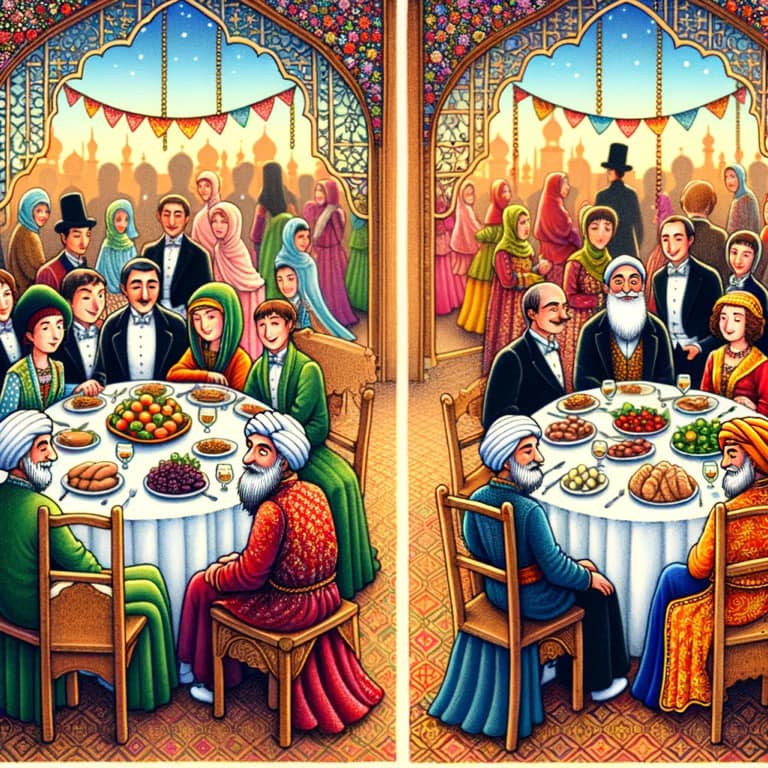
  • Mullah Nasruddins tales, known for their wit and wisdom, have parallels in various cultures, featuring characters who use humor and cleverness to highlight truths or critique societal norms. Here are a few similar figures and their stories:

    1. **Juha (Middle Eastern Folklore)**: Juha, like Nasruddin, is a character in Middle Eastern folklore known for his wit. In one popular tale, Juha carries his door on his back after his house is robbed. When asked why, he explains that since the thieves have already taken everything inside, hes afraid they might come back for the door.

    2. **Hodja (Turkish Folklore)**: Hodja stories are very similar to those of Nasruddin. One famous story involves Hodja riding his donkey backwards. When asked why, he explains that this way, either he or the donkey can see where theyre going.

    3. **Brer Rabbit (African-American Folklore)**: Brer Rabbit is a trickster figure who often outsmarts larger animals. In the famous "Brer Rabbit and the Tar Baby" story, he cleverly tricks Brer Fox who tries to capture him using a tar doll.

    4. **Eulenspiegel (German Folklore)**: Till Eulenspiegel was a jester and trickster. In one story, hes asked to ride a horse to its new owner but instead rides it to his home, arguing that he was only told to ride it, not to deliver it.

    5. **Panchatantra Tales (Indian Folklore)**: These are ancient Indian fables featuring animals in human-like situations. The stories, such as "The Monkey and the Crocodile", often carry moral lessons and reflect on human nature and society.

    6. **Anansi (West African and Caribbean Folklore)**: Anansi is a spider who often takes the form of a man. In one story, Anansi, the king of all stories, gains the right to tell stories by completing a series of impossible tasks set by the Sky God.

    These stories, like those of Nasruddin, use humor and cleverness to make larger points about human nature and society, and have been passed down through generations in various cultures.
    Mullah Nasruddin's tales, known for their wit and wisdom, have parallels in various cultures, featuring characters who use humor and cleverness to highlight truths or critique societal norms. Here are a few similar figures and their stories: 1. **Juha (Middle Eastern Folklore)**: Juha, like Nasruddin, is a character in Middle Eastern folklore known for his wit. In one popular tale, Juha carries his door on his back after his house is robbed. When asked why, he explains that since the thieves have already taken everything inside, he's afraid they might come back for the door. 2. **Hodja (Turkish Folklore)**: Hodja stories are very similar to those of Nasruddin. One famous story involves Hodja riding his donkey backwards. When asked why, he explains that this way, either he or the donkey can see where they're going. 3. **Br'er Rabbit (African-American Folklore)**: Br'er Rabbit is a trickster figure who often outsmarts larger animals. In the famous "Br'er Rabbit and the Tar Baby" story, he cleverly tricks Br'er Fox who tries to capture him using a tar doll. 4. **Eulenspiegel (German Folklore)**: Till Eulenspiegel was a jester and trickster. In one story, he's asked to ride a horse to its new owner but instead rides it to his home, arguing that he was only told to ride it, not to deliver it. 5. **Panchatantra Tales (Indian Folklore)**: These are ancient Indian fables featuring animals in human-like situations. The stories, such as "The Monkey and the Crocodile", often carry moral lessons and reflect on human nature and society. 6. **Anansi (West African and Caribbean Folklore)**: Anansi is a spider who often takes the form of a man. In one story, Anansi, the king of all stories, gains the right to tell stories by completing a series of impossible tasks set by the Sky God. These stories, like those of Nasruddin, use humor and cleverness to make larger points about human nature and society, and have been passed down through generations in various cultures.
    0 Комментарии 0 Поделились 982 Просмотры
  • ### جانوروں کا اسکول

    ایک وقت کی بات ہے کہ جانوروں نے فیصلہ کیا کہ وہ ایک اسکول بنائیں گے جہاں ہر جانور کو دوڑنا، چڑھنا، اڑنا اور تیرنا سکھایا جائے گا۔ سب جانوروں کو ان تمام مضامین میں شرکت کرنی تھی۔

    #### بطخ
    بطخ تیراکی میں بہترین تھی، یہاں تک کہ اس کے استاد سے بھی بہتر تھی۔ لیکن اسے دوڑنے اور اڑنے میں مشکلات کا سامنا تھا۔ اپنے دوڑنے کی مہارت کو بہتر بنانے کے لیے اسے اسکول کے بعد رکنا پڑتا اور تیرنا چھوڑنا پڑتا، جس کی وجہ سے اس کے پاؤں خراب ہو گئے اور وہ تیراکی میں صرف اوسط کارکردگی کا مظاہرہ کر سکا۔

    #### خرگوش
    خرگوش دوڑنے کی کلاس میں سب سے آگے تھا، لیکن زیادہ تیراکی کے کام کی وجہ سے اس کی ذہنی حالت خراب ہو گئی۔

    #### گلہری
    گلہری چڑھنے میں بہترین تھی، لیکن اسے اڑنے کی کلاس میں مشکلات پیش آتی تھیں۔ اس کے استاد نے اصرار کیا کہ وہ زمین سے اڑنے کی مشق کرے، جس کی وجہ سے اس کے پٹھے کھنچ گئے اور اس کی چڑھنے کی کارکردگی خراب ہو گئی۔

    #### عقاب
    عقاب کو ایک مسئلہ سمجھا جاتا تھا کیونکہ وہ درخت کی چوٹی پر پہنچنے کے لیے اپنی قدرتی اڑان کا استعمال کرتا تھا، لیکن اسکول نے اسے چڑھنے پر زور دیا، جس کی وجہ سے وہ مایوس ہو گیا۔

    #### بام مچھلی
    بام مچھلی جو ہر مضمون میں تھوڑی تھوڑی مہارت رکھتی تھی، اسے کلاس کا بہترین طالب علم قرار دیا گیا، جس نے اس بات کو اجاگر کیا کہ نظام اوسط کارکردگی کو زیادہ اہمیت دیتا ہے بجائے اس کے کہ کسی ایک شعبے میں مہارت کو تسلیم کرے۔

    ### اخلاق
    اس کہانی کا سبق یہ ہے کہ تعلیم کو ہر فرد کی صلاحیتوں کو پہچاننا اور پروان چڑھانا چاہیے بجائے اس کے کہ سب کو ایک ہی پیمانے پر پرکھا جائے۔

    ### Summary of "The Animal School"

    In the fable "The Animal School," the animals decide to create a school to make their education more standardized. They develop a curriculum that includes running, climbing, swimming, and flying, believing that this will create well-rounded individuals.

    #### The Duck
    The duck excels in swimming but struggles with running, flying, and climbing. The school insists on improving his weak areas, which results in him becoming mediocre in swimming, his natural talent.

    #### The Rabbit
    The rabbit is excellent at running but fails at swimming. His performance drops due to the stress of having to improve in areas that dont align with his natural abilities.

    #### The Squirrel
    The squirrel is great at climbing but faces difficulties in flying. The school forces him to start flying from the ground up, which is unnatural for him and causes him to get injured and fail in his other subjects.

    #### The Eagle
    The eagle is naturally talented at flying but is forced to participate in all activities. His unique way of flying to the top of trees is not appreciated by the school, leading to conflicts.

    #### The Eel
    The eel, who can do all subjects fairly well but is not excellent in any, becomes the valedictorian, highlighting the flawed system that values mediocrity over excellence in individual talents.

    ### Moral
    The fable underscores the absurdity of a standardized educational system that fails to recognize individual strengths and abilities. It suggests that education should be tailored to nurture and develop each individuals unique talents.

    For more details, you can view the full text of "The Animal School" by George Reavis in the PDF document available [here](https://madalen.wordpress.com/wp-content/uploads/2009/09/14037268-the-animal-school.pdf).
    ### جانوروں کا اسکول ایک وقت کی بات ہے کہ جانوروں نے فیصلہ کیا کہ وہ ایک اسکول بنائیں گے جہاں ہر جانور کو دوڑنا، چڑھنا، اڑنا اور تیرنا سکھایا جائے گا۔ سب جانوروں کو ان تمام مضامین میں شرکت کرنی تھی۔ #### بطخ بطخ تیراکی میں بہترین تھی، یہاں تک کہ اس کے استاد سے بھی بہتر تھی۔ لیکن اسے دوڑنے اور اڑنے میں مشکلات کا سامنا تھا۔ اپنے دوڑنے کی مہارت کو بہتر بنانے کے لیے اسے اسکول کے بعد رکنا پڑتا اور تیرنا چھوڑنا پڑتا، جس کی وجہ سے اس کے پاؤں خراب ہو گئے اور وہ تیراکی میں صرف اوسط کارکردگی کا مظاہرہ کر سکا۔ #### خرگوش خرگوش دوڑنے کی کلاس میں سب سے آگے تھا، لیکن زیادہ تیراکی کے کام کی وجہ سے اس کی ذہنی حالت خراب ہو گئی۔ #### گلہری گلہری چڑھنے میں بہترین تھی، لیکن اسے اڑنے کی کلاس میں مشکلات پیش آتی تھیں۔ اس کے استاد نے اصرار کیا کہ وہ زمین سے اڑنے کی مشق کرے، جس کی وجہ سے اس کے پٹھے کھنچ گئے اور اس کی چڑھنے کی کارکردگی خراب ہو گئی۔ #### عقاب عقاب کو ایک مسئلہ سمجھا جاتا تھا کیونکہ وہ درخت کی چوٹی پر پہنچنے کے لیے اپنی قدرتی اڑان کا استعمال کرتا تھا، لیکن اسکول نے اسے چڑھنے پر زور دیا، جس کی وجہ سے وہ مایوس ہو گیا۔ #### بام مچھلی بام مچھلی جو ہر مضمون میں تھوڑی تھوڑی مہارت رکھتی تھی، اسے کلاس کا بہترین طالب علم قرار دیا گیا، جس نے اس بات کو اجاگر کیا کہ نظام اوسط کارکردگی کو زیادہ اہمیت دیتا ہے بجائے اس کے کہ کسی ایک شعبے میں مہارت کو تسلیم کرے۔ ### اخلاق اس کہانی کا سبق یہ ہے کہ تعلیم کو ہر فرد کی صلاحیتوں کو پہچاننا اور پروان چڑھانا چاہیے بجائے اس کے کہ سب کو ایک ہی پیمانے پر پرکھا جائے۔ ### Summary of "The Animal School" In the fable "The Animal School," the animals decide to create a school to make their education more standardized. They develop a curriculum that includes running, climbing, swimming, and flying, believing that this will create well-rounded individuals. #### The Duck The duck excels in swimming but struggles with running, flying, and climbing. The school insists on improving his weak areas, which results in him becoming mediocre in swimming, his natural talent. #### The Rabbit The rabbit is excellent at running but fails at swimming. His performance drops due to the stress of having to improve in areas that don't align with his natural abilities. #### The Squirrel The squirrel is great at climbing but faces difficulties in flying. The school forces him to start flying from the ground up, which is unnatural for him and causes him to get injured and fail in his other subjects. #### The Eagle The eagle is naturally talented at flying but is forced to participate in all activities. His unique way of flying to the top of trees is not appreciated by the school, leading to conflicts. #### The Eel The eel, who can do all subjects fairly well but is not excellent in any, becomes the valedictorian, highlighting the flawed system that values mediocrity over excellence in individual talents. ### Moral The fable underscores the absurdity of a standardized educational system that fails to recognize individual strengths and abilities. It suggests that education should be tailored to nurture and develop each individual's unique talents. For more details, you can view the full text of "The Animal School" by George Reavis in the PDF document available [here](https://madalen.wordpress.com/wp-content/uploads/2009/09/14037268-the-animal-school.pdf).
    0 Комментарии 0 Поделились 398 Просмотры
  • ChatGPT
    Once upon a time, in the heart of an ancient forest, there lived a young fox named Finn. Finn was not like the other foxes in the forest; he was curious and adventurous, always seeking new experiences and discoveries. His bright amber eyes sparkled with mischief, and his reddish fur seemed to glow in the dappled sunlight that filtered through the thick canopy of trees.

    One crisp autumn morning, as the forest floor was blanketed in a tapestry of golden leaves, Finn set out on a new adventure. He had heard tales of a hidden glen deep within the forest, where a magical spring bubbled up from the ground. The water from this spring was said to grant extraordinary powers to those who drank from it. Finn, with his insatiable curiosity, decided he had to find this glen.

    With a determined stride, Finn navigated through the underbrush, his ears perked up to catch any unusual sounds. Along the way, he encountered various forest creatures, each adding a piece to the puzzle of the glen's location. A wise old owl advised him to follow the moss-covered stones, while a playful squirrel suggested he look for the tree with the silver bark.

    As the sun began to set, casting a warm orange glow over the forest, Finn finally found the tree with the silver bark. Nearby, he noticed a narrow path winding through the dense foliage. His heart raced with excitement as he followed the path, which eventually led him to a secluded glen. In the center of the glen, surrounded by vibrant flowers and lush greenery, was the fabled spring.

    Finn approached the spring with a mixture of awe and trepidation. The water shimmered with an otherworldly light, and as he bent down to drink, he felt a surge of energy coursing through his body. Suddenly, he found himself able to understand the languages of all the forest creatures. Birds chirped greetings, deer nodded in acknowledgment, and even the shy rabbits emerged to converse with him.

    Word of Finn's newfound ability quickly spread throughout the forest. Creatures from all corners came to seek his counsel, and he used his gift to mediate disputes, share wisdom, and bring harmony to the forest community. Finn realized that the true magic of the spring was not just in the powers it granted, but in the connections it fostered among the forest's inhabitants.

    As the seasons changed and the years passed, Finn grew older and wiser. He continued to serve as the forest's beloved guardian, always ready with a kind word or a helpful suggestion. The hidden glen remained a sacred place, visited by those in need of guidance and inspiration.

    And so, the legend of Finn the fox lived on, a testament to the power of curiosity, kindness, and the magic that lies within the heart of the forest.

    Total Story Post 31

    Made by me
    ChatGPT Once upon a time, in the heart of an ancient forest, there lived a young fox named Finn. Finn was not like the other foxes in the forest; he was curious and adventurous, always seeking new experiences and discoveries. His bright amber eyes sparkled with mischief, and his reddish fur seemed to glow in the dappled sunlight that filtered through the thick canopy of trees. One crisp autumn morning, as the forest floor was blanketed in a tapestry of golden leaves, Finn set out on a new adventure. He had heard tales of a hidden glen deep within the forest, where a magical spring bubbled up from the ground. The water from this spring was said to grant extraordinary powers to those who drank from it. Finn, with his insatiable curiosity, decided he had to find this glen. With a determined stride, Finn navigated through the underbrush, his ears perked up to catch any unusual sounds. Along the way, he encountered various forest creatures, each adding a piece to the puzzle of the glen's location. A wise old owl advised him to follow the moss-covered stones, while a playful squirrel suggested he look for the tree with the silver bark. As the sun began to set, casting a warm orange glow over the forest, Finn finally found the tree with the silver bark. Nearby, he noticed a narrow path winding through the dense foliage. His heart raced with excitement as he followed the path, which eventually led him to a secluded glen. In the center of the glen, surrounded by vibrant flowers and lush greenery, was the fabled spring. Finn approached the spring with a mixture of awe and trepidation. The water shimmered with an otherworldly light, and as he bent down to drink, he felt a surge of energy coursing through his body. Suddenly, he found himself able to understand the languages of all the forest creatures. Birds chirped greetings, deer nodded in acknowledgment, and even the shy rabbits emerged to converse with him. Word of Finn's newfound ability quickly spread throughout the forest. Creatures from all corners came to seek his counsel, and he used his gift to mediate disputes, share wisdom, and bring harmony to the forest community. Finn realized that the true magic of the spring was not just in the powers it granted, but in the connections it fostered among the forest's inhabitants. As the seasons changed and the years passed, Finn grew older and wiser. He continued to serve as the forest's beloved guardian, always ready with a kind word or a helpful suggestion. The hidden glen remained a sacred place, visited by those in need of guidance and inspiration. And so, the legend of Finn the fox lived on, a testament to the power of curiosity, kindness, and the magic that lies within the heart of the forest. Total Story Post 31 Made by me
    0 Комментарии 0 Поделились 425 Просмотры