• Please kindly make the date open source and publish it on English and Urdu also along with Farsi !

    Thank You in advance
    Please kindly make the date open source and publish it on English and Urdu also along with Farsi ! Thank You in advance
    0 Kommentare 0 Anteile 312 Ansichten
  • Do you know any Afghan or Iranian american or citizen who speaks #farsi and would like to make a small audio for my friend
    Do you know any Afghan or Iranian american or citizen who speaks #farsi and would like to make a small audio for my friend
    0 Kommentare 0 Anteile 433 Ansichten
  • Do I have any friends here who speak Farsi ?
    And do YOU have any friends in America who speak Farsi ?
    Do I have any friends here who speak Farsi ? And do YOU have any friends in America who speak Farsi ?
    0 Kommentare 0 Anteile 387 Ansichten
  • Listing translations for "Allah" (or God) in 100 languages is quite a task, and note that the concept of God and the specifics of language nuances can make a direct translation challenging. However, Ill provide translations for the word "God" or its closest equivalent in various languages. Remember, in many languages, the name "Allah" is also used directly, especially in languages influenced by Islam. Heres an attempt:

    1. English: God
    2. Arabic: الله (Allah)
    3. French: Dieu
    4. Spanish: Dios
    5. Portuguese: Deus
    6. German: Gott
    7. Russian: Бог (Bog)
    8. Chinese (Mandarin): 上帝 (Shàngdì)
    9. Japanese: 神 (Kami)
    10. Korean: 하느님 (Haneunim)
    11. Hindi: भगवान (Bhagwan) or ईश्वर (Ishwar)
    12. Bengali: ঈশ্বর (Ishor)
    13. Punjabi: ਰੱਬ (Rabb)
    14. Urdu: خدا (Khuda)
    15. Persian (Farsi): خدا (Khuda)
    16. Turkish: Tanrı
    17. Malay/Indonesian: Tuhan
    18. Filipino: Diyos
    19. Vietnamese: Chúa
    20. Thai: พระเจ้า (Phra Chao)
    21. Kannada: ದೇವರು (Devaru)
    22. Tamil: கடவுள் (Kadavul)
    23. Telugu: దేవుడు (Devudu)
    24. Malayalam: ദൈവം (Daivam)
    25. Gujarati: ભગવાન (Bhagwan)
    26. Marathi: दैवत (Daivat)
    27. Nepali: परमेश्वर (Parameshwar)
    28. Sinhalese: දෙවියා (Deviya)
    29. Burmese: ဘုရား (Bhura)
    30. Lao: ພຣະເຈົ້າ (Phra Chao)
    31. Khmer: ព្រះ (Preah)
    32. Pashto: خداي (Khday)
    33. Sindhi: الله (Allah) or خُدَ
    34. Uzbek: Alloh or Xudo
    35. Kurdish: Xwedê
    36. Swahili: Mungu
    37. Hausa: Allah
    38. Yoruba: Olorun
    39. Igbo: Chukwu
    40. Zulu: uNkulunkulu
    41. Somali: Ilaah
    42. Amharic: እግዚአብሔር (Egziabher)
    43. Afrikaans: God
    44. Dutch: God
    45. Italian: Dio
    46. Romanian: Dumnezeu
    47. Polish: Bóg
    48. Ukrainian: Бог (Boh)
    49. Greek: Θεός (Theós)
    50. Czech: Bůh
    51. Slovak: Boh
    52. Hungarian: Isten
    53. Swedish: Gud
    54. Norwegian: Gud
    55. Danish: Gud
    56. Finnish: Jumala
    57. Lithuanian: Dievas
    58. Latvian: Dievs
    59. Estonian: Jumal
    60. Croatian: Bog
    61. Bosnian: Bog
    62. Serbian: Бог (Bog)
    63. Macedonian: Бог (Bog)
    64. Albanian: Zoti
    65. Bulgarian: Бог (Bog)
    66. Georgian: ღმერთი (Ghmerti)
    67. Kazakh: Құдай (Quday)
    68. Tajik: Худо (Khudo)
    69. Kyrgyz: Алла (Alla)
    70. Turkmen: Alla
    71. Azeri: Tanrı
    72. Armenian: Աստված (Astvats)
    73. Hebrew: אלוהים (Elohim)
    74. Maltese: Alla
    75. Dhivehi: الله (Allah)
    76. Sinhala: දෙවියා (Deviya)
    77. Basque: Jainko
    78. Icelandic: Guð
    79. Irish: Dia
    80. Scottish Gaelic: Dia
    81. Welsh: Duw
    82. Breton: Doue
    83. Corsican: Diu
    84. Belarusian: Бог (Boh)
    85. Mongolian: Бурхан (Burkhan)
    86. Bahasa Bugis: Dewata
    87. Javanese: Gusti
    88. Maori: Atua
    89. Samoan: Atua
    90. Tongan: Otua
    91. Fijian: Kalou
    92. Malagasy: Andriamanitra
    93. Tswana: Modimo
    94. Shona: Mwari
    95. Maltese: Alla
    96. Quechua: Dios
    97. Guarani: Ñandejara
    98. Aymara: Tata Inti
    99. Mapudungun: Ñuke Mapu
    100. Kiswahili: Mungu

    Note that some nuances can be lost in translation, and not all these translations might be an exact fit for the concept of "Allah" or "God" as understood in Islam or Christianity. Always consult with native speakers or linguists for deeper understanding.
    Listing translations for "Allah" (or God) in 100 languages is quite a task, and note that the concept of God and the specifics of language nuances can make a direct translation challenging. However, I'll provide translations for the word "God" or its closest equivalent in various languages. Remember, in many languages, the name "Allah" is also used directly, especially in languages influenced by Islam. Here's an attempt: 1. English: God 2. Arabic: الله (Allah) 3. French: Dieu 4. Spanish: Dios 5. Portuguese: Deus 6. German: Gott 7. Russian: Бог (Bog) 8. Chinese (Mandarin): 上帝 (Shàngdì) 9. Japanese: 神 (Kami) 10. Korean: 하느님 (Haneunim) 11. Hindi: भगवान (Bhagwan) or ईश्वर (Ishwar) 12. Bengali: ঈশ্বর (Ishor) 13. Punjabi: ਰੱਬ (Rabb) 14. Urdu: خدا (Khuda) 15. Persian (Farsi): خدا (Khuda) 16. Turkish: Tanrı 17. Malay/Indonesian: Tuhan 18. Filipino: Diyos 19. Vietnamese: Chúa 20. Thai: พระเจ้า (Phra Chao) 21. Kannada: ದೇವರು (Devaru) 22. Tamil: கடவுள் (Kadavul) 23. Telugu: దేవుడు (Devudu) 24. Malayalam: ദൈവം (Daivam) 25. Gujarati: ભગવાન (Bhagwan) 26. Marathi: दैवत (Daivat) 27. Nepali: परमेश्वर (Parameshwar) 28. Sinhalese: දෙවියා (Deviya) 29. Burmese: ဘုရား (Bhura) 30. Lao: ພຣະເຈົ້າ (Phra Chao) 31. Khmer: ព្រះ (Preah) 32. Pashto: خداي (Khday) 33. Sindhi: الله (Allah) or خُدَ 34. Uzbek: Alloh or Xudo 35. Kurdish: Xwedê 36. Swahili: Mungu 37. Hausa: Allah 38. Yoruba: Olorun 39. Igbo: Chukwu 40. Zulu: uNkulunkulu 41. Somali: Ilaah 42. Amharic: እግዚአብሔር (Egziabher) 43. Afrikaans: God 44. Dutch: God 45. Italian: Dio 46. Romanian: Dumnezeu 47. Polish: Bóg 48. Ukrainian: Бог (Boh) 49. Greek: Θεός (Theós) 50. Czech: Bůh 51. Slovak: Boh 52. Hungarian: Isten 53. Swedish: Gud 54. Norwegian: Gud 55. Danish: Gud 56. Finnish: Jumala 57. Lithuanian: Dievas 58. Latvian: Dievs 59. Estonian: Jumal 60. Croatian: Bog 61. Bosnian: Bog 62. Serbian: Бог (Bog) 63. Macedonian: Бог (Bog) 64. Albanian: Zoti 65. Bulgarian: Бог (Bog) 66. Georgian: ღმერთი (Ghmerti) 67. Kazakh: Құдай (Quday) 68. Tajik: Худо (Khudo) 69. Kyrgyz: Алла (Alla) 70. Turkmen: Alla 71. Azeri: Tanrı 72. Armenian: Աստված (Astvats) 73. Hebrew: אלוהים (Elohim) 74. Maltese: Alla 75. Dhivehi: الله (Allah) 76. Sinhala: දෙවියා (Deviya) 77. Basque: Jainko 78. Icelandic: Guð 79. Irish: Dia 80. Scottish Gaelic: Dia 81. Welsh: Duw 82. Breton: Doue 83. Corsican: Diu 84. Belarusian: Бог (Boh) 85. Mongolian: Бурхан (Burkhan) 86. Bahasa Bugis: Dewata 87. Javanese: Gusti 88. Maori: Atua 89. Samoan: Atua 90. Tongan: 'Otua 91. Fijian: Kalou 92. Malagasy: Andriamanitra 93. Tswana: Modimo 94. Shona: Mwari 95. Maltese: Alla 96. Quechua: Dios 97. Guarani: Ñandejara 98. Aymara: Tata Inti 99. Mapudungun: Ñuke Mapu 100. Kiswahili: Mungu Note that some nuances can be lost in translation, and not all these translations might be an exact fit for the concept of "Allah" or "God" as understood in Islam or Christianity. Always consult with native speakers or linguists for deeper understanding.
    0 Kommentare 0 Anteile 3797 Ansichten
  • Korean has 30 ways to say you !

    The language with the most words for “you” is Korean, due to its complex system of honorifics, politeness levels, and indirect addressing methods. While other languages like Japanese, Javanese, and Thai also have nuanced pronoun systems, Korean stands out because of its cultural emphasis on relationships and context.

    Here are the top 30 languages with rich systems for addressing “you,” ordered by complexity and variety:

    Top 30 Languages with the Most Words for “You”:

    1. Korean
    • Over 20 distinct forms, including 너 (neo), 당신 (dangsin), 그대 (geudae), 형 (hyeong), 오빠 (oppa), 여보 (yeobo), 그쪽 (geujjok), and more.
    2. Japanese
    • More than 10 forms, including あなた (anata), 君 (kimi), お前 (omae), 貴様 (kisama), and others, each reflecting politeness, intimacy, or disdain.
    3. Javanese
    • Several forms based on social status and respect, such as sampeyan, kowe, panjenengan, and njenengan.
    4. Thai
    • Multiple words like คุณ (khun), เธอ (theu), มึง (mueng), and others, differentiated by politeness and familiarity.
    5. Indonesian
    • Includes kamu, anda, engkau, kalian, and more, with distinctions based on formality and plurality.
    6. Vietnamese
    • A complex system where “you” depends on age, gender, and relationship, such as bạn, em, anh, chị, ông, bà.
    7. Chinese (Mandarin)
    • Basic forms like 你 (nǐ) and 您 (nín), with honorifics and variations for regional dialects.
    8. Urdu
    • Three main forms (تو, تم, آپ) reflecting intimacy, politeness, and respect.
    9. Slovak
    • Two main forms (ty, vy), with formal and plural distinctions.
    10. Russian
    • Two main forms: ты (ty) for informal and вы (vy) for formal/plural.
    11. German
    • Includes du (informal singular), ihr (informal plural), and Sie (formal singular/plural).
    12. French
    • Uses tu (informal singular) and vous (formal singular/plural).
    13. Spanish
    • Tú (informal singular), usted (formal singular), vosotros/as (informal plural), ustedes (formal plural).
    14. Italian
    • Tu (informal singular), Lei (formal singular), voi (plural).
    15. Hindi
    • Similar to Urdu: तू (tu), तुम (tum), आप (aap).
    16. Portuguese
    • Includes tu, você, o senhor/a senhora (formal), and vocês.
    17. Polish
    • Ty (informal) and pan/pani (formal).
    18. Arabic
    • أنتَ (anta, male), أنتِ (anti, female), أنتما (antuma, dual), and more based on gender and plurality.
    19. Turkish
    • Sen (informal singular), siz (formal singular/plural).
    20. Greek
    • Εσύ (esý, informal singular), Εσείς (eseís, formal singular/plural).
    21. Tamil
    • Includes நீ (nī, informal), நீங்கள் (nīṅkaḷ, formal).
    22. Malay
    • Kamu (informal), anda (formal), awak (neutral).
    23. Tagalog (Filipino)
    • Includes ikaw/ka (informal singular), kayo (formal/plural).
    24. Bengali
    • তুই (tui, very informal), তুমি (tumi, informal), আপনি (apni, formal).
    25. Czech
    • Ty (informal), vy (formal/plural).
    26. Swahili
    • Wewe (informal), ninyi (plural).
    27. Dutch
    • Jij/je (informal singular), u (formal singular/plural), jullie (informal plural).
    28. Thai-Isan (Lao)
    • Multiple forms like เจ้า (chao), คุณ (khun), มึง (mueng).
    29. Farsi (Persian)
    • تو (to, informal), شما (shoma, formal/plural).
    30. Punjabi
    • ਤੁਸੀਂ (tusī̃, formal/plural), ਤੂੰ (tū̃, informal).

    Why Korean Has the Most Words for “You:**

    Korean culture emphasizes respect and hierarchy, requiring highly specific forms of address. Depending on the listener’s age, social status, relationship, and setting, Koreans choose from direct pronouns, titles, or indirect expressions to avoid offending or overstepping cultural norms.

    If you’d like a deeper dive into any language, feel free to ask!

    Korean has 30 ways to say you ! The language with the most words for “you” is Korean, due to its complex system of honorifics, politeness levels, and indirect addressing methods. While other languages like Japanese, Javanese, and Thai also have nuanced pronoun systems, Korean stands out because of its cultural emphasis on relationships and context. Here are the top 30 languages with rich systems for addressing “you,” ordered by complexity and variety: Top 30 Languages with the Most Words for “You”: 1. Korean • Over 20 distinct forms, including 너 (neo), 당신 (dangsin), 그대 (geudae), 형 (hyeong), 오빠 (oppa), 여보 (yeobo), 그쪽 (geujjok), and more. 2. Japanese • More than 10 forms, including あなた (anata), 君 (kimi), お前 (omae), 貴様 (kisama), and others, each reflecting politeness, intimacy, or disdain. 3. Javanese • Several forms based on social status and respect, such as sampeyan, kowe, panjenengan, and njenengan. 4. Thai • Multiple words like คุณ (khun), เธอ (theu), มึง (mueng), and others, differentiated by politeness and familiarity. 5. Indonesian • Includes kamu, anda, engkau, kalian, and more, with distinctions based on formality and plurality. 6. Vietnamese • A complex system where “you” depends on age, gender, and relationship, such as bạn, em, anh, chị, ông, bà. 7. Chinese (Mandarin) • Basic forms like 你 (nǐ) and 您 (nín), with honorifics and variations for regional dialects. 8. Urdu • Three main forms (تو, تم, آپ) reflecting intimacy, politeness, and respect. 9. Slovak • Two main forms (ty, vy), with formal and plural distinctions. 10. Russian • Two main forms: ты (ty) for informal and вы (vy) for formal/plural. 11. German • Includes du (informal singular), ihr (informal plural), and Sie (formal singular/plural). 12. French • Uses tu (informal singular) and vous (formal singular/plural). 13. Spanish • Tú (informal singular), usted (formal singular), vosotros/as (informal plural), ustedes (formal plural). 14. Italian • Tu (informal singular), Lei (formal singular), voi (plural). 15. Hindi • Similar to Urdu: तू (tu), तुम (tum), आप (aap). 16. Portuguese • Includes tu, você, o senhor/a senhora (formal), and vocês. 17. Polish • Ty (informal) and pan/pani (formal). 18. Arabic • أنتَ (anta, male), أنتِ (anti, female), أنتما (antuma, dual), and more based on gender and plurality. 19. Turkish • Sen (informal singular), siz (formal singular/plural). 20. Greek • Εσύ (esý, informal singular), Εσείς (eseís, formal singular/plural). 21. Tamil • Includes நீ (nī, informal), நீங்கள் (nīṅkaḷ, formal). 22. Malay • Kamu (informal), anda (formal), awak (neutral). 23. Tagalog (Filipino) • Includes ikaw/ka (informal singular), kayo (formal/plural). 24. Bengali • তুই (tui, very informal), তুমি (tumi, informal), আপনি (apni, formal). 25. Czech • Ty (informal), vy (formal/plural). 26. Swahili • Wewe (informal), ninyi (plural). 27. Dutch • Jij/je (informal singular), u (formal singular/plural), jullie (informal plural). 28. Thai-Isan (Lao) • Multiple forms like เจ้า (chao), คุณ (khun), มึง (mueng). 29. Farsi (Persian) • تو (to, informal), شما (shoma, formal/plural). 30. Punjabi • ਤੁਸੀਂ (tusī̃, formal/plural), ਤੂੰ (tū̃, informal). Why Korean Has the Most Words for “You:** Korean culture emphasizes respect and hierarchy, requiring highly specific forms of address. Depending on the listener’s age, social status, relationship, and setting, Koreans choose from direct pronouns, titles, or indirect expressions to avoid offending or overstepping cultural norms. If you’d like a deeper dive into any language, feel free to ask!

    0 Kommentare 0 Anteile 1891 Ansichten
  • Urdu is a rich and poetic language that borrows heavily from multiple languages due to its historical development in South Asia, especially during the Mughal era. It has loanwords and shared vocabulary with Arabic, Persian, Turkish, Hindi, Sanskrit, English, and even Portuguese to a lesser extent.

    Here’s a breakdown of major languages that share words with Urdu, why they do, and an estimated range of how many words are common:

    ⸻

    1. Arabic
    • Why? Religious and scholarly influence via Islam.
    • Common words: 5,000–10,000+
    • Examples: کتاب (kitab – book), علم (ilm – knowledge), وقت (waqt – time), رزق (rizq – livelihood)

    ⸻

    2. Persian (Farsi)
    • Why? Lingua franca of the Mughal Empire and Persianate culture in South Asia.
    • Common words: 4,000–8,000+
    • Examples: دنیا (dunya – world), زندگی (zindagi – life), خواب (khaab – dream), محبت (muhabbat – love)

    ⸻

    3. Turkish
    • Why? Influence via the Mughal and Ottoman connections and Islamic culture.
    • Common words: 200–500 (lesser influence compared to Arabic/Persian)
    • Examples: قاپی (qapi – door), قلیان (qalyan – hookah), اردو (ordu – camp/army → origin of “Urdu”)

    ⸻

    4. Hindi
    • Why? Hindi and Urdu are two registers of the same Hindustani language, differentiated more by script and formal vocabulary.
    • Common words: 80%+ in daily spoken language
    • Examples: پانی (paani – water), آدمی (aadmi – man), کھانا (khaana – food), دل (dil – heart)

    ⸻

    5. Sanskrit
    • Why? Through Hindi and shared Indian heritage.
    • Common words: 500–1,000 indirectly via Hindi
    • Examples: دھرم (dharam – religion), کرم (karma – deed), منتر (mantra – chant)

    ⸻

    6. English
    • Why? Colonial influence, modern globalization
    • Common words: 1,000–3,000+ borrowed modern terms
    • Examples: اسکول (school), بس (bus), ٹی وی (TV), ڈاکٹر (doctor)

    ⸻

    7. Portuguese
    • Why? Early colonial contact (Goa, coastal India)
    • Common words: 50–100
    • Examples: میز (mesa – table), انناس (ananás – pineapple), بالٹی (balde – bucket)

    ⸻

    Summary Table:

    Language Estimated Common Words with Urdu Influence Type
    Arabic 5,000–10,000+ Religious, cultural
    Persian 4,000–8,000+ Literary, administrative
    Hindi 10,000+ (spoken) Shared base
    English 1,000–3,000+ Colonial, modern tech
    Turkish 200–500 Military, cultural
    Sanskrit 500–1,000 (indirectly) Linguistic ancestry
    Portuguese 50–100 Colonial

    ⸻

    Bonus Fact:

    The name “Urdu” itself comes from the Turkish word “Ordu” (camp/army), as it was born from the military camps where soldiers from different backgrounds mixed languages.
    Urdu is a rich and poetic language that borrows heavily from multiple languages due to its historical development in South Asia, especially during the Mughal era. It has loanwords and shared vocabulary with Arabic, Persian, Turkish, Hindi, Sanskrit, English, and even Portuguese to a lesser extent. Here’s a breakdown of major languages that share words with Urdu, why they do, and an estimated range of how many words are common: ⸻ 🌍 1. Arabic • Why? Religious and scholarly influence via Islam. • Common words: 5,000–10,000+ • Examples: کتاب (kitab – book), علم (ilm – knowledge), وقت (waqt – time), رزق (rizq – livelihood) ⸻ 🌍 2. Persian (Farsi) • Why? Lingua franca of the Mughal Empire and Persianate culture in South Asia. • Common words: 4,000–8,000+ • Examples: دنیا (dunya – world), زندگی (zindagi – life), خواب (khaab – dream), محبت (muhabbat – love) ⸻ 🌍 3. Turkish • Why? Influence via the Mughal and Ottoman connections and Islamic culture. • Common words: 200–500 (lesser influence compared to Arabic/Persian) • Examples: قاپی (qapi – door), قلیان (qalyan – hookah), اردو (ordu – camp/army → origin of “Urdu”) ⸻ 🌍 4. Hindi • Why? Hindi and Urdu are two registers of the same Hindustani language, differentiated more by script and formal vocabulary. • Common words: 80%+ in daily spoken language • Examples: پانی (paani – water), آدمی (aadmi – man), کھانا (khaana – food), دل (dil – heart) ⸻ 🌍 5. Sanskrit • Why? Through Hindi and shared Indian heritage. • Common words: 500–1,000 indirectly via Hindi • Examples: دھرم (dharam – religion), کرم (karma – deed), منتر (mantra – chant) ⸻ 🌍 6. English • Why? Colonial influence, modern globalization • Common words: 1,000–3,000+ borrowed modern terms • Examples: اسکول (school), بس (bus), ٹی وی (TV), ڈاکٹر (doctor) ⸻ 🌍 7. Portuguese • Why? Early colonial contact (Goa, coastal India) • Common words: 50–100 • Examples: میز (mesa – table), انناس (ananás – pineapple), بالٹی (balde – bucket) ⸻ 🧮 Summary Table: Language Estimated Common Words with Urdu Influence Type Arabic 5,000–10,000+ Religious, cultural Persian 4,000–8,000+ Literary, administrative Hindi 10,000+ (spoken) Shared base English 1,000–3,000+ Colonial, modern tech Turkish 200–500 Military, cultural Sanskrit 500–1,000 (indirectly) Linguistic ancestry Portuguese 50–100 Colonial ⸻ 🎯 Bonus Fact: The name “Urdu” itself comes from the Turkish word “Ordu” (camp/army), as it was born from the military camps where soldiers from different backgrounds mixed languages.
    0 Kommentare 0 Anteile 1714 Ansichten
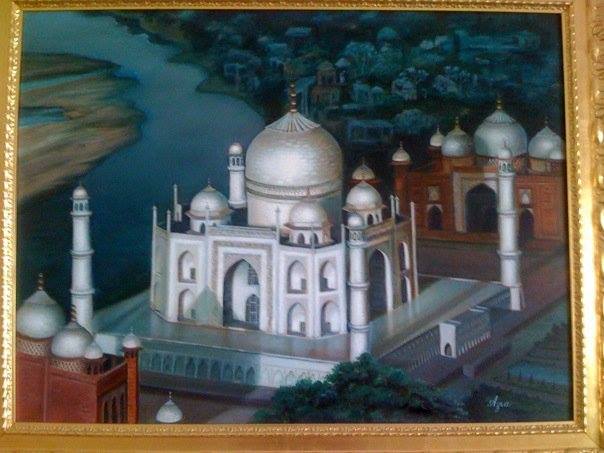
  • My Aunty Azra Husain is an amazing Artist, this is one of her Paintings. She speaks multiple languages including Farsi , Urdu and English .

    If you are an aspiring artist, you should connect with her, and tell her what you thought of her painting.

    Do also add her on facebook to see her beautiful paintings and amazing shares.

    She lives in Dubai
    My Aunty Azra Husain is an amazing Artist, this is one of her Paintings. She speaks multiple languages including Farsi , Urdu and English . If you are an aspiring artist, you should connect with her, and tell her what you thought of her painting. Do also add her on facebook to see her beautiful paintings and amazing shares. She lives in Dubai
    0 Kommentare 0 Anteile 297 Ansichten
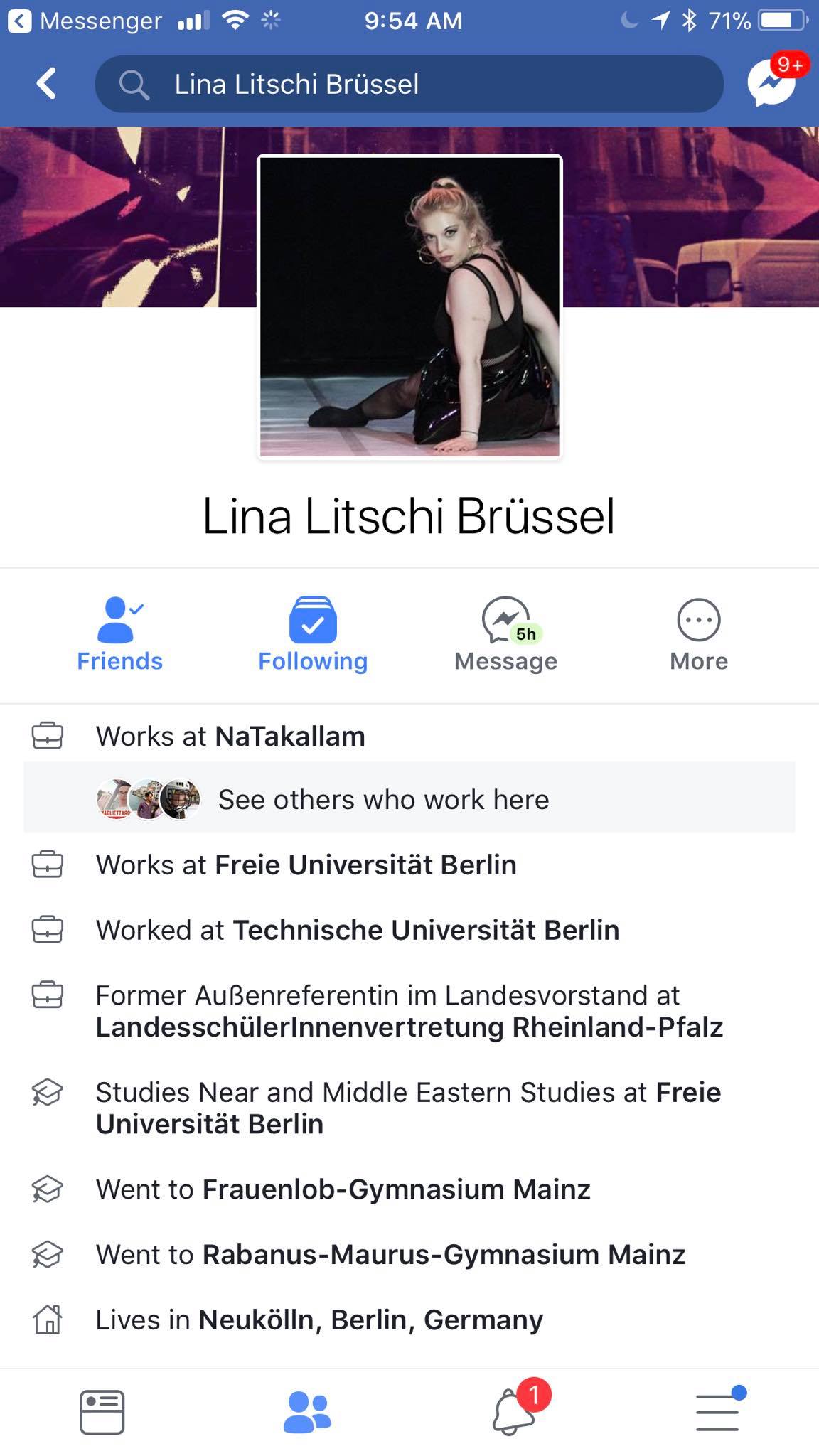
  • Do you want a job in Europe with Lina Litschi Brüssel

    NaTakallam (natakallam.com), a start-up connecting people who have been displaced with translation opportunities, is looking to expand its freelance translation teams! If you are a refugee/displaced person and have a background in translating these languages, send your CV and cover letter to linabruessel.natakallam@gmail.com: Urdu, Pashto, French, Farsi/Dari, Spanish, Portuguese, Oromo, Turkish.
    Do you want a job in Europe with Lina Litschi Brüssel NaTakallam (natakallam.com), a start-up connecting people who have been displaced with translation opportunities, is looking to expand its freelance translation teams! If you are a refugee/displaced person and have a background in translating these languages, send your CV and cover letter to linabruessel.natakallam@gmail.com: Urdu, Pashto, French, Farsi/Dari, Spanish, Portuguese, Oromo, Turkish.
    0 Kommentare 0 Anteile 320 Ansichten
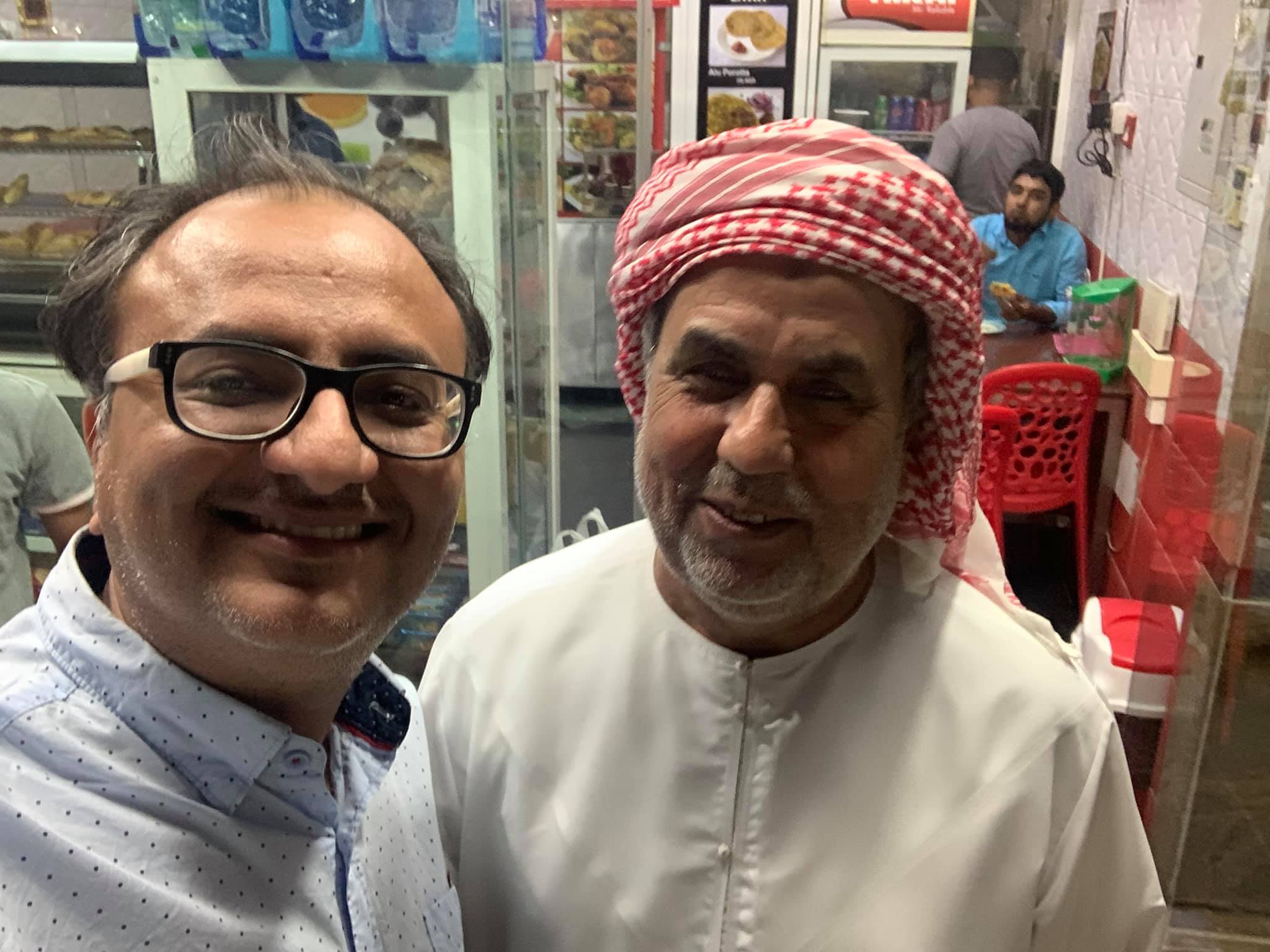
  • Today I met Haji Mirjan from Dubai !

    He has been in Dubai for 40 years and has helped many people get jobs here !

    You can also ask for help from him to get a job !

    He speaks english, urdu, Bengali, Pashto, Farsi and many other languages !

    Do connect and interview !
    Today I met Haji Mirjan from Dubai ! He has been in Dubai for 40 years and has helped many people get jobs here ! You can also ask for help from him to get a job ! He speaks english, urdu, Bengali, Pashto, Farsi and many other languages ! Do connect and interview !
    0 Kommentare 0 Anteile 376 Ansichten
  • Meet the Islamic Scholar Marcia Hermansen who speaks Urdu, Farsi , and 6 other languages
    Meet the Islamic Scholar Marcia Hermansen who speaks Urdu, Farsi , and 6 other languages
    0 Kommentare 0 Anteile 400 Ansichten 0
Suchergebnis